
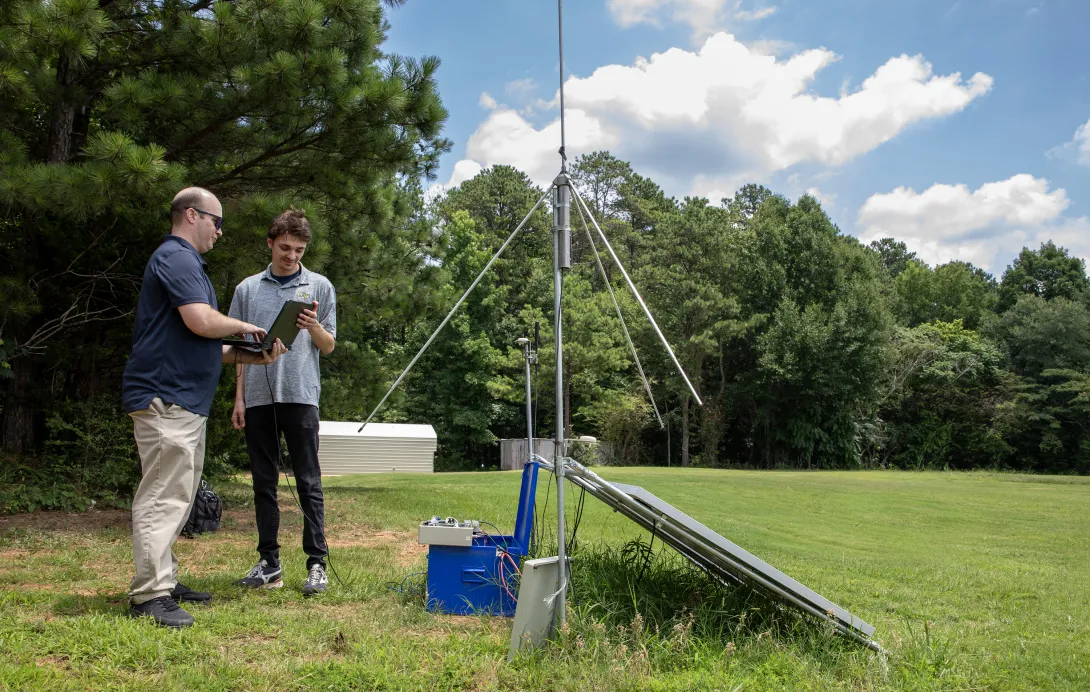
GTRI researchers set up a lightning mapping array unit at a location near Atlanta.
As soccer enthusiasts from around the globe made their way to World Cup matches and visited outdoor FIFA Fan Festival events in Atlanta, a lightning tracking system operated by the Severe Storms Research Center (SSRC) at the Georgia Tech Research Institute (GTRI) was providing weather forecasters information that could help protect the fans.
The North Georgia Lightning Mapping Array (NGLMA) uses specialized detection equipment to generate detailed maps of the lightning that occurs in the metropolitan Atlanta area. Through a collaboration between GTRI and the National Weather Service (NWS), the array provided continuous lightning information to agencies responsible for visitor safety.
“The North Georgia Lightning Mapping Array is providing decision-support information to agencies responsible for protecting events in Atlanta related to the World Cup,” said Michael Peterson, director of the GTRI Severe Storms Research Center (SSRC). “The system has been up and running and gave us excellent measurements of the thunderstorms that occurred in mid-June. It complements the other sources of weather information that the agencies have available.”
Read the full article on the Georgia Tech Research Institute news page
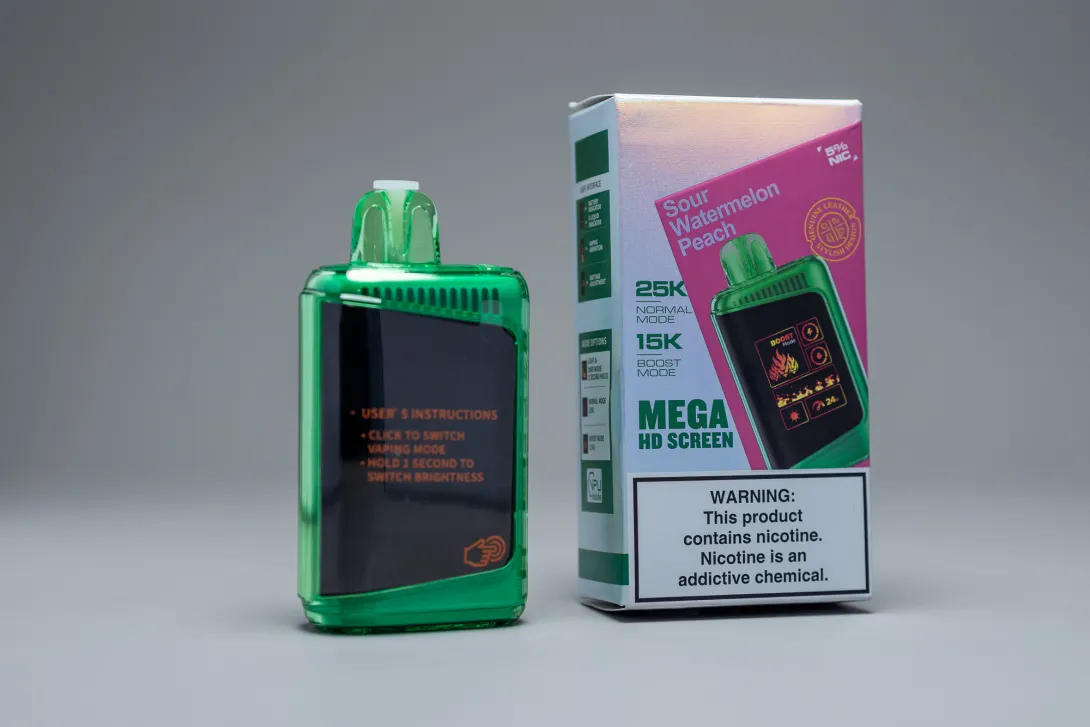
Image shows an example of an e-cigarette device containing screens. (Credit: CDC Foundation)
E-cigarettes, also known as vapes, are battery-operated devices that heat a liquid that typically contains nicotine, an addictive substance. These devices are continually changing, with new flavors, novel device designs, and digital screens. Some of these e-cigarettes — sometimes called “smart vapes”— include built-in games and Bluetooth connectivity that have the potential to gamify the use of nicotine. Many of these devices are marketed online but cannot be easily monitored with existing data sources and methods.
A new study published July 9 in the journal Nicotine and Tobacco Research demonstrates how artificial intelligence (AI) can be used to automatically detect and classify new e-cigarette devices with screens. The study, led by Georgia Tech Research Institute (GTRI) scientists, in collaboration with the CDC Foundation, analyzed publicly available product images from online tobacco retailers.
“Monitoring online e-cigarette marketing is like a game of Whack-A-Mole, with so many new products and features popping up,” said Kristy Marynak, PhD, Senior Director for Tobacco Control Initiatives at the CDC Foundation and a study author. “This study shows how machine learning techniques can shed light on the online e-cigarette marketplace and the vast quantities and types of e-cigarette products available.”
Read the full article on the Georgia Tech Research Institute news page

©JAXA, The University of Tokyo, Chiba Institute of Technology, Institute of Science Tokyo, AIST, Paris Observatory, IAC. ONC-T image details: Capture date & time: 2026/07/05 at 18:29:59 JST (preliminary estimate).
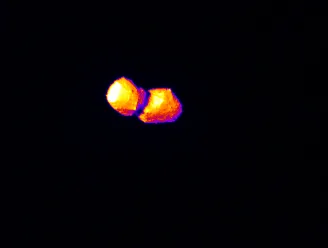
©JAXA, Maebashi Institute of Technology, Chiba Institute of Technology, The University of Aizu, Hokkaido University of Education, AIST TIR image details: Capture date & time: 2026/07/05 at 18:29:58 JST (preliminary estimate), Distance to Torifune: approximately 10 km.
On July 5, a Japanese spacecraft soared past an asteroid containing some of the oldest known materials in the solar system. A Georgia Tech researcher helped guide the mission.
The Japan Aerospace Exploration Agency’s (JAXA) Hayabusa2 Extended Mission conducted a flyby of the asteroid Torifune. Toshi Hirabayashi, associate professor in the Daniel Guggenheim School of Aerospace Engineering and a member of the Space Research Institute, helped select the target asteroid and developed the spacecraft’s final orientation and trajectory for the encounter. The mission marked the world’s first successful use of a laser altimeter during a high-speed flyby of a small celestial body. Hirabayashi was in Japan for the operation.
Traveling at nearly 5 kilometers per second, the spacecraft captured visible and infrared images of Torifune, documenting its unique shape and surface and revealing evidence of geological diversity. The asteroid resembles a dumbbell, with two chunks connected by a neck obscured in shadow.
The spacecraft also detected data signals from the laser altimeter and the near-infrared spectrometer. The laser altimeter received two data points, and the near-infrared spectrometer detected multiple points during a narrow observation window. Researchers hope the observations will help them better determine the flyby conditions at high accuracy and understand how asteroids evolve and what they can reveal about the earliest days of the solar system.
Hirabayashi previously contributed to JAXA’s landmark mission that returned asteroid samples to Earth. But the Torifune flyby presented a different set of challenges.
“The spacecraft was not designed for flyby operations, so there are many constraints,” he said. “It was necessary to develop a new strategy to maximize science data acquisition.”
The knowledge gained from the mission could strengthen international planetary defense efforts. The data will help scientists better understand how asteroids move through space and how to observe them effectively. The researchers hope Torifune will offer insights not only into the origins of planets but also into how humanity can better prepare for future asteroid threats.
"Planetary defense is a critical aspect for the public," Hirabayashi said. "Georgia experienced an airburst [when a meteoroid bursts mid-air] event in 2025. While the event was small, a larger event may get people hurt. Hayabusa2's flyby experience will be critical for acquiring the knowledge and skills needed to better observe such a potential threat.”
This research is funded by the Space Research Institute.
News Contact
Tess Malone, Senior Research Writer/Editor
tess.malone@gatech.edu

Lead story image for Scheller News story "Data Centers Are Booming. Who Benefits?" A hazy photo of an electronic board, possibly an internal image of a data center.
Artificial intelligence is reshaping how businesses operate and driving a historic surge in data center construction across the United States. These sprawling facilities, sometimes spanning more than 1,000 acres, represent one of the largest waves of capital investment in American history.
For communities across the country, this growth hits close to home, and not without controversy. What do data centers actually deliver for the local economies that host them?
New research from Daniel Yue, assistant professor of Information Technology Management at Georgia Tech’s Scheller College of Business, and his co-author, Yiyang Zeng, examines how data center openings affect local jobs, wages, business activity, and electricity prices. Their findings suggest that geography plays a decisive role in whether communities see meaningful economic gains.
“Enormous amounts of capital are flowing into specific communities, much of it tied to new construction, while rigorous evidence on the local benefits of these facilities has been thin,” said Yue. “Community pushback has organized rapidly across the country. Our paper begins to fill that gap by providing new evidence using detailed, facility-level data paired with county-level economic indicators.”
A Historic Investment Wave
There are more than 2,500 data centers, either active or under construction, across the United States. Individual hyperscale facilities often cost more than $1 billion to construct and can consume as much electricity as a small city. Is it all worth it?
On average, Yue and Zeng found that when a data center opens, the host county sees a measurable lift: Employment rises by about 3.5%, wages by 5%, business establishments by nearly 5%, and household income by about 2%. Building permits also increase sharply, reflecting construction activity tied to new facilities.
These are real, economically meaningful gains. But Yue and Zeng discovered that these gains are much smaller than what might be expected from a large investment. And they’re not evenly distributed.
Why Metro Areas Benefit More
The researchers’ clearest finding is that metropolitan areas capture most of the economic benefits from data centers, while rural areas see far fewer spillover effects. While metro counties saw increases in employment and new business growth, non-metro counties saw no measurable gains.
The reason comes down to what economists call “agglomeration,” or economic density.
Data centers don’t operate in isolation. They rely on construction contractors, engineers, equipment suppliers, professional services, and a skilled workforce. Those connections are far easier to build in places that already have deep labor markets and established business networks.
Metropolitan areas are well-positioned to absorb the indirect spending that data centers generate. High-wage technical employees support restaurants, retail, and local services. Suppliers and contractors can scale up quickly. These spillover effects amplify the impact of the initial investment.
In rural areas, that amplification is much harder to achieve. Facilities tend to employ relatively few permanent workers — often fewer than 100 — and many specialized services are imported from outside the county. As a result, the broader economic ripple never materializes.
That doesn’t mean rural communities see no benefit at all. The research finds a small but real drop in unemployment rates in non-metro counties, and local governments may still gain tax revenue or infrastructure investments. But the sweeping job and wage growth often promised during local recruitment efforts will not likely arrive on its own.
“Location, not facility size, determines whether the local benefits show up,” Yue said.
The Hidden Cost: Electricity Prices
Yue and Zeng’s research also uncovers an important trade-off. Data centers use a lot of electricity. A single large facility can use as much power as roughly 80,000 homes. In areas where the researchers can cleanly measure price effects, electricity prices rise by about 5% after a data center enters.
“When the benefits to communities are small, even downsides like higher electricity prices that strain infrastructure will be felt by locals,” Yue shared.
Who pays for the increased cost of electricity isn’t straightforward. Yue and Zeng’s research suggests communities should ask specific questions about who pays for new infrastructure and how those costs will be distributed. Local utility companies divide costs differently among homeowners, businesses, and large industrial users, including data centers. Because cost-sharing systems vary by state, each data center development is unique.
What Communities Should Consider
As states and cities work to attract or push back against data center construction, Yue and Zeng hope their research will encourage more evidence-based decision-making.
For metro areas with strong labor markets and dense business ecosystems, data centers can deliver meaningful, though not transformative, economic gains. For rural communities, the positive impact is more complicated.
“In 10 years, communities will likely wish they had pressed harder on the quality of the decision itself, including whether the debate was evidence-based, whether their local economy was equipped to capture the gains, and whether the fine print aligned with residents' long-term interests,” Yue said. “It’s vital that communities look past flashy, headline incentive packages and focus on the details: tax abatement structures, electricity tariff arrangements, and who ultimately pays for infrastructure upgrades.”
As data centers continue to dot the American landscape, understanding where they create shared value — and where they don’t — will be critical for community leaders and policymakers alike.
Read More: The Local Economic Effects of Data Center Entry

Nature is beautiful, powerful and essential. But nature is not always gentle. The same biological world that gives rise to forests, coral reefs and human life also produces infections, cancer, genetic disease, crop blights and toxins. Natural processes can heal, sustain and inspire, but they can also destroy.
That dichotomy is part of what drives the field of synthetic biology: where scientists apply engineering principles to learn from and carefully adapt nature’s biological systems to address human problems. By understanding biological systems, scientists can carefully redirect them when natural processes cause harm.
This principle has shaped my work as a biomedical engineer for over two decades. My lab studies how to program cells in order to better understand their behavior and ultimately use them as medicine. The goal is not to discard or replace nature, but to learn from biological principles and use that knowledge to responsibly help society.
Researchers announced on July 2, 2026, that they had created the first synthetic cell built from purified, nonliving components.
The lab’s cell-like system, dubbed SpudCell, raises key questions: What does it take to build a cell from scratch? If scientists assemble something that feeds, grows, copies genetic material and divides, have they created life?
How to Create Cells From Scratch
Natural cells are astonishingly complicated. Researchers want to use synthetic cells to learn more about how life works, and they are doing this by rebuilding some of life’s basic features in a simpler, more understandable form.
Earlier designs of minimal cells, used to test which components are necessary for lifelike behavior, began with existing living cells and reduced the size of their genomes. A minimal cell is useful because it is simple, but that simplicity comes at a cost. It may reveal which parts are needed for lifelike behavior, but it usually lacks the autonomy, resilience, metabolism and evolutionary capacity of natural cells.
Instead, synthetic cells are built through a bottom-up engineering approach. Scientists start with a simplified compartment – a kind of biological “box” – and ask what must be added for it to behave more like a living cell. A membrane separates the inside from the outside. Genetic material stores instructions. Molecular machinery reads those instructions to make molecules. Energy sources power reactions. Other components can allow growth, division and adaptation.

A useful way to think about synthetic cells is to compare them with technologies society already depends on. The radio wasn’t invented all at once. Engineers learned how to combine an antenna, tuner, amplifier, power source and speaker to convert invisible electromagnetic waves into sound. A car is not just a metal shell; it becomes transportation only when a frame is connected to wheels, brakes, steering, an engine, and transmission and control systems. A computer began with switches and strings of ones and zeros that could be assembled into circuits capable of storing and processing information.
Similarly, SpudCell was assembled from the bottom up with purified, nonliving parts. Researchers used lipid molecules to create a cell-like membrane, DNA molecules to store genetic instructions, purified enzymes to copy and read those instructions, and other molecular machinery to help build proteins and other molecules from small chemical building blocks, such as amino acids and nucleotides.
SpudCell is exciting scientists because it appears to bring several features of life together in one system. The researchers describe it as capable of feeding, growth, genome replication, genetically encoded division and something close to evolution. These features resemble a biological cell cycle.
Close to Life, But Not Quite
While SpudCell is an important milestone in the field, it stops short of being a fully synthetic living cell. A membrane-bound compartment containing DNA is not automatically a living cell, just as a pile of car parts is not a car.
SpudCell can carry out several life-like processes, but it is not independent. It still relies on carefully controlled laboratory conditions and on researchers to supply its molecular machinery. It doesn’t reliably pass on its genetic material or spontaneously evolve the way natural cells do.
To approach life, a synthetic cell must coordinate many processes at once. NASA describes life as a “self-sustaining chemical system capable of Darwinian evolution,” meaning it must independently use energy, copy information, grow, divide, respond to its surroundings and persist over time. Natural cells do this with extraordinary reliability because they are the products of billions of years of evolution.
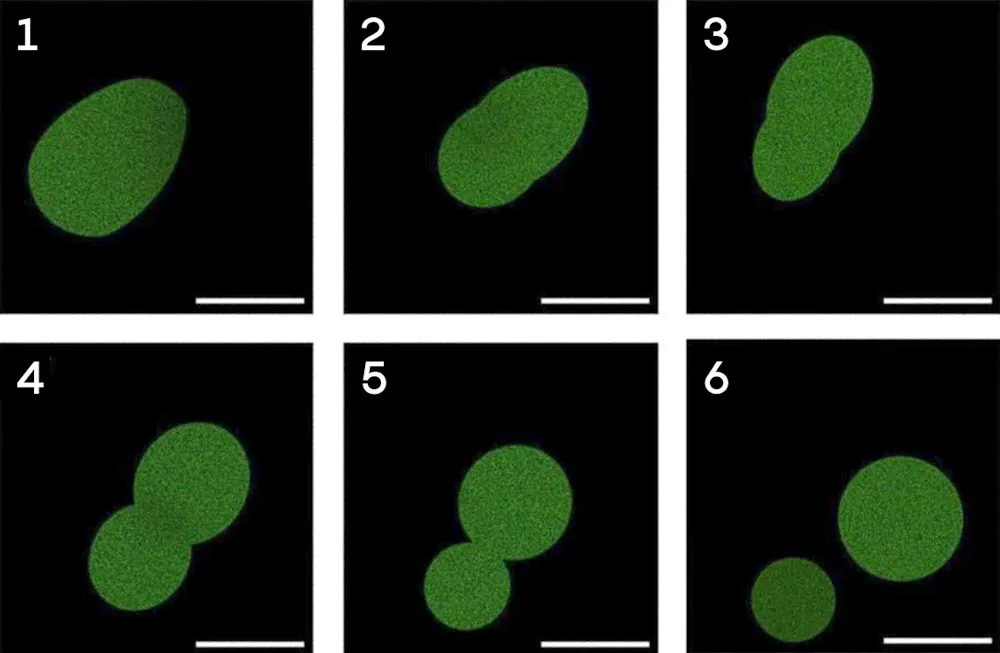
SpudCell still falls short of that standard. It depends on researchers to continuously supply it with the molecular machinery to function and to physically help it divide. It also cannot reproduce indefinitely outside a carefully controlled laboratory environment. In other words, SpudCell may have been built rather than born, but it is not yet autonomous life.
That limitation does not make the achievement unimportant. In fact, it is scientifically valuable precisely because it exposes what is still missing to create life. Which parts are essential? Which processes must be coordinated? How much complexity is necessary before chemistry begins to look like biology?
Why Create Synthetic Cells?
Those questions have practical importance. Answering them can help scientists and engineers design safer biological systems for a wide range of industries.
Synthetic cells allow scientists to more cleanly test how the surrounding membrane separates the inside of a cell from its environment, how genetic instructions are read, how energy is used, and how growth and division are coordinated. These cell-like systems could eventually become simplified test beds for studying biological circuits, disease mechanisms and the origins of life.
They could also help scientists build safer systems for making medicines, fuels or materials, detecting environmental toxins, or delivering therapies without relying on fully living organisms.
More broadly, synthetic biology connects medicine and biotechnology: Viruses can be redesigned into vaccines or gene therapy, immune cells can be reprogrammed to recognize cancer, and microbes can be engineered to make useful molecules, such as insulin, or detect pollutants.
Similarly, researchers could use synthetic cells to deliver a drug only to diseased tissue, or create microbial systems that detect toxins or pathogens in water. They can also act as simplified biological factories that can make medicines without requiring a fully living organism, or as biosensors providing early warning of dangerous threats, such as bioweapons.
Creating Life Responsibly
The philosophical question “Is SpudCell alive?” may not have a simple yes or no answer.
Depending on whether your definition of life emphasizes metabolism, reproduction, evolution, autonomy or cellular organization, the boundary between living and nonliving can look very different.
Life is not defined by one property alone. Viruses contain genetic information but depend on host cells to reproduce. Mitochondria perform essential metabolism but cannot live independently outside of cells. A seed can remain dormant for years before resuming growth.
When synthetic biology is guided by a strong sense of responsibility, scientists can learn how to redirect harmful processes, build safer tools and help society. This requires not only asking whether biological systems can be built, but also whether their creation should be controlled, where they should function and what safeguards are needed.
Over the past two decades, scientists have built many kinds of biological kill switches – that is, genetic circuits that can shut down engineered cells under specific conditions. Some researchers have made cells dependent on a specific nutrient. Others have created cells that can survive only in a particular environment or activate self-destructive pathways when conditions change.
Kill switches are not magic off buttons and do not replace careful regulation, physical containment or public oversight. But they are an important example of synthetic biology’s moral compass: to not only build useful biological tools, but to build them with safety, accountability and humility in mind.
This article is republished from The Conversation under a Creative Commons license. Read the original article.
News Contact
Author:
Tara Deans, associate professor, Wallace H. Coulter Department of Biomedical Engineering
Media Contact:
Shelley Wunder-Smith
shelley.wunder-smith@research.gatech.edu
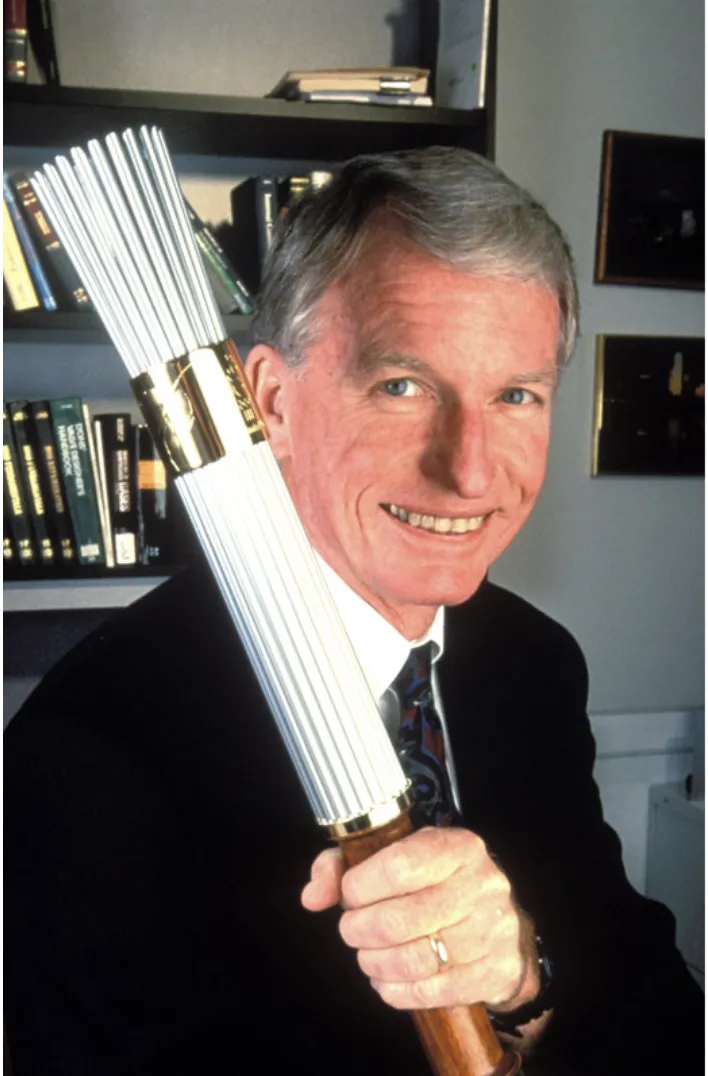
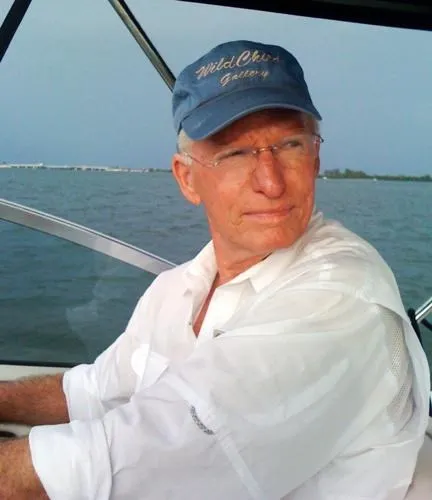
Sam Shelton, founding director of the Strategic Energy Institute (SEI), longtime professor in the George W. Woodruff School of Mechanical Engineering, and designer of the torch for the 1996 Atlanta Olympic Games, passed away on June 20, 2026.
Colleagues and friends remember Shelton as a dedicated mentor, collaborator, and educator, whose curiosity, generosity, and sense of humor left a lasting impression on students and peers.
“Sam exemplified the very best of Georgia Tech, and his legacy will continue to inspire generations of engineers and educators,” said Tim Lieuwen, executive vice president for Research at Georgia Tech. “I am deeply grateful for his friendship, mentorship, and leadership. My heartfelt condolences go to his family, and to the many students, colleagues, and friends whose lives he touched.”
A nationally recognized leader in energy systems, Shelton founded SEI as an interdisciplinary organization that brought together engineers, researchers, policy experts, and industry leaders to advance high-impact energy solutions. That vision remains central to SEI’s mission and continues to guide its work today.
“Sam was the quintessential engineer and innovator, whose vision was always accompanied by the development and demonstration of actual products instead of leaving them as promising concepts,” said Srinivas Garimella, Hightower Chair in the College of Engineering and professor in the George W. Woodruff School of Mechanical Engineering. “He had the rare ability to see through nebulous ideas and claims and get to the fundamental engineering truths. I am fortunate to have had the opportunity to seek his advice, which he freely gave. I will miss his friendship and counsel very much.”
During a career of more than 35 years, Shelton made lasting contributions to sustainable energy and engineering innovation. His work spanned combustion research, solar energy technologies, and offshore wind systems. He secured more than $30 million in research funding, held eight patents, founded two energy-focused companies, and helped translate research into real-world energy solutions.
In addition to his research, Shelton was deeply committed to education. During his academic career, he developed undergraduate and graduate courses in energy technology, teaching both in person and online. His Energy 101 course reached tens of thousands of learners through a massive open online course platform, covering topics such as energy supply, independence, economics, and society’s energy demands.
“When I first started at SEI in 2016, Sam and I would meet for lunch to discuss the latest research, consider how far we've come since the Carter administration, and grapple over the world’s energy problems,” said Rich Simmons, SEI’s director of Research and Studies. “Sam was genuine and objective, not working backward from a preconceived notion, but working forward with an open mind to understand, appreciate, and apply the first and second law. He was also colorful and witty! We are all privileged to pay these lessons forward to future energy students.”
Beyond academia, Shelton’s engineering expertise reached a global stage as the designer of the Olympic torch for the 1996 Atlanta Games, an enduring symbol of innovation recognized worldwide. “The Olympics represented world peace, mankind coming together, and overcoming adversity. It was an amazing event to think about, to witness, to live through, and be a part of helping to create it,” Shelton said in a 2016 interview.
Shelton is survived by his daughters, Suzie and Stacy, three granddaughters, and a wide network of students, colleagues, and collaborators. His legacy continues through the programs he built, partnerships he fostered, and the people he helped.
A memorial service celebrating Shelton’s life will be held Aug. 1 at 1 p.m. at The 57th Fighter Group Restaurant in Atlanta. The family asks that, in lieu of flowers, memorial gifts be directed to Roll Call, Georgia Tech’s Fund for Excellence. Donations may be made at gtalumni.org/SamShelton.
News Contact
Priya Devarajan || SEI Communications Program Manager
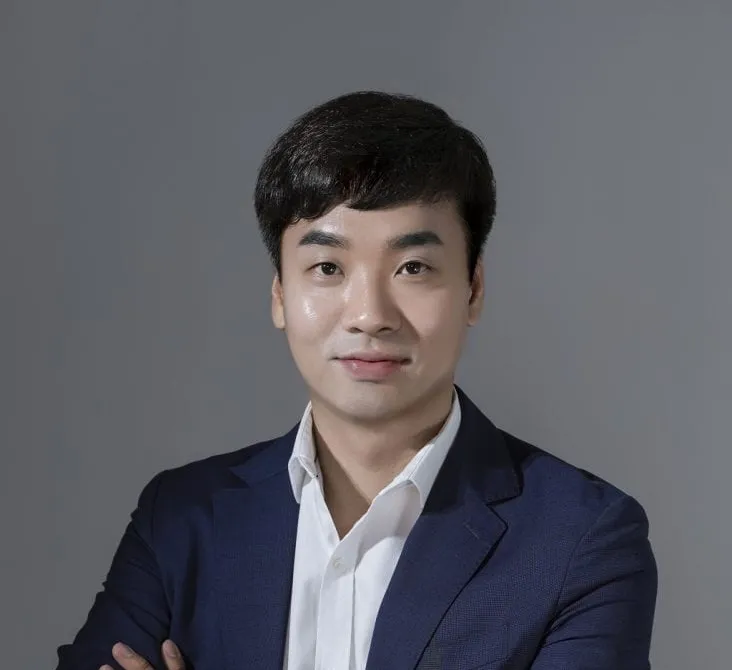
Brian An, EPIcenter Faculty Affiliate and Assistant Professor in Georgia Tech’s Jimmy and Rosalynn Carter School of Public Policy
Energy resilience broadens the scope of urban policy
Housing and transportation are top priorities for many city mayors, policymakers and public policy researchers—including Brian An, an assistant professor at Georgia Tech’s Jimmy and Rosalynn Carter School of Public Policy. But in February 2021, soon after Winter Storm Uri wreaked havoc in Texas, an eight-hour power outage at his Atlanta home became an epiphany.
“While housing stability had long been on my mind, losing power drove home the importance of another piece of urban infrastructure: reliable access to electricity,” says An, an EPIcenter faculty affiliate and co-director of the Center for Urban Research. “It sparked my interest in studying the intersection of energy and urban policy to help make cities and communities not only socially equitable but also resilient to extreme weather.”
News Contact
Story Written by: Silke Schmidt
News Contact: Priya Devarajan, Research Communications Program Manager
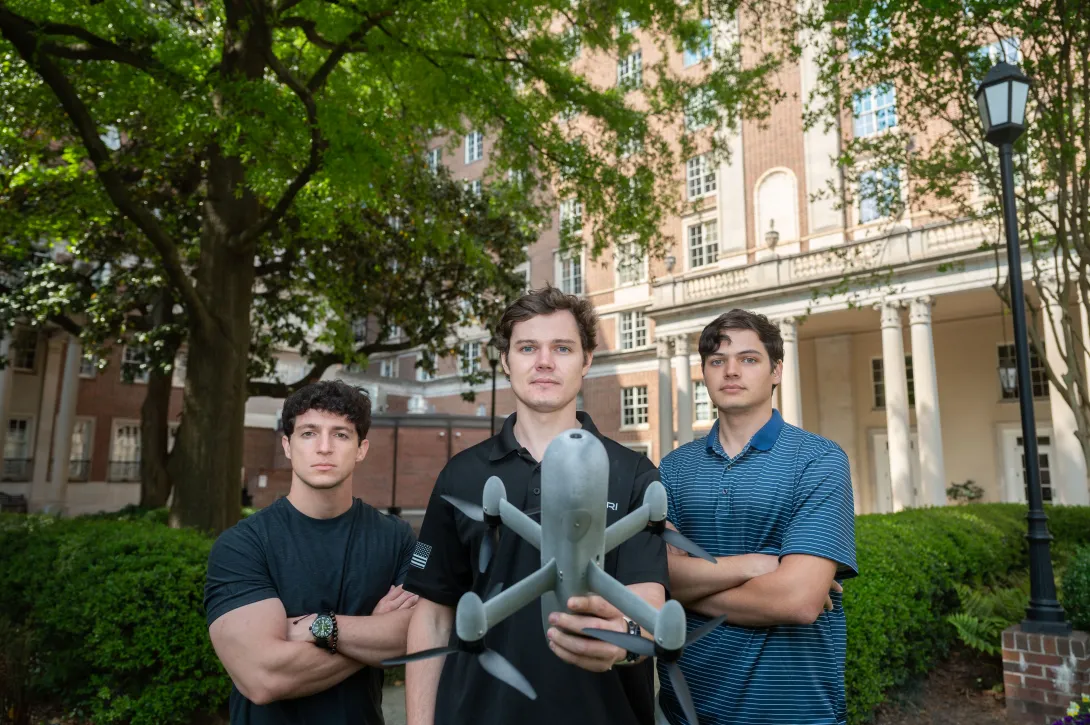
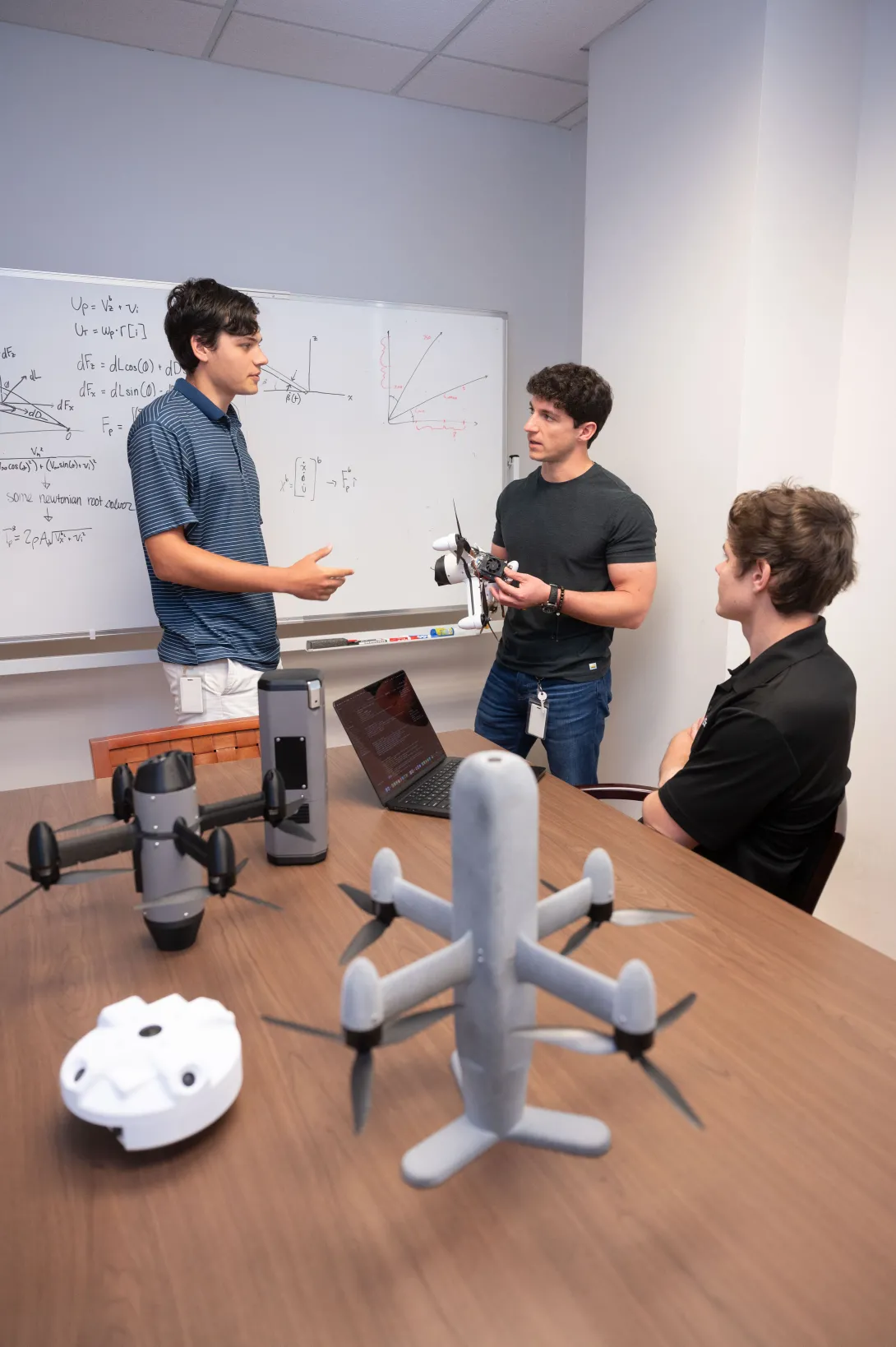
When Robbie van Zyl first started working with drones, it was not for defense. It started with curiosity.
As a high school student, van Zyl spent summers in a Georgia Tech aerospace lab, where he was introduced to rotorcraft and autonomous systems. By the time he enrolled at Georgia Tech, that early exposure had grown into a deeper interest. He became a competitive drone racer, gaining hands-on experience with the technology.
But even then, he recognized a growing risk.
“I was using this technology to have fun,” said van Zyl, founder and CEO of Askari. “But I also recognized it could equally be used to do very malicious things.”
That realization became the foundation for Askari, a counter-drone defense company developing systems designed to detect, track, and stop hostile drones.
A Real-World Problem Comes Into Focus
Van Zyl first pitched the idea for Askari as a first-year student through Georgia Tech’s CREATE-X Startup Launch, an accelerator that empowers students to launch successful startups. At the time, the concept of counter-drone defense was not widely seen as urgent. However, that perspective shifted as global conflicts began to demonstrate the impact of low-cost, unmanned systems.
The widespread use of drones in Ukraine revealed how inexpensive and accessible technologies could reshape modern warfare. Unmanned systems now account for a significant share of battlefield activity, exposing new vulnerabilities across defense and infrastructure.
“That was the first moment I could point to and say this is real,” van Zyl said. “This is not theoretical anymore.”
From Student Idea to Scalable Solution
Askari is building autonomous systems that can identify and neutralize drone threats in real time. The company’s technology is designed to distinguish among objects such as drones, people, and the surrounding environment, allowing it to respond with precision.
“We are building systems that can understand what they are looking at,” van Zyl said. “They can tell the difference between a drone, a person, or a tree, and act accordingly.”
Unlike traditional defense systems that rely on expensive infrastructure, Askari is focused on developing solutions that are scalable and accessible to a wider range of users, including frontline operators and security teams. The goal is to provide a faster, more adaptable approach to this challenge.
The company has raised approximately $1.7 million in early funding and is already working with U.S. Department of Defense customers, with growing demand for counter-drone solutions. The team has expanded to 10 people and is scaling to meet that demand.
The Role of CREATE-X and Georgia Tech
Georgia Tech’s commercialization ecosystem played a critical role in Askari’s development.
Through CREATE-X, van Zyl was able to test and refine his idea while gaining exposure to the fundamentals of building a company. He also gained access to a community of founders, mentors, defense leaders, and builders who helped him navigate early-stage challenges. The experience provided an environment to pressure-test the concept and receive feedback, helping him better understand how it could function in real-world scenarios. At the time, the idea was still taking shape, but it helped clarify how it could evolve into a viable solution.
After gaining experience in the robotics and defense sectors, van Zyl reengaged with Georgia Tech, where the Institute’s network of mentors, resources, and programs helped accelerate the company’s growth.
“Georgia Tech has been instrumental,” van Zyl said. “We would not be where we are today without it.”
Today, Askari operates out of The Biltmore, home to CREATE-X and part of Georgia Tech’s innovation ecosystem in Tech Square, placing the company back within the same environment where the idea first began.
“Askari is a strong example of what we aim to do,” said Rahul Saxena, CREATE-X director. “Students building companies that address real, emerging challenges. It reflects the kind of thinking we want to encourage early on, paired with the ability to continue developing an idea as the need becomes clearer. That progression is a critical part of how students move from concept to company.”
Returning to Atlanta to Build
After graduating, van Zyl gained experience working in robotics and autonomous systems, including in Silicon Valley. He also spent time building the company outside of Atlanta before ultimately returning.
The decision to come back was both strategic and mission-driven.
Many of Askari’s customers, including Department of Defense organizations, are based in the Southeast. Being in Atlanta allows the company to remain close to those partners while continuing to build within Georgia Tech’s ecosystem. The company’s return also reflects its deep ties to Georgia Tech’s talent pipeline. van Zyl’s co-founders include his younger brother, Marc van Zyl, a Georgia Tech computer science student, and Benjamin Airdo, a close friend and mechanical engineering graduate. Eight of the company’s 10 team members are connected to the Institute as current students, graduates, or researchers.
A Broader Vision for Security
While Askari’s current focus is counter-drone technology, van Zyl sees the startup’s mission as part of a larger shift in how modern warfare is evolving.
For the first time, autonomous systems powered by artificial intelligence are moving beyond the digital world into physical environments. That transition introduces new risks that extend beyond traditional defense scenarios.
“This is not just a drone problem,” van Zyl said. “It is the broader proliferation of robotics in real-world environments.”
From Campus to Impact
Askari’s trajectory reflects how Georgia Tech’s commercialization ecosystem supports founders as they move from early ideas to companies.
From its start in CREATE-X to its return to The Biltmore, the company remains closely tied to the Institute while building technology focused on real-world deployment and impact.
“We want to build systems that help protect people,” van Zyl said. As Askari continues to grow, that focus remains central to its mission.
News Contact
Lacey Cameron Lcameron30@gatech.edu
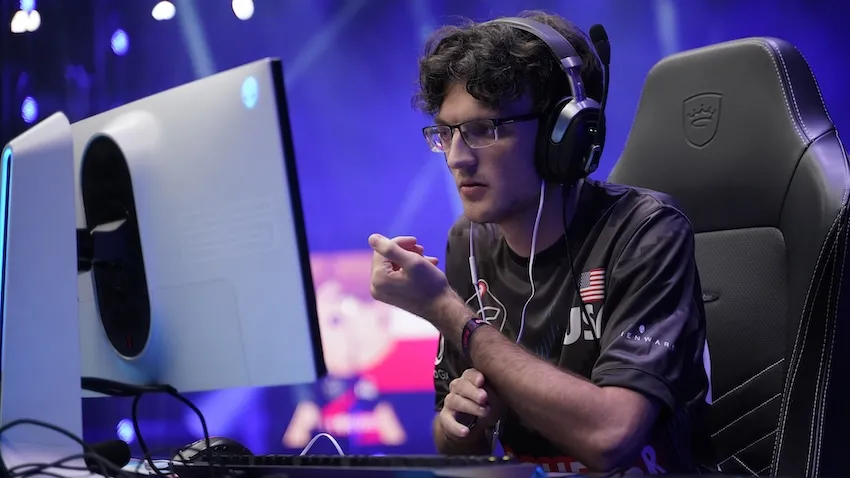
The house in the distance, with a red, hip-shaped roof and white walls, tells Radu Casapu that this place is probably somewhere in Spain or Portugal.
The surrounding trees resemble those of a eucalyptus forest, which could indicate northern Portugal or the Spanish region of Galicia.
It’s the signposts on the road that give it away. They are flat and wide, which is common in Spain but not in Portugal.
Casapu, a master’s student in Georgia Tech’s School of City and Regional Planning, correctly reasons that the picture of a road he’s looking at is in Galicia.
Give Casapu a photo, and he will likely be able to tell you where it was taken.
“I start with infrastructure clues that are specific to a country, region, state or province,” Casapu said. “They include roads or electricity poles, which often remain consistent throughout a country. Once you narrow down the country, you can use more specific factors like vegetation, specific landscapes, or architecture, because these are very nuanced. It’s a top-down approach.”
This is why Casapu is the reigning GeoGussr World Champion — and the ideal expert to test vision-language models (VLMs) on how good they are at geolocation.
GeoGuessr is a geography browser game launched in 2013 that invites players to guess the location of random Google Street View images. Casapu was already known as one of the top players in the world before he won the third annual GeoGussr World Championship in September.
At the beginning of the spring 2025 semester, School of Interactive Computing professor James Hays reached out to Casapu and invited him to collaborate on a new project. Hays was looking to create a dataset to evaluate VLMs' geolocation ability and reasoning.
“VLMs are surprisingly good at geolocation right out of the box, even when they’re not trained to be good at it,” Hays said.
Hays and his colleagues, associate professors Alan Ritter and Wei Xu, took issue with many AI companies claiming that the VLMs they were releasing were not good at geolocation.
“When Open AI released GPT 4 Vision, there were privacy concerns about the model’s ability to geolocate someone based on photos they’ve shared on the internet,” Ritter said. “Open AI said this wasn’t a concern and claimed the model wasn’t good at geolocation beyond being able to recognize a city or famous monument. We found that wasn’t the case. These VLMs are state-of-the-art at image geolocation tasks.”
Show Your Work
Hays and Ritter enlisted a team of some of the world’s top geolocators. It consisted of Casapu, Joshua Diao, a master’s student in computer science, and Tejas Santanam, a Ph.D. student in industrial engineering. They each received 500 images to geolocate.
Team members recorded their reasons for each of their answers. The result was GeoRC, the first benchmark for VLM geolocation performance, consisting of 800 “ground truth” reasoning chains.
Hays and Ritter gave the same images to GPT 5, Gemini, Llama, and Qwen. The highest-performing model geolocated with 90% accuracy — not far off from the team’s 96% score.
However, a major distinction showed up in the reasoning chains. While Casapu and Diao provided clear explanations for how they deduce each location, the VLMs either couldn’t provide reasoning for their guesses or were vague in their answers.
“The research community has been demanding explanations from these models,” Hays said. “For example, how do they know the location is in Italy?”
Hays has been researching this subject for almost 20 years. As a Ph.D. student at Carnegie Mellon University in 2008, he was the first researcher to take a machine learning approach to geolocation. He introduced a new algorithm that could estimate a geographic location from a single image.
“When experts have audited these reasoning chains, we’ve noted many suspicious or hallucinated attributes,” he said. “When they hallucinate a geographic property, why is it so often consistent with the correct guess?
“I believe they’re not revealing the true reasoning pathway that they used to determine the image was Italy. They’re just implicitly recognizing that it was Italy for many reasons, then hunting for evidence to support that. Some of the things they say are true and supported by the image, and some are fabrications.”
Practice Partner
Casapu said there may be only a handful of GeoGuessr players who can currently outperform some top-tier VLMs in geolocation, and it may not be long before no one can.
“I think it could be more difficult playing against these models than playing against another human because a human has the possibility of making mistakes at the top level,” Casapu said. “If a well-trained model has that level of consistency, that is far beyond a normal person, and it would be much more difficult to beat.”
He added that working with Hays and competing against a machine improved his skill level and provided valuable practice ahead of the world championship.
“It helps to take a step back and see why you’re making the guesses that you are,” he said. “Since then, I’ve taken a more methodical approach to how I practice. Writing these things down is a great way to see what you know and see why you make the guesses that you do. It’s been a great training tool.”
Casapu will defend his title at the 2026 GeoGussr World Championship in September.
Hays, Ritter, Xu, Casapu, Diao, and Santanm are all co-authors of a paper on GeoRC along with lead author Mohit Talrej and Ph.D. students Ethan Mendes and Jim Thannikary. The paper will be presented next week at the 64th Annual Meeting of the Association for Computational Linguistics (ACL) in San Diego.
News Contact
Nathan Deen
College of Computing
Georgia Tech
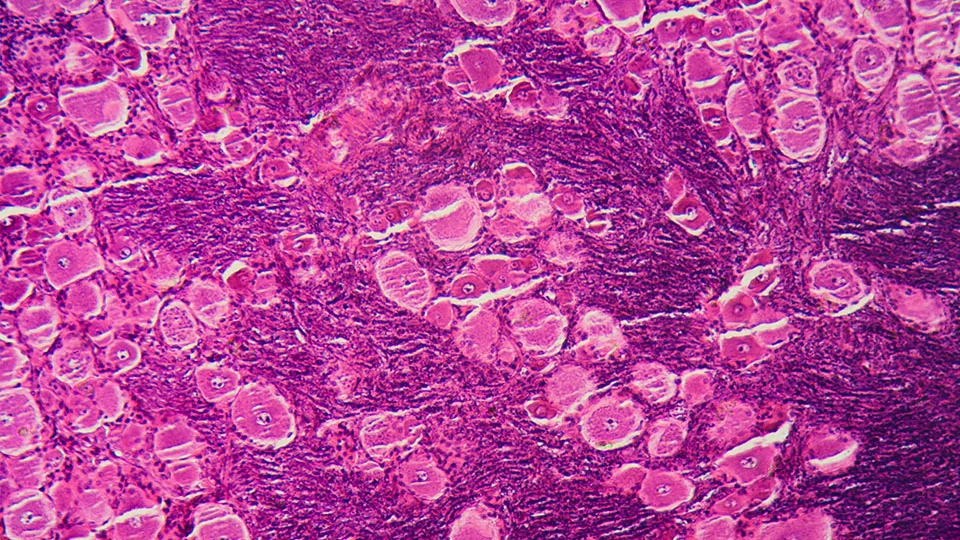
Scientists are able to use patient-derived tissue samples to grow miniature versions of human organs, allowing them to test new medications and disease treatments for personalized care.
For years, scientists studying the human gut have relied on a material that most people would never expect: a jelly made from mouse tumors. Called Matrigel, it is used to grow tiny, patient‑derived versions of the intestine that help researchers understand disease, test new drugs, and explore future therapies. However, since this material comes from animal tissue, it’s unpredictable, difficult to control, and limits medical applications.
A new study conducted by Georgia Tech researchers and partners from the Children’s Hospital of Philadelphia and University of Pennsylvania offers a promising alternative.
The work includes contributions from Andrés García, Regents’ Professor in the George W. Woodruff School of Mechanical Engineering and Executive Director of the Parker H. Petit Institute for Bioengineering and Bioscience, whose research focuses on how engineered materials can guide cell behavior. Instead of relying on a biological mixture with hundreds of variable components, the team created a fully synthetic gel designed to give intestinal stem cells exactly what they need to grow and organize into healthy tissue.
To build it, the researchers analyzed the genetic signals of human intestinal cells to understand what kind of environment they naturally prefer. They found that these cells latch onto collagen‑like structures and reshape their surroundings as they expand. Using that information, the team engineered a customizable gel that mimics those cues, without using any animal‑derived ingredients.
The results were striking. Human intestinal cells grown in the synthetic gel formed realistic, well‑organized small-scale digestive tract models that closely match those grown in the traditional animal‑derived material. They maintained the same cell types, developed the same structures, and preserved patient‑specific features.
The implications reach far beyond the lab bench.
A fully synthetic, precisely defined gel means researchers can grow small-scale organs more consistently and ethically, reducing reliance on animal tissue and improving reproducibility. It also opens the door to future medical applications, from personalized drug testing to regenerative therapies, where animal‑based materials simply can’t be used.
"Reproducible, well-defined culture conditions are essential to generating reliable data from patient-derived organoids in human disease research, and we were glad to contribute to work that brings the field a real synthetic alternative to Matrigel,” said Kathryn Hamilton, a co-author of the study. Hamilton is an associate professor at the University of Pennsylvania and a primary investigator at Children’s Hospital of Philadelphia.
By replacing one of the biggest barriers in organoid science, this work moves the field closer to a future where patient‑specific tissues can be grown safely, reliably, and at scale.
“We are excited about engineering this synthetic matrix as an alternative to natural materials and expect that it will accelerate human organoid research and clinical applications,” García said.
News Contact
Ashlie Bowman | Communications Manager
Parker H. Petit Institute for Bioengineering and Bioscience