
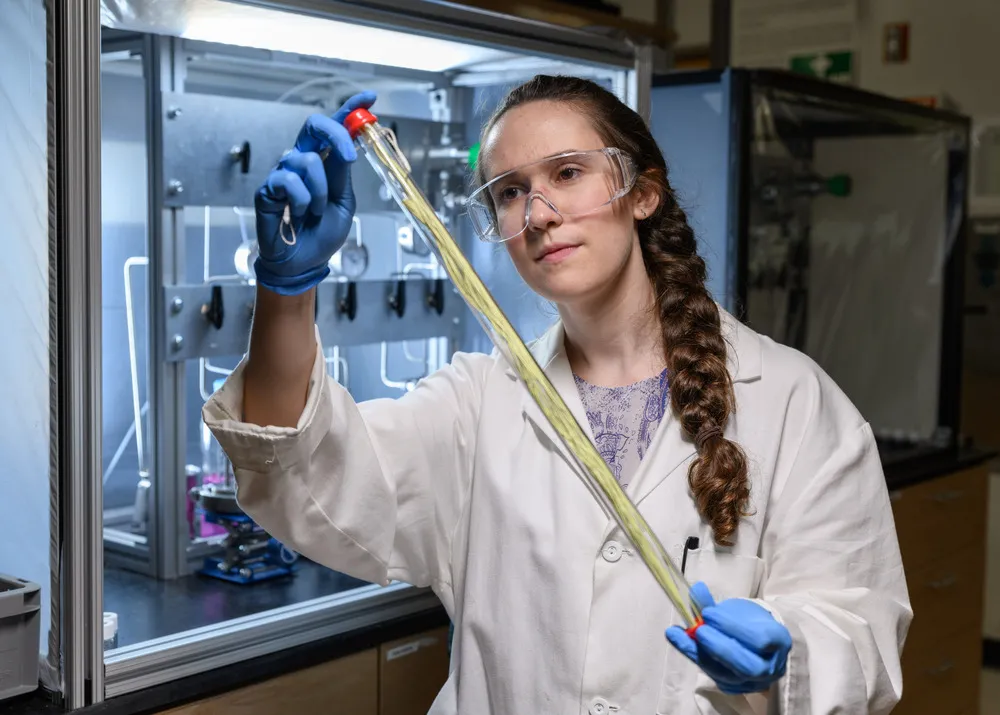
A Georgia Tech graduate student examines a hollow fiber membrane, used for low-energy chemical separation. New DOE Genesis Mission awards have bolstered innovative interdisciplinary work across the Institute, with Georgia Tech leading two projects and contributing to five more. (Photo: Rob Felt)
Georgia Tech will play a key role in the newly announced Genesis Mission, a national initiative harnessing artificial intelligence (AI) to propel scientific discovery and address challenges in health, energy, manufacturing, infrastructure, and national security. The White House announced the first Genesis Mission projects on July 22 as part of a more than $5 billion investment in AI-enabled science and technology.
Georgia Tech was chosen for multiple Genesis Mission awards. Faculty will lead two projects and collaborate on others with research partners across the country.
“Artificial intelligence is rapidly transforming how we conduct research and drive discovery,” said Tim Lieuwen, Georgia Tech’s executive vice president for Research. “These awards recognize Georgia Tech’s leadership in AI, advanced computing, engineering, and the sciences. By bringing together expertise from across our colleges and research units, we can help accelerate breakthroughs in areas that are crucial to the nation’s future — from energy and manufacturing to health and critical infrastructure.”
- Ameet Pinto, associate professor in the School of Civil and Environmental Engineering and faculty director for interdisciplinary research and collaboration for the Brook Byers Institute for Sustainable Systems, will lead “AI-Enabled Single Cell Phenotyping to Advance Biomanufacturing.” The project aims to advance AI-enabled approaches for understanding biological systems and strengthening next-generation biomanufacturing capabilities.
- Fan Zhang, assistant professor in the George W. Woodruff School of Mechanical Engineering, will lead the project, “AI Driven Workflow with Cyber Assured Digital Twin for Autonomous Operations in SMRs and Microreactors.” Her team will focus on developing AI-enabled digital twin technologies to support the safe, autonomous operation of advanced nuclear energy systems.
The additional Georgia Tech-supported awards span multiple disciplines and involve researchers from the Colleges of Engineering, Computing, and Sciences; the Ivan Allen College of Liberal Arts, the Brook Byers Institute for Sustainable Systems; the Institute for Robotics and Intelligent Machines; the Institute for Data Engineering and Science; and the Strategic Energy Institute.
- Marilyn Brown (Jimmy and Rosalynn Carter School of Public Policy) and Oak Ridge National Laboratory (ORNL) will build AI foundation models that predict and test water-for-energy conditions in the Tennessee Valley Authority region.
- Peng Chen (School of Computational Science and Engineering) will collaborate on two projects designed to improve predictions of both water availability and flood risks. He will partner with ORNL and the Argonne National Laboratory.
- Asif Khan (School of Electrical and Computer Engineering) will partner with the Lawrence Livermore National Laboratory to accelerate the discovery of new materials for a type of computer memory called Electro-Chemical RAM (ECRAM) to help create more energy-efficient AI systems.
- Fan Zhang’s second Genesis Mission project is a collaboration with ORNL to develop AI tools for the lifecycle of fusion plants, including robotics and maintenance.
- Samer Naif (School of Earth and Atmospheric Sciences) will collaborate with the University of Southern California on the project "AI-enabled Geobiological Critical Minerals Characterization and Recovery in Geothermal Systems."
- Shimeng Yu (School of Electrical and Computer Engineering) will partner with Duke University on the project, "Neuromorphic Circuit Primitives for Robotic Embodied Physical AI."
Georgia Tech’s role in the Genesis Mission highlights the Institute’s strong interdisciplinary research approach, which brings together experts across many fields to solve complex problems and rapidly advance innovation.
Note: Selection for award negotiations does not constitute a final funding award. According to the U.S. Department of Energy, awards remain subject to successful negotiations and the availability of funding. https://science.osti.gov/-/media/funding/pdf/Awards-Lists/2026/GM-RFA-Awards-List.pdf
News Contact
Angela Ayers
AVP of Research Communications
-Written by Seungho Lee
Recycled materials promise a cleaner future, but recycled content alone does not necessarily make a product sustainable. At Georgia Tech’s Daedalus Lab, assistant professor, National Science Foundation CAREER Award recipient, and Brook Byers Institute for Sustainable Systems Faculty Fellow Christos Athanasiou and postdoctoral researcher Danqi Sun are working to provide greater certainty to designers and engineers by rethinking how materials are tested for their fracture characteristics. Their article in Science Advances details a new testing protocol that reduces cost, increases speed, and simulates real-world conditions.
Materials shape nearly every part of modern life, from packaging and consumer products to bridges and medical devices. Choosing the right material involves balancing durability, cost, manufacturability, and environmental impact. Yet those decisions are not always guided by a clear understanding of how materials age and fail under real-world conditions, especially for recycled materials like plastics.
One way that materials frequently fail is by cracking. A small crack can begin almost invisibly. Over time, it can spread from regular wear and tear and exposure to common environmental factors like moisture, temperature fluctuations, or even dirt. Eventually, the crack expands, and the part fails. Engineers have studied fracture for more than a century, but connecting the science of cracking to practical decisions about sustainability remains a major challenge.
The characteristics of recycled plastics often vary from those of the same material in unrecycled, or virgin, form. Products made from recycled plastics may be sold with sustainability claims under the assumption that they will perform as if they were made with virgin material. However, premature failure requiring repair or replacement can quickly change the sustainability equation as well as the acceptance of recycled materials by manufacturers and consumers.
Beyond Conventional Fracture Testing
Materials rarely fail due to a single factor. They may be exposed to several factors simultaneously, such as mechanical loading, chemical environments, temperature changes, moisture, and time. Traditional fracture protocols test one specimen at a time under carefully controlled laboratory conditions, which bear little resemblance to the real world. To move beyond this limitation, Sun developed an in-situ, high-throughput platform capable of studying how materials degrade and fail under more realistic conditions.
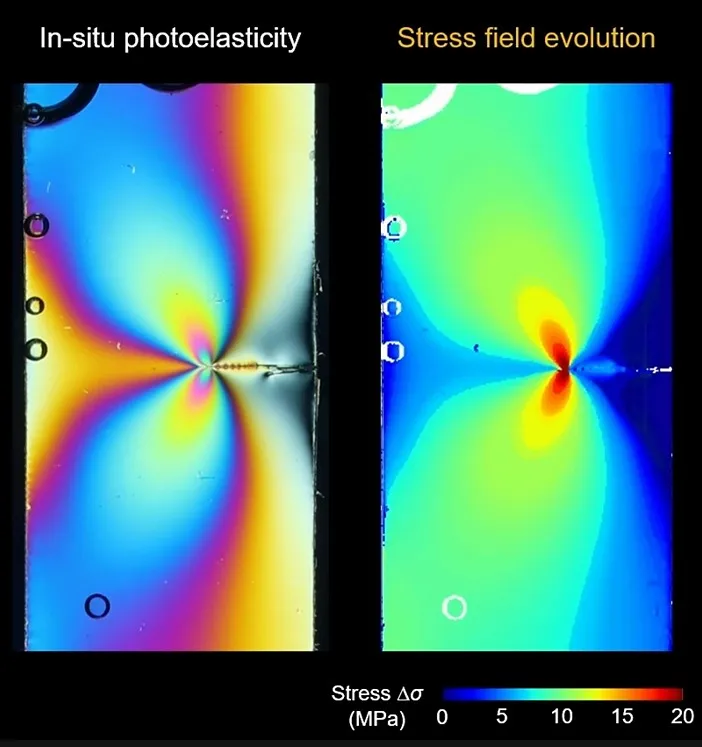
The platform changes conventional fracture testing in three important ways. First, it can test multiple specimens simultaneously rather than one at a time. By monitoring samples in parallel, testing time can be reduced by more than 60%. Second, it allows materials to be tested in realistic environments. In this study, researchers examined virgin and recycled plastics in alkaline environments that resemble conditions encountered in applications like landfill liner membranes and geotextiles. Third, the platform incorporates an imaging technique known as photoelasticity, which reveals the formation of stress fields that form around the origin of a newly developing crack. This allows researchers to see cracks develop earlier than before, giving them a clearer picture of the forces that drive crack growth.
The researchers have made the technology available for licensing through Georgia Tech’s Office of Technology Licensing. “Our goal was to make fracture testing not only faster but also more informative,” Sun said. “By combining high-throughput testing, realistic environments, and full-field stress imaging, we can better understand how materials fail under conditions closer to real-world applications.”
An Honest View of Sustainability
Recycled plastics are often viewed as a greener choice. But according to the study, it’s not always so straightforward. If a recycled product fails prematurely and needs to be replaced frequently, its environmental and economic costs can increase despite its recycled content. As Athanasiou puts it, “Failing materials don’t just break products. They can break sustainability promises.”
For example, comparing virgin polyethylene terephthalate (PET) with recycled PET (rPET) in applications such as landfill geotextiles, the researchers discovered that rPET showed lower resistance to environmental stressors, particularly in alkaline conditions over a pH of 9. In this application, specifying rPET over virgin PET would likely eliminate all of the presumed economic and environmental advantages of using a recycled material.
“Recycling is essential, but recycled content alone does not tell the full story. If a material fails too soon, the environmental benefits can disappear,” Athanasiou said.
From Cracks to Circularity
For the researchers, the significance of the work extends beyond recycled plastics. The broader goal is to provide a fast, affordable, and realistic platform for evaluating the sustainability of any material choice. Because current testing protocols are costly, not widely available, and limited in the information they yield, engineers, manufacturers, and policymakers often have little choice but to continue to specify non-recycled materials because they will perform as expected. Having cheap and accurate data on recycled materials will help to accelerate their adoption because matching the engineering properties of recycled materials to their most appropriate applications will become more obvious.
The researchers also hope to expand the platform to simulate even more complex environments and apply it to a wider range of materials. Because the system generates large amounts of detailed data, it may enable opportunities to use computational modeling or artificial intelligence to digitally simulate mechanical testing, driving down costs and expanding availability even more.
The larger vision is a future in which sustainability is judged not by labels or assumptions, but by evidence for how a material performs, how long it lasts, how it fails, and what it costs society and the environment over its full lifetime.
Please visit the Daedalus Lab YouTube channel to see an explainer video about this new testing protocol: https://youtube.com/watch?v=zmRhiRIiAkQ
Read the paper here: https://www.science.org/doi/10.1126/sciadv.aeh0456
This research was supported by the National Science Foundation CAREER Award No. 2338508.
News Contact
Brent Verrill, Research Communication Manager, BBISS
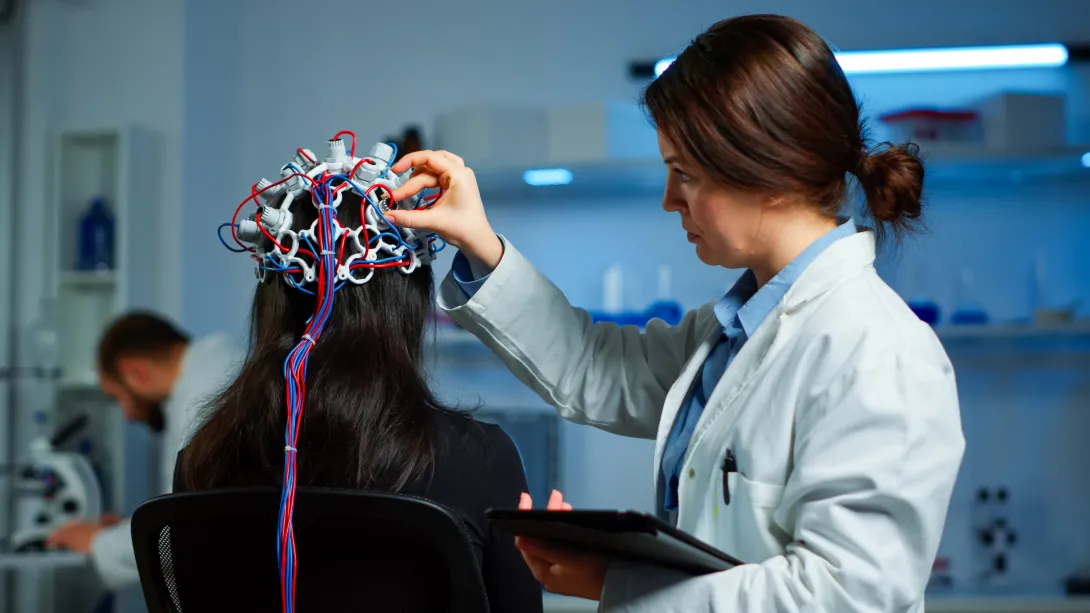
As neuroscience and neurotechnology accelerate, Georgia Tech researchers are examining what a neuro-connected future could mean for society and for humanity itself.
As neuroscience and neurotechnology accelerate, possibilities once confined to science fiction are moving closer to reality. Georgia Tech researchers are examining what these advances mean for autonomy, privacy, ethics, health, creativity, and human flourishing in a neuro-connected future.
Top 3 Takeaways
- AI is accelerating cyberattacks.
- The same technology can strengthen defenses.
- The biggest risk is falling behind.
Artificial intelligence is changing cybersecurity on both sides of the battlefield. The technology helping organizations improve efficiency also enables cybercriminals to identify vulnerabilities, develop exploits, and launch attacks at unprecedented speed.
Researchers in the School of Cybersecurity and Privacy (SCP) say the greatest concern is not that AI is creating entirely new forms of cyberattacks. Instead, it is accelerating activities that attackers already perform, making existing threats quicker, cheaper, and harder to stop.
"AI is dramatically speeding up cyberattacks," said Brendan Saltaformaggio, associate professor in the SCP and the School of Electrical and Computer Engineering (ECE). "AI can identify vulnerabilities far faster than humans and often in places humans wouldn't think to look."
Hackers Are Moving Faster
Most cyberattacks include several stages: finding vulnerabilities, developing ways to exploit them, gaining access to systems, and pursuing a goal such as stealing information or disrupting operations. According to Frank Li, associate professor in the SCP and ECE, AI is having its biggest impact on the early phases of that process.
"AI can help attackers explore potential decisions and implement attacks faster than in the past, whether it's identifying software bugs or constructing social engineering hooks," Li said.
The pace of attacks has already changed dramatically. Peter Swire, J.Z. Liang Chair in the SCP and professor of law and ethics in the Scheller College of Business, says attackers are moving from vulnerability discovery to exploitation much faster than in the past.
"The average time until an exploit is detected even a couple of years ago was measured in months," Swire said. "Now it is measured in hours."
That compressed timeline is forcing organizations to rethink how quickly they identify, prioritize, and patch vulnerabilities.
The Risk Reaches Everyone
Healthcare systems, critical infrastructure providers, government agencies, and small businesses remain attractive targets because they often manage sensitive information or essential services while relying on legacy technology. But experts emphasize that no organization is immune.
"Unfortunately, everyone is at risk," Saltaformaggio said. "AI is not creating new victims; AI is making attackers faster and more effective at targeting the same organizations they have always pursued."
Organizations with outdated systems or limited cybersecurity resources face particular challenges because AI allows attackers to identify weaknesses in less time and at lower cost than ever before.
Fighting AI With AI
Cybersecurity defenders also have access to the same technology.
Experts say AI can strengthen defenses before, during, and after a cyberattack. Defenders can use AI to identify and patch vulnerabilities more quickly, reducing opportunities for attackers to gain access. AI can also detect subtle signs of intrusion by correlating activity across networks and recognizing patterns that would be difficult for humans to spot in real time.
Once an attack occurs, AI can support rapid investigation and response by analyzing how the compromise happened, identifying root causes, and helping deploy targeted protections.
"AI can help defenders in every step of stopping a cyberattack," Saltaformaggio said.
Researchers at Georgia Tech are already demonstrating AI's defensive potential. Saltaformaggio pointed to Georgia Tech's recent success in the Defense Advanced Research Projects Agency’s (DARPA) Artificial Intelligence Cyber Challenge, which highlighted how AI systems can autonomously discover and reason about software vulnerabilities at large scale. Swire also noted that a Georgia Tech team led by Professor Taesoo Kim won a $4 million DARPA prize for developing advanced AI-based cybersecurity defenses.
Speed Is the New Defense
Despite the promise of AI-powered security, significant challenges remain. Security teams need AI tools they can trust, ones that explain how they reached conclusions and provide evidence that analysts can verify. Attackers may also attempt to manipulate AI systems, creating new risks for organizations that rely heavily on automated tools.
Li says organizations cannot rely on traditional, human-paced security processes to keep up.
"AI's primary impact on cyberattacks is enhancing speed and scale," Li said. "Organizations need to adapt to more agile defenses and processes that account for this, in many cases relying on AI as well to help speed up defensive actions."
Organizations also need to rethink how they respond to vulnerabilities. Swire argues that traditional patch management is no longer fast enough in a world where exploits can emerge within hours.
"The entire process for patching systems will have to be re-engineered," he said.
The cybersecurity landscape has always been an arms race between attackers and defenders. AI hasn't changed that reality. It has simply accelerated it. The organizations that will be best positioned are those that adopt AI as quickly as the adversaries they are trying to stop.
News Contact
Ayana Isles
Senior Media Relations Representative
Institute Communications
In finance, there’s a simple assumption that money is money. A dollar is a dollar, no matter where it comes from.
But a forthcoming study in the Journal of Financial and Quantitative Analysis by Xindi He, assistant professor of finance at the Scheller College of Business, and his co-author Ning Zhu, professor at the Shanghai Advanced Institute of Finance at Shanghai Jiao Tong University, suggests that individual investors don’t always treat money as fungible when making decisions in their brokerage accounts.
Their findings complicate that assumption.
He and Zhu’s research shows that investors often treat money differently depending on where it comes from. A dollar transferred from a savings account does not feel the same as a dollar generated by selling a stock, even when both sit side by side as cash in the same brokerage account.
The Idea of “Cash Temperature”
To capture that difference, He introduced the idea of “cash temperature.”
“I would describe cash temperature as a way to measure how money feels to an investor based on its recent history,” He said. “‘Cold’ cash is money that recently came from a stable source, such as a savings account. ‘Hot’ cash is money generated by selling stocks or other risky assets.”
That distinction might sound subtle, but in practice, it shapes how people invest. As He and his co-author analyzed detailed brokerage data, a clear and surprising pattern emerged.
“What struck us was how systematic the pattern was,” He said. “This was not just about one measure of risk.”
Across nine dimensions, investors using colder cash behaved more cautiously. They chose less volatile stocks, stocks with weaker recent run-ups and lower attention measures, and stocks more likely to be part of major market indexes. They also held these positions longer, and the stocks had better subsequent performance.
“The consistency across these dimensions made the pattern much more compelling,” He said.
By contrast, when investors used hotter cash, money that had already been exposed to market risk, they were more willing to take chances. They pursued riskier stocks, often without better returns to show for it.
“The evidence points to harm, especially when investors treat hot cash as easier to risk,” He said. “In our data, hotter cash leads investors to buy riskier stocks, and those purchases are followed by lower subsequent returns. Investors take more risk but do not appear to be rewarded for it.”
Meaning Behind the Money
At the heart of this behavior is something deeply intuitive. People assign meaning to their money.
“A dollar from savings may feel like protected wealth, while a dollar from selling a stock may feel like money already set aside for investing,” He said.
In a pre-registered experiment, that feeling showed up in how people experienced loss. Participants reported that a hypothetical loss felt more painful when the money was framed as coming from a savings account than when it was framed as coming from a brokerage account.
“That suggests that the source of money changes how investors experience potential losses,” He said.
The effect plays out in everyday decisions. Someone who transfers $5,000 from savings into an investment account may tread carefully, treating it as something to preserve. But that same person might take bigger risks with money that came from a recent stock sale, seeing it as already “in the market.”
The study also finds that these mental labels are not fixed.
“We were also surprised by how dynamic the effect was,” he said. “Cash labels were not fixed forever. They were refreshed as money moved through the brokerage account and faded over time when there was no salient account activity.”
What Investors Can Learn
For investors, the takeaway is simple but powerful. Before deciding, pause and strip away the story attached to the money.
“The practical lesson is to pay attention to the mental labels attached to cash,” He said. “Ask yourself, ‘Would I still make this purchase if I ignored where the cash came from and evaluated the stock on its own merits?’”
While money may be identical on paper, it does not always feel that way in practice. Its source can shape the stocks investors choose and the returns that follow.
Read More: "Portfolio Choice with Non-Fungible Brokerage Cash"

Rich Simmons on a F1-style race car designed by the GT-Motorsports team at the Michigan International Speedway
Richard Simmons, principal research engineer in the George W. Woodruff School of Mechanical Engineering, has been named interim director of the Student Competition Center (SCC), where he will lead efforts to strengthen experiential learning and support the Institute’s student competition teams.
The SCC is home to seven student engineering competition teams and provides workspace, tools, and resources to help students apply classroom learning to real-world engineering challenges.
In his new role, Simmons will provide strategic leadership and operational oversight for student competition teams, facilities, staff, budgets, sponsorships, and safety programs. He also will teach and mentor students through engineering design and experiential learning courses, helping connect classroom instruction with project-based experiences.
“Richard brings a unique combination of industry experience, research leadership, and deep commitment to student success,” said Carolyn Seepersad, Eugene C. Gwaltney, Jr. School Chair. “As an accomplished engineer and a Georgia Tech alumnus, he understands the value of experiential learning and is well-positioned to lead the Student Competition Center.”
Simmons, ME 1993, joined Georgia Tech in 2016 after spending the first 20 years of his career leading research, technology, and business development initiatives in the automotive industry, energy sector, and federal government. After graduating from Tech, he earned his master’s and doctoral degrees from Purdue University and later became a licensed professional engineer.
Over the past decade, Simmons has held several leadership and research positions within Georgia Tech’s Strategic Energy Institute, including founding director of the Energy Policy and Innovation Center and, most recently, director of Research and Studies. He has also taught a variety of courses at the Woodruff School, including ME 2110, Capstone Design, Energy Systems, and Renewable Energy.
News Contact
Traci Troha, ME Communications.
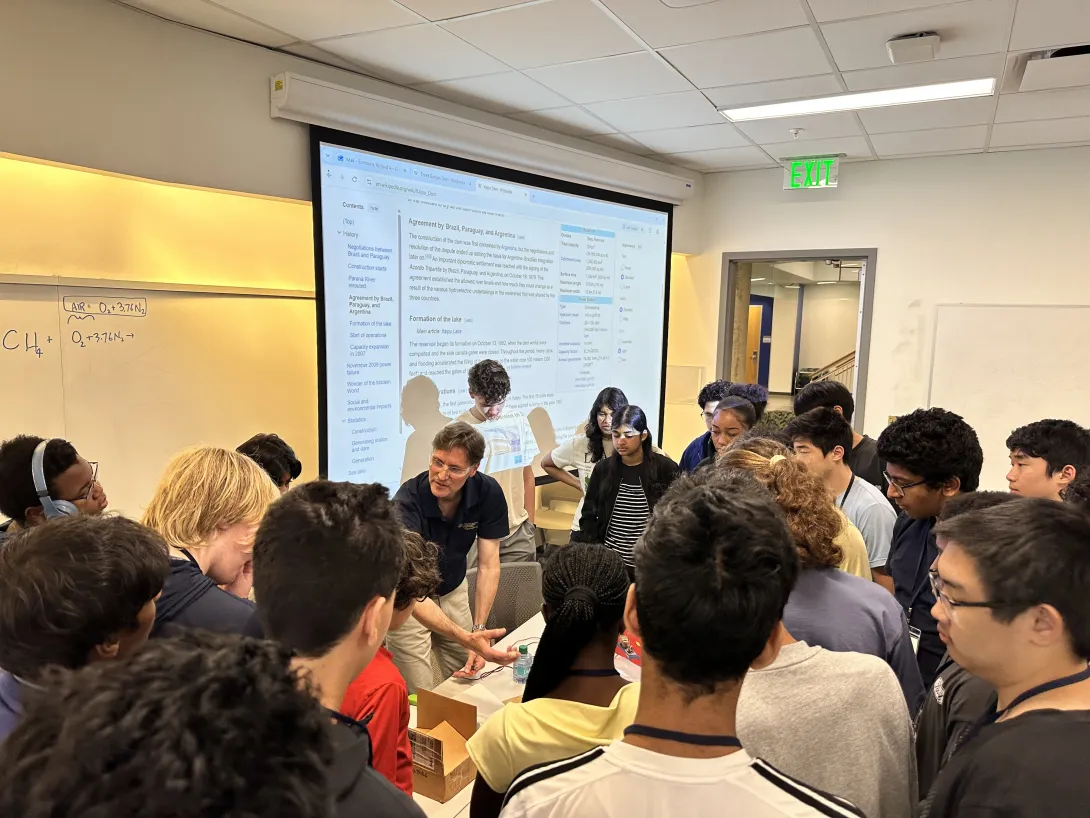
Rich Simmons, SEI's Director of Research and Studies, teaches at the Energy Unplugged camp
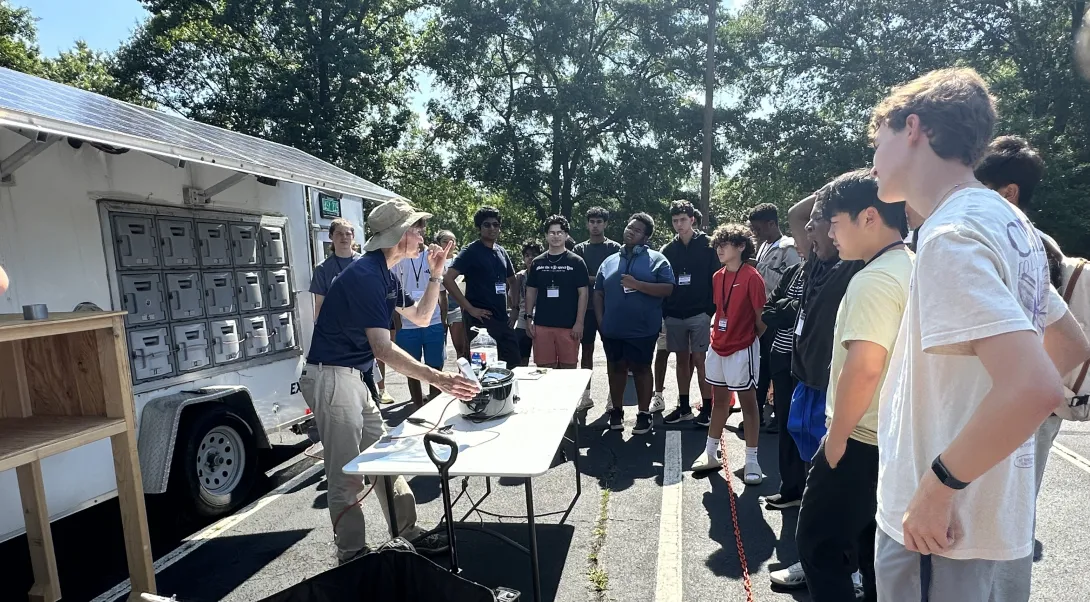
Rich Simmons, teaches energy production and consumption with The Footprint Project's solar trailor
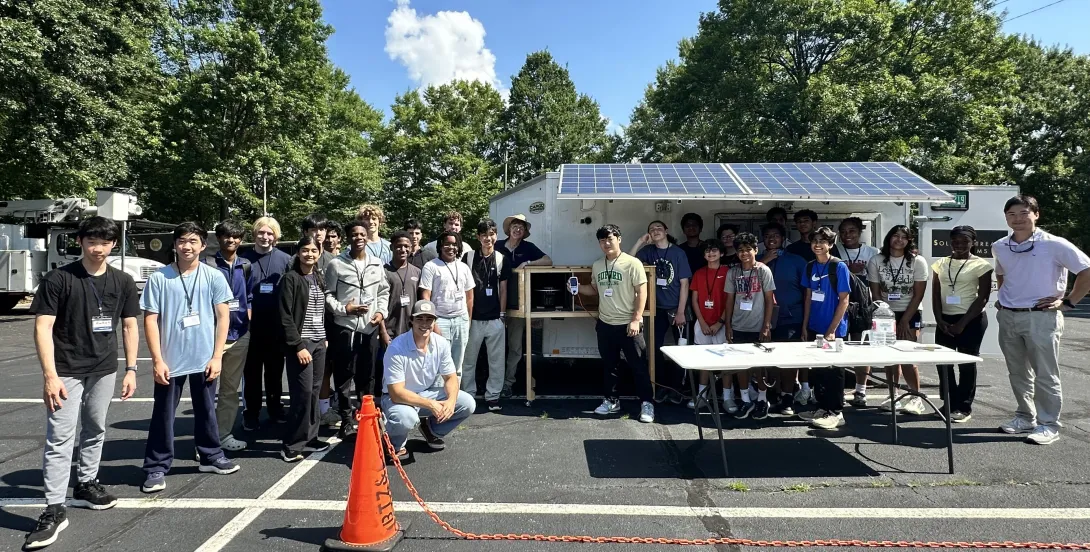
Group picture of the 2026 Energy Unplugged camp participants with Rich Simmons, camp director and student assistants William Nudd and Alvaro Hucker
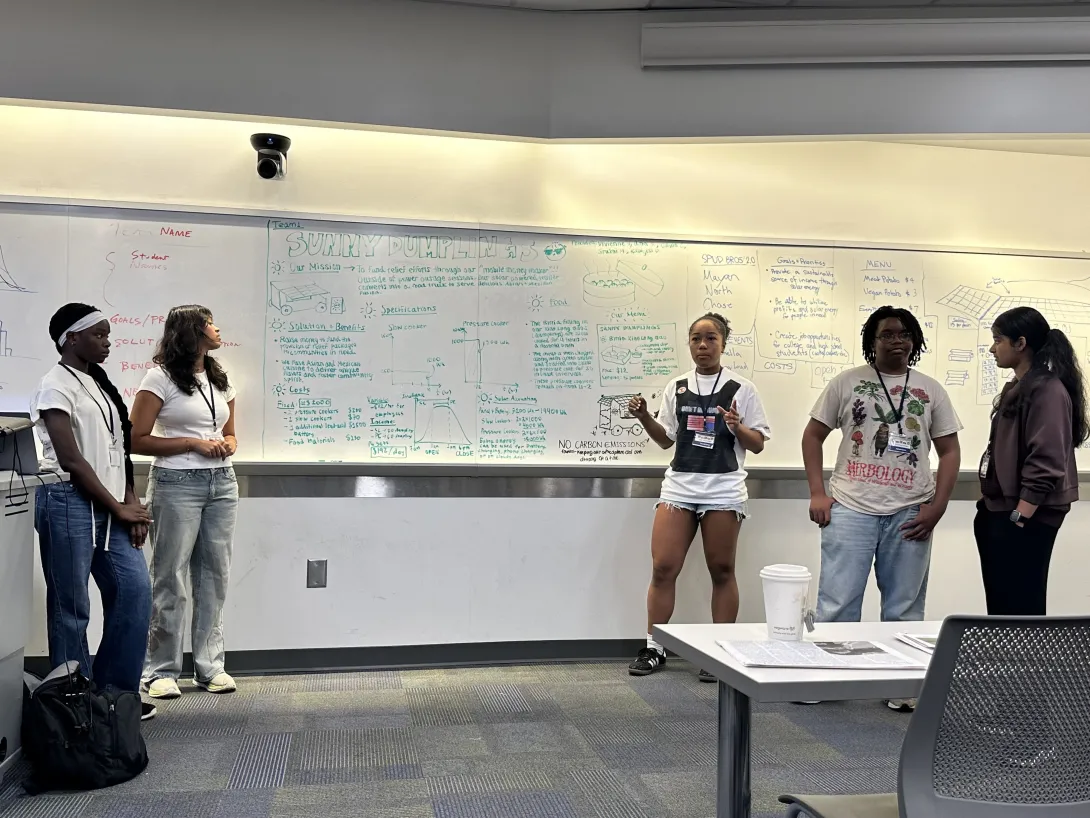
Energy Unplugged camp participants presenting their group project
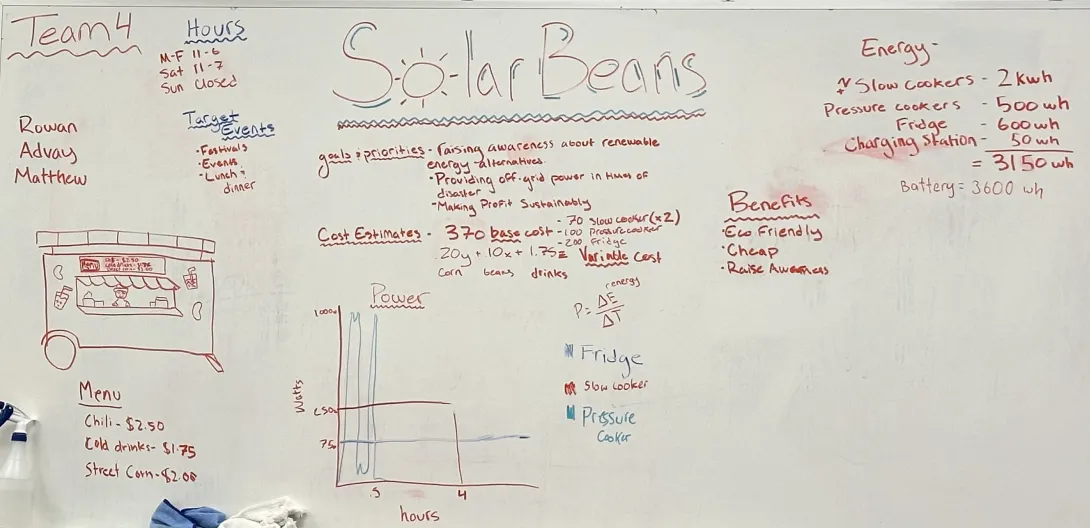
A group project presented at the Energy Unplugged camp
Each summer, Georgia Tech’s campus becomes a destination for eager high school students interested in exploring the future of energy. This year, the highly sought-after Energy Unplugged camp, a collaboration between the Strategic Energy Institute (SEI), the Energy Policy and Innovation Center, and CEISMC, attracted students from across the country, including California and Texas, for an immersive, hands-on experience in real-world energy systems.
Blending engineering challenges, field experiences, and team-based design projects, the weeklong program in June gave students a dynamic introduction to energy, sustainability, and engineering innovation and a rare opportunity to engage directly with the technologies, infrastructure, people, and ideas that help power the world.
“Our goal is to get outside of the classroom, have fun, and demonstrate how a STEM education can literally help turn on lightbulbs,” said SEI’s director of Research and Studies, Rich Simmons, who also directs Energy Unplugged. “Through hands-on learning, field trips, and real-world experiences, these creative students are learning that everyone can play a role in our energy future. Along the way, they are gaining a deeper understanding of the tradeoffs and challenges engineers face and learning from experts about pathways to an energy career.”
Mousetrap-Powered Cars
Putting those ideas into practice from day one, the camp began with an engineering challenge in which students designed and constructed mousetrap-powered cars. Using the stored potential energy of a mousetrap spring to propel their vehicles, participants explored how energy is converted from one form to another and identified sources of friction and inefficiency that affect the distance traveled. The activity encouraged students to think like engineers, iteratively testing and refining their designs to improve results.
Engineering Optimization and Tradeoffs
Similar problem-solving skills were put to the test during an RC car optimization challenge. Equipped with a battery-powered vehicle and energy-monitoring systems, students were tasked with completing a driving course while maximizing their score by balancing speed, energy consumption, safety, and cargo capacity. Participants had the option to add weights and tennis balls to increase potential points, but doing so increased the risk of penalties from dropped cargo, missed obstacles, or vehicle rollovers. The exercise highlighted the tradeoffs engineers routinely face when optimizing systems under competing constraints.
“The overall interest in green energy among youth is increasing, so having demonstrations and experiments as well as some high-level lectures on the actual science was a great way to engage the students,” said student assistant William Nudd, a senior in mechanical engineering who assisted with the camp. “When I was in their shoes, I had never attended a physics class, so the camp was definitely getting them a step ahead and did a great job introducing and showcasing key concepts related to energy: How does my home get electricity? Where does energy come from? How do power plants operate?”
Trivia, Demos, and Scavenger Hunts
Additional activities throughout the week included energy-themed trivia competitions, a steam engine demonstration, a solar microgrid exercise, and a campus scavenger hunt. Together, they reinforced classroom concepts through interactive learning and encouraged students to connect technical principles with practical applications.
Field Trips to Power Plants
While these activities taught foundational concepts, a highlight of the camp was a series of field trips that allowed students to observe large-scale energy infrastructure in operation. Participants toured the Georgia Power McDonough-Atkinson Plant, where they learned how combined-cycle power plants generate electricity using both gas and steam turbines to improve efficiency. Students also visited the Morgan Falls hydroelectric facility, getting an up-close view of the massive generators and equipment used to convert the energy of flowing water into electricity.
Campus Tours
In addition to exploring regional energy infrastructure, students were introduced to Georgia Tech’s innovation ecosystem through visits to campus makerspaces and research facilities, including the Flowers Invention Studio and The Kendeda Building for Innovative Sustainable Design. Students explored one of the nation’s most advanced examples of sustainable building design during a guided tour of The Kendeda Building, which generates 200% of the energy it consumes. Here they learned how energy efficiency, renewable generation, and resource conservation can be integrated into the built environment.
Final Projects
To bring together the concepts explored throughout the week, students worked in teams on a final design challenge centered around a solar-powered disaster relief trailer on loan from the Footprint Project. Equipped with photovoltaic panels and battery storage, the trailer was originally designed to provide off-grid power during emergencies. Students were challenged to identify additional uses for the system during periods when disaster response was not required. Many teams proposed sustainable food truck businesses powered by the trailer’s solar energy system.
Teams also evaluated cooking technologies such as pressure cookers and slow cookers, comparing energy consumption, power requirements, efficiency, and operating costs. Students examined how energy demand aligned with available solar generation and battery storage while conducting economic analyses to determine business viability and profitability. The project integrated engineering, economics, and sustainability principles while encouraging creative thinking and collaborative problem-solving.
“Energy Unplugged is an inspiring demonstration of how hands-on engineering experiences can spark curiosity and passion in the next generation of STEM leaders,” said student assistant Alvaro Hucker, a senior mechanical engineering student. “Working with this group and seeing the fun they were having brought back fond memories of my own childhood. It was an amazing experience.”
Student Contributors: Alvaro Hucker, Senior, Mechanical Engineering and William Nudd, Senior, Mechanical Engineering.
News Contact
Priya Devarajan | SEI Communicatios Program Manager
Student Contributors: Alvaro Hucker, Senior, Mechanical Engineering and William Nudd, Senior, Mechanical Engineering.
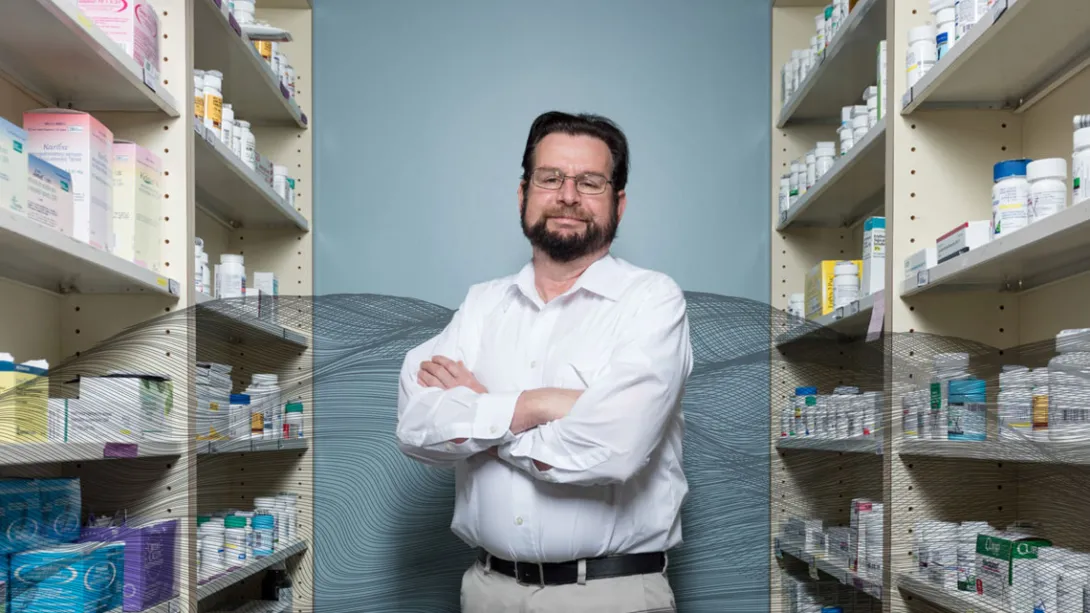
Jeffrey Skolnick will lead the first research initiative in the new Parker H. Petit Center for AI-Driven Health Innovation.
The Georgia Institute of Technology today announced the creation of the Parker H. Petit Center for AI-Driven Health Innovation, a new research center that will use artificial intelligence (AI) to help predict, treat, and prevent disease.
The Petit Center is made possible by a transformational commitment from technology entrepreneur, philanthropist, and Georgia Tech alumnus Parker H. "Pete" Petit.
Since 1980, Petit has provided significant philanthropic support across campus, including the naming of the Parker H. Petit Institute for Bioengineering and Bioscience (IBB), one of Georgia Tech’s 11 Interdisciplinary Research Institutes. IBB is an interdisciplinary hub for transforming biological discovery into real-world health impact, bringing together engineers, scientists, and clinicians to accelerate innovations in diagnostics, therapeutics, medical devices, and biomanufacturing. With more than 300 interdisciplinary faculty researchers, 13 research centers, and 1,300 trainees making unprecedented discoveries and generating innovative technologies, IBB is a catalyst for innovative bioengineering and bioscience research.
The success of IBB led Petit to make his latest investment, which will build on Georgia Tech’s broader commitment to medical innovation: applying engineering, computing, AI, biosciences, and systems thinking to health challenges that require more than any one field can solve. The Petit Center’s work will strengthen the tools, partnerships, and research pathways needed to help more discoveries move from the lab toward real-world patient care.
A key goal of the Petit Center will be to use AI to build more precise models of how disease works in the body. Its first research initiative will focus on creating virtual models of human cells. Led by Jeffrey Skolnick, Regents’ Professor and Mary and Maisie Gibson Chair and GRA Eminent Scholar in Computational Systems Biology in the School of Biological Sciences, researchers will use those models to study how diseases progress and to identify treatments that may work best for individual patients.
By modeling disease at the cellular level, researchers can test ideas faster, uncover links among different diseases, and focus on therapies most likely to help patients based on their unique biology. The work could expedite the discovery of new therapies for some of the hardest-to-treat diseases, including pancreatic cancer and glioblastoma, an aggressive form of brain cancer.
“Medical innovation is one of the fastest-growing areas in Georgia Tech’s research, and Pete Petit’s commitment will help us further shape the future of medicine," said Ángel Cabrera, president of Georgia Tech. “This new research center will find new ways to harness the power of AI to accelerate critical medical discoveries and move them into clinical settings so patients can get the care they need. We’re deeply grateful for Pete's support, and we’re excited to get started.”
The Parker H. Petit Center for AI-Driven Health Innovation will operate under the Institute for Data Engineering and Science (IDEaS) and bring together researchers from across Georgia Tech to advance AI-driven approaches to human health. Researchers affiliated with the Petit Center will work across fields and with clinical and healthcare organizations to help close the gap between discovery and practical use. Over time and with additional investments, the Petit Center’s work will expand into areas such as cancer biomarker discovery, healthy aging, advanced cellular therapies, and AI-supported healthcare systems.
"Georgia Tech has the expertise to redefine what is possible in healthcare through AI," said Skolnick. "By combining advanced computational methods with biological and medical insights, we can create powerful new approaches to predicting disease, identifying treatments, and improving patient outcomes."
Petit’s commitment will support advanced computing infrastructure, graduate and postdoctoral fellowships, seed research grants, and annual programs that will bring together leading researchers from around the world working at the intersection of AI and health.
Petit hopes this investment will inspire others to support interdisciplinary research at the Institute. "Georgia Tech has long demonstrated its ability to solve complex challenges," said Petit. "I believe artificial intelligence will fundamentally reshape healthcare, and I am excited to support a center that can help accelerate discoveries to improve and save lives."
This transformative commitment is included in Transforming Tomorrow: The Campaign for Georgia Tech and is propelling the comprehensive campaign’s success.
About Georgia Tech
The Georgia Institute of Technology is one of the nation’s leading public research universities, developing leaders who advance technology and improve the human condition. Through education, research, and innovation, Georgia Tech creates solutions that improve lives and drive economic opportunity in Georgia and around the world.
News Contact
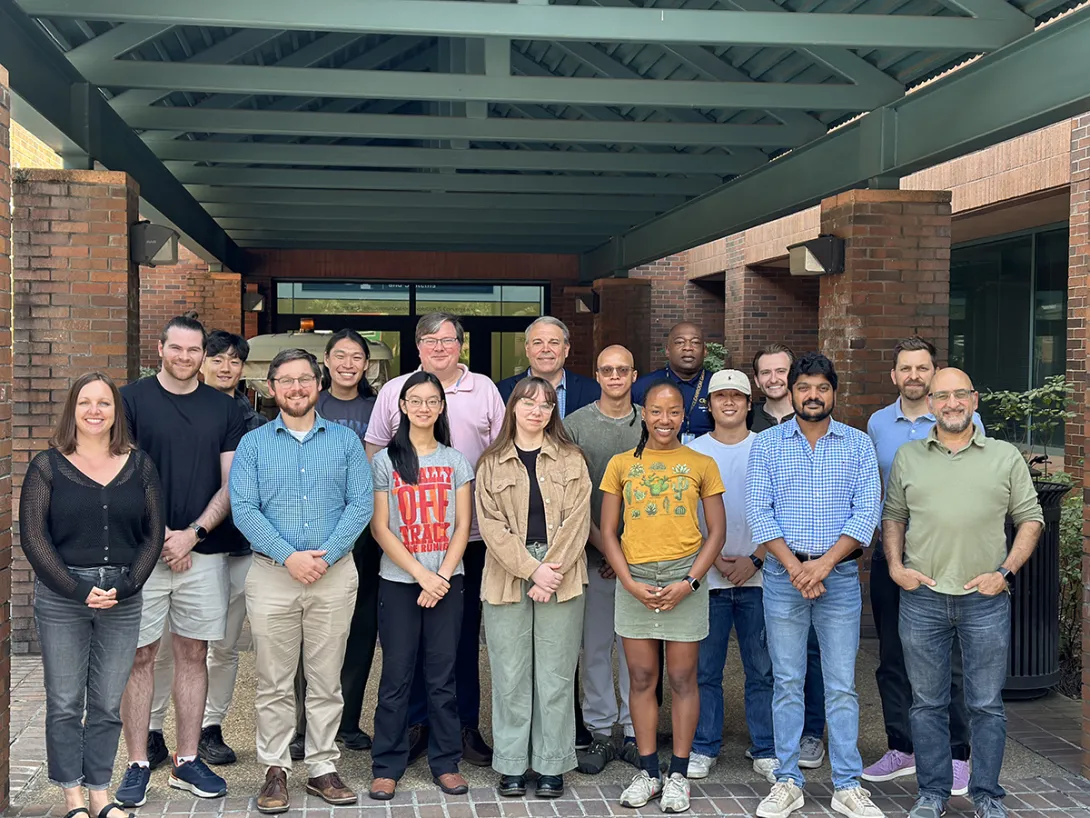
Members of the first IMS Graduate Apprentice cohort gather for a group photo at the program kickoff, including Matthew Kim (back row, second from left), Kayla Chuong (front row, third from left), and Calib Lanier (second row, fourth from right).
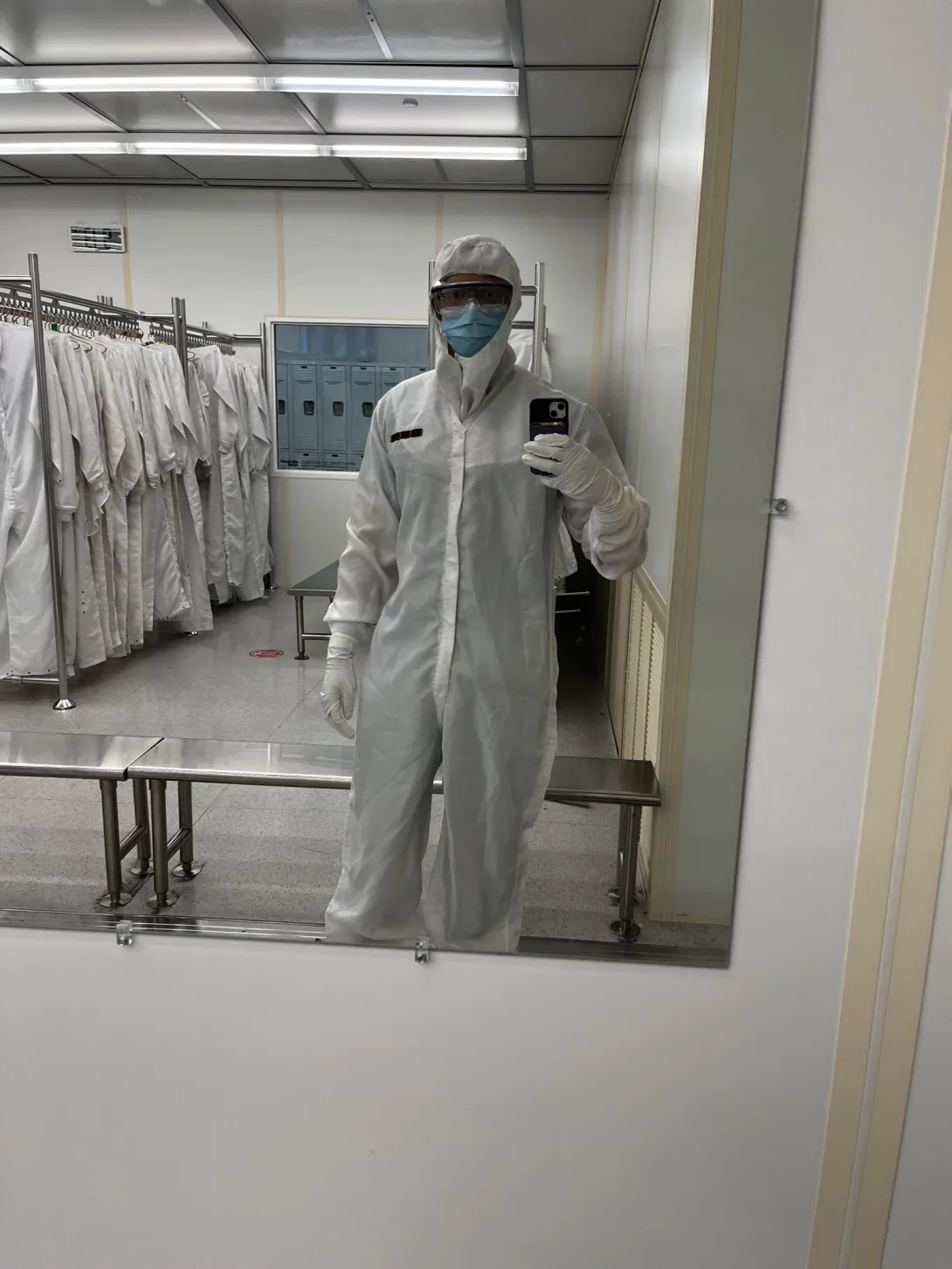
Calib Lanier wears full cleanroom protective gear in the IMS gowning area before entering the cleanroom for research and training activities.
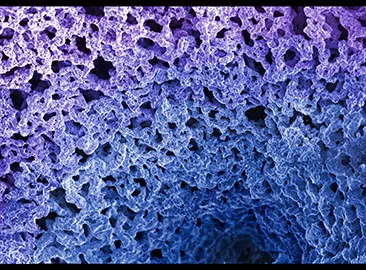
This scanning electron microscope (SEM) image, captured by IMS Graduate Apprentice Kayla Chuong during training on the instrument, was selected as the cover image for Materials Advances.
On the second floor of the Marcus Nanotechnology Building, Calib Lanier operates a rotary-bed reactor unlike any other at Georgia Tech. As the system begins its specialized operations, the doctoral student in the School of Chemical and Biomolecular Engineering watches closely, monitoring temperatures, pressure, and other critical metrics that could define the tool’s success.
Lanier isn’t just using the equipment; he’s helping bring it to life.
Over the last year, he has worked with Institute for Matter and Systems (IMS) staff as part of the IMS Graduate Apprenticeship Program to install a newly designed powder-processing, rotary-bed system. While traditional coating tools are designed to deposit ultra-thin films onto flat surfaces (like silicon computer chips or glass), this tool continuously tumbles a bed of fine powder to ensure a uniform coating of 3D objects with microscopic grains of powder at an atomic scale.
The work has involved more than just running experiments. Lanier has developed operating procedures, established safety protocols, solved technical challenges, and documented processes that future tool users will rely on long after he graduates.
“It’s an opportunity to leave something behind for IMS,” Lanier said. “Once I’m gone, the documentation for this tool will still be there. It’s giving IMS information that will be useful for following students.”
His experience reflects the mission of the apprenticeship program. Launched to provide graduate students with hands-on experience in IMS’s research facilities, the program places graduate students in core facilities with experts. This gives them opportunities to develop technical expertise, support facility operations, and gain professional skills that extend beyond the classroom.
“We wanted to create an experience where everyone benefits,” said Anna Österholm, principal research scientist and IMS Graduate Apprenticeship Program coordinator. “Students gain technical training and professional experience while IMS gains talented and motivated contributors who help develop new capabilities, train users, and improve facility operations.”
Lanier was one of nine students in the inaugural cohort, which represented a wide range of disciplines and research experience. Matthew Kim, another member of the cohort and a master’s student in the School of Electrical and Computer Engineering, came to the program with a mechanical background and a desire to gain hands-on semiconductor experience.
Before the program, much of Kim’s previous exposure to semiconductors and chip packaging came from videos and lectures. Through the apprenticeship, he gained practical experience in the cleanroom, where he taught lab sections for undergraduate integrated circuit fabrication classes. In that role, Kim guided students through the process of creating semiconductors — starting with a blank silicon wafer and ending with a finished product — featuring various designs and structures.
“It was a new experience for me because I was teaching students while learning the material myself,” Kim said. “It really pushed me to learn everything quickly, and I think that benefited me.”
Through the program, Kim both taught and participated in some of the semiconductor fabrication short courses offered by IMS throughout the year.
“A lot of what we learn in class is theory-based,” Kim said. “If you want hands-on experience and want to see semiconductor fabrication with your own eyes, this program is a great way to learn.”
Besides semiconductor design and creation, additional focus areas for the program include materials characterization operations. Kayla Chuong, a doctoral student in the School of Materials Science and Engineering, took her existing experience with materials characterization techniques and expanded it. She entered the program as a user of the Materials Characterization Facility (MCF), having previously conducted research using scanning electron microscopy (SEM) tools.
As part of the program, Chuong now trains campus and industry users on tools throughout the MCF. She conducts check-offs on training sessions and authorizes researchers to use instruments. She may spend an entire day conducting back-to-back instrument training, helping everyone from undergraduate researchers to industry professionals gain access to advanced microscopy tools.
"It's really cool that external users from industry come in and get trained, and I get to meet people from different backgrounds," she said.
While the program provides students with access to advanced research tools and facilities, participants said some of the most valuable lessons happened outside of the lab.
Kim found teaching an unexpected source of growth. As he guided students through cleanroom processes and semiconductor fabrication techniques, he found himself developing confidence as a researcher and as an instructor.
For Chuong, the program expanded her professional network and her base knowledge of SEM beyond what she thought was possible.
Lanier gained a different perspective through regular interactions with IMS staff. By participating in facility staff meetings and working closely with mentors, he was exposed to the challenges of managing complex research infrastructure and learned how experienced scientists approach troubleshooting and process optimization.
"Being able to see how other people look at going about research and what they do to work through troubleshooting and optimization," Lanier said, "it's a really good learning experience for myself as well."
Together, these experiences highlight one of the program's greatest strengths: its ability to immerse students in the broader research ecosystem. Beyond learning how to operate world-class instruments, apprentices gain experience communicating across disciplines, mentoring other researchers, solving complex technical challenges, and contributing to the shared resources that support research across Georgia Tech.
For Chuong, Kim, and Lanier, the apprenticeship provided more than just access to equipment. It offered a chance to become contributors to Georgia Tech's research ecosystem — whether by teaching new users, supporting education, or helping bring new capabilities online. As the program prepares for future cohorts, their experiences illustrate how immersive, hands-on training can accelerate both research and professional growth.
News Contact
Amelia Neumeister | Communications Manager
The Institute for Matter and Systems
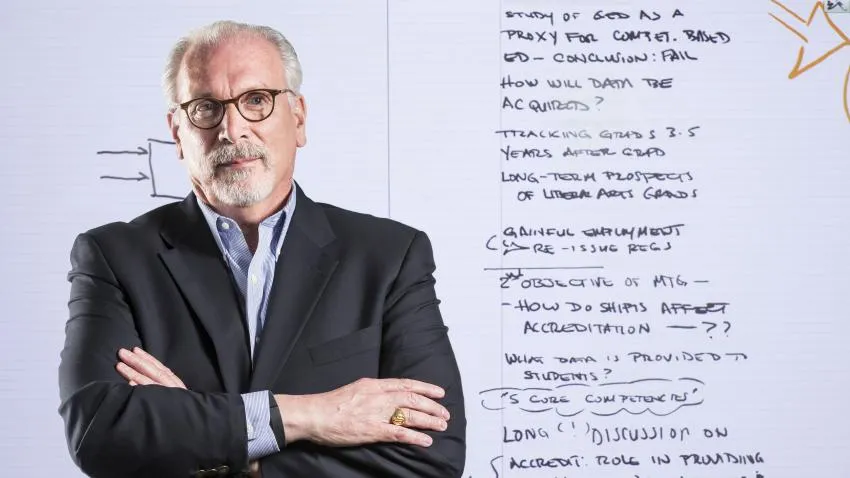
Richard DeMillo, professor, founding chair of Georgia Tech's School of Cybersecurity and Privacy (SCP), and Charlotte B. and Roger C. Warren Chair of Computing, has been named to the inaugural class of the ACM SIGSOFT Software Engineering Academy.
DeMillo was among 80 computer scientists worldwide selected for the Academy's founding class and was the only Georgia Tech faculty member recognized.
"I am honored to be included in the inaugural class of the ACM SIGSOFT Software Engineering Academy," said DeMillo. "This recognition reflects the work of outstanding students, collaborators, and colleagues over many years. Software engineering research has transformed the way society builds and depends upon software, and I hope our community will continue to advance the scientific foundations needed to make software more reliable, secure, and worthy of the trust people place in it."
Established by ACM SIGSOFT, the Software Engineering Academy is a standing body of honor that recognizes members of the software engineering community whose lasting technical contributions, leadership, and service have shaped the field. The Academy celebrates researchers whose cumulative work and influence have advanced software engineering as both a scientific discipline and professional practice.
"Rich's research in software testing is recognized among the most influential contributions to the field of software engineering," said SCP Interim Chair Mustaque Ahamad. "His inclusion in the inaugural ACM SIGSOFT Software Engineering Academy demonstrates the lasting impact of his research on building more reliable software systems."
The inaugural class was selected from leaders whose contributions have already been widely recognized across the software engineering community, including ACM Fellows and recipients of ACM SIGSOFT's Outstanding Research Award. Beginning next year, new Academy members will be elected annually through a community nomination process.
DeMillo served as the founding chair of Georgia Tech's School of Cybersecurity and Privacy, the first school of its kind at a top research university. He previously served as the John P. Imlay Dean of the College of Computing and directed the Georgia Tech Information Security Center.
Throughout his career, DeMillo has held leadership positions across academia, industry, and government. He served as Hewlett-Packard's first chief technology officer, led computing research at Bell Communications Research, directed the Computer Research Division at the National Science Foundation, and led the Software Test and Evaluation Project in the Office of the Secretary of Defense.
His research spans software engineering, cybersecurity, election security, and the societal impacts of digital technology. His 1979 paper, Social Processes and Proofs of Theorems and Programs, is widely regarded as a foundational work in software engineering and has been recognized as one of the 50 most influential papers in computer science.
In addition to his research, DeMillo has helped shape higher education through the creation of Georgia Tech's Center for 21st Century Universities. He is a fellow of both the Association for Computing Machinery and the American Association for the Advancement of Science.
News Contact
John Popham
Communications Officer
School of Cybersecurity and Privacy