
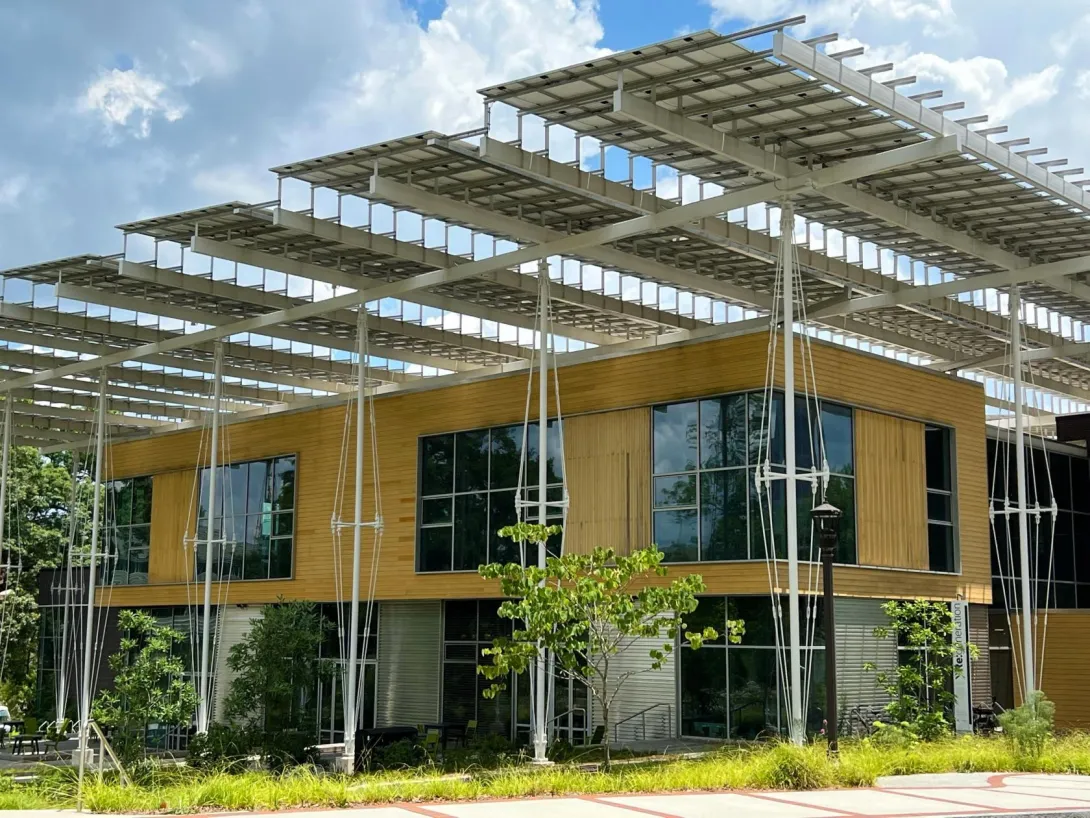
Whether they know it or not, most city dwellers have probably been inside a so-called “green” building. Plaques boasting various types of environmental or energy certifications — known as ecolabels — often hang prominently in their lobbies. They’re visible, but how can we know if ecolabels have a real impact or are mostly about showing off?
Daniel Matisoff, professor of public policy at Georgia Tech, illuminates the role and impact of green building ecolabels in his book, Ecolabels, Innovation, and Green Market Transformation: Learning to LEED, which traces the curve of ecolabel adoption in the building market, revealing how ecolabels have transformed the economy and construction industry to achieve green market transformation. Co-authored by Douglas Noonan, professor of public policy at Indiana University-Purdue University Indianapolis, it is the first book to comprehensively assess the green building movement. The book was published by Cambridge University Press in October 2022.
Green building ecolabels, simply stated, are marks or designations that indicate environmental performance and sustainability certifications. Matisoff and Noonan investigated prominent ecolabels, such as LEED, and examined how they work, exploring the theory and economics behind them. They also studied factors and initiatives that drive the adoption of green building ecolabels, breaking down the green building movement step-by-step.
“A central premise of the book is that early adopters, whether they are creating a demonstration project — such as Georgia Tech’s own Kendeda Building — or adopting an ecolabel early on produce positive information spillovers that help accelerate adoption of green technologies,” Matisoff said.
According to the authors, early adopters do this by moving both supply and demand curves for new energy and environmental technologies. When early adopters employ and experiment with new green building technologies, they help build supply chains, lowering costs for others interested in adopting the technologies. Undertaking green building projects also proves the market performance of new energy and environmental technologies, thereby reducing uncertainty and increasing demand by making them more visible and widely available.
“Early adopters often build pilot and demonstration projects largely for a marketing or reputational benefit, but then that provides positive information spillover to the market,” Matisoff said. “For example, once contractors become familiar with new energy and environmental technologies, they can recommend them to clients for new building projects.”
By looking at data, Matisoff found that there has been a rapid uptake of buildings using the LEED label. But the question that remained was, what does it ultimately accomplish? To answer that question, Matisoff and Noonan looked at several case studies. One such case study is The Kendeda Building for Innovative Sustainable Design, a certified “Living Building,” at Georgia Tech.
The Kendeda Building: Tossing a Pebble in a Pond
The goal of The Kendeda Building was to create a facility that would transform the building and construction industry in the Southeast. Matisoff considered that a testable hypothesis. The Kendeda building inspired Matisoff and his collaborators to dig into 30 years of LEED data to look at the effect of pilot and demonstration projects. They found that if you have a demonstration project in a particular geographic location, it doubles the probability that another green building is going to be built that has similar technologies.
For example, an electrical contracting company working on Kendeda noted that being forced to work with high density poly-ethylene (HDPE) piping — a sustainable alternative to using PVC piping for electrical conduit — led them to realize that HDPE was cheaper and easier to work with, in addition to being a more ecofriendly alternative. The contractor intends to switch to HDPE piping in future projects.
“We at Georgia Tech, by building the Living Building, are providing all this information to the marketplace,” Matisoff said. “And the hope is that other universities or institutions may see this building and say, ‘Hey, we want one of those.’”
Moving Forward
Lessons in Matisoff’s book include how to harness information spillover in addition to more traditional price tools such as subsidies, taxes, and cap-and-trade emissions policies. The authors highlight the importance of leveraging private actors to provide information to the market and suggest that policymakers think carefully about how to incentivize early adopters into the green building market, beyond just prices.
While recent legislation has created a lot of price incentives, subsidies, and tax breaks designed to encourage people to make greener choices, Matisoff’s work emphasizes that, especially at early stages, prices probably aren't enough.
“It's unlikely that there's enough momentum in the policy space to get to where we need to be to address climate change,” Matisoff said. “We hope the book will help us think more carefully about how we leverage information and learning to accelerate the uptake of advanced energy and environmental technologies to facilitate green market transformation.”
Matisoff also hopes the comprehensive study will show the roughly 100,000 certified green building professionals around the world that their efforts have been worth it.
“We wanted to tell a story, especially to green building professionals, about what they’ve accomplished over the past few decades, and the impact their work will have for years to come.”
News Contact
Catherine Barzler, Senior Research Writer and Editor

Artificial intelligence is already making headlines in the new year with the box office success of the movie M3GAN. Along with a TikTok dance craze and lots of laughs, the over-the-top horror movie/dark comedy about an AI-powered robot that runs amok is also inspiring discussion about the growing presence and impact of artificial intelligence in everyday life.
From the movie house to the warehouse to your house, AI seems like it's everywhere. That's because with a steady stream of new research and innovative applications reaching into nearly every industry and business sector, it is everywhere. Nevertheless, AI still holds enormous potential as the field continues to evolve.
To get a sense of what this evolution could look like in 2023, we turned to a small group of Ph.D. students from the College of Computing community that are currently pushing foundational and applied AI research forward in a broad spectrum of disciplines and fields.
The students shared their opinions on where AI might be headed in the new year, what some of the big tech stories could be, and why ethics in AI are so critically important.
Where will artificial intelligence and machine learning have the most impact in 2023?
"Artificial intelligence and machine learning will continue to have a huge impact on manufacturing and warehouses with labor shortages and worker turnover continuing to be a concern as more manufacturing and operations jobs are brought back to the United States from overseas. Additionally, AI/ML will continue to help ensure that manufacturing and warehouse facilities are operating as efficiently as possible from energy and material savings to worker safety and parts quality." – Zoe Klesmith Alexander, computational science and engineering Ph.D. student
"Right now, deep learning is on a trajectory to transform the creation space. Artwork and images, videos, data representation and storytelling, co-authoring, and summarizing documents... It's gotten really good." – Ben Hoover, machine learning Ph.D. student
"I think machine learning and AI will keep playing a huge role in how the world and society will be shaped over the next decade in many ways. It will make many other fields more efficient through ML and AI tools we are developing. In 2023, I think ML and AI will have the most impact on social media platforms, helping reduce hate speech, rumor spread, etc." – Agam A. Shah, machine learning Ph.D. student
"One of the big impacts this year may be driverless cars being in your neighborhood. Otherwise, it will be a slow steady drip of GPT3 and other OpenAI models suffusing all applications, making programmers much faster, making journalists faster, making academic articles and lit reviews much faster. We're at a 4th grader level, and I hope by the end of this year we'll be at the 6th grader level. Also, indoor turn-by-turn navigation will be everywhere in 2023 as well." – Brandon Biggs, human-centered computing Ph.D. student
What will be some of the big tech stories in 2023?
"ChatGPT and the GitHub Copilot lawsuit will keep making it into the news and cause more controversies. In general, AI ethics will become more important and get more focus as the technology keeps advancing." – Fabian Fleischer, cybersecurity, and privacy Ph.D. student
"Driverless car fleets will be coming to a city near you. A new battery technology will allow phones to keep their charge for a week. Meta realizes virtual reality (VR) head-mounted displays are for a limited market and uses headphones and phones to provide VR experiences." – Brandon Biggs
What’s an issue or industry that you think could benefit from a computing solution?
"Our reinterpretation of modern deep learning as energy-based associative memories has the potential to transform any industry that relies on foundation models -- giant architectures that require models that are "self-supervised" (learn on their own from data)." – Ben Hoover
"Inclusion in everything. Over 90 percent of websites on the internet have elements that are inaccessible to 25 percent of the world's population who have disabilities. Inclusive design will be the most important area where technology can be redesigned and created to have multiple sensory modalities and be properly programmed." – Brandon Biggs
"Currently, financial markets are far from efficient because they do not fully incorporate information available in large unstructured text data. With the latest development in natural language processing techniques, we can better understand the economy and therefore price financial markets better." – Agam A. Shah
There’s been increasing recognition of the vital role ethics should play in artificial intelligence. How do you see this issue evolving in the next year?
"Specifically in my research, I think explainable AI (XAI) is very important, especially if non-experts in ML will be using black-box ML solutions in a factory. It will be important for humans to trust and to understand the models especially if the models are being using to monitor quality on a safety-critical part.
"Additionally, using XAI for human interaction with robots that utilize deep learning to make decisions will be increasingly important as technologies like collaborative robots (cobots) are integrated into factories. I think in my area of research that it is always important to use automation to aid humans in jobs that are safe for humans to do and not to replace them." – Zoe Klesmith Alexander
"Big data is pretty much at its peak. Deep data, where your Alexa knows everything about you, or your phone knows everything about you, and rather than saying 'other people who watched this show liked this show,' it's going to say, 'I know you liked these shows, I think you'll like this show because of these reasons, one of which is because other people who liked all these other shows liked this show.' The ethical element will be how much of this data should these models use, and are people going to build a personal dataset that they can share with other apps, or is each app going to need to build their own dataset? The ethical question is who owns this data." – Brandon Biggs
"I think ethics will become more and more important going forward. We are making huge breakthroughs in machine learning and artificial intelligence, but the systems we are creating are producing racist, sexist, and stereotypical results. For example, a recent system, Galactica, developed by Facebook (Meta) is powerful. It can produce research articles by just simply providing it with the title. It comes with some serious ethical concerns, in some cases, it produces racist, sexist text. So, as we will keep developing better models and making success in parallel, we need to always keep in mind the ethical implications of these models." – Agam A. Shah
What research are you working on that you think people should know about or will have impact in 2023?
"Part of my research focuses on data-driven modeling of additive manufacturing processes to better control dimensional quality of the final part. Another part of my research focuses on detecting anomalies in real-time using computer vision and machine learning for both warehouses and manufacturing processes." – Zoe Klesmith Alexander
"Right now, deep learning is built on feed-forward mathematical operations that have little resemblance to the brain. I am working on a physics inspired approach to deep learning built around recurrent networks and energy functions. These architectures have the same mathematical foundation as the famous, biologically plausible Hopfield Network." – Ben Hoover
"I am currently working on two projects which, in my opinion, will have an impact in 2023. In one project, we are measuring the exposure of public firms to ongoing inflation. We are also understanding how inflation affects different firms differently based on the pricing power of the firm. As inflation is the highest in the last 40 years, our study is highly relevant now and in the coming years till we get inflation back in control.
"The second work is related to the first work in some ways. As inflation is rising, to control the inflation Federal Reserve Bank is tightening its monetary policy. In our second work, we are measuring the stance of monetary policy (measuring hawkish vs dovish stance) of the Fed using state-of-the-art NLP models to see its impact in various financial markets (Treasury market, Stock market, Crypto market, etc.)" – Agam A. Shah
News Contact
Ben Snedeker, Comms. Mgr. II
albert.snedeker@cc.gatech.edu

Major technology advances such as the development of hypersonic vehicles – and less dramatic enhancements to existing systems – require overcoming a multitude of complex and costly challenges, many of them interconnected. That requires making strategic decisions on where limited research and development resources should be invested to provide maximum progress.
Researchers at the Georgia Tech Research Institute (GTRI) are developing a set of tools and methodologies that could help companies, federal agencies, and other organizations make those decisions by creating a roadmap of the science and technology (S&T) investments needed to realize a particular capability. Known as Science and Technology Research and Investment for Digital Engineering (STRIDE), the technique helps its users consider the costs and benefits across an entire system lifecycle.
“STRIDE is really a portfolio management tool,” said Clement Smartt, a GTRI principal research scientist who leads the team developing it. “It helps an organization understand what projects in a given research portfolio they should focus on to meet operational needs given limitations of funding, time, and other considerations.”
Though STRIDE was originally developed to support decision making in the hypersonics community, its core methods and tools can be applied to any S&T portfolio targeted at enhancing performance of existing systems – or building entirely new ones. The output of STRIDE includes information on preferred S&T investment options and allows leadership to ask “what if” questions about potential alternatives.
“The goal is to make better decisions by doing trade space studies to get the answers before any metal is bent,” said Brent Peavy, a GTRI principal research engineer who is also part of the research team. “We are developing STRIDE to support the goal of making decisions based on modeling done with real data.”
The system’s output can include a prioritized set of investment opportunities along with data on the cost of each, the projected benefits, the timeline required to mature the program, and the tradeoffs that should be considered. For inputs, the tool leverages digital models, including those done for engineering, cost, sustainment, and operational analysis. It also can leverage test data for model creation or validation, and consider a project’s effects on an organization’s other investment opportunities.
STRIDE also considers issues that aren’t purely technical. For instance, research program managers must often determine what would happen if additional funding were added to a project, or if budgets were reduced. They also must often know the impacts of extending project deadlines – or shortening them to meet urgent goals. STRIDE also can help assess the impact of changing performance goals such as an air vehicle’s range, top speed, or payload.
“It makes recommendations based on multiple criteria, and a number of technical, cost, and schedule requirements,” said Smartt. “Slider bars associated with the relative importance of those parameters can be moved back and forth, and the recommendations will reflect those changes in priority.”
For decisions such as making improvements to established systems or platforms, STRIDE can consider how implementing those enhancements may affect existing capabilities. Examples might include making a lighter-weight part to improve range, or altering a design to reduce manufacturing costs. Any undesirable consequences of the new capability or enhancement would be factored into the recommendations.
“We can provide a more structured way to select S&T projects by considering their impact on systems of interest that will have to be integrated with the new capability, and then the long-term consequences and tradeoffs in terms of issues such as performance and schedule,” Smartt said.
The novel contribution of STRIDE, however, may be as a systems engineering model that holistically integrates data from all other models, he added. The digital engineering model uses advanced multi-attribute design and portfolio selection methodologies to arrive at recommendations for S&T options.
For hypersonic vehicles, for instance, decisions on how to get the most return on investment could start with decomposing the technology development goals into subsystems and then trying to understand what may be holding back progress on each subsystem. For example, there could be roadblocks affecting such areas as guidance and navigation, propulsion, sensing, thermal protection, or other technologies. STRIDE can help make decisions about where to invest to make the most progress toward overcoming those roadblocks.
Many of the decision-making principles on which STRIDE is based grew from research in the Aerospace Systems Design Laboratory (ASDL) in Georgia Tech’s School of Aerospace Engineering. ASDL is a leader in the area of systems design, architecting, and optimization, and is the largest lab of its kind in the world. Two GTRI researchers who are graduates of ASDL, Senior Research Engineers Annie Jones-Wyatt and William Engler, identified the potential of STRIDE for making technology decisions for advanced DoD systems, such as hypersonics, and have prototyped the methodology to prove its applicability.
Smartt and Peavy believe that investment priorities will increasingly be driven by structured approaches such as STRIDE and the data-driven principles behind them. They caution that the tool is itself a research project under development that will need refinement before it can be provided as a service or software product.
“We are figuring out how to do this as we go,” Peavy said. “We are trying to answer fundamental questions about how to use digital information to help make decisions.”
STRIDE could support digital engineering goals that are becoming increasingly important to organizations that make large investments in new technology, including the U.S. Department of Defense (DoD). But one of the challenges of using it can be providing the quantity of data on which the system depends to make its recommendations.
“Right now, STRIDE is ahead of where most organizations are in digital engineering, but we believe this decision analytics approach will ultimately be the way that key program choices are made, including in the DoD space,” Smartt said. “GTRI is the right organization to help mature this methodology and help organizations adopt it to meet their needs for guiding S&T investments.”
Writer: John Toon (john.toon@gtri.gatech.edu).
GTRI Communications
Georgia Tech Research Institute
Atlanta, Georgia USA
The Georgia Tech Research Institute (GTRI) is the nonprofit, applied research division of the Georgia Institute of Technology (Georgia Tech). Founded in 1934 as the Engineering Experiment Station, GTRI has grown to more than 2,800 employees, supporting eight laboratories in over 20 locations around the country and performing more than $700 million of problem-solving research annually for government and industry. GTRI's renowned researchers combine science, engineering, economics, policy, and technical expertise to solve complex problems for the U.S. federal government, the state, and industry. For more information, please visit www.gtri.gatech.edu.
News Contact
(Interim) Director of Communications
Michelle Gowdy
Michelle.Gowdy@gtri.gatech.edu
404-407-8060
Though it is a cornerstone of virtually every process that occurs in living organisms, the proper folding and transport of biological proteins is a notoriously difficult and time-consuming process to experimentally study.
In a new paper published in eLife, researchers in the School of Biological Sciences and the School of Computer Science have shown that AF2Complex may be able to lend a hand.
Building on the models of DeepMind’s AlphaFold 2, a machine learning tool able to predict the detailed three-dimensional structures of individual proteins, AF2Complex — short for AlphaFold 2 Complex — is a deep learning tool designed to predict the physical interactions of multiple proteins. With these predictions, AF2Complex is able to calculate which proteins are likely to interact with each other to form functional complexes in unprecedented detail.
“We essentially conduct computational experiments that try to figure out the atomic details of supercomplexes (large interacting groups of proteins) important to biological functions,” explained Jeffrey Skolnick, Regents’ Professor and Mary and Maisie Gibson Chair in the School of Biological Sciences, and one of the corresponding authors of the study. With AF2Complex, which was developed last year by the same research team, it’s “like using a computational microscope powered by deep learning and supercomputing.”
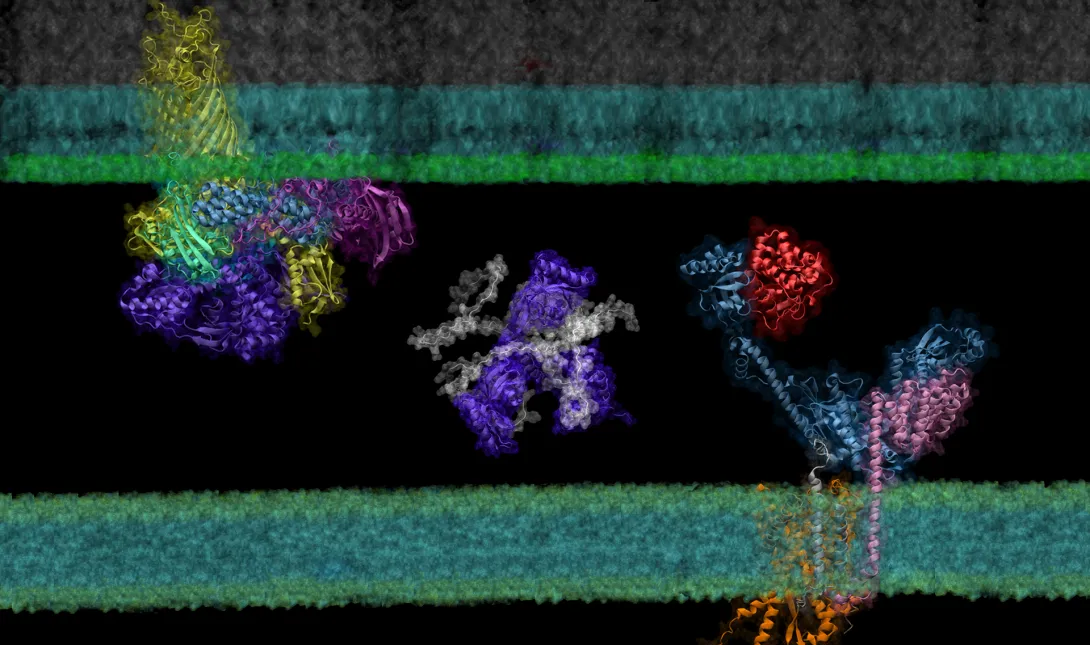
In their latest study, the researchers used this ‘computational microscope’ to examine a complicated protein synthesis and transport pathway, hoping to clarify how proteins in the pathway interact to ultimately transport a newly synthesized protein from the interior to the outer membrane of the bacteria — and identify players that experiments might have missed. Insights into this pathway may identify new targets for antibiotic and therapeutic design while providing a foundation for using AF2Complex to computationally expedite this type of biology research as a whole.
Computing complexes
Created by London-based artificial intelligence lab DeepMind, AlphaFold 2 is a deep learning tool able to generate accurate predictions about the three-dimensional structure of single proteins using just their building blocks, amino acids. Taking things a step further, AF2Complex uses these structures to predict the likelihood that proteins are able to interact to form a functional complex, what aspects of each structure are the likely interaction sites, and even what protein complexes are likely to pair up to create even larger functional groups called supercomplexes.
“The successful development of AF2Complex earlier this year makes us believe that this approach has tremendous potential in identifying and characterizing the set of protein-protein interactions important to life,” shared Mu Gao, a senior research scientist at Georgia Tech. “To further convince the broad molecular biology community, we [had to] demonstrate it with a more convincing, high impact application.”
The researchers chose to apply AF2Complex to a pathway in Escherichia coli (E. coli), a model organism in life sciences research commonly used for experimental DNA manipulation and protein production due to its relative simplicity and fast growth.
To demonstrate the tool’s power, the team examined the synthesis and transport of proteins that are essential for exchanging nutrients and responding to environmental stressors: outer membrane proteins, or OMPs for short. These proteins reside on the outermost membrane of gram-negative bacteria, a large family of bacteria characterized by the presence of inner and outer membranes, like E. coli. However, the proteins are created inside the cell and must be transported to their final destinations.
“After more than two decades of experimental studies, researchers have identified some of the protein complexes of key players, but certainly not all of them,” Gao explained. AF2Complex “could enable us to discover some novel and interesting features of the OMP biogenesis pathway that were missed in previous experimental studies.”
New insights
Using the Summit supercomputer at the Oak Ridge National Laboratory, the team, which included computer science undergraduate Davi Nakajima An, put AF2Complex to the test. They compared a few proteins known to be important in the synthesis and transport of OMPs to roughly 1,500 other proteins — all of the known proteins in E. coli’s cell envelope — to see which pairs the tool computed as most likely to interact, and which of those pairs were likely to form supercomplexes.
To determine if AF2Complex’s predictions were correct, the researchers compared the tool’s predictions to known experimental data. “Encouragingly,” said Skolnick, “among the top hits from computational screening, we found previously known interacting partners.” Even within those protein pairs known to interact, AF2Complex was able to highlight structural details of those interactions that explain data from previous experiments, lending additional confidence to the tool’s accuracy.
In addition to known interactions, AF2Complex predicted several unknown pairs. Digging further into these unexpected partners revealed details on what aspects of the pairs might interact to form larger groups of functional proteins, likely active configurations of complexes that have previously eluded experimentalists, and new potential mechanisms for how OMPs are synthesized and transported.
“Since the outer membrane pathway is both vital and unique to gram-negative bacteria, the key proteins involved in this pathway could be novel targets for new antibiotics,” said Skolnick. “As such, our work that provides molecular insights about these new drug targets might be valuable to new therapeutic design.”
Beyond this pathway, the researchers are hopeful that AF2Complex could mean big things for biology research.
“Unlike predicting structures of a single protein sequence, predicting the structural model of a supercomplex can be very complicated, especially when the components or stoichiometry of the complex is unknown,” Gao noted. “In this regard, AF2Complex could be a new computational tool for biologists to conduct trial experiments of different combinations of proteins,” potentially expediting and increasing the efficiency of this type of biology research as a whole.
AF2Complex is an open-source tool available to the public and can be downloaded here.
This work was supported in part by the DOE Office of Science, Office of Biological and Environmental Research (DOE DE-SC0021303) and the Division of General Medical Sciences of the National Institute Health (NIH R35GM118039). DOI: https://doi.org/10.7554
News Contact
Writer: Audra Davidson
Communications Officer
College of Sciences at Georgia Tech
Editor: Jess Hunt-Ralston
Director of Communications
College of Sciences at Georgia Tech
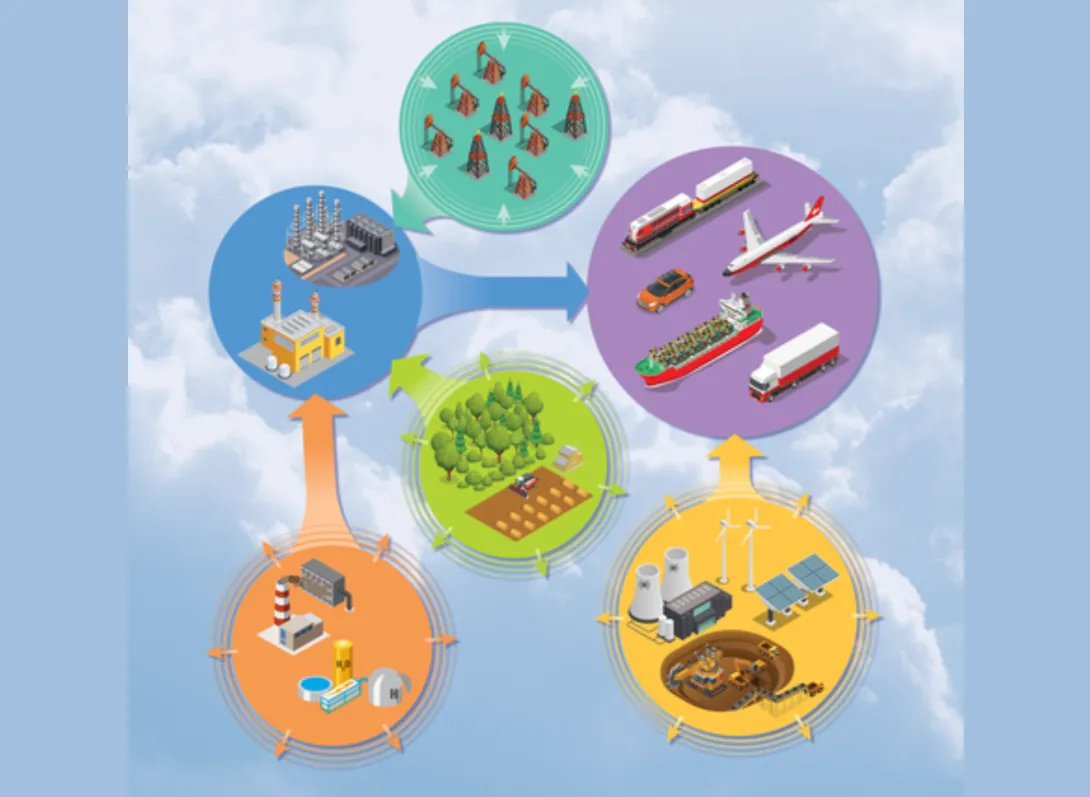
Gasoline, diesel, and jet fuel — the most commonly used transportation fuels — are among the largest sources of greenhouse gas emissions, and their use is affecting the climate in significant and long-term ways. A new national report, however, provides a powerful toolkit to help researchers and policymakers better evaluate low-carbon technologies and work toward reducing emissions.
Valerie Thomas, Anderson-Interface Chair of Natural Systems and professor in the H. Milton Stewart School of Industrial and Systems Engineering and the School of Public Policy at Georgia Tech, served as chair for the report titled “Current Methods for Life Cycle Analyses of Low-Carbon Transportation Fuels in the United States.” Issued by the National Academies of Sciences, Engineering, and Medicine, the report presents life-cycle assessment as an essential tool in helping researchers and policymakers evaluate low-carbon fuel standards to reduce emissions. Thomas, whose research focuses on energy, environmental impacts, and technology development and policy, is affiliated with Georgia Tech’s Strategic Energy Institute, Brook Byers Institute for Sustainable Systems, and Renewable Bioproducts Institute.
Alternative fuel sources such as electricity for electric vehicles, biofuels for aircraft, and hydrogen for fuel-cell trucks do emit carbon dioxide and other greenhouse gases, whether by resource extraction, production processes, or other supply-chain and market contributions. When considering low-carbon fuel standards to reduce emissions, policymakers are often met with a range of questions from stakeholders, from potential impacts of a specific policy to total emissions released from the production of a particular fuel.
“If a new transportation fuel is meant to reduce greenhouse gas emissions, we need to be confident that emissions are indeed likely to be reduced,” Thomas said. “Determining the total net emissions of alternative fuels requires an understanding of how they are made and how they affect markets.”
Life-cycle assessments are a method used to evaluate environmental impacts of fuels and technologies throughout their production and use, but according to Thomas, more research is needed to strengthen their reliability. The 16-member committee led by Thomas evaluated current methods for life-cycle analyses of low-carbon transportation fuels in the U.S., with the goal of establishing a comprehensive and reliable approach for applying life-cycle assessment to developing low-carbon fuel standards.
In preparing the report, the committee gathered input from life-cycle assessment experts, including researchers specializing in aviation fuels, biofuels, hydrogen fuels, fossil fuels, and soil carbon implications of biofuel production. The report, which includes 70 total recommendations, includes suggestions for improving models, increasing transparency, and verifying emissions. The report provides an understanding of the state-of-the-science in quantifying the climate impact of a transition to new transportation fuels.
“We suggest that the approach to life-cycle assessment needs to be guided by the question the analysis is trying to answer,” Thomas said. “Different types of assessment are better suited for answering different questions. While some methods work well for fine tuning a well-defined supply chain, other methods are needed to understand the global, economy-scale effect of a major technology or policy change.”
Thomas hopes that research programs will be created to advance key theoretical, computational, and modeling needs to better evaluate the transition to low carbon fuels.
The National Academy of Sciences was founded in 1863 by an act of Congress and it includes the National Academies of Science, Engineering, and Medicine. Its charge is to “provide independent, objective analysis and advice to the nation and conduct other activities to solve complex problems and inform public policy decisions.”
CITATION: National Academies of Sciences, Engineering, and Medicine. 2022. “Current Methods for Life Cycle Analyses of Low-Carbon Transportation Fuels in the United States.” Washington, D.C.: The National Academies Press.
DOI: https://doi.org/10.17226/26402
News Contact
Catherine Barzler, Senior Research Writer/Editor

Banning scooters may reduce sidewalk congestion and keep would-be riders and pedestrians safer, but it comes at a cost, according to new research from Georgia Tech’s School of Public Policy.
In a study examining the impact of Atlanta's 2019 ban on e-scooters and e-bikes in the city, researchers found that average commute times increased by about 10%. Travel to stadium events such as soccer games increased by almost 12 minutes per trip or 37% increase in travel times while the ban was in effect.
For Atlantans, that adds up to 784,000 extra hours sitting in traffic each year — and that’s just between 9 p.m. and 4 a.m. when the ban was in effect. A moratorium during peak rush hour would cause even more congestion, the study’s principal investigator, Omar Asensio confirmed. Expanding the scope of their study, Asensio and his team in Georgia Tech’s Data Science and Policy Lab estimate that e-scooters, e-bikes, and other micro-mobility options can save an average of 17.4% in travel time for drivers nationally.
“These are fairly significant congestion effects that most travelers will feel and as an unintended consequence of the safety regulation,” said Asensio.
New data settle an old debate
The study, conducted in Georgia Tech’s Data Science and Policy Lab and published in Nature Energy, is the first to definitively show that investing in micro-mobility infrastructure such as e-bikes, e-scooters, and bike lanes can reduce traffic congestion and carbon emissions in cities. The research accounted for the rise in popularity of ride-sharing services and other sources of traffic.
Previous studies on micromobility were controversial and contradictory because they relied on travel surveys, which can be unreliable and are subject to biases resulting from self-reported data, Asensio said. This motivated his search for a more rigorous, data-driven approach to answering the question.
The opportunity arose when Atlanta banned scooters with a geo-fencing policy in 2019. The ban was done with a remote shutdown on all scooters within a certain perimeter, which ensured compliance across the city. Previous moratoriums in other places relied on people to choose to cooperate and follow the rules, so this 100% compliance rate was unique to Atlanta.
“I thought, okay, that's interesting because now we have near-perfect behavioral compliance in response to a policy intervention, which turns out to be extremely rare,” Asensio said. “All of a sudden, if you're without the use of the scooter, what do you do? This created a great natural experiment, to be able to precisely measure the traffic times before and after this policy intervention and in doing so, test behavioral theories of mode substitution.”
In addition, Asensio and his team received early access to the then-new Uber Movement Dataset, which gave them detailed information about commute times across the city that previously had to be collected by surveys as well. In short, the stars aligned in 2019 for the debate over the true impact of micro-mobility on city traffic to finally be settled.
Mary Feeney, program director for the Science of Science Program at the National Science Foundation, which supported the research, said “Asensio and his team are using newly available ‘big data’ sources to tackle practical questions with real policy implications. Bringing the appropriate data and analytical approaches to these problems helps empower decision-makers to enact evidence-based policy.”
Public safety vs. congestion and emissions
The regulation in Atlanta was one of many that U.S. cities put in place in response to increased accidents and hospitalizations from micro-mobility devices.
Reducing congestion also reduces emissions, noted Camila Apablaza, who worked on Asensio’s team along with Savannah Horner, Cade Lawson, and Edward Chen. “I thought this was an important question because the impact of certain modes of transportation, such as scooters, is sometimes overlooked,” she said. “We know that electric mobility will be the main contributor to decarbonizing the passenger transportation sector, therefore we need to understand the interactions between different modes of electric transportation.”
But, “the point of this paper is to present the idea that it’s not just as simple as ‘we should ban the scooters,’ right?” said Chen. “We have found that there are, in fact, trade-offs between banning them for public safety versus allowing them to relieve traffic congestion, and whether or not city governments make the decision does ultimately have an impact on people's daily lives.”
Economic impact
The researchers found that e-scooters and e-bikes do, in fact, reduce congestion on the road by substituting some personal vehicle or ridesharing use rather than only public transit or walking. When the estimated saved time for drivers nationwide is translated into monetary value, Asensio approximates that it adds up to $536 million a year.
“This is also just a personal thing,” Chen added. “I’ve lived around here my whole life. I start seeing these scooters around, and this kind of answers that fundamental question: are people actually using these, and are these actually replacing trips and inherently reducing all these carbon emissions?”
What’s Next?
The Data Science and Policy Lab partners with the private sector and city governments on data innovations in policy analysis and impact evaluation. Follow-up research to this project could dig deeper into the specific transit substitutions people choose and why, Asensio said.
“I think modeling the emissions impacts for those will continue to be an ongoing kind of investigation,” he said. “When it comes to electrification, micro-mobility is just one of many strategies that are aggressively being invested in by both the public and the private sector. It's a really exciting opportunity to meaningfully reduce emissions and to benefit from the public health co-benefit of reduced air pollution.”
The paper, “Impacts of Micromobility on Car Displacement With Evidence From a Natural Experiment and Geofencing Policy” was funded by Asensio’s 2020 NSF Faculty Early Career Development Program (CAREER) (Award No. 1945532). It is available at https://doi.org/10.1038/s41560-022-01135-1.
News Contact
Di Minardi, Communications Officer I - School of Economics, School of History & Sociology
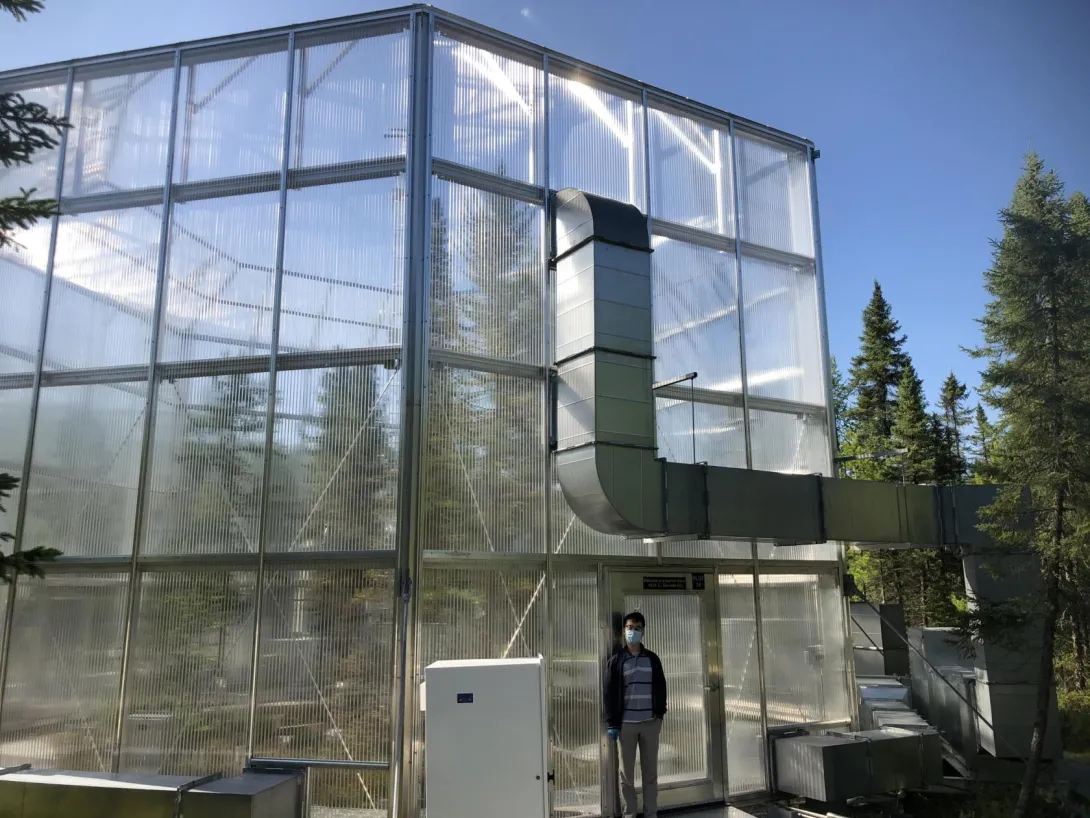
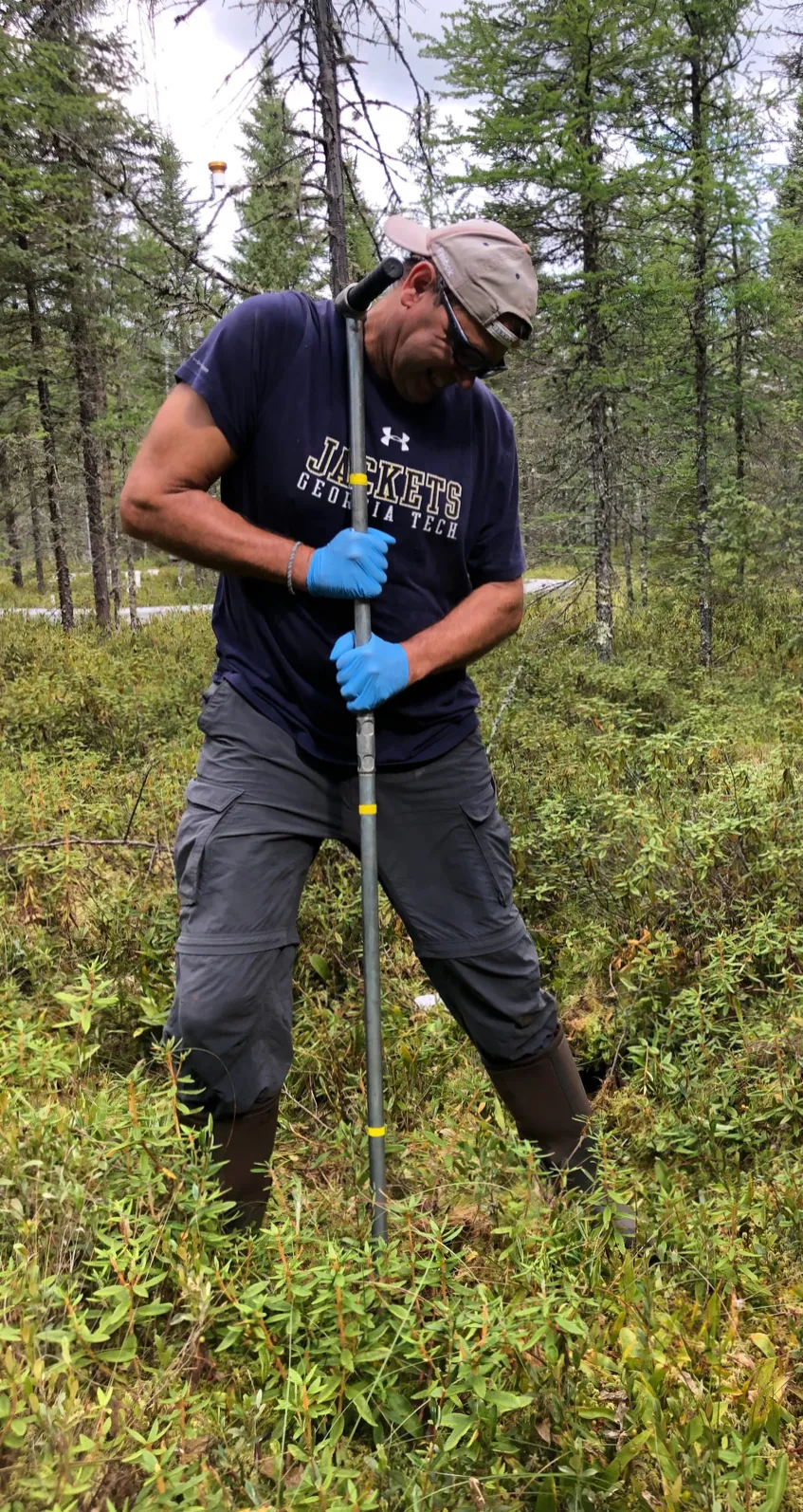
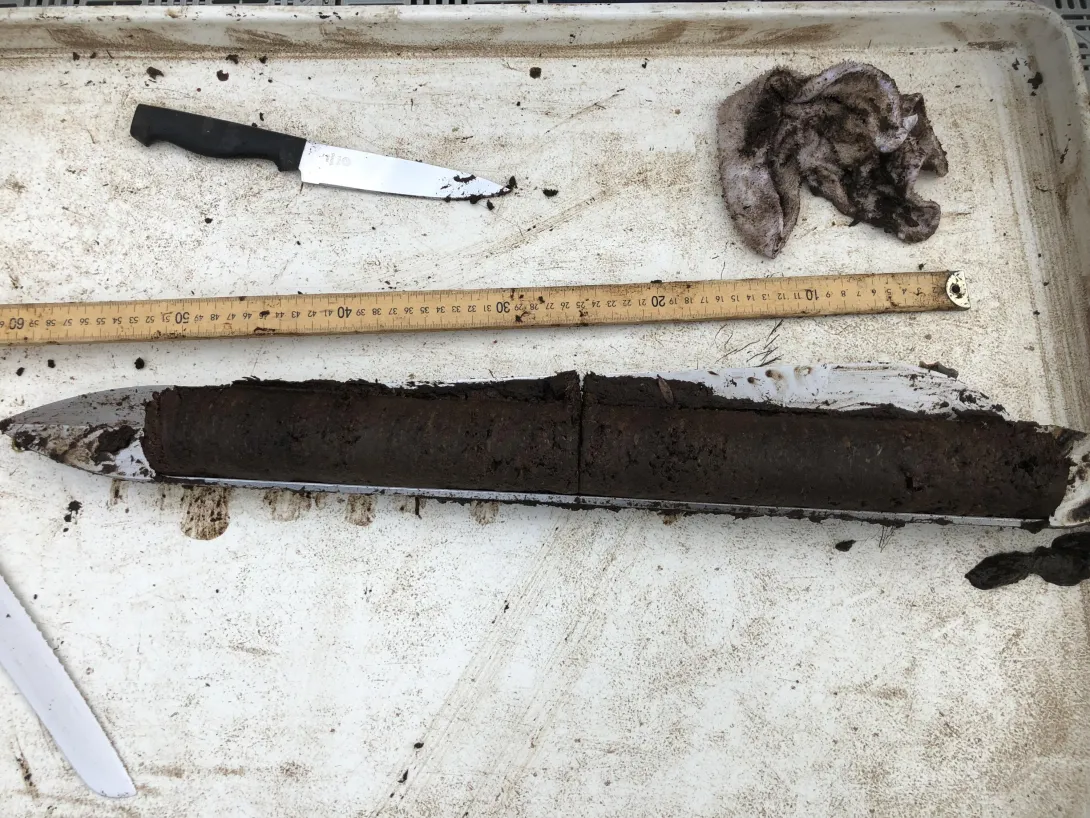

Joel Kostka will soon receive $3.2 million from the Department of Energy (DOE) to build upon research that has ranged from northern Minnesota peat bogs to coastal Georgia wetlands, all to learn how climate change impacts soils and plants that trap greenhouse gasses — and whether some of those plants could end up as eco-friendly biofuels.
Kostka, a professor and associate chair of research in the School of Biological Sciences with a joint appointment in the School of Earth and Atmospheric Sciences, will receive funding as part of a wider $178 million dollar DOE effort to advance sustainable technology breakthroughs that can improve public health, help address climate change, improve food and agricultural production, and create more resilient supply chains. The 37 new projects also include efforts to engineer plants and microbes into bioenergy and improve carbon storage.
Kostka’s wetlands research will continue in the salt marshes off Georgia’s coast, where his team has already conducted studies on the microbial life that benefits Spartina cordgrass in those areas, helping to strengthen resilience of the plant to sea level rise and catastrophic storms.
The DOE’s funding initiative is split into four groups. Kostka’s studies will focus on the role of microbiomes — all the microorganisms living in a particular environment — in the biogeochemical cycling of carbon in terrestrial soils and wetlands by using genomics-based and systems biology.
Other research areas involve renewable bioenergy and biomaterials production; quantum-enabled bioimaging and sensing for bioenergy, and research to characterize gene function in bioenergy crop plants.
“Our project seeks to understand the controls of soil organic matter degradation and the release of greenhouse gasses, both of which are largely mediated by microbes” Kostka said. “And then also, as we've been studying for many years now, how climate drivers — principally the warming of ecosystems and carbon dioxide enrichment in the atmosphere — limit greenhouse gas release to the atmosphere. How might changes in plant and microbial communities lead to climate feedbacks, thereby accelerating the release of greenhouse gasses from soil carbon stores?”
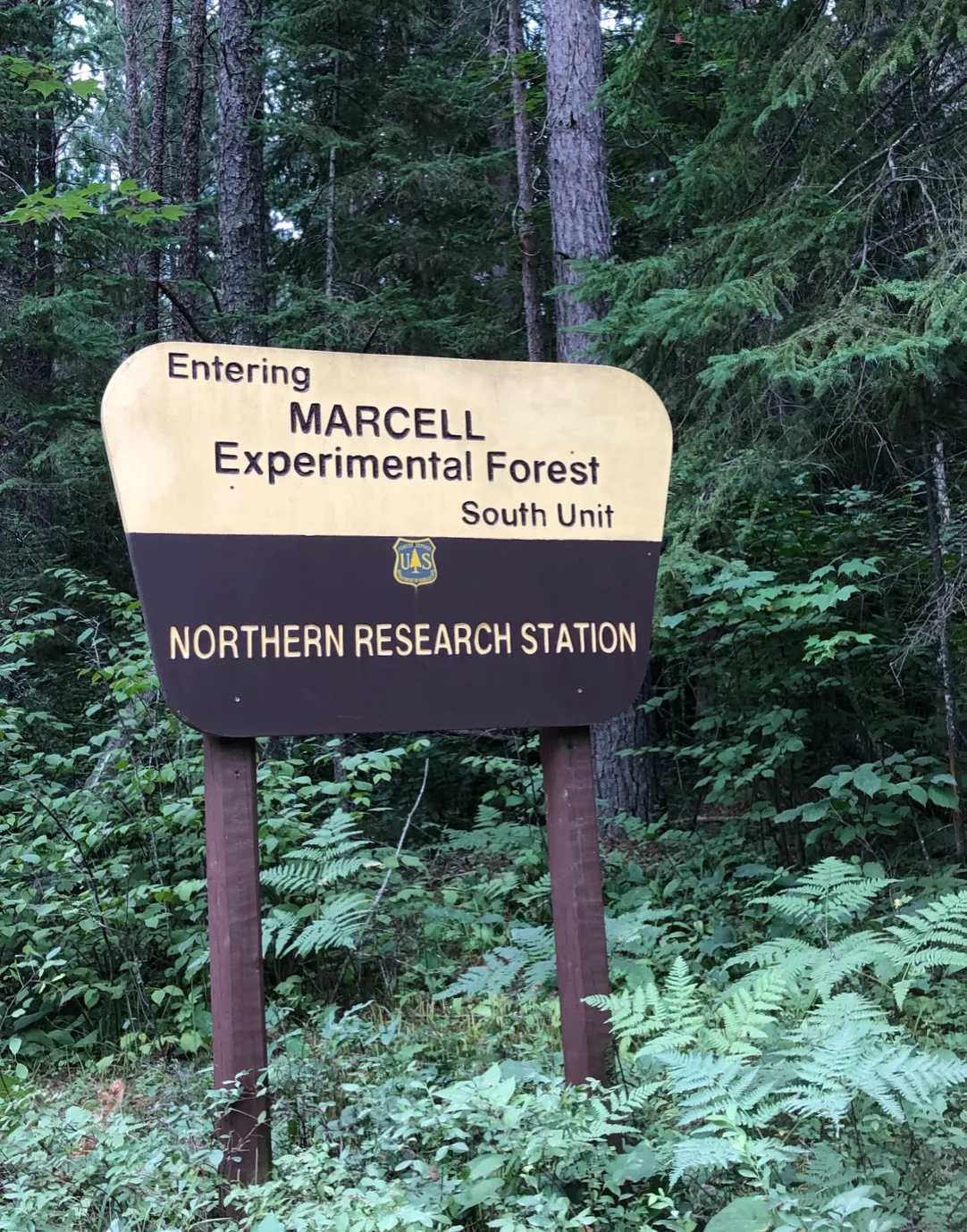
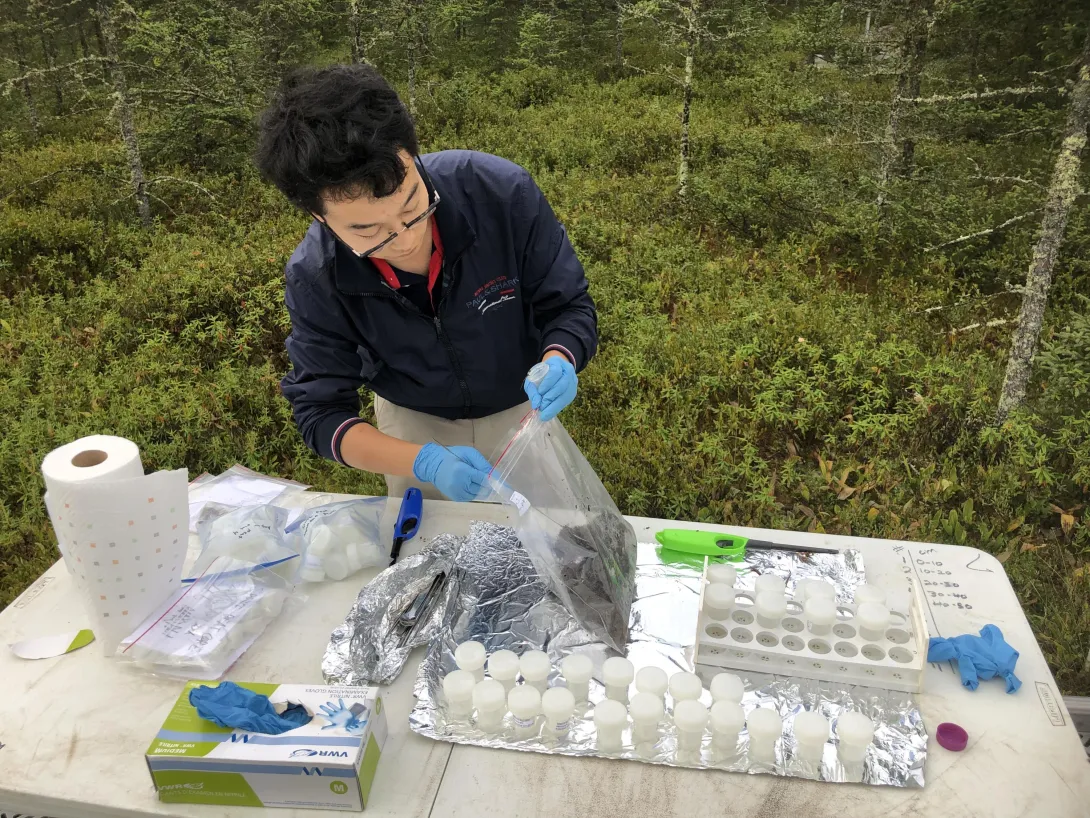
That question has driven much of Kostka’s research team in the past as they focused on how soil microbes break down biomasses like woody plants and peat mosses, at an Oak Ridge National Laboratory facility in northern Minnesota called Spruce and Peatland Responses Under Changing Environments (SPRUCE). Kostka’s team is using genomics to study all the genes that code for microbial enzymes that decompose biomass in soil and how plants, which are also changing with climate, impact microbiomes by providing carbon sources that fuel microbial activities. In particular, the work is focused on lignocellulose or lignin, which gives plants their rigidity or structure and arguably comprises the most abundant renewable carbon source on the planet.
“We're just at the point now where we finally have the tools to unlock the black box of soil microbiology and chemistry,” Kostka said. “Recent advances in sophisticated analytical chemistry methods used to quantify microbial metabolites along with improved metagenome sequencing approaches enable us to better uncover metabolic pathways.”
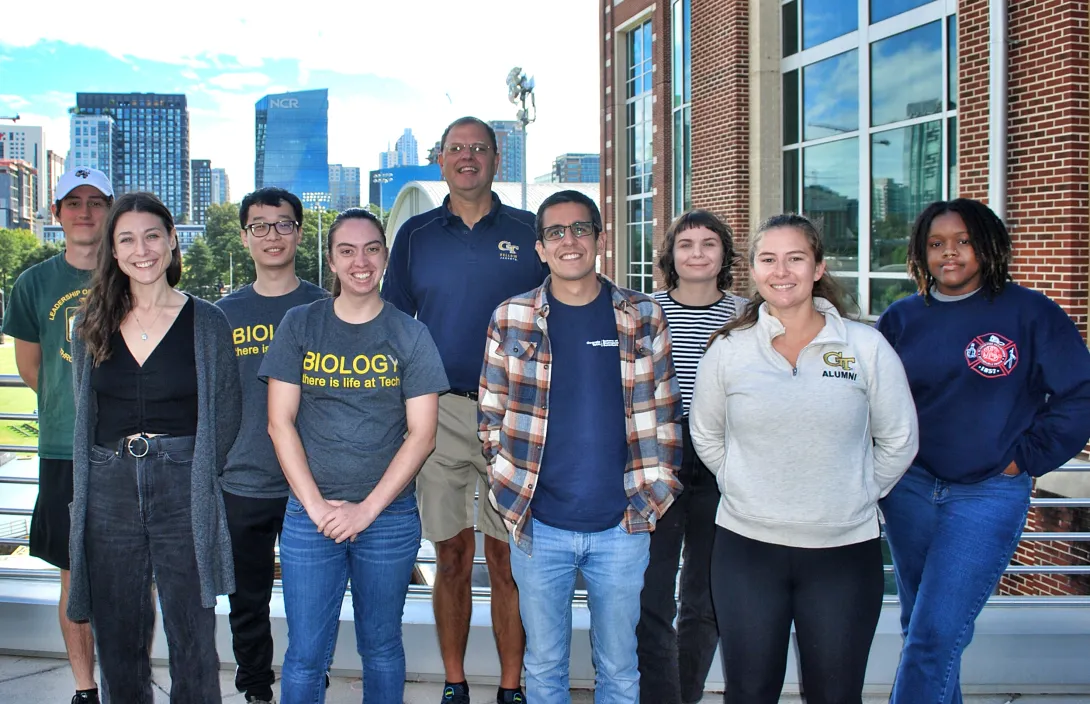
Kostka will serve as principal investigator of the research team for the grant. That team includes School of Biological Sciences researchers Caitlin Petro, research scientist, and Katherine Duchesneau, a third-year Ph.D. student; co-principal investigator Kostas Konstantinidis, Richard C. Tucker Professor in the School of Civil and Environmental Engineering; Rachel Wilson, research scientist, Florida State University; Malak Tfaily, associate professor, University of Arizona; and Chris Schadt, senior staff scientist, Oak Ridge National Laboratory.
Unlocking the “enzyme latch” hypothesis
As part of his new research, Kostka will revisit what scientists call the “enzyme latch” hypothesis. This could help uncover the mechanisms by which soils and plants capture harmful greenhouse gasses, and what prompts their release into the atmosphere.
The idea behind this hypothesis is that when soils are wet, they lack oxygen, which suppresses a specific class of enzymes, oxidases, that catalyze the beginning steps in the microbial breakdown of organic compounds produced by plants in soil. When oxidases are suppressed, the breakdown products of lignin, phenolic compounds, accumulate and poison the rest of the microbial carbon cycle. Thus a single class of enzymes may be responsible for keeping greenhouse gasses like carbon dioxide and methane captured within the soil.
“The climate linkage here is that it's thought that as the climate warms, we'll get more greenhouse gas production, because simply it'll be warmer, and microbial enzymes work faster at higher temperature. But then also, in wetlands in particular, the hypothesis is that as wetlands warm, they're going to dry out. And so when a wetland dries out, you're going to get more injection of oxygen-rich air into the soil, which would then accelerate the breakdown of organic matter.”
When that happens, it could also mean different plants having an impact on carbon storage and the breakdown of biomass. “As wetlands dry out, plant communities in northern peatlands where most of Earth’s soil carbon is stored, are expected to shift from a dominance of mosses, which do better when it's wet — to woody plants, shrubs, and trees that do better with less water, when it's drier. That would in turn potentially spark the release of more reactive carbon compounds from plant roots — mosses don’t have roots — which would likely accelerate organic matter decomposition and the production of more greenhouse gas in a feedback loop with climate.”
Kostka’s research may also help to develop new approaches for converting woody biomass into potential alternative energy sources. “To make our society more sustainable, we have to basically recycle everything, or reuse as much as we can. And that includes the biomass from plants that can be grown on more arid lands that are less suitable for food crops,” he said, referring to plant-based materials that can be used to produce biofuels and bioenergy. “And so the DOE is leading research efforts to understand the controls of biomass degradation in plants such as switchgrass and poplar.”
Kostka and Konstantinidis will develop a database of genes that code for the breakdown of lignocellulose and lignin, compounds that largely make up plant biomass and for which metabolic pathways of degradation have been elusive. Kostka and his colleagues will also have access to the extensive resources of the DOE Genomic Sciences program, including a collaboration with the agency’s Joint Genome Institute.
“We hope that information generated from our project can be used to improve methods for breaking down woody biomass so that it can be used in a sustainable way to produce biofuels,” Kostka said.
Public abstract of Department of Energy grant DE-SC0023297
About Georgia Tech
The Georgia Institute of Technology, or Georgia Tech, is a top 10 public research university developing leaders who advance technology and improve the human condition. The Institute offers business, computing, design, engineering, liberal arts, and sciences degrees. Its nearly 44,000 students representing 50 states and 149 countries, study at the main campus in Atlanta, at campuses in France and China, and through distance and online learning. As a leading technological university, Georgia Tech is an engine of economic development for Georgia, the Southeast, and the nation, conducting more than $1 billion in research annually for government, industry, and society.
News Contact
Writer: Renay San Miguel
Communications Officer II/Science Writer
College of Sciences
404-894-5209
Editor: Jess Hunt-Ralston
The Scalable Asymmetric Lifecycle Engagement Microelectronics Workforce Development program (SCALE) has announced the program will extend another five years and expand with $10.8 million additional Department of Defense (DoD) funding, with a ceiling of $99 million.
SCALE officials said this expansion of the nation’s preeminent program will further its goal to develop a next-generation workforce that can return the United States to prominence in global microelectronics manufacturing.
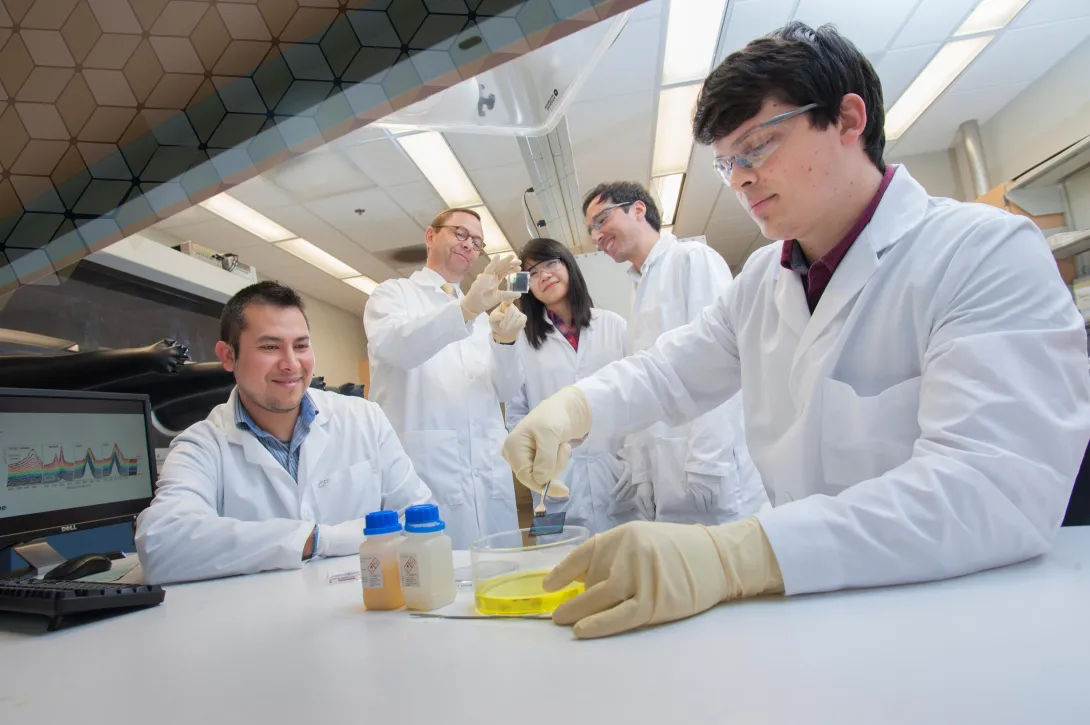
Georgia Tech participates in the partnership, which is led by Purdue University and managed by NSWC Crane. SCALE facilitates the training of highly skilled U.S. microelectronics engineers, hardware designers and manufacturing experts. SCALE brings together a public-private-academic partnership of 17 universities and 34 partners within the defense industry and government.
“This is an extremely exciting time in the country and at Tech for microchip design and manufacturing,” said Arijit Raychowdhury, the Steve W. Chaddick School Chair of Tech’s School of Electrical and Computer Engineering (ECE). “These newly announced funds for the SCALE program will help Georgia Tech recruit a new, diverse group of students ready to work in defense microelectronics. We’re thrilled to be a SCALE partner university and honored to be leading many of the project’s specialty areas.”
SCALE provides unique courses, mentoring, internship matching and targeted research projects for college students interested in five microelectronics specialty areas. Georgia Tech ECE faculty members will be the primary investigators for three of the areas:
- system on a chip will be led by Raychowdhury;
- radiation-hardening will be led by John Cressler;
- and heterogeneous integration/advanced packaging will be led by Madhavan Swaminathan.
The other two focus areas are embedded system security/trusted AI and supply chain awareness.
Industry and government partners regularly meet and update a list of knowledge, skills, and abilities important for new entrants to the workforce. The SCALE universities then update their curriculum to ensure the students are prepared for upcoming needs in the rapidly advancing microelectronics field.
Peter Bermel, SCALE director and the Elmore Associate Professor of Electrical and Computer Engineering at Purdue, said the United States will need 50,000 trained semiconductor engineers to meet overwhelming and rapidly growing demand.
“The United States is committed to expanding and strengthening its semiconductor industry and workforce rapidly over the next five years,” Bermel said. “SCALE takes a holistic approach to the microelectronics workforce gap by comprehensively addressing system challenges for workforce training and recruiting.”
Goals for the next five years include:
- Expanding student participation in SCALE fivefold to more than 1,000.
- Developing learning models for K-12 classrooms.
- Collaborating with community colleges nationwide to develop microelectronics classes.
The demand for microelectronics increased by 26.2% in 2021. But while the United States consumes about half of the chips produced worldwide, the country only manufactures about 12%, highlighting the pressing need for the U.S. to strengthen its domestic semiconductor supply chains and increase industrial capacity.
The funding announcement is the latest highlight in Georgia Tech’s leadership role in bolstering microelectronics and workforce development. Tech’s large engineering and science faculty bring a broad set of research expertise to strengthen the country’s semiconductor capacity. The Institute is uniquely positioned to train the microelectronics workforce, drive future microelectronics advances, and provide fabrication and packaging facilities for industry, academic and government partners to develop and test new solutions.
###
The Georgia Institute of Technology, or Georgia Tech, is a top 10 public research university developing leaders who advance technology and improve the human condition. The Institute offers business, computing, design, engineering, liberal arts, and sciences degrees. Its nearly 44,000 students, representing 50 states and 149 countries, study at the main campus in Atlanta, at campuses in France and China, and through distance and online learning. As a leading technological university, Georgia Tech is an engine of economic development for Georgia, the Southeast, and the nation, conducting more than $1 billion in research annually for government, industry, and society.
News Contact
Dan Watson
dwatson@ece.gatech.edu
When Alexandria Sweeny, better known as Alex, considered what she wanted to accomplish before graduating from Drew Charter School, the then high school junior set two goals: complete her engineering internship and make a positive impact.
She did both while strengthening her coding knowledge during her time as a camper and mentor at the Seth Bonder Camp in Computational and Data Science for Engineering (SBC).
“I did it when it was fully virtual, and it was definitely an experience,” said Sweeny who spent a week being introduced to computing and data science where she performed virtual activities, last June.
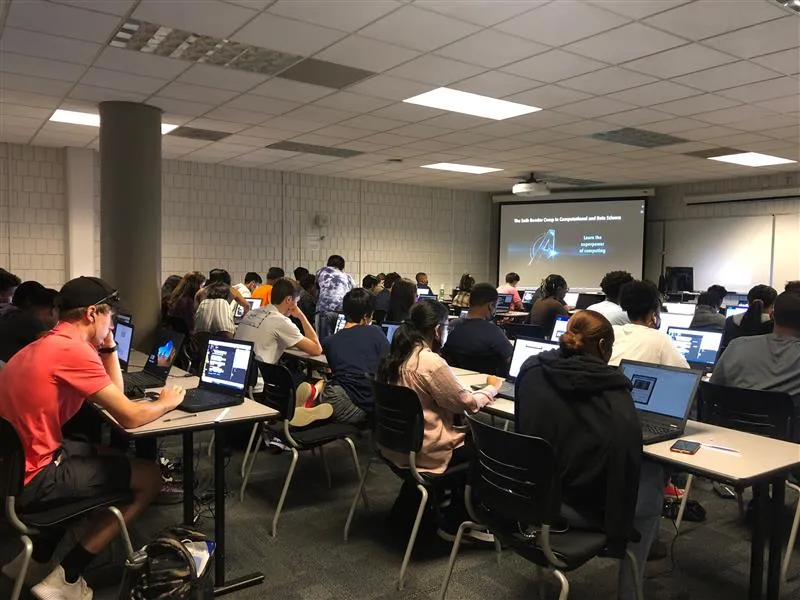
The camp, which is offered either as an online course or on-campus summer camp at Georgia Tech, is designed to build students’ problem-solving and analytical skills while furthering their interest in computer science as a potential career. It is also part of AI4OPT’s mission to inspire young Georgians to pursue STEM (science, technology, engineering and mathematics).
AI4OPT hosted its first in-person summer camp at Georgia Tech in June. The camp brought together 60 students from schools across Georgia including Drew Charter, Banneker High School, and Westlake High School.
Sweeny was asked to return to this particular camp—but this time, as a mentor.
“Of course, I said yes, because it was something fun that I could do over the summer preparing for college without it being too hefty,” said Sweeny. “It was something that I felt prepared for from attending the camp.”
Responses like Sweeny’s motivates SBC Site Managers like Reem Khir to introduce more bright minds to the camp centered around computer programming logic, programming language for AI, and teamwork.
“We expose them [high school students] to certain types of education areas like Twitter analysis, how to solve a sudoku, and even computational biology, if they wanted to consider a career in biology,” said Khir, who joined the camp last year to help students with assignments. This year, she took on even bigger leadership role by maintaining and observing two camps and facilitating 50 students and seven teaching assistants (TAs). She worked under a ‘student to student and student to TA’ interactive structure so that each participant took away a useful skill in data science.
“It’s the time where high school students start forming opinions and decisions about the career path they want to pursue,” said Khir. “The steppingstone is their college education, and we can help students in that period.”
AI4OPT Will Acquire and Advance Seth Bonder Camp
AI4OPT is working to adopt a short-term system used to track students after the camp. The institute wants to build up the system to see majors, colleges, and career paths each student has vowed to pursue before they head off to college or the workforce.
“This is a critical period for students,” said Khir. “It’s a time where students start thinking about a major for college and later impacting the next 20 or 30 years of their life. Being a part of that is very unique in terms of creating a positive influence in the next generation.”
AI4OPT is taking the lead over the SBC to offer the initiative more organizational support as the program has seen tremendous growth and has become a much broader initiative. The Seth Bonder Foundation, which first introduced the camp to those ages 10-18, will continue to fund the camp now more targeted towards high school students interested in engineering, but do not have access to computer science and/or data science in their middle and high schools.
“A lot of the different communities are not exposed to this and may never see this opportunity. The Seth Bonder Camp exposes high school students to AI opportunities and gives them skills to successfully enter the field of STEM with confidence,” said Professor Pascal Van Hentenryck, who’s brought his data sciences skills and knowledge to Georgia Tech and leads both AI4OPT and the SBC.
AI4OPT is in transition to lead the SBC to offer more organizational support as the program sees tremendous growth. The research Institute will expand the longitudinal camps to engage middle and high school students in these topics, while also bringing AI education and research programs to HBCU’s and Hispanic-serving colleges throughout the nation, addressing the widening gap in job opportunities.
Though Sweeny has transitioned away from coding and transcended into research, she never stopped setting goals even now as a first-year biomedical engineering major at Georgia Tech.
“Do anything you can to take it [the SBC] even if you don't want to go into coding,” said Sweeny. “It is a good way to meet new people learn new skills, it is something that you don't necessarily have to have a love for coding to have to do it.”
To learn more about the Seth Bonder Camp in Computational and Data Science for Engineering and to partner with the camp, visit sethbondercamp.isye.gatech.edu.
(Writer’s note: This article is part of a series highlighting AI4OPT members, students, education programs and professional development testimonies.)
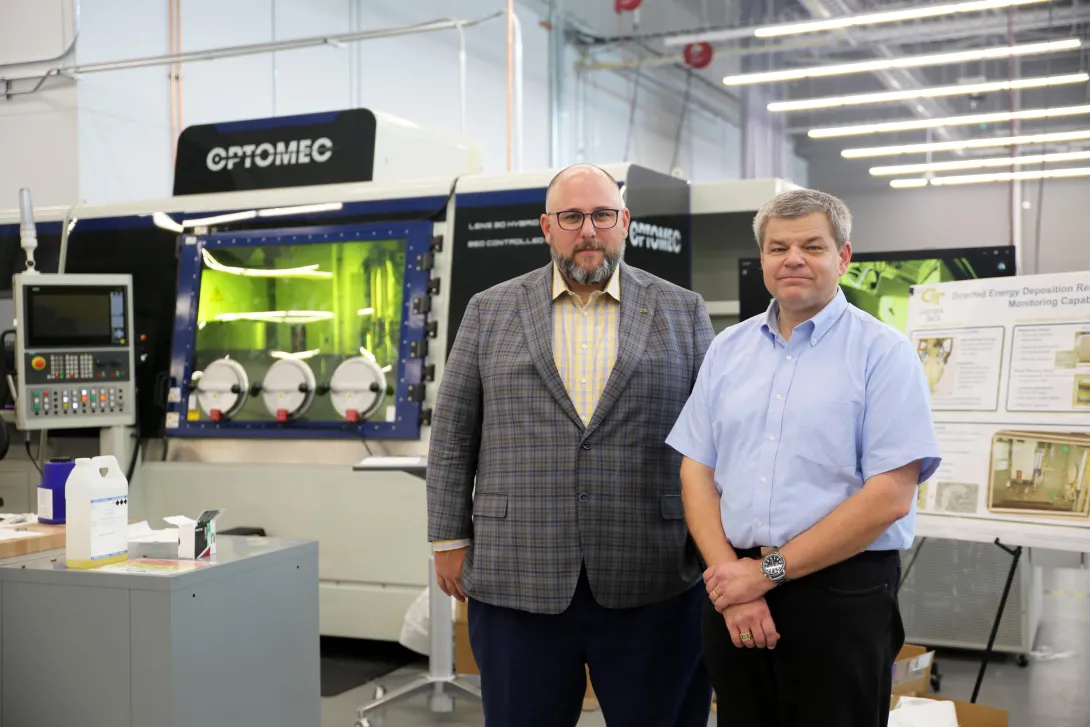
Aaron Stebner outlined an aggressive plan for artificial intelligence and manufacturing when he applied for a faculty position in 2019. In his cover letter, he promised “to establish the Georgia Institute of Technology as a world leader in additive manufacturing of solid materials (ceramics & metals) R&D, especially in the fusion of data sciences and AI to create new, world-leading technologies.”
Stebner thought it would take 10-15 years of incremental steps and funding to achieve the goal. He was wrong.
Thanks to a new $65 million grant from the U.S. Department of Commerce’s Economic Development Administration, announced by President Joe Biden, Stebner’s plan will begin to become a reality — and include the entire state of Georgia and all of its manufacturing sectors from agriculture to airplanes — two years after arriving on campus.
The largest of the nine projects within the larger Georgia AI Manufacturing (GA-AIM) technology corridor grant will allow Stebner and Georgia Tech to transform the Advanced Manufacturing Pilot Facility (AMPF) into the Artificial Intelligence Manufacturing Pilot Facility (AI-MPF). The 24,000 square-foot facility on 14th Street will more than double in size after Georgia Tech and statewide GA-AIM partners were selected as one of 21 Phase II awardees in the $1 billion Build Back Better Regional Challenge (BBB) competition, part of the Investing in America’s Communities initiative under the American Rescue Plan Act of 2021.
AMPF has been a shell waiting for a vision like Build Back Better to fill it out,” said Stebner, associate professor the George W. Woodruff School of Mechanical Engineering and the School of Materials Science and Engineering. “Now we will transform the facility into one of the nation’s first manufacturing labs designed for autonomy with the goal of helping the state and the nation to be world AI manufacturing leaders.”
Read the entire story on the College of Engineering website.
News Contact
Jason Maderer
College of Engineering
maderer@gatech.edu