
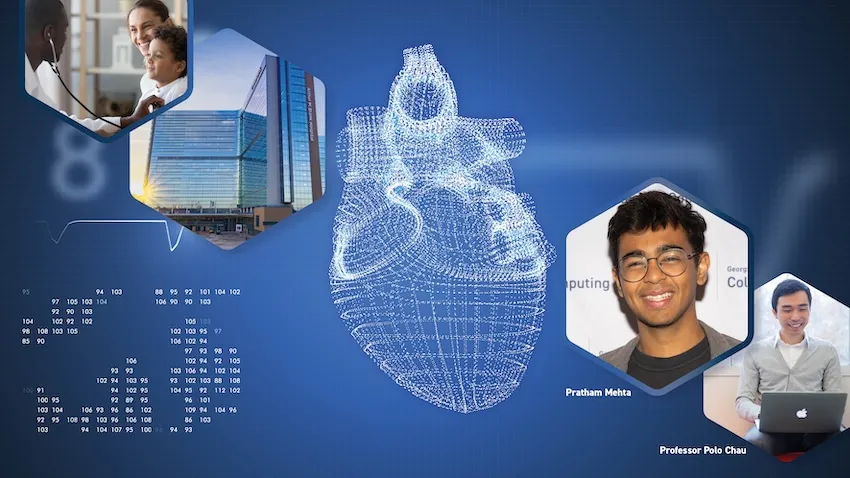
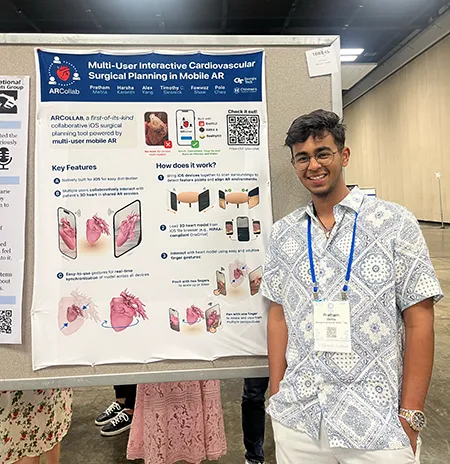
A new surgery planning tool powered by augmented reality (AR) is in development for doctors who need closer collaboration when planning heart operations. Promising results from a recent usability test have moved the platform one step closer to everyday use in hospitals worldwide.
Georgia Tech researchers partnered with medical experts from Children’s Healthcare of Atlanta (CHOA) to develop and test ARCollab. The iOS-based app leverages advanced AR technologies to let doctors collaborate together and interact with a patient’s 3D heart model when planning surgeries.
The usability evaluation demonstrates the app’s effectiveness, finding that ARCollab is easy to use and understand, fosters collaboration, and improves surgical planning.
“This tool is a step toward easier collaborative surgical planning. ARCollab could reduce the reliance on physical heart models, saving hours and even days of time while maintaining the collaborative nature of surgical planning,” said M.S. student Pratham Mehta, the app’s lead researcher.
“Not only can it benefit doctors when planning for surgery, it may also serve as a teaching tool to explain heart deformities and problems to patients.”
Two cardiologists and three cardiothoracic surgeons from CHOA tested ARCollab. The two-day study ended with the doctors taking a 14-question survey assessing the app’s usability. The survey also solicited general feedback and top features.
The Georgia Tech group determined from the open-ended feedback that:
- ARCollab enables new collaboration capabilities that are easy to use and facilitate surgical planning.
- Anchoring the model to a physical space is important for better interaction.
- Portability and real-time interaction are crucial for collaborative surgical planning.
Users rated each of the 14 questions on a 7-point Likert scale, with one being “strongly disagree” and seven being “strongly agree.” The 14 questions were organized into five categories: overall, multi-user, model viewing, model slicing, and saving and loading models.
The multi-user category attained the highest rating with an average of 6.65. This included a unanimous 7.0 rating that it was easy to identify who was controlling the heart model in ARCollab. The scores also showed it was easy for users to connect with devices, switch between viewing and slicing, and view other users’ interactions.
The model slicing category received the lowest, but formidable, average of 5.5. These questions assessed ease of use and understanding of finger gestures and usefulness to toggle slice direction.
Based on feedback, the researchers will explore adding support for remote collaboration. This would assist doctors in collaborating when not in a shared physical space. Another improvement is extending the save feature to support multiple states.
“The surgeons and cardiologists found it extremely beneficial for multiple people to be able to view the model and collaboratively interact with it in real-time,” Mehta said.
The user study took place in a CHOA classroom. CHOA also provided a 3D heart model for the test using anonymous medical imaging data. Georgia Tech’s Institutional Review Board (IRB) approved the study and the group collected data in accordance with Institute policies.
The five test participants regularly perform cardiovascular surgical procedures and are employed by CHOA.
The Georgia Tech group provided each participant with an iPad Pro with the latest iOS version and the ARCollab app installed. Using commercial devices and software meets the group’s intentions to make the tool universally available and deployable.
“We plan to continue iterating ARCollab based on the feedback from the users,” Mehta said.
“The participants suggested the addition of a ‘distance collaboration’ mode, enabling doctors to collaborate even if they are not in the same physical environment. This allows them to facilitate surgical planning sessions from home or otherwise.”
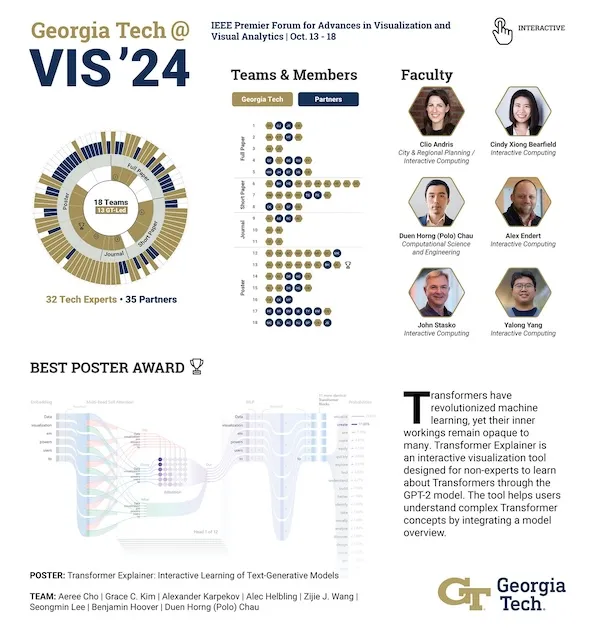
The Georgia Tech researchers are presenting ARCollab and the user study results at IEEE VIS 2024, the Institute of Electrical and Electronics Engineers (IEEE) visualization conference.
IEEE VIS is the world’s most prestigious conference for visualization research and the second-highest rated conference for computer graphics. It takes place virtually Oct. 13-18, moved from its venue in St. Pete Beach, Florida, due to Hurricane Milton.
The ARCollab research group's presentation at IEEE VIS comes months after they shared their work at the Conference on Human Factors in Computing Systems (CHI 2024).
Undergraduate student Rahul Narayanan and alumni Harsha Karanth (M.S. CS 2024) and Haoyang (Alex) Yang (CS 2022, M.S. CS 2023) co-authored the paper with Mehta. They study under Polo Chau, a professor in the School of Computational Science and Engineering.
The Georgia Tech group partnered with Dr. Timothy Slesnick and Dr. Fawwaz Shaw from CHOA on ARCollab’s development and user testing.
"I'm grateful for these opportunities since I get to showcase the team's hard work," Mehta said.
“I can meet other like-minded researchers and students who share these interests in visualization and human-computer interaction. There is no better form of learning.”
News Contact
Bryant Wine, Communications Officer
bryant.wine@cc.gatech.edu
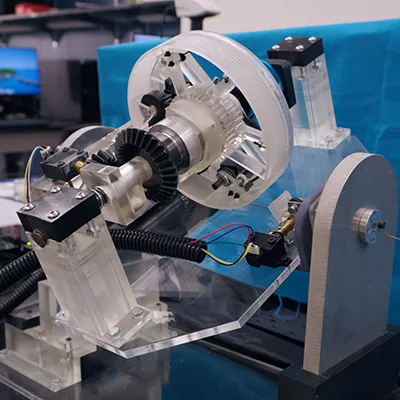
Closeup view of Georgia Tech's newest robotic guidewire device for surgical precision.
The Coaxially Aligned Steerable Guidewire Robot (COAST) is a groundbreaking surgical device developed at Georgia Tech that helps doctors navigate blood vessels with precision during procedures like angioplasty. Controlled remotely, it’s the world’s smallest steerable guidewire. Its innovative micro-tendon actuation system allows smooth navigation, reducing risks. Available for licensing, with support from the Georgia Research Alliance.

An Adobe stock conceptual image of a lighted bulb in the dirt illustrating new technology that draws energy from dirt.
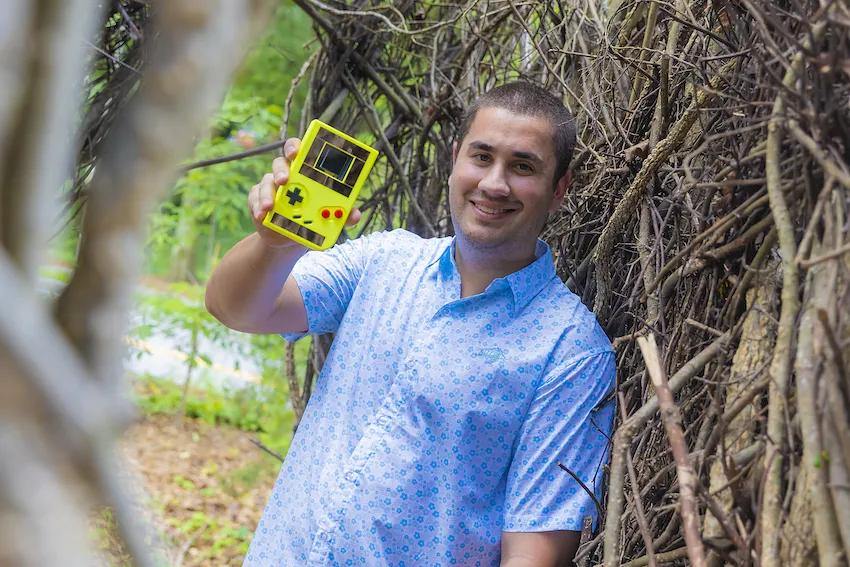
A newly designed soil-powered fuel cell that could provide a sustainable alternative to batteries was recognized as an honorable mention in the annual Fast Company Innovation by Design Awards.
Terracell is roughly the size of a paperback book and uses microbes found in soil to generate energy for low-power applications.
Previous designs for soil microbial fuel cells required water submergence or saturated soil. Terracell can function in soil with a volumetric water content of 42%
Terracell placed in Fast Company’s list of the best sustainability-focused designs of 2024.
Researchers at Northwestern University lead the multi-institution research team that designed Terracell.
Josiah Hester, an associate professor in Georgia Tech's School of Interactive Computing who previously worked at Northwestern, directs the Ka Moamoa Lab, where the project was conceived.
The team includes researchers from Northwestern, Georgia Tech, Stanford, the University of California-San Diego, and the University of California-Santa Cruz.
Their research was published in January in the Proceedings of the Association for Computing Machinery on Interactive, Mobile, Wearable, and Ubiquitous Technologies. The researchers will also present this work at the ACM international joint conference on Pervasive and Ubiquitous Computing (Ubicomp), Oct. 5-9.
According to the Fast Company website, the Innovation by Design Awards recognize “designers and businesses solving the most crucial problems of today and anticipating the pressing issues of tomorrow.” Winners are published in Fast Company Magazine and are honored at the Fast Company Innovation Festival in the fall.
“Terracell could reduce e-waste and extend the useful lifetime of electronics deployed for agriculture, environmental monitoring, and smart cities,” Hester said. “We were honored to be recognized for the design innovation award. It is a testament to the promise of sustainable computing and our hope for a more sustainable world.”
For more information about Terracell, see the story featured on Northwestern Now, or visit the project’s website.
News Contact
Nathan Deen, Communications Officer
Georgia Tech School of Interactive Computing
nathan.deen@cc.gatech.edu
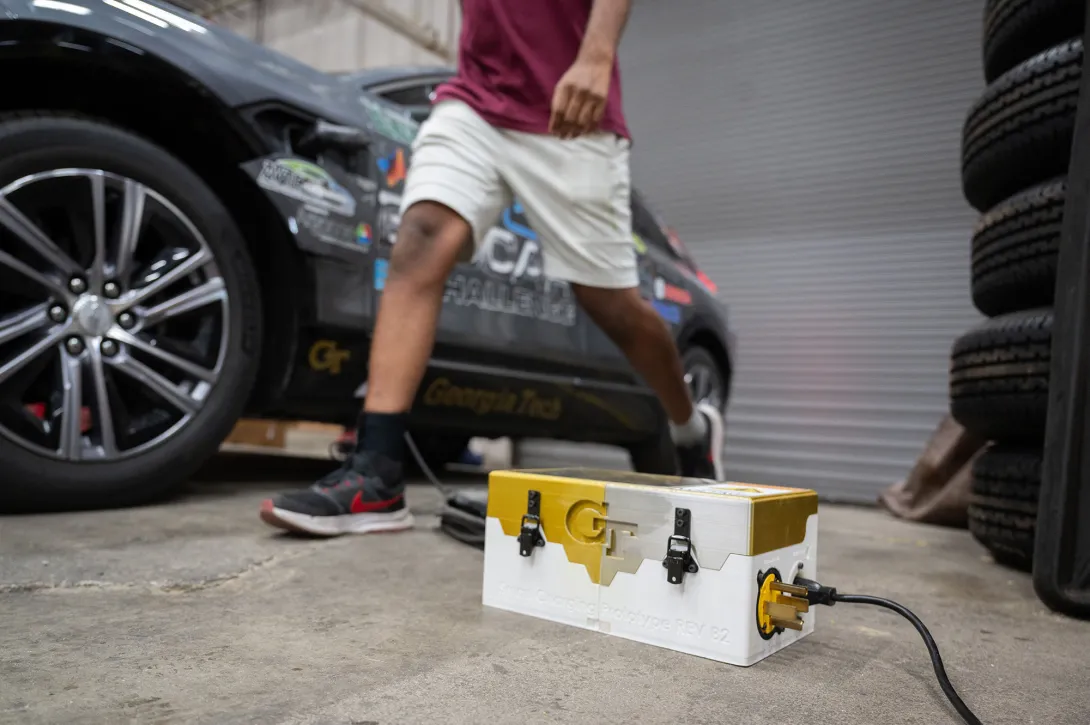
The EV smart charger allows users to customize their charging, with the ability to weight preferences for carbon-free energy, cost, charge speed, and battery health. Credit: Allison Carter
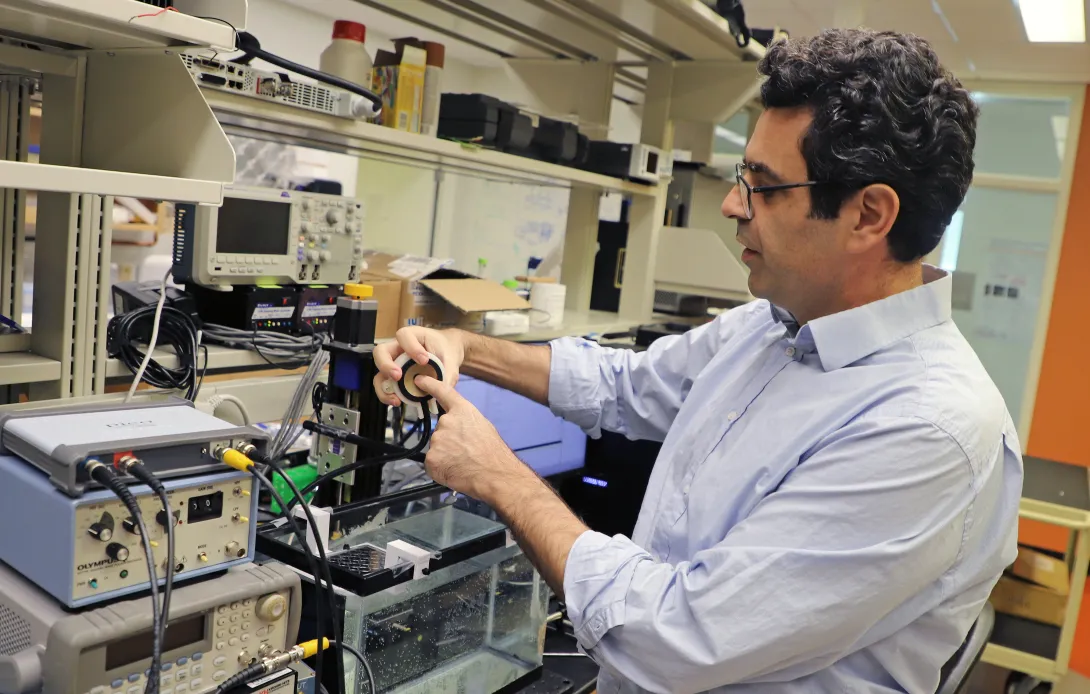
Costas Arvanitis is developing a method using microbubbles and ultrasound to breach the blood-brain barrier. — Photo by Jerry Grillo
The brain is a stronghold, the central command center for the body, protected by the blood-brain barrier (BBB). This network of blood vessels and tissues acts as a biological gatekeeper, a selective filter that prevents harmful substances in the bloodstream from entering the brain’s complex ecosystem.
It’s protection that comes at a cost. While the BBB lets some things in — like water, oxygen, general anesthetics made of very small molecules — it also prevents many vital therapeutics from reaching the brain, limiting the treatment options for neurological problems.
But a multinational team of researchers led by Georgia Tech biomedical engineer Costas Arvanitis is tackling the challenge with a technique that combines microbubbles — tiny gas-filled spheres — and ultrasound technology. Their innovative approach aims to temporarily open the BBB, allowing drugs or immune cells in to take on the fight against disease, offering therapeutic hope for patients battling conditions like brain cancer or Alzheimer’s disease.
“We found that microbubble-enhanced ultrasound, an emerging technology that offers a noninvasive way to temporarily open the blood-brain barrier, allows blood-borne therapeutics to reach the brain,” said Arvanitis, associate professor in the Wallace H. Coulter Department of Biomedical Engineering and the George W. Woodruff School of Mechanical Engineering.
The technique can potentially be fine-tuned to establish windows of opportunity to target brain diseases, he added. Costas and his collaborators describe their work in a recent edition of Nature Communications.
Bouncing Bubbles
Microbubbles, smaller than the diameter of human hair, have shells made of a lipid or protein. In healthcare, they’re often used to help enhance visibility in ultrasound, acting as contrast agents, illuminating details inside the body.
Ultrasound uses high-frequency sound waves to create images. When microbubbles are exposed to focused ultrasound waves, they rapidly expand and contract. This gentle mechanical force shakes the protective barrier surrounding the brain, creating small openings for aid to pass through.
“Despite their simple structure, microbubbles have complex behaviors,” Arvanitis said. “They can resonate at specific frequencies, allowing us to manipulate their oscillations to enhance permeability at the blood-brain barrier. And their behavior also depends on their size and shell composition.”
For instance, microbubbles with elastic shells are more effective in increasing the permeability of the BBB. In their research, Arvanitis and his collaborators noted a 12-fold increase in drug delivery effectiveness using elastic-shelled (lipid-based) microbubbles.
Math Before Mice
The researchers conducted studies using mice but began with a mathematical model to simulate microbubble dynamics in brain vessels. They identified a resonant frequency that enhances microbubble movement and explored the correlation between frequency, bubble dynamics, and inflammatory responses in the brain.
Their model and later experiments showed that specific ultrasound frequencies can enhance immune cell movement and increase drug accumulation in brain tumors. They also found that higher ultrasound frequencies, while effective in opening the BBB, were also accompanied by increased expression of inflammatory markers on the endothelia cells of the BBB — an important finding, as excessive inflammation can lead to further complications in patients with neurological disorders.
"By understanding and controlling the frequency dynamics of microbubbles, we can create a system that maximizes drug delivery efficacy,” Arvanitis said. “Our findings suggest that using lower frequencies may be beneficial for delivering therapeutics while reducing inflammation, which can be crucial for treating neurodegenerative diseases like Alzheimer's and Parkinson's.”
The research has implications that could extend beyond drug delivery, paving the way for new diagnostic techniques. Using ultrasound to open the BBB could allow clinicians to gather important information directly from the brain, improving diagnostic techniques, like ultrasound-enhanced biopsies.
“The scientific principles established by our work not only enhance our ability to develop safer and more effective treatments for brain diseases, but also lays the groundwork for innovative diagnostic and therapeutic strategies within and beyond the brain,” said Arvanitis, whose team included graduate students from his lab as well as researchers from the University of California (San Francisco), Stanford, and the University of Edinburgh.
He added, “The dynamics of microbubbles interacting with blood vessels could have important implications in other areas of medicine that we haven’t yet explored.”
CITATION: Yutong Guo, Hohyun Lee, Chulyong Kim, Christian Park, Akane Yamamichi, Pavlina Chuntova, Marco Gallus, Miguel Bernabeu, Hideho Okada, Hanjoong Jo, Costas Arvanitis. “Ultrasound frequency-controlled microbubble dynamics in brain vessels regulate the enrichment of inflammatory pathways in the blood-brain barrier.” Nature Communications doi.org/10.1038/s41467-024-52329-y
FUNDING: This study was supported by NIH grants R37 CA239039, R01CA273878, R35NS105068, HL119798, HL139757, HL151358, and T32HL166146. This study was also supported by the Parker Institute for Cancer Immunotherapy, Ians Friends Foundation, and the German Research Foundation, and the Leducq Foundation.
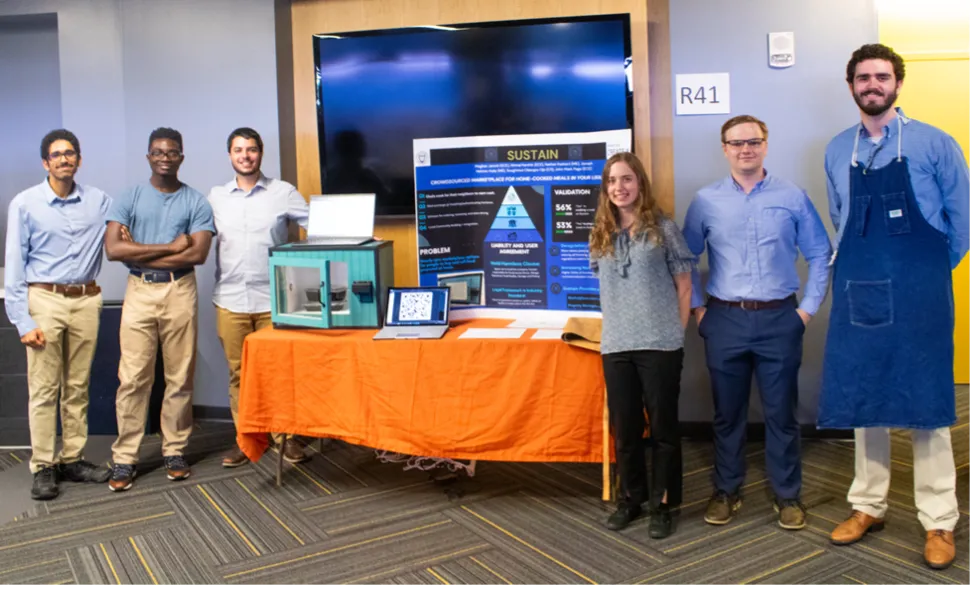
Team Sustain poses with their lock box for home cooked meals at the 2024 Spring Capstone Expo.
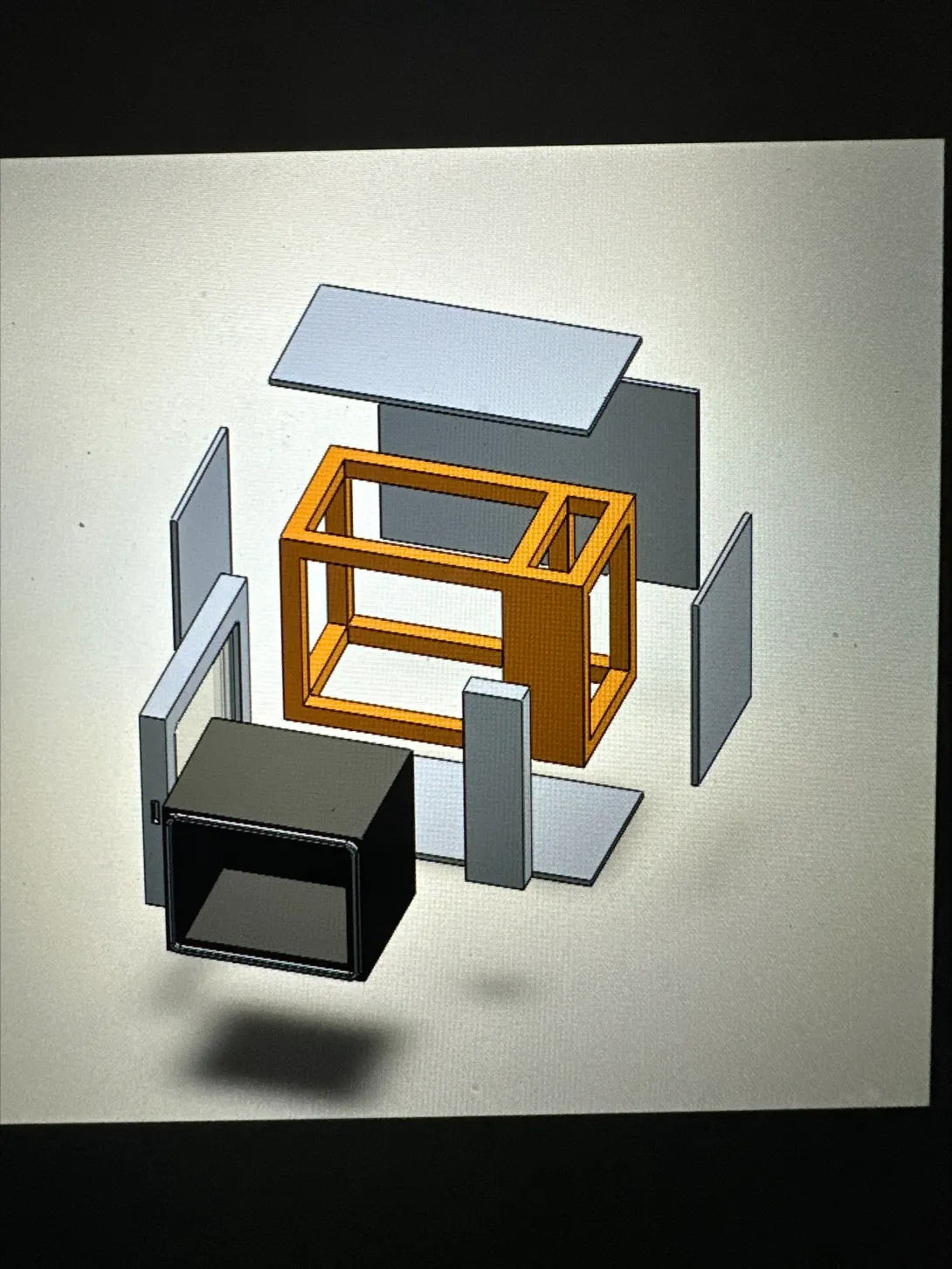
Model image of Team Sustain lock box for home cooked meals
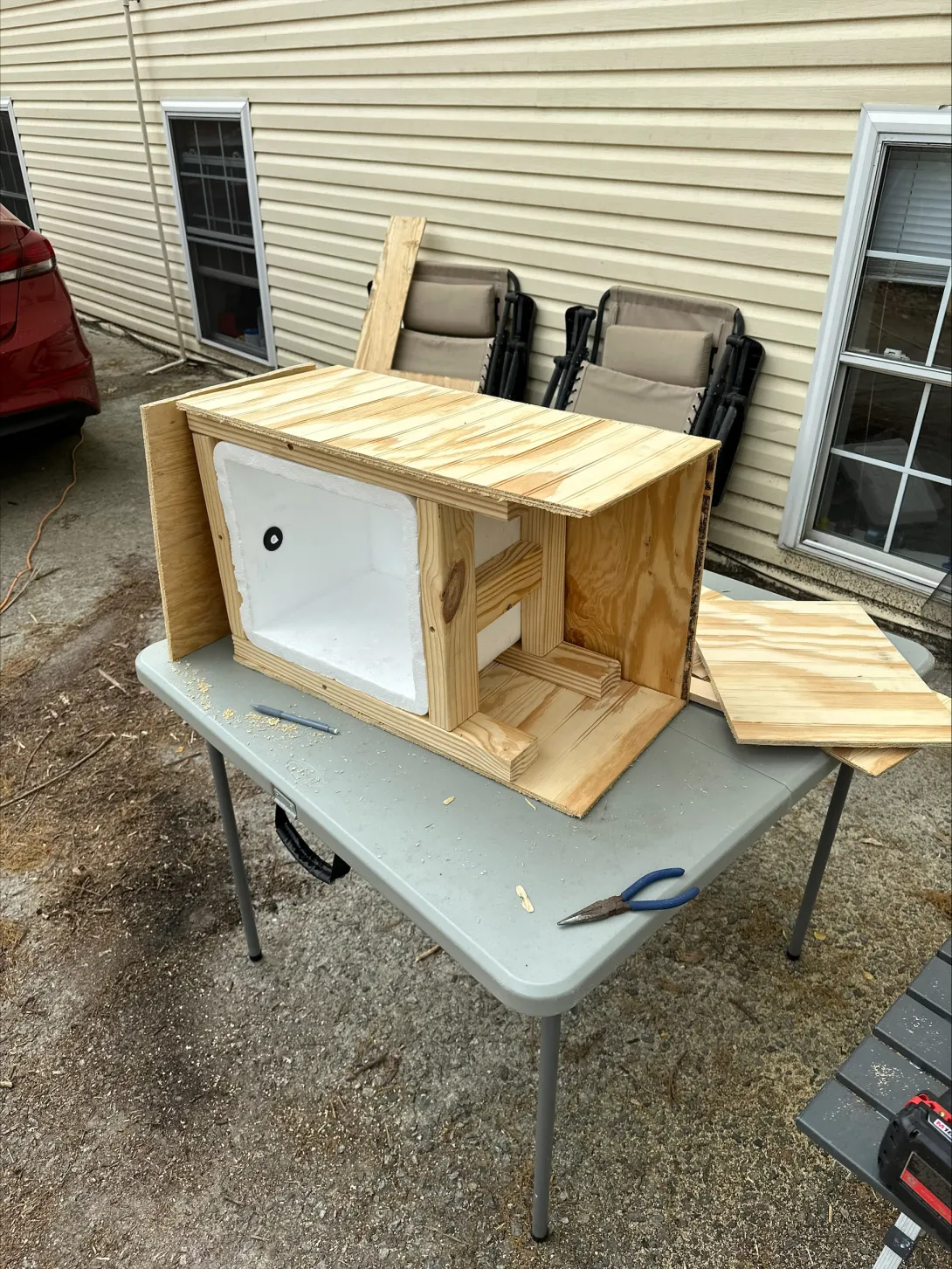
Wooden components make up the initial draft of the lock box for home cooked meals, made by Team Sustain
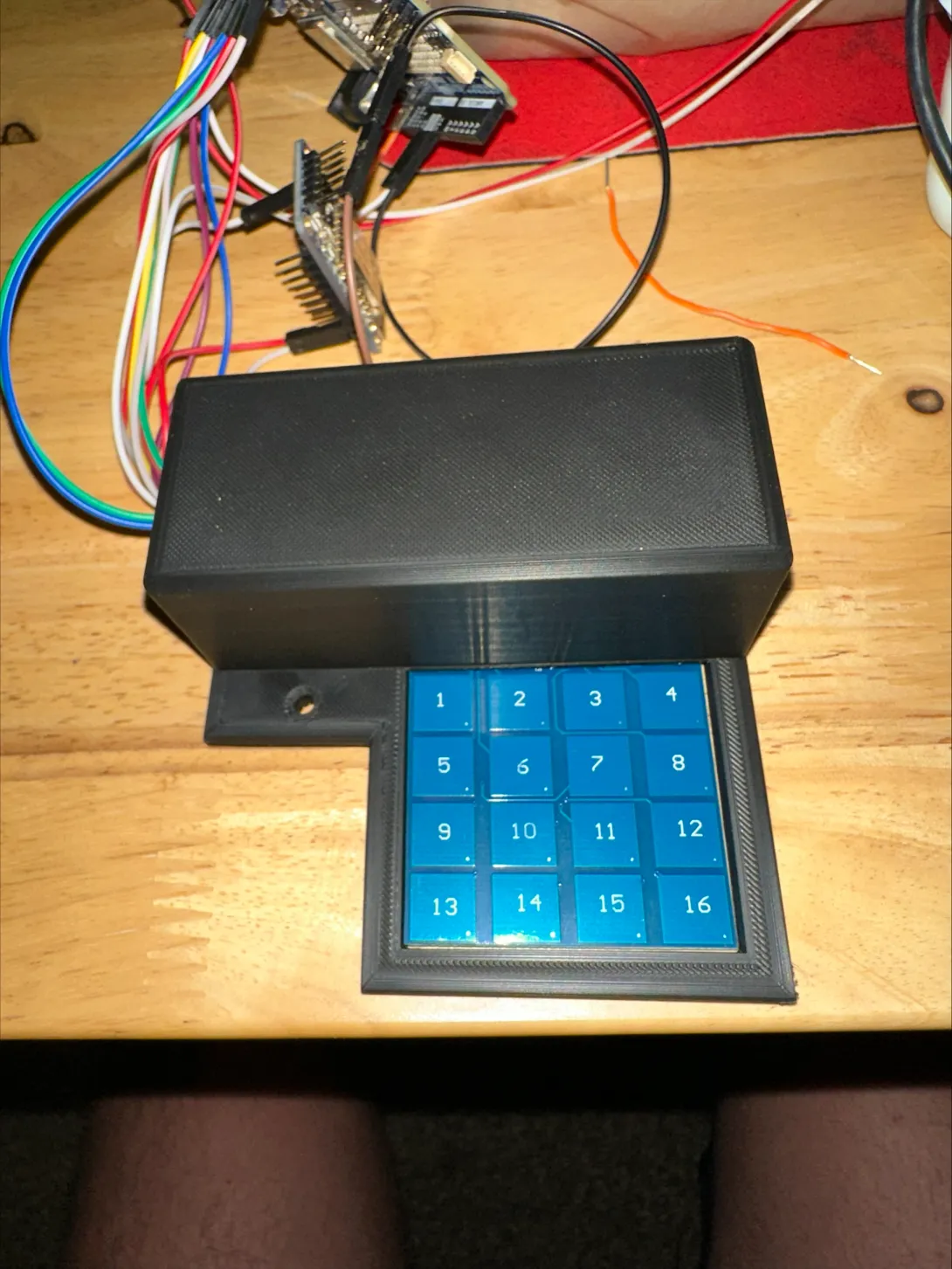
Team Sustain printer with components their lock box for home cooked meals
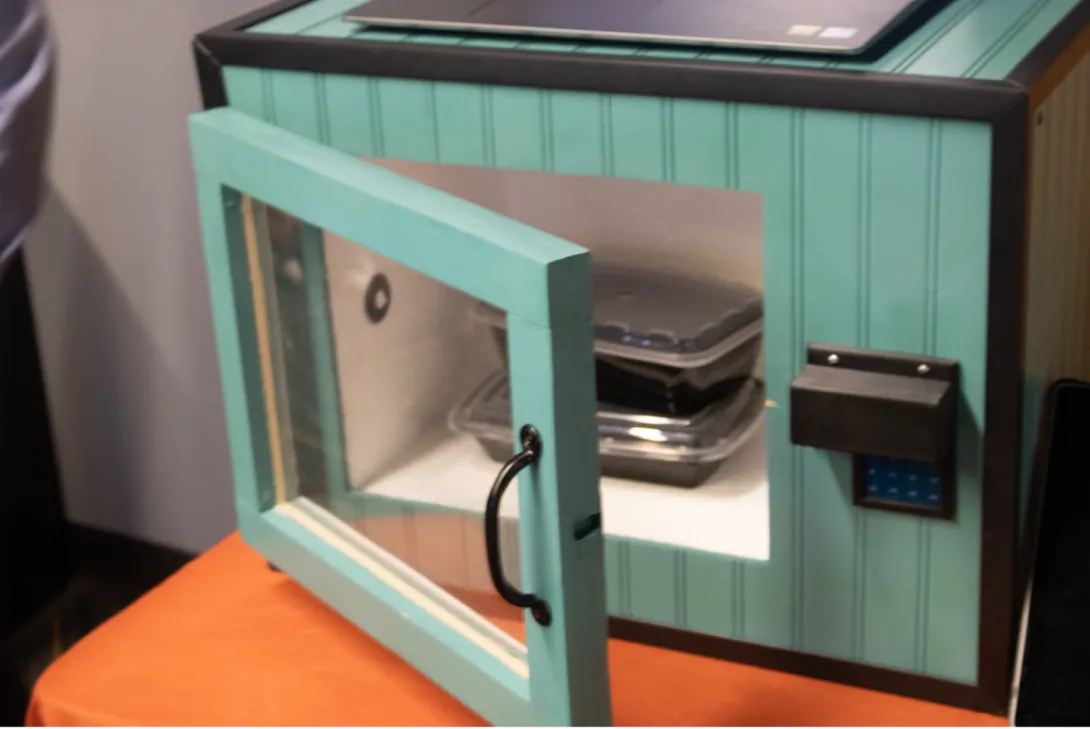
A lock box for home cooked meals is presented at the 2024 Spring Capstone Expo.
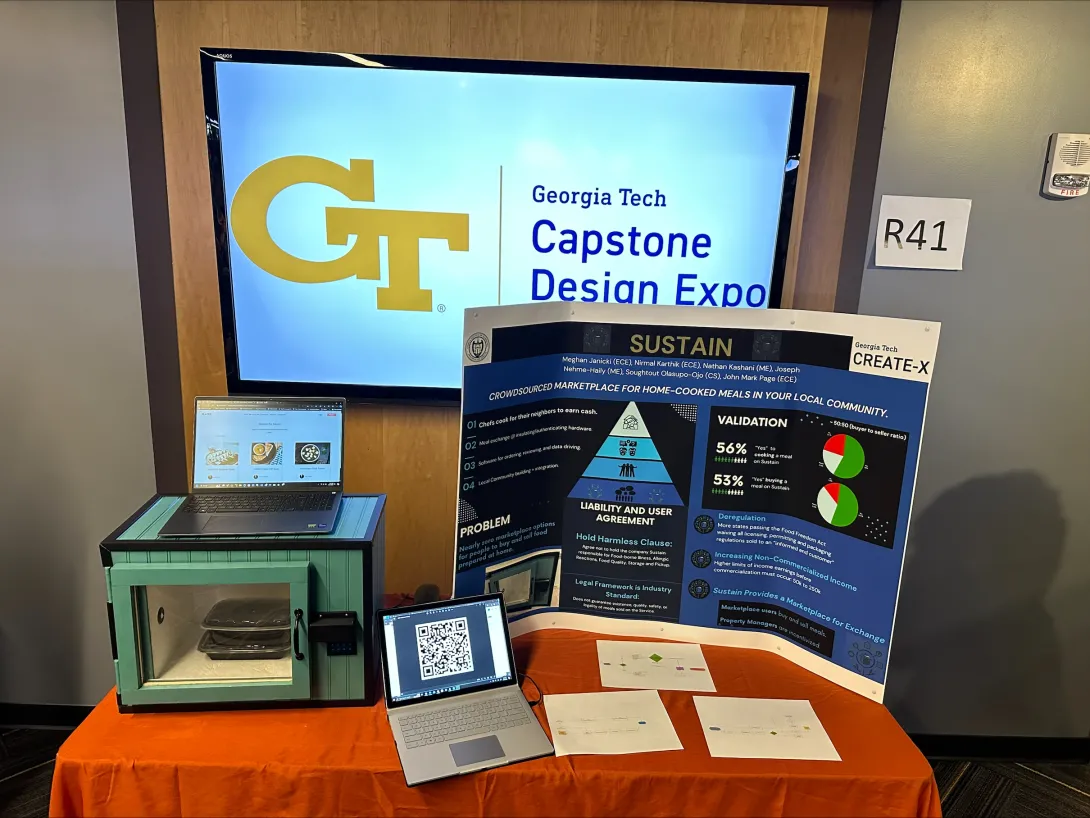
Team Sustain lock box for home cooked meals sits with a tri-fold explainer and a laptop with a QR code at the Spring 2024 Capstone Expo
CREATE-X Capstone Design offers students a unique opportunity to blend their technical skills with entrepreneurial ambitions. In this interdisciplinary program, teams of students identify real-world problems and develop innovative solutions through customer discovery and hands-on experience. Below we spotlight Team Sustain, a group of students who participated in the Spring 2024 Capstone Expo. Their project focused on bringing convenience to home-cooked meals, showcasing the practical application of their engineering and entrepreneurial skills. Read on to learn about their journey, their challenges, and how you can get involved in CREATE-X Capstone Design.
Team Sustain
Sustain offers a way to crowdsource meals and provide home cooks with a cash incentive. The system includes software for ordering, reviewing, and collecting data and hardware for meal exchange.
Nirmal Karthik, electrical and computer engineering
Soughtout Olasupo-Ojo, computer science
Nathan Kashani, mechanical engineering
Meghan Janicki, electrical and computer engineering
Joseph Nehme-Haily, mechanical engineering
John Mark Page, electrical engineering
Why did you all choose this project?
“One of the main things CREATE-X Capstone encourages us to do is customer discovery. Through our discussions, we realized that many people enjoy home-cooked meals but find them inconvenient to prepare. While most things in life are just a click away, home-cooked meals still require a personal touch. CREATE-X challenged us to find a problem and create a solution, so we focused on making home-cooked meals more convenient,” Page said.
Why CREATE-X Capstone?
“After graduation, I wanted to try my hand at entrepreneurship later. I thought CREATE-X was a good way for me to try and learn entrepreneurship skills: how to run a business, what it looks like, the timeline, and so on. Either way, if it went well or badly, I could say with my heart that I have an idea of how to do entrepreneurship,” Olasupo-Ojo said.
“You can go into a big city like Atlanta and actually feel like you can do something to help people. It is a great benefit, as opposed to being in the technical weeds of an engineering project. Mixing them together has been a great experience,” Janicki said.
“CREATE-X empowers students to think independently and explore projects they’re passionate about. We get to drive our projects and businesses, learning skills firsthand rather than just in theory,” Kashani said.
What was your biggest struggle?
“As engineers, we’re classically, especially in school, already given the problem. So, the challenge was figuring out what the problem was, and if our solution really solves the root cause of the problem. We figured out how to find the problem,” Page said.
“Figuring out the idea was our biggest struggle. We delved into markets to find opportunities and ways to help people,” Kashani said.
What has been your favorite part of this experience?
“The team. Make sure you surround yourself with good people, and I think each of us has done that. That’s what I’m proudest about — our team,” Page said.
What advice would you give to someone considering entrepreneurship?
“Develop the skill sets to see problems and be able to think about them. At the beginning of the semester, we were thinking about solar design and building solar design for farms, and now we are in a completely different space. But we’re still applying the same skills and building something up from it that matters. The most important skill is adaptability,” Janicki said.
“Be ready to make mistakes. You won’t get it right the first, second, or even third time. Customer discovery is a continuous process — don’t let setbacks discourage you,” Olasupo-Ojo said.
“Don’t be afraid to get started. If you’re feeling nervous or unsure, there’s only one way to find out, so I’d say go full force into it,” Kashani said.
CREATE-X Capstone Design is open to senior undergraduate students in mechanical engineering, electrical and computer engineering, industrial and systems engineering, and computer science. Course registration is available for the fall and spring semesters, and the current sections are ME4723-X/X01, CS4723-X/X01, ECE4853 X/LX, BME4723-X/X01, and ISYE4106.
CREATE-X also offers other programs like Startup Lab and Idea to Prototype, providing students with a foundational entrepreneurial education. For those interested in launching their own ventures, CREATE-X’s 12-week summer accelerator, Startup Launch, offers mentorship, $5,000 in seed funding, and $150,000 of in-kind services. The priority deadline for the accelerator is Nov. 17. Apply for Startup Launch to maximize your chances of acceptance and receive early feedback.
Making Sustain: The Gallery
News Contact
Breanna Durham
Marketing Strategist
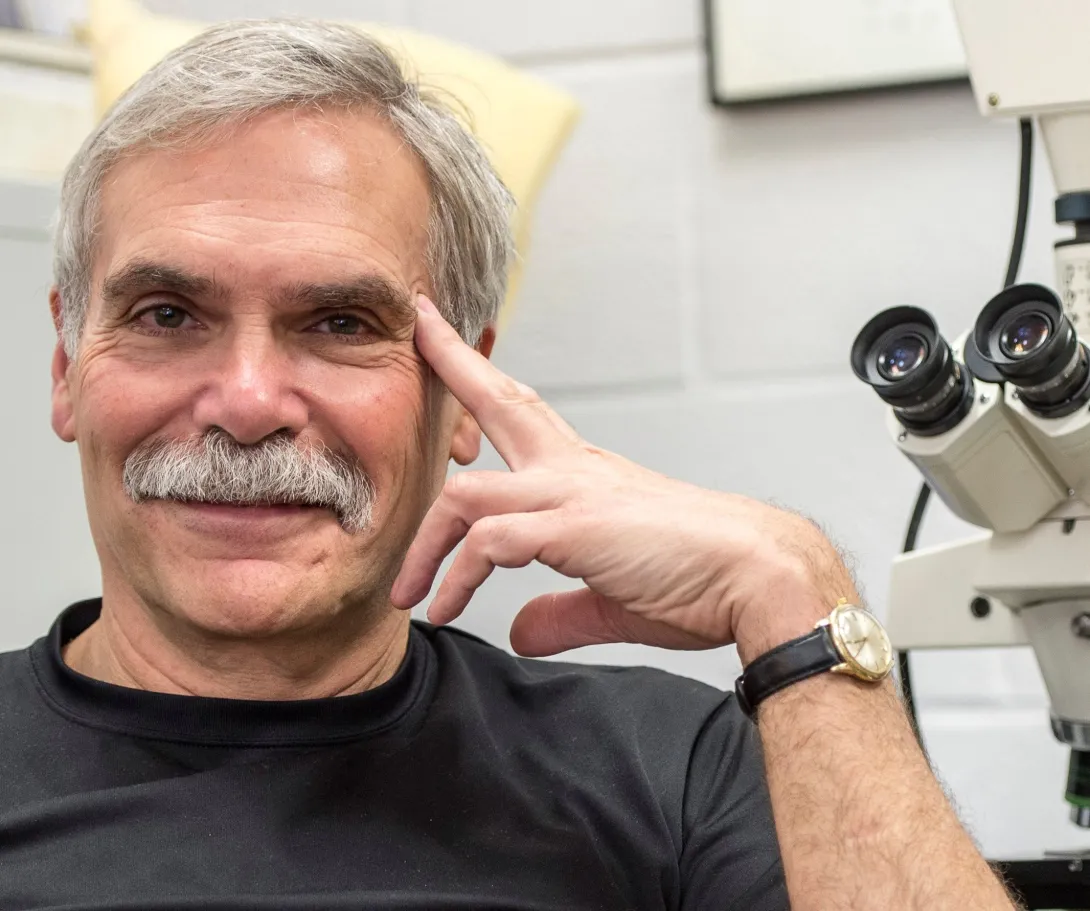
Frank Rosenzweig, professor in the School of Biological Sciences
Billions of years ago, self-replicating systems of molecules became separated from one another by membranes, resulting in the first cells. Over time, evolving cells enriched the living world with an astonishing diversity of new shapes and biochemical innovations, all made possible by compartments.
Compartmentalization is how all living systems are organized today — from proteins and small molecules sharing space in separate phases to dividing labor and specialized functions within and among cells.
Now, with $6 million in support from NASA, a team of researchers led by Georgia Tech’s Frank Rosenzweig will study the organizing principles of compartmentalization in a five-year project called Engine of Innovation: How Compartmentalization Drives Evolution of Novelty and Efficiency Across Scales.
It's one of seven new projects selected recently by NASA as part of its Interdisciplinary Consortia for Astrobiology Research (ICAR) program. ICAR is embedded among NASA’s five Astrobiology Research Coordination Networks (RCNs). Rosenzweig is co-lead for the RCN launched in 2022, LIFE: Early Cells to Multicellularity.
“We’re excited by the prospect of exploring this fundamental question through the interplay of theory and experiment,” said Rosenzweig, professor in the School of Biological Sciences, whose team of co-Investigators includes biochemists, geologists, cell biologists, and theoreticians from leading NASA research centers: Jeff Cameron, Shelley Copley, Alexis Templeton, and Boswell Wing from the University of Colorado Boulder; Josh Goldford and Victoria Orphan from California Institute of Technology; and John McCutcheon from Arizona State University. Collaborating with them is Chris Kempes, professor at the Santa Fe Institute.
Rosenzweig is also eager to eventually collaborate with existing ICAR teams, such as MUSE, led by the University of Wisconsin’s Betül Kaçar, a former Georgia Tech postdoctoral researcher, and newly selected teams, such as Retention of Habitable Atmospheres in Planetary Systems, led by Dave Brain at University of Colorado Boulder.
Meanwhile, he plans to build upon Georgia Tech’s outstanding reputation in astrobiology, where a cluster of researchers, such as Jen Glass, Nick Hud, Thom Orlando, Amanda Stockton, and Loren Williams, among others, is engaged in a diverse range of work supported by NASA.
“This is just the latest chapter in a long history of excellence in NASA research at Georgia Tech, one written by my colleagues across the Institute,” Rosenzweig said.
News Contact
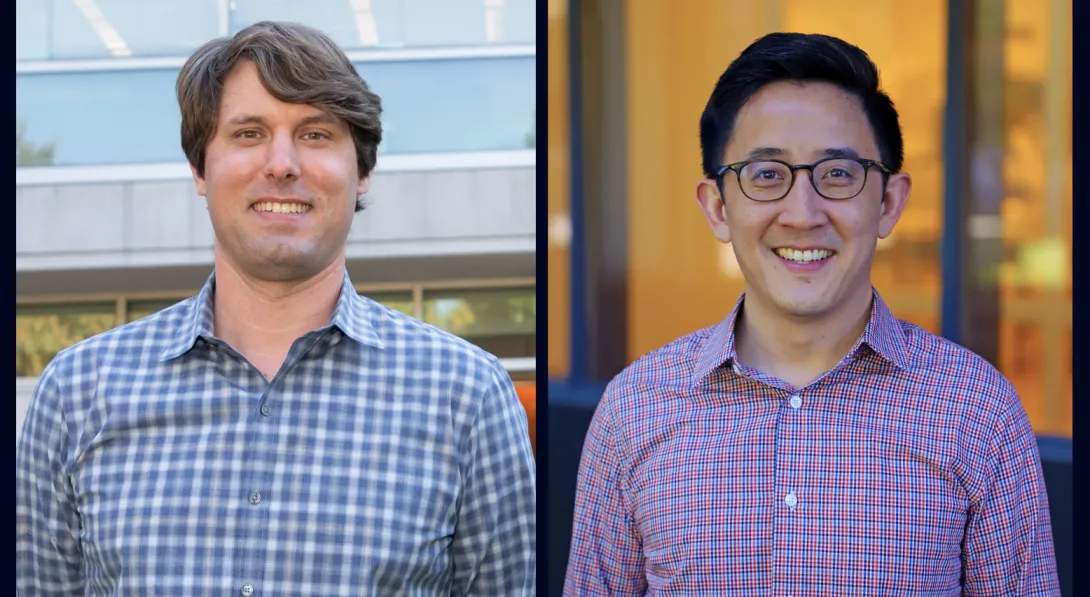
Coulter BME faculty members James Dahlman and Gabe Kwong have been elected to the American Institute for Medical and Biological Engineering (AIMBE) College of Fellows.
Two faculty members in the Wallace H. Coulter Department of Biomedical Engineering — associate professors James Dahlman and Gabe Kwong — have been elected to the American Institute for Medical and Biological Engineering (AIMBE) College of Fellows.
It’s considered one of the highest professional accolades for medical and biological engineers. Dahlman and Kwong are among 163 colleagues in this year’s induction class, joining only two percent of engineers in their fields who are accorded this distinction. Inductees are nominated and elected by peers and members of the College of Fellows.
“Many of the scientists I look up to are part of this organization, so I’m deeply honored to be named an AIMBE Fellow,” said Dahlman, McCamish Foundation Early Career Professor in Coulter BME, a joint department of Georgia Tech and Emory University.
AIMBE recognized him “for his sophisticated in vivo screens to develop clinically relevant lipid nanoparticles for delivering targeted RNA-based therapies outside the liver.”
Dahlman’s lab has developed nanoparticle barcodes that allow them rapidly to screen hundreds of potential drug delivery molecules at once, accelerating the discovery and delivery of new RNA therapeutics.
“I’m grateful for the recognition, but this honor really goes to the excellent trainees we have at Georgia Tech and Emory. Without their creativity and hard work, this recognition simply does not happen,” said Dahlman, who also called out his personal advisors, undergraduate mentor Daniel Miracle, and pioneering biotechnologists Robert Langer and Feng Zhang: “They believed in me and gave me the confidence to pursue high-risk, high-reward science at Georgia Tech and Emory.”
Kwong was elected, according to the AIMBE citation, “for pioneering advances in immunoengineering and the clinical translation of such advancements for early cancer detection and immunotherapy.”
He’s leading a $50 million project as part of President Biden’s Cancer Moonshot initiative to map the metabolic signatures of cancer. Project CODA (for Cancer and Organ Degradome Atlas) will use this information to build bioengineered sensors for the early detection of multiple cancers.
“It’s the kind of multi-institutional project with a potential for great impact that every researcher dreams about,” noted Kwong, who said he did not develop a passion for research until college.
“That’s when I discovered that I liked solving problems — the harder the better,” said Kwong, whose Laboratory for Synthetic Immunity engineers medicines to intercept and treat disease. “After avoiding classes like chemistry in high school, I realized that I enjoy peeking under the hood, so to speak, and learning about the body, about cells and molecules.”
He added, “It just goes to show that there are multiple paths we can take to make contributions to human health. And this honor from AIMBE is personally significant, because it comes from a group of professionals that I sincerely admire, and that inspire me.”
AIMBE Fellows are some of the nation’s most distinguished medical and biological engineers, including three Nobel Prize laureates and 22 winners of the Presidential Medal of Science or Medal of Technology and Innovation. Also, 214 Fellows have been inducted to the National Academy of Engineering, 117 to the National Academy of Medicine, and 48 to the National Academy of Sciences.
News Contact
Jerry Grillomailto:jerry.grillo@ibb.gatech.edu
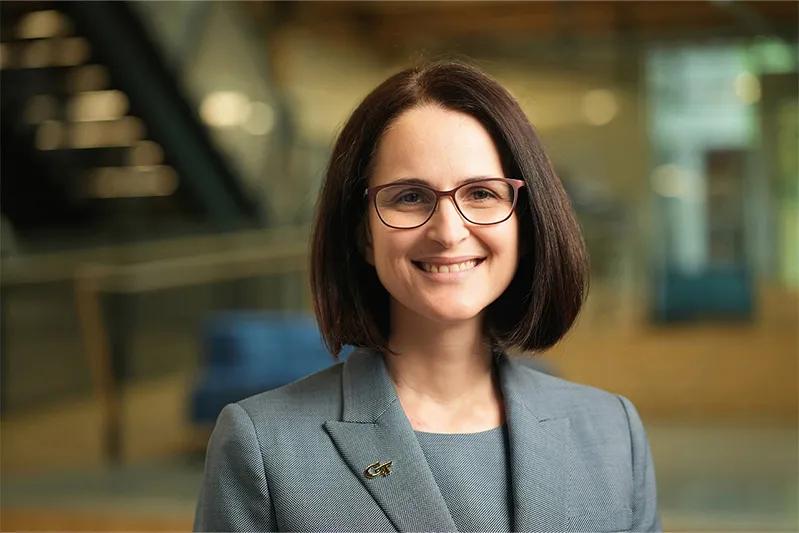
Scheller Business Insights is a dynamic video series that highlights the innovative thought leadership of the esteemed faculty at the Georgia Tech Scheller College of Business. At Scheller, we are committed to exploring ideas that educate and inform others about the profound impact of business on our lives and the world.
In this episode, Beril Toktay, Regents' Professor and faculty director of the Ray C. Anderson Center for Sustainable Business, defines net zero and discusses some ways to alleviate climate change by reducing carbon emissions to the point of net zero emissions.
Globally, most major polluters, such as China, the U.S., India, and the EU, are among over 140 nations with net-zero goals, which encompasses roughly 88 percent of global emissions. Meeting the Paris Agreement's 1.5°C climate threshold requires 45 percent emissions cut by 2030 and net-zero emissions by 2050 (United Nations Climate Action).
Toktay describes ways this can be accomplished in different business sectors. For example, in the energy sectors, this means moving from fossil fuels to renewable technologies, and in the transportation sector, moving to electrification and innovative battery technologies as well as developing the infrastructure to support these initiatives. These efforts help move businesses towards achieving net zero as well as providing cleaner air and water, and better health outcomes to the global population.
Listen as Toktay discusses what net zero means, the importance of getting to net zero, and how businesses can help reduce carbon emissions.
News Contact
Lorrie Burroughs
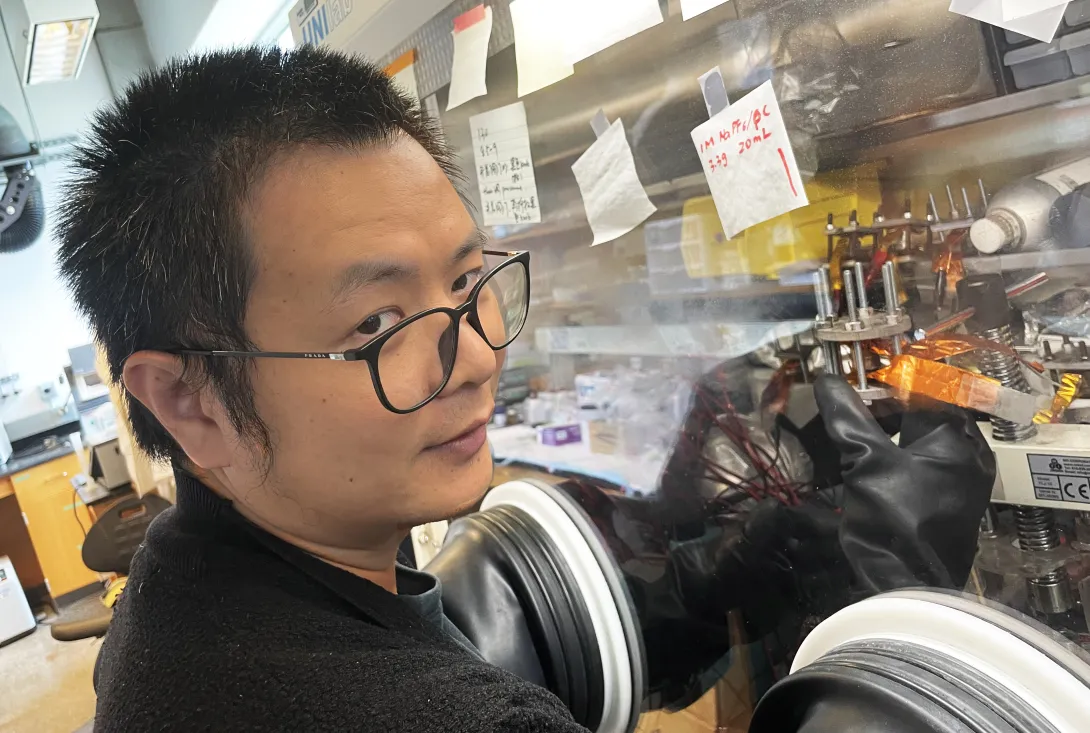
Zhantao Liu with the new low-cost cathode that could revolutionize lithium-ion batteries and the EV industry. Photo by Jerry Grillo
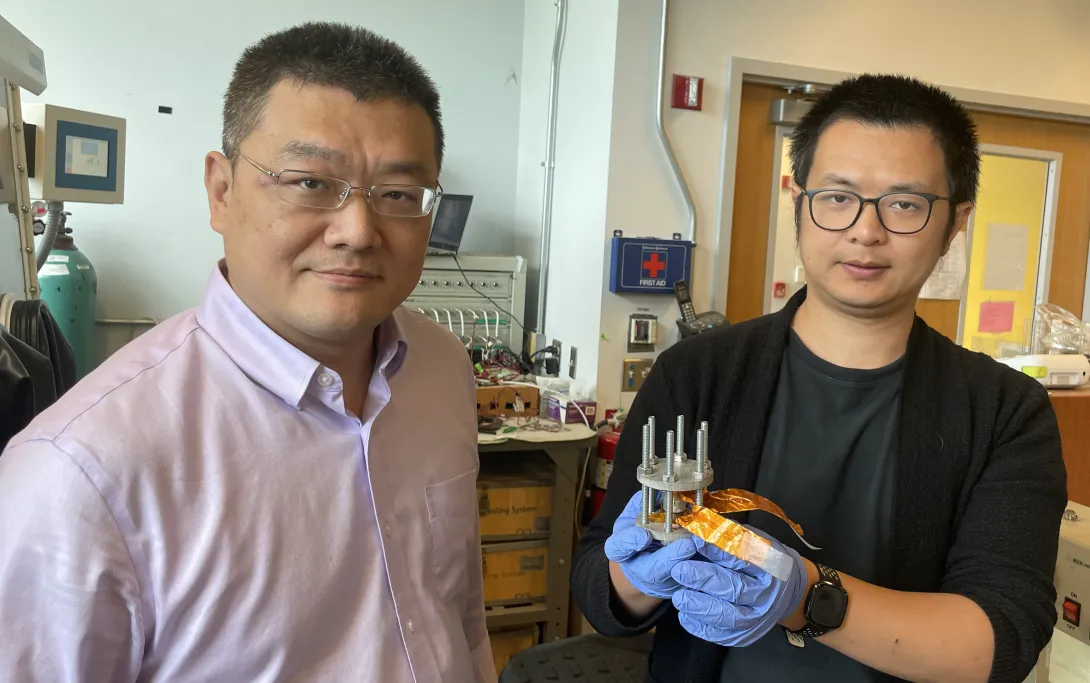
Hailong Chen and Zhantao Liu present a new, low-cost cathode for all-solid-state lithium-ion batteries. Photo by Jerry Grillo
A multi-institutional research team led by Georgia Tech’s Hailong Chen has developed a new, low-cost cathode that could radically improve lithium-ion batteries (LIBs) — potentially transforming the electric vehicle (EV) market and large-scale energy storage systems.
“For a long time, people have been looking for a lower-cost, more sustainable alternative to existing cathode materials. I think we’ve got one,” said Chen, an associate professor with appointments in the George W. Woodruff School of Mechanical Engineering and the School of Materials Science and Engineering.
The revolutionary material, iron chloride (FeCl3), costs a mere 1-2% of typical cathode materials and canstore the same amount of electricity. Cathode materials affect capacity, energy, and efficiency, playing a major role in a battery’s performance, lifespan, and affordability.
“Our cathode can be a game-changer,” said Chen, whose team describes its work in Nature Sustainability. “It would greatly improve the EV market — and the whole lithium-ion battery market.”
First commercialized by Sony in the early 1990s, LIBs sparked an explosion in personal electronics, like smartphones and tablets. The technology eventually advanced to fuel electric vehicles, providing a reliable, rechargeable, high-density energy source. But unlike personal electronics, large-scale energy users like EVs are especially sensitive to the cost of LIBs.
Batteries are currently responsible for about 50% of an EV’s total cost, which makes these clean-energy cars more expensive than their internal combustion, greenhouse-gas-spewing cousins. The Chen team’s invention could change that.
Building a Better Battery
Compared to old-fashioned alkaline and lead-acid batteries, LIBs store more energy in a smaller package and power a device longer between charges. But LIBs contain expensive metals, including semiprecious elements like cobalt and nickel, and they have a high manufacturing cost.
So far, only four types of cathodes have been successfully commercialized for LIBs. Chen’s would be the fifth, and it would represent a big step forward in battery technology: the development of an all-solid-state LIB.
Conventional LIBs use liquid electrolytes to transport lithium ions for storing and releasing energy. They have hard limits on how much energy can be stored, and they can leak and catch fire. But all-solid-state LIBs use solid electrolytes, dramatically boosting a battery’s efficiency and reliability and making it safer and capable of holding more energy. These batteries, still in the development and testing phase, would be a considerable improvement.
As researchers and manufacturers across the planet race to make all-solid-state technology practical, Chen and his collaborators have developed an affordable and sustainable solution. With the FeCl3 cathode, a solid electrolyte, and a lithium metal anode, the cost of their whole battery system is 30-40% of current LIBs.
“This could not only make EVs much cheaper than internal combustion cars, but it provides a new and promising form of large-scale energy storage, enhancing the resilience of the electrical grid,” Chen said. “In addition, our cathode would greatly improve the sustainability and supply chain stability of the EV market.”
Solid Start to New Discovery
Chen’s interest in FeCl3 as a cathode material originated with his lab’s research into solid electrolyte materials. Starting in 2019, his lab tried to make solid-state batteries using chloride-based solid electrolyteswith traditional commercial oxide-based cathodes. It didn’t go well — the cathode and electrolyte materials didn’t get along.
The researchers thought a chloride-based cathode could provide a better pairing with the chloride electrolyte to offer better battery performance.
“We found a candidate (FeCl3) worth trying, as its crystal structure is potentially suitable for storing and transporting Li ions, and fortunately, it functioned as we expected,” said Chen.
Currently, the most popularly used cathodes in EVs are oxides and require a gigantic amount of costly nickel and cobalt, heavy elements that can be toxic and pose an environmental challenge. In contrast, the Chen team’s cathode contains only iron (Fe) and chlorine (Cl)—abundant, affordable, widely used elements found in steel and table salt.
In their initial tests, FeCl3 was found to perform as well as or better than the other, much more expensive cathodes. For example, it has a higher operational voltage than the popularly used cathode LiFePO4 (lithium iron phosphate, or LFP), which is the electrical force a battery provides when connected to a device, similar to water pressure from a garden hose.
This technology may be less than five years from commercial viability in EVs. For now, the team will continue investigating FeCl3 and related materials, according to Chen. The work was led by Chen and postdoc Zhantao Liu (the lead author of the study). Collaborators included researchers from Georgia Tech’s Woodruff School (Ting Zhu) and the School of Earth and Atmospheric Sciences (Yuanzhi Tang), as well as the Oak Ridge National Laboratory (Jue Liu) and the University of Houston (Shuo Chen).
“We want to make the materials as perfect as possible in the lab and understand the underlying functioning mechanisms,” Chen said. “But we are open to opportunities to scale up the technology and push it toward commercial applications.”
CITATION: Zhantao Liu, Jue Liu, Simin Zhao, Sangni Xun, Paul Byaruhanga, Shuo Chen, Yuanzhi Tang, Ting Zhu, Hailong Chen. “Low-cost iron trichloride cathode for all-solid-state lithium-ion batteries.” Nature Sustainability.
FUNDING: National Science Foundation (Grant Nos. 1706723 and 2108688)