

Two Cuban brown anoles, Anolis sagrei (Credit: Day's Edge Productions)

A Cuban brown anole (Anolis sagrei) in Miami (Credit: Day's Edge Productions)

A Puerto Rican crested anole, Anolis cristatellus (Credit: Day's Edge Productions)
In South Florida, two Caribbean lizard species met for the first time. What followed provided some of the clearest evidence to date of evolution in action.
Lead author James Stroud, an assistant professor in the School of Biological Sciences, was studying Cuban brown anoles (Anolis sagrei) in South Florida when the Puerto Rican crested anole (Anolis cristatellus), suddenly appeared in the region.
Published in Nature Communications, the study documents what happens as the two Anolis lizards adapted in response to the new competitor, while helping to resolve a longstanding challenge in evolutionary biology — directly observing the role of natural selection in character displacement: how similar animals adapt in response to competition.
"Most of what we know about how animals change in response to this process comes from studying patterns that evolved long ago,” Stroud says. “This was a rare opportunity where we could watch evolution as it happened."
Competition from coexistence
While these two small, brown lizards diverged evolutionarily between 40-60 million years ago and evolved on completely separate Caribbean islands, the two species are nearly identical, and fill similar ecological niches.
So, when the Puerto Rican crested anole suddenly appeared in Cuban brown anole habitat at Fairchild Tropical Botanic Garden in 2018, the two were competing for similar habitats and food sources.
“When two similar species compete for the same resources, like food and territory, they often evolve differences that allow them to coexist,” Stroud says. But, while scientists have found many examples of similar species developing different traits to ease this overlap, “scientists have rarely been able to observe this process as it unfolds in nature.”
Stroud’s team had already been studying Cuban brown anoles at the Fairchild Tropical Botanic Gardens in Miami, Florida, two years prior to when the crested anoles invaded. The team was able to quickly pivot to observe how the invasion changed both species, analyzing the lizards’ changing diets, measuring if the lizards were moving through foliage or on the forest floor, and recording the different species’ locations relative to each other. For over a thousand lizards, they also measured perch height — the distance from the ground that the lizard is perching — a primary marker of how Anolis lizards divvy up habitat.
“We not only observed how these lizards changed their habitat use and behavior when they encountered each other,” says Stroud, “but we also documented the natural selection pressures driving their physical evolution in real-time."
Human-made habitats and natural experiments
The research team found that when these lizard species occur together, they divide up their habitat in predictable ways — the Cuban brown anole shifted to spend more time on the ground, and evolved longer legs to run faster in this habitat, while the slightly larger Cuban crested anole lived in vegetation above the ground.
"We found that brown anoles with longer legs had higher survival after crested anoles showed up," says Stroud. "This matches perfectly with the physical differences we see in populations where these species have been living together for many generations."
Stroud adds that while the research provides some of the strongest observations of evolution in action to date, it also demonstrates how human activities can create natural experiments that help us understand fundamental evolutionary processes — both species of Anolis lizard in the study were originally non-native to South Florida.
“As species increasingly come into contact due to human-mediated introductions and climate change, these studies may be important for predicting how communities will respond,” he says. "By studying these non-native lizards who are meeting each other for the first time in their existence, we had a unique opportunity to see the actual process unfold and connect it to the patterns we observe in nature."
News Contact
Written by Selena Langner
Contact: Jess Hunt-Ralston
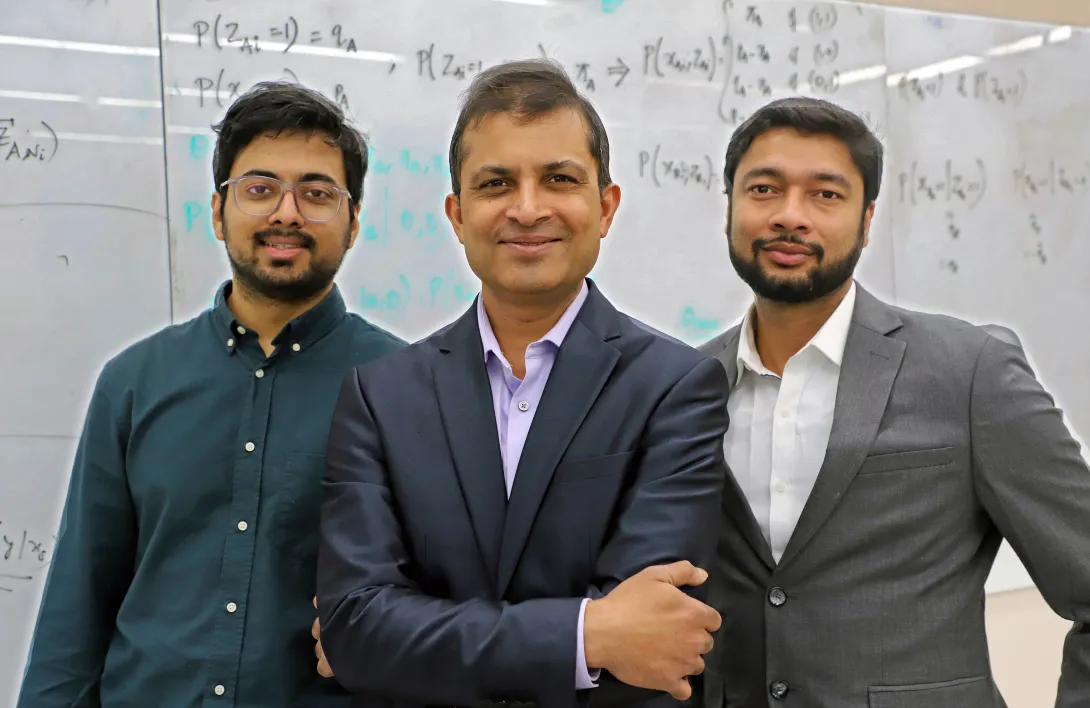
Saurabh Sinha (center) and his collaborators are advancing the field of spatial transcriptomics with development of InSTAnT. Flanking Sinha are trainees from his lab (left to right), Bhavay Aggarwal and lead author of the recently published study, Anurendra Kumar.
Saurabh Sinha and a multi-institutional team of researchers have created a computational toolkit with the detection power and precision of a spy satellite. But instead of keeping tabs of human traffic on the ground, or infrastructure development in a city, they’re focusing on RNA with unprecedented clarity at the subcellular level.
Their intracellular spatial transcriptomic analysis toolkit, or InSTAnT, can analyze cellular data and chart RNA interactions, providing new insights into the molecular processes of life and advancing an evolving field of research.
“Conventional spatial transcriptomics maps RNA at the tissue level,” said Sinha, professor in the Wallace H. Coulter Department of Biomedical Engineering at Georgia Tech and Emory University. “But InSTAnT represents a step forward. It provides, for the first time, an analytic technique to fully exploit single-molecule resolution. This means we can explore the intricate architecture, machinery, and activity of cells in ways that were not possible before.”
In addition to Georgia Tech and Emory, the team included researchers from from the University of Illinois Urbana-Champaign. With Anurendra Kumar, a grad student in the Sinha lab, as lead author, they explained their innovative work recently in Nature Communications.
Subcellular GPS
Spatial transcriptomics has enhanced the study of gene expression (how genes regulate cellular functions and behaviors), revealing molecular activity in its natural environment. The aim is to gain a deeper understanding of biology, health, and disease, with the hope of developing targeted treatments.
“One of the biggest challenges in the field was the lack of systematic tools to analyze spatial relationships at the subcellular level,” Sinha said. “We saw this gap as an opportunity to innovate and solve a problem that was truly spatial in nature.”
InSTAnT was designed to work in tandem with imaging-based spatial transcriptomics technologies like MERFISH (Multiplexed Error-Robust Fluorescence In Situ Hybridization, developed by Harvard in 2015), which can observe thousands of RNA molecules inside single cells, gathering detailed information about gene activity.
“It’s like a GPS for tissue, looking all the way down to city street level,” said Sinha. “The little dots on this GPS aren’t people. They’re RNA molecules called gene transcripts. But we didn’t really know how to make sense of this distribution of molecules in the cytoplasm or the nucleus, or generally within the cell.”
InSTAnT translates what MERFISH gathers, using advanced statistical tests and algorithms, analyzing the distribution of RNA molecules that carry genetic information needed for various cell functions.
The Cities in Our Cells
If a cell was a busy little city, think of the gene transcripts — RNA molecules, the dots in Sinha’s GPS scenario — as workers moving around town, performing their important tasks.
InSTAnT keeps tabs on this activity, investigating where and how these workers interact, and what they might be up to. So, InSTAnT identifies RNA pairs in specific areas, observing molecular interactions that are critical for cellular functions like protein production.
“Our toolkit provides a level of detail crucial for understanding complex biological processes and how they contribute to diseases,” said Sinha, whose team tested the toolkit on a variety of datasets, including human and mouse cells, and across multiple cell types and brain regions.
He expects InSTAnT to transform how researchers study RNA interactions and explore unknown aspects of cellular organization and function.
“I think we’ve opened new possibilities for studying how cells coordinate their activities and adapt to challenges,” said Sinha, adding, “and it was a true team effort, with two other PIs from another institution, and a talented Ph.D. student as the lead author. This is a great example of how collaboration and data-driven science can uncover new biological frontiers.”
CITATION: Aunrendra Kumar, Alex Schrader, Bhavay Aggarwal, Ali Ebrahimpour Boroojeny, Marisa Asadian, JuYeon Lee, You Jin Song, Sihai Dave Zhao, Hee-Sun Han, Saurabh Sinha. “Intracellular spatial transcriptomic analysis toolkit (InSTAnT),” Nature Communications. https://doi.org/10.1038/s41467-024-49457-w
FUNDING: This research was supported by the National Institutes of Health, grant Nos. R35GM131819, R35GM147420, R21HG013180, and T32- 842 GM136629; Johnson & Johnson (WiSTEM2D Award for Science). Any opinions, findings, and conclusions or recommendations expressed in this material are those of the authors and do not necessarily reflect the views of any funding agency.
News Contact

The research team used advanced microscopy techniques to capture these images of CD40 and CD40L interactions.

Georgia Tech researchers Cheng Zhu and Ankur Singh
A firm handshake between proteins on immune cells is important for the body’s ability to fight infection. Meanwhile, a weak grip helps explain the poor immune deficiencies caused by a rare genetic disorder.
A new study led by Georgia Tech and Emory University researcher Cheng Zhu explores the role of physical force on the immune system’s ability to fight an infection. The team’s discoveries could lead to new therapies that boost immune responses and improve the outcomes of patients battling a rare and devastating disease.
“With this research, we’ve shown how dynamic and physical the immune system truly is,” said Zhu, Regents' Professor and J. Erskine Love Jr. Chair in the Wallace H. Coulter Department of Biomedical Engineering (BME).
The work focuses on the interaction of B cells and T cells in the body’s immune system via two proteins — CD40 on B cells and CD40L on T cells — in an immune deficiency disease called X-linked Hyper IgM syndrome, or X-HIgM. It’s a genetic disorder affecting two out of every million newborn boys, 80% of whom die before the age of 25.
The researchers found mechanical forces generated by these interactions create a “catch bond” between the proteins. It’s like a strong handshake that only gets firmer when each person tries to pull away.
When the bond is strong, it causes T cells to signal B cells they need to make antibodies to fight an invading pathogen. In fact, the B cells can actually switch gears, producing antibodies that are different from what they had been making.
But people with X-HIgM have damaged CD40L proteins, resulting in weak bonds, poor signaling, and the inability to make the right antibodies.
The team published their findings in Science Advances. The work emphasizes the role of mechanotransduction — the conversion of physical force into chemical activity — in the immune system.
Zhu’s fellow principal investigators in the study included Georgia Tech researcher Ankur Singh and Juergen Wienands of the University Medical Center Göttingen in Germany. Lead authors were BME PhD student Stefano Travaglino and former postdoc Hyun-Kyu Choi (now an assistant professor at Yonsei University in South Korea).
Training Camp for B Cells
In the body’s defense system, B cells are produced in the bone marrow and migrate to a part of the lymph nodes called the germinal center.
“It’s like a training camp where B cells undergo improvement processes, including affinity maturation and antibody class switch, enhancing their ability to make effective antibodies,” Travaglino said.
B cells interact with and receive instructive signals from T cells to make antibodies that are most effective in coping with the pathogen invader. It’s a process that relies heavily on the interaction of CD40 and CD40L.
Using techniques like fluorescence microscopy, the researchers were able to look closely at activity in germinal centers. They used force spectroscopy tools like the biomembrane force probe which revealed that the strong, tugging handshake is suppressed by X-HIgM mutation.
The findings suggest that the physical environment and activity within the germinal center is just as important as the chemical signals at play between the proteins. By demonstrating how X-HIgM mutations impair catch bonds, the researchers provided a mechanistic explanation for the condition’s antibody deficiencies — knowledge that could open the door to future innovations in therapeutic intervention and immunotherapy.
Singh called the team’s findings “nothing short of revolutionary.”
“The significance of the research extends far beyond understanding X-HIgM, offering a fresh perspective on how to approach a variety of immune disorders,” he said. “As this field of study evolves, the potential for advancements in immune therapies looks bright.”
CITATION: Hyun-Kyu Choi, Stefano Travaglino, Matthias Münchhalfen, Richard Görg, Zhe Zhong, Jintian Lyu, David M. Reyes-Aguilar, Jürgen Wienands, Ankur Singh, and Cheng Zhu. “Mechanotransduction governs CD40 function and underlies X-linked Hyper IgM syndrome,” Science Advances. DOI: 10.1126/sciadv.adl5815
FUNDING: This research was supported by National Institutes of Health grants U01CA250040, U01CA280984, R01CA238745, and R01CA266052; The Hyper IgM Foundation AWD-004331; German Research Foundation SFB TRR 274, project A08; National Research Foundation of Korea (NRF) grant RS-2024-00337196; and the Yonsei University Research Fund 2024-22-0036. Any opinions, findings, and conclusions or recommendations expressed in this material are those of the authors and do not necessarily reflect the views of any funding agency.
News Contact

Modern bike helmets are made through complex materials engineering. Johner Images via Getty Images
Imagine – it’s the mid-1800s, and you’re riding your high-wheeled, penny-farthing bicycle down a dusty road. Sure, it may have some bumps, but if you lose your balance, you’re landing on a relatively soft dirt road. But as the years go by, these roads are replaced with pavement, cobblestones, bricks or wooden slats. All these materials are much harder and still quite bumpy.
As paved roads grew more common across the U.S. and Europe, bicyclists started to suffer gruesome skull fractures and other serious head injuries during falls.
As head injuries became more common, people started seeking out head protection. But the first bike helmets were very different than helmets of today.
I’m a materials engineer who teaches a course at Georgia Tech about materials science and engineering in sports. The class covers many topics, but particularly helmets, as they’re used in many different sports, including cycling, and the materials they’re made of play an important role in how they work. Over the decades, people have used a wide variety of materials to protect their heads while biking, and companies continue to develop new and innovative materials.
In the beginning, there was the pith helmet.
Pith Helmets
The first head protection concept introduced to the biking world was a hat made from pith, which is the spongy rind found in the stem of sola plants, aeschynomene aspera. Pith helmet craftsmen would press the pith into sheets and laminate it across dome-shaped molds to form a helmet shape. Then, they’d cover the hats in canvas as a form of weatherproofing.
Pith helmets were far from what we would consider a helmet today, but they persisted until the early 20th century, when bicycle-racing clubs emerged. Since pith helmets offered little to no ventilation, the racers began to use halo-shaped leather helmets. These had better airflow and were more comfortable, although they weren’t much better at protecting the head.
Leather Halo Helmets
The initial concept for the halo helmet used a simple leather strip wrapped around the forehead. But these halo helmets quickly evolved, as riders arranged additional strips longitudinally from front to back. They wrapped the leather bands in wool.
For better head protection, the helmet makers then started adding more layers of leather strips to increase the helmet’s thickness. Eventually, they added different materials such as cotton, foam and other textiles into these leather layers for better protection.
While these had better airflow than the pith hats, the leather “hairnet” helmets continued to offer very little protection during a fall on a paved surface. And, like pith, the leather helmets degraded when exposed to sweat and rain.
Despite these drawbacks, leather strip helmets dominated the market for several decades as cycling continued to evolve throughout the 20th century.
Then, in the 1970s, a nonprofit dedicated to testing motorcycle helmets called the Snell Foundation released new standards for bike helmets. They set their standards so high that only lightweight motorcycle helmets could pass, which most bicyclists refused to wear.
New Materials and New Helmets
The motorcycle equipment manufacturing company Bell Motorsports responded to the new standards by releasing the Bell Biker in 1975. This helmet used expanded polystyrene, or EPS. EPS is the same foam used to manufacture styrofoam coolers. It’s lightweight and absorbs energy well.
Constructing the Bell Biker involved spraying EPS into a dome shaped mold. The manufacturers used small pellets of a very hard plastic – polycarbonate, or PC – to mold an outer shell and then adhere it to the outside of the EPS.
Unlike the pith and leather helmets, this design was lightweight, load bearing, impact absorbing and well ventilated. The PC shell provided a smooth surface so that during a fall, the helmet would skid along the pavement instead of getting jerked around and caught, which could cause abrupt head rotation and lead to concussions and other head and neck injuries.
Over the next two decades, as cycling became more popular, helmet manufacturers tried to strike the perfect balance between lightweight and ventilated helmets, while simultaneously providing impact protection.
In order to decrease weight, a company called Giro Sport Design created an all-EPS helmet covered by a thin lycra fabric cover instead of a hard PC shell. This design eliminated the weight of the PC shell and improved ventilation.
In 1989, a company called Pro Tec introduced a helmet with a nylon mesh infused in the EPS foam core. The nylon mesh dramatically increased the helmet’s structural support without the added weight of the PC shell.
Meanwhile, as cycling became more competitive, many riders and manufacturers started designing more aerodynamic helmets using the existing materials. A revolutionary teardrop style helmet debuted in the 1984 Olympics.
Now, even casual biking enthusiasts will don teardrop helmets.
Helmets on the Market Today
Helmet makers continue to innovate. Today, many commercial brands use a hard polyethylene terephthalate, or PET, shell around the EPS foam in place of a PC shell to increase the helmet’s protection and lifespan, while decreasing cost.
Meanwhile, some brands still use PC shells. Instead of gluing them to the EPS foam, the shell serves as the mold itself, with the EPS expanding to fit inside it. Manufacturing helmets this way eliminates several process steps, as well as any gaps between the foam and shell. This process makes the helmet both stronger and cheaper to manufacture.
As helmets evolve to provide more protection with still lighter weight, materials called copolymers, such as acrylonitrile-butadiene-styrene, are replacing PC and PET shell materials.
Materials that are easier and cheaper to manufacture, such as expanded polyurethane and expanded polypropylene, are also starting to replace the ubiquitous EPS core.
Just as the leather and pith helmets would look strange to a cyclist today, a century from now, bike helmets could be made with entirely new and innovative materials.
This article is republished from The Conversation under a Creative Commons license. Read the original article.
News Contact
Author:
Jud Ready
Principal Research Engineer in Materials Science and Engineering, Georgia Institute of Technology
Media Contact:
Shelley Wunder-Smith
shelley.wunder-smith@research.gatech.edu

Music could alter the emotional tenor of your memories. CoffeeAndMilk/E+ via Getty Images
Have you ever noticed how a particular song can bring back a flood of memories? Maybe it’s the tune that was playing during your first dance, or the anthem of a memorable road trip.
People often think of these musical memories as fixed snapshots of the past. But recent research my team and I published suggests music may do more than just trigger memories – it might even change how you remember them.
I’m a psychology researcher at the Georgia Institute of Technology. Along with my mentor Thackery Brown and University of Colorado Boulder music experts Sophia Mehdizadeh and Grace Leslie, our recently published research uncovered intriguing connections between music, emotion and memory. Specifically, listening to music can change how you feel about what you remember – potentially offering new ways to help people cope with difficult memories.
Music, stories and memory
When you listen to music, it’s not just your ears that are engaged. The areas of your brain responsible for emotion and memory also become active. The hippocampus, which is essential for storing and retrieving memories, works closely with the amygdala, the brain’s emotional center. This is partly why certain songs are not only memorable but also deeply emotional.
While music’s ability to evoke emotions and trigger memories is well known, we wondered whether it could also alter the emotional content of existing memories. Our hypothesis was rooted in the concept of memory reactivation – the idea that when you recall a memory, it becomes temporarily malleable, allowing new information to be incorporated.
We developed a three-day experiment to test whether music played during recall might introduce new emotional elements into the original memory.
On the first day, participants memorized a series of short, emotionally neutral stories. The next day, they recalled these stories while listening to either positive music, negative music or silence. On the final day, we asked participants to recall the stories again, this time without any music. On the second day, we recorded their brain activity with fMRI scans, which measure brain activity by detecting changes in blood flow.
Our approach is analogous to how movie soundtracks can alter viewers’ perceptions of a scene, but in this case, we examined how music might change participants’ actual memories of an event.
The results were striking. When participants listened to emotionally charged music while recalling the neutral stories, they were more likely to incorporate new emotional elements into the story that matched the mood of the music. For example, neutral stories recalled with positive music in the background were later remembered as being more positive, even when the music was no longer playing.
Even more intriguing were the brain scans we took during the experiment. When participants recalled stories while listening to music, there was increased activity in the amygdala and hippocampus – areas crucial for emotional memory processing. This is why a song associated with a significant life event can feel so powerful – it activates both emotion- and memory-processing regions simultaneously.
We also saw evidence of strong communication between these emotional memory processing parts of the brain and the parts of the brain involved in visual sensory processing. This suggests music might infuse emotional details into memories while participants were visually imagining the stories.
Musical memories
Our results suggest that music acts as an emotional lure, becoming intertwined with memories and subtly altering their emotional tone. Memories may also be more flexible than previously thought and could be influenced by external auditory cues during recall.
While further research is needed, our findings have exciting implications for both everyday life and for medicine.
For people dealing with conditions such as depression or PTSD, where negative memories can be overwhelming, carefully chosen music might help reframe those memories in a more positive light and potentially reduce their negative emotional impact over time. It also opens new avenues for exploring music-based interventions in treatments for depression and other mental health conditions.
On a day-to-day level, our research highlights the potential power of the soundtrack people choose for their lives. Memories, much like your favorite songs, can be remixed and remastered by music. The music you listen to while reminiscing or even while going about your daily routines might be subtly shaping how you remember those experiences in the future.
The next time you put on a favorite playlist, consider how it might be coloring not just your current mood but also your future recollections as well.
This article is republished from The Conversation under a Creative Commons license. Read the original article.
News Contact
Author:
Yiren Ren
Adjunct Researcher in Cognitive Brain Science, Georgia Institute of Technology
Media Contact:
Shelley Wunder-Smith
shelley.wunder-smith@research.gatech.edu
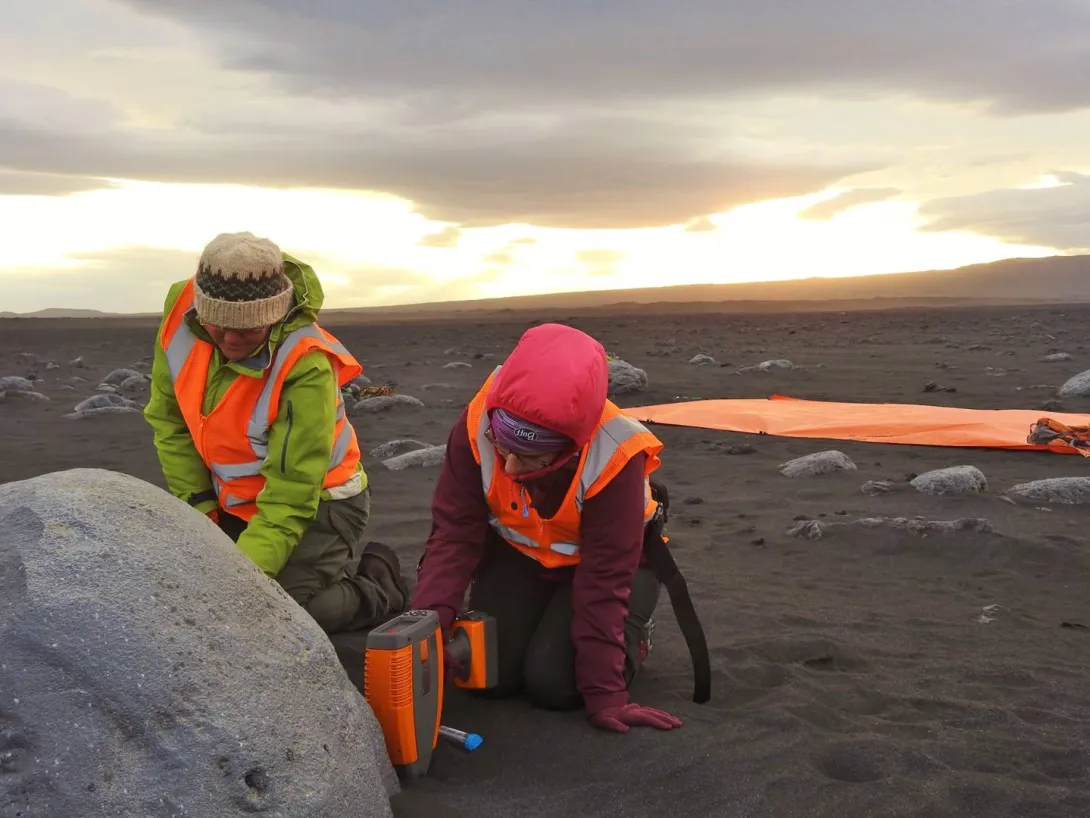
Students using handheld portable chemical analysis instrumentation analogous to those used on Mars.
The surface is covered with fine ash. The lava fields stretch for miles, punctuated only by basalt mountains. But life could be found here if you look hard enough.
This barren land isn't Mars or Pluto, but volcanic deserts in Iceland. The environment is so comparable to Mars' arid landscape that researchers can use it as an analog. From Earth, they can extrapolate how planets in our galaxy and beyond could sustain life and what tools humans might need to make homes on these planets.
Georgia Tech researchers explore everywhere from Oregon's mountaintops to Arizona's deserts to better understand space — and life on this planet.

Companies are cutting emissions fastest from energy use. Falling solar prices help. CFOTO/Future Publishing via Getty Images
Companies around the world are increasingly committed to cutting their greenhouse gas emissions to slow and ultimately reverse climate change.
One indicator is the number of companies that have set emissions targets as part of the Science Based Targets initiative, or SBTi, a global nonprofit organization. That number grew from 164 companies in late 2018 to over 6,600 by November 2024. And thousands more have committed to lower their emissions.
It’s not always a smooth road, however. Some of those companies – including big names like Microsoft and Walmart – have had to pull back on some of their SBTi commitments.
We study the history of SBTi pledges to understand these commitments and what can undermine them. We believe there is more to the story of these pullbacks than meets the eye.
What is Net Zero?
To understand corporate climate commitments, let’s start with the concept of “net zero.”
The Paris Agreement, an international treaty on climate change, aims to limit global warming to well below 2 degrees Celsius (3.6 Fahrenheit) and ideally to 1.5 C (2.7 F). Meeting the more ambitious target of 1.5 C will require reaching net-zero greenhouse gas emissions by around 2050.
Net zero is the point at which the amount of greenhouse gases released into the atmosphere is balanced by greenhouse gases removed, either through natural sources like forests or technologies such as carbon capture and storage.
The Science Based Targets initiative, developed alongside the Paris Agreement in 2015, provides a framework to help companies align their efforts with the 1.5 C goal.
SBTi Commitments Have Grown Quickly
To join the initiative, companies begin by signing a letter of commitment to set near-term (2030) and long-term (2050) targets for reducing their emissions. Companies have 24 months to develop targets that adhere to SBTi guidelines. If the targets are validated and approved by SBTi, the company announces its targets publicly. The targets must be revalidated every five years, or they expire.
The number of global companies committing to and setting targets with SBTi has grown rapidly in recent years.
By the end of 2023, 7,929 companies representing 39% of global market capitalization had committed to set targets, and 4,205 had targets already validated by SBTi. By November 2024, that number had grown to 6,614.
This impressive participation is particularly significant given SBTi’s high expectations. SBTi requires near-term targets to be set so companies reduce emissions by at least 42% by 2030 from 2020 levels.
Why Some Companies Have Pulled Back
So, why are companies like, Walmart, Microsoft and Amazon scaling back their commitments with SBTi?
While some people attribute these moves to political pressure from fossil fuel supporters, a closer look at data since 2013 reveals a more complex set of factors that may better explain their actions.
We found that, over the past decade, 695 companies either withdrew near- or long-term commitments or had a commitment that expired and was terminated by SBTi. These actions were concentrated in two distinct periods.
The first period followed SBTi’s decision in April 2019 to update its criteria, including tightening the minimum target from under 2 C to either “well below 2 C” or 1.5 C. We believe several companies were unprepared to meet the new requirements. Among the 500 companies that had either committed to or set a target by the end of 2018, 94 (18.8%) terminated their initial commitments after the criteria changed.
The second period was after January 2023, when SBTi introduced a new compliance policy and began removing commitments that had expired. In this period, 531 commitments were terminated – 497 of them because the commitment expired, and 16 because the company withdrew.
It’s important to recognize that SBTi strategically raised the bar to encourage companies to accelerate their progress in addressing climate change.
Reasons Some Companies Have Struggled
In a report in March 2024, SBTi provided a candid look at companies’ climate commitments from 2019 to 2021 and, importantly, where they struggled.
Approximately half of the companies that responded to its survey identified the complexity of addressing Scope 3 emissions – emissions from a company’s supply chain and use of its products – as a primary obstacle to setting net-zero targets. The supply chain is often considered a blind spot for measuring environmental impact and is difficult for companies to control.
On the day the report was released, SBTi removed the long-term commitments of 239 companies. About 60% of those companies had near-term targets that remained.
This helps explain the news around companies such as Walmart, Microsoft and Amazon.
Walmart’s and Microsoft’s long-term net-zero commitments were terminated, though both companies still have valid near-term targets with SBTi.
Moreover, both reaffirm their environmental commitments in their annual reports. Walmart is currently finalizing its Scope 3 emissions analysis to inform future strategy development, and Microsoft is investing in carbon removal technologies to become carbon-negative by 2030.
Amazon presents a more challenging case. The company may have faced difficulty meeting SBTi’s stringent mandate, particularly around supply chain emissions. Amazon has said it is still committed to reaching net-zero emissions and plans to explore setting targets with other organizations.
Many Companies are on Track
Our analysis of SBTi’s progress data, which includes all companies that had set a target by 2022 for which SBTi has emissions data, reveals that companies are cutting their emissions by a median annual rate of 5.4%.
Looking just at direct emissions from companies’ operations (Scope 1) and their purchased electricity (Scope 2), companies did even better. The median annual emissions decrease was 7.25% for companies with both Scope 1 and Scope 2 targets.
Scope 2 emissions are the low-hanging fruit and frequently align with cost-saving measures like improving energy efficiency.
Scope 3 emissions, those generated by companies’ suppliers and by consumer use of their products, are the biggest challenge. Companies with a separate Scope 3 target only reduced those emissions by a median annual rate of about 3%.
In 2024, SBTi announced plans to revise its Net-Zero Standard and allow companies to use carbon offsets to meet their Scope 3 emissions targets, drawing intense criticism. Carbon offsets allow companies to pay projects to reduce emissions on their behalf, such as by planting trees or managing forests.
SBTi’s challenge lies in finding a balance that maintains the integrity of its standards while encouraging broader participation, especially from high-impact industries.
Other Ways Companies are Reducing Emissions
While setting and achieving SBTi targets signals a strong commitment to combating climate change, many companies are setting emissions goals and working toward them without joining SBTi.
An example is the Drawdown Georgia Business Compact. It was created to accelerate the adoption of 20 technology- and market-ready solutions and includes nearly 70 companies, from multinationals headquartered in Georgia like Delta and UPS to small- and medium-size enterprises operating in the state.
Through the compact, companies are advancing initiatives with local economic benefits. For example, they are exploring ways to maximize Georgia forests’ ability to remove carbon and discussing effective ways to deploy sustainable aviation fuels.
The road to net-zero emissions will be bumpy. Yet the rapid growth of global corporate commitments, as well as action by a wider range of companies at the regional level, suggests corporate efforts are nevertheless moving forward.
This article is republished from The Conversation under a Creative Commons license. Read the original article.
News Contact
Authors:
L. Beril Toktay
Professor of Operations Management, Georgia Institute of Technology
Abhinav Shubham
Ph.D. Candidate in Operations Management, Georgia Institute of Technology
Donghyun (Daniel) Choi
Ph.D. Candidate in Operations Management, Georgia Institute of Technology
Manpreet S. Hora
Professor of Operations Management, Georgia Institute of Technology
Media Contact:
Shelley Wunder-Smith
shelley.wunder-smith@research.gatech.edu
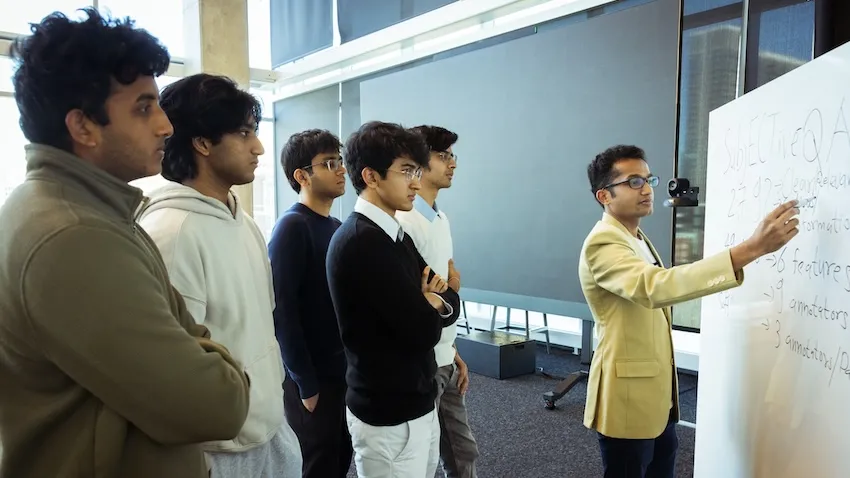
Georgia Tech researchers have created a dataset that trains computer models to understand nuances in human speech during financial earnings calls. The dataset provides a new resource to study how public correspondence affects businesses and markets.
SubjECTive-QA is the first human-curated dataset on question-answer pairs from earnings call transcripts (ECTs). The dataset teaches models to identify subjective features in ECTs, like clarity and cautiousness.
The dataset lays the foundation for a new approach to identifying disinformation and misinformation caused by nuances in speech. While ECT responses can be technically true, unclear or irrelevant information can misinform stakeholders and affect their decision-making.
Tests on White House press briefings showed that the dataset applies to other sectors with frequent question-and-answer encounters, notably politics, journalism, and sports. This increases the odds of effectively informing audiences and improving transparency across public spheres.
The intersecting work between natural language processing and finance earned the paper acceptance to NeurIPS 2024, the 38th Annual Conference on Neural Information Processing Systems. NeurIPS is one of the world’s most prestigious conferences on artificial intelligence (AI) and machine learning (ML) research.
"SubjECTive-QA has the potential to revolutionize nowcasting predictions with enhanced clarity and relevance,” said Agam Shah, the project’s lead researcher.
“Its nuanced analysis of qualities in executive responses, like optimism and cautiousness, deepens our understanding of economic forecasts and financial transparency."
[MICROSITE: Georgia Tech at NeurIPS 2024]
SubjECTive-QA offers a new means to evaluate financial discourse by characterizing language's subjective and multifaceted nature. This improves on traditional datasets that quantify sentiment or verify claims from financial statements.
The dataset consists of 2,747 Q&A pairs taken from 120 ECTs from companies listed on the New York Stock Exchange from 2007 to 2021. The Georgia Tech researchers annotated each response by hand based on six features for a total of 49,446 annotations.
The group evaluated answers on:
- Relevance: the speaker answered the question with appropriate details.
- Clarity: the speaker was transparent in the answer and the message conveyed.
- Optimism: the speaker answered with a positive outlook regarding future outcomes.
- Specificity: the speaker included sufficient and technical details in their answer.
- Cautiousness: the speaker answered using a conservative, risk-averse approach.
- Assertiveness: the speaker answered with certainty about the company’s events and outcomes.
The Georgia Tech group validated their dataset by training eight computer models to detect and score these six features. Test models comprised of three BERT-based pre-trained language models (PLMs), and five popular large language models (LLMs) including Llama and ChatGPT.
All eight models scored the highest on the relevance and clarity features. This is attributed to domain-specific pretraining that enables the models to identify pertinent and understandable material.
The PLMs achieved higher scores on the clear, optimistic, specific, and cautious categories. The LLMs scored higher in assertiveness and relevance.
In another experiment to test transferability, a PLM trained with SubjECTive-QA evaluated 65 Q&A pairs from White House press briefings and gaggles. Scores across all six features indicated models trained on the dataset could succeed in other fields outside of finance.
"Building on these promising results, the next step for SubjECTive-QA is to enhance customer service technologies, like chatbots,” said Shah, a Ph.D. candidate studying machine learning.
“We want to make these platforms more responsive and accurate by integrating our analysis techniques from SubjECTive-QA."
SubjECTive-QA culminated from two semesters of work through Georgia Tech’s Vertically Integrated Projects (VIP) Program. The VIP Program is an approach to higher education where undergraduate and graduate students work together on long-term project teams led by faculty.
Undergraduate students earn academic credit and receive hands-on experience through VIP projects. The extra help advances ongoing research and gives graduate students mentorship experience.
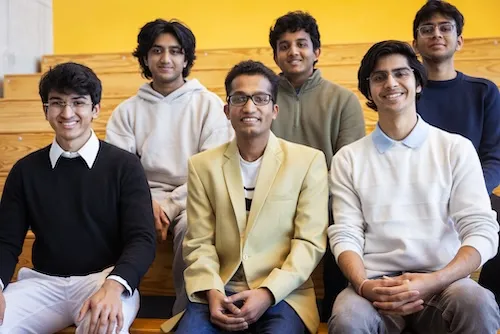
Computer science major Huzaifa Pardawala and mathematics major Siddhant Sukhani co-led the SubjECTive-QA project with Shah.
Fellow collaborators included Veer Kejriwal, Abhishek Pillai, Rohan Bhasin, Andrew DiBiasio, Tarun Mandapati, and Dhruv Adha. All six researchers are undergraduate students studying computer science.
Sudheer Chava co-advises Shah and is the faculty lead of SubjECTive-QA. Chava is a professor in the Scheller College of Business and director of the M.S. in Quantitative and Computational Finance (QCF) program.
Chava is also an adjunct faculty member in the College of Computing’s School of Computational Science and Engineering (CSE).
"Leading undergraduate students through the VIP Program taught me the powerful impact of balancing freedom with guidance,” Shah said.
“Allowing students to take the helm not only fosters their leadership skills but also enhances my own approach to mentoring, thus creating a mutually enriching educational experience.”
Presenting SubjECTive-QA at NeurIPS 2024 exposes the dataset for further use and refinement. NeurIPS is one of three primary international conferences on high-impact research in AI and ML. The conference occurs Dec. 10-15.
The SubjECTive-QA team is among the 162 Georgia Tech researchers presenting over 80 papers at NeurIPS 2024. The Georgia Tech contingent includes 46 faculty members, like Chava. These faculty represent Georgia Tech’s Colleges of Business, Computing, Engineering, and Sciences, underscoring the pertinence of AI research across domains.
"Presenting SubjECTive-QA at prestigious venues like NeurIPS propels our research into the spotlight, drawing the attention of key players in finance and tech,” Shah said.
“The feedback we receive from this community of experts validates our approach and opens new avenues for future innovation, setting the stage for transformative applications in industry and academia.”
News Contact
Bryant Wine, Communications Officer
bryant.wine@cc.gatech.edu
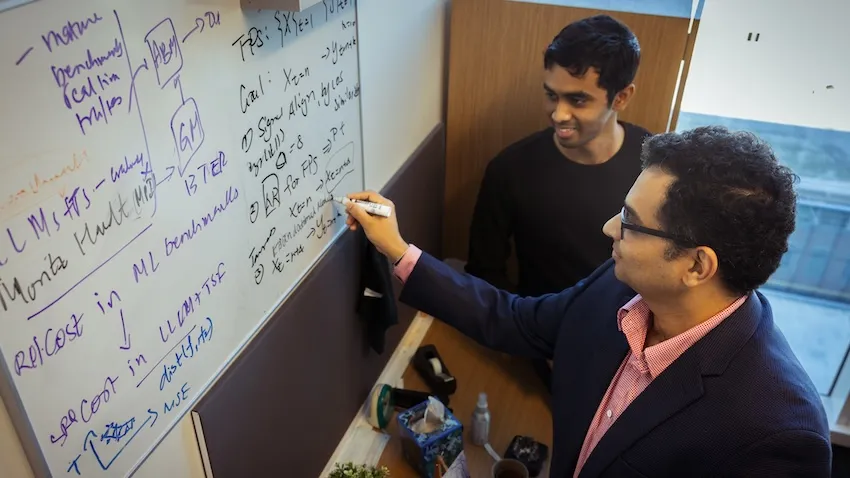
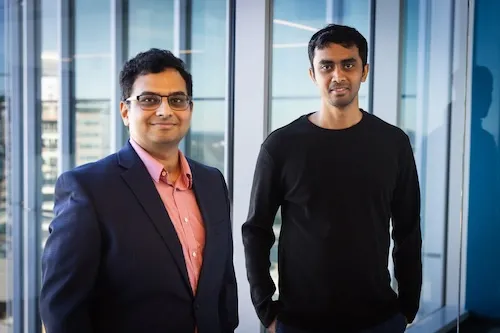
A new machine learning (ML) model from Georgia Tech could protect communities from diseases, better manage electricity consumption in cities, and promote business growth, all at the same time.
Researchers from the School of Computational Science and Engineering (CSE) created the Large Pre-Trained Time-Series Model (LPTM) framework. LPTM is a single foundational model that completes forecasting tasks across a broad range of domains.
Along with performing as well or better than models purpose-built for their applications, LPTM requires 40% less data and 50% less training time than current baselines. In some cases, LPTM can be deployed without any training data.
The key to LPTM is that it is pre-trained on datasets from different industries like healthcare, transportation, and energy. The Georgia Tech group created an adaptive segmentation module to make effective use of these vastly different datasets.
The Georgia Tech researchers will present LPTM in Vancouver, British Columbia, Canada, at the 2024 Conference on Neural Information Processing Systems (NeurIPS 2024). NeurIPS is one of the world’s most prestigious conferences on artificial intelligence (AI) and ML research.
“The foundational model paradigm started with text and image, but people haven’t explored time-series tasks yet because those were considered too diverse across domains,” said B. Aditya Prakash, one of LPTM’s developers.
“Our work is a pioneer in this new area of exploration where only few attempts have been made so far.”
[MICROSITE: Georgia Tech at NeurIPS 2024]
Foundational models are trained with data from different fields, making them powerful tools when assigned tasks. Foundational models drive GPT, DALL-E, and other popular generative AI platforms used today. LPTM is different though because it is geared toward time-series, not text and image generation.
The Georgia Tech researchers trained LPTM on data ranging from epidemics, macroeconomics, power consumption, traffic and transportation, stock markets, and human motion and behavioral datasets.
After training, the group pitted LPTM against 17 other models to make forecasts as close to nine real-case benchmarks. LPTM performed the best on five datasets and placed second on the other four.
The nine benchmarks contained data from real-world collections. These included the spread of influenza in the U.S. and Japan, electricity, traffic, and taxi demand in New York, and financial markets.
The competitor models were purpose-built for their fields. While each model performed well on one or two benchmarks closest to its designed purpose, the models ranked in the middle or bottom on others.
In another experiment, the Georgia Tech group tested LPTM against seven baseline models on the same nine benchmarks in zero-shot forecasting tasks. Zero-shot means the model is used out of the box and not given any specific guidance during training. LPTM outperformed every model across all benchmarks in this trial.
LPTM performed consistently as a top-runner on all nine benchmarks, demonstrating the model’s potential to achieve superior forecasting results across multiple applications with less and resources.
“Our model also goes beyond forecasting and helps accomplish other tasks,” said Prakash, an associate professor in the School of CSE.
“Classification is a useful time-series task that allows us to understand the nature of the time-series and label whether that time-series is something we understand or is new.”
One reason traditional models are custom-built to their purpose is that fields differ in reporting frequency and trends.
For example, epidemic data is often reported weekly and goes through seasonal peaks with occasional outbreaks. Economic data is captured quarterly and typically remains consistent and monotone over time.
LPTM’s adaptive segmentation module allows it to overcome these timing differences across datasets. When LPTM receives a dataset, the module breaks data into segments of different sizes. Then, it scores all possible ways to segment data and chooses the easiest segment from which to learn useful patterns.
LPTM’s performance, enhanced through the innovation of adaptive segmentation, earned the model acceptance to NeurIPS 2024 for presentation. NeurIPS is one of three primary international conferences on high-impact research in AI and ML. NeurIPS 2024 occurs Dec. 10-15.
Ph.D. student Harshavardhan Kamarthi partnered with Prakash, his advisor, on LPTM. The duo are among the 162 Georgia Tech researchers presenting over 80 papers at the conference.
Prakash is one of 46 Georgia Tech faculty with research accepted at NeurIPS 2024. Nine School of CSE faculty members, nearly one-third of the body, are authors or co-authors of 17 papers accepted at the conference.
Along with sharing their research at NeurIPS 2024, Prakash and Kamarthi released an open-source library of foundational time-series modules that data scientists can use in their applications.
“Given the interest in AI from all walks of life, including business, social, and research and development sectors, a lot of work has been done and thousands of strong papers are submitted to the main AI conferences,” Prakash said.
“Acceptance of our paper speaks to the quality of the work and its potential to advance foundational methodology, and we hope to share that with a larger audience.”
News Contact
Bryant Wine, Communications Officer
bryant.wine@cc.gatech.edu
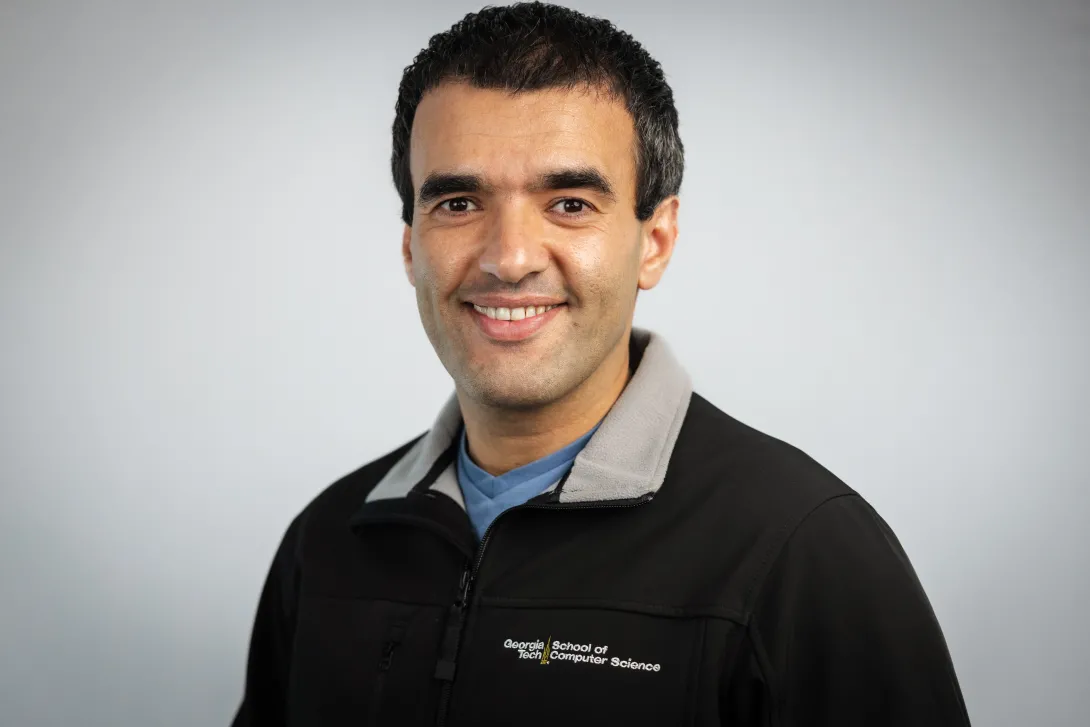
Cybersecurity researchers have discovered new vulnerabilities that could provide criminals with wireless access to the computer systems in automobiles, aircraft, factories, and other cyber-physical systems.
The computers used in vehicles and other cyber-physical systems rely on a specialized internal network to communicate commands between electronics. Because it took place internally, it was traditionally assumed that attackers could only influence this network through physical access.
In collaboration with Hyundai, researchers from Georgia Tech’s Cyber-Physical Systems Security Research Lab (CPSec) observed that threat models used to evaluate the security of these technologies were outdated.
The team, led by Ph.D. student Zhaozhou Tang, found that vehicle technology advancements allowed attackers to launch new attacks, improve existing attacks, and circumvent current defense systems.
For example, Tang’s findings included the possibility for attackers to remotely compromise the computers used in cars and aircraft through Wi-Fi, cellular, Bluetooth, and other wireless channels.
“Our job was to thoroughly review existing information and find ways to protect against these attacks,” he said. “We found new threats and proposed a defense system that can protect against the new and old attacks.”
In response to their findings, the team developed ERACAN, the first comprehensive defense system against this new generation of attackers. Designed to detect new and old attacks, ERACAN can deploy defenses when necessary.
The system also classifies the attacks it reacts to, providing security experts with the tools for detailed analysis. It has a detection rate of 100% for all attacks launched by conventional methods and detects enhanced threat models 99.7% of the time.
The project received a distinguished paper award at the 2024 ACM Conference on Computer and Communications Security (CCS 24) held in Salt Lake City. Tang presented the paper at the October conference.
“This was Zhaozhou’s first paper in his Ph.D. program, and he deserves recognition for his groundbreaking work on automotive cybersecurity,” said Saman Zonouz, associate professor in the School of Cybersecurity and Privacy and the School of Electrical and Computer Engineering.
The U.S. Department of Homeland Security has designated the transportation sector as one of the nation’s 16 critical infrastructure sectors. Ensuring its security is vital to national security and public safety.
“Modern vehicles, which rely heavily on controller area networks for essential operations, are integral components of this infrastructure,” said Zonouz. “With the increasing sophistication of cyberthreats, safeguarding these systems has become critical to ensuring the resilience and security of transportation networks.”
This paper introduced to the scientific community the first comprehensive defense system to address advanced threats targeting vehicular controller area networks.
The CPSec team is putting the technology it has developed into practice in collaboration with Hyundai America Technical Center, Inc., which sponsors the work. Tang hopes ERACAN’s success will raise awareness of these new threats in the research community and industry.
“It will help them build future defenses,” he said. “We have demonstrated the best practice to defend against these attacks.”
Tang received his bachelor’s degree at Georgia Tech, where he first performed security-related work for the automobile industry. While working with Zonouz on his master’s degree, he decided to change course and pursue research initiatives like vehicle security in a Ph.D. program.
“It is interesting how it came full circle,” he said. “I will continue on this path of automobile security throughout my Ph.D.”
ERACAN: Defending Against an Emerging CAN Threat Model, was written by Zhaozhou Tang, Khaled Serag from the Qatar Computing Research Institute, Saman Zonouz, Berkay Celik and Dongyan Xu from Purdue University, and Raheem Beyah, professor and dean of the College of Engineering. The CPSec Lab is a collaboration between the School of Cybersecurity and Privacy and the School of Electrical and Computer Engineering.
News Contact
John Popham
Communications Officer II
School of Cybersecurity and Privacy