Jul. 07, 2023
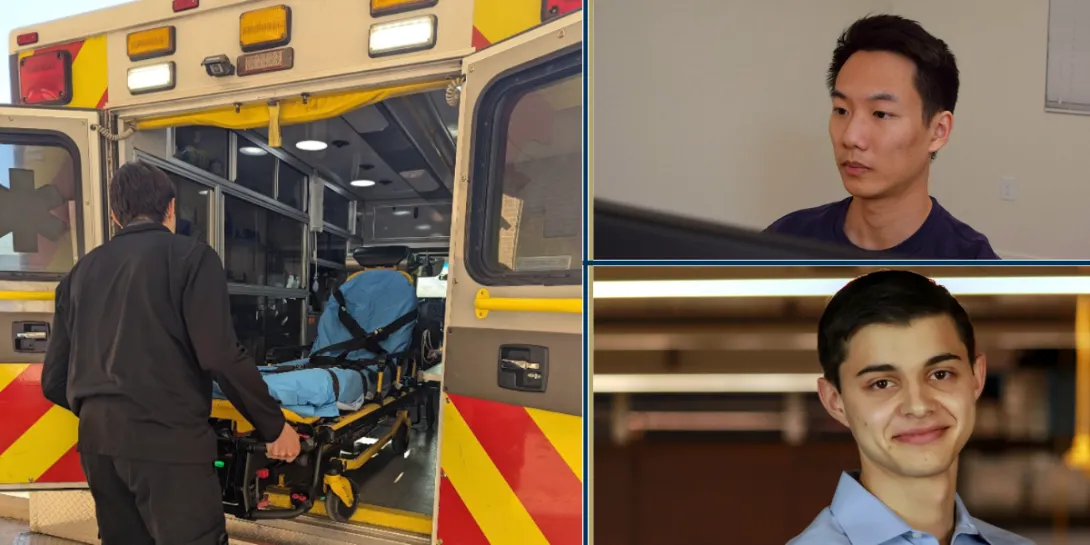
a composite image of Georgia Tech Assistant Professor Srijan Kumar and Ph.D. student Gaurav Verma

Findings from two published studies could lead to enhancements in artificial intelligence (AI) models by focusing on their flaws.

One paper found that adding visual attributes to text in multimodal models could boost performance and usefulness for humans.

Another study determined that few-shot learning (FSL) models lack robustness against adversarial treatments and need improvements.  

Georgia Tech Assistant Professor Srijan Kumar and Ph.D. student Gaurav Verma lead the research being presented at the upcoming 61st Annual meeting of the Association for Computational Linguistics (ACL 2023).

Co-authors from Georgia Tech joining Kumar and Verma include Shivaen Ramshetty and Venkata Prabhakara Sarath Nookala, as well as Subhabrata Mukherjee, a principal researcher at Microsoft Research.

ACL 2023 brings together experts from around the world to discuss topics in natural language processing (NLP) and AI research. Kumar’s group offers to those discussions their work that focuses on robustness in AI models. 

“Security of AI models is paramount. Development of reliable and responsible AI models are important discussion topics at the national and international levels,” Kumar said. “As Large Language Models become part of the backbone of many products and tools with which users will interact, it is important to understand when, how, and why these AI models will fail.”

[MICROSITE: Georgia Tech at ACL 2023]

Robustness refers to the degree to which an AI model’s performance changes when using new data versus training data. To ensure that a model performs reliably, it is critical to understand its robustness. 

Trust is of essential value within robustness, both for researchers that work in AI and consumers that use it.

People lose trust in AI technology when models perform unpredictably. This issue is relevant in the ongoing societal discussion about AI security. Investigating robustness can prevent, or at least highlight, performance issues arising from unmodeled behavior and malicious attacks.

Deep Learning for Every Kind of Media

One aspect of AI robustness Kumar’s group will present at ACL 2023 delves into multimodal deep learning. Using this method, AI models receive and apply data through modes ranging from text, images, video, and audio.

The group’s paper presents a way to evaluate multimodal learning robustness called Cross-Modal Attribute Insertions (XMAI). 

XMAI found that multimodal models perform poorly in text-to-image retrieval tasks. For example, adding more descriptive wording in search text for an image, like from “girl on a chair” to “little girl on a wooden chair,” caused the correct image to be retrieved at a lower rank.

Kumar’s group determined this when XMAI outperformed five other benchmarks in two different task retrieval tests.

“By conducting experiments in a sandbox setting to identify the plausible realistic inputs that make multimodal models fail, we can estimate various dimensions of a model’s robustness,” said Kumar. “Once these shortcomings are identified, these models can be updated and made more robust.” 

Labels Matter When It Comes to Adversarial Robustness

Prompt-based few-shot learning (FSL) is another class of AI models that, like multimodal learning, uses text as input.

While FSL is a useful framework for AI to improve task performance when labeled data is limited, Kumar’s group points out in their ACL findings paper that there is limited understanding of the methods’ adversarial robustness.  

“Our findings shine a light on a significant vulnerability in FSL models – a marked lack of adversarial robustness,” Verma explained. “This indicates a non-trivial balancing act between accuracy and adversarial robustness of prompt-based few-shot learning for NLP.”

Kumar’s team ran tests on six GLUE benchmark tasks, comparing FSL models with fully fine-tuned models. Here, they found a notable, greater drop in task performance of FSL models treated with adversarial perturbations than that of fully fine-tuned models. 

In the same study, Kumar’s group found and proposed a few ways to improve FSL robustness.

These include using unlabeled data for prompt-based FSLs and expanding to an ensemble of models trained with different prompts. The group also demonstrated that increasing the number of few-shot examples and model size led to increased adversarial robustness of FSL methods.

“Improved adversarial robustness of few-shot learning models is essential for their broader application and adoption,” Verma said. “By securing a balance between robustness and accuracy, all from a handful of labeled instances, we can potentially implement these models in safety-critical domains.”

News Contact

Bryant Wine, Comms. Officer I
School of Computational Science & Engineering
Bryant.wine@cc.gatech.edu

Jun. 29, 2023
An artist's impression of neutrino emission from the Galactic plane

An artist's impression of neutrino emission from the Galactic plane, and IceCube Lab at the South Pole. (IceCube/NSF. Original photo by Martin Wolf)

The Galaxy in neutrinos

The Galaxy in neutrinos (blue sky map) in front of an artist's impression of the Milky Way. (IceCube Collaboration/Science Communication Lab for CRC 1491)

Ignacio Taboada
A DOM seen from above.

A DOM seen from above as it descends into the array where it can start taking data. (Mark Krasberg, IceCube/NSF)

A neutrino interacts with molecules in the clear Antarctic ice, produceing secondary particles.

When a neutrino interacts with molecules in the clear Antarctic ice, it produces secondary particles that leave a trace of blue light as they travel through the IceCube detector. (Nicolle R. Fuller, IceCube/NSF)

An artist’s composition of the Milky Way seen with a neutrino lens (blue).

An artist’s composition of the Milky Way seen with a neutrino lens (blue). (IceCube Collaboration/U.S. National Science Foundation (Lily Le & Shawn Johnson)/ESO (S. Brunier))

Georgia Institute of Technology Physics Professor and Center for Relativistic Astrophysics member Ignacio Taboada serves as spokesperson for IceCube Collaboration.

Our Milky Way galaxy is an awe-inspiring feature of the night sky, viewable with the naked eye as a horizon-to-horizon hazy band of stars. Now, for the first time, the IceCube Neutrino Observatory has produced an image of the Milky Way using neutrinos — tiny, ghostlike astronomical messengers.

In an article to be published June 30, 2023, in the journal Science, the IceCube Collaboration, an international group of over 350 scientists, presents evidence of high-energy neutrino emission from the Milky Way.

The detected high-energy neutrinos hold energies millions to billions of times higher than those produced by the fusion reactions that power stars.

IceCube was built and is operated with National Science Foundation (NSF) funding and additional support from the fourteen countries that host institutional members of the IceCube Collaboration. IceCube Observatory searches for signs of high-energy neutrinos originating from our galaxy and beyond, out to the farthest reaches of the universe.

A cubic-kilometer neutrino detector operating at Amundsen-Scott South Pole Station observes these high-energy neutrinos, explains Ignacio Taboada, spokesperson for IceCube and a physics professor at Georgia Institute of Technology. “IceCube is truly unique,” Taboada says. “Built deep in Antarctic ice, its over 5,000 light sensors search for the flashes of blue light — Cherenkov radiation produced by neutrinos in the upper atmosphere, the Milky Way, and deep into the cosmos.”

Searching the southern sky

“What's intriguing is that, unlike the case for light of any wavelength, in neutrinos, the universe outshines the nearby sources in our own galaxy," says Francis Halzen, a professor of physics at the University of Wisconsin–Madison and principal investigator of IceCube.

"As is so often the case, significant breakthroughs in science are enabled by advances in technology," says Denise Caldwell, director of NSF's Physics Division. "The capabilities provided by the highly sensitive IceCube detector, coupled with new data analysis tools, have given us an entirely new view of our galaxy — one that had only been hinted at before. As these capabilities continue to be refined, we can look forward to watching this picture emerge with ever-increasing resolution, potentially revealing hidden features of our galaxy never before seen by humanity."

Interactions between cosmic rays — high-energy protons and heavier nuclei, also produced in our galaxy, and galactic gas and dust inevitably produce both gamma rays and neutrinos. Given the observation of gamma rays from the galactic plane, the Milky Way was expected to be a source of high-energy neutrinos.

“A neutrino counterpart has now been measured, thus confirming what we know about our galaxy and cosmic ray sources,” says Steve Sclafani, a physics Ph.D. student at Drexel University, IceCube member, and co-lead analyzer.

The search focused on the southern sky, where the bulk of neutrino emission from the galactic plane is expected near the center of our galaxy. However, until now, the background of muons and neutrinos produced by cosmic-ray interactions with the Earth’s atmosphere posed significant challenges.

To overcome them, IceCube collaborators at Drexel University developed analyses that select for "cascade" events, or neutrino interactions in the ice that result in roughly spherical showers of light. Because the deposited energy from cascade events starts within the instrumented volume, contamination of atmospheric muons and neutrinos is reduced. Ultimately, the higher purity of the cascade events gave a better sensitivity to astrophysical neutrinos from the southern sky.

Machine learning in the Milky Way

However, the final breakthrough came from the implementation of machine learning methods, developed by IceCube collaborators at TU Dortmund University, that improve the identification of cascades produced by neutrinos as well as their direction and energy reconstruction. The observation of neutrinos from the Milky Way is a hallmark of the emerging critical value that machine learning provides in data analysis and event reconstruction in IceCube.

“The improved methods allowed us to retain over an order of magnitude more neutrino events with better angular reconstruction, resulting in an analysis that is three times more sensitive than the previous search,” says IceCube member, TU Dortmund physics Ph.D. student, and co-lead analyzer Mirco Hünnefeld.

The dataset used in the study included 60,000 neutrinos spanning 10 years of IceCube data, 30 times as many events as the selection used in a previous analysis of the galactic plane using cascade events. These neutrinos were compared to previously published prediction maps of locations in the sky where the galaxy was expected to shine in neutrinos.

The maps included one made from extrapolating Fermi Large Area Telescope gamma-ray observations of the Milky Way and two alternative maps identified as KRA-gamma by the group of theorists who produced them.

“This long-awaited detection of cosmic ray-interactions in the galaxy is also a wonderful example of what can be achieved when modern methods of knowledge discovery in machine learning are consistently applied.” says Wolfgang Rhode, professor of physics at TU Dortmund University, IceCube member, and Hünnefeld’s advisor.

The power of machine learning offers great future potential, bringing other observations closer within reach.

“The strong evidence for the Milky Way as a source of high-energy neutrinos has survived rigorous tests by the collaboration,” says Taboada, the IceCube spokesperson. “Now, the next step is to identify specific sources within the galaxy.”

These and other questions will be addressed in planned follow-up analyses by IceCube.

“Observing our own galaxy for the first time using particles instead of light is a huge step,” says Naoko Kurahashi Neilson, professor of physics at Drexel University, IceCube member, and Sclafani’s advisor. “As neutrino astronomy evolves, we will get a new lens with which to observe the universe.”


About IceCube Neutrino Observatory

The IceCube Neutrino Observatory is funded and operated primarily through an award from the National Science Foundation to the University of Wisconsin–Madison. The IceCube Collaboration, with over 350 scientists in 58 institutions from around the world, runs an extensive scientific program that has established the foundations of neutrino astronomy. IceCube’s research efforts, including critical contributions to the detector operation, are funded by agencies in Australia, Belgium, Canada, Denmark, Germany, Italy, Japan, New Zealand, Republic of Korea, Sweden, Switzerland, Taiwan, the United Kingdom, and the United States, including NSF. IceCube construction was also funded with significant contributions from the National Fund for Scientific Research (FNRS & FWO) in Belgium; the Federal Ministry of Education and Research (BMBF) and the German Research Foundation (DFG) in Germany; the Knut and Alice Wallenberg Foundation, the Swedish Polar Research Secretariat, and the Swedish Research Council in Sweden; and the Wisconsin Alumni Research Fund.

About Georgia Institute of Technology

The Georgia Institute of Technology, or Georgia Tech, is one of the top public research universities in the U.S., developing leaders who advance technology and improve the human condition. The Institute offers business, computing, design, engineering, liberal arts, and sciences degrees. Its more than 45,000 undergraduate and graduate students, representing 50 states and more than 148 countries, study at the main campus in Atlanta, at campuses in France and China, and through distance and online learning. As a leading technological university, Georgia Tech is an engine of economic development for Georgia, the Southeast, and the nation, conducting more than $1 billion in research annually for government, industry, and society.


News Contact

Science Contacts:

Francis Halzen, IceCube Principal Investigator
Vilas Research Professor and Gregory Breit Distinguished Professor of Physics
Wisconsin IceCube Particle Astrophysics Center, University of Wisconsin–Madison

Ignacio Taboada, IceCube Spokesperson
Professor of Physics, Georgia Institute of Technology

Press Contacts:

Georgia Institute of Technology
Jess Hunt-Ralston
Director of Communications, College of Sciences

IceCube Press
press@icecube.wisc.edu

NSF Media Affairs
media@nsf.gov

Jun. 28, 2023
A stylized glacier (Selena Langner)
Alex Robel (Credit: Allison Carter)

Alex Robel is improving how computer models of melting ice sheets incorporate data from field expeditions and satellites by creating a new open-access software package — complete with state-of-the-art tools and paired with ice sheet models that anyone can use, even on a laptop or home computer.

Improving these models is critical: while melting ice sheets and glaciers are top contributors to sea level rise, there are still large uncertainties in sea level projections at 2100 and beyond.

“Part of the problem is that the way that many models have been coded in the past has not been conducive to using these kinds of tools,” Robel, an assistant professor in the School of Earth and Atmospheric Sciences, explains. “It's just very labor-intensive to set up these data assimilation tools — it usually involves someone refactoring the code over several years.”

“Our goal is to provide a tool that anyone in the field can use very easily without a lot of labor at the front end,” Robel says. “This project is really focused around developing the computational tools to make it easier for people who use ice sheet models to incorporate or inform them with the widest possible range of measurements from the ground, aircraft and satellites.”

Now, a $780,000 NSF CAREER grant will help him to do so. 

The National Science Foundation Faculty Early Career Development Award is a five-year funding mechanism designed to help promising researchers establish a personal foundation for a lifetime of leadership in their field. Known as CAREER awards, the grants are NSF’s most prestigious funding for untenured assistant professors.

“Ultimately,” Robel says, “this project will empower more people in the community to use these models and to use these models together with the observations that they're taking.”
 

Ice sheets remember

“Largely, what models do right now is they look at one point in time, and they try their best — at that one point in time — to get the model to match some types of observations as closely as possible,” Robel explains. “From there, they let the computer model simulate what it thinks that ice sheet will do in the future.”

In doing so, the models often assume that the ice sheet starts in a state of balance, and that it is neither gaining nor losing ice at the start of the simulation. The problem with this approach is that ice sheets dynamically change, responding to past events — even ones that have happened centuries ago. “We know from models and from decades of theory that the natural response time scale of thick ice sheets is hundreds to thousands of years,” Robel adds.

By informing models with historical records, observations, and measurements, Robel hopes to improve their accuracy. “We have observations being made by satellites, aircraft, and field expeditions,” says Robel. “We also have historical accounts, and can go even further back in time by looking at geological observations or ice cores. These can tell us about the long history of ice sheets and how they've changed over hundreds or thousands of years.”

Robel’s team plans to use a set of techniques called data assimilation to adjust, or ‘nudge’, models. “These data assimilation techniques have been around for a really long time,” Robel explains. “For example, they’re critical to weather forecasting: every weather forecast that you see on your phone was ultimately the product of a weather model that used data assimilation to take many observations and apply them to a model simulation.”

“The next part of the project is going to be incorporating this data assimilation capability into a cloud-based computational ice sheet model,” Robel says. “We are planning to build an open source software package in Python that can use this sort of data assimilation method with any kind of ice sheet model.”

Robel hopes it will expand accessibility. “Currently, it's very labor-intensive to set up these data assimilation tools, and while groups have done it, it usually involves someone re-coding and refactoring the code over several years.”

Building software for accessibility

Robel’s team will then apply their software package to a widely used model, which now has an online, browser-based version. “The reason why that is particularly useful is because the place where this model is running is also one of the largest community repositories for data in our field,” Robel says.

Called Ghub, this relatively new repository is designed to be a community-wide place for sharing data on glaciers and ice sheets. “Since this is also a place where the model is living, by adding this capability to this cloud-based model, we'll be able to directly use the data that's already living in the same place that the model is,” Robel explains. 

Users won’t need to download data, or have a high-speed computer to access and use the data or model. Researchers collecting data will be able to upload their data to the repository, and immediately see the impact of their observations on future ice sheet melt simulations. Field researchers could use the model to optimize their long-term research plans by seeing where collecting new data might be most critical for refining predictions.

“We really think that it is critical for everyone who's doing modeling of ice sheets to be doing this transient data simulation to make sure that our simulations across the field are all doing the best possible job to reproduce and match observations,” Robel says. While in the past, the time and labor involved in setting up the tools has been a barrier, “developing this particular tool will allow us to bring transient data assimilation to essentially the whole field.”

Bringing Real Data to Georgia’s K-12 Classrooms

The broad applications and user-base expands beyond the scientific community, and Robel is already developing a K-12 curriculum on sea level rise, in partnership with Georgia Tech CEISMC Researcher Jayma Koval. “The students analyze data from real tide gauges and use them to learn about statistics, while also learning about sea level rise using real data,” he explains.

Because the curriculum matches with state standards, teachers can download the curriculum, which is available for free online in partnership with the Southeast Coastal Ocean Observing Regional Association (SECOORA), and incorporate it into their preexisting lesson plans. “We worked with SECOORA to pilot a middle school curriculum in Atlanta and Savannah, and one of the things that we saw was that there are a lot of teachers outside of middle school who are requesting and downloading the curriculum because they want to teach their students about sea level rise, in particular in coastal areas,” Robel adds.

In Georgia, there is a data science class that exists in many high schools that is part of the computer science standards for the state. “Now, we are partnering with a high school teacher to develop a second standards-aligned curriculum that is meant to be taught ideally in a data science class, computer class or statistics class,” Robel says. “It can be taught as a module within that class and it will be the more advanced version of the middle school sea level curriculum.”

The curriculum will guide students through using data analysis tools and coding in order to analyze real sea level data sets, while learning the science behind what causes variations and sea level, what causes sea level rise, and how to predict sea level changes. 

“That gets students to think about computational modeling and how computational modeling is an important part of their lives, whether it's to get a weather forecast or play a computer game,” Robel adds. “Our goal is to get students to imagine how all these things are combined, while thinking about the way that we project future sea level rise.”


News Contact

Written by Selena Langner

Contact: Jess Hunt-Ralston

Jun. 22, 2023
Research Next

Workforce diversity in science and technology is widely seen as necessary for continued innovation. For Georgia Tech, striving toward inclusivity starts with a simple but crucial goal: building deep, lasting research partnerships.

Research Next, a planning initiative for Georgia Tech’s research enterprise, was launched by Executive Vice President for Research Chaouki T. Abdallah in 2020 and co-chaired by Tim Lieuwen and Mark Whorton. As part of Phase 3, project teams worked throughout the past year to implement its goals.

One Research Next project team has paved the way for inclusive research collaborations to thrive at Georgia Tech and beyond. The team was charged with identifying opportunities and developing support systems to facilitate research collaborations between Georgia Tech and HBCUs (historically Black colleges and universities) and MSIs (minority-serving institutions).

Since kicking off in March 2022, the project team solidified new research partnerships, developed a digital networking tool to connect Georgia Tech and HBCU researchers, and created and hired a full-time position at Tech for ongoing engagement with HBCUs and MSIs. The group was co-led by George White, senior director for strategic partnerships in the Office of the Vice President for Interdisciplinary Research and principal research engineer at Georgia Tech, and Thomas Martin, chief scientist for the Electro-Optical Systems Laboratory at the Georgia Tech Research Institute (GTRI).

“The goal of our work is not only to support collaborative research with HBCUs and MSIs, but also to strengthen the pipeline of top graduates who will enhance diversity in our state and nation’s workforce,” White said. “One of the first key steps was to hear from the groups we were charged to work with.”

Defining the Challenge

The team began by leveraging GTRI’s longstanding work and connections with HBCUs, which include federally funded collaborative research projects and workforce development initiatives. The group invited representatives from the Tougaloo College Research and Development Foundation (TCRDF), a consortium of HBCUs whose mission is to advance research collaborations between HBCUs and the Department of Defense. Members of TCRDF educated the project team about challenges HBCUs face in obtaining federally sponsored research.

“GTRI has been fortunate to collaborate with TCRDF in support of the U.S. Army’s Combat Capabilities Development Command (CCDC) Aviation & Missile Center’s mission to accelerate research collaborations with HBCUs and MSIs and enrich the workforce with a pipeline of talented graduates,” Martin said.

Throughout the year, the project team hosted seminars with HBCUs where they highlighted research activities at the Institute and discussed how HBCUs could participate in areas of mutual research interests. The team also joined TCRDF’s open virtual meeting hours every week to talk about research engagement opportunities at Georgia Tech.

In addition, they recommended that Georgia Tech create a dedicated, permanent position to facilitate ongoing engagement with HBCUs. Taiesha Smith, the first senior program manager for Georgia Tech’s HBCU/MSI Research Collaboration Initiative, will lead outreach efforts to increase and foster enduring research collaborations.

“I'm excited to be the connective tissue between Georgia Tech, HBCUs, and MSIs in building sustainable and mutually beneficial relationships that lead to successful research collaboration,” Smith said. “I aim to accomplish this goal through a commitment to understanding the needs of HBCUs and MSIs, communicating their value to all stakeholders, and supporting them in making appropriate connections across Georgia Tech and beyond.”

Steps Forward

The project team led the development of a software tool, CollabNext, that facilitates research interaction and collaborations between HBCUs and Georgia Tech. Using the tool, researchers can find partners at HBCUs based on specific disciplines and areas of interest. The tool is currently in beta version and has expanded to include Clark Atlanta University, Morehouse College, Texas Southern University, Fisk University, and the Atlanta University Center (AUC) Data Science Initiative. A website hosts the tool and provides information about the initiative.

The team also is planning a forum that will bring together researchers from Georgia Tech and several HBCUs/MSIs, as well as government officials and industry leaders from top STEM companies. A major goal of the event will be for participants to develop white papers to better position HBCUs and MSIs to compete for large federal funding opportunities. The multi-day event will be organized by the Office of the Vice President for Interdisciplinary Research and is set to take place in November.

Additional steps taken to establish and solidify research partnerships:

  • Submitted a joint proposal for an NSF Regional Innovation Engine with TCRDF and seven HBCU/MSI partner institutions.
  • Submitted a joint NSF proposal with the AUC Data Science Initiative, Morehouse College, and TCRDF to establish the inaugural research collaboration forum at Georgia Tech.
  • Launched the Biomedical Data Science Summer Research Program.
  • Prepared a memorandum of understanding (pending) to establish a semiconductor research initiative with HBCU/MSIs.
  • Modified an agreement with Ford Motor Company to allow HBCU/MSI institutions to participate in sponsored research projects in collaboration with Georgia Tech.
  • Participated in the 2022 National HBCU Week, hosted by the executive director for White House Initiatives on HBCUs. Georgia Tech will participate again in 2023 to introduce CollabNext and present best practices for engaging in collaborative research.
  • Submitted proposals to the Department of Energy’s Hydrogen Hub (with Battelle Memorial Institute) and Direct Air Capture Hub (with Southern States Energy Board) to develop a collaborative research and community engagement consortium made up of HBCUs and MSIs.
    • Georgia Tech will serve as an unbiased science convener for the HBCUs/MSIs, which will receive the majority of funding and engagement. This work is in partnership with Tech’s Serve-Learn-Sustain.

“This Research Next project provided the opportunity not only to coordinate efforts across Georgia Tech to enhance research collaborations with HBCUs and MSIs, but also to position Georgia Tech as thought leaders in this initiative,“ said Martin.

Team co-leader George White attended Hampton University, a prominent HBCU, and saw firsthand some of the resource challenges that the institutions face when trying to secure federally sponsored research. The initiative’s mission continues to be important for him personally. 

“Our work with HBCUs supports Georgia Tech’s strategic plan by increasing accessibility and improving the human condition,” he said. “With the vast resources we have here, it is important to work together to find solutions to these pressing challenges.”


Visit hbcumsi.research.gatech.edu to learn more about the initiative.

We would like to hear from you about any research collaboration with an HBCU or MSI. Please use the following link to complete the Share Research Collaboration form.

https://hbcumsi.research.gatech.edu/collabnext-tool


News Contact

Catherine Barzler, Senior Research Writer/Editor

Institute Communications

catherine.barzler@gatech.edu

Jun. 14, 2023
An image of purple and green bacteria taken with a microscope

Pseudomonas aeruginosa clumps grown in synthetic cystic fibrosis sputum.

People with weakened immune systems are at constant risk of infection. Pseudomonas aeruginosa, a common environmental bacterium, can colonize different body parts, such as the lungs, leading to persistent, chronic infections that can last a lifetime – a common occurrence in people with cystic fibrosis.

But the bacteria can sometimes change their behavior and enter the bloodstream, causing chronic localized infections to become acute and potentially fatal. Despite decades of studying the transition in lab environments, how and why the switch happens in humans has remained unknown.

However, researchers at the Georgia Institute of Technology have identified the major mechanism behind the transition between chronic and acute P. aeruginosa infections. Marvin Whiteley – professor in the School of Biological Sciences and Bennie H. and Nelson D. Abell Chair in Molecular and Cellular Biology – and Pengbo Cao, a postdoctoral researcher in Whiteley’s lab, discovered a gene that drives the switch. By measuring bacterial gene expression in human tissue samples, the researchers identified a biomarker for the transition.

Their research findings, published in Nature, can inform the development of future treatments for life-threatening acute infections.

According to Whiteley and Cao, bacteria, like animals, are versatile and behave differently depending on their environment. A person with a chronic infection might be fine one day, but environmental changes in the body can cause bacteria to change their behavior. This can lead to acute infection, and a person could develop sepsis that requires immediate treatment.

“For years, people have been studying these bacteria in well-controlled lab environments, even though the lab is a place most microbes have never seen,” said Whiteley. “Our study took a novel approach to look directly into the bacterium’s behavior in the human host.”

The researchers chose to look at human tissue samples of chronic bacterial lung and wound infections. Using genetic sequencing technologies, Whiteley and Cao measured the levels of all types of mRNA present in the bacteria. The mRNAs encode the proteins that do all the work in a cell, so by measuring a bacterium’s mRNA level, one can infer the bacterium’s behavior.

While P. aeruginosa has roughly 6,000 genes, Whiteley and Cao found that one gene in particular – known as PA1414 – was more highly expressed in human tissue samples than all the other thousands of genes combined. The levels were so high that, at first, Cao and Whiteley thought the amount of PA1414 mRNA might be an artifact – a glitch associated with the sequencing methods.

“This particular gene is not expressed in the standard lab environment very much, so it was striking to see these levels,” Cao said. “And at this point, the function of the gene was unknown.”  

The researchers also found that low oxygen drives the high expression of the gene. This is a common environmental characteristic of bacterial infections, as bacteria frequently encounter oxygen deprivation during chronic infections. Further tests showed that the gene also regulates bacterial respiration under low oxygen conditions.

Interestingly, the researchers found that rather than encoding a protein, the gene encodes a small RNA that plays a vital role in bacterial respiration. They named the small RNA SicX (sRNA inducer of chronic infection X).

The researchers then tested the functions of the gene in different animal infection models. They observed that when SicX wasn’t present, the bacteria easily disseminated from chronic infections throughout the body, causing systemic infection. The comparison allowed the researchers to determine that the gene is important for promoting chronic localized infection. Moreover, researchers also showed that the expression of SicX immediately decreased during the transition from chronic to acute infection, suggesting SicX potentially serves as a biomarker for the chronic-to-acute switch.

“In other words, without the small RNA, the bacteria become restless and go looking for oxygen, because they need to breathe like we need to breathe,” Whiteley said. “That need causes the bacteria to enter the bloodstream. Now, we know that oxygen levels are regulating this transition.”

Having a better indication for when an infection might enter the bloodstream would be a paradigm shift for treatments.

“If you can predict when an acute infection will occur, a patient could take a diagnostic test at home to determine if and when they may need to get treatment – before the infection becomes life-threatening,” Whiteley said.  

The study provides answers to the long-standing questions about how and why chronic infections become acute. The researchers’ findings also open opportunities to develop therapeutics that target this specific molecular behavior associated with P. aeruginosa infections.

“The chronic Pseudomonas infection is usually highly resistant to first-line antibiotics,” Cao said. “By targeting this small RNA, we could potentially change the lifestyle of the bacteria to make it more susceptible to antibiotic treatments and achieve greater clearance of these dangerous infections.”


Marvin Whiteley is also an Eminent Scholar with the Georgia Research Alliance.

Citation: Cao, P., Fleming, D., Moustafa, D.A., et al. A Pseudomonas aeruginosa small RNA regulates chronic and acute infection. Nature 618, 358–364 (2023).

DOI: https://doi.org/10.1038/s41586-023-06111-7

Funding: NIH grants R21AI154220, R21AI137462, and R21AI147178; Cystic Fibrosis Foundation grants WHITEL20A0 and WHITEL22G0; Cystic Fibrosis Trust Foundation grant SRC017; and Cystic Fibrosis Postdoctoral Fellowships CAO20F0 and DOLAN20F0


News Contact

Catherine Barzler, Senior Research Writer/Editor

Jun. 12, 2023
A thermal imaging device shows heat distribution in the carbon fibers.

What started as a simple errand to deposit a check at a bank drive-through became the kind of “aha” moment found mostly in books and movies.

Georgia Tech researchers had been working on an idea to simplify traditional direct air capture (DAC) systems. Their approach used ambient wind flow to draw air across a new kind of coated carbon fiber to grab CO2. That would eliminate the loud fans used in many systems. And the carbon fiber strands could be quickly heated to release the captured carbon dioxide with minimal heat loss, boosting efficiency.

But they were struggling with how to deploy these new sorbent-coated carbon fibers for maximum effect.

“I had to go deposit a check at the bank, and I went through the drive-through. They had the old pneumatic tubes that come down to transport documents,” said Ryan Lively, Thomas C. DeLoach Professor in Georgia Tech’s School of Chemical and Biomolecular Engineering (ChBE). “There are not many times you have a light bulb moment in your career, but I saw the tubes and I realized, we could put the fibers in something like a bank teller tube canister.

“That’s pretty much what we did, and it worked.”

Read the full story on the College of Engineering website.

News Contact

Joshua Stewart
College of Engineering

Jun. 07, 2023
GTRI's EV battery recycling efforts

GTRI's EV battery recycling efforts are crucial because many of the key minerals found in lithium-ion batteries are sourced from geopolitically sensitive regions across the globe (Photo Credit: iStock).

Amid the surge in demand for lithium-ion batteries, which power everything from smartphones to electric vehicles (EVs), there is a greater need to properly recycle them. The Georgia Tech Research Institute (GTRI) is working to optimize Georgia’s EV battery supply chain by developing cost- and energy-efficient methods to recover materials from spent batteries so that more of them can be reused – and pose fewer environmental risks.

Georgia is quickly emerging as a hub for the electronic transportation industry. According to data from the Georgia Department of Economic Development, since 2018, 35 EV-related projects have contributed $23 billion in investments in the state.

South Korea-based Hyundai Motor Group recently broke ground on its first fully dedicated EV manufacturing facility in Savannah’s Bryan County. The company has also teamed up with LG Energy Solution to invest $4.3 billion in building an EV battery cell manufacturing plant at the same location.

EV manufacturer and automotive technology company Rivian, which is based on Irvine, Calif., has announced a $5 billion investment in its second U.S. plant located east of Atlanta in Morgan and Walton Counties.

Hyundai’s new facility is expected to reach full production capacity at the end of 2025, with 30 gigawatt hours (GWh) of energy anticipated to support the production of 300,000 EVs. Rivian, meanwhile, anticipates its Georgia plant will employ over 7,500 workers while producing up to 400,000 vehicles each year.

“This level of industry engagement in Georgia is unprecedented,” said Kevin Caravati, a GTRI principal research scientist, who is supporting this project. “The Hyundai plant, for example, could create tens of thousands of jobs in a very rural part of Georgia, which would be a step in the right direction for the entire state.”

The lithium-ion batteries that power EVs are seen as desirable over other battery technologies because of their high energy density, which allows electric cars to travel longer distances on a single charge. These types of batteries also have a low self-discharge rate, which means that the stored energy remains available for an extended period of time even when the vehicle is not in use. 

However, these batteries can easily turn into fire hazards – especially at the end of their life cycle. Very few batteries ever end up being recycled and those that do get recycled are often mishandled.   

“Currently, there are no recycling standards in place, which poses challenges for the entire supply chain,” said Milad Navaei, a GTRI senior research engineer, who is leading this project. “Our goal is to create circular economy for batteries in Georgia where we can reduce our dependence on raw materials that often come from overseas and can be very expensive.”  

Lithium-ion batteries use metals including lithium, nickel, manganese, and cobalt that are mined in locations such as Africa’s Democratic Republic of the Congo, Chile and Argentina. During the production process, the metals are combined with other materials to form the two key components of a battery cell – the cathode and the anode. Inside a battery, the cathode, which has a negative charge, and anode, which has a positive charge, interact to generate electrons that power the electronic device. Most lithium-ion batteries are currently made in China.  

Navaei noted that geopolitical sensitivities and lingering supply chain challenges in many of these regions makes GTRI’s work all the more crucial.

GTRI’s research consists of two parts: One, develop more advanced analytics capabilities for fleet management companies to monitor the health and performance of EV batteries, and two, optimize the recovery of raw materials from batteries at the end of their useful life.  

“The battery is the most important part of an EV, and it’s critical to know the battery’s state of health (SoH), which is the ratio of the present capacity to the initial capacity,” said Navaei. “Our goal is to utilize technologies such as the Internet of Things (IoT) to monitor the SoH of these batteries and estimate the life cycle, which heavily depends on the usage and the type of battery for its safe and reliable implementation in the next life application.”

GTRI aims to integrate these technologies into companies’ existing inventory management systems to streamline process management and reporting.

For the second part of the research, GTRI is utilizing a statistical technique known as parametric modeling to aggregate data about known behaviors and characteristics of EV batteries to help companies make more informed decisions about properly depowering them and repurposing their raw materials with minimal environmental impact.

“Developing a robust system-modeling approach to support our energy research is a primary focus of ours,” said GTRI Principal Research Scientist Ilan Stern, who is also supporting the project. “Since our ultimate goal is to utilize domestic sources in our supply chain, really the only way to do that is by building out strong recycling models to account for the fact that these companies are working with finite materials and many of them are coming from conflict zones.”

GTRI is working with a number of industry partners on this project, including many companies that participated in Georgia Tech Battery Day earlier this year. At the event, over 230 energy researchers and industry participants convened to discuss emerging opportunities in energy storage research. Some of the companies represented at the event included Hyundai Kia, Delta Airlines, Cox Automotive and Panasonic.


Writer: Anna Akins 
Photo Credit: iStock 
GTRI Communications
Georgia Tech Research Institute
Atlanta, Georgia


The Georgia Tech Research Institute (GTRI) is the nonprofit, applied research division of the Georgia Institute of Technology (Georgia Tech). Founded in 1934 as the Engineering Experiment Station, GTRI has grown to more than 2,900 employees, supporting eight laboratories in over 20 locations around the country and performing more than $800 million of problem-solving research annually for government and industry. GTRI's renowned researchers combine science, engineering, economics, policy, and technical expertise to solve complex problems for the U.S. federal government, state, and industry.

News Contact

(Interim) Director of Communications

Michelle Gowdy

Michelle.Gowdy@gtri.gatech.edu

404-407-8060

Jun. 02, 2023
An outdoor photo portrait of Georgia Tech CS Ph.D. student Ilhan Fatih

A new machine-learning (ML) framework for clients with varied computing resources is the first of its kind to successfully scale deep neural network (DNN) models like those used to detect and recognize objects in still and video images.

The ability to uniformly scale the width (number of neurons) and depth (number of neural layers) of a DNN model means that remote clients can equitably participate in distributed, real-time training regardless of their computing resources. Resulting benefits include improved accuracy, increased efficiency, and reduced computational costs.

Developed by Georgia Tech researchers, the ScaleFL framework advances federated learning, which is an ML approach inspired by the personal data scandals of the past decade.

Federated learning (FL), a term coined by Google in 2016, enables a DNN model to be trained across decentralized devices or servers. Because data aren’t centralized with this approach, threats to data privacy and security are minimized.

The FL process begins with sending the initial parameters of a global DNN model to smartphones, IoT devices, edge servers, or other participating devices. These edge clients train their local version of the model using their unique data. All local results are aggregated and used to update the global model.

The process is repeated until the new model is fully trained and meets its design specifications.

Federated learning works best when remote clients involved in training a new DNN model have comparable computational power and bandwidth. But training can bog down if some participating remote-client devices have limited or fluctuating computing resources.

“In most real-life applications computational resources tend to differ significantly across clients. This heterogeneity prevents clients with insufficient resources from participating in certain FL tasks that require large models,” said School of Computer Science (CS) Ph.D. student Fatih Ilhan.

“Federated learning should promote equitable AI practice by supporting a resource-adaptive learning framework that can scale to heterogeneous clients with limited capacity,” said Ilhan, who is advised by Professor Ling Liu.

Ilhan is the lead author of ScaleFL: Resource-Adaptive Federated Learning with Heterogeneous Clients, which he is presenting at the 2023 Conference on Computer Vision and Pattern Recognition. CVPR 23 is set for June 18-22 in Vancouver, Canada.

Creating a framework that can adaptively scale the global DNN model based on a remote client’s computing resources is no easy feat. Ilhan says the balance between a model’s basic and complex feature extraction capabilities can be easily thrown out of whack when manipulating the number of neurons or the number of neuron layers of a DNN model.

“Since a deeper model is more capable of extracting higher order, complex features while a wider model has access to a finer resolution of lower-order, basic features, performing model size reduction across one dimension causes unbalance in terms of the learning capabilities of the resulting model,” said Ilhan.

The team overcomes these challenges in part by incorporating early exit classifiers into ScaleFL.

These ML-based tools are designed to optimize accuracy and efficiency by introducing intermediate decision points in the classification process. This capability enables a model to complete an inference task as soon as it is confident in its prediction, without having to process the whole model.

“ScaleFL injects these classifiers to the global model at certain layers based on the model architecture and computational constraints at each complexity level. This enables forming low-cost local models by keeping the layers up to the corresponding exit,” said Ilhan.

“Two-dimensional scaling with splitting the model along depth and width dimensions yields uniformly scaled, efficient local models for resource-constrained clients. As a result, not only does the global model achieves better performance compared to baseline FL approaches and existing algorithms, but local models at different complexity levels also perform significantly better for clients that are resource-constrained at inference time.”

The exit classifiers that help balance a model’s basic and complex features also play into the second part of ScaleFL’s secret sauce, self-distillation.

Self-distillation is a form of knowledge distillation, which has been used to transfer knowledge from a ‘teacher’ model to a smaller ‘student’ model. ScaleFL applies this process within the same network by comparing early predictions made by the exit classifiers (students) and the final predictions of the last exit (teacher) of local models during optimization. This technique prevents isolation and improves the knowledge transfer among subnetworks of different levels in ScaleFL.

Ilhan and his collaborators extensively tested ScaleFL on three image classification datasets and two natural language processing datasets.

“Our experiments show that ScaleFL outperforms existing representative heterogeneous federated learning approaches. In local model evaluations, we were able to reduce latency by two times, and the model size by four times, all while keeping the performance loss below 2%,” said Ilhan.

News Contact

Ben Snedeker, Communications Manager II
Georgia Tech
College of Computing

albert.snedeker@cc.gatech.edu

May. 18, 2023
A colorful graphic that illustrates the CLEVER center's research themes.

Research themes defining NASA’s CLEVER Center which will be led by professor Thomas Orlando.

Georgia Tech researchers have been selected by NASA to lead a $7.5 million center that will study the lunar environment and the generation and properties of volatiles and dust. The Center for Lunar Environment and Volatile Exploration Research (CLEVER) will be led by Thomas Orlando, professor in the School of Chemistry and Biochemistry.

CLEVER is the successor to Orlando’s pioneering REVEALS (Radiation Effects on Volatiles and Exploration of Asteroids and Lunar Surfaces) center, and both are part of NASA’s Solar System Exploration Research Virtual Institute (SSERVI) program. 

REVEALS and CLEVER look ahead to the return of humans to the moon for sustained periods — a key part of NASA’s plan for space exploration in the coming decade. Volatiles such as water, molecular oxygen, methane, and hydrogen are crucial to supporting human activity on the moon. Dust is also important since the space-weathered particles can pose health effects to astronauts and hazards to the technology and hardware.

The interdisciplinary group of researchers supported by CLEVER will study how the solar wind and micrometeorites produce volatiles, research how ice and dust behave in the lunar environment, develop new materials to deal with potential dust buildup, and invent new analysis tools to support the upcoming crewed missions of the Artemis program.

 “The resources and knowledge that CLEVER will produce will be useful for the sustainable presence of humans on the moon,” Orlando says. “We have the correct mix of fundamental science and exploration — real, fundamental, ground-truth measurements; very good theory/modeling; and engineering — an easy mix with Georgia Tech and outside partners.” 

Orlando adds that CLEVER adopts a unique perspective on the challenges of understanding how to operate on Earth’s moon. “The atomic and molecular view of processes with angstrom distances and femtosecond time scales can help unravel what is happening on planetary spatial scales and geological time frames,” he says. “We can also translate our knowledge into materials, devices, and technology pretty quickly, and this is necessary if we want to help the Artemis astronauts.”

CLEVER includes investigators from Georgia Tech, University of Georgia, the Florida Space Institute, University of Hawaii, Auburn University, Space Sciences Institute, the Johns Hopkins University Applied Physics Laboratory, Lawrence Berkeley National Laboratory, NASA Ames, NASA Kennedy Space Center, and partners in Italy and Germany. In addition to pursuing a blend of fundamental science and mission support, CLEVER will also emphasize the research and career development of students and young investigators, another important goal of the SSERVI system.

Learn more about the Center on Lunar Research and Exploration by visiting their website.


Writer: M.G. Finn

Art: Brice Zimmerman

News Contact

Catherine Barzler, Senior Research Writer/Editor

May. 10, 2023
Macroscopic snowflake yeast with elongated cells fracture into modules, retaining the same underlying branched growth form of their microscopic ancestor.

Macroscopic snowflake yeast with elongated cells fracture into modules, retaining the same underlying branched growth form of their microscopic ancestor.

The world would look very different without multicellular organisms – take away the plants, animals, fungi, and seaweed, and Earth starts to look like a wetter, greener version of Mars. But precisely how multicellular organisms evolved from single-celled ancestors remains poorly understood. The transition happened hundreds of millions of years ago, and early multicellular species are largely lost to extinction.

To investigate how multicellular life evolves from scratch, researchers from the Georgia Institute of Technology decided to take evolution into their own hands. Led by William Ratcliff, associate professor in the School of Biological Sciences and director of the Interdisciplinary Graduate Program in Quantitative Biosciences, a team of researchers has initiated the first long-term evolution experiment aimed at evolving new kinds of multicellular organisms from single-celled ancestors in the lab.

Over 3,000 generations of laboratory evolution, the researchers watched as their model organism, “snowflake yeast,” began to adapt as multicellular individuals. In research published in Nature, the team shows how snowflake yeast evolved to be physically stronger and more than 20,000 times larger than their ancestor. This type of biophysical evolution is a pre-requisite for the kind of large multicellular life that can be seen with the naked eye. Their study is the first major report on the ongoing Multicellularity Long-Term Evolution Experiment (MuLTEE), which the team hopes to run for decades.

“Conceptually, what we want to understand is how simple groups of cells evolve into organisms, with specialization, coordinated growth, emergent multicellular behaviors, and life cycles – the stuff that differentiates a pile of pond scum from an organism that is capable of sustained evolution,” Ratcliff said. “Understanding that process is a major goal of our field.”

The Multicellularity Long-Term Evolution Experiment

Ozan Bozdag, a research scientist and former postdoctoral researcher in Ratcliff’s group and first author on the paper, initiated the MuLTEE in 2018, starting with single-celled snowflake yeast. Bozdag grew the yeast in shaking incubators and each day selected for both faster growth and larger group size.

The team selected on organism size because all multicellular lineages started out small and simple, and many evolved to be larger and more robust over time. The ability to grow large, tough bodies is thought to play a role in increasing complexity, as it requires new biophysical innovations. However, this hypothesis had never been directly tested in the lab.

Over about 3,000 generations of evolution, their yeast evolved to form groups that were more than 20,000 times larger than their ancestor. They went from being invisible to the naked eye to the size of fruit flies, containing over half a million cells. The individual snowflake yeast evolved novel material properties: while they started off weaker than gelatin, they evolved to be as strong and tough as wood.

New Biophysical Adaptations

In investigating how the snowflake yeast adapted to become larger, the researchers observed that the yeast cells themselves became elongated, reducing the density of cells packed into the group. This cell elongation slowed down the accumulation of cell-to-cell stress that would normally cause the clusters to fracture, allowing the groups to get larger. But this fact alone should have only resulted in small increases in size and multicellular toughness.

To uncover the precise biophysical mechanisms that allowed growth to macroscopic size, the researchers needed to look inside the yeast clusters to see how the cells interacted physically. Normal light microscopes were unable to penetrate the large, densely packed groups, so the researchers used a scanning electron microscope to image thousands of ultrathin slices of the yeast, which gave them their internal structure.

“We discovered that there was a totally new physical mechanism that allowed the groups to grow to this very, very large size,” Bozdag said. “The branches of the yeast had become entangled – the cluster cells evolved vine-like behavior, wrapping around each other and strengthening the entire structure.”

By simply selecting on organismal size, the researchers figured out how to leverage the biomechanical mechanism of entanglement, which ended up making the yeast about 10,000 times tougher as a material.

“Entanglement has previously been studied in totally different systems, mostly in polymers,” said Peter Yunker, associate professor in the School of Physics and a co-author on the paper.  “But here we’re seeing entanglement through an entirely different mechanism — the growth of cells rather than just through their movement.”

Observing the entanglement was a turning point in the researchers’ understanding of how simple multicellular groups evolve. As a brand-new multicellular organism, snowflake yeast lacks the sophisticated developmental mechanisms that characterize modern multicellular organisms. But after just 3,000 generations of laboratory evolution, the yeast figured out how to drive and co-opt cellular entanglement as a developmental mechanism.

Preliminary investigations of other multicellular fungi show that they also form highly entangled multicellular bodies, suggesting that entanglement is a widespread and important multicellular trait in this branch of multicellular life.

“I’m really excited to have a model system where we can evolve early multicellular life over thousands of generations, harnessing the awesome power of modern science,” Ratcliff said. “In principle, we can understand everything that is happening, from the evolutionary cell biology to the biophysical traits which are directly under selection.”

For a long time, humans have worked with biology to evolve new things – from the corn we eat to domesticated dogs, chickens, and show pigeons. According to Ratcliff, what their team is doing is not so different.

“By putting our finger on the scale of a single-celled organism’s evolution, we can figure out how they evolved into progressively more complex and integrated multicellular organisms, and can study that process along the way,” he said. “We hope that this is just the first chapter in a long story of multicellular discovery as we continue to evolve snowflake yeast in the MuLTEE.”


Citation: Bozdag GO, Zamani-Dahaj SA, Day TC, Kahn PC, Burnetti AJ, Lac DT, Tong K, Conlin PL, Balwani AH, Dyer EL, Yunker PJ. De novo evolution of macroscopic multicellularity. Nature, 2023.

DOI: 10.1038/s41586-023-06052-1

News Contact

Catherine Barzler, Senior Research Writer/Editor

Subscribe to Research Horizons