
Before building a fusion reactor, designing a new aircraft, or forecasting tsunamis, scientists and engineers test their ideas using computer simulations. The people who create and use the software that powers these simulations are meeting in Atlanta this fall to share best practices and improve their tools.
Georgia Tech is hosting the 2026 MFEM (Modular Finite Element Methods) Community Workshop, Sept. 22-25. MFEM supports research in computational physics, earth systems modeling, engineering, energy, and other fields.
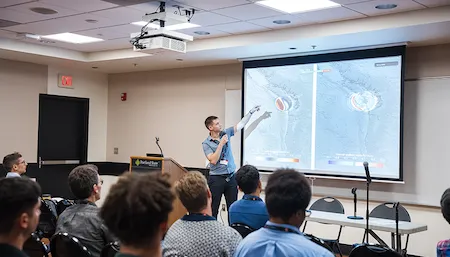
The four-day workshop is being held at the Georgia Tech Global Learning Center and will focus on improving software for scientific computing and discovery. Participants can also attend online. Registration for the workshop is open through Sept. 11.
“We're very excited and grateful for the opportunity to have this workshop at Georgia Tech,” said Tzanio Kolev, a computational mathematician at Lawrence Livermore National Laboratory (LLNL).
“Georgia Tech has a great reputation in our field, and hosting at universities is a great way to connect with students. We see students as our future colleagues who will improve MFEM for generations to come.”
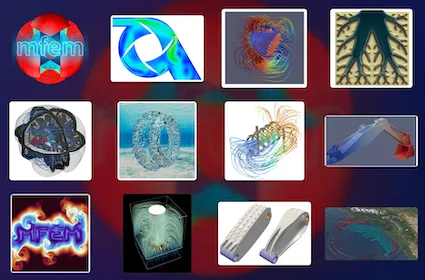
MFEM is an open-source software library for solving equations in computational models. Scientists and engineers use it to build and test virtual designs on some of the world’s most powerful supercomputers before creating real-world prototypes.
In fact, MFEM powered a tsunami early-warning model that ran on El Capitan, the world’s second-fastest supercomputer. The framework completed a simulation in a fraction of a second, 10 billion times faster than conventional algorithms. Kolev was part of the team that won the 2025 Gordon Bell Prize for the project.
MFEM’s impact extends beyond its original developers. The AWS Center for Quantum Computing uses the software as the foundation for a tool called Palace. This project runs 3D electromagnetic simulations to aid in the design of quantum computing hardware.
“These workshops have been very beneficial for both the broader user community and also for MFEM developers,” said Kolev.
“Every workshop, we are surprised by the ways people are building on our work, seeing what incredible, interesting, amazing things they do with it.”
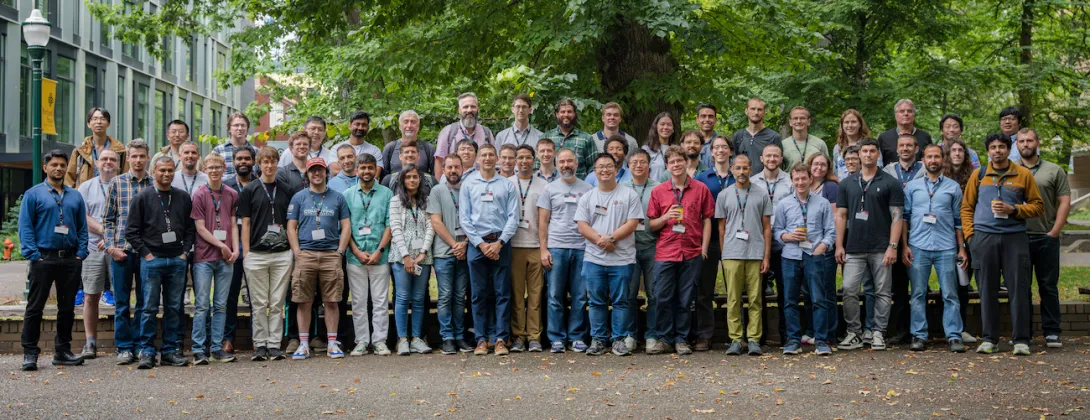
Next month’s workshop at Georgia Tech will connect MFEM users and developers from national laboratories, academia, government, and industry.
The United Kingdom Atomic Energy Authority joins LLNL and Georgia Tech in sponsoring this year’s workshop. Nearly 20 scientists from Department of Energy (DOE) laboratories are attending in person. They represent LLNL, Los Alamos National Laboratory, Princeton Plasma Physics Laboratory, and the Naval Nuclear Laboratory.
The workshop’s first day features a free, hybrid tutorial. LLNL’s High Performance Computing Innovation Center will lead the tutorial, helping new users get started with MFEM and learn what the software can do. The tutorial requires separate registration for virtual participants.
The workshop will also host a simulation and visualization contest. Participants can submit images and videos of simulations using MFEM, which will be posted in a gallery. The workshop organizers will select an overall winner.
Further workshop activities include:
- MFEM news and roadmap for future projects
- Talks from application developers
- Student-user lightning talks
- In-person poster sessions
- Office hours with MFEM experts
The MFEM workshop highlights the role open-source software plays in scientific discovery.
By making tools freely available, researchers can build on each other’s work rather than starting from scratch. This shared approach can accelerate innovation, improve software, and make advanced computing tools accessible to a wider community.
Georgia Tech hosts a Center for Scientific Software Engineering and an Open-Source Program Office. This year’s workshop connects these units with the MFEM community to help put the software into the hands of more researchers across science and engineering.
“The MFEM workshop aims to foster collaboration among all MFEM users and developers,” said Qi Tang, a workshop organizer and assistant professor in the School of Computational Science and Engineering.
“Hosting its annual community workshop brings researchers from DOE laboratories, universities, and industry to campus, giving Georgia Tech faculty and students direct access to experts from the field.”
News Contact
Bryant Wine, Communications Officer
bryant.wine@cc.gatech.edu
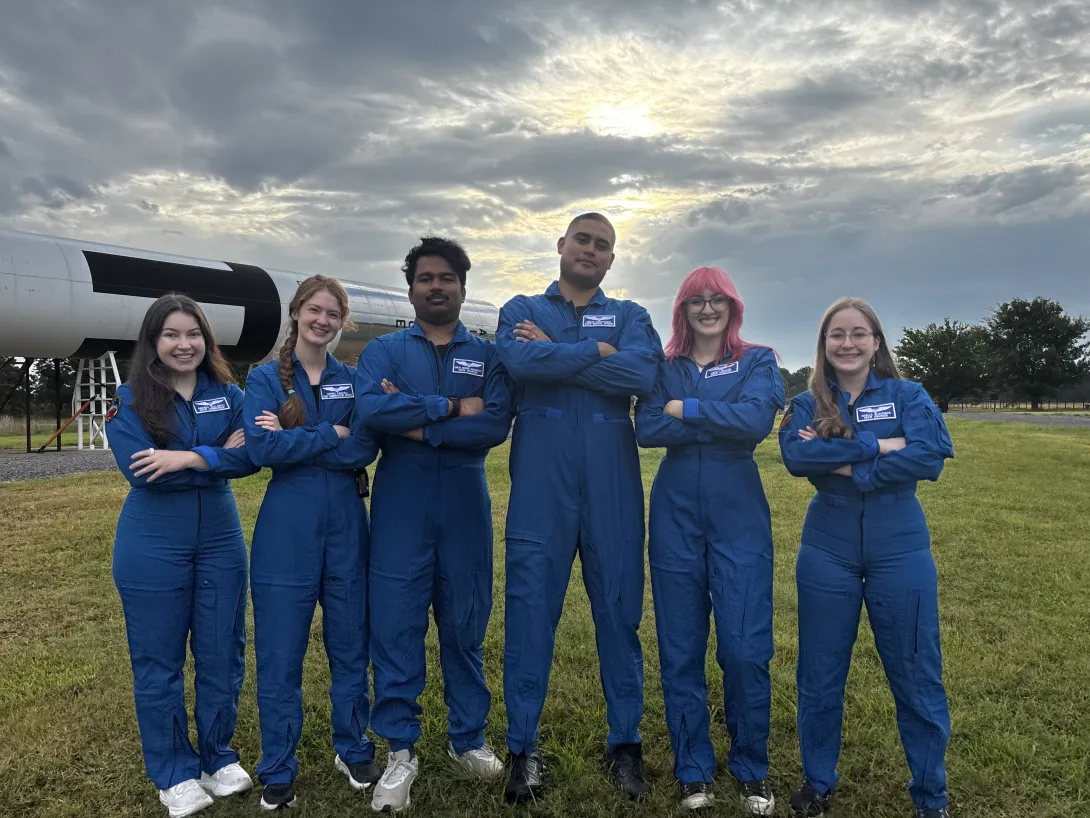
Six students have simulated a Mars mission, while dozens more operated a mission control center in Atlanta.
Earlier this month, six Georgia Tech students went to Mars. For 10 days, they conducted experiments, managed limited resources, and lived in isolation while learning what it's like to be an astronaut. Except they were not actually on Mars. They were at Titan Ranch in Arkansas, participating in the inaugural mission of Georgia Tech's Southeast Analog (SEA), the first completely student-led analog astronaut program in the United States.
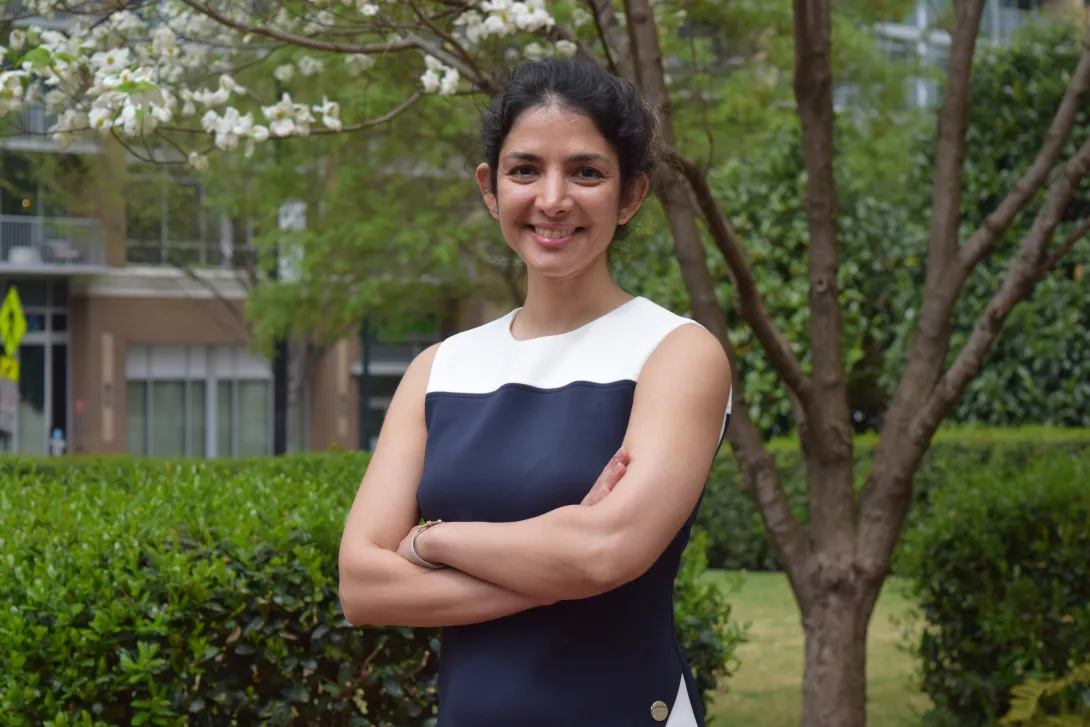
Few neuroscientists would dispute that the brain relies on prediction. From houseflies evading swatters to humans catching baseballs, living things are constantly anticipating what comes next. Understanding how the brain generates those predictions could help explain one of neuroscience's most enduring questions: how the brain builds internal models of the world that allow us to learn, adapt, and anticipate what comes next.
“Without actively predicting the world, we cannot survive,” says Farzaneh Najafi, an assistant professor in the School of Biological Sciences and a faculty affiliate of Georgia Tech's Institute for Neuroscience, Neurotechnology, and Society. “There is quite some sensory-motor delay in the processing. We can’t just sit there, wait for the brain to process our environment, and then react.”
Part of the puzzle may lie in signals known as neural ramps. Almost like a drumroll leading up to a big reveal, neurons in some areas of the brain have shown gradual increases in activity immediately before a stimulus appears. For decades, researchers have interpreted this ramping activity as a neural signature of prediction, reflecting anticipation of an upcoming event.
Recently published in Science Advances, a new study from Najafi’s lab reveals these signals may not be “predictions” at all, but instead a way neurons track elapsed time.
“Surprisingly,” says Najafi, “the very first study from my lab called the Predictive Processing Lab showed that no, these are not prediction signals.”
The finding challenges a long-standing interpretation of one of neuroscience's most studied signals and reveals that the search for predictive neurons may lead to different circuits — or require different experiments to uncover.
The Problem with Prediction
There is a challenge in separating simple time tracking from active prediction. Just because numbers on a stopwatch are increasing doesn’t mean it’s counting up to a specific event.
To tease the problem apart, the team designed a series of experiments that progressively stripped prediction out of the equation.
Working with mice, the researchers presented audio and visual cues at carefully controlled intervals. Some appeared at regular, hence predictable, times, while others arrived unpredictably. If neurons are making predictions, their activity should look different when events are predictable versus when they are not.
But that’s not what they found. Even when the researchers introduced errors into those predictable patterns, activity remained largely the same.
“It was in the first year of collecting data in my newly established lab that my student, Yicong Huang, started showing me the data and I was shocked: how come we are not seeing a difference between the expected case and the unexpected case?” Najafi recalls. “Because the entire theory is that there is a difference.”
The team found even more definitive evidence by monitoring “naive” mice that had never seen the stimuli before. The brain must learn a pattern before it can anticipate it, yet they found that these neural ramps were present even in the first few trials.
Drumroll, Please
If these signals aren’t predictions, then what’s happening?
“What we are seeing are pure sensory signals,” she says. “They are not about predicting the timing of the upcoming stimulus. They're about encoding the time that is elapsed.”
Najafi thinks that what neuroscientists have long interpreted as an anticipatory “buildup” to a future event is actually a “relaxation” from the past. Rather than a drummer rolling up to a specific event, imagine one who is always rolling. Each stimulus briefly interrupts the performance before the rhythm gradually returns.
But they found that not every neuron behaves like a drummer. While “drummers” recover their interrupted rhythm after a stimulus, other neurons operate more like a reverberating gong, firing strongly after a stimulus before gradually quieting down.
“The beautiful part of this story is that neurons don't all do the same thing,” Najafi says. “One neuron ramps up quickly, another more slowly, another with a completely different time course. When you put that heterogeneous population together, you get a very robust readout of time.”
The finding may also have implications for how neuroscientists think the brain represents time itself.
“Our findings support the theory that time representation in the brain is an intrinsic property of neurons,” says Najafi. Because the signals appeared even in naïve mice and in sensory brain regions, the results suggest that timing may emerge from the properties of neurons themselves, rather than from a specialized timing system elsewhere in the brain.
For Najafi, the study doesn't close the case on predictive processing. Time, after all, is an important variable to track if you want to make predictions. Instead, it opens more questions about when and where those signals emerge.
“Maybe we didn't find them because this was a passive perception task, meaning mice just passively received stimuli without being instructed to attend to them. Maybe we need active perception or an active movement task, and that's when we can extract these predictive signals from the brain. Alternatively, we may need to search other brain areas to find neural signatures of temporal predictions.”
“Do I believe now that the brain is not doing predictive processing? Absolutely not,” Najafi says. “But before we say we've found evidence for a theory, we really need to do multiple carefully designed experiments. We need to attack this from many different angles.”
Funding: This research was supported by the Whitehall Foundation, the Research Corporation for Science Advancement, the Chan Zuckerberg Initiative, and the Georgia Institute of Technology.
DOI: 10.1126/sciadv.aed6417
News Contact
Writer and Media Contact:
Audra Davidson
Communications Manager
Institute for Neuroscience, Neurotechnology, and Society (INNS)
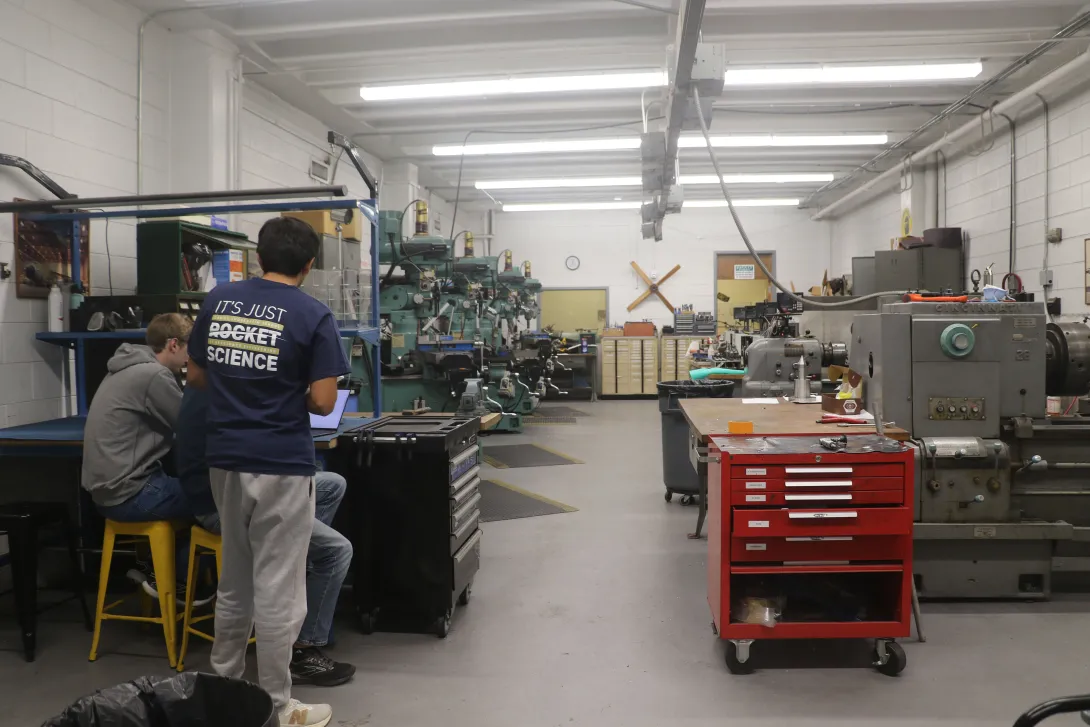
AE Machine Shop with students.
Georgia Tech is leading a new NASA-supported workforce development initiative designed to expand aerospace education and strengthen Georgia's pipeline of skilled technical talent needed for future space missions.
Through a Next Gen STEM (NGS) NASA Aerospace Skilled Technical Workforce Hubs (NAS_Hub) grant award, Georgia Tech will play a central role in addressing a critical labor shortage in the booming aerospace industry and enhance the state’s role as an aerospace industry leader in the global space economy.
Beginning this fall, the three-year, $1.5 million award will establish the Southeast Space Technology & Aerospace Readiness Skills (SE-STARS) Hub. The hub will expand opportunities for training and workforce readiness in high-demand technical careers in aerospace.
The SE-STARS Hub includes the Georgia Space Grant Consortium (GSGC), Georgia Tech’s Space Research Institute (SRI), the Georgia Tech Manufacturing Institute (GTMI), the Technical College System of Georgia (TCSG), Georgia Southern University, Georgia College and Career Academies, Georgia Aerospace & Defense Alliance (GADA), and select Georgia aerospace employers to support the growing aerospace industry and NASA missions.
Aerospace products are Georgia’s No. 1 export and the state has more than 800 companies supporting aviation, manufacturing, research, maintenance, repair, and operations. Many aerospace and engineering positions rely on skilled technical workers whose training pathways do not require a four-year, or advanced degree. There are significant gaps in technical roles such as machinists, electronics technicians, test operators, and systems integrators. These shortages are driven by an aging workforce and a projected national shortfall of at least one million skilled technical workers by 2030. (National Academics of Sciences, Engineering, Medicine, 2025). The gap also stems from the rapid pace of technological advancement, where even current skills can quickly become obsolete if not constantly renewed. All this combines to create an urgent need for training to support new and sustainable aerospace career pathways.
Stephen Ruffin, interim chair of the Daniel Guggenheim School of Aerospace Engineering and GSGC director will serve as the principal investigator (PI). Jud Ready, executive director of SRI; Lori Skillings, GSGC; Hossein Taheri, Georgia Southern University; and Steven Ferguson, GTMI, will serve as co-PIs. Jeffrey McNabb, a research engineer in Georgia Tech’s Aerospace Systems Design Lab (ASDL), will serve as the program manager, leading day-to-day operations and coordinating the project team.
"This initiative strengthens Georgia's position as a leader in aerospace innovation and manufacturing while providing new opportunities for students and industries across the state," said Ruffin.
Coordination between public education systems, industry, and workforce agencies can sometimes be limited. SE-STARS will act as a "hub" to bridge these gaps, connecting Georgia Tech and its specialized research institutes with TCSG’s 22 colleges and 88 campuses to provide statewide access to training.
“Another advantage of the program is the stronger network it creates,” said Ruffin. “Each organization in the SE-STARS team has unique capabilities but together we will strengthen the technical workforce pipeline across Georgia and the broader Southeast.”
The SE-STARS team will collaborate with industry partners to develop curriculum aligned with workforce needs. “The easily ported curricula we develop will be tailored for other institutions to adopt directly, creating a consistent foundation of skills and competencies that employers can universally expect from program graduates across Georgia,” Ready said.
Students will access training through a statewide network of technical colleges serving as regional instructional nodes, which offer flexible online options and hands-on paid apprenticeships to ensure broad geographic reach.
The program also reaches K-12 and adult learners through career academies and specialized STEM labs, creating a structured, sustainable transition from early education to high-demand aerospace credentials. GTMI will support this work through its Advanced Manufacturing Pathways Program, which connects industry-informed training with pathways into high-demand advanced manufacturing careers.
“Georgia's expanding aerospace and space sectors are creating high-paying jobs and driving economic growth,” said Ruffin. “This program will help develop the skilled workforce needed to support that growth and Georgia’s competitiveness in the space economy.”
News Contact
Monique Waddell

Lara Hodgson has been named the inaugural executive director of the new startup accelerator at Georgia Tech. Under Hodgson’s leadership, the accelerator will begin delivering on its mission to support emerging startups with the resources and infrastructure to scale into businesses.
Previously known as Velocity Startups, The Venture Arcade serves as a bridge between early-stage startup founders who have participated in Georgia Tech initiatives like CREATE-X, Quadrant-i, and Biolocity and are focused on scaling their businesses and preparing themselves for late-stage accelerators such as the Advanced Technology Development Center, Engage, Fusen, and Atlanta Tech Village.
Hodgson brings more than two decades of entrepreneurial leadership, capital markets expertise, and global operating experience to the role. As CEO of RoxWrite, she led the development of an industry-leading, AI-powered underwriting, onboarding, and risk-monitoring platform. Hodgson co-founded and led Now Corp from 2010 to 2024, serving as president and CEO of the innovative business-to-business payments company that created NowAccount. Earlier in her career, she co-founded Nourish Inc., served as executive VP of Dunk.net and chief marketing officer and chief operating officer of Dewberry Capital Corporation, and was senior vice president and general manager at iXL, where she built and led the Retail and Consumer Products Practice across 26 global offices serving clients such as The Home Depot, Coca-Cola, and Nike.
"As a Georgia Tech graduate, serial entrepreneur, and longtime mentor to founders at CREATE-X and Harvard Business School, I've seen what it takes to start and scale a business, and I've seen how much faster and more successful that journey can be with the right resources,” she said. “The Venture Arcade is built to deliver exactly that, with access to Georgia Tech’s unparalleled resources. Bringing capital, capacity, and customers, The Venture Arcade’s flywheel of growth will give Georgia Tech founders and local technology companies, including hard tech and deep tech, an unfair advantage. I'm proud to work with Georgia Tech to bring this program to Atlanta, a city ready to take its place as a top five technology and startup hub in the U.S."
Hodgson is also a nationally recognized thought leader on entrepreneurship and access to capital. She co-authored the award-winning book Level Up: Rise Above the Hidden Forces Holding Your Business Back (2022), published by Portfolio Penguin and now widely used in university entrepreneurship courses. She previously served as an entrepreneur-in-residence at Harvard Business School, where she continues to mentor founders and judge venture competitions. She has also served as a mentor in Georgia Tech’s CREATE-X 10x program, coaching high-potential founders as they scale and pursue significant market opportunities.
“Lara possesses the capital formation expertise and business acumen to put The Venture Arcade on the map,” said Raghupathy “Siva” Sivakumar, chief commercialization officer at Georgia Tech and president of Georgia Advanced Technology Ventures. “Her experience building, scaling, and financing companies makes her uniquely suited to shape The Venture Arcade into a meaningful pathway for high-potential startups. Lara truly embodies the entrepreneurial spirit of Georgia Tech, and we are thrilled to have her on the leadership team.”
A proud Georgia Tech alumna, Hodgson earned her bachelor’s degree in aerospace engineering with highest honors and an MBA from Harvard Business School. She is a trustee of the Georgia Tech Foundation and serves on multiple corporate and nonprofit boards. Her honors include recognition as a 2019 EY Entrepreneurial Winning Woman, a Worthy 100 honoree by Worth magazine, and inclusion in Pathway of Progress, the campus installation celebrating women at Georgia Tech.
About The Venture Arcade
The Venture Arcade is a startup accelerator that propels deep-tech innovation, providing the resources and infrastructure for founders to take their innovations to market. Located in the heart of Tech Square in the historic Biltmore Innovation Center, The Venture Arcade offers mentorship, infrastructure, strategic programming, and funding opportunities. The accelerator is made possible through a partnership with Georgia Advanced Technology Ventures Inc. and the Georgia Tech Foundation.
News Contact
Georgia Parmelee
grobert6@gatech.edu
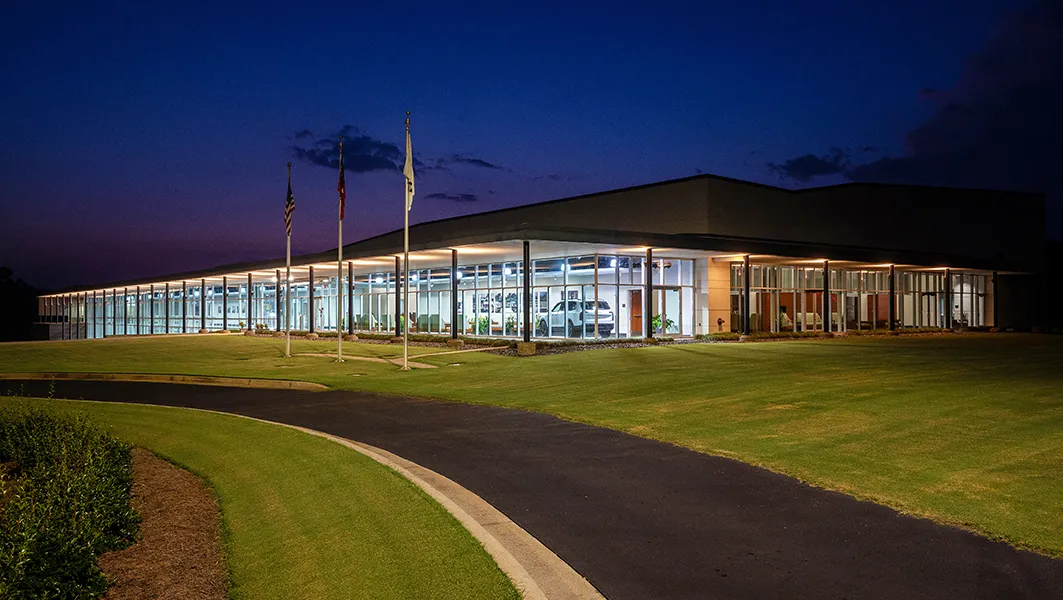

The car you drove to work this morning is made up of thousands of individual parts that had to be assembled in the right order and in the right way.
But for the workers behind every vehicle you pass on the road, the job demands speed, precision and repetition, with little room for error or on-the-job learning. A new hire may need to learn dozens of assembly steps and complete them in sync with a fast-moving production line from the first day on the job. The demanding pace can make it difficult for new employees to adjust and gain confidence before entering the production environment.
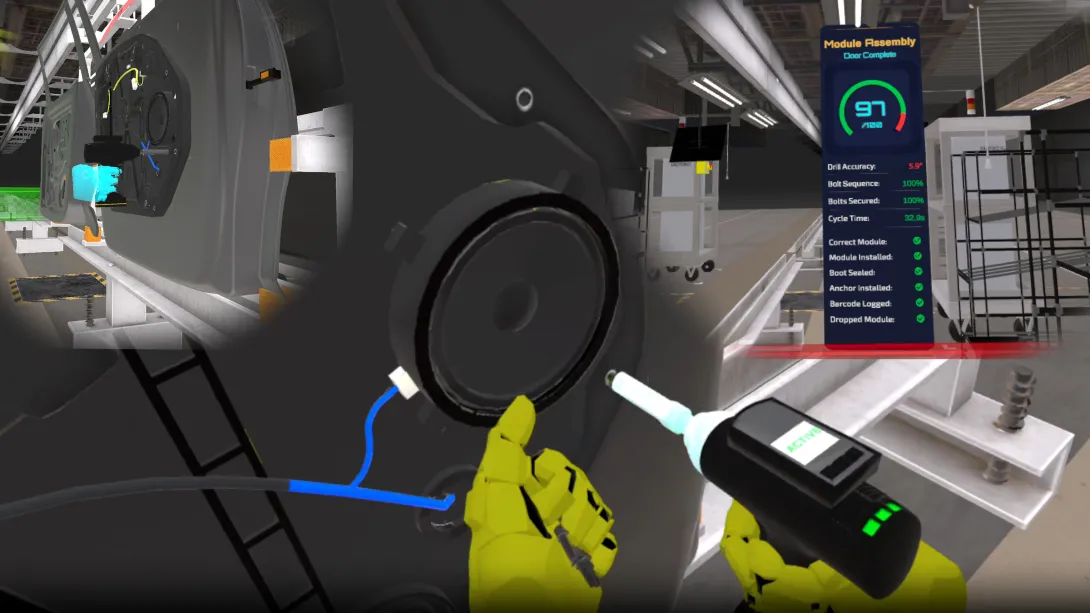
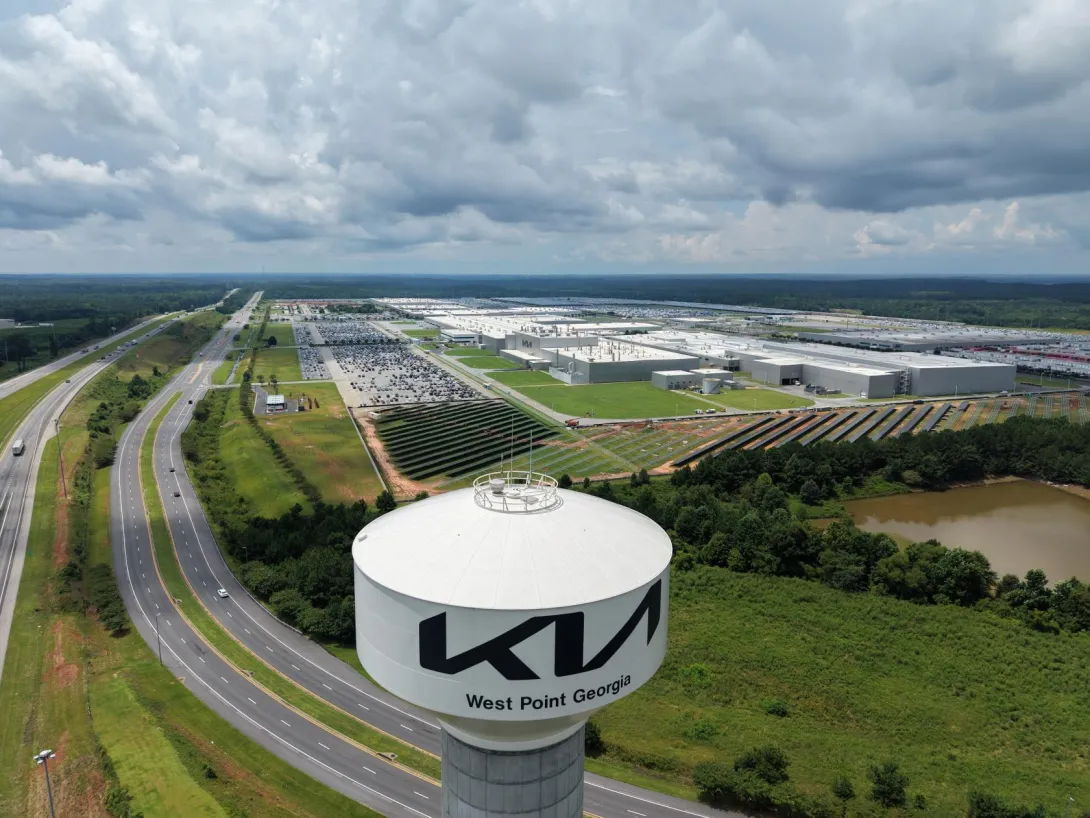
To help prepare workers for the realities of automotive manufacturing, researchers at Georgia Tech’s H. Milton Stewart School of Industrial and Systems Engineering (ISyE) partnered with Kia Georgia to develop a gamified virtual reality (VR) training platform that allows workers to learn, practice and make mistakes before stepping onto the production floor.
“The need for this technology is clear,” said Mohsen Moghaddam, the Gary C. Butler Family Associate Professor in ISyE and the George W. Woodruff School of Mechanical Engineering, who leads the research team behind this project. “New hires are placed in a fast-paced, high-pressure environment, where there is little room for error or on-the-line learning. For many workers, that transition can feel overwhelming.”
The project began in 2025 through a collaboration involving Kia Georgia in West Point, Georgia; Georgia Artificial Intelligence in Manufacturing (Georgia AIM), a statewide effort advancing AI and manufacturing education across Georgia's industrial ecosystem; Georgia Quick Start, the state’s workforce training program operated through the Technical College System of Georgia (TCSG); and Spelman College.
"What makes Georgia one of the top states for business is that we collaborate and work together to solve some of the biggest challenges manufacturers face," said Steven Ferguson, managing director of Georgia AIM and deputy director of the Georgia Tech Manufacturing Institute (GTMI). “This project brought together collaborators across industry, workforce development, and higher education to build a solution that would have been difficult to achieve alone.”
ISyE researchers were tasked with developing a VR training solution for Kia’s door assembly line, one of the many stations workers must master before beginning work in the plant.
While Kia already provides hands-on training through Georgia Quick Start, certain aspects of the production environment are difficult to replicate outside the factory floor. Researchers saw an opportunity to better prepare workers for the pace and pressure of assembly line work before their first day on the factory floor.
Through site visits, demonstrations and conversations with workers and trainers, the research team gained a deeper understanding of the challenges new employees face on the production floor and a greater appreciation for the demands of the work.
“I didn’t have any idea how hard or how fast-paced this type of work was before starting this project,” said Pantea Habibi, a postdoctoral researcher within ISyE and member of the project team. “It’s mentally and physically challenging for workers, and I like that our VR system can reduce a little bit of their struggle so that they learn faster and better.”
The team’s gamified VR platform guides users through a series of progressively challenging learning stages. Trainees first observe a task being performed and then mirror an expert’s actions before practicing independently with increasing levels of responsibility.
The training platform follows an apprenticeship-inspired progression. Trainees first watch an expert perform each task through the platform’s “ghost hands,” then practice with guidance from audio prompts and other on-screen cues. As they gain confidence and proficiency, that support gradually fades, allowing them to perform tasks independently.
One of the platform’s key advantages is its ability to simulate the movement and pace of an active assembly line – conditions that would be difficult and costly to recreate in a traditional training environment.
"In the virtual world, there's no material fatigue,” Ferguson added. “Being able to create an experience where trainees can practice over and over without worrying about wear and tear or damaging components creates a lot of value.”
The team recently delivered a beta version of the platform and demonstrated it to Kia leadership, including the president and CEO of Kia Georgia.
"This project demonstrates what's possible when industry, higher education, and workforce development partners work together toward a common goal,” said Stuart Countess, Kia Georgia’s President and CEO. “We appreciate the collaboration of Georgia Tech and Georgia Quick Start in helping prepare the next generation of Kia Georgia team members for success and generating excitement about careers in advanced manufacturing."
While the current version focuses on a single door assembly station, discussions are already underway to expand the technology to additional stations within the plant.
For Moghaddam, the project represents ISyE’s human-centered approach to engineering by designing technologies that help people succeed.
“Through this project and many others, the main question we seek to solve is how can we develop assistive technologies at the intersection of AI, robotics and extended reality (XR) that augment human capabilities rather than replace them,” he said.
News Contact
Communications Manager I
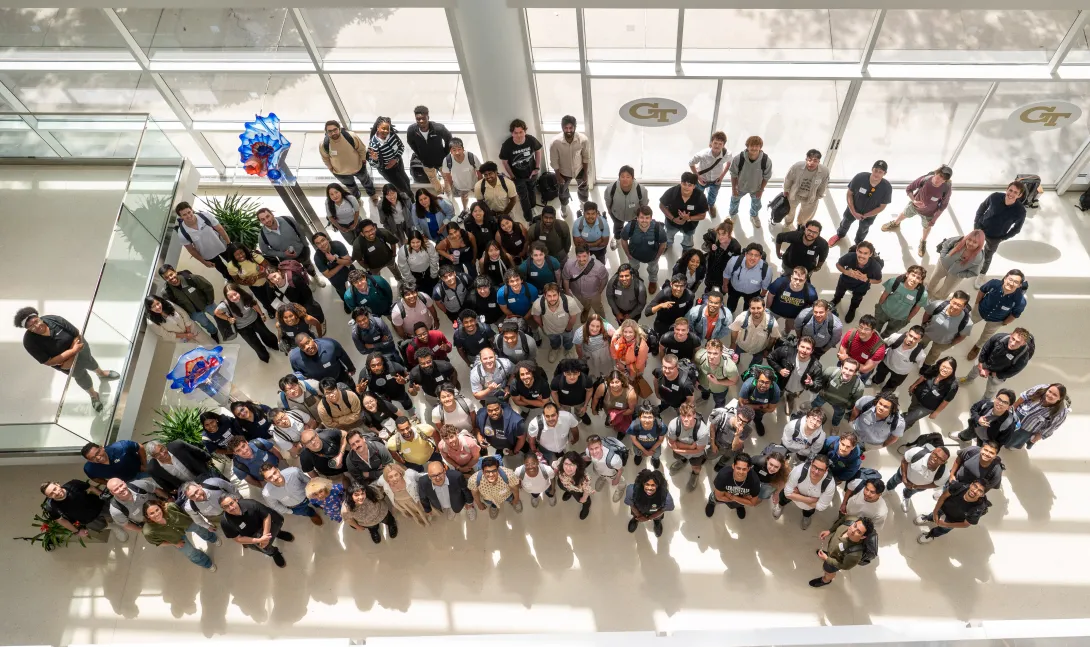
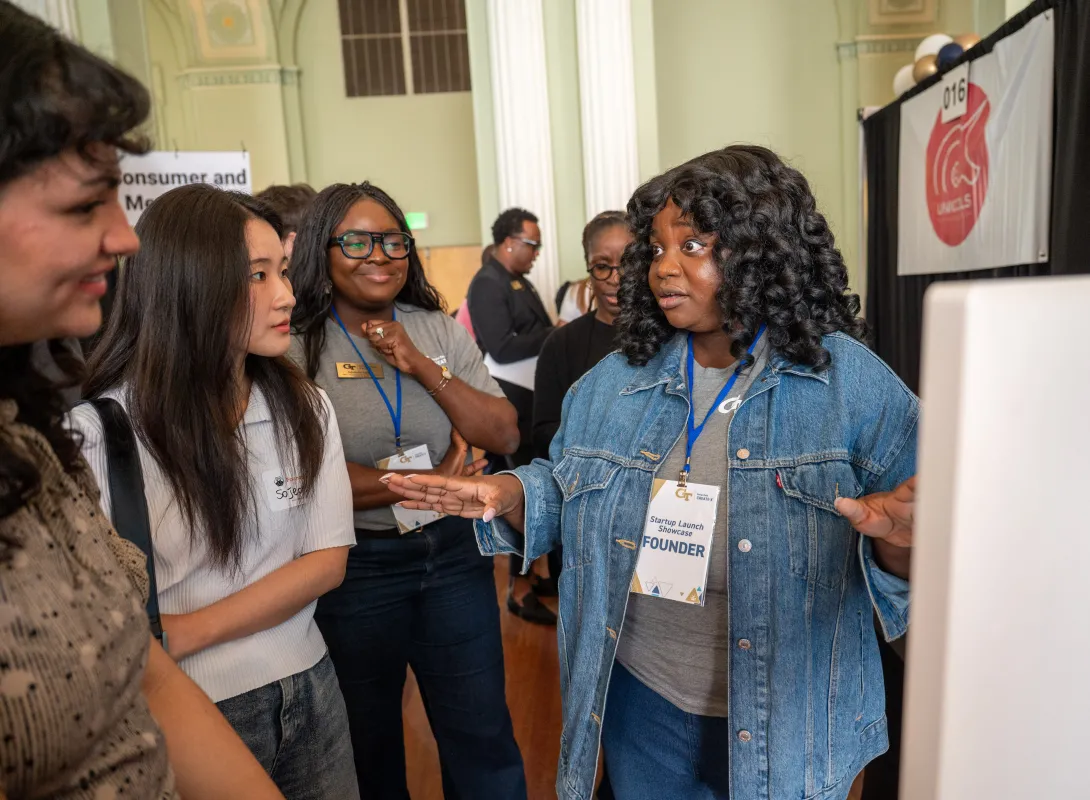
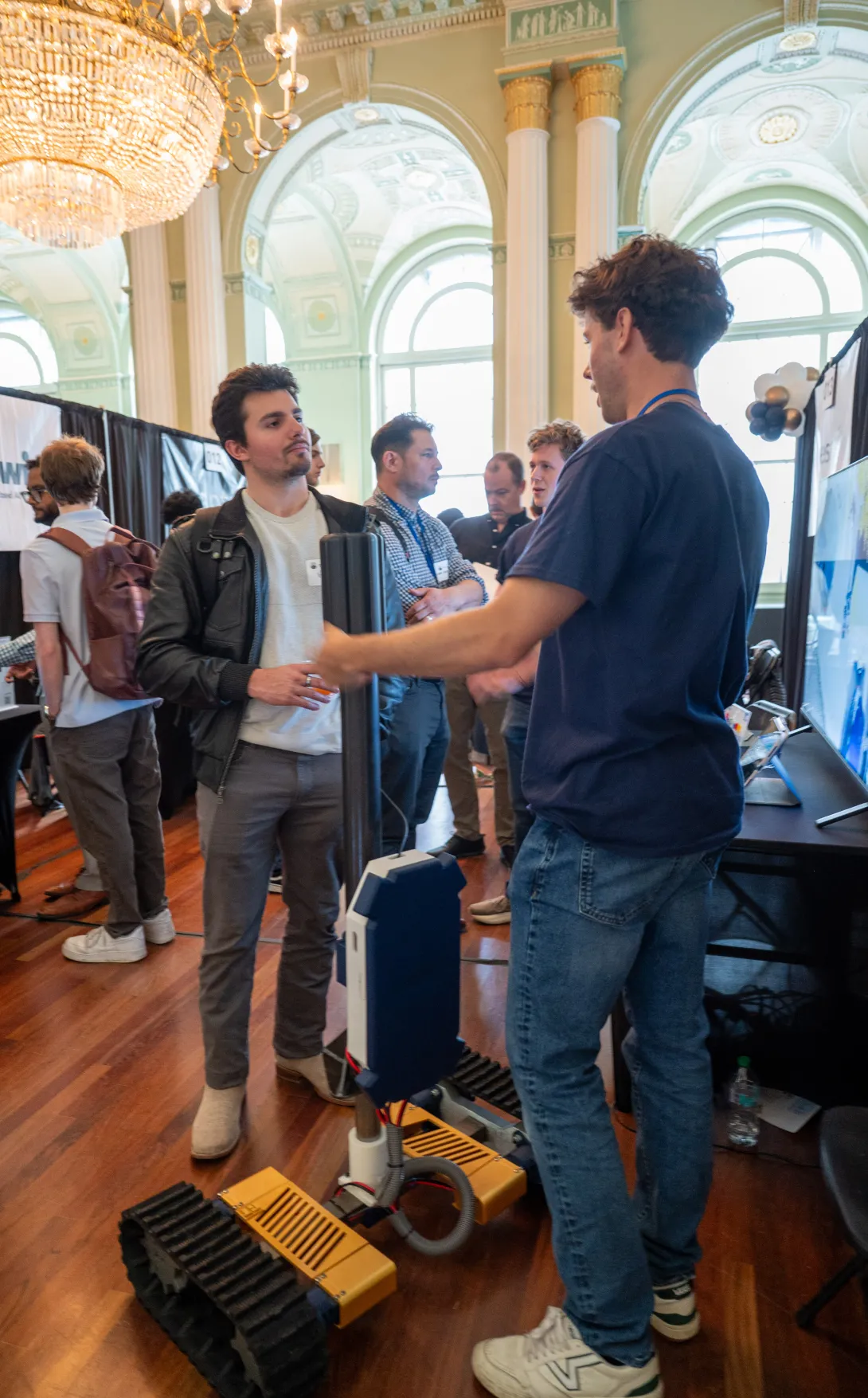
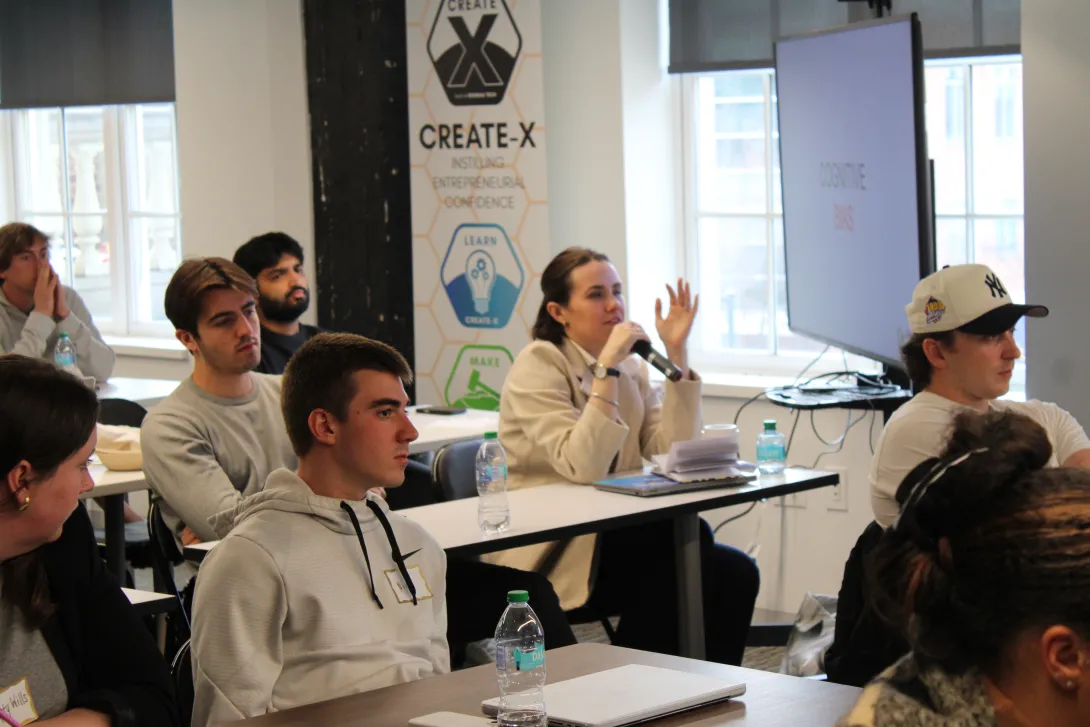
This year, Georgia Tech's Startup Launch program surpassed 200 startup teams for the first time, marking the largest cohort in the program's history and highlighting the growing momentum for entrepreneurship across campus.
The milestone was driven by startup activity in CREATE-X and Quadrant-i, two cornerstone initiatives of the Office of Commercialization, and reflects the expanding reach of Tech's innovation ecosystem. The programs support students, faculty, researchers, and alumni in transforming ideas into companies within industries ranging from healthcare and robotics to legal technology and accessibility.
"Crossing the 200 startup teams milestone is more than a record. It's a reflection of a commercialization ecosystem that is helping translate ideas into products and companies that solve real problems," said Raghupathy "Siva" Sivakumar, chief commercialization officer. "Building a dense, connected community of founders is essential to our vision of becoming the nation's leading startup campus and maximizing the value of Georgia Tech innovation."
Diverse Paths to Entrepreneurship
The founders behind this year's milestone represent the many paths entrepreneurs can take at Georgia Tech. They come from different disciplines, pursue various industries, and arrive with a wide range of experiences, but all share a desire to solve meaningful problems.
For alumnus Alberto Flores Guerrero, who earned an M.S. in cybersecurity from the Ivan Allen College of Liberal Arts in 2025, and his longtime friend and co-founder, Luis Estala, that journey to CREATE-X began nearly 2,000 miles from Atlanta.
The pair are building Separate, an AI-powered platform designed to help people navigate divorce by simplifying legal processes, organizing paperwork, and connecting users with resources. Drawing on Flores Guerrero's background as a lawyer, the company aims to make one of life's most stressful experiences more manageable.
When they learned about CREATE-X Startup Launch's kickoff just two weeks before it began, they didn't hesitate. Flying wasn't an option, so they packed the car and drove from Mexico to Atlanta.
Four days later, they arrived at Georgia Tech, convinced the opportunity was worth every mile. Inspired by the kickoff experience, Flores Guerrero soon returned to Mexico, packed his belongings, and moved to Atlanta for the summer.
For both of them, Startup Launch became more than a summer program. It gave them the confidence to build their company as part of a community of founders.
"This experience has completely changed the way we think about ourselves and what's possible for our company," Estala said. "This is the chance of our lives."
"I've learned so much just by being around these people," Flores Guerrero said. "Georgia Tech has some of the smartest students in the world, and then you put the most entrepreneurial of them together in one room. Nice things should happen."
Building a Deep-Tech Startup
For Georgia Tech master's student Rohit Gore in the College of Computing and co-founder Patrick Walsh, entrepreneurship began with one idea. But their startup took shape after they pivoted in a new direction.
As they developed a low-cost drone, they kept encountering the same challenge: Robots that performed well in simulations often struggled in real-world environments. After talking with robotics teams across the country, they launched Brio Robotics, a company developing a simulation and automated testing platform for autonomous systems.
CREATE-X Startup Launch helped the team refine its approach to customer discovery, sales, and commercialization.
"We're engineers by trade, and we don't know anything about B2B sales," Gore said, noting that Startup Launch Director Margaret Weniger “has been hugely helpful. It was so valuable to hear her perspective on what good sales metrics look like, what the goal of a customer call should be, and how to approach those conversations."
Today, Brio Robotics is finalizing its first design partnership with a drone company and has five additional robotics companies in its sales pipeline.
Turning Research Into a Startup
While many startups begin with student entrepreneurs, others emerge directly from Georgia Tech's research labs.
For Yue Chen, associate professor in the Wallace H. Coulter Department of Biomedical Engineering, commercialization meant looking beyond the lab. Working with Ph.D. students Yixuan Xia, Yilin Cai, and Samuel Wilcox, Chen launched Fructus, a startup developing robotic harvesting technology to help growers address labor shortages and improve harvesting quality.
The technology began as a USDA-funded blackberry harvesting project. But through Quadrant-i Startup Launch, conversations with growers and industry stakeholders revealed a greater opportunity in Georgia's blueberry industry, prompting the team to pivot toward a larger market and a more pressing need.
"For faculty, we focus on research and developing fundamental science" Chen said. "But there's a gap between the work we do in the lab and the final product." Startup Launch helped bridge that gap through customer discovery. It “gave us the opportunity to get out of the lab, talk to stakeholders, and understand what they really need."
For Cai, the experience changed the team's perspective. "As researchers, we usually focus on solving a research problem," he said. "Through Startup Launch, we learned to see the problem from the customer's perspective and think about what it really takes to build a product."
Looking Ahead
More than 150 startups will showcase their ventures at CREATE-X Demo Day on Thursday, Sept. 3, at LOOP, Georgia Tech's newest creative arts and performance venue. The event will bring together students, investors, mentors, industry leaders, and the broader community to meet the founders behind this record-breaking cohort and explore the next generation of Georgia Tech innovation.
"This experience has completely changed the way we think about ourselves and what's possible," Estala said. "If you have an idea, just do it. You never know where it might take you.”

A gate controls access to a reversible lane that is part of an express lane on a Georgia interstate highway.
The highways Georgia citizens use each day are built on more than concrete, steel, and asphalt. Getting to and from school, work, or shopping now depends on networked systems using optical fiber, sensors, video cameras, and electronic devices known as programmable logic controllers (PLCs) that help process information.
As part of the existing Georgia Traffic Management Center (TMC), those systems notify drivers of changing highway conditions, operate traffic management devices, and help the Georgia Department of Transportation (GDOT) identify and respond to traffic issues requiring immediate attention.
In December 2025, Georgia Tech cybersecurity researchers began working with GDOT to ensure the security of those networked systems and devices. As part of this advanced cybersecurity project, they are applying machine learning (ML), a type of artificial intelligence (AI), to safeguard existing systems and set the stage for future automation.
Read the full article on the Georgia Tech Research Institute news page
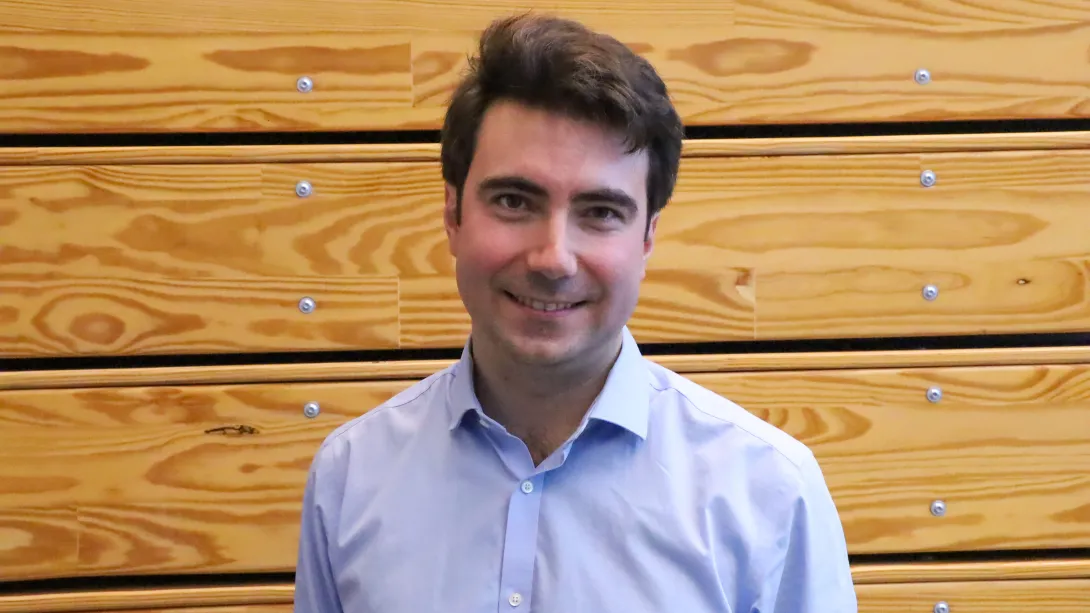
Taking a Where’s Waldo? book from his shelf, Assistant Professor Alex Ozdemir posed a simple question: Is it possible to prove Waldo is somewhere on the page without showing anyone where he is?
The answer is yes. Ozdemir demonstrated the technique by taking a piece of paper with a small Waldo-shaped hole cut out and placing it over the page. The demonstration confirms that Waldo is on the page without revealing his location or other details and is a simple example of a concept called a zero-knowledge proof.
In computer science, zero-knowledge proofs allow one person to prove that something is true without revealing the information that makes it true.
These types of problems sit at the center of Ozdemir’s work. As a computer scientist and cryptographer, he studies ways to use mathematics and computer programs to protect information. But his work goes beyond creating new methods for keeping data secret. He is interested in connecting those methods to the computer systems that use them.
“I get excited about what no one else is working on,” he said. “What I’m excited about now is how you relate the security of a computer system to a crypto scheme.”
Two recent papers published at USENIX Security show how Ozdemir is applying this approach to real-world privacy and security problems.
One of these problems is how to handle sensitive information without revealing it.
Imagine two organizations want to combine or analyze information, but neither wants to share its private data with the other. Cryptography can make this possible, but some of these privacy protections can be slow and difficult to use with large amounts of information.
Ozdemir and his collaborators developed a new system called FLOSS (Fast Linear Online Secret-Shared Shuffling) to make one of these tasks much faster.
FLOSS allows two parties to mix a set of private information without either party seeing the original data or learning the final order. This process, known as shuffling, is useful in privacy-preserving applications such as data analysis, anonymous messaging, and private advertising.
In tests, FLOSS shuffled more than one million items in less than half a second, making it more than 800 times faster than previous leading methods.
FLOSS achieves much of this speed by doing some of the hard mathematical work in advance, before the actual data is available. When the data arrives, the system can complete the shuffle quickly, with very little communication between the two computers.
The system is designed to protect against cheating. If one of the parties tries to manipulate the process or access information it shouldn’t, FLOSS can detect the problem and stop the computation.
The researchers also used FLOSS to create a faster way to sort private information. Sorting is a basic computer task but doing it while keeping the information secret can be expensive. Making that process faster could allow privacy-preserving tools to handle much larger amounts of data.
Ozdemir tackled another problem through a project called Orbit: How can computers perform useful work on information that remains encrypted?
Fully homomorphic encryption, or FHE, is a form of encryption that allows computers to perform calculations on protected data without first decrypting it. For example, a hospital could send encrypted medical information to a cloud service for analysis without the service seeing the patients' records.
The challenge is that this type of computing can be extremely slow.
Orbit is a computing tool called a compiler that helps make these encrypted calculations more efficient. A compiler takes computer code and turns it into instructions that a computer can run. Orbit examines an entire computation and identifies more efficient ways to handle some of the most expensive steps in fully homomorphic encryption.
Rather than treating those steps separately, Orbit looks at how they work together and identifies opportunities to reduce the amount of work the computer must do.
In tests, Orbit was between 1.19 and 1.73 times faster than previous leading systems on the workloads studied, including complex tasks such as running artificial intelligence models. The calculations also remained within 0.3% of the accuracy of those performed on unencrypted data.
For Ozdemir, projects like FLOSS and Orbit are part of a broader goal: making advanced cryptography practical enough to use with the computer systems people use every day.
Now at Georgia Tech’s School of Cybersecurity and Privacy (SCP), Ozdemir is recruiting Ph.D. students from across the computing stack to work with him. He was drawn to Georgia Tech in part for its multidisciplinary approach to security.
“I also just love being around universities,” he said.
At SCP, Ozdemir plans to continue exploring programmable cryptography across the computing stack, integrating cryptography, compilers, and automated reasoning to address security problems from multiple angles. He received his Ph.D. at Stanford University and bachelor's degree from Harvey Mudd College.
News Contact
John Popham
Communications Officer II at the School of Cybersecurity and Privacy
Anyone who has peeled off a bandage knows that speed matters. Conventional wisdom, and decades of adhesion research, suggest that pulling faster makes adhesive forces stronger. But researchers at Georgia Tech have discovered that soft materials can behave in a far more surprising way.
Instead of becoming steadily stickier as they are pulled apart, soft hydrogels first become less adhesive and then more adhesive as the pulling speed increases, revealing a previously unknown "sweet spot" where detachment is easier. The discovery challenges a long-held assumption in adhesion mechanics and reveals a new physical mechanism that governs how soft materials attach and detach.
"We expected the adhesion to increase continuously with pulling speed, as predicted by classical theories," said Yuhang Hu, associate professor in the George W. Woodruff School of Mechanical Engineering and the School of Chemical and Biomolecular Engineering. "Instead, we found the exact opposite over a broad range of speeds. That told us there had to be a completely different physical process at work."
News Contact
Tracie Troha | Communications Officer
George W. Woodruff School of Mechanical Engineering