
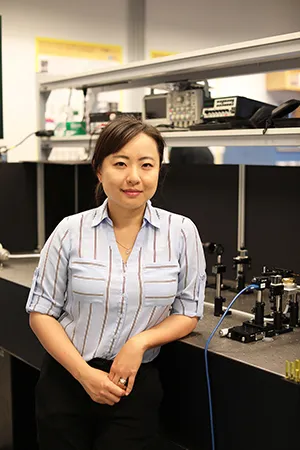
Ellen Yi Chen Mazumdar, assistant professor and Woodruff Faculty Fellow in the George W. Woodruff School of Mechanical Engineering
Ellen Yi Chen Mazumdar, assistant professor and Woodruff Faculty Fellow in the George W. Woodruff School of Mechanical Engineering, has received a NASA Early Career Faculty (ECF) Award to develop new methods for studying the extreme conditions spacecraft experience during atmospheric entry.
This award is part of NASA’s Space Technology Research Grants Program, which supports groundbreaking projects with the potential to transform space science and technology.
Through the three-year, $750,000 award, Mazumdar and her research team will develop laser-based methods to simultaneously measure temperature, chemical species, gas velocity, and other properties in the gases surrounding heat shield materials.
“We aim to implement our measurement techniques in arc jet or plasma jet facilities, like the ones at NASA, to assist with the evaluation of thermal protection systems for next-generation spacecraft,” Mazumdar said.
The project uses ultrafast lasers, which produce extremely short, high-intensity pulses. These pulses allow researchers to study the behavior of molecules on extremely short timescales and measure properties that can improve understanding of the gases surrounding a spacecraft during atmospheric entry.
Mazumdar said she and her students are excited about this project and hope it will help NASA develop new heat shields for spacecraft traveling to destinations such as Mars, Venus, and Titan.
News Contact
Tracie Troha, ME Communications
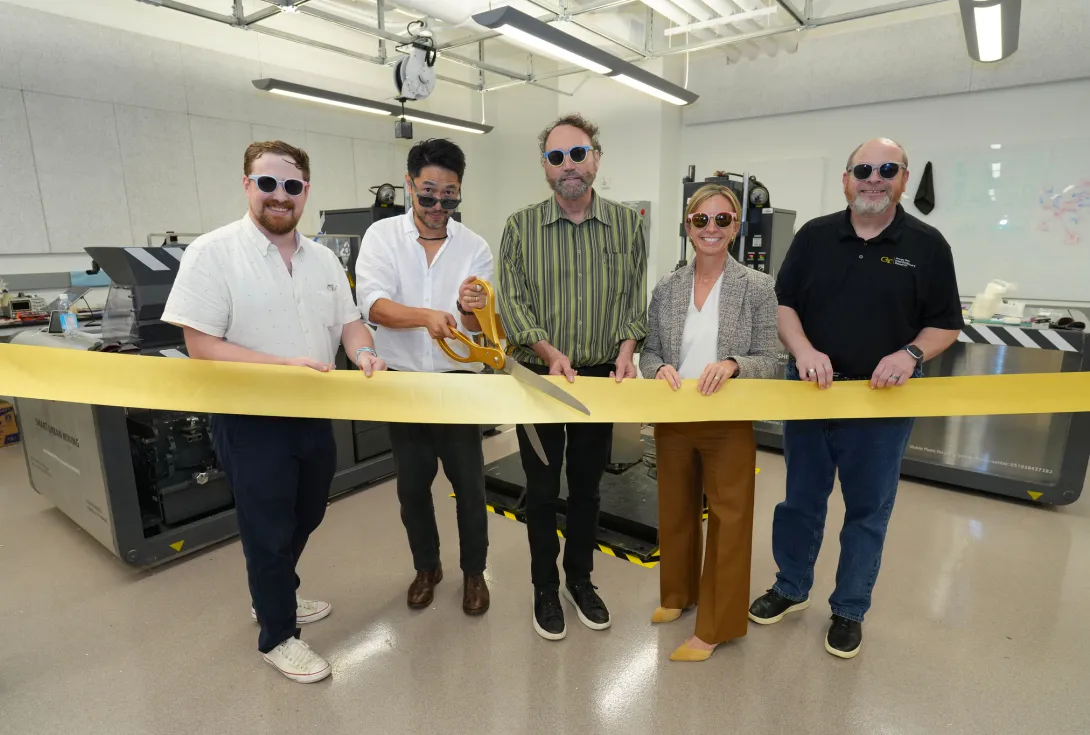
Celebrating the opening of Georgia Tech's Trash Lab - the newest makerspace on campus which is located in the basement of TSRB. Pictured left-to-right: Tim Trent, director of IPaT's Trash Lab; Arthur Huang, CEO of Miniwiz; Michael Best, executive director of IPaT; Jennifer Chirico, associate vice president of sustainability; and Rob Kadel, executive director of research program administration. They are wearing sunglasses made from recycled plastic created by using the miniTrashpresso machine.
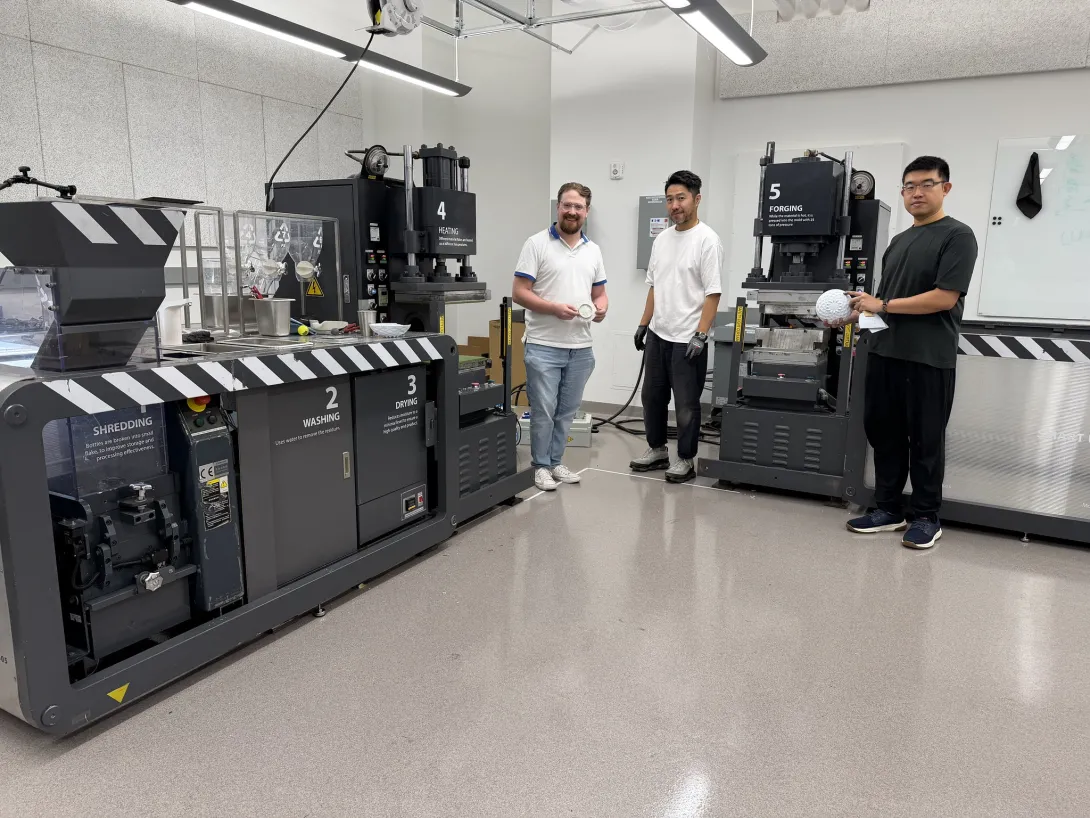
Pictured left to right: Tim Trent, IPaT’s lab director for the Trash Lab; Arthur Huang, CEO of Miniwiz; and Tai Liu, mechanical engineer with Miniwiz. In this picture, they are installing the miniTrashpresso system in the TSRB building and showing the test plastic bowl made using recycled plastic.
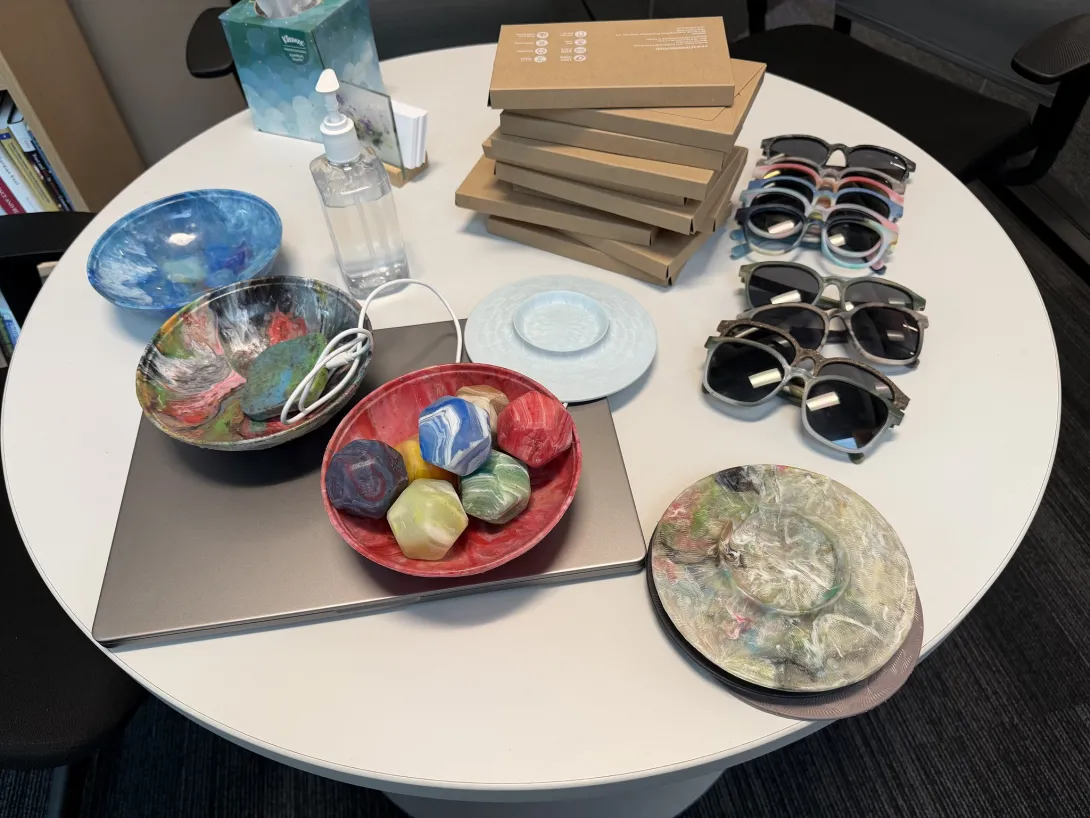
Recycled plastic items you can make using the Trash Lab include wireless chargers, sunglasses, bowls, and other items.
New IPaT makerspace combines advanced recycling technology, hands-on learning, and sustainability innovation.
Beginning this fall, Georgia Tech students, faculty, and staff will have a new way to rethink waste. The Institute for People and Technology (IPaT) is opening the Trash Lab, a makerspace in Room S27 of the Technology Square Research Building dedicated to plastic recycling, upcycling, and circular-economy innovation.
At the heart of the new lab is the miniTrashpresso, a compact recycling and manufacturing system developed by the sustainability technology company Miniwiz. The machine can take used plastics and other waste materials, process them locally, and transform them into new products in less than five minutes. By bringing manufacturing and recycling together in a single system, the Trash Lab aims to give the Georgia Tech community a way to explore sustainable design, material reuse, and the future of circular manufacturing.
“The launch of IPaT’s new Trash Lab represents an exciting step forward for sustainability at Georgia Tech,” said Jennifer Chirico, associate vice president of Sustainability. “As a living-learning lab, it provides students and researchers with hands-on opportunities to work alongside campus operations, turning used plastics into valuable new products and creating innovative solutions that support a more circular campus.”
A Makerspace Focused on Circular Innovation
The Trash Lab expands Georgia Tech’s growing network of makerspaces and innovation environments by focusing specifically on waste recovery and reuse. Instead of treating used plastics as disposable materials, the lab encourages users to view them as valuable resources that can be transformed into new products.
The miniTrashpresso represents the latest generation of recycling technology developed by Miniwiz. The company originally launched the world’s first mobile recycling line, known as the Trashpresso, to support communities that lacked access to traditional recycling infrastructure. The newer miniTrashpresso is smaller, more energy-efficient, and more portable, making it suitable for campuses and community-based applications.
The modular system uses industrial equipment, including shredders, presses, and heating technologies, to process materials on-site. Advanced heat-induction presses and specialized molds can quickly transform recovered plastics into new objects and components. The system can also be integrated with AI-powered waste-tracking tools and robotic automation technologies that help identify, sort, and process materials more efficiently.
For IPaT leaders, the Trash Lab represents more than the addition of specialized equipment.
“Community resilience and people-centered sustainability are core research areas within IPaT,” said Michael Best, executive director. “Our new Trash Lab will allow the entire Georgia Tech community to not only think about upcycling and plastic reuse but to make and do innovative projects that directly demonstrate sustainable futures.”
Turning Trash Into a Resource
Miniwiz founder Arthur Huang, who developed the miniTrashpresso system, describes upcycling as a practice rooted in centuries of human ingenuity.
“Upcycling is actually recycling old material and turning that into something new,” Huang said.
Throughout history, societies have reused existing materials in construction, manufacturing, and everyday life. According to Huang, modern waste streams, particularly plastic packaging and electronic waste, represent an enormous and often untapped source of raw materials.
The miniTrashpresso was designed around that idea. Rather than transporting waste long distances to centralized facilities, the system enables materials to be processed where they are collected. By reducing transportation needs and creating opportunities for local manufacturing, decentralized recycling systems can help lower the environmental footprint associated with traditional waste management.
Miniwiz estimates that using recycled materials can reduce embedded energy consumption by 60% to 80% compared with using raw materials. The company has developed more than 1,200 upcycled materials and products from everyday waste streams, including plastics, food packaging, coffee cups, and electronic waste.
Since its introduction, Miniwiz technology has been deployed in communities, campuses, and organizations worldwide, including projects in Taiwan, Italy, Singapore, Sweden, Saudi Arabia, Thailand, the United Kingdom, and the United Arab Emirates. According to Huang, Georgia Tech is installing and operating North America’s first miniTrashpresso recycling machine from Miniwiz.
Building a Community Around Sustainability
The new facility is also intended to serve as a gathering place for interdisciplinary collaboration. Students interested in sustainability, materials science, engineering, design, manufacturing, and public policy will have opportunities to experiment with new ideas while working with researchers and campus partners.
“When Michael Best first pitched the idea of the Trash Lab, I expected there to be interest in a space like this given the general momentum toward sustainable practices on campus, but the level of excitement from students, staff, and faculty has been outstanding,” said Tim Trent, IPaT’s lab director for the Trash, Craft, Prototyping, and Usability Labs.
“This is an opportunity to create a gathering point for sustainability initiatives, act as a catalyst for partnerships, and help strengthen the many amazing networks and projects already present on campus,” he said. “The IPaT Innovation Labs have a continuous focus on supporting the overall Georgia Tech research enterprise, and I’m happy we are adding another piece to the portfolio.”
As the Trash Lab opens its doors, members of the Georgia Tech community will be invited to explore how waste materials can be reimagined as resources, prototypes, and products. By combining makerspace culture, advanced recycling technology, and sustainability research, the lab offers a tangible demonstration of how circular economy principles can move from theory into practice.
For Georgia Tech, the Trash Lab is not simply a place to recycle plastic. It is a space where innovation, design, and sustainability intersect, helping transform discarded materials into opportunities for learning, discovery, and impact.
---
For more information about the Trash Lab, contact the IPaT Innovation Labs at ipat-labs@groups.gatech.edu.
News Contact
Walter Rich
Research Communications Manager
Institute for People and Technology
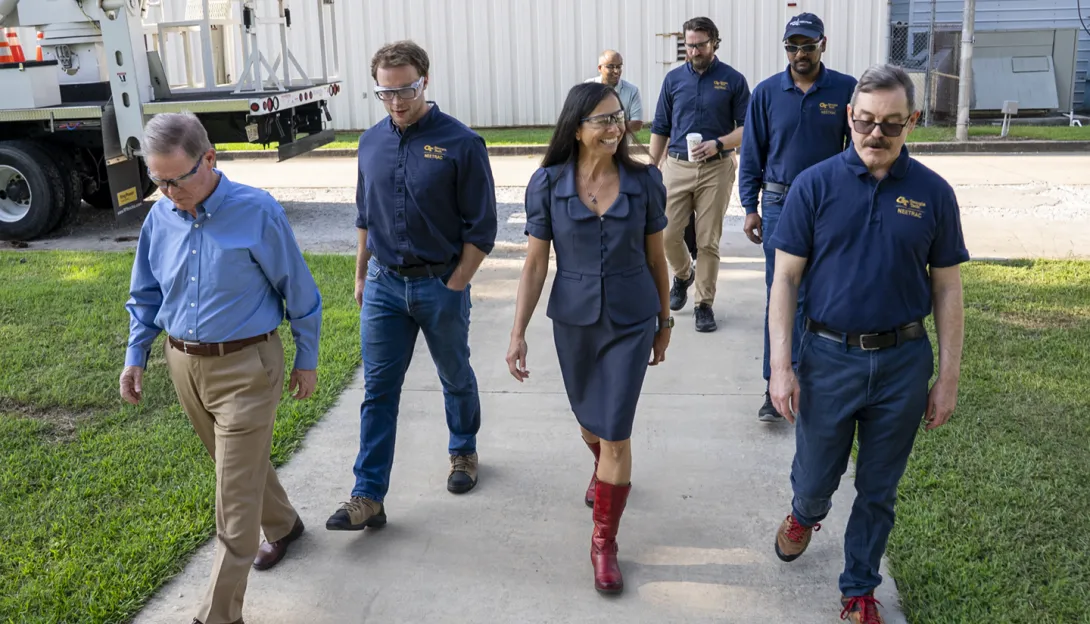
When Assistant Secretary Catherine Jereza of the U.S. Department of Energy's (DoE) Office of Electricity visited the National Electric Energy Testing, Research and Applications Center (NEETRAC) on August 20, it provided an opportunity for researchers to showcase their latest work and discuss the challenges facing America's electric grid.
Read more.
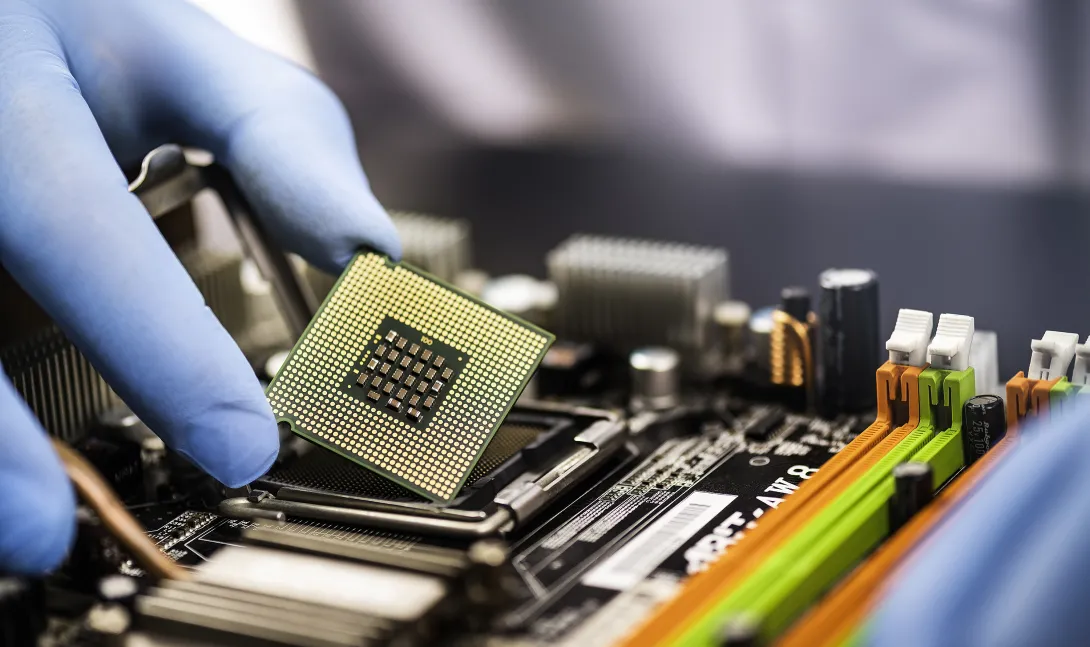
Georgia Tech was selected to serve as Georgia’s lead institution in the National Network for Microelectronics Education (NNME), a nationwide initiative designed to strengthen the U.S. semiconductor workforce and expand pathways into microelectronics careers.
The effort will be coordinated through Georgia Tech's Institute for Matter and Systems (IMS), which will serve as the hub for the Institute’s NNME activities. Drawing on Georgia Tech’s research expertise, educational programs, industry partnerships, and shared facilities, IMS will help strengthen the state’s role in the nation's growing microelectronics ecosystem.
Georgia Tech is part of NNME South, a regional node led by The University of Texas at Austin. The consortium brings together higher education institutions, industry collaborators, workforce organizations, and economic development agencies across 10 states to align education and training with industry needs, expand workforce development opportunities, and create clearer pathways into semiconductor careers.
"Microelectronics are in everything from consumer technologies to national security," said Mikkel Thomas, associate director for education and outreach at IMS. "Through NNME, we have an opportunity to work alongside industry and academic partners to help teach the next generation of the semiconductor workforce."
This initiative comes as demand for domestic semiconductor talent continues to grow. NNME South projects that approximately 29,000 semiconductor-related positions will be added across the region over the next decade, increasing the need for skilled technicians, engineers, and advanced manufacturing professionals.
IMS brings expertise in advanced materials and substrate innovation to support workforce needs across the semiconductor ecosystem. As part of this effort, IMS will help align educational programs with industry-defined knowledge, skills, and abilities, creating clearer pathways from technical training and certificate programs to advanced degrees and careers.
Through NNME, IMS and its regional partners will work to modernize curricula, expand hands-on learning opportunities, strengthen workforce partnerships, and increase awareness of careers in microelectronics and semiconductor manufacturing. These efforts aim to equip students, educators, and employers with the resources and pathways needed to support the future growth of the U.S. semiconductor industry.
News Contact
Amelia Neumeister | Communications Manager
The Institute for Matter and Systems

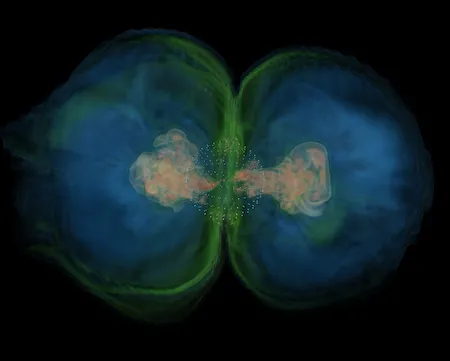
Most people know turbulence as the force that can make airplane flights bumpy. Scientists recognize it as one of the most important, yet unsolved, problems in physics.
Despite decades of research, the chaotic nature of turbulence makes it difficult to predict and control. This challenge impedes more than smoother air travel. Solving the turbulence problem could lead to advances in areas ranging from sustainable energy to training a smarter workforce for the era of artificial intelligence (AI).
To advance understanding of turbulence, the National Science Foundation is establishing a new, $30 million Science and Technology Center (STC) at Michigan State University. Georgia Tech is among eight universities supporting the center.
Assistant Professor Qi Tang will join the STC for Transformative Explorations in Multi-Physics and Engineering of Scientific Turbulence (TEMPEST). TEMPEST, launching on Sept. 1, aims to build trustworthy, predictive models of real-world turbulence.
Tang will lead TEMPEST’s modeling and scientific machine learning (ML) efforts. NSF will fund Tang and Georgia Tech with over $1 million from the center’s five-year, $30 million award.
By understanding and predicting turbulence, TEMPEST can unlock new applications, with a focus on fusion energy and national security. The center will also generate long-term research projects with applications in air and space flight, manufacturing, chemistry, and broaden science education and AI fluency.
“Turbulence has resisted prediction for a century,” said Tang, a faculty member in the School of Computational Science and Engineering (CSE).
“STC TEMPEST aims to develop a unified, predictive science that advances fusion energy, improves hypersonic technologies, and deepens our understanding of how stars created the elements that make up our world and ourselves. For everyday people, the center points toward abundant clean energy and faster, more efficient flight."
Turbulence is the motion of a fluid characterized by chaotic changes in pressure and speed. Turbulent flows can occur across all scales, from interactions between subatomic particles to astrophysical scales, including supernovas, black holes, and cosmic rays.
While turbulent flows are common and occur naturally, scientists still do not fully understand them. Small changes in a turbulent flow can produce dramatically different outcomes. Combined with the countless interactions across multiple scales of time and space, this makes turbulence extraordinarily difficult to predict.
“Rather than studying individual pieces of this enormously complex problem in isolation, we are bringing together theory, experimentation, computation and artificial intelligence to develop a deeper understanding of turbulence across scales,” said Michael Murillo, an MSU professor and the director of TEMPEST.
“Our goal is not simply to understand turbulence better, but to make it predictable and controllable in ways that will enable new technologies and scientific discoveries.”
The NSF TEMPEST award supports students and researchers at Michigan State University, Auburn University, Baylor University, Georgia Tech, San José State University, Texas A&M University-Corpus Christi, University of Rochester, and Yale University to combine theory, computation, AI techniques, and experimentation to build trustworthy predictive models of real-world turbulence for high-consequence applications.
Additional partners include Los Alamos National Laboratory, Sandia National Laboratories, Lawrence Livermore National Laboratory, Pacific Fusion, and General Atomics.
Together, TEMPEST researchers will build more accurate and reliable physics-grounded models. The center will test new ideas against real-world observations, then use those results to refine the models.
Tang contributes expertise in ML, scientific computing, and plasma physics to STC TEMPEST.
Earlier this year, Tang received an Early Career Research award from the Department of Energy’s Office of Science. He is using the award to build ML and data science tools that help scientists analyze massive datasets from fusion experiments and simulations.
This interdisciplinary approach is intended to move science from understanding why turbulence behaves as it does to predicting how it will behave. Through prediction and simulation, scientists could eventually engineer solutions to control turbulence in real-world scenarios.
The center will make its data and software broadly available and engage the public through museum exhibitions, immersive media, and educational programs that are expected to reach more than 10,000 K-12 students annually. TEMPEST will also help train an AI-fluent scientific workforce prepared to tackle complex problems across disciplines.
“One reason I am excited to work in TEMPEST is because it aligns perfectly with our School of CSE mission. As a discipline, CSE complements theory and experimentation as a mode of scientific discovery,” Tang said.
“We build computational models to simulate scientific and engineering concepts, like turbulence in this case, so that we can test theories that are too difficult, expensive, or risky for physical experiments.”
News Contact
Bryant Wine, Communications Officer
bryant.wine@cc.gatech.edu
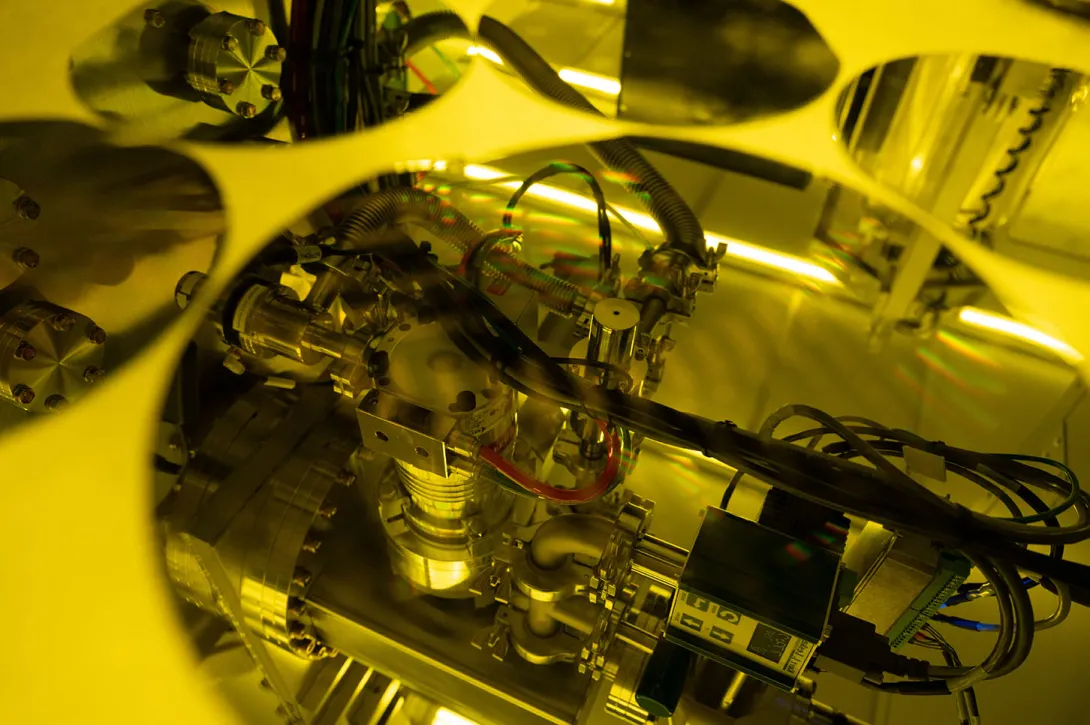
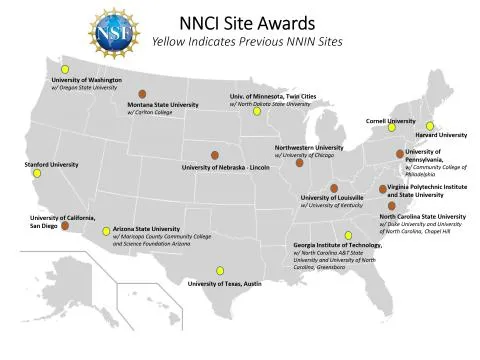
For a decade, Georgia Tech helped lead a national effort to expand access to advanced nanotechnology tools and expertise through the National Nanotechnology Coordinated Infrastructure (NNCI), connecting researchers, students, startups, and educators with shared facilities that helped drive scientific discovery, workforce development, and innovation across the United States.
News Contact
Amelia Neumeister | Communications Manager
The Institute for Matter and Systems
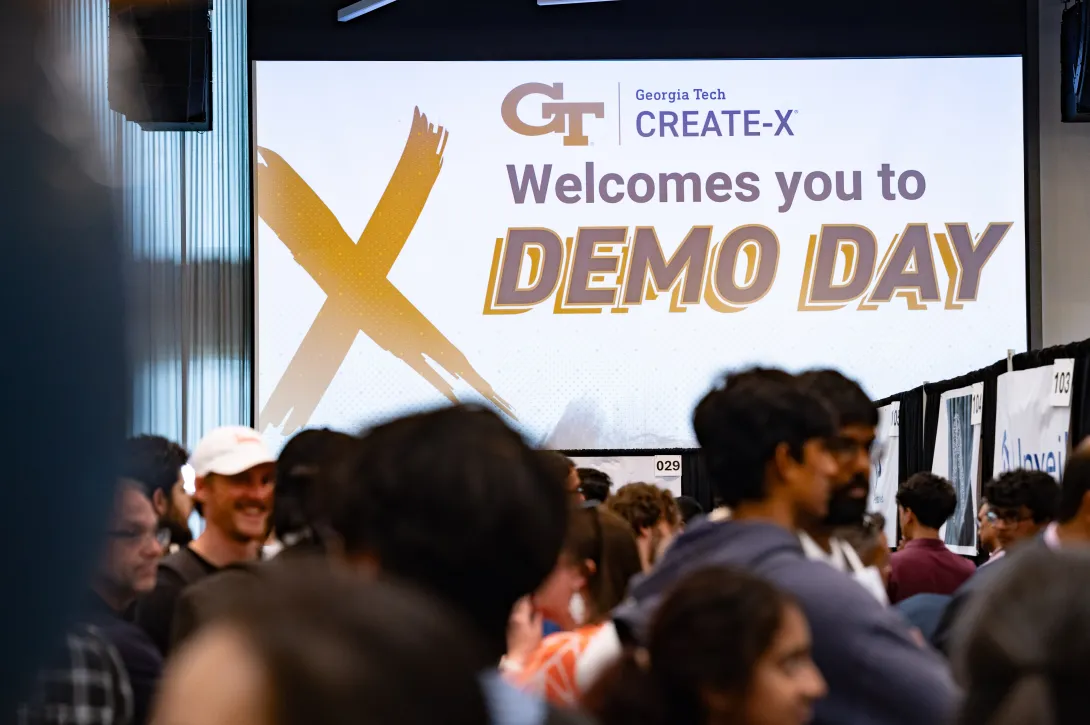
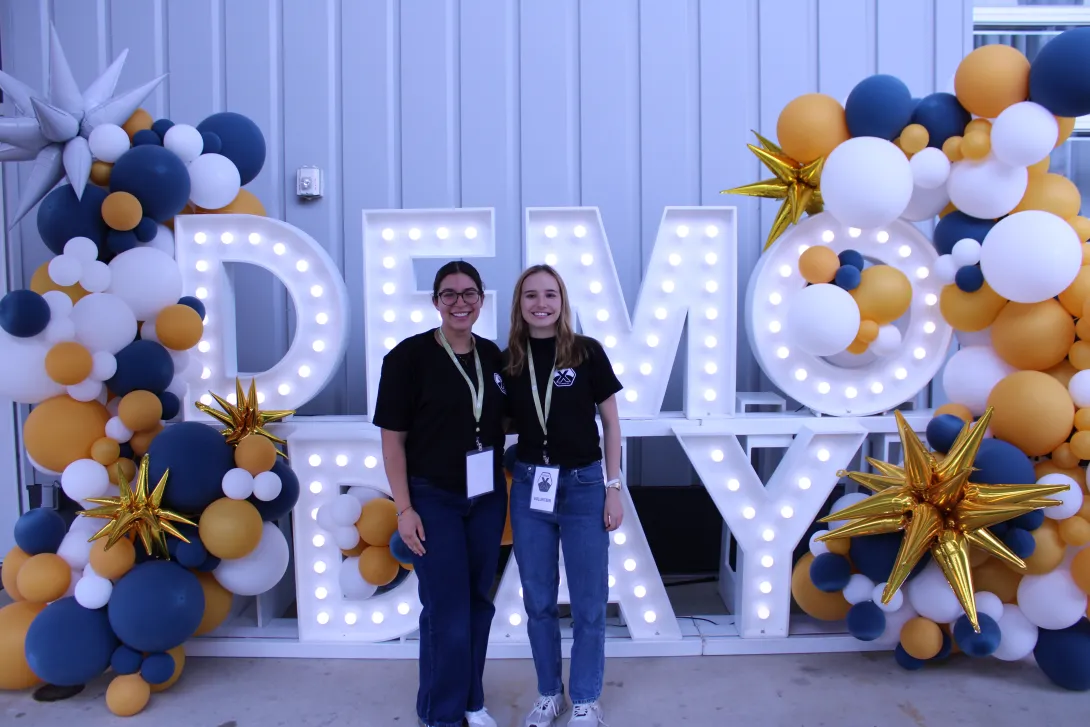
On Sept. 3, CREATE-X Demo Day will take place for the first time at LOOP, Georgia Tech’s new creative and cultural hub, where more than 100 startups will give a firsthand look at what Tech founders have spent the summer building and launching.
Demo Day brings together students, investors, mentors, industry leaders, and the Atlanta community to meet founders, experience live product demonstrations, and discover new ventures from Georgia Tech. From women’s health and accessibility to artificial intelligence and manufacturing, founders will showcase companies addressing real-world challenges across industries.
Among them are two startups whose journeys show just how far an idea can go.
From Demo Day Attendees to Founders
For Yaashmita Senthilnathan, a second-year student in the College of Sciences and the Ivan Allen College of Liberal Arts, and Srija Konathala, a second-year student in the College of Computing, this year’s Demo Day represents a full-circle moment.
In 2025, the roommates attended Demo Day together, walking through the exhibits and meeting student founders. “We really enjoyed Demo Day,” Konathala said. “We met some other students and thought, ‘Imagine if that could be us?’”
A year later, it is.
They are now building Alva, a women’s health technology startup that combines AI and consulting to help biotech and medtech companies improve product testing.
Through Georgia Tech’s Startup Exchange and as finalists in the Klaus Startup Challenge, the founders refined their ideas, pivoted when needed, and eventually launched Alva through CREATE-X.
The team has already secured pilot partnerships with CREATE-X startups from previous cohorts, Deleon and EstroSense, enabling them to validate their platform while helping those companies test the usability of their products.
Now, instead of walking through Demo Day imagining themselves as founders, they’ll be among those showcasing what they’ve built. “Going from attending Demo Day to now being a part of it honestly shows us how far we’ve come,” Senthilnathan said.
Making Gaming More Accessible
For Akos Vida, a second-year student in the Daniel Guggenheim School of Aerospace Engineering, the idea behind AdaptaPlay began with a gamer who wanted to play racing video games but couldn’t use a traditional controller.
The gamer had cerebral palsy, and the experience inspired Vida to develop adaptive gaming technology for people with limited hand function.
AdaptaPlay has tested its technology with organizations including the Shepherd Center, AbleGamers Foundation, APAC in Mexico City, and Georgia Tech’s Tools for Life initiative. Vida has also been selected as a speaker for the TEDxAtlanta Youth conference in October.
Through CREATE-X Startup Launch, he continued refining both the product and his approach to building a company. “Ever day, you You believe more and more that your project is possible,” Vida said. “The guest speakers and mentors make help you realize, that when broken down,you realize that building something like this can actually happen. With every day and milestone, you look back and see that you reached a goal that first seemed impossible”
At Demo Day, attendees will have the opportunity to meet founders like Vida and see how Georgia Tech students are turning problems they care about into products and companies.
CREATE-X Demo Day 2026
Thursday, Sept. 3, 5 – 7 p.m.
LOOP
665 Marietta St. NW
Atlanta, GA 30313
Demo Day is free and open to the public.
News Contact
Lacey Cameron
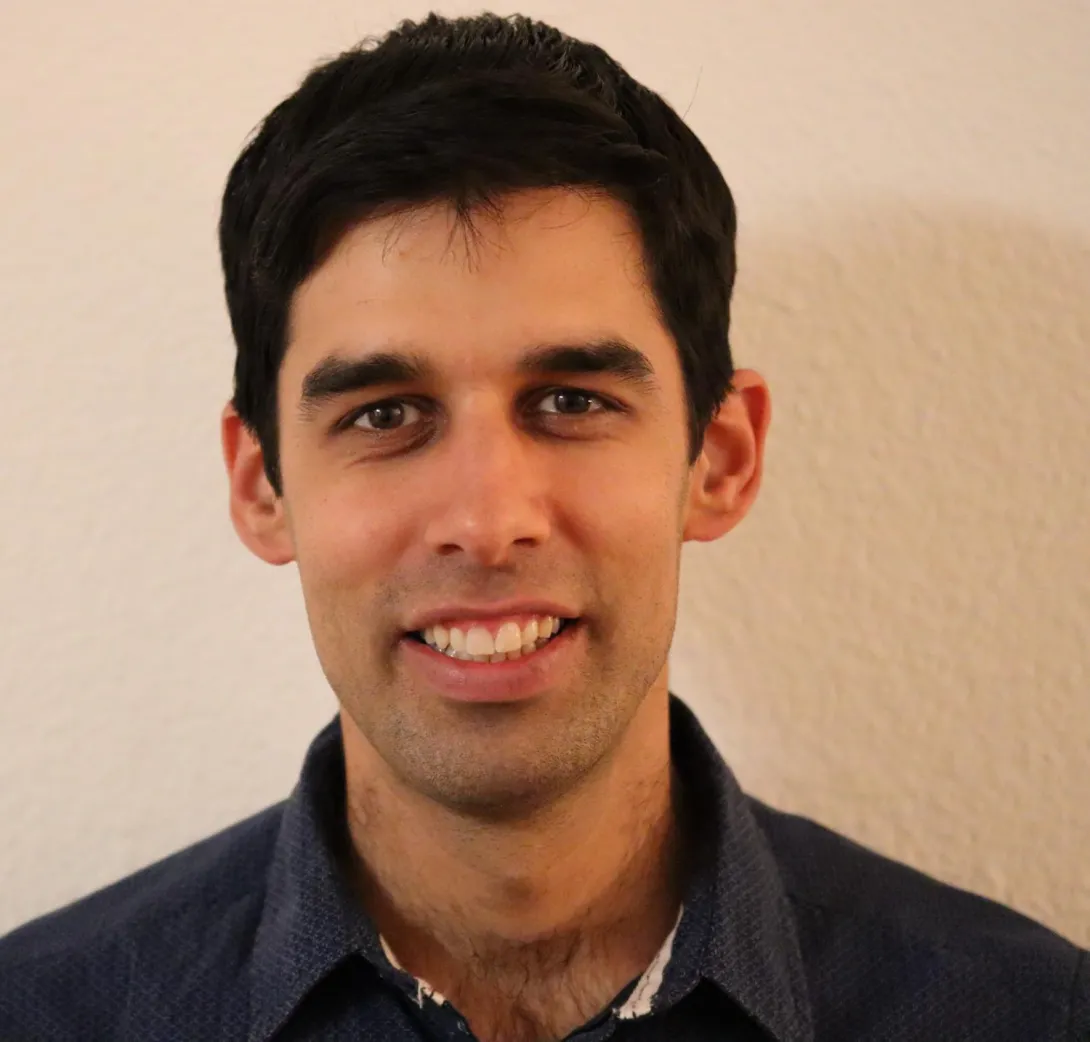
Itamar Kolvin
Our bodies build remarkably complex structures from tiny protein fibers, forming tissues, tendons, muscles, and organs. Scientists can recreate many of these biological building blocks in the lab, but controlling how they organize themselves into larger assemblies remains one of the most fundamental challenges in soft materials research.
Georgia Tech’s Itamar Kolvin is aiming to solve that problem using molecular motors powered by tiny chemical reactions, giving researchers a new way to guide how fibers assemble into larger structures in the lab. The work could open the door to advances in wound healing, artificial tissues, and organ repair.
Now, Kolvin, an assistant professor in the School of Physics, has been awarded a $747,000 CAREER grant from the National Science Foundation (NSF) to support this research.
The NSF Faculty Early Career Development Program is a five-year grant designed to help promising researchers establish a foundation for a lifetime of leadership in their field. Known as CAREER awards, the grants are NSF’s most prestigious funding for early-career faculty.
“The CAREER award is a crucial opportunity to push this research forward,” says Kolvin. “NSF plays a critical role in advancing science, and we wouldn’t be able to do our work without their support. I’m incredibly grateful for their commitment to advancing science.”
Microscopic Motorboats
While the body naturally assembles these fibers, their small size makes protein filaments difficult to control in a lab setting. Without guidance, the materials grow randomly, creating weak and disorganized structures. But Kolvin has found that exposing the filaments to controlled fluid flows can help them grow in predictable ways.
That’s where Kolvin’s molecular motors come in. He attaches the motors to rod-shaped particles called microtubules, transforming the otherwise inert particles into microscopic motorboats. Powered by chemical reactions, the microtubules move through the fluid and generate tiny currents. Those currents guide the suspended protein filaments, directing how they align and assemble.
Like sticks in a stream, the current helps the protein filaments align with the flow around them. When millions of filaments interact in this way, they can form bundles, clusters, and large-scale networks.
“How do these rods align, when do they tangle, and when do they form networks?” Kolvin asks. “I’m interested in learning how we may be able to predict and ultimately control that behavior in order to direct the ways these structures can grow.”
Flexible Filaments
Kolvin’s earlier work has already shown success with actin, the filaments responsible for building muscles. When suspended in fluid, the molecular motors helped actin fibers bundle together and form a membrane-like structure.
While that work demonstrated that molecular motors could influence assembly, Kolvin now aims to create a more dynamic, tunable system. Actin is limited, he explains, because of its simple rod-like shape, lack of rigidity, and because its bonds become permanent once the fibers bundle together.
He believes the more rigid, helix-shaped flagella in this new work will offer a wider range of opportunities. “The shape and rigidity of flagella expand the variety of patterns they can form,” he explains. “These new structures could have different applications.”
Toward Tunable Materials
Through molecular engineering, the Kolvin Lab creates flagella that are temperature-sensitive, meaning that they can make and unmake bonds at different temperatures. This property might be key in creating a system that could be assembled and disassembled on demand.
“This could make it possible to tune materials in real-time by warming or cooling the system," Kolvin explains.
By combining molecular motors with temperature-sensitive protein fibers, Kolvin aims to create systems that can be predictably shaped, assembled, and disassembled on demand, opening the door to new possibilities for tissue engineering and regenerative medicine.
The work could also help answer long-standing problems in physics about active matter and collective behavior, revealing how flow and shape influence the way millions of microscopic building blocks align, pack, and assemble into complex materials.
“This CAREER award provides an exciting opportunity to pursue new ideas and tackle difficult, far-reaching questions,” Kolvin says. “I’m looking forward to seeing where this research leads in the years ahead.”
News Contact
Selena Langner
Writer / Editor
Georgia Tech College of Sciences
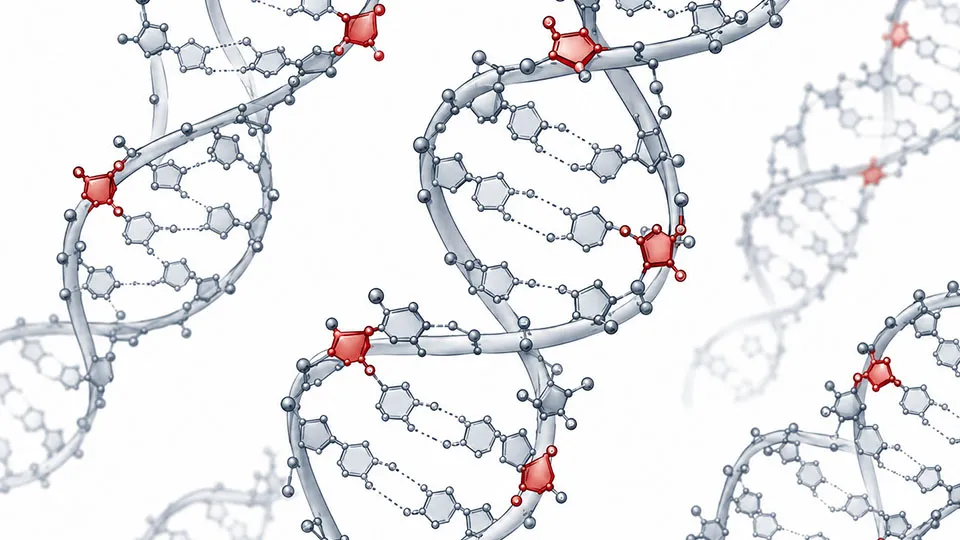
A new study led by Francesca Storici, a professor in the School of Biological Sciences and faculty member of the Parker H. Petit Institute for Bioengineering and Bioscience, has uncovered an unexpected feature of human DNA linked to gene activity and the physical organization of DNA. The findings, published in Cell, could change how scientists think about DNA organization, transcription, and genome function.
DNA and RNA are usually separate molecules inside cells, each with a different job. But small RNA building blocks, called ribonucleotides, sometimes become embedded in DNA during normal cellular activities. Scientists knew these RNA building blocks existed, but until now they did not know where they were located across the human genome or whether they served a purpose.
Storici's team, working with collaborators at multiple institutions, created their detailed map of these RNA building blocks throughout human DNA. The researchers found that they are not randomly scattered. Instead, they are distributed in distinct patterns across the genome. The researchers call this genome-wide landscape of DNA-embedded ribonucleotides the human nuclear “ribome.”
“Ribonucleotides embedded in DNA have traditionally been viewed mainly as mistakes that need to be removed,” Storici said. “Our findings suggest a different perspective: they can influence the physical properties of DNA and may have biological functions that we are only beginning to understand.”
The team discovered that these embedded RNA building blocks are especially common near the starting points of active genes, where cells begin reading genetic instructions to make RNA. Their abundance also increases with gene activity. These regions experience physical stress as DNA is repeatedly accessed and used. The researchers found evidence that the embedded RNA building blocks influence how tightly the DNA twists and coils in these areas. This DNA twisting, known as supercoiling, is closely associated with transcription.
The findings suggest that these RNA building blocks are more than accidental leftovers from normal cellular processes. Instead, they can modulate DNA supercoiling, revealing a previously unrecognized connection between embedded ribonucleotides, DNA topology, and transcription.
“One of the most exciting findings is that processing ribonucleotides embedded in DNA can change DNA supercoiling,” Storici said. “This provides a new connection between the chemical composition of DNA, its physical organization, and transcription.”
The work also may help scientists better understand diseases linked to problems removing embedded RNA from DNA, including rare autoimmune disorders. More broadly, the discovery could open a new area of investigation into the roles of embedded ribonucleotides in human genome biology.
By providing the first comprehensive map of these RNA marks in human nuclear DNA, the study shows that what once appeared to be simple molecular mistakes may actually contribute to how the genome is organized and functions. The discovery opens new opportunities to explore how embedded ribonucleotides influence DNA topology, transcription, and genome maintenance.
______
Storici's team included: Deepali Kundnani (alumnus), Yeunsoo Lee (Ph.D. student), Tyler Warner (Ph.D. student), and Ryan Eckerty (undergraduate student). Nataša Jonoska, a mathematician at the University of South Florida, also contributed. Additional collaborators across multiple institutions contributed expertise, resources, and scientific insights that greatly expanded the scope and comprehensiveness of the study.
News Contact
Ashlie Bowman | Communications Manager
Parker H. Petit Institute for Bioengineering and Bioscience
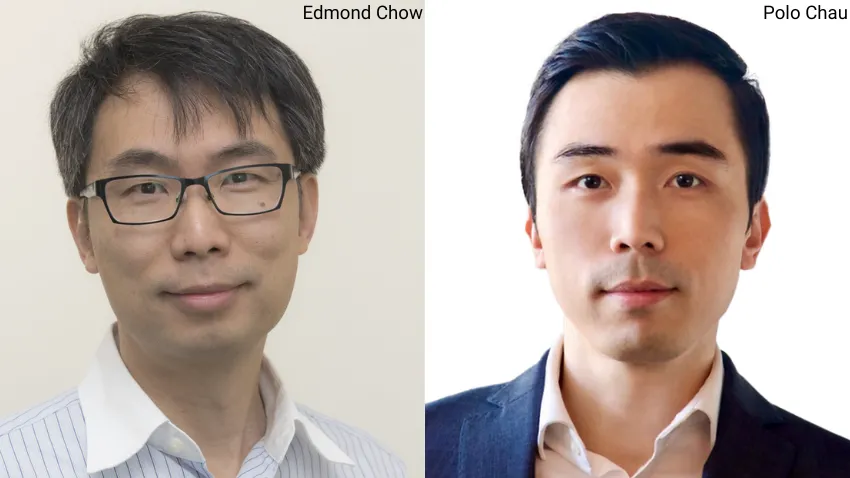
Georgia Tech’s School of Computational Science and Engineering (CSE) has undergone remarkable expansion in recent years, doubling its faculty, broadening its programs and curriculum, and strengthening its reputation as a leading research hub.
Now, as Professor Edmond Chow prepares to teach at Georgia Tech-Europe for the 2026-2027 academic year, Professor Polo Chau is stepping into the role of associate chair to help guide the School’s next phase of growth.
Their leadership transition comes at a time when demand for expertise in artificial intelligence (AI), data science and analytics, and high-performance computing accelerates across industry, government, and academia.
“On behalf of the students, faculty, and staff of CSE, I extend our heartfelt gratitude to Edmond for his years of dedicated service as associate chair,” said School of CSE Regents’ Professor and Chair Haesun Park.
“Polo is a respected leader, an accomplished scholar, and a passionate advocate for our community. I am confident he will build on Edmond’s strong foundation to guide the School's continued success.”
The School of CSE associate chair helps lead faculty development, academic planning, and new initiatives. These responsibilities include course scheduling, teaching assignments, and reviewing proposals for new courses.
Rapid growth defined Chow’s tenure as associate chair, which started in summer 2021.
As associate chair, Chow led CSE’s faculty recruiting committee. The School hired 15 new professors during his term, doubling the faculty in that span.
Chow’s relationship with new hires didn’t end with recruiting. Each new professor needed support to onboard smoothly, which he helped facilitate by pairing new hires with faculty mentors in the School.
Chow helped new and veteran faculty alike design courses centered on their expertise and the field's emerging needs. As a result, he broadened and enriched the CSE curriculum at Georgia Tech.
Chow led CSE’s effort to secure space in the Coda Building to accommodate so many new faculty and students. With his help, the School added the east wing of the 13th floor and space for four labs on the fifth floor.
While at Georgia Tech-Europe, Chow will teach CS 7545: Machine Learning Theory and CS 1371: Computing for Engineers.
Chow is a fellow of the Society for Industrial and Applied Mathematics (SIAM). Like CSE, the professional society recognized Chow’s leadership and administrative talents, selecting him for several roles.
With his associate chair responsibilities concluded, Chow will focus more on his role as SIAM’s vice president for programs. He also co-chairs the organizing committee for the SIAM Conference on CSE, to be held Feb. 22-26, 2027, in Pittsburgh.
Previously, Chow served as vice chair of the SIAM Activity Group on CSE from 2025 to 2026. He co-chaired the organizing committee for SIAM’s 2022 annual meeting.
"It has been an honor to serve CSE,” Chow said. “I am also inspired to have worked alongside others, including Haesun, who care so much for the School.”
Since joining Georgia Tech in 2012, Chau has distinguished himself as a leading expert in data science and AI.
Chau’s research combines machine learning and visualization to create scalable, interactive tools. His lab has developed applications for studying massive datasets, interpreting complex AI models, and solving real-world problems in cybersecurity, human-centered AI, graph visualization and mining, and social good.
Chau has taught CSE 4242/6242: Data and Visual Analytics since 2013. The course has grown into the world's largest semester-long university class on the subject. More than 19,600 students have taken the course throughout its history.
Alongside his research and teaching, Chau has held several leadership roles at Georgia Tech.
Since 2014, Chau has served as associate director of Georgia Tech’s M.S. Analytics program. The program celebrated its 10th anniversary in 2024, when he received the Innovator Award for his leadership and pioneering approaches to analytics education.
In 2019, Chau accepted roles as director of industry relations for the Institute for Data Engineering and Science (IDEaS) and as associate director of corporate relations for the Machine Learning Center (ML@GT). Chau recently stepped down from his leadership positions with IDEaS and ML@GT to accommodate his responsibilities as CSE’s associate chair.
“I enjoy building deep connections with people, and this role provides a lot of opportunities to do that,” Chau said. “Faculty development helps my colleagues build the careers that they want, and collectively shape CSE’s future. That’s what I look forward to the most.”
News Contact
Bryant Wine, Communications Officer
bryant.wine@cc.gatech.edu