
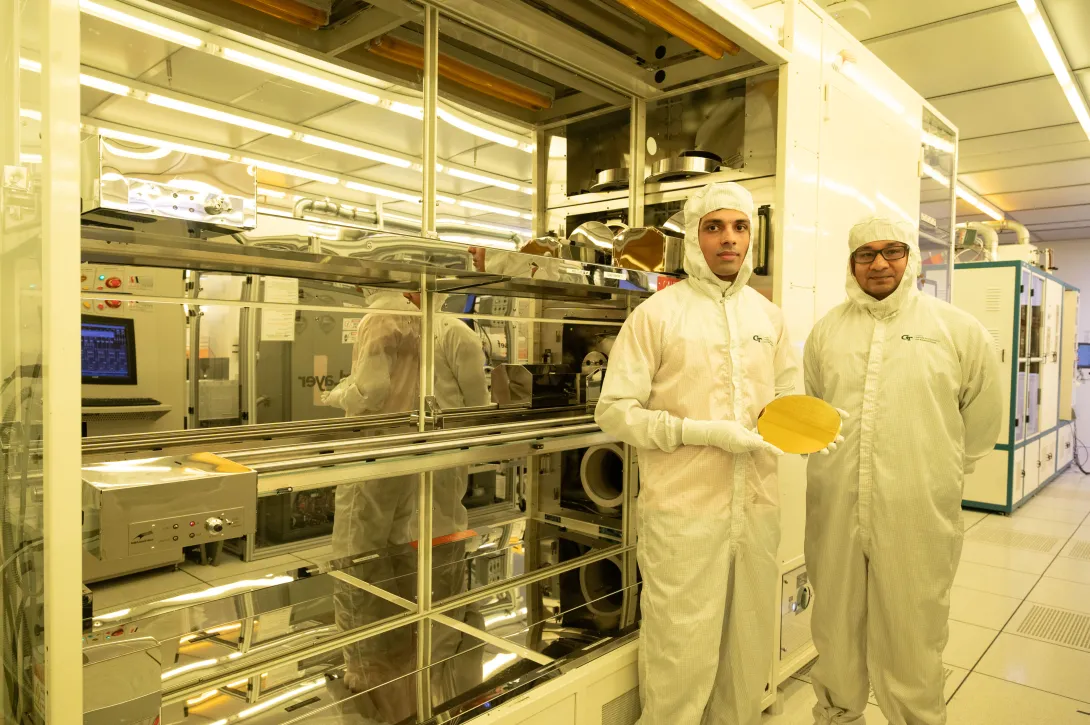
Lance Fernandes and Asif Khan in the cleanroom.
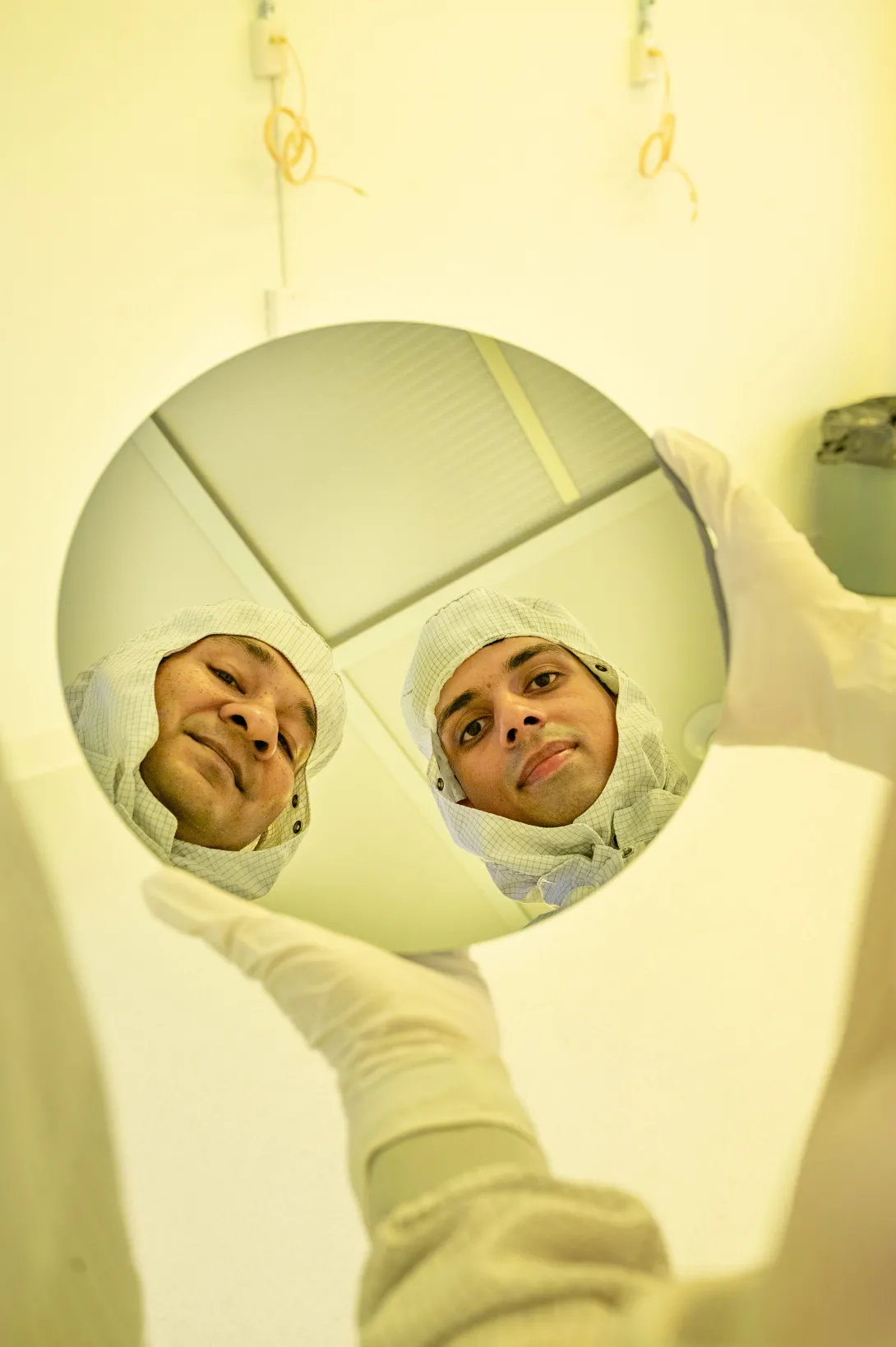
Asif Khan and Lance Fernandes built the ferroelectric NAND memory chips in Georgia Tech’s cleanroom, then sent the chips for radiation testing to collaborators at Pennsylvania State University. Those tests revealed just how extreme the technology’s tolerance could be.
As space missions travel farther from Earth, spacecraft must increasingly be able to process and store their own data. Soon, artificial intelligence (AI) could be the primary tool for handling this growing volume of information. NAND flash memory is the current state-of-the-art technology used to store these massive amounts of data, offering storage capacities in the terabit range. It’s the same technology used in laptops, smartphones, and data centers. Ensuring NAND’s reliability in space is critical as these systems increasingly rely on high-density, low-power storage.
But the radiation in harsh space environments can significantly degrade data stored in NAND flash memory. To counteract this, Georgia Tech researchers have developed a new form of NAND flash memory that can both handle AI and withstand extreme radiation.
This technology uses ferroelectricity, which is when certain materials can hold a permanent, spontaneous electric charge, called polarization. In a recent Nano Letters paper, the researchers show that NAND flash memory made with ferroelectric materials can withstand radiation levels up to 30 times higher than more conventional NAND flash memory.
“If you send traditional flash memory to space, the radiation interacting with flash memory’s trapped electric charge can easily corrupt the data,” said Asif Khan, an associate professor in the School of Electrical and Computer Engineering (ECE). “In contrast, ferroelectric NAND flash storage does not store data as trapped electrical charge, but rather stores it as polarization in the material. And polarization is very resilient to radiation effects.”
Radiation Revelation
The insight that NAND flash-compatible ferroelectric memory could withstand high amounts of radiation surprised the researchers. Ferroelectricity in hafnium oxide — the silicon-compatible material that makes this memory possible — was discovered just 15 years ago, and Khan’s lab has been determining its capabilities for the past decade. The team knew ferroelectricity was radiation-tolerant, but not exactly how tolerant when implemented in NAND flash architectures.
Lance Fernandes, an ECE Ph.D. student and the paper’s first author, built the ferroelectric NAND memory chips in Georgia Tech’s cleanroom, then sent the chips for radiation testing to collaborators at Pennsylvania State University. Those tests revealed just how extreme the technology’s tolerance could be.
The Penn State researchers’ testing showed that ferroelectric flash technology can sustain radiation as high as 1 million rads (radiation absorbed doses) — the equivalent of 100 million X-rays — making it 30 times more durable than traditional memory. This is well within the radiation-tolerance threshold for most spacecraft: Low-Earth orbit satellites require a tolerance of 5 – 30 kilorads, geostationary orbits need 100 – 300 kilorads, and deep space missions top out at 1 million rads.
“For data storage in space, it’s not enough for memory to work. It has to remain reliable under extreme radiation,” said Fernandes.
“And what makes our storage especially exciting," added Khan, “is that ferroelectric NAND flash isn't just radiation-tolerant; it also stays reliable even in extremely harsh radiation environments. That's exactly what we need for space.”
From orbiting satellites to future missions surveying Jupiter’s moons, successful space exploration requires electronics that can process abundant AI data and will not fail when communication is delayed. Ferroelectric memory offers a way to keep critical data intact, no matter how harsh the environment.
The work was supported in part by SUPREME, one of seven centers in JUMP 2.0, a Semiconductor Research Corporation (SRC) program sponsored by DARPA. The work was performed as part of the Interaction of Ionizing Radiation With Matter University Research Alliance, sponsored by the Department of Defense, Defense Threat Reduction Agency, under grant HDTRA1-20-2-0002.
Enabling Radiation Hardness in Solid-State NAND Storage Utilizing a Laminated Ferroelectric Stack Lance Fernandes, Stuart Wodzro, Prasanna Venkatesan, Priyankka Ravikumar, Ming-Yen Lee, Minji Shon, Dyutimoy Chakraborty, Taeyoung Song, Sanghyun Kang, Salma Soliman, Mengkun Tian, Jason Yeager, Jackson Adler, Jiayi Chen, Zekai Wang, Douglas Wolfe, Shimeng Yu, Andrea Padovani, Suman Datta, Biswajit Ray, and Asif Khan. Nano Letters 2026 26 (10), 3390-3397
DOI: 10.1021/acs.nanolett.5c05947
News Contact
Tess Malone, Senior Research Writer/Editor
tess.malone@gatech.edu

Escalating Middle East tensions are rattling global oil markets, and the effects are already showing up in American wallets, affecting everything from travel to food prices. Georgia Tech economists and public policy experts break down what Americans need to know right now.
1. You’re paying more at the pump, and it’s not going away anytime soon.
Gas prices are the most visible sign of the crisis, and the increases are already significant. National average retail gasoline prices are more than $1.20 higher than they were in February, before the conflict escalated.
“Even though U.S. petroleum production often exceeds our consumption, we are not insulated from disruptions in global oil supply because oil is a globally traded commodity,” says director of the Energy Policy and Innovation Center, Laura Taylor. “If supply is restricted anywhere in the world, prices will rise everywhere, including in the U.S.”
Markets expect some relief by fall, with future prices pointing lower than today’s levels. But Tony Harding, assistant professor in the Jimmy and Rosalynn Carter School of Public Policy, cautions, “Prices are likely to remain above pre-conflict levels for the foreseeable future, and temporary relief measures, such as Georgia’s motor fuel tax suspension, will not last forever.”
Taylor puts it plainly: “Wages are not rising faster than prices, so people are feeling the pinch and will continue to do so.”
2. Your summer plans just got more expensive.
The impact does not stop at the gas station. For Americans planning summer travel, the timing of this conflict could not be worse. Matthew Oliver, associate professor in the School of Economics, points to commercial air travel as one of the most exposed sectors.
“Jet fuel prices have roughly doubled in the wake of the current oil price spike, putting immediate upward pressure on airfares,” says Oliver.
The ripple effects extend far beyond travel.
“Oil is an input into the supply chain of nearly every good at some point,” says Bobby Harris, assistant professor in the School of Economics. “When input costs go up, prices go up.”
3. Expect to pay more at the grocery store.
The connection between Middle East tensions and the American dinner table is more direct than many realize, because petrochemicals are a key feedstock for fertilizer production.
“Higher oil prices lead to higher fertilizer prices, which lead to higher food prices,” says Oliver.
Combined with existing tariff pressures and tight supply chains, the strain on household budgets is coming from multiple directions at once.
“If the crisis persists, there will be upward pressure on the prices of nearly every physical good,” Oliver adds.
4. The government’s options are limited, and the clock is ticking.
Washington has tools to respond, but none are silver bullets. The Strategic Petroleum Reserve currently holds around 400 million barrels and can release about 4 million barrels per day, roughly 20% of U.S. daily demand.
“I see the Strategic Petroleum Reserve as a tool to buy time during a crisis,” says public policy professor Dan Matisoff. “But if the conflict drags on, we will ultimately be in a more vulnerable position.”
Quick fixes like price caps or demand subsidies carry trade-offs.
“Subsidies can mitigate the impact of price shocks, but they can also mask important market signals that help balance supply and demand,” says Harding, using Europe’s 2022 energy crisis as a cautionary example.
5. The smartest thing Americans can do right now is think about efficiency.
“People in general tend to undervalue energy efficiency,” says Matisoff. “Think of energy efficiency investments as a sort of hedge or insurance against volatile energy prices.”
That means considering fuel efficiency when buying a car, and looking at heat pumps, electric vehicles, and home energy upgrades when the time is right.
“Higher energy prices increase the value of investing in energy efficiency upgrades to your home and adopting technologies that are less dependent on fossil fuels,” says Harding.
For families navigating uncertainty, both economists and policy experts point to the same practical advice: Reduce your exposure to fossil fuel price swings before the next crisis hits.
News Contact
Ayana Isles
Georgia Institute of Technology
Institute Communications

Spartina alterniflora lines a marsh environment on Sapelo Island. (Credit: Jess Hunt-Ralston)
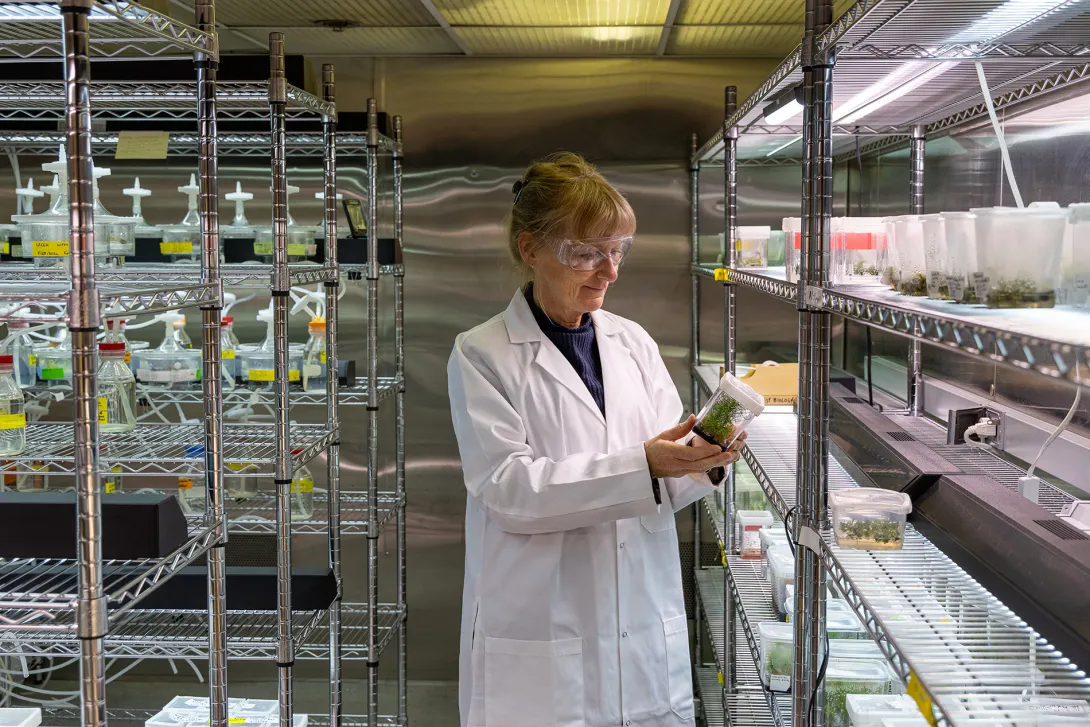
Ulrika Egertsdotter is a principal research scientist in the Renewable Bioproducts Institute and a renowned expert in seed cloning. She designs and develops automated technologies that produce valuable plants for the state’s forestry, agriculture, and horticulture industries. (Credit: Christopher McKenney)
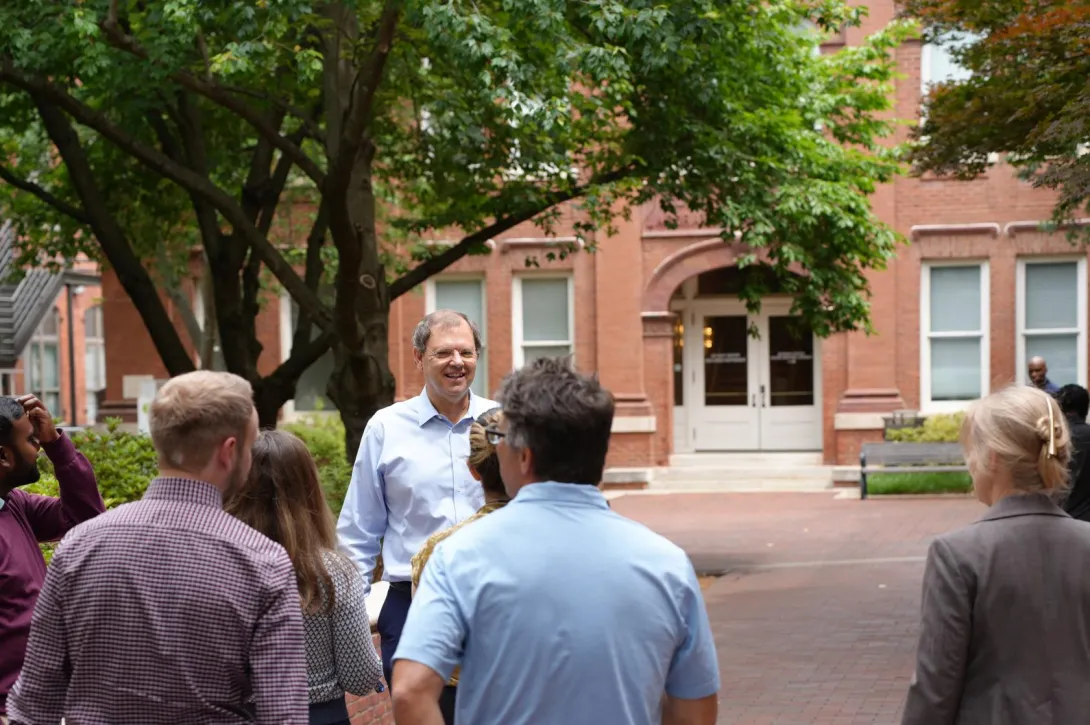
Joel Kostka and co-presenters at the RBI 2026 Spring Workshop. An international leader in ecosystem biogeoscience, Kostka is the inaugural faculty director of Georgia Tech for Georgia's Tomorrow, as well as Tom and Marie Patton Distinguished Professor and associate chair for Research in the School of Biological Sciences. He holds a joint appointment in the School of Earth and Atmospheric Sciences. (Credit: Jess Hunt-Ralston)
A Georgia Tech-led project advancing coastal resilience and ecosystem restoration has been selected for the inaugural Climate Resilience Fund cohort, awarded by Revive & Restore. The award is one of ten in a new $3.4 million fund to leverage genetic rescue for marine and coastal ecosystems under threat from climate shifts.
Led by Joel E. Kostka, Tom and Marie Patton Distinguished Professor and director of Georgia Tech for Georgia’s Tomorrow (GT²), the research effort will help restore coastal salt marshes through AI-enabled micropropagation and developing probiotics for plants. It is the only salt marsh-focused effort funded nationally in the cohort.
The award supports both the development of more climate-resilient salt marsh plants, as well as new capacity for coastal restoration in Georgia — an effort that aligns closely with GT²’s mission to connect research, innovation, and community needs to address critical environmental and community challenges.
Healthy Coasts
Salt marshes are among Georgia’s most important natural resources, helping buffer communities from storms, support fisheries, and sustain coastal economies. Yet the state currently lacks a reliable source of salt marsh seedlings needed for large-scale restoration.
The funded project addresses that gap by advancing the production of hardier marsh plants and laying the groundwork for a broader restoration economy.
“The opportunity here is to build something that doesn’t currently exist in Georgia — a scalable, science-driven supply of salt marsh plants for safer, healthier coastal communities and ecosystems,” Kostka says. “By combining biotechnology, ecology, and partnerships across the region, we are accelerating coastal resilience while supporting long-term environmental and economic benefits.”
Kostka will work with project co-researchers Else-Marie Ulrika Egertsdotter (Georgia Tech Renewable Bioproducts Institute) and Caitlin Petro (Georgia Tech Biological Sciences), Heather Joesting (Georgia Southern University), Emily Coffey and Lauren Eserman-Campbell (Atlanta Botanical Garden), and Sydney Williams (University of Georgia and Georgia Sea Grant) — along with several anticipated regional partners, including University of Georgia Marine Institute, GA/SC/NC Departments of Natural Resources, Southeastern Plant Conservation Alliance, and Bald Head Island Conservancy.
The team will create a “Climate-Ready Spartina Toolkit” with automated plant tissue culture, AI-based screening tools, a culture collection that serves as probiotics for plants, a seed bank and library of preserved plant materials, step-by-step instructions for successful growing, and ready for regional deployment.
The project also continues the evolution of Kostka’s collaborative research Egertsdotter and the Georgia Tech Renewable Bioproducts Institute. “RBI shares the goal of using biotechnology to produce climate-resilient plants that benefit society,” Kostka says. “Their expertise in plant tissue culture and automation make this work possible. It also is a great example of collaboration between GT Sciences and Engineering — the automation of plant tissue culture was developed by mechanical engineers in RBI.”
Regional Resilience
The new award builds on growing momentum for Georgia Tech for Georgia’s Tomorrow and its expanding network of collaborators focused on coastal resilience. Based in the College of Sciences, GT² is designed to align discovery science with technological innovation and data-driven tools to deliver practical solutions for communities across the state.
In April, GT² launched a formal research fund and partnership with the Bald Head Island Conservancy (BHIC), connecting Georgia Tech researchers with BHIC’s Johnston Center for Coastal Sustainability in North Carolina to advance shared work in coastal sustainability, ecosystem health, and environmental resilience.
The partnership combines BHIC’s applied, field-based conservation work with Georgia Tech’s strengths in technological innovation and data analysis, creating new opportunities for graduate research, community engagement, and real-world implementation.
Better Together
These “all hands on deck” approaches reflect a broader strategy to scale tangible solutions across regional ecosystems by connecting researchers and partners with community stakeholders.
“Together, we hope these projects will demonstrate that genetic rescue is a powerful lever for the blue carbon ecosystems that underpin both ecological and human communities in the face of climate change,” said Liv Liberman, Director of Ocean and Climate at Revive & Restore and program manager for the Climate Resilience Fund.
The efforts reflect GT²’s goal of creating pathways from research to implementation, working across sectors to deliver measurable outcomes for the southeastern environment and its communities.
“This award recognizes the kind of integrated, real-world research that GT² is built to deliver,” says Kostka. “We’re bringing together researchers, agencies, and community partners to move from science to scalable solutions — especially along southeastern coasts, where the need is urgent and the opportunities are significant.”
###
About Georgia Tech for Georgia’s Tomorrow
Georgia Tech for Georgia’s Tomorrow (GT²) is a College of Sciences–based initiative that connects discovery science, innovation, and partnerships to address pressing challenges in environmental and community resilience across Georgia. The initiative works with state agencies, industry, non-profits, and local communities to develop solutions that improve quality of life and strengthen the state’s future.
About Revive & Restore
Revive & Restore is a nonprofit conservation organization that develops and promotes genetic rescue technologies to protect and restore endangered and extinct species. Founded in 2012 by Stewart Brand and Ryan Phelan, the organization works across birds, mammals, coral, and marine ecosystems to demonstrate that biotechnology is an essential tool in the conservation toolkit.
News Contact
Jess Hunt-Ralston
Director of Communications
College of Sciences at Georgia Tech
Elizabeth Bennett
Communications Director
Revive & Restore
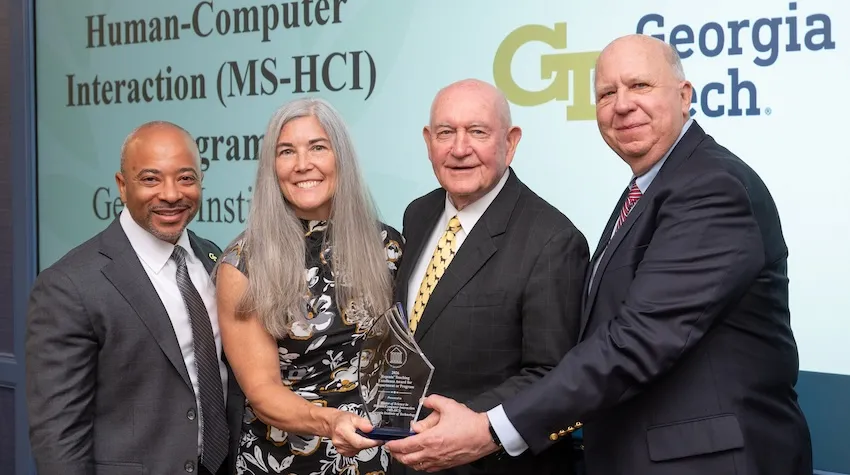
The Georgia Tech Master of Science in Human-Computer Interaction (MSHCI) program has another reason to celebrate as it prepares to mark its 30th anniversary later this year.
The Board of Regents of the University System of Georgia awarded the program the 2026 Teaching Excellence Award for Department or Program.
MSHCI program director Dick Henneman and assistant director Carrie Bruce received the award on May 12 during a Board of Regents (BOR) meeting.
Henneman has served as director of the program since 2015, and Bruce has served as assistant director since 2014. The program began in 1996 and has since expanded to be offered by four Georgia Tech schools:
“As we put our award submission together, it was nice for us to reflect on all our hard work and to understand the impact this program has had on students,” Bruce said. “We recently surveyed alums, and so many said they were thankful for the way this program shaped their careers.”
Under the leadership of Henneman and Bruce, the program has achieved a 99% graduation rate, with about 60 graduates per year, up from about 30 since 2015. Henneman said the program has become one of the most competitive of its kind in the world, with an admission rate under 10%.
“We have some incredibly qualified students who are a part of the program,” he said. “We’ve had a number of graduates move into design management positions, and some have started their own companies.”
Henneman and Bruce said that one thing that distinguishes Tech’s MSHCI program is its close partnerships and alignment with industry. The program has an industry advisory board that keeps students informed about the skills companies value.
“We adapted our core classes quite a bit to ensure that they weren’t just getting the academic version of HCI methods,” Bruce said. “Our program is practical and focuses on what they are going to do when they get into industry.”
Though the program continues to grow, Henneman says it has maintained a sense of community among students, which he says is another thing that sets it apart. Many alumni keep in touch and return to offer industry advice, critique resumes, and conduct mock interviews with current students.
“A lot of times graduate school can be all about the individual,” he said. “As we prepare students to go work in industry, it’s all about collaboration and the people you’re working with and learning how to work on teams.”
Georgia Tech had 21 faculty and researchers recognized in the 2026 Regents Awards. From the College of Computing, Santosh Vempala was named a Regents’ Professor, while Srinivas Aluru and Ellen Zegura had their Regents’ titles renewed.
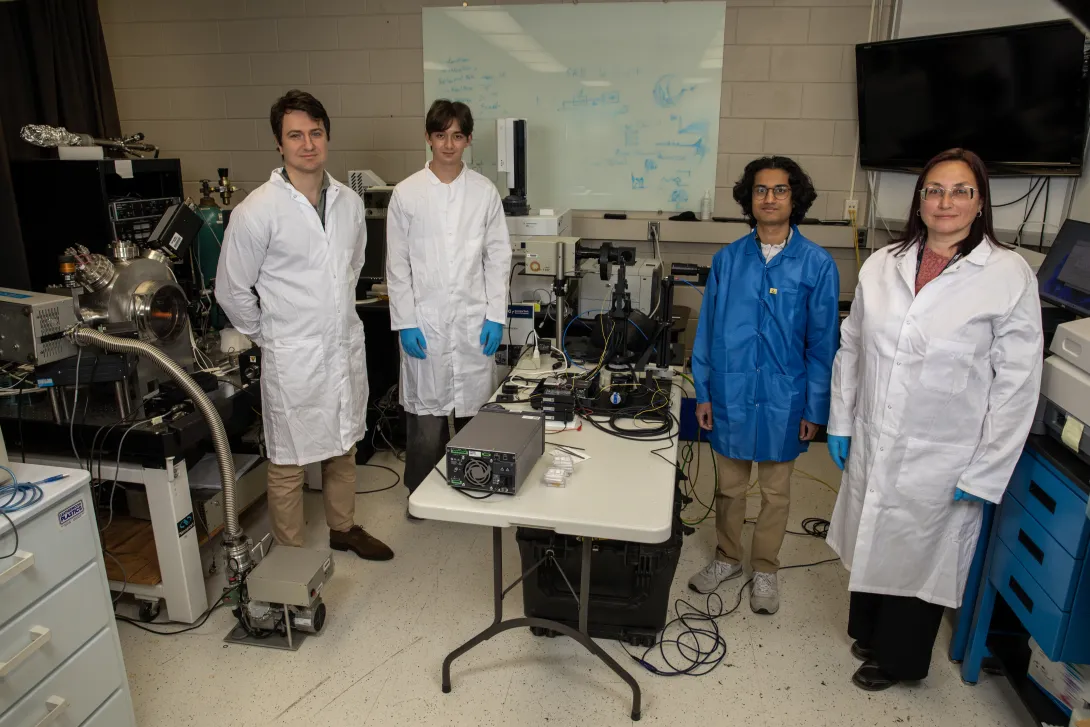
Members of the GTRI research team who helped develop and qualify materials that will be tested on the ISS during the MISSE-22 mission (Photo Credit: Sean McNeil, GTRI).
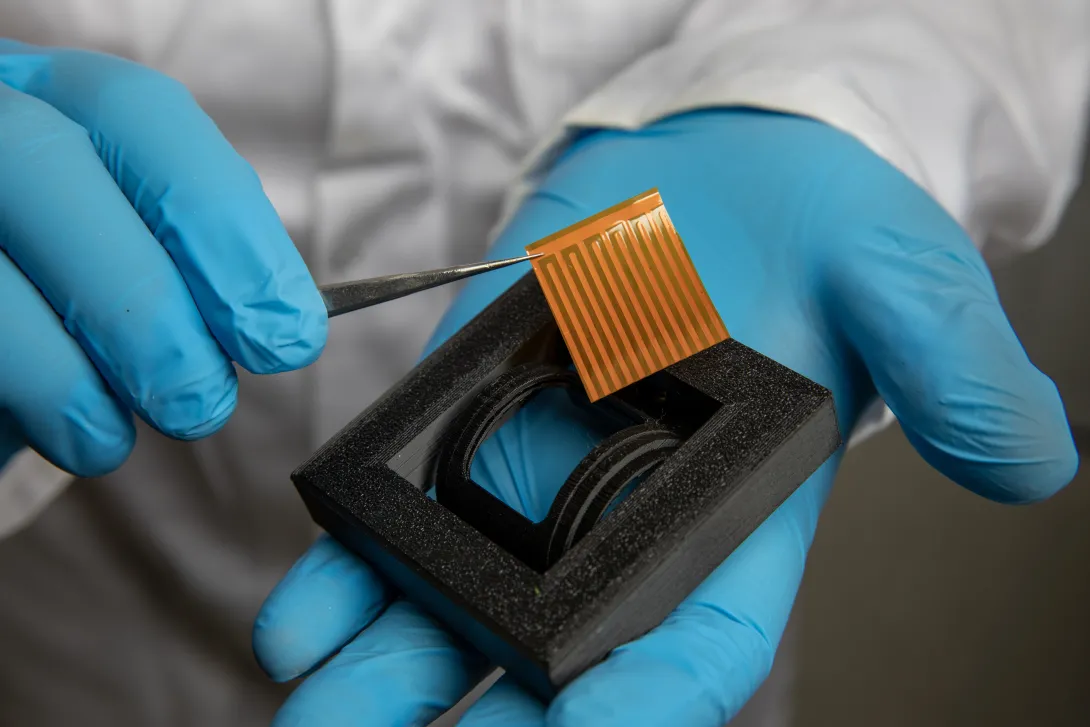
Close-up of a sample similar to those that will be sent to the ISS to study their durability in harsh space conditions (Photo Credit: Sean McNeil, GTRI).
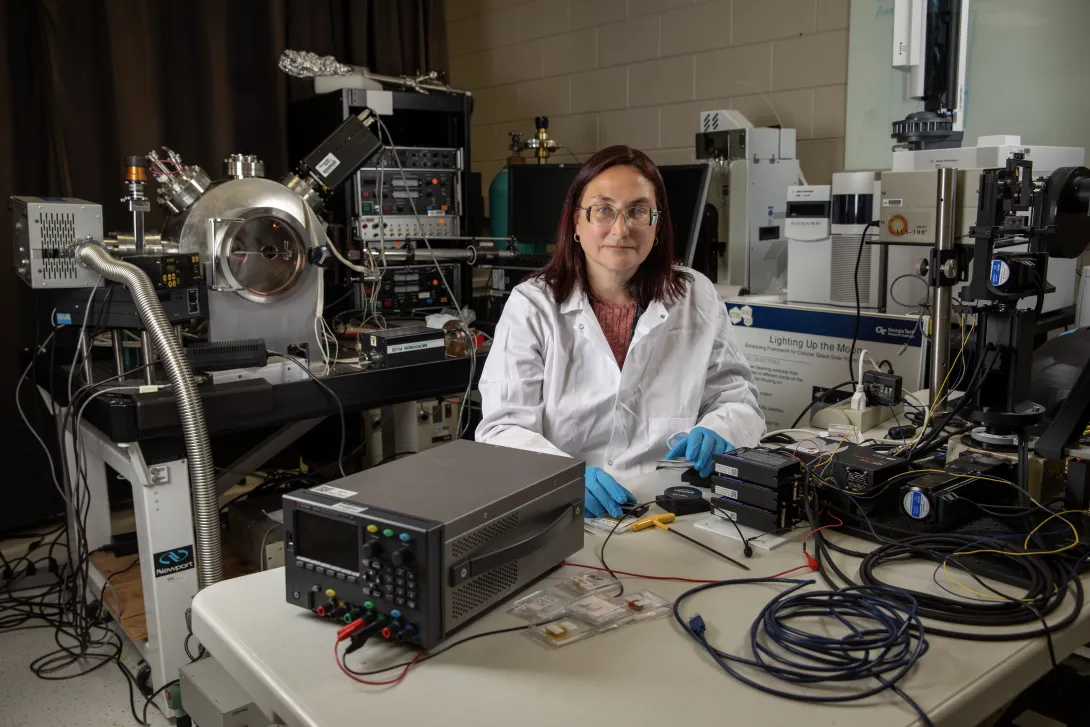
Plis and her team are sending new lightweight, research-grade polymers to the ISS for months of in-orbit exposure and later testing on Earth. Here, she is pictured in a laboratory at a GTRI facility in Atlanta, GA (Photo Credit: Sean McNeil, GTRI).
Researchers have come close to simulating space environments in Earth labs, but the combination of extreme thermal swings, complex cosmic radiation, and sustained microgravity that spacecraft experience make it impossible to capture the real thing perfectly.
Now, in a project led by the Georgia Tech Research Institute (GTRI) in collaboration with the Georgia Institute of Technology (Georgia Tech) researchers are closing the gap between Earth-based simulations and the true space environment by sending experimental materials to the International Space Station (ISS) for several months of in-orbit exposure. In a rare chance for space research, where most hardware is either left in orbit or burns up on reentry, they are getting those samples back for detailed analysis on Earth.
The materials are set to launch to the ISS in the near future as part of the Materials International Space Station Experiment 22 (MISSE-22), a testbed attached to the outside of the station. Mounted on the forward-facing side of the ISS to ensure predominant exposure to highly corrosive atomic oxygen, the test samples will spend several months enduring the extreme temperatures, radiation, and reactive environment of low Earth orbit. The team is testing a selection of lightweight, research-grade polymers designed to survive these harsh conditions. Once the samples return to Earth, engineers will examine how they held up and use that data to enhance the strategic of future satellite constellations.
This project represents a collaboration across government, academia, and industry, bringing together GTRI, Georgia Tech, the Air Force Research Laboratory (AFRL), the University of Texas at El Paso (UTEP), a California-based R&D firm Hedgefog Research Inc., and DuPont de Nemours, Inc. The research is also supported by Aegis Aerospace, which owns and operates the MISSE Flight Facility platform aboard the ISS.
Why Space is So Hard on Satellites
Harsh conditions in low Earth orbit — the region of space extending from approximately 100 miles to over 1,000 miles above Earth, where many satellites and the ISS travel — can darken, roughen, and weaken spacecraft surfaces over time. That damage shortens satellite lifetimes and requires engineers to add extra layers of protection, increasing overall logistical burden and mission costs.
Optimizing material durability is a strategic necessity, explained Elena Plis, a GTRI senior research engineer and principal investigator for the project, because every additional unit of shielding increases the cost of getting to orbit. To design lighter, more resilient materials, researchers need to examine how they degrade in a true space environment. However, most hardware is built for a one-way trip — designed to operate in orbit and then burn up on reentry, taking that valuable material data with it.
“The beauty of this type of experiment is that the materials return to Earth,” said Plis, who is also an affiliate of the Georgia Tech Space Research Institute. “For many missions, stuff is sent up and never seen again. Being able to test returned samples from real space conditions is unique, and I can’t stress enough how exciting that is for us.”
A New Generation of Polymers Head for Space
Instead of relying on familiar spacecraft materials like DuPont’s Kapton — a tough, heat-resistant polyimide plastic film that has coated spacecraft exteriors since the Apollo era — the team is sending up a set of new, lightweight, research-grade polymers. These materials are designed to improve the survivability of assets against space’s unforgiving elements.
Plis and her collaborators started with dozens of candidate materials they developed. To earn a spot on the MISSE-22, a sample has to be transparent or translucent, so light can pass through it, and researchers can examine how its optical properties change in orbit. The materials also have to be tough enough to withstand intense atomic oxygen exposure without fragmenting, which would create debris near the ISS. In the end, only a select number of the team’s materials made the cut.
The MISSE-22 testbed holds multiple experimental polymers. Instead of standard illumination, the team constructed a custom on-orbit polariscope: LEDs beneath each sample shine polarized light up through the material. A small camera system then slides over the top to capture these highly specific optical changes on a set schedule over the course of several months in space.
Using Light to Reveal Space Strain
Using polarized light and machine learning to rapidly analyze color patterns in the images they receive from orbit, the researchers can track how stress inside each sample changes over time. Periodically, the system will cycle through the materials, and the images will be downlinked to Earth.
When the extended mission ends and the samples return, the team will compare those in-orbit measurements with detailed lab tests on the actual pieces that flew. Without returned materials, they would only have images and sensor data to work from. By testing the same samples in the lab, they can check how accurate the remote measurements really are and refine their methods.
If the materials perform as expected, the results could help engineers design satellites that last longer in orbit without carrying so much protective weight —providing a significant technological advantage in space domain awareness and asset longevity.
About the Space Research Institute
The Space Research Institute (SRI) at the Georgia Institute of Technology is an interdisciplinary hub that unites faculty, staff, and students to advance research, education, and collaboration in space science and technology. Bringing together expertise across engineering, science, policy, and the humanities, SRI drives innovative projects in areas such as astrophysics, aerospace systems, astrobiology, and space policy while fostering partnerships with academia, industry, and government. As Georgia Tech’s central nexus for space-related initiatives, SRI is committed to advancing discovery, developing the future workforce, and expanding humanity’s understanding of space and its impact on life on Earth. Learn more at space.gatech.edu.
News Contact
Author:
Communications Officer II
Georgia Tech Research Institute
Media Contact:

The University System of Georgia Board of Regents (BOR) honored 19 Georgia Tech faculty and researchers across campus with Regents’ appointments at its April meeting.
Among those recognized is Yong Ding, principal research engineer and electron microscopy core lead at the Materials Characterization Facility (MCF) within the Institute for Matter and Systems (IMS), who was named a Regents’ Researcher.
Ding received his Ph.D. in Physics from Nanjing University. Since joining Georgia Tech in 2003, he has made widespread contributions to interdisciplinary materials research through collaborations with faculty, national laboratories, and industry partners, enabling advanced materials characterization and scientific discovery. His current work focuses on the development and application of advanced transmission electron microscopy (TEM) techniques, including in-situ TEM, electron tomography, and quantitative spectroscopic analysis. He also leads major instrumentation initiatives, including the acquisition and deployment of the Thermo Fisher Scientific Spectra Ultra TEM.
Ding’s work has had a significant impact on nanoscience, catalysis, and energy materials. In addition to his research, he is a dedicated educator and mentor, providing training to dozens of microscopy users annually and teaching courses in electron microscopy and nanomaterials.
The Regents’ Awards are among the University System of Georgia’s highest honors, recognizing sustained excellence, national distinction, and long-term impact by faculty and researchers across the state’s public institutions.
Regents’ distinctions may be granted to outstanding faculty members for a period of three years by the BOR and are awarded only after unanimous recommendation from the president of the recipient’s university, their chief academic officer and dean, and three additional members of the faculty who are named by the university president. Approval by the chancellor and the BOR Committee on Academic Affairs is also required. These distinctions are given to those who make outstanding contributions to their respective institutions.
News Contact
Amelia Neumeister | Communications Manager
The Institute for Matter and Systems
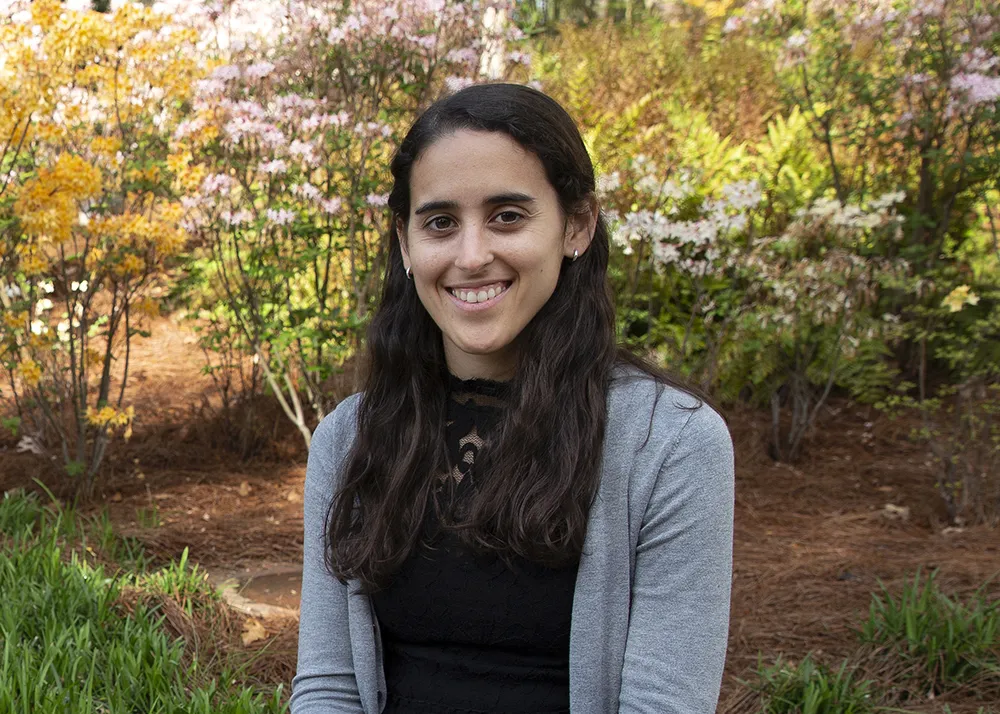
Emily Sanders, assistant professor in the George W. Woodruff School of Mechanical Engineering, has received the prestigious Faculty Early Career Development (CAREER) Award from the National Science Foundation’s (NSF) Division of Civil, Mechanical, and Manufacturing Innovation.
The NSF CAREER Award supports early-career faculty who have the potential to serve as academic role models in research and education and to lead advances in the mission of their department or organization. The award provides $662,045 over five years to support Sanders’ project, Patterning Hard Interlocking Particles to Achieve Soft Materials and Structures.
Read the full story on the George W. Woodruff School of Mechanical Engineering website.
News Contact
Ashley Ritchie
George W. Woodruff School of Mechanical Engineering
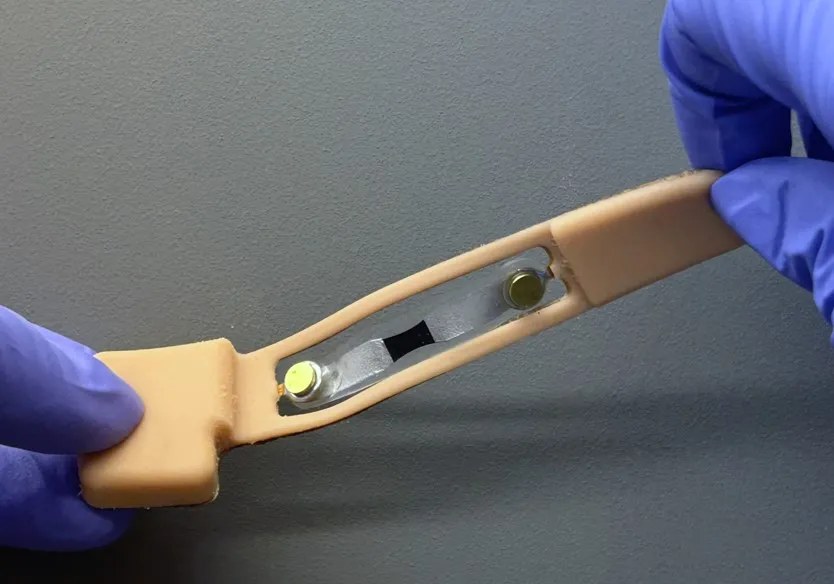
Sleep-related breathing disorders, including sleep apnea, affect millions of people worldwide but frequently go undiagnosed. One major barrier to diagnosis is the test itself.
Traditional sleep monitoring systems often rely on bulky equipment and nasal cannulas — small tubes inserted into the nostrils to measure airflow. While effective, these systems can be uncomfortable, intrusive, and difficult to tolerate overnight, limiting their use for long-term monitoring at home.
Now, researchers led by W. Hong Yeo, Peterson Professor in Pediatric Research at the George W. Woodruff School of Mechanical Engineering, have developed a soft, wireless nasal patch that could offer a more comfortable alternative for monitoring breathing during sleep.
The technology, described in a recent study published in Proceedings of the National Academy of Sciences (PNAS), uses ultrathin, skin-like wearable electronics to detect subtle movements of the nose caused by breathing without tubes, wires, or direct airflow measurements.
Read the full story on the George W. Woodruff School of Mechanical Engineering website.
News Contact
Ashley Ritchie
George W. Woodruff School of Mechanical Engineering
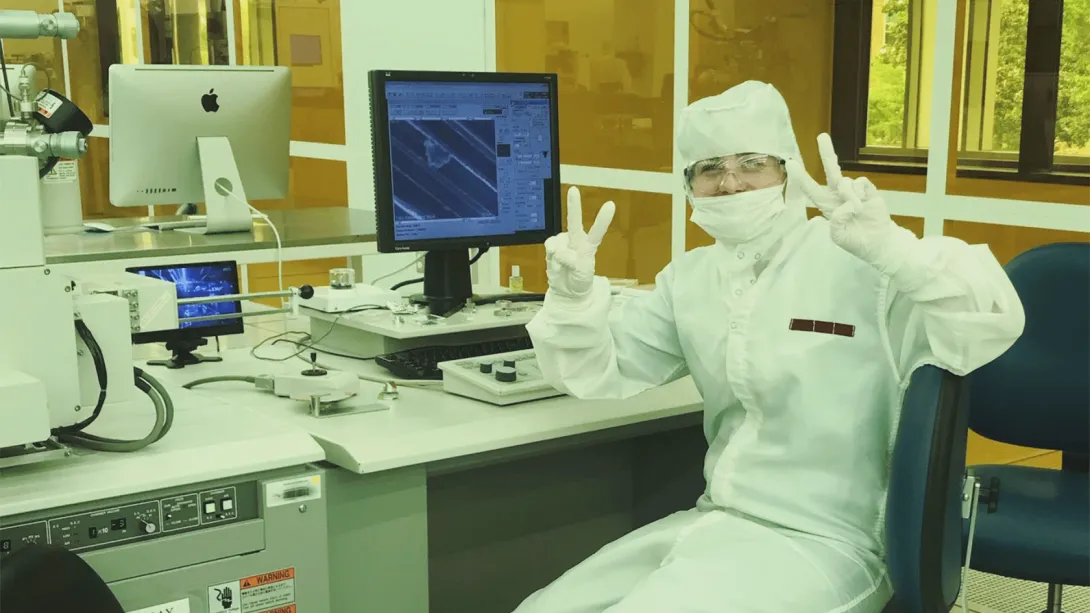
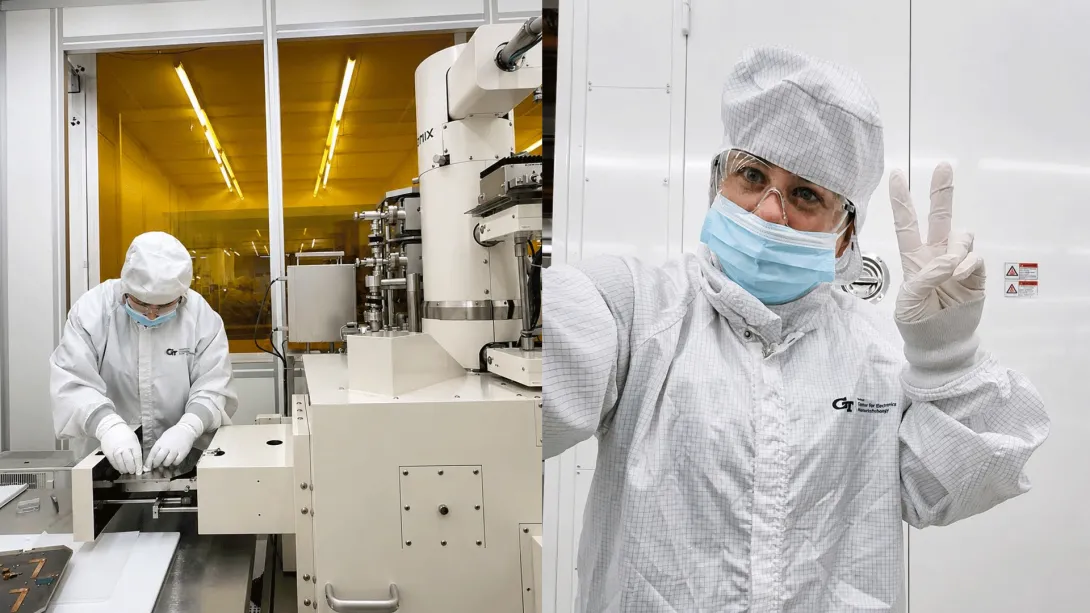
In the summer of 2019, Caroline Howell came to Georgia Tech for the first time to participate in the NNCI Research Experience for Undergraduates (REU). As a student at Troy University in Alabama, Howell was looking to broaden her research horizons.
“I went to a smaller university because I came from a very, very small town,” she said. “I did some research there, but we didn’t have a lot of equipment or resources.”
During the 10-week program, undergraduate students live on campus and conduct research in faculty labs with mentorship and access to advanced facilities. The program also prepares students for graduate studies and STEM careers through professional development, research communication training, and opportunities to present their work.
“I applied to the REU at Georgia Tech. And when I got in, I was super excited because Georgia Tech is a big deal,” she said.
That summer didn’t just expand her lab experience; it reshaped her career trajectory.
As a physics major, Howell had never been exposed to materials science, nanotechnology, or cleanroom environments before arriving in Atlanta. That summer marked her first time using advanced equipment, including scanning electron microscopes (SEMs), and working hands-on in Georgia Tech’s cleanroom facilities.
Her project focused on aluminum alloys, testing their strength and fracture behavior under simulated harsh conditions such as saltwater and heat. The research explored how lightweight, affordable materials like aluminum could be made stronger for applications such as shipbuilding.
The experience opened a door for Howell.
“It inspired me to go to grad school for materials science,” she said.
After completing her undergraduate degree at Troy University, Howell pursued graduate studies in materials science at the University of Colorado Boulder, where she earned her master’s degree.
Her REU experience gave her a technical advantage early in her career.
“In my first job, I worked with the same machines I used at Tech because I already had experience with them,” she said.
Today, Howell is back at Georgia Tech. This time not as a student, but as an industry researcher using the Institute’s cleanroom facilities as part of her full-time job.
She conducts advanced lithography and SEM analysis in the same facilities, expanding far beyond what she was able to do as an undergraduate. Still, she credits the REU with giving her a strong foundation.
“I came in already knowing how to do some things, and it’s just kind of cool to be back in the same space I was in years ago,” Howell said.
In a full-circle moment, the place that first introduced her to materials science is now part of her professional experience.
For Howell, the impact of the REU extended well beyond lab work. The REU provided her technical training, exposure to a new discipline, and the confidence to pursue graduate education. It connected her with mentors who supported her next steps and introduced her to equipment she would later use professionally.
For students considering an REU, her advice is simple:
“Do it.”
Sometimes, a single summer can shape an entire career — and even bring you right back to where it all began.
News Contact
Amelia Neumeister | Communications Manager
The Institute for Matter and Systems

Chris Luettgen, incoming interim director of the Renewable Bioproducts Institute.
After more than 25 years at Georgia Tech, including six years leading the Renewable Bioproducts Institute (RBI), Executive Director Carson Meredith will depart the Institute this summer to begin a new role at the University of Tennessee, Knoxville.
Effective August 1, Chris Luettgen will assume the role of interim director of RBI.
“Carson has made lasting contributions to Georgia Tech and to RBI during his time as executive director,” said Julia Kubanek, vice president for Interdisciplinary Research. “We are grateful for his leadership and wish him continued success in this next chapter.”
During his tenure, Meredith helped expand RBI’s research footprint, strengthen partnerships across academia and industry, and advance the Institute’s leadership in sustainable bioproducts and bio-based innovation. His work helped position RBI as a key driver of collaboration and research in the forest products and renewable materials sectors.
Luettgen brings extensive experience in forest-based and bio-based research, industry collaboration, and technical leadership. He has held leadership roles at Georgia Tech and has longstanding ties to the Institute of Paper Science and Technology (IPST), working extensively at the intersection of academic research and industry collaboration. He currently serves as Professor of the Practice in the School of Chemical and Biomolecular Engineering, where he teaches in Georgia Tech’s pulp and paper program and serves as RBI’s strategic lead for Pulp and Paper.
Before joining Georgia Tech, Luettgen spent many years at Kimberly-Clark and Scott Paper Company, where he held senior technical and research leadership positions focused on translating research into commercial impact. He is also widely recognized for his longstanding involvement with the Technical Association of the Pulp and Paper Industry (TAPPI), reflecting his commitment to advancing innovation, workforce development, and collaboration across the forest products and bioproducts industries.
“Chris brings deep expertise, strong industry connections, and a clear understanding of RBI’s mission and community,” Meredith said. “I’m confident he will provide steady leadership and continuity for the Institute during this transition.”
RBI will share additional details regarding the transition in the coming months.
News Contact
Yanet Chernet
Communications Officer I