

Vicki Wysocki
This research is shared jointly with the Ohio State University newsroom.
Scientists have captured the most detailed structural images to date of a specific type of protein’s DNA repair process. The research could reveal ways to inhibit the effects of the BRCA1 and BRCA2 gene mutations that heighten the risk for breast, ovarian, and other cancers.
“This work lets us see, step by step, one mechanism by which cancer cells could manage to repair their DNA when BRCA genes mutate and fail,” says study co-author Vicki Wysocki, who is chair of the Georgia Tech School of Chemistry and Biochemistry. “By capturing this process in detail, this study opens the door to understanding how those cancerous cells survive and how treatments might disrupt that mechanism.”
Designated as a Breakthrough Article, the study Mechanism of single-strand annealing from native mass spectrometry and cryo-EM structures of RAD52 homolog Mgm101 was recently published in Nucleic Acids Research.
In addition to Wysocki, who is a professor in the School of Chemistry and Biochemistry and a professor emerita at Ohio State University, the Georgia Tech research team included co-first author Zihao Qi, a Ph.D. candidate in the Wysocki Lab.
They were joined by Ohio State researchers co-first author Carter Wheat and senior author Charles Bell, who is a professor of biological chemistry and pharmacology in the College of Medicine. Additional authors include Metro High School student Miqdad Hussain and CAS researcher Katerina Zakharova.
When BRCA Fails
Normally, BRCA genes help prevent cancer by acting as tumor suppressors — producing proteins that help repair broken DNA. When cancer cells lack the tumor-suppression function of normal BRCA genes, research has shown that a protein called RAD52 performs DNA repair.
Since RAD52 allows cancer cells to survive and replicate without tumor suppression, researchers have wondered if blocking it would kill the cancerous cells. Blocking RAD52, however, requires fully understanding its repair activities, which have been difficult to capture with even the most sophisticated techniques.
DNA strands break every day in cells, which is why proteins exist to fix the breaks and keep cellular processes running smoothly, the team says. But because repairs must happen quickly and human proteins are often more complex than their ancestral counterparts, even the most advanced imaging equipment can’t capture every step in the process.
In order to understand RAD52 better, the research team turned to its ancestral protein, Mgm101, to observe several key steps in its DNA repair process.
A Clearer Image
The team decided to leverage multiple types of imaging. Wysocki’s lab at Georgia Tech conducted native mass spectrometry and mass photometry, using light to measure masses of protein-DNA complexes. The results showed that the ancestral protein Mgm101 assembled from a single copy of itself into a large multi-unit ring composed of 19 copies of the protein.
“This ring is essentially a template,” Wysocki explains. “The first strand of DNA can come down, and then the second strand comes on and starts being annealed to the first strand.” Annealing occurs when two single strands of DNA come together to form the characteristic double helix structure.
The findings were supported by what Bell’s lab determined using cryogenic electron microscopy, observing structures floating in solution and frozen in a thin layer of ice.
“RAD52 high-resolution structures have been determined with single-stranded DNA, but not with the two DNAs that it’s trying to anneal,” Bell says. “Its job is to bind single-stranded DNA and anneal it to its complement sequence. It’s been captured structurally, but only in a few states relevant to the reaction.”
“Here, we have more of the states along the full pathway from substrate, to intermediate and product. And the duplex intermediate is a conformation that’s never been seen before.”
Previously, researchers were unsure if this DNA repair process used one protein ring or two rings working together, the team says. Their findings show that just one ring is used — and that this is likely consistent across different species.
Paths to Treatment
Next, the team plans to try capturing the same phases of the DNA repair process with RAD52 from humans. A clearer understanding of how this family of proteins binds to DNA strands and coaxes them back together after a break provides insights for drug targets that could halt the process in cancer cells empowered by mutated BRCA genes, they say.
“It’s still a proposed mechanism: Just because we see these snapshots of the process doesn’t mean we know all the details, but we do have the best snapshots for any protein that does this single-strand annealing,” says Bell. “This focuses our strategies for drug development.”
DOI: https://doi.org/10.1093/nar/gkag320
Funding: This work was supported by the U.S. National Science Foundation and the National Institutes of Health. The cryo-EM data were collected at Ohio State’s Center for Electron Microscopy and Analysis and processed using the Ohio Supercomputer Center.
News Contact
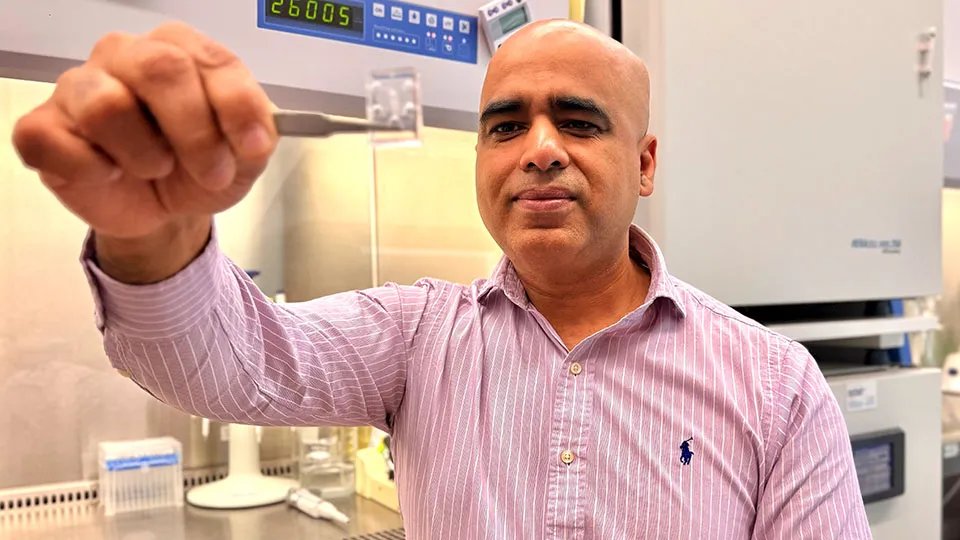
A new grant from the Georgia Research Alliance (GRA) is backing an ambitious effort by Georgia Tech scientists to accelerate the development of human antibody therapies — a class of medicines that has transformed treatment across cancer, autoimmune disease, and infectious illness, yet it cannot be generated against many disease targets.
The $250,000 funding award, made through GRA’s Innovation and Entrepreneurship (I&E) program, supports the translational work of Ankur Singh, Professor in the George W. Woodruff School of Mechanical Engineering and the Wallace H. Coulter Department of Biomedical Engineering, and Andrés García, Regents’ Professor in Mechanical Engineering and the Executive Director of the Parker H. Petit Institute for Bioengineering and Bioscience. Singh and García are collaborating to develop functional human antibodies against some of the most difficult-to-treat diseases. While antibody therapies already benefit an estimated 20 million patients worldwide, fewer than 10 percent of discovery efforts ultimately yield candidates suitable for clinical use.
This shortfall spans major disease areas — from oncology and autoimmune disorders to heart and metabolism-related conditions and neurological and infectious diseases — limiting therapeutic options for patients. The challenge lies not only in identifying candidate antibodies, but in engineering them to function reliably in the human body.
“The I&E program exists to bridge the gap between a discovery that works in the lab and one that can anchor a company,” said Justin Burns, Chief Innovation Officer and Vice President for Innovation and Entrepreneurship at GRA. “Singh and García are tackling a problem the field has faced for decades: A significant fraction of drug targets remains inaccessible to antibody-based therapies. Our goal is to help move bold, high-potential science toward real-world impact.”
GRA’s model targets a well-known bottleneck in translation. While university labs generate promising technologies, many stall before reaching the marketplace due to a lack of validation and early-stage development.
Singh and García aim to overcome this barrier by using a proprietary antibody-engineering framework developed in Singh’s laboratory, and supported by an earlier GRA grant. The objective is straightforward: Increase the success rate of discovery efforts so more antibody candidates can advance toward clinical use.
“The implications extend well beyond our laboratory,” said Singh. “By expanding the pipeline of functional human antibodies, we can begin to address diseases that currently lack durable treatment options. GRA’s support is transformative — not only for advancing the science, but for positioning Georgia as a leader in biotechnology innovation.”
The project is built with real-world use in mind, aiming to turn the research into a new company and eventually a clinical product. By testing the idea early and lowering risk, the team hopes to attract investment and move the technology quickly beyond the Institute.
García emphasized the translational vision of the work.
“This is a transformative platform technology that overcomes major bottlenecks in antibody discovery and will accelerate and increase the efficiency of this powerful class of therapeutics,” he said.
“This effort is about rethinking how we design antibodies from the ground up — integrating biological insight with engineering principles to produce molecules that are not just viable, but clinically meaningful,” he said. “With GRA’s support, we can de-risk early discovery and create a clearer path from promising concepts to therapies that reach patients.”
Tracey Mullen, a seasoned biopharma executive, entrepreneur, and antibody discovery and engineering leader currently serving as Chief Strategy Officer at Mosaic Biosciences, is advising the team on translational strategy, commercial development, and company formation.
“The ability to rapidly generate functional human antibodies in physiologically relevant systems could meaningfully change how therapeutic discovery is approached,” Mullen said. “By moving beyond largely empirical, animal- or screening-heavy workflows and incorporating human-specific, mechanism-informed evaluation earlier in the process, this platform has the potential to generate more relevant antibody candidates and create a stronger path from discovery concept to translational development.”
As global demand for advanced therapeutics grows, efforts like this reflect a broader shift in how innovation moves from bench to bedside — one driven not only by scientific ingenuity, but by targeted investment at critical early stages.
News Contact
Ashlie Bowman | Communications Manager
Parker H. Petit Institute for Bioengineering and Bioscience
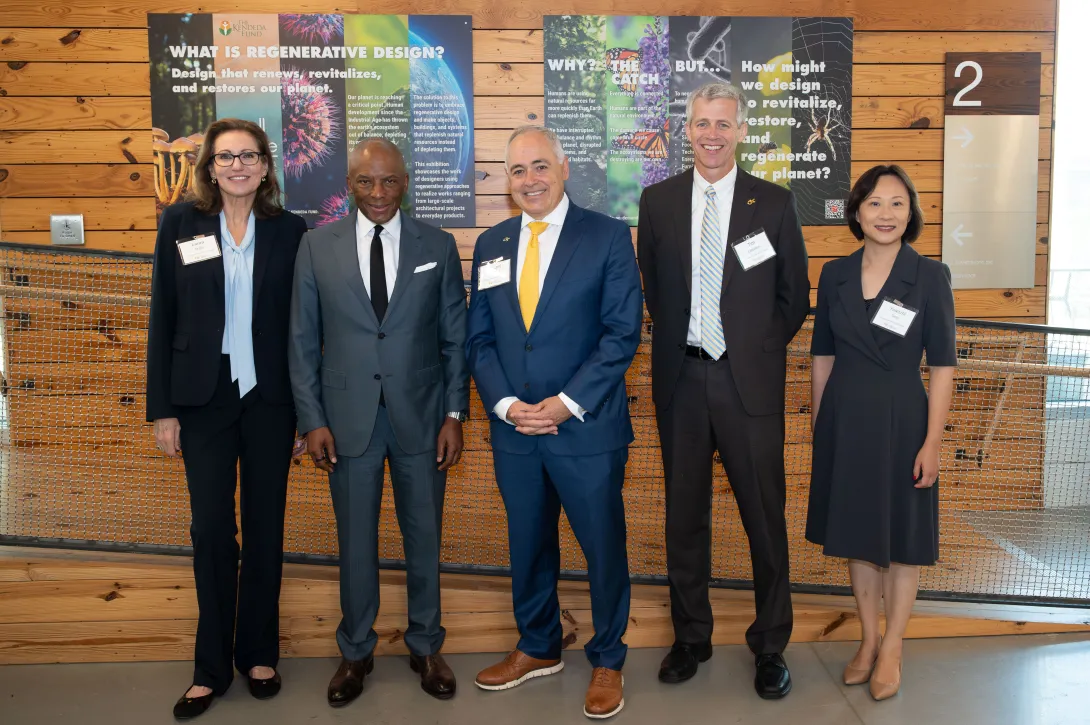
From Left to Right: EPIcenter Director Laura Taylor, Southern Company Chairman and CEO Chris Womack, President Angel Cabrera, EVPR Tim Lieuwen, SEI Executive Director Yuanzhi Tang
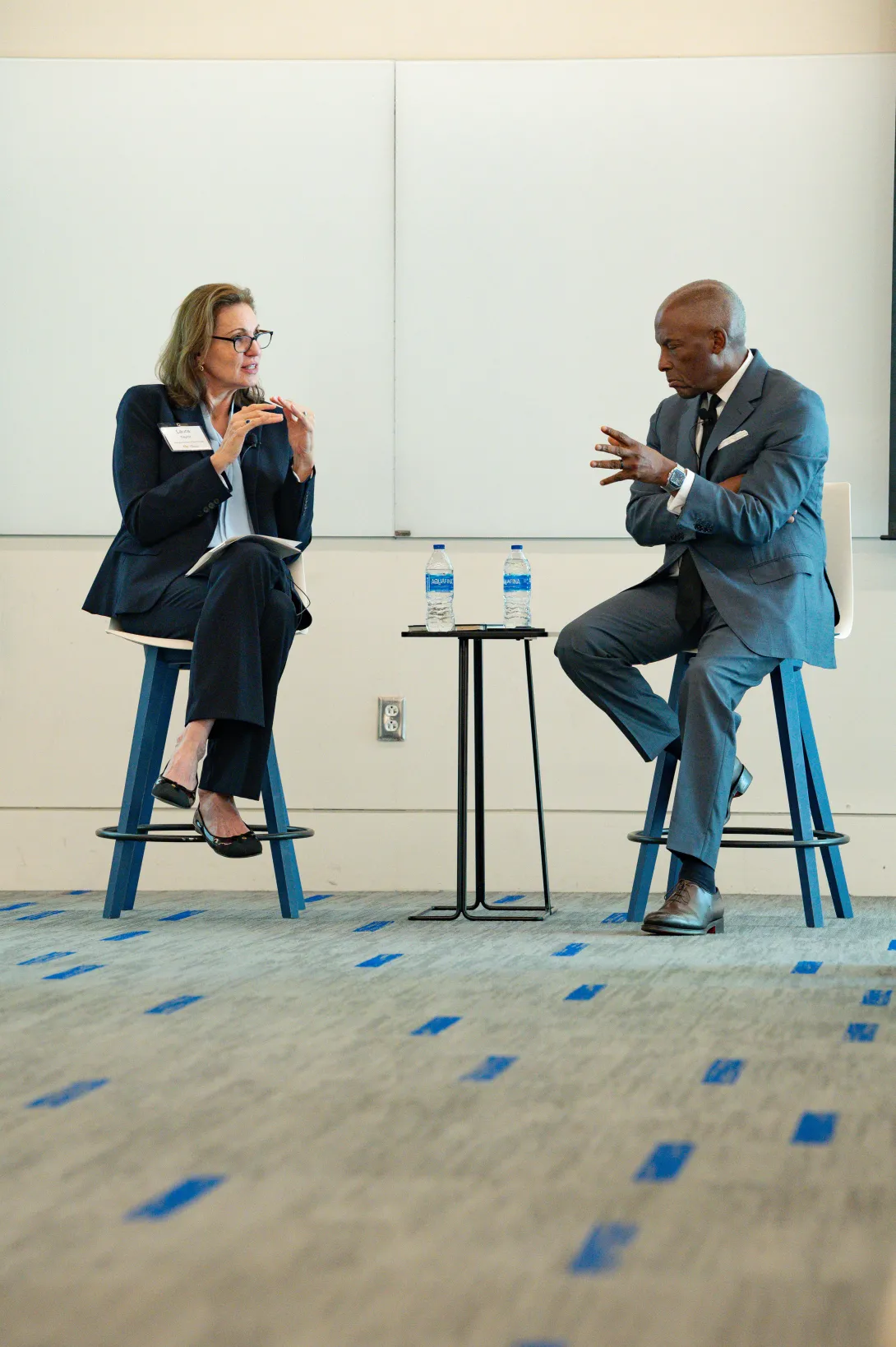
EPIcenter Director Laura Taylor with Southern Company Chairman and CEO Chris Womack during the keynote address
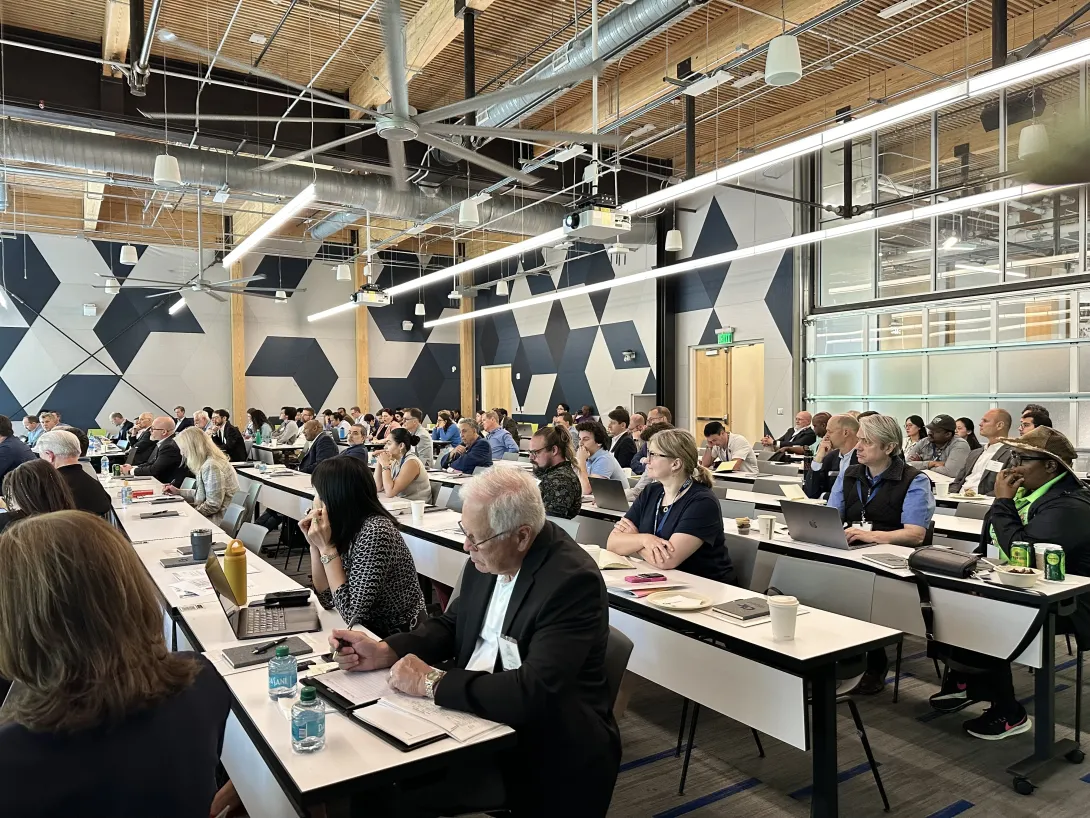
Intersect 2026 Participants
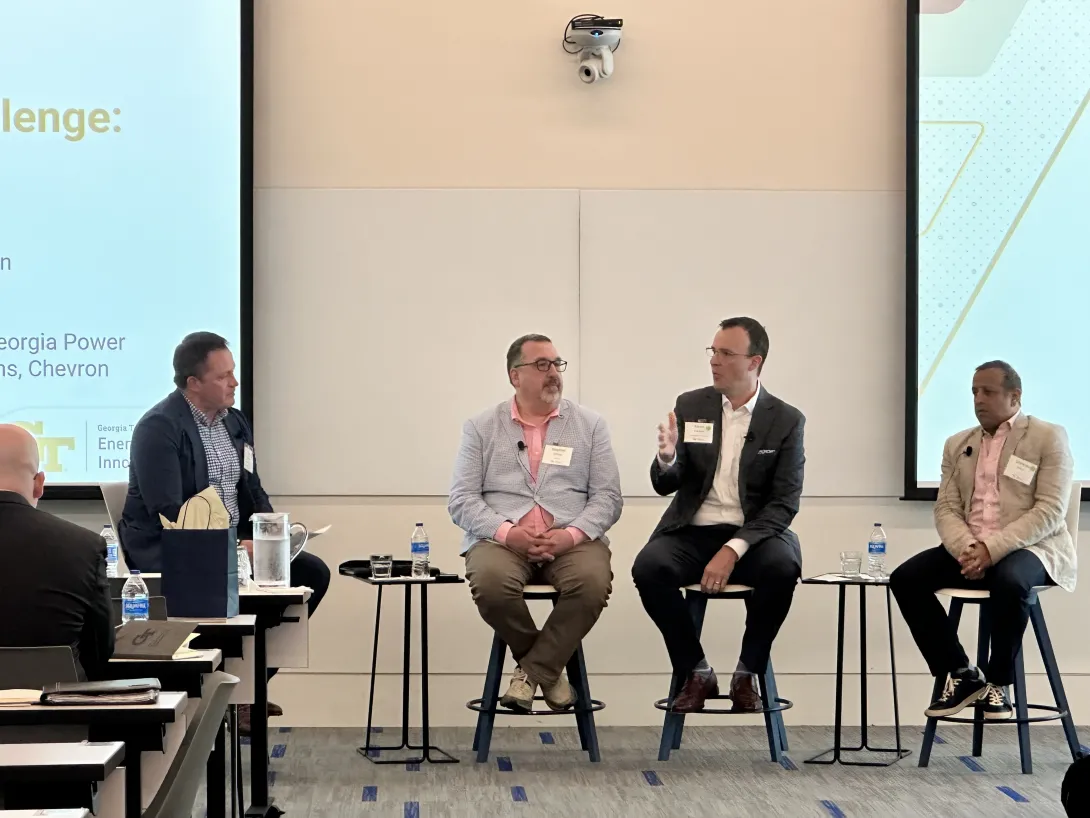
Panel Moderator Marc Miller (ScottMadden) with Panelists Steve Chriss (Walmart), Aaron Mitchell (Georgia Power), and Srimonto Ghosh (Chevron)
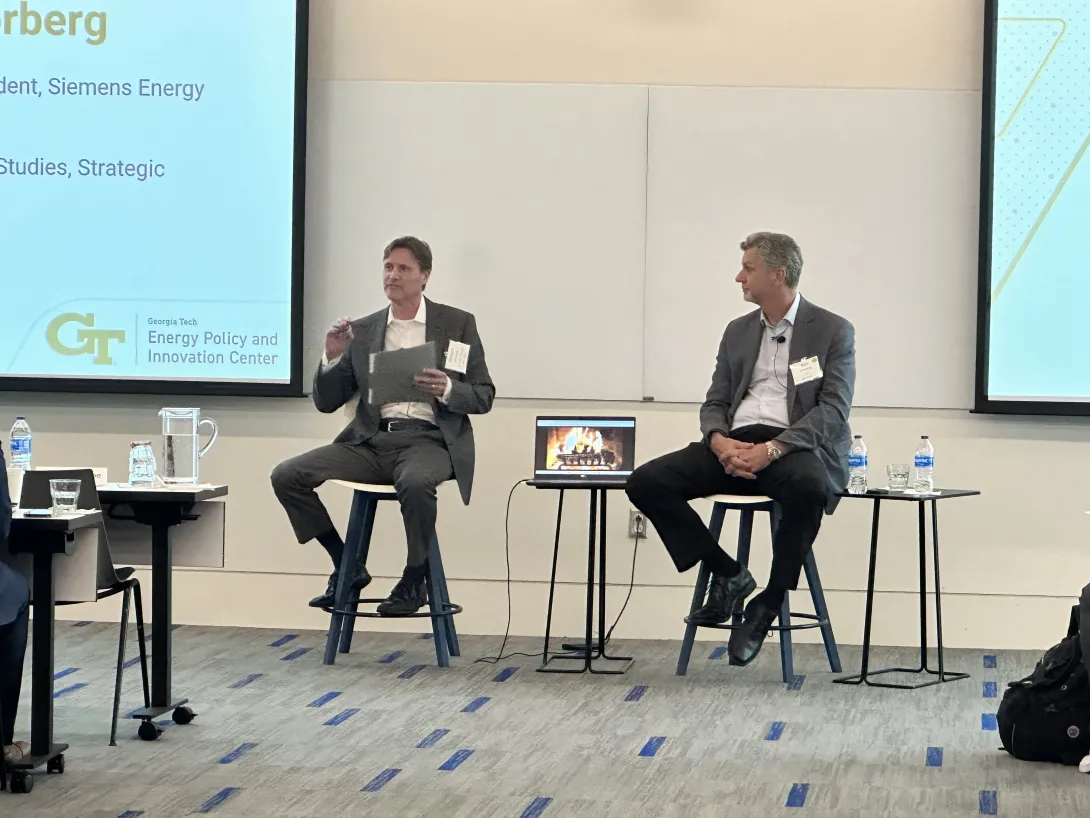
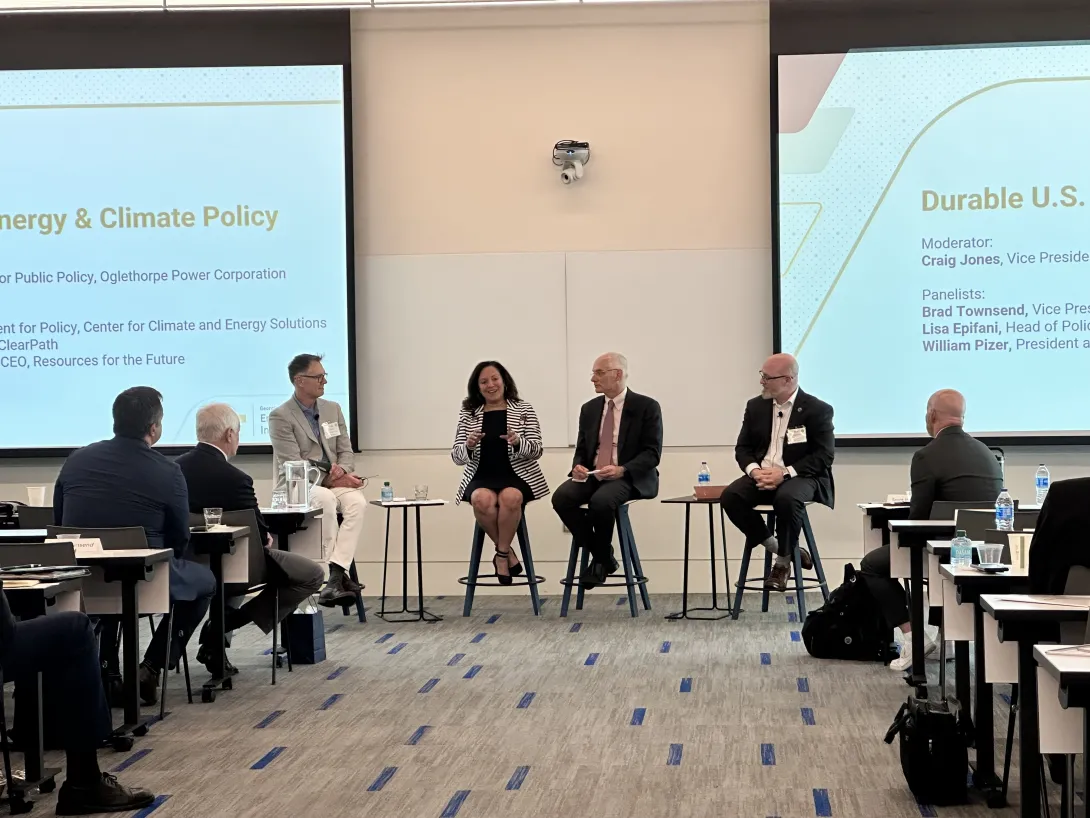
Moderator Craig Jones (Oglethorpe Power Corporation) with Panelists Lisa Epifani (ClearPath, William Pizer (Resources for the Future) and Brad Townsend (Center for Climate and Energy Solutions)
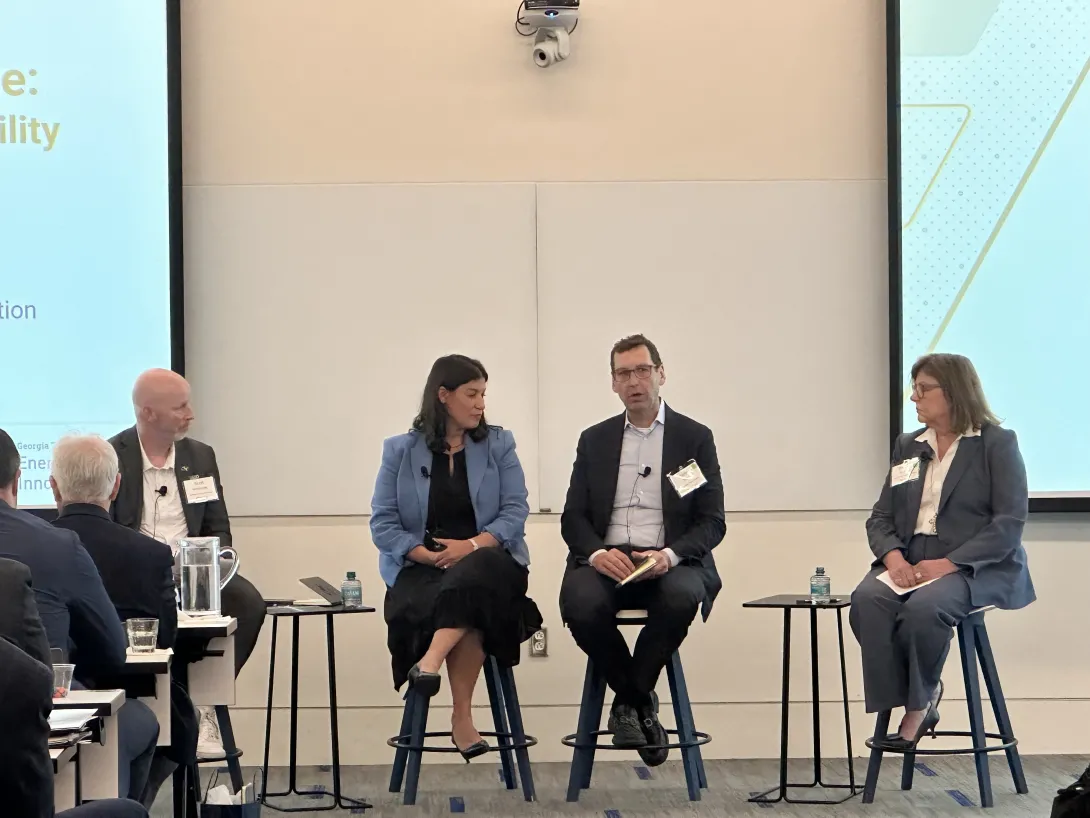
Moderator Scott McWhorter (Strategic Energy Institute), with Panelists Neva Espinoza (EPRI), Sherman Knight (Competitive Power Ventures), and Barbara Hampton (Georgia Transmission Corporation)
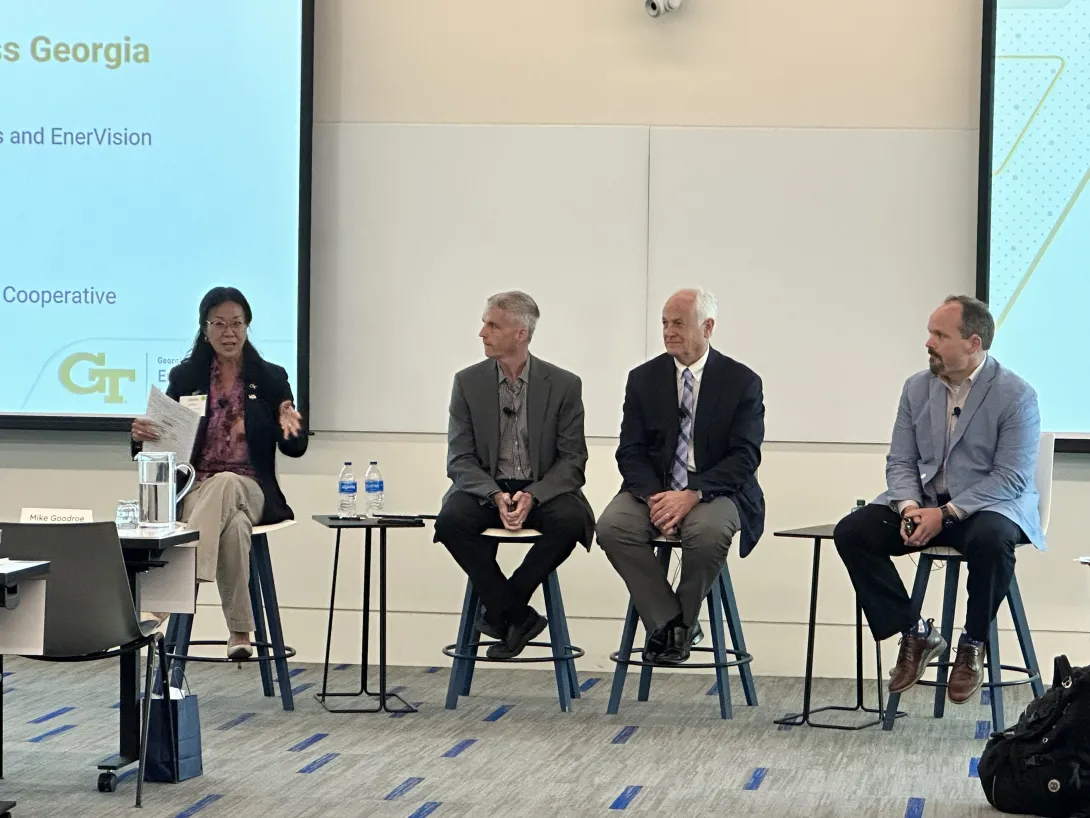
Moderator Elaine Johns (Vantage Point Solutions and EnerVision) with Panelists Wayne Gossage (Jefferson Energy Cooperative), Michael Goodroe (Sawnee EMC) and Jeremy Nelms (Flint Energies)
Georgia Tech’s INTERSECT 2026 brought together leading voices in energy on May 18 to explore critical issues in the Southeast’s energy ecosystem. Hosted by the Energy Policy and Innovation Center (EPIcenter), INTERSECT coincided with the center’s 10th anniversary, reflecting its sustained impact in convening cross-sector leaders to advance regional energy innovation.
With more than 150 attendees from industry, academia, and research organizations, the event’s high-level engagement underscored the urgency of critical issues facing the energy sector today, including the surging electricity demand, resiliency of the grid, and evolving supply chains, as well as the value of a dedicated space for candid, solutions-oriented dialogue.
“INTERSECT 2026 demonstrated the power of bringing together leaders who are actively shaping the future of energy,” said Laura Taylor, director of EPIcenter. “What began as a forum to explore emerging ideas has grown into a critical platform for aligning perspectives and advancing actionable solutions across the Southeast.”
This year’s program focused on real-world implementation challenges, including managing large-scale load growth and coordinating infrastructure investments to meet demand reliably and affordably. Panels featuring leaders from utilities, global energy corporations, and research organizations emphasized the importance of aligning strategy across sectors to ensure that the Southeast remains competitive and resilient.
Chris Womack, chairman, president, and CEO of Southern Company, delivered the keynote address, highlighting the unprecedented scale of current energy demands.
“Meeting this moment requires us to think differently — serving growth while ensuring reliability, resilience, and long-term value for our customers and communities,” said Womack.
Launched in 2017, the inaugural INTERSECT conference marked the launch of EPIcenter itself and established Georgia Tech’s commitment to connecting research, industry insight, and policy development. It focused on the need to bridge the gap between rapidly advancing technologies and slower-moving regulatory and market frameworks, a theme that continues to shape its mission today.
As INTERSECT 2026 concluded, participants pointed to a shared takeaway: With its industrial base, growing population, and integrated energy systems, the Southeast is uniquely positioned to lead in the next phase of the energy transition. With AI-driven power demand and grid infrastructure playing a significant role going forward, it is imperative to bring together the right voices to shape policies and strategies that will connect ideas to action.
News Contact
Priya Devarajan || Research Communications Program Manager
Georgia Tech students are gaining hands-on research experience at U.S. national laboratories this summer, reinforcing the Institute’s strong and enduring partnerships across the national lab system.
The highly competitive Laboratory Placement program is a paid opportunity offered through the U.S. Department of Energy’s Science Undergraduate Laboratory Internships. It provides students from a wide range of disciplines an opportunity to contribute to cutting-edge research at leading facilities, including Argonne National Laboratory, Ames National Laboratory, Lawrence Berkeley National Laboratory, National Laboratory of the Rockies, Oak Ridge National Laboratory, Princeton Plasma Physics Laboratory, and Savannah River National Laboratory.
The program’s 2026 cohort includes 16 Georgia Tech students from disciplines such as artificial intelligence, materials science, aerospace engineering, nuclear engineering, chemical engineering, mechanical engineering, and physics. Their research placements reflect the interdisciplinary nature of today’s scientific challenges, with projects covering bioinformatics, high-energy and condensed matter physics, accelerator science, environmental management, and advanced materials.
Many of the internships are closely aligned with national energy priorities, with students working in research areas including nuclear energy, hydrogen and chemical systems, materials for energy applications, plasma and fusion sciences, and complex engineered systems.
“Georgia Tech’s deep engagement with the national laboratory system creates unparalleled opportunities for our students to contribute to the future of energy,” said Yuanzhi Tang, executive director of the Strategic Energy Institute. “By connecting interdisciplinary talent with world-class research environments, we are not only advancing discovery but also shaping the next generation of leaders who will drive secure, sustainable, and resilient energy systems.”
Working alongside national lab scientists, students will not only gain access to world-class facilities but benefit from mentorship and professional networks, while contributing to research critical to national security, economic competitiveness, and a more sustainable energy future.
“These internships demonstrate the strength of Georgia Tech’s relationships across the federal research ecosystem,” said Robert Knotts, executive director of Federal Relations in the Office of Institute Relations. “They provide a direct pathway for students to engage in public service through mission-driven research at national laboratories — while strengthening connections that are vital to advancing national priorities in energy, security, and innovation.”
News Contact
Priya Devarajan || Research Communications Program Manager
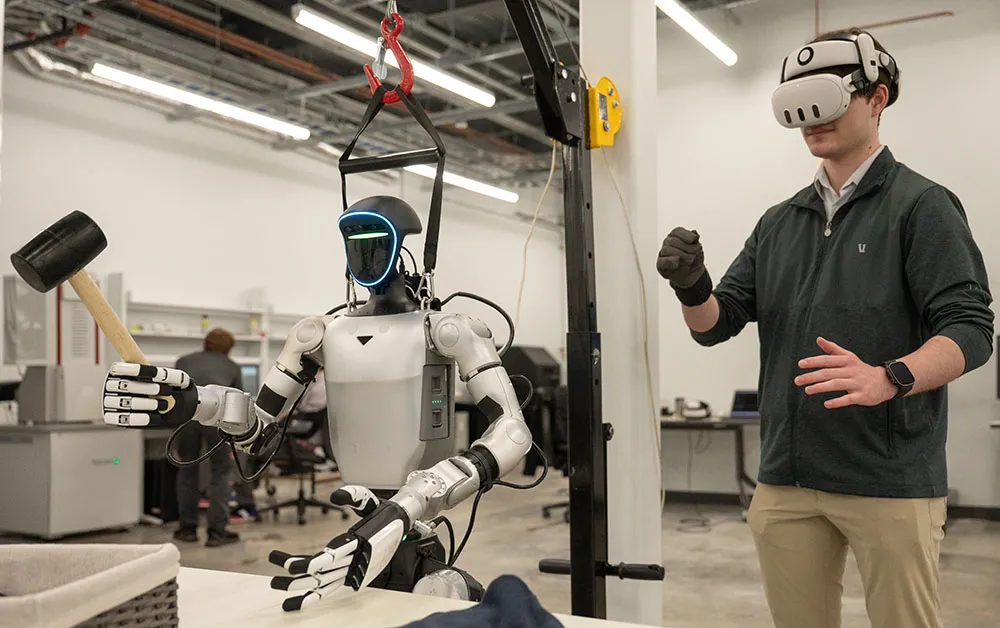
A student demonstrates human-robot interaction using virtual reality controls and collaborative robotics technology at the AMPF.
Moving a new idea from a research lab to production remains one of industry’s toughest challenges. But at the Georgia Tech Manufacturing Institute (GTMI), which leads the nation in translating research into technologies that shape the future of U.S. manufacturing, that gap is being closed by design. This effort was on full display during AMPF Week, a two-day celebration marking the official opening of the newly renovated Georgia Tech Advanced Manufacturing Pilot Facility (AMPF).
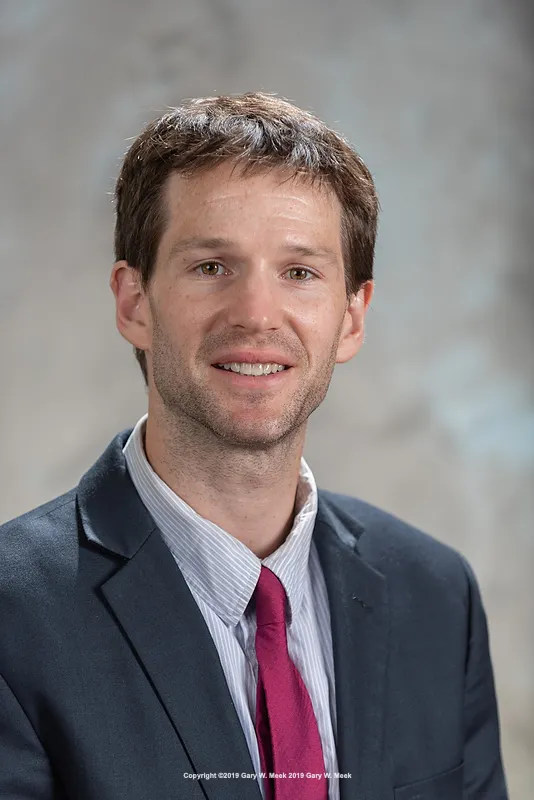
John Blazeck, associate professor in Georgia Tech's School of Chemical and Biomolecular Engineering (ChBE), has won a 2026 Faculty Early Career Development (CAREER) Award from the National Science Foundation (NSF).
The CAREER Award is the NSF’s most prestigious award in support of junior faculty who exemplify the role of teacher-scholars through outstanding research, excellent education, and the integration of education and research within the context of the mission of their organizations.
Blazeck will receive $647,941 over five years for “Creating and evolving antibodies from scratch in yeast.”
Antibodies are key proteins of the immune system that help fight disease. In people, immune cells called B cells create antibodies and then evolve them. B cells take months to do this, which makes it difficult to study antibody creation and evolution, Blazeck explained.
His CAREER project will design a method to evolve antibodies “from scratch” in yeast, which will open new avenues for exploring antibody creation, evolution, and function.
Read the full story on the School of Chemistry and Biomolecular Engineering's website.
News Contact
Brad Dixon, Communications Manager
School of Chemical and Biomolecular Engineering
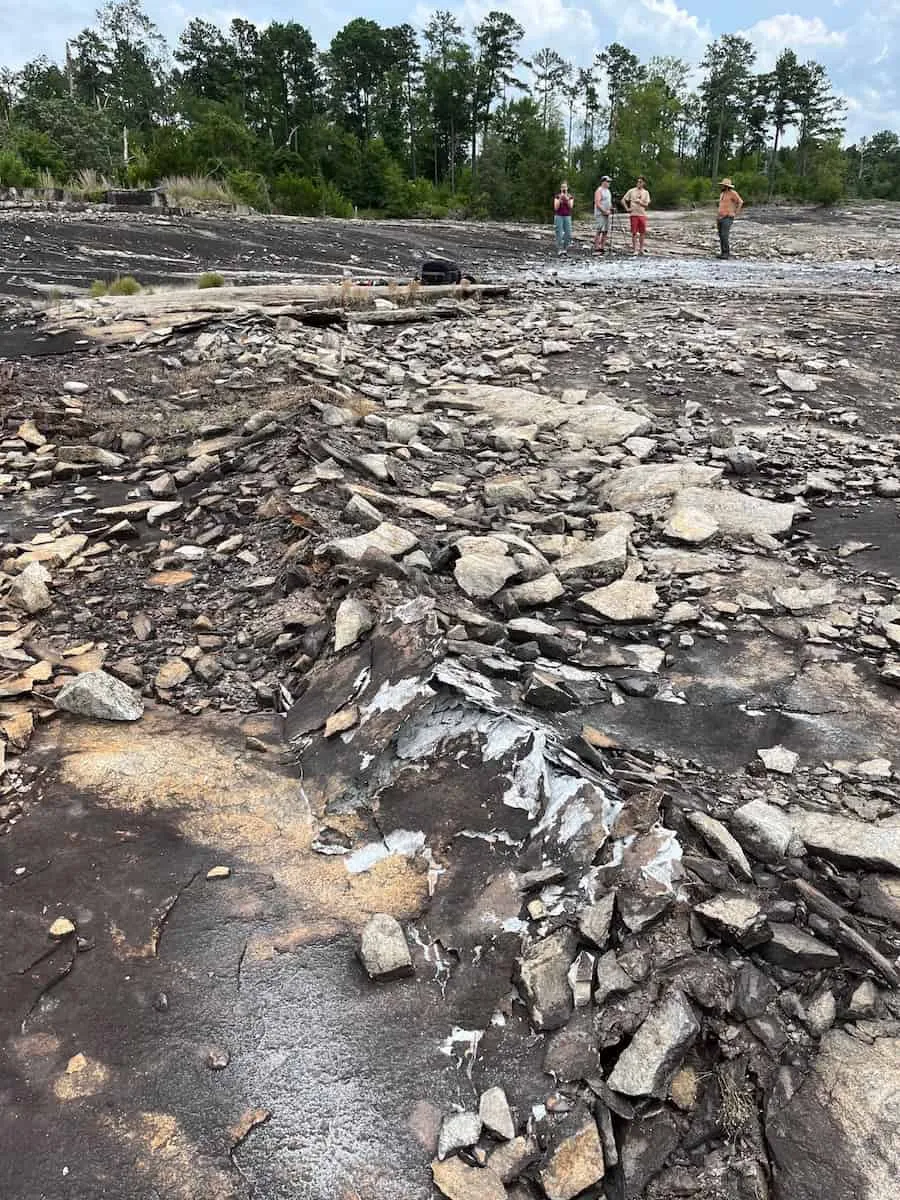
July 2023: A long line of scattered rocks indicate a fresh fault in the outcrop within the Davidson-Arabia Mountain Nature Preserve. (Photo: Arabia Mountain National Heritage Area)
Zhigang Peng studies the physics of faulting, earthquake triggering, fault zone structures, earthquakes swarms, slow earthquakes, but lately he’s added a few other topics that veer away from the usual. Vibrations in a sewer pipe. Exploding rock outcrops.
“In particular, what I have been working on the past 20 years is primarily understanding how earthquakes interact with each other, and in some cases, how other processes interact with earthquakes,” explains the professor in the School of Earth and Atmospheric Sciences, who also serves as associate chair for Research and Faculty Development for the School and is incoming president of the Seismological Society of America.
Peng's recent work deploying nodal seismometers in and around Georgia has led him “almost by accident” into the field of environmental seismology.
The rise of nodal seismometers, fiber Distributed Acoustic Sensing (DAS) and machine learning have combined to produce a wealth of seismic data, and “pretty quickly you realize that there are actually quite a lot of non-earthquake events that are also there in the data,” he says.
“If you really wanted to study earthquake events, you better learn to distinguish or throw out those non-earthquake events first. But it turns out that some of those events are also equally interesting or sometimes more interesting, depending on where you are studying,” Peng adds.
Environmental seismologists are turning noise into signal to study a variety of phenomena, from urban traffic to groundwater levels. Peng and his colleagues used seismic sensors to analyze periodic vibrations from shaking homes nearly every six minutes in a neighborhood outside of Atlanta, for instance, discovering that a faulty check valve in a sewer pipe was producing a water hammer effect.
And then there are the exploding rocks. In July 2023, there was a violent spalling of rock off the face of Arabia Mountain in Georgia that scattered large chunks of gneiss. “Normally on these outcrops the outer layer of bare rock can peel off slowly, but in some cases they kind of blast off violently and generate some ground shaking,” Peng says.
Eight faculty members have been honored by the College of Engineering for their excellence in research, service, teaching, inventorship, and commercialization.
Candidates for the fifth annual Faculty Excellence Awards were nominated by their peers or submitted self-nominations. Materials were reviewed by a committee of academic and research faculty members within the College.
Each honoree receives $2,000. The honorees are:
Read the full story on the College of Engineering website.
News Contact
Jason Maderer, Director of Communications
College of Engineering

Vida Jamali, Assistant Professor of Chemical and Biomolecular Engineering, Georgia Tech
Assistant Professor Vida Jamali is the inaugural recipient of the new Dr. James Robert and Margaret Spencer Early Career Fellowship in Georgia Tech’s School of Chemical and Biomolecular Engineering (ChBE@GT).
“Her outstanding research accomplishments and contributions to the School and Georgia Tech led to this selection,” said Professor Christopher W. Jones, the John F. Brock III School Chair in ChBE@GT.
The $20,000 in discretionary funding from this one-year fellowship will support Jamali’s research activities focused on developing new tools for in situ liquid-phase transmission electron microscopy, stochastic thermodynamics, and nanoscience-based platforms.
The Spencers established the endowment from which the term fellowship funding comes in 2017. This endowment will eventually lead to the establishment of a professorship in ChBE@GT.
“Bob Spencer is a successful alumnus who has remained connected to our chemical engineering program,” according to Jones. “His family’s gift will allow ChBE@GT to support an early career professor at a critical stage of their development—the crucial years just before their promotion and tenure review. We are grateful for their support and generosity.”
News Contact
Brad Dixon, ChBE

When a bartender checks an ID, they quickly verify a customer’s date of birth and identity before serving them.
Companies that employ online age verification claim their products function the same way on the web. That bartender analogy has, in part, justified laws passed in twenty-five US states — comprising more than 40% of Americans — mandating the use of digital age verification to gate access across social media and adult content online. Further regulation, targeting social media sites, is currently in process in a number of states.
However, new research from Georgia Institute of Technology (Georgia Tech) and the University of California, Irvine (UC Irvine) reveals that the reality of online age verification is far from ideal.
The study found that the vast majority of sites covered by these laws do not appear to enforce age verification at all. When sites do comply, they often route users through third party age verification services.
The researchers found that one such third party, Yoti, a London-based company used by Meta, OnlyFans, Sony PlayStation, and TikTok, provides services for an estimated 60% of websites deploying age verification services.
Depending on the verification method, a verification attempt via Yoti may transmit a user’s IP address and/or OS and browser metadata sufficient to uniquely identify and track devices. Some of the IP, OS, and browser metadata may be sent to credit card companies and IP geolocation services, while ID information may be sent to a known data broker, or another verification service.
“There have been laws passed and court cases settled on the promise that these companies are incentivized to keep users’ data private,” said Assistant Professor Michael A. Specter at Georgia Tech’s School of Cybersecurity and Privacy. “We found that reality is starkly different.”
Aside from privacy concerns, researchers note that differing state policies could lead to what they call the “Balkanization of the U.S. web.” In other words, users may have access to different parts of the internet depending on the state they are in—potentially limiting the free exchange of ideas and information.
According to Assistant Professor Harry Oppenheimer of the Jimmy and Rosalynn Carter School of Public Policy, users are already accustomed to experiencing the internet differently across countries. However, this may signal the beginning of similar fragmentation within the United States.
“We are going to start seeing comparable differences between U.S. states,” said Oppenheimer. “Users in some states will now have to go through additional steps to access information. Close your laptop in New York before a flight to Dallas and try to load the same web page—now you see two different results.”
“We also observed age verification deployed on websites accessed from New York, which has no law requiring verification,” said Associate Professor Paul Pearce of UC Irvine’s Department of Computer Science. “We don’t know why these sites are deploying such verification—it could be a move to limit liability or simplify operations. Regardless, it points to an emerging threat for the open Internet where restrictive laws from some states could impact the entire country and beyond.”
The study, Papers Please: A First Look at Age Verification on the Web, was led by Georgia Tech Ph.D. student Shreyas Minocha, undergraduate Isaac Sheridan, and professors Oppenheimer, Pearce, and Specter. It is part of the proceedings of the 47th IEEE Symposium on Security and Privacy and was presented in San Francisco on May 20th, and featured in Ars Technica.
CORRECTION: A previous version of this article, posted in error, included statements that were not part of the researchers’ findings or intent. This version has been updated for clarity, and to reflect the research as published in IEEE S&P.
News Contact
John Popham
Communications Officer
School of Cybersecurity and Privacy
Georgia Tech