
A drone powered by artificial intelligence crashes in a remote field, destroying its onboard computer and leaving investigators without the data needed to determine whether a cyberattack caused the failure.
Researchers at Georgia Tech say they have developed a system to help answer that question.
Known as FIRA, the tool analyzes drone crashes to determine whether they were caused by poisoned machine-learning (ML) models. The team will present its findings at the 35th USENIX Security Symposium in August.
The research addresses a growing safety challenge as drones are increasingly used for deliveries, infrastructure inspections, and agriculture.
As drones rely more on machine learning to navigate and make decisions, they also become vulnerable to model poisoning attacks. In these attacks, adversaries manipulate an AI system during its learning phase, embedding hidden triggers that can cause failures under specific conditions.
“Machine learning drones are making more decisions in flight, which makes ML a safety-critical component of these systems,” said Yizhi Huang, Ph.D. student and lead researcher on the project.
“When something goes wrong, investigators need a way to ask whether the model was responsible, but the model is the part of the system that no one can examine after a crash. FIRA gives investigators a way to investigate these cases by reconstructing what the model was doing during the crash. As more drones run with ML, this kind of forensic capability can help drones be used more effectively and safely.”
When a drone crashes, investigators must determine whether the cause was malicious interference, weather, or mechanical failure. Without reliable forensic tools, accountability is difficult to establish, and safety standards are harder to enforce.
FIRA identifies how drone components interact with machine learning models and monitors those interactions in real time, even with limited bandwidth.
The system functions like a flight recorder, capturing key system activity and reconstructing a timeline after a crash. It then analyzes the model’s behavior to determine whether a malicious trigger was introduced via poisoned ML training data.
In tests across multiple drone platforms and crash scenarios, FIRA identified failure causes and distinguished cyberattacks from environmental or mechanical issues.
The system does not require access to a drone’s source code, making it practical for real-world investigations.
“As commercial drone use expands, tools like FIRA could help improve accountability and trust in AI-powered systems operating in public airspace,” said Huang.
FIRA: Enabling Automatic Forensic Investigation of Unmanned Aerial Vehicles was led by Georgia Tech’s Cyber Forensics Innovation Lab in cooperation with the Cyber-Physical Security Lab. These labs reside in the School of Cybersecurity and Privacy and the School of Electrical and Computing Engineering.
News Contact
John Popham
Communications Officer II at the School of Cybersecurity and Privacy
Misjudge a curb or miss a step on the stairs, and there is a split second of panic as your foot doesn’t land when you expect it to. That brief loss of pressure can be enough to throw off your balance entirely.
For most, that heart-pounding uncertainty ends the moment the foot finds solid ground. But for many individuals living with conditions like stroke or spinal cord injury (SCI), that sense of disconnect is a permanent reality.
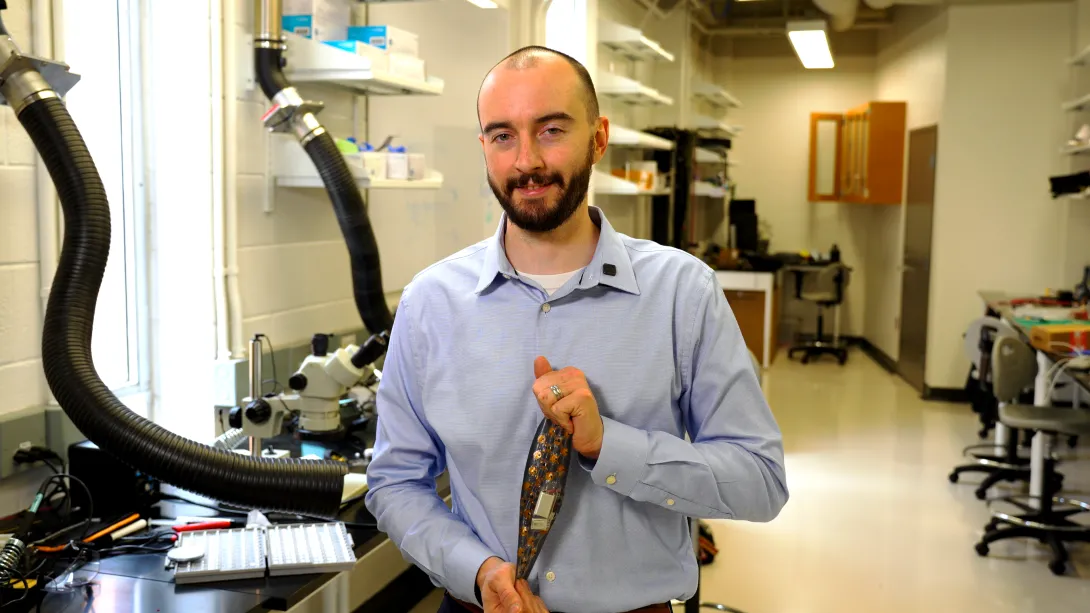
“These conditions of course have a huge effect on our ability to move around and be independent — but the other side of it is the sensory feedback that we lose,” says Matthew Flavin, an assistant professor in the School of Electrical and Computer Engineering. Most rehabilitation treatments primarily focus on restoring movement, but “even if you have motor control, if you can’t feel when your foot's touching the ground it can be really hard for you to move around safely.”
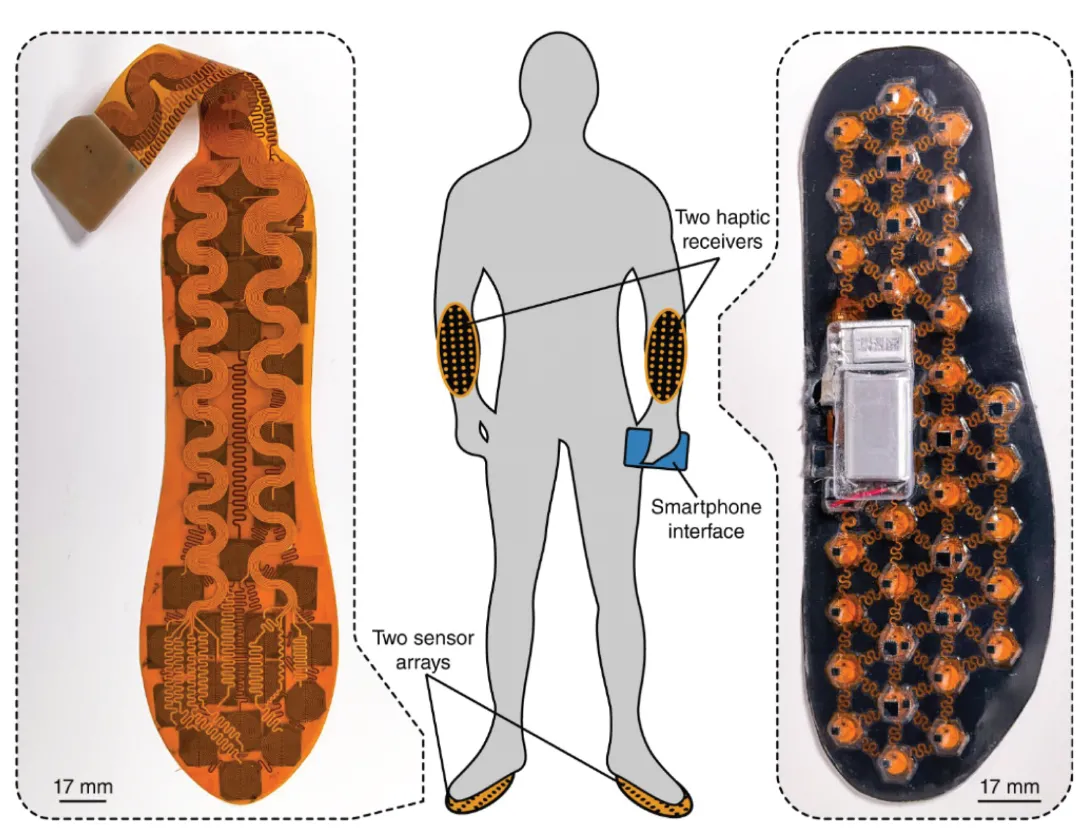
In a new study published in Proceedings of the National Academy of Sciences, Flavin and an interdisciplinary team of researchers introduce a way to bridge this gap: a wearable “sensory substitution” system that translates foot pressure into high-tech patterns of heat and vibration they can feel elsewhere.
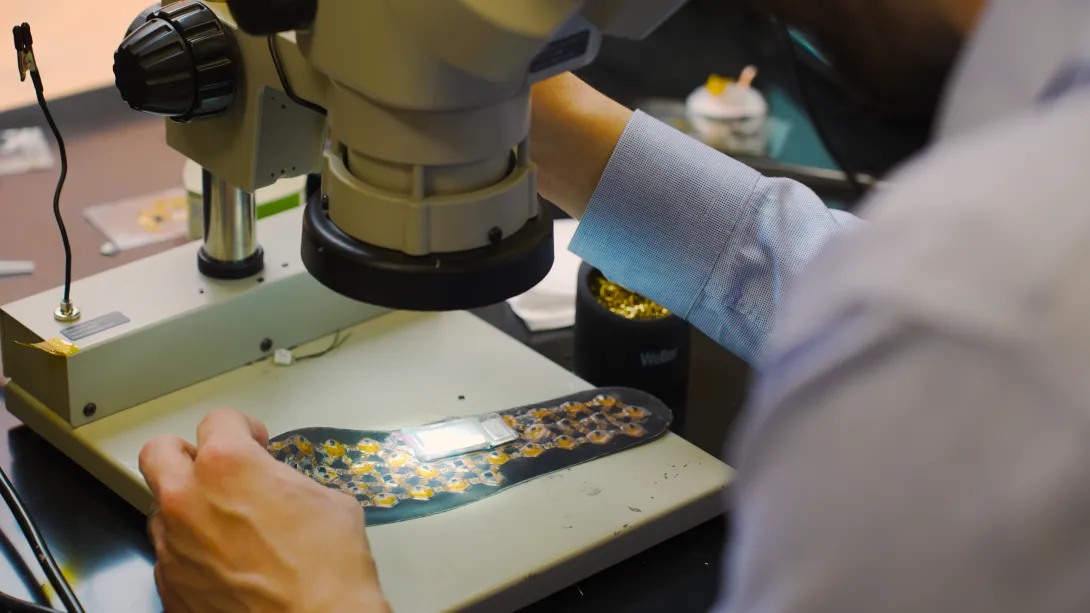
The system uses high-resolution pressure-sensing insoles designed by the team, which are placed inside a user's shoes to record how their weight shifts in real-time. This data is streamed via Bluetooth to a flexible, skin-conformable array of haptic receivers worn on the forearms, a part of the body that often retains sensation in SCI. The receivers give quick pressure feedback through vibration, while also alerting the user to longer-term pressure “hotspots” through heat.
“One of the limitations of a lot of approaches in haptics is that you're having to map a missing sense onto a completely different sense,” says Flavin. “We’re keeping the type of information that we're missing, which is the distribution of pressure, and we're just basically putting it on a different part of their body.”
Rerouting the lost sensation was key to making the device intuitive to learn. Participants were able to correctly identify the “feel” of the ground through their arms with high accuracy within a mere two-hour session. When tested with a small group of participants with stroke or SCI, the wearable significantly improved standing balance and led to steadier walking.
“What’s encouraging about these early results is that participants appeared to use the feedback in ways that supported balance and walking,” says John Rogers, a materials science and engineering professor at Northwestern University who collaborated on this study. “Our study suggests that providing pressure information through another part of the body could be a practical path for helping people compensate for lost sensation.”
While vibration provides immediate feedback for walking and balance, the team views the thermal feedback as a tool for long-term health. Heat is a slower, low-frequency signal that could alert patients to pressure hotspots, potentially preventing diabetic foot ulcers or pressure injuries for those who are bedridden or use wheelchairs.
The small, lightweight system is completely untethered, making it suitable for use during daily activities in and outside the clinic. It’s also highly adaptable to different injury types, which is ideal for conditions as variable as stroke, SCI, and diabetic neuropathy. Placement of the haptic receivers can be adjusted based on where a patient has the most sensation, and the sensitivity of the insoles can be tailored to each patient.
As a member of several of Georgia Tech’s Interdisciplinary Research Institutes — the Institute for Neuroscience, Neurotechnology, and Society, the Institute for Robotics and Intelligent Machines, and the Parker H. Petit Institute for Bioengineering and Biosciences — Flavin credits the project’s success to an interdisciplinary effort and deep engagement with clinicians and patients.
“This reinforces the importance of really engaging with your stakeholders very early on,” says Flavin. “If you're not continually refining that concept with those stakeholders, you quickly find that they might be looking for something that your device isn't delivering.”
With new funding from the National Science Foundation (NSF), the team is now working to make the technology even smaller and more reconfigurable, moving closer to a standard wearable for daily clinical use.
News Contact
Writer and Media Contact:
Audra Davidson
Research Communications Program Manager
Institute for Neuroscience, Neurotechnology, and Society (INNS)
Photos:
Maxwell Guberman
Georgia Tech’s Laboratory for Intelligent Decision and Autonomous Robots (LIDAR) was awarded a $1 million, three-year industrial grant from GIGABYTE to advance robotics and artificial intelligence (AI) research, with a focus on helping robots better interact with the real world.
The grant will support building a robotics and AI ecosystem for dexterous and mobile manipulation, enabling robots to move through environments, interact with objects, and adapt to changing conditions.
Ye Zhao, LIDAR director and associate professor in the George W. Woodruff School of Mechanical Engineering, leads the project, with Anqi Wu, assistant professor in the School of Computational Science and Engineering, serving as co-principal investigator.
Read the full story on the George W. Woodruff School of Mechanical Engineering website.
News Contact
Ashley Ritchie
George W. Woodruff School of Mechanical Engineering
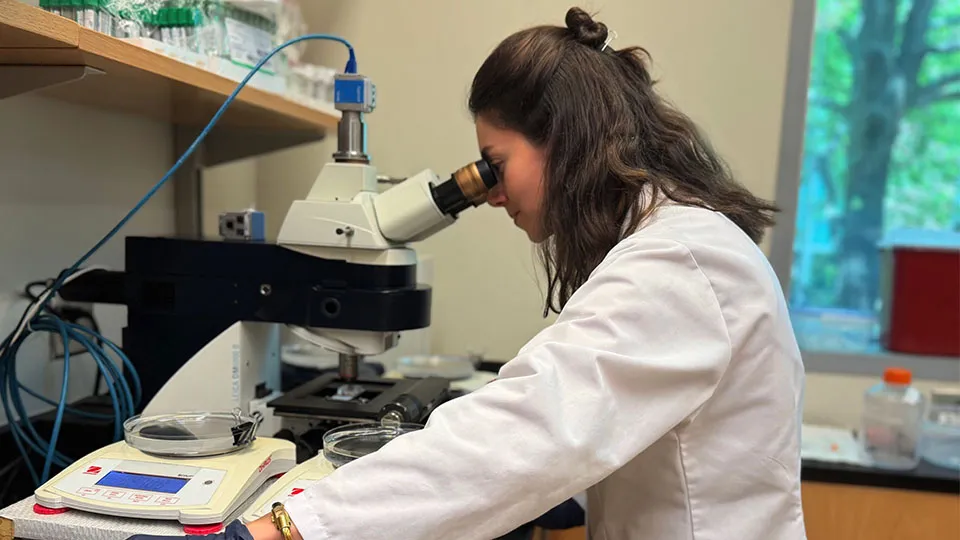
Doctoral student Raphaelle Dodart looks through a microscope at a small sample of clotted blood contained in a microfluidic chip.
It affects up to one-third of the human population and can create symptoms severe enough to lead to hospitalization, yet much about what causes it remains a mystery. It’s rarely discussed in public, often goes undiagnosed, and remains a consistently underfunded and understudied area of science.
What is this mystery condition? Heavy menstrual bleeding (HMB), which can cause severe pain, anemia, fatigue, and may even require some women to get blood transfusions.
Science has historically overlooked diseases and conditions such as HMB that predominantly affect women, but one Georgia Tech researcher and his doctoral student are working to change that.
“About 30 percent of women have heavy menstrual, and that can cause them to become anemic,” said David Ku, a Regents’ Professor in the George W. Woodruff School of Mechanical Engineering. “There are a lot of lost days where there's fatigue and embarrassment from bleeding too much, and the causes of that bleeding are poorly understood.”
Ku, a faculty member in the Parker H. Petit Institute for Bioengineering and Bioscience, has received initial funding from Wellcome Leap to study whether clotting disorders contribute to HMB. The condition is most often attributed to hormone imbalances, leading many patients to receive treatments such as hormonal therapies that help manage symptoms. But in some cases, these treatments may treat symptoms while leaving an underlying bleeding disorder undiagnosed.
“If a woman goes on the pill, it supposedly regulates the hormones and masks if there's a blood clotting problem,” Ku said. “If she has a clotting problem and doesn’t know it, she could run into other clotting problems if she has an injury or some type of trauma in the future. By diagnosing it properly, we can fix it properly.”
As part of the study, Ku and his team of Chris Bresette, Minki Kang, and Raphaelle Dodart, are using a microfluidic blood-clotting test developed in the Ku laboratory to investigate whether clotting dysfunction contributes to heavy menstrual bleeding. This handheld instrument — which runs blood through a microfluidic tube about the width of a human hair — measures the speed of blood clotting and may open up possibilities for more personalized patient care.
“We want to develop a point of care device that could allow gynecologists to diagnose the problem while the patient is visiting, as opposed to sending the blood off to the lab,” Ku said. “Currently, there is no good test for that. We’ve simplified the microscope system so that you can directly see whether the blood is clotting by going through that small tube.”
Dodart, who was studying the mechanics of clotting and hypothesized the prevalence in HMB, is recruiting volunteers for the study. She is currently working with women who exhibit symptoms of HMB and are willing to give a small amount of blood to be tested through the diagnostic device. If her hypothesis around blood clotting is proven true, the study can expand further into the realm of treatment options.
“The main goal now is that we identify a cause,” Dodart said. “In the future, hopefully we can focus on finding some solutions, some non-hormonal treatments, because we are looking for a treatable dysfunction.”
Though women’s health remains a largely underfunded area of science, the landscape is beginning to shift thanks to researchers like Ku and Dodart.
“This is a widespread problem that not too many people have studied,” Ku said. “What we are studying is one of the treatable causes for heavy menstrual bleeding that we could actually change the outcome of right now.”
News Contact
Ashlie Bowman | Communications Manager
Parker H. Petit Institute for Bioengineering and Bioscience

The four things to know:
- It’s not about exposure anymore. Atlanta is already a global city, so the focus is on whether the World Cup delivers lasting value for residents.
- Economic impact is uneven. Big headline numbers do not show who actually benefits, and much of the spending may not reach local communities.
- Infrastructure will be tested. Transportation and downtown systems will face heavy strain, raising concerns about what improvements last beyond the event.
- The hidden story is food and logistics. Behind the scenes, Georgia Tech researchers are working to reduce food waste and strengthen systems that could outlast the tournament.
See a curated list of Georgia Tech experts available to comment on the World Cup here.
A Global Stage and Familiar Promises
As Atlanta welcomes the world for the 2026 FIFA World Cup, the promises are familiar: millions of visitors, global attention, economic growth, and a chance to showcase the city on one of the biggest stages in sports.
But Georgia Tech experts say the real question is not whether the tournament will generate activity — it is who benefits from it and what remains after the final match is played.
From Visibility to Value
Mega-events have long been sold as catalysts for transformation. The 1996 Olympics reshaped Atlanta’s physical landscape and helped position the city as a global destination. Thirty years later, the World Cup arrives at a very different moment.
“There are similarities,” said Emily Barrett, assistant professor in the School of City and Regional Planning. “Like the Olympics, the World Cup is an accelerator for infrastructure upgrades and public and private investment alike.”
Atlanta is seeing significant public investment in transportation improvements and billions of dollars in private development downtown. But today’s Atlanta is very different from Atlanta in the 1990s.
“Atlanta is no longer a city seeking recognition on the world stage,” Barrett said. “We are a thriving and growing city.”
That shifts the conversation from visibility to value.
“The open question is whether hosting mega-events makes the city work better for the people who live here,” Barrett added.
The Economics Behind the Headlines
Assessing that value becomes more complicated when economic forecasts enter the conversation.
Large projections often dominate headlines, but Declan Abernethy, lecturer in the School of History and Sociology, cautions that economic impact estimates rarely tell the whole story.
“It is far easier to put out an economic impact projection compared to the difficulty of measuring impact,” Abernethy said.
While visitors will spend money on hotels, restaurants, transportation, and entertainment, he notes that much of that spending may not reach the community.
“When we look closely at that spending, we can see that much of the profit will be taken in by large corporations or FIFA in the immediate vicinity of Mercedes-Benz Stadium and not as much by Atlanta residents or small businesses,” he said.
According to Barrett, economic studies often overlook a critical question: What could alternative investments have accomplished?
“Economic studies rarely account for displacement costs, or whether the same public dollars could have generated similar or better outcomes if invested elsewhere,” she said.
Pressure Points Across the City
The World Cup’s impact extends beyond economics; it will also test Atlanta’s infrastructure at a scale few events can match.
Michael Hunter, professor in the School of Civil and Environmental Engineering, says the biggest challenge may be the volume of people moving through the city.
“There will be a number of pressure points. However, one of the most significant will be just the number of people,” Hunter said. “This event will attract significant crowds.”
Atlanta’s transportation agencies have spent years preparing, drawing on lessons learned from events including the Super Bowl, World Series, and major concerts. Still, capacity limits are unavoidable.
“There is only so much traffic that MARTA or any transit agency can handle,” Hunter said. “People need to understand that there will be congestion and longer wait times. The key is to be patient.”
The concern is whether those investments result in lasting improvements or merely support a few weeks of activity.
Abernethy argues that the World Cup should be viewed as part of a broader vision for Atlanta rather than a standalone catalyst.
“We are seeing the World Cup as a part of a longer-running and more cohesive vision for sport and economic development downtown,” he said. “Atlanta may not be repeating the same cycle nor cracking downtown’s development problem with the World Cup itself.”
Behind the Scenes: Food and Logistics
Infrastructure challenges extend beyond transportation. Feeding hundreds of thousands of visitors while minimizing waste requires its own network of logistics, coordination, and planning.
Nicole Kennard, a research scientist at Georgia Tech’s Brook Byers Institute for Sustainable Systems, views the tournament as an opportunity to strengthen how food moves throughout the city.
“These large events are a really big opportunity for us to coordinate and test our infrastructure,” Kennard said. “We have to think critically about how to improve the infrastructure and ensure its resilience and efficiency.”
Working with organizations such as Second Helpings Atlanta, the official food rescue partner for the World Cup, Georgia Tech researchers are building technologies and tools to improve coordination among food rescue groups. The effort aims to keep surplus food out of landfills by quickly moving it from stadiums and vendors to local food organizations.
“It’s really a logistics problem, a data problem, and a coordination problem,” Kennard said. “The faster you can move food from the point of surplus directly to a pantry, the more likely it is to reach people who need it.”
What Legacy Looks Like
Ultimately, Atlanta’s World Cup legacy may not be measured by attendance figures or visitor spending alone.
“How we evaluate success depends on what we choose to measure, and too often we focus on headline numbers instead of who actually benefits,” said Abernethy.
Kennard sees the tournament as a chance to build systems that outlast the event itself. “What we build for the World Cup could become critical infrastructure for future emergencies and disasters,” she said.
Atlanta already knows how to host a global event. Whether the investments, partnerships, and infrastructure created for the World Cup leave the city stronger after the crowds leave remains to be seen.
News Contact

The moon may look unchanged from afar, but its surface is constantly reshaped by microscopic impacts and a steady stream of particles from the sun, a process known as space weathering. Now, Georgia Tech researchers have recreated one of those weathering sources, solar wind, in the lab — offering new insight into how the lunar surface evolves.
Dust-sized meteoroids and solar wind gradually alter lunar soil, producing tiny metallic particles known as nanophase iron. For years, scientists have used sensing data influenced by those particles to estimate the weathering age of the moon’s surface, but they weren’t sure which weather source primarily drives these changes.
To investigate, physics Ph.D. candidate Roshan Trivedi and Advik Vira, a recent Ph.D. graduate, exposed ilmenite, a common mineral on both the Earth and moon, to a synthetic version of solar wind. The experiment produced nanophase iron under controlled conditions, suggesting that solar wind plays a major role in shaping the lunar surface observed today.
The team presented its findings in “Creation of Lunar-Like Rims in Ilmenite Using Synthetic Solar Wind,” published in The Planetary Science Journal in June. Their work was conducted through the Georgia Tech Center for Lunar Environment and Volatile Exploration Research (CLEVER), a NASA Solar System Exploration Research Virtual Institute (SSERVI) led by Georgia Tech Regents’ Professor Thom Orlando, a co-author of the study. A central aim of CLEVER is to understand the science and effects of space weathering as they pertain to the goals of NASA’s Artemis missions.
By understanding how the moon’s surface morphs on a microscopic level, scientists will be able to better interpret remote sensing data. Soon, we won’t have to rely just on moon missions to learn detailed characteristics of the lunar surface.
The work could also shed light on another longstanding question: how water forms on the moon.
“Water would be a fantastic resource for humans operating on the moon, but scientifically, we are driven simply by the question of how water gets there in the first place,” said Phillip First, a professor in the School of Physics. “Solar wind is potentially one way, because protons in solar wind provide the hydrogen of H2O molecules while oxygen is present in lunar minerals.”
Using a vacuum chamber in Orlando’s lab to simulate solar wind and high-resolution electron microscopy to analyze the samples, the researchers recreated the effects of thousands of years of solar wind exposure.
“Scientists have been doing laboratory radiation experiments for years, but they haven't been able to characterize the results at this level of detail,” said lead author Trivedi.
The team can now simulate a wide range of exposure ages, which may help explain how water forms. In addition to forming nanophase iron, the experiments created tiny voids within the mineral — potential sites where hydrogen from solar wind could bond with oxygen to form water.
“Having the ability to recreate the solar wind and having results look so similar to actual lunar samples is excellent,” said co-lead author Vira.
DOI: 10.3847/PSJ/ae6074
Funding: This work was directly supported by the NASA SSERVI under CLEVER. Sample preparation was performed at the Georgia Tech Institute for Matter and Systems, which is supported by the National Science Foundation. Collaborations between the U.S. Naval Research Laboratory and Georgia Tech for advanced electron microscopy were supported by the Georgia Tech Center for Space Technology and Research.
News Contact
Tess Malone, Senior Research/Writer Editor
tess.malone@gatech.edu
Georgia Tech alumnus and faculty member Tim Lieuwen, M.S. ME 1997, Ph.D. ME 1999, has donated his American Society of Mechanical Engineers (ASME) Medal — the society’s highest honor — to the George W. Woodruff School of Mechanical Engineering. The $14,000 gold medal is displayed in the School Chair’s suite, where it serves as a symbol of excellence and achievement for students, faculty, and visitors.
Lieuwen, the executive vice president for Research and Regents’ Professor in the Daniel Guggenheim School of Aerospace Engineering, received the ASME medal in 2025 in recognition of his pioneering contributions to combustion, clean energy, and the science of resilient energy systems. It is the first ASME Medal ever awarded to a Georgia Tech faculty member or graduate, marking a milestone both for Lieuwen and the Institute.
Read the full story on the George W. Woodruff School of Mechanical Engineering website.
News Contact
Ashley Ritchie
George W. Woodruff School of Mechanical Engineering
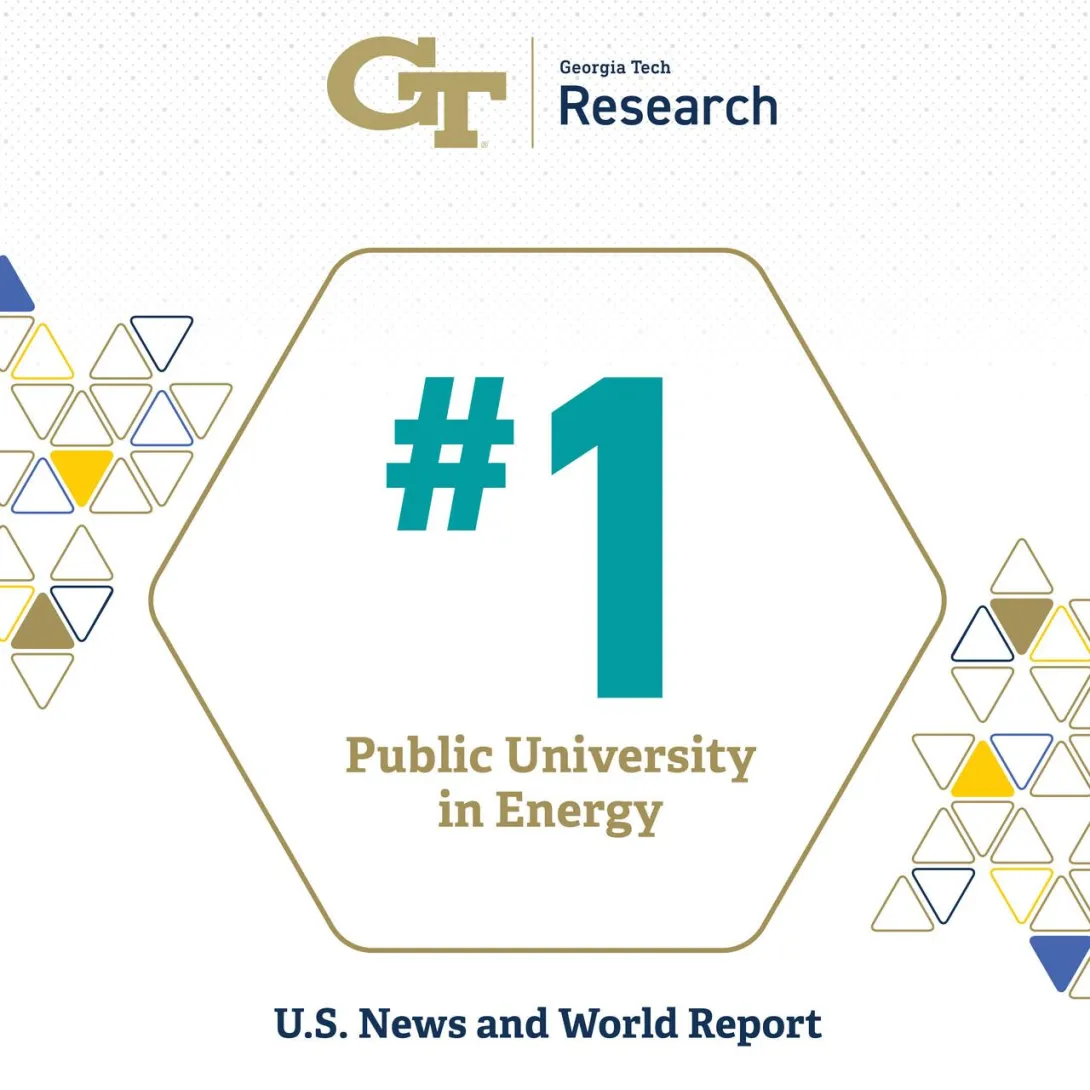
U.S. News & World Report has named Georgia Tech the top-ranked public university in energy and fuels research (No. 3 nationally). The Institute has maintained this ranking every year since the category was first introduced in 2024.
The continued recognition highlights Georgia Tech’s research leadership in advancing energy solutions across technology, science, policy, and economics and in delivering technically advanced solutions that is scalable, secure, and sustainable for the future.
“The scale and integration of our energy ecosystem is among Georgia Tech’s great strengths,” said Executive Vice President for Research Tim Lieuwen. “A defining part of that ecosystem is the Strategic Energy Institute (SEI), our interdisciplinary research institute that brings together the talents of researchers from across disciplines to accelerate energy innovation and deliver real-world solutions.”
SEI integrates energy activities at Georgia Tech by connecting more than 1,000 researchers across the entire energy value chain and enabling collaboration with industry, government, communities, and nonprofits. SEI is deeply engaged in building community, developing resources, promoting thought leadership, and marshaling the full resources of Georgia Tech around tackling the tough energy and environmental problems and opportunities society faces.
“Georgia Tech’s energy leadership is built on the depth of our research and the breadth of our collaborations,” said Yuanzhi Tang, SEI’s executive director. “By connecting expertise across the full energy value chain, we are advancing solutions that enhance affordability, reliability, security, and sustainability.”
U.S. News & World Report evaluates the academic research performance of universities in 51 subject areas using indicators such as publications, citations, and global and regional research reputation. Georgia Tech was assessed among 292 institutions in the U.S. and continues its strong standing in the rankings, claiming the No. 32 spot overall in the nation and No. 9 among public universities.
News Contact
Priya Devarajan | SEI Communications Program Manager

Researchers in the Jamali Lab have published a new study that sheds light on how nanoparticles move across liquid-solid interfaces, a discovery that could improve scientists’ ability to study materials and processes at the nanoscale.
The paper, Solution-Tunable Interfacial Interaction Landscape Governs Anomalous Nanoparticle Diffusion in Liquid-Phase Electron Microscopy, was featured on the cover for the June issue of ACS Nano. Lead author Isabel Panicker, doctoral student in the School of Chemical and Biomolecular Engineering, created the cover artwork and highlights the complex interactions that influence nanoparticle motion at liquid-solid interfaces .
The team used liquid-phase transmission electron microscopy (LPTEM) to observe nanoparticles moving across a liquid-solid interface in real time. Their research shows that changing the ionic composition of the liquid alters the forces acting between nanoparticles and their surroundings. These modifications influence how the particles move, sometimes causing behavior that differs from the random motion typically expected in liquids.
By uncovering how the liquid environment shapes nanoparticle movement, the researchers gained new insight into the fundamental processes that govern movement at the nanoscale. Understanding these processes is important for applications ranging from advanced materials and energy technologies to biological systems.
The team also developed a new framework that uses nanoparticle motion to measure the mechanical properties of the liquid-solid interface. Rather than treating LPTEM solely as an imaging technique, the approach allows researchers to extract quantitative information about a material's behavior directly from the paths of particles observed under the microscope.
The study was co-authored by Zain Shabeeb and Vida Jamali. The Institute for Matter and Systems supported the research through the research program Compressed Super-Resolution TEM Using Nanoelectronic Coded Aperture Device, led by Jamali.
The findings expand the capabilities of liquid-phase electron microscopy and open new opportunities for studying complex materials and dynamic processes at the nanoscale.
DOI: http://doi.org/10.1021/acsnano.6c04149
News Contact
Amelia Neumeister | Communications Manager
The Institute for Matter and Systems
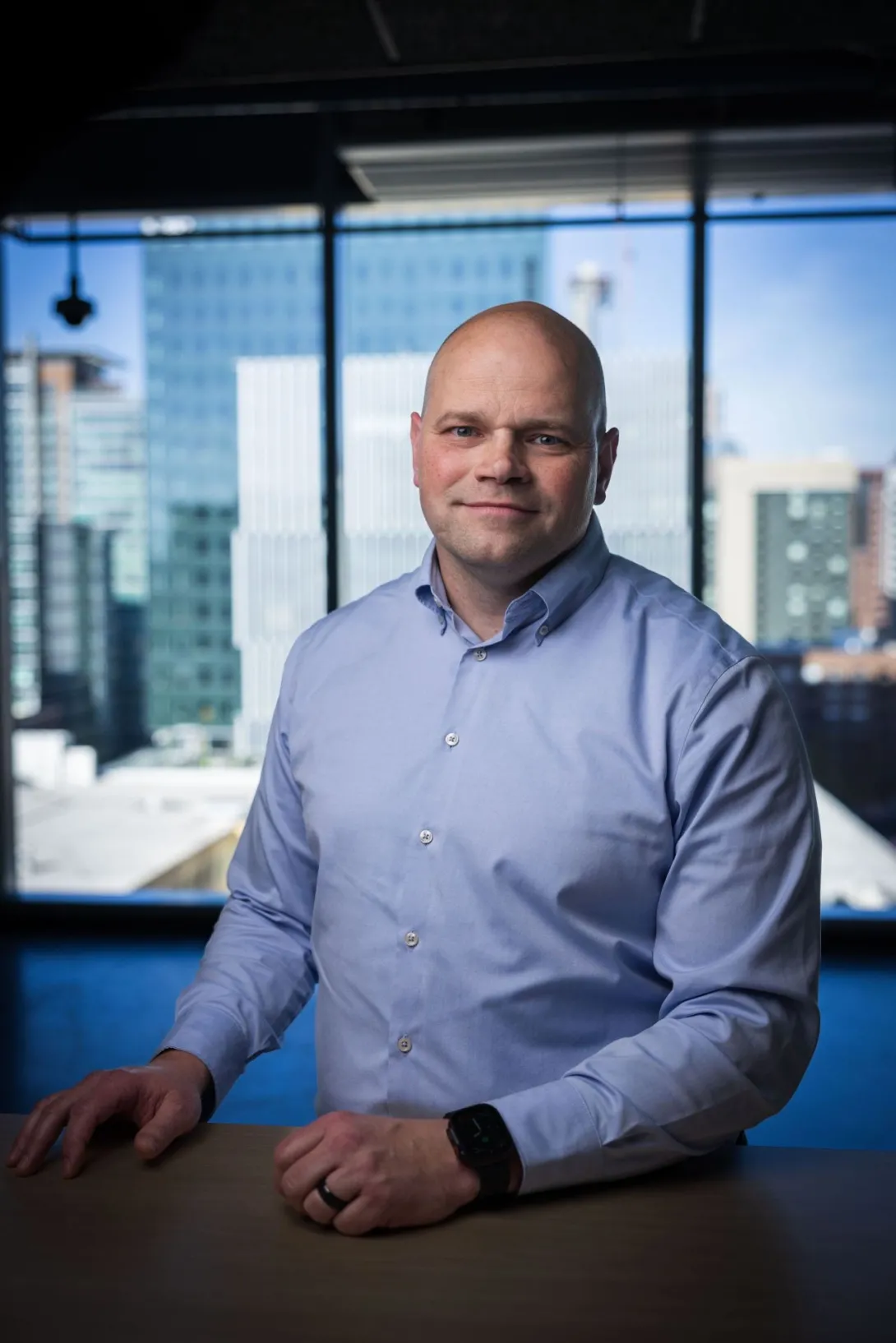
Steven Ferguson, deputy director of the Georgia Tech Manufacturing Institute and executive director of the Georgia Tech Manufacturing 4.0 Consortium
For Steven Ferguson, deputy director of the Georgia Tech Manufacturing Institute and executive director of the Georgia Tech Manufacturing 4.0 Consortium, advancing Georgia’s manufacturing industry and its workforce is personal.
It was Ferguson’s own first manufacturing industry job at Glidden Paint in high school that tipped a row of dominoes, clearing his way out of poverty. Following next in the Hall County native’s favor was his receiving the Pell Grant and HOPE Grant, which led to his associate’s degree and first job in education.
Since then, Ferguson has spent the better part of three decades advancing workforce preparation and education access in Georgia, first as chief information officer for the Technical College System of Georgia, and now through his current roles at Tech.
“Access to higher education changed the trajectory of my life. The question now is how we build systems that create those same opportunities for others — whether someone starts their career right out of high school, earns credentials while working, or returns later to pursue advanced technical education or engineering. We need to create flexible pathways that develop talent at every stage of life.”
Steven Ferguson
Forged in Manufacturing
Ferguson was born into a family of “makers,” who got by on odd jobs and money from their small bait and tackle shop on Lake Lanier and later peddling a variety of goods. At a young age, Ferguson learned salesmanship and picked up the tinkering spirit.
“My dad was always entrepreneurial, and I think you might even consider us manufacturers, always making fishing equipment or other things,” said Ferguson. “From a very young age, I was out making jig heads, tying flies, and bagging hooks or sinkers. It was definitely in my blood.”
When he was in 10th grade, a teacher nominated Ferguson for a new youth apprenticeship program. That opportunity ultimately led to his role as an information technology apprentice at Glidden Paint, which became Ferguson’s first job in the manufacturing industry. The job was a perfect fit for Ferguson, who enjoyed learning more about the manufacturing process and the practical outlet for his computing knowledge.
He continued working there until he began studying computer science at North Georgia College and State University. Later, he transferred to Gainesville College (GC) to participate in a joint enrollment program designed to lead to eventual enrollment for a bachelor’s degree at Tech.
However, before Ferguson completed his time at GC, he had an associate’s degree and, more importantly, a job offer. GC wanted him to train others for careers in information technology.