
Georgia Tech has entered the nation’s top 30 universities while strengthening its position across engineering, computing, teaching, innovation, and educational value in the U.S. News & World Report Best Colleges 2027 rankings.
The Institute rose three places to No. 29 among national universities and three places to No. 6 among public national universities. It also moved from No. 108 to No. 39 among Best Value Schools, a 69-place rise and the largest year-over-year improvement among Georgia Tech’s listed rankings.
Georgia Tech also ranked No. 5 in the new Best Value Schools for the In-State Students category.
“At a time when students and families are asking important questions about the value of higher education, Georgia Tech continues to demonstrate that world-class academic quality and affordability can go hand in hand,” said Georgia Tech President Ángel Cabrera. “Our rise among the nation’s top universities and our strong performance in value rankings reflect our commitment to delivering an education that creates opportunity, drives innovation, and creates lasting impact for our students and our communities.”
Engineering Reaches No. 2
Georgia Tech’s undergraduate engineering program rose one place to No. 2 nationally, tied with Stanford University and the University of California, Berkeley. Every ranked Georgia Tech engineering discipline remains in the top five nationally.
Civil engineering moved into the No. 1 position, joining environmental engineering and industrial and systems engineering at the top of their respective disciplines. The Institute now holds three No. 1 undergraduate engineering rankings.
Other top engineering program rankings include:
- Mechanical engineering rose two places to No. 2.
- Materials engineering moved to No. 2 (up from No. 3).
- Computer engineering advanced to No. 5 (up from No. 6).
- Aerospace engineering at No. 2.
- Chemical engineering at No. 2.
- Electrical engineering held at No. 3.
Computing Maintains Top-Five Standing
Georgia Tech’s undergraduate computer science program held at No. 5 nationally, tied with Princeton University and the University of Illinois Urbana-Champaign. Six ranked computing specialties placed among the nation’s top 10.
Cybersecurity remained No. 2, software engineering held at No. 3, and artificial intelligence and data analytics/science each ranked No. 5. Computer systems advanced one place to No. 6, while theory remained No. 10.
Scheller Business Programs Show Continued Strength
Georgia Tech’s undergraduate business program ranked No. 20 nationally, remaining among the country’s top 20 programs. Business analytics and management information systems each ranked No. 3. Quantitative analysis rose to No. 4, while production and operations management and supply chain management both maintained at No. 6. Finance advanced four places to No. 30.
Teaching and Hands-On Learning Advance
Georgia Tech climbed seven places to No. 14 for Best Undergraduate Teaching, entering the top 20. The Institute also remained No. 3 among the nation’s Most Innovative Schools.
Experiential learning continues to distinguish the undergraduate experience. Georgia Tech ranked No. 4 for internships and co-ops, No. 12 for senior capstone experiences, and No. 14, up from No. 19, for undergraduate research and creative projects.
*Please note that this summary includes the latest rankings issued by U.S. News & World Report. Not all Georgia Tech Colleges, Schools, and subjects are ranked every year by this organization.
News Contact
Ayana Isles
Senior Media Relations Representative
Institute Communications
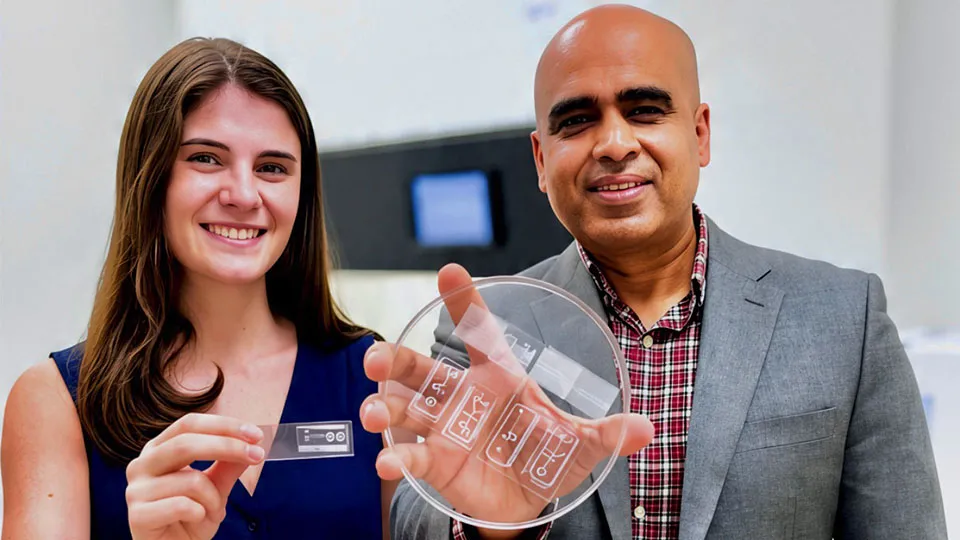
Ankur Singh will lead Georgia Tech’s new ETHOS initiative to advance New Approach Methodologies (NAMs) and transform drug discovery through human-relevant systems. Singh is pictured alongside Ph.D. student Olivia Jones, holding a human immune organ engineered on-a-chip, a breakthrough innovation developed at Georgia Tech to model complex immune responses outside the body.
Georgia Tech's ETHOS initiative brings together expertise from across the Institute to advance human-centered research models that could accelerate the development of safer, more effective therapies.
Before a promising new therapy can reach a patient, researchers need to answer a deceptively simple question: Will it work?
For decades, part of the answer has come from animal testing. Animal models have helped scientists make countless medical advances and understand how potential treatments behave in a living system. But they also present scientific and ethical challenges, including one unavoidable limitation: A mouse isn't a human. This limitation is one reason many promising drug candidates fail during human clinical trials.
Now, Georgia Tech is launching a new Institute-wide initiative focused on technologies that help researchers close that gap by studying human health and disease in ways that more closely reflect human biology. This interdisciplinary venture, called Emerging Technologies for Human-Oriented Systems (ETHOS), will advance human-centered research technologies, including new approach methodologies (NAMs) that improve prediction of human responses and support the development of safer, more effective therapies.
“ETHOS reflects Georgia Tech's commitment to advancing innovative approaches to some of society's most pressing health challenges,” said Executive Vice President for Research Tim Lieuwen. “By bringing together expertise from across the Institute and investing in technologies that more closely reflect human biology, we have an opportunity to accelerate discovery, strengthen translation, and help shape the future of biomedical research."
Unifying Research
Supported by the Office of the Executive Vice President for Research, ETHOS is built on an interdisciplinary framework that connects researchers across Georgia Tech and with clinical and translational partners. The initiative draws on expertise in bioengineering, materials science, device engineering, computing, and data science. It will be led jointly by the Parker H. Petit Institute for Bioengineering and Bioscience (IBB) and the Institute for Data Engineering and Science (IDEaS).
“What sets Georgia Tech apart is our ability to unify deep expertise in foundational life sciences, bioengineering, and materials science with artificial intelligence and data science,” said Vice President for Interdisciplinary Research Julia Kubanek. “ETHOS creates a framework for connecting those strengths, fostering new collaborations, and enabling researchers to tackle complex health challenges in ways that no single discipline could accomplish alone.”
Ankur Singh, Carl Ring Family Professor in the George W. Woodruff School of Mechanical Engineering and Wallace H. Coulter Department of Biomedical Engineering at Georgia Tech and Emory University (BME), will lead ETHOS in his new administrative role as deputy director of IBB. Although ETHOS is a new initiative, Georgia Tech researchers have already begun building a NAMs community through an institutional task force and other collaborative efforts. That momentum will continue with the 2027 Suddath Symposium, which will focus on NAMs and bring researchers together across disciplines.
“Georgia Tech has expertise across the full spectrum of these approaches, from AI and computational modeling to engineered tissues and experimental systems,” said JC Gumbart, Dunn Family Professor in the School of Physics. “ETHOS gives us a framework to connect those strengths and accelerate human-centered biomedical research.”
Gumbart co-led the NAMs task force and is co-organizing the symposium with Shuichi Takayama, a Georgia Research Alliance Eminent Scholar and chair of regenerative engineering medicine within BME.
Advancing Discovery
What are new approach methodologies, or NAMs, and how can they help researchers address human health challenges?
NAMs include both physical models, such as organoids and organ-on-chip technologies, and computational models that use artificial intelligence. Each approach has its own advantages and limitations.
Organoids and organ-on-chip are living tissue systems grown in the lab that mimic key features of human biology and help researchers study how the body may respond to new drugs or treatments. These models allow researchers to observe biological responses in human tissue systems, but they are limited by the steep cost of time and resources required to create them.
Computational models take advantage of AI and supercomputing technology to rapidly explore and predict thousands of possibilities. They use existing datasets to examine complex relationships at scale and simulate how potential changes might affect a system. Though these simulations can provide a large-scale prediction of what might happen, they can’t provide evidence of how cells actually respond.
ETHOS emphasizes a bidirectional approach that combines engineered biological systems with predictive computational models. For instance, a scientist who is testing a new drug on an organoid may use AI to predict how the drug could affect a larger population with differing demographics. Conversely, a researcher using a computational model may use an organ-on-chip experiment to validate (or disprove) the computer’s prediction.
“These human platforms allow us to look broad — exploring how therapies behave across populations — and look deep, engineering precise models that reflect an individual patient’s unique health profile,” Singh said.
Leading the Way
The adaptability of NAMs gives researchers a more human-centered way to study — and hopefully one day treat — some of humanity’s most pervasive health problems, such as cancer, cardiovascular disease, autoimmune diseases, neurological disorders, infection, and more. Therapies developed using NAMs could be broad-use solutions that impact entire populations or tailored treatments for personalized healthcare. By bringing together strengths in engineering, computing, data science, and the life sciences, ETHOS positions Georgia Tech to help shape the future of NAMs research and technology development.
“The next generation of medical research increasingly relies on models that are both more human and more intelligent. Georgia Tech's strength lies in connecting the physical and digital worlds of biology,” Singh said. “That closed loop between human biology and computation gives us a powerful advantage in developing the next generation of non-animal models for research and drug development.”
The initiative will also include the development of a platform designed to connect researchers across the Institute and help them identify complementary expertise, shared experimental systems, and collaborative funding opportunities. The digital matchmaking system, along with pilot research and technology development, AI integration, grant development, and community building, makes ETHOS a potentially groundbreaking program launching at an opportune time.
“ETHOS is an initiative of convergence. Few institutions combine strengths in advanced human tissue systems, engineering, AI, and data science at the scale of Georgia Tech. ETHOS provides a framework to unite those capabilities and accelerate biomedical discovery and translation,” Singh said.
ETHOS is designed to strengthen connections between fundamental research and real-world health applications. By developing research models that more closely reflect human biology, the initiative could help researchers identify promising therapies earlier and better understand how they may perform in people. ETHOS could also strengthen collaborations among Atlanta's academic, clinical, and industry partners, creating new opportunities for translational research and technology development.
News Contact
Ashlie Bowman | Communications Manager
Parker H. Petit Institute for Bioengineering and Bioscience
Many scientific breakthroughs begin with long-term research investments. Government agencies often play a central role in this process, supporting work that addresses national priorities while laying the foundation for future innovations.
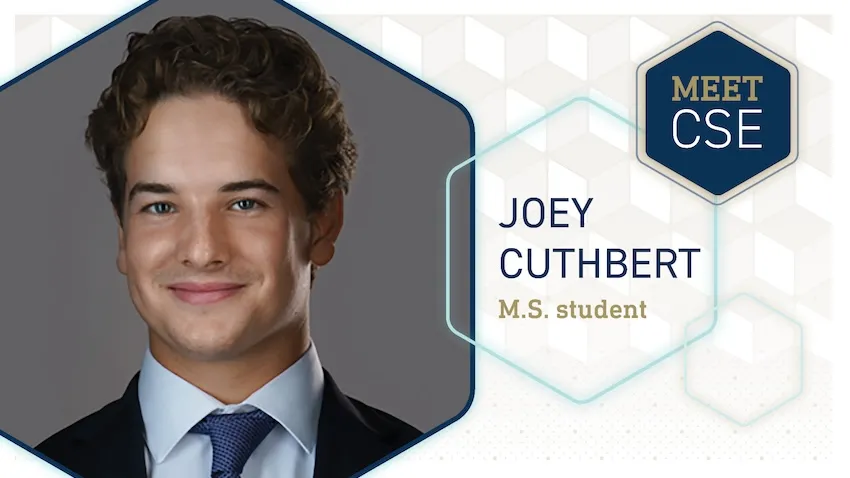
This summer, M.S. student Joey Cuthbert contributed to this mission through an internship at the Air Force Research Laboratory (AFRL). Upon returning to campus, Cuthbert reflected on his internship and what he learned working alongside researchers in government and the defense community.
Student: Joey Cuthbert
Research Interests: Machine learning (ML), model-based systems engineering
Degree Program: M.S. in Computational Science and Engineering, home unit in H. Milton Stewart School of Industrial and Systems Engineering
2026 Internship: Sensors Directorate Internship Program with Air Force Research Laboratory (AFRL) and the National Air and Space Intelligence Center (NASIC), Beavercreek, Ohio
What about AFRL interested you in applying for and accepting an internship there?
The Sensors Directorate Internship Program (SDIP) provided a unique opportunity to work alongside mentors from AFRL and NASIC on a defense-related research project over a 14-week internship. This aligned with my desire to work on applied ML research in the defense sector and allowed me to better understand the ins and outs of government and government-contracting work. The program provided competitive pay and housing throughout the program, which was a huge plus for me.
How well did your coursework and experience at Georgia Tech prepare you for your AFRL internship?
My experience and coursework at Georgia Tech helped me a great deal this summer. I believe my understanding of ML has greatly improved over the past two semesters, which helped me complete my internship project. All of my experiments ran on high-performance computing (HPC) systems, and I felt I had a head start since I completed an HPC class last spring.
What did you work on while interning at AFRL?
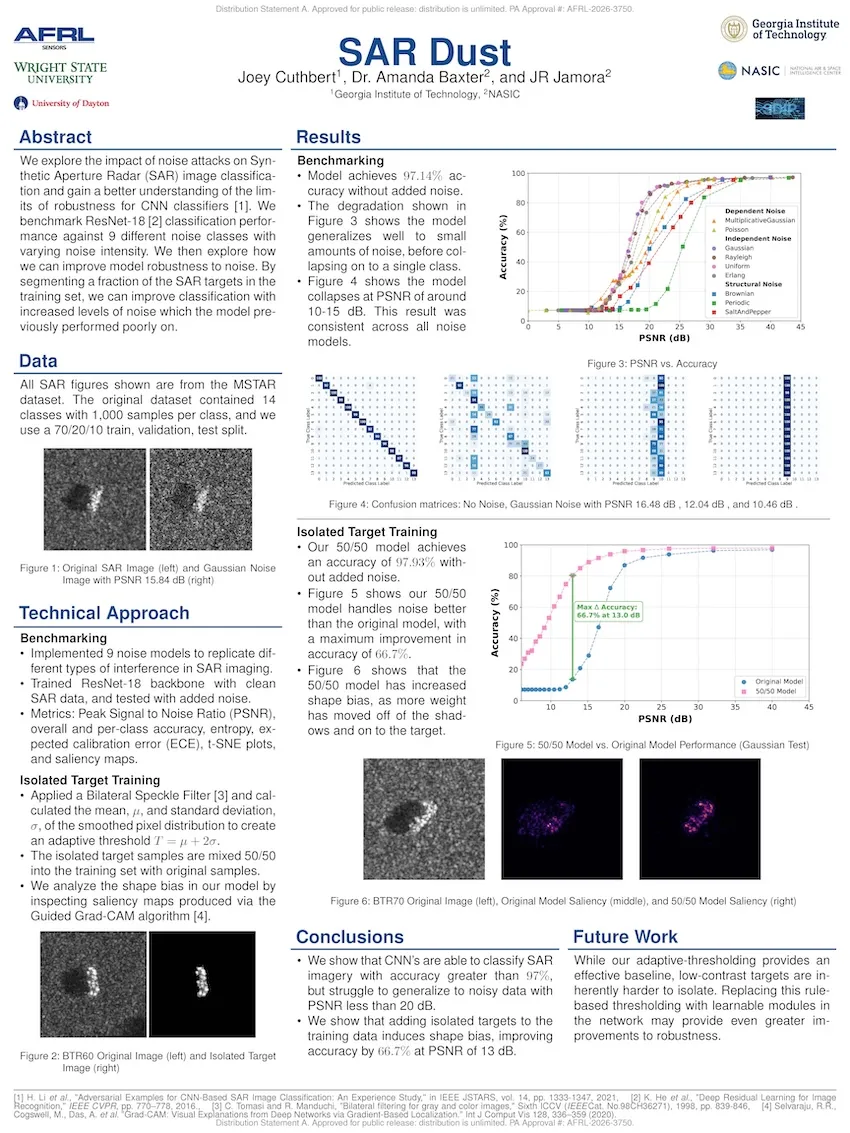
I worked on an image-classification robustness project for convolutional neural networks (CNNs) using synthetic aperture radar (SAR) data. I built a robustness benchmark by testing a model against nine types of noise, and used it to show how we can effectively increase robustness by inducing shape-bias in the model during training.
Do you have a favorite memory or remarkable achievement from your internship?
During the summer, we went on a tour of nearby Wright-Patterson Air Force Base, where we visited the sensors directorate buildings and checked out some of their labs. I also received the best poster presentation award among approximately 40 interns.
Overall, how helpful was this internship toward your studies at Georgia Tech and career as an aspiring researcher?
This program provided great strides toward my research career goals. My coursework has provided a great foundation in ML, and I was able to apply this knowledge to a project. The internship offered me lots of autonomy, as well as time to explore different paths to find results.
From what you learned on your internship, how important are government agencies in progressing research and scientific discovery?
I believe government agencies are massively valuable in advancing research and scientific discovery, especially within the defense sector. All work at AFRL has the goal of giving warfighters the greatest advantage possible. This often entails looking 10 to 20 years into the future of science and technology and trying to get there as fast as possible.
News Contact
Bryant Wine, Communications Officer
bryant.wine@cc.gatech.edu
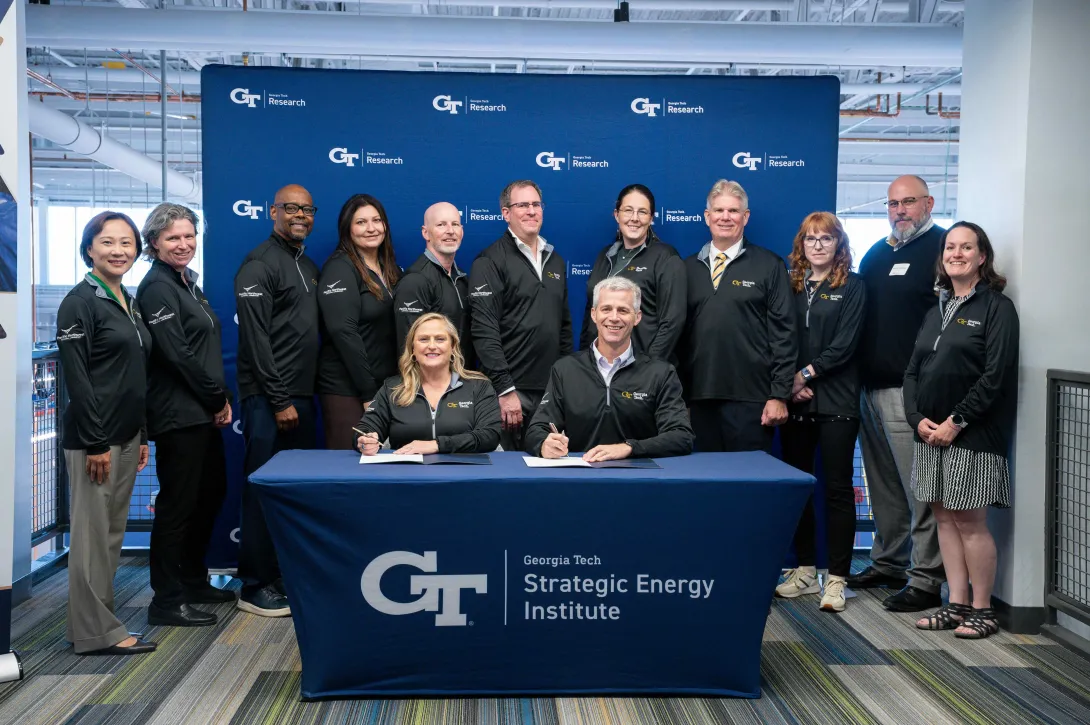
Seated, from left: Deb Gracio, PNNL Laboratory Director; Tim Lieuwen, Georgia Tech Executive Vice President for Research. Standing, from left: Yuanzhi Tang, SEI Executive Director; Alexa Harter, Director, GTRI CIPHER Lab; George White, Executive Director, GT Strategic Partnerships; Asha Menon, SEI Program Manager; Scott McWhorter, SEI Director for National Lab Partnerships; Bill Pike, PNNL Deputy Director for Science and Technology; Jess Smith, PNNL Senior Cybersecurity Researcher; Steve Biegalski, Georgia Tech Faculty Liaison for PNNL; Erin Searcy, PNNL Director of Institutional Investments and Research Partnerships; Aaron Stebner, Associate Director of Georgia Tech Manufacturing Institute; Christine Conwell, SEI Director for Strategic Planning and Operations.
The Georgia Institute of Technology and Pacific Northwest National Laboratory (PNNL) have signed a memorandum of understanding (MOU) to strengthen their longstanding partnership and expand collaboration in scientific discovery, national security research, and workforce development.
The agreement was signed during a Sept. 14 visit by PNNL leadership to Georgia Tech’s Advanced Manufacturing Pilot Facility. It builds on years of successful collaboration between researchers at the two institutions.
The enhanced collaboration has three primary goals: solving big problems through multidisciplinary, multi-institutional research; sustaining and engaging human capital by creating opportunities for students, faculty, researchers, and interns to work on complex real-world challenges; and accelerating technology adoption by taking scientific discoveries and innovations into industry and the federal marketplace.
"Strengthening our partnerships with national laboratories is a strategic priority for Georgia Tech,” said Tim Lieuwen, executive vice president for Research at Georgia Tech. "PNNL is an outstanding partner, and we look forward to deepening connections among our researchers and students, expanding opportunities and access to world-class capabilities and facilities, and advancing discovery, innovation, and national impact together."
PNNL is a U.S. Department of Energy national laboratory that advances scientific discovery and innovations that support reliable energy, national security, and economic competitiveness. Georgia Tech is one of the nation's leading research universities, conducting more than $1.5 billion in research annually and pursuing a mission to develop leaders who advance technology and improve the human condition.
"PNNL and Georgia Tech have a long history of working together," said Deb Gracio, laboratory director of Pacific Northwest National Laboratory. “This agreement provides the foundation to take on difficult research challenges and to leverage our complementary expertise and investments in the years ahead.”
The Strategic Energy Institute (SEI) has played a central role in advancing Georgia Tech's engagement with the national laboratory system and connecting researchers with partnership opportunities.
"As SEI takes on a greater role in coordinating Georgia Tech's national laboratory partnerships, this agreement with PNNL demonstrates how we are building stronger pathways for faculty, researchers, and students to engage with world-class national lab capabilities," said Yuanzhi Tang, SEI executive director.
The National Laboratory Partnership Program supports engagement between Georgia Tech and the U.S. national laboratories. SEI now leads the program, with ongoing support from Georgia Tech’s Office of the Vice President for Interdisciplinary Research. The agreement with PNNL is the first formal agreement established through the program since its transition to SEI.
"This MOU formalizes and strengthens relationships that have been growing for many years," said Scott McWhorter, SEI director of national laboratory partnerships. “It leverages the unique strengths of Georgia Tech and PNNL and provides a framework for expanding engagement across areas of mutual interest.”
Georgia Tech and PNNL bring complementary strengths in energy and environmental systems, electric grid resilience, cybersecurity of critical infrastructure, alternative fuels and advanced materials, biofuels, radiation detection, data science and visual analytics, nuclear nonproliferation, and national security. These capabilities will be brough together through two upcoming Genesis Mission projects.
Bill Pike, PNNL's deputy director for Science and Technology, who joined the laboratory’s leadership delegation for the MOU signing, said the projects reflect the growing partnership and expanding collaboration between the two institutions.
About Georgia Tech
The Georgia Institute of Technology is one of the nation's leading research universities, with strengths spanning engineering, computing, science, business, design, and the liberal arts. With more than $1.5 billion annually in research awards across its Colleges and the Georgia Tech Research Institute, Georgia Tech is among the nation's most research-intensive universities. The Institute's mission is to develop leaders who advance technology and improve the human condition.
About Pacific Northwest National Laboratory
Pacific Northwest National Laboratory draws on its distinguishing strengths in chemistry, Earth sciences, biology and data science to advance scientific knowledge and address challenges in energy resiliency and national security. Founded in 1965, PNNL is operated by Battelle and supported by the Office of Science of the U.S. Department of Energy. The Office of Science is the single largest supporter of basic research in the physical sciences in the United States and is working to address some of the most pressing challenges of our time.
News Contact
Priya Devarajan | SEI Communications Manager
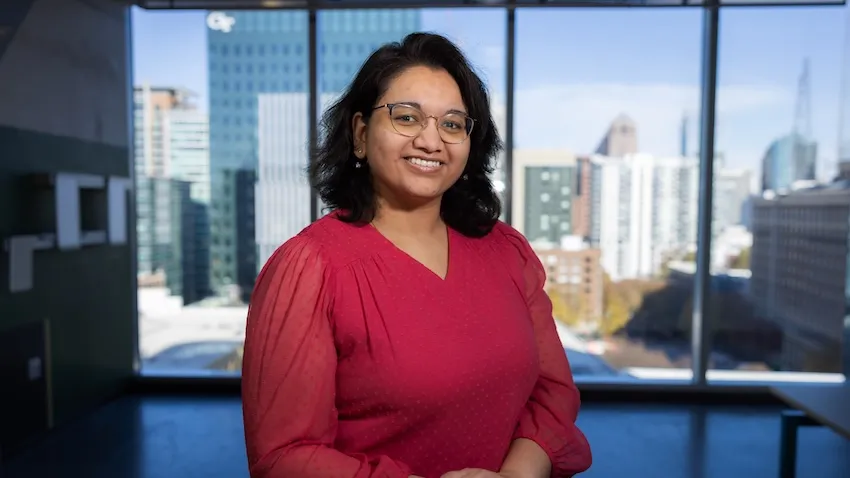
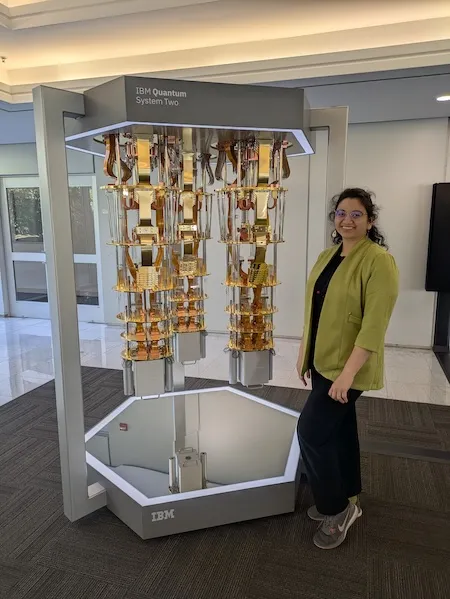
Academic researchers often focus on advancing fundamental knowledge, while industry puts that knowledge into practice. This summer, Ph.D. student Mansi Phute experienced both sides of the process during an internship focused on making artificial intelligence (AI) safe, trustworthy, and reliable.
Upon returning to Georgia Tech, Phute reflected on her summer internship and what it taught her about the evolving relationship between research and industry.
Student: Mansi Phute
Research Interests: Machine learning (ML) robustness and artificial intelligence (AI) safety
Degree Program: Ph.D. in Computer Science
Faculty Advisor: School of CSE Professor and Associate Chair Polo Chau
2026 Internship: International Business Machines (IBM), San Jose, California
What about IBM interested you in applying for and accepting an internship there?
IBM is often at the forefront of AI safety, my field of interest, and has a culture that encourages exploratory and fundamental research. I felt this would give me a closer look at cutting-edge industry approaches without compromising on my research interests or my progress toward my thesis.
How well did your coursework and experience at Georgia Tech prepare you for your IBM internship?
My experience at Georgia Tech was very helpful in preparing me for IBM. My coursework and other academic experiences certainly transferred over, but I believe that the wide range of people I met during those courses and what I learned from them helped me connect and relate strongly with people at IBM. Being conversant in different fields of research really helped me interact better with IBM coworkers and feel comfortable in a new environment.
What did you work on while interning at IBM?
I worked on IBM’s AI Foundations team, focusing on the security of multimodal agent communication during my internship. This is an important problem as we see an increase in agents applied in many use cases. It was also closely aligned with my research interests of AI safety.
Do you have a favorite memory or remarkable achievement from your internship?
One of my favorite moments was presenting my work to a broad, cross-team audience of technical and non-technical members. Afterward, my manager told me I was good at explaining my research to people with varying levels of familiarity with the domain. This feedback meant a lot to me because communicating clearly across different audiences is a skill I've deliberately worked to improve. So, hearing that the effort was paying off was very rewarding.
Overall, how helpful was this internship toward your studies at Georgia Tech and your career as an aspiring researcher?
This internship was very valuable for my development as an aspiring researcher. I worked alongside accomplished people in the AI safety field on projects that aligned closely with my research interests. I also saw how those same projects connect to a company's broader business priorities, a perspective that isn’t easily available in academic settings. I shared many fruitful discussions with people working in safety, policy, and alignment, which gave me a much clearer sense of how industry approaches these issues compared to the more academic-oriented framing I am used to.
Based on what you learned during your internship, how important is private industry in progressing research and scientific discovery?
Working in private industry was a fascinating experience. I come away believing that industry plays an important role in advancing research, especially in AI, where companies have access to computing resources that are less prohibitive than in academic environments. I also think that because private industry has a strong hand in implementing and deploying research, understanding industry priorities can help us frame and design our research in ways that complement industry applications. This ensures research has a bigger impact, particularly in the domain of ML safety and reliability.
News Contact
Bryant Wine, Communications Officer
bryant.wine@cc.gatech.edu
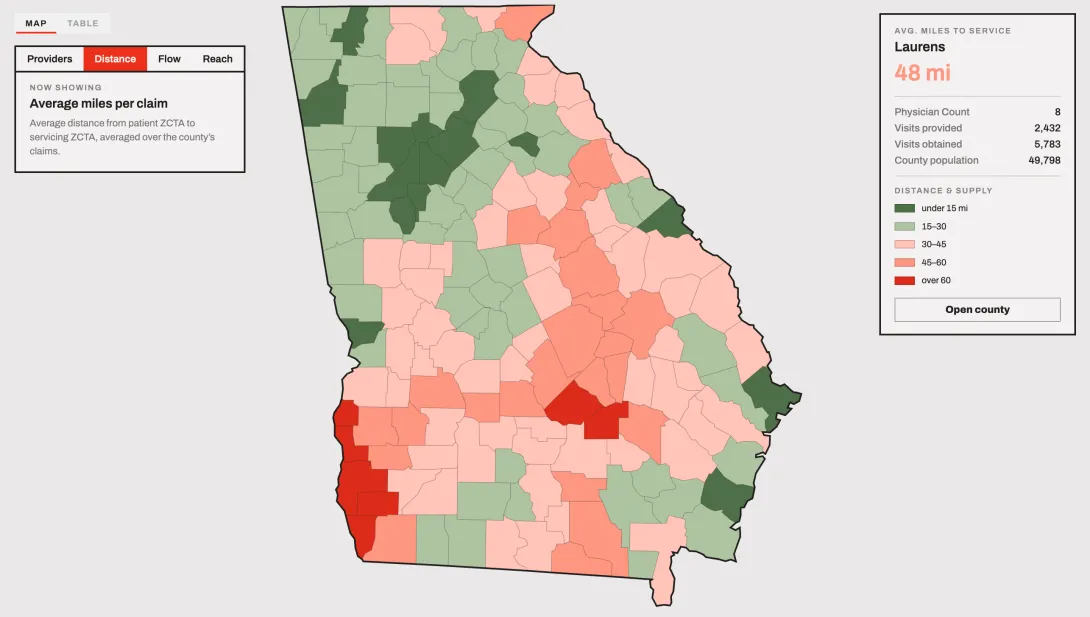
Chart shows average distance patients traveled to access medical services, by county in Georgia. (Credit: Rural Evaluation and Analytics for Community Health)
Georgians living in rural areas are more likely than the state’s city dwellers to suffer from cardiovascular disease and to die from preventable causes.
Policymakers, health system executives, community leaders and others working to address this challenge now have help from Rural Evaluation and Analytics for Community Health (REACH GA), an advanced decision-support platform that offers a comprehensive view of healthcare use in rural Georgia. In addition to updated information on rural health issues, the platform provides computer-based tools to guide allocation of healthcare resources and explore the potential impact of changes to rural health services.
“The REACH GA platform provides up-to-date, actionable information to help leaders understand the big picture of healthcare in rural Georgia,” said Jon Duke, M.D., a principal research scientist in the Georgia Tech Research Institute (GTRI) and the project’s principal investigator. “Beyond more accurate data, the platform uses artificial intelligence (AI) and other computer-driven tools to support improved decision-making.”
Of Georgia’s 159 counties, 126 are considered rural. Approximately 24 percent of the state’s 11.3 million residents live in these rural areas.
Read the full article on the GTRI news page

A new study by EPIcenter affiliate Marilyn A. Brown and coauthor Majid Ahmadi examines how racial segregation affects what households pay for basic utilities. Using detailed data from Atlanta, Georgia, the authors investigate whether predominantly Black neighborhoods face higher energy burdens only because of income and housing differences, or whether segregation itself plays a direct role. Their analysis combines mortgage denial data, housing information, utility costs, and household income to show how long-standing discriminatory housing and lending practices continue to shape energy affordability today.
Ahmadi and Brown find that neighborhoods with higher shares of Black residents experience higher energy burdens, even after accounting for factors such as income, renter status, and housing characteristics. In this study, energy burden refers mainly to the share of household income spent on electricity, gas, and water. The authors estimate that an approximately 11 percentage-point increase in a neighborhood’s Black population share is associated with about a 1 percentage-point increase in household energy burden, equal to an average annual increase of about $785 in utility costs. These findings suggest that unequal energy burdens are tied not only to household finances, but also to the lasting effects of segregation and discrimination.
News Contact
Gil Gonzalez, Program Coordinator,
Energy Policy and Innovation Center
By Tibor Besedeš, Professor of Economics, Georgia Institute of Technology
When Chevron reported its highest quarterly profit in six years on July 31, 2026, it was just one detail in a larger picture: Analyst firm Wood Mackenzie estimates the global oil and gas industry is on course for a cash windfall of US$495 billion in 2026. That’s profit above and beyond what the industry expected before the U.S.-Israel war with Iran began.
Three separate bills seeking to tax those profits are now in Congress, and President Donald Trump has even said the oil companies are “making too much money.”
As an applied microeconomist, I am often asked how taxes affect economic activity. Economists have long held a more nuanced view of windfall taxes than either side of the current debate suggests. Advocates often make overly optimistic revenue projections, and opponents often overstate how much such a tax might discourage investment. A 1980s U.S. windfall-tax experiment is instructive on both counts.
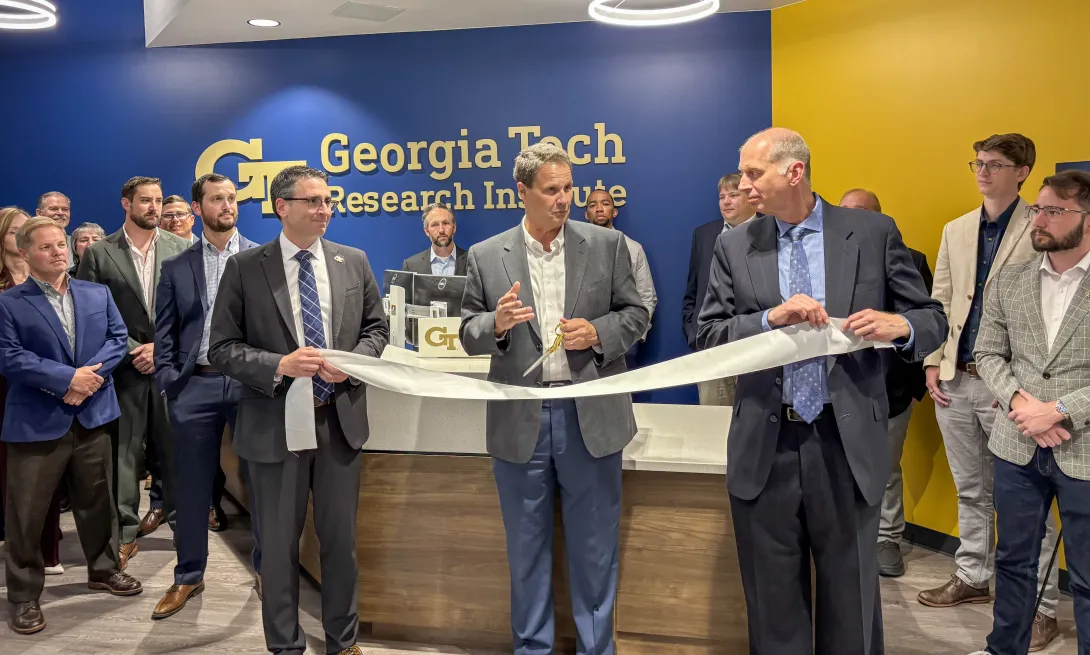
Congressman Crank cuts the ribbon on GTRI’s new secure facility where researchers will work next to U.S. Space Force teams.
COLORADO SPRINGS, Colo. — On a clear morning at the foot of the Rocky Mountains, Georgia Tech Research Institute (GTRI) engineers, scientists, and staff along with members of Colorado's congressional delegation gathered to cut the ribbon on a facility built for a single purpose: to let the nation's top technologists and its newest military branch solve hard problems in the same room.
The GTRI field office, which includes a new large secure classified workspace, will house GTRI engineers and scientists working shoulder to shoulder with U.S. Space Force teams. The Colorado Springs Field Office currently has forty GTRI personnel on staff. The arrangement reflects a growing conviction inside the defense community that the pace of modern threats requires a closer, faster collaboration between researchers and the warfighters they support.
“We won’t have to go through layers of translation because the government people with technology needs will be sitting next to the GTRI engineers offering solutions. It makes for a very close interaction that we expect to continue for many years to come” said John Bunnell, GTRI’s Director of Space Program Development.
Read the entire article on the GTRI News page
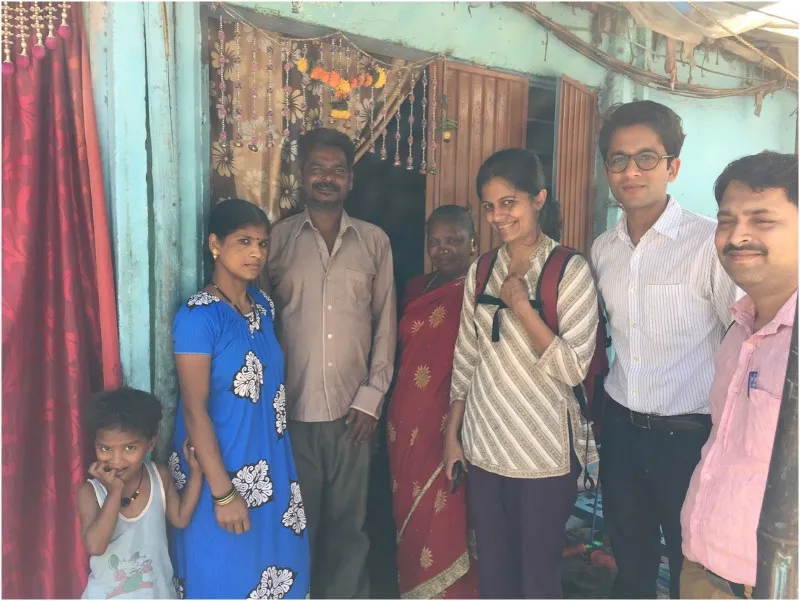
The researchers during a field visits to one of the informal settlements in the study. (Photo courtesy of Anjali Thomas)
Access to clean drinking water is a basic human need, yet many residents struggle to obtain it. In Mumbai, India, one of the world’s largest and most populated cities, hundreds of informal settlements housing millions of citizens face barriers to securing government-provided water connections. New research from Georgia Tech found that neither administrative assistance nor political advocacy alone was enough to overcome those obstacles. But together, the two bottom-up approaches produced dramatic results.
Over five years, researchers tracked nearly 7,000 households across 154 Mumbai settlements to determine which strategies most effectively helped residents secure water connections. They found that helping residents navigate the application process — while also organizing community advocacy — increased official water connections by 45% compared to households that received no assistance.
“There have been many studies looking at just using administrative assistance to help communities get water access,” said Anjali Thomas, an associate professor in the Sam Nunn School of International Affairs, director of the Global Development Program, and co-lead author of the study. “But combining this with community organizing, which helped people also exert their voice, was unique to our study.”
Thomas and collaborator Nikhar Gaikwad, an assistant professor at Columbia University, published the findings in the American Journal of Political Science, long ranked among the top three journals in the discipline.
Navigating Bureaucracy and Building Voice
The researchers first examined why so few residents applied for water connections. Residents were often unaware that recent policy changes had made them eligible for water connections and didn’t bother applying. The municipal corporation also only accepted online applications, and many residents didn’t have access to computers. Additionally, applications required onerous documentation, including tenant or land titles, plumbers’ approvals, and other proof-of-eligibility deeds. To address these barriers, the research team worked with an extensive team of nongovernmental organization workers to help residents gather required documents, complete applications, and navigate bureaucratic follow-up requests.
The second intervention focused on community advocacy. Researchers helped residents organize through WhatsApp groups, petitions, public awareness campaigns, and facilitated group visits to bureaucrats and elected officials’ offices to press for water access.
“Our community advocacy intervention helped citizens convey their collective water access demands to elected politicians,” said Gaikwad. “Local elected politicians are important actors because they help bureaucrats understand citizen needs, prioritize competing demands, and coordinate complex interagency work.”
The study’s most important finding was that neither intervention was effective on its own. Meaningful gains occurred only when administrative support and community advocacy were combined.
“Administrative assistance got citizens through the paperwork, but actually getting the water turned on took collective public pressure,” Thomas said. “Interestingly, we find that this pressure worked only in the period before local elections, when politicians were most motivated to respond.”
The finding suggests that improving access to public services often requires more than helping residents navigate government systems. Communities may also need the collective ability to demand action from decision-makers.
A Large-Scale Effort
Conducting a study of this scale required a large team. Thomas and Gaikwad partnered with local nonprofit organizations that deployed hundreds of community workers, survey enumerators, and students across participating settlements. The researchers personally visited many neighborhoods multiple times during the five-year project.
Thomas also spent time in India and witnessed the impact firsthand.
“I was in the field when one of the pipes was being laid, and people from the community all circled around and were watching,” Thomas said. “My research assistant and I felt the gratitude from the community.”
For Thomas, moments like that underscore the broader lesson of the project: expanding access to essential services often requires both helping people navigate bureaucracy and empowering them to make their voices heard.
“These findings offer vital lessons for sustainable development initiatives worldwide,” she said.
Gaikwad agreed.
“While our study provided novel evidence to test and advance our theoretical understanding of the barriers that marginalized citizens face in accessing core government services, the real-world impact of our interventions in Mumbai’s informal settlements was also an important contribution of our study,” he said. “We believe there are important lessons for governmental and nongovernmental organizations working on service delivery in a wide range of informal settlements that also lack essential services across the Global South.”
This research was funded by Evidence in Governance and Politics, the Department for International Development, Columbia University, and Georgia Tech’s Neal Family Endowment.
CITATION: Gaikwad, Nikhar, and Thomas, Anjali. (2026). “Getting on the grid: A field experiment on bottom-up political pressure and access to essential public services.” American Journal of Political Science 1–22.
News Contact
Tess Malone, Senior Research Writer/Editor
tess.malone@gatech.edu