
Feb. 09, 2012
Recent earthquake damage has exposed the vulnerability ofexisting structures to strong ground movement. At the Georgia Institute ofTechnology, researchers are analyzing shape-memory alloys for their potentialuse in constructing seismic-resistant structures.
“Shape-memory alloys exhibit unique characteristics that youwould want for earthquake-resistant building and bridge design and retrofitapplications: they have the ability to dissipate significant energy withoutsignificant degradation or permanent deformation,” said Reginald DesRoches, a professorin the School of Civil and Environmental Engineering at Georgia Tech.
Georgia Tech researchers have developed a model thatcombines thermodynamics and mechanical equations to assess what happens whenshape-memory alloys are subjected to loading from strong motion. The researchersare using the model to analyze how shape-memory alloys in a variety ofcomponents -- cables, bars, plates and helical springs -- respond to different loadingconditions. From that information, they can determine the optimalcharacteristics of the material for earthquake applications.
The model was developed by DesRoches, School of MechanicalEngineering graduate student Reza Mirzaeifar, School of Civil and EnvironmentalEngineering associate professor Arash Yavari, and School of Mechanical Engineeringand School of Materials Science and Engineering professor Ken Gall.
A paper describing the thermo-mechanical model was publishedonline Feb. 3 in the InternationalJournal of Non-Linear Mechanics. This research was supported by theTransportation Research Board IDEA program.
To improve the performance of structures during earthquakes,researchers around the world have been investigating the use of “smart”materials, such as shape-memory alloys, which can bounce back afterexperiencing large loads. The most common shape-memory alloys are made of metalmixtures containing copper-zinc-aluminum-nickel, copper-aluminum-nickel ornickel-titanium. Potential applications of shape-memory alloys in bridge andbuilding structures include their use in bearings, columns and beams, orconnecting elements between beams and columns. But before this class ofmaterials can be used, the effect of extreme and repetitive loads on thesematerials must be thoroughly examined.
“For standard civil engineering materials, you can usemechanics to look at force and displacement to measure stress and strain, butfor this class of shape-memory alloys that changes properties when it undergoesloading and unloading, you have to consider thermodynamics and mechanics,” explainedYavari.
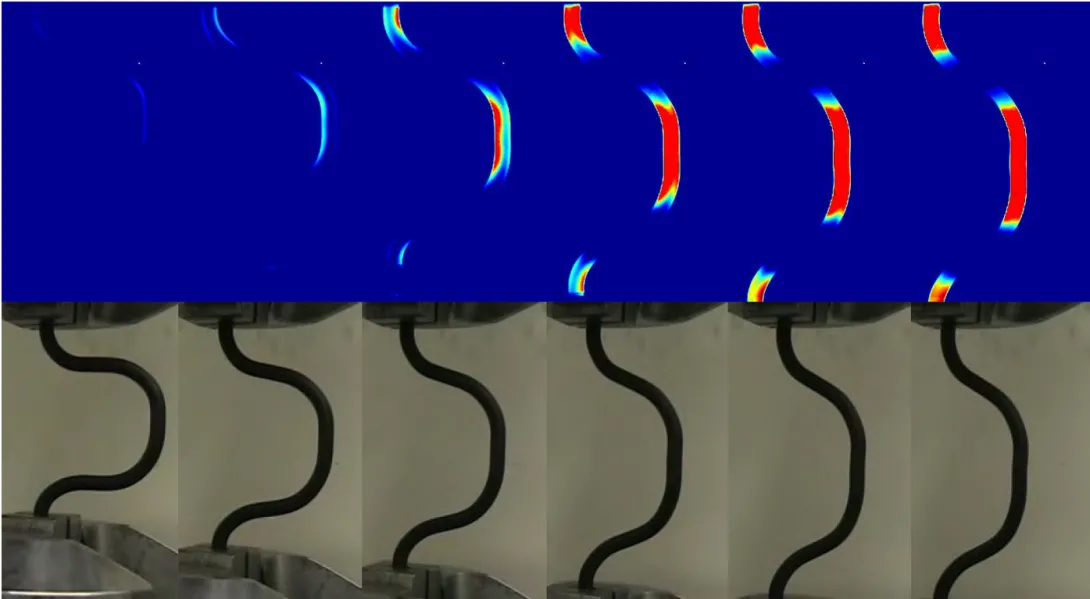
The Georgia Tech team found that the generation andabsorption of heat during loading and unloading caused a temperature gradientin shape-memory alloys, which caused a non-uniform stress distribution in thematerial even when the strain was uniform.
“Shape-memory alloys previously examined in detail werereally thin wires, which can exchange heat with the ambient environment rapidlyand no temperature change is seen,” said Mirzaeifar. “When you start to examinealloys in components large enough to be used in civil engineering applications,the internal temperature is no longer uniform and needs to be taken intoaccount.”
To predict the internal temperature distribution ofshape-memory alloys under loading-unloading cycles, which could then be used todetermine the stress distribution, the researchers developed a model that usedthe surface thermal boundary conditions, diameter and loading rate of the alloyas inputs.
The team included ambient conditions in the model becauseshape-memory alloys for seismic applications could operate in a variety ofenvironments -- such as water if used in bridge structures or air if used inbuilding structures -- which would produce different rates of heat transfer. Theresearchers used a thermal camera to record the variation in surfacetemperature of shape-memory alloys experiencing loading and unloading.
Using their model, the researchers were able to accuratelypredict internal temperature and stress distributions for shape-memory alloys. Themodel results were verified with experimental tests. In one test, they foundthat a shape-memory alloy loaded at a very slow rate had time to exchange theheat created with the ambient environment and exhibited uniform stress. If it wasloaded very rapidly, it did not have enough time to exchange the heat, leadingto a non-uniform stress distribution.
“Our analytical solutions are exact, fast and capable of simulatingthe complicated coupled thermo-mechanical response of shape-memory alloysconsidering temperature changes and loading rate dependency,” said Mirzaeifar.
In future work, the researchers plan to examine morecomplicated shapes and the effects of combination loading -- tension, bendingand torsion -- to optimize shape-memory alloys for earthquake applications.
This project issupported by the Transportation Research Board of the National Academies (AwardNo. NCHRP-147). The National Academies has rights to the data and the contentis solely the responsibility of the principal investigators and does notnecessarily represent the official views of the National Academies.
Research News & Publications Office
Georgia Institute of Technology
75 Fifth Street, N.W., Suite 314
Atlanta, Georgia 30308 USA
Media RelationsContacts: Abby Robinson (abby@innovate.gatech.edu; 404-385-3364) or JohnToon (jtoon@gatech.edu; 404-894-6986)
Writer: AbbyRobinson
News Contact
Abby Robinson
Research News and Publications
abby@innovate.gatech.edu
404-385-3364
Jan. 26, 2012
Inthe current issue of the journal Science,researchers at Michigan State University, the Georgia Institute of Technologyand the University of Texas at Austin demonstrate how a new virus evolves,which sheds light on how easy it can be for diseases to gain dangerousmutations.
Thescientists showed for the first time how the virus called “Lambda” evolved tofind a new way to attack host cells, an innovation that took four mutations toaccomplish. This virus infects bacteria, in particular the common E. coli bacterium. Lambda isn’tdangerous to humans, but this research demonstrated how viruses evolve complexand potentially deadly new traits, said Justin Meyer, MSU graduate student, whoco-authored the paper with Richard Lenski, MSU Hannah Distinguished Professorof Microbiology and Molecular Genetics.
“Wewere surprised at first to see Lambda evolve this new function, this ability toattack and enter the cell through a new receptor – and it happened so fast,”Meyer said. “But when we re-ran the evolution experiment, we saw the same thinghappen over and over.”
Thispaper comes on the heels of news that scientists in the U.S. and theNetherlands produced a deadly version of bird flu. Even though bird flu is amere five mutations away from becoming transmissible between humans, it’shighly unlikely the virus could naturally obtain all of the beneficialmutations all at once. However, it might evolve sequentially, gaining benefitsone-by-one, if conditions are favorable at each step, he added.
Throughresearch conducted at BEACON, MSU’s National Science Foundation Center for theStudy of Evolution in Action, Meyer and his colleagues’ ability to duplicatethe results implied that adaptation by natural selection, or survival of thefittest, had an important role in the virus’ evolution.
Whenthe genomes of the adaptable virus were sequenced, they always had fourmutations in common.
“Theparallelism shown in the evolutionary history of adaptable viruses was strikingand was far beyond what is expected by chance,” noted paper co-author Joshua Weitz, anassistant professor in the School ofBiology at Georgia Tech.
Incontrast, the viruses that didn’t evolve the new way of entering cells had someof the four mutations but never all four together, said Meyer, who holds theBarnett Rosenberg Fellowship in MSU’s College of Natural Science.
“Inother words, natural selection promoted the virus’ evolution because themutations helped them use both their old and new attacks,” Meyer said. “Thefinding raises questions of whether the five bird flu mutations may also havemultiple functions, and could they evolve naturally?”
Additionalauthors of the paper include Devin Dobias, former MSU undergraduate (now agraduate student at Washington University in St. Louis); Ryan Quick, MSUundergraduate; and Jeff Barrick, a former Lenski lab researcher now on thefaculty at the University of Texas at Austin.
Fundingfor the research was provided in part by the National Science Foundation,Defense Advanced Research Projects Agency, James S. McDonnell Foundation andBurroughs Wellcome Fund.
This research was supported in part bythe Defense Advanced Research Projects Agency (DARPA) (Award No.HR0011-09-1-0055) and the National Science Foundation (NSF). The content issolely the responsibility of the principal investigator and does notnecessarily represent the official views of DARPA or NSF.
Research News & Publications Office
Georgia Institute of Technology
75 Fifth Street, N.W., Suite 314
Atlanta, Georgia 30308 USA
Media RelationsContacts: Georgia Tech -- Abby Robinson (abby@innovate.gatech.edu; 404-385-3364) or JohnToon (jtoon@gatech.edu; 404-894-6986); Michigan State University -- Layne Cameron (layne.cameron@ur.msu.edu; 517-353-8819)
Writer: Layne Cameron
News Contact
Abby Robinson
Research News and Publications
abby@innovate.gatech.edu
404-385-3364
Jan. 19, 2012
Designing an all-terrain robot for search-and-rescuemissions is an arduous task for scientists. The machine must be flexible enoughto move over uneven surfaces, yet not so big that it’s restricted from tightspaces. It might also be required to climb slopes of varying inclines. Existingrobots can do many of these things, but the majority require large amounts of energyand are prone to overheating. Georgia Tech researchers have designed a new machineby studying the locomotion of a certain type of flexible, efficient animal.
“By using their scales to control frictional properties,snakes are able to move large distances while exerting very little energy,”said Hamid Marvi, a Mechanical Engineering Ph.D. candidate at Georgia Tech.
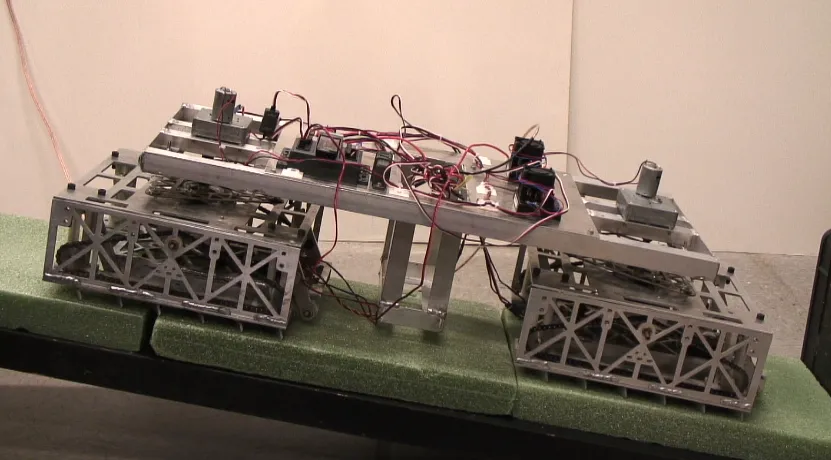
While studying and videotaping the movements of 20 differentspecies at Zoo Atlanta, Marvi developed Scalybot 2, a robot that replicatesrectilinear locomotion of snakes. He unveiled the robot this month at theSociety for Integrative & Comparative Biology (SICB) annual meeting inCharleston, S.C.
“During rectilinearlocomotion, a snake doesn’t have to bend its body laterally to move,”explained Marvi. “Snakes lift their ventral scales and pull themselves forwardby sending a muscular traveling wave from head to tail. Rectilinear locomotion isvery efficient and is especially useful for crawling within crevices, aninvaluable benefit for search-and-rescue robots.”
Scalybot 2 can automatically change the angle of its scales whenit encounters different terrains and slopes. This adjustment allows the robotto either fight or generate friction. The two-link robot is controlled by aremote-controlled joystick and can move forward and backward using four motors.
“Snakes are highly maligned creatures,” said Joe Mendelson, curatorof herpetology at Zoo Atlanta. “I really like that Hamid’s research is showingthe public that snakes can help people.”
Marvi’s advisor is David Hu, an assistant professor in theSchools of Mechanical Engineering and Biology. Hu and his research team areprimarily focused on animal locomotion. They’ve studied how dogs and otheranimals shake water off their bodies and how mosquitos fly through rainstorms.
This isn’t the first time Hu’s lab has looked at snake locomotion.Last summer the team developed Scalybot 1, a two-link climbing robot that replicatesconcertina locomotion. The push-and-pull, accordion-style movement featuresalternating scale activity.
This project is supported by the National Science Foundation (NSF)(Award No. PHY-0848894). The content is solely the responsibility of the principalinvestigators and does not necessarily represent the official views of the NSF.
News Contact
Jason Maderer
Georgia Tech Media Relations
404-385-2966
maderer@gatech.edu
Jan. 18, 2012
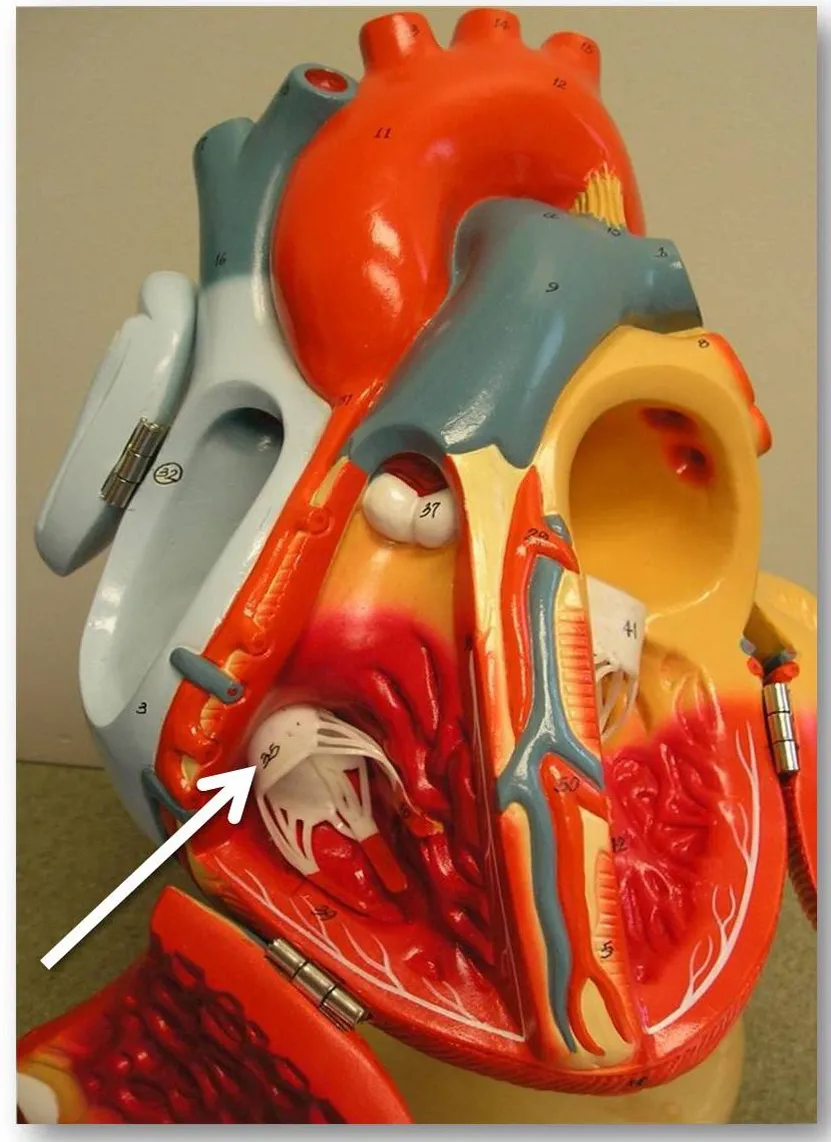

An estimated 1.6 million Americans suffer moderate to severeleakage through their tricuspid valves, which are complex structures that allowblood to flow from the heart’s upper right chamber to the ventricle. If leftuntreated, severe leakage can affect an individual’s quality of life and can evenlead to death.
A new study finds that the anatomy of the heart’s tricuspidvalve can be used to predict the severity of leakage in the valve, which is acondition called tricuspid regurgitation. The study, conducted by researchersfrom the Georgia Institute of Technology and Emory University, found that pulmonaryarterial pressure, the size of the valve opening and papillary muscle position measurementscould be used to predict the severity of an individual’s tricuspidregurgitation.
“By being able to identify and measure an individual’sparticular tricuspid valve anatomical features that we have shown arecorrelated with increased leakage, clinicians should be able to better target their repair efforts and create moredurable repairs,” said Ajit Yoganathan, Regents’ professor in theWallace H. Coulter Department of Biomedical Engineering at Georgia Tech andEmory University.
The study was published in the January issue of the journal Circulation: Cardiovascular Imaging. Funding for this work wasprovided by the American Heart Association and a donation from Tom and ShirleyGurley.
Yoganathan and recent Coulter Department doctoral graduate ErinSpinner teamed with Stamatios Lerakis, a professor of medicine (cardiology), radiologyand imaging sciences at Emory University, to non-invasively collect 3-Dechocardiograms from 64 individuals who exhibited assorted grades of tricuspid leakage.Subjects included 20 individuals with “trace,” 13 with “mild,” 17 with “moderate”and 14 with “severe” tricuspid regurgitation. The subjects with “mild” to“severe” leakage exhibited a mix of isolated right, isolated left, and bothright and left ventricle dilation.
From the 3-D echocardiography images of the heart theycollected, the researchers measured (1) the area of the annulus, which is thefibrous ring that surrounds the tricuspid valve opening; (2) the distancebetween the annulus and the three right ventricle papillary muscles, which keepthe valve shut when the ventricle contracts; and (3) the position of the papillarymuscles with respect to the center of the annulus. The clinicians also measuredpulmonary arterial pressure using standard clinical methods and assessed thegrade of tricuspid regurgitation from “trace” to “severe” with color Dopplerimaging.
In collaboration with Emir Veledar, an assistant professorand statistician in the Rollins School of Public Health at Emory University, theresearchers found statistical differences between individuals with ventricular dilationand the control subjects in the parameters of pulmonary arterial pressure,annulus area and papillary muscle displacement. They also found that all three factors were correlated with the gradeof tricuspid regurgitation.
“This study’s use ofadvanced cardiovascular imaging, and more specifically 3-D echocardiography, providednew insight into the pathophysiology of tricuspid regurgitation and a goodunderstanding as to why current surgical treatments for tricuspid regurgitationare not good enough,” explained Lerakis. “I believe this study will change thefocus and direction of future surgical therapies for tricuspid regurgitationonly to make them better and more durable.”
Based on the findings of this study, said Lerakis, future surgical therapiesshould not only be focused on the tricuspid annulus, but on the entiretricuspid valve apparatus, including the tricuspid valve papillary muscles andtheir three-dimensional location within the apparatus.
Individuals in the study with left ventricle dilation exhibitedsignificant displacement of one of the papillary muscles and patients with both ventricles dilated hadsignificant displacement of two papillary muscles. Subjects with rightventricle dilation showed significant displacement of all three papillarymuscles.
The researchers also found that patients with a dilated rightventricle were more likely to have a dilated annulus and exhibited the highestpulmonary arterial pressures and highest levels of tricuspid regurgitation. However,not all patients with a dilated right ventricle had significant increases inannulus area, providing evidence that the right ventricle may become dilatedwithout the annulus being affected.
“We think an increase in pulmonary arterial pressure causedgeometric changes in the ventricle, which resulted in alterations to theannulus and papillary muscles,” explainedYoganathan. “The combination of displacement of all three papillarymuscles and annular dilatation may account for the patients with isolated rightventricle dilatation having the largest percentage of severe tricuspid regurgitation.”
Knowing which parameters are responsible for significant tricuspidregurgitation and having a non-invasive imaging technique to measure theseparameters should help clinicians target repairs to the specific cause of an individual’stricuspid leakage, according to Yoganathan.
In future studies, the researchers plan to study papillarymuscle displacements in individuals with specific diseases to see if differentdisease manifestations exhibit different characteristics.
“Although it has long been accepted that pulmonaryhypertension may result in tricuspid regurgitation, this study is one of thefirst to provide a clinical correlation between the two,” said Yoganathan, whois also the Wallace H. Coulter Distinguished Faculty Chair in BiomedicalEngineering. “We want to know whether treating an individual’s pulmonary hypertension,and thus decreasing one’s pulmonary arterial pressure, can reverse thegeometric changes that are causing tricuspid regurgitation and return the annulusand papillary muscles to their original positions.”
Emory University sonographers Jason Higginson, Maria Pernetzand Sharon Howell also contributed to the study.
Research News & Publications Office
Georgia Institute of Technology
75 Fifth Street, N.W., Suite 314
Atlanta, Georgia 30308 USA
Media RelationsContacts: Abby Robinson (abby@innovate.gatech.edu; 404-385-3364) or JohnToon (jtoon@gatech.edu; 404-894-6986)
Writer: AbbyRobinson
News Contact
Abby Robinson
Research News and Publications
abby@innovate.gatech.edu
404-385-3364
Jan. 17, 2012
Glaucoma is the second leading cause of blindness. Nearly 4million Americans have the disorder, which affects 70 million worldwide. Thereis no cure and no early symptoms. Once vision is lost, it’s permanent.
New findings at Georgia Tech, published in January during GlaucomaAwareness Month, explore one of the many molecular origins of glaucoma andadvance research dedicated to fighting the disease.
Glaucoma is typically triggered when fluid is unable tocirculate freely through the eye’s trabecular meshwork (TM) tissue. Intraocularpressure rises and damages the retina and optic nerve, which causes vision loss.In certain cases of glaucoma, this blockage results from a build-up of theprotein myocilin. Georgia Tech Chemistry and Biochemistry Assistant ProfessorRaquel Lieberman focused on examining the structural properties of these myocilindeposits.
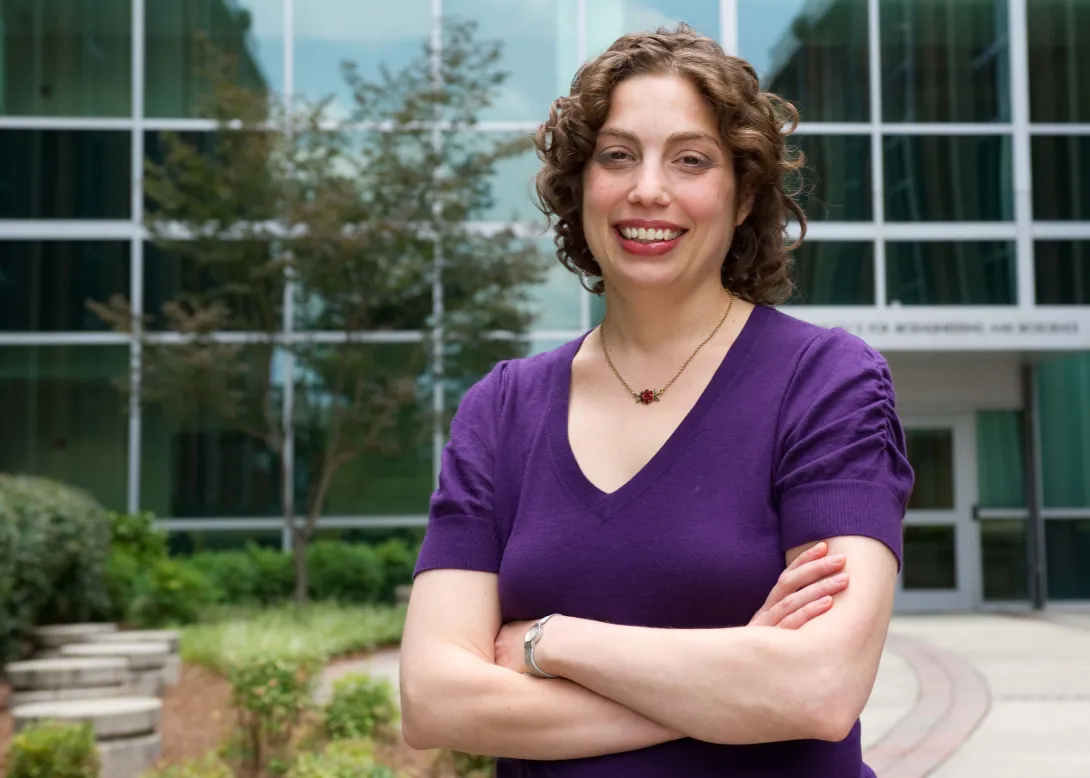
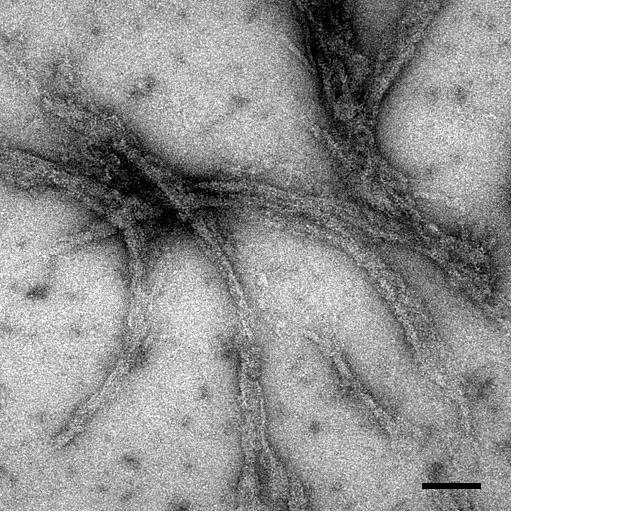
“We were surprised to discover that both genetically defectedas well as normal, or wild-type (WT), myocilin are readily triggered to producevery stable fibrous residue containing a pathogenic material called amyloid,”said Lieberman, whose work was published in the most recent Journal of Molecular Biology.
Amyloid formation, in which a protein is converted from itsnormal form into fibers, is recognized as a major contributor to numerousnon-ocular disorders, including Alzheimer’s, certain forms of diabetes and MadCow disease (in cattle). Scientists are currently studying ways to destroyamyloid fibrils as an option for treating these diseases. Further research,based on Lieberman’s findings, could potentially result in drugs that preventor stop myocilin amyloid formation or destroy existing fibrils in glaucomapatients.
Until this point, amyloids linked to glaucoma had beenrestricted to the retinal area. In those cases, amyloids kill retina cells,leading to vision loss, but don’t affect intraocular pressure.
“The amyloid-containing myocilin deposits we discovered killcells that maintain the integrity of TM tissue,” said Lieberman. “In additionto debris from dead cells, the fibrils themselves may also form an obstructionin the TM tissue. Together, these mechanisms may hasten the increase ofintraocular pressure that impairs vision.”
Together with her research team, Lieberman produced WT andgenetically defected myocilin variants that had been documented in patients whodevelop glaucoma in childhood or early adulthood. The experiments wereconducted in collaboration with Georgia Tech Biology Professor Ingeborg Schmidt-Kreyand Stanford Genetics Professor Douglas Vollrath. Three Georgia Techstudents also participated in the research: Susan Orwig (Ph.D. graduate,Chemistry and Biochemistry), Chris Perry (current undergraduate, Biochemistry)and Laura Kim (master's graduate, Biology).
The National Institutes of Health (award numberR01EY021205 from the National Eye Institute) funded the research. The contentis solely the responsibility of the authors and does not necessarily representthe official views of the National Eye Institute or the National Institutes ofHealth.
News Contact
Jason Maderer
Georgia Tech Media Relations
404-385-2966
maderer@gatech.edu
Nov. 14, 2011
More than 1,800 visitors can move smoothly through the Georgia Aquarium's new AT&T Dolphin Tales exhibit, entering and leaving through the same set of doors. Their experience is not by accident though -- before the exhibit opened, logistics experts at the Georgia Institute of Technology carefully studied how guests would move and recommended ways to improve their experiences while minimizing congestion.
"We offered Georgia Aquarium leaders accurate predictions on how the new AT&T Dolphin Tales exhibit would impact guest flow within the aquarium and how to optimize the operations logistics, efficiency and show schedules for the new exhibit," said Eva K. Lee, a professor in the H. Milton Stewart School of Industrial and Systems Engineering at Georgia Tech.
The new 84,000-square-foot AT&T Dolphin Tales attraction, which opened in April 2011, includes a theater with performances of Atlantic Bottlenose dolphins in a Broadway-style production with live actors and trainers, all set to an orchestral soundtrack. The exhibit also features a lobby area where visitors can be face-to-face with the dolphins through a 25-foot viewing window.
"We knew that managing the flow of guests through the new AT&T Dolphin Tales exhibit was going to be more difficult than the other aquarium galleries because guests would be entering and exiting the exhibit through the same space," said Brian Davis, director of education and guest programs at the Georgia Aquarium. "The logistical predictions and recommendations Georgia Tech provided us were extremely accurate and enabled us to ensure an amazing guest experience while remaining fiscally responsible."
To provide recommendations to the Georgia Aquarium on how to optimize visitor flow through the new exhibit, Lee and Georgia Tech graduate student Chien-Hung Chen created RealOpt-ABM, a large-scale modeling and decision support software suite that could model guest movement through the entire aquarium.
With this software, the researchers predicted guest flow through the new exhibit and the impact of the new exhibit to surrounding areas and overall visitor flow. They were also able to determine the best strategies for show scheduling, resource allocation, space usage, and theater loading and unloading. RealOpt-ABM produced recommendations that were implemented for operations design of the new exhibit, according to Joe Handy, vice president of guest experience at the Georgia Aquarium.
According to Lee, the software's success lies in its integrated simulation and optimization approach and its inclusion of human cognitive and behavioral elements. The software's computational speed also allowed for rapid solution strategies and on-the-fly reconfigurations. Facility layout, physical design and activities at specific points of interest were captured in sub-models, which were aggregated and coupled to form the overall model.
"RealOpt-ABM incorporated advances in agent-based simulation that capture the stochastic nature of the events within the aquarium, optimization of resource allocation and show schedules, and modeling of human cognitive decisions that affect show preference and guest behavior," explained Lee.
To validate the model, Lee, research engineer Niquelle Brown and 10 Georgia Tech students analyzed guest flow and behavior patterns in the entire aquarium before the new exhibit opened. Through time-motion studies in 2010, they collected guest flow data and captured the decisions guests made, such as turning left or right when they arrived at an intersection and how long guests spent in each exhibit area. The data showed that guest movement changed based on the time of day and what time guests arrived at the museum.
Using RealOpt-ABM, the researchers accurately predicted the amount of time required to load and unload the AT&T Dolphin Tales theater, depending on the number of guests, which led to a recommendation that performances be separated by at least 90 minutes to minimize congestion. The researchers also recommended that on days with fewer than 6,000 aquarium attendees, only two shows should be offered. This recommendation was based on the need to maintain the comfort and health of the dolphins while minimizing unnecessary operations costs.
RealOpt-ABM also detailed the optimal number and location of ticket scanners and traffic controllers and the best time to open the theatre doors so that the waiting time and queue length were acceptable. The study also predicted that unless other provisions were made, a large percentage of the new exhibit's lobby area would be occupied by baby strollers that were not allowed in the theater. Lee's team recommended the creation of valet stroller parking in the main lobby of the aquarium to avoid logistics bottlenecks and congestion in the exhibit lobby area.
This logistics research project is one of six finalists for the 2011 Daniel H. Wagner Prize for Excellence in Operations Research Practice, which is given by the Institute for Operations Research and the Management Sciences (INFORMS). The winner will be selected on Nov. 14 at the INFORMS Annual Meeting, following presentations by the finalists.
"Effective strategies for managing guest flow are imperative for the successful operation of the aquarium and we trust Georgia Tech's logistics advice 100 percent," said Davis. "As the Georgia Aquarium continues to grow and expand, we will always look to Georgia Tech's expertise to maximize the experience for our guests."
Research News & Publications Office
Georgia Institute of Technology
75 Fifth Street, N.W., Suite 314
Atlanta, Georgia 30308 USA
Media Relations Contacts: Abby Robinson (abby@innovate.gatech.edu; 404-385-3364) or John Toon (jtoon@gatech.edu; 404-894-6986)
Writer: Abby Robinson
News Contact
Abby Robinson
Research News and Publications
Contact Abby Robinson
404-385-3364
Nov. 07, 2011
The Georgia Institute of Technology will receive funding through Grand Challenges Explorations, an initiative created by the Bill & Melinda Gates Foundation that enables researchers worldwide to test unorthodox ideas that address persistent health and development challenges. Mark Prausnitz, Regents' professor in Georgia Tech's School of Chemical and Biomolecular Engineering, will pursue an innovative global health research project focused on using microneedle patches for the low-cost administration of polio vaccine through the skin in collaboration with researchers Steve Oberste and Mark Pallansch of the U.S. Centers for Disease Control and Prevention (CDC).
Grand Challenges Explorations funds scientists and researchers worldwide to explore ideas that can break the mold in how we solve persistent global health and development challenges. The Georgia Tech/CDC project is one of 110 Grand Challenges Explorations grants announced November 7th.
"We believe in the power of innovation -- that a single bold idea can pioneer solutions to our greatest health and development challenges," said Chris Wilson, director of global health discovery for the Bill & Melinda Gates Foundation. "Grand Challenges Explorations seeks to identify and fund these new ideas wherever they come from, allowing scientists, innovators and entrepreneurs to pursue the kinds of creative ideas and novel approaches that could help to accelerate the end of polio, cure HIV infection or improve sanitation."
Projects that are receiving funding show promise in tackling priority global health issues where solutions do not yet exist. This includes finding effective methods to eliminate or control infectious diseases such as polio and HIV as well as discovering new sanitation technologies.
The goal of the Georgia Tech/CDC project is to demonstrate the scientific and economic feasibility for using microneedle patches in vaccination programs aimed at eradicating the polio virus. Current vaccination programs use an oral polio vaccine that contains a modified live virus. This vaccine is inexpensive and can be administered in door-to-door immunization campaigns, but in rare cases the vaccine can cause polio. There is an alternative injected vaccine that uses killed virus, which carries no risk of polio transmission, but is considerably more expensive than the oral vaccine, requires refrigeration for storage and must be administered by trained personnel. To eradicate polio from the world, health officials will have to discontinue use of the oral vaccine with its live virus, replacing it with the more expensive and logistically-complicated injected vaccine.
Prausnitz and his CDC collaborators believe the use of microneedle patches could reduce the cost and simplify administration of the injected vaccine. Use of the patches, which carry vaccine into the body by dissolving into the skin, could eliminate the need for administration by highly-trained personnel and the "sharps" disposal problems of traditional hypodermic needles. Because skin administration produces an immune response with smaller doses of vaccine than traditional deep intramuscular injection, the researchers expect to reduce the per-person cost of vaccine. And by incorporating dried vaccine into the microneedles, they hope to eliminate the need for vaccine refrigeration -- a challenge in remote areas of the world.
"We envision vaccination campaigns in which minimally-trained personnel go door-to-door administering microneedle patches rather than oral polio vaccine," Prausnitz explained. "Our goal for this study will be to provide the data to scientifically justify moving the microneedle patch for polio vaccination into a human trial."
In research that will complement the Grand Challenges Exploration grant, Prausnitz and his team have also received funding from the World Health Organization (WHO) to support development of the polio vaccine application for microneedle patches. And in a project sponsored by the U.S. National Institutes of Health (NIH), Prausnitz and other Georgia Tech researchers are collaborating with Emory University scientists on development of a microneedle patch for administering flu vaccine.
About Grand Challenges Explorations: Grand Challenges Explorations is a US $100 million initiative funded by the Bill & Melinda Gates Foundation. Launched in 2008, Grand Challenge Explorations grants have already been awarded to nearly 500 researchers from over 40 countries. The grant program is open to anyone from any discipline and from any organization. The initiative uses an agile, accelerated grant-making process with short, two-page online applications and no preliminary data required. Initial grants of $100,000 are awarded two times a year. Successful projects have an opportunity to receive a follow-on grant of up to US $1 million. To learn more about Grand Challenges Explorations, visit www.grandchallenges.org.
About The Georgia Institute of Technology: The Georgia Institute of Technology is one of the world's premier research universities, ranked second among all U.S. colleges and universities in the amount of engineering research conducted. Ranked seventh among U.S. News & World Report's top public universities, Georgia Tech's more than 20,000 students are enrolled in its Colleges of Architecture, Computing, Engineering, Liberal Arts, Management and Sciences. Georgia Tech is among the nation's top producers of women and minority engineers. The Institute offers research opportunities to both undergraduate and graduate students and is home to more than 100 interdisciplinary units plus the Georgia Tech Research Institute.
Research News & Publications Office
Georgia Institute of Technology
75 Fifth Street, N.W., Suite 314
Atlanta, Georgia 30308 USA
Media Relations Contacts: John Toon (404-894-6986)(jtoon@gatech.edu) or Abby Robinson (404-385-3364)(abby@innovate.gatech.edu).
News Contact
John Toon
Research News & Publications Office
Contact John Toon
404-894-6986
Oct. 25, 2011
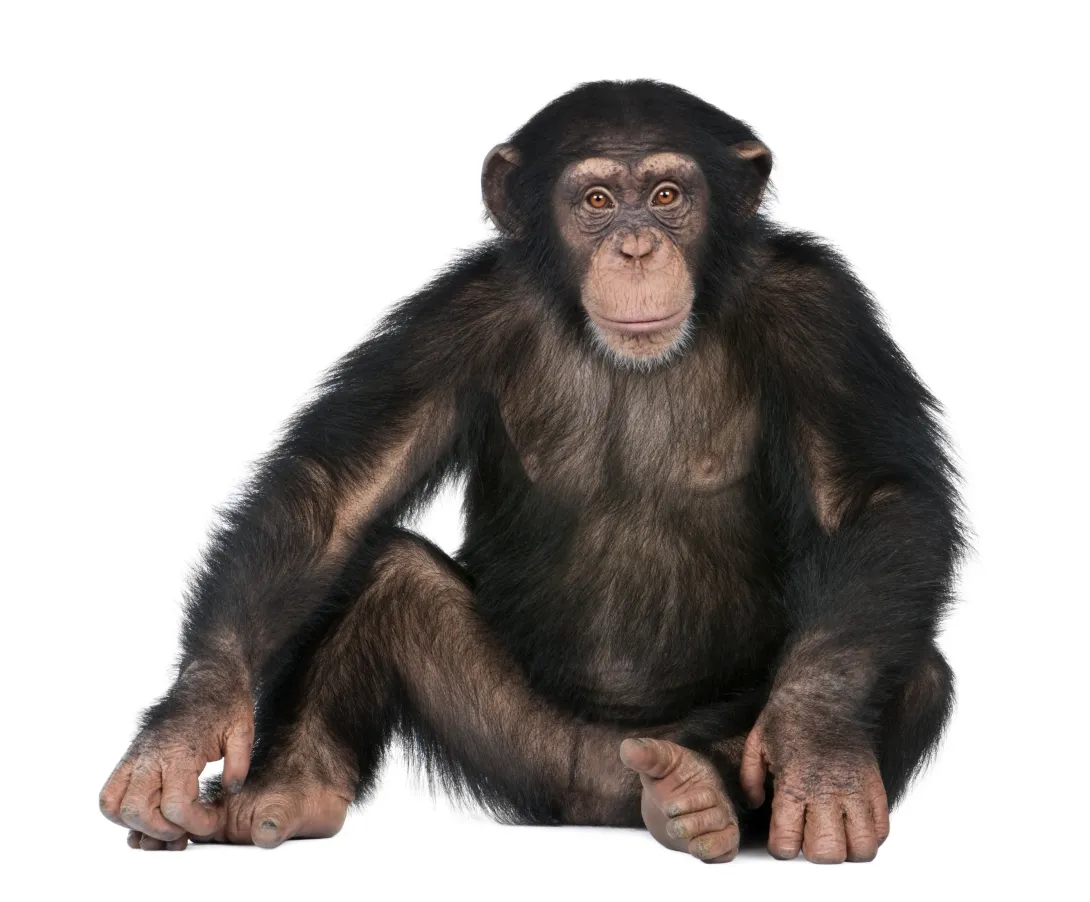

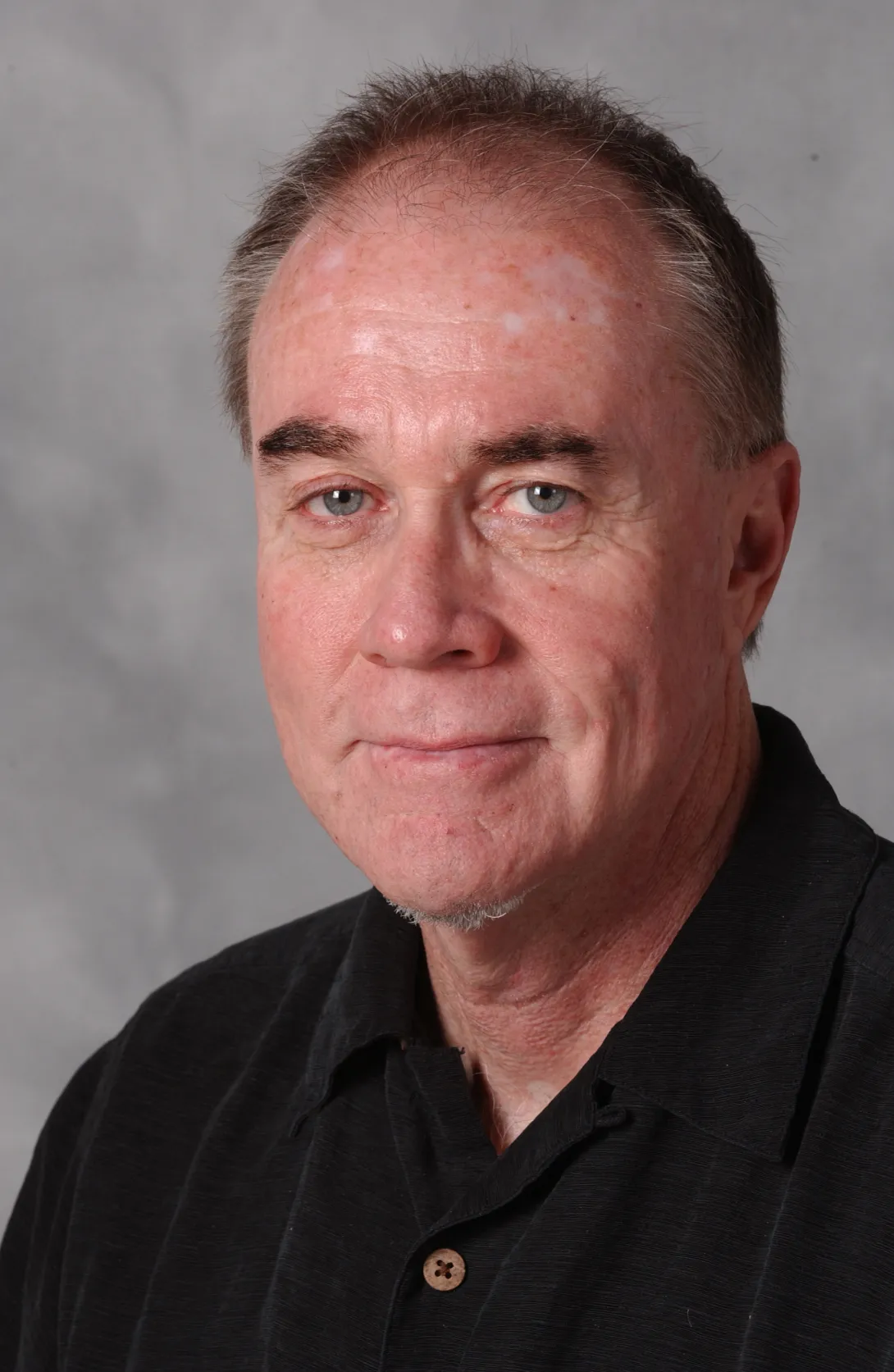
For years, scientists believed the vast phenotypicdifferences between humans and chimpanzees would be easily explained – the twospecies must have significantly different genetic makeups. However, when theirgenomes were later sequenced, researchers were surprised to learn that the DNAsequences of human and chimpanzee genes are nearly identical. What then isresponsible for the many morphological and behavioral differences between thetwo species? Researchers at the Georgia Institute of Technology have nowdetermined that the insertion and deletion of large pieces of DNA near genesare highly variable between humans and chimpanzees and may account for majordifferences between the two species.
The research team lead by Georgia Tech Professor of BiologyJohn McDonald has verified that while the DNA sequence of genes between humansand chimpanzees is nearly identical, there are large genomic “gaps” in areas adjacentto genes that can affect the extent to which genes are “turned on” and “turnedoff.” The research shows that these genomic “gaps” between the two species are predominantlydue to the insertion or deletion (INDEL) of viral-like sequences calledretrotransposons that are known to comprise about half of the genomes of bothspecies. The findings are reported in the most recent issue of the online,open-access journal Mobile DNA.
“These genetic gaps have primarily been caused by theactivity of retroviral-like transposable element sequences,” said McDonald. “Transposableelements were once considered ‘junk DNA’ with little or no function. Now itappears that they may be one of the major reasons why we are so different fromchimpanzees.”
McDonald’s research team, comprised of graduate students NaliniPolavarapu, Gaurav Arora and Vinay Mittal, examined the genomic gaps in bothspecies and determined that they are significantly correlated with differencesin gene expression reported previously by researchers at the Max PlankInstitute for Evolutionary Anthropology in Germany.
“Our findings are generally consistent with the notion that themorphological and behavioral differences between humans and chimpanzees arepredominately due to differences in the regulation of genes rather than todifferences in the sequence of the genes themselves,” said McDonald.
The current analysis of the genetic differences betweenhumans and chimpanzees was motivated by the group’s previously publishedfindings (2009) that the higher propensity for cancer in humans vs. chimpanzeesmay have been a by-product of selection for increased brain size in humans.
Oct. 19, 2011
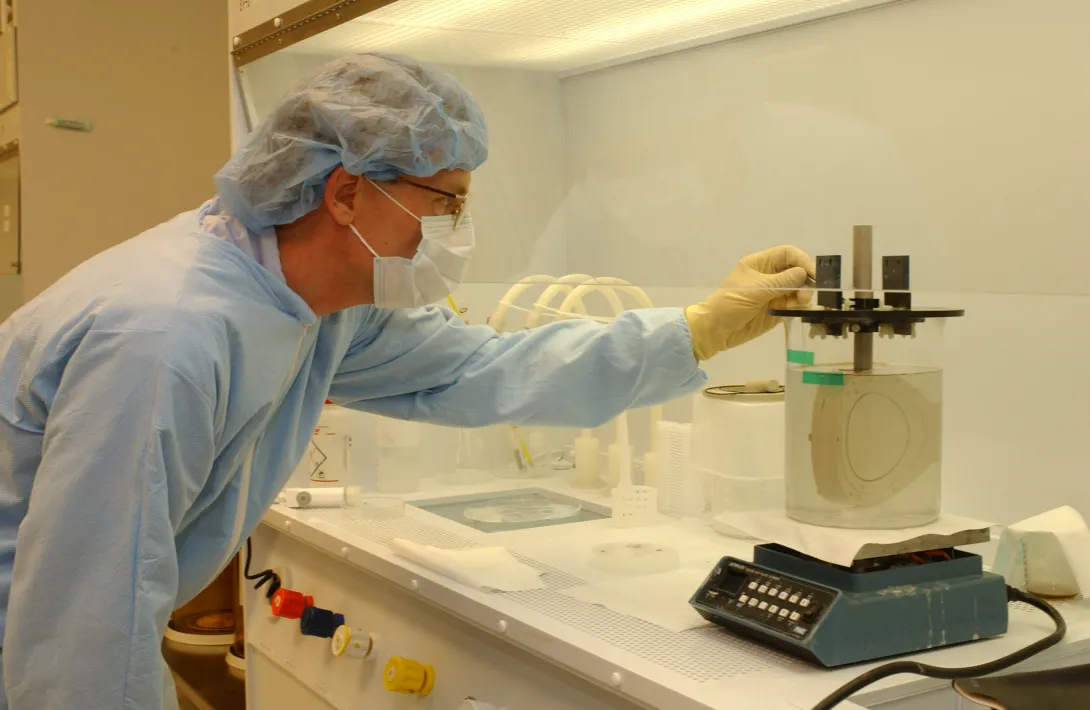
Think the future of communication is 4G? Think again.
Researchers at the Georgia Institute of Technology are working on communication solutions for networks so futuristic they don’t even exist yet.
The team is investigating how to get devices a million times smaller than the length of an ant to communicate with one another to form nanonetworks. And they are using a different take on “cellular” communication—namely how bacteria communicate with one another—to find a solution.
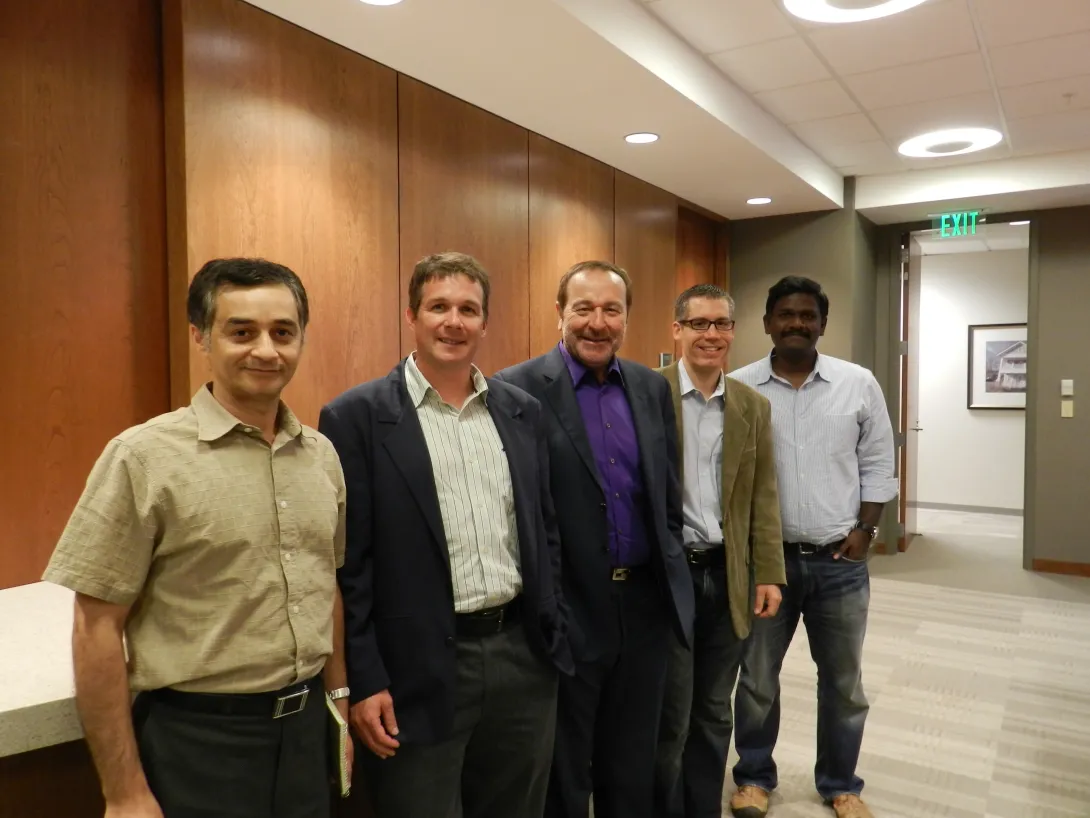
Georgia Tech Professor of Electrical and Computer Engineering Ian Akyildiz and his research team—Faramarz Fekri, professor of electrical and computer engineering; Craig Forest, assistant professor of mechanical engineering; Brian Hammer, assistant professor of biology; and Raghupathy Sivakumar, professor of electrical and computer engineering—were recently awarded a $3 million grant from the National Science Foundation for the project.
Over the next four years, the team will study how bacteria communicate with each other on a molecular level to see if the same principles can be applied to how nanodevices will one day communicate to form nanoscale networks.
If the team is successful, the applications for intelligent, communicative nanonetworks could be wide ranging and potentially life changing.
“The nanoscale machines could potentially be injected into the blood, circulating in the body to detect viruses, bacteria and tumors,” said Akyildiz, principal investigator of the study. “All these illnesses—cancer, diabetes, Alzheimer’s, asthma, whatever you can think of—they will be history over the years. And that’s just one application.”
Nanotechnology is the study of manipulating matter on an atomic and molecular scale, where unique phenomena enable novel applications not feasible when working with bulk materials or even single atoms or molecules. Generally, nanotechnology deals with developing materials, devices or structures possessing at least one dimension sized from 1 to 100 nanometers. A nanometer is one billionth of a meter.
Most of the nanoscale devices that currently exist are primitive, Akyildiz said, but with communication the devices could collaborate and have a collective intelligence.
That’s the question researchers are tackling—how would such nanonetworks communicate? Because of their size, classical communication solutions will not work. The team is turning its attention to nature for inspiration.
“We realized that nature already has all these nanomachines. Human cells are perfect examples of nanomachines and the same is true of bacteria,” Akyildiz said. “And so, the best bet for us is to look at bacteria behavior and learn how bacteria are communicating and use those natural solutions to develop solutions for future communication problems.”
Bacteria use chemical signals to communicate with one another through a process called quorum sensing, which allows a population of single-celled microbes to work like a multicellular organism. Originally discovered several decades ago in unusual bioluminescent marine bacteria, it is now believed that all bacteria “talk” to one another with chemical signals.
Microbiologists are beginning to learn the “languages” bacteria speak and what activities are controlled by this cellular communication. Many disease-causing pathogenic bacteria use quorum sensing to turn on their toxins and other factors to use against a host. Potential therapeutics are currently being developed by some researchers that are designed to disrupt quorum sensing by infectious bacteria.
“A single pathogenic bacterium in your body is unlikely to kill you,” said Hammer, a microbial geneticist. “But since they communicate, the entire group orchestrates this coordinated behavior using chemical communication and the end result is that they work as a group to kill their host. So can we use that same information in a positive way by harnessing and understanding the limits of the communication?”
Georgia Tech researchers Hammer and Forest will focus on experimentation to better understand the elements of bacterial communication, and then work with the electrical and computer engineering experts on the team to translate their findings into a possible communication model for nanonetworks.
“What can bacteria say and hear, and how do they communicate to one another? Information theory research will examine these issues to pave the way for this new networking paradigm," said Fekri, professor of electrical and computer engineering. “This is really revolutionary research. No one has looked at these issues before. We are dealing with the big challenges. It’s going to require a lot of talent and hard work to address them."
The project is expected to pave the way for research in nanoscale communication. The range of applications of nanonetworks is incredibly wide, from intra-body networks for health monitoring, cancer detection or drug delivery to chemical and biological attack prevention systems.
At the end of four years, the team hopes to demonstrate the basic and fundamental underlying theories for communication of nanodevices. They also hope to develop a simulation tool for the public to use to see how machines can mimic bacteria communication, which will hopefully attract other researchers to get involved in investigating this area further.
“Existing paradigms for network protocols and algorithms do not apply anymore. This is beyond the frontiers of networking research,” said Sivakumar. “It’s really something that could change things and no one has done this before.”
A great strength of the Georgia Tech research team is its interdisciplinary nature.
“We’re excited to combine science and engineering as well as our respective tool sets, whether genetic engineering, genetic sensing or network communications theory to tackle this system-level problem—this grand challenge in nanotechnology,” said Forest, an expert in biomedical engineering.
News Contact
Georgia Tech Media Relations
Laura Diamond
laura.diamond@comm.gatech.edu
404-894-6016
Jason Maderer
maderer@gatech.edu
404-660-2926
Oct. 12, 2011
The U.S. Food and Drug Administration (FDA) has awarded the Georgia Institute of Technology, Children's Healthcare of Atlanta, Emory University and Saint Joseph's Translational Research Institute (SJTRI) a two-year, $1.8 million grant to foster the development of medical devices focused on the special needs of children. The award will launch the new Atlanta Pediatric Device Consortium, which will provide assistance with engineering design, prototype development, pre-clinical and clinical studies and commercialization for novel pediatric medical devices.
"By developing, testing and refining medical devices specifically for children, we hope to produce safer, more effective devices that will improve their lives," said Barbara Boyan, the Price Gilbert, Jr. Chair in Tissue Engineering in the Wallace H. Coulter Department of Biomedical Engineering at Georgia Tech and Emory University.
The consortium will be led by Boyan, along with consortium co-directors Kevin Maher, a cardiologist and researcher specializing in pediatrics with appointments at the Children's Healthcare of Atlanta Sibley Heart Center and Emory University, and Wilbur Lam, a pediatric hematologist/oncologist and bioengineer with appointments at Emory, the Aflac Cancer Center of Children's Healthcare of Atlanta and Georgia Tech.
Historically, devices designed for adults have been used in children. However, differences in body size and immune system responses between adults and children, and the lack of appropriate models to assess how a device might function in a growing child, can result in poor device performance and responses that are less than optimal.
"There is little information as to what devices are working well for children and what complications occur," explained Boyan, who is also a Georgia Research Alliance Eminent Scholar. "In addition, the high cost of clinical trials for a small market like pediatrics has made conducting pediatric trials cost-prohibitive for many manufacturers."
The consortium will try to reduce these barriers by creating a product development pathway that will provide support for commercialization of devices for pediatric health care from initial concept to the completed product.
To do this, the consortium will build on partnerships the institutions have with the Georgia Tech Translational Research Institute for Biomedical Engineering and Science (TRIBES), which focuses on the need for engineering systems that result in commercial products; the Global Center for Medical Innovation (GCMI), which includes a prototyping design and development facility; and the Advanced Technology Development Center (ATDC) at Georgia Tech, a startup accelerator that helps Georgia technology entrepreneurs launch and build successful companies. Consortium institutions will also partner with SJTRI and the National Institutes of Health-sponsored Atlanta Clinical & Translational Science Institute (ACTSI) for pre-clinical, first-in-child testing and clinical assessments.
Additional consortium leadership will be provided by Franklin Bost, professor and director of design instruction in the Coulter Department; David Ku, a Regents professor with appointments in the Georgia Tech School of Mechanical Engineering and College of Management, and Emory's Department of Surgery; and Nicholas Chronos, president of SJTRI.
The consortium will provide assistance for pediatric medical devices from academic institutions and small businesses. The three technologies that will be investigated initially are:
- A smartphone attachment designed for at-home ear examinations;
- A renal dialysis device; and
- A gel designed to delay the re-fusion of a childâs skull bones after surgery for craniosynostosis.
The first innovation is the RemOtoscope -- a smartphone attachment designed by Lam for at-home ear examinations. Ear infections result in more than 15 million doctor office visits each year in the United States because diagnosing them requires direct observation of the child's eardrum and ear canal with a device called an otoscope. Lam envisions a physician remotely guiding placement of the device and diagnosing the condition via real-time video consultation with parents at home. The smartphone capabilities will also enable the transmission of other relevant clinical information to guide the physician in making the correct diagnosis.
The second device the consortium will bring into the pipeline is a renal dialysis device designed especially for children with kidney failure. There is currently no FDA-approved continuous bedside dialysis device for children. When critically ill children need kidney dialysis, doctors are forced to adapt adult-size dialysis equipment. These adapted adult devices can withdraw too much fluid from a pediatric patient, leading to dehydration, shock and loss of blood pressure. Matthew Paden, a pediatric critical care physician at Children's Healthcare of Atlanta and Emory realized this problem and has collaborated with Ajit Yoganathan, a Georgia Tech Regents professor and the Wallace H. Coulter Distinguished Faculty Chair in Biomedical Engineering, to develop the device.
The consortium will also investigate the development of a gel designed to delay the re-fusion of a child's skull bones after surgery for craniosynostosis. Craniosynostosis affects approximately one in every 2,500 babies in the United States and is caused by the premature closure of gaps between skull bones. The gel is being developed by Boyan; Joseph Williams, clinical director of craniofacial plastic surgery at Children's Healthcare of Atlanta and clinical assistant professor in the Department of Plastic and Reconstructive Surgery at Emory University; and Coulter Department M.D./Ph.D. student Chris Hermann, senior scientist Rene Olivares-Navarrete, visiting professor Zvi Schwartz and associate professor Niren Murthy.
Future projects will be selected through the consortium's seed grant competition, which will provide awards between $25,000 and $50,000 to inventors in the partnering institutions and the business community to develop a pediatric medical device through the consortium. Entries are due Nov. 1, 2011.
Additional devices will also be identified through technology development and commercialization programs, including the Coulter Department capstone design class, the TI:GER (Technological Innovation: Generating Economic Results) program in the Georgia Tech College of Management, Georgia Tech's comprehensive center for technology commercialization called VentureLab and the Goizeuta Business School at Emory.
Research News & Publications Office
Georgia Institute of Technology
75 Fifth Street, N.W., Suite 314
Atlanta, Georgia 30308 USA
Media Relations Contacts: Abby Robinson (abby@innovate.gatech.edu; 404-385-3364) or John Toon (jtoon@gatech.edu; 404-894-6986)
Writer: Abby Robinson
News Contact
Abby Robinson
Research News and Publications
Contact Abby Robinson
404-385-3364