
Oct. 18, 2023
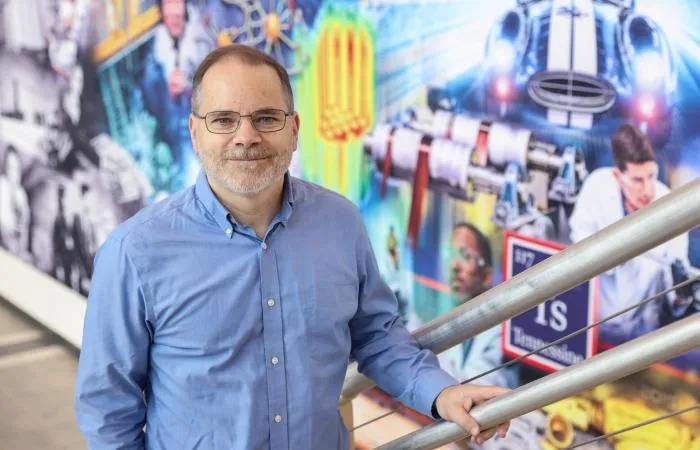
David Sholl, a professor in Georgia Tech's School of Chemical and Biomolecular Engineering and director of Oak Ridge National Laboratory'sTransformational Decarbonization Initiative, is director of the ORNL-led Non-Equilibrium Energy Transfer for Efficient Reactions (NEETER).
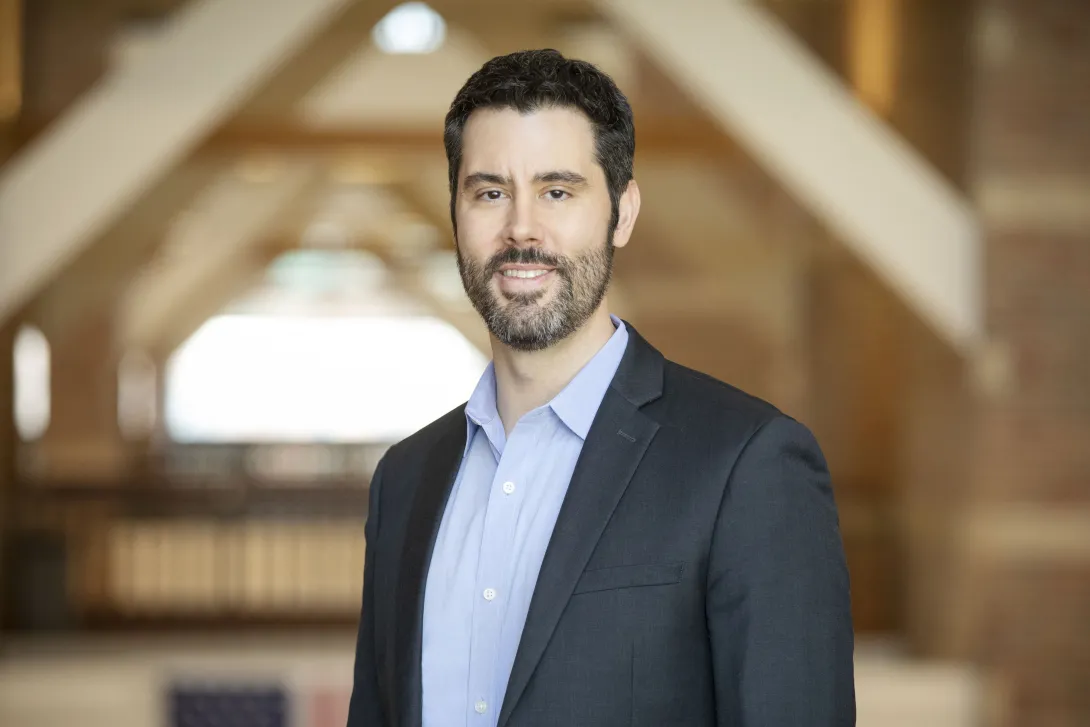
David Flaherty, a professor in Georgia Tech's School of Chemical and Biomolecular Engineering
David Sholl, a professor in Georgia Tech’s School of Chemical and Biomolecular Engineering (ChBE), is leading a new Energy Earthshot Research Center (EERC) at the Department of Energy's Oak Ridge National Laboratory (ORNL) that is focused on developing chemical processes that use sustainable methods instead of burning fossil fuels to radically reduce industrial greenhouse gas emissions to stem climate change and limit the crisis of a rapidly warming planet.
Sholl, who is director of ORNL’s Transformational Decarbonization Initiative, is director of the ORNL-led Non-Equilibrium Energy Transfer for Efficient Reactions (NEETER), which also involves ChBE faculty members Fani Boukouvala and Carsten Sievers as key members.
NEETER is one of two new DoE EERCs involving ChBE faculty; the other (co-led by Professor David Flaherty) is Harnessing Electrostatics for the Conversion of Organics, Water and Air: Driving Redox on Particulate Liquids Earthshot (DROPLETS).
Debaronizing Large-scale Processes
NEETER will coordinate a research team from across the nation focused on replacing bulk heating for chemical processes with electrified means, providing a new way to do chemistry, and decarbonizing large-scale processes in the chemical industry. The Department of Energy has committed $19 million over four years for the center.
“This center is an exciting opportunity to advance innovative methods for performing important chemical reactions with heat derived from electricity instead of burning fossil fuels,” Sholl said. “Our world-class team will combine powerful fundamental insights with leadership-class computing to push forward use of mechanochemistry and resistive heating to achieve chemical outcomes that are simply not possible with traditional heating methods.”
Sholl, who also serves as interim executive director of the University of Tennessee Oak Ridge Innovation Institute, will lead the NEETER effort to harness the expertise of more than 20 co-principal investigators from two other national laboratories and several universities.
In addition to ORNL, other center investigators come from DOE’s SLAC National Accelerator Laboratory at Stanford University and the Princeton Plasma Physics Laboratory, Delaware State University, the Georgia Institute of Technology, Princeton University, the University of Houston, and the University of Maryland.
The scientists, in addition to using their own laboratories, will use DOE Office of Science user facilities, including ORNL’s Oak Ridge Leadership Computing Facility, Spallation Neutron Source, High Flux Isotope Reactor, and Center for Nanophase Materials Sciences. They will also include the beam line at SLAC.
Energy Earthshot Goals
“Our Energy Earthshots are game-changing endeavors to unleash the technologies of the clean energy transition and make them accessible, affordable, and abundant,” said U.S. Secretary of Energy Jennifer M. Granholm. “The Energy Earthshot Research Centers and the related work happening on college campuses around the country will be instrumental in developing the clean energy and decarbonization solutions we need to establish a 100% clean grid and beat climate change.”
NEETER’s proposed research is a radical departure from traditional chemistry and holds promise for transformational breakthroughs in energy-related chemical reactions. The NEETER EERC addresses the DOE’s Industrial Heat Shot announced in 2022, which aims to develop cost-competitive industrial heat decarbonization technologies with at least 85% lower greenhouse gas emissions by 2035. This EERC will employ new kinds of chemical catalysis as one pathway toward electrifying the delivery of process heat.
Industrial heat involves the burning of fossil fuels, which contributes massive amounts of carbon dioxide to the atmosphere. About 40% of those emissions come from chemicals and refining procedures. Because many industrial processes require extremely high energy, decarbonizing these chemical processes via electrification would radically alter the industrial chemical landscape.
Researchers propose two main ways of electrification, Sholl explained. One is through a process called mechanocatalysis, which creates mechanically initiated reactions. Another is Joule heating — using electricity to achieve very rapid temperature increases. The aim is to control chemical reactivity through temperature and pressure, by rapid heating in the Joule heating case, or by mechanical collisions in the case of mechanocatalysis.
NEETER’s mission is “To understand and control spatial and temporal non-equilibrium heat transfer to enable transformational breakthroughs in energy- and atom-efficient endothermic catalytic reactions beyond limitations of thermodynamic and kinetic equilibrium to decarbonize the US chemical industry.”
Said Sholl, “We envision a future where we use renewable electricity to provide heat and produce chemicals without greenhouse gas emissions.”
DROPLETS Earthshot
David Flaherty, a professor in Georgia Tech’s School of Chemical and Biomolecular Engineering, is co-principal investigator of another Energy Earthshot Energy Research Center called Harnessing Electrostatics for the Conversion of Organics, Water and Air: Driving Redox on Particulate Liquids Earthshot (DROPLETS).
The overall objective of DROPLETS is to explore an unconventional, straightforward, and underutilized approach based on microdroplet-enabled redox reactions (which involve the transfer of electrons between substances) towards H2 production (a clean and renewable energy source), CO2 activation (which can help mitigate greenhouse gas emissions), and the synthesis of redox species for long-duration energy storage (LDES).
DROPLETS strives to achieve simplicity and lower the energy input and reactor cost for complex chemical reactions, a key advantage to simultaneously achieve multiple Energy Earthshots, including the Hydrogen Shot, the Long Duration Storage Shot, and the Carbon Negative Shot.
DROPLETS is led by Professor Joaquin Rodriguez Lopez of the University of Illinois, Urbana-Champaign.
News Contact
Brad Dixon, braddixon@gatech.edu
Sep. 18, 2023

This fall, the Institute will launch a foundational, interdisciplinary program to lead in research related to neuroscience, neurotechnology, and society. The Neuro Next Initiative is the result of the growth of GTNeuro, a grassroots effort over many years that has led in the hiring of faculty studying the brain and the creation of the B.S. in neuroscience in the College of Sciences, and contributed to exciting neuro-related research and education at Georgia Tech.
Neurosciences research holds enormous potential for wide-ranging health and societal impact, and Georgia Tech's culture of applied research and integrated interdisciplinary liberal arts scholarship is uniquely positioned to create the environment in which Neuro Next can become an international leader in the discovery, innovation, and translation in neuroscience and neurotechnology.
Guided by faculty members Christopher Rozell, professor and Julian T. Hightower Chair in the School of Electrical and Computer Engineering; Simon Sponberg, Dunn Family Associate Professor of Physics and Biological Sciences; and Jennifer S. Singh, associate professor in the School of History and Sociology, the Neuro Next Initiative at Georgia Tech will lead the development of a community that supports collaborative research, unique educational initiatives, and public engagement in this critical field.
“Georgia Tech has a very strong, but decentralized, neuroscience community,” said Sponberg. “The Neuro Next Initiative really sprung from a lot of thoughtful input from dozens of people across many schools, colleges, and roles, which reflects how neuro interfaces so broadly. Our goal with this initiative is really to open a new front door to the neuro community here, to highlight the leadership that Georgia Tech is already taking in many areas of neuro-related research, and to create new ways to support our interdisciplinary work.” Aiming to foster a broad community that is passionate about shaping the frontiers of neuroscience and neurotechnology to better serve humanity, the initiative will launch in October.
“Neuroscience and neurotechnology have advanced dramatically in the last few years, making it clear that there are few endeavors that have as much potential societal impact as our study of the brain,” Rozell said. “Georgia Tech is uniquely positioned to build on its existing strengths to create an effort tailored to meet the scientific, technical, and social needs of these promising research trajectories. I'm excited that the Neuro Next Initiative represents the next step in creating that collaborative community.” By bringing together a cohort of faculty experts from varied disciplines, members aim to create a holistic and integrative approach to neuroscience and neurotechnology that centers real human impact and broad accessibility.
Singh noted, “Neuro Next is an important and exciting initiative that is prioritizing the inclusion of a range disciplinary expertise, including social science, humanities, business, and the arts, to critically investigate how we can research and develop neurotechnologies that are accessible, responsible, and socially just. Building a collaborative neurocommunity that centers societal impacts from the start shares the commitment of Georgia Tech to developing leaders who advance technology and improve the human condition.”
Attend the Neuro Next Launch Event | Oct. 25 – 26 | Georgia Institute of Technology
Register for the Upcoming Neuro Next Launch Event Here
For faculty interested in participating in Neuro Next, click here to join our affiliates list.
News Contact
Christa M. Ernst | christa.ernst@research.gatech.edu
Aug. 31, 2023


Yuanzhi Tang has received a National Science Foundation grant to see if areas along the middle and coastal plains of Georgia that produce a highly sought-after clay are also home to large amounts of rare earth elements (REEs) needed for a wide range of industries, including rapidly evolving clean energy efforts.
Tang is an associate professor in the School of Earth and Atmospheric Sciences at Georgia Tech. She is joined by Crawford Elliott, associate professor at Georgia State University, on their proposal, “The occurrences of the rare earth elements in highly weathered sedimentary rocks, Georgia kaolins,” funded by the NSF Division of Earth Sciences.
All about REEs
REEs such as cerium, terbium, neodymium, and yttrium, are critical minerals used in many industrial technology components such as semiconductors, permanent magnets, and rechargeable batteries (smart phones, computers), phosphors (flat screen TVs, light-emitting diodes), and catalysts (fuel combustion, auto emissions controls, water purification). They impact a wide range of industries such as health care, transportation, power generation (including wind turbines), petroleum refining, and consumer electronics.
“With the increasing global demand for green and sustainable technologies, REE demand is projected to increase rapidly in the U.S. and globally,” Tang says. “Yet currently the domestic REE production is very low, and the U.S. relies heavily on imports. The combination of growing demand and high dependence on international supplies has prompted the U.S. to explore new resources and develop environmentally friendly extraction and processing technologies.”
Georgia geology
Kaolin is a white, aluminosilicate clay mineral used in making paper, plastics, rubber, paints, and many other products. More than $1 billion worth of kaolin is mined from Georgia’s kaolin deposits every year, more than any other state.
Tang and Elliott say considerable amounts of the REEs have been found in the waste residues generated from Georgia kaolin mining.
“These occurrences have high REE contents and might add significantly to domestic resources,” Tang says. “By understanding the geological and geochemical processes controlling the occurrence and distribution of REEs in these weathered environments, we might be able to provide fundamental information for the identification of REE resources, and the design of efficient and green extraction technologies.”
“The new work with Dr. Tang has the potential to advance our fundamental understanding of the occurrences, mineralogical speciation, and distribution of the REEs in bauxite and kaolin ore,” Elliott says. “I am thrilled to be working with Dr. Tang on this project.”
Laterite thinking
The Department of Energy notes the 17 rare earth elements are found in highly weathered environments, such as the laterites, a type of soil and rock located in eastern and southeastern China, which currently comprises around 80 percent of the world’s REE reserves. To promote domestic production of REEs, the NSF sought proposals to explore natural unconventional element resources located in highly weathered sedimentary/regolith (loose rocky material covering bedrock) settings in the U.S. Georgia’s kaolin deposits and mines extend in the state from southwest to northeast, paralleling the state’s ‘fall line’ that separates the Piedmont Plateau from the coastal plains.
With the NSF grant, Tang and Elliott will find out more about the geochemical factors and processes controlling REE mobility, distribution, and fractionation (enrichment of light REE versus heavy REE) in these environments, which can provide the foundation to identify domestic resources, and for the rational design of extraction technologies.
Community connections
The proposed work will also integrate research with education, combining student training with undergraduate education and research, as well as K-12 and community outreach emphasizing the participation of underrepresented groups in geological sciences.
The grant relates to Tang’s work at two Georgia Tech interdisciplinary research institutes dedicated to sustainability, energy, and climate: the Strategic Energy Institute and the Brook Byers Institute for Sustainable Systems (BBISS), where she is a co-lead with Hailong Chen, an associate professor in the School of Materials Science and Engineering. Tang and Chen’s BBISS project is “Sustainable Resources for Clean Energy.” Tang also serves as an SEI/BBISS initiative lead on sustainable resources.
“The state of Georgia has already been experiencing rapid and exciting developments in the clean energy industry,” Tang says. “We hope to bridge an important link in this space. We hope to help identify and explore regional critical resources for clean energy development by both understanding the geological/geochemical fundamentals, and developing sustainable extraction technologies.”
Georgia Tech is also investing in the community outreach and social aspects of energy research, not just in science and engineering, Tang adds. “Collaboration with Georgia State University also gives exciting opportunities for the engagement with underrepresented student groups, especially in geological sciences, which will serve in the long term for workforce development.”
News Contact
Writer: Renay San Miguel
Communications Officer II/Science Writer
College of Sciences
404-894-5209
Editor: Jess Hunt-Ralston
Jul. 28, 2023

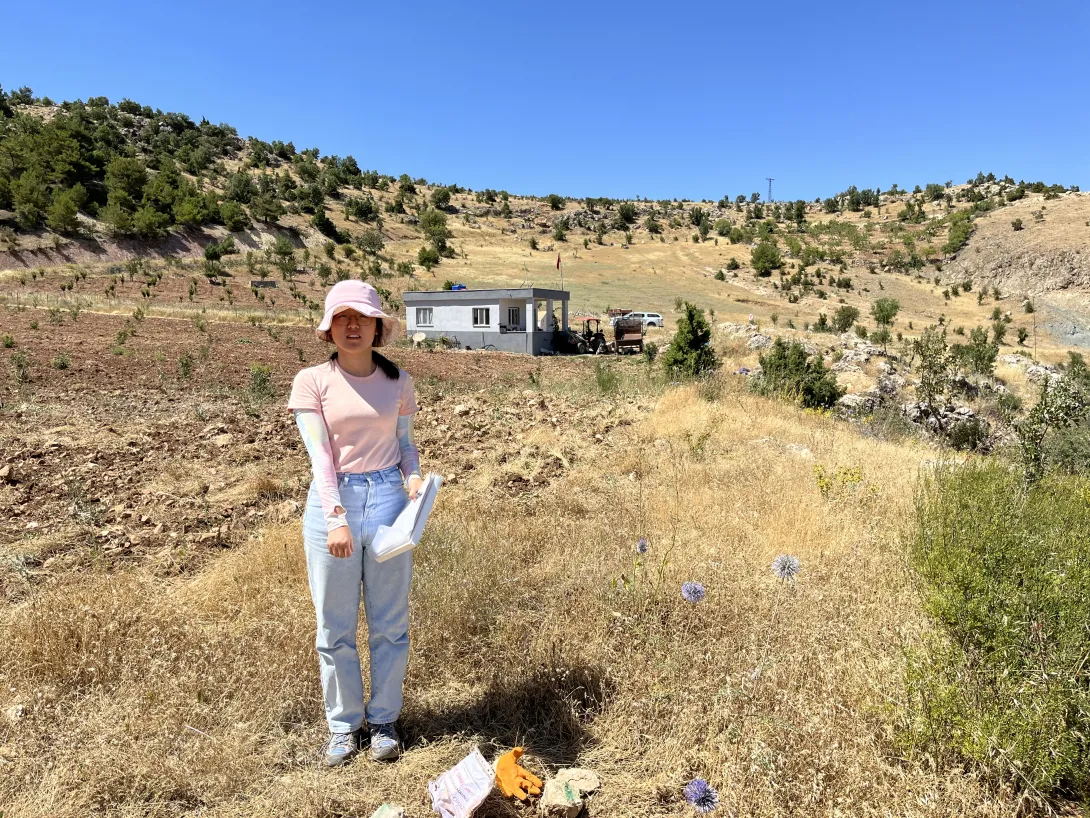
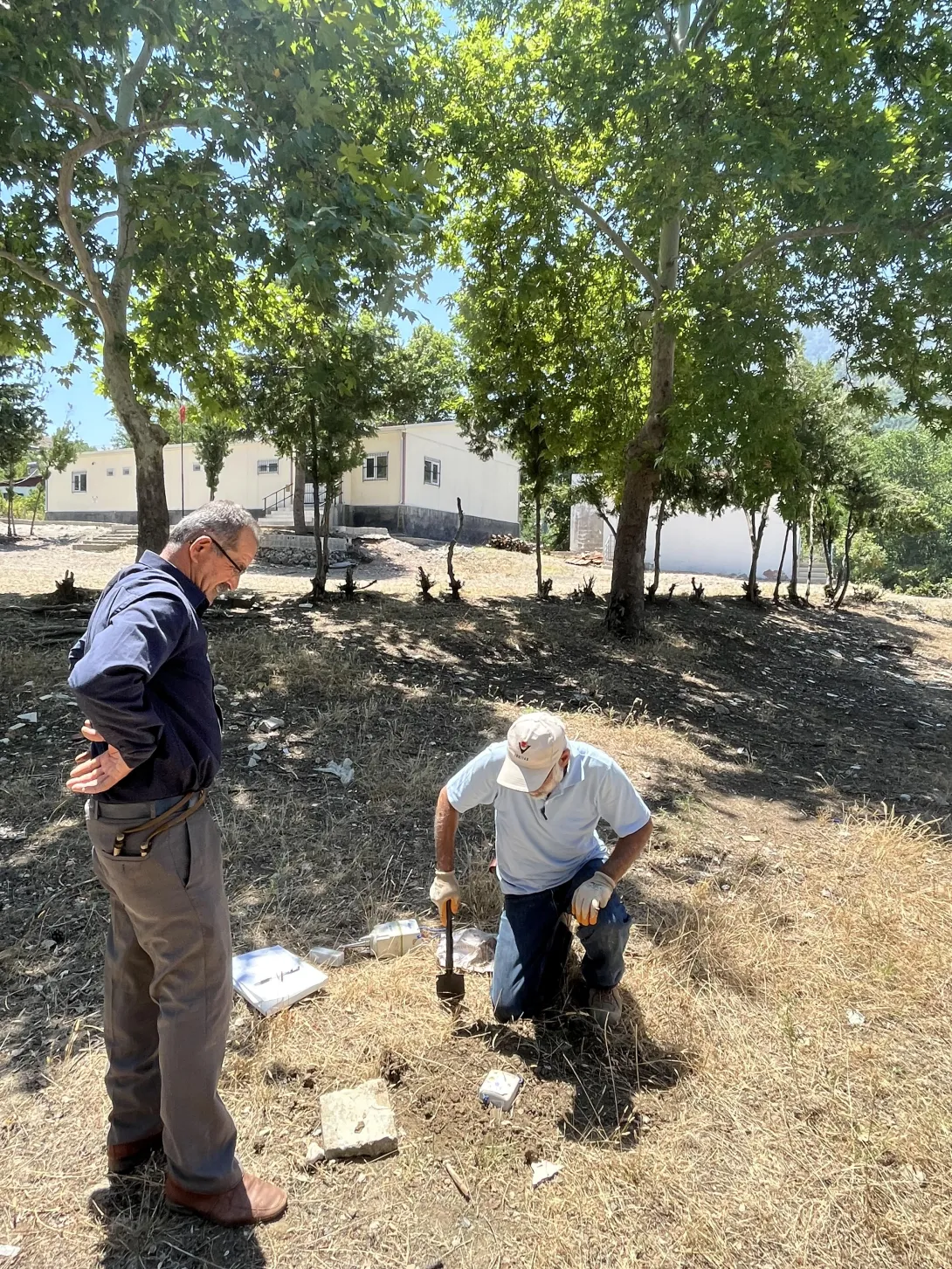
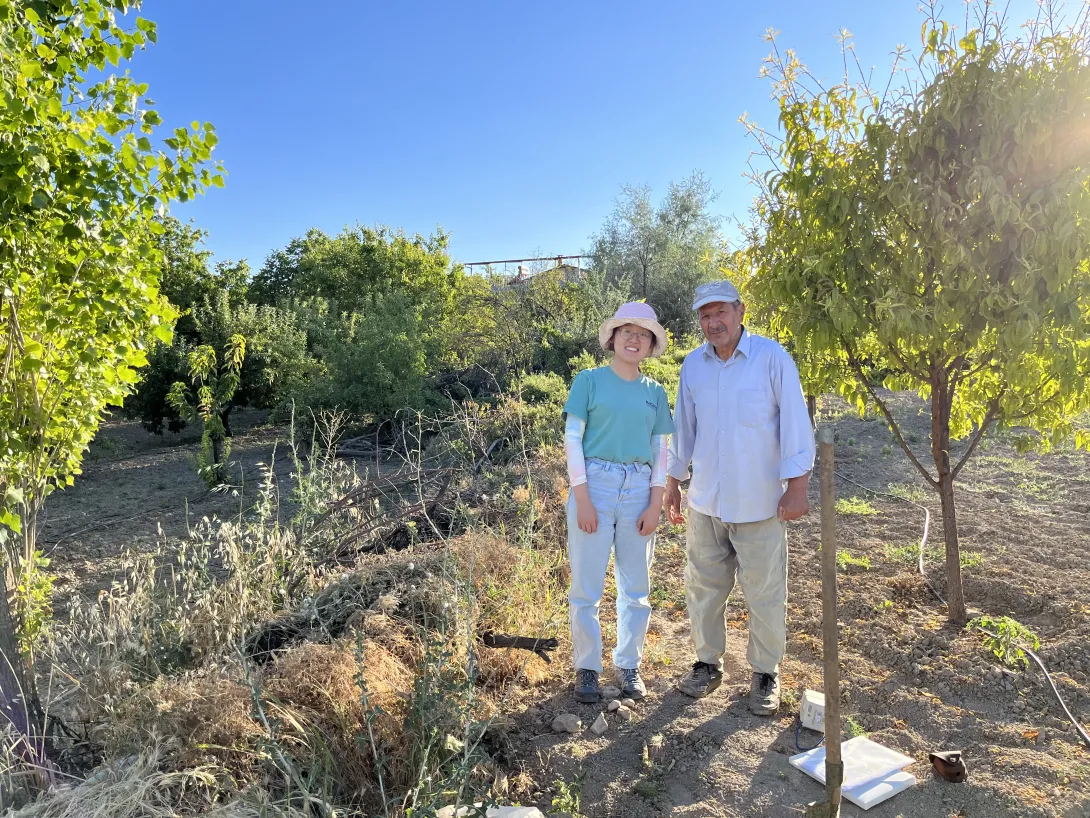
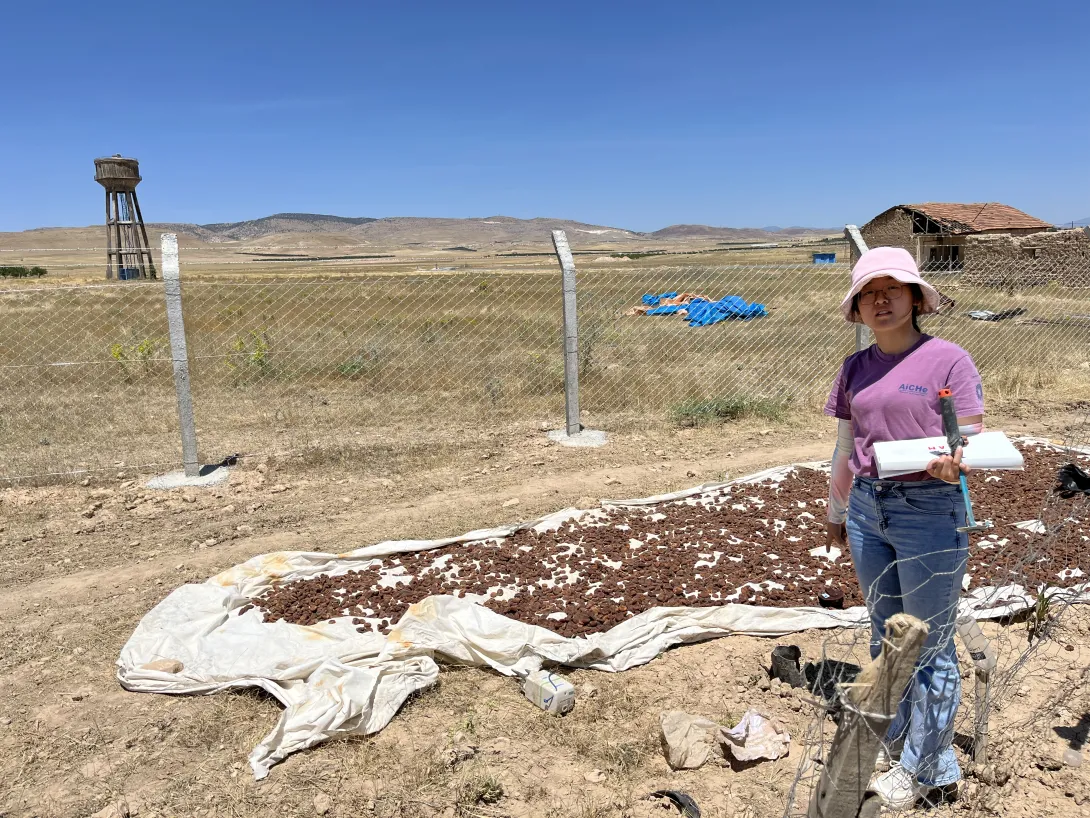
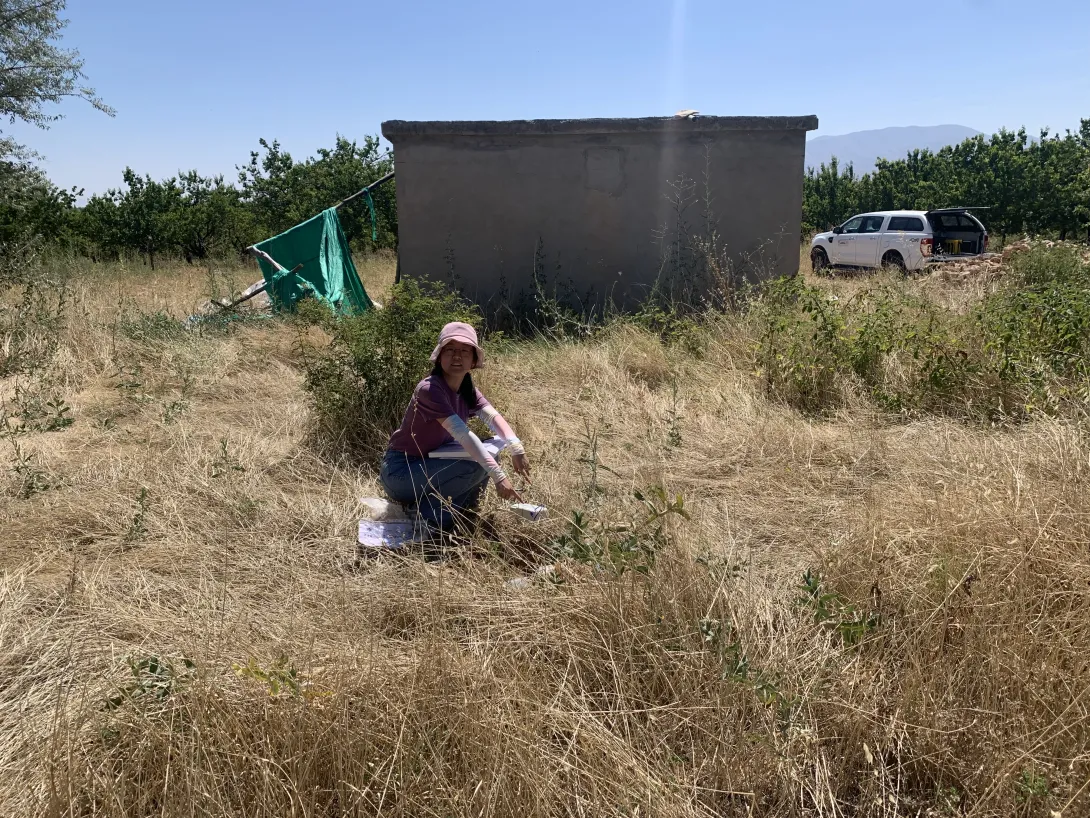
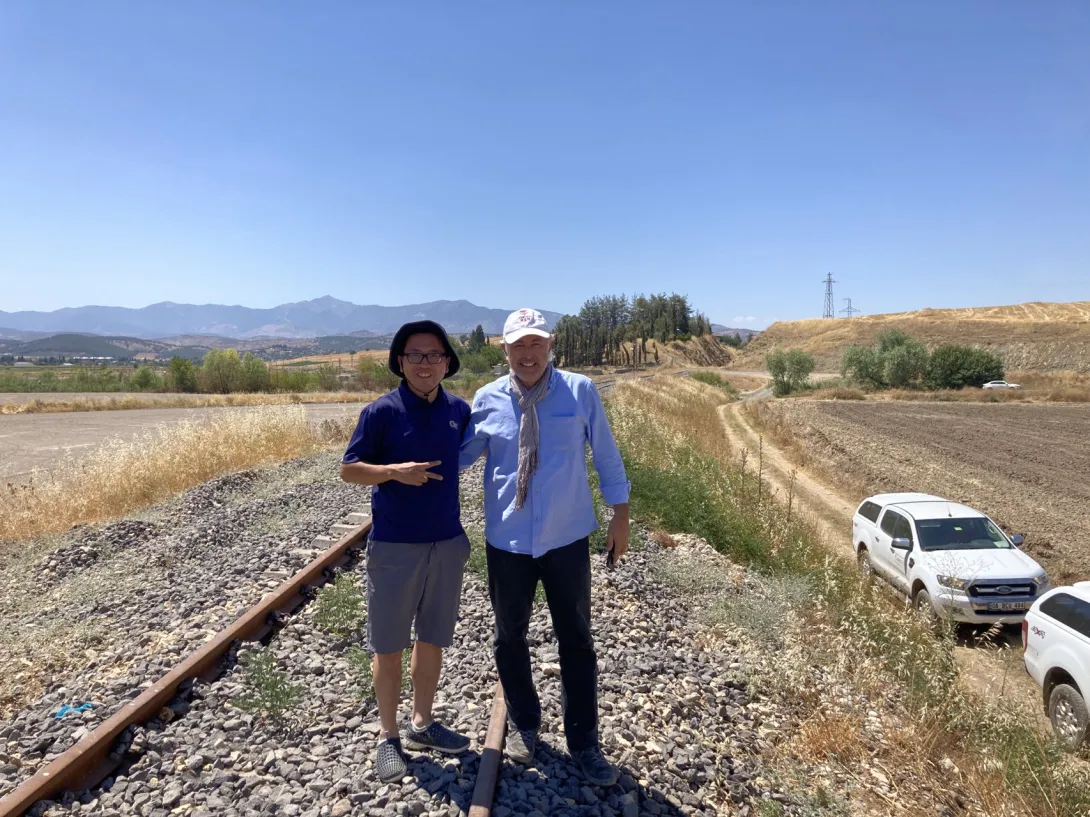
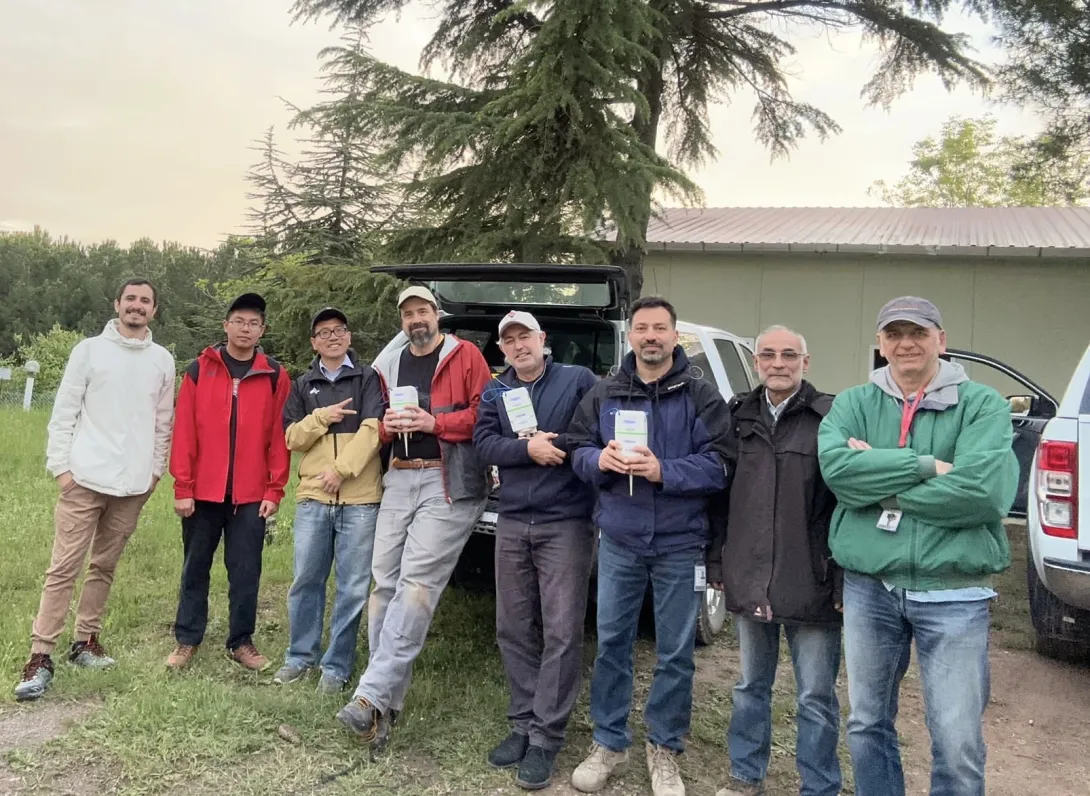
In February, a major earthquake event devastated the south-central region of the Republic of Türkiye (Turkey) and northwestern Syria. Two earthquakes, one magnitude 7.8 and one magnitude 7.5, occurred nine hours apart, centered near the heavily populated city of Gaziantep. The total rupture lengths of both events were up to 250 miles. The president of Turkey has called it the “disaster of the century,” and the threat is still not over — aftershocks could still affect the region.
Now, Zhigang Peng, a professor in the School of Earth and Atmospheric Sciences at Georgia Tech and graduate students Phuc Mach and Chang Ding, alongside researchers at the Scientific and Technological Research Institution of Türkiye (TÜBİTAK) and researchers at the University of Missouri, are using small seismic sensors to better understand just how, why, and when these earthquakes are occurring.
Funded by an NSF RAPID grant, the project is unique in that it aims to actively respond to the crisis while it’s still happening. National Science Foundation (NSF) Rapid Response Research (RAPID) grants are used when there is a severe urgency with regard to availability of or access to data, facilities or specialized equipment, including quick-response research on natural or anthropogenic disasters and other similar unanticipated events.
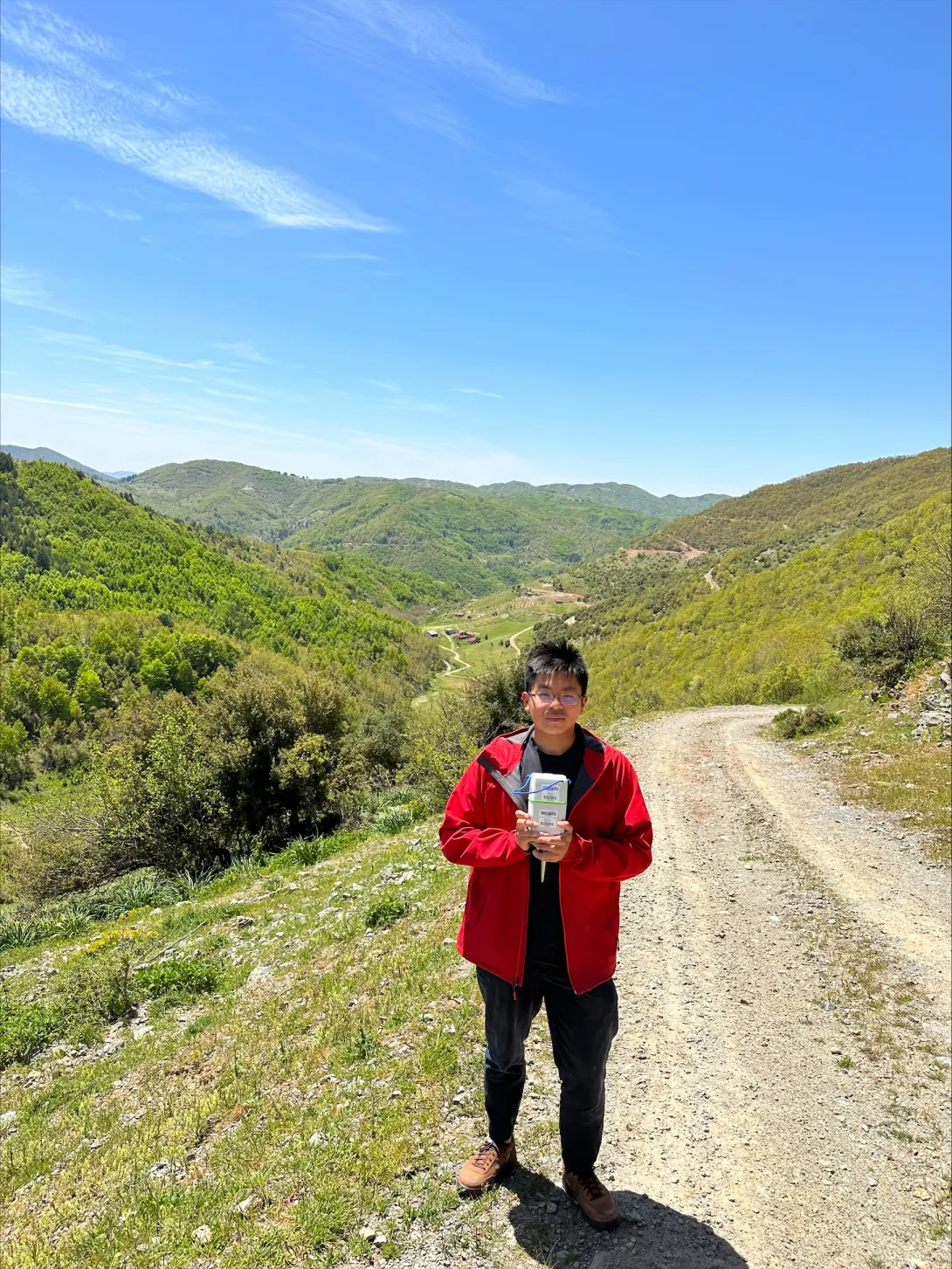
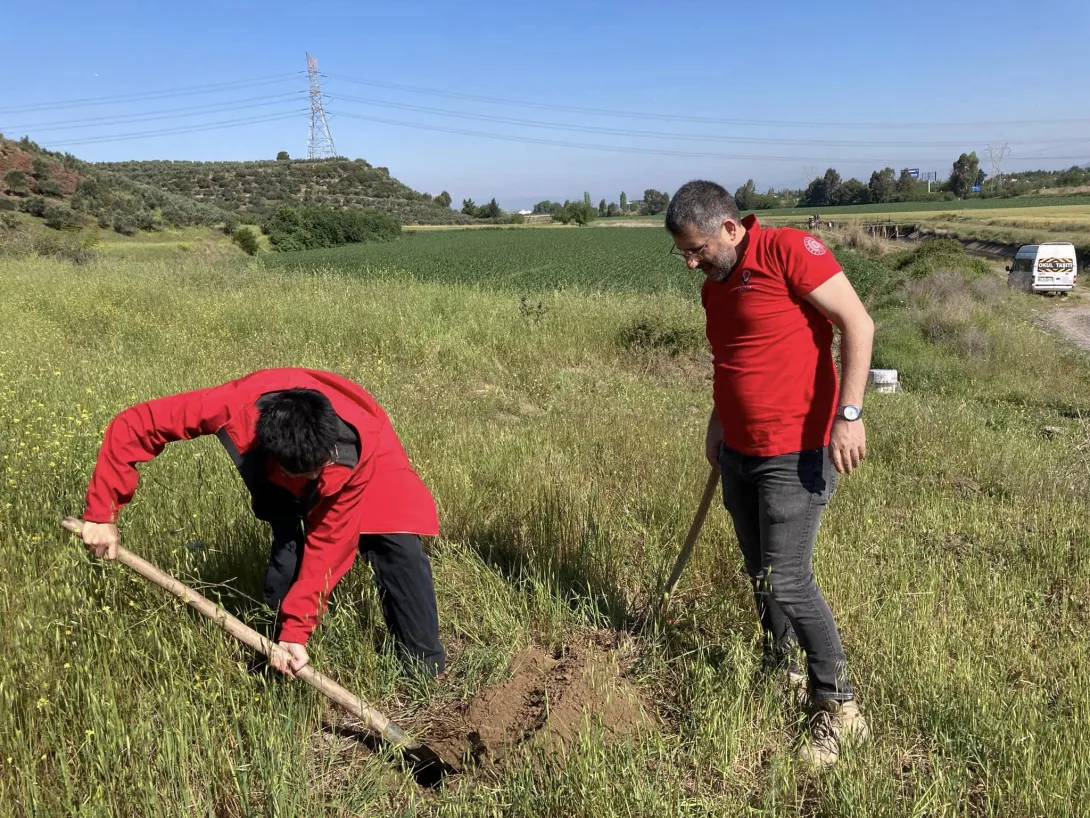
In an effort to better map the aftershocks of the earthquake event — which can occur weeks or months after the main event — the team placed approximately 120 small sensors, called nodes, in the East Anatolian fault region this past May. Their deployment continues through the summer.
It’s the first time sensors like this have been deployed in Turkey, says Peng.
“These sensors are unique in that they can be placed easily and efficiently," he explains. "With internal batteries that can work up to one month when fully charged, they’re buried in the ground and can be deployed within minutes, while most other seismic sensors need solar panels or other power sources and take much longer time and space to deploy.” Each node is about the size of a 2-liter soda bottle, and can measure ground movement in three directions.
“The primary reason we’re deploying these sensors quickly following the two mainshocks is to study the physical mechanisms of how earthquakes trigger each,” Peng adds. Mainshocks are the largest earthquake in a sequence. “We’ll use advanced techniques such as machine learning to detect and locate thousands of small aftershocks recorded by this network. These newly identified events can provide new important clues on how aftershocks evolve in space and time, and what drives foreshocks that occur before large events.”
Unearthing fault mechanisms
The team will also use the detected aftershocks to illuminate active faults where three tectonic plates come together — a region known as the Maraş Triple Junction. “We plan to use the aftershock locations and the seismic waves from recorded events to image subsurface structures where large damaging earthquakes occur,” says Mach, the Georgia Tech graduate researcher. This will help scientists better understand why sometimes faults ‘creep’ without any large events, while in other cases faults lock and then violently release elastic energy, creating powerful earthquakes.
Getting high-resolution data of the fault structures is another priority. “The fault line ruptured in the first magnitude 7.8 event has a bend in it, where earthquake activity typically terminates, but the earthquake rupture moved through this bend, which is highly unusual,” Peng says. By deploying additional ultra-dense arrays of sensors in their upcoming trip this summer, the team hopes to help researchers ‘see’ the bend under the Earth’s surface, allowing them to better understand how fault properties control earthquake rupture propagation.
The team also aims to learn more about the relationship between the two main shocks that recently rocked Turkey, sometimes called doublet events. Doublet events can happen when the initial earthquake triggers a secondary earthquake by adding extra stress loading. While in this instance, the doublet may have taken place only 9 hours after the initial event, these secondary earthquakes have been known to take place days, months, or even years after the initial one — a famous example being the sequence of earthquakes that spanned 60 years in the North Anatolian fault region in Northern Turkey.
“Clearly the two main shocks in 2023 are related, but it is still not clear how to explain the time delays,” says Peng. The team plans to work with their collaborators at TÜBİTAK to re-analyze seismic and other types of geophysical data right before and after those two main shocks in order to better understand the triggering mechanisms.
“In our most recent trip in southern Türkiye, we saw numerous buildings that were partially damaged during the mainshock, and many people will have to live in temporary shelters for years during the rebuilding process,” Peng adds. “While we cannot stop earthquakes from happening in tectonically active regions, we hope that our seismic deployment and subsequent research on earthquake triggering and fault imaging can improve our ability to predict what will happen next — before and after a big one — and could save countless lives.”
Jul. 18, 2023

The sparkling shoreline along Deception Pass State Park in Oak Harbor, Washington (Photo: Jess Hunt-Ralston)
This story was first published in the Georgia Tech Research Newsroom. Read the full feature here.
The entire ocean is connected. Species like coral can be similar in entirely different parts of the ocean because those waters share characteristics like salinity, temperature, and nutrients. But how did this shared DNA travel in the first place? Currents connect ecosystems, and understanding their flow could help to rebuild other ecosystems. That’s the focus of the research from School of Earth and Atmospheric Sciences Professor Annalisa Bracco.
“Corals spread through larvae, which are transported by ocean currents. This is something that naturally happens and is, in the case of corals, definitely quite beneficial,” Bracco said. “If the coral gets bleached and dies, other coral DNA can come in the form of larvae and recolonize the territory.”
Bracco’s research is about more than just following these currents. She also determines how they could be used to rejuvenate weakened or destroyed ecosystems. Marine protected areas in the Gulf of Mexico could be expanded to deliver more flora and fauna larvae to repopulate stressed or damaged areas.
“We need to preserve ecosystems that are diverse, but also well connected, so they can transfer that diversity if something happens in another place,” Bracco said. Read more.
Modeling the Future of Glaciers and Ice Sheets
Retreating glaciers and the animals who live on them have become highly visible symbols of climate change. They are also a key to predicting its future. Alex Robel, an assistant professor in the School of Earth and Atmospheric Sciences, uses computational modeling to better understand how ice reacts to climate change and how, in turn, that causes global sea level to rise. His research group creates equations to explain how ice not only responds to climate change, but also how it flows, fractures, and melts.
“Unlike other fields, we don't have the standard set of equations that describe how ice sheets and glaciers work,” Robel said. “We use high-performance computing to simulate real glaciers on Antarctica and Greenland and try to understand how they have changed in the past and predict how they will change in the future.”
Not all ice is created the same. While sea ice freezes over a few feet of the top of the ocean in wintertime, glaciers are formed by the accumulation and compression of snow on land over long periods of time to depths of hundreds, even thousands, of feet. When enough accumulates, ice can start to flow like honey under its own weight and then is considered an ice sheet.
Developing these equations must account for how glaciers and ice sheets are exposed to the volatile climate system — and measuring conditions at the bottom of a glacier is no easy task. The field comes with a lot of inherent uncertainty that Robel’s group must plan for. Read more.
News Contact
Writer and Media Contact:
Tess Malone | tess.malone@gatech.edu
Jun. 21, 2023
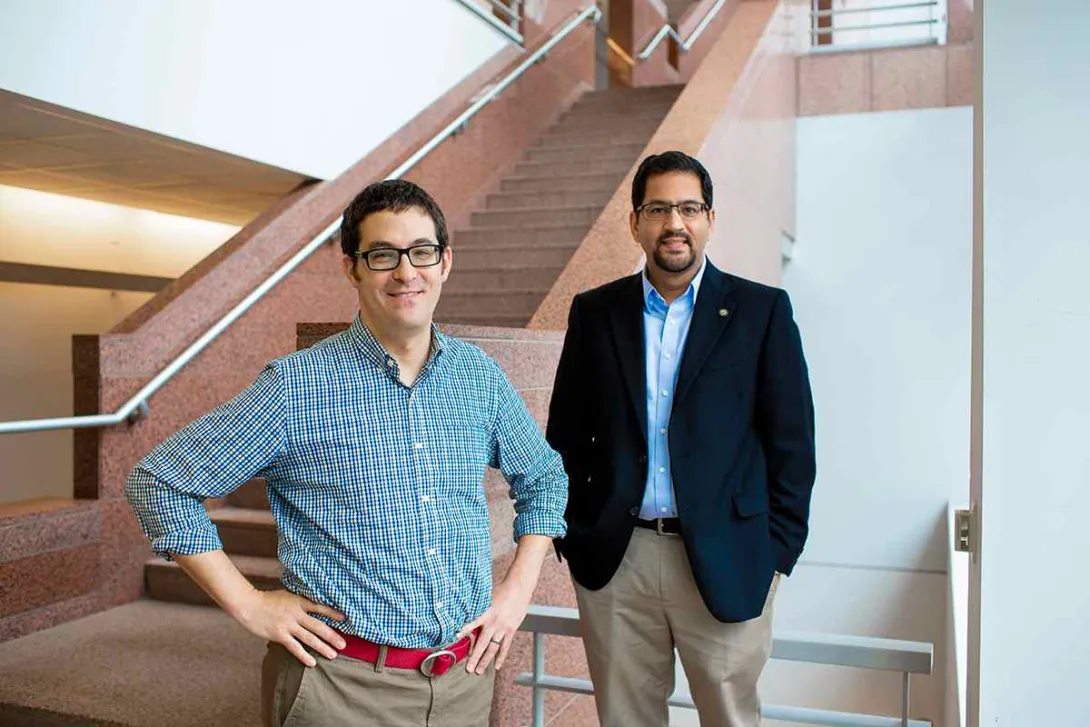
Emory University and Georgia Institute of Technology received a $4.8 million grant from the National Institutes of Health (NIH) BRAIN Initiative to establish a center to make and globally distribute next-generation micro-technologies for neuroscience. The funds will be awarded over a five-year period.
The Center for Advanced Motor BioEngineering and Research will make cutting-edge biosensors that were developed jointly by the two universities, disseminate them to neuroscientists across the country and around the world, and provide training and other resources for how to use the biosensors to explore a range of research questions.
Co-principal investigators for the project are Samuel Sober, Emory associate professor of biology, and Muhannad Bakir, Georgia Tech professor of electrical and computer engineering.
“Our technology allows you to see data that was invisible before — the electrical signals that single neurons in the spinal cord send to muscles all over the body during complex movements,” Sober says. “This information is like the missing link for trying to understand how the brain controls behavior.”
“The potential to develop new microscale technologies — with advances commonly used in semiconductor chip manufacturing — to enable scientific and medical discoveries in neuroscience is incredibly motivating,” Bakir adds. “It’s the inspiration driving this project.”
The NIH Brain Research Through Advancing Neurotechnologies (BRAIN) Initiative is aimed at revolutionizing understanding of the human brain. The five-year grant awarded to Emory and Georgia Tech is part of the BRAIN Initiative’s U24 Program, which supports projects to broadly disseminate validated tools and resources for neuroscience research.
Joining the power of two universities
Sober and Bakir combined the expertise of their labs to develop their breakthrough technology — biosensors that precisely record electrical signals from the nervous system to muscles that control movement.
Sober works at the forefront of describing the computational signals that the brain uses to control muscles. He’s particularly interested in how the brain learns, or relearns, motor skills — for example, in a recovering stroke patient.
Currently, clinicians use electromyography, or EMG, as a tool to diagnose the health of muscles and the motor neurons that control them. EMG typically involves the use of a tiny wire, or electrode, inserted into a muscle to record the electrical activity in the muscles.
Sober wanted a much finer resolution of data and more practical methods for his research on how the brain activates and controls muscles in songbirds as they learn to sing. He needed devices tiny enough to implant in the birds’ vocal cords. The devices also needed flexibility and strength to bend with the movement of a muscle without breaking. And each had to contain an array of gold electrodes to gather high-resolution data.
Enter Bakir, who works at the frontier of flexible electronics.
The unique collaboration between the two researchers allowed them to forge new scientific territory. “We leveraged state-of-the art microfabrication tools to solve a problem deeply rooted in the life sciences,” Bakir says.
A tiny device delivers big-picture insights
The researchers’ teams developed flexible electrode arrays that include microscopic 3D contacts for recording muscle activity. Each microarray includes one or more threads, about the width of a human hair. The devices are so tiny that they can be sewn into a muscle like a suture thread or even loaded into a syringe and injected into the muscle, making them minimally invasive. An earlier version of these technologies was developed in the Georgia Tech PhD work of Muneeb Zia, who is currently a Georgia Tech research faculty member.
They dubbed the new devices “Myomatrix arrays,” incorporating the Greek work “myo” for muscle. The high-tech biosensors allow researchers for the first time to record high-resolution data across large groups of muscles simultaneously while subjects perform complex behaviors.
To help test and refine the devices, the researchers have already given them to more than 100 different labs in the United States, Canada, Europe and Asia where they have been used to explore neuroscience questions in a variety of species — from the crawling muscles in a caterpillar to the locomotion of a mouse leg and the reaching movements of a monkey’s arm.
Setting the stage for clinical use
Comparing data from across species will help speed discoveries of the normal functioning of the neuromuscular system. That sets the stage for the Myomatrix arrays to become a valuable tool in clinical settings.
The researchers recently completed initial experiments with the biosensors in healthy humans, marking another major step forward.
The devices may eventually enable doctors to diagnose a neurogenerative disease earlier so that interventions can start sooner. The sensitivity of the Myomatrix arrays could also potentially measure any improvement a patient may experience after taking a drug or other therapy.
The BRAIN Initiative grant will allow the researchers to disseminate the technology to even more labs to do longer-term studies.
“A lot of times when new scientific technology gets developed it can be jealously guarded by the inventors for years,” notes Sober. “One of the big impacts of this technology is that we’ve already been giving it away as much as possible in an open-science way. And that’s helped us in turn to keep improving the technology because we are getting so much feedback.”
The Georgia Tech team will continue to fabricate and package the Myomatrix arrays using advanced microelectronic technologies in special “cleanrooms” where the air is purified to such extreme levels that the number of dust particles in the environment can be counted.
A global educational component
The Emory team will continue to work on assembling and testing the devices, in addition to training users from around the world in the use of technology via Zoom meetings and in-person sessions.
“This project is not just about making and disseminating the devices; it’s also a teaching mission with a big educational component,” Sober says. “We believe that this technology is going to have a major impact on the field of motor neuroscience.”
The project members will work with the NIH to ensure that the devices are distributed to a diverse range of users, institutions and research areas, consistent with the BRAIN Initiative’s goal to make the latest neuroscience tools more broadly accessible.
“We’ll be serving scientific communities that historically have not had access to such technologies or manufacturing capabilities,” Bakir says. “Emory and Georgia Tech are opening the doors to our facilities and to our expertise so that anyone who works in motor neuroscience can access and leverage these new devices, which require hundreds of millions of dollars to build and equip. This democratization of the technology will help to advance motor neuroscience at a more rapid pace.”
This story was originally published by Emory University. Check out their article here.
Photo Caption
Co-principal investigators for the project are (left) Samuel Sober, Emory associate professor of biology, and Muhannad Bakir, Georgia Tech professor of electrical and computer engineering. They combined the expertise of their labs to develop their breakthrough technology.
— Ann Watson, Emory Photo/Video
News Contact
Carol Clark
Jun. 07, 2023
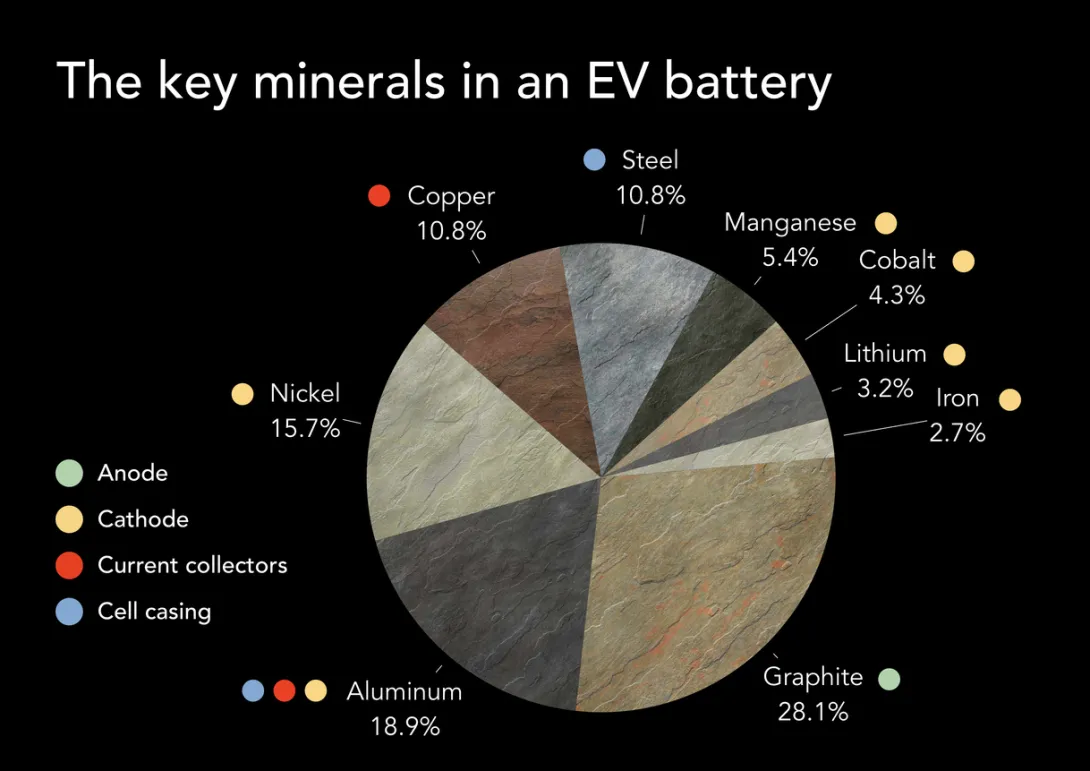
GTRI's EV battery recycling efforts are crucial because many of the key minerals found in lithium-ion batteries are sourced from geopolitically sensitive regions across the globe (Photo Credit: iStock).
Amid the surge in demand for lithium-ion batteries, which power everything from smartphones to electric vehicles (EVs), there is a greater need to properly recycle them. The Georgia Tech Research Institute (GTRI) is working to optimize Georgia’s EV battery supply chain by developing cost- and energy-efficient methods to recover materials from spent batteries so that more of them can be reused – and pose fewer environmental risks.
Georgia is quickly emerging as a hub for the electronic transportation industry. According to data from the Georgia Department of Economic Development, since 2018, 35 EV-related projects have contributed $23 billion in investments in the state.
South Korea-based Hyundai Motor Group recently broke ground on its first fully dedicated EV manufacturing facility in Savannah’s Bryan County. The company has also teamed up with LG Energy Solution to invest $4.3 billion in building an EV battery cell manufacturing plant at the same location.
EV manufacturer and automotive technology company Rivian, which is based on Irvine, Calif., has announced a $5 billion investment in its second U.S. plant located east of Atlanta in Morgan and Walton Counties.
Hyundai’s new facility is expected to reach full production capacity at the end of 2025, with 30 gigawatt hours (GWh) of energy anticipated to support the production of 300,000 EVs. Rivian, meanwhile, anticipates its Georgia plant will employ over 7,500 workers while producing up to 400,000 vehicles each year.
“This level of industry engagement in Georgia is unprecedented,” said Kevin Caravati, a GTRI principal research scientist, who is supporting this project. “The Hyundai plant, for example, could create tens of thousands of jobs in a very rural part of Georgia, which would be a step in the right direction for the entire state.”
The lithium-ion batteries that power EVs are seen as desirable over other battery technologies because of their high energy density, which allows electric cars to travel longer distances on a single charge. These types of batteries also have a low self-discharge rate, which means that the stored energy remains available for an extended period of time even when the vehicle is not in use.
However, these batteries can easily turn into fire hazards – especially at the end of their life cycle. Very few batteries ever end up being recycled and those that do get recycled are often mishandled.
“Currently, there are no recycling standards in place, which poses challenges for the entire supply chain,” said Milad Navaei, a GTRI senior research engineer, who is leading this project. “Our goal is to create circular economy for batteries in Georgia where we can reduce our dependence on raw materials that often come from overseas and can be very expensive.”
Lithium-ion batteries use metals including lithium, nickel, manganese, and cobalt that are mined in locations such as Africa’s Democratic Republic of the Congo, Chile and Argentina. During the production process, the metals are combined with other materials to form the two key components of a battery cell – the cathode and the anode. Inside a battery, the cathode, which has a negative charge, and anode, which has a positive charge, interact to generate electrons that power the electronic device. Most lithium-ion batteries are currently made in China.
Navaei noted that geopolitical sensitivities and lingering supply chain challenges in many of these regions makes GTRI’s work all the more crucial.
GTRI’s research consists of two parts: One, develop more advanced analytics capabilities for fleet management companies to monitor the health and performance of EV batteries, and two, optimize the recovery of raw materials from batteries at the end of their useful life.
“The battery is the most important part of an EV, and it’s critical to know the battery’s state of health (SoH), which is the ratio of the present capacity to the initial capacity,” said Navaei. “Our goal is to utilize technologies such as the Internet of Things (IoT) to monitor the SoH of these batteries and estimate the life cycle, which heavily depends on the usage and the type of battery for its safe and reliable implementation in the next life application.”
GTRI aims to integrate these technologies into companies’ existing inventory management systems to streamline process management and reporting.
For the second part of the research, GTRI is utilizing a statistical technique known as parametric modeling to aggregate data about known behaviors and characteristics of EV batteries to help companies make more informed decisions about properly depowering them and repurposing their raw materials with minimal environmental impact.
“Developing a robust system-modeling approach to support our energy research is a primary focus of ours,” said GTRI Principal Research Scientist Ilan Stern, who is also supporting the project. “Since our ultimate goal is to utilize domestic sources in our supply chain, really the only way to do that is by building out strong recycling models to account for the fact that these companies are working with finite materials and many of them are coming from conflict zones.”
GTRI is working with a number of industry partners on this project, including many companies that participated in Georgia Tech Battery Day earlier this year. At the event, over 230 energy researchers and industry participants convened to discuss emerging opportunities in energy storage research. Some of the companies represented at the event included Hyundai Kia, Delta Airlines, Cox Automotive and Panasonic.
Writer: Anna Akins
Photo Credit: iStock
GTRI Communications
Georgia Tech Research Institute
Atlanta, Georgia
The Georgia Tech Research Institute (GTRI) is the nonprofit, applied research division of the Georgia Institute of Technology (Georgia Tech). Founded in 1934 as the Engineering Experiment Station, GTRI has grown to more than 2,900 employees, supporting eight laboratories in over 20 locations around the country and performing more than $800 million of problem-solving research annually for government and industry. GTRI's renowned researchers combine science, engineering, economics, policy, and technical expertise to solve complex problems for the U.S. federal government, state, and industry.
News Contact
(Interim) Director of Communications
Michelle Gowdy
Michelle.Gowdy@gtri.gatech.edu
404-407-8060
May. 30, 2023
One of the primary drivers of climate change is excess greenhouse gases like carbon dioxide in the atmosphere. Mitigating climate change in the coming century will require both decarbonization — electrifying the power grid or reducing fossil fuel-guzzling transportation — and removing already existing carbon dioxide from the atmosphere, a process called carbon dioxide removal.
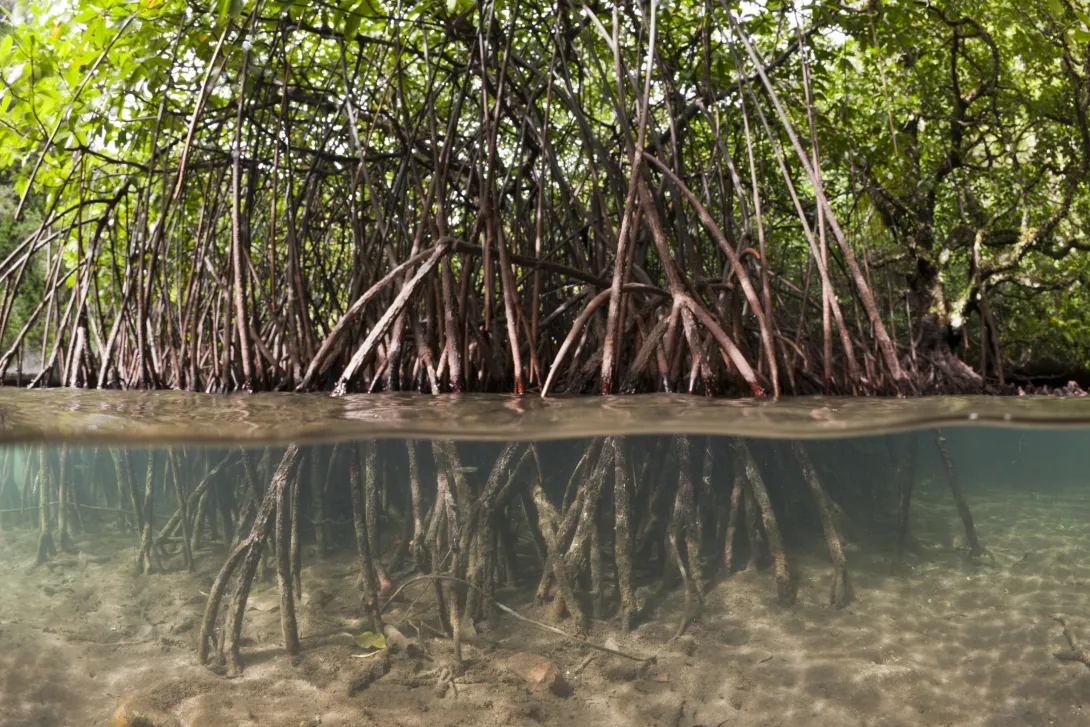
Researchers at the Georgia Institute of Technology and Yale University are proposing a novel pathway through which coastal ecosystem restoration can permanently capture carbon dioxide from the atmosphere. Seagrass and mangroves — known as blue carbon ecosystems — naturally capture carbon through photosynthesis, which converts carbon dioxide into living tissue.
“Mangroves and seagrasses extract carbon dioxide from the atmosphere all day long and turn it into biomass,” said Chris Reinhard, an associate professor in the School of Earth and Atmospheric Sciences (EAS). “Some of this biomass can get buried in sediments, and if it stays there, then you’ve basically just removed carbon dioxide from the atmosphere.”
Restoring these ecosystems could potentially benefit local flora and fauna and help to energize coastal economies. But Reinhard and colleagues now suggest that restoring them could also remove additional carbon through a novel pathway while combating increasing acidity in the ocean.
In May, they presented their research in “Ocean Alkalinity Enhancement Through Restoration of Blue Carbon Ecosystems” in Nature Sustainability.
Carbon 101
There are two major types of carbon that cycle through the Earth system: organic carbon and inorganic carbon. Organic carbon is contained in living matter, such as algae, plants, animals, and even humans. This form of carbon can remove carbon dioxide from the atmosphere temporarily, but if it becomes buried in sediments at the seafloor, it can lead to permanent carbon dioxide removal. Inorganic carbon can also be found in many forms, including rocks and minerals, but is present as a significant dissolved component of ocean water. Roughly 30% of the carbon emitted by human activities since the industrial revolution is now stored as dissolved inorganic carbon in the ocean. Although carbon dioxide stored as organic carbon can be disrupted, effectively redistributing carbon dioxide back into the atmosphere, carbon dioxide removal by inorganic carbon is potentially much more durable.
“Even if you change the way a coastal ecosystem restoration project is operating, potentially remobilizing previously stored organic carbon, inorganic carbon capture is largely a one-way street,” said Mojtaba Fakhraee, lead author of the study and former postdoctoral researcher in EAS. “So even if a massive ecosystem disruption in the future undoes organic carbon storage, the inorganic carbon that has been captured will still be in the ocean permanently.”
Capturing Carbon, Counteracting Acidity
Coastal ecosystems naturally remove carbon from the atmosphere and provide a range of environmental and economic benefits to coastal communities, but many human interventions have caused extensive degradation or destruction of natural coastal environments. Planting more mangroves and seagrasses, maintaining them, and protecting the overall ecosystem can restore their functioning and lead to additional carbon removal from the atmosphere. Reinvigorating coastal ecosystems as a technique for mitigating carbon emissions is not a new idea, but past research has focused on carbon removal through organic carbon burial and has not explored the potential for carbon removal through the formation of inorganic carbon.
Another major result of human fossil fuel use beyond climate change is ocean acidification from carbon dioxide in the atmosphere dissolving in the water and driving down the pH of the ocean, which can have severe, negative impacts on many organisms like corals. Storing carbon dioxide as inorganic carbon in the ocean could help mitigate this, because the chemical processes that lead to carbon capture as inorganic carbon involves alkalinizing ocean waters.
“The basic idea here is that you are shifting the acid-base balance of the ocean to drive conversion of carbon dioxide in the atmosphere to inorganic carbon in the ocean,” Reinhard said. “This means that the process can help to partially offset the negative ecological consequences of ocean acidification.”
Modeling Carbon Capture
To explore how effective restoring coastal ecosystems could be for inorganic carbon capture, the researchers built a numerical model to represent the chemistry and physics of sedimentary systems — the complex mixture of solid particles, living organisms, and seawater that accumulates at the seafloor. A key advance of the model is that it specifically tracks the potential benefits of restored mangrove or seagrass ecosystems and their impacts on organic and inorganic carbon cycling. It also calculates the effects of other greenhouse gases, such as methane, that can sometimes be created in the process of restoring mangrove and seagrass ecosystems.
“This model comes up with representations for the rates of carbon transformation in the sediment based on how much mangrove is growing above the sediment,” said Noah Planavsky, senior author on the study and professor of Earth and planetary sciences at Yale. “We found that across an extremely large range of scenarios, restoration of blue carbon ecosystems leads to durable carbon dioxide removal as dissolved inorganic carbon.”
The team hopes this research could provide an impetus to protect current coastal ecosystems and economically incentivize restoration of degraded ecosystems, potentially as a new form of carbon offset.
“Companies that are trying to offset their own emissions could potentially purchase carbon removal through funding restoration of coastal ecosystems,” Reinhard said. “This could help rebuild these ecosystems and all of the environmental benefits they provide, while leading to durable carbon dioxide removal from the atmosphere.”
CITATION: Fakhraee, M., Planavsky, N.J. & Reinhard, C.T. Ocean alkalinity enhancement through restoration of blue carbon ecosystems. Nat Sustain (2023). https://doi.org/10.1038/s41893-023-01128-2
News Contact
Tess Malone, Senior Research Writer/Editor
May. 26, 2023
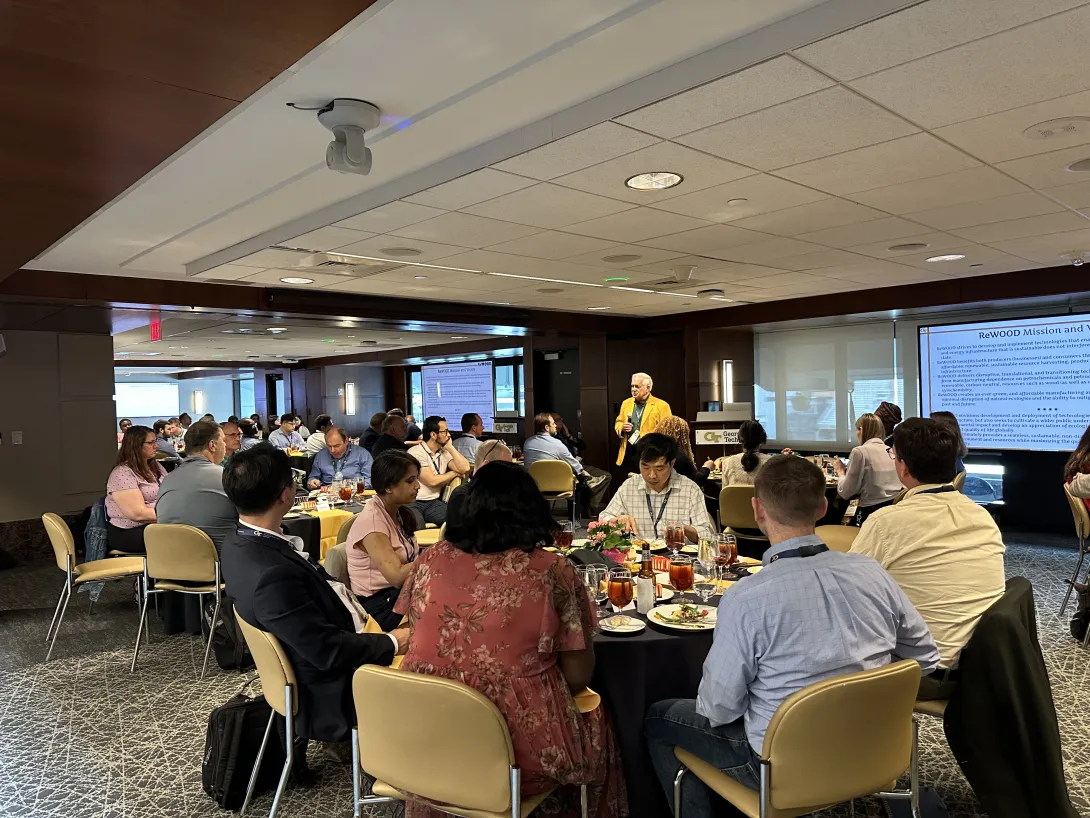
Keynote Presentation during the Spring2023 RBI Workshop on Packaging Innovation and the Circular Economy
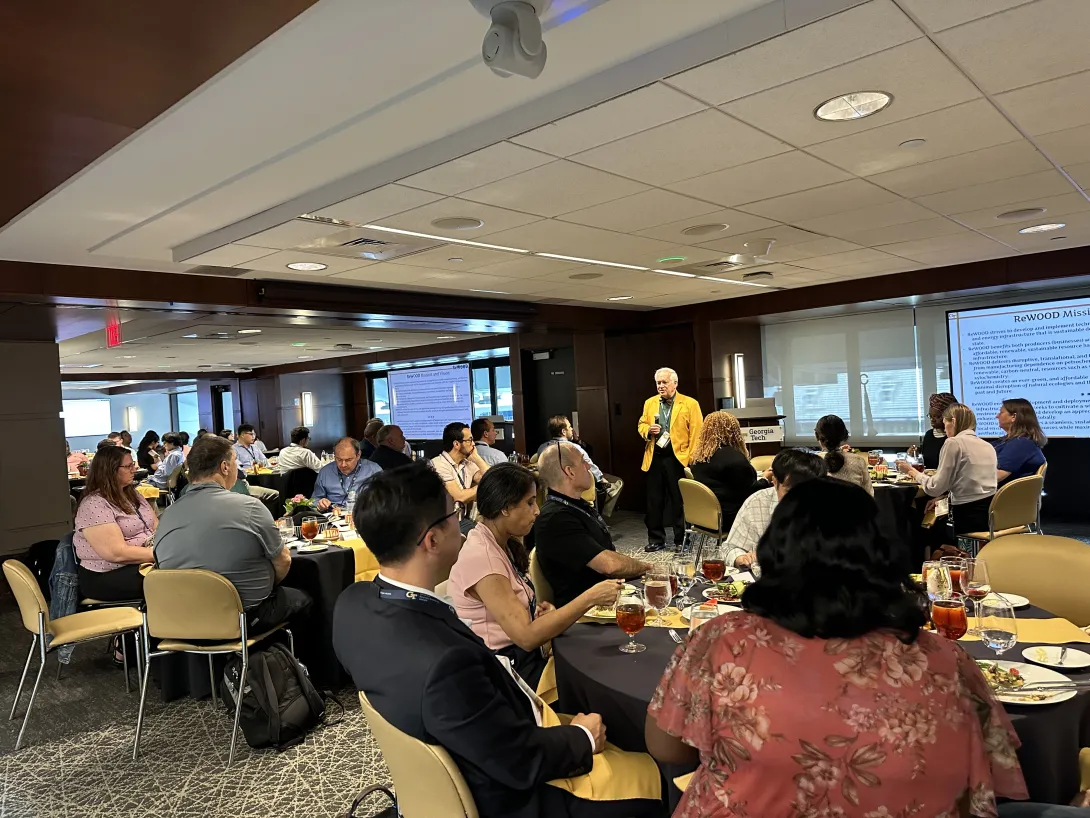
On Thursday, May 11, the Renewable Bioproducts Institute (RBI) of Georgia Tech hosted a workshop on “Packaging Innovation and the Circular Economy” at the Bill Moore Student Success Center on the Georgia Tech campus. More than 90 attendees from academia, national labs, and industry convened and discussed the cutting-edge research and industry developments happening across the world and got an opportunity to network with leading researchers and peers. This unique workshop featured speakers from the USDA Forest Products Laboratory, WestRock, Stora Enso, Georgia Tech, University of Maine, and many others.
The workshop started off with an introduction by Carson Meredith, executive director of RBI, who gave a perspective on the institute’s goals in promoting bioeconomy technology and innovation. Dr. Meredith emphasized RBI’s role in “catalyzing a community of researchers who focus on solving challenges in packaging by investing in team building across interdisciplinary boundaries.”
Research talks began with a presentation from Tequila Harris, professor in the George W. Woodruff School of Mechanical Engineering. Harris shared her team’s research on a continuous coating process of cellulose- and chitin-derived materials to create enhanced packaging barrier films. Meisha Shofner, associate professor and Faculty Fellow in the School of Material Science and Engineering shared her work on mechanical and thermal properties of single use packaging materials and paths to improving circularity.
Carson Meredith, professor in the School of Chemical & Biomolecular Engineering and executive director of RBI informed on renewable barriers from carbohydrates as viable alternatives to plastics and the research methods involved to get more promising results for circular functional barrier packaging materials. Joe Bozeman, assistant professor in the School of Civil and Environmental Engineering at Georgia Tech presented the Systemic Equity framework as it relates to circularity.
Mehdi Tajvidi, professor from the University of Maine, discussed his team’s research to produce particle board and other packaging materials using nanocellulose and the audience got an opportunity to look and get a feel for his research team’s samples.
Discussions from industry experts included material innovations to replace plastics, packaging requirements in the European Union and the United States and how brands drive innovation more than regulations, methods to optimize package size and packing speed for sustainability, paper-based packaging equipment and systems to replace plastics including plastic water bottles, dye choices and the influence of defect detection in waterborne barrier coated papers, and innovations in fiber-based cold chain packaging.
Ken Zwick from the U.S. Forest Products Laboratory discussed managing forests using methods like forest thinning such that the biomass prevents wildfires and what success looks like for his team – less plastic in packaging and less burning of wood. Their Madison building also houses the largest wood library in Wisconsin.
Participants had a chance to interact with Georgia Tech students and get to know their research at the student poster presentation. The dinner keynote was presented by researchers Bo Arduengo and Stefan France from the School of Chemistry and Biochemistry at Georgia Tech. The keynote provided an overview of RBI’s newly created ReWOOD research center. Abbreviated from “Renewables-based Economy from WOOD,” research at the center focuses on using sustainable plant-based raw materials to develop industrial products ranging from jet fuel to solvents to generic pharmaceutical additives and more. The presentation provided a glimpse on the expansion of ReWOOD since its launch through research affiliations from universities across the world. ReWOOD’s partnership list continues to grow as the center focuses on targeted research areas and funding proposals to develop technology and commercial opportunities.
“The workshop turned out to be a huge success with a highly engaged audience of faculty, students, national lab, and industry experts,“ said Carson Meredith, executive director of the Renewable Bioproducts Institute. “RBI will continue to host such events as we are committed to providing thought leadership and be a catalyst of cutting-edge research in the areas of circular materials; bioindustrial manufacturing; and paper, packaging, and tissue.”
News Contact
Priya Devarajan || RBI Communications Manager
May. 10, 2023
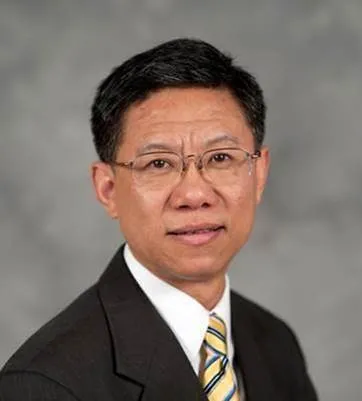
Chuck Zhang, GTMI faculty member and the Harold E. Smalley Professor in the H. Milton Stewart School of Industrial and Systems Engineering, is one of five faculty members will help grow the College of Engineering’s work in high-impact cyber-physical systems security (CPSS) as new Cybersecurity Fellows.
Fellows represent expertise in a variety of areas of CPSS, which addresses risks where cyber and physical worlds intersect. That includes the Internet of Things (IoT), industrial systems, smart grids, medical devices, autonomous vehicles, robotics, and more.
“As devices, systems, and the world continue to become more connected, cyber-related threats that were traditionally limited to the digital domain have made their way to physical systems,” said Raheem Beyah, dean of the College, Southern Company Chair, and a cybersecurity expert. “The College of Engineering has world-renowned cybersecurity and artificial intelligence researchers. This new cohort will continue to expand the College’s breadth of expertise and leadership in CPSS.”
The three-year fellowship was made possible by a gift from Kyle Seymour, a 1982 mechanical engineering graduate who retired as president and CEO of S&C Electric Company in 2020. Seymour wanted to help increase cybersecurity-related research and instruction within the College.
School chairs nominated potential fellows, who were evaluated and selected by a committee of senior cybersecurity researchers and College leaders.
Five faculty members will help grow the College of Engineering’s work in high-impact cyber-physical systems security (CPSS) as new Cybersecurity Fellows.
Fellows represent expertise in a variety of areas of CPSS, which addresses risks where cyber and physical worlds intersect. That includes the Internet of Things (IoT), industrial systems, smart grids, medical devices, autonomous vehicles, robotics, and more.
“As devices, systems, and the world continue to become more connected, cyber-related threats that were traditionally limited to the digital domain have made their way to physical systems,” said Raheem Beyah, dean of the College, Southern Company Chair, and a cybersecurity expert. “The College of Engineering has world-renowned cybersecurity and artificial intelligence researchers. This new cohort will continue to expand the College’s breadth of expertise and leadership in CPSS.”
The three-year fellowship was made possible by a gift from Kyle Seymour, a 1982 mechanical engineering graduate who retired as president and CEO of S&C Electric Company in 2020. Seymour wanted to help increase cybersecurity-related research and instruction within the College.
School chairs nominated potential fellows, who were evaluated and selected by a committee of senior cybersecurity researchers and College leaders.
News Contact
Walter Rich