
May. 15, 2024
Georgia Tech researchers say non-English speakers shouldn’t rely on chatbots like ChatGPT to provide valuable healthcare advice.
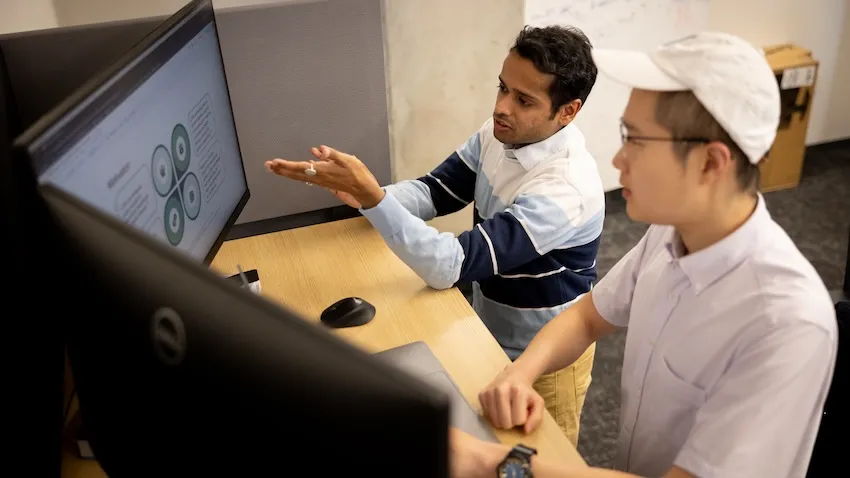
A team of researchers from the College of Computing at Georgia Tech has developed a framework for assessing the capabilities of large language models (LLMs).
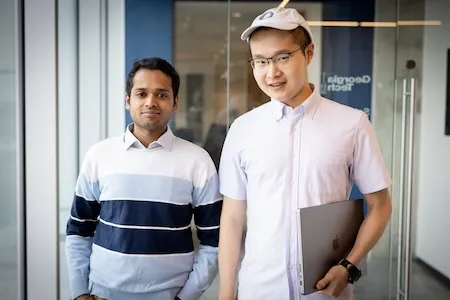
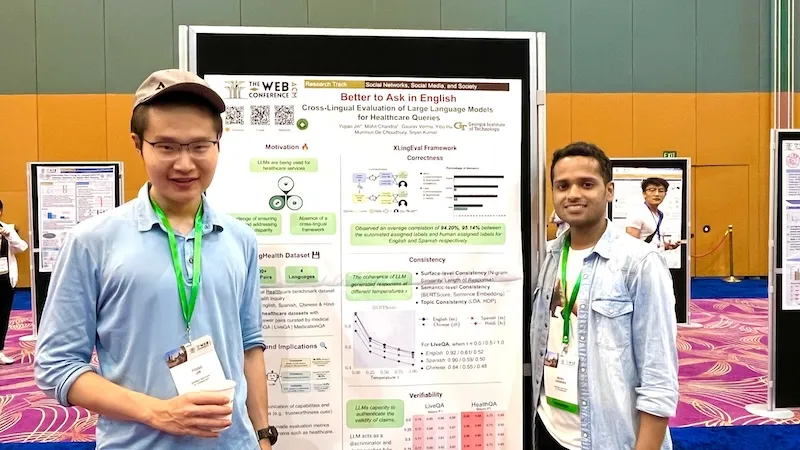
Ph.D. students Mohit Chandra and Yiqiao (Ahren) Jin are the co-lead authors of the paper Better to Ask in English: Cross-Lingual Evaluation of Large Language Models for Healthcare Queries.
Their paper’s findings reveal a gap between LLMs and their ability to answer health-related questions. Chandra and Jin point out the limitations of LLMs for users and developers but also highlight their potential.
Their XLingEval framework cautions non-English speakers from using chatbots as alternatives to doctors for advice. However, models can improve by deepening the data pool with multilingual source material such as their proposed XLingHealth benchmark.
“For users, our research supports what ChatGPT’s website already states: chatbots make a lot of mistakes, so we should not rely on them for critical decision-making or for information that requires high accuracy,” Jin said.
“Since we observed this language disparity in their performance, LLM developers should focus on improving accuracy, correctness, consistency, and reliability in other languages,” Jin said.
Using XLingEval, the researchers found chatbots are less accurate in Spanish, Chinese, and Hindi compared to English. By focusing on correctness, consistency, and verifiability, they discovered:
- Correctness decreased by 18% when the same questions were asked in Spanish, Chinese, and Hindi.
- Answers in non-English were 29% less consistent than their English counterparts.
- Non-English responses were 13% overall less verifiable.
XLingHealth contains question-answer pairs that chatbots can reference, which the group hopes will spark improvement within LLMs.
The HealthQA dataset uses specialized healthcare articles from the popular healthcare website Patient. It includes 1,134 health-related question-answer pairs as excerpts from original articles.
LiveQA is a second dataset containing 246 question-answer pairs constructed from frequently asked questions (FAQs) platforms associated with the U.S. National Institutes of Health (NIH).
For drug-related questions, the group built a MedicationQA component. This dataset contains 690 questions extracted from anonymous consumer queries submitted to MedlinePlus. The answers are sourced from medical references, such as MedlinePlus and DailyMed.
In their tests, the researchers asked over 2,000 medical-related questions to ChatGPT-3.5 and MedAlpaca. MedAlpaca is a healthcare question-answer chatbot trained in medical literature. Yet, more than 67% of its responses to non-English questions were irrelevant or contradictory.
“We see far worse performance in the case of MedAlpaca than ChatGPT,” Chandra said.
“The majority of the data for MedAlpaca is in English, so it struggled to answer queries in non-English languages. GPT also struggled, but it performed much better than MedAlpaca because it had some sort of training data in other languages.”
Ph.D. student Gaurav Verma and postdoctoral researcher Yibo Hu co-authored the paper.
Jin and Verma study under Srijan Kumar, an assistant professor in the School of Computational Science and Engineering, and Hu is a postdoc in Kumar’s lab. Chandra is advised by Munmun De Choudhury, an associate professor in the School of Interactive Computing.
The team will present their paper at The Web Conference, occurring May 13-17 in Singapore. The annual conference focuses on the future direction of the internet. The group’s presentation is a complimentary match, considering the conference's location.
English and Chinese are the most common languages in Singapore. The group tested Spanish, Chinese, and Hindi because they are the world’s most spoken languages after English. Personal curiosity and background played a part in inspiring the study.
“ChatGPT was very popular when it launched in 2022, especially for us computer science students who are always exploring new technology,” said Jin. “Non-native English speakers, like Mohit and I, noticed early on that chatbots underperformed in our native languages.”
School of Interactive Computing communications officer Nathan Deen and School of Computational Science and Engineering communications officer Bryant Wine contributed to this report.
News Contact
Bryant Wine, Communications Officer
bryant.wine@cc.gatech.edu
Nathan Deen, Communications Officer
ndeen6@cc.gatech.edu
May. 15, 2024
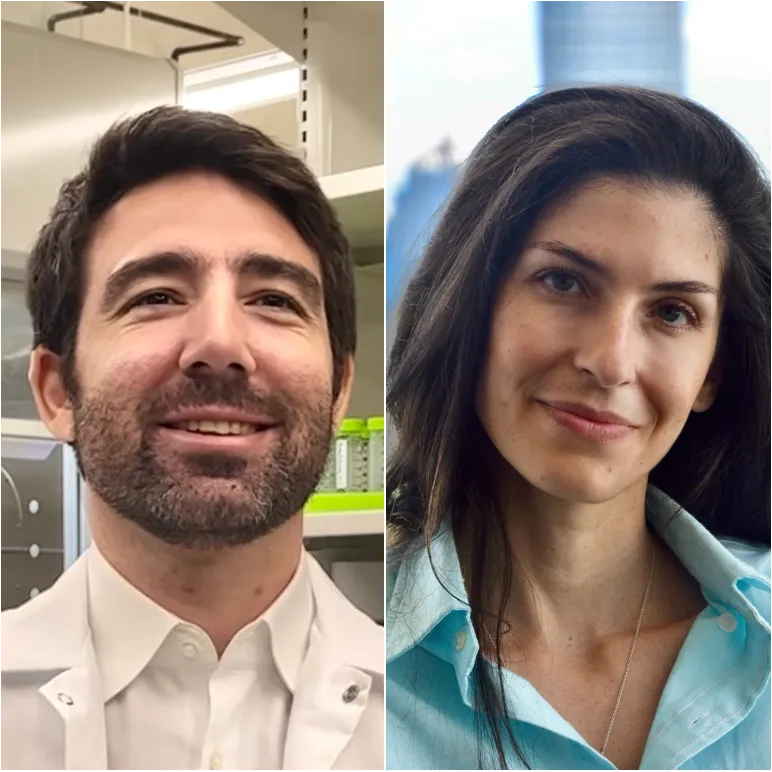
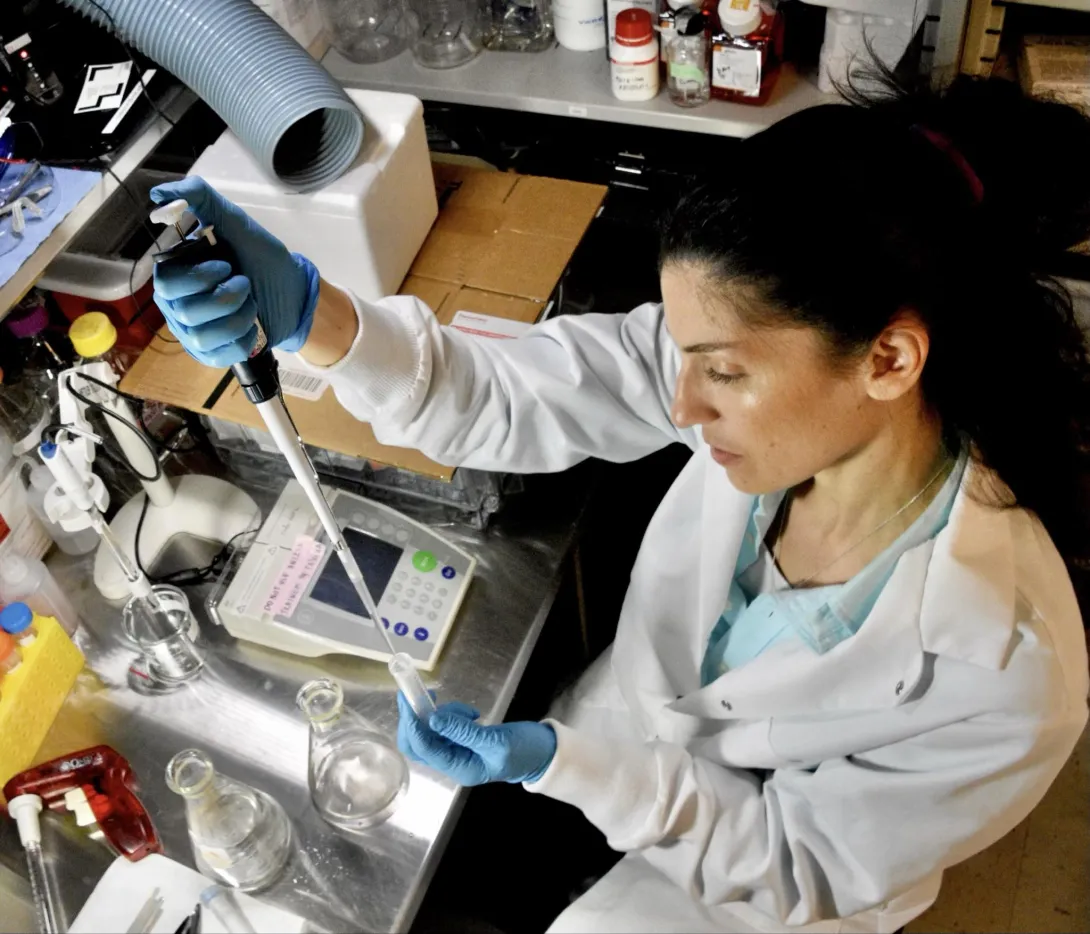
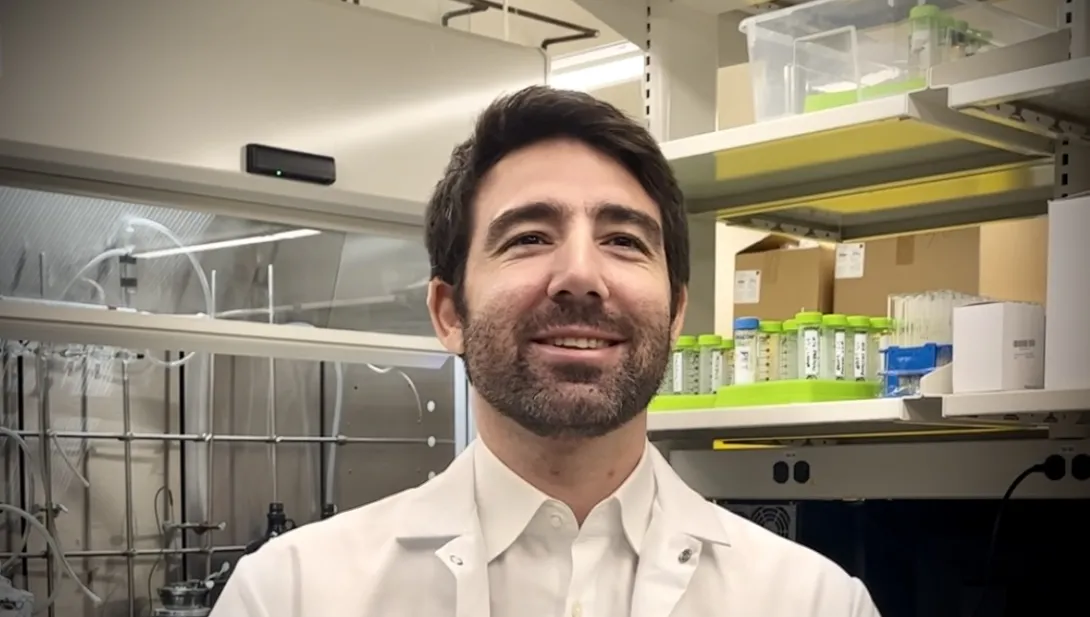

When looking for an environmentally friendly and cost-effective way to clean up contaminated water and soil, Georgia Tech researchers Patricia Stathatou and Christos Athanasiou turned to yeast. A cheap byproduct from fermentation processes — e.g., something your local brewery discards in mass quantities after making a batch of beer — yeast is widely known as an effective biosorbent. Biosorption is a mass transfer process by which an ion or molecule binds to inactive biological materials through physicochemical interactions.
When they initially studied this process, Stathatou and Athanasiou found that yeast can effectively and rapidly remove trace lead — at challenging initial concentrations below one part per million — from drinking water. Conventional water treatment methods either fail to eliminate lead at these low levels or result in high financial and environmental costs to do so. In a paper published today in RSC Sustainability, the researchers show how this process can be scaled.
“If you put yeast directly into water to clean it, you will need an additional treatment step to remove the yeast from the water afterward,” said Stathatou, a research scientist at the Renewable Bioproducts Institute and an incoming assistant professor at the School of Chemical and Biomolecular Engineering. “To implement this process at scale without requiring additional separation steps, the yeast cells need a housing.”
“Additionally, because yeast is abundant— in some cases, brewers even pay companies to haul it away as a waste byproduct — this process gives the yeast a second life,” said Athanasiou, an assistant professor in the Daniel Guggenheim School of Aerospace Engineering. “It’s a plentiful low, or even negative, value resource, making this purification process inexpensive and scalable.”
To develop a housing for the yeast, Stathatou and Athanasiou partnered with MIT chemical engineers Devashish Gokhale and Patrick S. Doyle. Gokhale and Stathatou are the lead authors of this new study that demonstrates the yeast water purification process’s scalability.
“We decided to make these hollow capsules— analogous to a multivitamin pill — but instead of filling them up with vitamins, we fill them up with yeast cells,” Gokhale said. “These capsules are porous, so the water can go into the capsules and the yeast are able to bind all of that lead, but the yeast themselves can’t escape into the water.”
The yeast-laden capsules are sufficiently large, about half a millimeter in diameter, for easy separation from water by gravity. This means they can be used to make packed-bed bioreactors or biofilters, with contaminated water flowing through these hydrogel-encased yeast cells and coming out clean.
Stathatou and Athanasiou envision using these hydrogel yeast capsules in small biofilters consumers can put on their kitchen faucets, or biofilters large enough to fit municipal or industrial wastewater treatment systems. But to enable such scalability, the yeast-laden capsules’ ability to withstand the force generated by water flowing inside such systems needed to be studied as well.
To determine this, Athanasiou tested the capsules’ mechanical robustness, which is how strong and sturdy they are in the presence of waterflow forces. He found they can withstand forces like those generated by water running from a faucet, or even flows like those in water treatment plants that serve a few hundred homes. “In previous attempts to scale up biosorption with similar approaches, lack of mechanical robustness has been a common cause of failure,” Athanasiou said. “We wanted to make sure our work addressed this issue from the very beginning to ensure scalability.”
“After assessing the mechanical robustness of the yeast-laden capsules, we made a prototype biofilter using a 10-ml syringe,” Stathatou explained. “The initial lead concentration of water entering the biofilter was 100 parts per billion; we demonstrated that the biofilter could treat the contaminated water, meeting EPA drinking water guidelines, while operating continuously for 12 days.”
The researchers hope to identify ways to isolate and collect specific contaminants left behind in the filtering yeast, so those too can be used for other purposes.
“Apart from lead, which is widely used in systems for energy generation and storage, this process could be used to remove and recover other metals and rare earth elements as well,” Athanasiou said. “This process could even be useful in space mining or other space applications.”
They also would like to find a way to keep reusing the yeast. “But even if we can’t reuse yeast indefinitely, it is biodegradable,” Stathatou noted. “It doesn’t need to be put into an industrial composter or sent to a landfill. It can be left on the ground, and the yeast will naturally decompose over time, contributing to nutrient cycling.”
This circular approach aims to reduce waste and environmental impact, while also creating economic opportunities in local communities. Despite numerous lead contamination incidents across the U.S., the team’s successful biosorption method notably could benefit low-income areas historically burdened by pollution and limited access to clean water, offering a cost-effective remediation solution. “We think there’s an interesting environmental justice aspect to this, especially when you start with something as low-cost and sustainable as yeast, which is essentially available anywhere,” Gokhale says.
Moving forward, Stathatou and Athanasiou are exploring other uses for their hydrogel-yeast purification method. The researchers are optimistic that, with modifications, this process can be used to remove additional inorganic and organic contaminants of emerging concern, such as PFAS — or “forever” chemicals — from the water or the ground.
Citation: Devashish Gokhale, Patritsia M. Stathatou, Christos E. Athanasiou, and Patrick S. Doyle, “Yeast-laden Hydrogel Capsules for Scalable Trace Lead Removal from Water,” RSC Sustainability. DOI:
Funding: Patricia Stathatou was supported by funding from the Renewable Bioproducts Institute at Georgia Tech. Devashish Gokhale was supported by the Rasikbhai L. Meswani Fellowship for Water Solutions and the MIT Abdul Latif Jameel Water and Food Systems Lab (J-WAFS).
News Contact
Shelley Wunder-Smith
Director of Research Communications
Georgia Institute of Technology
May. 13, 2024
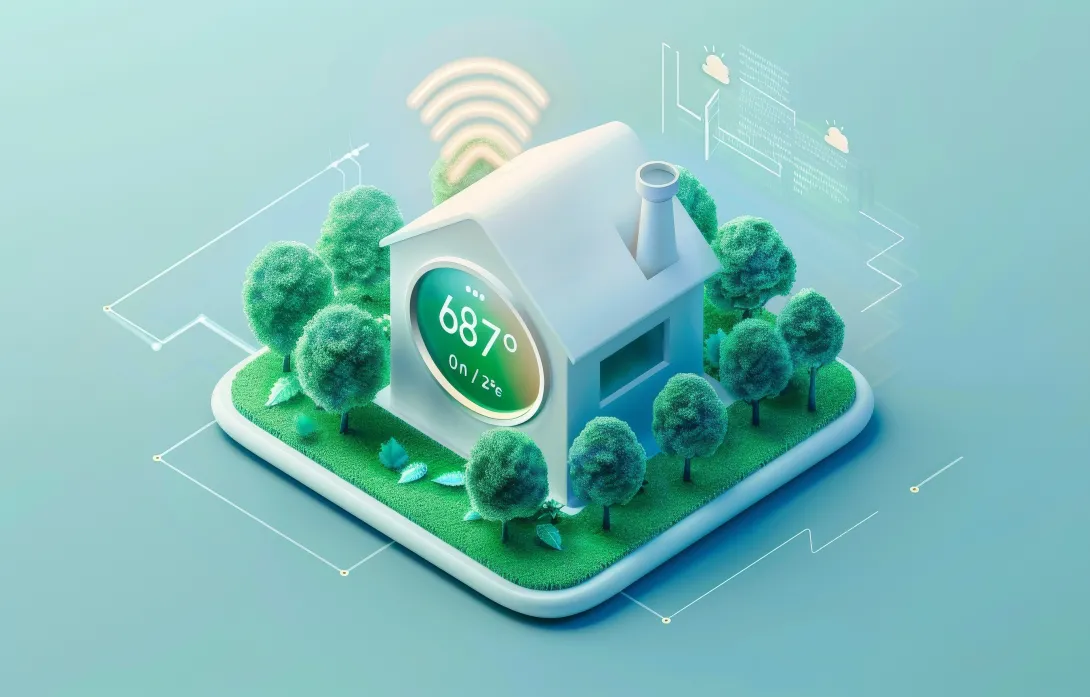
People using energy-efficient smart thermostats are willing to sacrifice comfort and control to save relatively small amounts of energy that could add up if enough people sign on, a Georgia Tech economist reported in a recent study.
With federal and state energy policies targeting aggressive decarbonization in the next 15 years, smart technologies have the potential to help achieve these goals at a reasonable cost, said Casey J. Wichman, associate professor in the Georgia Institute of Technology School of Economics.
In a forthcoming issue of American Economic Journal: Applied Economics, Wichman and colleagues report that automation within smart thermostats can lead to potentially large reductions in household electricity use and costs.
Utilities look to time-of-use (TOU) pricing — where prices are higher during peak demand and lower during lags in demand — to save consumers money and relieve pressure on the grid.
“From an economics perspective, there's this idea that if you set the price right, everything will work out,” Wichman said. “But if consumers don't actually respond to those prices, that limits the effectiveness of the solution.”
For the study, more than 2,100 Toronto-area residents using Ecobee smart thermostats agreed to share their usage data during the 2019 rollout of a suite of new thermostat features that included an automated component.
Participants opted to allow the thermostats to precool or preheat their homes at times of the day when electricity was less expensive, choosing on a sliding scale how aggressive they wanted the algorithm to be. Degree changes within the homes varied from around 1 to 5 degrees, saving participants up to 30 Canadian cents per day in the summer.
“I have always liked applying economic concepts to simple decisions we make in our daily lives,” Wichman said. “This allows me to answer new questions about how decisions matter for the environment, and how policies or technologies can be designed to generate social change. In this project, we’re leveraging new data sources to try to capture the unaccounted-for costs of those policies.”
Studies on energy savings, he said, often miss the in-home comfort cost. These results showed that people seemed willing to trade relatively small monetary savings for a small increase in discomfort, although discomfort was most pronounced for residents who typically spend more time at home. For the most part, people were willing to sacrifice control over their heating and cooling decisions to an algorithm.
This finding surprised Wichman. “We thought we would see more people turn off the feature,” he said. That didn't happen.
As time-varying electricity pricing rolls out across North America, utilities could provide incentives for customers to opt into energy-saving settings programmed into internet-connected home appliances, like water heaters, pool pumps, and electric vehicles.
The researchers’ results suggest that such programs could be designed in a way that customers will accept. This gives Wichman a sense of optimism for the future.
“What is interesting here is that technology can complement economic incentives,” he said. “You can have technology correct for humans’ inability to remember to set their heating and cooling schedule in a way that's consistent with social goals.”
Author: Deborah Halber
May. 09, 2024
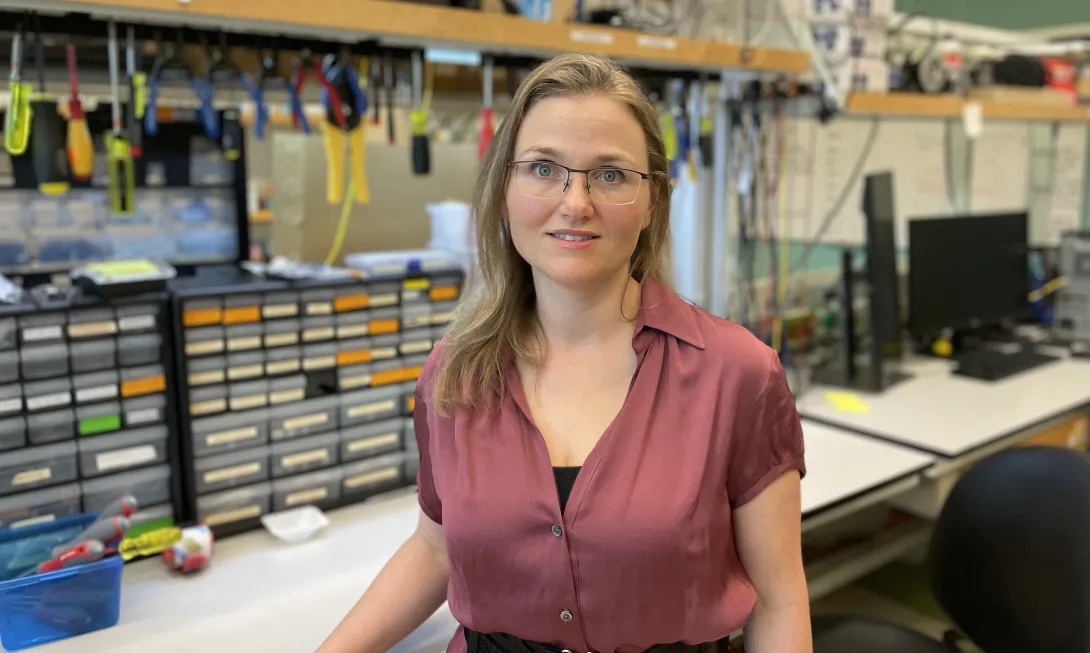
A scientist and her tools: Annabelle Singer has quantified her flicker technology with unprecedented precision in a new clinical trial. — Photo by Jerry Grillo
Biomedical engineer Annabelle Singer has spent the past decade developing a noninvasive therapy for Alzheimer’s disease that uses flickering lights and rhythmic tones to modulate brain waves. Now she has discovered that the technique, known as flicker, also could benefit patients with a host of other neurological disorders, from epilepsy to multiple sclerosis.
Previously, Singer and her collaborators demonstrated that the lights and sounds, delivered to patients through goggles and headphones, have beneficial effects. Flicker has been successful in animal studies and in early human feasibility trials, where it was tested for safety, tolerance, and patient adherence.
Now, thanks to a clinical trial for people with epilepsy, the researchers quantified flicker’s effects with unprecedented precision. They also made an unexpected, but encouraging, discovery: The treatment reduced interictal epileptiform discharges (IEDs) in the brain.
These large, intermittent electrophysiological events are observed between seizures in people with epilepsy. They appear as sharp spikes on an EEG readout.
“What’s interesting about these IEDs is that they don’t just occur in epilepsy,” said Singer, McCamish Foundation Early Career Professor in the Wallace H. Coulter Department of Biomedical Engineering at Georgia Tech and Emory University. “They occur in autism, multiple sclerosis, Alzheimer’s, and other neurological disorders, too.” And IEDs disrupt normal brain function, causing memory impairment.
Singer and her team published their findings recently in Nature Communications.
The Rhythm in Our Heads
Inside the brain are elaborate symphonies of electrical activity: brain waves, or oscillations, that compose our memories, thoughts, and emotions. Singer wants to modulate those oscillations for therapeutic purposes.
At specific frequencies of light and sound, the flicker treatment can induce gamma oscillations in mice. This helps the brain recruit microglia, cells responsible for removing beta amyloid, which is believed to play a central role in Alzheimer’s pathology. Part of the work is in recording what’s happening in the brain during treatment to verify how it’s working.
The patients in the trial were under the care of physician Jon Willie at the Emory University Hospital Epilepsy Monitoring Unit. (Willie, co-corresponding author of the study with Singer, is now at Washington University in St. Louis.) They were awaiting surgery to remove an area of the brain where seizures occur. Before that could happen, they had to undergo intracranial seizure monitoring — recording electrodes are placed in the brain to pinpoint the seizure onset zone and determine exactly which tissue should be removed. Then, patients and their care team wait for a seizure to happen. It can take days.
“In human studies, we’ve used noninvasive methods like functional MRI or scalp EEG, but they have real downsides in terms of resolution,” Singer said. “Working with these patients was a game changer. These are people with treatment-resistant epilepsy, which means that drugs aren’t working for them.”
Pathway to Healing
Singer’s team recruited 19 patients. Lead author of the study, Lou Blanpain, a former Ph.D. student in Singer’s lab and now a medical student at Emory, went from patient to patient with the flicker stimulation and recording equipment.
“Because these patients already had recording probes implanted for clinical reasons, we were able to record directly from the brain,” Singer said. “We’ve never been able to get recordings of this quality during flicker treatment before.”
As the researchers expected, flicker modulated the visual and auditory brain regions that respond strongly to stimuli. But it also reached deeper, into the medial temporal lobe and prefrontal cortex, brain regions crucial for memory. And across the brain, in regions Singer hadn’t fully explored before, she found IEDs were decreasing.
“That has important implications for whether flicker is therapeutically relevant for people with Alzheimer’s, but also in general if we want to target anything beyond the primary sensory regions,” she said. “All of this points to the potential use of flicker in a lot of different contexts. Going forward, we’re definitely going to look at other conditions and other potential implications.”
Citation: Lou T. Blanpain, Eric R. Cole, Emily Chen, James K. Park, Michael Y. Walelign, Robert E. Gross, Brian T. Cabaniss, Jon T. Willie, Annabelle C. Singer. “Multisensory Flicker Modulates Widespread Brain Networks and Reduces Interictal Epileptiform Discharges,” Nature Communications.
Funding: National Institutes of Health (R01 NS109226, RF1NS109226, RF1AG078736, R01 MH120194, P41 EB018783, MH12019), DARPA, McCamish Foundation, Packard Foundation.
Competing interests: Annabelle Singer owns shares in Cognito Therapeutics, which aims to develop gamma stimulation-related products. These conflicts are managed by Georgia Tech’s Office of Research Integrity Assurance.
News Contact
Jerry Grillo
May. 08, 2024
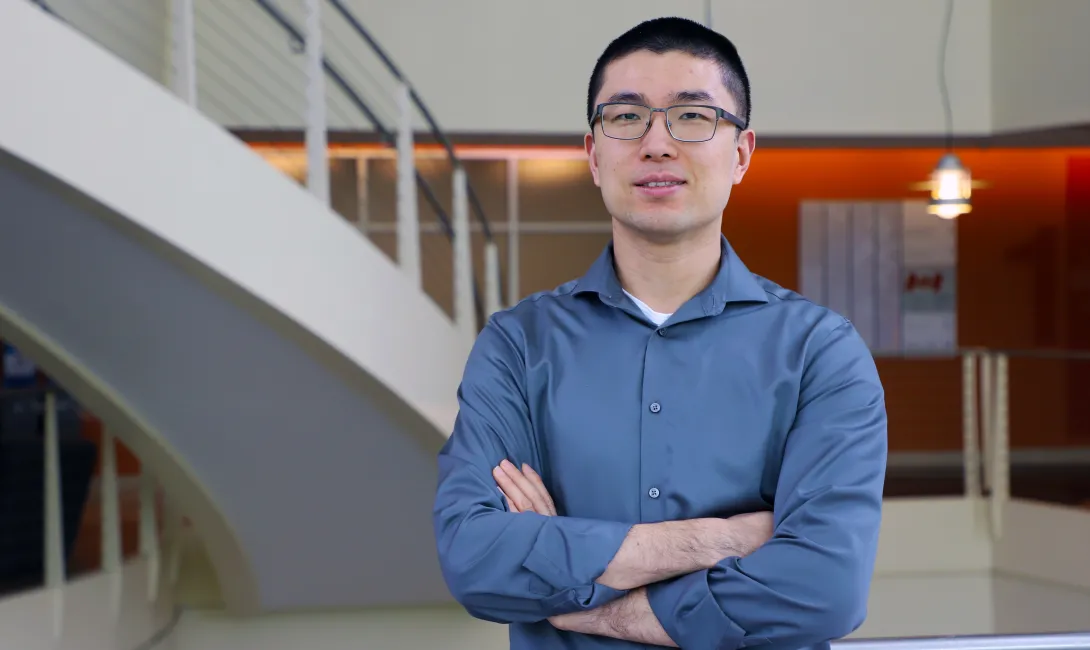
Jie He, assistant professor in the School of Earth and Atmospheric Sciences, wants to predict how rainfall will change in the presence of continuing climate change. — Photo by Jerry Grillo
Georgia Tech researcher Jie He set out to predict how rainfall will change as Earth’s atmosphere continues to heat up. In the process, he made some unexpected discoveries that might explain how greenhouse gas emissions will impact tropical oceans, affecting climate on a global scale.
“This is not a story with just one punch line,” said He, assistant professor in Georgia Tech’s School of Earth and Atmospheric Sciences, whose most recent work appeared in the journal Nature Climate Change. “I didn’t really expect to find anything this interesting—there were a few surprises.”
He is principal investigator of the Climate Modeling and Dynamics Group, which combines expertise in physics, mathematics, and computer science to study climate change. The team’s latest study, a collaboration with Mississippi State University and Princeton University, examines hydrological sensitivity in the planet’s three tropical basins: the central portions of both the Pacific and Atlantic oceans and most of the Indian Ocean, an equatorial belt girding the Earth between the Tropic of Cancer (north) and Tropic of Capricorn (south).
Hydrological sensitivity (HS) refers to the precipitation change per degree of surface warming. Hydrological sensitivity is a key metric researchers use in evaluating or predicting how rainfall will respond to future climate change. Positive HS indicates a wetter climate, while negative HS indicates a drier climate.
“The projection of hydrological sensitivity and future precipitation has been widely investigated, but most studies look at global averages — nobody had yet looked closely at each individual basin,” He said. “And the real impact on global climate change will come from the regional scale.”
In other words, what happens in tropical waters has far-reaching effects.
Long Reach of the Tropics
He wanted to specifically examine the tropical basins because they already have a well-known influence on remote locations: El Niños and La Niñas. These weather patterns that shift every couple of years are examples of tropical oceanic precipitation changes that have a global impact.
“These precipitation changes create heating and cooling in the atmosphere that set off atmospheric waves affecting remote climates across the globe,” He said. During El Niño winters, for example, the southeastern U.S. typically gets more precipitation than usual.
But El Niños and La Niñas are naturally occurring, whereas the tropical precipitation changes He identified are projected as outcomes of human-induced global warming — a simulation, part of a climate model.
Climate models are an essential tool for He and other researchers, who use them to simulate possible future scenarios. These are computer programs that rely on complex math equations to project the atmospheric interactions of energy and matter likely to occur across the planet.
What surprised He was the substantial difference in HS between tropical basins. Essentially, in He’s model the Pacific tropical basin has an HS more than twice as large as the Indian basin, with the Atlantic basin projected as a negative value.
“It was surprising because these differences can’t be explained by the mainstream theories on tropical precipitation changes,” He said. “In other words, none of the theories we knew would have predicted it.”
Modeling the Sensitive Future
The effects of such diverging hydrological sensitivity would be widespread, according to He. For example, his experiments suggest that the continental U.S. will get wetter, and the Amazon will become drier.
“If these model projections are true, these effects will materialize as the climate continues to warm,” said He, who can’t predict exactly how long it will be before these effects can be detected in actual observations of our three-dimensional world.
That’s because they only have reliable observations of oceanic tropical precipitation since 1979. Precipitation changes over decades are strongly affected by internal climate variability — that is, climate change that isn’t caused by humans. When human-induced precipitation changes are significantly greater than internal climate variability, we should be able to detect the wide-ranging effects of diverging hydrological sensitivity.
But the challenges of continuing climate change do not allow the luxury of waiting until every aspect of climate projection becomes a reality, He noted, adding, “We are relying on climate projections to some extent to guide our adaptation and mitigation plans. Therefore, it is important to study and understand the climate projections.”
Based on the scenario projected by climate models used in He’s research, the effects of El Niños and La Niñas on remote climates will become stronger.
“What we can imply is that this strengthening would be partly due to the diverging HS among tropical basins,” He concluded.
While the future effects of HS on El Niños and La Niñas weren’t discussed in this study, He believes it would make a very interesting research subject going forward.
News Contact
May. 06, 2024
Are you under the impression that air pollution is a dichotomous problem where the air is either polluted or it’s not? What else is there to know about air pollution? The surprising answer to this question lies not with a lab scientist but with an economist.
Assistant Professor Dylan Brewer of the School of Economics studies the health impacts of air pollution and the statistical methods useful for teasing apart factors that can confound those answers, all from the lens of an economist. It turns out that viewing the problem of air pollution through an economic framework and applying statistical methods commonly used in the field of economics can shed light on the multiple factors that influence the health impact of exposure to air pollution on different populations.
Recently, Brewer was the featured guest on the podcast The Health Deli, where the hosts were surprised to find an economist making waves at this critical research intersection. Brewer explains why viewing this problem from the perspective of an economist is so valuable and discusses some of his research team’s surprising findings.
The podcast, hosted by three pharmacists, approaches health news from a scientific bent, which turned out to be a great fit for an economist who studies air pollution. You can listen to the podcast episode, “Is It Safe To Breathe Air? How Is This a Real Question?’ on Apple Podcasts or Spotify, as well as other major podcast providers.
Spotify Link https://open.spotify.com/episode/1PDPUZNGEifWA5IvCnVUNK
News Contact
Written by: Sharon Murphy, Research Associate, SEI
News Contact:
Priya Devarajan, SEI Communications Program Manager
May. 06, 2024

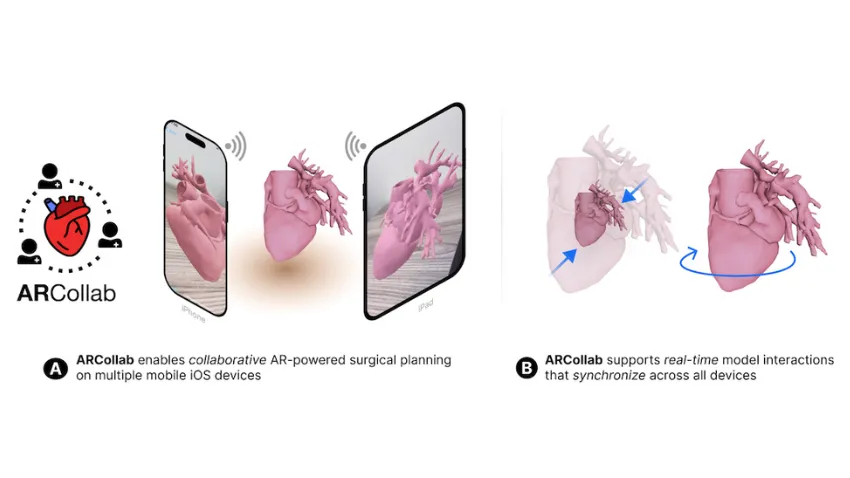
Cardiologists and surgeons could soon have a new mobile augmented reality (AR) tool to improve collaboration in surgical planning.
ARCollab is an iOS AR application designed for doctors to interact with patient-specific 3D heart models in a shared environment. It is the first surgical planning tool that uses multi-user mobile AR in iOS.
The application’s collaborative feature overcomes limitations in traditional surgical modeling and planning methods. This offers patients better, personalized care from doctors who plan and collaborate with the tool.
Georgia Tech researchers partnered with Children’s Healthcare of Atlanta (CHOA) in ARCollab’s development. Pratham Mehta, a computer science major, led the group’s research.
“We have conducted two trips to CHOA for usability evaluations with cardiologists and surgeons. The overall feedback from ARCollab users has been positive,” Mehta said.
“They all enjoyed experimenting with it and collaborating with other users. They also felt like it had the potential to be useful in surgical planning.”
ARCollab’s collaborative environment is the tool’s most novel feature. It allows surgical teams to study and plan together in a virtual workspace, regardless of location.
ARCollab supports a toolbox of features for doctors to inspect and interact with their patients' AR heart models. With a few finger gestures, users can scale and rotate, “slice” into the model, and modify a slicing plane to view omnidirectional cross-sections of the heart.
Developing ARCollab on iOS works twofold. This streamlines deployment and accessibility by making it available on the iOS App Store and Apple devices. Building ARCollab on Apple’s peer-to-peer network framework ensures the functionality of the AR components. It also lessens the learning curve, especially for experienced AR users.
ARCollab overcomes traditional surgical planning practices of using physical heart models. Producing physical models is time-consuming, resource-intensive, and irreversible compared to digital models. It is also difficult for surgical teams to plan together since they are limited to studying a single physical model.
Digital and AR modeling is growing as an alternative to physical models. CardiacAR is one such tool the group has already created.
However, digital platforms lack multi-user features essential for surgical teams to collaborate during planning. ARCollab’s multi-user workspace progresses the technology’s potential as a mass replacement for physical modeling.
“Over the past year and a half, we have been working on incorporating collaboration into our prior work with CardiacAR,” Mehta said.
“This involved completely changing the codebase, rebuilding the entire app and its features from the ground up in a newer AR framework that was better suited for collaboration and future development.”
Its interactive and visualization features, along with its novelty and innovation, led the Conference on Human Factors in Computing Systems (CHI 2024) to accept ARCollab for presentation. The conference occurs May 11-16 in Honolulu.
CHI is considered the most prestigious conference for human-computer interaction and one of the top-ranked conferences in computer science.
M.S. student Harsha Karanth and alumnus Alex Yang (CS 2022, M.S. CS 2023) co-authored the paper with Mehta. They study under Polo Chau, an associate professor in the School of Computational Science and Engineering.
The Georgia Tech group partnered with Timothy Slesnick and Fawwaz Shaw from CHOA on ARCollab’s development.
“Working with the doctors and having them test out versions of our application and give us feedback has been the most important part of the collaboration with CHOA,” Mehta said.
“These medical professionals are experts in their field. We want to make sure to have features that they want and need, and that would make their job easier.”
News Contact
Bryant Wine, Communications Officer
bryant.wine@cc.gatech.edu
May. 03, 2024
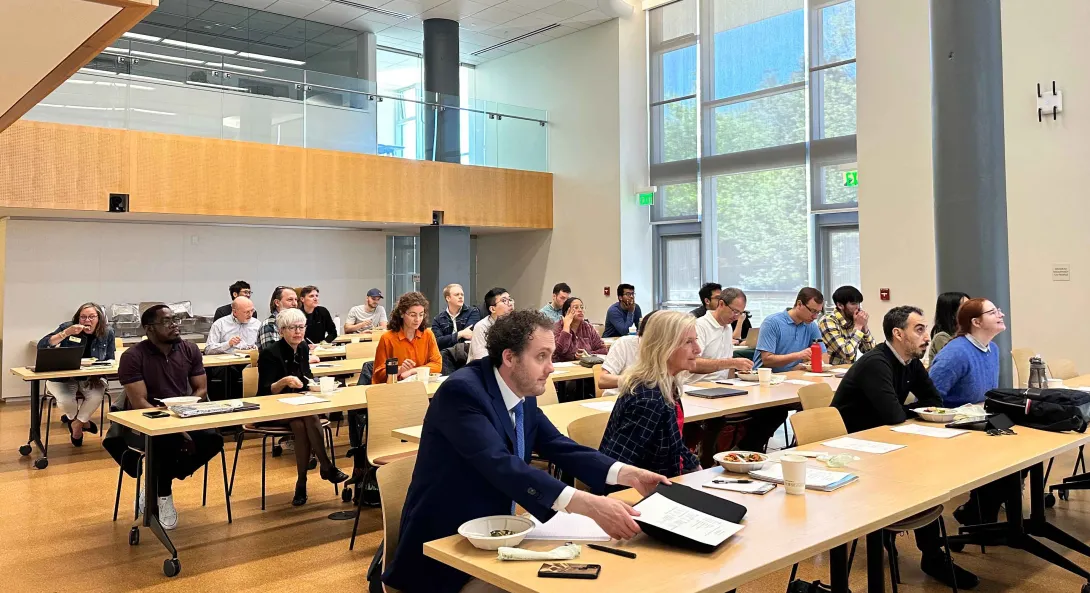
On April 12, the Energy, Policy, and Innovation Center (EPICenter) hosted its second round of the “Friday Lightning Talk Series” at the Scholars Event Network space in the Price Gilbert Library.
Eight multidisciplinary participants from Georgia Tech, including postdoctoral students, graduate students, research faculty, and research associates from public policy, economics, electrical and computer engineering, industrial and systems engineering, and EPICenter, presented an overview of an energy-related research project during the session.
Laura Taylor, chair of the School of Economics and interim director of EPICenter, introduced the organization’s new faculty affiliate program through which affiliates, their students, and postdocs present and share research ideas and receive feedback from the audience.
Topics covered during the session included understanding the social costs of natural gas deregulation, managing EV charging during emergencies, exploring whether daylight saving time saves energy, the green energy workforce, the effects of community solar on household energy use, the Atlanta Energyshed project, clean hydrogen production in Georgia, and household responses to grid emergencies.
The interactive session was well attended with over 25 attendees asking thought-provoking questions and providing suggestions on future areas to explore.
The first round was held on March 1 and was such a success that this second round had a full slate of presenters and a full house of audience members. The agendas for both lightning round talks are available below, along with links to presentation slides.
A unit of the Strategic Energy Institute of Georgia Tech, EPICenter’s mission is to conduct rigorous research and deliver high-impact insights that address the energy needs of the southeastern U.S., while keeping a national and global perspective. EPICenter calls upon broad, multidisciplinary expertise to engage the public and create solutions for critical emerging issues as our nation’s energy transformation unfolds.
News Contact
Priya Devarajan || SEI Communications Program Manager
May. 02, 2024
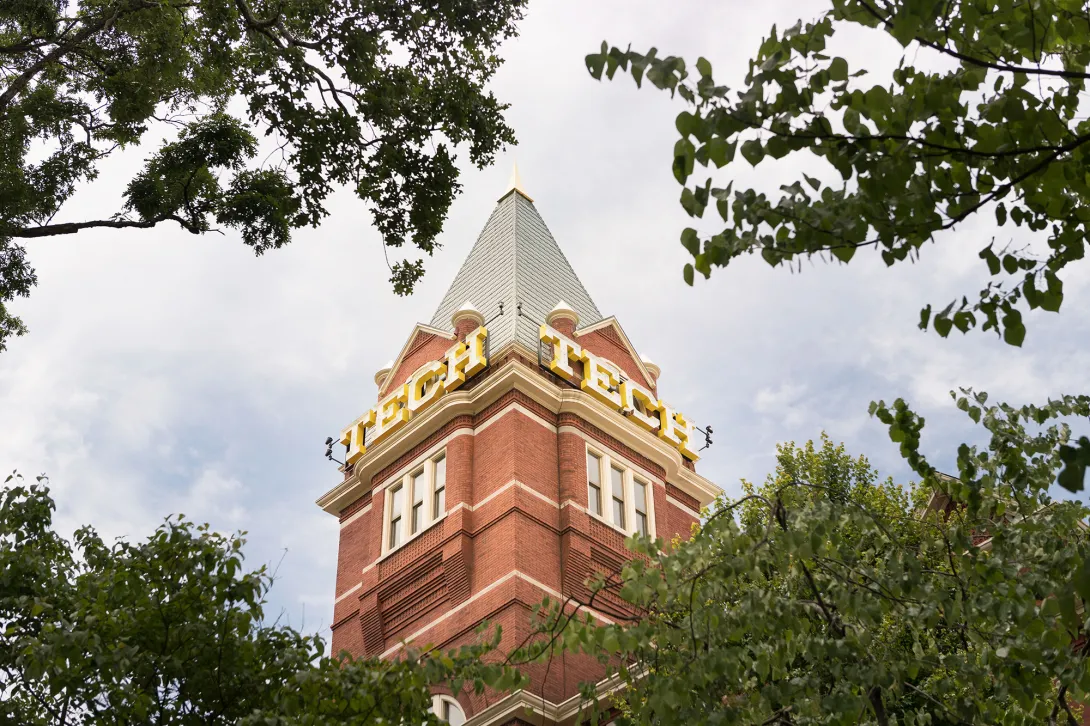
The University System of Georgia Board of Regents has approved a new Neuroscience and Neurotechnology Ph.D. Program at Georgia Tech.
The interdisciplinary degree is a joint effort across the Colleges of Sciences, Computing, and Engineering. The program expects to enroll its first graduate students in Fall 2025, pending approval by the Southern Association of Colleges and Schools Commission on Colleges.
The Institute Curriculum Committee has also approved a new Minor in Neuroscience, set to become available in the Georgia Tech 2024-2025 Catalog.
B.S. in Neuroscience
The Ph.D. and Minor offerings build on the recently launched Neuro Next Initiative in Research, and the established Undergraduate Program in Neuroscience, respectively.
Approved by the Board of Regents in 2017, the interdisciplinary B.S. in Neuroscience degree in the College of Sciences enrolled more than 400 undergraduate students in 2022, and has been the fastest growing undergraduate major at Georgia Tech.
The B.S. in Neuroscience is also key to a strong ecosystem of undergraduate neuroscience education across the state, which includes peer programs at Mercer University, Augusta University, Georgia State University, Agnes Scott College, and Emory University.
Ph.D. in Neuroscience and Neurotechnology
The new doctoral degree will provide a path for the rapidly growing pipeline of in-state neuroscience undergraduate students and young alumni — while also welcoming a wider slate of graduate researchers to campus.
The Ph.D. Program’s mission is focused on educating students to advance the field of neuroscience through an interdisciplinary approach, with scientists and engineers of different backgrounds — ultimately integrating neuroscience research and technological development to study all levels of nervous system function.
Biological Sciences Professor Lewis A. Wheaton, who chaired the Ph.D. Program Planning Committee, shares that a cohort model will fuse “experimental and quantitative skill development, creating opportunities for students to work in science and engineering labs to promote collaborations, while also fostering a program and community that’s unique to the state and against national peer offerings.”
Expanding innovation — and impact
Wheaton explains that the new Ph.D. aims to equip graduates for a wide range of employment opportunities and growing specializations, including computational neuroscience, neurorehabilitation, cultural and social neuroscience, neuroimaging, cognitive and behavioral neuroscience, developmental neuroscience, and neurolinguistics.
The new degree will also help meet the country’s growing demand for a neuro-centric workforce. According to the U.S. Bureau of Labor Statistics, job growth for medical scientists (including neuroscientists) tracked around 13% between 2012 and 2022, faster than the average for all tracked occupations.
Wheaton adds that the program will equip neuroscientists to conduct research that can significantly improve lives.
Seeking students
The Planning Committee anticipates a tentative February 1, 2025 application deadline for Fall 2025 enrollments — and encourages students with the following interests to learn more and apply in the coming school year:
- Developing deeper quantitative, computing and/or engineering skills to make scientific discoveries that support innovations in neuroscience
- A clear, comprehensive understanding of the nervous system at all scales from molecular to systems
- Understanding how to use and innovate new tools and approaches to investigate the nervous system at all levels
- Becoming uniquely qualified to translate knowledge across neuroscience and related disciplines to create new knowledge in their professional pursuits
Director search
The participating Colleges will soon conduct a search for a program director, engaging a tenured member of the Georgia Tech faculty to serve as the new program’s administrator. A graduate program committee composed of five faculty members and mentors across the Colleges of Sciences, Computing, and Engineering, will also be created.
During their April 2024 meeting, Regents also announced budget approvals and tuition changes for Georgia's 26 member institutions.
The Ph.D. Program Planning Committee included the following faculty:
- Lewis Wheaton (Committee Chair, Biological Sciences)
- Constantine Dovrolis (Computer Science)
- Christopher Rozell (Electrical and Computer Engineering)
- Eric Schumacher (Psychology)
- Garrett Stanley (Biomedical Engineering)
- David Collard (College of Sciences Office of the Dean)
News Contact
Programs:
- Ph.D. in Neuroscience and Neurotechnology
Contact Professor Lewis Wheaton, Planning Committee Chair - Undergraduate Program in Neuroscience
- Minor in Neuroscience
- Georgia Tech Neuro and Neuro Next
Press Contact:
Jess Hunt-Ralston
Director of Communications
College of Sciences at Georgia Tech
Neuro Next Initiative:
Sarah Peterson
Program Manager
GT Neuro
Audra Davidson
Research Communications Program Manager
Neuro Next Initiative at Georgia Tech
May. 02, 2024

Quantum sensors detect the smallest of environmental changes — for example, an atom reacting to a magnetic field. As these sensors “read” the unique behaviors of subatomic particles, they also dramatically improve scientists’ ability to measure and detect changes in our wider environment.
Monitoring these tiny changes results in a wide range of applications — from improving navigation and natural disaster forecasting, to smarter medical imaging and detection of biomarkers of disease, gravitational wave detection, and even better quantum communication for secure data sharing.
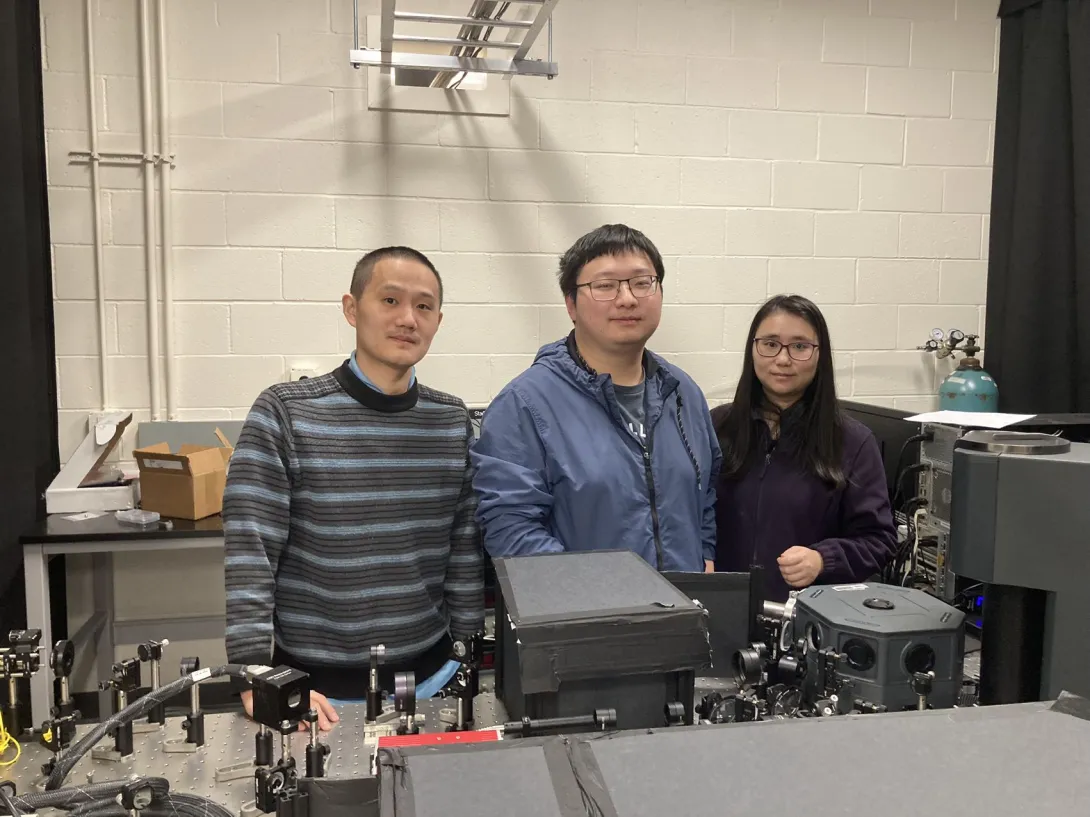
Georgia Tech physicists are pioneering new quantum sensing platforms to aid in these efforts. The research team’s latest study, “Sensing Spin Wave Excitations by Spin Defects in Few-Layer Thick Hexagonal Boron Nitride” was published in Science Advances this week.
The research team includes School of Physics Assistant Professors Chunhui (Rita) Du and Hailong Wang (corresponding authors) alongside fellow Georgia Tech researchers Jingcheng Zhou, Mengqi Huang, Faris Al-matouq, Jiu Chang, Dziga Djugba, and Professor Zhigang Jiang and their collaborators.
An ultra-sensitive platform
The new research investigates quantum sensing by leveraging color centers — small defects within crystals (Du’s team uses diamonds and other 2D layered materials) that allow light to be absorbed and emitted, which also give the crystal unique electronic properties.
By embedding these color centers into a material called hexagonal boron nitride (hBN), the team hoped to create an extremely sensitive quantum sensor — a new resource for developing next-generation, transformative sensing devices.
For its part, hBN is particularly attractive for quantum sensing and computing because it could contain defects that can be manipulated with light — also known as "optically active spin qubits."
The quantum spin defects in hBN are also very magnetically sensitive, and allow scientists to “see” or “sense” in more detail than other conventional techniques. In addition, the sheet-like structure of hBN is compatible with ultra-sensitive tools like nanodevices, making it a particularly intriguing resource for investigation.
The team’s research has resulted in a critical breakthrough in sensing spin waves, Du says, explaining that “in this study, we were able to detect spin excitations that were simply unattainable in previous studies.”
Detecting spin waves is a fundamental component of quantum sensing, because these phenomena can travel for long distances, making them an ideal candidate for energy-efficient information control, communication, and processing.
The future of quantum
“For the first time, we experimentally demonstrated two-dimensional van der Waals quantum sensing — using few-layer thick hBN in a real-world environment,” Du explains, underscoring the potential the material holds for precise quantum sensing. “Further research could make it possible to sense electromagnetic features at the atomic scale using color centers in thin layers of hBN.”
Du also emphasizes the collaborative nature of the research, highlighting the diverse skill sets and resources of researchers within Georgia Tech.
“Within the School of Physics, Professor Zhigang Jiang's research group provided the team with high-quality hBN crystals. Jingcheng Zhou, who is a member of both Professor Hailong Wang’s and my research teams, performed the cutting-edge quantum sensing measurements,” she says. “Many incredible students also helped with this project.”
Du is a leading scientist in the field of quantum sensing — this year, she received a new grant from the U.S. Department of Energy, along with a Sloan Research Fellowship for her pioneering work on developing state-of-the-art quantum sensing techniques for quantum information technology applications. The prestigious Sloan award recognizes researchers whose “creativity, innovation, and research accomplishments make them stand out as the next-generation of leaders in the fields.”
This work is supported by the U. S. National Science Foundation (NSF) under award No. DMR-2342569, the Air Force Office of Scientific Research under award No. FA9550-20-1-0319 and its Young Investigator Program under award No. FA9550-21-1-0125, the Office of Naval Research (ONR) under grant No. N00014-23-1-2146, NASA-REVEALS SSERVI (CAN No. NNA17BF68A), and NASA-CLEVER SSERVI (CAN No. 80NSSC23M0229).
News Contact
Written by Selena Langner
Contact: Jess Hunt-Raston
Director of Communications
College of Sciences at Georgia Tech