
May. 31, 2024
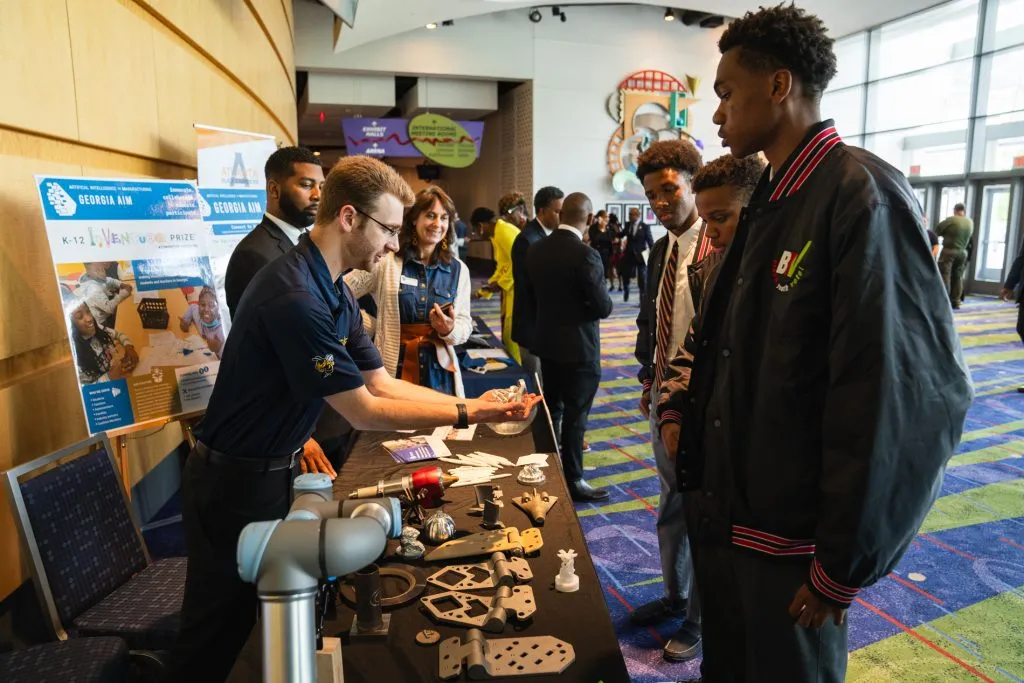
Kyle Saleeby, a research engineer with the Georgia Tech Manufacturing Institute, shows visitors how robotics can be used in manufacturing and an array of 3-D printed industrial materials.
Work done by Georgia AIM (Artificial Intelligence in Manufacturing) is translating into success stories across the state. Recently, these success stories framed another achievement: Helping to host Vice President Kamala Harris as she kicked off her Economic Opportunity Tour in Atlanta at the end of April.
The multi-state tour was designed to showcase ways the Biden-Harris administration has built economic opportunity, supported communities, and is investing in traditionally underserved areas. Georgia AIM is an example of this, as it helps to expand technology training, job opportunities and advances for manufacturing across the state. Along with Georgia AIM, the Georgia Minority Business Development Agency Business Center (Georgia MBC), and Southeast Business Hub, programs of Georgia Tech’s Enterprise Innovation Institute, also attended the event at the Georgia International Convention Center, near Hartsfield-Jackson Atlanta International Airport.
“This event was a great opportunity to introduce the vice president to the work of Georgia AIM,” said Donna Ennis, co-director of Georgia AIM, which works to drive adoption of AI in U.S. manufacturing. “We were founded as part of the federal government’s Build Back Better plan. It’s important for her to see how we are putting the grant to work to deliver equity in artificial intelligence for manufacturing in Georgia.”
Prior to the arrival of Vice President Harris, attendees could visit tables set up in the entry hall and learn about a number of organizations, from banks to nonprofits to governmental agencies, that are working to level the playing field for underserved Georgians. Attendees included representatives from the Environmental Protection Agency, Rise, and Brunswick Job Corps Center.
The Georgia AIM table, staffed by Ryan Scott, the community engagement manager, and Kyle Saleeby, research engineer with Georgia Tech Manufacturing Institute (GTMI), was a popular stop, thanks to the tabletop “cobot” showing how robotics can be used in manufacturing and an array of 3-D printed industrial materials.
The program featured a conversation with Harris and financial literacy and business advice podcasters Rashad Bilal and Troy Millings, from Earn Your Leisure. The podcast has an audience of about 2 million people, a majority of whom are Black. Harris spoke to the crowd of approximately 400 people about the administration’s focus on access to capital for minority small businesses and entrepreneurs.
“One of the compelling reasons for me to start this tour now,” Harris said, “is to ask all the leaders here for help in getting the word out about what is available to entrepreneurs and small businesses. Because we are in the process of putting a lot of money in the streets of America.”
Some of those funds have gone to Enterprise Innovation Institute programs, including $65 million for Georgia AIM.
Georgia senators Jon Ossoff and Raphael Warnock and Rep. Nikema Williams also spoke at the event. Prior to the event, they joined Harris at the Russell Innovation Center for Entrepreneurs(RICE), a partner project with Georgia AIM. RICE is developing a mobile lab with researchers at the University of Georgia College of Engineering that will showcase AI-based technologies to communities across the state.
“It was exciting to hear first-hand about the administration’s commitment to equity in small businesses and entrepreneurship,” Ennis said. “It dovetails perfectly with the commitment of the programs of the Enterprise Innovation Institute.”
News Contact
Kristen Morales
Marketing Strategist
Georgia AIM (Artificial Intelligence in Manufacturing)
Jun. 10, 2024
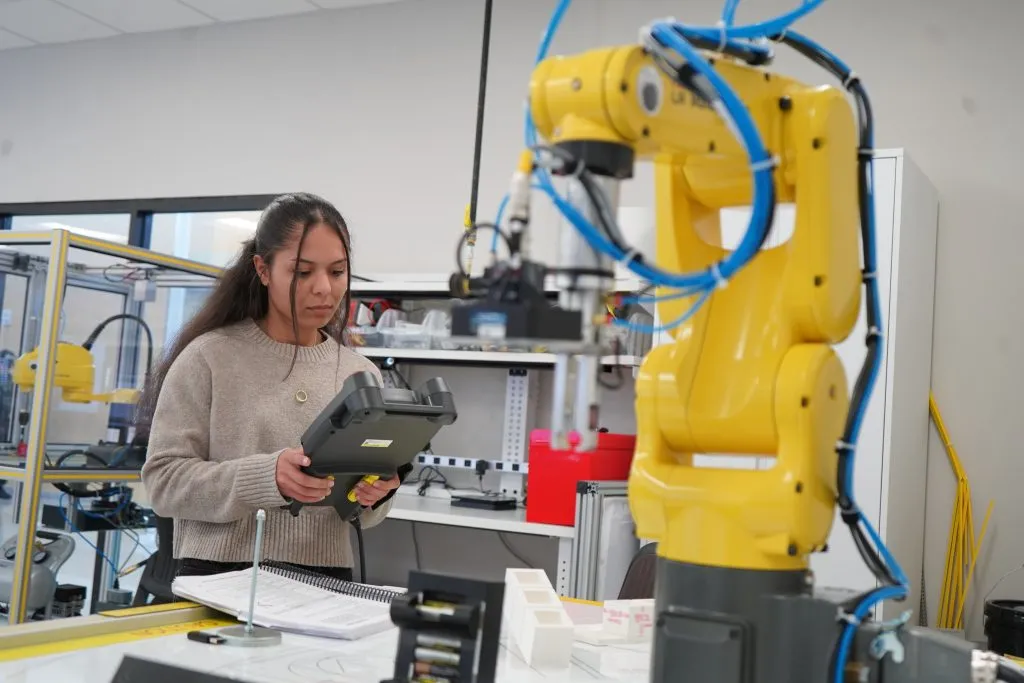
Naiya Salinas is one of a half-dozen students enrolled in the new AI Enhanced Robotic Manufacturing program at the Georgia Veterans Education Career Transition Resource (VECTR) Center, which is setting a new standard for technology-focused careers.
Naiya Salinas and her instructor, Deryk Stoops, looked back and forth between the large screen on the wall and a hand-held monitor.
Tracing between the lines of code, Salinas made a discovery: A character was missing.
The lesson was an important, real-world example of the problem-solving skills required when working in robotics. Salinas is one of a half-dozen students enrolled in the new AI Enhanced Robotic Manufacturing program at the Georgia Veterans Education Career Transition Resource (VECTR) Center, which is setting a new standard for technology-focused careers.
The set-up of the lab was intentional, said Stoops, who designed the course modules and worked with local industry to determine their manufacturing needs. Then, with funding from the Georgia Tech Manufacturing Institute's (GTMI) Georgia Artificial Intelligence in Manufacturing (Georgia AIM) project, Stoops worked with administrators at Central Georgia Technical College to purchase robotics and other cutting-edge manufacturing tools.
As a result, the VECTR Center’s AI-Enhanced Robotic Manufacturing Studio trains veterans in industry-standard robotics, manufacturing modules, cameras, and network systems. This equipment gives students experience in a variety of robotics-based manufacturing applications. Graduates can also finish the 17-credit course with two certifications that carry some weight in the manufacturing world.
“After getting the Georgia AIM grant, we pulled together a roundtable with industry. And then we did site visits to see how they pulled AI and robotics into the space,” said Stoops. “All the equipment in here is the direct result of industry feedback.”
Statewide Strategic Effort
Funded by a $65 million grant from the federal Economic Development Administration, Georgia AIM is a network of projects across the state born out of GTMI and led by Georgia Tech’s Enterprise Innovation Institute. These projects work to connect the manufacturing community with smart technologies and a ready workforce. Central Georgia received around $4 million as part of the initiative to advance innovation, workforce development and STEM education in support of local manufacturing and Robins Air Force Base.
Georgia AIM pulls together a host of regional partners all working toward a common goal of increasing STEM education, access to technology and enhancing AI among local manufacturers. This partnership includes Fort Valley State University, the Middle Georgia Innovation Project led by the Development Authority of Houston County, Central Georgia Technical College, which administers the VECTR Center, and the 21st Century Partnership.
“This grant will help us turn our vision for both the Middle Georgia Innovation Project and the Middle Georgia STEM Alliance, along with our partners, into reality, advancing this region and supporting the future of Robins AFB,” said Brig. Gen. John Kubinec, USAF (ret.), president and chief executive officer of the 21st Century Partnership.
Georgia AIM funding for Central Georgia Technical College and Fort Valley State focused on enhancing technology and purchasing new components to assist in education. At Fort Valley State, a mobile lab will launch later this year to take AI-enhanced technologies to underserved parts of the state, while Central Georgia Tech invested in an AI-enhanced robotics manufacturing lab at the VECTR Center.
“This funding will help bring emerging technology throughout our service area and beyond, to our students, economy, and Robins Air Force Base,” said Dr. Ivan Allen, president of Central Georgia Technical College. “Thanks to the power of this partnership, our faculty and students will have the opportunity to work directly with modern manufacturing technology, giving our students the experience and education needed to transition from the classroom to the workforce in an in-demand industry.”
New Gateway for Vets
The VECTR Center’s AI-Enhanced Robotics Manufacturing Studio includes FANUC robotic systems, Rockwell Automation programmable logic controllers, Cognex AI-enabled machine vision systems, smart sensor networks, and a MiR autonomous mobile robot.
The studio graduated its first cohort of students in February and celebrated its ribbon-cutting ceremony on April 17 with a host of local officials and dignitaries. It was also an opportunity to celebrate the students, who are transitioning from a military career to civilian life.
The new technologies at the VECTR Center lab are opening new doors to a growing, cutting-edge field.
“From being in this class, you really start to see how the world is going toward AI. Not just Chat GPT, but everything — the world is going toward AI for sure now,” said Jordan Leonard, who worked in logistics and as a vehicle mechanic in the U.S. Army. Now, he’s upskilling into robotics and looking forward to using his new skills in maintenance. “What I want to do is go to school for instrumentation and electrical technician. But since a lot of industrial plants are trying to get more robots, for me this will be a step up from my coworkers by knowing these things.”
News Contact
Kristen Morales
Marketing Strategist
Georgia AIM (Artificial Intelligence in Manufacturing)
Jun. 04, 2024

Using what she learned from her PIN fellowship, Iesha Baldwin now serves as the inaugural sustainability coordinator for Spelman College.
Whether it’s typing an email or guiding travel from one destination to the next, artificial intelligence (AI) already plays a role in simplifying daily tasks.
But what if it could also help people live more efficiently — that is, more sustainably, with less waste?
It’s a concept that often runs through the mind of Iesha Baldwin, the inaugural Georgia AIM Fellow with the Partnership for Inclusive Innovation (PIN) at the Georgia Institute of Technology’s Enterprise Innovation Institute. Born out of the Georgia Tech Manufacturing Institute, the Georgia AIM (Artificial Intelligence in Manufacturing) project works with PIN fellows to advance the project's mission of equitably developing and deploying talent and innovation in AI for manufacturing throughout the state of Georgia.
When she accepted the PIN Fellowship for 2023, she saw an opportunity to learn more about the nexus of artificial intelligence, manufacturing, waste, and education. With a background in environmental studies and science, Baldwin studied methods for waste reduction, environmental protection, and science education.
“I took an interest in AI technology because I wanted to learn how it can be harnessed to solve the waste problem and create better science education opportunities for K-12 and higher education students,” said Baldwin.
This type of unique problem-solving is what defines the PIN Fellowship programs. Every year, a cohort of recent college graduates is selected, and each is paired with an industry that aligns with their expertise and career goals — specifically, cleantech, AI manufacturing, supply chain and logistics, and cybersecurity/information technology. Fellowships are one year, with fellows spending six months with a private company and then six months with a public organization.
Through the experience, fellows expand their professional network and drive connections between the public and private sectors. They also use the opportunity to work on special projects that involve using new technologies in their area of interest.
With a focus on artificial intelligence in manufacturing, Baldwin led an inventory management project at the Georgia manufacturer Freudenberg-NOK, where the objective was to create an inventory management system that reduced manufacturing downtime and, as a result, increased efficiency, and reduced waste.
She also worked in several capacities at Georgia Tech: supporting K-12 outreach programs at the Advanced Manufacturing Pilot Facility, assisting with energy research at the Marcus Nanotechnology Research Center, and auditing the infamous mechanical engineering course ME2110 to improve her design thinking and engineering skills.
“Learning about artificial intelligence is a process, and the knowledge gained was worth the academic adventure,” she said. “Because of the wonderful support at Georgia Tech, Freudenberg NOK, PIN, and Georgia AIM, I feel confident about connecting environmental sustainability and technology in a way that makes communities more resilient and sustainable.”
Since leaving the PIN Fellowship, Baldwin connected her love for education, science, and environmental sustainability through her new role as the inaugural sustainability coordinator for Spelman College, her alma mater. In this role, she is responsible for supporting campus sustainability initiatives.
News Contact
Kristen Morales
Marketing Strategist
Georgia Artificial Intelligence in Manufacturing
Jun. 12, 2024
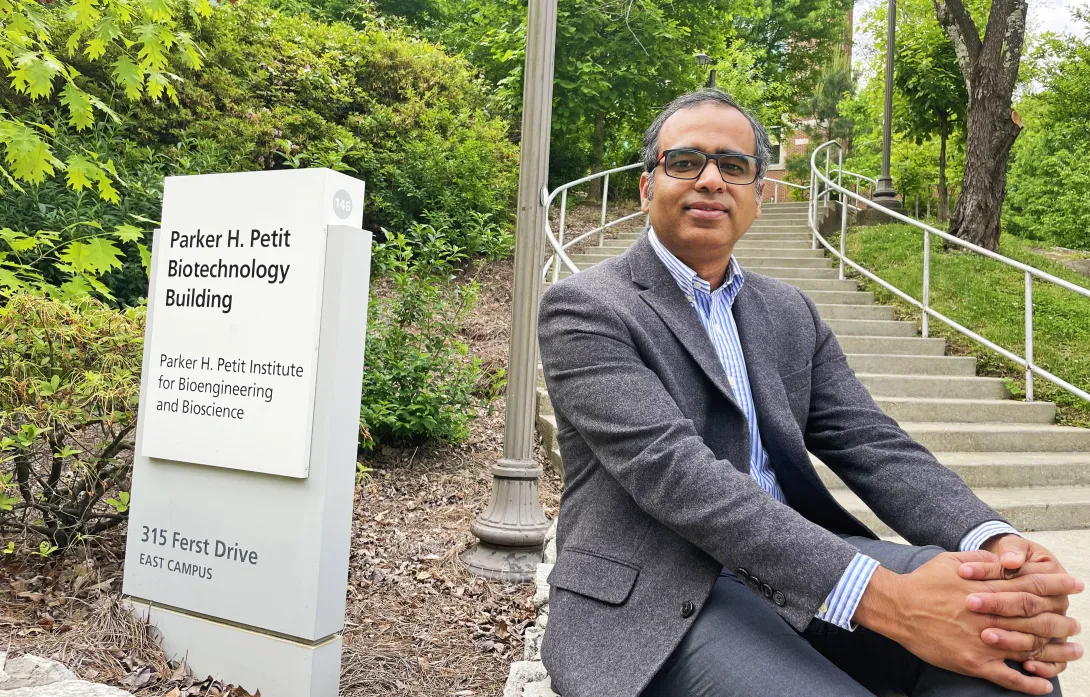
Ankur Singh has developed a new way of programming T cells that retains their naïve state, making them better fighters. — Photo by Jerry Grillo
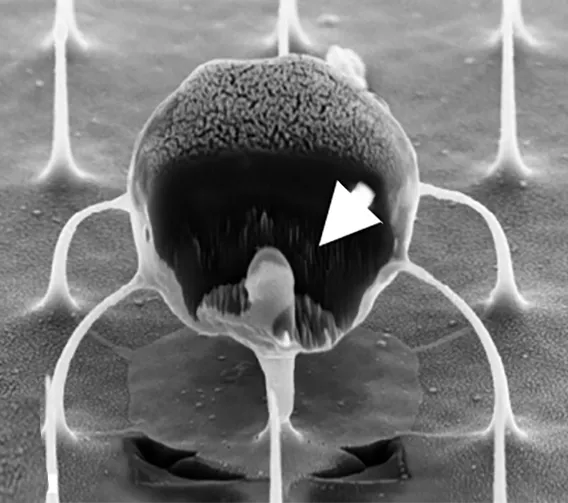
This is an image of a T cell on a nanowire array. The arrow indicates where a nanowire has penetrated the cell, delivering therapeutic miRNA.
Adoptive T-cell therapy has revolutionized medicine. A patient’s T-cells — a type of white blood cell that is part of the body’s immune system — are extracted and modified in a lab and then infused back into the body, to seek and destroy infection, or cancer cells.
Now Georgia Tech bioengineer Ankur Singh and his research team have developed a method to improve this pioneering immunotherapy.
Their solution involves using nanowires to deliver therapeutic miRNA to T-cells. This new modification process retains the cells’ naïve state, which means they’ll be even better disease fighters when they’re infused back into a patient.
“By delivering miRNA in naïve T cells, we have basically prepared an infantry, ready to deploy,” Singh said. “And when these naïve cells are stimulated and activated in the presence of disease, it’s like they’ve been converted into samurais.”
Lean and Mean
Currently in adoptive T-cell therapy, the cells become stimulated and preactivated in the lab when they are modified, losing their naïve state. Singh’s new technique overcomes this limitation. The approach is described in a new study published in the journal Nature Nanotechnology.
“Naïve T-cells are more useful for immunotherapy because they have not yet been preactivated, which means they can be more easily manipulated to adopt desired therapeutic functions,” said Singh, the Carl Ring Family Professor in the Woodruff School of Mechanical Engineering and the Wallace H. Coulter Department of Biomedical Engineering.
The raw recruits of the immune system, naïve T-cells are white blood cells that haven’t been tested in battle yet. But these cellular recruits are robust, impressionable, and adaptable — ready and eager for programming.
“This process creates a well-programmed naïve T-cell ideal for enhancing immune responses against specific targets, such as tumors or pathogens,” said Singh.
The precise programming naïve T-cells receive sets the foundational stage for a more successful disease fighting future, as compared to preactivated cells.
Giving Fighter Cells a Boost
Within the body, naïve T-cells become activated when they receive a danger signal from antigens, which are part of disease-causing pathogens, but they send a signal to T-cells that activate the immune system.
Adoptive T-cell therapy is used against aggressive diseases that overwhelm the body’s defense system. Scientists give the patient’s T-cells a therapeutic boost in the lab, loading them up with additional medicine and chemically preactivating them.
That’s when the cells lose their naïve state. When infused back into the patient, these modified T-cells are an effective infantry against disease — but they are prone to becoming exhausted. They aren’t samurai. Naïve T-cells, though, being the young, programmable recruits that they are, could be.
The question for Singh and his team was: How do we give cells that therapeutic boost without preactivating them, thereby losing that pristine, highly suggestable naïve state? Their answer: Nanowires.
NanoPrecision: The Pointed Solution
Singh wanted to enhance naïve T-cells with a dose of miRNA. miRNA is a molecule that, when used as a therapeutic, works as a kind of volume knob for genes, turning their activity up or down to keep infection and cancer in check. The miRNA for this study was developed in part by the study’s co-author, Andrew Grimson of Cornell University.
“If we could find a way to forcibly enter the cells without damaging them, we could achieve our goal to deliver the miRNA into naïve T cells without preactivating them,” Singh explained.
Traditional modification in the lab involves binding immune receptors to T-cells, enabling the uptake of miRNA or any genetic material (which results in loss of the naïve state). “But nanowires do not engage receptors and thus do not activate cells, so they retain their naïve state,” Singh said.
The nanowires, silicon wafers made with specialized tools at Georgia Tech’s Institute for Electronics and Nanotechnology, form a fine needle bed. Cells are placed on the nanowires, which easily penetrate the cells and deliver their miRNA over several hours. Then the cells with miRNA are flushed out from the tops of the nanowires, activated, eventually infused back into the patient. These programmed cells can kill enemies efficiently over an extended time period.
“We believe this approach will be a real gamechanger for adoptive immunotherapies, because we now have the ability to produce T-cells with predictable fates,” says Brian Rudd, a professor of immunology at Cornell University, and co-senior author of the study with Singh.
The researchers tested their work in two separate infectious disease animal models at Cornell for this study, and Singh described the results as “a robust performance in infection control.”
In the next phase of study, the researchers will up the ante, moving from infectious disease to test their cellular super soldiers against cancer and move toward translation to the clinical setting. New funding from the Georgia Clinical & Translational Science Alliance is supporting Singh’s research.
CITATION: Kristel J. Yee Mon, Sungwoong Kim, Zhonghao Dai, Jessica D. West, Hongya Zhu5, Ritika Jain, Andrew Grimson, Brian D. Rudd, Ankur Singh. “Functionalized nanowires for miRNA-mediated therapeutic programming of naïve T cells,” Nature Nanotechnology.
FUNDING: Curci Foundation, NSF (EEC-1648035, ECCS-2025462, ECCS-1542081), NIH (5R01AI132738-06, 1R01CA266052-01, 1R01CA238745-01A1, U01CA280984-01, R01AI110613 and U01AI131348).
News Contact
Jerry Grillo
Jun. 11, 2024
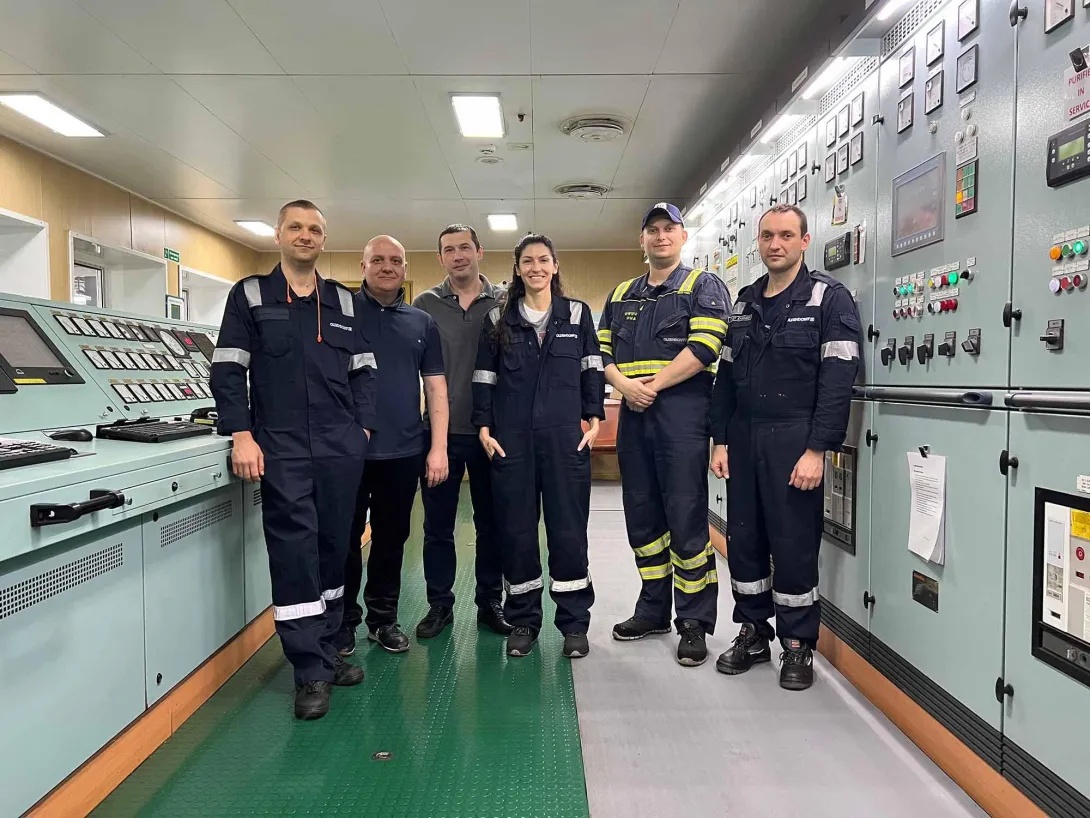
Patricia Stathatou (third from right), a researcher at the Renewable Bioproducts Institute, with the carrier vessel's crew members. (Credit: Patricia Stathatou)

Ocean shipping, the backbone of international trade, is significantly more energy efficient than air or land transport. However, cutting down on ocean freight carbon emissions will require a great deal of collaboration and effort.
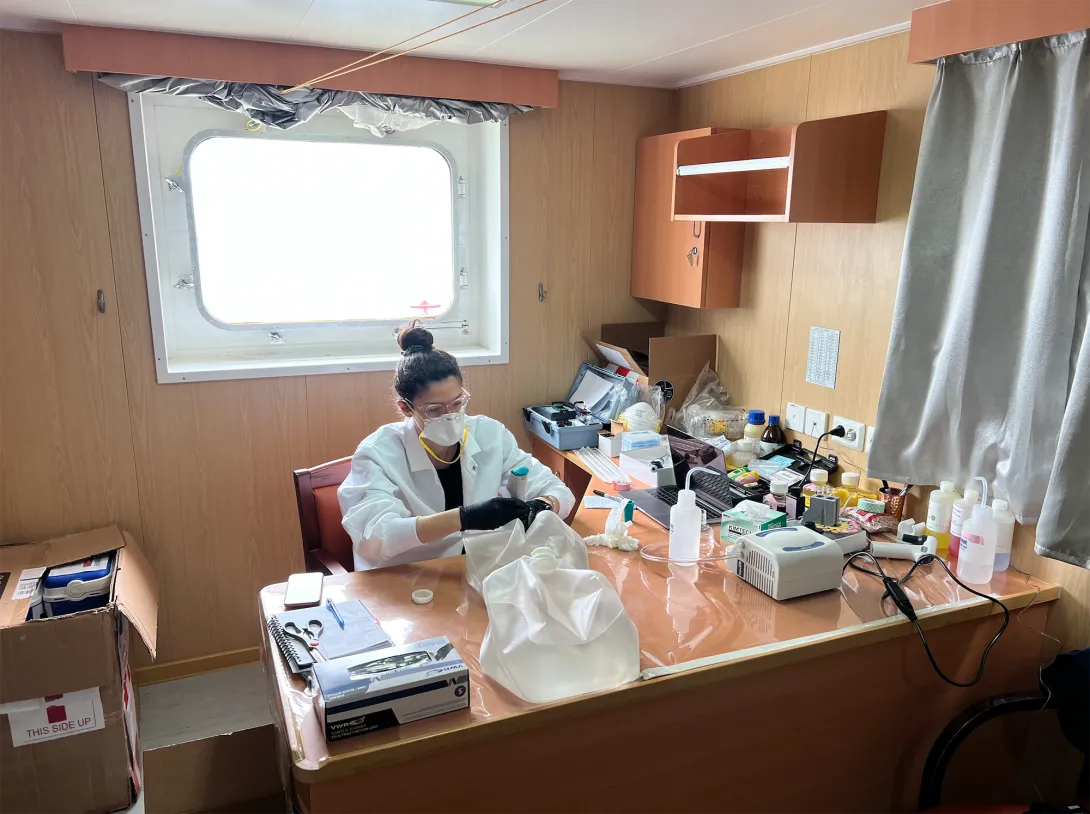
Stathatou preserving water and washwater samples from the vessel's scrubber so they can be stored and analyzed later in the lab. (Credit: Patricia Stathatou)
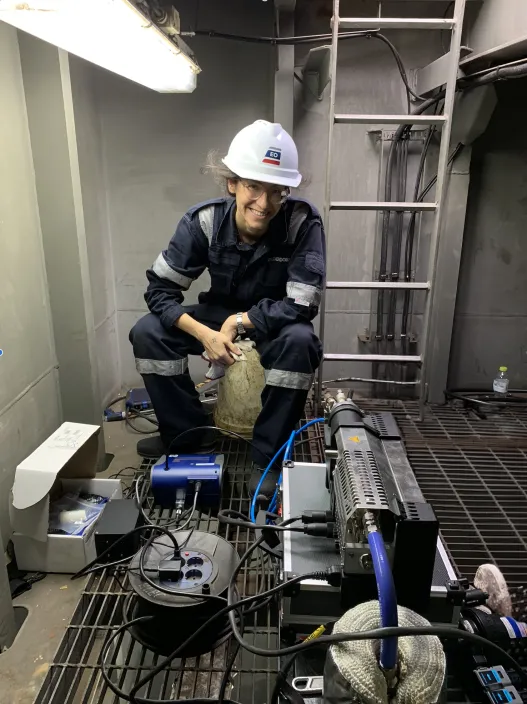
Stathatou prepares to measure particulate matter emissions in the vessel's funnel — a very windy area of the ship. (Credit: Patricia Stathatou)
When people think of greenhouse gas emissions from transportation, what often comes to mind are airplanes and land vehicles like cars or trucks. But as efforts to slow climate change are ramping up, the spotlight is on another form of transport: ships.
The U.N.’s International Maritime Organization (IMO) has set targets to reduce shipping greenhouse gas emissions by at least 40% by 2030 and 70% by 2040, aiming for net-zero by 2050. Shipping currently accounts for about 3% of global annual greenhouse gas emissions, and the pressure is on shipping companies to meet these ambitious goals.
Across Georgia Tech, researchers are working toward a sustainable future for ocean shipping. This includes Valerie Thomas, the Anderson-Interface Chair of Natural Systems Professor in the H. Milton Stewart School of Industrial and Systems Engineering, and in the School of Public Policy. She is scholar of energy systems, sustainability, assessment, and low-carbon transportation fuels, and her work touches many aspects of the maritime industry.
Read the full story here.
May. 31, 2024
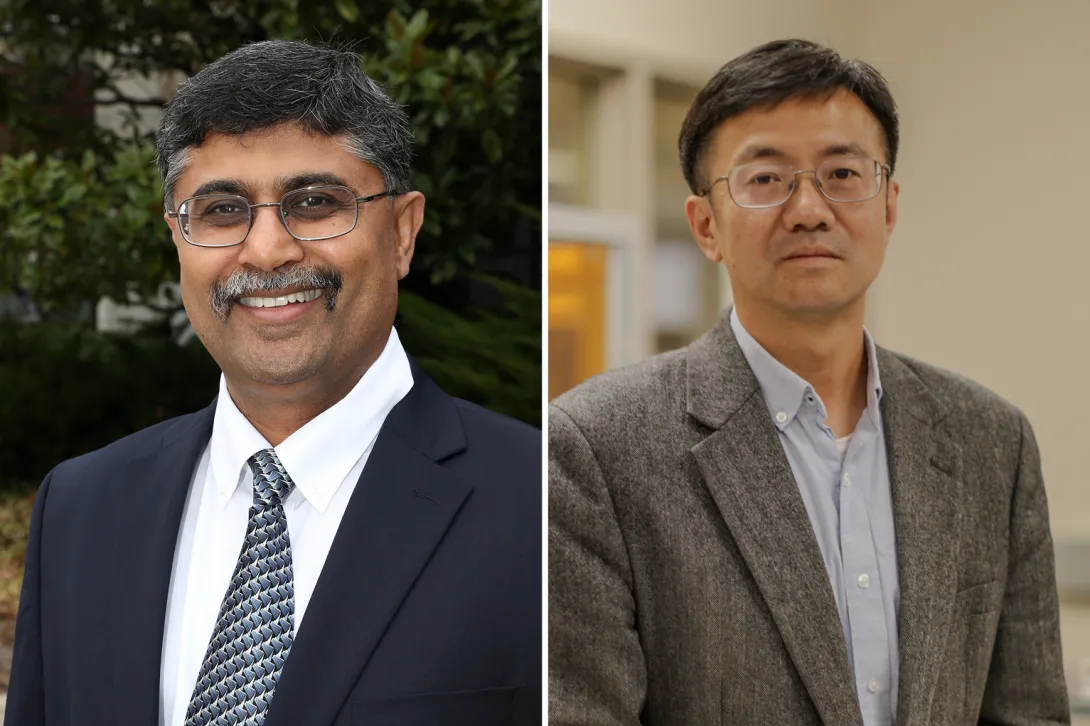
Two faculty members in the George W. Woodruff School of Mechanical Engineering will receive achievement awards from the American Society of Mechanical Engineers (ASME). Shreyes Melkote, who holds the Morris M. Bryan, Jr. Professorship in Mechanical Engineering, will receive the 2024 Milton C. Shaw Manufacturing Research Medal, and Professor Jerry Qi will receive the 2024 Warner T. Koiter Medal.
The Milton C. Shaw Manufacturing Research Medal, established in 2009, recognizes significant fundamental contributions to the science and technology of manufacturing processes.
"I am honored to receive this prestigious award. Milton C. Shaw was a giant in the manufacturing field, and to be recognized by an award named after him is very humbling," said Melkote, who also serves as the associate director for the Georgia Tech Manufacturing Institute.
The Warner T. Koiter Medal was established in 1996 and recognizes distinguished contributions to the field of solid mechanics with special emphasis on the effective blending of theoretical and applied elements of the discipline, as well as leadership in the international solid mechanics community.
Qi expressed his appreciation for his team upon learning of the award. “This award is really for my current and former students and postdoctoral scholars. It recognizes their work and innovations in a very special way," he said.
Qi's research is focused on the mechanics and 3D printing of soft active materials to enable 4D printing methods and the recycling of thermosetting polymers. He has developed several material models to describe the multiphysics and chemomechanical behaviors of soft active materials. He also pioneered several multimaterial 3D printing approaches that allow the integration of different polymers and functional materials into one system.
Melkote's primary area of research is manufacturing, and his secondary area of research is tribology, specifically in the science of precision material removal processes, new manufacturing process development including novel surface modification methods, the application of artificial intelligence and machine learning to solve complex problems in manufacturing, and advanced industrial robotics for precision manufacturing.
Melkote also credited the efforts and support of his students and colleagues. "This recognition would not have been possible without the high level of creativity and outstanding efforts of my graduate students and postdoctoral scholars, the support of my colleagues and mentors at Georgia Tech and beyond, and the opportunities and resources provided to me by the Woodruff School. I am truly grateful to all of them."
Both will be presented with their awards at upcoming ASME events. Melkote will receive his award at the ASME Manufacturing Science and Engineering Conference, June 17-21, in Knoxville, TN, and Qi will receive his at the ASME International Mechanical Engineering Congress and Exposition, November 17-21, in Portland, OR.
News Contact
Chloe Arrington
Communications Officer II
George W. Woodruff School of Mechanical Engineering
May. 22, 2024
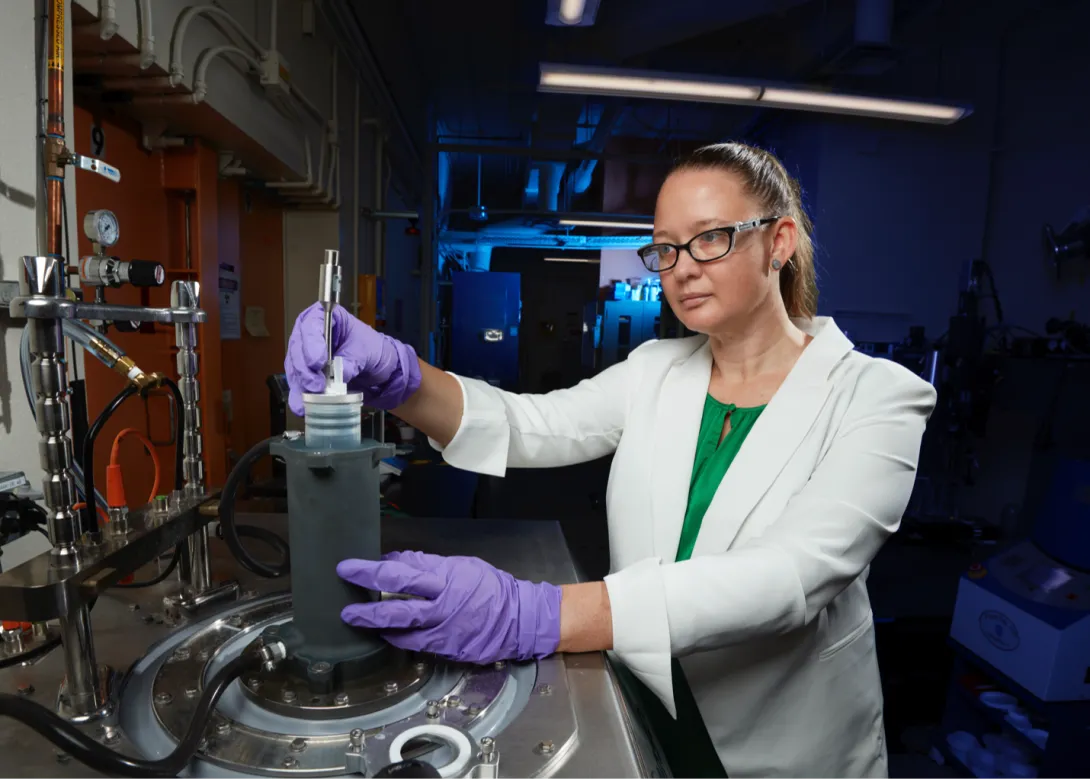
Blair Brettmann, Associate Professor at Georgia Tech (Photo credit: Garry McLeod/Lawrence Livermore National Lab)
Blair Brettmann, associate professor, Solvay Faculty Fellow, and Raymond and Stephanie Myers Faculty Fellow in the School of Chemical and Biomolecular Engineering, co-leads the interface of polymer science and wood-based materials initiative with Will Gutekunst at Georgia Tech’s Renewable Bioproducts Institute.
Brettmann’s current research focuses on developing technologies that enable multicomponent, rapidly customizable product design, with a specific focus on polymer systems.
Brettmann received her Ph.D. in chemical engineering at MIT in 2012 working with the Novartis-MIT Center for Continuous Manufacturing under Bernhardt Trout. Later, she worked on polymer-based wet coatings and dispersions for various applications at Saint-Gobain Ceramics and Plastics. She went on to serve as a postdoctoral researcher in the Institute for Molecular Engineering at the University of Chicago with Matthew Tirrell. Below is a brief Q&A with Brettmann in which she discusses her research focus areas and how they influence the interface of polymer science and wood-based materials research at Georgia Tech.
- What is your field of expertise and at what point in your life did you first become interested in this area?
My expertise is in polymer science and materials design for manufacturability. I got excited about this area after my Ph.D. when I worked for Saint-Gobain and saw firsthand the challenges of bringing new products to market, especially those made of complex mixtures of materials.
- What questions or challenges sparked your current renewable bioproducts research? What are the big issues facing your research area right now?
Sustainability of materials and process is a top priority right now across many industries, and renewable bioproducts research is helping to improve this. But it is still tough to design and scale up products made with these materials because of the heterogeneity of the raw bio-based materials and recycled materials that now serve as the raw materials. Engineers are essential to design systems that can be robust despite the heterogeneities and still produce consistent, high-quality products.
- What interests you the most in leading the research initiative on the interface of polymer science and wood-based materials? Why is your initiative important to the development of Georgia Tech’s Renewable Bioproducts research strategy?
One of the most promising directions to decrease the impact of plastics on the environment is to replace some of the synthetic plastic materials with natural products, such as cellulose from wood. My initiative aims to build better connections between polymer scientists working to design improved plastics and experts in bio-based materials to seed research that can work toward this goal. Polymers also serve as important tools to improve the properties of cellulose and wood-based products and can enable new materials with increased functionality that still have sustainable materials at their core.
- What are the broader global and social benefits of the research you and your team conduct on the interface of polymer science and wood-based materials?
We work to improve the sustainability of material products while addressing specific challenges related to manufacturing and scale-up, which can speed up the adoption of these more sustainable products in industry. We take a wide view of the problem and have even worked on a project to understand consumer choices in recycling: If people don’t recycle the material, our efforts to make recyclable products will not have an impact!
- What are your plans for engaging a wider Georgia Tech faculty pool with the broader renewable bioproducts community?
Using symposia, social events, and student-centered networking, I will bring the broad Georgia Tech Polymer Network community together with the RBI community.
- What are your hobbies?
Water polo and swimming. I train with the Atlanta Rainbow Trout, who practice at the Georgia Tech pool.
- Who has influenced you the most?
I’m constantly learning from people around me!
News Contact
Priya Devarajan || RBI Communications Program Manager
May. 21, 2024
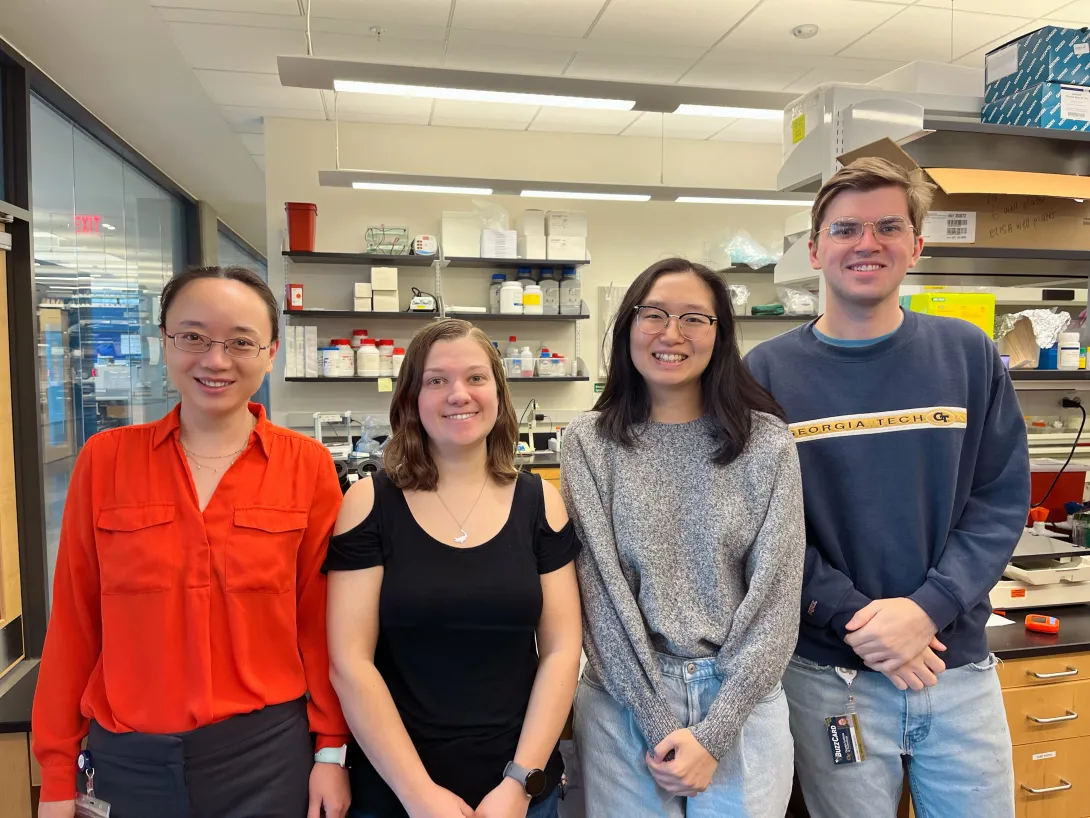
Asthma impacts more than 40 million Americans, and 10% of the world’s population. However, current anti-inflammatory treatments only partially control the disease’s symptoms. Now, Liang Han, an associate professor in the School of Biological Sciences, has been awarded a $2.47M grant by the National Institute of Health to study the role our nervous system plays in asthma — and the potential for new treatments. The grant will fund five years of research, with work beginning this spring.
“Asthma is typically considered an allergic inflammatory disease,” Han says, “and so the majority of research has previously focused on immune responses. But there is emerging evidence that the nervous system plays a critical role in the disease.”
Han highlights that our lungs are full of sensory nerves, which help monitor their internal state, and play an important role in regulating our breathing patterns and respiratory system. Vagal sensory neurons help send information from the lungs to the brain. Recent data collected by Yanyan Xing, a former postdoctoral researcher in the Han lab and now a scientist at Empress Therapeutics, suggested that blocking a group of vagal sensory neurons stopped the development of asthma symptoms in mice.
“Since these sensory neurons are responsible for responses like coughing, bronchoconstriction, and mucus secretion, all of which are asthma symptoms, we want to investigate whether blocking these neurons can help inhibit asthma in humans,” Han says. “If so, this might prove a promising treatment avenue for asthma.”
The nervous system connection
In her lab at Georgia Tech, Han’s research team investigates the role the nervous system plays in creating and behavioral responses, and how that contributes to chronic diseases. “We want to understand how the nervous system receives, transmits, and interprets various stimuli to induce physiological and behavioral responses,” she explains.
This year, Han also received a $550k grant from the National Science Foundation to investigate the neural circuit controlling itch sensation. The research has the potential to uncover new treatments for sensory conditions like chronic itch.
News Contact
Written by Selena Langner
May. 20, 2024

Ioanna Maria Spyrou, a Ph.D. candidate in the School of Economics, uses artificial intelligence (AI) and machine learning to predict food insecurity in Africa.
She hopes the tool she’s developing can help policymakers and community organizations implement more timely and targeted interventions to alleviate hunger on the continent.
Why now?
- Nearly 150 million people in Sub-Saharan Africa lack access to the amount and quality of food they need.
- This is primarily due to armed conflicts and more frequent droughts and natural disasters from climate change.
- Understanding which factors impact food shortages the most can help communities plan ahead, adapt to new weather patterns, and be more resilient.
- Spyrou and her advisor, Professor Shatakshee Dhongde in the School of Economics, are working with data from Sudan, South Sudan, the Democratic Republic of the Congo, and Somalia and hope to eventually expand to include more countries.
What’s new?
Other algorithms incorporate machine learning and AI to predict when and where food shortages will occur.
However, Dhongde and Spyrou’s approach is unique because it uses recent data from 2020 to 2023 and includes additional predictors, such as monthly data on conflict, which can be a powerful driver of food insecurity in Africa. (The Africa Center for Strategic Studies says 82% of people experiencing hunger on the continent live in countries in conflict.). Changing weather patterns also means relying on historical data no longer gives accurate information.
“By identifying which factors contribute most to food insecurity in different regions, we can adapt agricultural systems, try new strategies, and build stronger social networks and support systems,” Spyrou said.
What’s next?
Spyrou and Dhongde are working to determine how accurately they can predict food insecurity in Africa with these inputs, and they are optimistic about the results.
They hope the tool can eventually help policymakers, aid organizations, and communities do more with less.
“AI enables us to analyze these large datasets quickly and accurately and create real-time predictions," Dhongde said. "The ultimate goal is to achieve food security and end a crisis that is getting worse and worse.”
News Contact
Di Minardi
Ivan Allen College of Liberal Arts
May. 20, 2024
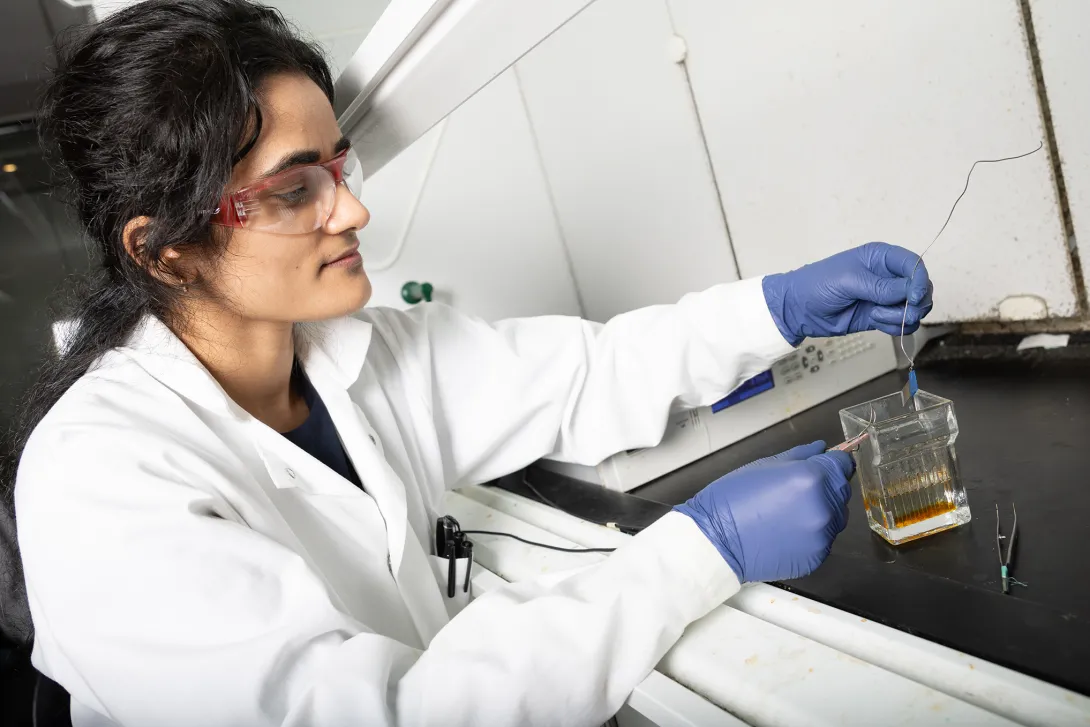
Postdoctoral scholar Anuja Tripathi examines a small sample of stainless steel after an electrochemical etching process she designed to create nano-scale needle-like structures on its surface. A second process deposits copper ions on the surface to create a dual antibacterial material. (Photo: Candler Hobbs)
An electrochemical process developed at Georgia Tech could offer new protection against bacterial infections without contributing to growing antibiotic resistance.
The approach capitalizes on the natural antibacterial properties of copper and creates incredibly small needle-like structures on the surface of stainless steel to kill harmful bacteria like E. coli and Staphylococcus. It’s convenient and inexpensive, and it could reduce the need for chemicals and antibiotics in hospitals, kitchens, and other settings where surface contamination can lead to serious illness.
It also could save lives: A global study of drug-resistant infections found they directly killed 1.27 million people in 2019 and contributed to nearly 5 million other deaths — making these infections one of the leading causes of death for every age group.
Researchers described the copper-stainless steel and its effectiveness May 20 in the journal Small.
News Contact
Joshua Stewart
College of Engineering