
Aug. 06, 2024
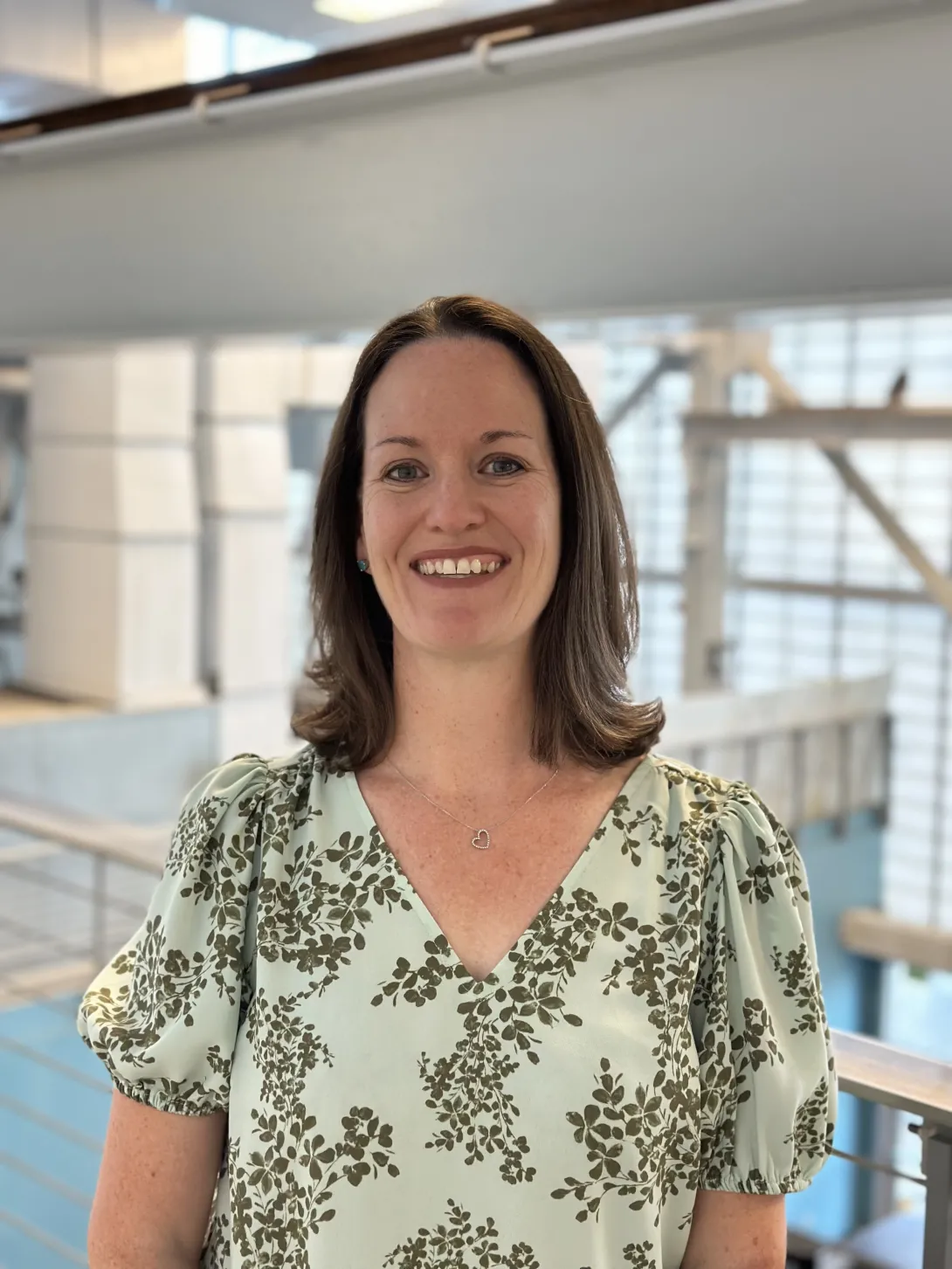
Christine Conwell has been named interim executive director of the Strategic Energy Institute (SEI), effective Sept. 10.
A principal research scientist, Conwell has served as SEI’s director of planning and operations since 2020. In this role, she oversaw strategic and annual planning within SEI and partnered with campus researchers and units to create and execute strategic programs and events. Most recently, she led the development of a new five-year action plan and launched a signature initiative to build energy-focused research partnerships with historically Black colleges and universities and minority-serving institutions.
Before her role at SEI, Conwell was managing director of the $40 million NSF-NASA Center for Chemical Evolution (CCE) in the School of Chemistry and Biochemistry, where she oversaw daily operations, fostered collaborations between 12 universities and other partners, and developed outreach and educational programs. Annually, she worked with more than 80 faculty, postdoctoral researchers, and students and advised on key opportunities to maximize the center's impact. She served as a key leader within CCE’s management team and, in 2020, she was awarded Georgia Tech’s prestigious Outstanding Achievement in the Research Enterprise Award for her leadership.
“Christine has been instrumental in the growth and expansion of the Strategic Energy Institute,” said Julia Kubanek, vice president of Interdisciplinary Research at Georgia Tech. “The strong research ties she has built as a long-standing member of the Georgia Tech research community, along with her outstanding leadership during the past few years, makes her the natural choice for SEI’s interim executive director.”
Conwell holds a B.S. in molecular biology and chemistry from Westminster College in Pennsylvania and a Ph.D. in biochemistry from Georgia Tech. She has authored several peer-reviewed manuscripts, book chapters, and grants on her research in DNA biophysics and non-viral gene delivery, and was a postdoctoral recipient of the NIH Ruth Kirschstein National Research Service Award. During her time at Georgia Tech, Conwell has served as a member of the Research Faculty Senate and the Faculty Executive Board, and she was selected as a member of the fifth Leading Women at Georgia Tech cohort.
“I am honored to serve as the interim executive director of the Strategic Energy Institute during this pivotal moment for energy research,” she said. “As we navigate an exciting period of innovation at the local, regional, and national levels, I am eager to build on our current momentum and deepen collaborations with our exceptional researchers, faculty, and staff to further advance our energy community and drive progress in the field.”
News Contact
Priya Devarajan || SEI Communications Program Manager
Aug. 05, 2024

Jean Carlos (J.C.) Hernandez-Mejia has been named the interim director of National Electric Energy Testing, Research, & Applications Center (NEETRAC).
Hernandez-Mejia has been a research engineer at NEETRAC since 2017, contributing significantly to research, testing, and applications work in the reliability area. His work specifically focuses on condition assessment, asset management strategies, failure analysis, and optimization of power system performance. In 2022 he was promoted to senior research engineer.
“With J.C.'s exceptional experience and leadership, NEETRAC is in capable hands during this transition,” said Arijit Raychowdhury, Steve W. Chaddick School Chair and professor of the School of Electrical and Computer Engineering (ECE). “I am confident that with the support of the entire ECE community, J.C. will continue to drive NEETRAC forward and achieve our goals.”
NEETRAC is a member-focused center dedicated to offering valuable research and testing services for the electric energy delivery sector, including electric utilities and manufacturers. Established in 1996 within ECE, its mission is to propel the industry forward by delivering innovative, impactful, and practical solutions to real-world challenges in electric energy transmission and distribution.
Originally from Merida, Venezuela, Hernandez-Mejia earned his bachelor’s degree (Summa Cum Laude) in electrical engineering from the University of the Andes in 2000. He then obtained his master’s degree and Ph.D. in ECE from Georgia Tech, supported by a scholarship from the Organization of American States.
Before joining NEETRAC full-time, Hernandez-Mejia was a tenured professor at the University of the Andes, where he excelled in teaching, research, and community outreach in power systems. Hernandez-Mejia has authored numerous journal and conference papers and has been a key contributor to research reports for various manufacturing companies, utilities, and electric cooperatives across North America.
News Contact
Dan Watson
Jul. 31, 2024
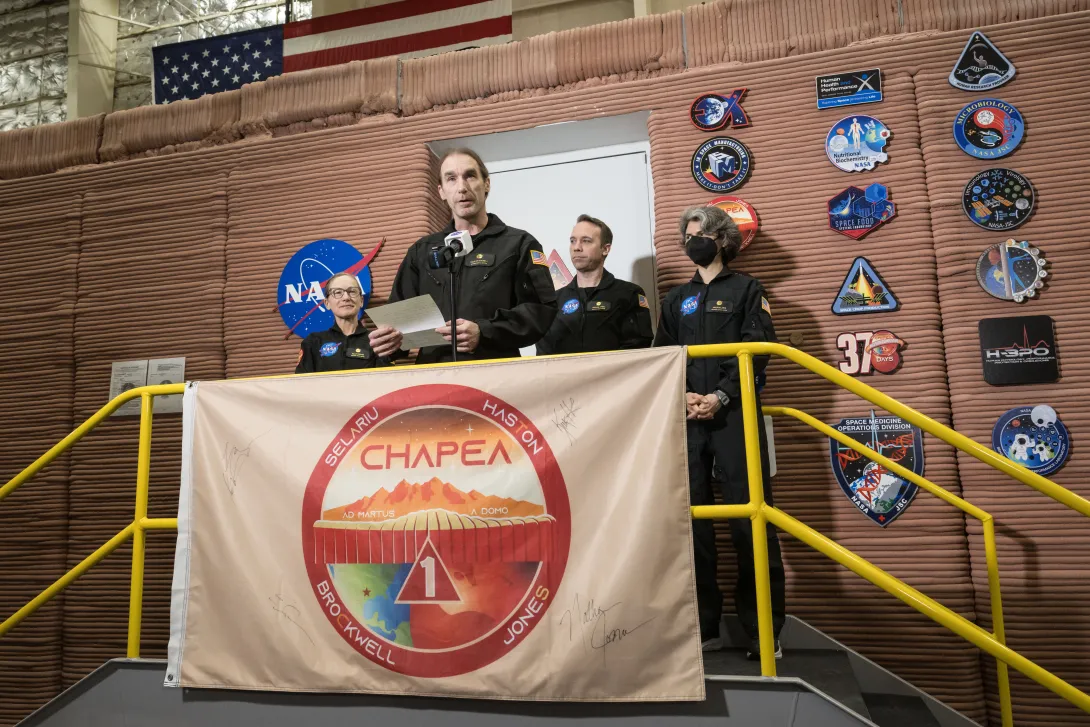
Ross Brockwell exiting the Mars Dune Alpha habitat at NASA's Johnson Space Center in Houston, Texas. Photo credit: NASA/CHAPEA
When the door to the Mars Dune Alpha habitat at NASA's Johnson Space Center in Houston, Texas, closed behind the crew members of the first Crew Health and Performance Exploration Analog (CHAPEA) mission, Georgia Tech graduate Ross Brockwell was transported 152 million simulated miles to the Red Planet.
For the next 378 days, Brockwell, a 1999 civil engineering graduate, and three other crew members participated in the study designed to gain insights into the challenges of deep space exploration and its effects on human health and performance. The crew performed robotic operations, habitat maintenance, agricultural activities, and simulated surface walks in the "sandbox" with the assistance of virtual reality while enduring intentional resource limitations, isolation, and confinement.

A structural engineer by day, he has always dreamed of space travel, and when a fellow Yellow Jacket alerted Brockwell to the application for the CHAPEA mission, he seized the opportunity.
"Sometimes, you get chances in your lifetime, and if I don't get a chance to actually go to Mars, if I can take this chance to help us get there as a planet, I'm honored," he said.
Once inside the 1,700-square-foot habitat, Brockwell's role as the CHAPEA mission's flight engineer focused on infrastructure, building design, and organizational leadership. As much as he learned from his tasks throughout the mission, like anticipating possible failure points and contingency planning, NASA learned even more through physical and cognitive monitoring.
"There was a lot of science, but some of the science was focused on us as the participants — our physiology and our performance — to make the mission as realistic as possible," he said.
Communication is a key element in space travel. Getting a message from Mars back to family and friends or mission control on Earth took 20 minutes on average for the crew inside the habitat, testing their ability to isolate. Without constant communication with the outside world, the crew fostered camaraderie through team activities and celebrated birthdays and holidays together. Brockwell's ingenuity wasn't limited to official tasks; he used a 3D printer to create a bracket for mounting a mini-basketball hoop.
Meals inside the habitat mirrored the shelf-stable food system of the International Space Station. While cultivated crops like tomatoes supplemented their main supply, Brockwell says there is a common misconception about astronaut food.
"I say with all sincerity, it was delicious." His favorite dish was a peanut chicken and wild rice mix, but the crew often got creative by mixing soups and proteins to create new dishes.
Other than the food, the biggest surprise to Brockwell was how quickly the mission was completed.
"I hoped and thought it would be that way, but we proved that a well-comprised crew can have a good time while doing this. There were a lot of clichéd expectations that there would be issues that we just didn't have. I think we demonstrated that a mission like this can be a huge success and an enjoyable, positive experience, not just something to be endured," he said.
Brockwell says that his time at Georgia Tech allowed him to learn the fundamentals of engineering principles and taught him to keep an open mind when exploring how things work. After receiving a master's degree in aeronautics from the California Institute of Technology and completing the CHAPEA mission, he believes systems engineering can aid deep space exploration efforts for the next generation.
"Thinking about the effect of every component on every other component and the emergent properties from complex systems is crucial. I think that systems thinking is going to become increasingly important. Ecology and ecological thinking need to be part of it, especially for aerospace. If you're thinking about deep space exploration, an understanding of ecological principles and closed-loop systems will be key," he said.
At the end of the mission, Brockwell savored the sights and smells of Earth for the first time in over a year, saying that's what he missed the most. But if the opportunity arose to take the 152-million-mile flight to Mars, he'd be on the first ship out.
News Contact
Steven Gagliano - Institute Communications
Jul. 30, 2024
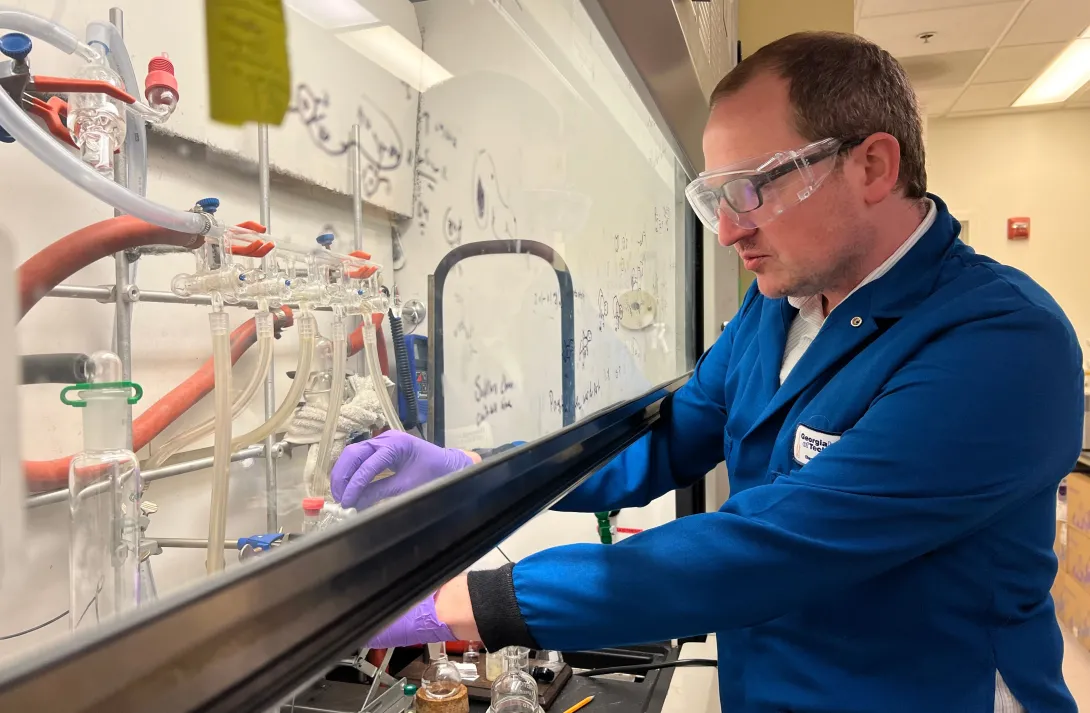
Will Gutekunst, associate professor in the School of Chemistry and Biochemistry at Georgia Tech, co-leads the interface of polymer science and wood-based materials initiative along with Blair Brettmann at the Renewable Bioproducts Institute (RBI). Gutekunst’s research explores the design of novel monomers for the design of recyclable polymers for a circular economy, fluxional materials, and 3D-printable ceramics.
Below is a brief Q&A with Gutekunst where he discusses his research focus areas and how they influence the interface of polymer science and wood-based materials initiative at Georgia Tech.
- What is your field of expertise and at what point in your life did you first become interested in this area?
My graduate training is in synthetic organic chemistry, and I focused on basic science problems at that time. Toward the end of my Ph.D., I became interested in applying my skill set to new research directions that could have a more direct impact on society. This led me to pursue postdoctoral research in polymer chemistry, which has been a source of inspiration ever since.
- What questions or challenges sparked your current renewable bioproducts research? What are the big issues facing your research area right now?
My first project in this space was initiated shortly after I arrived at Georgia Tech through RBI funding opportunities, and it has continued to be a theme ever since. One of the critical problems in my research is identifying monomers that can polymerize and depolymerize on command. This involves balancing the driving force of polymerization (enthalpy) with the unfavorable process of confining multiple monomers to a single chain (entropy). While we are making considerable progress in engineering appropriate polymerization enthalpies into monomers, the entropic side of the problem remains a significant challenge.
- What interests you the most in leading the research initiative on the interface of polymer science and wood-based materials? Why is your initiative important to the development of Georgia Tech’s renewable bioproducts research strategy?
The most exciting aspect of the initiative is the ability to bring together multiple strengths of Georgia Tech to work on a central goal. Solving problems at this interface involves the collaborative efforts of researchers in chemistry, processing, separations, and even data science. Identifying and gathering synergistic teams is critical to address this problem and additional goals in renewable bioproducts.
- What are the broader global and social benefits of the research you and your team conduct on the interface of polymer science and wood-based materials?
The goal of this research is to develop materials that are more recyclable and are derived from abundant feedstocks, which are two big problems rolled into one. The eventual product of this research will be access to materials that are more compatible with the environment while also drastically reducing the waste output of society.
- What are your plans for engaging a wider Georgia Tech faculty pool with the broader renewable bioproducts community?
Through the merger of the Georgia Tech Polymer Network with RBI, we can start to forge collaborations across a broader swath of the Georgia Tech community. This includes the organization of workshops, making connections between different student groups, and the development of center grants to tackle grand challenges in the field.
- What are your hobbies?
In my free time, I enjoy reading (non-science), pottery, and hiking.
- Who has influenced you the most?
My Ph.D. advisor (Phil Baran) and my postdoctoral advisor (Craig Hawker) both stand out in their impact on my scientific career. Through their guidance, I learned how to properly think about science and to always look ahead for the next big problem.
News Contact
Priya Devarajan | RBI Communications Manager
Jul. 30, 2024
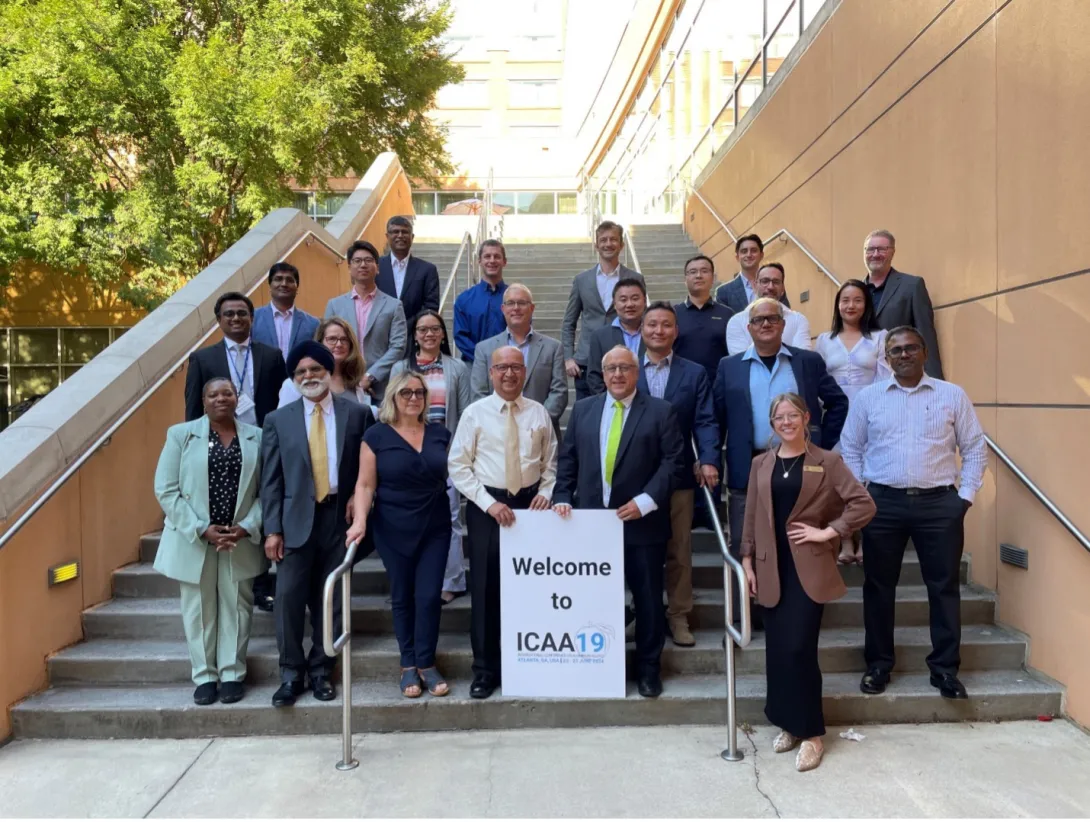
A group photo of several researchers at ICAA19.
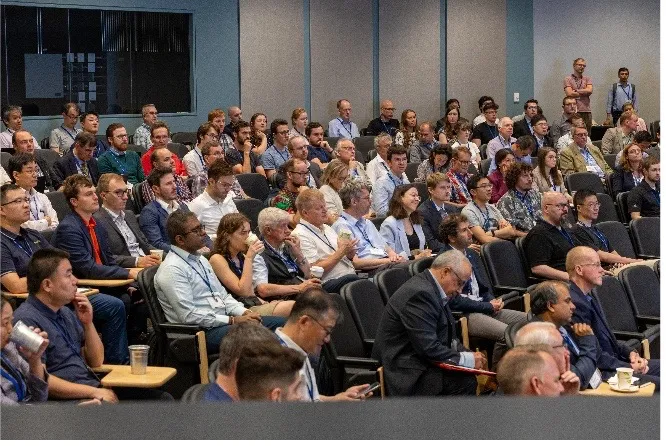
Attendees at ICAA19.
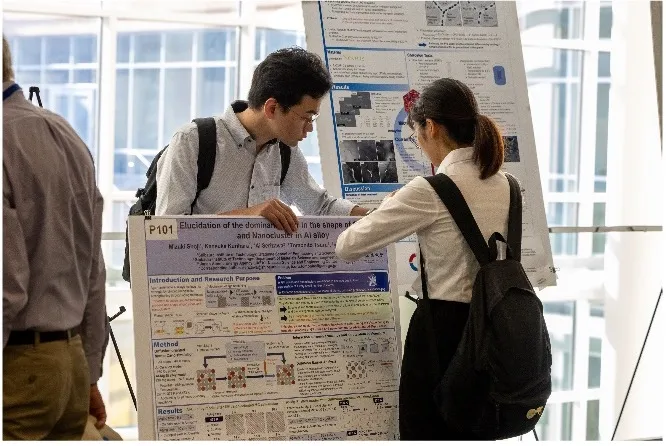
ICAA19 also included a poster session.
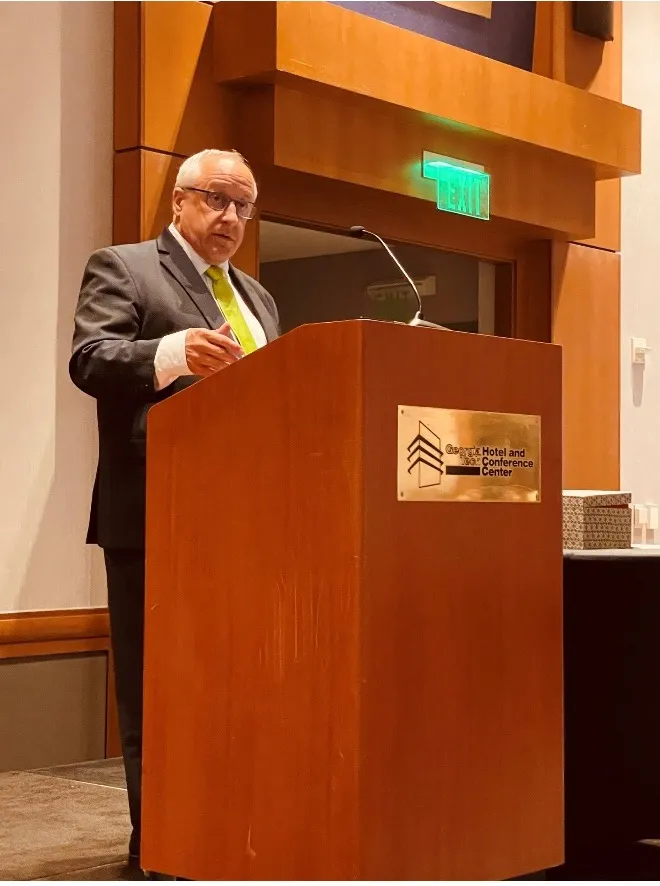
Novelis Chief Technology Officer Philippe Meyer.
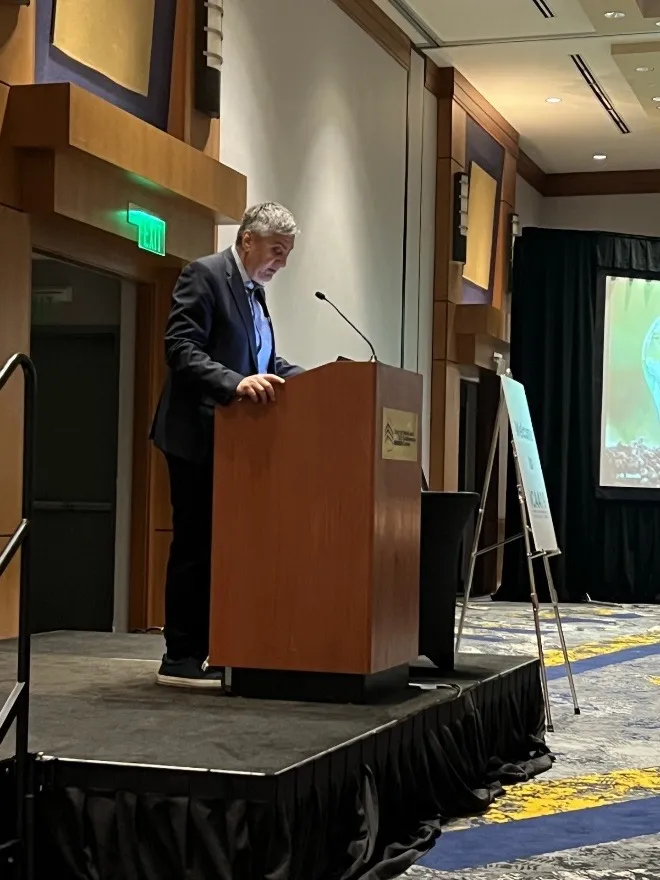
Georgia Tech Executive Vice President for Research Chaouki Abdallah.
From airplanes to soda cans, aluminum is a crucial — not to mention, an incredibly sustainable — material in manufacturing. Since 2019, Georgia Tech has partnered with Novelis, a global leader in aluminum rolling and recycling, through the Novelis Innovation Hub to advance research and business opportunities in aluminum manufacturing.
Novelis and the Georgia Institute of Technology recently co-hosted the 19th International Conference on Aluminum Alloys (ICAA19). Held on Georgia Tech's campus, this event brought together the brightest minds in aluminum technology for four days of intensive learning and networking.
Since its inception in 1986, ICAA has been the premier global forum for aluminum manufacturing innovations. This year, the conference attracted over 300 participants from 19 countries, including representatives from academia, research organizations, and industry leaders.
“The diverse mix of attendees created a rich tapestry of knowledge and experience, fostering a robust exchange of ideas,” said Naresh Thadhani, conference co-chair and professor in the School of Materials Science and Engineering
ICAA19 featured 12 symposia topics and over 250 technical presentations, delving into critical themes such as sustainability, future mobility, and next-generation manufacturing. Keynote addresses from leaders at the Aluminum Association, Airbus, and Coca-Cola set the stage for insightful discussions. Novelis Chief Technology Officer Philippe Meyer and Georgia Tech Executive Vice President for Research Chaouki Abdallah headlined the event, underscoring the importance of Novelis’ partnership with Georgia Tech.
Marking the fifth anniversary of the Novelis Innovation Hub at Georgia Tech, Hub Executive Director Shreyes Melkote says that “ICAA19 represents a prime example of the close collaboration between Novelis and the Institute, enabled by the Novelis Innovation Hub.” Melkote, a professor in the George W. Woodruff School of Mechanical Engineering, also serves as the associate director of the Georgia Tech Manufacturing Institute.
“This unique center for research, development, and technology has been instrumental in advancing aluminum innovations, exemplifying the power of partnerships in driving industry progress,” says Meyer. “As we reflect on the success of ICAA19, we remain committed to strengthening our existing partnerships and forging new alliances to accelerate innovation. The collaborative spirit showcased at the conference is a testament to our dedication to leading the aluminum industry into a more sustainable future.”
News Contact
Audra Davidson
Research Communications Program Manager
Georgia Tech Manufacturing Institute
Jul. 30, 2024

Timothy Lieuwen has been appointed interim executive vice president for Research (EVPR) by Georgia Tech President Ángel Cabrera, effective September 10.
Lieuwen is a Regents’ Professor, the David S. Lewis, Jr. Chair in the Daniel Guggenheim School of Aerospace Engineering, and executive director of the Strategic Energy Institute. His research interests range from clean energy and propulsion systems to energy policy, national security, and regional economic development. He works closely with industry and government to address fundamental problems and identify solutions in the development of clean energy systems and alternative fuels.
A proud Georgia Tech alumnus, Lieuwen (M.S. ME 1997, Ph.D. ME 1999) has had a remarkable academic career. He is a member of the National Academy of Engineering and is a fellow of the American Society of Mechanical Engineers, the American Institute of Aeronautics and Astronautics, the American Physical Society, the Combustion Institute, and the Indian National Academy of Engineering (foreign fellow). He has received numerous awards, including the ASME George Westinghouse Gold Medal and the AIAA Pendray Award. He serves on governing or advisory boards of three Department of Energy national labs: Oak Ridge National Laboratory, Pacific Northwest National Laboratory, and the National Renewable Energy Laboratory and was appointed by the U.S. Secretary of Energy to the National Petroleum Council.
Lieuwen has authored or edited four books on combustion and over 400 scientific publications. He also holds nine patents, several of which are licensed to industry, and is founder of an energy analytics company, Turbine Logic, where he acts as chief technology officer.
In Lieuwen’s appointment announcement, President Cabrera said, “Tim’s extensive experience and knowledge of Georgia Tech makes him uniquely suited to lead our research enterprise as we search for a permanent EVPR. I am grateful for his willingness to serve the Institute during this period of remarkable growth, and I look forward to working with him and the rest of the team.”
News Contact
Shelley Wunder-Smith
Director of Research Communications
Jul. 23, 2024
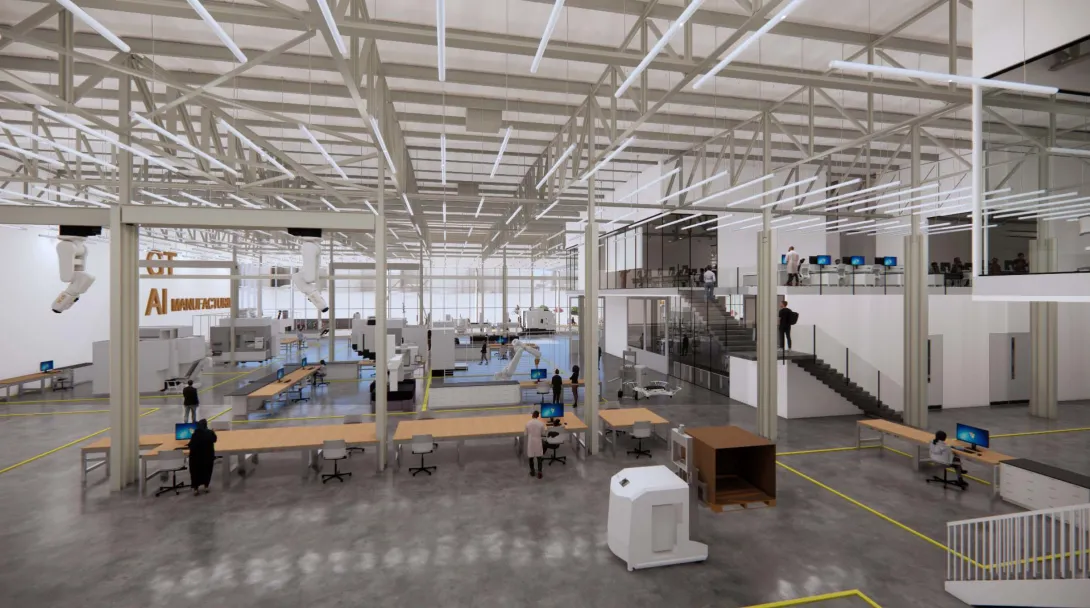
An early rendering of the main expanded research area at the Advanced Manufacturing Pilot Facility (Credit: Lord Aeck Sargent).
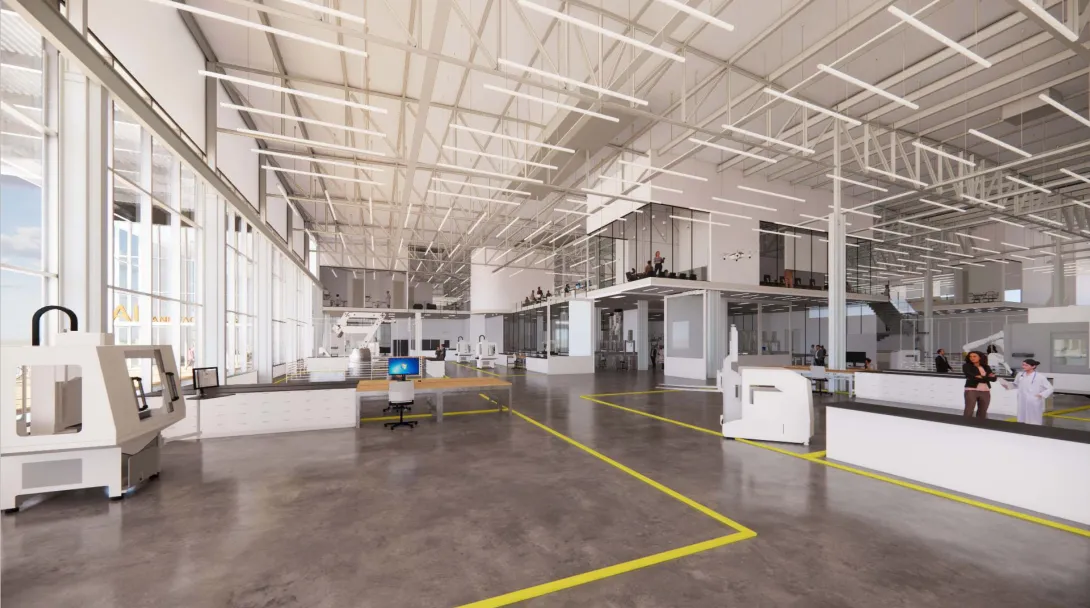
An early rendering of the main expanded research area at the Advanced Manufacturing Pilot Facility (Credit: Lord Aeck Sargent).
When it comes to manufacturing innovation, the “valley of death” — the gap between the lab and the industry floor where even the best discoveries often get lost — looms large.
“An individual faculty’s lab focuses on showing the innovation or the new science that they discovered,” said Aaron Stebner, professor and Eugene C. Gwaltney Jr. Chair in Manufacturing in the George W. Woodruff School of Mechanical Engineering. “At that point, the business case hasn't been made for the technology yet — there's no testing on an industrial system to know if it breaks or if it scales up. A lot of innovation and scientific discovery dies there.”
The Georgia Tech Manufacturing Institute (GTMI) launched the Advanced Manufacturing Pilot Facility (AMPF) in 2017 to help bridge that gap.
Now, GTMI is breaking ground on an extensive expansion to bring new capabilities in automation, artificial intelligence, and data management to the facility.
“This will be the first facility of this size that's being intentionally designed to enable AI to perform research and development in materials and manufacturing at the same time,” said Stebner, “setting up GTMI as not just a leader in Georgia, but a leader in automation and AI in manufacturing across the country.”
AMPF: A Catalyst for Collaboration
Located just north of Georgia Tech’s main campus, APMF is a 20,000-square-foot facility serving as a teaching laboratory, technology test bed, and workforce development space for manufacturing innovations.
“The pilot facility,” says Stebner, “is meant to be a place where stakeholders in academic research, government, industry, and workforce development can come together and develop both the workforce that is needed for future technologies, as well as mature, de-risk, and develop business cases for new technologies — proving them out to the point where it makes sense for industry to pick them up.”
In addition to serving as the flagship facility for GTMI research and the state’s Georgia AIM (Artificial Intelligence in Manufacturing) project, the AMPF is a user facility accessible to Georgia Tech’s industry partners as well as the Institute’s faculty, staff, and students.
“We have all kinds of great capabilities and technologies, plus staff that can train students, postdocs, and faculty on how to use them,” said Stebner, who also serves as co-director of the GTMI-affiliated Georgia AIM project. “It creates a unique asset for Georgia Tech faculty, staff, and students.”
Bringing AI and Automation to the Forefront
The renovation of APMF is a key component of the $65 million grant, awarded to Georgia Tech by the U.S. Department of Commerce’s Economic Development Administration in 2022, which gave rise to the Georgia AIM project. With over $23 million in support from Georgia AIM, the improved facility will feature new workforce training programs, personnel, and equipment.
Set to complete in Spring 2026, the Institute’s investment of $16 million supports construction that will roughly triple the size of the facility — and work to address a major roadblock for incorporating AI and automation into manufacturing practices: data.
“There’s a lot of work going on across the world in using machine learning in engineering problems, including manufacturing, but it's limited in scale-up and commercial adoption,” explained Stebner.
Machine learning algorithms have the potential to make manufacturing more efficient, but they need a lot of reliable, repeatable data about the processes and materials involved to be effective. Collecting that data manually is monotonous, costly, and time-consuming.
“The idea is to automate those functions that we need to enable AI and machine learning” in manufacturing, says Stebner. “Let it be a facility where you can imagine new things and push new boundaries and not just be stuck in demonstrating concepts over and over again.”
To make that possible, the expanded facility will couple AI and data management with robotic automation.
“We're going to be able to demonstrate automation from the very beginning of our process all the way through the entire ecosystem of manufacturing,” said Steven Sheffield, GTMI’s senior assistant director of research operations.
“This expansion — no one else has done anything like it,” added Steven Ferguson, principal research scientist with GTMI and managing director of Georgia AIM. “We will have the leading facility for demonstrating what a hyperconnected and AI-driven manufacturing enterprise looks like. We’re setting the stage for Georgia Tech to continue to lead in the manufacturing space for the next decade and beyond.”
News Contact
Audra Davidson
Research Communications Program Manager
Georgia Tech Manufacturing Institute
Jul. 16, 2024
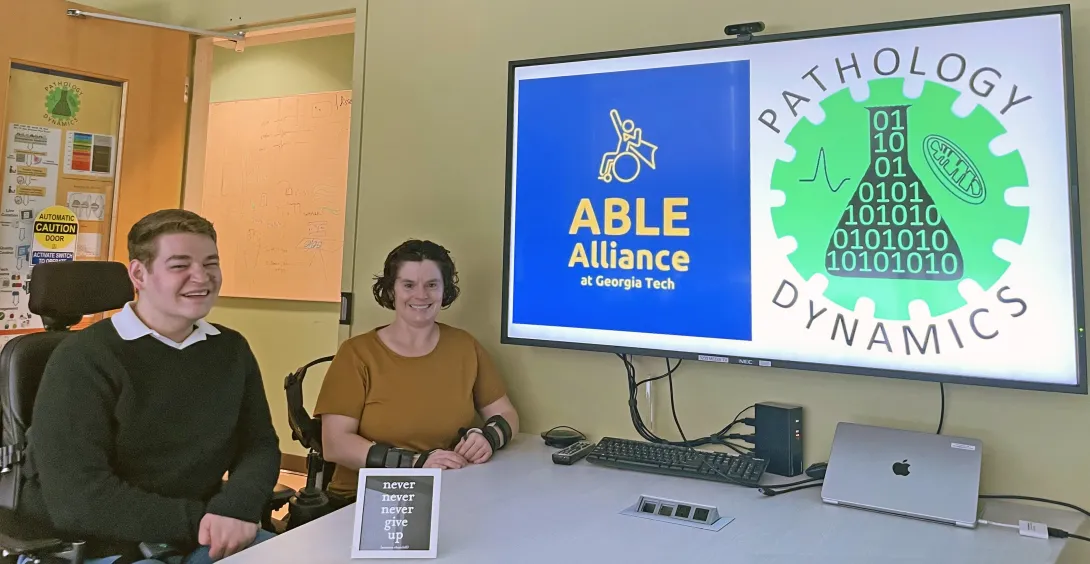
Robert "Trey" Quinn and Cassie Mitchell have collaborated on a new study of disability in the STEM fields of work.
Cassie Mitchell and Robert “Trey” Quinn have a few questions they’d like to ask you, and there really are no wrong answers.
They’re launching a new study focused on disability in the STEM fields of work — science, technology, engineering, and mathematics, which they hypothesize are a good fit for people with physical disabilities. Technology has made the work more accessible. Plus, the pay is good. However, there are challenges for working people with disabilities that even a great salary can’t overcome.
“We envision a scenario in which people with disabilities can get into the workforce and provide for their needs,” said Mitchell, associate professor in the Wallace H. Coulter Department of Biomedical Engineering.
Quinn, one of Mitchell’s former students, graduated in May with his master’s in computer science. He was well-known on campus for the sign attached to the back of his wheelchair, which said “THWG” — or “To Hell With Georgia” — a nod to the famous Georgia Tech-University of Georgia rivalry Quinn shares with his older sister, who attended UGA.
“The overall objective with this data-enabled study is to highlight the factors in academia and industry that have historically inhibited the successful inclusion of disabled people in STEM work,” said Quinn, who took the lead role in this study, which will gather data from both non-disabled and disabled people.
“We want to get a more complete picture of the current landscape, of the educational environment and the workplace,” said Mitchell, principal investigator of the Laboratory for Pathology Dynamics.
Increasing the Sample Size
The study is part of the Science Leadership award Mitchell’s lab received in October 2022. This program, supported by the Chan Zuckerberg Initiative and the National Academies of Sciences, Engineering, and Medicine, supports early-career biomedical researchers who have a record of promoting diversity, equity, and inclusion. The award includes a $1.15 million grant over five years.
Mitchell, an internationally recognized Paralympian, developed a neurological condition as a teen that resulted in quadriplegia. She’s always made it a point in her lab to include students from diverse backgrounds and disabilities.
“There is almost no data out there about the inclusion of disabled people in the workforce, only tiny sample sizes,” Mitchell said. “So we wanted to go after a larger sample size. Because if we are not reaching appropriate inclusion — and the few existing studies show that we’re not — then we want to know why.”
Quinn added, “Stable and high-paying careers in STEM fields seem like a viable option for people with disabilities to both achieve and maintain financial independence.”
Grappling With the Disability Tax
For a person with significant disability, even a good-paying job may not be enough to offset the “disability tax.” Quinn defines the tax as “the extra time and money that living with a disability takes.”
For example, some people need a monthly disability check to cover common living expenses. But often, a more valuable government benefit is a health plan that covers “the thousands of dollars per month in personal support and care services,” Quinn explained. “You often only qualify for this if you’re on government disability benefits and making less than a certain amount of money per month.”
Also, policies vary by state, so individuals can easily fall through the cracks due to the complexities of various programs. And private or employer-funded healthcare plans typically can’t compete with government plans, which cover these expensive personal support services.
For many people with disabilities, it comes down to a choice between working or government-supported services.
“There doesn’t seem to be a middle ground,” said Mitchell, who estimates approximately 60% of her income supports her medical and disability needs. “And that’s after insurance.”
The researchers hope their study provides momentum that will result in something close to full accessibility.
“This study will illuminate the challenges, even if it doesn’t solve them,” said Mitchell. “And while we’re focusing on STEM, this kind of study can be extrapolated to other fields as well. Whether you’re in science or not, I think people understand we’re asking important societal questions.”
News Contact
Jerry Grillo
Jul. 15, 2024
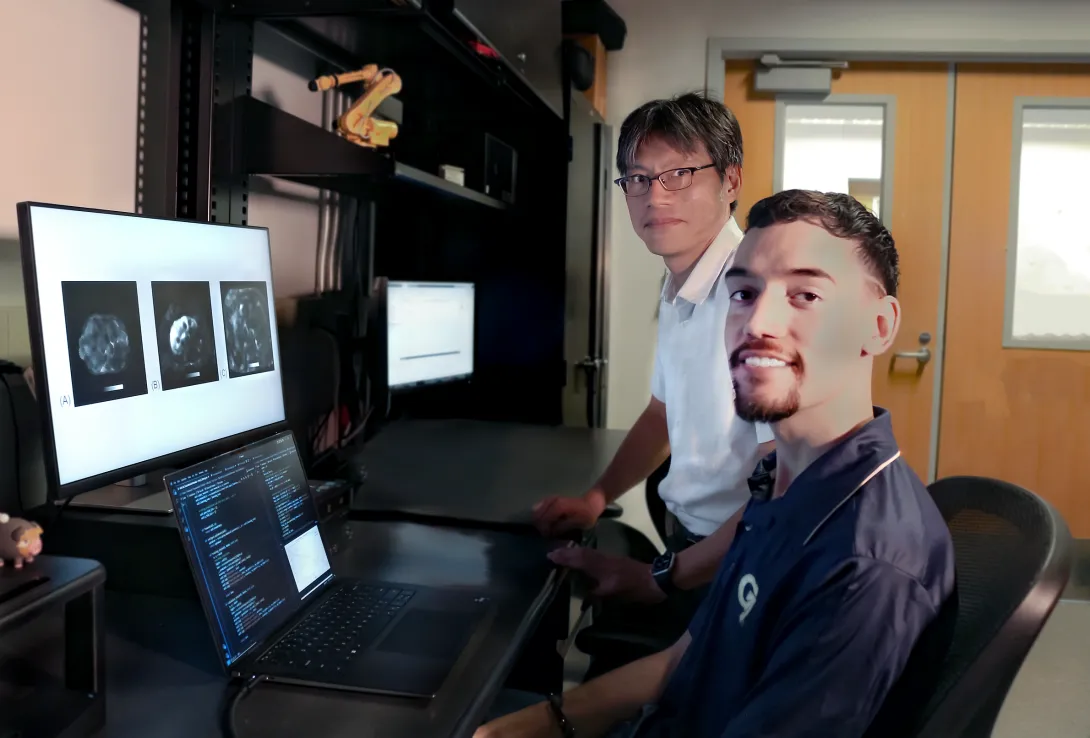
Professor Jun Ueda in the George W. Woodruff School of Mechanical Engineering and robotics Ph.D. student Heriberto Nieves.
Hepatic, or liver, disease affects more than 100 million people in the U.S. About 4.5 million adults (1.8%) have been diagnosed with liver disease, but it is estimated that between 80 and 100 million adults in the U.S. have undiagnosed fatty liver disease in varying stages. Over time, undiagnosed and untreated hepatic diseases can lead to cirrhosis, a severe scarring of the liver that cannot be reversed.
Most hepatic diseases are chronic conditions that will be present over the life of the patient, but early detection improves overall health and the ability to manage specific conditions over time. Additionally, assessing patients over time allows for effective treatments to be adjusted as necessary. The standard protocol for diagnosis, as well as follow-up tissue assessment, is a biopsy after the return of an abnormal blood test, but biopsies are time-consuming and pose risks for the patient. Several non-invasive imaging techniques have been developed to assess the stiffness of liver tissue, an indication of scarring, including magnetic resonance elastography (MRE).
MRE combines elements of ultrasound and MRI imaging to create a visual map showing gradients of stiffness throughout the liver and is increasingly used to diagnose hepatic issues. MRE exams, however, can fail for many reasons, including patient motion, patient physiology, imaging issues, and mechanical issues such as improper wave generation or propagation in the liver. Determining the success of MRE exams depends on visual inspection of technologists and radiologists. With increasing work demands and workforce shortages, providing an accurate, automated way to classify image quality will create a streamlined approach and reduce the need for repeat scans.
Professor Jun Ueda in the George W. Woodruff School of Mechanical Engineering and robotics Ph.D. student Heriberto Nieves, working with a team from the Icahn School of Medicine at Mount Sinai, have successfully applied deep learning techniques for accurate, automated quality control image assessment. The research, “Deep Learning-Enabled Automated Quality Control for Liver MR Elastography: Initial Results,” was published in the Journal of Magnetic Resonance Imaging.
Using five deep learning training models, an accuracy of 92% was achieved by the best-performing ensemble on retrospective MRE images of patients with varied liver stiffnesses. The team also achieved a return of the analyzed data within seconds. The rapidity of image quality return allows the technician to focus on adjusting hardware or patient orientation for re-scan in a single session, rather than requiring patients to return for costly and timely re-scans due to low-quality initial images.
This new research is a step toward streamlining the review pipeline for MRE using deep learning techniques, which have remained unexplored compared to other medical imaging modalities. The research also provides a helpful baseline for future avenues of inquiry, such as assessing the health of the spleen or kidneys. It may also be applied to automation for image quality control for monitoring non-hepatic conditions, such as breast cancer or muscular dystrophy, in which tissue stiffness is an indicator of initial health and disease progression. Ueda, Nieves, and their team hope to test these models on Siemens Healthineers magnetic resonance scanners within the next year.
Publication
Nieves-Vazquez, H.A., Ozkaya, E., Meinhold, W., Geahchan, A., Bane, O., Ueda, J. and Taouli, B. (2024), Deep Learning-Enabled Automated Quality Control for Liver MR Elastography: Initial Results. J Magn Reson Imaging. https://doi.org/10.1002/jmri.29490
Prior Work
Robotically Precise Diagnostics and Therapeutics for Degenerative Disc Disorder
Related Material
Editorial for “Deep Learning-Enabled Automated Quality Control for Liver MR Elastography: Initial Results”
News Contact
Christa M. Ernst |
Research Communications Program Manager |
Topic Expertise: Robotics, Data Sciences, Semiconductor Design & Fab |
Jul. 09, 2024
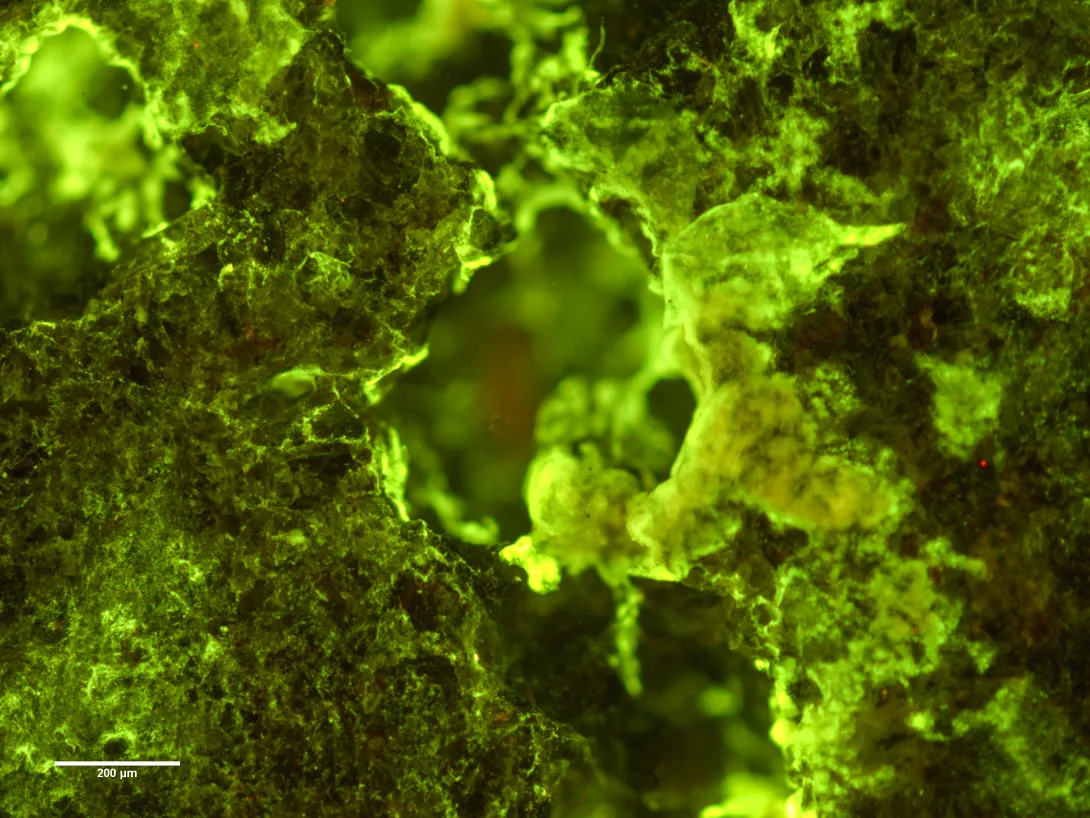
From plaque sticking to teeth to scum on a pond, biofilms can be found nearly everywhere. These colonies of bacteria grow on implanted medical devices, our skin, contact lenses, and in our guts and lungs. They can be found in sewers and drainage systems, on the surface of plants, and even in the ocean.
“Some research says that 80% of infections in human bodies can be attributed to the bacteria growing in biofilms,” Aawaz Pokhrel says, lead author of a groundbreaking new study that uses physics to investigate how these biofilms grow.
The paper, “The Biophysical Basis of Bacterial Colony Growth,” was published in Nature Physics this week, and it shows that the fitness of a biofilm — its ability to grow, expand, and absorb nutrients from the medium or the substrate — is largely impacted by the contact angle that the biofilm’s edge makes with the substrate. The study also found that this geometry has a bigger influence on fitness than anything else, including the rate at which the cells can reproduce.
“That was the big surprise for us,” says corresponding author Peter Yunker, an associate professor in Georgia Tech’s School of Physics. “We expected that the geometry would play an important role, and we thought that figuring out exactly what the geometry is would be important for understanding why the range expansion rate, for example, [the rate at which the biofilm spreads across the surface over time] is constant. But we didn't start the project thinking that geometry would be the single most important factor.”
Understanding how biofilms grow — and what factors contribute to their growth rate — could lead to critical insights on controlling them, with applications for human health, like slowing the spread of infection or creating cleaner surfaces. “What got me excited was this opportunity to use physics to learn about complex biological systems,” Pokhrel, who is also a Ph.D. student in Yunker’s lab, adds. “Especially on a project that has so many applications. The combination of the importance for human health and exciting research was really intriguing for me.”
A new method
While biofilms are ubiquitous in nature, studying them has proven difficult. Because these “cities of microorganisms” are comprised of tiny individuals, scientists have struggled to image them successfully.
That changed in 2015, when Yunker began wondering if interferometry, a commonly used imaging technique in physics and materials science, could be applied to biofilms. “Given my background in physics, I was familiar with its use in materials applications,” Yunker recalls. “I thought applying this technique more broadly might be interesting, because we know from decades of physics that surface interfaces contain a lot of information about the processes that create them.”
The technique proved to be simple, effective, and time-efficient, providing nanometer-scale resolution of bacterial colonies. “It allows us to essentially get a picture of the topography — the shape of the surface of the bacterial population — with super-resolution,” Yunker adds.
Leveraging interferometry, the team began conducting new biofilm experiments, investigating how colonies’ shapes changed over time. Co-first author Gabi Steinbach, formerly a postdoctoral scholar in Yunker’s lab and now a scientific research coordinator at the University of Maryland, noticed that every colony had a specific shape when it was small: a spherical cap, like a slice from the top of a sphere, or a droplet of water. It’s a shape that shows up often in physics, and that sparked the team’s interest.
“A spherical cap in physics is very interesting, because it is a surface-minimizing shape,” Pokhrel adds. “I was curious why a biological material was growing in this shape, and we started wondering if there was some physics to it – perhaps geometry was involved. And that made us think that maybe we could develop a model. And that got me really excited.”
A mathematical mystery
However, the researchers soon hit a roadblock. “While we could see that the colonies were spherical caps at first, they would deviate from that shape as they grew,” Pokhrel says. “And the shape that they grew into was difficult to describe with existing spherical cap geometry.”
“The middle didn’t grow as quickly as it should to keep the spherical cap shape, and we wanted to connect all of this to the range expansion [the rate at which the colony spread across a surface],” Yunker adds. “But we knew that somehow, geometry was playing a very important role.”
Finally, Thomas Day, a former graduate student in Yunker’s lab, now a postdoctoral fellow at the University of Southern California, and one of the authors of the paper, suggested a quirky problem of geometry called the napkin ring problem.
“As soon as we started to think about the napkin ring problem, we were able to start developing a mathematical toolkit,” Yunker says, though the solution wasn’t effortless. “We couldn't find anyone who had ever looked at a spherical cap napkin ring before, because the application is very rare.”
Pokhrel, alongside two co-authors, was responsible for working out the geometry. He discovered that the cells grew exponentially at the edge of the shape, expanding further onto the medium, while the cells in the middle grew upward, creating a shape not unlike an egg in a frying pan — if the egg white was expanding outwards, while the yolk was only growing taller.
This was the breakthrough discovery: Because the cells at the middle were only contributing to the biofilm’s height, the team only needed to account for how many cells were at the edge of the biofilm, and the shape they needed to be in to grow and spread.
After incorporating their findings into a mathematical model, the team found that the contact angle was the most important factor: the angle that the very edge of the biofilm made when it touched the surface it was growing on. That single geometric quality is even more important to a biofilm’s growth than the rate at which it can reproduce cells.
The physics-biology connection
Overall, the project took more than three years, from conception to publication. “Aawaz really made an incredible effort seeing this work through,” Yunker says. “It was many years and many, many experiments. But the finished product is 100% worth it.”
The team hopes the research will pave the way for future studies, which could lead to applications like controlling biofilm growth to help prevent infections.
“Going forward, there are still a lot of research avenues,” Pokhrel says. “For example, looking at competition experiments between biofilms — do taller colonies change their contact angle so that they can spread faster? What role does this geometry play in competition?”
“Biology is complex,” Yunker adds. In nature, the surface a biofilm grows on may not be as consistent as a laboratory surface, and colonies may have different mutations or may consist of more than one species. And while the model is based on how biofilms behave in a controlled lab environment, it’s a critical first step in understanding how they may behave in nature.
Citation: Pokhrel, A.R., Steinbach, G., Krueger, A. et al. The biophysical basis of bacterial colony growth. Nat. Phys. (2024). https://doi.org/10.1038/s41567-024-02572-3
Funding information: This research was funded by the NIH National Institute of General Medical Sciences and NSF Biomaterials
News Contact
Written by Selena Langner