
Apr. 04, 2025
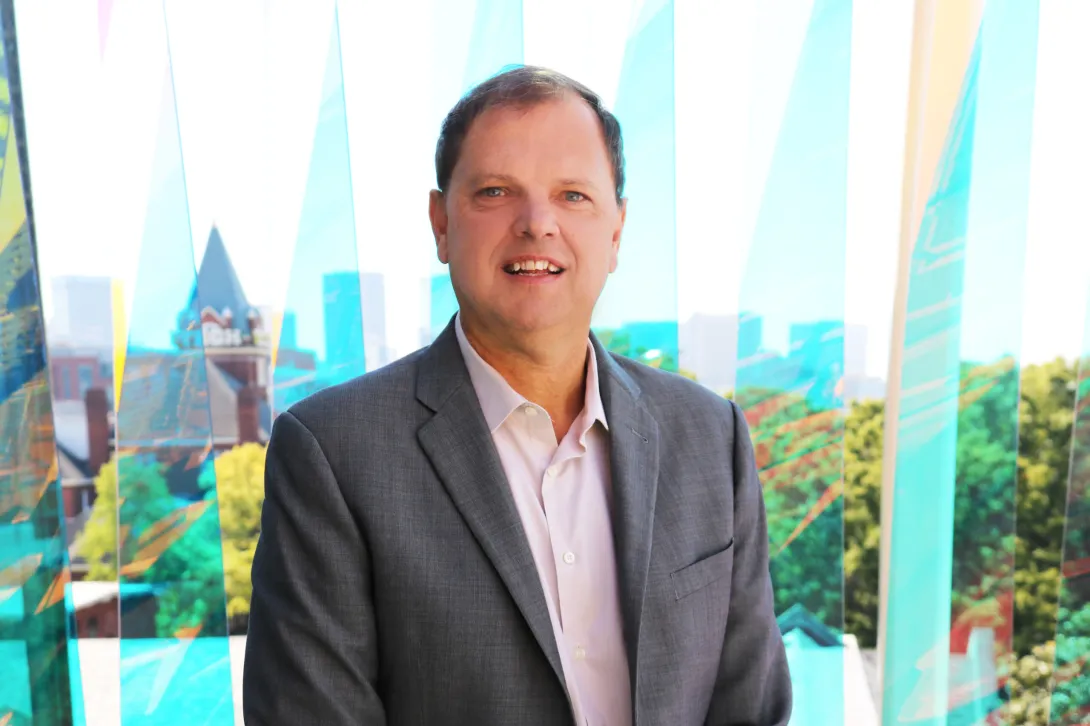
The College of Sciences has named Professor Joel Kostka the inaugural faculty director of Georgia Tech for Georgia's Tomorrow. The new center, announced by the College in December 2024, will drive research aimed at improving life across the state of Georgia.
“Joel is perfectly suited to lead this new initiative, especially since his research for a number of years has focused on Georgia and the vulnerability of both humans and ecosystems to climate change,” says Susan Lozier, dean of the College of Sciences, Betsy Middleton and John Clark Sutherland Chair, and professor in the School of Earth and Atmospheric Sciences. “I look forward to seeing how Science for Georgia’s Tomorrow takes shape and evolves under his thoughtful leadership.”
“I believe that my experience in research administration and in leading multidisciplinary research programs, along with the focus of my research on the vulnerability of Georgia’s communities to climate change, have prepared me well for this role,” says Kostka, who is the Tom and Marie Patton Distinguished Professor and associate chair for Research in the School of Biological Sciences with a joint appointment in the School of Earth and Atmospheric Sciences. “I am excited about the opportunity to lead the center as its inaugural director.”
Kostka’s appointment will begin on May 1, 2025.
Championing science in Georgia
Georgia's Tomorrow was created to foster research related to the health and resilience of Georgia’s people, ecosystems, and communities. Specifically, it will serve to boost research collaboration across the Institute, pave the way for public-private partnerships, and expand opportunities for Georgia students and communities to engage with Institute research.
Among Kostka’s first tasks as faculty director will be the development of the center’s strategic plan and the completion of two dedicated cluster hires from within the College of Sciences’ six schools.
Meet Joel Kostka
Kostka is known for bridging biogeochemistry and microbiology to elucidate the role of microorganisms in ecosystem function. He has emerged as an international leader in ecosystem biogeoscience, providing a quantitative predictive understanding of how ecosystems function as well as determining the mechanisms by which climate change alters ecosystem resilience. He partners with a variety of stakeholders to conduct research on the restoration and adaptive management of coastal ecosystems in Georgia.
Kostka has also served as the PI of a range of multidisciplinary research projects focused on environmental change as well as scientific advisory boards including Georgia Tech’s Strategic Energy Institute, the NSF-funded Plum Island Estuary Long-term Ecological Research program, and the Johnston Center for Coastal Sustainability on Bald Head Island.
Kostka received a B.S. in Biology from Western Illinois University and a Ph.D. in Marine Science from the University of Delaware. Prior to joining Georgia Tech in 2011, he was a professor at the Department of Oceanography and Associate Director of the Institute of Energy Systems, Economics, and Sustainability at Florida State University.
Initial support for Georgia Tech for Georgia’s Tomorrow is generously provided by the College of Sciences Betsy Middleton and John Clark Sutherland Dean's Chair fund. Cluster hire funding has been awarded by Provost Steven W. McLaughlin. The initiative will also seek funding from state, national and international organizations, private foundations, and government agencies to expand impact. Philanthropic support will also be sought in the form of professorships, programmatic support for the center, and seed funding.
Georgia Tech for Georgia's Tomorrow initially launched under the working name Science for Georgia's Tomorrow (Sci4GT).
News Contact
Writer: Lindsay C. Vidal
Apr. 04, 2025
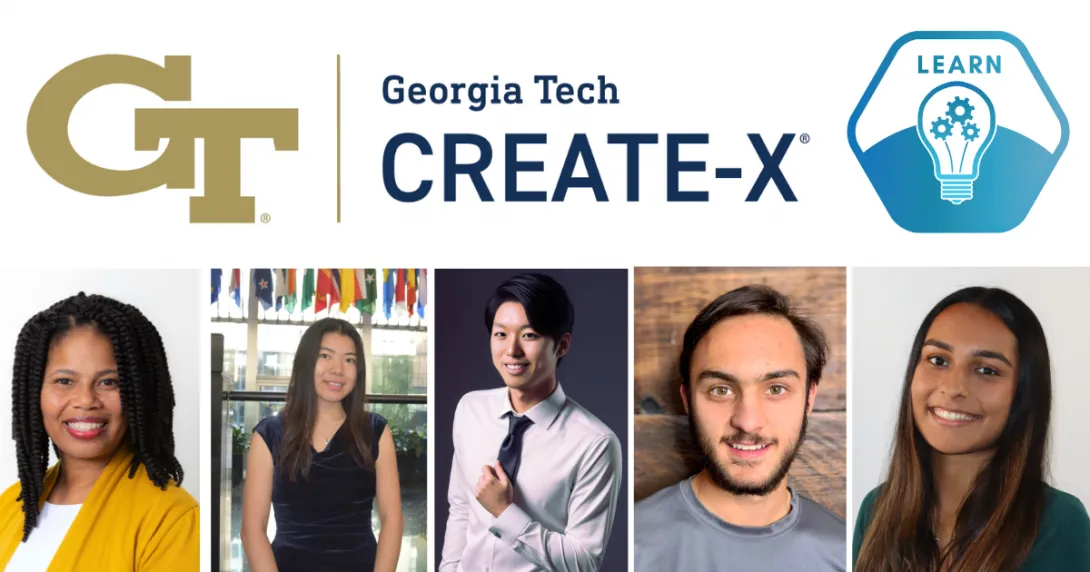
Left to right: Yolanda Payne, Christie Peng, Shinhai Chen, Alex Aridgides, and Varuni Chopra. Four Georgia Tech students from Startup Lab—Alex Aridgides, Shinhai Chen, Varuni Chopra, and Christie Peng—have been selected for the 2025 immersive cohort at South by Southwest (SXSW) in Austin, Texas. This weeklong, all-expenses-paid program allows university-affiliated innovators to refine their innovations, engage in customer discovery, and network with industry leaders.
Four students from Startup Lab have been selected to join the 2025 immersive cohort at South by Southwest (SXSW) in Austin, Texas. Alex Aridgides (mechanical engineering and economics), Shinhai Chen (industrial engineering), Varuni Chopra (industrial engineering), and Christie Peng (computer science) are the first Georgia Tech students to be invited to the program.
The weeklong, all-expenses-paid program offers university-affiliated innovators the chance to refine their innovations, engage in customer discovery, and network with industry leaders and peers at SXSW. The annual festival celebrates technology, film, music, education, and culture. Students participated in a competitive application process, which involved submitting applications, meeting specific evaluation criteria, and being selected by a panel of industry experts, mentors, and SXSW organizers.
Yolanda Payne, the students’ Startup Lab instructor, presented the SXSW opportunity in class.
"My goal is to be their biggest cheerleader,” she explained. “I had great teachers who helped me get to where I am today, and I strive to emulate their support. I’m always willing to guide students toward new opportunities."
She learned about the SXSW immersive cohort from Nakia Melecio, director of the National Science Foundation I-Corps Southeast Hub. The $15 million initiative crosses nine major research universities in the southern U.S. and accelerates the translation of deep tech research into commercial ventures. The hub works closely with entrepreneurial faculty, students, and researchers to equip them with the tools, networks, and support to bring their innovations to market.
Melecio plays a central role in identifying and advancing strategic opportunities for university partners and their entrepreneurial teams. “When the opportunity to participate in SXSW arose, I recognized it as an ideal platform to showcase the talent and innovation coming out of our region.”
Melecio added that Startup Lab is ideal for amplifying NSF I-Corps’ goals because of the course’s proven track record of fostering hands-on learning and commercialization readiness. “Startup Lab helps prepare students not just to think entrepreneurially, but to act on their ideas with confidence and a structured path forward. It was a natural fit for this opportunity.”
Payne says the experience students gained in Startup Lab helped prepare them for the immersive cohort. “The knowledge is being solidified by an experience you’re having in my class and the real world.”
Chopra agrees that Startup Lab teaches essential business development fundamentals and customer discovery principles, skills that are relevant to the SXSW program. She recommends the course to other students and emphasizes the value of combining engineering or technical backgrounds with entrepreneurship skills.
“We take a lot of classes that are directly related to our major, and they're very technical. But when it comes to wanting to start something of your own or even understanding how startups work, it's completely different than the rest of our coursework.”
Startup Lab is a three-credit course that focuses on evidence-based entrepreneurship. This hands-on class covers ideation, teamwork, customer discovery, minimum viable products, the business model canvas, and other topics. Students learn how to launch a startup by integrating in-class lectures with practical, out-of-class activities, including interviewing potential customers and refining their startup ideas based on real-world feedback.
The program provides access to valuable resources, mentorship from seasoned entrepreneurs, and a supportive community to help students develop their startups. Startup Lab and NSF I-Corps are also exploring other industry showcases for student entrepreneurs like SXSW.
Chen chose Startup Lab to pursue his entrepreneurial interests. “I knew that Georgia Tech had a really good startup culture, so I researched what they had to offer, and Startup Lab was the first step." He also noted Payne's impact as an instructor. "The best part is how much she cares about the topic. She has a lot of background knowledge and is passionate.”
Startup Lab is unique because it "de-risks the business model,” Payne says. Many entrepreneurs first build their products and then talk to potential customers. However, Startup Lab students perform customer discovery, sharing their ideas with potential end users, listening to their needs and feedback, and then building the product.
Peng recalls a powerful moment of pitching an idea for an app to streamline MARTA operations. “I had a fun time coming up with this idea. We learned a lot about interviewing, coming up with possible solutions, and refining our idea,” she says. "Being surrounded by so many brilliant individuals at Georgia Tech makes it easy to get idea formation or networking connections you need for your idea to succeed."
Aridgides has ambitious post-program goals, envisioning creating change through entrepreneurship. "I want to start a company to change the world for the better and make a big impact. That's my life goal. I think through a company, I can achieve that."
Payne reminds students that they possess something many adults lack: time to explore different ideas. She also says Startup Lab can help students value and see their ideas in new ways.
“They don't recognize that the product they're working on could be pursued through entrepreneurship or think of themselves as entrepreneurs. And even if they don't pursue it, it helps them in all aspects of life because business and capitalism are part of what we do every day.”
If you’re a student interested in adding entrepreneurship to your course schedule, registration for the summer and fall semesters opens on April 15. In addition to Startup Lab, students also have the opportunity to build a prototype with support through Idea to Prototype and CREATE-X Capstone Design.
News Contact
Contact
Article by Alyson Key
CREATE-X Contact:
Breanna Durham
Marketing Strategist
Mar. 18, 2025
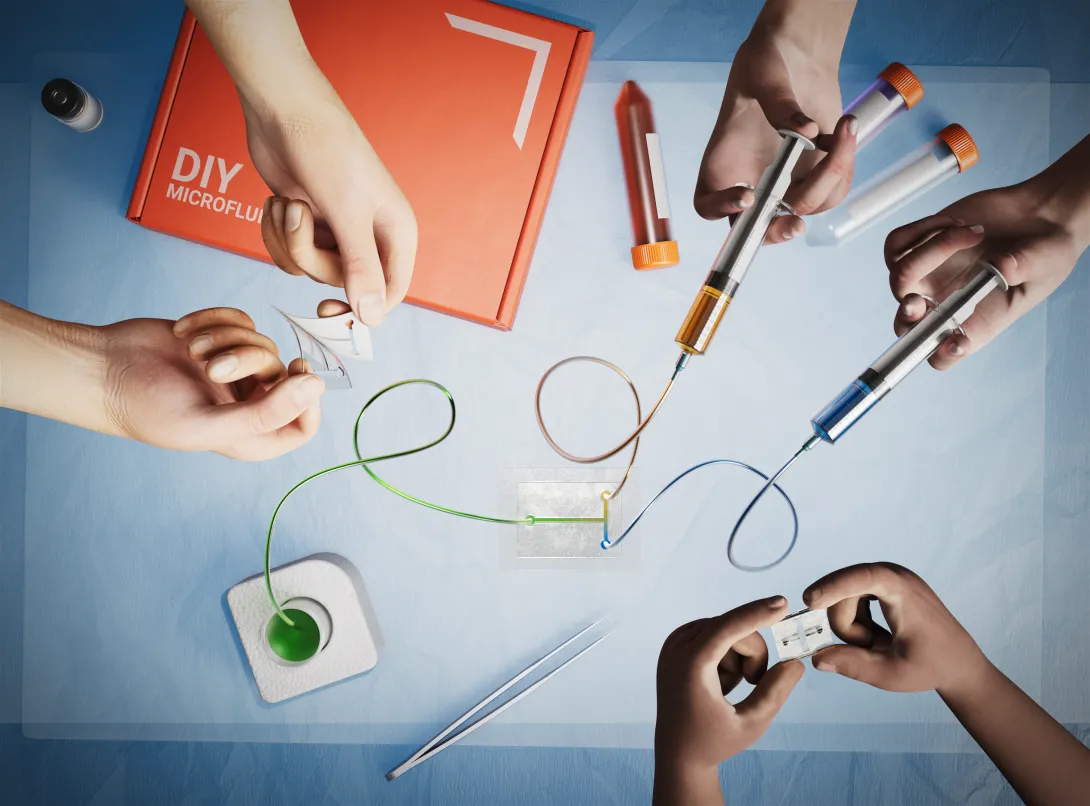
Students in David Myers' class on translational microsystems build and test microfluidics kits. Watch a video on how they do it.
In the movies, Ant-Man can shrink down to the size of an insect to carry out his superhero missions. It makes for fun cinema, but of course, it is impossible. For starters, biological systems can’t scale up or down and stay proportional. The hero would die before throwing his first teeny, tiny punch.
That’s miniaturization science for you. It’s the study of how materials and systems behave at microscopic scales, and it’s transforming biomedical engineering. And though it has led to breakthroughs in diagnostics and treatments, “teaching students about the subject is really challenging,” said David Myers, assistant professor in the Wallace H. Coulter Department of Biomedical Engineering at Georgia Tech and Emory.
“It’s because the behavior of fluids and materials at such small scales defies intuition, and you can’t really observe what’s going on,” added Myers, who understands the instructional challenge well — he teaches a graduate level course focused on translational microsystems, which is heavily integrated with his lab’s research.
Recognizing the limitations of traditional coursework, Myers and his collaborators have developed a different approach. In Myers’ class, students build and test and observe the workings of microfluidic devices, a hallmark of miniaturization science — microfluidics is the manipulation of tiny volumes of fluids in miniaturized devices.
Their new approach has made all the difference, even earning Myers a CIOS Award for teaching excellence. But Myers is quick to emphasize that this was a team effort. He and his lab developed a hands-on activity to help students learn device construction (and the underlying technical concepts).
Then he reached out to Todd Fernandez, senior lecturer and Coulter BME’s director of learning innovation. Together they optimized the activity to maximize students’ learning. That has evolved into an ongoing partnership between technical and educational research faculty in the department, resulting in an article in the journal Lab on a Chip.
"In other microfluidics courses, you walk through the step-by-step process of fabrication, but actually seeing the device come together in front of you provides such valuable insight into the underlying concepts and manufacturing techniques,” explained Priscilla Delgado, a fifth-year graduate student in Myers’ lab and lead author of the published study. “That hands-on experience is crucial for truly understanding this technology."
Bridging Critical Gaps
Myers’ course bridges several critical gaps, including the high cost of advanced learning activities. It also addresses student misconceptions.
“The primary objective isn’t just the successful construction of devices, but a deeper conceptual understanding of miniaturization science and design principles,” said Myers, whose approach emphasizes conceptual change.
Students often come into the course with misunderstandings about microscale phenomena, “assuming that fluid flow at this scale behaves the same way as in larger systems,” Myers said.
Delgado added, “but it’s wild how fluid behavior changes at the microscale. If you mix two colored liquids in a regular cup, you get a third color. But in microfluidics, the laminar flow and reliance on diffusion can keep those streams separate — it really challenges your intuition about mixing.”
The class allows students to build and test microfluidic kits — mixers, valves, and bubble generators, using inexpensive, widely available materials. This activity is structured to help students encounter misunderstandings and work through them. Rather than simply presenting correct information, instructors guide students through a learning cycle in which they identify errors, reflect on their mistakes, and refine their understanding.
“You can see their brains just sizzle,” said Myers. “Then you kind of add a little bit of structure. You ask, ‘Are you sure you have all the layers there that you’re thinking about?’ And then they’ll go back, count, and realize—oh, there’s this missing middle layer.”
The layer-by-layer assembly technique uses laser-cut adhesive films to construct microfluidic devices. Because the devices are assembled from transparent layers, students can see how their designs function and they can troubleshoot any errors.
“One of the best things about these sticker-based microfluidic devices is how easy they are to prototype,” said Delgado. “I can literally have a new design laser-cut and assembled within an hour, rather than waiting months using traditional methods. The accessibility and speed of iteration is a game-changer."
Expanding the Possibilities
Beyond its accessibility, the sticker-based microfluidic approach also expands the possibilities for innovation.
“The really cool thing is, this is a sticker,” Myers said. “You can place it on your skin. You can place it on the table. You can place it on the wall, if you really felt like it. And when you integrate it with high-end instrumentation like advanced sensors, suddenly you have a resource that traditional microfluidics can’t easily replicate.”
This kind of flexibility enables students to explore microfluidics in new ways. The study involved 57 students, some of whom took their designs beyond the classroom.
“I cannot say enough how much I love how accessible it is and the portability of it,” Delgado said. “You can do this anywhere. You could do this at home. We’ve done it at science fairs for high school students to really challenge the way they think about mixing.”
The impact of the work has also influenced the direction Delgado wants to take in her career. She’s found herself drawn deeper into the field, inspired by microfluidic design.
“The first time I laid eyes on that microfluidic device I had just built, I was captivated,” she said. “I remember thinking, ‘This is so cool; I have to dive deeper into this field.’ That’s when I knew a PhD was in my future, even though I had initially planned otherwise.”
This approach to teaching miniaturization science not only enhances learning but also democratizes access to innovation, according to Myers.
“The really cool thing that I love about this activity is that you’re sharing knowledge and power with the people using the technology,” he said. “Instead of them receiving technology from some high-resource institution, they’re able to look at the problems and start addressing them themselves.”
Miniaturization science plays a crucial role in developing point-of-care medical devices and other low-cost diagnostic tools, particularly in resource-limited settings. Equipping students around the world with the ability to create microfluidic systems could help empower future researchers and engineers.
Fernandez believes this hands-on approach represents a shift in how miniaturization science will be taught.
“By focusing on student-driven exploration and conceptual understanding rather than rote device assembly, educators can better prepare the next generation of engineers and scientists to navigate and contribute to the ever-expanding world of microsystems,” he said. “ And what’s really cool is, you let them play, and they learn more. They discover things that we didn’t even have time to teach them.”
News Contact
Mar. 18, 2025
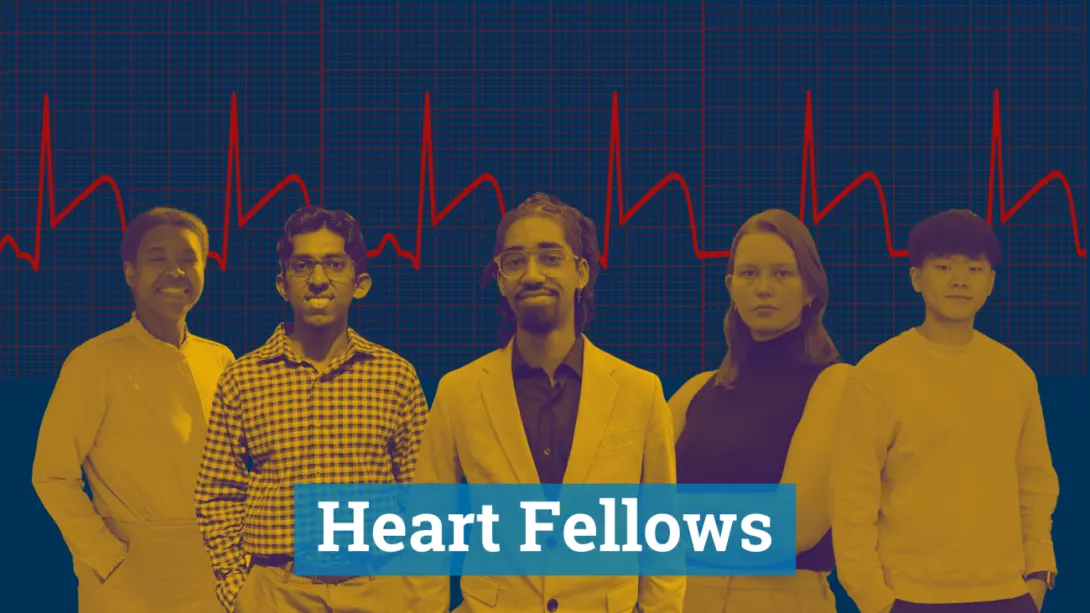
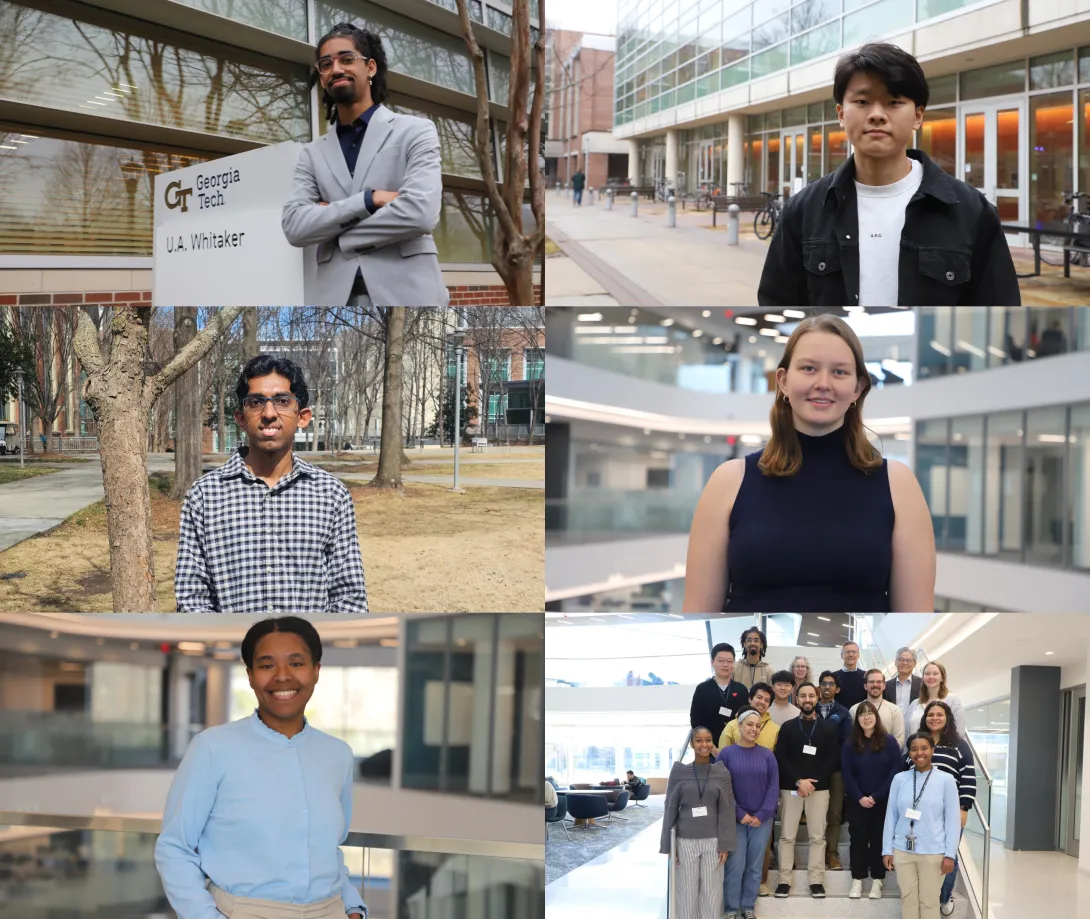
Clockwise from top left: Yohannes Akiel, Leandro Choi, Isabel Wallgren, Deborah Wood, the entire current cohort of Fellows, Deborah Wood, and Aniket Venkatesh.
In 2023 the Wallace H. Coulter Department of Biomedical Engineering launched a new program designed to train the next generation of leaders in cardiovascular research. Five first-year graduate students formed the first cohort that fall.
Currently, there are nine students in the Cardiovascular Biomechanics Graduate Training Program at Emory and Georgia Tech (CBT@EmTech). The program offers two years of training in an assortment of disciplines, including cardiovascular biomechanics, mechanobiology, medical imaging, computational modeling, medical devices, therapeutics discovery and delivery, and data science.
“The goal of the program is to stimulate interdisciplinary training,” so we expose the students to multiple areas of research,” says Hanjoong Jo, CBT@EmTech director, Wallace H. Coulter Distinguished Professor.
“And we have a very diverse group of trainees interested in various aspects of cardiovascular research and medicine,” Jo added. “Four out of five students from our first cohort already have secured prestigious fellowships, demonstrating the caliber of the trainees in the program.”
The students from that cohort brought a wide range of experiences, interests, and ambitions to the program. Now in their final months as CBT@EmTech trainees, they took time to share their stories.
Yohannes Akiel
Principal Investigator: Michael Davis
Campus: Emory
Undergraduate: University of Texas-San Antonio
I've always had a passion for helping people and I feel that I’m doing this through my research on aortic valve tissue engineering for pediatric patients. Aortic valve disease is found in 1-2% of live births, because of congenital heart defects or infections. Current valve replacements are limited — for one thing, they’re incapable of growing and remodeling with the patient. This presents a need for a new tissue-engineered valve that can address these challenges. In the Davis lab, we’re working on a tissue engineered heart valve to provide a better, long-term solution.
Throughout my time in the CBT@EmTech program, I've gained a range of knowledge in the cardiovascular space, learning about atherosclerosis, peripheral artery disease, valve disease, as well as computational and imaging techniques to help solve some of these problems. As part of the program, we are also required to take an Advanced Seminar class in the cardiovascular area.
Through this class, I was able to participate in some interesting clinical observations in the Emory University Hospital cardiology department. For example, I watched a cardiologist perform a transesophageal echocardiogram. The doctor was checking for heart blockages on a patient who had atrial fibrillation. This procedure was followed by a cardioversion to restore a normal heart rhythm. This was a profound demonstration of biomedical technology in action that left a lasting impression on me.
Leandro Choi
Principal Investigator: Hanjoong Jo
Campus: Emory
Undergraduate: Duke University
As a PhD student in the Jo Lab, I am studying how disturbed flow influences transcriptional regulation in endothelial cell reprogramming and atherosclerosis. Our goal is to identify and develop therapeutics that target non-lipid residual pathways contributing to this widespread and deadly disease.
I initially became interested in this line of research due to a family history of cardiovascular disease. As an undergraduate, I worked in a tissue engineering lab where I employed stem cell and tissue engineering methods to model the circulatory system. A desire to further explore the role of mechanosensitive genes and proteins in cardiovascular disease led me to pursue a PhD in this field.
One of the most valuable aspects of the CBT@EmTech program has been the opportunity to connect with a network of students and faculty who are leaders in cardiovascular research. Through monthly meetings, we share our work and gain insights into the diverse engineering applications our interdisciplinary program brings to the field, with the common goal of improving cardiovascular health.
Aniket Venkatesh
Principal Investigator: Lakshmi Prasad
Campus: Georgia Tech
Undergraduate: Georgia Tech
October 2024 marked the three-year anniversary of my uncle’s passing due to complications from a mild heart attack. His angiogram showed 30% vessel blockage, leading to heart surgery. Sadly, he suffered a brain stroke days later, resulting in deteriorating speech, muscle movement, and eventually death at 48. This personal tragedy brought urgency to my research questions: Can the risk of complications following cardiovascular treatments be predicted? Can underlying cardiovascular pathology be treated before it progresses to a heart attack or stroke? Was my uncle’s death preventable? These questions drive my cardiovascular research, focused on predicting post-procedural heart valve outcomes through computational modeling.
Being part of the prestigious CBT@EmTech program at Emory and Georgia Tech has significantly advanced my research journey. Learning from fellow trainees, presenting my research, and attending academia-focused workshops (like one about grant writing) have helped me stand out in heart valve computational modeling. The program, along with my PI, Dr. Lakshmi Prasad Dasi, and co-PI, Dr. John Oshinski, has provided the resources needed to translate my research from the lab to the clinic through regular meetings with clinicians and data transfer to and from hospitals. I am grateful for the opportunity to pursue my long-term goal of predicting risks of complications before cardiovascular treatments and helping prevent adverse clinical outcomes like those experienced by my uncle.
Isabel Wallgren
Principal Investigator: Simone Douglas-Green
Campus: Georgia Tech
Undergraduate Degree: University of Virginia
Peripheral artery disease (PAD) occurs when atherosclerotic plaque accumulates in limb arteries, blocking blood flow. Current interventions limit disease progression, but surgery is often needed to prevent critical limb ischemia. A less invasive approach promotes angiogenesis and arteriogenesis to strengthen collateral vessels and bypass blockages. The Hansen Lab studies satellite cells (SCs), which repair muscle fibers and release growth factors, as a potential PAD therapy.
My research focuses on improving the delivery of SCs using a special fibrin scaffold in a mouse model of blocked blood flow in the legs. By adjusting the properties of the fibrin scaffold, we can create an environment that helps these cells grow and renew themselves. We study how quickly the fibrin forms to ensure the cells stay where we inject them and how it breaks down to keep a steady supply of renewing SCs. We believe that with fibrin, the cells will move into the damaged tissue, repair muscle fibers, and release growth factors to encourage new blood vessel growth.
The goal is to create alternative treatments for PAD that prevent disease progression and improve patients' quality of life.
The CBT@EmTech program has given me a supportive network of peers and mentors, enhancing my growth as a researcher. The program chairs have tailored the curriculum to our needs and allowed us to shape it. For example, I’ve had the privilege of co-planning our biannual retreat. We recruited guests for two panels and invited a guest speaker for a storytelling workshop. This retreat shows how the program imparts knowledge beyond research, aiming to improve our scientific storytelling and self-presentation skills, valuable for any career.
Deborah Wood
Principal Investigator: Simone Douglas-Green
Campus: Georgia Tech
Undergraduate Degree: University of Virginia
As a researcher, I am challenged to explore the unknown. Moreover, my role as an engineer is rooted in using knowledge that has already been conceptualized. Combining these perspectives as a biomedical engineer has led me to pursue research with an emphasis on improving human health.
Today, cardiovascular diseases represent the global leading cause of death. While this glaring statistic indicates the egregious burden of cardiovascular diseases, my parents' lived experiences with cardiovascular diseases is what drives me to use my life’s work to address critical challenges at the intersection of the cardiovascular field and biomedical engineering.
My research seeks to alleviate cardiovascular diseases by using nanoparticles to target endothelial cells, which line the innermost layer of blood vessels and contribute to blood vessel function. The Cardiovascular Biomechanics and Mechanobiology Program at Emory (CBT@EmTech) has given me an avenue to pursue this research.
Through my CBT@EmTech co-mentorship, I have developed a foundation in endothelial cell biology and atherosclerosis. I have also been challenged to think critically about how my research benefits both science and society through my exposure to prominent cardiovascular researchers. My experiences with CBT@EmTech have made me eager to use my training to pursue a postdoc in the and eventually lead a lab answering critical questions in cardiovascular research.
News Contact
Mar. 17, 2025
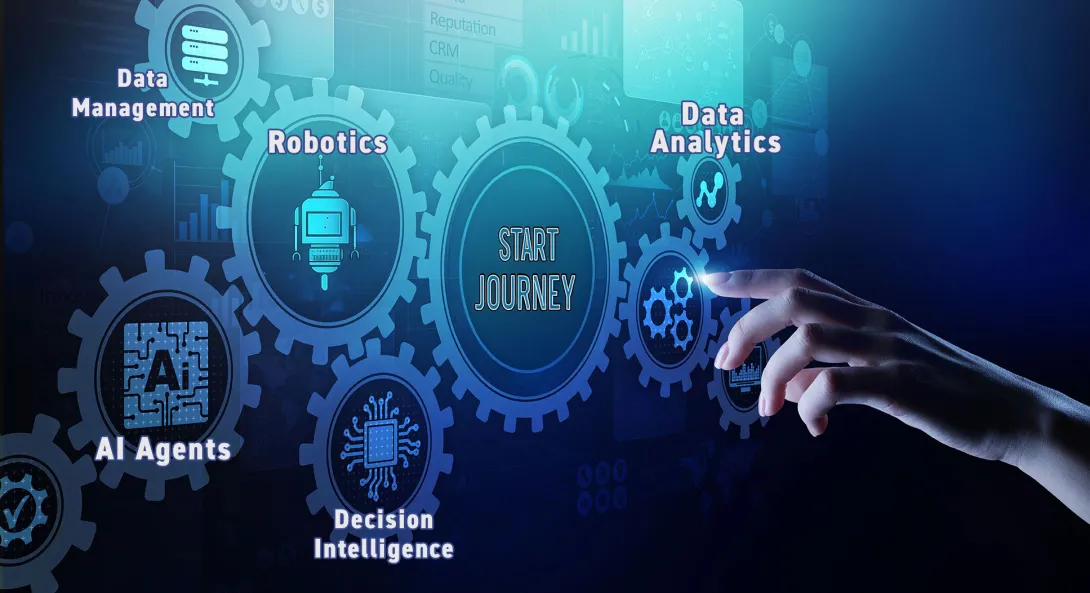
Today's supply chain industry is undergoing a rapid transformation, driven by AI, robotics, and data analytics. These innovations are already delivering measurable efficiency gains, and fast followers – companies that quickly adopt proven technologies – must take action or risk falling behind. Using a "consequence thinking" approach, supply chain professionals and students must ask: What happens if I’m not keeping up with these trends? Those who proactively invest in emerging technologies and their own skills will be better positioned to compete, those who don’t take action in 2025 will struggle with inefficiencies and higher costs. Georgia Tech, a leader in supply chain research and education, is actively exploring these areas, reinforcing that these trends are not just hype but a critical reality.
AI Agents and Decision Intelligence
AI is moving beyond forecasting and analytics into autonomous decision-making. AI agents can rapidly process complex scenarios—such as supply disruptions—and generate optimal responses in real time. This shift reduces reliance on manual problem-solving and enables organizations to respond faster and with greater accuracy. These AI-driven systems also make insights more accessible, allowing non-technical professionals to interact with advanced analytics in natural language.
Georgia Tech’s Supply Chain and Logistics Institute is offering education in Generative AI for supply chain, helping professionals understand and apply these tools effectively. The key takeaway? AI isn’t just for data scientists—it’s becoming essential for all supply chain professionals. Investing in AI literacy and decision intelligence training will be critical to staying relevant in the field.
Physical Automation: AMRs Reshaping Warehouses
Automation in warehouses is no longer experimental—it’s here and delivering results. Autonomous mobile robots (AMRs) are replacing traditional automation solutions, offering greater flexibility and adaptability. Unlike AGVs, which rely on fixed paths, AMRs navigate dynamically using AI and real-time mapping, making them well-suited for evolving warehouse environments.
Companies deploying AMRs report increased throughput, reduced labor costs, and improved safety. These robots optimize workflows, assist human workers, and enable 24/7 operations. Georgia Tech researchers are developing human-collaborative robotics, reinforcing that the future is about augmenting—not replacing—workers. Supply chain professionals should focus on developing skills in automation management and AI-driven operations. Understanding how to integrate these technologies into workflows will be a key differentiator.
Data Management: The Foundation for AI and Automation
AI and automation depend on high-quality, well-integrated data, yet many organizations struggle with fragmented systems and poor data governance. Industry surveys consistently highlight that supply chain leaders cite data silos and quality issues as top barriers to digital transformation. Without a strong data foundation, even the best AI models and automation solutions will fail to deliver their full potential.
Modern supply chain visibility platforms and AI-powered analytics tools are helping companies consolidate data for better decision-making. Georgia Tech researchers are advancing digital twin models that simulate supply chain networks, but these rely on robust data integration. For professionals, this underscores the need to develop data literacy and analytical skills. Those who can navigate, interpret, and leverage data effectively will be indispensable in AI-powered supply chains.
Call to Action: Personal Development and Strategic Planning
Emerging technologies in supply chain—AI, automation, data analytics, and logistics AI—are no longer futuristic concepts. They are delivering tangible benefits now, and the gap between early adopters and laggards is widening. If these innovations are not on your radar, you need to take action.
Where to Start:
- Invest in Personal Development: AI, automation, and data skills are becoming core competencies. Take relevant courses, attend industry events, and seek practical experience.
- Assess Business Applications: Identify where these technologies can solve current challenges and improve efficiency in your supply chain.
- Build Data Competency: Understanding how to structure and leverage data is foundational for AI and automation success.
- Experiment with Emerging Tech: Pilot AI-driven decision tools, AMRs, or logistics optimization models to gain insights into their potential.
The future of supply chain management is being reshaped by these technologies, and those who prepare now will define the next era of supply chain excellence. The question is no longer if these tools will impact the industry—it’s how quickly you can learn to use them to your advantage.
News Contact
info@scl.gatech.edu
Feb. 21, 2025
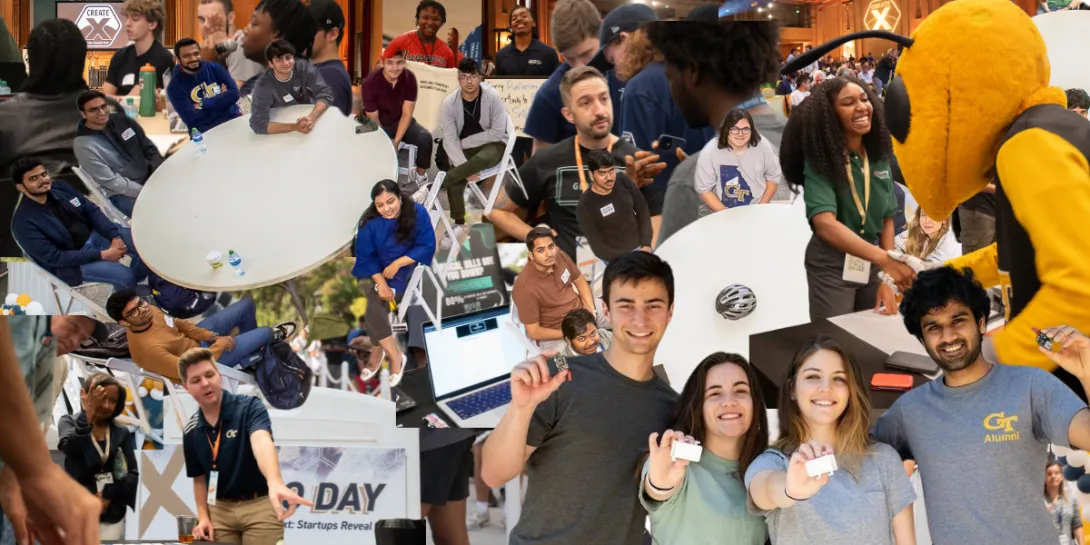
Image of CREATE-X Founders in the Startup Launch program, showing their products, meeting guests of Demo Day, and networking
As CREATE-X enters 2025, the program is more committed than ever to helping students build the future they envision. Through workshops, courses, mentorship, and support, CREATE-X provides a low-risk environment where students can tackle real-world problems and develop solutions.
So far, we have helped launch more than 650 startups by founders from over 38 majors, seen eight founders featured in the Forbes 30 Under 30 Atlanta listing this year, and generated a total portfolio valuation of over $2.4 billion.
Startup Launch, our 12-week summer startup accelerator, continues to be a cornerstone of student entrepreneurship at Georgia Tech, and the program is expanding to accommodate additional teams. Students are encouraged to apply and can even use course projects for their startups. Teams can be in any stage of development and must have at least one Georgia Tech faculty member, alumnus, or current student. Solopreneurs are also accepted. Apply to this summer’s Startup Launch by Monday, March 17.
Benefits of Startup Launch
- Education and Mentorship: Learn from experienced entrepreneurs and business experts.
- Financial Support: Receive $5,000 in optional seed funding and $150,000 of in-kind services like legal counsel and accounting.
- Networking Opportunities: Access a rich entrepreneurial network that will last a lifetime.
- Time in Front of Investors: Participate in Demo Day, Tech’s premier startup showcase, which attracts over 1,500 attendees annually, including investors, business and government leaders, field experts, and potential customers.
- Hands-On Experience: Fully immerse yourself in the startup process and intern for yourself.
- Skill Development: Build skills and confidence that will benefit you in any career path.
Rahul Saxena, director of CREATE-X, encouraged students not to feel like they have to be 100% ready before applying.
“We have seen classroom projects and hackathon teams move on to build very successful startups, even though they weren't originally thinking about it,” he said. “Students should apply for Launch to explore the possibility of it with whatever project they are doing now. You never know what could come of it.”
CREATE-X uses rolling admissions, so apply to Startup Launch today to increase your chances of acceptance. CREATE-X believes in producing quickly, failing fast, and iterating again. The team offers feedback to all applicants and encourages them to submit, even if they’re not entirely sure about their application. A previous info session on Startup Launch and a Startup Launch sample application are available to help students prepare. Attend CREATE-X events to get insights into entrepreneurship, workshop business ideas, find teammates, and prepare your Startup Launch applications. For additional questions, email create-x@groups.gatech.edu.
News Contact
Breanna Durham
Marketing Strategist
Feb. 26, 2025
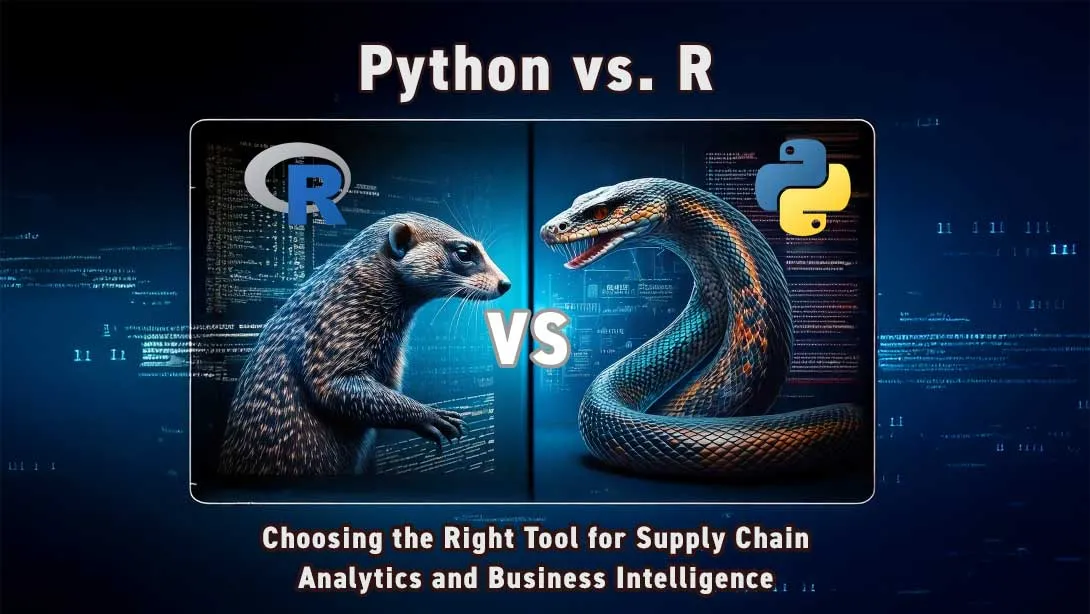
In today's data-driven world, supply chain professionals and business leaders are increasingly required to leverage analytics to drive decision-making. As companies invest in building data capabilities, one critical question emerges: Which programming language is best for supply chain analytics—Python or R?
Both Python and R have strong footholds in the analytics space, each with unique advantages. However, industry trends suggest a growing shift toward Python as the dominant tool for data science, machine learning, and enterprise applications. While R remains valuable in specific statistical and academic contexts, businesses must carefully assess which language aligns best with their analytics goals and workforce development strategies.
This article explores the strengths of each language and provides guidance for industry professionals looking to make informed decisions about which to prioritize for their teams.
Why Python Is Gaining Industry-Wide Adoption
1. Versatility and Scalability for Business Applications
Python has evolved into a comprehensive tool that extends beyond traditional analytics into automation, optimization, artificial intelligence, and supply chain modeling. Its key advantages include:
- Scalability: Python handles large-scale data processing and integrates seamlessly with cloud computing environments.
- Machine Learning and AI: Python’s ecosystem includes powerful machine learning libraries like scikit-learn, TensorFlow, and PyTorch.
- Integration Capabilities: Python works well with databases, APIs, and ERP systems, embedding analytics into operational workflows.
2. Workforce Readiness and Talent Development
From a talent perspective, Python is becoming the preferred programming language for data science and analytics roles. Surveys indicate that Python is used in 67% to 90% of analytics-related jobs, making it a crucial skill for professionals. Employers benefit from:
- A larger talent pool of Python-proficient professionals.
- A lower barrier to entry for new employees learning data analytics.
- The ability to streamline analytics processes across different functions.
3. Industry Adoption in Supply Chain Analytics
Python is widely adopted in logistics, manufacturing, and supply chain optimization due to its ability to handle:
- Demand forecasting and inventory optimization.
- Network modeling and simulation.
- Automation of data pipelines and reporting.
- Predictive maintenance and anomaly detection.
Why R Still Has a Place in Analytics
Despite Python’s widespread adoption, R remains a valuable tool in certain business contexts, particularly in statistical modeling and research applications. R’s strengths include:
- Advanced Statistical Analysis: R was designed for statisticians and remains a leader in econometrics and experimental design.
- Robust Visualization Capabilities: Packages like ggplot2 and Shiny make R a preferred choice for creating high-quality visualizations.
- Adoption in Public Sector and Academic Research: Many government agencies and research institutions continue to rely on R.
Strategic Considerations: Choosing Between Python and R
1. Business Needs and Analytics Maturity
- For companies focused on predictive analytics, automation, and AI, Python is the best choice.
- For organizations conducting deep statistical research or working with legacy R code, maintaining some R capabilities may be necessary.
2. Workforce Training and Skill Development
- Companies investing in analytics training should prioritize Python to align with industry trends.
- If statistical expertise is a core requirement, R may still play a supporting role in niche applications.
3. Tool and System Integration
- Python integrates more seamlessly with enterprise software, making it easier to operationalize analytics.
- R is often more specialized and may require additional effort to connect with business intelligence platforms.
4. Future Trends and Technology Evolution
- Python’s rapid growth suggests it will continue to dominate in analytics and AI.
- While R remains relevant, its role is becoming more specialized.
Final Thoughts: A Pragmatic Approach to Analytics Development
For most organizations, Python represents the future of analytics, offering the broadest capabilities, strongest industry adoption, and easiest integration into enterprise systems. However, R remains useful in specialized statistical applications and legacy environments.
A balanced approach might involve training teams in Python as the primary analytics language while maintaining an awareness of R for niche use cases. The key takeaway for business leaders is not just about choosing a programming language but ensuring their teams develop strong analytical problem-solving skills that transcend specific tools.
By strategically aligning analytics capabilities with business goals, organizations can build a more data-driven, adaptable, and future-ready workforce.
Jan. 27, 2025
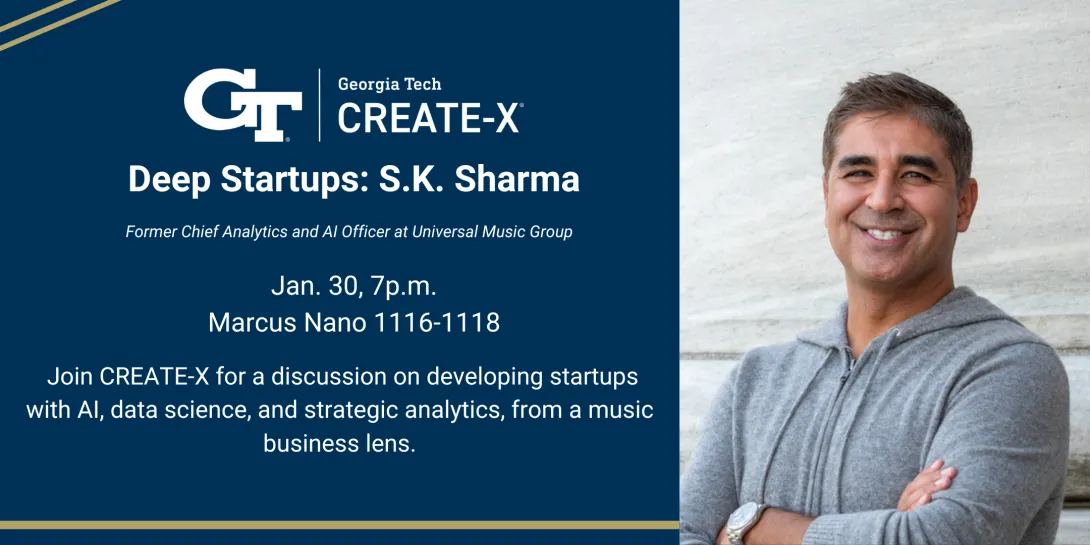
Pictured S.K. Sharma Deep Startups Poster, with headshot and the following: S.K. Sharma, Former Chief Analytics and AI Officer at Universal Music Group, Deep Startups, Jan. 30, 7p.m. Marcus Nano 1116-1118, Join CREATE-X for a discussion on developing startups with AI, data science, and strategic analytics, from a music business lens.
CREATE-X is set to host its next Deep Startups panel event on Thursday, Jan. 30, at 7 p.m. in the Marcus Nanotechnology Building Rooms 1116– 1118. The event will feature S.K. Sharma — former chief analytics and AI officer at Universal Music Group — and an expert in AI, data science, and strategic analytics. During Deep Startups, Sharma will dive into startup development within the context of the music business industry. Seating is limited. Students can register for Deep Startups on Engage. Faculty, staff, and the general public can register for Deep Startups on Eventbrite.
Deep Startups is a series that brings together knowledgeable entrepreneurs and Startup Launch alumni from various business sectors to discuss their experiences forming companies that address significant, contemporary challenges. Attendees spend an informative evening discovering the intersection of technology and entrepreneurship.
From 2016 until recently, S.K. Sharma led a global team of Ph.D. data scientists, engineers, and strategists at Universal Music Group (UMG) to develop innovative and scalable solutions that drive real-time market insights and audience engagement. His leadership has been instrumental in creating differentiated intellectual property and market-leading capabilities in AI, machine learning, and prescriptive analytics, earning him multiple patents in marketing analytics.
Sharma's academic background includes a Ph.D. in chemical physics and physical chemistry from Caltech. His research has been published in numerous peer-reviewed journals, and he has held concurrent roles in academia and industry, including senior research scientist at Caltech's Beckman Institute. His corporate career includes significant positions such as vice president at Lehman Brothers, executive director at UBS, and vice president and partner at Mitchell Madison Group, where he advised global private equity funds and venture capital managers.
In addition to his role at UMG, Sharma is an entrepreneur in residence at UC San Diego's Office of Innovation and Commercialization, where he supports pioneering advancements in science and engineering. He is also an investor at Provisio Medical, a company revolutionizing endovascular procedures with its Sonic Lumen Tomography technology.
Sharma's contributions to the field of AI and analytics have been widely recognized. He was awarded Billboard magazine's 40 Under 40 and has been a commencement speaker at UC San Diego's Jacobs School of Engineering. His work in developing AI-driven marketing technologies has set new standards in the industry, ensuring compliance with global privacy regulations while driving significant improvements in marketing efficiency.
Attendees of Deep Startups will hear practical knowledge and actionable advice on entrepreneurship from Sharma. Each CREATE-X event is an opportunity to network, build ideas, and prepare for the Startup Launch program, which provides $5,000 in optional seed funding, $150,000 in in-kind services, mentorship, entrepreneurial workshops, networking events, and resources to help build and scale startups. Students, faculty, researchers, and alumni interested in developing their own startups are encouraged to apply. The deadline to apply for Startup Launch is March 17, 2025. Spots are limited. Apply now for a higher chance of acceptance and early feedback. If you have any questions about getting started, email us at create-x@groups.gatech.edu.
News Contact
Breanna Durham
Marketing Strategist
Jan. 17, 2025
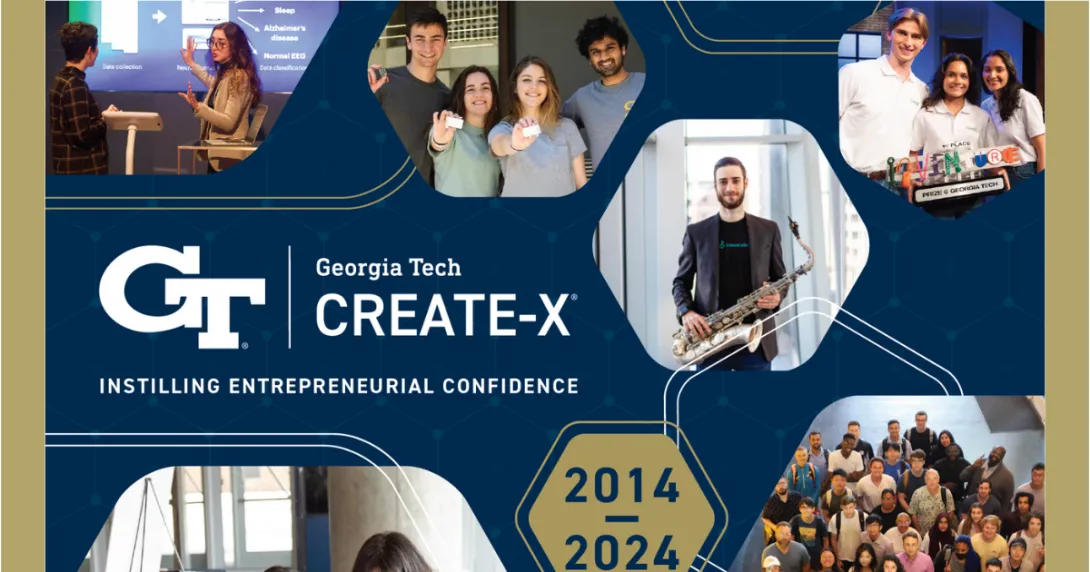
Collage of Startup Launch alumni an CREATE-X participants on the cover of the CREATE-X Decade Report
Founded in 2014, CREATE-X has grown from a visionary concept into a transformative program that has empowered more than 34,000 students to launch more than 560 startups, achieving a total portfolio valuation of over $2 billion. The report, “CREATE-X: A Decade of Success,” reviews the first 10 years of impact and mission.
CREATE-X was established to instill entrepreneurial confidence in Georgia Tech students and provide them with the knowledge, skills, and experiences needed to create their own future. From its humble beginnings with eight teams, the program has expanded to include three distinct branches: Learn, Make, and Launch. These branches cater to the multifaceted needs of entrepreneurial students, offering courses, mentorship, seed funding, and opportunities to develop and launch startups.
Through our value pillars of experiential education, entrepreneurial confidence, and real-world impact, we strive to enable our students to solve the problems they are passionate about solving. And as we look to the future, CREATE-X aims to become the nation’s top startup campus, launching 300 startups each year.
Our commitment to nurturing student innovation and expanding entrepreneurial education remains steadfast. We invite all Georgia Tech students, faculty, alumni, and the public to join us in this exciting journey. Together, we create the future.
Interested in creating your own startup?
Georgia Tech students, faculty, researchers, and alumni interested in developing their own startups are encouraged to apply to CREATE-X’s Startup Launch. The program provides $5,000 in optional seed funding, $150,000 in in-kind services, mentorship, entrepreneurial workshops, networking events, and resources to help build and scale startups. The program culminates in Demo Day, where teams present their startups to potential investors. The deadline to apply for Startup Launch is March 19, 2025. Spots are limited. Apply now for a higher chance of acceptance and early feedback.
For students interested in taking a CREATE-X course, consider exploring Startup Lab, Idea to Prototype, and CREATE-X Capstone Design. These courses can be taken in any order to fit your schedule, and they offer opportunities for funding and other resources. The deadline for applications and registrations for these courses is Jan. 6 for Spring 2025 and May 12 for Summer 2025.
And as always, we invite you to attend our CREATE-X events. CREATE-X hosts workshops and events throughout the year, focusing on brainstorming and receiving feedback on startup ideas, networking and building a team, understanding the legal landscapes of startups, hearing founder insights, and witnessing the latest innovations at Georgia Tech. We hope to see you there.
Interested in supporting CREATE-X?
Faculty members interested in getting involved with CREATE-X can participate as teachers or mentors in various programs such as Startup Lab, CREATE-X Capstone, Idea to Prototype, and Startup Launch. Faculty can also apply for the next cohort of the Jim Pope Fellowship when it opens in the spring. For additional information or inquiries, contact the director of CREATE-X, Rahul Saxena, at rahulsaxena@gatech.edu.
For those interested in donating to or partnering with CREATE-X, your generosity and collaboration is greatly appreciated. Donations to CREATE-X can be made through Georgia Tech’s Give Campus portal. For questions and requests to collaborate, please email create-x@groups.gatech.edu.
CREATE-X appreciates the unwavering support from our community, donors, and partners. Your contributions have been instrumental in shaping the entrepreneurial landscape at Georgia Tech.
To our students, we encourage you to continue being bold, creative, and fearless in your pursuits. CREATE-X is here to support you every step of the way, providing the resources, mentorship, and opportunities you need to turn your ideas into reality.
News Contact
Breanna Durham
Marketing Strategist
Jan. 13, 2025

The new year provides a natural opportunity to refocus on professional growth. For busy supply chain professionals, development planning can often fall to the bottom of the priority list, especially amidst the daily challenges of managing operations and responding to disruption. Yet, this intentional focus on skill-building is more critical than ever.
As Managing Director of the Supply Chain and Logistics at Georgia Tech, I’ve seen firsthand how development planning can elevate individual careers, strengthen teams, and improve organizational resilience. However, the key to making it work lies in balancing the demands of day-to-day operations with actionable, targeted development efforts.
The Reality of Development Windows
The structure of the working calendar doesn’t make development planning easy. Between the end-of-year holiday season and summer vacation months, supply chain professionals face two primary windows for development:
- Spring (February through May): Coming off the end-of-year slowdown, spring provides the first extended opportunity to focus on growth.
- Fall (Mid-August through Mid-November): After summer, fall offers a second chance to refocus before the holiday rush begins.
For supply chain professionals, these windows represent critical periods to upskill and prepare for the evolving demands of the industry. The spring window is upon us, making now the perfect time to act with urgency and purpose.
The “Why” of Development Planning
In supply chain, the "why" behind development planning is straightforward: the industry is changing faster than ever. New technologies, shifting global trade patterns, and the increasing complexity of operations demand professionals who are both technically skilled and strategically agile.
The supply chain leaders of tomorrow must excel in areas like:
- Data and Analytics: Understanding data and leveraging it for decision-making is no longer optional.
- Automation and Technology: From warehouse robotics to AI-powered forecasting, supply chain professionals need to be tech-savvy to stay relevant.
- Resilience and Risk Management: Building robust supply chains capable of withstanding disruption is now a core competency.
The “What” of Development Planning: Key Focus Areas
Development can be broken into two primary areas:
1. Core Competencies (In-House):
- Communication: Clear, concise, and persuasive communication is critical for collaboration.
- Problem-Solving: Supply chains are inherently complex, and professionals must excel at diagnosing and resolving issues.
- Leadership and Teamwork: Even non-managers need strong leadership and collaboration skills to succeed in today’s cross-functional environments.
Here is a link to one of the best competency guides out there: FYI Resource Center
2. Technical and Operational Skills:
- Advanced Analytics and Visualization: Skills in tools like Power BI, Tableau, or Python are becoming industry standards.
- Supply Chain Systems and Automation: Understanding the functionality and implementation of WMS, TMS, and other critical systems is vital.
- Sustainability and Compliance: Professionals need to navigate increasingly complex sustainability requirements and global regulations.
Beyond these newer technical areas, there remain significant gaps in the application of many core supply chain processes—gaps that cannot be overlooked:
- Production and Inventory Planning: Effective planning processes are critical, yet many organizations struggle to optimize them to balance demand and capacity.
- Warehouse Operations and Optimization: Opportunities remain to improve material flow, labor efficiency, and space utilization in warehouse environments.
- Manufacturing Asset Reliability and Output: Ensuring consistent and reliable equipment performance is essential to maintaining throughput and meeting customer expectations.
- Tradeoff Analysis for Purchasing Decisions: Striking the right balance between low cost, resilience, and sustainability is an increasingly complex challenge, especially in the face of rising customer and consumer pressure for speed and service.
A Quick Action Plan Using the 70/20/10 Model
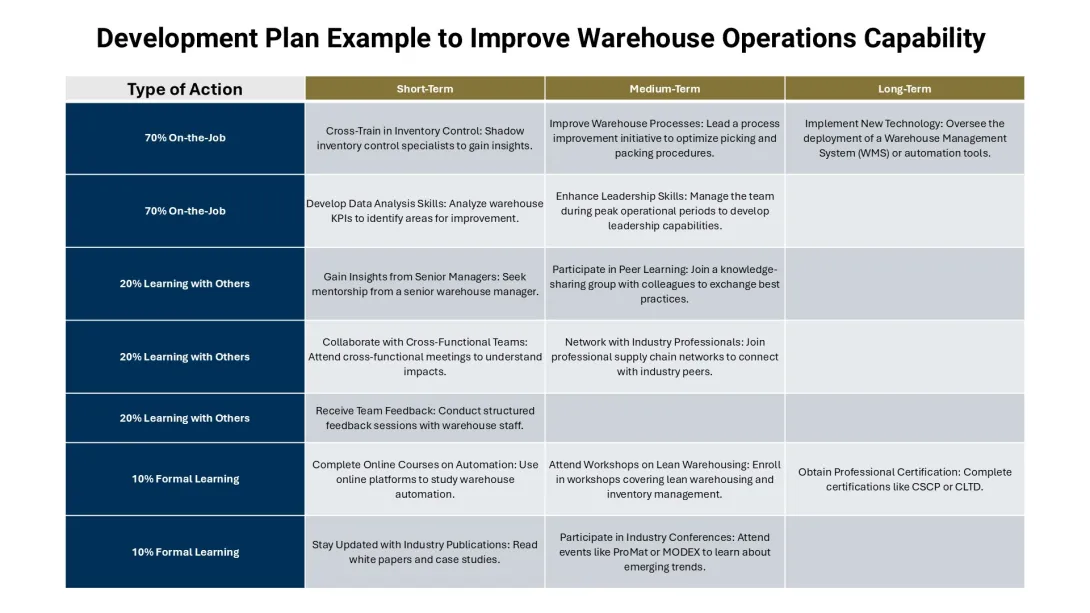
For supply chain professionals with limited time and access to leading practices, the 70/20/10 model offers a practical framework for development:
- 70% Experiential Learning: Apply learning directly in your work.
- 20% Social Learning: Learn from others in your network or organization.
- 10% Formal Learning: Invest in structured learning opportunities.
Please see attached figure 1 for Development Plan Example to improve Warehouse Operations Capability
Here is a link to a free Individual development GPT in Chat GPT: Individual Development Plan Builder
Call to Action: Take 30 Minutes to Plan Today
For busy professionals, the biggest hurdle to development planning is often finding the time. But a well-crafted development plan doesn’t have to take hours. Here's how you can get started in just 30 minutes:
- Reflect on Your Growth Needs (10 Minutes): Where do I need to grow most?
- Set Three Development Goals (10 Minutes): Identify experiential, social, and formal learning goals.
- Identify Next Steps (10 Minutes): Write down one immediate action for each goal.
- Schedule time with Manager to review proposed plan and schedule monthly check-ins
Development as a Competitive Advantage
The pace of change in supply chain operations is relentless, but professionals who make development a priority can turn that challenge into a competitive advantage. By leveraging the 70/20/10 model and focusing on intentional, actionable planning, you can position yourself—and your team—for success.
Don’t let this spring window pass without taking steps toward growth. Whether it’s mastering a new technology, improving core processes, or navigating tradeoff decisions, the time to act is now. If your growth plan includes professional education, consider how the Supply Chain and Logistics Institute and Georgia Tech Professional Education might benefit you!