
Feb. 02, 2024
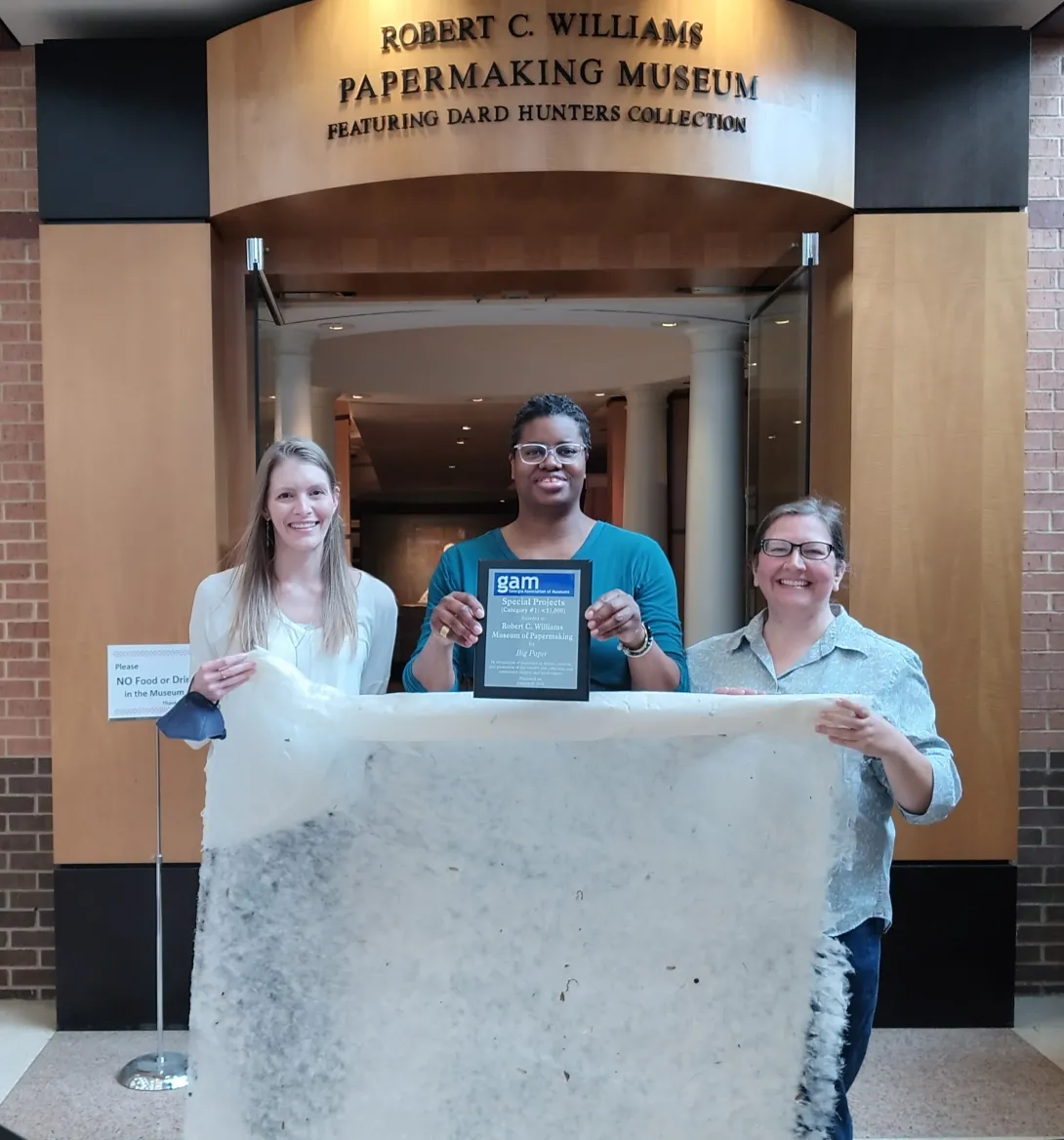
Museum staff Anna Doll, Jerushia Graham, and Virginia Howell pose with a large sheet of paper and an award from the Georgia Association of Museums for the project "Big Paper."
Over 200 museum professionals recently descended upon Athens, Georgia, for the annual meeting of the Georgia Association of Museums (GAM). They arrived from all regions of the state, from Rome to Thomasville to Savannah. The theme of the 2024 conference was “Finding the Right Frequency: Museums and Communities in Harmony.” Attendees participated in a variety of sessions and workshops ranging from developing education programs to designing eye-catching exhibits and visiting with vendors whose products and services target the field. Many Athens-Clarke County museums and cultural institutions opened their doors to attendees for tours and events. The highlight of the week was the annual GAM Awards Luncheon.
This year the Robert C. Williams Museum of Papermaking was presented the Special Project (under $1,000) award by GAM President Marcy Breffle and Award Committee Co-Chairs Melissa Swindell and Karin Dalton for the project “Big Paper.” “We are very pleased to present this award to a very deserving recipient,” said GAM President Breffle. “Our members represent a good cross section of museums and cultural organizations in Georgia’s communities, large and small,” she added. “We are happy to honor institutions, staff members, volunteers, patrons, exhibits, and special projects that have excelled in providing inspiring programs and leadership,” she concluded.
Under the guidance of museum staff Jerushia Graham and Anna Doll, “Big Paper” is a project in which groups from nearby colleges and universities experience making large sheets of paper – 4’ x 6’—in a communal setting. From preparing fiber by hand beating plant material to working together to fill a papermaking mold, students worked together to create something huge! The inaugural event was in April, 2023, and had participants from the University of Georgia, Spelman College, Kennesaw State University, and the Georgia State University Art Club. The event returns in 2024 with noted papermaker Tom Balbo, founding director of the Morgan Conservatory, leading the communal event.
Museum Director Virginia Howell says, “The Paper Museum is honored to receive this award. It is a testament to the hard work of the museum team, and the project has allowed us to build on relationships with so many people who are interested in learning more about the papermaking process and how it can be an incredibly fun yet challenging experience.”
Big Paper returns on April 13, 2024.
News Contact
Virginia Howell
virginia.howell@rbi.gatech.edu
404-894-5726
Dec. 11, 2023
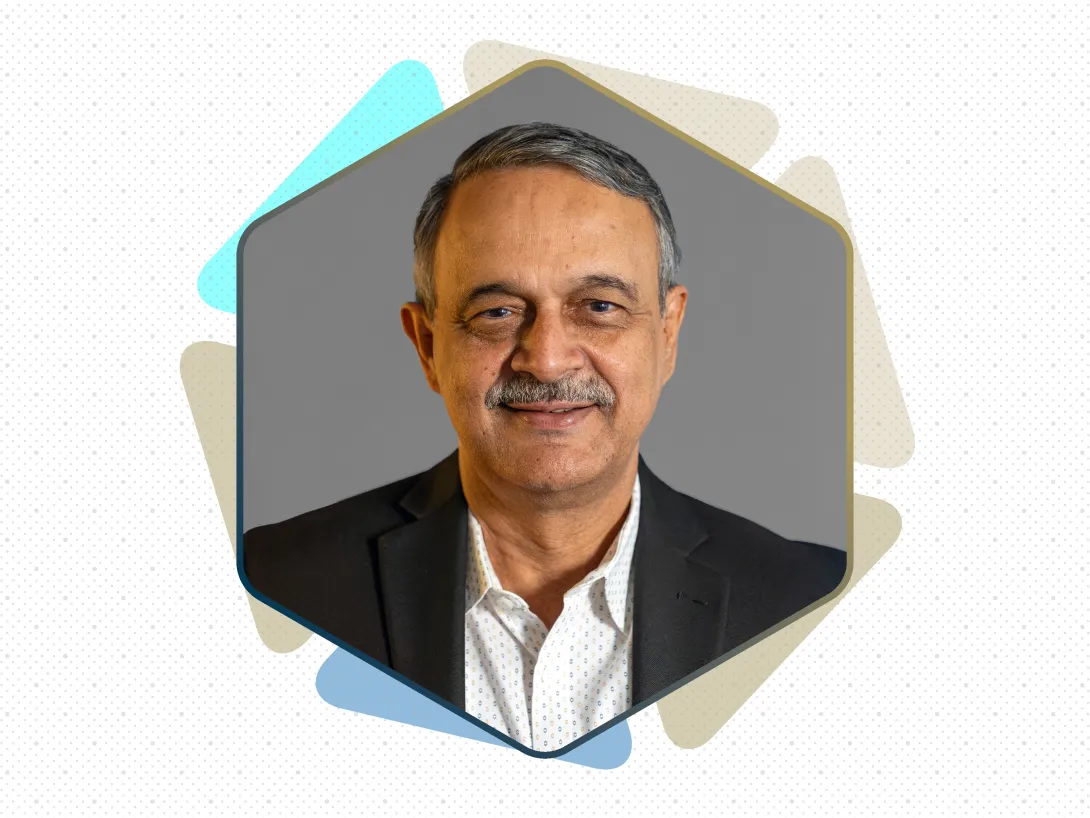
Professor Deepakraj Divan has been named the recipient of the 2024 IEEE Medal in Power Engineering, a distinguished honor presented annually by the Institute of Electrical and Electronics Engineers (IEEE).
The prestigious award recognizes individuals for their, “outstanding contributions to the technology associated with the generation, transmission, distribution, application, and utilization of electric power for the betterment of society.”
Divan, holding the John E Pippin Chair and serving as a Georgia Research Alliance Eminent Scholar in the Georgia Tech School of Electrical and Computer Engineering, is being honored for his significant contributions to advanced power conversion technologies for the modern electric power grid. He will be celebrated during the IEEE Vision, Innovation, and Challenges Summit and Honors Ceremony in Boston on May 3, 2024.
With over 40 years of experience in academia and industry, Divan is a globally recognized authority in power electronics, power systems, smart grids, and distributed control of power systems. He is currently the director of the Center for Distributed Energy at Georgia Tech, leading advanced research and technology development aimed at transforming electricity delivery and utilization.
His extensive portfolio includes over 85 issued and pending patents, as well as 400 refereed publications. Through his research and entrepreneurial endeavors, he has played a pivotal role in advancing power grid monitoring, analytics, and optimization.
He is a member of the of the U.S. National Academy of Engineering, the National Academies Board on Energy and Environmental Systems, and the National Academies (NASEM) Committee on the Future of Electric Power in the United States. Additionally, Divan is a Fellow of IEEE and has previously served as the president of the IEEE Power Electronics Society. He has been honored with the IEEE William E Newell Field Medal and IEEE Hingorani Custom Power Medal.
As the International Chair of the IEEE Empower a Billion Lives (EBL) recurring global competition, Divian actively contributed to the development of scalable energy access solutions. His expertise was recognized at the White House Electrification Summit in 2022, and he has shared insights on electric grids worldwide, with notable appearances including the 2016 Conference of the Parties of the United Nations Framework Convention on Climate Change Conference (or COP 22) meeting in Morocco and the United Nations Global Solutions Summit in 2023.
Divan is an established entrepreneur, having started several companies, including Varentec, which was funded by leading green-tech Venture Capital firm Khosla Ventures and renowned investor Bill Gates. He has founded or seeded several other new ventures including GridBlock, GigaGrid, Soft Switching Technologies, Innovolt, and Smart Wires, which together have raised >$500M in venture funding.
He is the first member of the Georgia Tech faculty to be honored with the IEEE Medal in Power Engineering, an accolade that has been presented since 2010.
News Contact
Dan Watson
Dec. 05, 2023
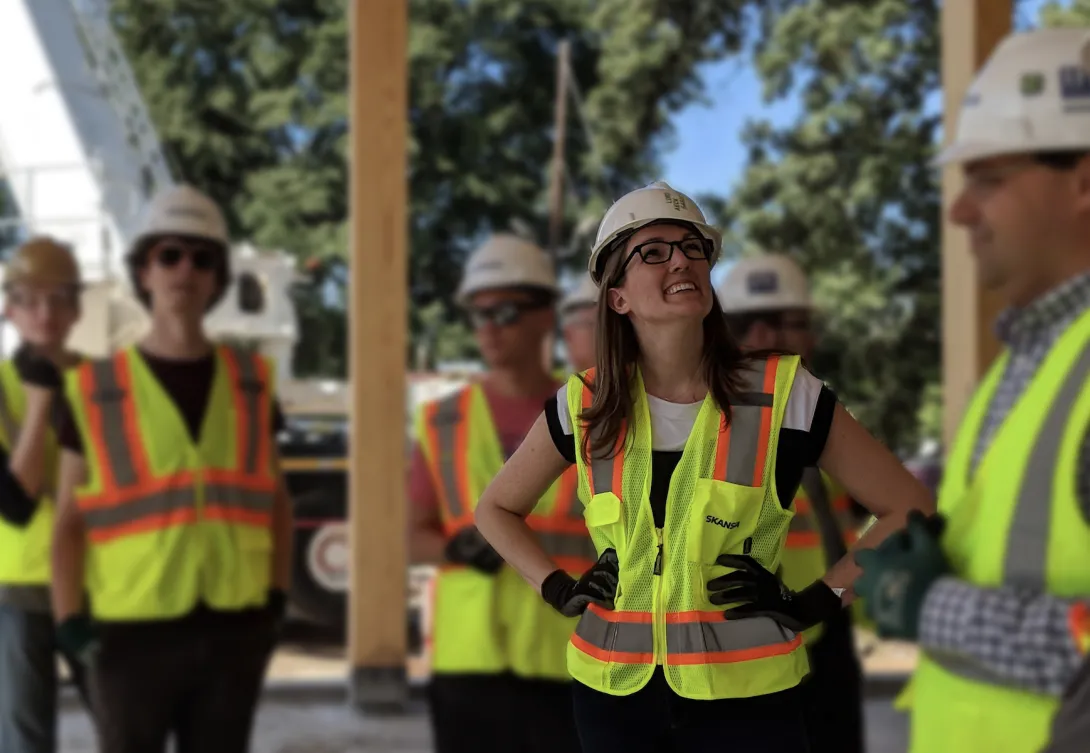
When Amy Stone first arrived on the Georgia Tech campus in 2006 to pursue a bachelor's degree in architecture, she was in awe of her surroundings. Seventeen years later, the soon-to-be triple Jacket and mother of three leaves behind her own stamp on the Institute's future.
When Amy Stone first arrived on the Georgia Tech campus in 2006 to pursue a bachelor's degree in architecture, she was in awe of her surroundings. Seventeen years later, the soon-to-be triple Jacket and mother of three leaves behind her own stamp on the Institute's future.
While she didn't realize how much time she'd spend at Tech after arriving as a transfer student, Stone knew instantly that she had found a home here.
"I remember driving up to Georgia Tech and just being wowed by the beauty of the campus and its history and feeling like this place was special,” she said. “This green urban campus in the middle of a city has so much to offer. I kept coming back for the quality of the education, and I love to see how the campus has gotten more beautiful, advanced, and innovative by improving upon itself."
Among the transformative projects completed during Stone's time on campus is The Kendeda Building for Innovative and Sustainable Design — a building she had a hand in designing as a member of the project team.
"It's such an honor as a student to be able to put my own thumbprint on this campus that has given me so much. I'm so proud of the outcome and that it can be used as an example, as a learning lab, and an educational opportunity to show this is what sustainability looks like," she said.
As construction crews continue their work on the early stages of Tech Square Phase 3, Stone sees another dream project come to fruition, having worked on the concept phase of the high-rise towers. The Scheller and George Towers will add more than 400,000 square feet of new space for research and collaboration and, to Stone, signify an ongoing commitment to the Institute putting its mission statement into action.
"There is something so ambitious and beautiful about this project, continuing to connect a green, urban campus to these dense buildings that are reaching up and stating to the skyline, 'We are Georgia Tech,'" she said of the towers, which are expected to be completed in 2026.
Stone has seen the campus grow through the years alongside her growing family, which now includes three kids. After completing her first degree, she and her husband, Lorrin, welcomed their first two children. When she returned to Tech to pursue a master's degree in architecture, her children were there to lend a helping hand.
"I was hauling them to student meetings, and they were meeting me in the studio between classes. They have been on campus more times than they recognize, and they are just growing as this campus grows. They have watched me do homework, they have been a part of my group assignments and group calls, and I feel it's only fitting that they are here at Commencement at the final moment with me," she said.
That teamwork played a key role in Stone's final semester of her master's program in 2020, when her backyard became her lab due to the pandemic.
"I built my model for my final project with my son and my daughter breaking bricks and gluing them to the side of a facade," said Stone, who was pregnant with the couple's third child at the time. "I got to bring in small hands to help with projects and explain to them what I was doing and why I was doing it in a way that they don't normally get to see. We learned a lot during the pandemic, but that's what we do at Georgia Tech. We innovate, we learn, we adapt."
Intrigued by the intersection of architecture and business, Stone was drawn to the Scheller College of Business, where she will receive her MBA, bringing an end to her educational journey with her family at her side. After taking time to enjoy the holidays and complete a Half Ironman triathlon, Stone will be teaching an architecture course at Kennesaw State University in the spring.
News Contact
Steven Gagliano - Institute Communications
Oct. 30, 2023
The Urban Honey Bee Project’s new beekeeper in residence is creating art and educating the public with her practice.
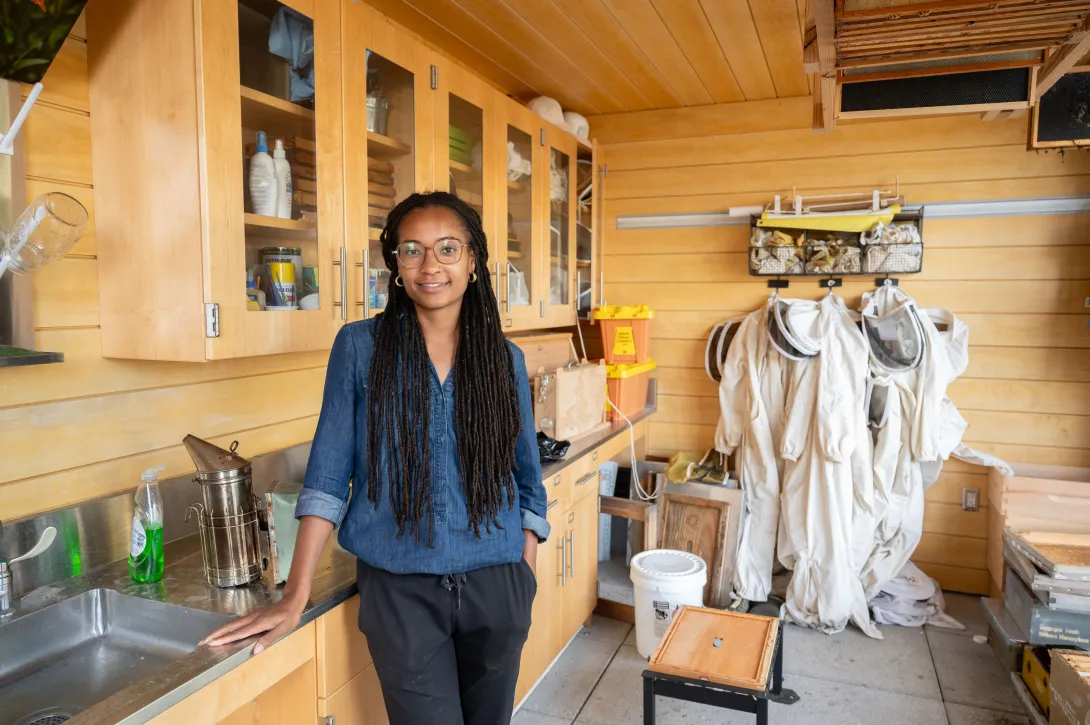
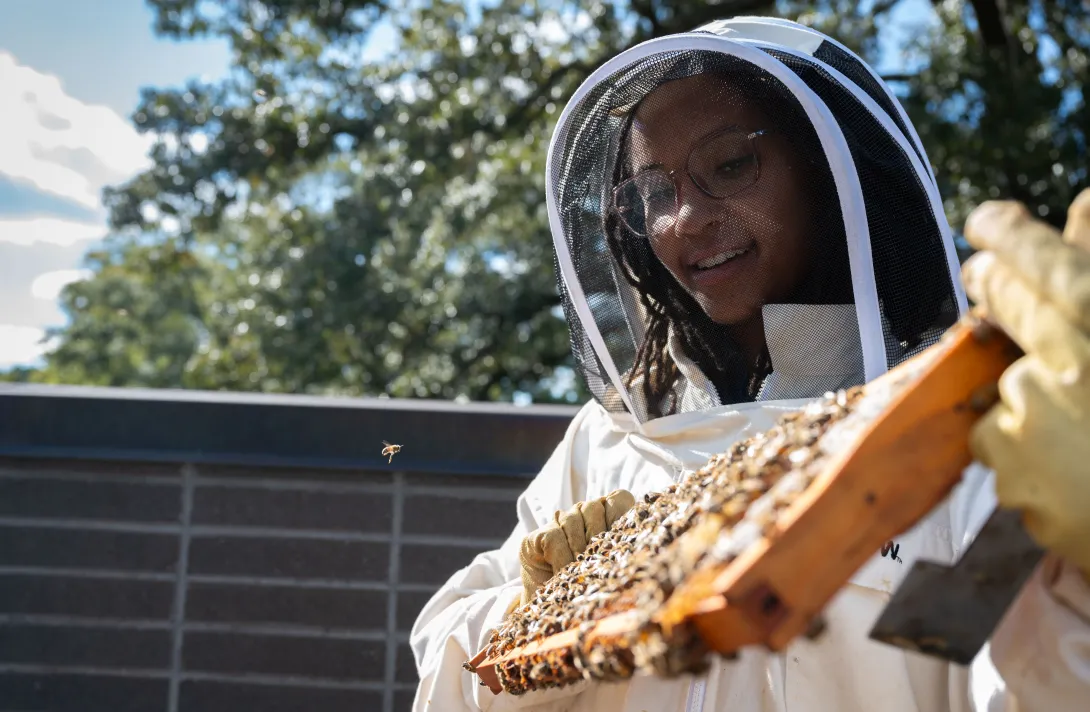
Janelle Dunlap conducts a hive inspection at The Kendeda Building for Innovative Sustainable Design. Photo by Allison Carter.
Hundreds of thousands of honeybees make their home atop The Kendeda Building for Innovative Sustainable Design, and it's up to Janelle Dunlap to make sure the hives thrive.
Dunlap was hired earlier this year as the Urban Honey Bee Project's (UHBP) first-ever beekeeper in residence. Throughout her residency, she'll conduct research into the pollinator's place in our ecosystem and how beekeeping may offer relief to veterans dealing with post-traumatic stress disorder (PTSD), while connecting with the bees through art.
Dunlap had been gardening for over a decade, but in 2016, when she got the urge to find new ways to engage with nature, she recalled a powerful piece of imagery that shaped her childhood — Wu-Tang Clan's music video for “Triumph” and its depiction of the group's members as a powerful swarm of Africanized killer bees.
"The political messaging and tying Africanized killer bees in with the stereotypes and the tropes of African Americans in the media, and the way that that was so poetically tied in, visually stuck with me,” she said. “It was the first time I recognized a political message being articulated through art. For that reason, it stuck with me that bees were a form of strong symbolism tied to resilience."
Living in Charlotte, North Carolina, Dunlap became a certified beekeeper under the Mecklenburg County Beekeepers Association in 2017. She continued practicing as she moved around the country, with stops in Chicago and Denver, eventually landing in Atlanta in 2021. Looking for a way to connect to the local beekeeping community, she attended an April presentation by UHBP Director Jennifer Leavey, who offered Dunlap a chance to get involved at Georgia Tech.
She now handles the inspection of the hives on The Kendeda Building roof, where she monitors for pests and ensures the bees have proper nutrition to sustain their population through the seasons. The UHBP began in 2012 with the goal of educating the Tech community on the importance of these pollinators within the Atlanta ecosystem and beyond — a charge that Dunlap carries on.
Over the next year, she will continue working on her sound art project that examines the frequency at which bees “buzz” and how it, along with the responsibilities of beekeeping, is being used by VA hospitals and programs to ease the effects of PTSD. While the science behind the connection is still being explored, beekeeping was recommended more than a century ago — to soldiers returning home from World War I — according to a CNBC profile of Bees4Vets, a nonprofit based in Nevada.
From the Hive to the Canvas
Whether it was baking sourdough bread or learning a new language, many people, including Dunlap, took the early days of the Covid-19 pandemic to pick up a new hobby. She began a master's program at the School of the Art Institute of Chicago with the goal of using beeswax in encaustic painting, which uses hot wax mixed with pigments. The use of natural materials collected through her beekeeping practice connects Dunlap to her work.
“It's a way of tapping into another level of consciousness. It's a way of articulating the noncommunicable relationship between me and the bees. When there's a language gap between people, we try to fill it in with translation, but without a direct way to translate the language or the sensation that I feel from the bees, this allows me to document my practice in an abstract form,” she said.
By layering the wax and applying heat throughout the process, Dunlap watches the pieces take shape, often with the unpredictability of an active hive, as she says the art “can create itself.” She collects the wax in small amounts, knowing that she can only produce her art if the bees are healthy.
"It's an eco-conscious practice, making sure I don't use more than I need," she explained. “I love the landscape it creates, and it's all about me creating a direct relationship with my medium and knowing that I earned it by developing a relationship with the bees."
As Dunlap continues her year-long residency with the UHBP, she intends to help educate the community, both on campus and around the Atlanta area, in the hopes that more prospective beekeepers will explore their curiosity to unlock the full potential of the practice.
"It's been a practice that keeps unveiling itself to me," she said. "As you get more engaged, you learn there is so much more to it than just the day-to-day hive inspections. There is a lot of beauty to it as well."
Students at Tech have several ways to get involved with research and beekeeping, including the Living Building Science VIP team, the Beekeeping Club, and various classes and workshops hosted by the UHBP.
News Contact
Steven Gagliano - Institute Communications
Oct. 20, 2023
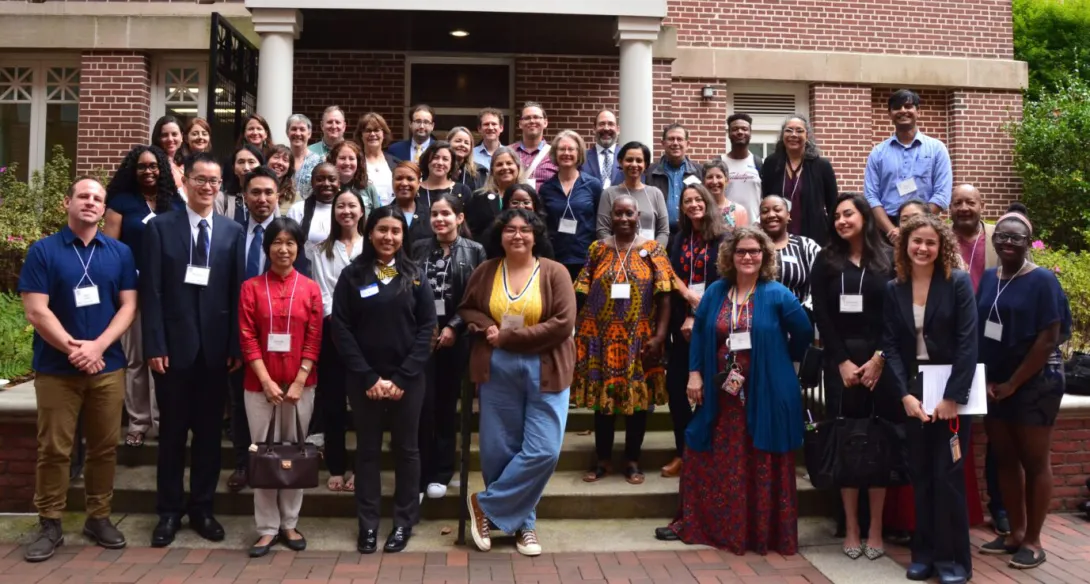
A group of attendees to the RCE Americas meeting in Atlanta pose for a group photo outside a red brick Georgia Tech building.
The Georgia Tech campus recently served as host to the 2023 RCE Americas Regional Meeting. From September 26 – 29, students, academics, and working professionals from around the Americas gathered to share their diverse perspectives and experiences, and delved into the discourse of sustainability. Participants attended panel sessions, presentations, site visits, and workshops (one of which was student led) over the three-day meeting, offering their unique viewpoints on how sustainability plays a role in their work and academic careers.
RCE Greater Atlanta was acknowledged by the United Nations University (UNU) on December 18, 2017, as a Regional Centre of Expertise on Education for Sustainable Development. RCE Greater Atlanta is one of over 190 RCEs recognized worldwide as part of the UNU RCE network. RCEs support multi-stakeholder implementation of the U.N. Sustainable Development Goals (SDGs) at the regional level, through education and training.
RCE Greater Atlanta is committed to leveraging educational resources for regional implementation of the SDGs, with a focus on equity and justice, building on Atlanta’s history as the home of the Civil Rights Movement. RCE Greater Atlanta members, representing all sectors of community, business, government, and civil society, contribute to the creation of an inclusive and collaborative community that advances SDG knowledge and action, and nurtures strong youth leadership by harnessing higher education capacity and knowledge for regional benefit.
Among the speakers were Keisuke Midori, section chief from the Ministry of the Environment of Japan; Jenny Hirsch, senior director of the Georgia Tech Center for Sustainable Communities Research and Education, representing RCE Greater Atlanta; and Georgia Tech President Ángel Cabrera. Several of the speakers traveled or participated virtually from around the United States, as well as from places as far-flung as Mexico, Puerto Rico, Canada, Peru, and Columbia. Atlanta was also well represented with participants and speakers from many area colleges and universities including Morehouse School of Medicine, Kennesaw State University, and Georgia Gwinnett College. A wide range of topics were presented such as “Youth Initiatives at Assateague Island,” “Energy Equity: Advancing SDG 7 Affordable and Clean Energy Through Community-University Partnerships,” and “Young Leaders of the Earth Charter at RCE Bogota.”
Several Georgia Tech students were in attendance and have offered their perspectives on the event. Lakshya Sharma, a master’s student in Human Computer Interaction and the student coordination manager for RCE Greater Atlanta, says, “The conference provided people coming from a wide variety of backgrounds an opportunity to present views, opinions, and talk about differences. I was given the responsibility to lead one of these sessions, where we discussed how important local community action is and how these actions can be made more efficient, inclusive, and effective. Participating in these discussions gave me a fresh perspective on things and made me explore new ways to solve problems, which I can now implement as a professional.”
Perrin Brady, who is studying History, Technology, and Society at Georgia Tech and serving as a student engagement coordinator for RCE Greater Atlanta, said, “I was able to raise questions to the room that I struggle with as a young person, like how to navigate possible conflict between requiring fast climate solutions and needing equitable/sustainable solutions that take time and consideration. People's answers gave me hope for future impacts I could make.”
Julie Chen, another student engagement coordinator, who is studying architecture at Georgia Tech, said, “The range of presentations remains an inspiration, as I was able to witness different RCEs actively involved in unique projects to further the UN SDGs. It was especially heartening to see young students taking the initiative. The RCE Americas Network is a great platform to share these efforts.”
The event was sponsored by Oak Ridge Associated Universities; Kennesaw State University’s Global Education Community Engagement and Outreach; Goethe Zentrum; and several Georgia Tech organizations, namely the Brook Byers Institute for Sustainable Systems, the Renewable Bioproducts Institute, the Strategic Energy Institute, the Atlanta Global Studies Center, and the Ray C. Anderson Center for Sustainable Business with the Drawdown Georgia Business Compact.
The RCE Americas Meeting is an annual event. For more information, see the following links:
Meeting Resources: https://drive.google.com/drive/folders/1K8XeWuCEXq66TEVZuQQm3X3EzfXQ3zVB?usp=sharing
Presentation Recordings: https://www.youtube.com/channel/UCpof6N7frRLybc0UW8dhX4A
News Contact
Kristina Chatfield, Program and Portfolio Manager, Center for Sustainable Communities Research and Education
Oct. 20, 2023

The Institute for Data Engineering and Science, in conjunction with several Interdisciplinary Research Institutes (IRIs) at Georgia Tech, have awarded seven teams of researchers from across the Institute a total of $105,000 in seed funding geared to better position Georgia Tech to perform world-class interdisciplinary research in data science and artificial intelligence development and deployment.
The goals of the funded proposals include identifying prominent emerging research directions on the topic of AI, shaping IDEaS future strategy in the initiative area, building an inclusive and active community of Georgia Tech researchers in the field that potentially include external collaborators, and identifying and preparing groundwork for competing in large-scale grant opportunities in AI and its use in other research fields.
Below are the 2023 recipients and the co-sponsoring IRIs:
Proposal Title: "AI for Chemical and Materials Discovery" + “AI in Microscopy Thrust”
PI: Victor Fung, CSE | Vida Jamali, ChBE| Pan Li, ECE | Amirali Aghazadeh Mohandesi, ECE
Award: $20k (co-sponsored by IMat)
Overview: The goal of this initiative is to bring together expertise in machine learning/AI, high-throughput computing, computational chemistry, and experimental materials synthesis and characterization to accelerate material discovery. Computational chemistry and materials simulations are critical for developing new materials and understanding their behavior and performance, as well as aiding in experimental synthesis and characterization. Machine learning and AI play a pivotal role in accelerating material discovery through data-driven surrogate models, as well as high-throughput and automated synthesis and characterization.
Proposal Title: " AI + Quantum Materials”
PI: Zhigang JIang, Physics | Martin Mourigal, Physics
Award: $20k (Co-Sponsored by IMat)
Overview: Zhigang Jiang is currently leading an initiative within IMAT entitled “Quantum responses of topological and magnetic matter” to nurture multi-PI projects. By crosscutting the IMAT initiative with this IDEAS call, we propose to support and feature the applications of AI on predictive and inverse problems in quantum materials. Understanding the limit and capabilities of AI methodologies is a huge barrier of entry for Physics students, because researchers in that field already need heavy training in quantum mechanics, low-temperature physics and chemical synthesis. Our most pressing need is for our AI inclined quantum materials students to find a broader community to engage with and learn. This is the primary problem we aim to solve with this initiative.
PI: Jeffrey Skolnick, Bio Sci | Chao Zhang, CSE
Proposal Title: Harnessing Large Language Models for Targeted and Effective Small Molecule 4 Library Design in Challenging Disease Treatment
Award: $15k (co-sponsored by IBB)
Overview: Our objective is to use large language models (LLMs) in conjunction with AI algorithms to identify effective driver proteins, develop screening algorithms that target appropriate binding sites while avoiding deleterious ones, and consider bioavailability and drug resistance factors. LLMs can rapidly analyze vast amounts of information from literature and bioinformatics tools, generating hypotheses and suggesting molecular modifications. By bridging multiple disciplines such as biology, chemistry, and pharmacology, LLMs can provide valuable insights from diverse sources, assisting researchers in making informed decisions. Our aim is to establish a first-in-class, LLM driven research initiative at Georgia Tech that focuses on designing highly effective small molecule libraries to treat challenging diseases. This initiative will go beyond existing AI approaches to molecule generation, which often only consider simple properties like hydrogen bonding or rely on a limited set of proteins to train the LLM and therefore lack generalizability. As a result, this initiative is expected to consistently produce safe and effective disease-specific molecules.
PI: Yiyi He, School of City & Regional Plan | Jun Rentschler, World Bank
Proposal Title: “AI for Climate Resilient Energy Systems”
Award: $15k (co-sponsored by SEI)
Overview: We are committed to building a team of interdisciplinary & transdisciplinary researchers and practitioners with a shared goal: developing a new framework which model future climatic variations and the interconnected and interdependent energy infrastructure network as complex systems. To achieve this, we will harness the power of cutting-edge climate model outputs, sourced from the Coupled Model Intercomparison Project (CMIP), and integrate approaches from Machine Learning and Deep Learning models. This strategic amalgamation of data and techniques will enable us to gain profound insights into the intricate web of future climate-change-induced extreme weather conditions and their immediate and long-term ramifications on energy infrastructure networks. The seed grant from IDEaS stands as the crucial catalyst for kick-starting this ambitious endeavor. It will empower us to form a collaborative and inclusive community of GT researchers hailing from various domains, including City and Regional Planning, Earth and Atmospheric Science, Computer Science and Electrical Engineering, Civil and Environmental Engineering etc. By drawing upon the wealth of expertise and perspectives from these diverse fields, we aim to foster an environment where innovative ideas and solutions can flourish. In addition to our internal team, we also have plans to collaborate with external partners, including the World Bank, the Stanford Doerr School of Sustainability, and the Berkeley AI Research Initiative, who share our vision of addressing the complex challenges at the intersection of climate and energy infrastructure.
PI: Jian Luo, Civil & Environmental Eng | Yi Deng, EAS
Proposal Title: “Physics-informed Deep Learning for Real-time Forecasting of Urban Flooding”
Award: $15k (co-sponsored by BBISS)
Overview: Our research team envisions a significant trend in the exploration of AI applications for urban flooding hazard forecasting. Georgia Tech possesses a wealth of interdisciplinary expertise, positioning us to make a pioneering contribution to this burgeoning field. We aim to harness the combined strengths of Georgia Tech's experts in civil and environmental engineering, atmospheric and climate science, and data science to chart new territory in this emerging trend. Furthermore, we envision the potential extension of our research efforts towards the development of a real-time hazard forecasting application. This application would incorporate adaptation and mitigation strategies in collaboration with local government agencies, emergency management departments, and researchers in computer engineering and social science studies. Such a holistic approach would address the multifaceted challenges posed by urban flooding. To the best of our knowledge, Georgia Tech currently lacks a dedicated team focused on the fusion of AI and climate/flood research, making this initiative even more pioneering and impactful.
Proposal Title: “AI for Recycling and Circular Economy”
PI: Valerie Thomas, ISyE and PubPoly | Steven Balakirsky, GTRI
Award: $15k (co-sponsored by BBISS)
Overview: Most asset management and recycling use technology that has not changed for decades. The use of bar codes and RFID has provided some benefits, such as for retail returns management. Automated sorting of recyclables using magnets, eddy currents, and laser plastics identification has improved municipal recycling. Yet the overall field has been challenged by not-quite-easy-enough identification of products in use or at end of life. AI approaches, including computer vision, data fusion, and machine learning provide the additional capability to make asset management and product recycling easy enough to be nearly autonomous. Georgia Tech is well suited to lead in the development of this application. With its strength in machine learning, robotics, sustainable business, supply chains and logistics, and technology commercialization, Georgia Tech has the multi-disciplinary capability to make this concept a reality, in research and in commercial application.
Proposal Title: “Data-Driven Platform for Transforming Subjective Assessment into Objective Processes for Artistic Human Performance and Wellness”
PI: Milka Trajkova, Research Scientist/School of Literature, Media, Communication | Brian Magerko, School of Literature, Media, Communication
Award: $15k (co-sponsored by IPaT)
Overview: Artistic human movement at large, stands at the precipice of a data-driven renaissance. By leveraging novel tools, we can usher in a transparent, data-driven, and accessible training environment. The potential ramifications extend beyond dance. As sports analytics have reshaped our understanding of athletic prowess, a similar approach to dance could redefine our comprehension of human movement, with implications spanning healthcare, construction, rehabilitation, and active aging. Georgia Tech, with its prowess in AI, HCI, and biomechanics is primed to lead this exploration. To actualize this vision, we propose the following research questions with ballet as a prime example of one of the most complex types of artistic movements: 1) What kinds of data - real-time kinematic, kinetic, biomechanical, etc. captured through accessible off-the-shelf technologies, are essential for effective AI assessment in ballet education for young adults?; 2) How can we design and develop an end-to-end ML architecture that assesses artistic and technical performance?; 3) What feedback elements (combination of timing, communication mode, feedback nature, polarity, visualization) are most effective for AI- based dance assessment?; and 4) How does AI-assisted feedback enhance physical wellness, artistic performance, and the learning process in young athletes compared to traditional methods?
- Christa M. Ernst
News Contact
Christa M. Ernst | Research Communications Program Manager
Robotics | Data Engineering | Neuroengineering
christa.ernst@research.gatech.edu
Jul. 06, 2023
Now testing on the research site locally for over writing.
10:55 am
Needing to update this article to see the auto pull and notice ios the Infinite check box gets overwritten.
september 2, 2025
Bacon ipsum dolor amet pork loin swine cupim turkey landjaeger hamburger turducken picanha porchetta chislic t-bone venison shank. Jerky chislic beef strip steak, flank corned beef pork loin short loin sausage. Spare ribs venison kevin, ham hock swine pastrami hamburger shoulder sirloin ground round cupim tail brisket salami jowl. T-bone turkey meatball chislic cupim, shoulder ground round ball tip meatloaf flank alcatra pastrami leberkas pork loin. Landjaeger capicola shank turducken kielbasa, turkey rump hamburger tri-tip. Turkey short loin leberkas picanha ham hock.
Cupim pork loin flank shoulder burgdoggen. Hamburger burgdoggen t-bone tongue cupim. Pork loin frankfurter boudin tail, pancetta meatloaf pork chicken filet mignon cupim brisket alcatra. Fatback t-bone alcatra, cow filet mignon brisket hamburger picanha spare ribs. Tenderloin turducken sausage shoulder, brisket ground round tri-tip tongue chuck pork chop ball tip t-bone buffalo prosciutto. Boudin ball tip buffalo, pork loin bresaola leberkas pancetta salami doner. Pork chop tri-tip andouille beef tongue filet mignon strip steak.
Corned beef t-bone ball tip, sausage ham hock hamburger chuck strip steak shankle beef frankfurter chicken pork belly tenderloin. Frankfurter tenderloin ribeye pork chop, t-bone pork belly beef jerky shoulder. Cupim short ribs jerky drumstick. Tongue venison turducken landjaeger meatball pork loin burgdoggen ribeye spare ribs. Salami pork loin chicken capicola.
News Contact
Tim Whelan
tim.whelan@research.gatech.edu
Web Dev Lead
Jun. 12, 2023

A student wearing a "Serve-Learn-Sustain" tee shirt walks along a campus walkway with a Georgia Tech faculty member. Photo Credit Ben Gray, AJC.
The Vice President for Interdisciplinary Research (VPIR) and the Office of Undergraduate Education (OUE) are excited to announce an institutionalization plan for Serve-Learn-Sustain (SLS) that will advance two of Georgia Tech’s Institute Strategic Plan (ISP) initiatives - Sustainability Next and Transformative Teaching and Learning (TTL) - and strengthen our service learning, community engagement, and sustainability ecosystems at Georgia Tech. Established as Georgia Tech’s last Quality Enhancement Plan (QEP), SLS launched in 2016 as a unit in OUE and concluded its official QEP work in 2021. Its work on the QEP earned Georgia Tech a commendation from the Southern Association of Colleges and Schools Commission on Colleges and established a strong foundation to build on moving forward.
Effective July 1, 2023, the current SLS team will establish a new center, the Center for Sustainable Communities Research and Education (CSCRE), under the VPIR. The Brook Byers Institute for Sustainable Systems (BBISS), which is serving as a hub for coordinating Georgia Tech’s Sustainability Next Strategic Plan initiative, will serve as the administrative home for the new center.
CSCRE will collaborate with the sustainability cluster of the Interdisciplinary Research Institutes (IRIs), including BBISS, the Strategic Energy Institute (SEI), and the Renewable Bioproducts Institute (RBI), as well as Infrastructure and Sustainability, another key Sustainability Next hub, to enhance Georgia Tech’s competitiveness in applying for grants that require meaningful community partnerships as a key component of their research and education plans. It will also continue to support sustainable communities education, in close collaboration with the Center for Teaching and Learning (CTL), OUE, and Education and Learning, to assure the continuity of SLS’s signature programs.
Established as Georgia Tech’s last QEP, Serve-Learn-Sustain launched in 2016 as a unit in OUE and concluded its official QEP work in 2021. Georgia Tech earned a commendation from the Southern Association of Colleges and Schools Commission on Colleges in 2021 for the “exceptional execution” of the 2016 QEP, citing, among other things, that the program “inspired a closer dialogue among faculty regarding research and instructional practices, and thus serves as a model of how a QEP can transform an academic culture.”
To continue advancing and scaling undergraduate service learning and community engagement as a high-impact practice, OUE will establish a new service learning team, as a priority that supports the Transformative Teaching and Learning ISP initiative. Institutionalizing the service-learning functions of SLS within OUE and aligning it with other high impact practices - such as undergraduate research, student innovation programs, first-year seminars, co-op and internships, and learning communities - will position these programs to work collectively in support of the development of Georgia Tech’s next QEP, which will begin in 2025.
Thank you to the SLS staff and to everyone who has collaborated with and supported the work that SLS has spearheaded to make Georgia Tech a better place for our students, our faculty and staff, and our surrounding communities. We look forward to continuing to advance this work, together.
News Contact
Brent Verrill, Research Communications Program Manager, BBISS
Jun. 07, 2023
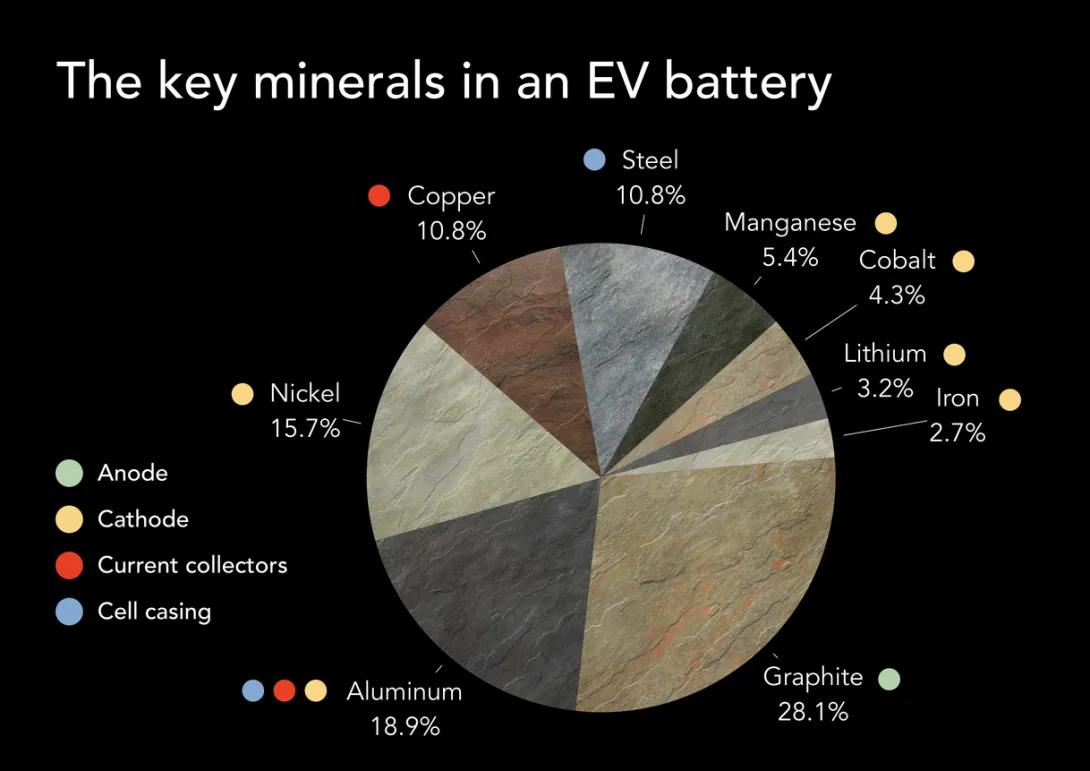
GTRI's EV battery recycling efforts are crucial because many of the key minerals found in lithium-ion batteries are sourced from geopolitically sensitive regions across the globe (Photo Credit: iStock).
Amid the surge in demand for lithium-ion batteries, which power everything from smartphones to electric vehicles (EVs), there is a greater need to properly recycle them. The Georgia Tech Research Institute (GTRI) is working to optimize Georgia’s EV battery supply chain by developing cost- and energy-efficient methods to recover materials from spent batteries so that more of them can be reused – and pose fewer environmental risks.
Georgia is quickly emerging as a hub for the electronic transportation industry. According to data from the Georgia Department of Economic Development, since 2018, 35 EV-related projects have contributed $23 billion in investments in the state.
South Korea-based Hyundai Motor Group recently broke ground on its first fully dedicated EV manufacturing facility in Savannah’s Bryan County. The company has also teamed up with LG Energy Solution to invest $4.3 billion in building an EV battery cell manufacturing plant at the same location.
EV manufacturer and automotive technology company Rivian, which is based on Irvine, Calif., has announced a $5 billion investment in its second U.S. plant located east of Atlanta in Morgan and Walton Counties.
Hyundai’s new facility is expected to reach full production capacity at the end of 2025, with 30 gigawatt hours (GWh) of energy anticipated to support the production of 300,000 EVs. Rivian, meanwhile, anticipates its Georgia plant will employ over 7,500 workers while producing up to 400,000 vehicles each year.
“This level of industry engagement in Georgia is unprecedented,” said Kevin Caravati, a GTRI principal research scientist, who is supporting this project. “The Hyundai plant, for example, could create tens of thousands of jobs in a very rural part of Georgia, which would be a step in the right direction for the entire state.”
The lithium-ion batteries that power EVs are seen as desirable over other battery technologies because of their high energy density, which allows electric cars to travel longer distances on a single charge. These types of batteries also have a low self-discharge rate, which means that the stored energy remains available for an extended period of time even when the vehicle is not in use.
However, these batteries can easily turn into fire hazards – especially at the end of their life cycle. Very few batteries ever end up being recycled and those that do get recycled are often mishandled.
“Currently, there are no recycling standards in place, which poses challenges for the entire supply chain,” said Milad Navaei, a GTRI senior research engineer, who is leading this project. “Our goal is to create circular economy for batteries in Georgia where we can reduce our dependence on raw materials that often come from overseas and can be very expensive.”
Lithium-ion batteries use metals including lithium, nickel, manganese, and cobalt that are mined in locations such as Africa’s Democratic Republic of the Congo, Chile and Argentina. During the production process, the metals are combined with other materials to form the two key components of a battery cell – the cathode and the anode. Inside a battery, the cathode, which has a negative charge, and anode, which has a positive charge, interact to generate electrons that power the electronic device. Most lithium-ion batteries are currently made in China.
Navaei noted that geopolitical sensitivities and lingering supply chain challenges in many of these regions makes GTRI’s work all the more crucial.
GTRI’s research consists of two parts: One, develop more advanced analytics capabilities for fleet management companies to monitor the health and performance of EV batteries, and two, optimize the recovery of raw materials from batteries at the end of their useful life.
“The battery is the most important part of an EV, and it’s critical to know the battery’s state of health (SoH), which is the ratio of the present capacity to the initial capacity,” said Navaei. “Our goal is to utilize technologies such as the Internet of Things (IoT) to monitor the SoH of these batteries and estimate the life cycle, which heavily depends on the usage and the type of battery for its safe and reliable implementation in the next life application.”
GTRI aims to integrate these technologies into companies’ existing inventory management systems to streamline process management and reporting.
For the second part of the research, GTRI is utilizing a statistical technique known as parametric modeling to aggregate data about known behaviors and characteristics of EV batteries to help companies make more informed decisions about properly depowering them and repurposing their raw materials with minimal environmental impact.
“Developing a robust system-modeling approach to support our energy research is a primary focus of ours,” said GTRI Principal Research Scientist Ilan Stern, who is also supporting the project. “Since our ultimate goal is to utilize domestic sources in our supply chain, really the only way to do that is by building out strong recycling models to account for the fact that these companies are working with finite materials and many of them are coming from conflict zones.”
GTRI is working with a number of industry partners on this project, including many companies that participated in Georgia Tech Battery Day earlier this year. At the event, over 230 energy researchers and industry participants convened to discuss emerging opportunities in energy storage research. Some of the companies represented at the event included Hyundai Kia, Delta Airlines, Cox Automotive and Panasonic.
Writer: Anna Akins
Photo Credit: iStock
GTRI Communications
Georgia Tech Research Institute
Atlanta, Georgia
The Georgia Tech Research Institute (GTRI) is the nonprofit, applied research division of the Georgia Institute of Technology (Georgia Tech). Founded in 1934 as the Engineering Experiment Station, GTRI has grown to more than 2,900 employees, supporting eight laboratories in over 20 locations around the country and performing more than $800 million of problem-solving research annually for government and industry. GTRI's renowned researchers combine science, engineering, economics, policy, and technical expertise to solve complex problems for the U.S. federal government, state, and industry.
News Contact
(Interim) Director of Communications
Michelle Gowdy
Michelle.Gowdy@gtri.gatech.edu
404-407-8060
May. 04, 2023
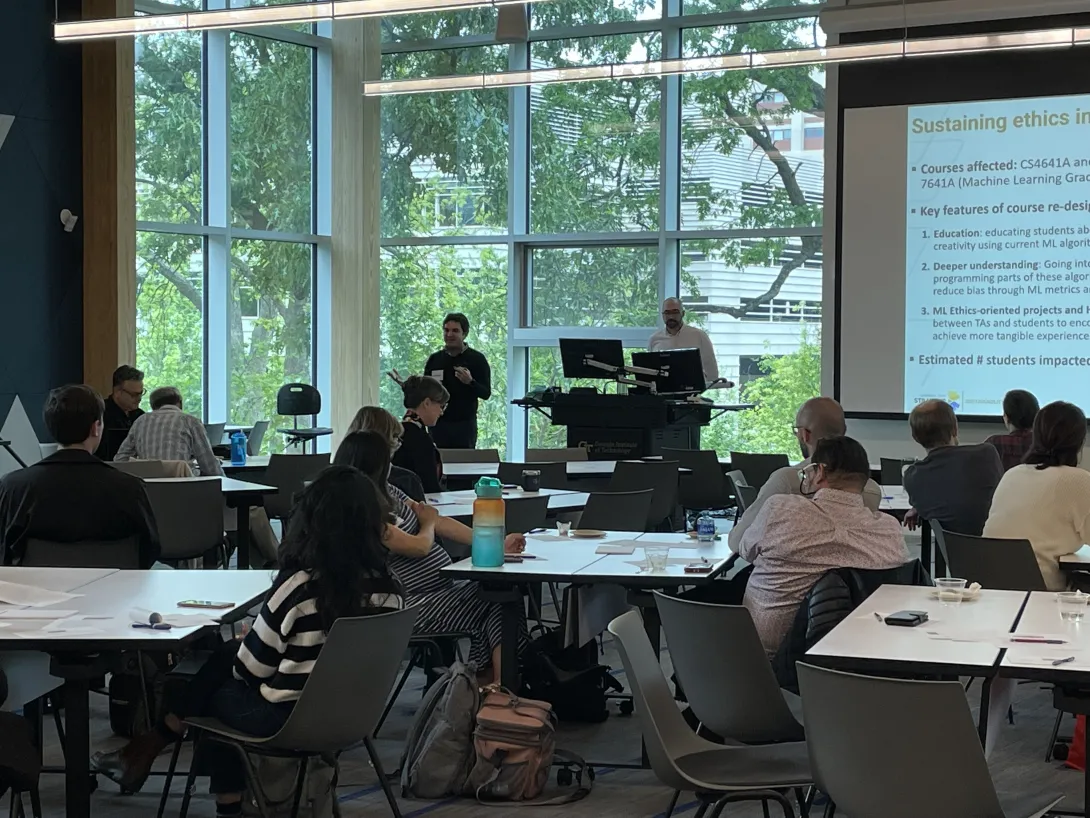
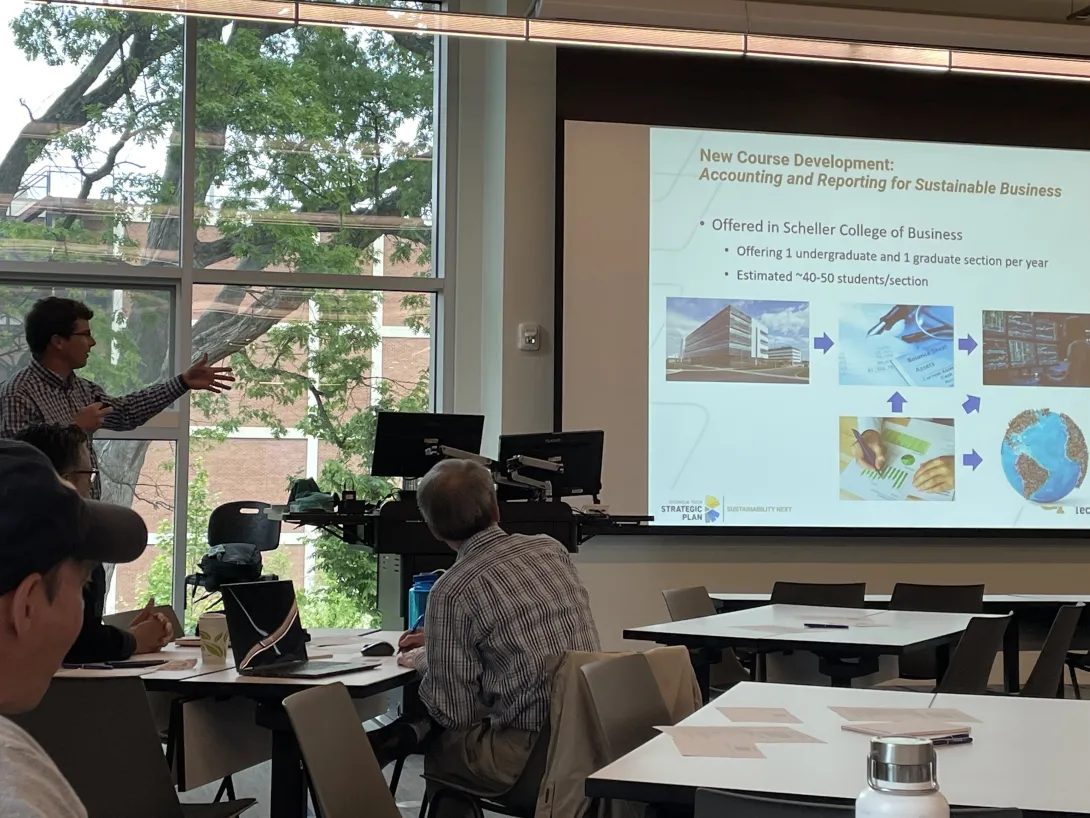
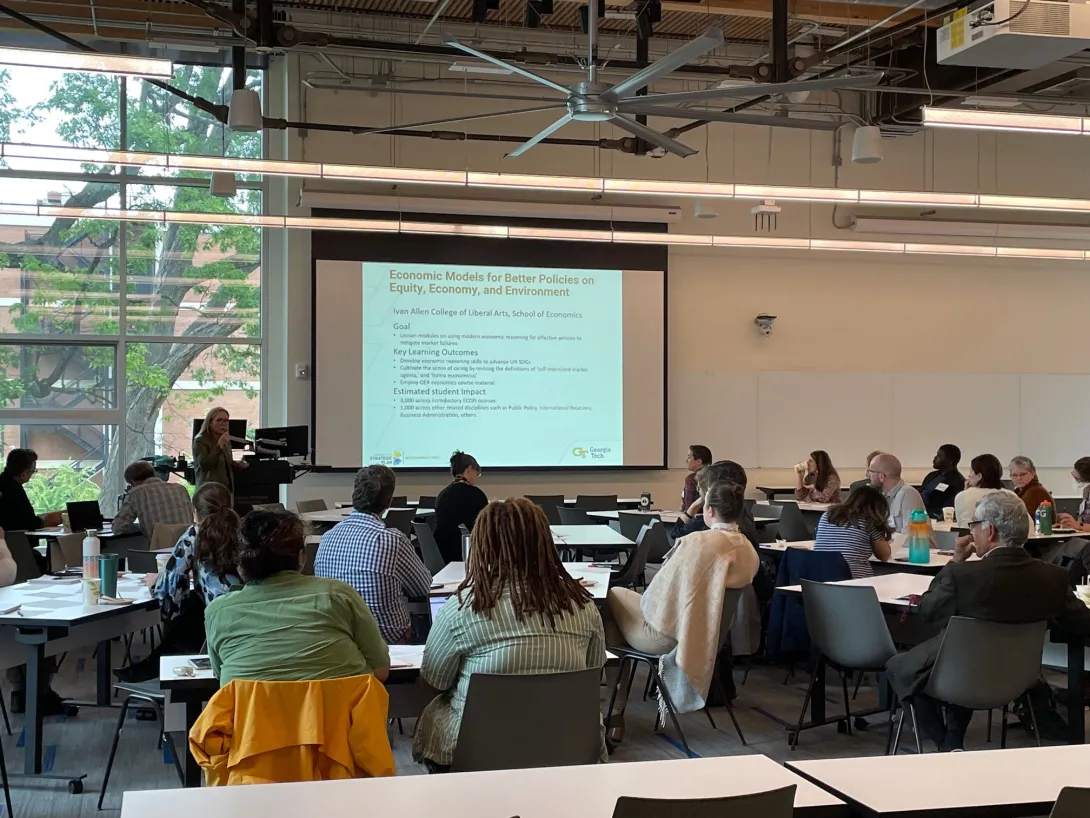
One of the Institute Strategic Plan (ISP) goals is to connect globally and amplify impact by contributing “to global collaborative efforts that advance the U.N. Sustainable Development Goals (SDGs) through our education, research, and service.” In response, Sustainability Next developed a plan to expand SDG concept and skill integration across the undergraduate curriculum. In support of the plan, 21 projects representing all six colleges and 15 schools were presented at the Undergraduate Sustainability Education Jamboree, held on April 26 in the Kendeda Building auditorium. With many winning projects featuring high enrollment and core courses, this first round of sustainability education “seed grants” will significantly expand the reach of Georgia Tech’s sustainability-across-the-curriculum initiatives.
“Our Strategic Plan commitment to bring the United Nations Sustainable Development Goals (SDGs) into our teaching is part of our vision for transformative teaching and learning more broadly,” explains Larry Jacobs, Senior Vice Provost for Education and Learning. “Helping students identify connections between disciplinary concepts and skills and complex societal challenges enhances learning and supports Georgia Tech’s mission to equip students to improve the human condition.”
The Jamboree featured lightning presentations from the award winners, as well as presentations about related initiatives at Georgia Tech to help instructors, students, and staff better understand the landscape of sustainability education innovation on campus. Instructors engaged in course design or re-design through the awards will have opportunities to collaborate with and learn from their peers through a Community of Practice on Transformative Teaching with the SDGs and a SoTL (Scholarship of Teaching and Learning) research group. Many began identifying potential collaborators at the event, as they heard from other award winners. “The afternoon of lightning presentations by fellow faculty was exhilarating,” Sabir Khan, Associate Professor, Schools of Industrial Design and Architecture, shared. “I came away impressed and excited at the range of projects and have already invited a few instructors to join my class in the fall to discuss their approaches to tackling the UN SDGs."
Presenter Kate Williams, Interim Director, Transformative Teaching and Learning, Faculty Initiatives, shared connections between the Sustainability Innovation Awards and Georgia Tech’s Transformative Teaching and Learning (TTL) strategic initiative. “The success of the first round of Sustainability Education Innovation Grants demonstrates our faculty's commitment to creating innovative experiential learning opportunities for students,” Dr. Williams noted.
For more information about future award opportunities or the communities of practice described above, please contact Jennifer Leavey (Assistant Dean for Faculty Mentoring, College of Sciences) or Rebecca Watts Hull (Assistant Director, Faculty Development for Sustainability Education Initiatives, Center for Teaching and Learning).
Review all 21 awarded Undergraduate Sustainability Education Innovation projects.