
Aug. 14, 2024
On Aug. 29, CREATE-X will celebrate its 10th anniversary at Demo Day, showcasing over 100 startups and more than 250 founders.
On Aug. 29 in the Exhibition Hall from 5 to 7p.m, CREATE-X will celebrate its 10th year of supporting entrepreneurship at Georgia Tech by introducing its next cohort of startup founders at Demo Day. This free event, attracting more than 1,500 people annually, allows the public to explore products from over 100 newly minted startups, ranging from consumer apps to deep tech. It also provides a chance to engage with more than 250 founders thanks to its no-pitch format.
Since its inception in 2014, CREATE-X has worked to infuse a spirit of entrepreneurship at Georgia Tech. From supporting eight teams in its inaugural cohort, the program has grown to support the launch of over 100 startups this summer, bringing the total to 560 startup teams boasting a total portfolio valuation of over $2 billion. In the last year, the program has expanded internationally and looks to continue building opportunities for its students.
“Our mission is to instill entrepreneurial confidence. We believe that entrepreneurship is a life skill,” says Rahul Saxena, CREATE-X director. “Georgia Tech students are capable of creating startups. We’re just giving them the tools and resources to do it. We want every Tech student to have this advantage when starting their business.”
At the kickoff for Startup Launch, the program’s summer startup accelerator, CREATE-X co-founder Chris Klaus spoke on the landscape of startups. “The secret sauce for unicorns is colleges. The number of unicorns is increasing, and I expect that trend to continue. This is the perfect place to build a startup,” he said.
Startup Launch has concluded for the summer, and the founders are preparing to showcase their solutions at Demo Day.
Register Now
“We invite you to become part of shaping what comes next. Support these founders as they creatively solve real-world issues. See future industry leaders be born. Join us for the culmination of these founders’ hard work, passion, and ingenuity at Demo Day,” Rahul said.
Demo Day 2024 registration is open. Tickets are free but limited. Don’t miss this chance to witness the future of innovation and entrepreneurship. For more information, visit the CREATE-X website.
News Contact
Breanna Durham
Marketing Strategist
Aug. 02, 2024
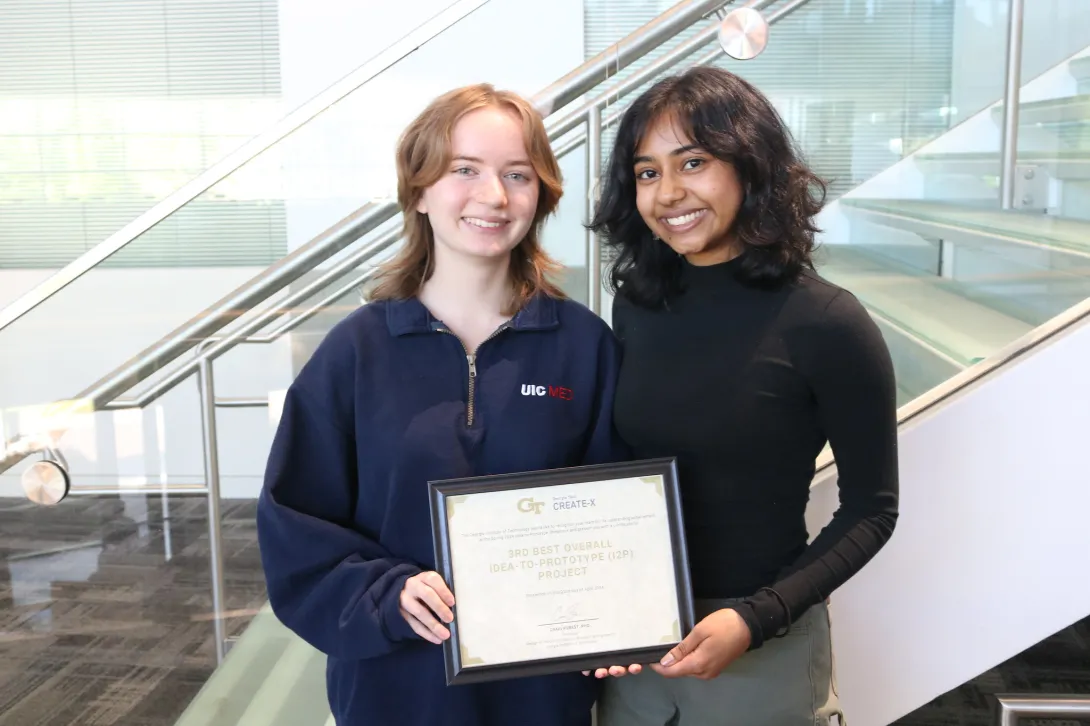
Electrosuit, a startup by Aubrey Hall and Sherya Chakraborty, secured third place in the Spring 2024 I2P Showcase, and their product, a garment for at-home electrical stimulation, targets individuals with chronic pain or motor impairments.
CREATE-X is built to help students integrate entrepreneurship into their academic journey through courses, workshops, and a startup accelerator. This spring, a new set of students displayed their solutions to real-world problems at the I2P Showcase. It’s our privilege to shine a light on and celebrate those journeys. Today’s spotlight focuses on the spring I2P Showcase third-place winners.
Electrosuit
Aubrey Hall, a first-year biomedical student, and Sherya Chakraborty, a first-year computer science major, founded a startup to produce a garment that eases the use of at-home, prescribed electrical stimulation for people with chronic pain, stroke, and motor impairments.
What made you interested in building this solution?
“I did research at Northwestern for a couple of years before this, and some of the patients I worked with had severe stroke and spasticity in their arms,” Chakraborty said. “I found out that when they tried using at-home prescribed electrical stimulation, they had trouble setting it off themselves. So, we created a garment to ease pressure on that.”
What part of the course was most helpful to you?
“One of our mentors, Sun Mi Park, was the first person to patent printable wires on fabric, and that gave us some inspiration to make our garment even more compact, easier to use, and integrate some interesting ideas that we wouldn’t have been able to without our mentors. So, our mentors are honestly the best part of the program,” Chakraborty said.
“For me, you don’t get a lot of chances to apply these engineering courses outside of the classroom,” said Hall. “This course is a really interesting way to get firsthand experience building a prototype and really understand the engineering process.”
What’s so special about CREATE-X?
“I think these student projects are the future, and a lot of these projects make it out of college and become actual companies. Giving students that possibility to make a change just from a simple idea and fueling that with funding so we don’t have to take risks out of our own pockets is a, really big deal,” Chakraborty said.
“It’s helpful to have that safety net, knowing that you have your mentors to back you, and also the people of the program to back you. It brings a lot of security and opportunity to try different things out and not have to be so fearful of failure. Even if you fail a million times, you can get back up and try again,” Hall said.
What’s the best insight you’ve gained from doing this?
“I think one big misconception is that entrepreneurship has a lot to do with finance and business and just lucrative ideas, but it’s pretty important to understand that you can solve a seemingly everyday problem,” said Chakraborty. “If it affects you or your friends, it’s still worth trying to find a way to solve it, especially backed up with money and mentors from CREATE-X. What’s the harm in trying something out?”
“Don’t try to make it feel like it’s an all-or-nothing project,” Hall said. “You’re allowed to live your life as a college student but also pursue these interesting ideas and figure out if you enjoy entrepreneurship. It shouldn’t be this daunting task where if you don’t put everything in, you’re going to fail.”
“It’s also important to keep an open mind. We might come in with an idea and a very specific way of executing that idea, but we found out through talking with mentors, and with other students and people who gave us advice, that sometimes the idea you come in with is not going to be the same thing you end up with,” Chakraborty said.
Next Steps
“We’ve only done four or five prototypes so far,” she noted. “We want to do at least 12 of those prototypes and keep working with our mentors, keep making connections at Emory, and just constantly getting more and more feedback about our prototypes until we get to a state where we’re satisfied, and we can demo our product and work with physical therapists across Atlanta.”
If you’re a student interested in building your own product for college credit, apply for I2P. And join us for Demo Day, Aug. 29, at 5 p.m., in the Georgia Tech Exhibition Hall to see new CREATE-X founders launch products in a variety of industries. Tickets are free but limited. Register today to secure your spot.
News Contact
Breanna Durham
Marketing Strategist
Jul. 16, 2024
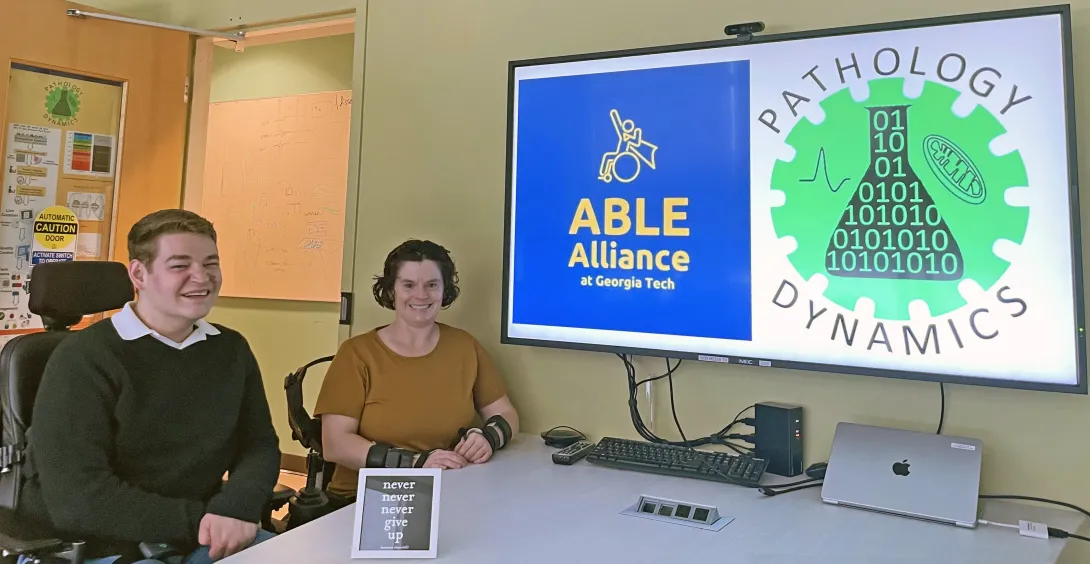
Robert "Trey" Quinn and Cassie Mitchell have collaborated on a new study of disability in the STEM fields of work.
Cassie Mitchell and Robert “Trey” Quinn have a few questions they’d like to ask you, and there really are no wrong answers.
They’re launching a new study focused on disability in the STEM fields of work — science, technology, engineering, and mathematics, which they hypothesize are a good fit for people with physical disabilities. Technology has made the work more accessible. Plus, the pay is good. However, there are challenges for working people with disabilities that even a great salary can’t overcome.
“We envision a scenario in which people with disabilities can get into the workforce and provide for their needs,” said Mitchell, associate professor in the Wallace H. Coulter Department of Biomedical Engineering.
Quinn, one of Mitchell’s former students, graduated in May with his master’s in computer science. He was well-known on campus for the sign attached to the back of his wheelchair, which said “THWG” — or “To Hell With Georgia” — a nod to the famous Georgia Tech-University of Georgia rivalry Quinn shares with his older sister, who attended UGA.
“The overall objective with this data-enabled study is to highlight the factors in academia and industry that have historically inhibited the successful inclusion of disabled people in STEM work,” said Quinn, who took the lead role in this study, which will gather data from both non-disabled and disabled people.
“We want to get a more complete picture of the current landscape, of the educational environment and the workplace,” said Mitchell, principal investigator of the Laboratory for Pathology Dynamics.
Increasing the Sample Size
The study is part of the Science Leadership award Mitchell’s lab received in October 2022. This program, supported by the Chan Zuckerberg Initiative and the National Academies of Sciences, Engineering, and Medicine, supports early-career biomedical researchers who have a record of promoting diversity, equity, and inclusion. The award includes a $1.15 million grant over five years.
Mitchell, an internationally recognized Paralympian, developed a neurological condition as a teen that resulted in quadriplegia. She’s always made it a point in her lab to include students from diverse backgrounds and disabilities.
“There is almost no data out there about the inclusion of disabled people in the workforce, only tiny sample sizes,” Mitchell said. “So we wanted to go after a larger sample size. Because if we are not reaching appropriate inclusion — and the few existing studies show that we’re not — then we want to know why.”
Quinn added, “Stable and high-paying careers in STEM fields seem like a viable option for people with disabilities to both achieve and maintain financial independence.”
Grappling With the Disability Tax
For a person with significant disability, even a good-paying job may not be enough to offset the “disability tax.” Quinn defines the tax as “the extra time and money that living with a disability takes.”
For example, some people need a monthly disability check to cover common living expenses. But often, a more valuable government benefit is a health plan that covers “the thousands of dollars per month in personal support and care services,” Quinn explained. “You often only qualify for this if you’re on government disability benefits and making less than a certain amount of money per month.”
Also, policies vary by state, so individuals can easily fall through the cracks due to the complexities of various programs. And private or employer-funded healthcare plans typically can’t compete with government plans, which cover these expensive personal support services.
For many people with disabilities, it comes down to a choice between working or government-supported services.
“There doesn’t seem to be a middle ground,” said Mitchell, who estimates approximately 60% of her income supports her medical and disability needs. “And that’s after insurance.”
The researchers hope their study provides momentum that will result in something close to full accessibility.
“This study will illuminate the challenges, even if it doesn’t solve them,” said Mitchell. “And while we’re focusing on STEM, this kind of study can be extrapolated to other fields as well. Whether you’re in science or not, I think people understand we’re asking important societal questions.”
News Contact
Jerry Grillo
Jun. 03, 2024
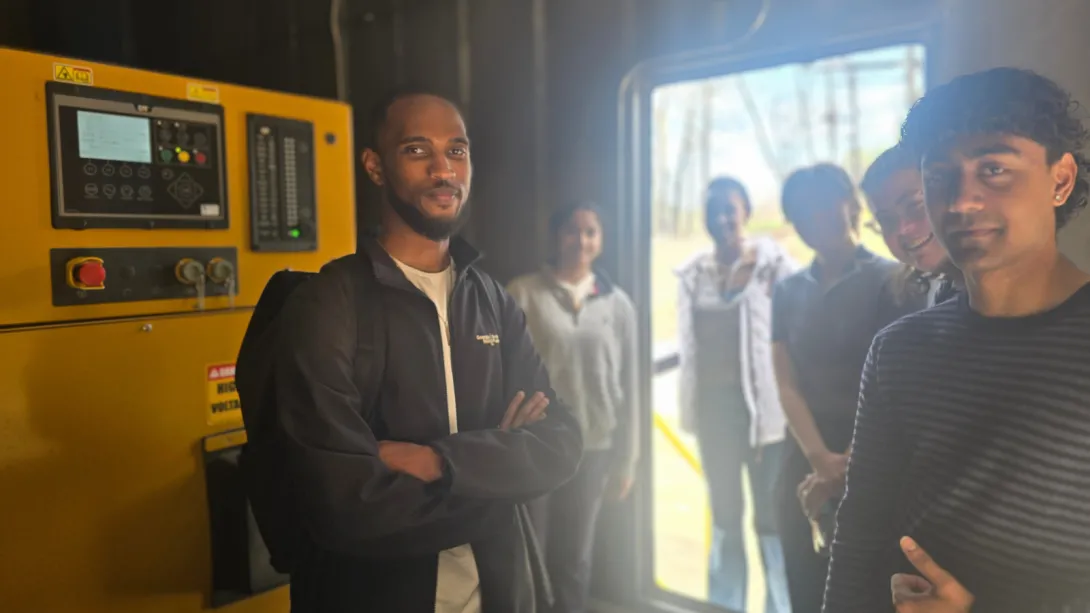
Students in the GROWER VIP on a site visit to Cobb EMC, a non-profit electric utility company, this spring.
Georgia Tech's new GROWER VIP is creating the country's most comprehensive real-time power outage tracker for research use. The database will help researchers explore questions about the causes and effects of power outages and how policy interventions can help strengthen grid resilience.
Why now?
This understanding is urgent in the wake of increasingly extreme climate change-driven weather events and natural disasters, as well as the federal government’s investment of more than $15 billion in grid modernization under the Inflation Reduction Act and Bipartisan Infrastructure Law.
The database will help researchers learn more about the causes of outages and their societal impacts, such as on housing prices, business activity, public health, and crime. It will also help them obtain greater insight into which communities experience the most frequent and longest outages and what can be done to help.
How does it work?
- Utility companies report real-time power outages, but the data is fractured across different service territories and states.
- Users can’t download data directly, making the information difficult to use for research and evaluation.
- Because of this, it's hard for researchers and agencies to understand the extent and scope of problems with the energy grid.
To address these challenges, the GROWER team developed algorithms and web scrapers. They use Amazon Web Services to crawl the utility websites every 15 minutes and collect the power outage data for many states in one place.
Who’s Involved?
The Grid Resilience, Outage, Weather, and Emergency Response (GROWER) Lab is a Vertically Integrated Project launched in 2024 by faculty and students in the Ivan Allen College of Liberal Arts and the College of Engineering.
Brian Y. An, an assistant professor in the School of Public Policy, and Constance Crozier, an assistant professor in the School of Industrial and Systems Engineering, lead the project alongside John Kim, the lab manager and a public policy Ph.D. student. The group includes 15 students in computer science, city and regional planning, business, public policy, and industrial systems and engineering programs.
What’s Next?
The GROWER team has already begun applying findings from the dataset to research questions.
They are writing a paper based on data showing that racial and ethnic minorities experience more frequent and longer power outages than other groups and have also begun examining the effects of power outages on crime and medical emergencies.
This summer, they will partner with the Oak Ridge National Laboratory to provide technical assistance to the Department of Energy Grid Deployment Office, which is the lead federal agency administering grid modernization grants.
“It is incredibly rewarding to connect with research groups in and out of Georgia Tech who share this vision with us,” An said. “We’re excited to conduct robust research that will inform real-word policy making across the country."
News Contact
Di Minardi
Ivan Allen College of Liberal Arts
May. 17, 2024
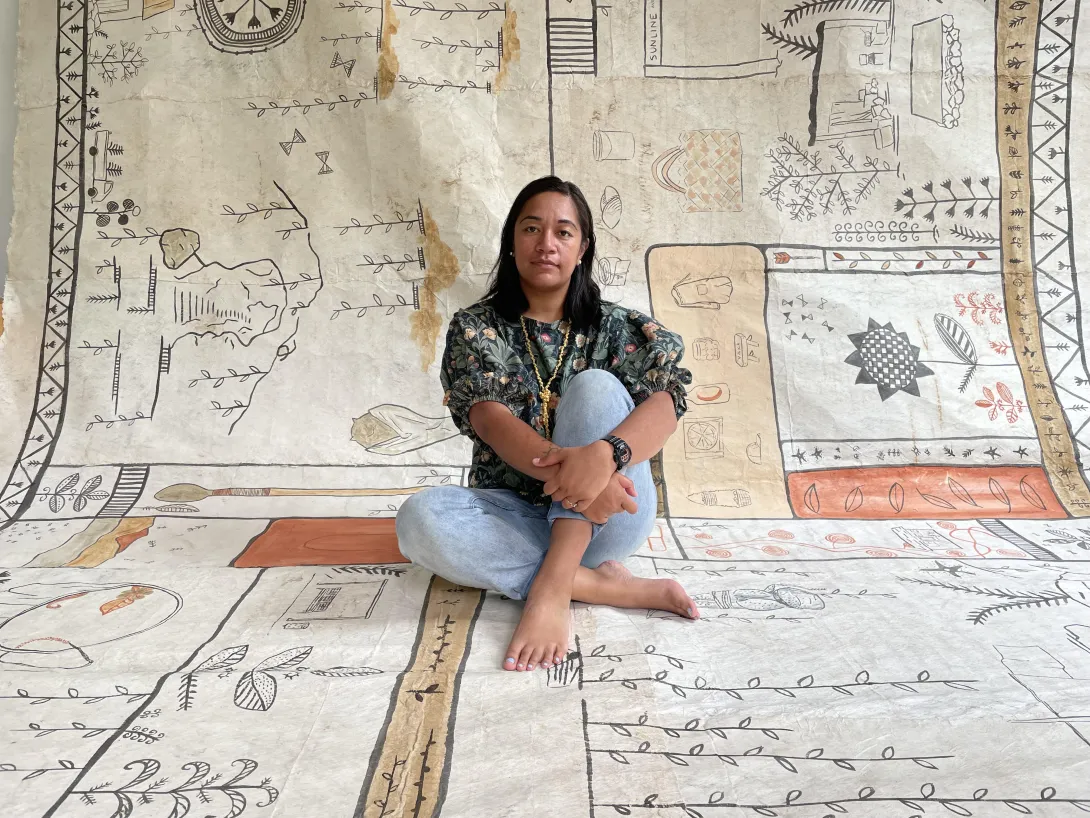
Artist Cora-Allan Lafaiki Twiss from New Zealand.
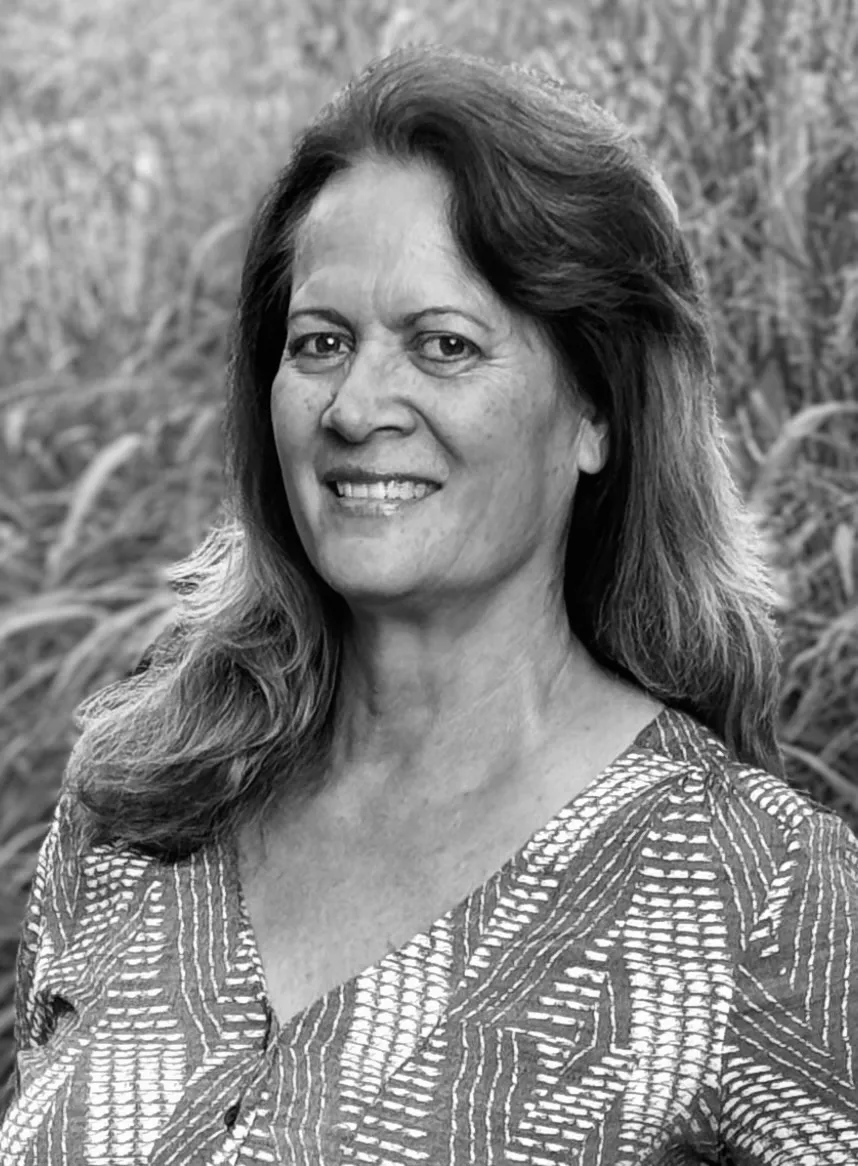
Artist Dalani Tanahy
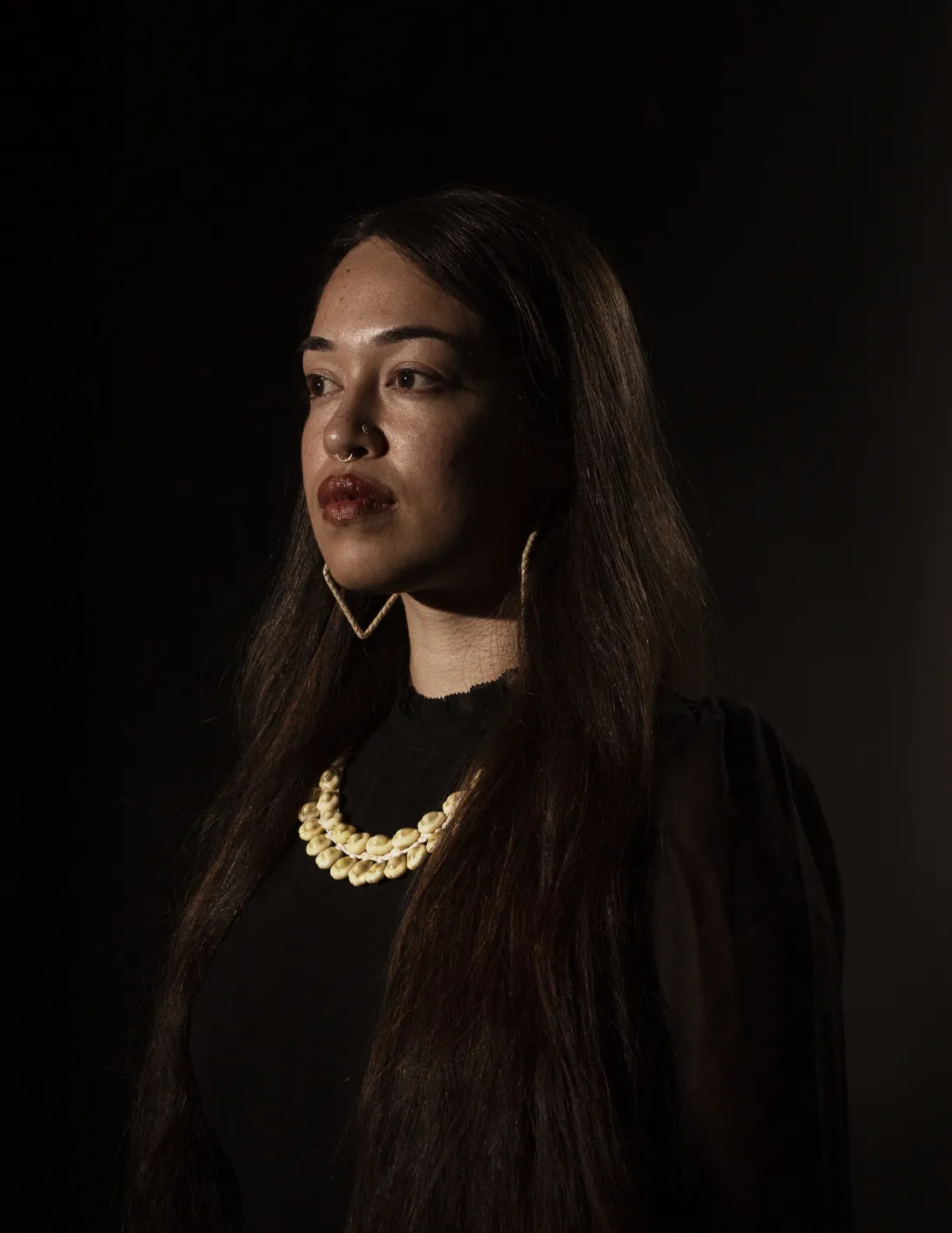
Lehuauakea - photo credit Leah Rose
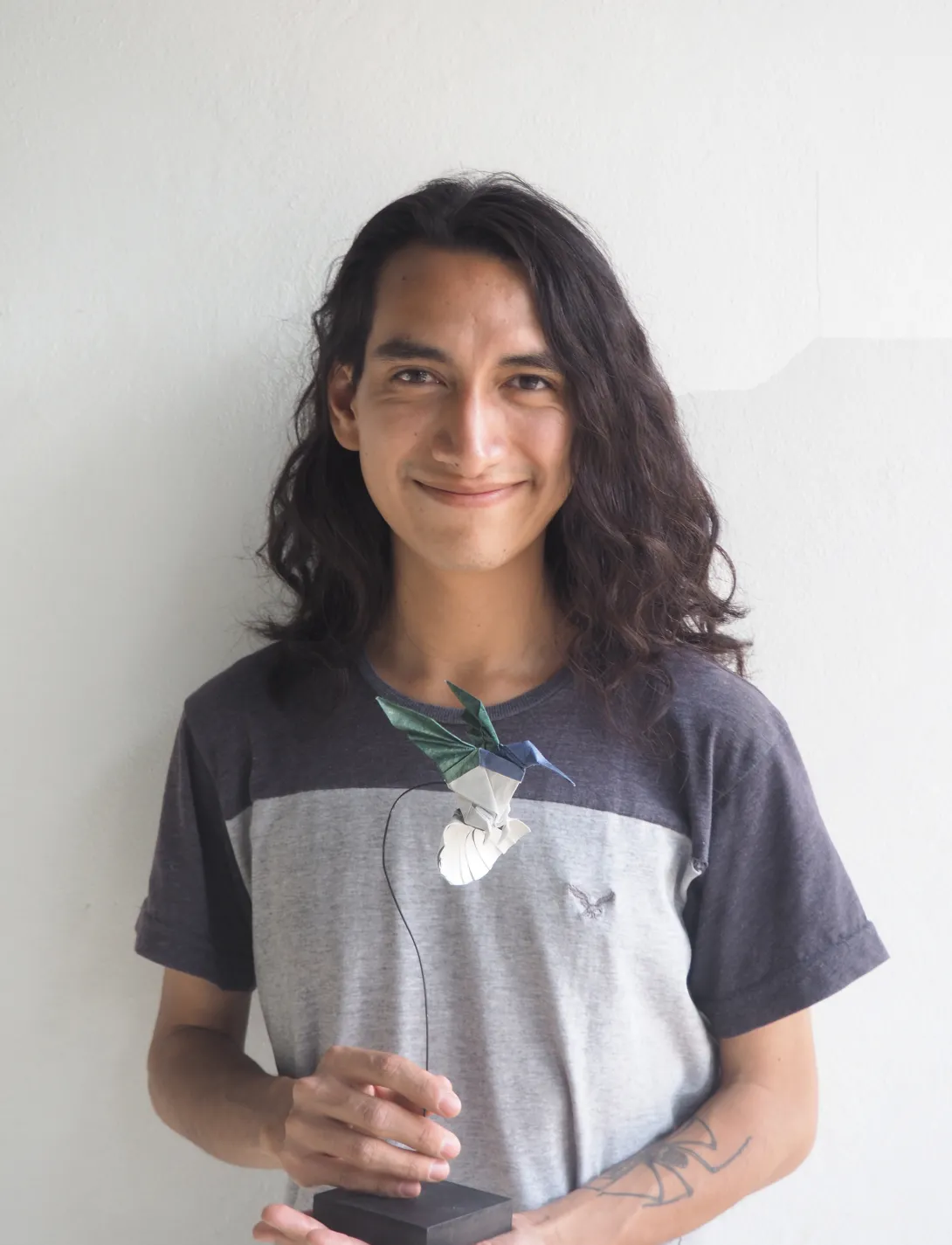
Artist Cekouat Elim Leon Peralta shows one of his works.
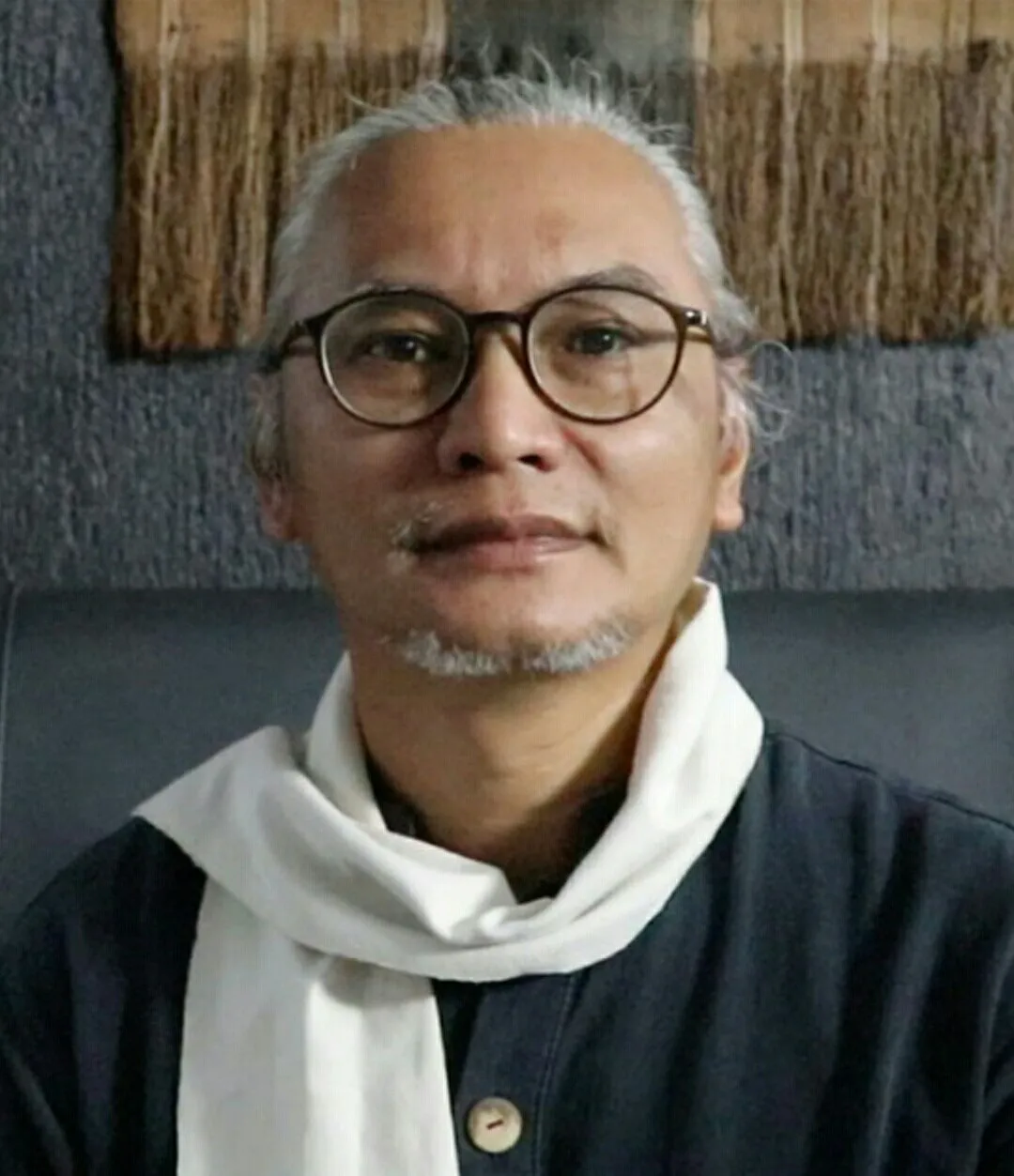
Artist Tedi Permadi
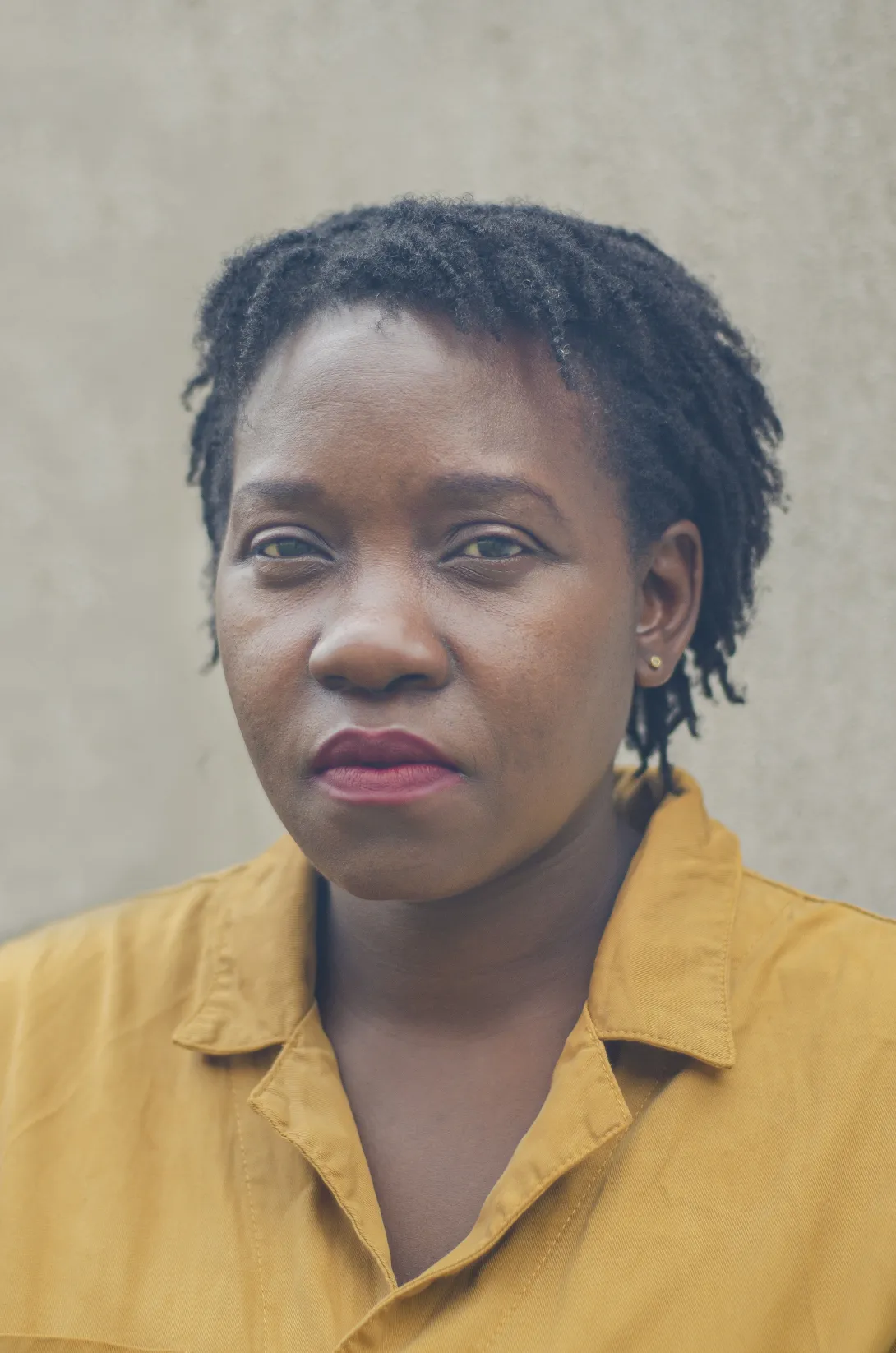
Image of Sheila Nakitende
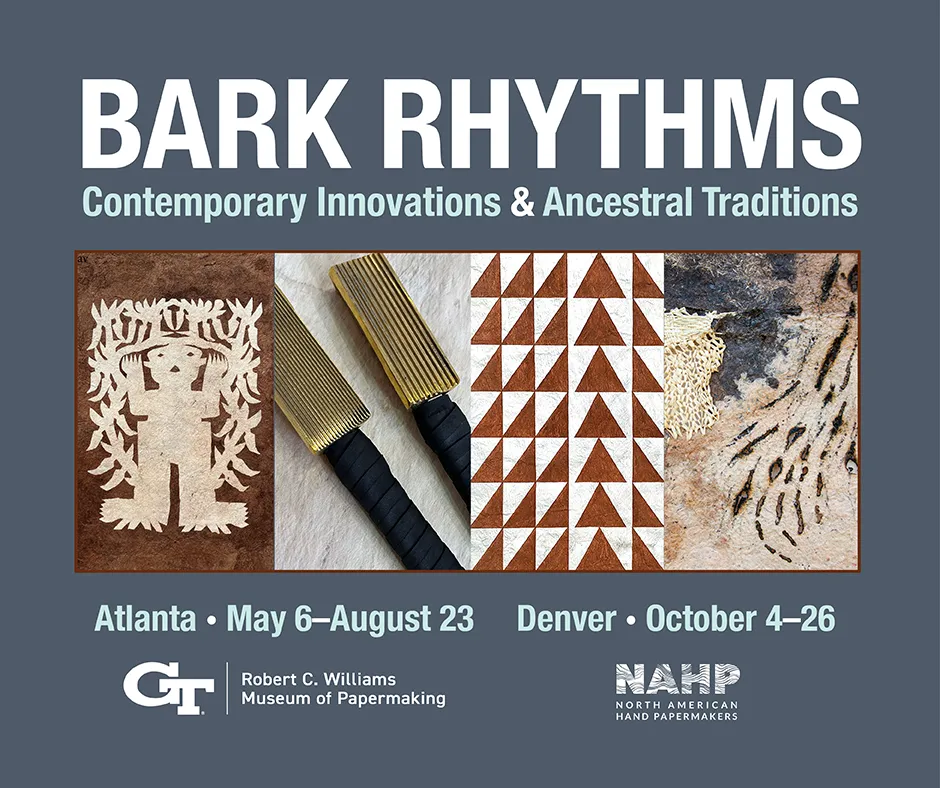
Bark Rhythms: Contemporary Innovations & Ancestral Traditions features historical examples of hand-beaten bark papers, barkcloth, and traditional beaters, paired with the work of contemporary artists from global communities who use bark fiber materials and techniques in innovative and unexpected ways.
The Paper Museum worked with Jill Powers and Lisa Miles to produce Bark Rhythms. The goal was to create an exhibit that showcased the ongoing practices of barkcloth and bark papers. Powers and Miles connected with artists around the world to develop an exhibit that is interesting and engaging, especially for people who have no experience with these materials. “One of the aspects emphasized by Bark Rhythms is that these practices are living— that the people who make bark paper and barkcloth are producing something that is important and relevant to the communities they are part of. That element really spoke to us as important to emphasize in an exhibit. Lisa and Jill wanted to ensure Bark Rhythms was as comprehensive as our space allowed,” says museum director Virginia Howell. The exhibit features contemporary artwork, but there are historic examples included throughout. In addition to artwork, the tools –beaters—used in production are prominently featured. This includes about a dozen wood beaters acquired by Dard Hunter in the first quarter of the 20th century.
In the world of handmade paper, the definition of paper has long venerated European and Asian traditions, which employ moulds to form sheets with macerated pulp. Bark paper and bark cloth are created by hand-beating the cooked or fermented inner bark of certain trees with a shaped stone, wood, or metal beating implement. Bark Rhythms seeks to elevate and honor Indigenous beaten bark fiber traditions that have been undervalued or excluded from exhibitions and scholarship within the field of papermaking and beyond. Highlighting the manifestation of ancient traditions into distinctive, contemporary art practices, this exhibition connects the dots between bark paper and barkcloth, and it shines a light on makers who maintain a deep respect for their materials, techniques, tools, and cultural origins. Although not comprehensive worldwide, Bark Rhythms focuses on bark paper and bark cloth traditions from Mexico, Hawaii, the Polynesian Islands, Indonesia, and Uganda, and marks the first time many of these artists have exhibited work in the United States.
Bark Rhythms opened at the Robert C. Williams Museum of Papermaking in Atlanta, Georgia, on May 6, 2024. A celebratory reception will be held on Thursday, July 11 from 4-7pm. Sponsored by North American Hand Papermakers and the Robert C. Williams Museum of Papermaking, Bark Rhythms is curated by papermakers Jill Powers and Lisa Miles as part of NAHP's second Guest Curated Exhibition Triennial.
Events
Wednesday, May 29 • Virtual talk: Sheila Nakitende & Tedi Permadi: Ugandan barkcloth, Indonesian Duluang bark paper
Tuesday, June 18 • Virtual talk: James Ojascastro & Cekouat Elim León Peralta : Bast fibers for bark paper & cloth, Papel amate from Mexico
Thursday, July 11 • Exhibit Reception 4-7pm
Wednesday, Aug 7 • Virtual talk: Lehuauakea, Dalani Tanahy, & Cora-Allan Lafaiki Twiss: Kapa bark cloth from Hawai‘i, Hiapo bark cloth from Niue
All events are free and open to the public. The virutal talks are held on Zoom. To register, visit the museum website (www.paper.gatech.edu) or email Anna.Doll@rbi.gatech.edu
Exhibiting Artists
Adnan Rusdi, Bobby Britnell, Cekouat Peralta, Cora-Allan Twiss, Dalani Tanahy, Enrique Chagoya, Faris Wibisono, Fred Mubuti, Gaal Cohen, Jennie Frederick, Lehuauakea, Maria Montaño Guerrero, Maribel Portela, Mufid Sururi, Sheila Nakitende, Tedi Permadi
About the Curators
Jill Powers is a paper and book artist, primarily working with hand cast and beaten bark fiber. Her art takes the form of sculpture, installation art, and book arts, and focuses on environmental themes. Powers has a graduate degree from Tyler School of Art in Philadelphia. She lives in Boulder Colorado, where she taught at Naropa University for 20 years, founding courses in 3D Ephemeral Media and Eco Art. Her work is in the Lieberman Collection and the RCW Museum of Papermaking, and many private and public collections. She has taught bark fiber courses at many places, including the Sitka Center for Art and Ecology in Oregon, the Honolulu Museum of Art in Hawaii, the Denver Botanical Gardens, and the Museo de las Americas.
Lisa Miles is a papermaker and book artist who creates one-of-a-kind, hand-beaten bark paperworks. Originally from New England, Miles is based in Santa Fe, New Mexico. She holds an MFA in Book Arts from the University of Iowa Center for the Book, a BFA in Graphic Design from the New England School of Art & Design, and an AA in Printmaking from the Santa Fe Community College. In 2016, she researched papel amate in Mexico, with the support of a University of Iowa Stanley Graduate Award for International Research. In 2017–2018, she received a Fulbright Arts Research grant for her project, “Bark Paper, Plant Dyes, and the Book Arts in Indonesia,” where she studied daluang bark paper in Java and fuya bark cloth in Sulawesi. In 2018, Miles was awarded the Holle Award for Excellence in Book Arts from the University of Alabama. Her work is held in public and private collections.
News Contact
Virginia Howell
404-894-5726
virginia.howell@rbi.gatech.edu
Apr. 23, 2024

The College of Sciences is funding two research centers through a new seed grant program.
Selected from a finalist pool of nine proposals, Associate Professors Yuanzhi Tang and Thackery Brown’s ideas were chosen for their high potential for novel interdisciplinary research and impact.
Tang’s center will focus on sustainable mineral research, and Brown’s on spatial computation and navigation. Applications for the research will span the development of more sustainable batteries, as well as seeking to improve human health and well-being.
“Improving the human condition, fostering community, and pursuing research excellence are at the forefront of Georgia Tech’s mission, and these new centers will play a critical role in furthering that goal,” says Laura Cadonati, associate dean for Research in the College of Sciences and a professor in the School of Physics. “The College of Sciences is thrilled to support these new initiatives, and is excited to continue to develop the seed grant program.”
A second call for research center proposals is planned for January 2025, with funding to start in July 2025.
The new Center for Sustainable and Decarbonized Critical Energy Mineral Solutions (CEMS), to be led by Yuanzhi Tang, an associate professor in the School of Earth and Atmospheric Sciences, will serve as a hub for sustainable procurement solutions for critical energy mineral resources, including rare earth elements and metals used for battery production.
Thackery Brown, an associate professor in the School of Psychology, will lead the second center, the Center for Research and Education in Navigation (CRaNE). CRaNE will investigate problems related to spatial computation, cognition, and navigation — which has implications for human health, animal conservation, smart architecture and urban design.
“This generous support from the College of Sciences will enable us to host a conference on spatial cognition, computation, design, and navigation; to provide collaborative multi-lab seed grants; and to establish the first of a series of explicitly co-mentored, interdisciplinary graduate student Fellowships,” Brown says. “Collectively, these are the seeds of a high-impact and self-sustaining center.”
About the Center for Sustainable and Decarbonized Critical Energy Mineral Solutions (CEMS)
Yuanzhi Tang, School of Earth and Atmospheric Sciences
Co-sponsored by the College of Sciences, Strategic Energy Institute (SEI), Brook Byers Institute for Sustainable Systems (BBISS), Institute for Electronics and Nanotechnology (IEN), and Institute for Materials (iMat), CEMS began as a joint BBISS-SEI initiative lead project that has since grown into a joint center focused on critical elements and materials for sustainable energy.
Sustainably sourcing these materials provides a critical foundation for both high-tech industry and green economy. “Rare earth elements and battery metals like lithium, copper, and nickel are in high demand, but low domestic resources and production have resulted in a heavy reliance on imports,” Tang explains. “How can we domestically produce these resources, and how can we do this sustainably?
Georgia Tech and the College of Sciences are at a unique position for developing a large regional research umbrella to connect these dots.”
CEMS will leverage on three key pillars: science and technology development, strengthening collaboration among the University System of Georgia (USG) universities, and developing regional resources and economy, Tang says. “By leveraging collaboration among Georgia universities, and fostering engagement with regional industries, the Center will develop new science and technology, leading the way in research on how to procure these ‘essential vitamins’ for clean energy transition in a sustainable and decarbonized manner.”
About the Center for Research and Education in Navigation (CRaNE)
Thackery Brown, School of Psychology
CRaNE will focus on solving problems related to spatial computation, cognition, and navigation. “How do we treat catastrophic loss of one’s ability to get from A to B in Alzheimer's disease? How do we build smarter cities that are easier and more carbon efficient to navigate? How can we develop robots,” Brown says, “which navigate with the flexibility and efficiency of our own minds? CRaNE will bring together experts from many different fields to help address these problems with truly creative and integrative scientific and technological solutions.”
CRaNE will support interdisciplinary collaborative research, including developing a graduate student fellowship program, and conducting K-12 outreach.
“Our goal for CRaNE is to position the College of Sciences, Georgia Tech, and our extended network of collaborator institutions as a center of gravity for cutting-edge work on how the mind, brain, and artificial systems process space — how they can be made better at it, and how we can engineer our world around us in ways that support the humans and animals that need to navigate it to survive,” Brown says.
Emphasizing the collaborative nature of CRaNE, Brown adds that “by targeting collaborative grants, research, and education, and by promoting outreach and education earlier in the STEM pipeline, we hope to accelerate progress at the frontiers of these fields — and to invest in future science that cannot be easily addressed by a single lab or discipline.”
News Contact
Written by Selena Langner
Contact:
Jess Hunt-Ralston
Director of Communications
College of Sciences
Georgia Tech
Apr. 22, 2024
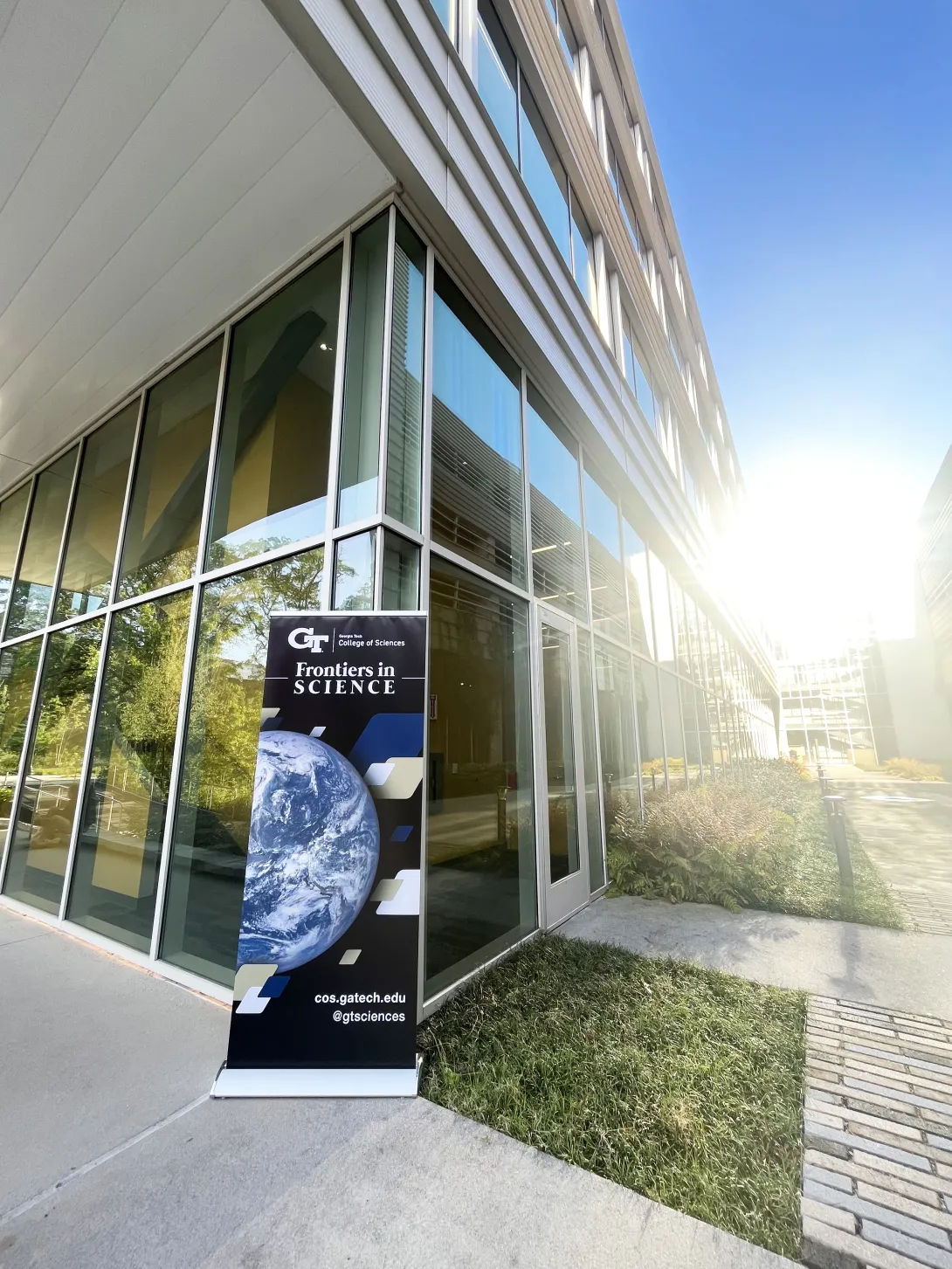
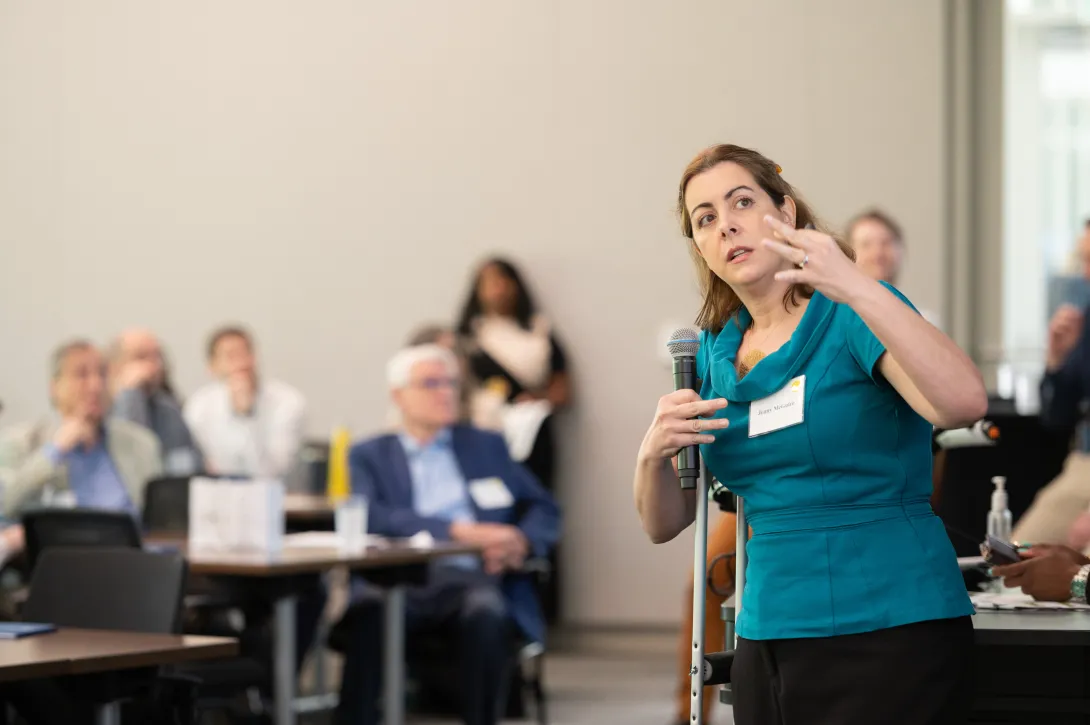
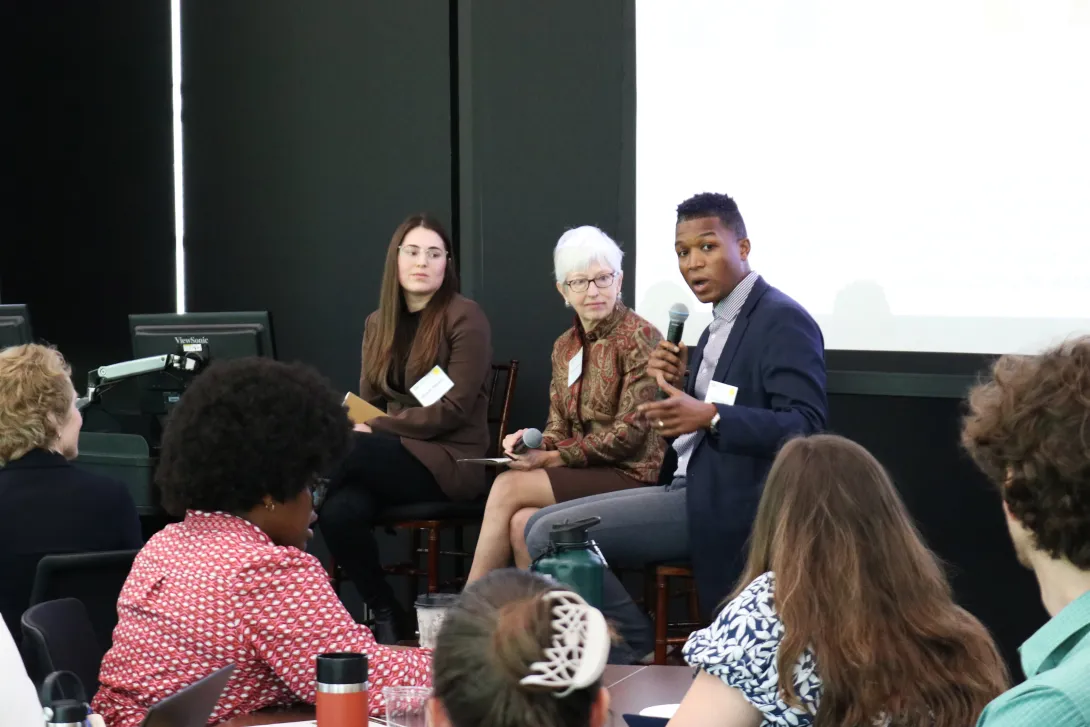
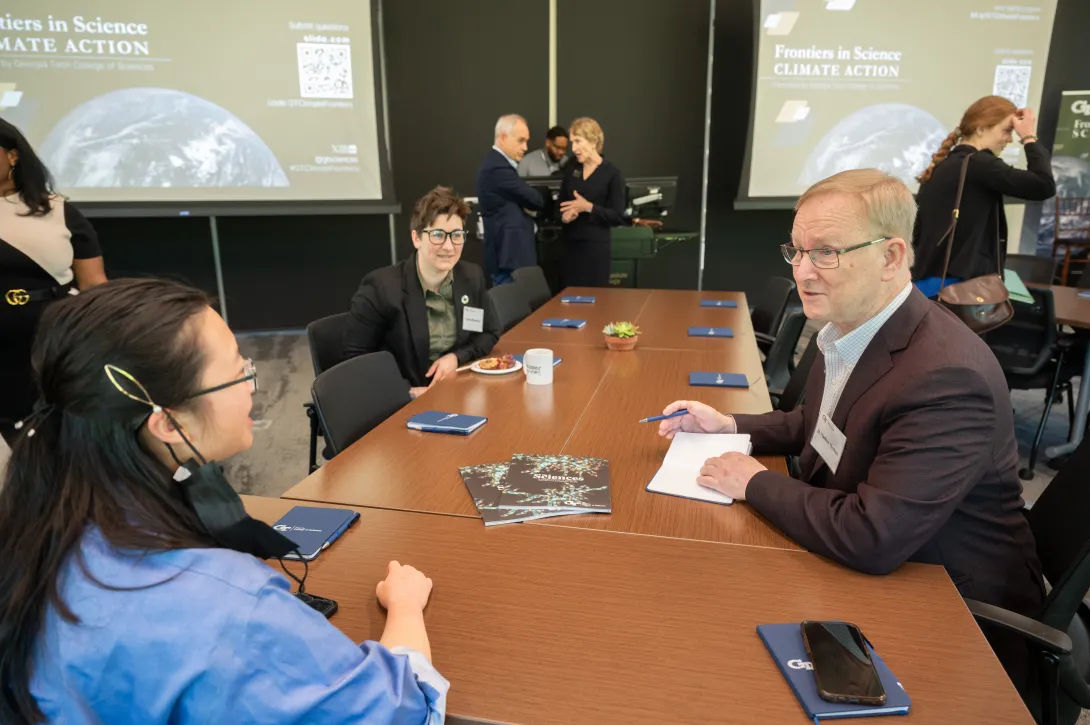
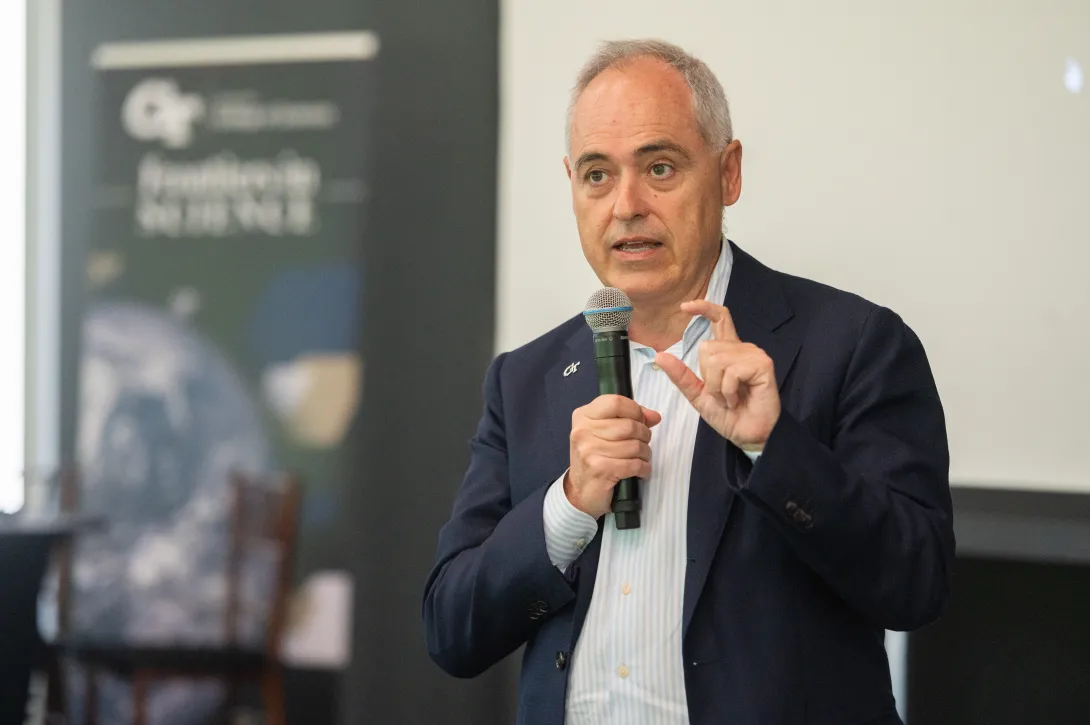
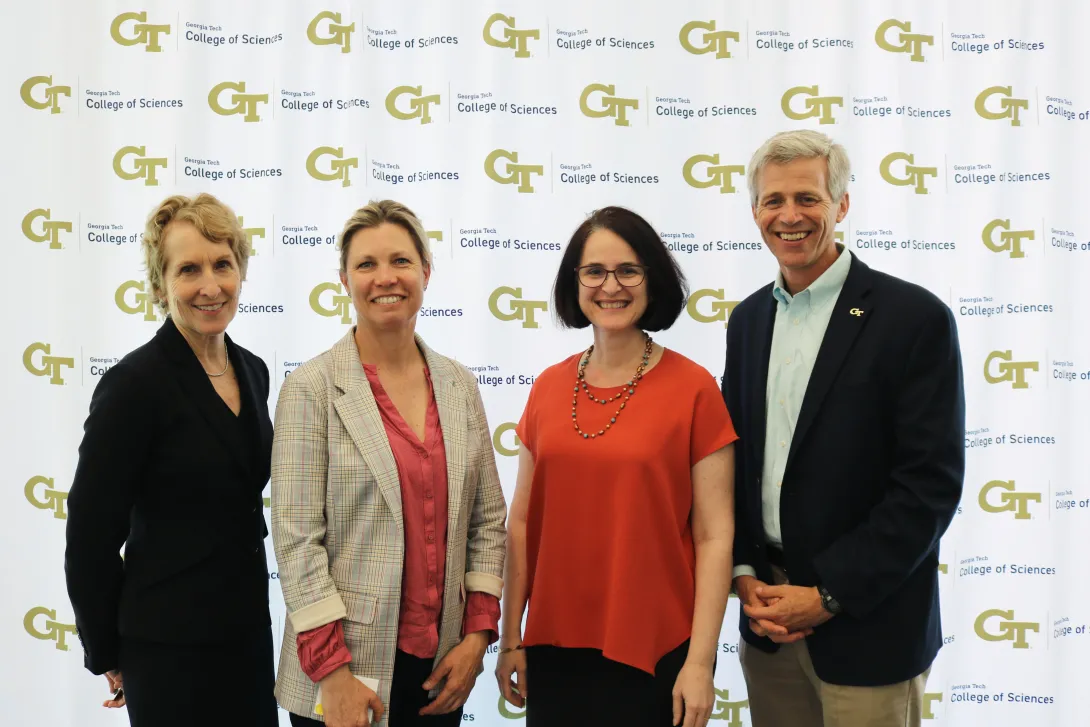
This Earth Month more than 100 campus and community stakeholders gathered near the Georgia Tech EcoCommons for the 2024 Frontiers in Science: Climate Action Conference and Symposium.
On April 18, the College of Sciences hosted more than 20 speakers and panelists from across the Institute and Atlanta community presenting groundbreaking research and discussing innovations and ideas in climate change, challenges, and solutions.
Georgia Tech President Ángel Cabrera (M.S. PSY 1993, Ph.D. PSY 1995) kicked off the morning sessions by highlighting the Institute’s new Climate Action Plan, which outlines the pathway to achieve net-zero emissions by 2050. Cabrera’s remarks focused on Georgia Tech’s role on the frontlines of research and education informing how we respond to climate challenges — and noted that the Institute’s work must extend beyond our laboratories and classrooms.
“It is essential that we not only do the science, but that we also tell that science to the world,” Cabrera says.
Interdisciplinary inquiry
This year, Frontiers in Science featured an array of climate research and initiatives led by the College of Sciences, fellow colleges across Georgia Tech, and the wider Atlanta community.
Following a three-year hiatus of the Frontiers series, the 2024 edition re-envisioned the signature annual event as a research conference and symposium to convene campus experts — and to incubate seed grant proposals to support the work of early career faculty.
Frontiers previously hosted Nobel laureates and invited thought leaders for individual talks across the College’s six schools, and celebrated milestones like the International Year of the Periodic Table of the Chemical Elements.
“This year, we wanted to showcase what we are doing right here in the College of Sciences and throughout the Institute,” says Susan Lozier, dean of the College of Sciences, Betsy Middleton and John Clark Sutherland Chair and professor in the School of Earth and Atmospheric Sciences. “Our faculty are at the forefront of broadening our knowledgebase and uncovering solutions in areas critical to the planet and our well-being. We wanted to uplift that work and see what sort of connections could be made.”
Connections and collaboration were key themes of the day as faculty, staff, students, and alumni participants representing all six Georgia Tech colleges shared research results and ongoing work and discussed collaborative ideas for horizons ahead.
“Scientists alone cannot [create accurate models],” noted Annalisa Bracco, professor in the School of Earth and Atmospheric Sciences and associate chair for Research, who shared her own research alongside Lozier, who presented a version of her 2024 TED Talk on ocean overturning. “Engineers alone cannot do it. We need social scientists, policy makers, communicators.”
The importance of an interdisciplinary approach was reinforced by the Strategic Energy Institute at Georgia Tech (SEI) and Brook Byers Institute for Sustainable Systems (BBISS), which announced an interdisciplinary seed grant funding opportunity for assistant professors with ideas for new climate solutions.
Frontiers in focus
Across three themed sessions, faculty and leadership from the Colleges of Sciences, Engineering, and Design spearheaded talks on the ocean and cryosphere, biodiversity, carbon cycling, coastal wetlands, biofuels production, and beyond.
Panels on climate challenges across community, technological, and policy initiatives were hosted by Georgia Tech Vice President for Interdisciplinary Research and Professor in the School of Biological Sciences and the School of Chemistry and Biochemistry Julia Kubanek.
Following a networking lunch with climate table topics, Georgia Tech Executive Vice President for Research and Professor in the School of Electrical and Computer Engineering Chaouki T. Abdallah (M.S. ECE 1982, Ph.D. ECE 1988) kicked off the afternoon sessions — which also announced the scholarship recipients of a student video competition and featured videos with a pair of alumnae working in meteorology, climate research, and policy.
Afternoon highlights also included discussions on the Georgia Tech Climate Action Plan and Sustainability Next initiative, led by Jennifer Chirico (B.S. MGMT 1997, Ph.D. PUBP 2011), associate vice president of Sustainability for Georgia Tech Infrastructure and Sustainability, and Jennifer Leavey (B.S. CHEM 1995), assistant dean for Faculty Mentoring in the College of Sciences and interim assistant director for Interdisciplinary Education in the Brook Byers Institute for Sustainable Systems.
Although many of the presentations provided a stern outlook of the state of our ecosystems, the conference concluded with a sense of hope. This optimism was grounded in the range of opportunities that exist to address climate challenges — thanks, in part, to the body of knowledge and solutions being tested and explored by Georgia Tech researchers.
At the end of the day, Katie Griffin, a first year undergraduate student in Environmental Science, read Amanda Gorman’s poem Earthrise and provided this reminder:
All of us bring light to exciting solutions never tried before
For it is our hope that implores us, at our uncompromising core,
To keep rising up for an earth more than worth fighting for.
Experience the event in pictures with the College of Sciences’ Flickr account, and discover the highlights through the day’s live tweets on College of Sciences’ X account.
News Contact
By: Lindsay Vidal
Jess Hunt-Ralston
Director of Communications
College of Sciences at Georgia Tech
Apr. 22, 2024
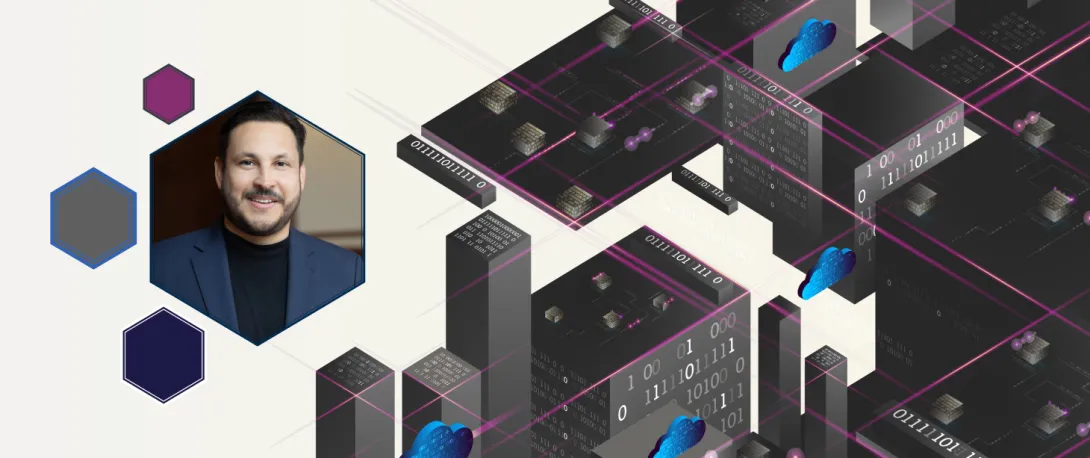
Omar Asensio is Associate Professor at Georgia Institute of Technology and Climate Fellow, Harvard Business School
With new vehicle models being developed by major brands and a growing supply chain, the electric vehicle (EV) revolution seems well underway. But, as consumer purchases of EVs have slowed, car makers have backtracked on planned EV manufacturing investments. A major roadblock to wider EV adoption remains the lack of a fully realized charging infrastructure. At just under 51,000 public charging stations nationwide, and sizeable gaps between urban and rural areas, this inconsistency is a major driver of buyer hesitance.
How do we understand, at a large scale, ways to make it easier for consumers to have confidence in public infrastructure? That is a major issue holding back electrification for many consumer segments.
- Omar Asensio, Associate Professor at Georgia Institute of Technology and Climate Fellow, Harvard Business School | Director, Data Science & Policy Lab
Omar Asensio, associate professor in the School of Public Policy and director of the Data Science and Policy Lab at the Georgia Institute of Technology, and his team have been working to solve this trust issue using the Microsoft CloudHub partnership resources. Asensio is also currently a visiting fellow with the Institute for the Study of Business in Global Society at the Harvard Business School.
The CloudHub partnership gave the Asensio team access to Microsoft’s Azure OpenAI to sift through vast amounts of data collected from different sources to identify relevant connections. Asensio’s team needed to know if AI could understand purchaser sentiment as negative within a population with an internal lingo outside of the general consumer population. Early results yielded little. The team then used specific example data collected from EV enthusiasts to train the AI for a sentiment classification accuracy that now exceeds that of human experts and data parsed from government-funded surveys.
The use of trained AI promises to expedite industry response to consumer sentiment at a much lower cost than previously possible. “What we’re doing with Azure is a lot more scalable,” Asensio said. “We hit a button, and within five to 10 minutes, we had classified all the U.S. data. Then I had my students look at performance in Europe, with urban and non-urban areas. Most recently, we aggregated evidence of stations across East and Southeast Asia, and we used machine learning to translate the data in 72 detected languages.”
We are excited to see how access to compute and AI models is accelerating research and having an impact on important societal issues. Omar's research sheds new light on the gaps in electric vehicle infrastructure and AI enables them to effectively scale their analysis not only in the U.S. but globally.
- Elizabeth Bruce, Director, Technology for Fundamental Rights, Microsoft
Asensio's pioneering work illustrates the interdisciplinary nature of today’s research environment, from machine learning models predicting problems to assisting in improving EV infrastructure. The team is planning on applying the technique to datasets next, to address access concerns and reduce the number of “charging deserts.” The findings could lead to the creation of policies that help in the adoption of EVs in infrastructure-lacking regions for a true automotive electrification revolution and long-term environmental sustainability in the U.S.
- Christa M. Ernst
Source Paper: Reliability of electric vehicle charging infrastructure: A cross-lingual deep learning approach - ScienceDirect
News Contact
Christa M. Ernst
Research Communications Program Manager
Topic Expertise: Robotics | Data Sciences| Semiconductor Design & Fab
Research @ the Georgia Institute of Technology
christa.ernst@research.gatech.edu
Apr. 11, 2024
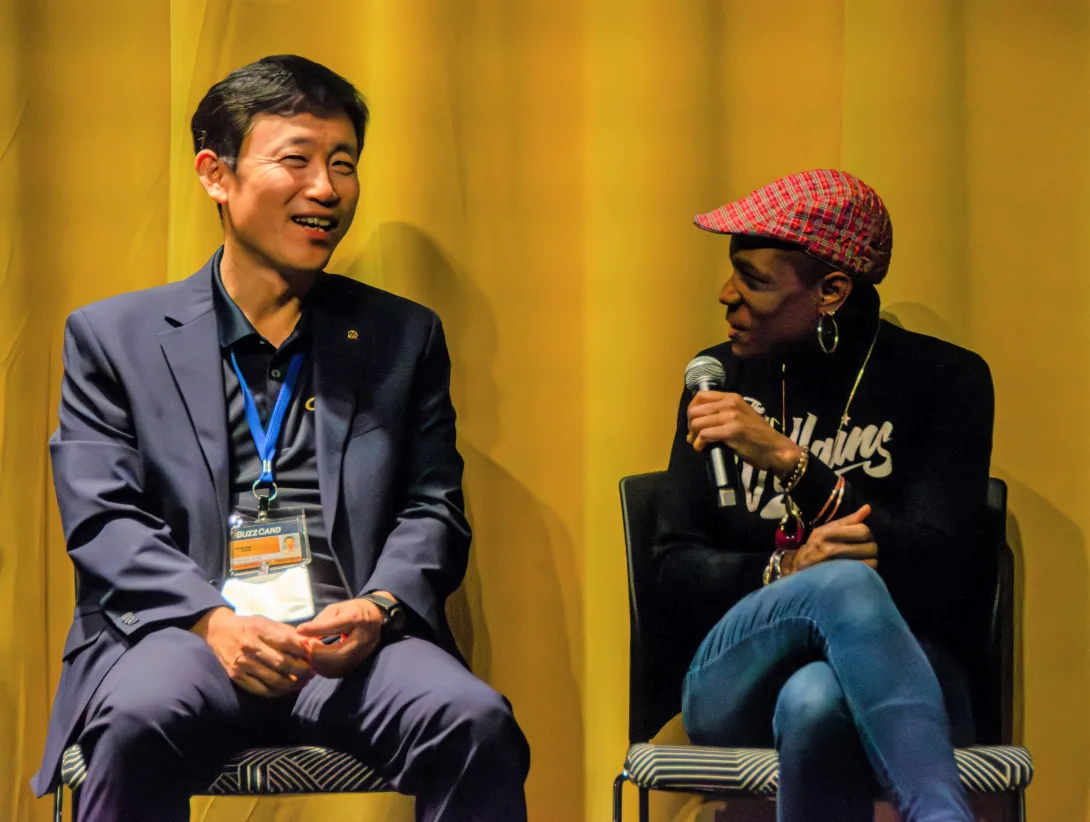
Faculty Fellow Sofia Perez-Guzman (third from right) joins SCoRE staff on a site visit to the ArtsXchange in East Point to explore mutual interests related to community resiliency (April 5, 2024)
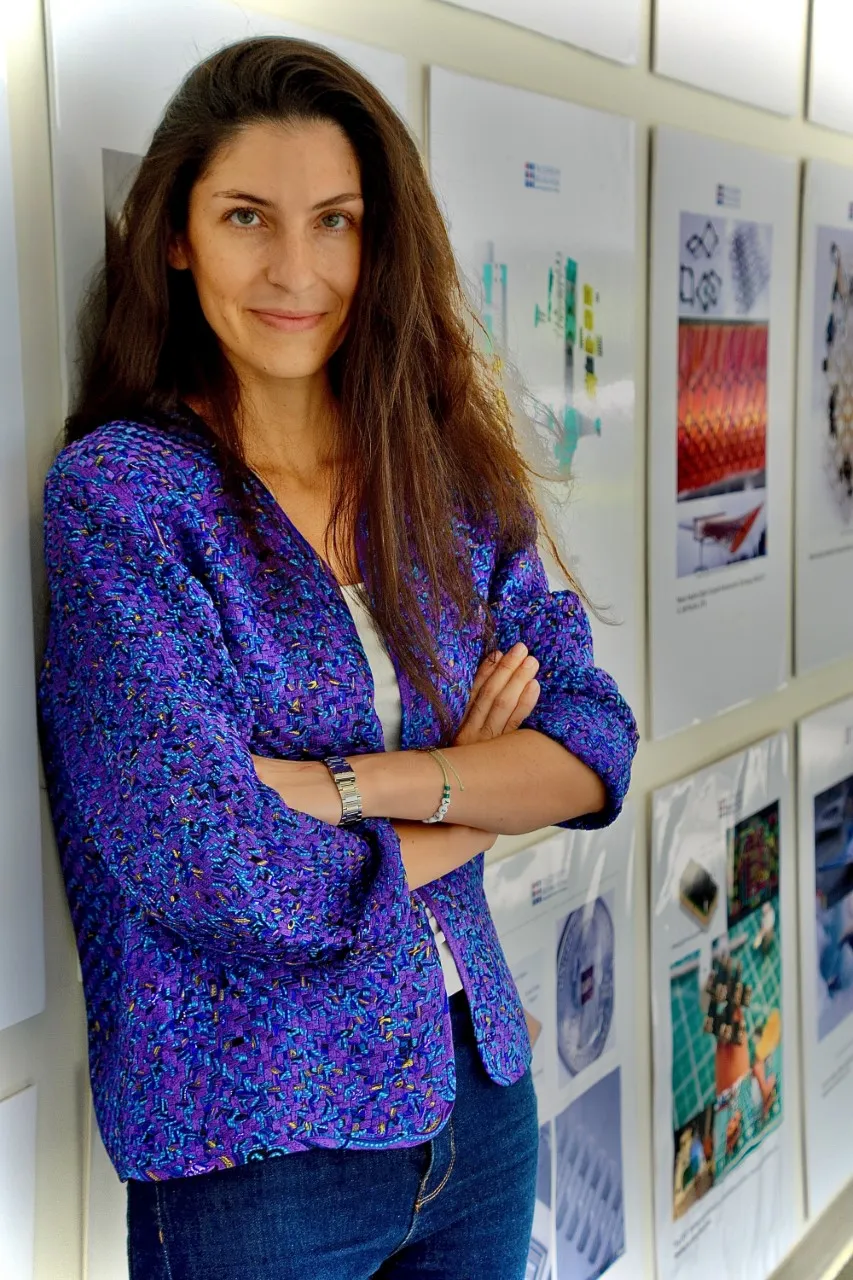
Jung-ho (John) Lewe (left) of the Georgia Tech Aerospace Systems Design Laboratory at Georgia Tech and Erica Holloman-Hill (right), a SCoRE adviser and chief envisioning officer/chief scientific officer of Ayika Solutions, a family-run environmental consulting firm that uplifts community-based climate change strategies, discuss their new partnership at the Georgia Tech Sustainability Showcase (March 2024) in a panel focused on community-engaged research, curated by the Faculty Fellows Program.
The Center for Sustainable Communities Research and Education (SCoRE — formerly SLS), in collaboration with the Strategic Energy Institute (SEI), the Brook Byers Institute for Sustainable Systems (BBISS), the Renewable Bioproducts Institute (RBI), and the Social Equity and Environmental Engineering Lab (SEEEL), launched the Energy Equity, Environmental Justice, and Community Engagement Faculty Fellows Program in November 2023. In this program, Georgia Tech faculty learn how to work with communities, bringing together their academic knowledge and the local expertise of communities that has been developed through lived experience and long-standing social action.
The inaugural fellows include 24 Georgia Tech faculty from five Colleges, as well as a faculty colleague from Georgia Gwinnett College and a partner from the Southeast Energy Efficiency Alliance, who are building relationships with each other and with community partners in the areas of energy equity and environmental justice. Since the launch, they have engaged in a wide array of events, including community benefit and development workshops, site visits to community-based organizations across the Atlanta region, and university-community gatherings and symposia.
The program is expected to result in both collective and individual deliverables. Collective deliverables include the development of network mapping tools to facilitate collaborations inside and outside Georgia Tech, a set of principles for conducting community-engaged research, a reflective essay on faculty training for community-engaged research, and ideas for future activities to facilitate university-community and interdisciplinary team formation. Fellows individually determine their deliverables, which run the gamut from exploring partnerships for a specific research project to writing a societal impact statement for a tenure package.
More broadly, the program aims to grow Georgia Tech’s collaborative expertise in community-engaged research by forming a supportive network of faculty interested in community-engaged sustainability research and education.
Faculty Affiliate: Patritsia Stathatou, Research Scientist, Renewable Bioproducts Institute, Georgia Tech
Sustainable energy sources and environmental justice go hand in hand. Although such technologies aim to minimize environmental impacts of modern societies, without considering issues of environmental justice and energy equity, these solutions can inadvertently perpetuate disparities by disproportionately benefiting certain communities while harming others. Bridging the gap between technological advancements and community benefits is paramount to creating an equitable energy future for all.
This program provides a unique opportunity to explore these interconnections, enhancing my knowledge in integrating community values and concerns into my research on alternative fuels and renewable energy sources. I am particularly excited about the hands-on approach of the program, which emphasizes listening sessions and workshops, allowing fellows to gain direct insights from various stakeholders. I hope that, through active participation in these sessions, I can further my understanding of the challenges faced by local communities and incorporate these insights into actionable solutions in my research.
In my project, I'm in a group crafting a reflective essay about our experiences with Community Engaged Research training. Our goal is to translate the insights gained from this pilot program into a publishable piece. Additionally, I'm acquiring valuable insights into the development of Broader Impact Statements and Community Benefits Plans, crucial parts of proposals for securing federal funding from NSF and DoE, respectively.
Faculty Affiliate: Sofia Perez-Guzman, Assistant Professor, School of Civil and Environmental Engineering, Georgia Tech
The fellowship program has been a fantastic experience. I never imagined how much I would learn from this program about properly engaging with communities. As researchers, we might think we want to hear the needs that communities face to provide them with solutions. That is different than the way community-driven research should work. I’ve learned that researchers need to gain the communities’ trust, be present and participate in their events, and, more importantly, work at their pace and for their interests rather than push our research agendas for our professional benefit. I know there is still a lot more I must continue learning, but what I’ve learned so far has been an eye-opener that is making me rethink how to approach my research and its social aspect.
My project focuses on the social performance of supply chains, and I am seeking to put more emphasis on the “social” part of my research by making it more community-driven. That is why I applied for the fellowship. I am advancing two current projects as part of the fellowship. One relates to increasing food accessibility to vulnerable populations via community-driven freight transportation solutions. I want to bring food closer to people and do it by co-designing solutions with the communities. The second project relates to forming a team to pursue research on enhancing community resilience to extreme weather events for the mobility of people and goods. The fellowship and a Sustainability Next seed grant from BBISS are helping me move forward with this project.
News Contact
Priya Devarajan
Research Communications Program Manager || SEI | RBI
Apr. 04, 2024
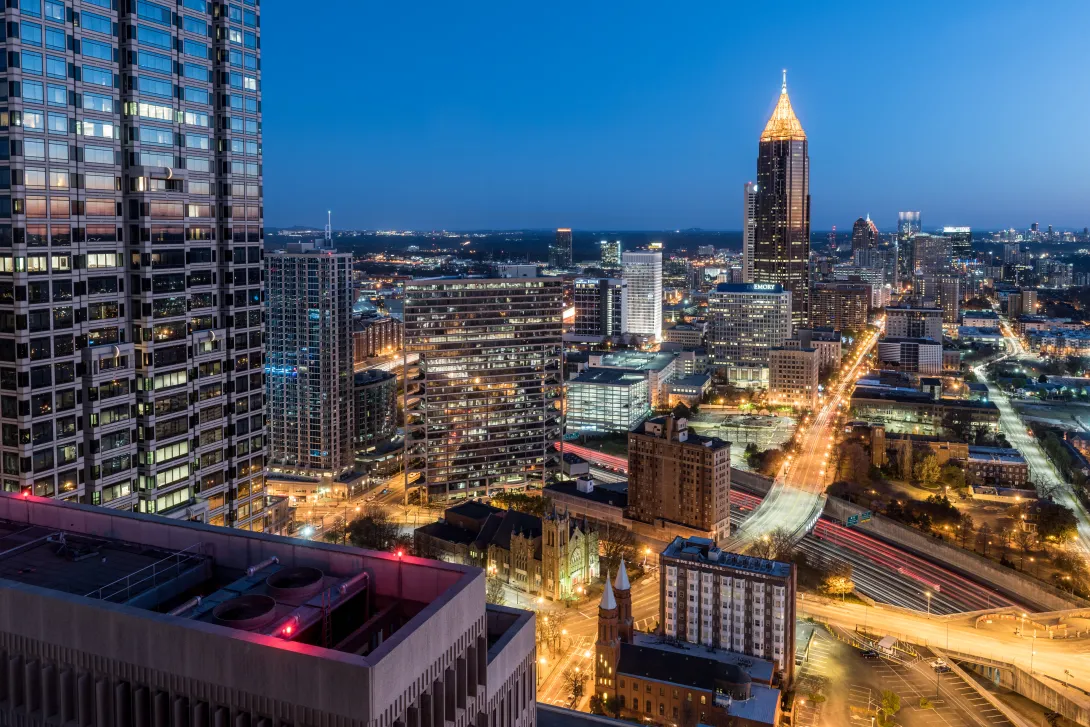
Continued growth will transform metro Atlanta, and the Atlanta Regional Commission (ARC) projects 1.8 million new residents across the 21-county region by 2050.
The increase would bring the regional population to 7.9 million, but to accommodate that growth, Georgia Tech experts say improvements in the housing, transportation, and labor markets must be made.
Housing
The five-county core around Atlanta — Fulton, Gwinnett, Cobb, DeKalb, and Clayton — will account for nearly half of the new residents and continues to grow. Gregory Randolph, an assistant professor in Georgia Tech’s School of City and Regional Planning, says the region must start by reexamining its approach to urbanism as new census data shows Atlanta has become the sixth most-populated metro area in the country.
"For the second half of the 20th century, little of the population growth in metro Atlanta was happening in the City of Atlanta, but that has changed over the past two decades. With the urban core growing, we have an opportunity. to pursue a different kind of urban form that is higher density and more walkable. A lot of the recent growth in Atlanta is adding density without necessarily improving the quality of urbanism.”
He explains that, especially in downtown Atlanta, retrofitting existing properties will play a key role in transforming neighborhoods through the replacement of "lower-value infrastructure," such as surface parking lots, with higher-density housing. In a post-pandemic environment, the conversion of office space to mixed-use properties is emerging as a strategy in urban areas like Atlanta.
A 2023 report identified the need for 391,878 housing units within the five-county core at the current population level. Mike Dobbins, professor of the practice in the School of City and Regional Planning, credits efforts made by the mayor's office and nonprofit organizations such as the Urban Land Institute to increase availability.
"We're living in a situation where housing values are too high because big money investors are bidding up real estate prices throughout the region. Even nationally, it's double the rate of wage increases. The biggest question is how can we bring down housing costs,” he said.
Randolph and Dobbins agree that addressing Atlanta’s housing needs is more complicated than simply adding supply.
“Our priority must be building housing that is affordable to low- and middle-income households, and in a way that promotes mixed-income, walkable neighborhoods with equitable, car-free access to amenities like parks, schools, and community-serving retail,” Randolph said.
Labor
Along with population growth, the region will add an estimated 856,000 jobs, with significant gains in healthcare, technology, and waste management. To maintain a labor force that can fill the jobs of the future, Dobbins stresses that continued investment in K-12 education, especially in traditionally underserved communities, is vital to accommodate new growth and overcome existing challenges of inequity.
Atlanta has the highest income inequality in the nation. According to the Atlanta Wealth Building Initiative, the average white family’s median income is $83,722 compared to $28,105 for Black families and $43,110 for Latino families. That gap widens when examining wealth, which for white households is 46 times higher than that of Black households in Atlanta.
The ARC study notes that "virtually all the net growth will come from racial and ethnic minority groups.” Randolph points to policy as a necessary tool in improving workforce development for current and future residents to support equitable and inclusive growth across the region. He adds that institutions like Georgia Tech can play a role in expanding access to the advanced degrees often needed to fill the jobs created by the city’s emerging status as a technology hub, with an emphasis on ensuring access to these degrees among historically disadvantaged groups in the city.
Transportation
The other 900,000 projected new residents will reside among the remaining 16 counties in the Atlanta region. The ARC predicts the most rapid growth in Forsyth, Barrow, Paulding, Cherokee, Walton, and Coweta, and the need for affordable housing will extend to the surrounding counties, as will the need to travel throughout the region.
Ryan Gravel, the Georgia Tech alumnus and mind behind the Atlanta BeltLine, says transit improvements are needed to ensure each county is connected to Atlanta’s city center.
“We haven't made a substantial new transit investment since 2000,” he said. “Meanwhile, the region has grown substantially since then. We haven't been laying the foundation for that future growth, which means it will come in ways that we don't want: more traffic, more congestion, and more inequities in communities of color.”
Gravel, founder of the consulting firm Sixpitch, rejects adding lanes to existing highways, saying that strategic improvements to MARTA — the rail system constructed in 1979 — will reduce traffic while allowing residents to live outside of the five-county core.
“As the saying goes, the best time to plant a tree is 20 years ago,” he said. “The second-best time is now. We didn’t do it 20 years ago, but we could start now.”
In his 2024 State of the City address, Dickens announced plans to construct a new MARTA rail station on the Southside at the Murphy Crossing redevelopment project site, connecting the system to Beltline for the first time. The mayor revealed preliminary plans to add three infill MARTA stations throughout the city, however, specific locations were not announced.
Plans to add a portion of the light-rail system around the BetlLine are currently under review, with construction on the Streetcar East expansion project — extending Atlanta Streetcar service from downtown Atlanta to Ponce de Leon Avenue — projected to begin construction in 2025 and begin service in 2029. In 2025, the MARTA Rapid Summerhill project will begin service from downtown to Capitol Gateway, Summerhill, Peoplestown, and the BeltLine through dedicated bus lanes with transit signal priority to bypass traffic.
A “Beloved Community”
The Atlanta region’s transformation will not happen overnight, but anchor institutions like Georgia Tech can contribute along the way. Randolph sees current plans to revitalize portions of the city’s Westside as an example of how neighborhoods can be revitalized for current residents while simultaneously building with future growth in mind.
“It’s important that we continue to play a positive role in not just physically developing the Westside but also thinking about how we can strengthen the economy of Westside neighborhoods through our own procurement and purchasing practices. It's an example of how Georgia Tech, as an engine of economic development, can play a positive role in propelling that growth while ensuring that the growth is inclusive.” Randolph said.
The solutions to the ARC’s projected growth will not be cheap or easily attained, but as Gravel points out, it’s an opportunity for Atlanta to honor its past as it marches toward its future, aspiring to Martin Luther King Jr.’s idea of the beloved community.
“The prosperity of the metropolitan region stands on the shoulders of the Civil Rights Movement,” he said. “If that's who we are when we're at our best, then we should use that as a model for how we move forward. How we accommodate that future change should be based on decisions to ensure that this place is a place for everyone.”
News Contact
Steven Gagliano - Institute Communications