
Dec. 05, 2023
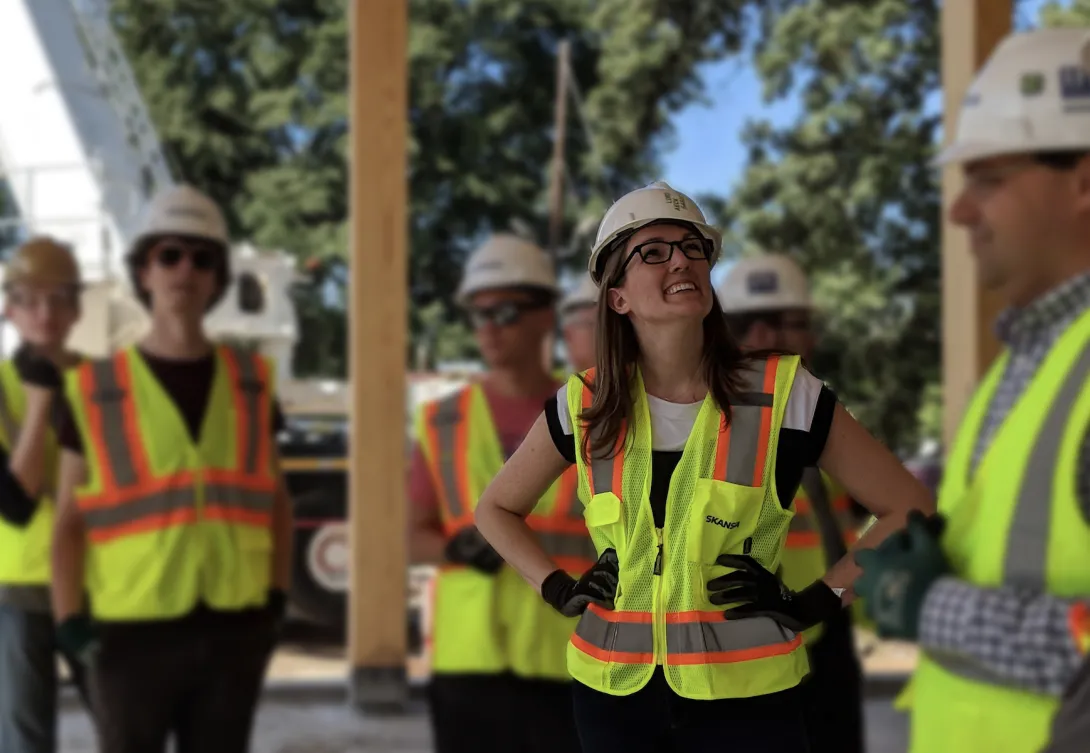
When Amy Stone first arrived on the Georgia Tech campus in 2006 to pursue a bachelor's degree in architecture, she was in awe of her surroundings. Seventeen years later, the soon-to-be triple Jacket and mother of three leaves behind her own stamp on the Institute's future.
When Amy Stone first arrived on the Georgia Tech campus in 2006 to pursue a bachelor's degree in architecture, she was in awe of her surroundings. Seventeen years later, the soon-to-be triple Jacket and mother of three leaves behind her own stamp on the Institute's future.
While she didn't realize how much time she'd spend at Tech after arriving as a transfer student, Stone knew instantly that she had found a home here.
"I remember driving up to Georgia Tech and just being wowed by the beauty of the campus and its history and feeling like this place was special,” she said. “This green urban campus in the middle of a city has so much to offer. I kept coming back for the quality of the education, and I love to see how the campus has gotten more beautiful, advanced, and innovative by improving upon itself."
Among the transformative projects completed during Stone's time on campus is The Kendeda Building for Innovative and Sustainable Design — a building she had a hand in designing as a member of the project team.
"It's such an honor as a student to be able to put my own thumbprint on this campus that has given me so much. I'm so proud of the outcome and that it can be used as an example, as a learning lab, and an educational opportunity to show this is what sustainability looks like," she said.
As construction crews continue their work on the early stages of Tech Square Phase 3, Stone sees another dream project come to fruition, having worked on the concept phase of the high-rise towers. The Scheller and George Towers will add more than 400,000 square feet of new space for research and collaboration and, to Stone, signify an ongoing commitment to the Institute putting its mission statement into action.
"There is something so ambitious and beautiful about this project, continuing to connect a green, urban campus to these dense buildings that are reaching up and stating to the skyline, 'We are Georgia Tech,'" she said of the towers, which are expected to be completed in 2026.
Stone has seen the campus grow through the years alongside her growing family, which now includes three kids. After completing her first degree, she and her husband, Lorrin, welcomed their first two children. When she returned to Tech to pursue a master's degree in architecture, her children were there to lend a helping hand.
"I was hauling them to student meetings, and they were meeting me in the studio between classes. They have been on campus more times than they recognize, and they are just growing as this campus grows. They have watched me do homework, they have been a part of my group assignments and group calls, and I feel it's only fitting that they are here at Commencement at the final moment with me," she said.
That teamwork played a key role in Stone's final semester of her master's program in 2020, when her backyard became her lab due to the pandemic.
"I built my model for my final project with my son and my daughter breaking bricks and gluing them to the side of a facade," said Stone, who was pregnant with the couple's third child at the time. "I got to bring in small hands to help with projects and explain to them what I was doing and why I was doing it in a way that they don't normally get to see. We learned a lot during the pandemic, but that's what we do at Georgia Tech. We innovate, we learn, we adapt."
Intrigued by the intersection of architecture and business, Stone was drawn to the Scheller College of Business, where she will receive her MBA, bringing an end to her educational journey with her family at her side. After taking time to enjoy the holidays and complete a Half Ironman triathlon, Stone will be teaching an architecture course at Kennesaw State University in the spring.
News Contact
Steven Gagliano - Institute Communications
Oct. 30, 2023
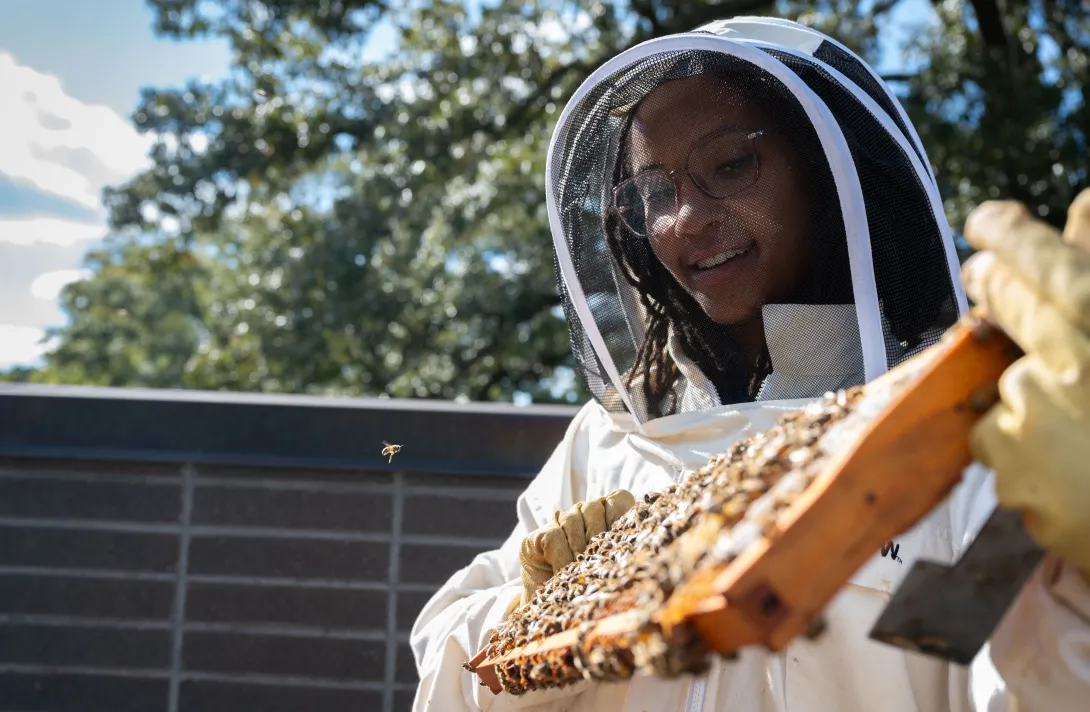
The Urban Honey Bee Project’s new beekeeper in residence is creating art and educating the public with her practice.
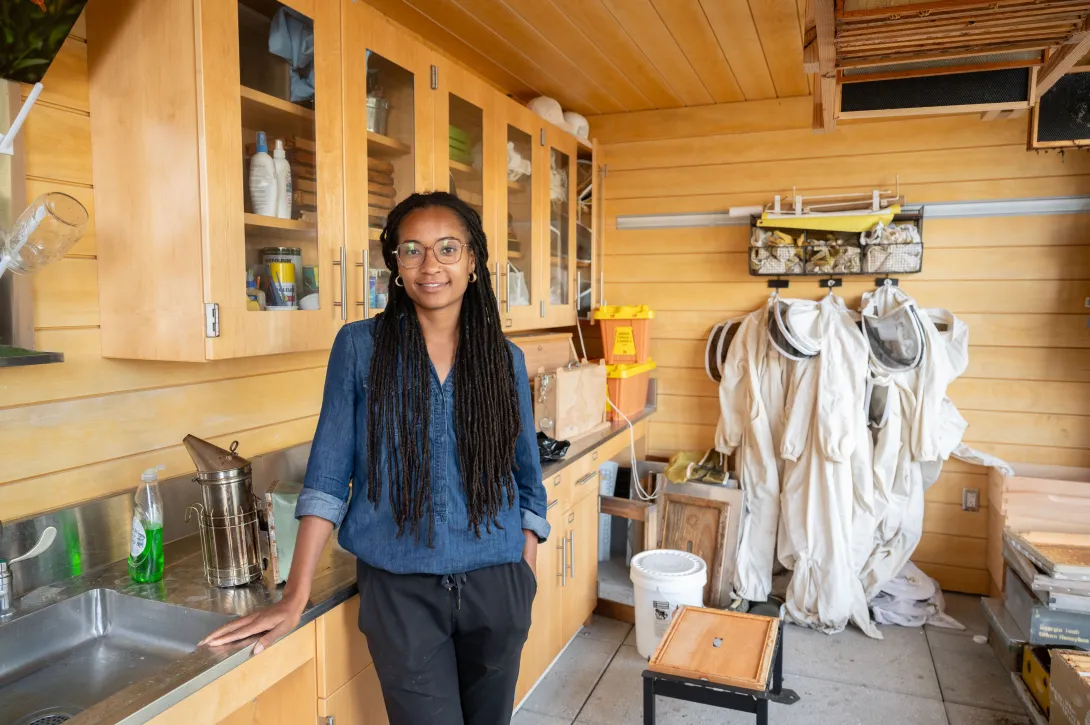
Janelle Dunlap conducts a hive inspection at The Kendeda Building for Innovative Sustainable Design. Photo by Allison Carter.
Hundreds of thousands of honeybees make their home atop The Kendeda Building for Innovative Sustainable Design, and it's up to Janelle Dunlap to make sure the hives thrive.
Dunlap was hired earlier this year as the Urban Honey Bee Project's (UHBP) first-ever beekeeper in residence. Throughout her residency, she'll conduct research into the pollinator's place in our ecosystem and how beekeeping may offer relief to veterans dealing with post-traumatic stress disorder (PTSD), while connecting with the bees through art.
Dunlap had been gardening for over a decade, but in 2016, when she got the urge to find new ways to engage with nature, she recalled a powerful piece of imagery that shaped her childhood — Wu-Tang Clan's music video for “Triumph” and its depiction of the group's members as a powerful swarm of Africanized killer bees.
"The political messaging and tying Africanized killer bees in with the stereotypes and the tropes of African Americans in the media, and the way that that was so poetically tied in, visually stuck with me,” she said. “It was the first time I recognized a political message being articulated through art. For that reason, it stuck with me that bees were a form of strong symbolism tied to resilience."
Living in Charlotte, North Carolina, Dunlap became a certified beekeeper under the Mecklenburg County Beekeepers Association in 2017. She continued practicing as she moved around the country, with stops in Chicago and Denver, eventually landing in Atlanta in 2021. Looking for a way to connect to the local beekeeping community, she attended an April presentation by UHBP Director Jennifer Leavey, who offered Dunlap a chance to get involved at Georgia Tech.
She now handles the inspection of the hives on The Kendeda Building roof, where she monitors for pests and ensures the bees have proper nutrition to sustain their population through the seasons. The UHBP began in 2012 with the goal of educating the Tech community on the importance of these pollinators within the Atlanta ecosystem and beyond — a charge that Dunlap carries on.
Over the next year, she will continue working on her sound art project that examines the frequency at which bees “buzz” and how it, along with the responsibilities of beekeeping, is being used by VA hospitals and programs to ease the effects of PTSD. While the science behind the connection is still being explored, beekeeping was recommended more than a century ago — to soldiers returning home from World War I — according to a CNBC profile of Bees4Vets, a nonprofit based in Nevada.
From the Hive to the Canvas
Whether it was baking sourdough bread or learning a new language, many people, including Dunlap, took the early days of the Covid-19 pandemic to pick up a new hobby. She began a master's program at the School of the Art Institute of Chicago with the goal of using beeswax in encaustic painting, which uses hot wax mixed with pigments. The use of natural materials collected through her beekeeping practice connects Dunlap to her work.
“It's a way of tapping into another level of consciousness. It's a way of articulating the noncommunicable relationship between me and the bees. When there's a language gap between people, we try to fill it in with translation, but without a direct way to translate the language or the sensation that I feel from the bees, this allows me to document my practice in an abstract form,” she said.
By layering the wax and applying heat throughout the process, Dunlap watches the pieces take shape, often with the unpredictability of an active hive, as she says the art “can create itself.” She collects the wax in small amounts, knowing that she can only produce her art if the bees are healthy.
"It's an eco-conscious practice, making sure I don't use more than I need," she explained. “I love the landscape it creates, and it's all about me creating a direct relationship with my medium and knowing that I earned it by developing a relationship with the bees."
As Dunlap continues her year-long residency with the UHBP, she intends to help educate the community, both on campus and around the Atlanta area, in the hopes that more prospective beekeepers will explore their curiosity to unlock the full potential of the practice.
"It's been a practice that keeps unveiling itself to me," she said. "As you get more engaged, you learn there is so much more to it than just the day-to-day hive inspections. There is a lot of beauty to it as well."
Students at Tech have several ways to get involved with research and beekeeping, including the Living Building Science VIP team, the Beekeeping Club, and various classes and workshops hosted by the UHBP.
News Contact
Steven Gagliano - Institute Communications
Sep. 26, 2023
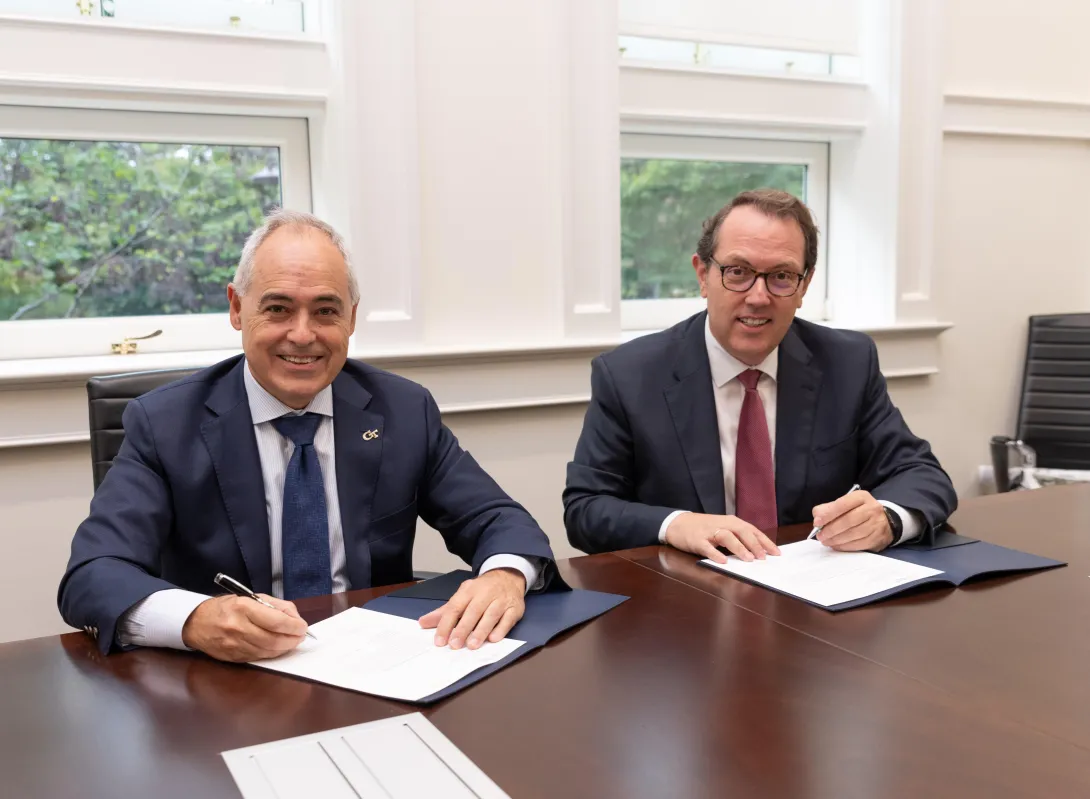
President Cabrera and Andres Sacristan, CEO of Cintra Global, announce a long-term partnership focused on advancing innovation in transport infrastructure.
Ferrovial, a global infrastructure operator, and the Georgia Institute of Technology today announced a long-term partnership focused on advancing innovation in transport infrastructure. The partnership will allow for joint research activities, providing new educational and development opportunities for students and enabling Ferrovial to create a more sustainable future for mobility. The agreement was formally signed at the university’s campus in Atlanta.
"Georgia Tech is globally recognized for its expertise in infrastructure and mobility, research, and development,” said Andres Sacristan, CEO of Cintra Global. “Ferrovial understands our industry must remain agile as transportation continues to evolve. By partnering with universities like Georgia Tech, we can continue to improve the traveler experience and better serve our clients by providing new mobility solutions."
Ferrovial has collaborated with Georgia Tech in research, leveraging its talent for several years. In addition to its expertise in traffic engineering, the Institute has extensive research capabilities in construction, airports, and energy, allowing for a comprehensive and diversified partnership as Ferrovial operates in all these areas.
“Ferrovial is reimagining transportation, and this collaboration will enable Georgia Tech researchers and students to gain a firsthand understanding of the needs of our nation’s infrastructure,” said Ángel Cabrera, president of Georgia Tech. “We are proud to partner with Ferrovial to drive the future of transportation and mobility, which will bring valuable technological innovation and knowledge transfer to our state.”
Ferrovial, through its highways business Cintra, operates five major managed lane projects across the U.S., providing traffic congestion relief to some of the nation’s fastest growing regions. Ferrovial's construction division currently manages several large highway construction projects, including the Transform 285/400 highway improvement project in Atlanta. Subsidiaries Ferrovial Construction and Webber have carried out infrastructure improvements in the state of Georgia that amount to nearly $800 million. Ferrovial Airports is a leading airport investor and operator with key investments in the U.S. Through its vertiports business, the company aims to design, build, and operate the infrastructure required by eVTOL (electric Vertical Take-Off and Landing) aircraft.
“Aligning with Georgia Tech reinforces Ferrovial’s commitment to sustainably advancing mobility, enhancing safety, and connecting communities in the United States and beyond,” said Sacristan.
News Contact
Blair Meeks | blair.meeks@gatech.edu
Sep. 20, 2023
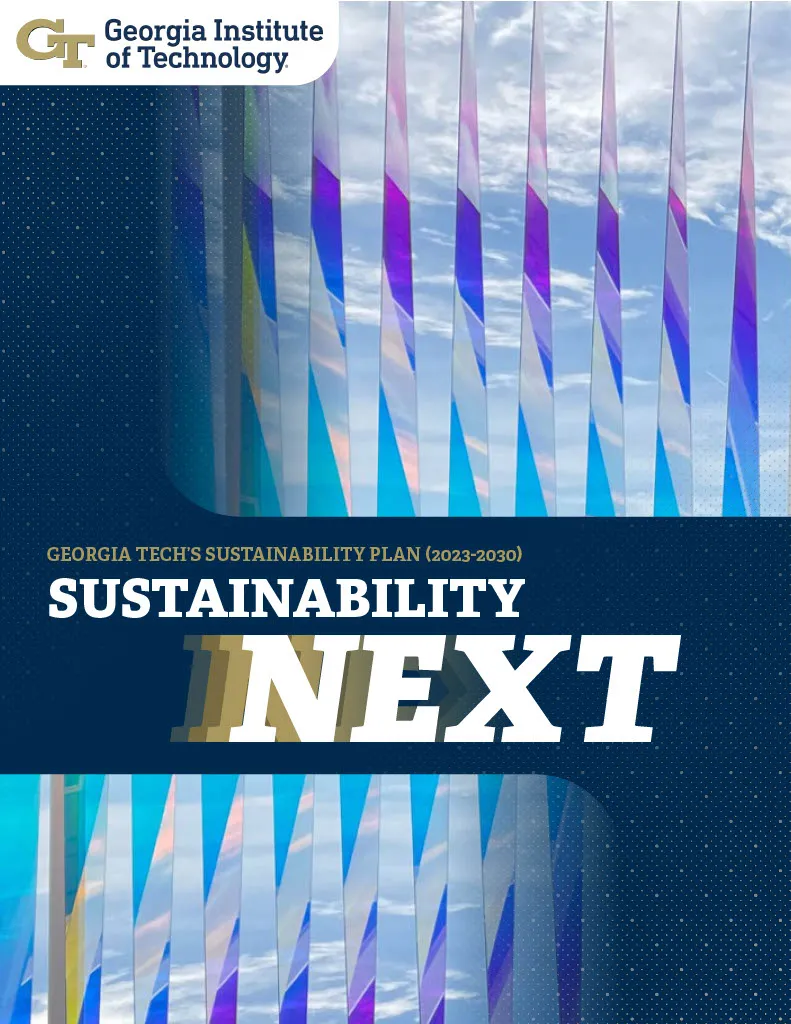
On the one-year anniversary of the launch of Sustainability Next, a publicly available version of the plan is being released and several plan initiatives are coming to life.
Following the creation of Georgia Tech’s 2020 – 2030 strategic plan, the Institute’s executive leadership team launched a task force to create a strategic sustainability roadmap — the Sustainability Next Plan — to help advance some of its most important goals.
“Sustainability Next is central to Georgia Tech’s commitment to developing leaders who advance technology and improve the human condition,” said President Ángel Cabrera. “As one of the largest technological universities in the world, we have the opportunity and responsibility to help find solutions to the biggest problems we face, achieve the United Nations Sustainable Development Goals, and support a human population that will soon rise to 10 billion while reducing the stress we’re causing on our planet.”
The plan calls on Georgia Tech to:
Be a global sustainability thought leader.
Catalyze innovation through education and research.
Lead by example in the practice and culture of sustainability.
Since the fall of 2022, Sustainability Next has begun to implement projects, including:
The Climate Action Plan to develop a roadmap for integrating climate action strategies across operations, research, and education focusing on climate justice and reducing emissions.
Sustainable X, which supports students interested in and passionate about developing climate tech, sustainability, and social impact startups.
Sustainability Education Innovation Grants for faculty to expand Sustainable Development Goals concept and skill integration across the undergraduate curriculum.
Research Seed Grants to support interdisciplinary climate and sustainability research initiatives.
Living Campus connecting Georgia Tech’s built environment and surrounding landscape to serve as opportunities for collaborations between academics, research, industry, operations, and community partnerships.
These initiatives alone have created collaborations between several sustainability-focused departments on campus, including the Office of Sustainability, the Brook Byers Institute for Sustainable Systems, the Ray C. Anderson Center for Sustainable Business, and the Center for Teaching and Learning.
Creating the Foundation for Successful Implementation
As an outcome of the strategic plan to more intentionally integrate sustainability and lead by example with campus operations, Georgia Tech restructured its facilities management into Infrastructure and Sustainability (I&S) in 2021. The following year, the Office of Campus Sustainability was restructured into the Office of Sustainability within I&S to bridge sustainability efforts across research, education, and operations. It was later expanded to integrate the departments of utilities, sustainable building operations, and The Kendeda Building for Innovative Sustainable Design.
Additionally, Sustainability Next has supported the Brook Byers Institute in becoming a transformative unit focused on climate and sustainability that integrates research and education. It has also strengthened ties in the sustainability cluster of the Vice President for Institutional Research, comprising the Byers Institute, the Renewable Bioproducts Institute, and the Strategic Energy Institute — including the permanent integration of Serve-Learn-Sustain into the newly established Center for Sustainable Communities Research and Education.
Looking Ahead
In the next few months, the Sustainability Next Plan will be supported by a refreshed website, a schedule of sustainability-related events, and calls to action, reinvigorating the sustainability charge set forth in the Institute’s strategic plan.
The Sustainability Next co-chairs invite every member and unit of the Georgia Tech community to join in bringing the Sustainability Next Plan to life and expanding its ambitions over time so that we can build a just, equitable, and sustainable future — together.
For continuous updates and to find out how you can get involved, visit the new Sustainability Next webpage.
Sep. 19, 2023
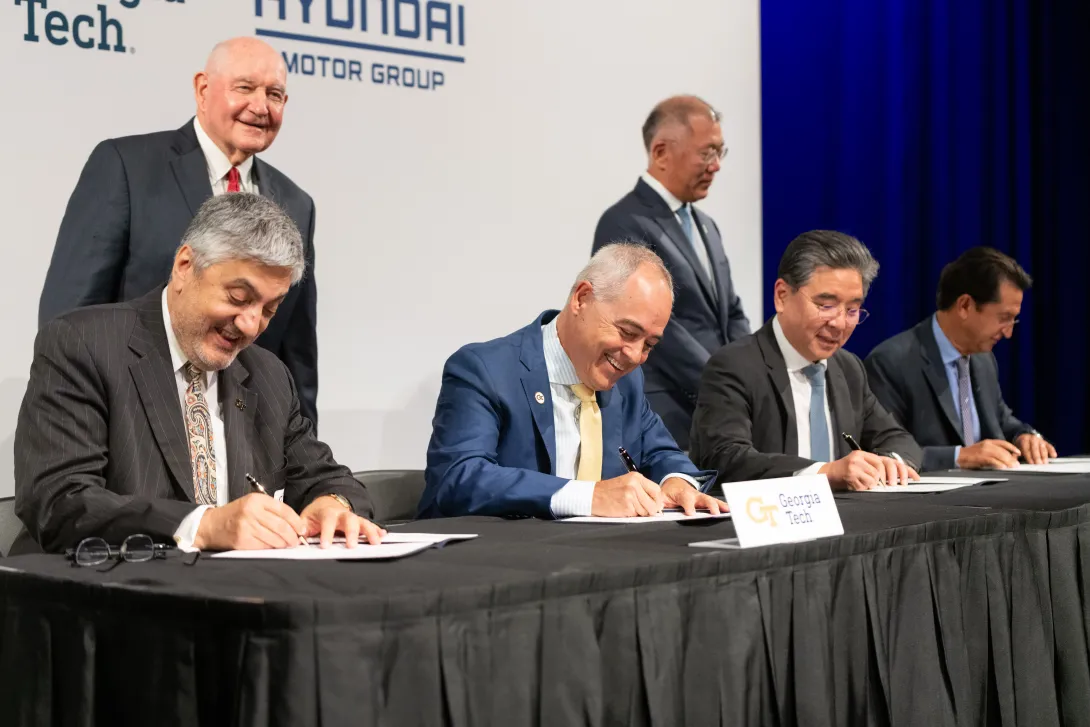
USG Chancellor Sonny Perdue looks on as Georgia Tech President Ángel Cabrera and Executive Vice President for Research Chaouki Abdallah sign the memorandum of understanding with Hyundai officials, signifying the beginning of a transformative partnership.

Georgia Tech President Ángel Cabrera poses for a selfie with Euisun Chung, executive chairman of Hyundai Motor Company.

Georgia Tech and Hyundai leaders pose for a photo following the signing of the memorandum of understanding. From left to right: Executive Vice President for Research Chaouki Abdallah, Georgia Tech President Ángel Cabrera, University System of Georgia Chancellor Sonny Perdue, Executive Chairman of Hyundai Motor Company Euisun Chung, President and CEO Jay Chang, President and Global COO José Muñoz.
In front of a standing-room-only crowd inside the John Lewis Student Center's Atlantic Theater, global leaders from the Hyundai Motor Group and Georgia Tech signed a memorandum of understanding, creating a transformative partnership focused on sustainable mobility, the hydrogen economy, and workforce development.
As the automaker continues to construct its Metaplant America site in Bryan County — the cornerstone of Hyundai's $12 billion investment into electric vehicles and battery production across the state of Georgia — today's signing ceremony symbolizes the vision that Hyundai and Georgia Tech share on the road to advancing technology and improving the human condition.
"As a leading public technological research university, we believe we have the opportunity and the responsibility to serve society, and that technology and the science and policy that support it must change our world for the better. These are responsibilities and challenges that we boldly accept. And we know we can't get there alone. On the contrary, we need travel partners, like-minded innovators, and partners with whom we can go farther, and today's partnership with Hyundai is a perfect example of what that means," Georgia Tech President Ángel Cabrera said.
The state of Georgia and the Institute have positioned themselves as leaders in the electrification of the automotive industry. Hyundai is among the top sellers of electric vehicles in the United States as the company aims to produce up to 500,000 vehicles annually at the $7 billion Savannah plant when production begins in 2025. The plant will create 8,500 jobs, and the company's total investments are projected to inject tens of billions of dollars into the state economy while spurring the creation of up to 40,000 jobs.
"It's clear, we are in the right place with the right partners," Jay Chang, president and CEO of Hyundai Motor Company, said. "When our executive chairman first decided on [the site of] the metaplant, one of the first things he said was, 'Make sure we collaborate with Georgia Tech.’ Hyundai and Georgia Tech have a lot in common. We have proud histories. We celebrate excellence, and we have very high standards. What we love about Georgia Tech is the vision to be a leading research university that addresses global challenges and develops exceptional leaders from all backgrounds."
Spearheading new opportunities for students, the partnership will create technical training and leadership development programming for Hyundai employees and initiate engagement activities to stimulate interest in STEM degrees among students.
José Muñoz, president and global COO of Hyundai Motor Company and president and CEO of Hyundai and Genesis Motor North America, says the company quickly realized the potential impact of the newly forged partnership with Georgia Tech.
"Proximity to institutions like Georgia Tech was one of the many reasons Hyundai selected Georgia for our new EV manufacturing facility. Imagine zero-emissions, hydrogen-powered vehicles here on campus, advanced air mobility shuttling people to Hartsfield-Jackson Atlanta International Airport, or riding hands-free and stress-free in autonomous vehicles during rush hour on I-75 and I-85. Together, Georgia Tech and Hyundai have the resources to fundamentally improve how people and goods move," he said.
In pursuit of sustainability, Hyundai has invested heavily in the potential of hydrogen and plans to lean on the Institute's expertise to explore the potential of the alternative fuel source, primarily for commercial vehicles. Hyundai has deployed its hydrogen-powered XCIENT rigs to transport materials in five countries.
University System of Georgia Chancellor Sonny Perdue was on hand for Tuesday’s ceremony. Reflecting on his visits to the company's global headquarters in South Korea prior to the construction of the West Point, Georgia, Kia plant, he praised the company's values and world-class engineering ability.
"This is a relationship built on mutual trust and respect. It's a company, a family atmosphere, and a culture that I respect and admire for the way they do business and honor progress, innovation, and creativity. That is why I am so excited about this partnership between the Hyundai Motor Group and the Georgia Institute of Technology because that will only enhance that," Perdue said.
Owned by Hyundai, Kia recently invested an additional $200 million into its West Point facility to prepare for the production of the all-electric 2024 EV9 SUV. The plant currently manufactures more than 40% of all Kia models sold in the U.S.
The partnership also includes field-naming recognition at Bobby Dodd Stadium, which is now known as Bobby Dodd Stadium at Hyundai Field, and provides student-athletes and teams with the resources needed to compete at the highest levels, both athletically and academically.
Sep. 11, 2023

The water coming out of your faucet is safe to drink, but that doesn’t mean it’s completely clean. Chlorine has long been the standard for water treatment, but it often contains trace levels of disinfection byproducts and unknown contaminants. Georgia Institute of Technology researchers developed the minus approach to handle these harmful byproducts.
Instead of relying on traditional chemical addition (known as the plus approach), the minus approach avoids disinfectants, chemical coagulants, and advanced oxidation processes typical to water treatment processes. It uses a unique mix of filtration methods to remove byproducts and pathogens, enabling water treatment centers to use ultraviolet light and much smaller doses of chemical disinfectants to minimize future bacterial growth down the distribution system.
“The minus approach is a groundbreaking philosophical concept in water treatment,” said Yongsheng Chen, the Bonnie W. and Charles W. Moorman IV Professor in the School of Civil and Environmental Engineering. “Its primary objective is to achieve these outcomes while minimizing the reliance on chemical treatments, which can give rise to various issues in the main water treatment stream.”
Chen and his student Elliot Reid, the primary author, presented the minus approach in the paper, “The Minus Approach Can Redefine the Standard of Practice of Drinking Water Treatment,” in The American Chemical Society.
The minus approach physically separates emerging contaminants and disinfection byproducts from the main water treatment process using these already proven processes:
- Bank filtration withdraws water from naturally occurring or constructed banks like rivers or lakes. As the water travels through the layers of soil and gravel, it naturally filters out impurities, suspended particles, and certain microorganisms.
- Biofiltration uses biological processes to treat water by passing it through filter beds made of sand, gravel, or activated carbon that can support the growth of beneficial microorganisms, which in turn can remove contaminants.
- Adsorption occurs when an adsorbent material like activated carbon is used to trap contaminants.
- Membrane filtration uses a semi-permeable membrane to separate particles and impurities from the main treatment process.
The minus approach is intended to engage the water community in designing safer, more sustainable, and more intelligent systems. Because its technologies are already available and proven, the minus approach can be implemented immediately.
It can also integrate with artificial intelligence (AI) to improve filtration’s effectiveness. AI can aid process optimization, predictive maintenance, faulty detection and diagnosis, energy optimization, and decision-support systems. AI models have also been able to reliably predict the origin of different types of pollution in source water, and models have also successfully detected pipeline damage and microbial contamination, allowing for quick and efficient maintenance.
“This innovative philosophy seeks to revolutionize traditional water treatment practices by providing a more sustainable and environmentally friendly solution,” Chen said. “By reducing the reliance on chemical treatments, the minus approach mitigates the potential risks associated with the use of such chemicals, promoting a safer water supply for both human consumption and environmental protection.”
CITATION: Elliot Reid, Thomas Igou, Yangying Zhao, John Crittenden, Ching-Hua Huang, Paul Westerhoff, Bruce Rittmann, Jörg E. Drewes, and Yongsheng Chen
Environmental Science & Technology 2023 57 (18), 7150-7161
DOI: 10.1021/acs.est.2c09389
News Contact
Tess Malone, Senior Research Writer/Editor
tess.malone@gatech.edu
Sep. 06, 2023
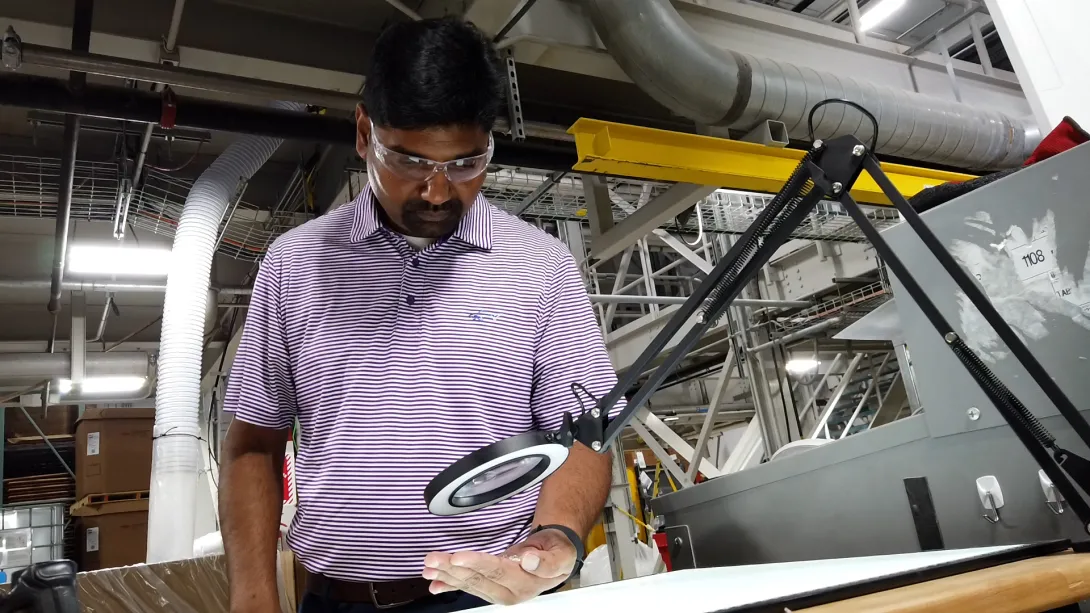
Sean Madhavaraman, a leader at GaMEP, examines work product at Silon in Peachtree City, Georgia
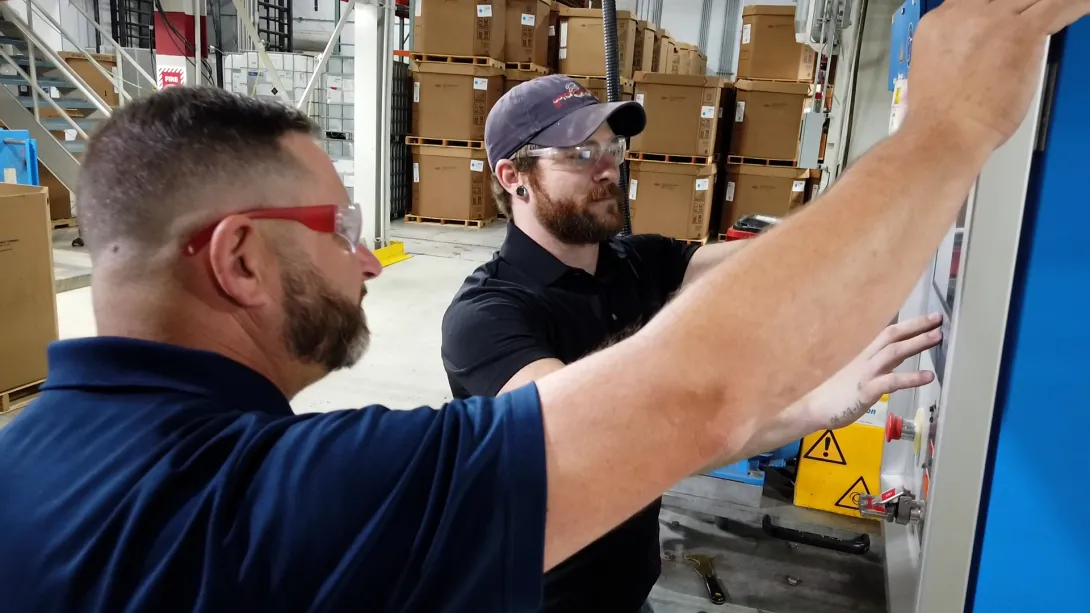
Lead technician, Austin Hicks, taps on a monitoring screen while his co-worker looks on at the manufacturing facility for Silon in Peachtree City, Georgia
“A stitch in time saves nine,” goes the old saying. For a company in Georgia, that adage became very real when damage to a key piece of machinery threatened its operation. The group helping with the stitch in time was the Georgia Manufacturing Extension Partnership (GaMEP), a program of Georgia Tech's Enterprise Innovation Institute that — for more than 60 years — has been helping small- to medium-sized manufacturers in Georgia stay competitive and grow, boosting economic development across the state.
Silon US, a Peachtree City manufacturer that designs and produces engineered compounds used to create a wide range of products — from automotive applications to building materials, such as PEX piping and wire and cable, was experiencing problems with their extrusion line during a time of increasing customer demand. Problems with the drive mechanism on that extrusion line, a piece of equipment critical to the company’s ability to produce, threatened to shut them down. With replacement parts several weeks away, was it safe to continue operating? At what throughput rates? How much collateral damage might be incurred if they continued to operate?
That’s when Silon managers turned to GaMEP for help.
After working through ideas with GaMEP’s manufacturing experts, the team installed wireless condition monitoring sensors that provide continuous, real-time insights on their manufacturing assets’ health. With the sensors, Silon was able to find a sweet spot that not only allowed them to continue operating but also kept them from overexerting the equipment, preventing further damage.
The solution to that problem has now become a routine part of Silon’s process, as company technicians continue to use this sensor technology for early detection of any deviations or anomalies in the machinery’s health, allowing the company’s maintenance team to proactively respond by adjusting scheduled maintenance to avoid costly downtime.
GaMEP’s Sean Madhavaraman says, “Silon is more productive than ever and on track for growth. The strong results in this challenge are a great example of the decades-long focus of GaMEP to educate and train managers and employees in best practices, to develop and implement the latest technology, and to work together with businesses to find solutions.”
Daniel Raubenheimer and Matt Gammon, Silon’s general managers, also lauded GaMEP, saying, “GaMEP’s extensive experience within the manufacturing realm has been a great benefit to our company. The wireless condition monitoring sensors allow us to predict future breakdowns and mitigate a potential catastrophe — allowing us to operate in a safe manner, while saving money, time, and effort.”
News Contact
Blair Meeks
Institute Communications
Aug. 28, 2023
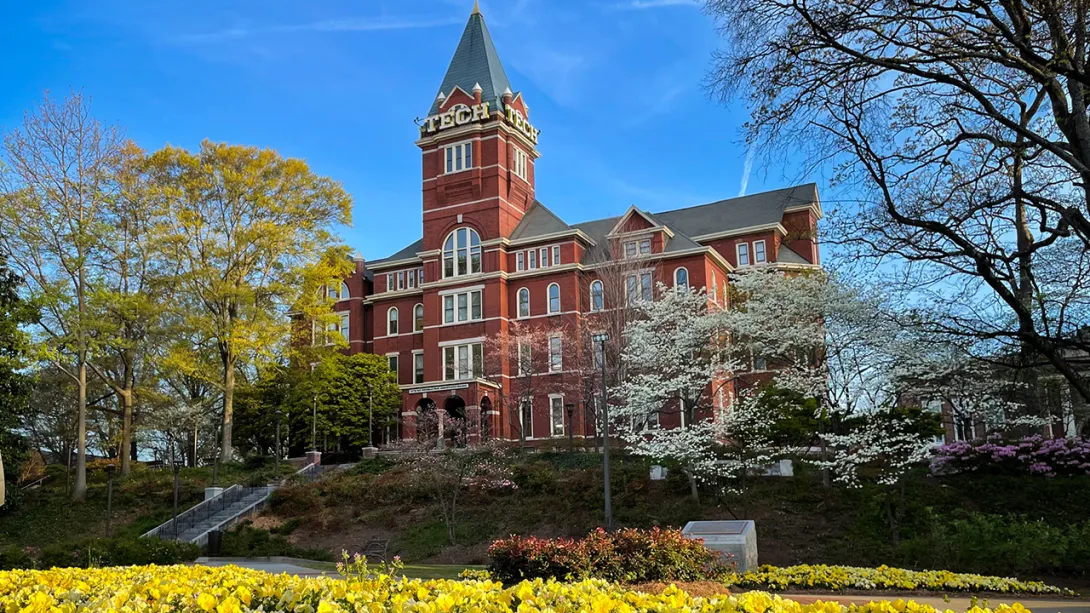
Researchers from Georgia Tech's School of Civil and Environmental Engineering received a $2.1 million grant from the U.S. Environmental Protection Agency (EPA) to investigate contaminants in drinking water.
The EPA is funding the research on the occurrence and concentration of pathogens and disinfection by-products and the environmental conditions favorable to their growth in drinking water distribution systems.
Carlton S. Wilder Associate Professor Ameet Pinto, the project's principal investigator, said disinfection is used to kill microorganisms to make drinking water safe for consumption. Yet, disinfecting to kill microorganisms can also result in formation of harmful disinfection by-products.
“Our key project goal is to shine a light on when, where, and why pathogens and disinfection by-products occur and co-occur in drinking water systems across the country,” Pinto said. “This will help water utilities better navigate the tradeoff of managing microbiological and chemical risks in drinking water and thus enhance the reliability of safe drinking water supply to their consumers.”
According to the EPA, opportunistic pathogens such as Legionella pneumophila, nontuberculous mycobacteria, and Pseudomonas aeruginosa can grow in drinking water systems and pose potential risks to public health. The occurrence of these and other microbial pathogens is also associated with contaminated storage facilities and other problems in water distribution systems such as backflow and low-pressure incidents.
If left untreated, these contamination events can lead to outbreaks of gastrointestinal, respiratory, and other waterborne illnesses. The disinfectants used to control these pathogens can cause additional problems by reacting with natural organic matter, bromide, and other contaminants to form disinfectant by-products, which also have the potential to be harmful to human health.
Georgia Tech is one of four institutions selected by the EPA to receive nearly $8.5 million in grant funding, along with the University of Minnesota, Michigan State University, and the University of Texas. The Georgia Tech team includes Turnipseed Family Chair & Professor Ching-Hua Huang and Assistant Professor Katy Graham.
News Contact
Melissa Fralick | melissa.fralick@ce.gatech.edu
Jun. 22, 2023
Workforce diversity in science and technology is widely seen as necessary for continued innovation. For Georgia Tech, striving toward inclusivity starts with a simple but crucial goal: building deep, lasting research partnerships.
Research Next, a planning initiative for Georgia Tech’s research enterprise, was launched by Executive Vice President for Research Chaouki T. Abdallah in 2020 and co-chaired by Tim Lieuwen and Mark Whorton. As part of Phase 3, project teams worked throughout the past year to implement its goals.
One Research Next project team has paved the way for inclusive research collaborations to thrive at Georgia Tech and beyond. The team was charged with identifying opportunities and developing support systems to facilitate research collaborations between Georgia Tech and HBCUs (historically Black colleges and universities) and MSIs (minority-serving institutions).
Since kicking off in March 2022, the project team solidified new research partnerships, developed a digital networking tool to connect Georgia Tech and HBCU researchers, and created and hired a full-time position at Tech for ongoing engagement with HBCUs and MSIs. The group was co-led by George White, senior director for strategic partnerships in the Office of the Vice President for Interdisciplinary Research and principal research engineer at Georgia Tech, and Thomas Martin, chief scientist for the Electro-Optical Systems Laboratory at the Georgia Tech Research Institute (GTRI).
“The goal of our work is not only to support collaborative research with HBCUs and MSIs, but also to strengthen the pipeline of top graduates who will enhance diversity in our state and nation’s workforce,” White said. “One of the first key steps was to hear from the groups we were charged to work with.”
Defining the Challenge
The team began by leveraging GTRI’s longstanding work and connections with HBCUs, which include federally funded collaborative research projects and workforce development initiatives. The group invited representatives from the Tougaloo College Research and Development Foundation (TCRDF), a consortium of HBCUs whose mission is to advance research collaborations between HBCUs and the Department of Defense. Members of TCRDF educated the project team about challenges HBCUs face in obtaining federally sponsored research.
“GTRI has been fortunate to collaborate with TCRDF in support of the U.S. Army’s Combat Capabilities Development Command (CCDC) Aviation & Missile Center’s mission to accelerate research collaborations with HBCUs and MSIs and enrich the workforce with a pipeline of talented graduates,” Martin said.
Throughout the year, the project team hosted seminars with HBCUs where they highlighted research activities at the Institute and discussed how HBCUs could participate in areas of mutual research interests. The team also joined TCRDF’s open virtual meeting hours every week to talk about research engagement opportunities at Georgia Tech.
In addition, they recommended that Georgia Tech create a dedicated, permanent position to facilitate ongoing engagement with HBCUs. Taiesha Smith, the first senior program manager for Georgia Tech’s HBCU/MSI Research Collaboration Initiative, will lead outreach efforts to increase and foster enduring research collaborations.
“I'm excited to be the connective tissue between Georgia Tech, HBCUs, and MSIs in building sustainable and mutually beneficial relationships that lead to successful research collaboration,” Smith said. “I aim to accomplish this goal through a commitment to understanding the needs of HBCUs and MSIs, communicating their value to all stakeholders, and supporting them in making appropriate connections across Georgia Tech and beyond.”
Steps Forward
The project team led the development of a software tool, CollabNext, that facilitates research interaction and collaborations between HBCUs and Georgia Tech. Using the tool, researchers can find partners at HBCUs based on specific disciplines and areas of interest. The tool is currently in beta version and has expanded to include Clark Atlanta University, Morehouse College, Texas Southern University, Fisk University, and the Atlanta University Center (AUC) Data Science Initiative. A website hosts the tool and provides information about the initiative.
The team also is planning a forum that will bring together researchers from Georgia Tech and several HBCUs/MSIs, as well as government officials and industry leaders from top STEM companies. A major goal of the event will be for participants to develop white papers to better position HBCUs and MSIs to compete for large federal funding opportunities. The multi-day event will be organized by the Office of the Vice President for Interdisciplinary Research and is set to take place in November.
Additional steps taken to establish and solidify research partnerships:
- Submitted a joint proposal for an NSF Regional Innovation Engine with TCRDF and seven HBCU/MSI partner institutions.
- Submitted a joint NSF proposal with the AUC Data Science Initiative, Morehouse College, and TCRDF to establish the inaugural research collaboration forum at Georgia Tech.
- Launched the Biomedical Data Science Summer Research Program.
- Prepared a memorandum of understanding (pending) to establish a semiconductor research initiative with HBCU/MSIs.
- Modified an agreement with Ford Motor Company to allow HBCU/MSI institutions to participate in sponsored research projects in collaboration with Georgia Tech.
- Participated in the 2022 National HBCU Week, hosted by the executive director for White House Initiatives on HBCUs. Georgia Tech will participate again in 2023 to introduce CollabNext and present best practices for engaging in collaborative research.
- Submitted proposals to the Department of Energy’s Hydrogen Hub (with Battelle Memorial Institute) and Direct Air Capture Hub (with Southern States Energy Board) to develop a collaborative research and community engagement consortium made up of HBCUs and MSIs.
- Georgia Tech will serve as an unbiased science convener for the HBCUs/MSIs, which will receive the majority of funding and engagement. This work is in partnership with Tech’s Serve-Learn-Sustain.
“This Research Next project provided the opportunity not only to coordinate efforts across Georgia Tech to enhance research collaborations with HBCUs and MSIs, but also to position Georgia Tech as thought leaders in this initiative,“ said Martin.
Team co-leader George White attended Hampton University, a prominent HBCU, and saw firsthand some of the resource challenges that the institutions face when trying to secure federally sponsored research. The initiative’s mission continues to be important for him personally.
“Our work with HBCUs supports Georgia Tech’s strategic plan by increasing accessibility and improving the human condition,” he said. “With the vast resources we have here, it is important to work together to find solutions to these pressing challenges.”
Visit hbcumsi.research.gatech.edu to learn more about the initiative.
We would like to hear from you about any research collaboration with an HBCU or MSI. Please use the following link to complete the Share Research Collaboration form.
https://hbcumsi.research.gatech.edu/collabnext-tool
News Contact
Catherine Barzler, Senior Research Writer/Editor
Institute Communications
Jun. 14, 2023
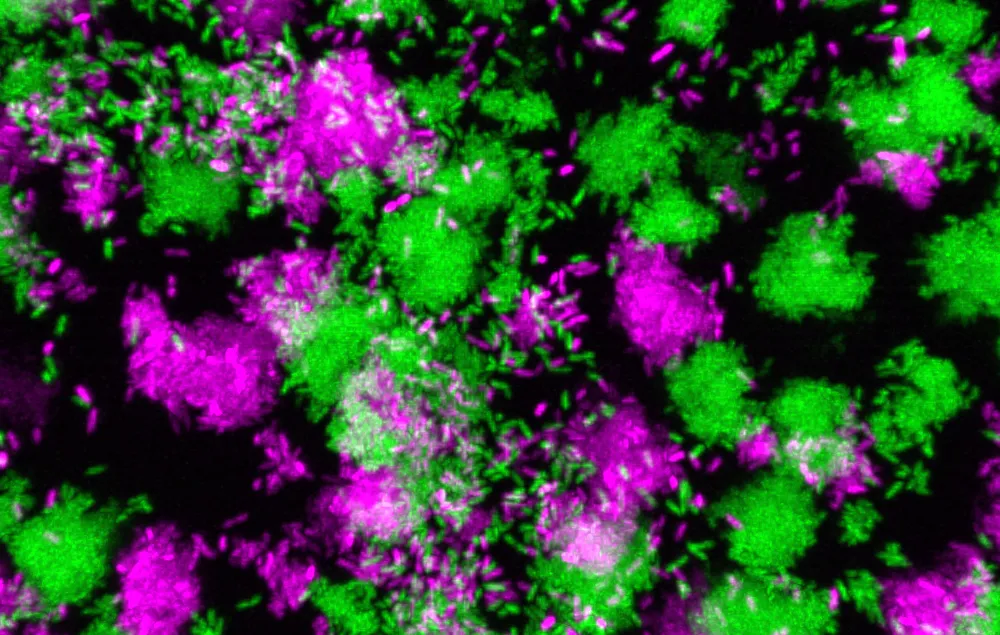
People with weakened immune systems are at constant risk of infection. Pseudomonas aeruginosa, a common environmental bacterium, can colonize different body parts, such as the lungs, leading to persistent, chronic infections that can last a lifetime – a common occurrence in people with cystic fibrosis.
But the bacteria can sometimes change their behavior and enter the bloodstream, causing chronic localized infections to become acute and potentially fatal. Despite decades of studying the transition in lab environments, how and why the switch happens in humans has remained unknown.
However, researchers at the Georgia Institute of Technology have identified the major mechanism behind the transition between chronic and acute P. aeruginosa infections. Marvin Whiteley – professor in the School of Biological Sciences and Bennie H. and Nelson D. Abell Chair in Molecular and Cellular Biology – and Pengbo Cao, a postdoctoral researcher in Whiteley’s lab, discovered a gene that drives the switch. By measuring bacterial gene expression in human tissue samples, the researchers identified a biomarker for the transition.
Their research findings, published in Nature, can inform the development of future treatments for life-threatening acute infections.
According to Whiteley and Cao, bacteria, like animals, are versatile and behave differently depending on their environment. A person with a chronic infection might be fine one day, but environmental changes in the body can cause bacteria to change their behavior. This can lead to acute infection, and a person could develop sepsis that requires immediate treatment.
“For years, people have been studying these bacteria in well-controlled lab environments, even though the lab is a place most microbes have never seen,” said Whiteley. “Our study took a novel approach to look directly into the bacterium’s behavior in the human host.”
The researchers chose to look at human tissue samples of chronic bacterial lung and wound infections. Using genetic sequencing technologies, Whiteley and Cao measured the levels of all types of mRNA present in the bacteria. The mRNAs encode the proteins that do all the work in a cell, so by measuring a bacterium’s mRNA level, one can infer the bacterium’s behavior.
While P. aeruginosa has roughly 6,000 genes, Whiteley and Cao found that one gene in particular – known as PA1414 – was more highly expressed in human tissue samples than all the other thousands of genes combined. The levels were so high that, at first, Cao and Whiteley thought the amount of PA1414 mRNA might be an artifact – a glitch associated with the sequencing methods.
“This particular gene is not expressed in the standard lab environment very much, so it was striking to see these levels,” Cao said. “And at this point, the function of the gene was unknown.”
The researchers also found that low oxygen drives the high expression of the gene. This is a common environmental characteristic of bacterial infections, as bacteria frequently encounter oxygen deprivation during chronic infections. Further tests showed that the gene also regulates bacterial respiration under low oxygen conditions.
Interestingly, the researchers found that rather than encoding a protein, the gene encodes a small RNA that plays a vital role in bacterial respiration. They named the small RNA SicX (sRNA inducer of chronic infection X).
The researchers then tested the functions of the gene in different animal infection models. They observed that when SicX wasn’t present, the bacteria easily disseminated from chronic infections throughout the body, causing systemic infection. The comparison allowed the researchers to determine that the gene is important for promoting chronic localized infection. Moreover, researchers also showed that the expression of SicX immediately decreased during the transition from chronic to acute infection, suggesting SicX potentially serves as a biomarker for the chronic-to-acute switch.
“In other words, without the small RNA, the bacteria become restless and go looking for oxygen, because they need to breathe like we need to breathe,” Whiteley said. “That need causes the bacteria to enter the bloodstream. Now, we know that oxygen levels are regulating this transition.”
Having a better indication for when an infection might enter the bloodstream would be a paradigm shift for treatments.
“If you can predict when an acute infection will occur, a patient could take a diagnostic test at home to determine if and when they may need to get treatment – before the infection becomes life-threatening,” Whiteley said.
The study provides answers to the long-standing questions about how and why chronic infections become acute. The researchers’ findings also open opportunities to develop therapeutics that target this specific molecular behavior associated with P. aeruginosa infections.
“The chronic Pseudomonas infection is usually highly resistant to first-line antibiotics,” Cao said. “By targeting this small RNA, we could potentially change the lifestyle of the bacteria to make it more susceptible to antibiotic treatments and achieve greater clearance of these dangerous infections.”
Marvin Whiteley is also an Eminent Scholar with the Georgia Research Alliance.
Citation: Cao, P., Fleming, D., Moustafa, D.A., et al. A Pseudomonas aeruginosa small RNA regulates chronic and acute infection. Nature 618, 358–364 (2023).
DOI: https://doi.org/10.1038/s41586-023-06111-7
Funding: NIH grants R21AI154220, R21AI137462, and R21AI147178; Cystic Fibrosis Foundation grants WHITEL20A0 and WHITEL22G0; Cystic Fibrosis Trust Foundation grant SRC017; and Cystic Fibrosis Postdoctoral Fellowships CAO20F0 and DOLAN20F0
News Contact
Catherine Barzler, Senior Research Writer/Editor