
Oct. 08, 2024
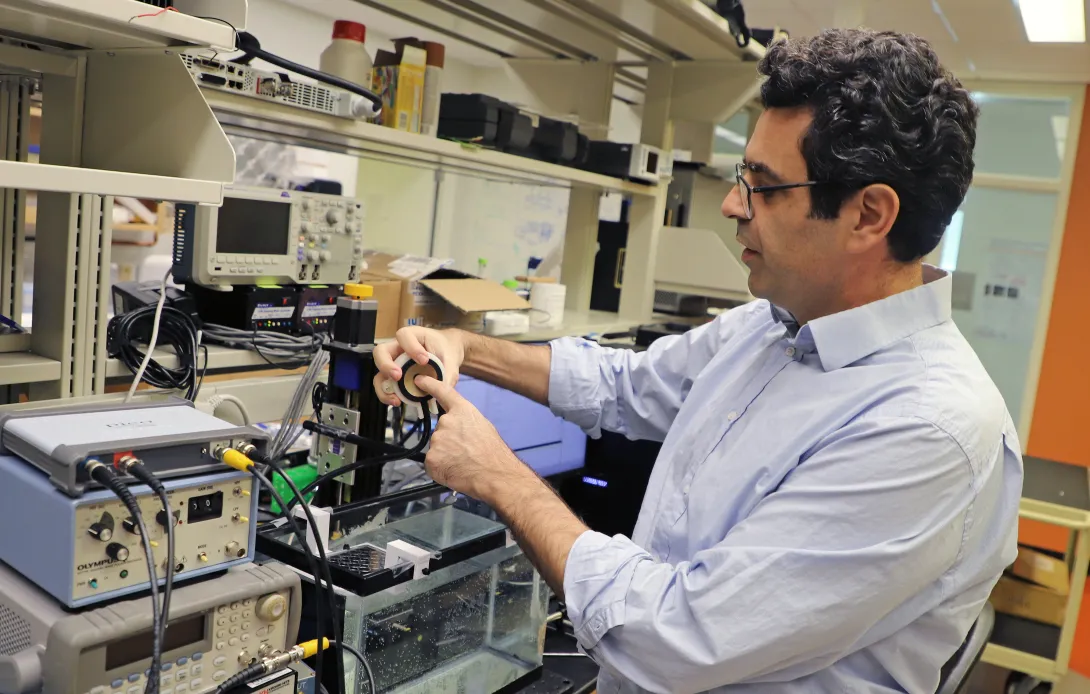
Costas Arvanitis is developing a method using microbubbles and ultrasound to breach the blood-brain barrier. — Photo by Jerry Grillo
The brain is a stronghold, the central command center for the body, protected by the blood-brain barrier (BBB). This network of blood vessels and tissues acts as a biological gatekeeper, a selective filter that prevents harmful substances in the bloodstream from entering the brain’s complex ecosystem.
It’s protection that comes at a cost. While the BBB lets some things in — like water, oxygen, general anesthetics made of very small molecules — it also prevents many vital therapeutics from reaching the brain, limiting the treatment options for neurological problems.
But a multinational team of researchers led by Georgia Tech biomedical engineer Costas Arvanitis is tackling the challenge with a technique that combines microbubbles — tiny gas-filled spheres — and ultrasound technology. Their innovative approach aims to temporarily open the BBB, allowing drugs or immune cells in to take on the fight against disease, offering therapeutic hope for patients battling conditions like brain cancer or Alzheimer’s disease.
“We found that microbubble-enhanced ultrasound, an emerging technology that offers a noninvasive way to temporarily open the blood-brain barrier, allows blood-borne therapeutics to reach the brain,” said Arvanitis, associate professor in the Wallace H. Coulter Department of Biomedical Engineering and the George W. Woodruff School of Mechanical Engineering.
The technique can potentially be fine-tuned to establish windows of opportunity to target brain diseases, he added. Costas and his collaborators describe their work in a recent edition of Nature Communications.
Bouncing Bubbles
Microbubbles, smaller than the diameter of human hair, have shells made of a lipid or protein. In healthcare, they’re often used to help enhance visibility in ultrasound, acting as contrast agents, illuminating details inside the body.
Ultrasound uses high-frequency sound waves to create images. When microbubbles are exposed to focused ultrasound waves, they rapidly expand and contract. This gentle mechanical force shakes the protective barrier surrounding the brain, creating small openings for aid to pass through.
“Despite their simple structure, microbubbles have complex behaviors,” Arvanitis said. “They can resonate at specific frequencies, allowing us to manipulate their oscillations to enhance permeability at the blood-brain barrier. And their behavior also depends on their size and shell composition.”
For instance, microbubbles with elastic shells are more effective in increasing the permeability of the BBB. In their research, Arvanitis and his collaborators noted a 12-fold increase in drug delivery effectiveness using elastic-shelled (lipid-based) microbubbles.
Math Before Mice
The researchers conducted studies using mice but began with a mathematical model to simulate microbubble dynamics in brain vessels. They identified a resonant frequency that enhances microbubble movement and explored the correlation between frequency, bubble dynamics, and inflammatory responses in the brain.
Their model and later experiments showed that specific ultrasound frequencies can enhance immune cell movement and increase drug accumulation in brain tumors. They also found that higher ultrasound frequencies, while effective in opening the BBB, were also accompanied by increased expression of inflammatory markers on the endothelia cells of the BBB — an important finding, as excessive inflammation can lead to further complications in patients with neurological disorders.
"By understanding and controlling the frequency dynamics of microbubbles, we can create a system that maximizes drug delivery efficacy,” Arvanitis said. “Our findings suggest that using lower frequencies may be beneficial for delivering therapeutics while reducing inflammation, which can be crucial for treating neurodegenerative diseases like Alzheimer's and Parkinson's.”
The research has implications that could extend beyond drug delivery, paving the way for new diagnostic techniques. Using ultrasound to open the BBB could allow clinicians to gather important information directly from the brain, improving diagnostic techniques, like ultrasound-enhanced biopsies.
“The scientific principles established by our work not only enhance our ability to develop safer and more effective treatments for brain diseases, but also lays the groundwork for innovative diagnostic and therapeutic strategies within and beyond the brain,” said Arvanitis, whose team included graduate students from his lab as well as researchers from the University of California (San Francisco), Stanford, and the University of Edinburgh.
He added, “The dynamics of microbubbles interacting with blood vessels could have important implications in other areas of medicine that we haven’t yet explored.”
CITATION: Yutong Guo, Hohyun Lee, Chulyong Kim, Christian Park, Akane Yamamichi, Pavlina Chuntova, Marco Gallus, Miguel Bernabeu, Hideho Okada, Hanjoong Jo, Costas Arvanitis. “Ultrasound frequency-controlled microbubble dynamics in brain vessels regulate the enrichment of inflammatory pathways in the blood-brain barrier.” Nature Communications doi.org/10.1038/s41467-024-52329-y
FUNDING: This study was supported by NIH grants R37 CA239039, R01CA273878, R35NS105068, HL119798, HL139757, HL151358, and T32HL166146. This study was also supported by the Parker Institute for Cancer Immunotherapy, Ians Friends Foundation, and the German Research Foundation, and the Leducq Foundation.
Sep. 18, 2024
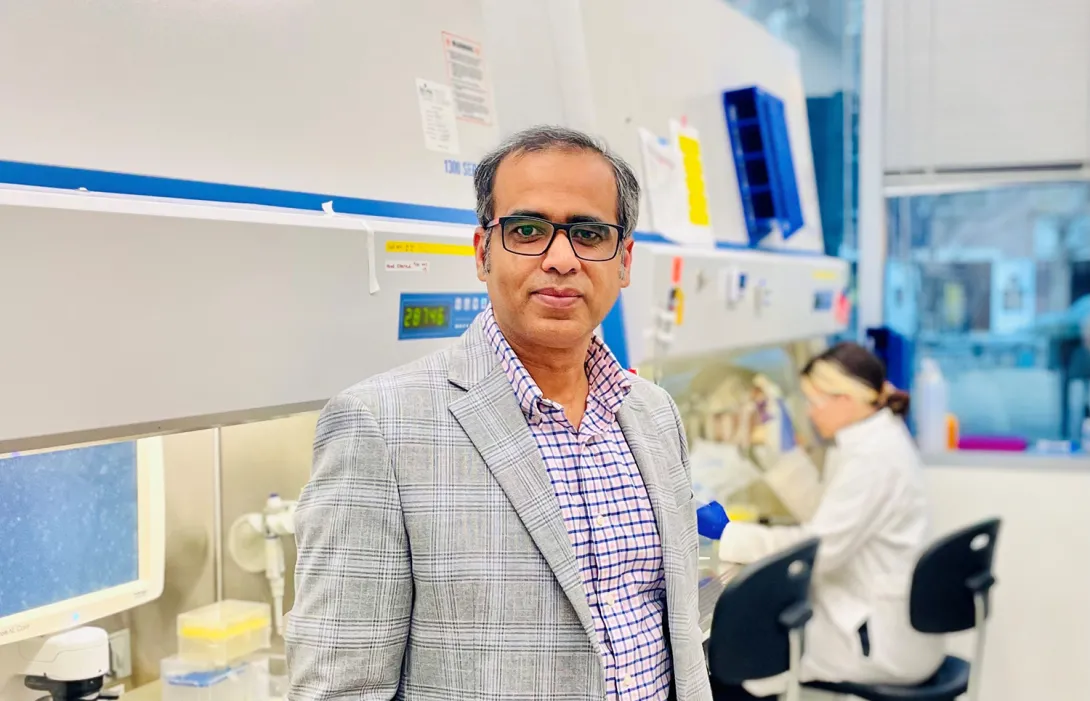
Bioengineer Ankur Singh works to create functional models of the human immune system in the lab. (Credit: Ankur Singh)

Microscopy image of a human tonsil organ with B cell follicle and surrounding cells. Visible are stromal cells (red), proliferative B cells (green), and the nucleus (aqua blue). (Credit: Deepali Balasubramani/Ankur Singh)
The National Institutes of Health (NIH) has awarded $7.5 million to Ankur Singh, Carl Ring Family Professor in the George W. Woodruff School of Mechanical Engineering (ME) and professor in the Wallace H. Coulter Department of Biomedical Engineering (BME) at Georgia Tech and Emory, for his pioneering research in creating functional models of the human immune system in the lab.
The funding, sourced from the National Institute of Allergy and Infectious Diseases, supports two projects aimed at developing human immune organoids, which are sophisticated models engineered to replicate and study the natural human immune responses. The research could revolutionize vaccine development and immune system research, particularly for aging populations.
"Little advancement has been made in this area due to the complex nature of the immune system and the challenges of making a functional human immune tissue outside the body,” said Singh, who is also director of the Center for Immunoengineering at Georgia Tech. “I am grateful to the NIH for supporting our work, which will enable us to develop an advanced technology that can help solve the problems of emerging infections and enhance our timely response to them.”
Building Next-Generation Human Immune Organoids
The goal of Singh’s first project is to replicate the complex environment of germinal centers (GCs) — the sites within lymph nodes where B cells are trained to produce the antibodies crucial for fighting infections. While animal models and current engineered systems have offered insights, they fall short in recreating the intricate processes that occur in human GCs, which limits their utility in vaccine development and understanding immune responses.
Singh’s method involves using a hydrated polymer-based gel material to create a structure that mimics the environment of lymphoid tissue in the body. By adding human immune cells (like B cells, T cells, and support cells) into this gel, the project tries to recreate how B cells mature into specialized immune cells that are important for a strong and lasting immune response. This advancement will allow scientists to grow and study these cells in the lab and use them for better vaccine testing, therapeutic development including cell-based therapies, and to deepen our understanding of the immune system.
The second project addresses a pressing issue in public health: the decline in immune function with age. As people age, their ability to mount effective immune responses against new infections diminishes, leading to higher mortality rates from diseases such as influenza and Covid-19. However, the underlying mechanisms — whether due to defects in aged B cells, impaired T cells, or changes in the lymphoid tissue environment — remain poorly understood.
Singh’s research proposes the development of an “aged B cell follicle” organoid, a novel platform that replicates the lymphoid microenvironment of older individuals. This system will allow researchers to dissect the factors driving age-related declines in immune function, offering a new tool for studying how aged B cells respond to antigens and identifying molecular targets to rejuvenate immune responses.
A Pioneering Step Forward in Immunology Research
The broader impact of Singh’s organoid research is wide-ranging. By enabling the study of human immune responses in a controlled, reproducible environment, the organoids could dramatically accelerate the development of vaccines and immunotherapies. The models could also provide new insights into whether a particular vaccine will be effective for a given individual, potentially reducing the time and cost of clinical trials.
Singh’s aged immune organoid platform could serve as a rapid screening tool for identifying older individuals who are likely to respond poorly to vaccines, enabling more personalized and effective vaccination strategies for that population. The models could be particularly useful in the context of pandemics or seasonal flu outbreaks, where timely and effective immunization is critical.
“By securing this substantial NIH funding, Singh’s work is poised to make a significant impact on both the scientific community and public health,” said Andrés García, executive director of the Parker H. Petit Institute for Bioengineering and Bioscience, Regents' Professor in ME, the Petit Director's Chair in Bioengineering and Bioscience, and a collaborator on Singh’s first project. “This innovative immunoengineering research not only promises to advance our understanding of immune system function and aging, but also holds the potential to transform vaccine development, offering new hope for more effective disease prevention strategies across the lifespan.”
The NIH’s investment in Singh’s research underscores a growing recognition of the need for innovative approaches to studying human immunity. The Food and Drug Administration Modernization Act 2.0, for example, promotes the use of organs-on-chip technologies in the service of drug development. As organoid technologies continue to evolve, they could come to represent the future of immunological research, providing powerful new tools to combat infectious diseases and improve health outcomes globally.
"Reflecting on the pandemic, we relied on years of research to develop vaccines and understand immune responses,” Singh said. “This new technology will allow us to innovate more rapidly and take bold steps toward creating an immune system outside the body.”
---
Key collaborators on the first project include Andrés García; Ahmet Coskun, the Bernie-Marcus Early-Career Professor in BME; and Dr. Ignacio Sanz, Mason I. Lowance Professor of Medicine and Pediatrics and chief of the chief of the Division of Rheumatology at Emory School of Medicine.
Key collaborators on the second project include Coskun; Jeremy Boss, professor and chair of the Department of Microbiology and Immunology at Emory School of Medicine; and Ranjan Sen, senior investigator in the Laboratory of Molecular Biology and Immunology at NIH’s National Institute on Aging.
Aug. 15, 2024
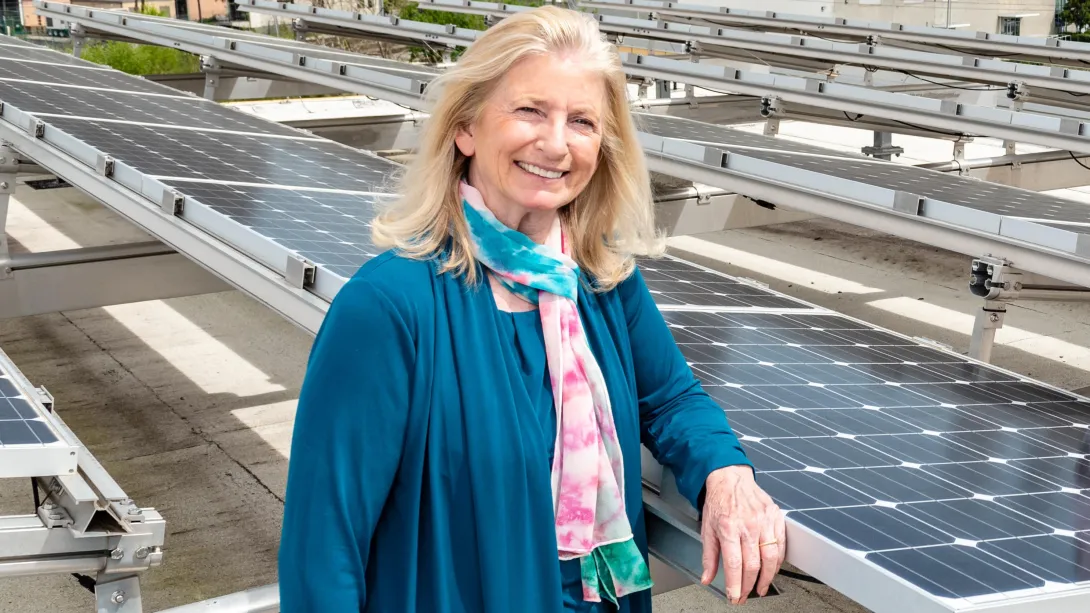
Marilyn Brown, Regents’ and Brook Byers Professor of Sustainable Systems in Georgia Tech’s School of Public Policy

Shan Zhou, assistant professor at Purdue University and Georgia Tech Ph.D. alumna
While the U.S. federal government has clean energy targets, they are not binding. Most economically developed countries have mandatory policies designed to bolster renewable electricity production. Because the U.S. lacks an enforceable federal mandate for renewable electricity, individual states are left to develop their own regulations.
Marilyn Brown, Regents’ and Brook Byers Professor of Sustainable Systems in Georgia Tech’s School of Public Policy; Shan Zhou, an assistant professor at Purdue University and Georgia Tech Ph.D. alumna; and Barry Solomon, a professor emeritus of environmental policy at Michigan Technological University, investigated how clean electricity policies affect not only the states that adopt them, but neighboring states as well. Using data-driven comparisons, the researchers found that the impact of these subnational clean energy policies is far greater — and more nuanced — than previously known.
Their research was recently published in the journal Proceedings of the National Academy of Sciences.
“Analysts are asking if the U.S. should have a federal renewable mandate to put the whole country on the same page, or if individual state policies are sufficient,” Brown said. “To answer that question, it is useful to know if states with renewable energy policies are influencing those without them.”
Brown, Solomon, and Zhou examined a common clean energy policy tool: the Renewable Portfolio Standard (RPS). Adopted by more than half of U.S. states, RPSs are regulations requiring a state’s utility providers to generate a certain percentage of their electricity from renewable resources, such as wind or solar. Many of these standards are mandatory, with utility companies facing fines if they fail to reach targets within a given time.
To investigate the influence of these policies across state lines, the researchers first created a dataset that included 31 years (1991-2021) of annual renewable electricity generation data for 48 U.S. states and the District of Columbia. They then used the dataset to generate pairs of states linking each state to its geographic neighbors or electricity trading partners, allowing them to examine the influence of the RPS policy adopted by one of the pair on the renewable energy generation of the other — a total of 1,519 paired comparisons.
“By only looking at the pairs, we can see if an RPS in one state directly affects renewable electricity generation in another state, and, if that’s the case, whether it is because they are geographic neighbors or if it’s because they are participating in the same wholesale electricity market,” Zhou said.
Looking into the electricity market is important, because states often purchase electricity from other states through wholesale markets rather than exclusively producing their own power, and the purchased power can be generated from renewables. Utilities in some states may be allowed to meet their own RPS requirements by purchasing renewable energy credits based on the renewable electricity generated in other states.
In their analyses, the team also considered the concept of “policy stringency.” A stringency measure evaluates a state’s renewable electricity targets relative to the amount currently produced in the state. For example, if a state requires electric utilities to generate 30% of their electricity from renewable sources by 2030 and the state already has 25%, it isn’t a very stringent policy. On the other hand, if a state has a 30% target and only uses 10% renewables currently, it has a more ambitious and stringent RPS.
Though policy experts have used the metric in related work for over a decade, the research team improved the design.
“Our stringency variable includes interim targets as well as the existing share of renewable energy generation,” Solomon said.
The team found that the amount of renewable electricity generation in a state is not only influenced by whether that state has its own RPS, but also by the RPS policies of neighboring states.
“We also learned that the stronger a neighboring state’s RPS policy is, the more likely a given state is to generate more renewable electricity,” Brown said. “It’s all a very interactive web with many co-benefits.”
The authors were surprised to find that a given state’s electricity trading partners did not hold the most influence over renewable generation, but rather the geographical proximity to RPS states. They suggest that past RPS policy research focusing on within-state impacts likely underestimated an RPS’s full impact. While the researchers have not yet identified all factors that can cause spillover effects, they plan to investigate this further.
“The spillover effect is very significant and should not be overlooked by future research, especially for states without RPSs,” Zhou said. “For states without policies, their renewable electricity generation is very heavily influenced by their neighbors.”
Citation: Shan Zhou, Barry D. Solomon, and Marilyn A. Brown, “The spillover effect of mandatory renewable portfolio standards.” PNAS (June 2024).
DOI: https://doi.org/10.1073/pnas.2313193121
Aug. 09, 2024
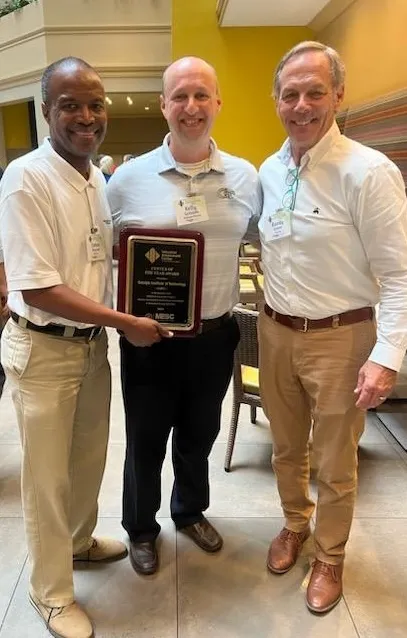
The federally funded IAC program provides small to mid-sized industrial facilities in the region with free assessments for energy, productivity, and waste, while also supporting workforce development, recruitment, and training.
“This IAC is a great example of the ways in which Georgia Tech is serving all of Georgia and the Southeast,” said Tim Lieuwen, executive director of Georgia Tech’s Strategic Energy Institute (SEI) and Regents’ Professor and holder of the David S. Lewis, Jr. Chair in the Daniel Guggenheim School of Aerospace Engineering.
“We support numerous small and medium-sized enterprises in rural, suburban, and urban areas, bringing the technical expertise of Georgia Tech to bear in solving real-world problems faced by our small businesses.”
Georgia Tech’s IAC, which serves Georgia, South Carolina, and North Florida, is administered jointly by the George W. Woodruff School of Mechanical Engineering and the Georgia Manufacturing Extension Partnership (GaMEP), part of the Enterprise Innovation Institute (EI2). The organization has performed thousands of assessments since its inception in the 1980s – usually at the rate of 15 to 20 per year – and typically identifies upwards of 10% in energy savings for clients.
The assessment team, overseen by IAC associate director Kelly Grissom, comprises faculty and student engineers from Georgia Tech and the Florida A&M University/Florida State University College of Engineering.
In addition, Georgia Tech leads the Southeastern IACs Center of Excellence, which partners the institution with fellow University System of Georgia (USG) entity Kennesaw State University, local HBCU Clark Atlanta University, and neighboring state capital HBCU Florida A&M University.
Although mechanical engineering has historically been the chief area of concentration for IAC’s interns, the program currently accepts students across a range of disciplines. “Increased diversity from that standpoint enriches the potential of the recommendations we can make,” said Grissom.
Students are integral to the program, as is Grissom’s role in facilitating their experiences with client engagement and technical recommendations.
“Kelly is the reason our program has been recognized,” said Randy Green, energy and sustainability services group manager at GaMEP. “He works tirelessly to ensure that assessments are accomplished with success for our manufacturers and students.”
“We also recognize our partnership with the Woodruff School of Mechanical Engineering and with IAC program lead Comas Haynes, Ph.D., who works diligently to keep us on track and connected with our sponsors at the U.S. Department of Energy,” Green added.
The DoE accolade represents “a ‘one Georgia Tech’ win,” symbolic of the synergistic relationships forged across the Institute, said Haynes, who also serves as the Hydrogen Initiative Lead at Georgia Tech’s Strategic Energy Institute (SEI) and Energy branch head in the Intelligent Sustainable Technologies Division at the Georgia Tech Research Institute. Haynes specifically cited Green’s “technical prowess and managerial oversight” as another key to the IAC program’s success.
Said Devesh Ranjan, Eugene C. Gwaltney, Jr. School Chair and professor in the George W. Woodruff School of Mechanical Engineering, “It is truly an honor for Georgia Tech to be named the Department of Energy Industrial (Training and) Assessment Center of the Year. Clean energy and manufacturing have been a focus for the Institute and the Woodruff School for a long time, and GTRI, EI2, and SEI have collaboratively done phenomenal work in helping manufacturers save energy, improve productivity, and reduce waste.”
To check eligibility and apply for assistance from Georgia Tech’s IAC, click here.
News Contact
Eve Tolpa
eve.tolpa@innovate.gatech.edu
Jul. 31, 2024
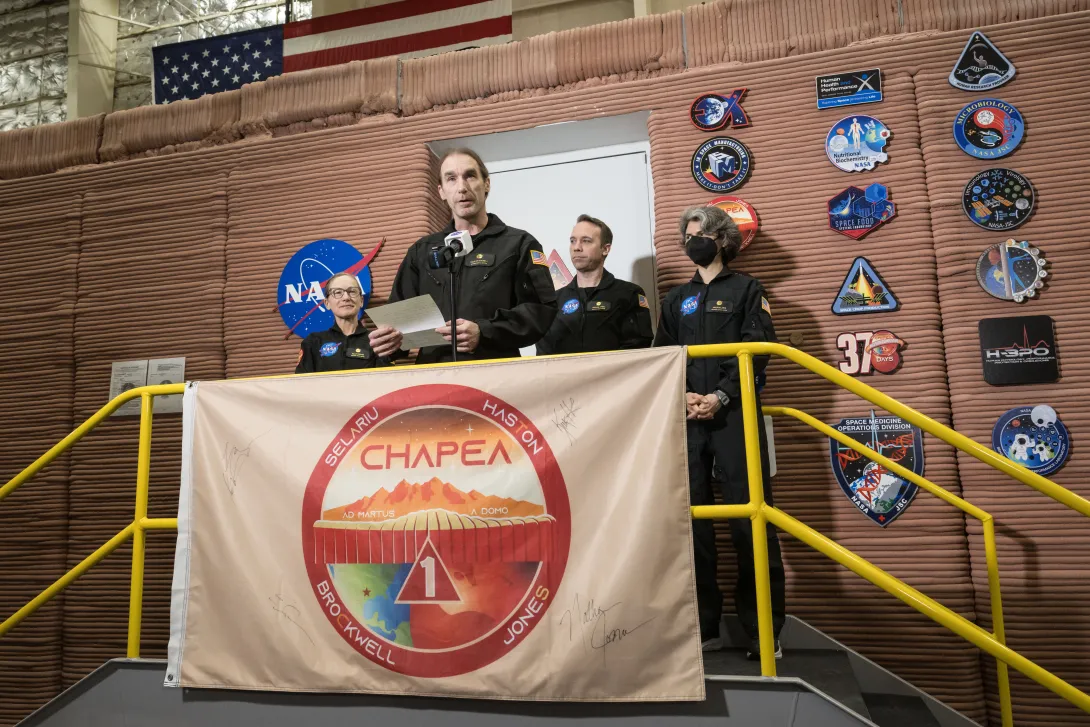
Ross Brockwell exiting the Mars Dune Alpha habitat at NASA's Johnson Space Center in Houston, Texas. Photo credit: NASA/CHAPEA
When the door to the Mars Dune Alpha habitat at NASA's Johnson Space Center in Houston, Texas, closed behind the crew members of the first Crew Health and Performance Exploration Analog (CHAPEA) mission, Georgia Tech graduate Ross Brockwell was transported 152 million simulated miles to the Red Planet.
For the next 378 days, Brockwell, a 1999 civil engineering graduate, and three other crew members participated in the study designed to gain insights into the challenges of deep space exploration and its effects on human health and performance. The crew performed robotic operations, habitat maintenance, agricultural activities, and simulated surface walks in the "sandbox" with the assistance of virtual reality while enduring intentional resource limitations, isolation, and confinement.

A structural engineer by day, he has always dreamed of space travel, and when a fellow Yellow Jacket alerted Brockwell to the application for the CHAPEA mission, he seized the opportunity.
"Sometimes, you get chances in your lifetime, and if I don't get a chance to actually go to Mars, if I can take this chance to help us get there as a planet, I'm honored," he said.
Once inside the 1,700-square-foot habitat, Brockwell's role as the CHAPEA mission's flight engineer focused on infrastructure, building design, and organizational leadership. As much as he learned from his tasks throughout the mission, like anticipating possible failure points and contingency planning, NASA learned even more through physical and cognitive monitoring.
"There was a lot of science, but some of the science was focused on us as the participants — our physiology and our performance — to make the mission as realistic as possible," he said.
Communication is a key element in space travel. Getting a message from Mars back to family and friends or mission control on Earth took 20 minutes on average for the crew inside the habitat, testing their ability to isolate. Without constant communication with the outside world, the crew fostered camaraderie through team activities and celebrated birthdays and holidays together. Brockwell's ingenuity wasn't limited to official tasks; he used a 3D printer to create a bracket for mounting a mini-basketball hoop.
Meals inside the habitat mirrored the shelf-stable food system of the International Space Station. While cultivated crops like tomatoes supplemented their main supply, Brockwell says there is a common misconception about astronaut food.
"I say with all sincerity, it was delicious." His favorite dish was a peanut chicken and wild rice mix, but the crew often got creative by mixing soups and proteins to create new dishes.
Other than the food, the biggest surprise to Brockwell was how quickly the mission was completed.
"I hoped and thought it would be that way, but we proved that a well-comprised crew can have a good time while doing this. There were a lot of clichéd expectations that there would be issues that we just didn't have. I think we demonstrated that a mission like this can be a huge success and an enjoyable, positive experience, not just something to be endured," he said.
Brockwell says that his time at Georgia Tech allowed him to learn the fundamentals of engineering principles and taught him to keep an open mind when exploring how things work. After receiving a master's degree in aeronautics from the California Institute of Technology and completing the CHAPEA mission, he believes systems engineering can aid deep space exploration efforts for the next generation.
"Thinking about the effect of every component on every other component and the emergent properties from complex systems is crucial. I think that systems thinking is going to become increasingly important. Ecology and ecological thinking need to be part of it, especially for aerospace. If you're thinking about deep space exploration, an understanding of ecological principles and closed-loop systems will be key," he said.
At the end of the mission, Brockwell savored the sights and smells of Earth for the first time in over a year, saying that's what he missed the most. But if the opportunity arose to take the 152-million-mile flight to Mars, he'd be on the first ship out.
News Contact
Steven Gagliano - Institute Communications
Jul. 23, 2024
From keeping warm in the winter to doing laundry, heat is crucial to daily life. But as the world grapples with climate change, buildings’ increasing energy consumption is a critical problem. Currently, heat is produced by burning fossil fuels like coal, oil, and gas, but that will need to change as the world shifts to clean energy.
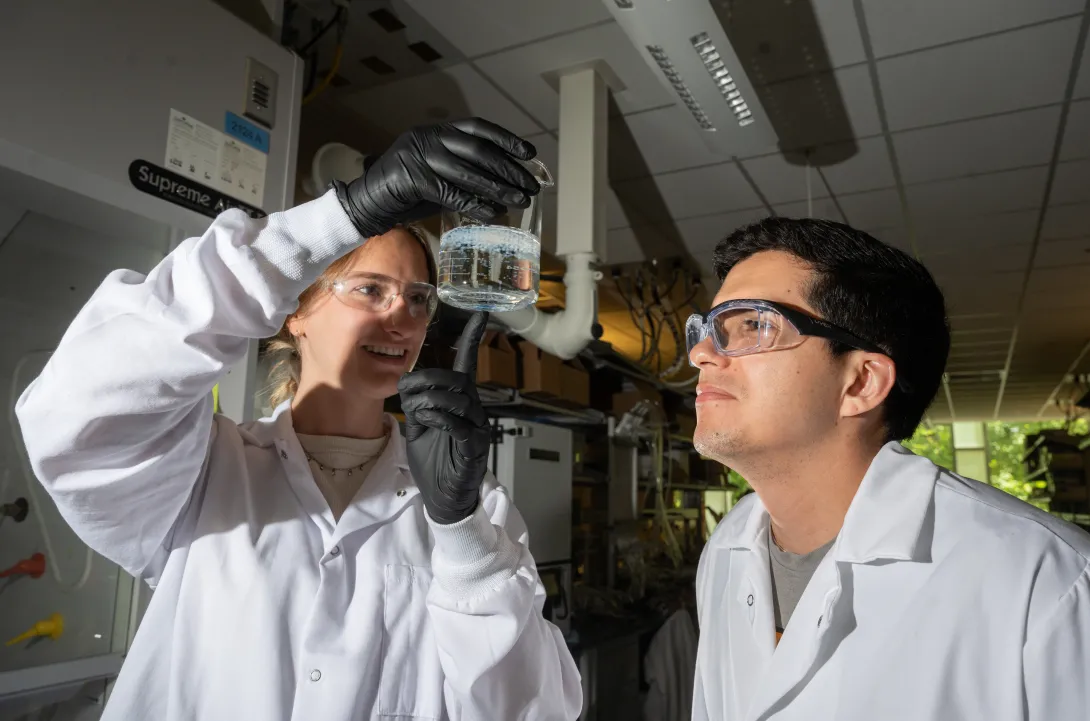
Georgia Tech researchers in the George W. Woodruff School of Mechanical Engineering (ME) are developing more efficient heating systems that don’t rely on fossil fuels. They demonstrated that combining two commonly found salts could help store clean energy as heat; this can be used for heating buildings or integrated with a heat pump for cooling buildings.
The researchers presented their research in “Thermochemical Energy Storage Using Salt Mixtures With Improved Hydration Kinetics and Cycling Stability,” in the Journal of Energy Storage.
Reaction Redux
The fundamental mechanics of heat storage are simple and can be achieved through many methods. A basic reversible chemical reaction is the foundation for their approach: A forward reaction absorbs heat and then stores it, while a reverse reaction releases the heat, enabling a building to use it.
ME Assistant Professor Akanksha Menon has been interested in thermal energy storage since she began working on her Ph.D. When she arrived at Georgia Tech and started the Water-Energy Research Lab (WERL), she became involved in not only developing storage technology and materials but also figuring out how to integrate them within a building. She thought understanding the fundamental material challenges could translate into creating better storage.
“I realized there are so many things that we don't understand, at a scientific level, about how these thermo-chemical materials work between the forward and reverse reactions,” she said.
The Superior Salt
The reactions Menon works with use salt. Each salt molecule can hold a certain number of water molecules within its structure. To instigate the chemical reaction, the researchers dehydrate the salt with heat, so it expels water vapor as a gas. To reverse the reaction, they hydrate the salt with water, forcing the salt structure’s expansion to accommodate those water molecules.
It sounds like a simple process, but as this expansion/contraction process happens, the salt gets more stressed and will eventually mechanically fail, the same way lithium-ion batteries only have so many charge-discharge cycles.
“You can start with something that's a nice spherical particle, but after it goes through a few of these dehydration-hydration cycles, it just breaks apart into tiny particles and completely pulverizes or it overhydrates and agglomerates into a block,” Menon explained.
These changes aren’t necessarily catastrophic, but they do make the salt ineffective for long-term heat storage as the storage capacity decreases over time.
Menon and her student, Erik Barbosa, a Ph.D. student in ME, began combining salts that react with water in different ways. After testing six salts over two years, they found two that complemented each other well. Magnesium chloride often fails because it absorbs too much water, whereas strontium chloride is very slow to hydrate. Together, their respective limitations can mutually benefit each other and lead to improved heat storage.
“We didn't plan to mix salts; it was just one of the experiments we tried,” Menon said. “Then we saw this interactive behavior and spent a whole year trying to understand why this was happening and if it was something we could generalize to use for thermal energy storage.”
The Energy Storage of the Future
Menon is just beginning with this research, which was supported by a National Science Foundation (NSF) CAREER Award. Her next step is developing the structures capable of containing these salts for heat storage, which is the focus of an Energy Earthshots project funded by the U.S. Department of Energy’s (DOE) Office of Basic Energy Sciences.
A system-level demonstration is also planned, where one solution is filling a drum with salts in a packed bed reactor. Then hot air would flow across the salts, dehydrating them and effectively charging the drum like a battery. To release that stored energy, humid air would be blown over the salts to rehydrate the crystals. The subsequently released heat can be used in a building instead of fossil fuels. While initiating the reaction needs electricity, this could come from off-peak (excess renewable electricity) and the stored thermal energy could be deployed at peak times. This is the focus of another ongoing project in the lab that is funded by the DOE’s Building Technologies Office.
Ultimately, this technology could lead to climate-friendly energy solutions. Plus, unlike many alternatives like lithium batteries, salt is a widely available and cost-effective material, meaning its implementation could be swift. Salt-based thermal energy storage can help reduce carbon emissions, a vital strategy in the fight against climate change.
“Our research spans the range from fundamental science to applied engineering thanks to funding from the NSF and DOE,” Menon said. “This positions Georgia Tech to make a significant impact toward decarbonizing heat and enabling a renewable future.”
News Contact
Tess Malone, Senior Research Writer/Editor
tess.malone@gatech.edu
Jul. 19, 2024
When Blair Brettmann was a sophomore at the University of Texas at Austin, her advisor told her about the National Science Foundation’s Research Experience for Undergraduates (REU) program. The summer program enables undergraduates to conduct research at top institutions across the country. Brettmann spent the summer of 2005 at Cornell working in a national nanotechnology program — a defining experience that led to her current research in molecular engineering for integrated product development.
“I didn't know for sure if I wanted to attend grad school until after the REU experience,” Brettmann said. “Through it, I went to high-level seminars for the first time, and working in a cleanroom was super cool.”
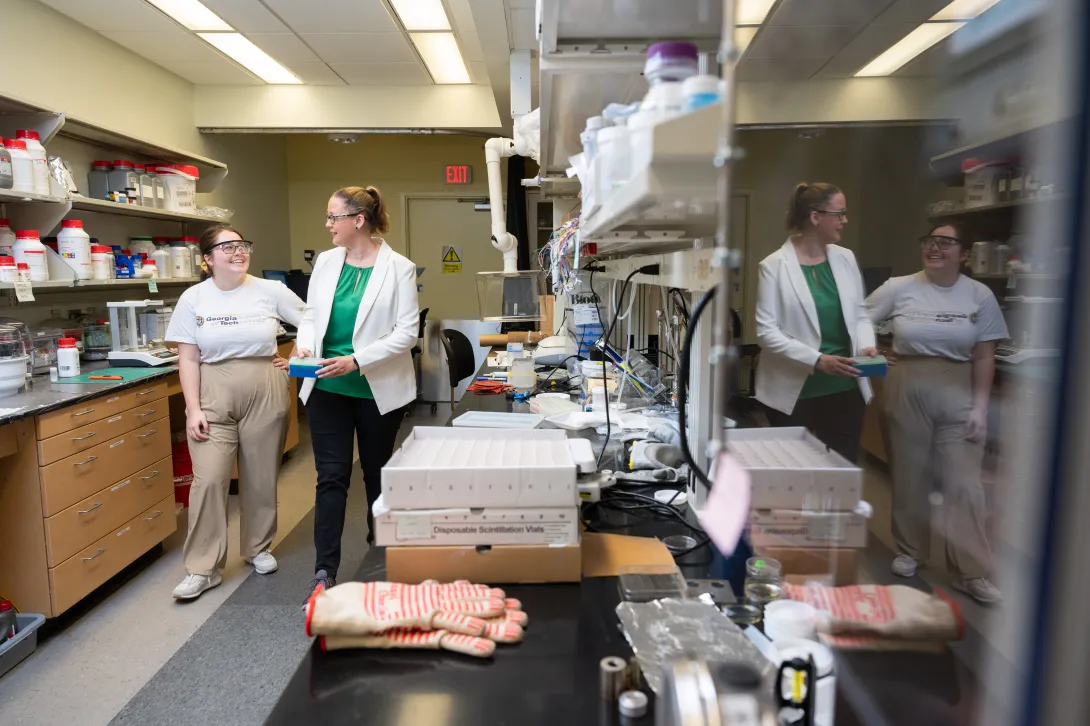
Her experience was so positive that the following summer, Brettmann completed a second REU at the Massachusetts Institute of Technology, where she eventually earned her Ph.D. Now an associate professor in Georgia Tech’s School of Chemical and Biomolecular Engineering and School of Materials Science and Engineering and an Institute for Matter and Systems faculty member, Brettmann is an REU mentor for the current iteration of the nanotechnology program — now taking place at Georgia Tech.
Brettmann’s mentee this summer, Marissa Moore, is having a similarly positive experience. A rising senior in chemical engineering at the University of Missouri-Columbia (Mizzou), Moore was already familiar with Georgia Tech because her father received his chemical engineering Ph.D. from the Institute; she hopes to do the same. Her passion for research began as she grew up with her sister, who had cerebral palsy and epilepsy.
“We spent a lot of time in hospitals trying out new devices and looking for different medications that would help her, so I knew I wanted to make a difference in this area,” she said.
But Moore wasn’t interested in being a doctor. Instead, she wanted to develop the materials that could be a solution for someone like her sister. Her undergraduate research focuses on materials and biomaterials for medical applications, and Georgia Tech is enabling her to deep-dive into pure materials science.
“What I'm working on at both universities is biodegradable polymers, but at Mizzou I’m developing that polymer from the ground up, and at Tech I’m using the properties of the polymer and finding how to make them,” she explained.
Having the opportunity to work in nanotechnology through the Institute for Materials and use Georgia Tech’s famous cleanroom made this REU stand out for Moore.
“I had never been in the cleanroom before, so that was one of the most eye-opening experiences,” she said. “It was cool to gown up and learn all of the safety precautions.”
For Brettmann, hands-on research experiences like this make the REU program unique — and crucial — for potential graduate students.
“Having your experiments fail, or even having things not turn out as you expect them to is an important part of the graduate research experience,” she said. “One of the best things about REU is it can be a first experience for people and help them decide what to do in grad school later on.”
News Contact
Tess Malone, Senior Research Writer/Editor
tess.malone@gatech.edu
Jul. 19, 2024
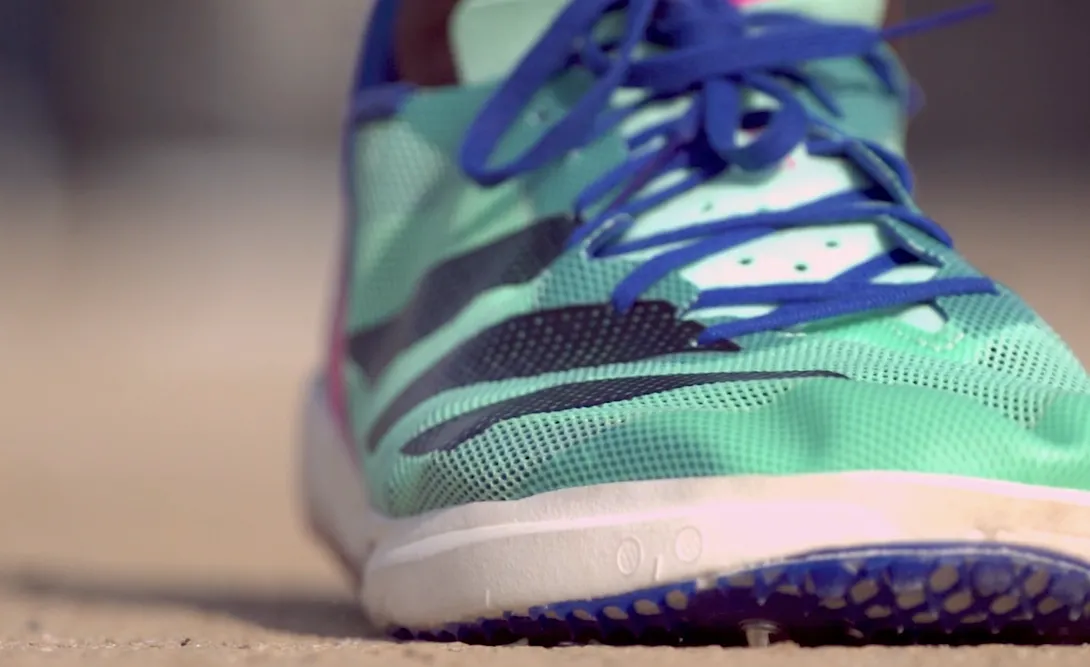
Like the track laid down at Georgia Tech before the 1996 Olympic Games, the Mondo track in Paris was engineered to produce fast times. Yellow Jacket Men's Track and Field Coach Grover Hinsdale and Principal Research Engineer Jud Ready explain the science of the surface.
Every millisecond will matter when the world's best athletes gather in Paris for the Summer Olympics, and track and field athletes will compete on a surface designed to produce record-breaking performances.
Mondo athletic tracks have been underneath the feet of Olympians since 1972. In that time, 300 records were broken on surfaces designed and constructed in Alba, Italy, including 15 at the Centennial Olympic Games in Atlanta.
Consistency Is Key
Georgia Tech’s George C. Griffin Track and Field Facility was outfitted with a Mondo track before the 1996 Games to serve as the workout track for the Olympic Village, and the material has been a staple at the facility ever since. Yellow Jacket Track and Field Coach Grover Hinsdale, a coach to three Olympic gold medalists, explains that the consistency in Mondo's construction sets it apart from all other tracks.
"A Mondo track is made in a climate-controlled factory, processed from the raw rubber to the finished product. So, every square inch of Mondo is the same — same durometer, same thickness, everything is the same. All other rubberized track surfaces are poured on-site, so variables like temperature and humidity affect the result, and you may end up with lanes that don't set uniformly,” he said.
Hinsdale likened the installation process to laying carpet. It will take more than 2,800 glue pots to set the 13,000 square meters of track inside Stade de France. Jud Ready, a principal research engineer in the School of Materials Science and Engineering, says the evolution of the company’s technology has also contributed to producing faster tracks.
"They're able to alter the rubber track's energy return mechanism by changing the shape of the particulate and the compressibility of it," Ready said. "Longevity is less of a concern for the Paris track, so they can tune it to emphasize speed."
Maximizing Performance
Each layer of the track surface plays a different role in helping athletes achieve peak performance. Hinsdale describes how those layers come together with each step.
"When your foot strikes down on an asphalt surface or you're running down a sidewalk, there's virtually no give other than what's taking place in the muscles and joints of your body. The surface is giving nothing back. When your foot strikes a Mondo surface, it'll sink in slightly, and the surface gives energy back. This pushes your foot back off that track quicker, putting the foot back into the cycle to complete another stride,” he said.
Because of the energy given back by the thin and firm surface of the Mondo track, Hinsdale says, sprinters and distance runners will run faster with the same effort they normally exert on any other surface.
Athletes look for every edge to get ahead of the competition. Ready's course, Materials Science and Engineering of Sports, examines how that advantage can be found at the scientific level.
"All sports are so heavily driven by material advancements these days,” he said. “Yes, we use the mechanical properties we've used since the Egyptians started racing chariots, but as material scientists, we keep trying to make things better.”
Viewers will notice the unique purple hue of the Paris track when the games begin, but Ready and Hinsdale don't expect the striking color to affect performance.
News Contact
Steven Gagliano - Institute Communications
Jul. 16, 2024
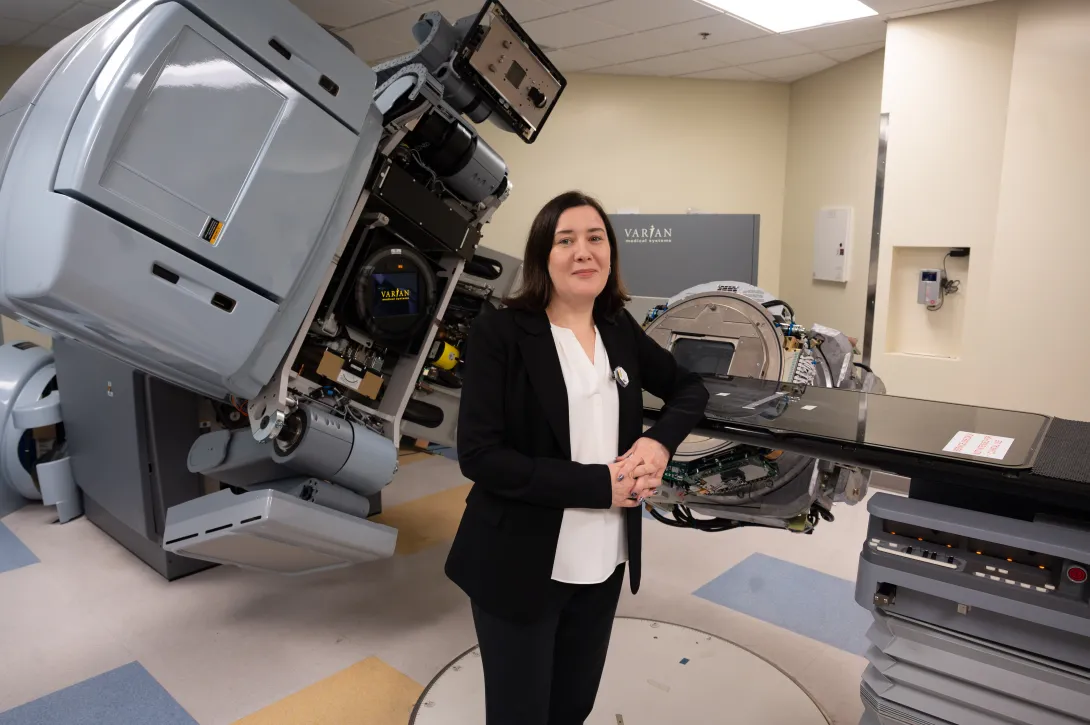
Georgia Tech will lead a consortium of 12 universities and 12 national labs as part of a $25 million U.S. Department of Energy National Nuclear Security Administration (NNSA) award. This is the second time Georgia Tech has won this award and led research and development efforts to aid NNSA’s nonproliferation, nuclear science, and security endeavors.
The Consortium for Enabling Technologies and Innovation (ETI) 2.0 will leverage the strong foundation of interdisciplinary, collaboration-driven technological innovation developed in the ETI Consortium funded in 2019. The technical mission of the ETI 2.0 team is to advance technologies across three core disciplines: data science and digital technologies in nuclear security and nonproliferation, precision environmental analysis for enhanced nuclear nonproliferation vigilance and emergency response, and emerging technologies. They will be advanced by research projects in novel radiation detectors, algorithms, testbeds, and digital twins.
“What we're trying to do is bring those emergent technologies that are not implemented right now to fruition,” said Anna Erickson, Woodruff Professor and associate chair for research in the George W. Woodruff School of Mechanical Engineering, who leads both grants. “We want to understand what's ahead in the future for both the technology and the threats, which will help us determine how we can address it today.”
While half the original collaborators remain, Erickson sought new institutional partners for their research expertise, including Abilene Christian University, University of Alaska Fairbanks, Stony Brook University, Rensselaer Polytechnic Institute, and Virginia Commonwealth University. Other university collaborators include the Colorado School of Mines, the Massachusetts Institute of Technology, Ohio State University, Texas A&M University, the University of Texas at Austin, and the University of Wisconsin–Madison.
National lab partners are the Argonne National Laboratory, Brookhaven National Laboratory, Idaho National Laboratory, Lawrence Berkeley National Laboratory, Lawrence Livermore National Laboratory, Los Alamos National Laboratory, Nevada National Security Site, Oak Ridge National Laboratory, Pacific Northwest National Laboratory, Princeton Plasma Physics Laboratory, Sandia National Laboratories, and Savannah River National Laboratory.
The partners, along with the other NNSA Consortia, gathered at Texas A&M in June to present the new results of the research — NNSA DNN R&D University Program Review — and the kickoff will be hosted in Atlanta in February 2025. More than 300 collaborators, including 150 students, met for four days to share their research and develop new partnerships.
Engaging students in research in the nuclear nonproliferation field is a key part of the award. The plan is to train over 50 graduate students, provide internships for graduate and undergraduate students, and offer faculty-student lab visit fellowships. This pipeline aims to develop well-rounded professionals equipped with the expertise to tackle future nonproliferation challenges.
“Because nuclear proliferation is a multifaceted problem, we try to bring together people from outside nuclear engineering to have a conversation about the problems and solutions,” Erickson said.
“One of the biggest accomplishments of ETI 1.0 is this incredible relationship that our university PIs have been able to forge with national labs,” she said. “Over five years, we've supported over 70 student internships at national labs, and we have already transitioned a number of Ph.D. students to careers at national labs.”
As the consortium efforts continue, the team looks forward to the next phase of engagement with government, university, and national lab partners.
“With a united team and a focus on cutting-edge technologies, the ETI 2.0 consortium is poised to break new ground in nuclear nonproliferation,” Erickson said. “Collaboration is the fuel, and innovation is the engine.”
News Contact
Tess Malone, Senior Research Writer/Editor
tess.malone@gatech.edu
Jul. 02, 2024
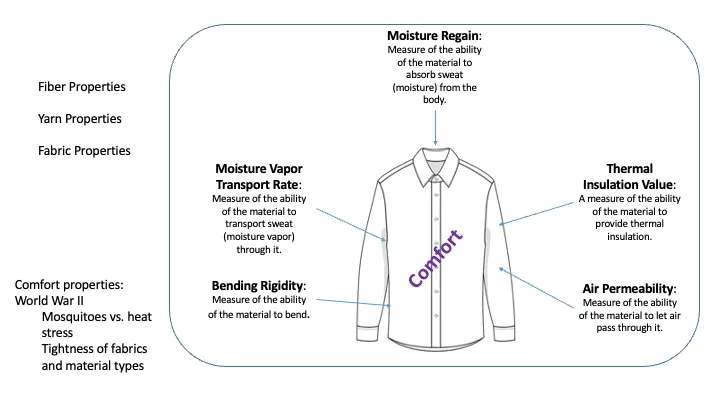
As the summer heat intensifies, with temperatures sometimes soaring to triple digits, the question of which fabrics are best for staying cool becomes particularly relevant. Sundaresan Jayaraman, a professor in Georgia Tech’s School of Materials Science and Engineering, offers insights into the properties of various fabrics and why some are more effective than others in hot, humid conditions.
Jayaraman, a renowned expert in fibers, polymers, and textiles, recognizes linen as the best fabric for hot and humid conditions. He explains that linen's effectiveness lies in its superior moisture management properties. The fiber structure of linen allows it to absorb moisture quickly and then transport it away from the body. This is due to linen's high moisture regain capacity, which means it can absorb a significant amount of moisture without feeling damp.
“The moisture vapor transport rate for linen is much greater than that for cotton or polyester,” he explained. Additionally, linen's bending rigidity prevents it from clinging to the body, allowing for better air circulation.
Cotton is another popular fabric for summer, known for its softness and breathability. However, Jayaraman points out that while cotton effectively absorbs moisture, it tends to retain it longer than linen, making it feel clammy in extreme heat. Cotton's moisture vapor transmission rate is lower than linen’s, meaning it doesn't dry as quickly.
The structure of cotton fibers, which are ribbon-like and can trap more water, also affects cotton’s performance. While it’s more prone to sticking to the body due to its lower bending rigidity, cotton is generally comfortable for less humid conditions or for shorter durations in the heat.
While polyester may not be the first fabric that comes to mind for summer, its performance can be significantly enhanced with chemical treatments. Dri-FIT technology, for instance, improves polyester’s moisture-wicking properties, making it a popular choice for athletic wear.
“Regular polyester is terrible when it comes to moisture absorption,” admitted Jayaraman. “But Dri-FIT polyester doesn’t feel clammy and is very comfortable for being physically active in the summer months.”
While functionality is crucial, aesthetics also play a role in fabric choice for the summer. Linen, despite its excellent cooling properties, is prone to wrinkling and may not drape as elegantly as cotton or treated polyester. Jayaraman notes that linen's natural stiffness, which contributes to its cooling benefits, also leads to its tendency to wrinkle. He says, “For a crisp appearance, linen garments often require ironing before wear.” For those prioritizing appearance, cotton offers a softer drape and a smoother look, albeit with slightly less cooling efficiency.
News Contact
Ayana Isles
Senior Media Relations Representative
Aisles3@gatech.edu