
Apr. 18, 2025
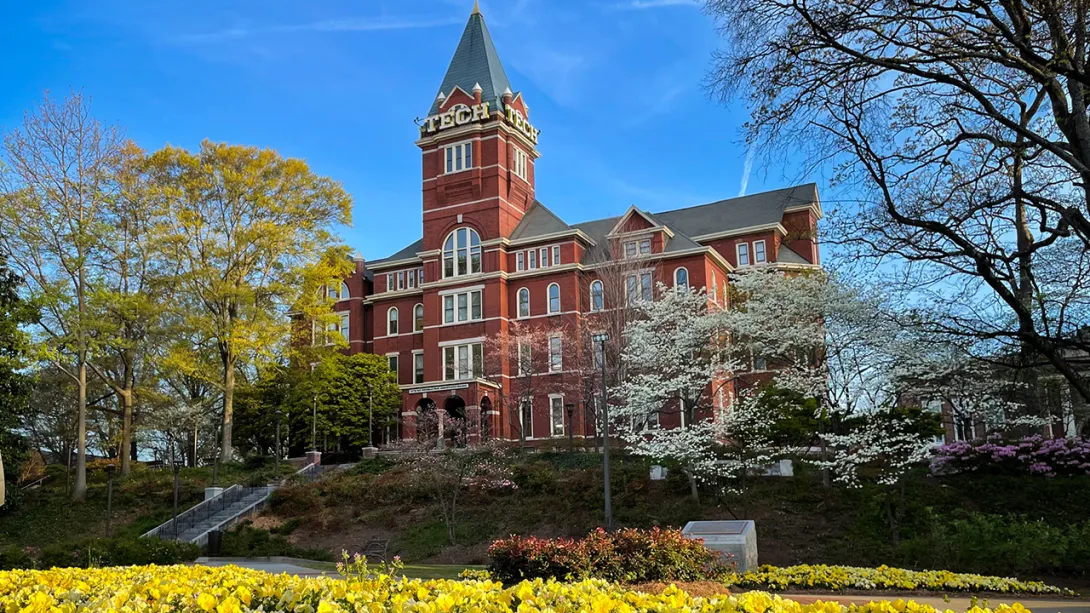
In mid-April Georgia Tech's Renewable Bioproducts Institute hosted a mini-symposium discussing the challenges and potential solutions to integration at different scales and levels of abstraction.
Challenges Discussed:
-Technical Compatibility: Ensuring biomass-derived feedstocks are compatible with existing refinery processes without causing operational disruptions.
-Economic Viability: Balancing the costs of biomass processing and integration with the potential economic benefits.
-Environmental Impact: Addressing the environmental implications of biomass integration, including emissions and sustainability.
-Infrastructure Adaptation: Modifying existing refinery infrastructure to accommodate biomass feedstocks without significant capital investment.
Proposed Solutions:
-Advanced Hydroprocessing Techniques: Utilizing mild hydro treatment and esterification to make biomass-derived feedstocks compatible with refinery processes.
-Cost-Effective Precipitation Methods: Implementing efficient lignin extraction processes to reduce costs and improve economic viability.
-Green Hydrogen Utilization: Leveraging green hydrogen produced from electrolysis to minimize environmental impact.
-Strategic Infrastructure Investments: Identifying key areas for infrastructure adaptation to facilitate seamless integration of biomass feedstocks.
This workshop underscored the importance of collaborative efforts in advancing biomass integration, paving the way for a more sustainable and economically viable future in the refining industry.
To listen to the workshop:
We’d like to share our thanks with our speakers for their insights:
Joseph Samac - Valorization of Forestry Side-stream
Ana Indes Torres - Biomass integration in Refineries with a Focus on System-Level Modeling and Optimization of Integration Strategies
Michael Reynolds - Advances in Catalysts for Feeds that Contain Blends of Seed and Tallow Oils
Nicholas Carlson Refinery Integration Anaysis: Pathways, Challenges, and Opportunities
Mike Griffin Producing Hydrocarbon Fuels from Woody Biomass via Catalytic Pyrolysis and Refinery Hydrotreating
Ryan Lively Separation of Bioderived Compounds Using Membrane Technology
RBI would love to hear from you on future topics you would like to hear us cover. Share your feedback with Executive Director Carson Meredith.
News Contact
Apr. 04, 2025

Hedwig Oldendorff vessel at the start of its emission monitoring voyage
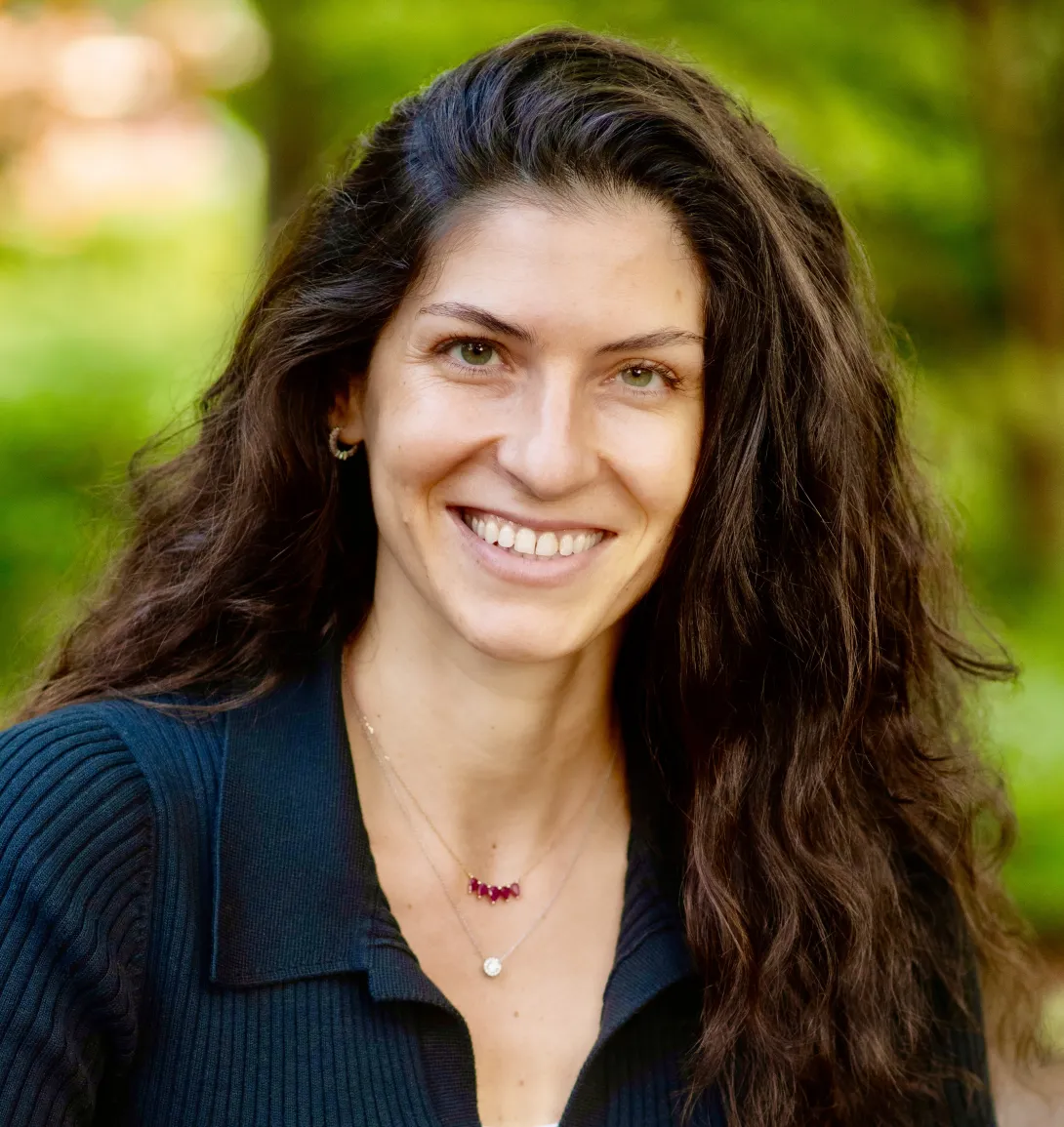
The study's lead author Patricia Stathatou is now an assistant professor at Georgia Tech. She began this study as a postdoc in MIT's Center for Bits and Atoms.
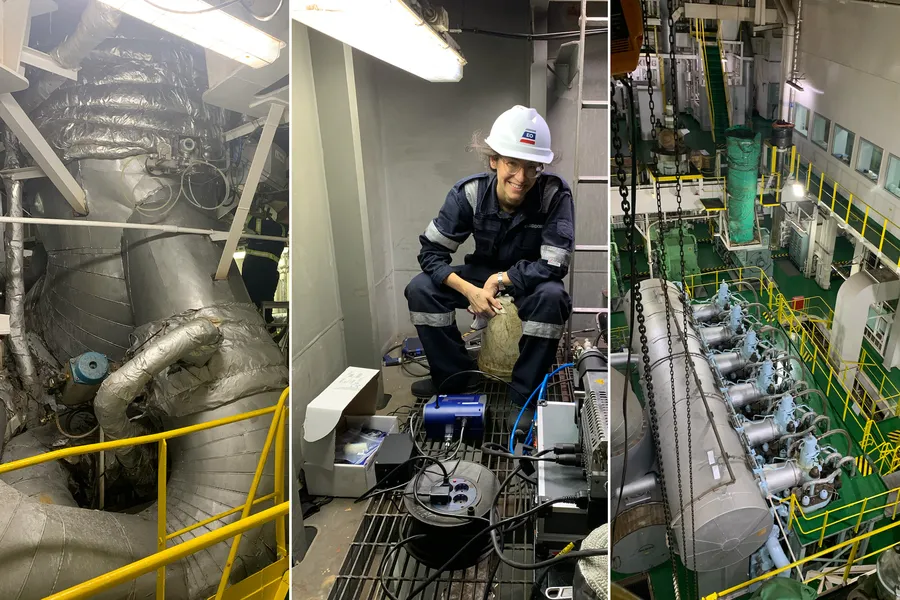
Patricia Stathatou onboard a bulk carrier vessel to measure emissions and gather seawater and washwater samples. The image shows (from left to right) measuring emissions upstream of the scrubber, Stathatou downsteam of the scrubber, and the enginer room aboard the bulk carrier vessel.
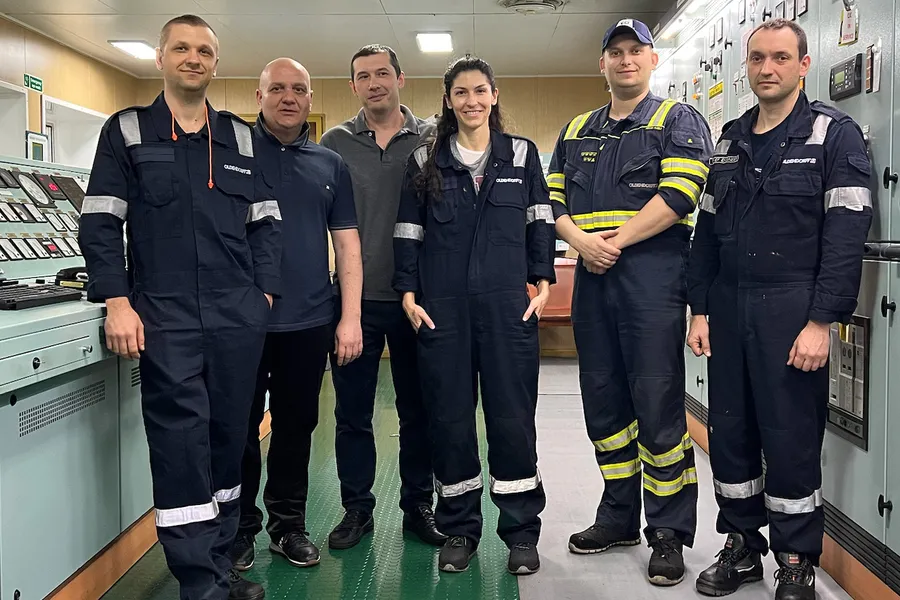
Stathatou (center) onboard the Hedwig Oldendorff vessel with crew members.
When the International Maritime Organization enacted a mandatory cap on the sulfur content of marine fuels in 2020, with an eye toward reducing harmful environmental and health impacts, it left shipping companies with three main options.
They could burn low-sulfur fossil fuels, like marine gas oil, or install cleaning systems to remove sulfur from the exhaust gas produced by burning heavy fuel oil. Biofuels with lower sulfur content offer another alternative, though their limited availability makes them a less feasible option.
While installing exhaust gas cleaning systems, known as scrubbers, is the most feasible and cost-effective option, there has been a great deal of uncertainty among firms, policymakers, and scientists as to how “green” these scrubbers are.
Through a novel lifecycle assessment, researchers from MIT, Georgia Tech, and elsewhere have now found that burning heavy fuel oil with scrubbers in the open ocean can match or surpass using low-sulfur fuels, when a wide variety of environmental factors is considered.
The scientists combined data on the production and operation of scrubbers and fuels with emissions measurements taken onboard an oceangoing cargo ship.
They found that, when the entire supply chain is considered, burning heavy fuel oil with scrubbers was the least harmful option in terms of nearly all 10 environmental impact factors they studied, such as greenhouse gas emissions, terrestrial acidification, and ozone formation.
“In our collaboration with Oldendorff Carriers to broadly explore reducing the environmental impact of shipping, this study of scrubbers turned out to be an unexpectedly deep and important transitional issue,” says Neil Gershenfeld, an MIT professor, director of the Center for Bits and Atoms (CBA), and senior author of the study.
“Claims about environmental hazards and policies to mitigate them should be backed by science. You need to see the data, be objective, and design studies that take into account the full picture to be able to compare different options from an apples-to-apples perspective,” adds lead author Patricia Stathatou, an assistant professor at Georgia Tech's School of Chemical and Biomolecular Engineering, who began this study as a postdoc in the CBA.
Stathatou is joined on the paper by Michael Triantafyllou and others at the National Technical University of Athens in Greece and the maritime shipping firm Oldendorff Carriers. The research appears today in Environmental Science and Technology.
Slashing sulfur emissions
Heavy fuel oil, traditionally burned by bulk carriers that make up about 30 percent of the global maritime fleet, usually has a sulfur content around 2 to 3 percent. This is far higher than the International Maritime Organization’s 2020 cap of 0.5 percent in most areas of the ocean and 0.1 percent in areas near population centers or environmentally sensitive regions.
Sulfur oxide emissions contribute to air pollution and acid rain, and can damage the human respiratory system.
In 2018, fewer than 1,000 vessels employed scrubbers. After the cap went into place, higher prices of low-sulfur fossil fuels and limited availability of alternative fuels led many firms to install scrubbers so they could keep burning heavy fuel oil.
Today, more than 5,800 vessels utilize scrubbers, the majority of which are wet, open-loop scrubbers.
“Scrubbers are a very mature technology. They have traditionally been used for decades in land-based applications like power plants to remove pollutants,” Stathatou says.
A wet, open-loop marine scrubber is a huge, metal, vertical tank installed in a ship’s exhaust stack, above the engines. Inside, seawater drawn from the ocean is sprayed through a series of nozzles downward to wash the hot exhaust gases as they exit the engines.
The seawater interacts with sulfur dioxide in the exhaust, converting it to sulfates — water-soluble, environmentally benign compounds that naturally occur in seawater. The washwater is released back into the ocean, while the cleaned exhaust escapes to the atmosphere with little to no sulfur dioxide emissions.
But the acidic washwater can contain other combustion byproducts like heavy metals, so scientists wondered if scrubbers were comparable, from a holistic environmental point of view, to burning low-sulfur fuels.
Several studies explored toxicity of washwater and fuel system pollution, but none painted a full picture.
The researchers set out to fill that scientific gap.
A “well-to-wake” analysis
The team conducted a lifecycle assessment using a global environmental database on production and transport of fossil fuels, such as heavy fuel oil, marine gas oil, and very-low sulfur fuel oil. Considering the entire lifecycle of each fuel is key, since producing low-sulfur fuel requires extra processing steps in the refinery, causing additional emissions of greenhouse gases and particulate matter.
“If we just look at everything that happens before the fuel is bunkered onboard the vessel, heavy fuel oil is significantly more low-impact, environmentally, than low-sulfur fuels,” she says.
The researchers also collaborated with a scrubber manufacturer to obtain detailed information on all materials, production processes, and transportation steps involved in marine scrubber fabrication and installation.
“If you consider that the scrubber has a lifetime of about 20 years, the environmental impacts of producing the scrubber over its lifetime are negligible compared to producing heavy fuel oil,” she adds.
For the final piece, Stathatou spent a week onboard a bulk carrier vessel in China to measure emissions and gather seawater and washwater samples. The ship burned heavy fuel oil with a scrubber and low-sulfur fuels under similar ocean conditions and engine settings.
Collecting these onboard data was the most challenging part of the study.
“All the safety gear, combined with the heat and the noise from the engines on a moving ship, was very overwhelming,” she says.
Their results showed that scrubbers reduce sulfur dioxide emissions by 97 percent, putting heavy fuel oil on par with low-sulfur fuels according to that measure. The researchers saw similar trends for emissions of other pollutants like carbon monoxide and nitrous oxide.
In addition, they tested washwater samples for more than 60 chemical parameters, including nitrogen, phosphorus, polycyclic aromatic hydrocarbons, and 23 metals.
The concentrations of chemicals regulated by the IMO were far below the organization’s requirements. For unregulated chemicals, the researchers compared the concentrations to the strictest limits for industrial effluents from the U.S. Environmental Protection Agency and European Union.
Most chemical concentrations were at least an order of magnitude below these requirements.
In addition, since washwater is diluted thousands of times as it is dispersed by a moving vessel, the concentrations of such chemicals would be even lower in the open ocean.
These findings suggest that the use of scrubbers with heavy fuel oil can be considered as equal to or more environmentally friendly than low-sulfur fuels across many of the impact categories the researchers studied.
“This study demonstrates the scientific complexity of the waste stream of scrubbers. Having finally conducted a multiyear, comprehensive, and peer-reviewed study, commonly held fears and assumptions are now put to rest,” says Scott Bergeron, managing director at Oldendorff Carriers and co-author of the study.
“This first-of-its-kind study on a well-to-wake basis provides very valuable input to ongoing discussion at the IMO,” adds Thomas Klenum, executive vice president of innovation and regulatory affairs at the Liberian Registry, emphasizing the need “for regulatory decisions to be made based on scientific studies providing factual data and conclusions.”
Ultimately, this study shows the importance of incorporating lifecycle assessments into future environmental impact reduction policies, Stathatou says.
“There is all this discussion about switching to alternative fuels in the future, but how green are these fuels? We must do our due diligence to compare them equally with existing solutions to see the costs and benefits,” she adds.
This study was supported, in part, by Oldendorff Carriers.
- Written by Adam Zewe, MIT News Office
News Contact
braddixon@gatech.edu
Apr. 01, 2025
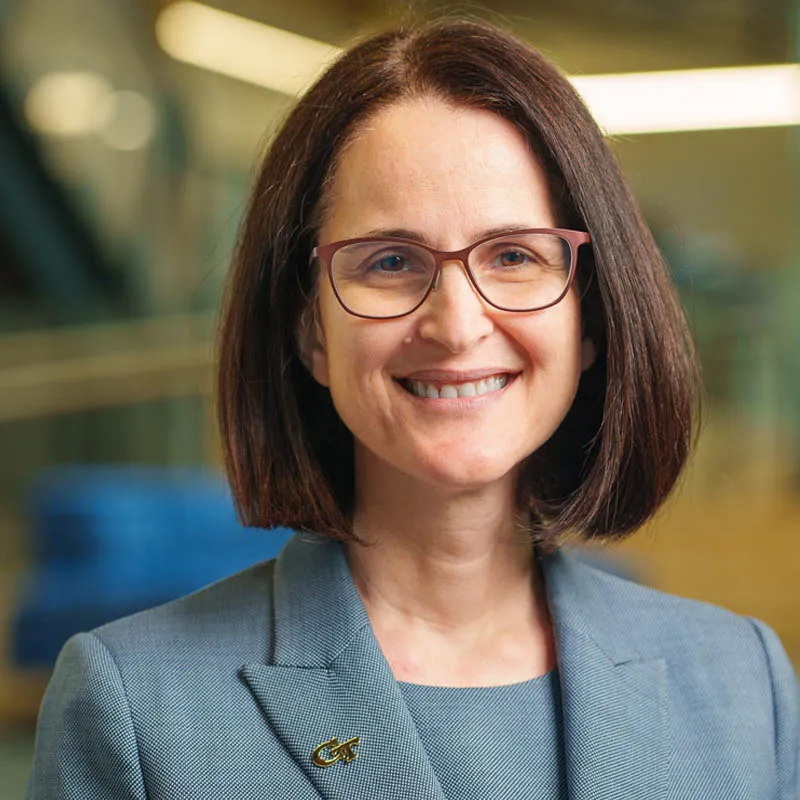
Following a nationwide search, Julia Kubanek, vice president for Interdisciplinary Research at Georgia Tech, has named Beril Toktay as the executive director of the Brook Byers Institute for Sustainable Systems (BBISS). Toktay has served as BBISS interim executive director since September 2022.
“As interim executive director, Beril has built the BBISS community, broadened its scope, and developed new programming to grow cross-disciplinary collaboration, community-engaged research, and entrepreneurship,” Kubanek said. “Faculty and students from the liberal arts, social sciences, design, business, computing, and fundamental science are engaging with BBISS in greater numbers, complementing our engineering community’s involvement. These are areas of strength at Georgia Tech that will help amplify the impact of BBISS.”
Toktay is professor of operations management, the Brady Family Chair, and Regents' Professor at the Scheller College of Business. She is an internationally recognized sustainable operations management scholar whose work has been recognized with multiple best paper awards. She is a Distinguished Fellow of the INFORMS Manufacturing & Service Operations Management (MSOM)Society. Through initiatives such as the Drawdown Georgia Business Compact, she has helped translate research insights into actionable business initiatives while fostering regional economic development.
Her academic leadership includes serving as department co-editor for “Health, Environment, and Society” for MSOM, area editor for “Environment, Energy, and Sustainability” at Operations Research, and special issue co-editor on “Business and Climate Change” for Management Science, as well as “Environment” for MSOM. She serves on the board of the Alliance for Research on Corporate Sustainability and the board of directors of the New York Climate Exchange.
Toktay has been instrumental in advancing sustainability at Georgia Tech, serving as founding faculty director of the Ray C. Anderson Center for Sustainable Business, co-architect of the Serve-Learn-Sustain initiative, and co-chair of the Sustainability Next Institute Strategic Plan Implementation Task Force. Her commitment to Ph.D. student success earned her the 2018 Georgia Tech Outstanding Doctoral Thesis Advisor Award. She also co-developed the Carbon Reduction Challenge, an award-winning interdisciplinary, co-curricular program that engages undergraduate students in climate intrapreneurship.
Toktay holds a Ph.D. in operations research from Massachusetts Institute of Technology, an M.S. in industrial engineering from Purdue University, and a B.S. in industrial engineering and mathematics from Boğaziçi University. She joined Georgia Tech in 2005 after serving as faculty at INSEAD business school in Fontainebleau, France.
Since assuming the interim role, Toktay has significantly strengthened BBISS by expanding the faculty leadership team, securing additional funding, establishing seed grant programs that have benefited over 100 researchers across all Colleges, and transforming the Center for Serve-Learn-Sustain into the Center for Sustainable Communities Research and Education.
"Energy and sustainability continue to be top Georgia Tech research priorities, for which we will need new funding strategies," said Tim Lieuwen, executive vice president for Research. "Philanthropy and business partnerships will grow in importance in the coming years. Beril has considerable experience and vision for maximizing these partnerships, which will serve BBISS and the Institute well into the future."
The Brook Byers Institute for Sustainable Systems is one of Georgia Tech’s interdisciplinary research institutes. The vision of BBISS is to grow and mobilize Georgia Tech’s knowledge assets — people and research — to create a sustainable future for all. BBISS is a key partner in the implementation of Georgia Tech’s Sustainability Next 2023-2030 Strategic Plan, a consensus road map to advance Georgia Tech’s vision to address the biggest local, national, and global challenges of our time. BBISS relentlessly serves the public good, catalyzes high-impact research, develops exceptional leaders, and cultivates partnerships that translate knowledge into practice.
"I'm honored to lead BBISS and build on the momentum we've created to date,” Toktay said. “Our vision is to maximize the collective impact of Georgia Tech's remarkable sustainability research community across all colleges and disciplines. By catalyzing collaborative research and connecting our faculty with key external partners and communities, we are positioning Georgia Tech to be a global thought leader in sustainability and to drive meaningful solutions to some of our most pressing environmental and social challenges."
The campus community is invited to a reception celebrating Toktay's appointment on Thursday, May 1, 2025, at 4:30 p.m. at the Collective Food Hall in the Coda building. Contact Susan Ryan for details.
News Contact
Brent Verrill, Research Communications Program Manager, BBISS
Feb. 26, 2025
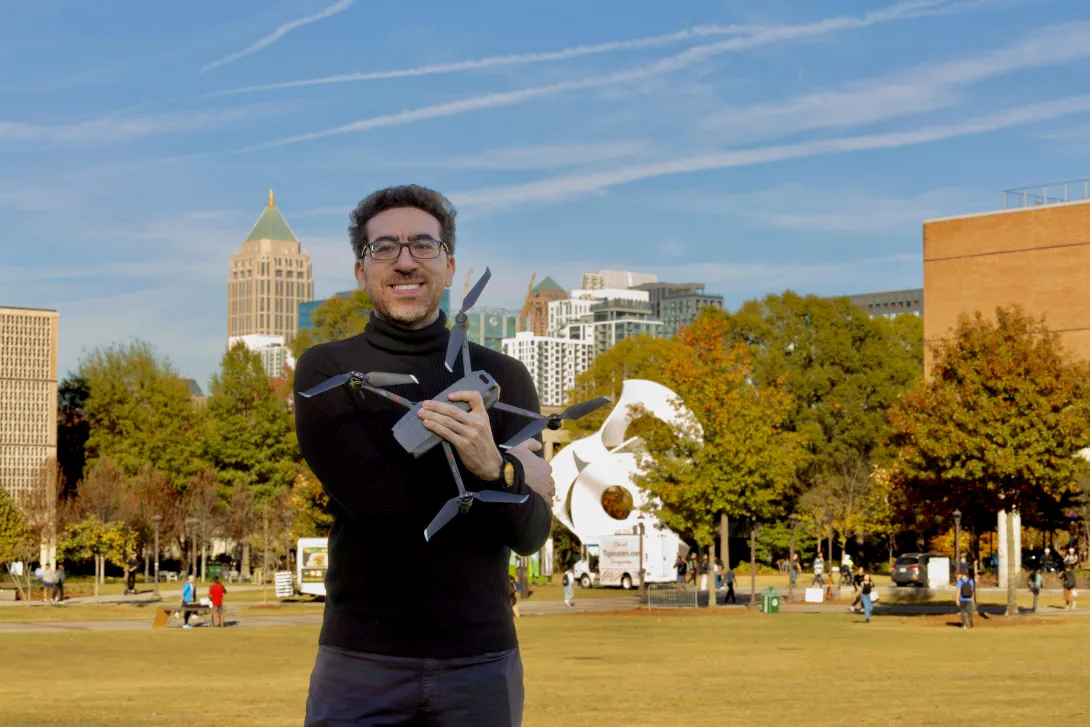
Lamarr.AI leverages AI and drones to autonomously diagnose building energy inefficiencies, reducing carbon emissions. The startup, a collaboration between Georgia Tech, MIT, and Syracuse University, raised $1.1 million in pre-seed funding. Their technology provides detailed diagnostics of building exteriors, helping owners save on energy costs and improve indoor air quality.
Feb. 27, 2025
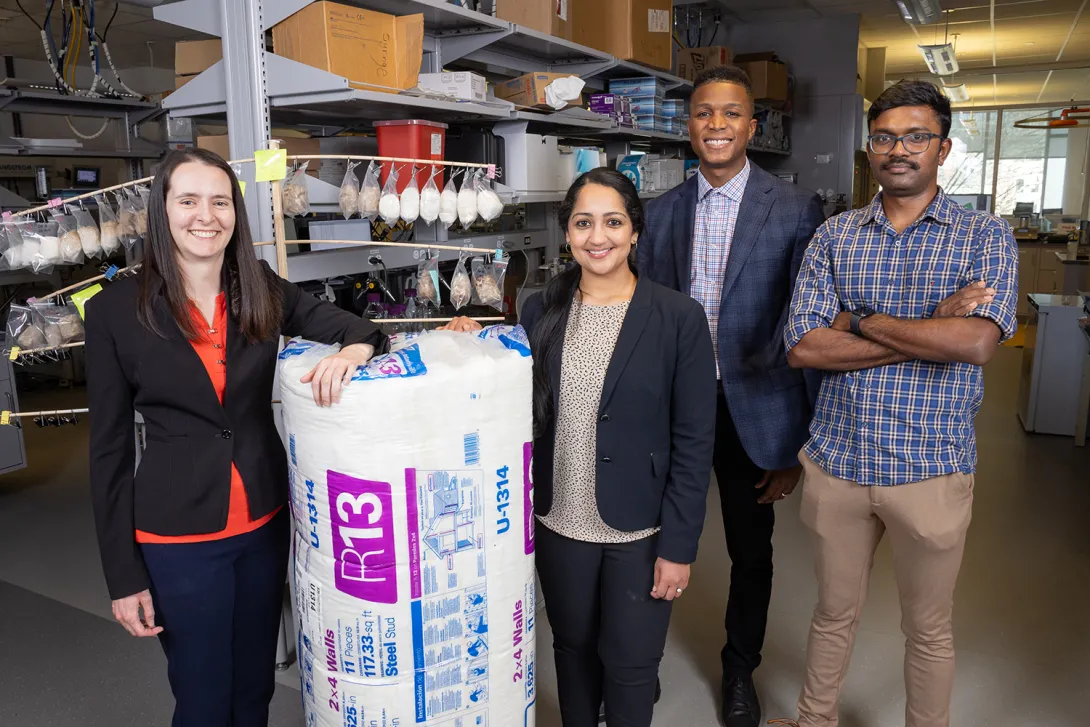
From left, Kelly Farmer, Akanksha Menon, Joe Bozeman, and Arjun Ramshankar with a package of traditional fiberglass insulation and a rack holding samples of potential hemp-based insulation materials created by graduate student Elyssa Ferguson in Menon's lab. The team has published an analysis outlining a path toward a viable hemp-based building insulation market in the U.S. Hemp insulation can be used in place of traditional fiberglass batt insulation and reduce the carbon footprint of buildings, but hemp materials currently cost twice as much. (Photo: Candler Hobbs)
It’s a fairly niche product now, but a new study from Georgia Tech engineers suggests insulation made from hemp fibers could be a viable industry in the U.S., creating jobs, a manufacturing base, and greener homes and buildings at the same time.
Making the switch could slash the impact of one of the biggest sources of greenhouse gas emissions: Buildings account for roughly 1/5 of emissions globally. By some estimates, using hemp-based products would reduce the environmental impact of insulation by 90% or more.
The Georgia Tech researchers’ work, reported this month in the Journal of Cleaner Production, is one of the first studies to evaluate the potential for scaling up U.S. production and availability of hemp-based insulation products.
Read about their findings on the College of Engineering website.
News Contact
Joshua Stewart
College of Engineering
Feb. 20, 2025
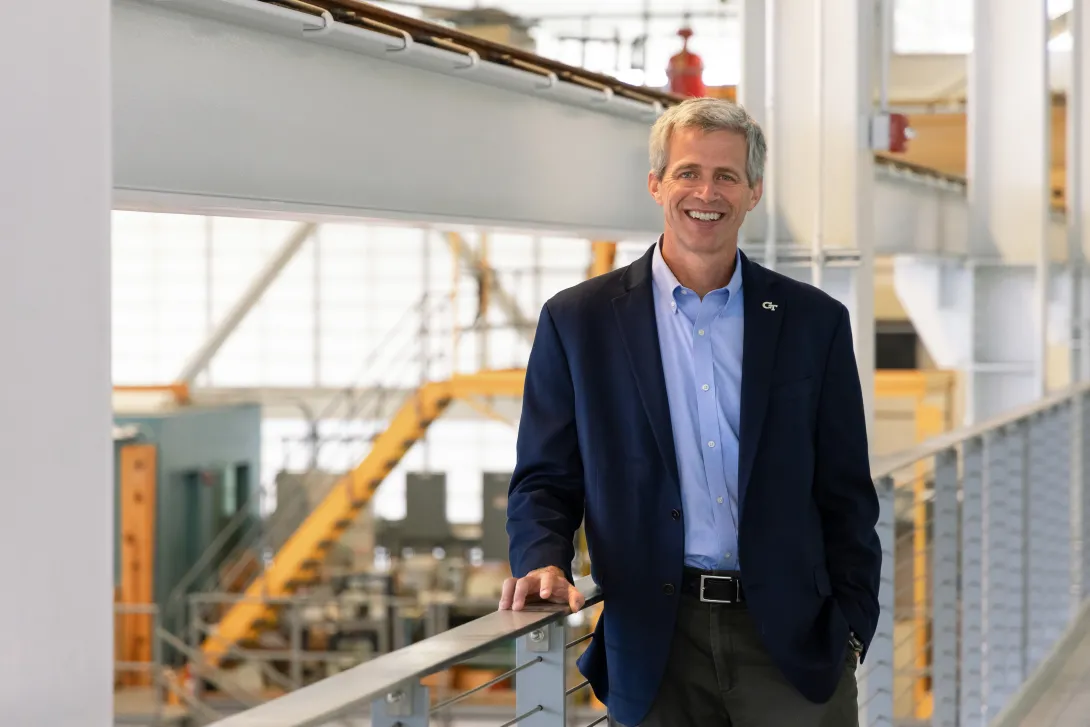
Following a nationwide search, Georgia Tech President Ángel Cabrera has named Timothy Lieuwen the Executive Vice President for Research (EVPR). Lieuwen has served as interim EVPR since September 10, 2024.
“Tim’s ability to bridge academia, industry, and government has been instrumental in driving innovation and positioning Georgia Tech as a critical partner in tackling complex global challenges,” said Cabrera. “With his leadership, I am confident Georgia Tech will continue to expand its impact, strengthen its strategic collaborations, and further solidify its reputation as a world leader in research and innovation.”
A proud Georgia Tech alumnus (M.S. ME 1997, Ph.D. ME 1999), Lieuwen has spent more than 25 years at the Institute. He is a Regents’ Professor and holds the David S. Lewis, Jr. Chair in the Daniel Guggenheim School of Aerospace Engineering. Prior to the interim EVPR role, Lieuwen served as executive director of the Strategic Energy Institute for 12 years. His expertise spans energy, propulsion, energy policy, and national security, and he has worked closely with industry and government to develop new knowledge and see its implementation in the field.
Lieuwen has been widely recognized for his contributions to research and innovation. He is a member of the National Academy of Engineering, as well as a fellow of multiple other professional organizations. Recently, he was elected an International Fellow of the U.K.’s Royal Academy of Engineering, one of only three U.S. engineers in 2024 to receive this prestigious commendation. The honor acknowledges Lieuwen’s contributions to engineering and his efforts to advance research, education initiatives, and industry collaborations.
He has authored or edited four books, published over 400 scientific articles, and holds nine patents — several of which are licensed to industry. He also founded TurbineLogic, an analytics firm working in the energy industry. Additionally, Lieuwen serves on governing and advisory boards for three Department of Energy national labs and was appointed by the U.S. Secretary of Energy to the National Petroleum Council.
The EVPR is the Institute’s chief research officer and directs Georgia Tech’s $1.37 billion portfolio of research, development, and sponsored activities. This includes leadership of the Georgia Tech Research Institute, the Enterprise Innovation Institute, nine Interdisciplinary Research Institutes and numerous associated research centers, and related research administrative support units: commercialization, corporate engagement, research development and operations, and research administration.
“I am honored to step into this role at a time when research and innovation have never been more critical,” Lieuwen said. “Georgia Tech’s research enterprise is built on collaboration — across disciplines, across industries, and across communities. Our strength lies not just in the breakthroughs we achieve, but in how we translate them into real-world impact.
“My priority is to put people first — empowering our researchers, students, and partners to push boundaries, scale our efforts, and deepen our engagement across Georgia and beyond. Together, we will expand our reach, accelerate discovery, and ensure that Georgia Tech remains a driving force for progress and service.”
News Contact
Shelley Wunder-Smith | Director of Research Communications
shelley.wunder-smith@research.gatech.edu
Feb. 16, 2025
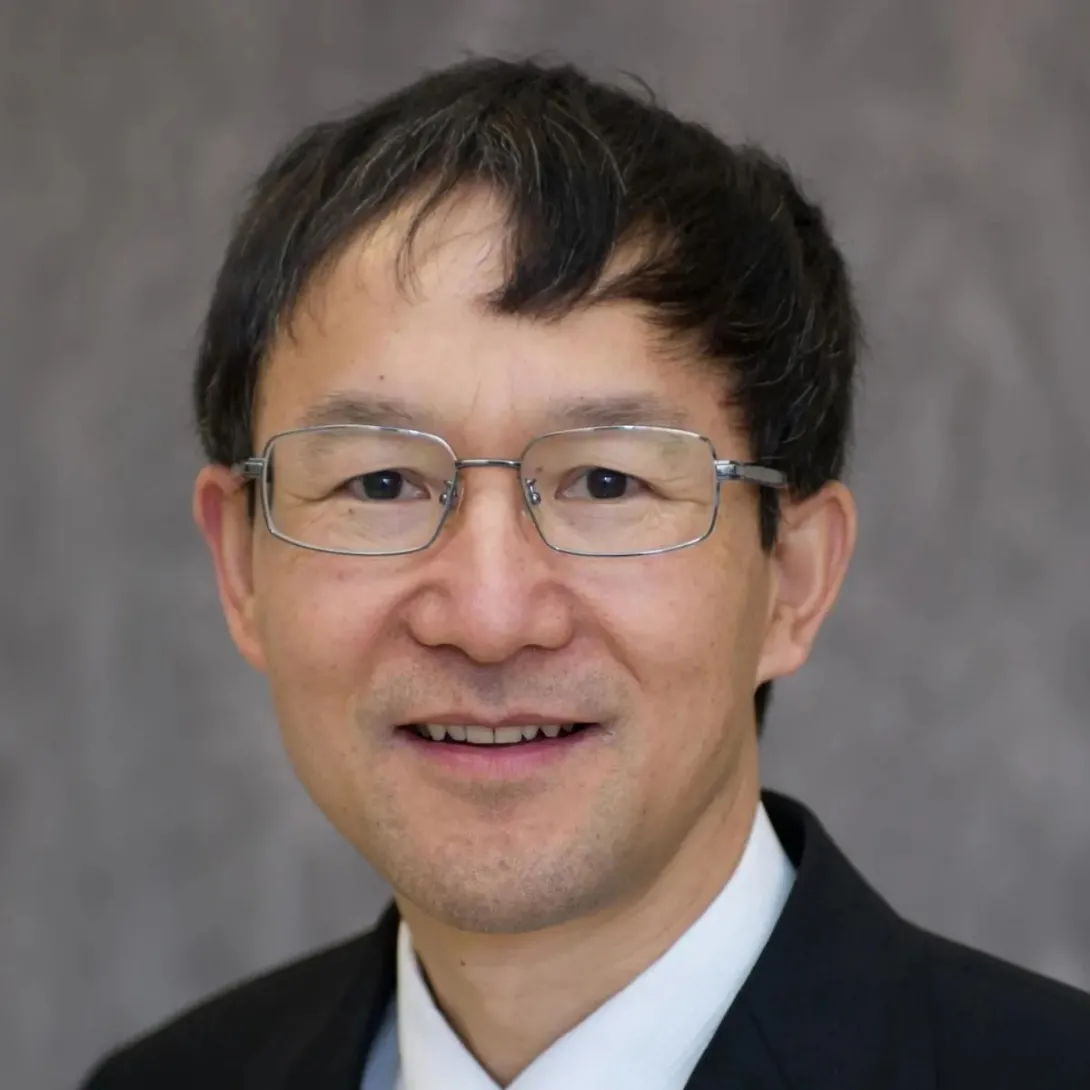
Yongsheng Chen, Bonnie W. and Charles W. Moorman IV Professor in environmental engineering at Georgia Tech
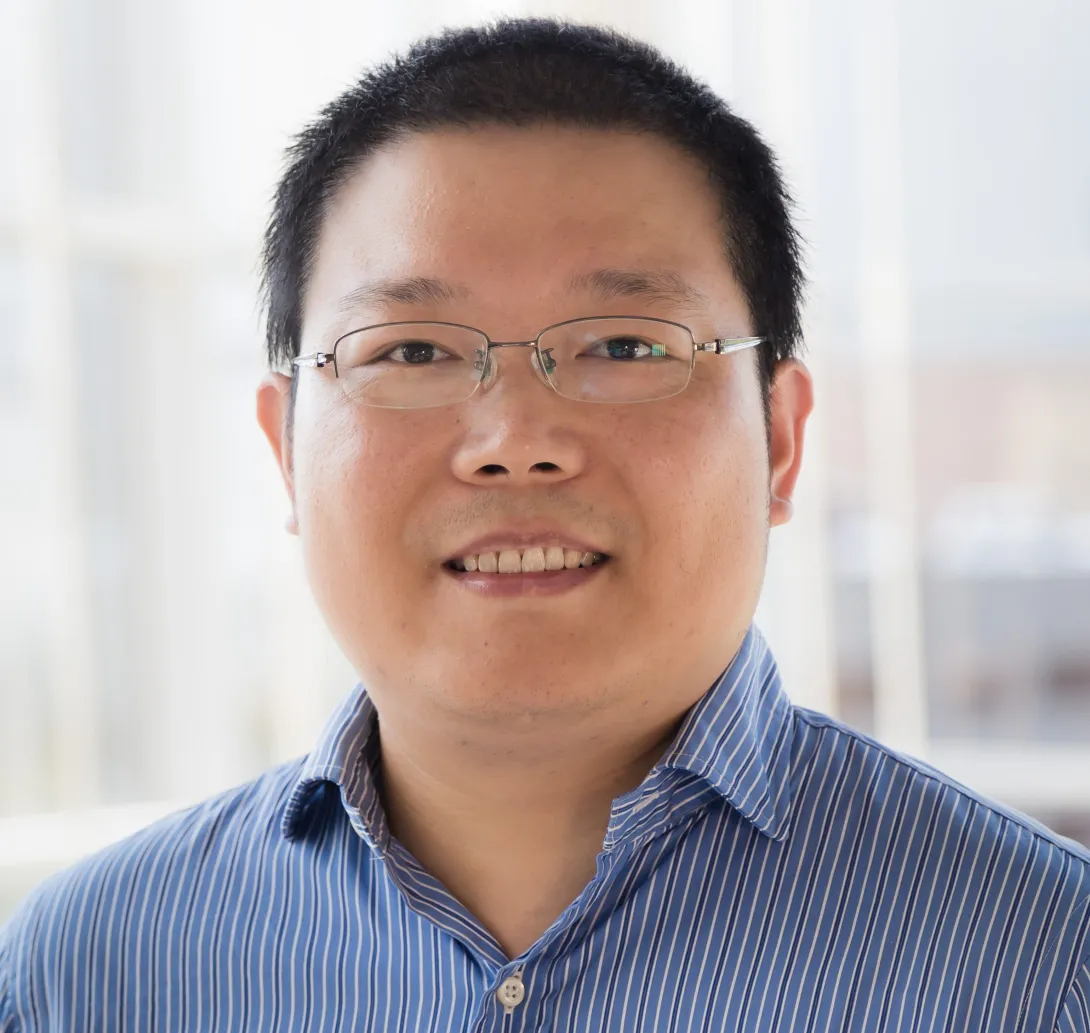
Ying Li, associate professor of mechanical engineering at University of Wisconsin-Madison
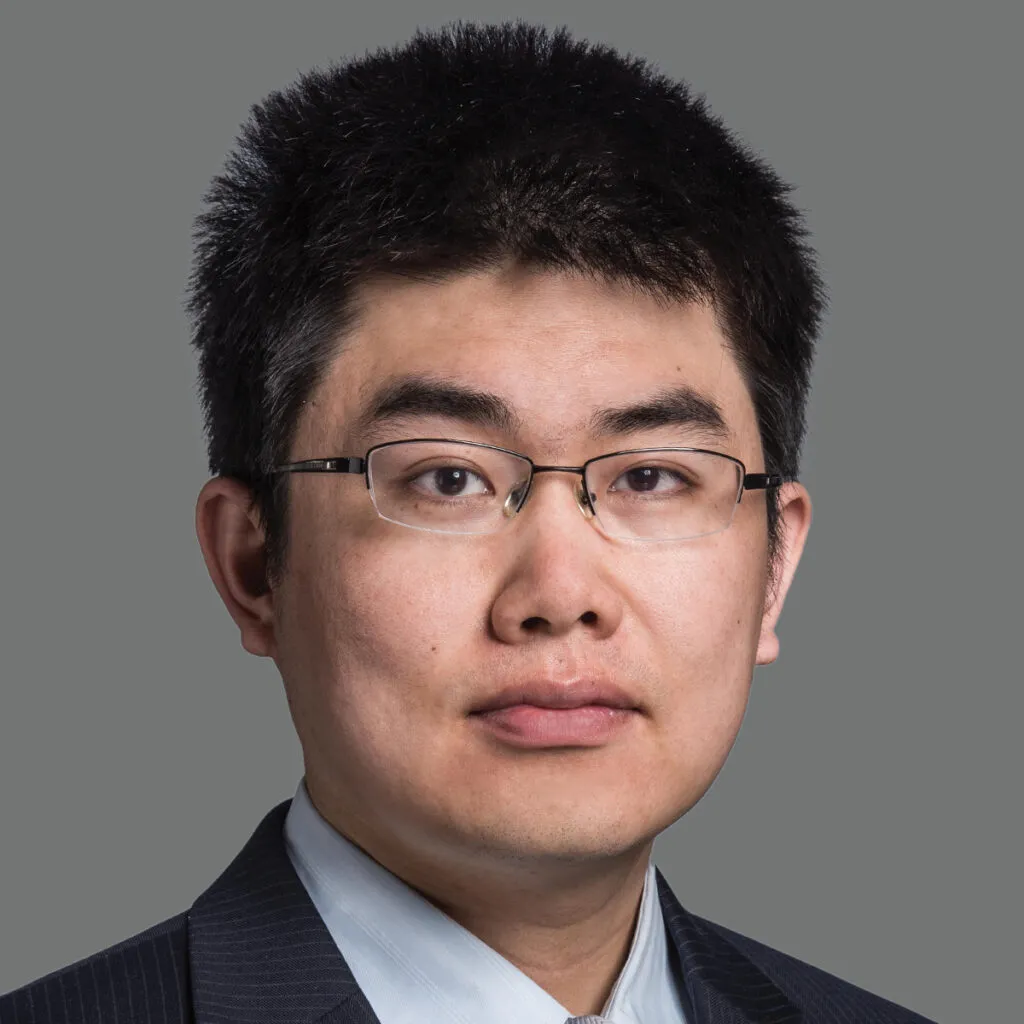
Tiezheng Tong, associate professor of environmental engineering at Arizona State University
Someday, your drinking water could be completely free of toxic “forever chemicals.”
These chemicals, called PFAS (per- and polyfluoroalkyl substances), are found in common household items like makeup, nonstick cookware, dental floss, batteries, and food packaging. PFAS permeate the soil, water, food, and air, and they can remain in the environment for millennia. Once inside the human body, PFAS can persist for years, suppressing the immune system and increasing cancer risk.
Georgia Tech researchers, armed with a cutting-edge machine learning (ML) model, are spearheading a multi-university initiative. Their goal? To design a better membrane that efficiently removes PFAS from drinking water, a significant source of human exposure.
“More than 200 million Americans in all 50 states are affected by PFAS in drinking water, with 1,400 communities having levels above health experts’ safety thresholds,” noted the study’s principal investigator Yongsheng Chen, Bonnie W. and Charles W. Moorman IV Professor in Georgia Tech’s School of Civil and Environmental Engineering. Chen also directs the Nutrients, Energy, and Water Center for Agriculture Technology, or NEW Center. “Our research aims to provide a scalable, efficient, and sustainable solution for mitigating these toxic chemicals’ impact on human health and the environment.”
The resulting work, funded with over $10 million in multiyear grants from the U.S. Department of Agriculture (USDA), the National Science Foundation, and the Environmental Protection Agency (EPA), was recently published in Nature Communications.
Sewage Treatment Limitations
Conventional water treatment processes are ineffective at removing PFAS. Too often, traditional cleansing methods, such as using chlorine to kill pathogens in water, create harmful byproducts.
“Solving one problem creates another problem,” said Chen.
He has already used ML and artificial intelligence in precision agriculture to monitor nutrient levels in plants and insists that tackling PFAS removal similarly requires new approaches. Rather than treating an entire body of water, Chen’s team first separated PFAS from the water stream. Success depended on finding the right membrane material to isolate the chemicals in the water.
Chen relied on a team of 10 Ph.D. students and nine research scientists to perform the ML modeling. In addition to Georgia Tech, two other schools contributed people and laboratory expertise. The University of Wisconsin-Madison (UWM) validated the model with molecular simulations, while Arizona State University (ASU) trained it using data from scientific literature and their lab.
“Applying machine learning to membrane separation represents an exciting frontier for environmental engineering,” said Tiezheng Tong, an associate professor of environmental engineering in ASU’s School of Sustainable Engineering and the Built Environment.
This is another step in tackling PFAS pollution, a widespread problem that has recently received significant public attention due to PFAS’ toxic nature and the recent EPA ruling on PFAS in drinking water, he said.
“By integrating with molecular simulation tools, we can better understand PFAS transport across nanofiltration and reverse osmosis membranes, pushing the boundary of fundamental science relating to membrane separation,” Tong said.
ML Accelerates Membrane-Material Discoveries
Using ML modeling significantly sped up the discovery process. For instance, one Ph.D. student in Chen’s lab used trial and error over two years to pinpoint one promising membrane. Machine learning modeling allowed the team to find eight membrane candidates 10 to 20 times faster, reducing discovery time from years to a few months.
“Our molecular dynamics simulations reveal that electrostatic interactions, size exclusion, and dehydration play critical roles in governing the transport of PFAS molecules across polyamide membranes,” Ying Li explained. Li is an associate professor of mechanical engineering at UWM. “These calculations indicate that electrostatic interactions dominate PFAS rejection, with charged functional groups significantly influencing transport behavior. The simulation results provide fundamental insights that align with ML predictions, highlighting the key molecular determinants of PFAS removal efficiency.”
Addressing PFAS Exposure in Agriculture
By addressing PFAS contamination, this research could also benefit the agriculture industry, which depends on fertilizer sourced from water treatment plants. Wastewater biosolids are processed into fertilizer, offering farmers and ranchers a cheaper alternative to chemical fertilizers. Unfortunately, PFAS-tainted fertilizers from sewage sludge have contaminated significant amounts of land and livestock. Industry groups estimate that almost 70 million acres of U.S. farmland could be contaminated by these forever chemicals.
By funding this research, the USDA hopes that an effective membrane will help the United States reclaim this crucial resource.
“Synthesizing a very smart membrane to get rid of PFAS also allows us to recover the fertilizer from municipal wastewater treatment plants,” Chen said. “Such a membrane could enable us to get rid of things we don’t want and keep the things we need, so we can keep the water for irrigation or other applications.”
Eliminating PFAS in fertilizers also could help address the mismatch of food and water demand in urban versus rural areas since 80% of the demand resides in cities. PFAS removal could directly support urban area resource recovery and food production.
“Our goal is achieving a circular economy where materials never become waste, and nature is regenerated,” Chen said.
What’s Next
The team will fine-tune the model and add more data to improve its training features. Chen will synthesize membranes in his lab to further test the model's PFAS removal predictions.
Today, scientists have found ways to remove long chains of PFAS, but the shorter chains of these chemicals persist, explained Chen.
“If we can better understand the mechanism, we’ll be able to design a good material membrane to get rid of all PFAS. That could be game-changing.”
— By Anne Wainscott-Sargent
Funding
This work is partially supported by the NSF (Award Nos. 2112533, 2427299, 2345543, Y.C.; 2448130, T.T.; and 2345542, Y.L.).
Y.C. acknowledges the financial support by the USDA (Award No.2018−68011-28371), NSF-USDA (Award No. 2020-67021-31526), and EPA (Award No. 840080010).
T.T. acknowledges the support of the USDA National Institute of Food and Agriculture (Hatch Project COL00799, accession 1022591).
Y.L. acknowledges the financial support by the National Alliance for Water Innovation (NAWI), funded by the US DOE, Office of Energy Efficiency and Renewable Energy (EERE), Advanced Manufacturing Office, under Funding Opportunity announcement Number DE-FOA-0001905, through a subcontract to the University of Wisconsin-Madison.
News Contact
Shelley Wunder-Smith | Director of Research Communications
shelley.wunder-smith@research.gatech.edu
Feb. 06, 2025
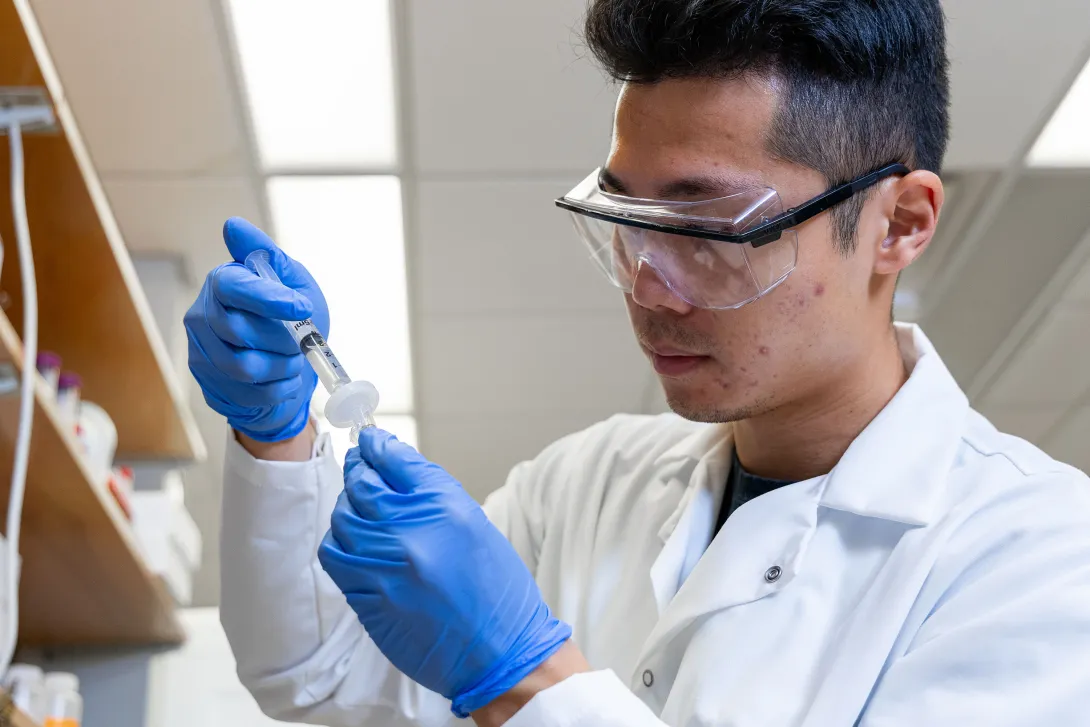
From new farming practices to paleontology, meet four Georgia Tech researchers who improve the climate and predict its future.
Jan. 16, 2025
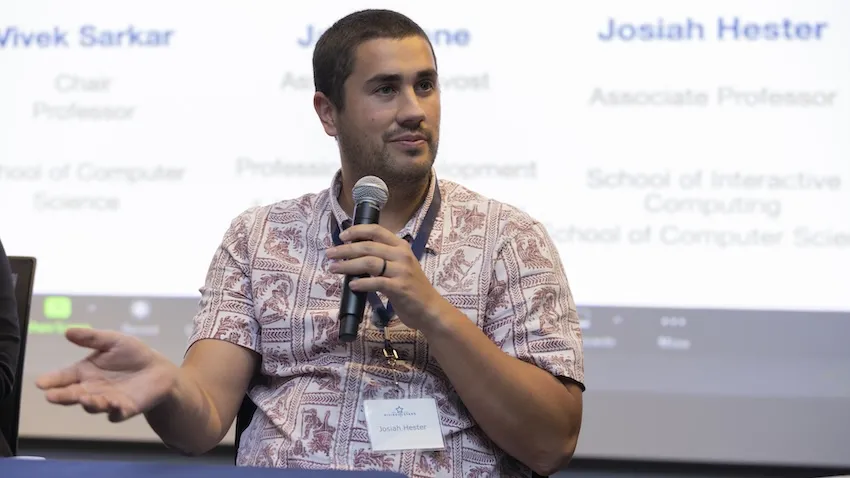
A researcher in Georgia Tech’s School of Interactive Computing has received the nation’s highest honor given to early career scientists and engineers.
Associate Professor Josiah Hester was one of 400 people awarded the Presidential Early Career Award for Scientists and Engineers (PECASE), the Biden Administration announced in a press release on Tuesday.
The PECASE winners’ research projects are funded by government organizations, including the National Science Foundation (NSF), the National Institutes of Health (NIH), the Centers for Disease Control and Prevention (CDC), and NASA. They will be invited to visit the White House later this year.
Hester joins Associate Professor Juan-Pablo Correa-Baena from the School of Materials Science and Engineering as the two Tech faculty who received the honor.
Hester said his nomination was based on the NSF Faculty Early Career Development Program (CAREER) award he received in 2022 as an assistant professor at Northwestern University. He said the NSF submits its nominations to the White House for the PECASE awards, but researchers are not informed until the list of winners is announced.
“For me, I always thought this was an unachievable, unassailable type of thing because of the reputation of the folks in computing who’ve won previously,” Hester said. “It was always a far-reaching goal. I was shocked. It’s something you would never in a million years think you would win.”
Hester is known for pioneering research in a new subfield of sustainable computing dedicated to creating battery-free devices powered by solar energy, kinetic energy, and radio waves. He co-led a team that developed the first battery-free handheld gaming device.
Last year, Hester co-authored an article published in the Association of Computing Machinery’s in-house journal, the Communications of the ACM, in which he coined the term “Internet of Battery-less Things.”
The Internet of Things is the network of physical computing devices capable of connecting to the internet and exchanging data. However, these devices eventually die. Landfills are overflowing with billions of them and their toxic power cells, harming our ecosystem.
In his CAREER award, Hester outlined projects that would work toward replacing the most used computing devices with sustainable, battery-free alternatives.
“I want everything to be an Internet of Batteryless Things — computational devices that could last forever,” Hester said. “I outlined a bunch of different ways that you could do that from the computer engineering side and a little bit from the human-computer interaction side. They all had a unifying theme of making computing more sustainable and climate-friendly.”
Hester is also a Sloan Research Fellow, an honor he received in 2022. In 2021, Popular Sciene named him to its Brilliant 10 list. He also received the Most Promising Engineer or Scientist Award from the American Indian Science Engineering Society, which recognizes significant contributions from the indigenous peoples of North America and the Pacific Islands in STEM disciplines.
President Bill Clinton established PECASE in 1996. The White House press release recognizes exceptional scientists and engineers who demonstrate leadership early in their careers and present innovative and far-reaching developments in science and technology.
News Contact
NATHAN DEEN
COMMUNICATIONS OFFICER
SCHOOL OF INTERACTIVE COMPUTING
Jan. 22, 2025
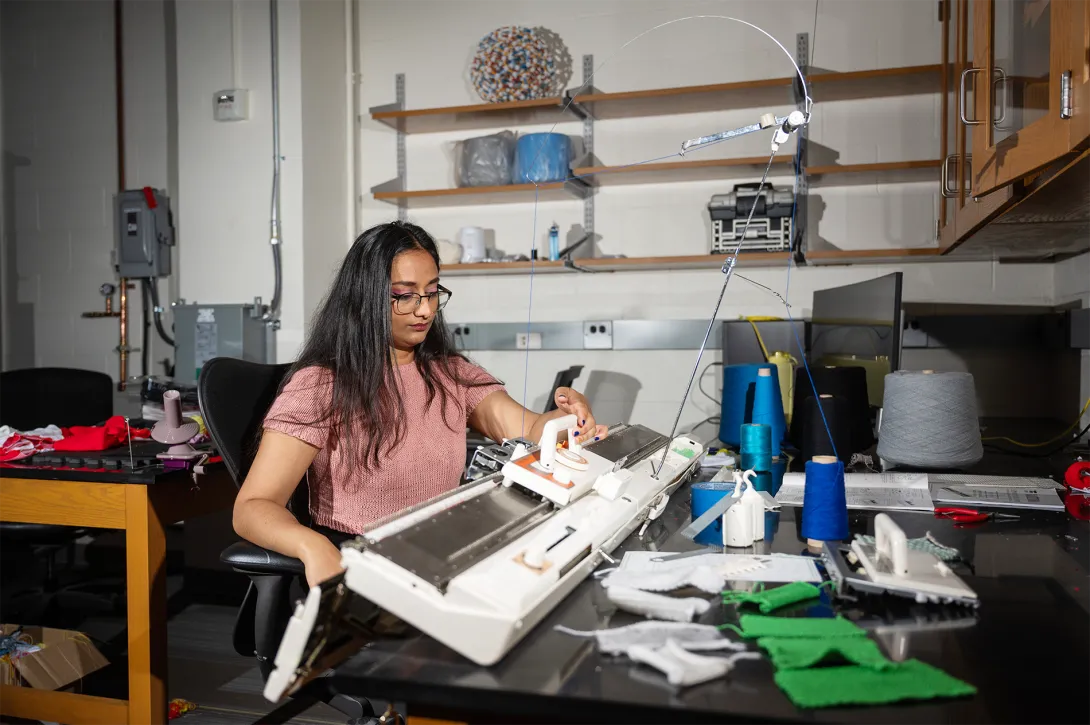
From the physics of knitting to highlighting how batteries work, Georgia Tech photographers captured the impact and breadth of the Institute’s research enterprise. See our best shots and discover unseen gems in this collection.