
Dec. 07, 2022
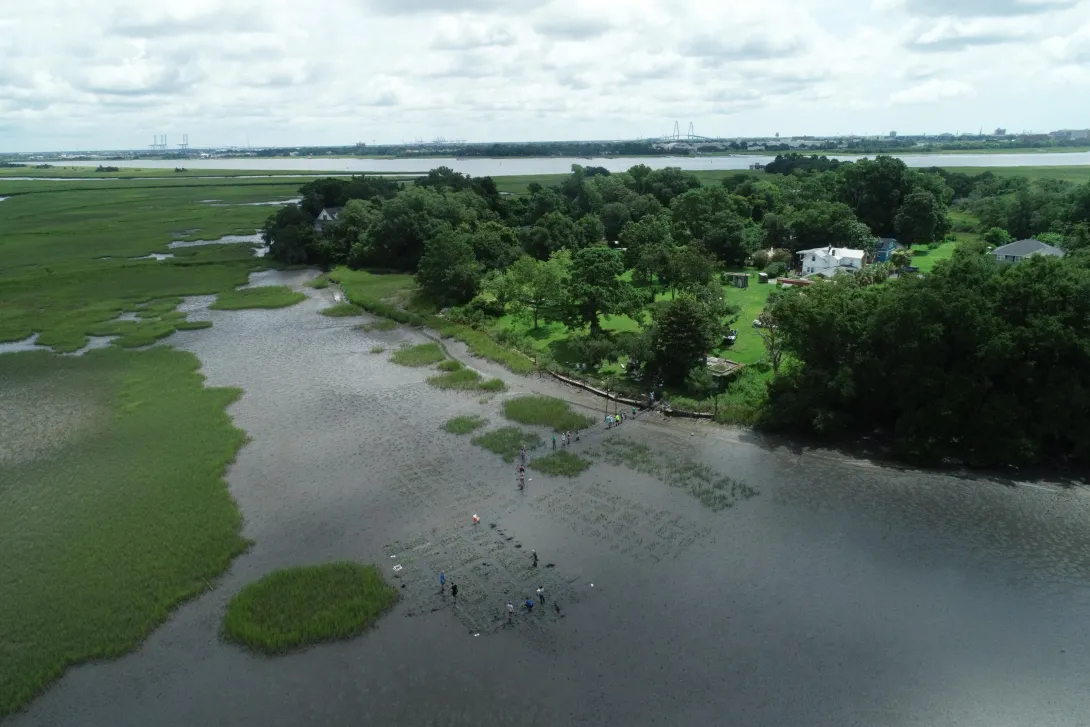
For marine scientist, climate activist, and Tech alumnus Albert George (MS HSTS 2009), the fight against climate change is also a fight for home.
Now, what started as a citizen science initiative led by George has turned into a $2.6 million National Fish and Wildlife Association effort to restore degraded salt marshes in Charleston, South Carolina. As part of the project, Joel Kostka, professor and associate chair of Research in the School of Biological Sciences, will lead a team of researchers to not only monitor these restoration efforts, but gain insights into why the marshes degraded in the first place — and how to prevent it from happening in the future.
Over the past three years, Kostka, who has a joint appointment in the School of Earth and Atmospheric Sciences, has worked with SCDNR and Robinson Design Engineers, a local firm co-led by Tech alum Joshua Robinson (CEE 2005), to develop engineering and design plans for the restoration of the salt marshes.
“That project went really well,” shared Kostka, “and now we have developed engineering and design plans for the actual restoration as we are moving forward with the next phase.”
Work for the current phase of the project is set to begin soon. Over the next four years, community volunteers will work to plant marsh grasses, restore oyster reefs, and excavate the tidal creeks that supply the marsh with sea water.
“Because if we don't do this work,” George shared, “then basically it means a place that I grew up in and a place that I call home will no longer exist.”
News Contact
Writer:
Audra Davidson, College of Sciences
Editor and Contact:
Jess Hunt-Ralston
Director of Communications
College of Sciences at Georgia Tech
Nov. 03, 2022

Banning scooters may reduce sidewalk congestion and keep would-be riders and pedestrians safer, but it comes at a cost, according to new research from Georgia Tech’s School of Public Policy.
In a study examining the impact of Atlanta's 2019 ban on e-scooters and e-bikes in the city, researchers found that average commute times increased by about 10%. Travel to stadium events such as soccer games increased by almost 12 minutes per trip or 37% increase in travel times while the ban was in effect.
For Atlantans, that adds up to 784,000 extra hours sitting in traffic each year — and that’s just between 9 p.m. and 4 a.m. when the ban was in effect. A moratorium during peak rush hour would cause even more congestion, the study’s principal investigator, Omar Asensio confirmed. Expanding the scope of their study, Asensio and his team in Georgia Tech’s Data Science and Policy Lab estimate that e-scooters, e-bikes, and other micro-mobility options can save an average of 17.4% in travel time for drivers nationally.
“These are fairly significant congestion effects that most travelers will feel and as an unintended consequence of the safety regulation,” said Asensio.
New data settle an old debate
The study, conducted in Georgia Tech’s Data Science and Policy Lab and published in Nature Energy, is the first to definitively show that investing in micro-mobility infrastructure such as e-bikes, e-scooters, and bike lanes can reduce traffic congestion and carbon emissions in cities. The research accounted for the rise in popularity of ride-sharing services and other sources of traffic.
Previous studies on micromobility were controversial and contradictory because they relied on travel surveys, which can be unreliable and are subject to biases resulting from self-reported data, Asensio said. This motivated his search for a more rigorous, data-driven approach to answering the question.
The opportunity arose when Atlanta banned scooters with a geo-fencing policy in 2019. The ban was done with a remote shutdown on all scooters within a certain perimeter, which ensured compliance across the city. Previous moratoriums in other places relied on people to choose to cooperate and follow the rules, so this 100% compliance rate was unique to Atlanta.
“I thought, okay, that's interesting because now we have near-perfect behavioral compliance in response to a policy intervention, which turns out to be extremely rare,” Asensio said. “All of a sudden, if you're without the use of the scooter, what do you do? This created a great natural experiment, to be able to precisely measure the traffic times before and after this policy intervention and in doing so, test behavioral theories of mode substitution.”
In addition, Asensio and his team received early access to the then-new Uber Movement Dataset, which gave them detailed information about commute times across the city that previously had to be collected by surveys as well. In short, the stars aligned in 2019 for the debate over the true impact of micro-mobility on city traffic to finally be settled.
Mary Feeney, program director for the Science of Science Program at the National Science Foundation, which supported the research, said “Asensio and his team are using newly available ‘big data’ sources to tackle practical questions with real policy implications. Bringing the appropriate data and analytical approaches to these problems helps empower decision-makers to enact evidence-based policy.”
Public safety vs. congestion and emissions
The regulation in Atlanta was one of many that U.S. cities put in place in response to increased accidents and hospitalizations from micro-mobility devices.
Reducing congestion also reduces emissions, noted Camila Apablaza, who worked on Asensio’s team along with Savannah Horner, Cade Lawson, and Edward Chen. “I thought this was an important question because the impact of certain modes of transportation, such as scooters, is sometimes overlooked,” she said. “We know that electric mobility will be the main contributor to decarbonizing the passenger transportation sector, therefore we need to understand the interactions between different modes of electric transportation.”
But, “the point of this paper is to present the idea that it’s not just as simple as ‘we should ban the scooters,’ right?” said Chen. “We have found that there are, in fact, trade-offs between banning them for public safety versus allowing them to relieve traffic congestion, and whether or not city governments make the decision does ultimately have an impact on people's daily lives.”
Economic impact
The researchers found that e-scooters and e-bikes do, in fact, reduce congestion on the road by substituting some personal vehicle or ridesharing use rather than only public transit or walking. When the estimated saved time for drivers nationwide is translated into monetary value, Asensio approximates that it adds up to $536 million a year.
“This is also just a personal thing,” Chen added. “I’ve lived around here my whole life. I start seeing these scooters around, and this kind of answers that fundamental question: are people actually using these, and are these actually replacing trips and inherently reducing all these carbon emissions?”
What’s Next?
The Data Science and Policy Lab partners with the private sector and city governments on data innovations in policy analysis and impact evaluation. Follow-up research to this project could dig deeper into the specific transit substitutions people choose and why, Asensio said.
“I think modeling the emissions impacts for those will continue to be an ongoing kind of investigation,” he said. “When it comes to electrification, micro-mobility is just one of many strategies that are aggressively being invested in by both the public and the private sector. It's a really exciting opportunity to meaningfully reduce emissions and to benefit from the public health co-benefit of reduced air pollution.”
The paper, “Impacts of Micromobility on Car Displacement With Evidence From a Natural Experiment and Geofencing Policy” was funded by Asensio’s 2020 NSF Faculty Early Career Development Program (CAREER) (Award No. 1945532). It is available at https://doi.org/10.1038/s41560-022-01135-1.
News Contact
Di Minardi, Communications Officer I - School of Economics, School of History & Sociology
Oct. 04, 2022
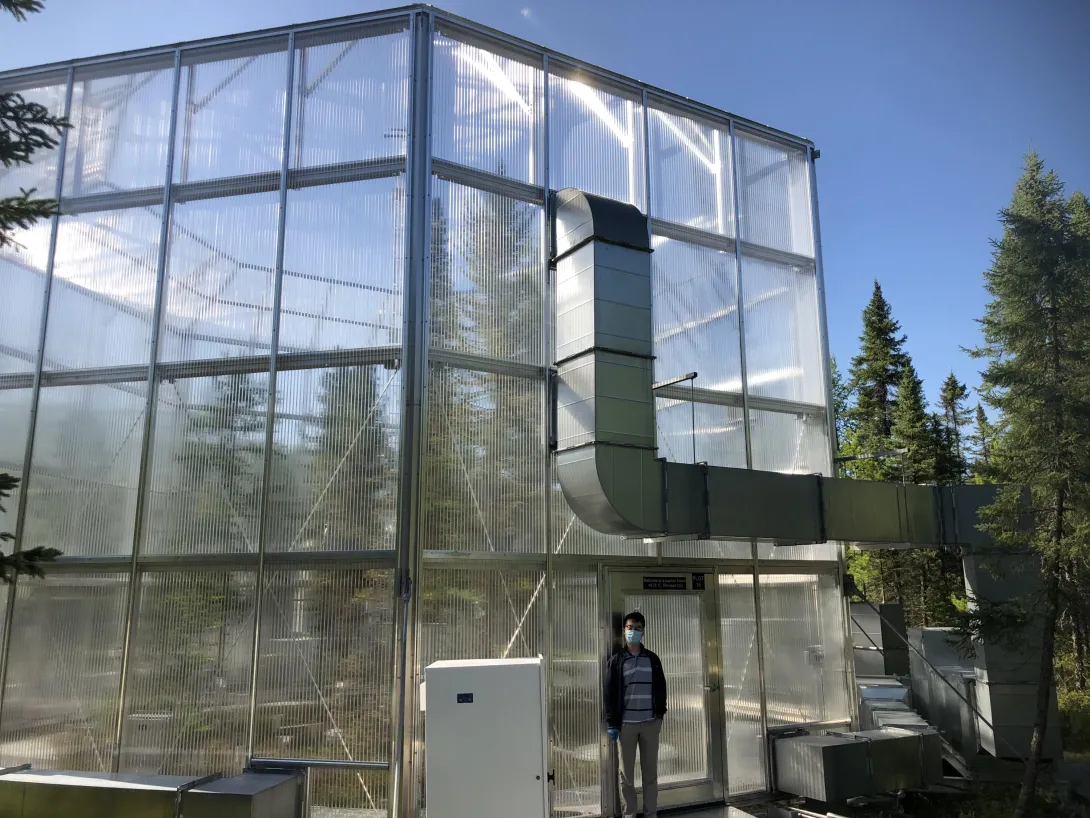
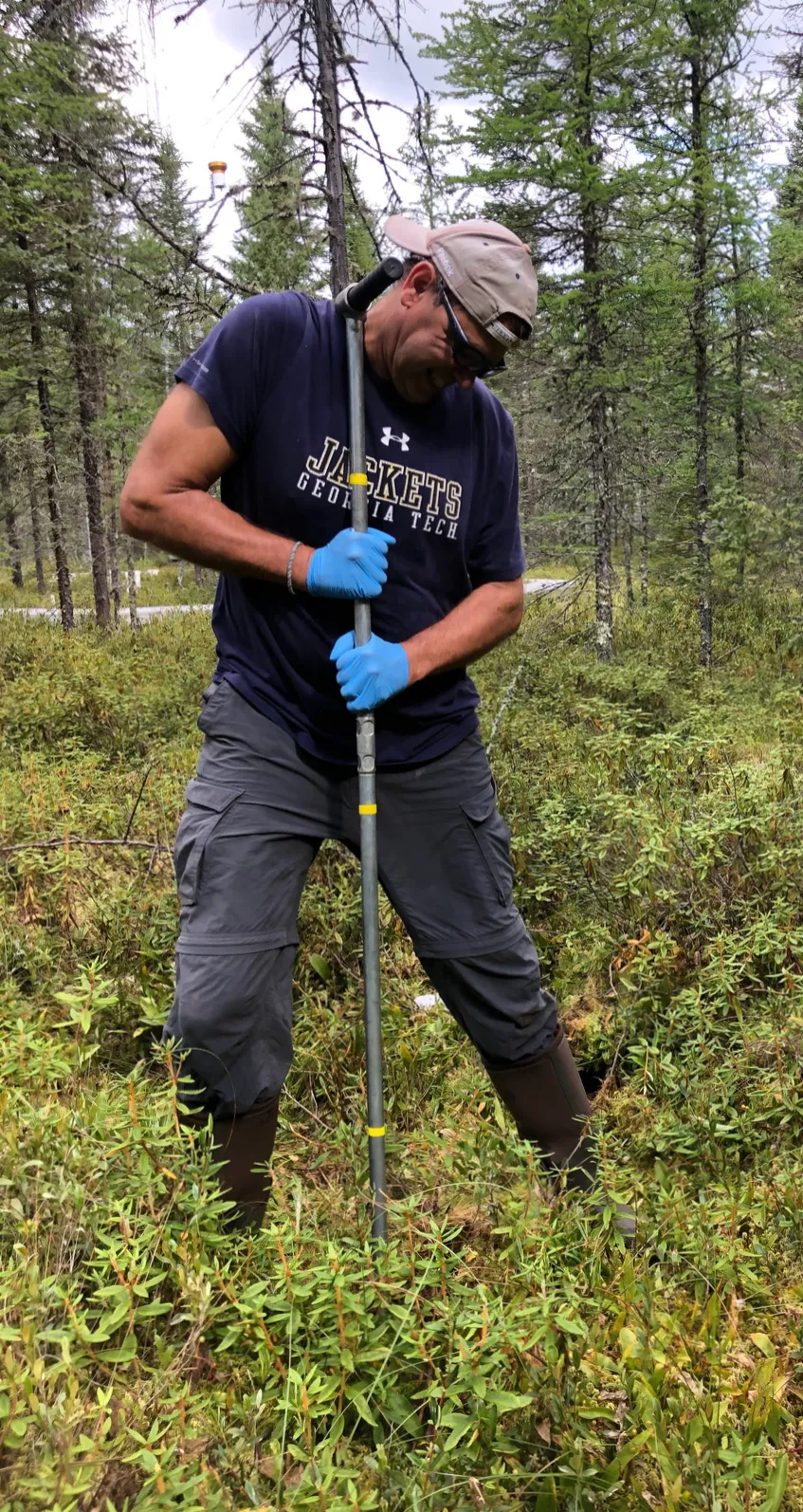
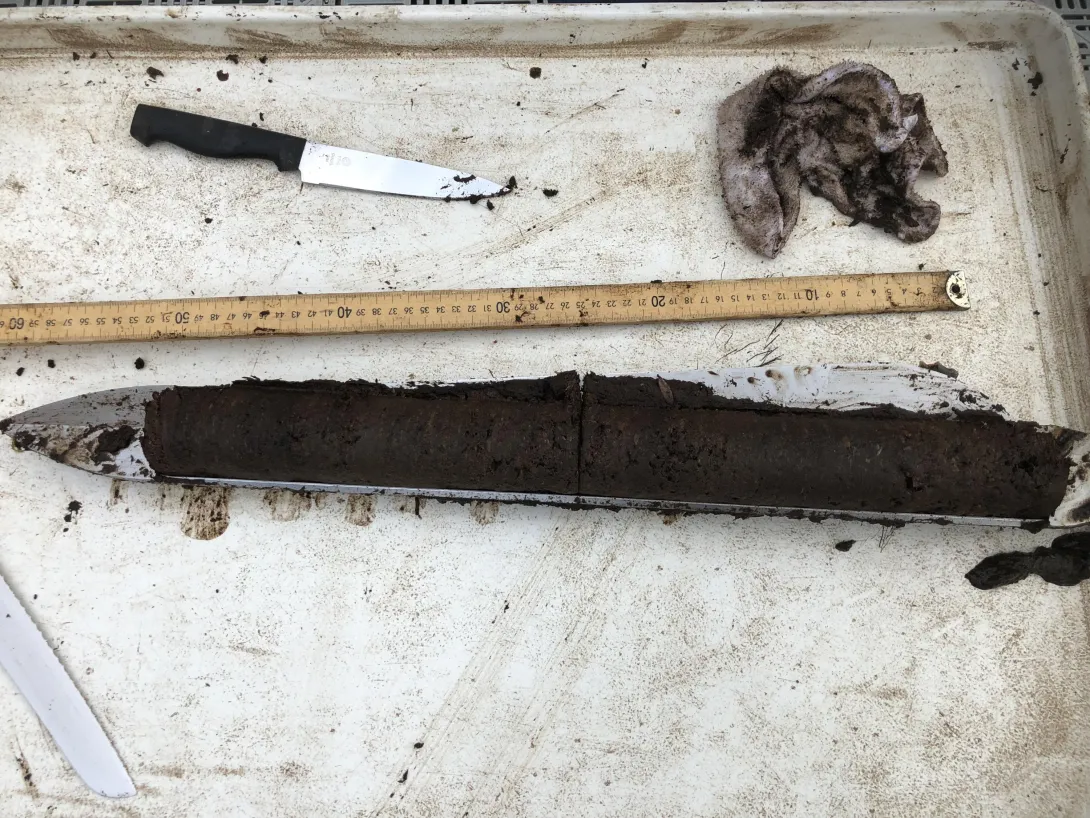
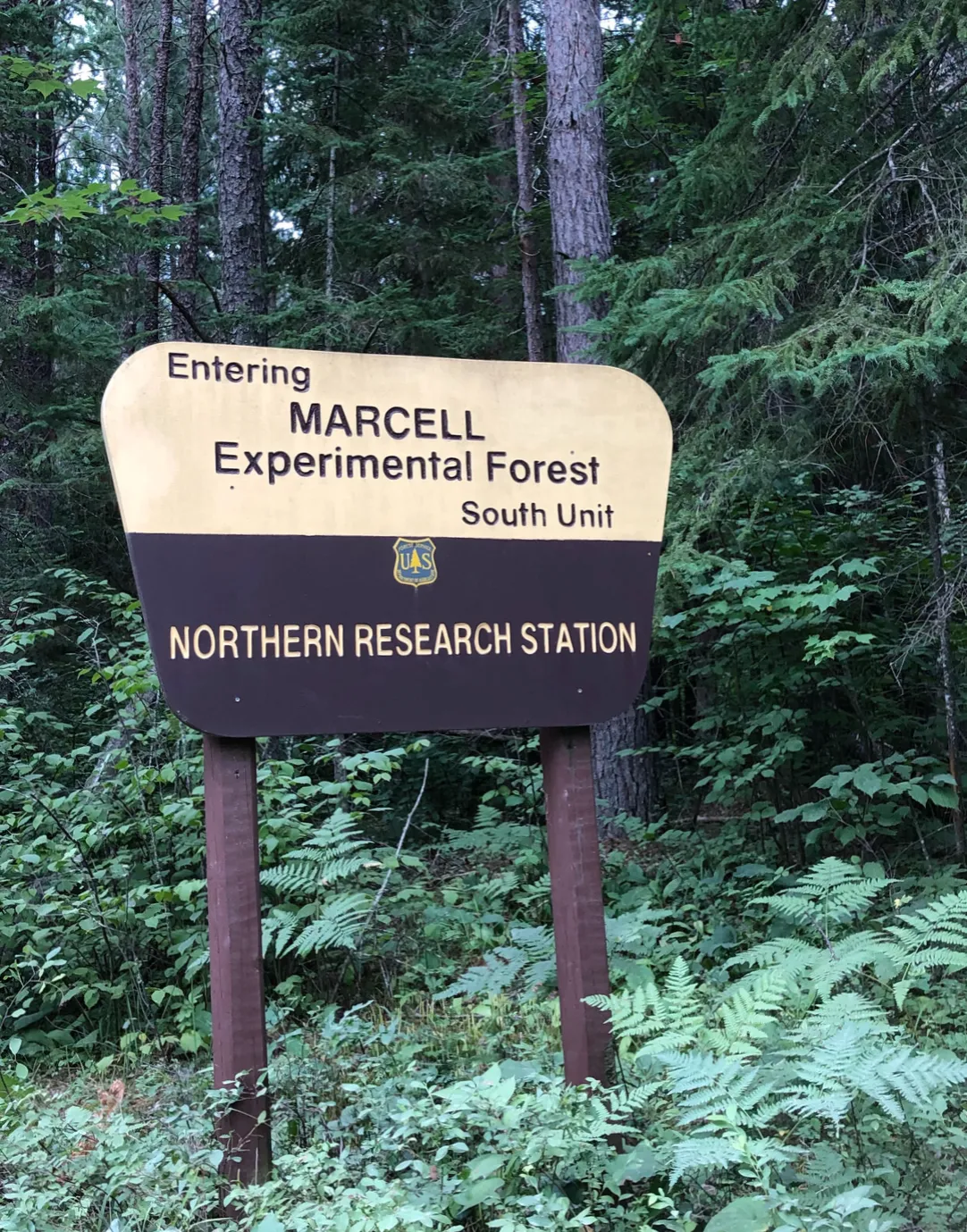
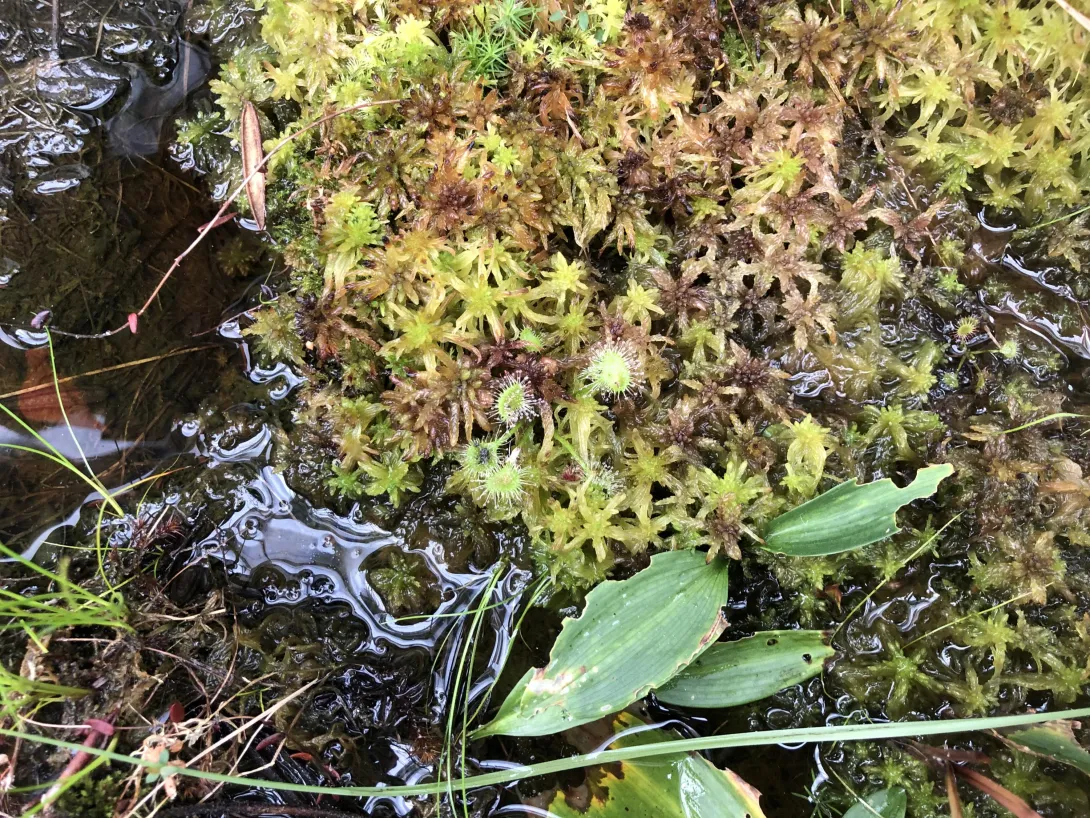
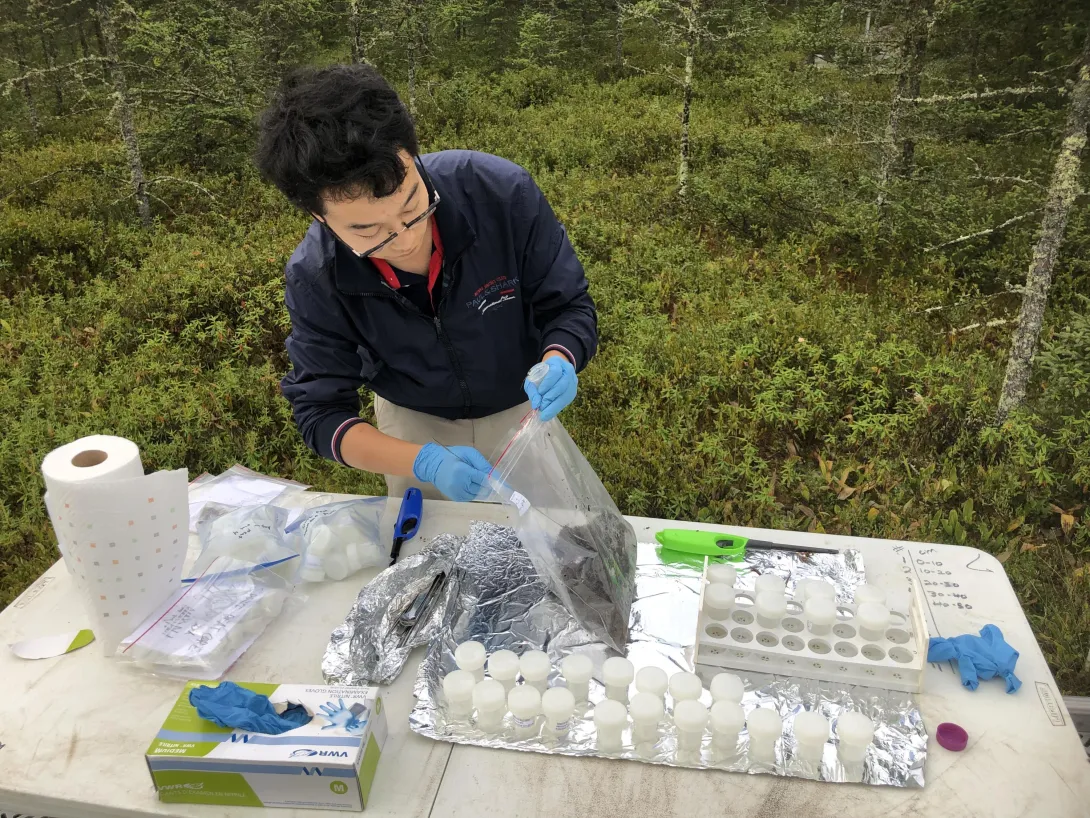
Joel Kostka will soon receive $3.2 million from the Department of Energy (DOE) to build upon research that has ranged from northern Minnesota peat bogs to coastal Georgia wetlands, all to learn how climate change impacts soils and plants that trap greenhouse gasses — and whether some of those plants could end up as eco-friendly biofuels.
Kostka, a professor and associate chair of research in the School of Biological Sciences with a joint appointment in the School of Earth and Atmospheric Sciences, will receive funding as part of a wider $178 million dollar DOE effort to advance sustainable technology breakthroughs that can improve public health, help address climate change, improve food and agricultural production, and create more resilient supply chains. The 37 new projects also include efforts to engineer plants and microbes into bioenergy and improve carbon storage.
Kostka’s wetlands research will continue in the salt marshes off Georgia’s coast, where his team has already conducted studies on the microbial life that benefits Spartina cordgrass in those areas, helping to strengthen resilience of the plant to sea level rise and catastrophic storms.
The DOE’s funding initiative is split into four groups. Kostka’s studies will focus on the role of microbiomes — all the microorganisms living in a particular environment — in the biogeochemical cycling of carbon in terrestrial soils and wetlands by using genomics-based and systems biology.
Other research areas involve renewable bioenergy and biomaterials production; quantum-enabled bioimaging and sensing for bioenergy, and research to characterize gene function in bioenergy crop plants.
“Our project seeks to understand the controls of soil organic matter degradation and the release of greenhouse gasses, both of which are largely mediated by microbes” Kostka said. “And then also, as we've been studying for many years now, how climate drivers — principally the warming of ecosystems and carbon dioxide enrichment in the atmosphere — limit greenhouse gas release to the atmosphere. How might changes in plant and microbial communities lead to climate feedbacks, thereby accelerating the release of greenhouse gasses from soil carbon stores?”
That question has driven much of Kostka’s research team in the past as they focused on how soil microbes break down biomasses like woody plants and peat mosses, at an Oak Ridge National Laboratory facility in northern Minnesota called Spruce and Peatland Responses Under Changing Environments (SPRUCE). Kostka’s team is using genomics to study all the genes that code for microbial enzymes that decompose biomass in soil and how plants, which are also changing with climate, impact microbiomes by providing carbon sources that fuel microbial activities. In particular, the work is focused on lignocellulose or lignin, which gives plants their rigidity or structure and arguably comprises the most abundant renewable carbon source on the planet.
“We're just at the point now where we finally have the tools to unlock the black box of soil microbiology and chemistry,” Kostka said. “Recent advances in sophisticated analytical chemistry methods used to quantify microbial metabolites along with improved metagenome sequencing approaches enable us to better uncover metabolic pathways.”
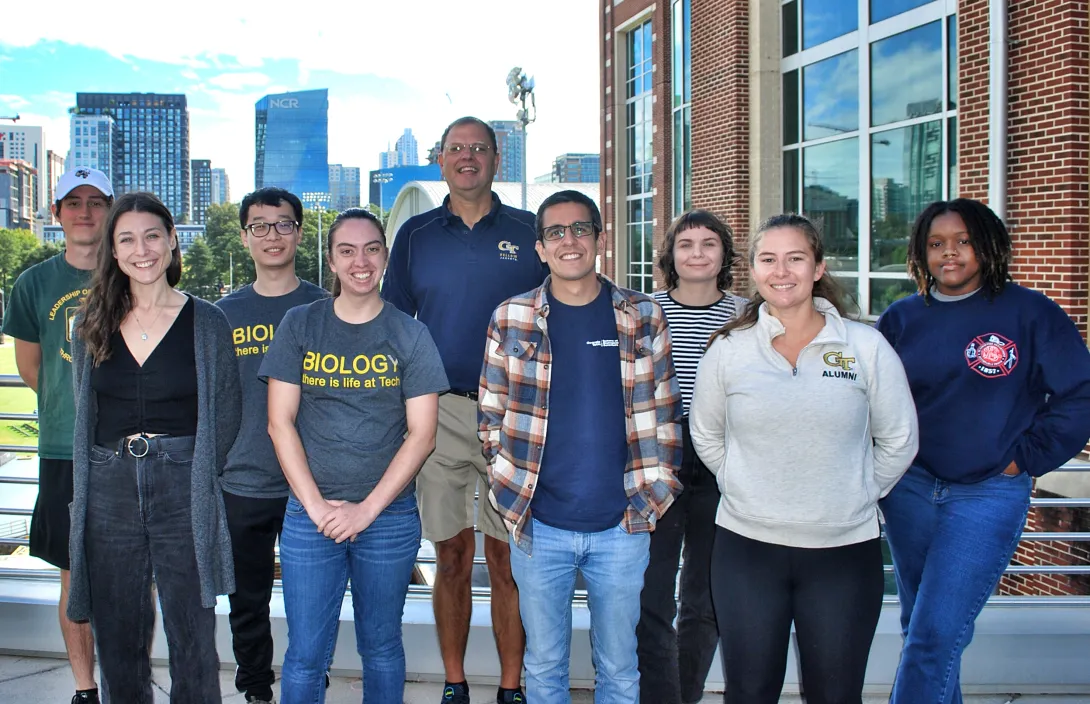
Kostka will serve as principal investigator of the research team for the grant. That team includes School of Biological Sciences researchers Caitlin Petro, research scientist, and Katherine Duchesneau, a third-year Ph.D. student; co-principal investigator Kostas Konstantinidis, Richard C. Tucker Professor in the School of Civil and Environmental Engineering; Rachel Wilson, research scientist, Florida State University; Malak Tfaily, associate professor, University of Arizona; and Chris Schadt, senior staff scientist, Oak Ridge National Laboratory.
Unlocking the “enzyme latch” hypothesis
As part of his new research, Kostka will revisit what scientists call the “enzyme latch” hypothesis. This could help uncover the mechanisms by which soils and plants capture harmful greenhouse gasses, and what prompts their release into the atmosphere.
The idea behind this hypothesis is that when soils are wet, they lack oxygen, which suppresses a specific class of enzymes, oxidases, that catalyze the beginning steps in the microbial breakdown of organic compounds produced by plants in soil. When oxidases are suppressed, the breakdown products of lignin, phenolic compounds, accumulate and poison the rest of the microbial carbon cycle. Thus a single class of enzymes may be responsible for keeping greenhouse gasses like carbon dioxide and methane captured within the soil.
“The climate linkage here is that it's thought that as the climate warms, we'll get more greenhouse gas production, because simply it'll be warmer, and microbial enzymes work faster at higher temperature. But then also, in wetlands in particular, the hypothesis is that as wetlands warm, they're going to dry out. And so when a wetland dries out, you're going to get more injection of oxygen-rich air into the soil, which would then accelerate the breakdown of organic matter.”
When that happens, it could also mean different plants having an impact on carbon storage and the breakdown of biomass. “As wetlands dry out, plant communities in northern peatlands where most of Earth’s soil carbon is stored, are expected to shift from a dominance of mosses, which do better when it's wet — to woody plants, shrubs, and trees that do better with less water, when it's drier. That would in turn potentially spark the release of more reactive carbon compounds from plant roots — mosses don’t have roots — which would likely accelerate organic matter decomposition and the production of more greenhouse gas in a feedback loop with climate.”
Kostka’s research may also help to develop new approaches for converting woody biomass into potential alternative energy sources. “To make our society more sustainable, we have to basically recycle everything, or reuse as much as we can. And that includes the biomass from plants that can be grown on more arid lands that are less suitable for food crops,” he said, referring to plant-based materials that can be used to produce biofuels and bioenergy. “And so the DOE is leading research efforts to understand the controls of biomass degradation in plants such as switchgrass and poplar.”
Kostka and Konstantinidis will develop a database of genes that code for the breakdown of lignocellulose and lignin, compounds that largely make up plant biomass and for which metabolic pathways of degradation have been elusive. Kostka and his colleagues will also have access to the extensive resources of the DOE Genomic Sciences program, including a collaboration with the agency’s Joint Genome Institute.
“We hope that information generated from our project can be used to improve methods for breaking down woody biomass so that it can be used in a sustainable way to produce biofuels,” Kostka said.
Public abstract of Department of Energy grant DE-SC0023297
About Georgia Tech
The Georgia Institute of Technology, or Georgia Tech, is a top 10 public research university developing leaders who advance technology and improve the human condition. The Institute offers business, computing, design, engineering, liberal arts, and sciences degrees. Its nearly 44,000 students representing 50 states and 149 countries, study at the main campus in Atlanta, at campuses in France and China, and through distance and online learning. As a leading technological university, Georgia Tech is an engine of economic development for Georgia, the Southeast, and the nation, conducting more than $1 billion in research annually for government, industry, and society.
News Contact
Writer: Renay San Miguel
Communications Officer II/Science Writer
College of Sciences
404-894-5209
Editor: Jess Hunt-Ralston
Sep. 28, 2022

Advancement in technology brings about plenty of benefits for everyday life, but it also provides cyber criminals and other potential adversaries with new opportunities to cause chaos for their own benefit.
As researchers begin to shape the future of artificial intelligence in manufacturing, Georgia Tech recognizes the potential risks to this technology once it is implemented on an industrial scale. That’s why Associate Professor Saman Zonouz will begin researching ways to protect the nation’s newest investment in manufacturing.
The project is part of the $65 million grant from the U.S. Department of Commerce’s Economic Development Administration to develop the Georgia AI Manufacturing (GA-AIM) Technology Corridor. While main purpose of the grant is to develop ways of integrating artificial intelligence into manufacturing, it will also help advance cybersecurity research, educational outreach, and workforce development in the subject as well.
“When introducing new capabilities, we don’t know about its cybersecurity weaknesses and landscape,” said Zonouz. “In the IT world, the potential cybersecurity vulnerabilities and corresponding mitigation are clear, but when it comes to artificial intelligence in manufacturing, the best practices are uncertain. We don’t know what all could go wrong.”
Zonouz will work alongside other Georgia Tech researchers in the new Advanced Manufacturing Pilot Facility (AMPF) to pinpoint where those inevitable attacks will come from and how they can be repelled. Along with a team of Ph.D. students, Zonouz will create a roadmap for future researchers, educators, and industry professionals to use when detecting and responding to cyberattacks.
“As we increasingly rely on computing and artificial intelligence systems to drive innovation and competitiveness, there is a growing recognition that the security of these systems is of paramount importance if we are to realize the anticipated gains,” said Michael Bailey, Inaugural Chair of the School of Cybersecurity and Privacy (SCP). “Professor Zonouz is an expert in the security of industrial control systems and will be a vital member of the new coalition as it seeks to provide leadership in manufacturing automation.”
Before coming to Georgia Tech, Zonouz worked with the School of Electrical and Computer Engineering (ECE) and the College of Engineering on protecting and studying the cyber-physical systems of manufacturing. He worked with Raheem Beyah, Dean of the College of Engineering and ECE professor, on several research papers including two that were published at the 26th USENIX Security Symposium, and the Network and Distributed System Security Symposium.
“As Georgia Tech continues to position itself as a leader in artificial intelligence manufacturing, interdisciplinarity collaboration is not only an added benefit, it is fundamental,” said Arijit Raychowdhury, Steve W. Chaddick School Chair and Professor of ECE. “Saman’s cybersecurity expertise will play a crucial role in the overall protection and success of GA-AIM and AMPF. ECE is proud to have him representing the school on this important project.”
The research is expected to take five years, which is typical for a project of this scale. Apart from research, there will be a workforce development and educational outreach portion of the GA-AIM program. The cyber testbed developed by Zonouz, and his team will live in the 24,000 square-foot AMPF facility.
News Contact
JP Popham
Communications Officer | School of Cybersecurity and Privacy
Georgia Institute of Technology
jpopham3@gatech.edu | scp.cc.gatech.edu
Sep. 06, 2022
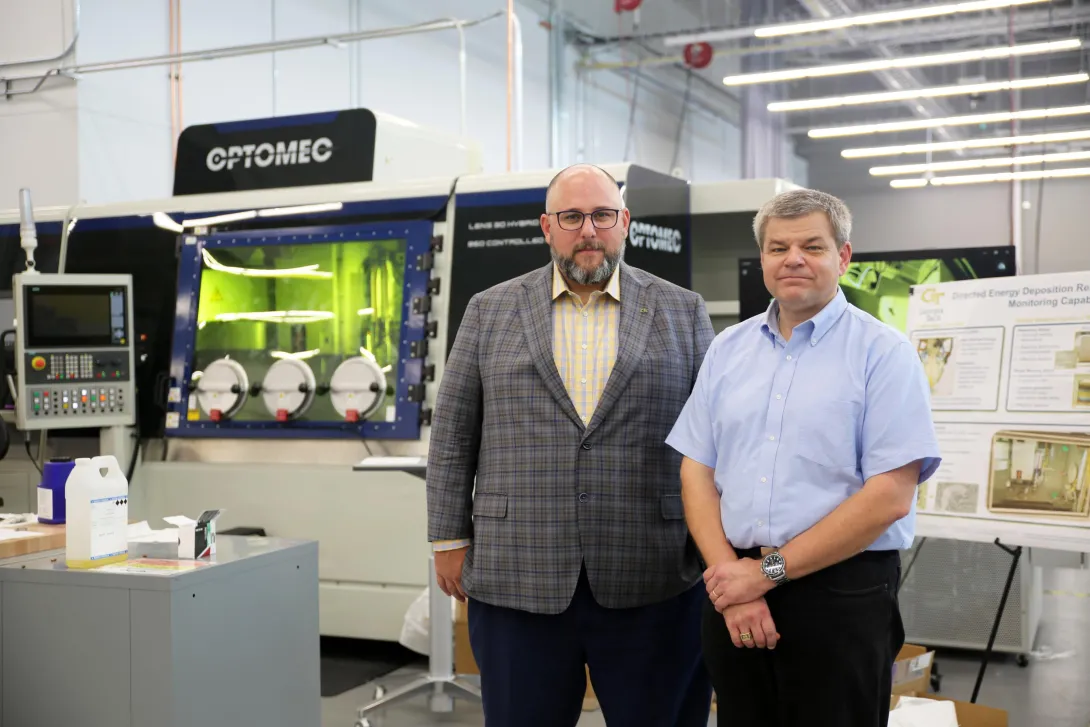
Aaron Stebner outlined an aggressive plan for artificial intelligence and manufacturing when he applied for a faculty position in 2019. In his cover letter, he promised “to establish the Georgia Institute of Technology as a world leader in additive manufacturing of solid materials (ceramics & metals) R&D, especially in the fusion of data sciences and AI to create new, world-leading technologies.”
Stebner thought it would take 10-15 years of incremental steps and funding to achieve the goal. He was wrong.
Thanks to a new $65 million grant from the U.S. Department of Commerce’s Economic Development Administration, announced by President Joe Biden, Stebner’s plan will begin to become a reality — and include the entire state of Georgia and all of its manufacturing sectors from agriculture to airplanes — two years after arriving on campus.
The largest of the nine projects within the larger Georgia AI Manufacturing (GA-AIM) technology corridor grant will allow Stebner and Georgia Tech to transform the Advanced Manufacturing Pilot Facility (AMPF) into the Artificial Intelligence Manufacturing Pilot Facility (AI-MPF). The 24,000 square-foot facility on 14th Street will more than double in size after Georgia Tech and statewide GA-AIM partners were selected as one of 21 Phase II awardees in the $1 billion Build Back Better Regional Challenge (BBB) competition, part of the Investing in America’s Communities initiative under the American Rescue Plan Act of 2021.
AMPF has been a shell waiting for a vision like Build Back Better to fill it out,” said Stebner, associate professor the George W. Woodruff School of Mechanical Engineering and the School of Materials Science and Engineering. “Now we will transform the facility into one of the nation’s first manufacturing labs designed for autonomy with the goal of helping the state and the nation to be world AI manufacturing leaders.”
Read the entire story on the College of Engineering website.
News Contact
Jason Maderer
College of Engineering
maderer@gatech.edu
Jun. 01, 2022
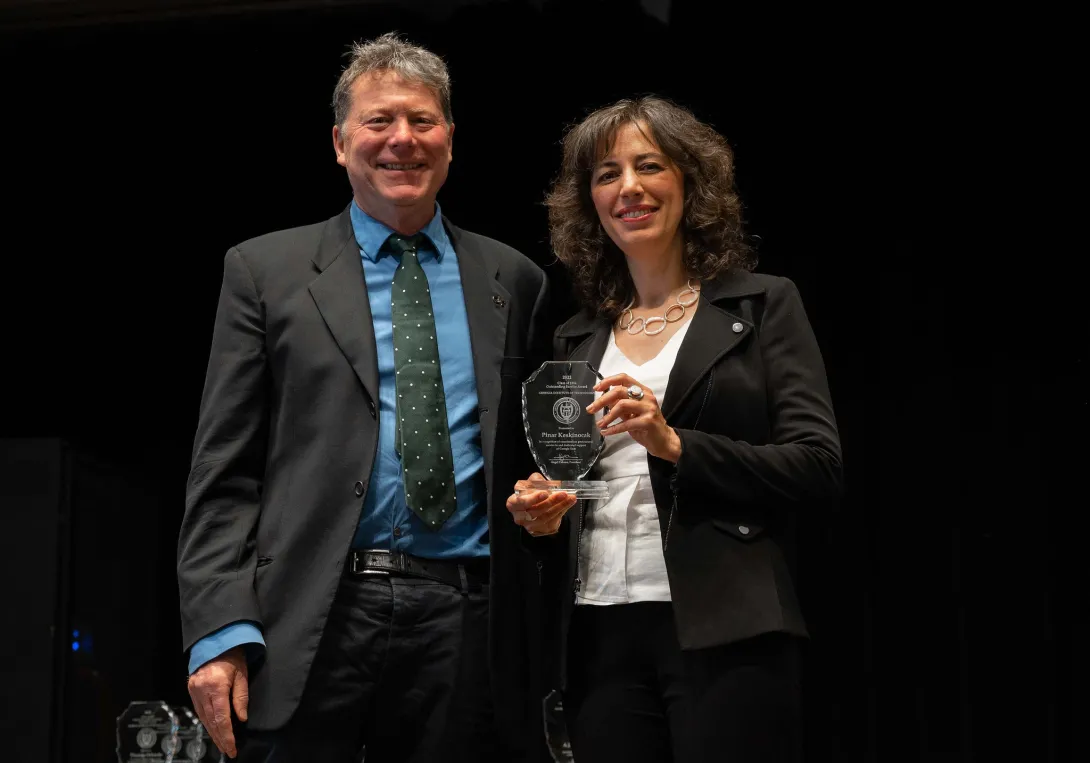
School of Industrial and Systems Engineering Professor Pinar Keskinocak was recognized at Georgia Tech’s annual 2022 Faculty and Staff Honors Luncheon with the Class of 1934 Outstanding Service Award. The award recognizes her long service both to the Institute and to her field.
Keskinocak has long served as a leader with the Institute for Operations Research and the Management Sciences (INFORMS). A fellow with the institute, she has served as president, vice president of membership and professional recognition, and is the co-founder and former president of the INFORMS Section on Public Programs, Service, and Needs, and the president of the INFORMS Health Applications Society.
At Georgia Tech she has also served as the College of Engineering Advance Professor for six years and was a leading voice over the past three years of the Covid-19 pandemic. In addition to working with the Georgia Department of Public Health, she served on the Institute’s Covid task force helping to establish an institutional approach to the pandemic.
“It’s an honor, first of all, to have had the opportunity to serve,” she said. “Our communities at Georgia Tech and beyond are wonderful, so to be recognized among all of these outstanding contributors is a great honor.”
Keskinocak’s research focuses on the application of operations research and management science with society impact, particularly regarding health and humanitarian applications, supply chain management, and logistics. She is the director of ISyE’s Center for Health and Humanitarian Systems. Recent work has focused on infectious disease modeling in response to Covid-19.
May. 26, 2022
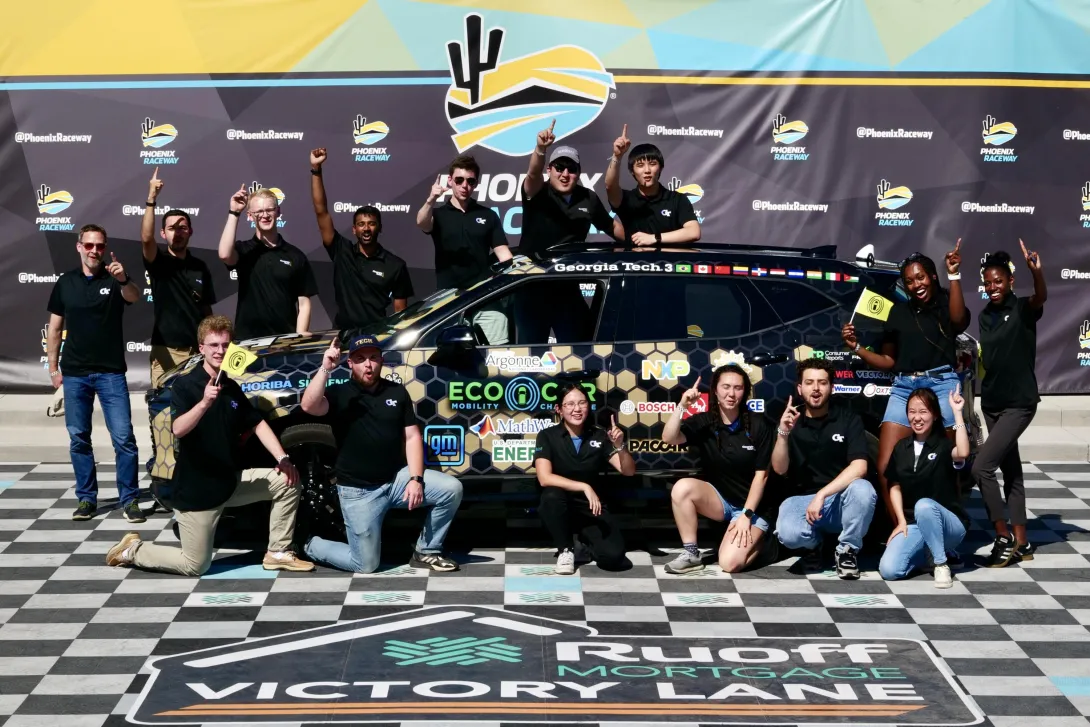
A team of Georgia Tech students and faculty members has won the U.S. Department of Energy’s (DOE) EcoCAR Mobility Challenge. The four-year competition tasked 11 universities with transforming a 2019 Chevrolet Blazer by adding advanced propulsion systems and automated vehicle technology. The goal was to improve the car’s energy efficiency while balancing emissions, safety, and consumer acceptability factors.
Originally a six-cylinder, the Georgia Tech team converted its Blazer to a four-cylinder hybrid vehicle with adaptive cruise control. Its vehicle-to infrastructure communication technology allows it to “talk” to stoplights and adjust its speed for optimization.
The team of approximately 60 graduate and undergraduate students represent six of the College of Engineering’s eight schools. The group also includes students from the College of Computing, Scheller College of Business, and Georgia State University.
Read the entire story on the College of Engineering website.
News Contact
Jason Maderer
College of Engineering
maderer@gatech.edu
Apr. 13, 2022
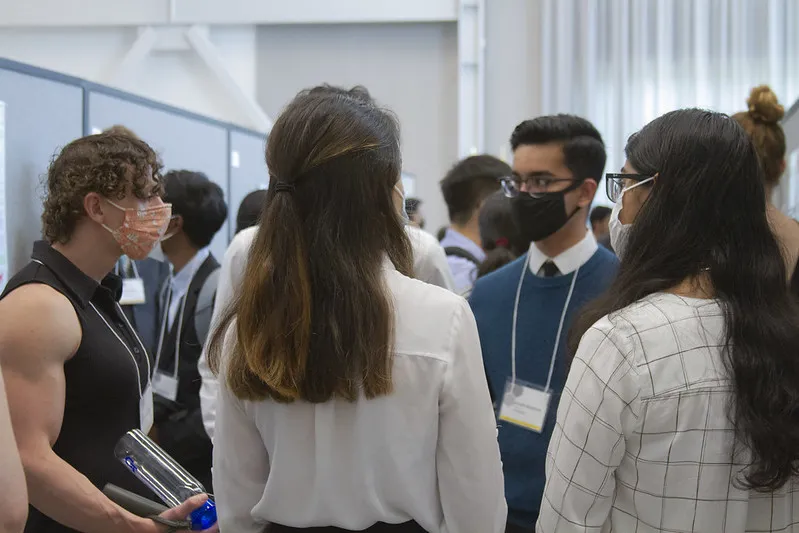
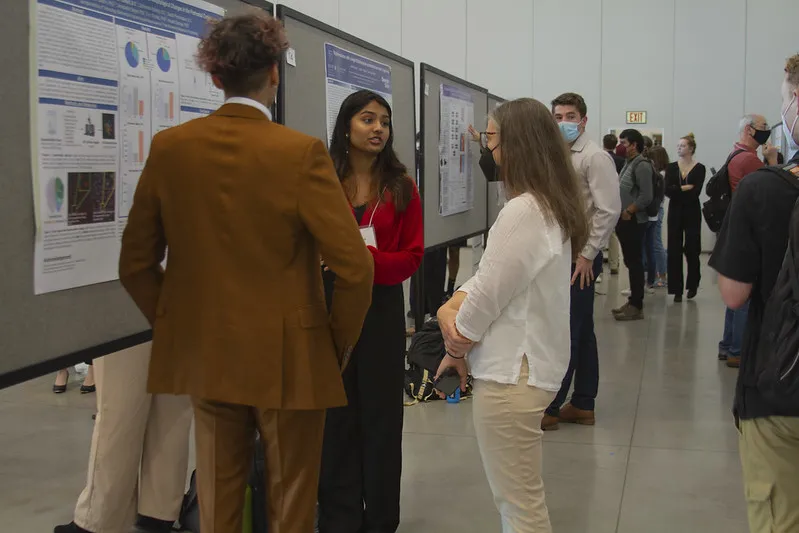
By Frida Carrera
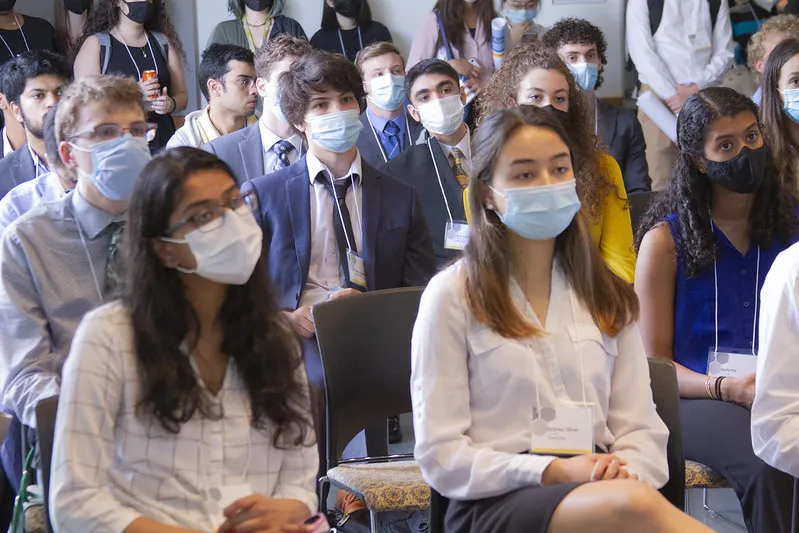
On Wednesday, April 13th 2022, the Undergraduate Research Opportunities Program (UROP) hosted the 16th annual Spring Undergraduate Research Symposium. UROP’s annual symposium is Georgia Tech’s largest undergraduate research colloquium and allows students to present their research and gain valuable skills and presentation experience. Each year the symposium also presents awards to the top poster and oral presentation from each college and honors the Outstanding Undergraduate Researcher (OUR) from each college. And with over 40 oral presentations and nearly 90 poster presentations, this year’s symposium proved to be another success for UROP and Georgia Tech.
This year the symposium was held in Exhibition Hall and opened with an introduction and keynote address to students, faculty, and other non-presenters. Shortly after, the event moved into the poster presentations segment where undergraduate students displayed their research to judges, faculty, and other attendees. The oral presentations followed soon after and gave student researchers the opportunity to go more in-depth with their research and findings and answer any questions the judges and attendees had. To end the event, sponsoring colleges and departments recognized Outstanding Undergraduate Researchers from their respective colleges. Additionally, the symposium judges were tasked with selecting the top student researchers having exceptional poster and oral presentations.
Any Georgia Tech undergraduate student interested in presenting their research is encouraged to apply for future symposiums and to build on research presentation skills, connect with other undergraduate researchers and faculty, and the chance to be recognized with awards by members of the Georgia Tech research community. UROP also hosts other research-related events and workshops throughout the school year to assist undergraduate students interested in research and build on their passions!
To view the list of awardees and pictures from the event visit: https://symposium.urop.gatech.edu/awards/
To learn more about undergraduate research at Georgia Tech visit: https://urop.gatech.edu/
Mar. 17, 2022



By Frida Carrera
During the summer of 2021, computer science student Neil Sanghavi and computer science recent grad Ahan Shah, both from Fairfax, VA, reconnected to catch up with one another and discuss the projects they were working on. In doing so they discovered a mutual resolve to create something using innovative technology and solve a problem relating to intellectual property, specifically patents. Both Neil and Ahan had just started to get into crypto trading and realized that NFT technology had more to offer than its collectible aspect. Here the idea of PatentX was created: to use NFT technology to provide utility in an antiquated space that lacked efficiency.
“It is estimated that we have $1 trillion in unused IP in the United States currently. Additionally, it is reported that there is $25.6 billion worth of patent monetization available today. This is why we created PatentX, a blockchain-backed marketplace to facilitate intellectual property transactions. We built this to make sure the little man innovators and entrepreneurs have an outlet to monetize and connect their patents with the world. Not only that, we are creating tools for large businesses, law firms, venture capitals to manage all of their IP on the blockchain that can handle transactions in seconds.”
Neil and Ahan describe their product launch process as a great learning experience and are firm believers that there can never be too much help. They are currently supported by DXPartners and have received help from various mentors and blockchain professionals. They have been able to traverse obstacles and learn about the marketing, finance, and business aspects behind building a startup despite coming from a technical background.
Their vision for PatentX is to disrupt the traditional way intellectual property is being transacted and to become the World’s Next Web3 Patent Office. PatentX will be releasing an NFT collection of the most historic patent innovations this early March and encourage interested individuals to stay tuned for their launch.
To learn more about PatentX visit their social media:
Twitter: @PatentXNFT
Instagram: @PatentX.io
To learn more about student innovation at Georgia Tech visit: https://innovation.cae.gatech.edu/
Mar. 28, 2022
By Frida Carrera
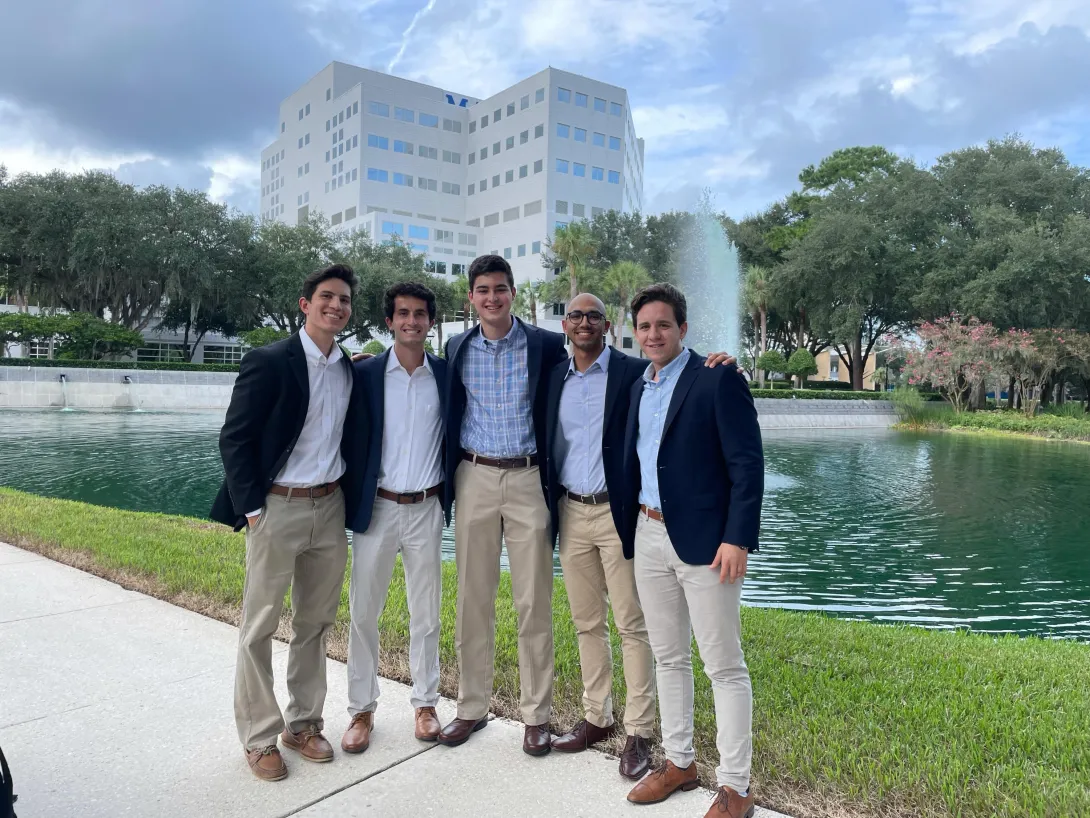
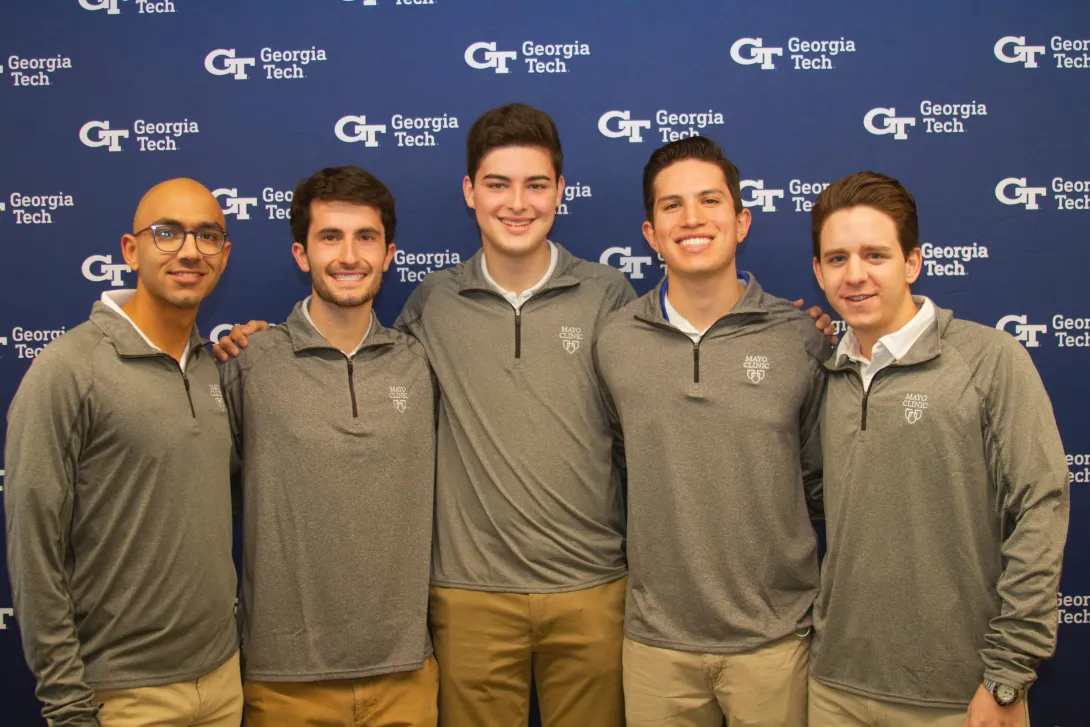
On April 2, 2022, Team carSEAL will represent Georgia Tech in the 6th annual ACC InVenture Prize Competition hosted this year by Florida State University. Team members Shovan Bhatia, Joshua Cruz, Nicholas Lima, Derek Prusener, and Giancarlo Riccobono will compete against other teams in the ACC Conference for a chance to win up to $30,000 in prizes.
carSEAL began with five biomedical engineering students collaborating on a capstone project. After being accepted into the highly sought-after Mayo Clinic Capstone Project, they received mentorship from Dr. Rabih Tawk, a world-renowned neurosurgeon. With his guidance, they learned that surgeons currently lack the tools to close the carotid artery after endovascular procedures. Through a pragmatic approach, the team developed 100+ conceptual designs and iterations. After numerous discussions with attending surgeons across the nation and preliminary testing, they developed carSEAL – a vascular closure device for the carotid artery.
So far, the team has found the InVenture Prize process to be exhilarating.
“Through each round of this process, we have seen incredible teams working on impactful projects and it is exciting to be surrounded by such brilliant minds from numerous backgrounds. It has been especially rewarding working with so many supportive advisors from Georgia Tech, who have been through the startup process and have freely offered their expertise. Along each step of this process, we have learned something new to refine our pitch and ensure we are presenting our most competitive self at the ACC.”
Currently, aside from preparing for the ACC InVenture Prize, the carSEAL team is performing benchtop lab testing to evaluate its efficacy in animal models. Soon after, the team will be moving to pre-clinical studies on their path to obtaining FDA clearance before carSEAL is commercialized. Winning the ACC InVenture Prize would help them gain more traction and gather sufficient funds to help them with this process.
“I am extremely proud of our team’s achievements in the short 6 months that we have worked together. carSEAL has gained a lot of traction already and we are excited to see how far we can take this, hopefully bringing carSEAL to clinical practice within a few years,” Bhatia stated.
The Georgia Tech community can support carSEAL in the competition by voting for them for the People’s Choice Awards by visiting: https://accinventureprize.com/peoples-choice-voting. Online voting begins March 28.
To learn more about the ACC InVenture Prize visit https://accinventureprize.com.