
Jan. 19, 2024

Associate Professor Marta Hatzell has won a 2024 ACS Sustainable Chemistry & Engineering Lectureship Award, which recognizes leading contributions of scientists and engineers active in the general fields of green chemistry, green engineering, and sustainability in the broadest sense of the chemical enterprise.
Hatzell, who holds joint appointments in Georgia Tech's School of Mechanical Engineering and School of Chemical and Biomolecular Engineering, was honored for her multiple contributions that drive the application of electrochemistry to enable critical systems with enhanced circularity.
The ACS Sustainable Chemistry & Engineering Lectureship awards were created to celebrate early to midcareer investigators who completed academic training no more than 10 years prior to nomination. In support of their commitment to nurture and stimulate a global community of outstanding practice. ACS Sustainable Chemistry & Engineering and the ACS Green Chemistry Institute gave three Lectureship Awards to recognize outstanding levels of contribution from The Americas, Europe/Middle East/Africa, and Asia/Pacific.
The award recipients will be honored at a joint plenary session of the 28th Annual Green Chemistry & Engineering Conference in their honor (June 3–5, 2024; https://www.gcande.org/).
News Contact
Brad Dixon, Communications Manager, School of Chemical and Biomolecular Engineering
Jan. 23, 2024
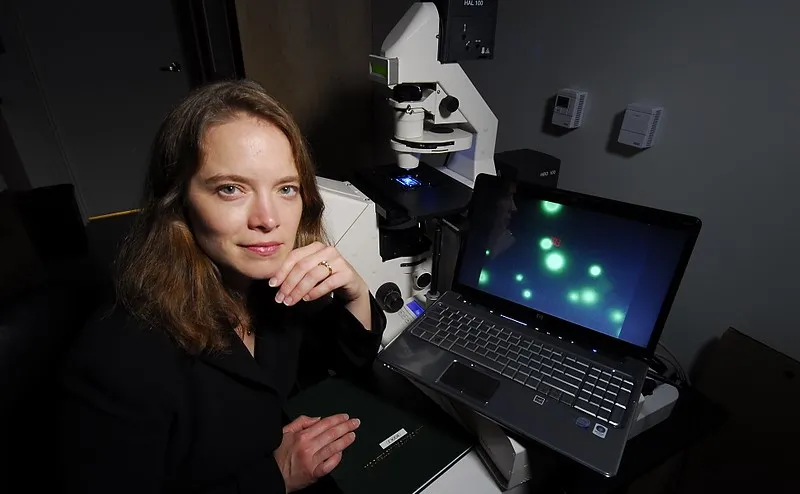
Valeria Tohver Milam leads the Macromolecular Materials at Biotic and Abiotic Interfaces research initiative for the Institute for Materials (IMat) and the Parker H. Petit Institute for Bioengineering and Biosciences at Georgia Tech. In this role, she is working to build an inclusive and active community across and beyond Georgia Tech to identify emerging research directions in macromolecular materials for biological and nonbiological applications. Milam is an associate professor in Materials Science and Engineering and a program faculty member of the Bioengineering graduate program at Georgia Tech.
In this brief Q&A, Milam discusses her research focus, how it relates to materials research, and the impact of this initiative.
What is your field of expertise and at what point in your life did you first become interested in this area?
My field of expertise lies in bio-inspired materials science and engineering. Natural macromolecular components of biological systems such as cell receptors or antibodies rely on recognition-based binding events to, for example, allow a cell to take up particular nutrients or to neutralize a specific pathogen threat. Inspired by nature’s capabilities, my group’s research strives to identify and study synthetic macromolecular materials with bio-inspired compositions and self-folded structures. I first became interested in using DNA for its recognition capabilities during my postdoc at the University of Pennsylvania. For the first several years as an assistant professor at Georgia Tech, my group used DNA duplexes as a temporary glue between particle surfaces. Our more recent efforts focus on finding oligonucleotides to function as ligands or capture agents for a specific biological or nonbiological target.
What questions or challenges sparked your current materials research?
Polymers or macromolecules hold a lot of promise as a class of materials for various applications. Synthetic macromolecules, however, pose a lot of synthesis and post-use challenges that can hinder the discovery and practical use of novel macromolecular chemistries. Natural polymers such as oligonucleotides and proteins, on the other hand, have their own elegant synthesis and degradation pathways. To promote discovery of novel macromolecular materials, my group uses nature’s reagents and building blocks to synthesize numerous artificial biopolymer candidates. Since we do not start with any sequence design rules, we rely on maximizing the composition diversity of these artificial biopolymers. We then test all candidates collectively to efficiently choose ones with the desired functionality.
Why is your initiative important to the development of Georgia Tech’s Materials research strategy?
One of the challenges to discovering macromolecular systems that are both novel and practical is the lack of design rules. For example, how does one choose the right number and composition of repeat units for a macromolecule that binds to a particular material surface or to a particular biological target. If you can take advantage of nature’s building blocks and enzymes, then you can explore a wide chemical combinatorial space without having to follow any prerequisite design rules. Better yet, you can then use your initial findings to come up with design rules to explore additional, possibly better macromolecular candidates. This approach to macromolecule discovery is inherently interdisciplinary since one must combine or adapt techniques and approaches developed by biologists, polymer scientists, and materials engineers. Thus, Georgia Tech is a great place to foster this interdisciplinary strategy to research.
What are the broader global and social benefits of the research you and your team conduct?
In addition to training members of our future workforce with interdisciplinary skill sets, we want to carve out a pathway to designing, synthesizing and using environmentally friendly, multiuse macromolecules with commercial promise.
What are your plans for engaging a wider GT faculty pool with IMat research?
Currently, we are primarily in the brainstorming stage. To this end, I am engaging with science and engineering faculty at GT as well as Emory. As cross-disciplinary ideas start to brew, we will work towards multi-PI funding opportunities that engage the broader GT faculty and community.
News Contact
Amelia Neumeister
Research Communications
Dec. 05, 2023
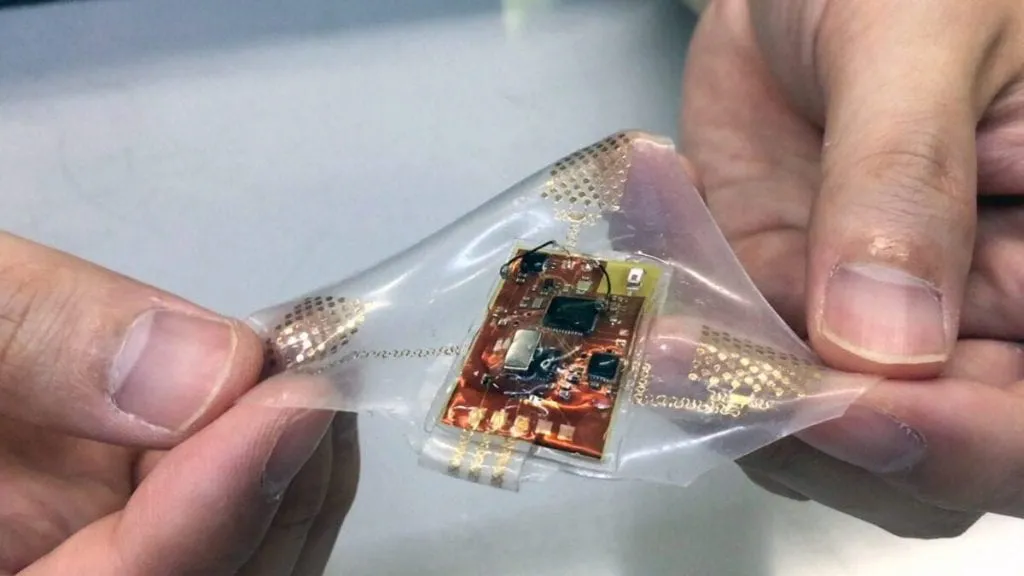

A new research center in the Institute for Electronics and Nanotechnology (IEN) will help bring together human-centered bioelectronics technology research to improve human healthcare and expand human-machine interface technologies.
The Wearable Intelligent Systems and Healthcare (WISH) Center will work to push innovation in wearable sensors and electronics technologies. Focus areas of the center will include electronics, artificial intelligence, biological science, material sciences, manufacturing, system design, and medical engineering.
“We are excited by the promise of bioelectronics improving human health and all the exciting science engineering that is required to make it a reality,” said Michael Filler, interim executive director of IEN.
WISH is directed by W. Hong Yeo, associate professor in Georgia Tech’s George W. Woodruff School of Mechanical Engineering and the Wallace H. Coulter Department of Biomedical Engineering at Georgia Tech and Emory, and Yuhang Hu, associate professor in the School of Chemical and Biomolecular Engineering at Georgia Tech.
“I founded WISH to bring together Georgia Tech’s expertise in various disciplines and to create opportunities for developing wearable bioelectronics and human-machine technologies leading to better lives and communities,” said Yeo.
Yeo’s research focuses on developing soft sensors, electronics and robotics for health monitoring and disease diagnosis at the intersection of human and machine interaction. Other researchers in the center represent disciplines from across Georgia Tech’s Colleges of Engineering, Computing, Sciences, Design, and Liberal Arts; Emory University; and Children’s Healthcare of Atlanta.
WISH will be one of IEN’s 10 strategic research centers, along with the 3D Systems Packaging Research Center, a graduated NSF Engineering Research Center focusing on advanced packaging using 2.5D and 3D heterogeneous integration technologies, and the Georgia Electronic Design Center, one of the world’s largest university-based semiconductor research centers. WISH is an evolution of the Center for Human-Centric Interfaces and Engineering, which received seed funding from IEN to focus on collaborative research for human-centered design, biofeedback control, and integrated nanosystems to advance human-machine interaction in the scope of healthcare.
IEN supports early-stage research in underfunded research areas that span all disciplines in science and engineering through its seed grant programs, which focus on research in biomedicine, electronics, optoelectronics and photonics, and energy applications.
News Contact
Amelia Neumeister, Research Communications
Nov. 17, 2023
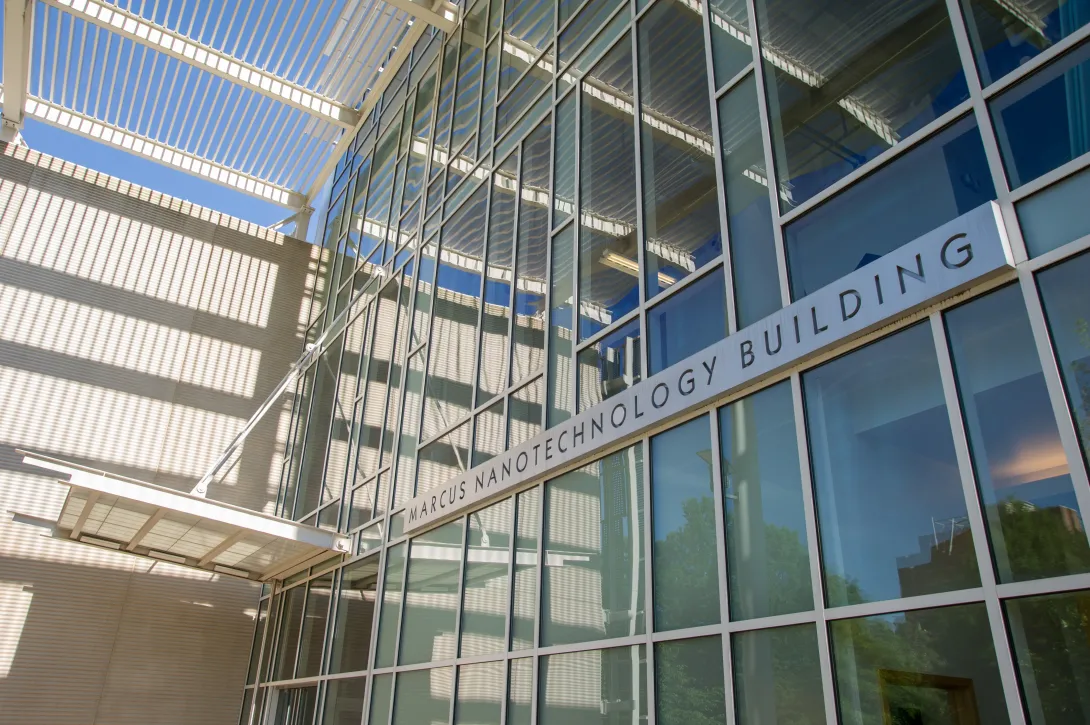
The Institute for Electronics and Nanotechnology (IEN) and the Institute for Materials (IMat) have announced they will combine to form a new Interdisciplinary Research Institute (IRI) set to begin operations on July 1, 2024.
The new IRI, which has yet to be named, will explore the vast scientific, technological, societal, and economic impacts of innovative materials and devices, as well as foster their incorporation into systems that improve the human condition in areas such as information and communication technologies, the built environment, and human well-being and performance.
“The new IRI will not only combine the strengths of IEN and IMat, but will also allow us to further expand faculty representation from across the Institute,” said Julia Kubanek, vice president of Interdisciplinary Research at Georgia Tech. “As we look at the future of research in these areas, expanding inclusivity of researchers from the liberal arts, design, business, and basic sciences will allow us to better meet the education, workforce development, and innovation needs of Georgia, the U.S., and the world.”
The new IRI will strengthen Georgia Tech’s role in national focus areas such as the National Nanotechnology Initiative, the Materials Genome Initiative, and the CHIPS and Science Act, as well as identify and shape future priorities.
Core competencies of the new IRI will include:
- Fundamental science to comprehend and control matter from the nanoscale to the mesoscale.
- The synthesis, processing, and characterization of materials to achieve desired properties.
- The design and fabrication of novel devices and components with enhanced capabilities.
- The integration of materials, devices, and components into larger systems.
- Computing, modeling, simulation, and big data to advance progress at all length scales.
- Integration into all stages of research, from conceptualization to impact assessment, of economic, business, and social factors to ensure sustainable and equitable benefits.
“IEN and IMat have worked closely together for years, and there is overlap in the research areas we cover,” said Eric Vogel, IMat’s executive director. “This is an opportunity for us to build on IEN and IMat’s individual successes and our strong record of collaboration to create something even more exceptional.”
The new IRI will strengthen the state-of-the-art core cleanroom and characterization facilities, providing researchers with the tools and resources necessary for cutting-edge interdisciplinary research. These facilities will continue to serve both Georgia Tech and, through its leadership within the NSF National Nanotechnology Coordinated Infrastructure, the nation. Recognizing the importance of nurturing talent, it will champion education and outreach programs to inspire the next generation and equip the workforce with the skills necessary to collaborate and communicate across multiple disciplines.
“This is an exciting time to look to the future,” said Michael Filler, interim executive director of IEN. “We highly value the dedication and hard work of our staff and research faculty, who have been crucial to the success of IEN and IMat and will be the backbone of this new organization. We look forward to creating something exceptional in the coming months.”
News Contact
Laurie Haigh
laurie.haigh@research.gatech.edu
Nov. 03, 2023
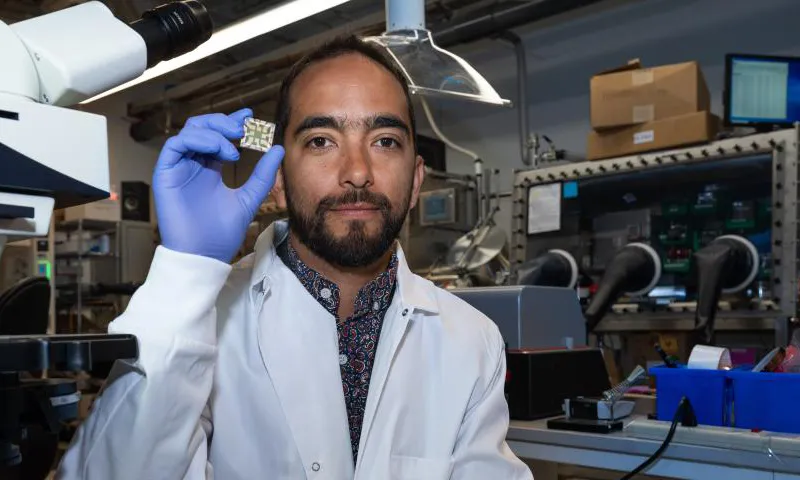
Juan-Pablo Correa-Baena leads the Materials for Solar Energy Harvesting and Conversion research initiative for the Institute for Materials (IMat) and Strategic Energy Institute at Georgia Tech. In this role, he is working to create a community around solar energy harvesting and conversion at Georgia Tech. He aims to integrate photovoltaic, photodetectors, and related devices into IMaT-related research; energize research in these areas at Georgia Tech at large; and consolidate the expertise of the many research groups working on or around photovoltaics/photodetectors that will allow researchers to target interdisciplinary research funding opportunities. He is also an assistant professor and the Goizueta Junior Faculty Rotating Chair in the School of Materials Science and Engineering.
In this brief Q&A, Correa-Baena discusses his research focus, how it relates to materials research, and the impact of this initiative.
What is your field of expertise and at what point in your life did you first become interested in this area?
I am an expert in materials for energy harvesting and conversion. I first became interested in this topic when I was an undergraduate student and started thinking about the future of energy production.
What questions or challenges sparked your current materials research?
I was born and raised in a country where fossil fuels dominate the energy production landscape, yet where renewables are readily available. Colombia is a large producer of oil but also boasts a huge potential for solar energy production. This juxtaposition always puzzled me growing up. As a researcher in this field, I want to ensure that all countries around the world have access to solar energy, by helping lower deployment cost.
Why is your initiative important to the development of Georgia Tech’s Materials research strategy?
There is a growing need to expand our research footprint at Georgia Tech with regard to photovoltaics. This is especially important with the impact of the photovoltaic industry presence in Georgia. My initiative is focusing on galvanizing activities around photovoltaic research at Georgia Tech that can benefit our footprint globally as well as locally with industry partners.
What are the broader global and social benefits of the research you and your team conduct?
The main benefit of the research we do is to the photovoltaic industry, which we hope to engage through cutting-edge research at Georgia Tech.
What are your plans for engaging a wider Georgia Tech faculty pool with IMat research?
I am planning to organize an internal workshop, as well as a session on photovoltaics in the Next Generation of Energy Materials Symposium to be held in March 2024 at Georgia Tech. In addition, as part of my efforts to engage the Georgia Tech community at large, I am working to create a website that will connect the Georgia Tech community working towards advancing photovoltaic capabilities for future manufacturing advancements.
News Contact
Oct. 20, 2023

The Institute for Data Engineering and Science, in conjunction with several Interdisciplinary Research Institutes (IRIs) at Georgia Tech, have awarded seven teams of researchers from across the Institute a total of $105,000 in seed funding geared to better position Georgia Tech to perform world-class interdisciplinary research in data science and artificial intelligence development and deployment.
The goals of the funded proposals include identifying prominent emerging research directions on the topic of AI, shaping IDEaS future strategy in the initiative area, building an inclusive and active community of Georgia Tech researchers in the field that potentially include external collaborators, and identifying and preparing groundwork for competing in large-scale grant opportunities in AI and its use in other research fields.
Below are the 2023 recipients and the co-sponsoring IRIs:
Proposal Title: "AI for Chemical and Materials Discovery" + “AI in Microscopy Thrust”
PI: Victor Fung, CSE | Vida Jamali, ChBE| Pan Li, ECE | Amirali Aghazadeh Mohandesi, ECE
Award: $20k (co-sponsored by IMat)
Overview: The goal of this initiative is to bring together expertise in machine learning/AI, high-throughput computing, computational chemistry, and experimental materials synthesis and characterization to accelerate material discovery. Computational chemistry and materials simulations are critical for developing new materials and understanding their behavior and performance, as well as aiding in experimental synthesis and characterization. Machine learning and AI play a pivotal role in accelerating material discovery through data-driven surrogate models, as well as high-throughput and automated synthesis and characterization.
Proposal Title: " AI + Quantum Materials”
PI: Zhigang JIang, Physics | Martin Mourigal, Physics
Award: $20k (Co-Sponsored by IMat)
Overview: Zhigang Jiang is currently leading an initiative within IMAT entitled “Quantum responses of topological and magnetic matter” to nurture multi-PI projects. By crosscutting the IMAT initiative with this IDEAS call, we propose to support and feature the applications of AI on predictive and inverse problems in quantum materials. Understanding the limit and capabilities of AI methodologies is a huge barrier of entry for Physics students, because researchers in that field already need heavy training in quantum mechanics, low-temperature physics and chemical synthesis. Our most pressing need is for our AI inclined quantum materials students to find a broader community to engage with and learn. This is the primary problem we aim to solve with this initiative.
PI: Jeffrey Skolnick, Bio Sci | Chao Zhang, CSE
Proposal Title: Harnessing Large Language Models for Targeted and Effective Small Molecule 4 Library Design in Challenging Disease Treatment
Award: $15k (co-sponsored by IBB)
Overview: Our objective is to use large language models (LLMs) in conjunction with AI algorithms to identify effective driver proteins, develop screening algorithms that target appropriate binding sites while avoiding deleterious ones, and consider bioavailability and drug resistance factors. LLMs can rapidly analyze vast amounts of information from literature and bioinformatics tools, generating hypotheses and suggesting molecular modifications. By bridging multiple disciplines such as biology, chemistry, and pharmacology, LLMs can provide valuable insights from diverse sources, assisting researchers in making informed decisions. Our aim is to establish a first-in-class, LLM driven research initiative at Georgia Tech that focuses on designing highly effective small molecule libraries to treat challenging diseases. This initiative will go beyond existing AI approaches to molecule generation, which often only consider simple properties like hydrogen bonding or rely on a limited set of proteins to train the LLM and therefore lack generalizability. As a result, this initiative is expected to consistently produce safe and effective disease-specific molecules.
PI: Yiyi He, School of City & Regional Plan | Jun Rentschler, World Bank
Proposal Title: “AI for Climate Resilient Energy Systems”
Award: $15k (co-sponsored by SEI)
Overview: We are committed to building a team of interdisciplinary & transdisciplinary researchers and practitioners with a shared goal: developing a new framework which model future climatic variations and the interconnected and interdependent energy infrastructure network as complex systems. To achieve this, we will harness the power of cutting-edge climate model outputs, sourced from the Coupled Model Intercomparison Project (CMIP), and integrate approaches from Machine Learning and Deep Learning models. This strategic amalgamation of data and techniques will enable us to gain profound insights into the intricate web of future climate-change-induced extreme weather conditions and their immediate and long-term ramifications on energy infrastructure networks. The seed grant from IDEaS stands as the crucial catalyst for kick-starting this ambitious endeavor. It will empower us to form a collaborative and inclusive community of GT researchers hailing from various domains, including City and Regional Planning, Earth and Atmospheric Science, Computer Science and Electrical Engineering, Civil and Environmental Engineering etc. By drawing upon the wealth of expertise and perspectives from these diverse fields, we aim to foster an environment where innovative ideas and solutions can flourish. In addition to our internal team, we also have plans to collaborate with external partners, including the World Bank, the Stanford Doerr School of Sustainability, and the Berkeley AI Research Initiative, who share our vision of addressing the complex challenges at the intersection of climate and energy infrastructure.
PI: Jian Luo, Civil & Environmental Eng | Yi Deng, EAS
Proposal Title: “Physics-informed Deep Learning for Real-time Forecasting of Urban Flooding”
Award: $15k (co-sponsored by BBISS)
Overview: Our research team envisions a significant trend in the exploration of AI applications for urban flooding hazard forecasting. Georgia Tech possesses a wealth of interdisciplinary expertise, positioning us to make a pioneering contribution to this burgeoning field. We aim to harness the combined strengths of Georgia Tech's experts in civil and environmental engineering, atmospheric and climate science, and data science to chart new territory in this emerging trend. Furthermore, we envision the potential extension of our research efforts towards the development of a real-time hazard forecasting application. This application would incorporate adaptation and mitigation strategies in collaboration with local government agencies, emergency management departments, and researchers in computer engineering and social science studies. Such a holistic approach would address the multifaceted challenges posed by urban flooding. To the best of our knowledge, Georgia Tech currently lacks a dedicated team focused on the fusion of AI and climate/flood research, making this initiative even more pioneering and impactful.
Proposal Title: “AI for Recycling and Circular Economy”
PI: Valerie Thomas, ISyE and PubPoly | Steven Balakirsky, GTRI
Award: $15k (co-sponsored by BBISS)
Overview: Most asset management and recycling use technology that has not changed for decades. The use of bar codes and RFID has provided some benefits, such as for retail returns management. Automated sorting of recyclables using magnets, eddy currents, and laser plastics identification has improved municipal recycling. Yet the overall field has been challenged by not-quite-easy-enough identification of products in use or at end of life. AI approaches, including computer vision, data fusion, and machine learning provide the additional capability to make asset management and product recycling easy enough to be nearly autonomous. Georgia Tech is well suited to lead in the development of this application. With its strength in machine learning, robotics, sustainable business, supply chains and logistics, and technology commercialization, Georgia Tech has the multi-disciplinary capability to make this concept a reality, in research and in commercial application.
Proposal Title: “Data-Driven Platform for Transforming Subjective Assessment into Objective Processes for Artistic Human Performance and Wellness”
PI: Milka Trajkova, Research Scientist/School of Literature, Media, Communication | Brian Magerko, School of Literature, Media, Communication
Award: $15k (co-sponsored by IPaT)
Overview: Artistic human movement at large, stands at the precipice of a data-driven renaissance. By leveraging novel tools, we can usher in a transparent, data-driven, and accessible training environment. The potential ramifications extend beyond dance. As sports analytics have reshaped our understanding of athletic prowess, a similar approach to dance could redefine our comprehension of human movement, with implications spanning healthcare, construction, rehabilitation, and active aging. Georgia Tech, with its prowess in AI, HCI, and biomechanics is primed to lead this exploration. To actualize this vision, we propose the following research questions with ballet as a prime example of one of the most complex types of artistic movements: 1) What kinds of data - real-time kinematic, kinetic, biomechanical, etc. captured through accessible off-the-shelf technologies, are essential for effective AI assessment in ballet education for young adults?; 2) How can we design and develop an end-to-end ML architecture that assesses artistic and technical performance?; 3) What feedback elements (combination of timing, communication mode, feedback nature, polarity, visualization) are most effective for AI- based dance assessment?; and 4) How does AI-assisted feedback enhance physical wellness, artistic performance, and the learning process in young athletes compared to traditional methods?
- Christa M. Ernst
News Contact
Christa M. Ernst | Research Communications Program Manager
Robotics | Data Engineering | Neuroengineering
christa.ernst@research.gatech.edu
Oct. 11, 2023
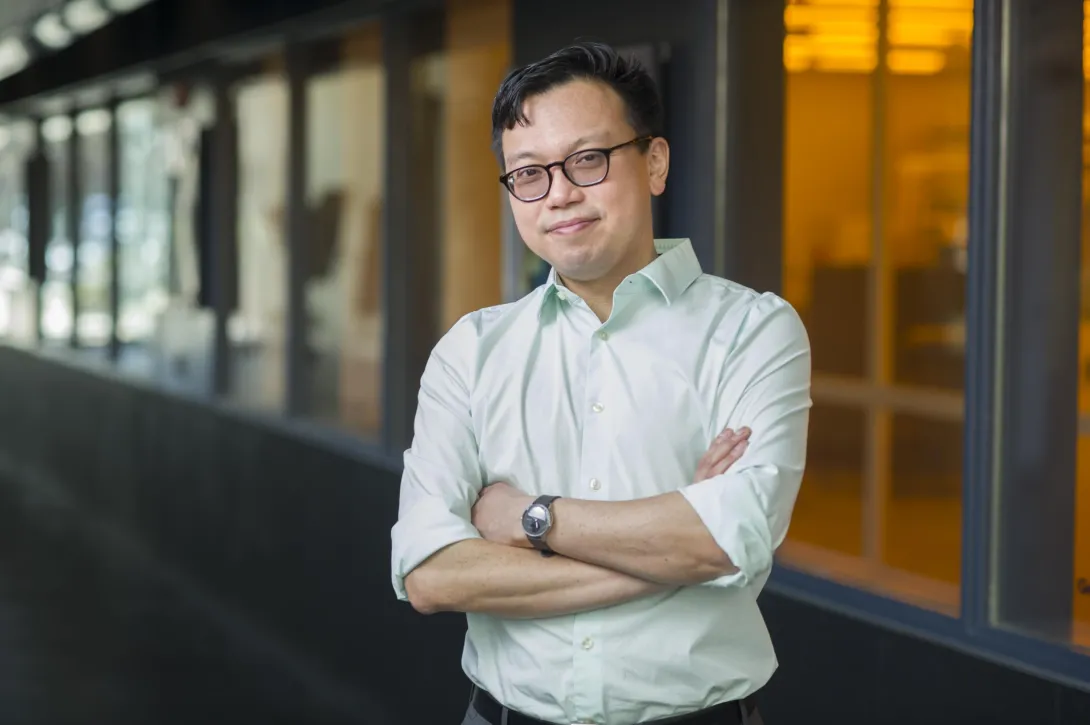
The list of titles following Wilbur Lam’s name is long, given his appointments at Georgia Tech, Emory University, and Children’s Healthcare of Atlanta. Now he has a new one: member of the National Academy of Medicine (NAM).
Lam is one of 100 newly elected members of the Academy for 2023, an honor reserved for people who’ve made major contributions to medicine, healthcare, and public health. He joins a roster of just 2,400 or so individuals. Membership is considered one of the highest recognitions in health and medicine.
“This honor is extremely humbling because it’s given to me as one person. But it really reflects the team effort that’s surrounded me all these years,” said Lam, W. Paul Bowers Research Chair in the Wallace H. Coulter Department of Biomedical Engineering at Georgia Tech and Emory University.
“If you look at all the work that they’re recognizing me for, it starts with my laboratory, then goes beyond — into the centers that we’ve developed related to diagnostic technologies, and then, all the work that we’ve done for the National Institutes of Health during the pandemic.”
New NAM members are nominated and elected by current members, and they’re expected to contribute to National Academies activities providing independent analysis and advice to help the nation tackle complex problems.
Lam, who is a pediatric hematologist/oncologist at Children’s Healthcare of Atlanta in addition to a researcher, was cited “for outstanding contributions in point-of-care, home-based, and/or smartphone-enabled diagnostics that are changing the management of pediatric and hematologic diseases as well as development of microsystems technologies as research-enabling platforms to investigate blood biophysics.”
Read the full article on the College of Engineering website
News Contact
Joshua Stewart (jstewart@gatech.edu)
Aug. 14, 2023



Three of 12 projects that received funding from the U.S. National Science Foundation’s Using the Rules of Life to Address Societal Challenges are led by researchers in Georgia Tech’s School of Chemical and Biomolecular Engineering (ChBE).
The 12 projects received a total of $27 million in investment, supporting the use of knowledge learned from studying the Rules of Life — the complex interactions within and between a broad array of living systems across biological scales, and time and space — to tackle pressing societal challenges, including clean water, planet sustainability, carbon capture, biosecurity, and antimicrobial resistance to antibiotics. The Georgia Tech-related projects received a total of $7.7 million.
"The enormous opportunity to apply biological principles to solving the biggest problems of today is one we cannot take lightly," said Susan Marqusee, NSF assistant director for Biological Sciences. "These projects will use life to improve life, including for many underprivileged communities and groups."
The Georgia Tech-led projects include:
- Co-Producing Knowledge, Biotechnologies and Practices to Enhance Biological Nitrogen Fixation for Sustainable Agriculture. $2.67 million (Georgia Tech and Worcester Polytechnic Institute, award 2319430)
The project’s principal investigator is Lily Cheung, assistant professor of ChBE@GT, and the co-principal investigators are Shuichi Takayama, professor of biomedical engineering at Georgia Tech, and William San Martín, assistant professor of global environmental science, technology, and governance at Worcester Polytechnic Institute.
The researchers will address food security through low-cost technology based on biological principles to increase nitrogen content in soils and improve crop production on marginal lands.
- Next-Generation Biological Security and Bio-Hackathon, $2.81 million (Georgia Tech and Massachusetts Institute of Technology, award 2319231).
The project’s principal investigator is Corey Wilson, professor of ChBE@GT, and the co-principal investigators are Matthew Realff, professor of ChBE@GT, and Christopher Voigt, professor of biological engineering at Massachusetts Institute of Technology.
The researchers will create programmable, biological combination lock methods — "on and off" states — for using synthetic biology safely, containing potentially dangerous organisms and protecting valuable ones.
- Synthetic Protocell Communities to Address Critical Sensing Challenges, $2.23 million (Georgia Tech, award 2319391).
The project’s principal investigator is Mark Styczynski, professor of ChBE@GT, and the co-principal investigators are Shuichi Takayama, professor of biomedical engineering at Georgia Tech; Brian Hammer, associate professor of biological sciences at Georgia Tech, and Neha Garg, assistant professor of chemistry and biochemistry at Georgia Tech.
The researchers will create synthetic "protocells" enabling the development of a highly sensitive, field deployable analysis system that could be used for many applications such as measuring micronutrient deficiencies in undernourished populations.
News Contact
Brad Dixon, braddixon@gatech.edu
Jul. 19, 2023
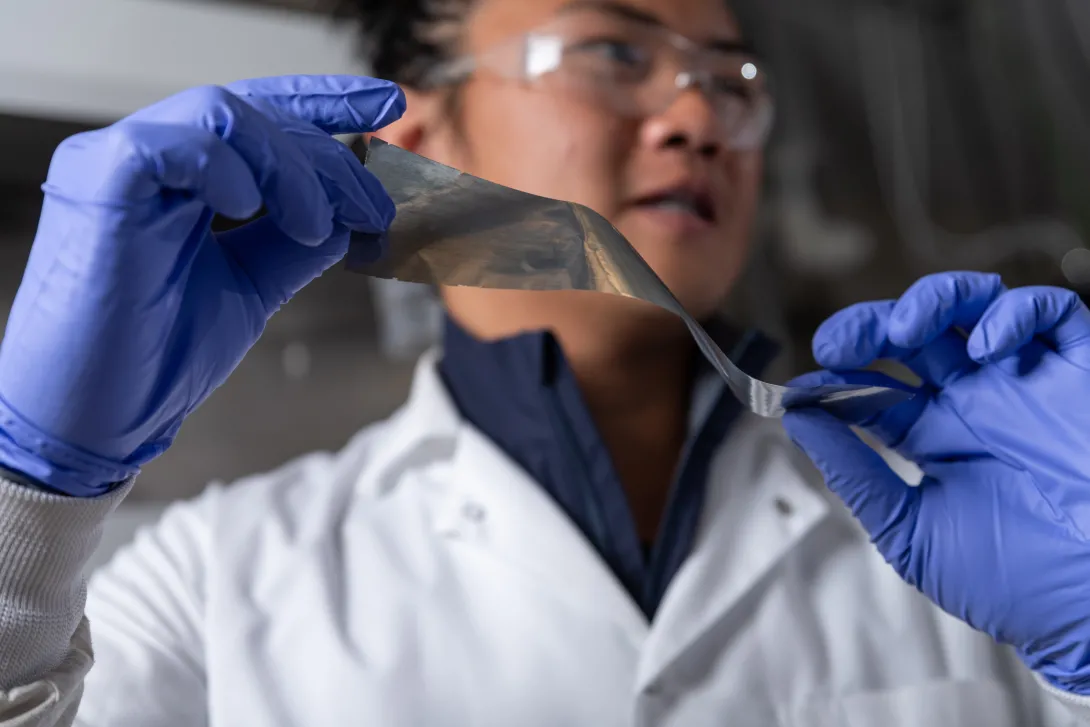
Graduate student researcher Yuhgene Liu holds an aluminum material for solid-state batteries.
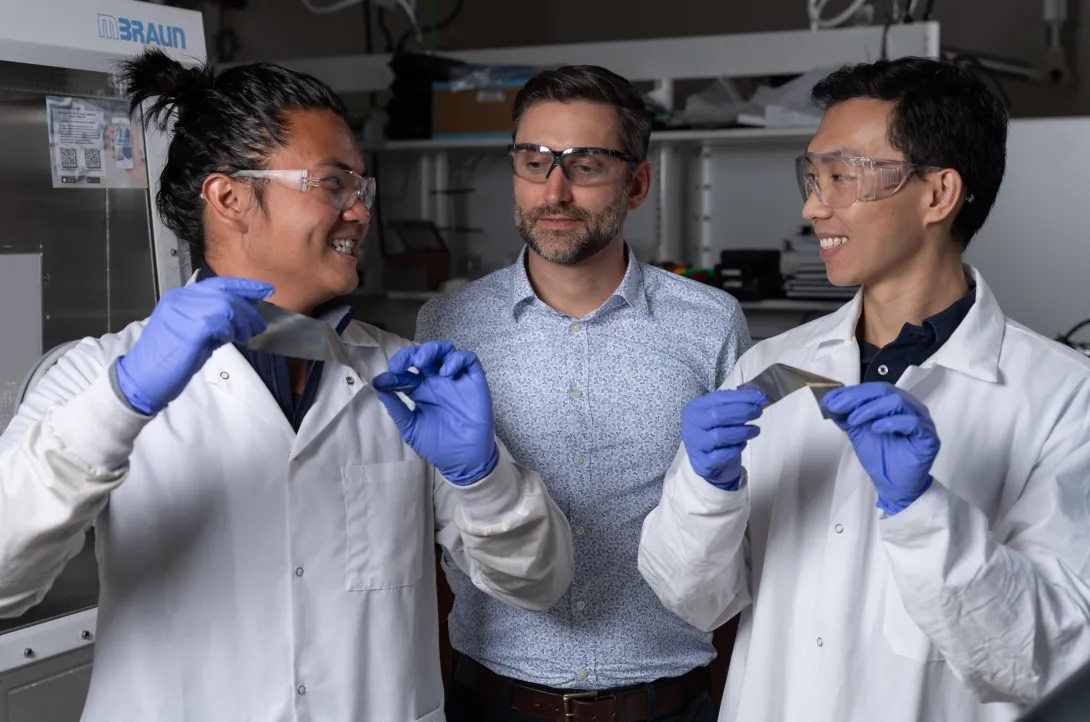
Ph.D. student Yuhgene Liu, associate professor Matthew McDowell, and postdoctoral researcher Congcheng Wang in McDowell's lab at Georgia Tech.
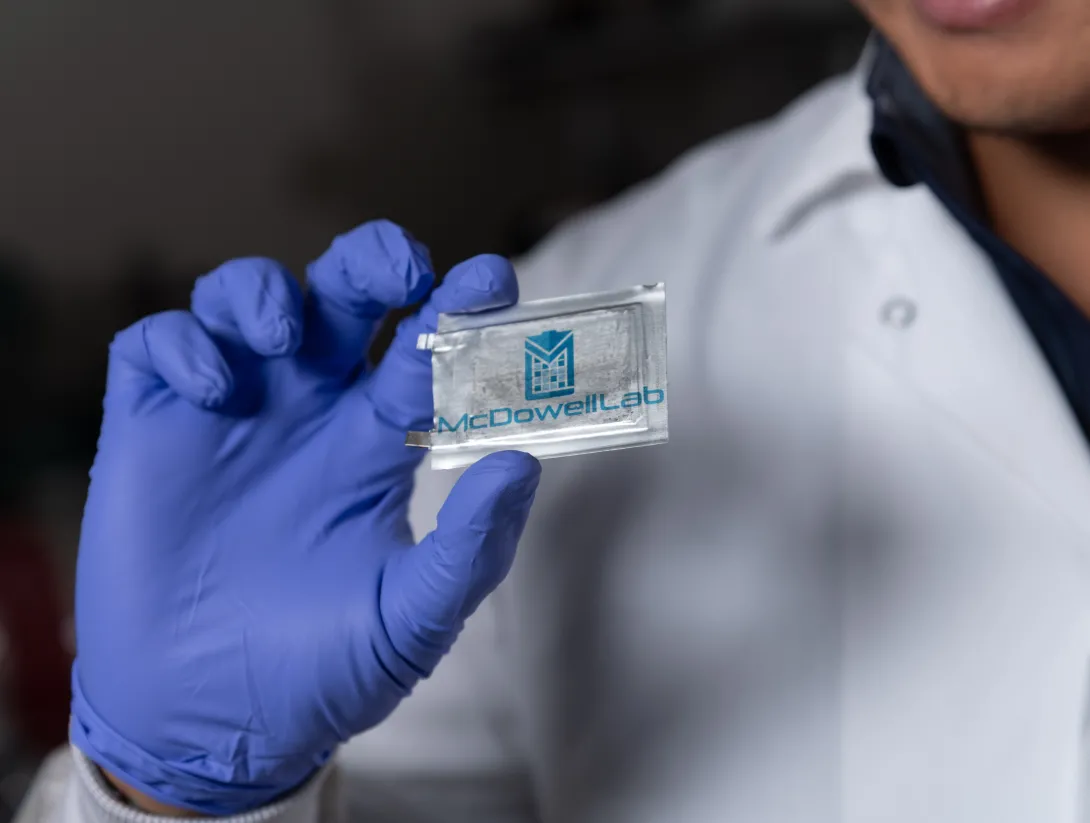
A solid-state battery built in McDowell’s laboratory.
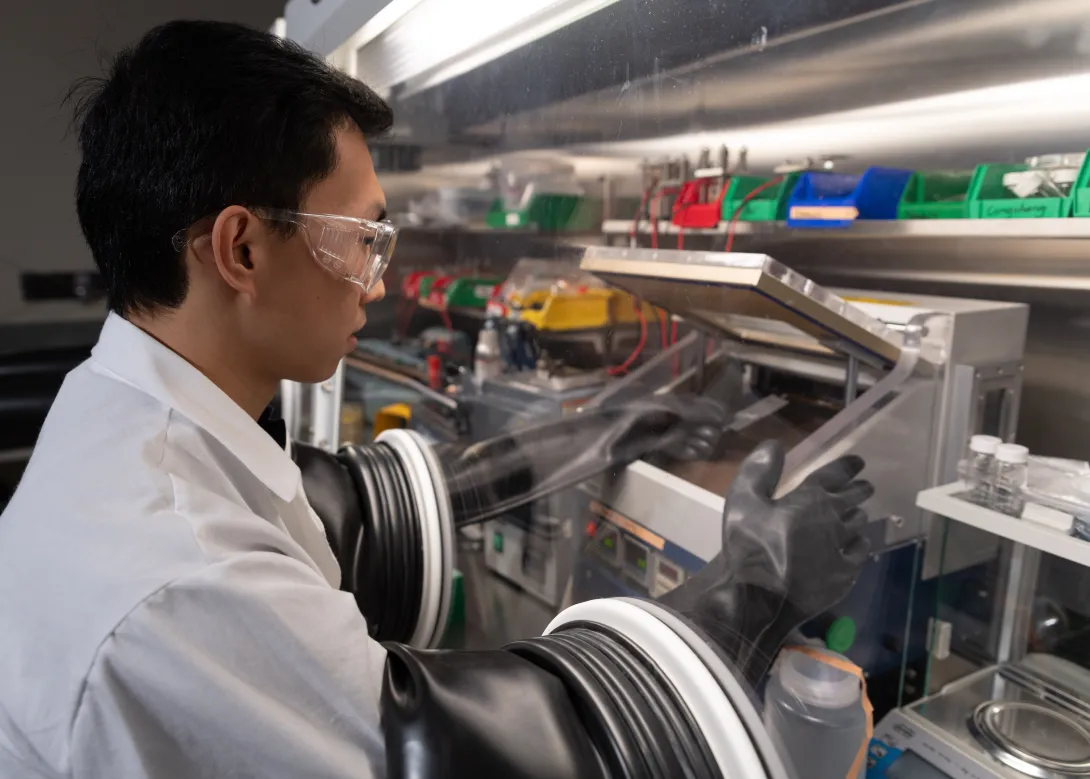
Postdoctoral researcher Congcheng Wang builds a battery cell.
A good battery needs two things: high energy density to power devices, and stability, so it can be safely and reliably recharged thousands of times. For the past three decades, lithium-ion batteries have reigned supreme — proving their performance in smartphones, laptops, and electric vehicles.
But battery researchers have begun to approach the limits of lithium-ion. As next-generation long-range vehicles and electric aircraft start to arrive on the market, the search for safer, cheaper, and more powerful battery systems that can outperform lithium-ion is ramping up.
A team of researchers from the Georgia Institute of Technology, led by Matthew McDowell, associate professor in the George W. Woodruff School of Mechanical Engineering and the School of Materials Science and Engineering, is using aluminum foil to create batteries with higher energy density and greater stability. The team’s new battery system, detailed in Nature Communications, could enable electric vehicles to run longer on a single charge and would be cheaper to manufacture — all while having a positive impact on the environment.
“We are always looking for batteries with higher energy density, which would enable electric vehicles to drive for longer distances on a charge,” McDowell said. “It’s interesting that we can use aluminum as a battery material, because it’s cost-effective, highly recyclable, and easy to work with.”
The idea of making batteries with aluminum isn’t new. Researchers investigated its potential in the 1970s, but it didn’t work well.
When used in a conventional lithium-ion battery, aluminum fractures and fails within a few charge-discharge cycles, due to expansion and contraction as lithium travels in and out of the material. Developers concluded that aluminum wasn’t a viable battery material, and the idea was largely abandoned.
Now, solid-state batteries have entered the picture. While lithium-ion batteries contain a flammable liquid that can lead to fires, solid-state batteries contain a solid material that's not flammable and, therefore, likely safer. Solid-state batteries also enable the integration of new high-performance active materials, as shown in this research.
The project began as a collaboration between the Georgia Tech team and Novelis, a leading manufacturer of aluminum and the world’s largest aluminum recycler, as part of the Novelis Innovation Hub at Georgia Tech. The research team knew that aluminum would have energy, cost, and manufacturing benefits when used as a material in the battery’s anode — the negatively charged side of the battery that stores lithium to create energy — but pure aluminum foils were failing rapidly when tested in batteries.
The team decided to take a different approach. Instead of using pure aluminum in the foils, they added small amounts of other materials to the aluminum to create foils with particular “microstructures,” or arrangements of different materials. They tested over 100 different materials to understand how they would behave in batteries.
“We needed to incorporate a material that would address aluminum’s fundamental issues as a battery anode,” said Yuhgene Liu, a Ph.D. student in McDowell’s lab and first author on the paper. “Our new aluminum foil anode demonstrated markedly improved performance and stability when implemented in solid-state batteries, as opposed to conventional lithium-ion batteries.”
The team observed that the aluminum anode could store more lithium than conventional anode materials, and therefore more energy. In the end, they had created high energy density batteries that could potentially outperform lithium-ion batteries.
“One of the benefits of our aluminum anode that we're excited about is that it enables performance improvements, but it also can be very cost-effective,” McDowell said. “On top of that, when using a foil directly as a battery component, we actually remove a lot of the manufacturing steps that would normally be required to produce a battery material.”
Short-range electric aircraft are in development by several companies, but the limiting factor is batteries. Today’s batteries do not hold enough energy to power aircraft to fly distances greater than 150 miles or so. New battery chemistries are needed, and the McDowell team’s aluminum anode batteries could open the door to more powerful battery technologies.
“The initial success of these aluminum foil anodes presents a new direction for discovering other potential battery materials,” Liu said. "This hopefully opens pathways for reimagining a more energy-optimized and cost-effective battery cell architecture.”
The team is currently working to scale up the size of the batteries to understand how size influences the aluminum’s behavior. The group is also actively exploring other materials and microstructures with the goal of creating very cheap foils for battery systems.
“This is a story about a material that was known about for a long time, but was largely abandoned early on in battery development,” McDowell said. “But with new knowledge, combined with a new technology — the solid-state battery — we've figured out how we can rejuvenate the idea and achieve really promising performance.”
Funding: Support is acknowledged from Novelis, Inc. M.T.M. acknowledges support from a Sloan Research Fellowship in Chemistry from the Alfred P. Sloan Foundation. This work was performed in part at the Georgia Tech Institute for Electronics and Nanotechnology, a member of the National Nanotechnology Coordinated Infrastructure (NNCI), which is supported by the National Science Foundation (ECCS-2025462).
Citation: Liu, Y., Wang, C., Yoon, S.G. et al. Aluminum foil negative electrodes with multiphase microstructure for all-solid-state Li-ion batteries. Nat Commun 14, 3975 (2023).
DOI: https://doi.org/10.1038/s41467-023-39685-x
Writer: Catherine Barzler
Photography: Rob Felt
News Contact
Catherine Barzler, Senior Research Writer/Editor
Institute Communications
Jun. 21, 2023
Emory University and Georgia Institute of Technology received a $4.8 million grant from the National Institutes of Health (NIH) BRAIN Initiative to establish a center to make and globally distribute next-generation micro-technologies for neuroscience. The funds will be awarded over a five-year period.
The Center for Advanced Motor BioEngineering and Research will make cutting-edge biosensors that were developed jointly by the two universities, disseminate them to neuroscientists across the country and around the world, and provide training and other resources for how to use the biosensors to explore a range of research questions.
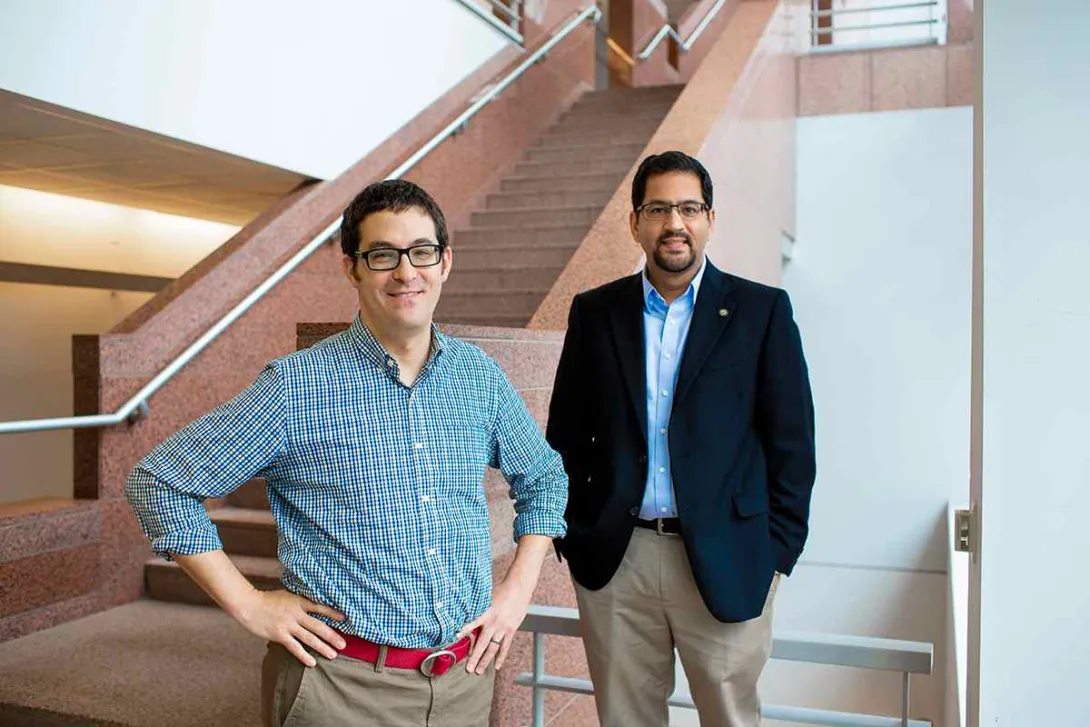
Co-principal investigators for the project are Samuel Sober, Emory associate professor of biology, and Muhannad Bakir, Georgia Tech professor of electrical and computer engineering.
“Our technology allows you to see data that was invisible before — the electrical signals that single neurons in the spinal cord send to muscles all over the body during complex movements,” Sober says. “This information is like the missing link for trying to understand how the brain controls behavior.”
“The potential to develop new microscale technologies — with advances commonly used in semiconductor chip manufacturing — to enable scientific and medical discoveries in neuroscience is incredibly motivating,” Bakir adds. “It’s the inspiration driving this project.”
The NIH Brain Research Through Advancing Neurotechnologies (BRAIN) Initiative is aimed at revolutionizing understanding of the human brain. The five-year grant awarded to Emory and Georgia Tech is part of the BRAIN Initiative’s U24 Program, which supports projects to broadly disseminate validated tools and resources for neuroscience research.
Joining the power of two universities
Sober and Bakir combined the expertise of their labs to develop their breakthrough technology — biosensors that precisely record electrical signals from the nervous system to muscles that control movement.
Sober works at the forefront of describing the computational signals that the brain uses to control muscles. He’s particularly interested in how the brain learns, or relearns, motor skills — for example, in a recovering stroke patient.
Currently, clinicians use electromyography, or EMG, as a tool to diagnose the health of muscles and the motor neurons that control them. EMG typically involves the use of a tiny wire, or electrode, inserted into a muscle to record the electrical activity in the muscles.
Sober wanted a much finer resolution of data and more practical methods for his research on how the brain activates and controls muscles in songbirds as they learn to sing. He needed devices tiny enough to implant in the birds’ vocal cords. The devices also needed flexibility and strength to bend with the movement of a muscle without breaking. And each had to contain an array of gold electrodes to gather high-resolution data.
Enter Bakir, who works at the frontier of flexible electronics.
The unique collaboration between the two researchers allowed them to forge new scientific territory. “We leveraged state-of-the art microfabrication tools to solve a problem deeply rooted in the life sciences,” Bakir says.
A tiny device delivers big-picture insights
The researchers’ teams developed flexible electrode arrays that include microscopic 3D contacts for recording muscle activity. Each microarray includes one or more threads, about the width of a human hair. The devices are so tiny that they can be sewn into a muscle like a suture thread or even loaded into a syringe and injected into the muscle, making them minimally invasive. An earlier version of these technologies was developed in the Georgia Tech PhD work of Muneeb Zia, who is currently a Georgia Tech research faculty member.
They dubbed the new devices “Myomatrix arrays,” incorporating the Greek work “myo” for muscle. The high-tech biosensors allow researchers for the first time to record high-resolution data across large groups of muscles simultaneously while subjects perform complex behaviors.
To help test and refine the devices, the researchers have already given them to more than 100 different labs in the United States, Canada, Europe and Asia where they have been used to explore neuroscience questions in a variety of species — from the crawling muscles in a caterpillar to the locomotion of a mouse leg and the reaching movements of a monkey’s arm.
Setting the stage for clinical use
Comparing data from across species will help speed discoveries of the normal functioning of the neuromuscular system. That sets the stage for the Myomatrix arrays to become a valuable tool in clinical settings.
The researchers recently completed initial experiments with the biosensors in healthy humans, marking another major step forward.
The devices may eventually enable doctors to diagnose a neurogenerative disease earlier so that interventions can start sooner. The sensitivity of the Myomatrix arrays could also potentially measure any improvement a patient may experience after taking a drug or other therapy.
The BRAIN Initiative grant will allow the researchers to disseminate the technology to even more labs to do longer-term studies.
“A lot of times when new scientific technology gets developed it can be jealously guarded by the inventors for years,” notes Sober. “One of the big impacts of this technology is that we’ve already been giving it away as much as possible in an open-science way. And that’s helped us in turn to keep improving the technology because we are getting so much feedback.”
The Georgia Tech team will continue to fabricate and package the Myomatrix arrays using advanced microelectronic technologies in special “cleanrooms” where the air is purified to such extreme levels that the number of dust particles in the environment can be counted.
A global educational component
The Emory team will continue to work on assembling and testing the devices, in addition to training users from around the world in the use of technology via Zoom meetings and in-person sessions.
“This project is not just about making and disseminating the devices; it’s also a teaching mission with a big educational component,” Sober says. “We believe that this technology is going to have a major impact on the field of motor neuroscience.”
The project members will work with the NIH to ensure that the devices are distributed to a diverse range of users, institutions and research areas, consistent with the BRAIN Initiative’s goal to make the latest neuroscience tools more broadly accessible.
“We’ll be serving scientific communities that historically have not had access to such technologies or manufacturing capabilities,” Bakir says. “Emory and Georgia Tech are opening the doors to our facilities and to our expertise so that anyone who works in motor neuroscience can access and leverage these new devices, which require hundreds of millions of dollars to build and equip. This democratization of the technology will help to advance motor neuroscience at a more rapid pace.”
This story was originally published by Emory University. Check out their article here.
Photo Caption
Co-principal investigators for the project are (left) Samuel Sober, Emory associate professor of biology, and Muhannad Bakir, Georgia Tech professor of electrical and computer engineering. They combined the expertise of their labs to develop their breakthrough technology.
— Ann Watson, Emory Photo/Video
News Contact
Carol Clark