
May. 20, 2025
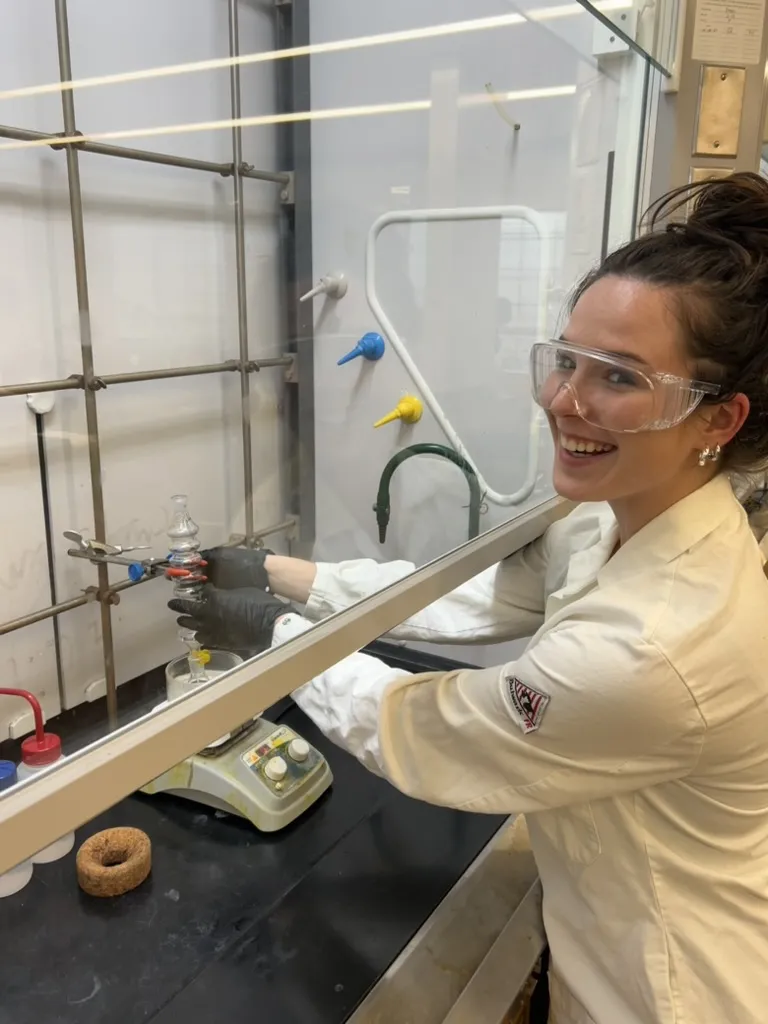
"I'm passionate about this research because of its potential for worldwide impact," says Frooman.
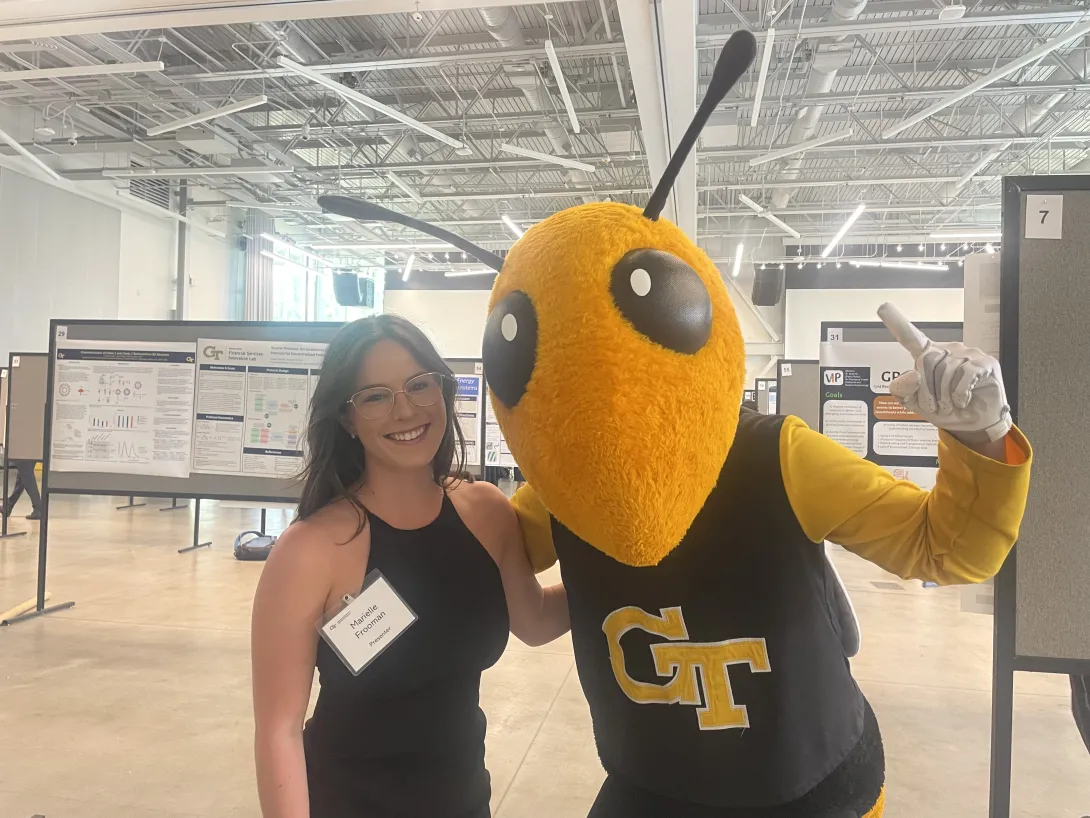
Frooman's Georgia Tech honors include the President’s Undergraduate Research Award and the Judith Priddy Award, given to a Panhellenic woman with demonstrated high scholarship and leadership.
When Marielle Frooman joined the McShan Lab, she brought a strong passion for chemistry, but no lab experience. Today, the fourth-year Georgia Tech biochemistry student is the first co-author of a groundbreaking malaria study published in Scientific Reports, a Nature Portfolio journal. Through extensive experimentation coupled with computer modeling, Frooman led a team of undergraduate and graduate researchers that uncovered eight peptides that can help the immune system recognize and fight the malaria parasite.
“Malaria kills over 500,000 annually with the mortality rate substantially higher in Africa,” says Frooman. “Our research explores how specific peptides bind to proteins that trigger immune responses.”
Frooman originally hoped the research would help her learn how to think like a scientist and gain basic lab knowledge.
She gained those skills and more, quickly becoming recognized as an exceptional researcher.
“Marielle is one of the most passionate and talented undergraduate researchers I have ever worked with,” says Andrew McShan, McShan Lab principal investigator and associate professor in the School of Chemistry and Biochemistry. “She is also a caring mentor and motivated future leader who wants to change the world. Her malaria research has the potential to provide real therapeutic outcomes, including better designs for vaccines and immunotherapy.”
From curiosity to contribution
Frooman’s journey into undergraduate research began with persistence. After a year and a half of searching for lab opportunities, she attended a School of Chemistry and Biochemistry research showcase. She approached several graduate students and professors with no success, until she met McShan.
“Our first meeting was so relaxed and friendly that I didn’t even realize Professor McShan was the principal investigator,” admits Frooman. “That’s how it all started.”
Once she officially joined the lab, Frooman contributed to every stage of the research, including designing experiments, performing computational and wet lab work, analyzing data, and writing and presenting the paper.
Lessons in resilience
The team faced several challenges.
“The research was delayed by failure after failure,” says Frooman. “But each setback taught us something valuable.”
The team’s biggest challenge involved trying to grow crystals of the peptide/HLA (protein) complexes to determine how they fit together. They spent two years attempting various methods, but nothing worked.
Guided by McShan, Frooman and the team then came up with the idea of using computational modeling to enable a deeper understanding of how the peptides and proteins interact at both biophysical and structural levels.
“Utilizing the computational modeling enabled us to see the best bindings and turned into a game-changing insight for our research, potentially leading to the design of more effective malaria treatments and vaccines,” explains Frooman.
She is quick to credit Georgia Tech and McShan for providing her with such a valuable learning experience.
“At many universities, undergraduates rarely do meaningful research, but at Tech, it’s a priority,” explains Frooman. “I’m extremely grateful for the opportunity to grow in such a supportive environment, and to learn from mentors like Professor McShan who lead by example and make time for every student.”
Her advice to other undergraduates entering research?
“Embrace your failures. They make the successes even more rewarding,” shares Frooman.
Outside the lab
On campus, Frooman is president of the Student Affiliates of the American Chemical Society and Cleanup Crew at GT, a member of Alpha Phi International Fraternity, and a campus tour guide who serves on their executive board.
She especially loves being a tour guide as it allows her to share her love of Georgia Tech and its people:
“Everyone is unapologetically themselves and fully invested in their major or interests. As someone who loves chemistry, I enjoy being surrounded by people who are just as dedicated to their passions.”
Frooman is a recipient of the Chance Family Scholarship, presented to two School of Chemistry and Biochemistry upperclassmen, recognizing their academic excellence, research contributions, and potential for career success in the field.
Recently, she shifted her research focus to organic synthetic chemistry and now works in the Gutekunst Lab. Her career goals include earning a Ph.D. in Chemistry with an emphasis on natural product synthesis, the lab-based creation of complex chemical compounds found in nature.
“I’ve seen what university labs can do,” says Frooman. “I hope to one day lead my own lab, advancing impactful research and mentoring the next generation of scientists.”
News Contact
Writer: Laura S. Smith
May. 19, 2025
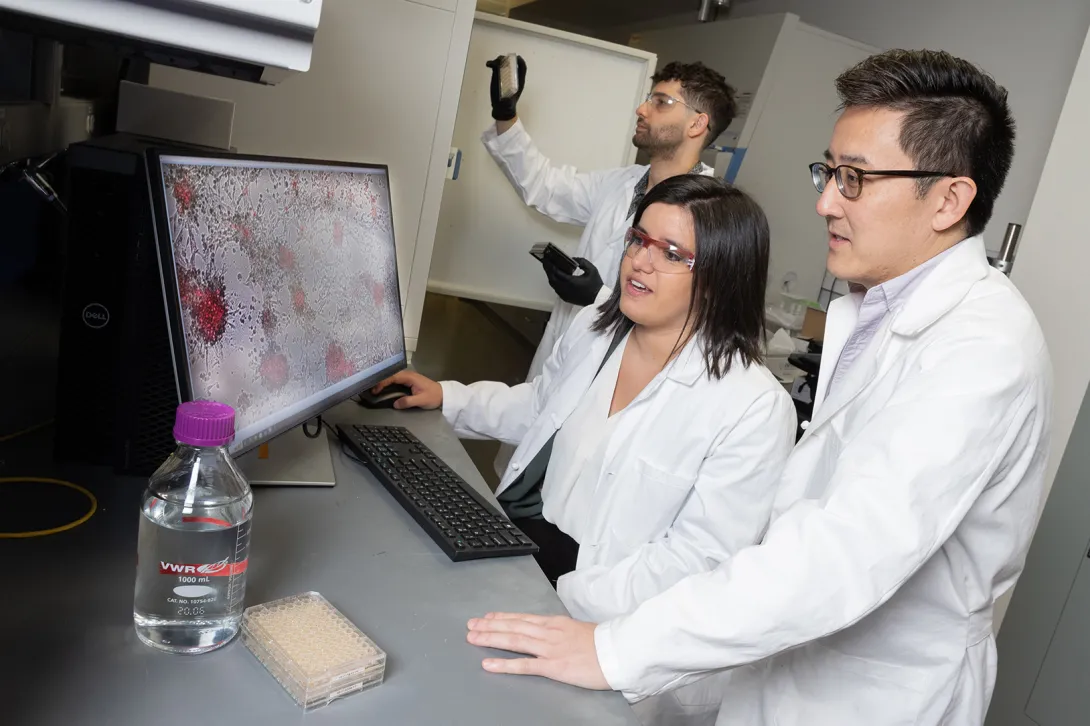
The combination approach that Lena Gamboa, seated, Gabe Kwong, foreground, and Ali Zamat developed tags the tumors with a synthetic "flag" then uses specially engineered cells from the patient's own immune system to attack the cancer. They found their approach worked against hard-to-treat breast, brain, and colon cancers. it also turned the cancer into an immune system training ground, allowing the body to recognize and fight any tumors that regrow. (Photo: Candler Hobbs)
Biomedical engineers at Georgia Tech created a treatment that could one day unlock a universal strategy for treating some of the hardest-to-treat cancers — like those in the brain, breast, and colon — by teaching the immune system to see what it usually misses.
Their experimental approach worked against those kinds of cancers in lab tests and didn’t damage healthy tissues. Importantly, it also stopped cancer from returning.
While the therapy is still in early stages of development, it builds on well established, safe technologies, giving the treatment a clearer, quicker path to clinical trials and patient care.
Reported in May in the journal Nature Cancer, their technique is a one-two punch that flags tumor cells so they can be recognized and then eliminated by specially enhanced T cells from the patient’s own immune system.
News Contact
Joshua Stewart
College of Engineering
May. 09, 2025
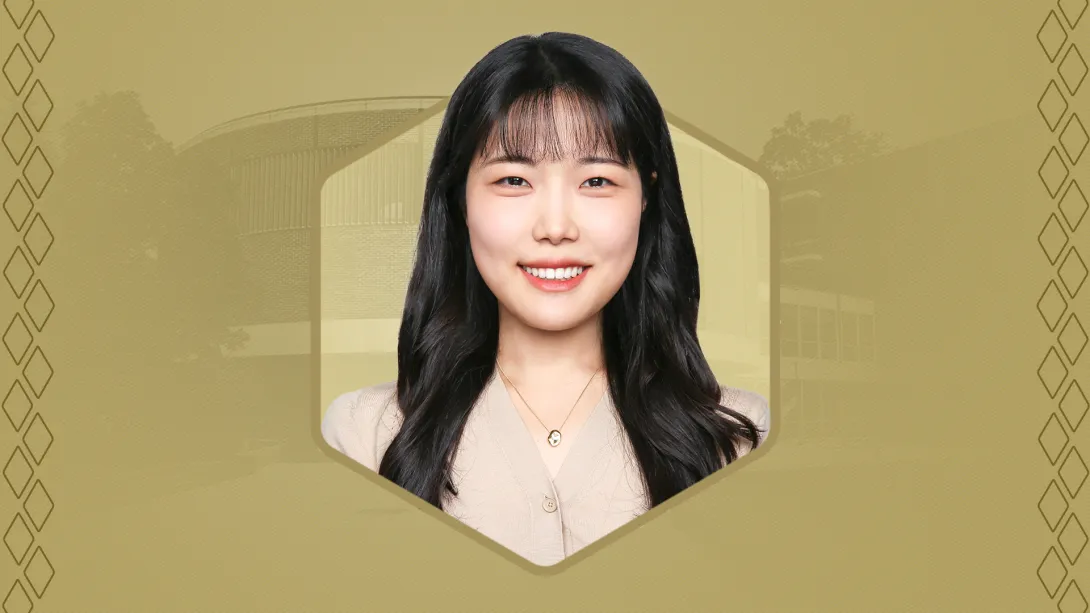
First-year Georgia Tech School of Electrical and Computer Engineering (ECE) Ph.D. student Jooyeong Yun has been awarded the Asan Foundation Biomedical Science Scholarship.
The prestigious three-year award is given to South Korea’s top graduate students in the field of medical bioscience.
Yun’s research interests lie at the intersection of biophotonics, nanophotonics, and image processing. Her work involves optical experiments, image processing, nanofabrication, and optimization at both the imaging system and device structure levels, all toward the development of advanced imaging technologies for biomedical applications.
Currently, she’s working to enhance spatio-temporal resolution of optical microscopy by integrating high-speed camera systems, such as SPAD arrays, with advanced image processing algorithms to achieve high-SNR imaging with ultra-high spatial and temporal resolution for biomedical applications.
She’s also working on the development of photonic devices for advanced imaging. The goal is to design and optimize nanophotonic structures for applications like single-shot hyperspectral imaging to enhance optical functionalities.
Yun received her B.S. and M.S. in mechanical engineering from Pohang University of Science and Technology (POSTECH) in South Korea. During her master’s degree, she published multiple papers on the design strategies of metasurfaces and other nanophotonic structures for applications including wide field-of-view depth imaging and radiative cooling.
As she pursues her Ph.D. in ECE, she aims to apply her background in light-matter interactions and design optimization to develop advanced bio-imaging systems that exploit higher degrees of freedom of light—such as polarization, phase, and spectral properties—and leverage complex photonic behaviors to push the frontiers of biomedical imaging.
The Asan Foundation is a South Korean social welfare foundation that supports the betterment of human society through research funding and a number of other activities.
News Contact
Zachary Winiecki
Apr. 30, 2025
Imagine unlocking universal immunotherapies and cancer treatments, powerful vaccines, and a deeper understanding of our own immune systems. Georgia Tech’s Andrew McShan is laying the groundwork for these innovations by investigating the previously understudied field of lipids, and how they interact with proteins in the body.
McShan, an assistant professor in the School of Chemistry and Biochemistry, has been awarded a $1.4 million CAREER grant from the National Science Foundation (NSF) to support this research.
“Protein-lipid assemblies carry out all sorts of biological functions, and harnessing their interactions could lead to powerful tools and treatments — but historically, they’ve been difficult to study,” McShan says. “Building resources for researchers and making this information accessible are critical steps in developing this field. This CAREER grant will enable me to expand the current knowledge base, while also allowing me to develop a class that will train the next generation of researchers, which is hugely important to me.”
The NSF Faculty Early Career Development Program is a five-year grant designed to help promising researchers establish a foundation for a lifetime of leadership in their field. Known as CAREER awards, the grants are NSF’s most prestigious funding for early-career faculty.
Expanding access
Crucial for nearly all biological processes, lipid-protein interactions play a key role in everything from immune responses to energy storage — but what drives their interactions has historically been difficult to map and understand.
McShan will use the CAREER grant to expand that knowledge base, experimenting in the lab to characterize protein-lipid interactions, and developing computational tools that can predict those interactions. The work will include an in-depth study of how lipids interact with different families of proteins that are important for immune system function.
“Right now, understanding protein-lipid assemblies is expensive in both time and lab materials,” McShan says. “My goal is to create computer models that can predict how these biomolecular interactions occur, what they look like, and how they contribute to cellular functions.”
The new model would allow researchers to quickly and inexpensively ‘experiment’ with molecules on a computer, vastly expanding the amount of research that could be conducted.
The project builds on McShan’s recent publication in the Nature-family journal Communications Chemistry, which showcased BioDolphin — a first-of-its-kind, comprehensive, and annotated database of protein-lipid interactions that are all integrated into a user-friendly web server and freely accessible to all.
It’s also adjacent to research funded by a Curci Grant from the Shurl and Kay Curci Foundation, which McShan was previously awarded for research on cutting-edge cancer treatments that involved identifying new cancer lipid signatures in tumor cells, and characterizing known cancer lipid antigens.
Pioneering the future of research
Additionally, the CAREER grant will support McShan’s initiatives to train the next generation of researchers through a new class centered around hands-on laboratory research and peer mentorship. Students will have the opportunity to pick a protein-lipid assembly, study it using computational and experimental biophysical methods, develop testable hypotheses, and — if successful — publish their results in peer reviewed journals.
The class will also pair undergraduate and graduate students into research teams. “I’m excited to see how a peer mentoring approach will add depth to the class,” McShan shares, explaining that graduate students will gain valuable mentoring experience in a collaborative research environment. “This is very different from typical mentoring experiences many graduate students have, which tend to be more along the lines of a TA experience rather than collaborating on hands-on research.”
“This type of class, to my knowledge, hasn’t been offered before, and there’s a lot of research that I’m doing to lay the groundwork for it,” McShan adds. “Hopefully, it can not only introduce students to lipid-based research — something typically lacking in many biochemistry curricula — but also to the type of collaborative mentorship we want to foster in research.”
Apr. 24, 2025
Instead of relying on traditional methods like cognitive tests and image scans, this new approach leverages data science and algorithms.
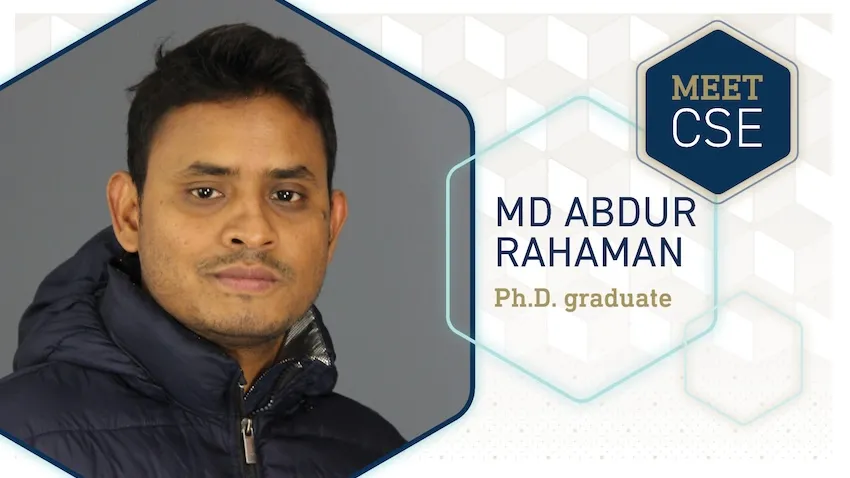
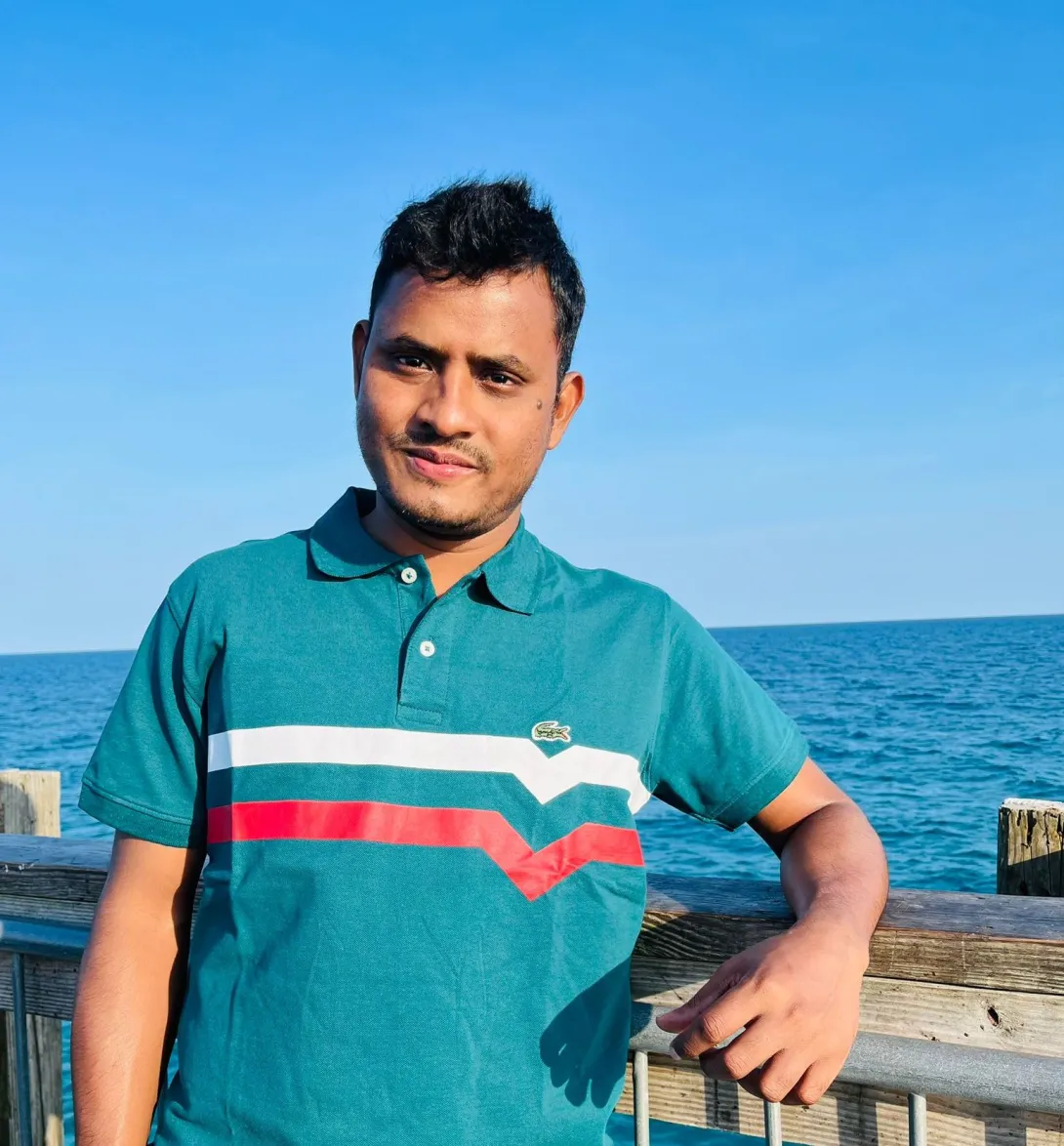
Ph.D. candidate Md Abdur Rahaman’s dissertation studies brain data to understand how changes in brain activity shape behavior.
A Georgia Tech doctoral student’s dissertation could help physicians diagnose neuropsychiatric disorders, including schizophrenia, autism, and Alzheimer’s disease. The new approach leverages data science and algorithms instead of relying on traditional methods like cognitive tests and image scans.
Ph.D. candidate Md Abdur Rahaman’s dissertation studies brain data to understand how changes in brain activity shape behavior.
Computational tools Rahaman developed for his dissertation look for informative patterns between the brain and behavior. Successful tests of his algorithms show promise to help doctors diagnose mental health disorders and design individualized treatment plans for patients.
“I've always been fascinated by the human brain and how it defines who we are,” Rahaman said.
“The fact that so many people silently suffer from neuropsychiatric disorders, while our understanding of the brain remains limited, inspired me to develop tools that bring greater clarity to this complexity and offer hope through more compassionate, data-driven care.”
Rahaman’s dissertation introduces a framework focusing on granular factoring. This computing technique stratifies brain data into smaller, localized subgroups, making it easier for computers and researchers to study data and find meaningful patterns.
Granular factoring overcomes the challenges of size and heterogeneity in neurological data science. Brain data is obtained from neuroimaging, genomics, behavioral datasets, and other sources. The large size of each source makes it a challenge to study them individually, let alone analyze them simultaneously, to find hidden inferences.
Rahaman’s research allows researchers and physicians to move past one-size-fits-all approaches. Instead of manually reviewing tests and scans, algorithms look for patterns and biomarkers in the subgroups that otherwise go undetected, especially ones that indicate neuropsychiatric disorders.
“My dissertation advances the frontiers of computational neuroscience by introducing scalable and interpretable models that navigate brain heterogeneity to reveal how neural dynamics shape behavior,” Rahaman said.
“By uncovering subgroup-specific patterns, this work opens new directions for understanding brain function and enables more precise, personalized approaches to mental health care.”
Rahaman defended his dissertation on April 14, the final step in completing his Ph.D. in computational science and engineering. He will graduate on May 1 at Georgia Tech’s Ph.D. Commencement.
After walking across the stage at McCamish Pavilion, Rahaman’s next step in his career is to go to Amazon, where he will work in the generative artificial intelligence (AI) field.
Graduating from Georgia Tech is the summit of an educational trek spanning over a decade. Rahaman hails from Bangladesh where he graduated from Chittagong University of Engineering and Technology in 2013. He attained his master’s from the University of New Mexico in 2019 before starting at Georgia Tech.
“Munna is an amazingly creative researcher,” said Vince Calhoun, Rahman’s advisor. Calhoun is the founding director of the Translational Research in Neuroimaging and Data Science Center (TReNDS).
TReNDS is a tri-institutional center spanning Georgia Tech, Georgia State University, and Emory University that develops analytic approaches and neuroinformatic tools. The center aims to translate the approaches into biomarkers that address areas of brain health and disease.
“His work is moving the needle in our ability to leverage multiple sources of complex biological data to improve understanding of neuropsychiatric disorders that have a huge impact on an individual’s livelihood,” said Calhoun.
News Contact
Bryant Wine, Communications Officer
bryant.wine@cc.gatech.edu
Apr. 18, 2025
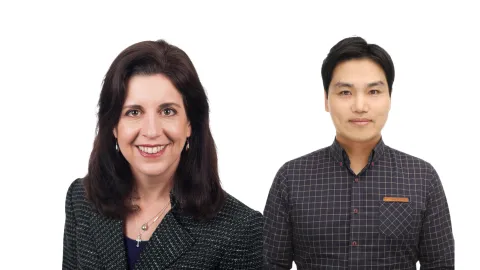
Michelle LaPlaca (left), associate chair for Faculty Development and professor in the Department of Biomedical Engineering; W. Hong Yeo, Harris Saunders, Jr. Professor in the George W. Woodruff School of Mechanical Engineering.
Georgia Tech professors Michelle LaPlaca and W. Hong Yeo have been selected as recipients of Peterson Professorships with the Children’s Healthcare of Atlanta Pediatric Technology Center (PTC) at Georgia Tech. The professorships, supported by the G.P. “Bud” Peterson and Valerie H. Peterson Faculty Endowment Fund, are meant to further energize the Georgia Tech and Children’s partnership by engaging and empowering researchers involved in pediatrics.
In a joint statement, PTC co-directors Wilbur Lam and Stanislav Emelianov said, “The appointment of Dr. LaPlaca and Dr. Yeo as Peterson Professors exemplifies the vision of Bud and Valerie Peterson — advancing innovation and collaboration through the Pediatric Technology Center to bring breakthrough ideas from the lab to the bedside, improving the lives of children and transforming healthcare.”
LaPlaca is a professor and associate chair for Faculty Development in the Department of Biomedical Engineering, a joint department between Georgia Tech and Emory University. Her research is focused on traumatic brain injury and concussion, concentrating on sources of heterogeneity and clinical translation. Specifically, she is working on biomarker discovery, the role of the glymphatic system, and novel virtual reality neurological assessments.
“I am thrilled to be chosen as one of the Peterson Professors and appreciate Bud and Valerie Peterson’s dedication to pediatric research,” she said. “The professorship will allow me to broaden research in pediatric concussion assessment and college student concussion awareness, as well as to identify biomarkers in experimental models of brain injury.”
In addition to the research lab, LaPlaca will work with an undergraduate research class called Concussion Connect, which is part of the Vertically Integrated Projects program at Georgia Tech.
“Through the PTC, Georgia Tech and Children’s will positively impact brain health in Georgia’s pediatric population,” said LaPlaca.
Yeo is the Harris Saunders, Jr. Professor in the George W. Woodruff School of Mechanical Engineering and the director of the Wearable Intelligent Systems and Healthcare Center at Georgia Tech. His research focuses on nanomanufacturing and membrane electronics to develop soft biomedical devices aimed at improving disease diagnostics, therapeutics, and rehabilitation.
“I am truly honored to be awarded the Peterson Professorship from the Children’s PTC at Georgia Tech,” he said. “This recognition will greatly enhance my research efforts in developing soft bioelectronics aimed at advancing pediatric healthcare, as well as expand education opportunities for the next generation of undergraduate and graduate students interested in creating innovative medical devices that align seamlessly with the recent NSF Research Traineeship grant I received. I am eager to contribute to the dynamic partnership between Georgia Tech and Children’s Healthcare of Atlanta and to empower innovative solutions that will improve the lives of children.”
The Peterson Professorships honor the former Georgia Tech President and First Lady, whose vision for the importance of research in improving pediatric healthcare has had an enormous positive impact on the care of pediatric patients in our state and region.
The Children’s PTC at Georgia Tech brings clinical experts from Children’s together with Georgia Tech scientists and engineers to develop technological solutions to problems in the health and care of children. Children’s PTC provides extraordinary opportunities for interdisciplinary collaboration in pediatrics, creating breakthrough discoveries that often can only be found at the intersection of multiple disciplines. These collaborations also allow us to bring discoveries to the clinic and the bedside, thereby enhancing the lives of children and young adults. The mission of the PTC is to establish the world’s leading program in the development of technological solutions for children’s health, focused on three strategic areas that will have a lasting impact on Georgia’s kids and beyond.
Apr. 09, 2025

This illustration titled, "Gateway to Memory," illustrates Dr. Singer's and Jeong's research and how interneurons act as gatekeepers that open specifically on paths to important locations to enable learning for those places. This art imaginatively represents this inhibitory gating as a monolithic gate opening and spilling light onto the crucial path, guiding the seeker toward their goal. Art by Myriam Wares
Nuri Jeong remembers the feeling of surprise she felt during a trip back to South Korea, while visiting her grandmother, who’d been grappling with Alzheimer’s disease.
“I hadn’t seen her in six years, but she recognized me,” said Jeong, a former graduate researcher in the lab of Annabelle Singer in the Wallace H. Coulter Department of Biomedical Engineering at Georgia Tech and Emory University.
“I didn’t expect that. Even though my grandmother struggled to remember other family members that she saw all the time, she somehow remembered me,” Jeong added. “It made me wonder how the brain distinguishes between familiar and new experiences.”
That experience inspired Jeong to embark on a deep-dive exploration of spatial learning and memory, which has resulted in a new study published this month in the journal Nature.
In their article, Jeong, Singer, and a team of Georgia Tech researchers explain how the brain rapidly learns and remembers important locations.
“The brain relies on spatial learning to navigate the world, whether it’s finding a shortcut through a new neighborhood or remembering where you parked your car,” said Jeong, the paper’s lead author.
Read the full story here >>
News Contact
Kelly Petty
Communications
Wallace H. Coulter Department of Biomedical Engineering
Apr. 14, 2025
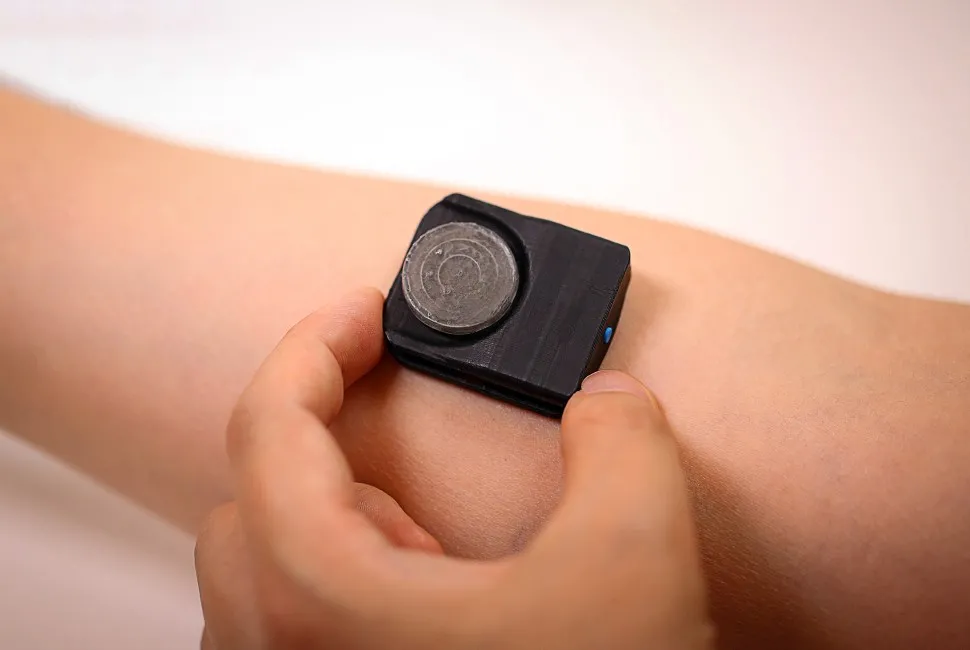
The wireless device measures only two centimeters in length and one-and-a-half centimeters in width, and is the first of its kind to continuously monitor the skin's exchange of vapors with the environment.
From sun damage and pollution to cuts and infections, our skin protects us from a lot. But it isn’t impenetrable.
“We tend to think of our skin as being this impermeable barrier that’s just enclosing our body,” said Matthew Flavin, assistant professor in the School of Electrical and Computer Engineering. “Our skin is constantly in flux with the gases that are in our environment and our atmosphere.”
Led by the Georgia Institute of Technology, Northwestern University, and the Korea Institute of Science and Technology (KIST), researchers have developed a novel wearable device that can monitor the flux of vapors through the skin, offering new insights into skin health and wound healing. This technology, detailed in a recent Nature publication, represents a significant advancement in the field of wearable bioelectronics.
“You could think of this being used where a Band-Aid is being used,” said Flavin, one of the lead authors of the study. The compact, wireless device is the first wearable technology able to continuously and precisely measure water vapor, volatile organic compounds, and carbon dioxide fluxes in the skin in real time. Because increases in these factors are associated with infection and delayed healing, Flavin notes that this kind of wireless monitoring “could give clinicians a new tool to understand the properties of the skin.”
The Measurement Barrier
Our skin is our first line of defense against environmental hazards. Measuring how effectively it protects us from harmful pollutants or infections has been a significant challenge, especially over extended periods.
“The vapors coming from your skin are in very, very low concentration,” explained Flavin. “If we just put a sensor next to your skin, it would be almost impossible to control that measurement.”
The new device features a small chamber that condenses and measures vapors from the skin using specialized sensors hovering above the skin. A low-energy, bi-stable mechanism periodically refreshes the air in the chamber, allowing for continuous measurements communicated to a smartphone or tablet through Bluetooth.
“There are other devices that can measure certain parts of what we're talking about here,” said Flavin, “but they are not feasible for a wearable device, can't do this continuously, and are not able to get all the information that our device can get.”
Scratching the Surface
By tracking the skin's water vapor flux, also known as transepidermal water loss, the device can assess skin barrier function and wound healing. This capability is particularly valuable for tracking the healing process in diabetic patients, who often have sensory issues that complicate wound monitoring. “What you see in diabetes is that even after the wound looks like it's healed, there's still a persistent impairment of that barrier,” said Flavin. This new non-invasive device tracks those properties.
“There are many areas where people don't have great access to healthcare, and there aren’t doctors monitoring wound healing processes,” Flavin added. “Something that can be used to monitor that remotely could make care more accessible to people with these conditions.”
The device’s wearable nature also makes it ideal for studying the long-term effects of exposure to environmental hazards like wildfires or chemical fumes on skin function and overall health.
Though the applications in health are numerous, the research team is continuing to explore different ways to use the device. “This measurement modality is very new and we're still learning what we can do with it,” saidJaeho Shin, a senior researcher at KIST and a co-leader of the study. “It's a new way of measuring what's inside the body.”
“This is a great example of the kind of technology that can emerge from research at the interface between engineering science and medical practice,” said John Rogers, a materials science professor at Northwestern and another co-leader of the study. “The capabilities provided by this device will not only improve patient care, but they will also lead to improved understanding of the skin, the skin microbiome, the processes of wound healing, and many others.”
As a new faculty member and a member of Georgia Tech’s Neuro Next Initiative, a burgeoning interdisciplinary research hub for neuroscience, neurotechnology, and society, Flavin attributes the success of this research to its interdisciplinary nature.
“A broad challenge we have in these fields of research is that they integrate a lot of different areas. One of the reasons I came to Georgia Tech is because it's a place where you have access to all those different areas of expertise.”
DOI: https://doi.org/10.1038/s41586-025-08825-2
Funding: Querrey-Simpson Institute for Bioelectronics and the Center for Advanced Regenerative Engineering (CARE), Northwestern University; National Research Foundation of Korea; National Institutes of Health (NIH), National Institute of Diabetes and Digestive and Kidney Diseases, National Institutes of Biomedical Imaging and Bioengineering.
News Contact
Writer: Audra Davidson
Research Communications Program Manager
Neuro Next Initiative
Media contact: Angela Barajas Prendiville
Director
Institute Media Relations
Apr. 11, 2025
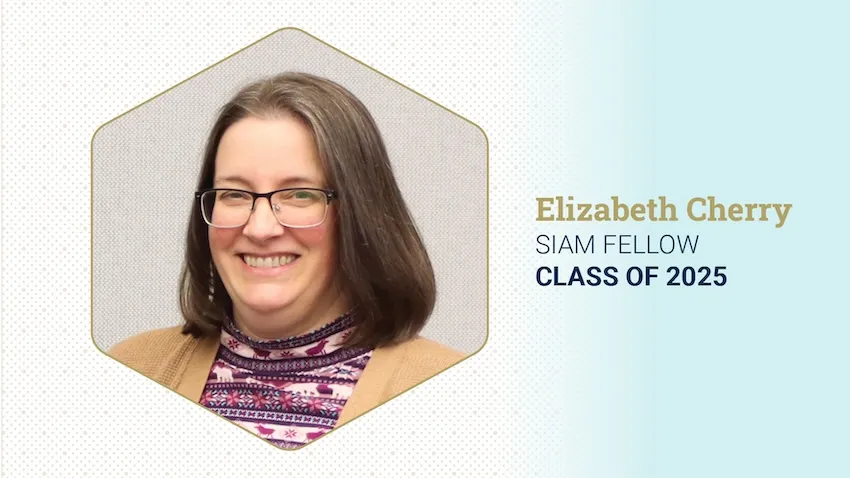
Two faculty members represented Georgia Tech as new fellows to the world’s leading organization dedicated to applied mathematics, computational science, and data science.
The Society for Industrial and Applied Mathematics (SIAM) selected Elizabeth Cherry and Katya Scheinberg as Class of 2025 fellows. The two Georgia Tech faculty join an illustrious class of 23 other researchers from around the globe in this year’s class.
SIAM selected Cherry to recognize her contributions to mathematical and computational modeling and extensive service to the SIAM community. She studies the electrical behavior of cardiac cells and tissue.
Cherry’s computer models and simulations improve understanding of cardiac dynamics in normal and diseased states. Using these tools, she designs advanced strategies for preventing and treating arrhythmias.
“SIAM has played a huge role in my professional development—the first conference I attended as a graduate student was a SIAM conference, and I’ve attended at least one SIAM conference almost every year since then,” Cherry said.
“Given this long history, it means a lot to me for SIAM to acknowledge my contributions in this way.”
Scheinberg, from Georgia Tech’s College of Engineering, was selected for her foundational contributions to derivative-free optimization and optimization applications in data science and her dedicated service to the optimization community.
[Related: Coca-Cola Foundation Chair Katya Scheinberg selected for 2025 Class of SIAM Fellows]
Cherry is the fifth faculty member from the School of Computational Science and Engineering (CSE) to be selected as a SIAM Fellow.
Cherry’s announcement as a SIAM Fellow comes weeks after serving in a leadership role at a SIAM conference. She co-chaired the organizing committee of the SIAM Conference on Computational Science and Engineering (CSE25).
In 2023, SIAM members reelected Cherry to a second term as a council member-at-large. She began her three-year term in January 2024.
"SIAM Fellows are selected for deep mathematical contributions. Receiving Fellow status is a high honor for any applied mathematician," said Regents’ Professor Srinivas Aluru, senior associate dean of the College of Computing and Class of 2020 SIAM Fellow.
"Not only are Elizabeth's contributions technically outstanding, but her work also provides deep insights into the functioning of the heart and its abnormalities."
Cherry’s leadership and service extends outside of SIAM, influencing students and faculty across Georgia Tech.
In December, the College of Computing appointed Cherry as associate dean for graduate education. Before this appointment, she served as associate chair for academic affairs of the School of CSE.
With her new role as associate dean, Cherry continues serving as director of CSE programs at Georgia Tech.
In March 2024, Cherry was among five Georgia Tech faculty members selected for the ACC Academic Leaders Network (ACC ALN) Fellows program. The ALN program fosters cross-institutional networking and collaboration between ACC schools, increasing each institution’s academic leadership capacity.
Cherry was part of a team of Georgia Tech and Emory University researchers who won a Georgia Clinical and Translational Science Alliance award in 2023. The group earned the Team Science Award of Distinction for Early Stage Research Teams award for work that captures high-resolution visualizations of spiral waves that create heart arrhythmias.
SIAM will recognize Cherry, Scheinberg, and Class of 2025 fellows during a reception at the SIAM/CAIMS Annual Meetings this July in Montréal.
“It is such an honor to be recognized as a SIAM Fellow,” Cherry said. “I’m thrilled to join my CSE colleagues who have also received this recognition.”
News Contact
Bryant Wine, Communications Officer
bryant.wine@cc.gatech.edu
Apr. 10, 2025
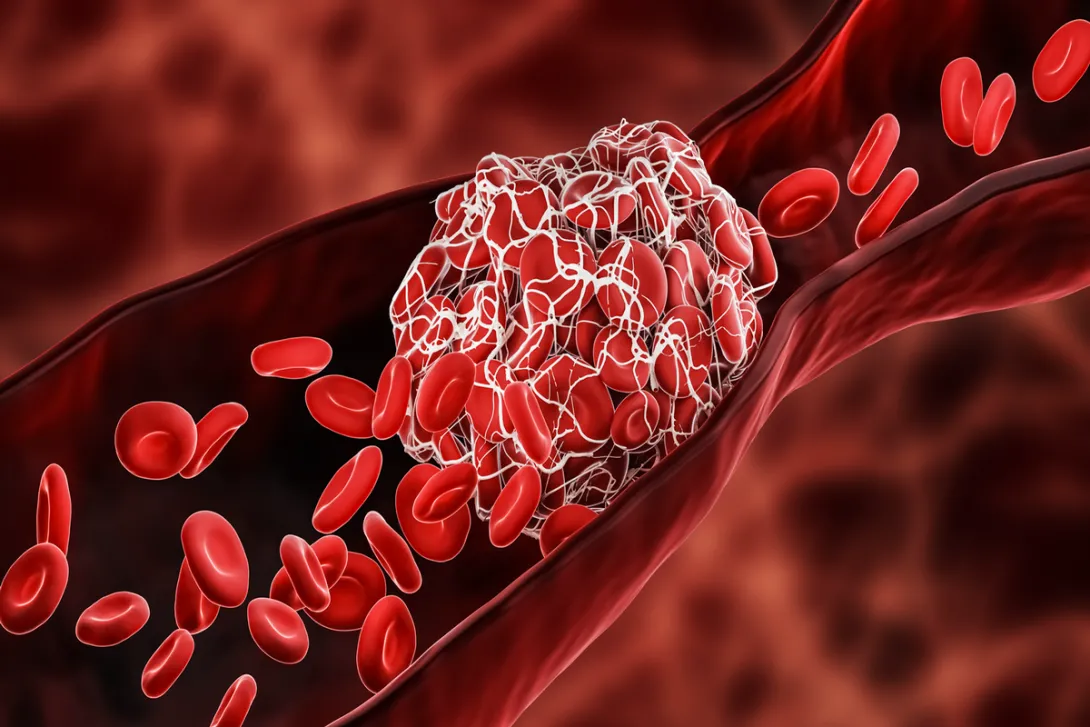
In a groundbreaking study published in Nature, researchers from Georgia Tech and Emory University have developed a new model that could enable precise, life-saving medication delivery for blood clot patients. The novel technique uses a 3D microchip
Wilbur Lam, professor at Georgia Tech and Emory University, and a clinician at Children’s Healthcare of Atlanta, led the study. He worked closely with Yongzhi Qiu, an assistant professor in the Department of Pediatrics at Emory University School of Medicine.
The significance of the thromboinflammation-on-a-chip model, is that it mimics clots in a human-like way, allowing them to last for months and resolve naturally. This model helps track blood clots and more effectively test treatments for conditions including sickle cell anemia, strokes, and heart attacks.
News Contact
Amelia Neumeister | Research Communications Program Manager