
Jul. 14, 2025

Christopher Rozell, a first-generation scholar and interdisciplinary researcher, serves as the inaugural executive director of Georgia Tech’s Institute for Neuroscience, Neurotechnology, and Society (INNS).
Christopher Rozell, Julian T. Hightower Chaired Professor in the School of Electrical and Computer Engineering, will serve as the inaugural executive director of Georgia Tech’s new Institute for Neuroscience, Neurotechnology, and Society (INNS).
INNS is one of two new Interdisciplinary Research Institutes (IRIs) launched at Georgia Tech on July 1. Dedicated to advancing neuroscience and neurotechnology, the institute aims to drive societal progress through discovery, innovation, and public engagement. By bridging disciplines across the sciences, engineering, computing, ethics, policy, and the humanities, INNS will serve as a collaborative hub for exploring the brain in all its complexity — from molecular mechanisms to behavior and cognition, and from foundational research to clinical and technological applications.
“Our neuro-related research community has built such a strong transdisciplinary vision for an IRI that I remain fully committed to its growth, even as we face a period of extreme uncertainty about federal research funding,” said Vice President for Interdisciplinary Research Julia Kubanek. “In fact, under Chris’s leadership I expect INNS to make our faculty more competitive and successful, bringing Georgia Tech closer to patient communities living with neurological conditions so that our research increasingly impacts people’s lives. INNS will also connect artists, social scientists, neuroscientists and engineers with entrepreneurial opportunities and non-traditional funding pipelines.”
The launch of INNS builds on more than a decade of groundwork laid by Georgia Tech’s neuroscience community. Rozell has played a key role in shaping the vision for INNS as a member of the Neuro Next Initiative’s executive committee, and before that, as a steering committee member as the initiative was developed. The executive committee included Simon Sponberg, Dunn Family Associate Professor in the School of Physics and the School of Biological Sciences; Jennifer Singh, associate professor in the School of History and Sociology; and Sarah Peterson, Neuro Next Initiative program manager.
“I'm excited to serve the INNS community in this next phase to build on the momentum generated across campus over many years,” said Rozell. “The brain is one of the great remaining frontiers, where discovery and innovation can unlock the future of human health and flourishing. INNS is uniquely positioned to lead in the modern interdisciplinary research necessary to address this grand challenge.”
Rozell brings a unique blend of technical expertise, interdisciplinary leadership, and public engagement to his role as the inaugural executive director of INNS. His work spans neuroscience, data and computer science, neuroengineering, and cognitive science, with a particular focus on developing scalable brain stimulation therapies for treatment-resistant depression. Rozell also serves on advisory boards for organizations at the forefront of neuroethics and scientific rigor, reflecting his commitment to responsible innovation.
Interdisciplinary from the outset, Rozell’s training in neuroscience has been shaped by a unique educational path that bridges engineering, the arts, machine learning, neuroscience and translational research. He holds a Bachelor of Fine Arts in Music alongside his engineering degrees and has developed multiple initiatives that incorporate the arts into neuroscience research and public engagement.
Rozell’s research has been widely recognized, with over 130 peer-reviewed publications, multiple patents, and invitations to speak at high-profile venues, including a U.S. Congressional briefing celebrating the NIH BRAIN Initiative. A first-generation scholar, Rozell co-founded Neuromatch, a nonprofit dedicated to building an inclusive global neuroscience community. His contributions have earned him numerous honors, including the James S. McDonnell Foundation 21st Century Science Initiative Scholar Award, elected Fellow of American Institute for Medical and Biological Engineering, and Georgia Tech’s top teaching accolades, underscoring his impact both in and beyond the lab.
News Contact
Audra Davidson
Research Communications Program Manager
Institute for Neuroscience, Neurotechnology, and Society
Jul. 08, 2025
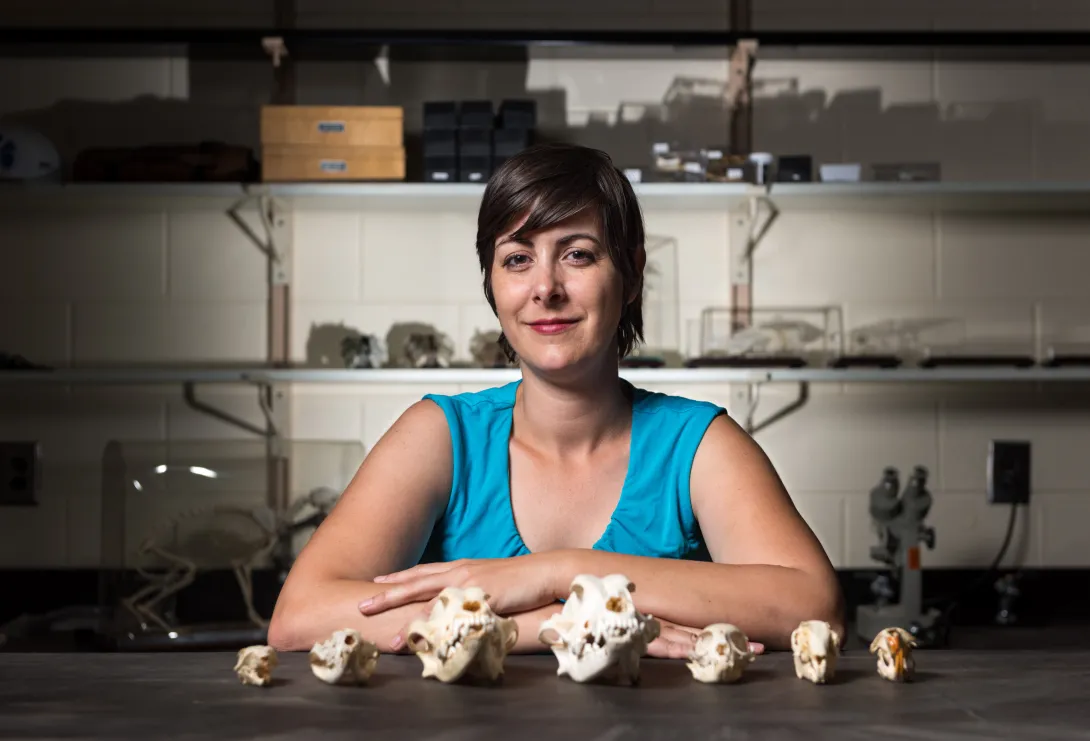
The College of Sciences is pleased to announce Jenny McGuire as the recipient of the Harry and Anna Teasley Professorship in Ecology.
The newly endowed faculty position supports research and teaching that meaningfully advances the understanding and responsible stewardship of species and community dynamics amid evolving ecological interactions driven by global environmental change.
McGuire, an associate professor in the School of Biological Sciences and the School of Earth and Atmospheric Sciences, was selected for her pioneering ecological research and exceptional teaching efforts.
“Jenny’s creative and fundamental research in spatial and community ecology is helping to position Georgia Tech as a leader in biodiversity and ecosystem conservation,” says Todd Streelman, professor and chair of the School of Biological Sciences. “Her appointment continues a trend in the School to award research endowments to our most promising early- and mid-career scientists and highlights the strong support and generosity of alumni such as the Teasley family.”
Meet Jenny McGuire
McGuire joined the Georgia Tech faculty in 2017 as an assistant professor. She earned a Ph.D. in Integrative Biology from the University of California, Berkeley, and completed postdoctoral research at the National Evolutionary Synthesis Center and the University of Washington.
Her research explores how plants and animals respond to environmental changes across space and time — from the ancient past to modern urban environments to the future. She leads the Spatial Ecology and Paleontology Lab, which integrates paleontological data, ecological modeling, and fieldwork to understand how biodiversity shifts in response to climate change and human development.
“Our goal isn’t just to preserve biodiversity, but also to help it thrive in a changing landscape,” says McGuire.
She plans to use the Teasley endowment to advance wildlife redistribution research in the Southeastern U.S.
“Georgia is a climate change highway,” explains McGuire. “Species are moving northeast toward the Appalachian Mountains, but roads, development, and fragmented habitats often block their paths.”
McGuire believes Georgia Tech is uniquely positioned to lead in this field, thanks to its technological strengths. She and her team will collaborate across campus and the Southeast, implementing cutting-edge biodiversity monitoring to better understand how species experience and respond to environmental changes.
“Conducting this research in urban areas like Atlanta — where green infrastructure can serve as vital wildlife corridors — is especially important,” adds McGuire.
The Teasley Professorship will also support student involvement at all levels. McGuire hopes to build a more connected and proactive research community that brings together students, ecologists, biologists, engineers, computer scientists, and community partners to address biodiversity challenges across the Southeast.
McGuire is a 2024 Cullen-Peck Fellow, a Brook Byers Institute for Sustainable Systems Faculty Fellow since 2023, and an NSF CAREER Award winner. Her long-running outreach program, Fossil Fridays, invites students, families, and community members into the lab to sort and study real fossil specimens.
Looking ahead, she’s eager to explore the possibilities provided by the Teasley Professorship.
“It’s an incredible opportunity to elevate Georgia Tech’s role in shaping how we understand and protect life on a changing planet.”
A legacy of excellence
Harry E. Teasley, Jr. graduated from Georgia Tech in 1959 with a degree in industrial engineering and worked for over 33 years for The Coca-Cola Company. In addition to the many leadership roles he held at Coca-Cola, Mr. Teasley is remembered for pioneering the first Life Cycle Assessment (LCA) to be used in an industrial context. LCA was a pioneering analytical framework assessing environmental impacts of a product's life from "cradle to grave," and it is used across most major industries today.
The Harry and Anna Teasley Professorship in Ecology is the second Teasley Professorship supporting environmental research at Georgia Tech. School of Biological Sciences Regents’ Professor Mark Hay has held the Harry and Anna Teasley Chair in Environmental Biology since 1999.
Mrs. Teasley provided an official statement regarding the Harry and Anna Teasley Professorships at Georgia Tech:
“It was the intent of my late husband Harry E. Teasley Jr. that the funds he gave to Professor Mark Hay at Georgia Tech would be to support excellence in the field of environmental biology and to provide him with the freedom to study any concept, hypothesis, or organism that his experience-honed intuition guided him to.
With time, Professor Hay has proven to have been a very worthy choice and has made my late husband and I very proud through the breadth and depth of his studies, discoveries, and highest possible awards he has received. Once this was established, and along with the profound esteem both men had developed for each other, there was the wish to leave a legacy beyond the research: the human values and scientific approach to research that Professor Hay has demonstrated from the start.
Having been the unanimous choice of the evaluating committee, Associate Professor Jenny McGuire seems to be an excellent first recipient, and I am very proud to welcome her as I know my late husband would have been as well.
I wish her many successes in pursuing and teaching her very promising research, and I look forward to learning about the impact she will have in her field as we have through the years admired Professor Mark Hay’s achievements.
###
To learn more about Transforming Tomorrow: The Campaign for Georgia Tech, visit transformingtomorrow.gatech.edu.
News Contact
Laura S. Smith, writer
Jul. 01, 2025
Georgia Tech has launched two new Interdisciplinary Research Institutes (IRIs): The Institute for Neuroscience, Neurotechnology, and Society (INNS) and the Space Research Institute (SRI).
The new institutes focus on expanding breakthroughs in neuroscience and space, two areas where research and federal funding are anticipated to remain strong. Both fields are poised to influence research in everything from healthcare and ethics to exploration and innovation. This expansion of Georgia Tech’s research enterprise represents the Institute’s commitment to research that will shape the future.
“At Georgia Tech, innovation flourishes where disciplines converge. With the launch of the Space Research Institute and the Institute for Neuroscience, Neurotechnology, and Society, we’re uniting experts across fields to take on some of humanity’s most profound questions. Even as we are tightening our belts in anticipation of potential federal R&D budget actions, we also are investing in areas where non-federal funding sources will grow and where big impacts are possible,” said Executive Vice President for Research Tim Lieuwen. "These institutes are about advancing knowledge — and using it to improve lives, inspire future generations, and help shape a better future for us all.”
Both INNS and SRI grew out of faculty-led initiatives shaped by a strategic planning process and campus-wide collaboration. Their evolution into formal institutes underscores the strength and momentum of Georgia Tech’s interdisciplinary research enterprise.
Georgia Tech’s 11 IRIs support collaboration between researchers and students across the Institute’s seven colleges, the Georgia Tech Research Institute (GTRI), national laboratories, and corporate entities to tackle critical topics of strategic significance for the Institute as well as for local, state, national, and international communities.
"IRIs bring together Georgia Tech researchers making them more competitive and successful in solving research challenges, especially across disciplinary boundaries,” said Julia Kubanek, vice president of interdisciplinary research. “We're making these new investments in neuro- and space-related fields to publicly showcase impactful discoveries and developments led by Georgia Tech faculty, attract new partners and collaborators, and pursue alternative funding strategies at a time of federal funding uncertainty."
The Space Research Institute
The Space Research Institute will connect faculty, students, and staff who share a passion for space exploration and discovery. They will investigate a wide variety of space-related topics, exploring how space influences and intersects with the human experience. The SRI fosters a collaborative community including scientific, engineering, cultural, and commercial research that pursues broadly integrated, innovative projects.
SRI is the hub for all things space-related at Georgia Tech. It connects the Institute’s schools, colleges, research institutes, and labs to lead conversations about space in the state of Georgia and the world. Working in partnership with academics, business partners, philanthropists, students, and governments, Georgia Tech is committed to staying at the forefront of space-related innovation.
The SRI will build upon the collaborative work of the Space Research Initiative, the first step in formalizing Georgia Tech’s broad interdisciplinary space research community. The Initiative brought together researchers from across campus and was guided by input from Georgia Tech stakeholders and external partners. It was led by an executive committee including Glenn Lightsey, John W. Young Chair Professor in the Daniel Guggenheim School of Aerospace Engineering; Mariel Borowitz, associate professor in the Sam Nunn School of International Affairs; and Jennifer Glass, associate professor in the School of Earth and Atmospheric Sciences. Beginning July 1, W. Jud Ready, a principal research engineer in GTRI’s Electro-Optical Systems Laboratory, will serve as the inaugural executive director of the Space Research Institute.
To receive the latest updates on space research and innovation at Georgia Tech, join the SRI mailing list.
The Institute for Neuroscience, Neurotechnology, and Society
The Institute for Neuroscience, Neurotechnology, and Society (INNS) is dedicated to advancing neuroscience and neurotechnology to improve society through discovery, innovation, and engagement. INNS brings together researchers from neuroscience, engineering, computing, ethics, public policy, and the humanities to explore the brain and nervous system while addressing the societal and ethical dimensions of neuro-related research.
INNS builds on a foundation established over a decade ago, which first led to the GT-Neuro Initiative and later evolved into the Neuro Next Initiative. Over the past two years, this effort has culminated in the development of a comprehensive plan for an IRI, guided by an executive committee composed of faculty and staff from across Georgia Tech. The committee included Simon Sponberg, Dunn Family Associate Professor in the School of Physics and the School of Biological Sciences; Christopher Rozell, Julian T. Hightower Chaired Professor in the School of Electrical and Computer Engineering; Jennifer Singh, associate professor in the School of History and Sociology; and Sarah Peterson, Neuro Next Initiative program manager. Their leadership shaped the vision for a research community both scientifically ambitious and socially responsive.
INNS will serve as a dynamic hub for interdisciplinary collaboration across the full spectrum of brain-related research — from biological foundations to behavior and cognition, and from fundamental research to medical innovations that advance human flourishing. Research areas will encompass the foundations of human intelligence and movement, bio-inspired design and neurotechnology development, and the ethical dimensions of a neuro-connected future.
By integrating technical innovation with human-centered inquiry, INNS is committed to ensuring that advances in neuroscience and neurotechnology are developed and applied ethically and responsibly. Through fostering innovation, cultivating interdisciplinary expertise, and engaging with the public, the institute seeks to shape a future where advancements in neuroscience and neurotechnology serve the greater good. INNS also aims to deepen Georgia Tech’s collaborations with clinical, academic, and industry partners, creating new pathways for translational research and real-world impact.
An internal search for INNS’s inaugural executive director is in the final stages, with an announcement expected soon.
Join our mailing list to receive the latest updates on everything neuro at Georgia Tech.
News Contact
Laurie Haigh
Research Communications
Jul. 08, 2025

Georgia Tech engineers have created a pill that could effectively deliver insulin and other injectable drugs, making medicines for chronic illnesses easier for patients to take, less invasive, and potentially less expensive.
Along with insulin, it also could be used for semaglutide — the popular GLP-1 medication sold as Ozempic and Wegovy — and a host of other top-selling protein-based medications like antibodies and growth hormone that are part of a $400 billion market.
These drugs usually have to be injected because they can’t overcome the protective barriers of the gastrointestinal tract. Georgia Tech’s new capsule uses a small pressurized “explosion” to shoot medicine past those barriers in the small intestine and into the bloodstream. Unlike other designs, it has no complicated moving parts and requires no battery or stored energy.
“This study introduces a new way of drug delivery that is as easy as swallowing a pill and replaces the need for painful injections,” said Mark Prausnitz, who created the pill in his lab with former Ph.D. student Joshua Palacios and other student researchers.
In animal lab tests, they showed their capsule lowered blood sugar levels just like traditional insulin injections. The researchers reported their pill design and study results DATE in the Journal of Controlled Release.
Read about the technology on the College of Engineering website.
News Contact
Joshua Stewart
College of Engineering
Jun. 26, 2025
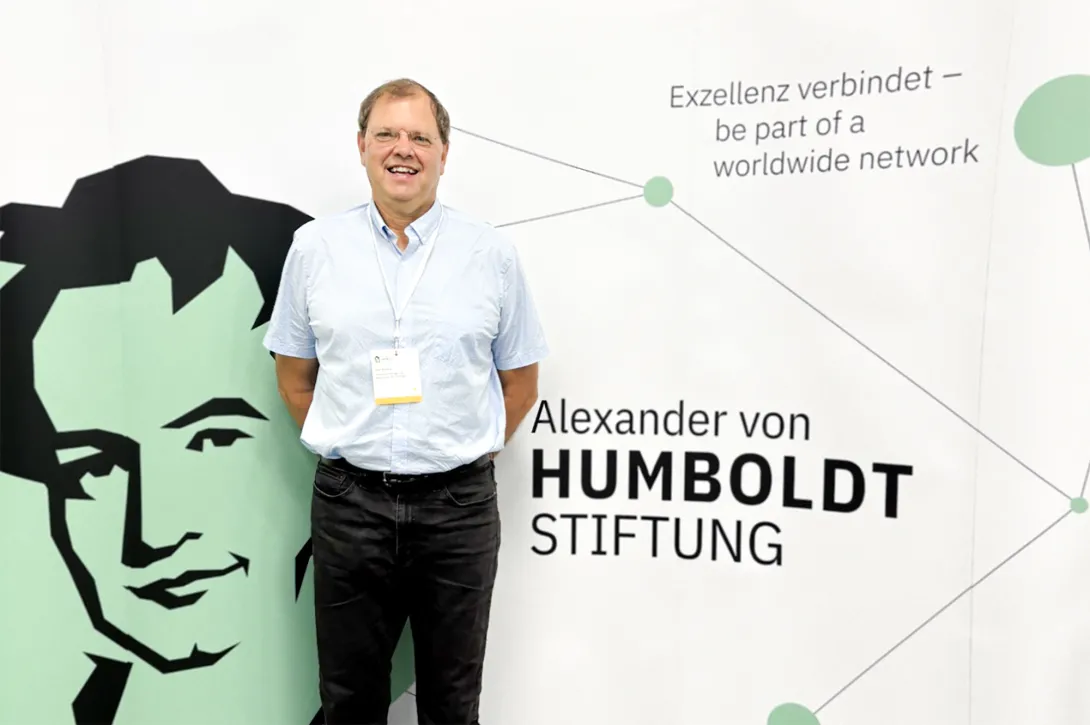
Professor Joel Kostka at the Alexander von Humboldt Foundation annual meeting and reception in Germany this week.
This week, Professor Joel Kostka was awarded the prestigious Humboldt Research Award by the Alexander von Humboldt Foundation during its annual meeting and reception with Germany’s Federal President Steinmeier in Berlin. Every year, the Foundation grants up to 100 Humboldt Research Awards worldwide, which recognize internationally leading researchers of all disciplines.
The award’s €80,000 endowment will support a research trip to Germany for up to a year — during which Kostka will collaborate with Professor Marcel Kuypers, director of the Max Planck Institute for Marine Microbiology in Bremen, Germany — to assess the role of marine plant microbiomes in coastal marine ecosystem health and climate resilience.
Kostka, who holds joint appointments in the School of Biological Sciences and School of Earth and Atmospheric Sciences, is also the associate chair for research in Biological Sciences. He was recently named the inaugural faculty director of Georgia Tech for Georgia's Tomorrow. The new Center, announced by the College of Sciences in December 2024, will drive research aimed at improving life across the state of Georgia.
Wetlands in a changing climate
“Human population is centered on coastlines, and coastal ecosystems provide many services for people,” Kostka says. “Although they cover less than 1 percent of the ocean, coastal wetlands store over 50 percent of the seafloor’s rich carbon reserves.” But researchers aren’t sure how these ecosystems will respond to a changing climate.
Microbes may be the key. Microbes play a critical role in maintaining plant health and helping them adapt to stressors, Kostka says. Similar to human bodies, plants have microbiomes: a community of microbes intimately associated with the plant that help it take up nutrients, stimulate the plant’s immune system, and regulate plant hormones.
“Our research indicates that plant microbiomes are fundamental to wetland ecosystem health, yet almost everything we know about them is from agricultural systems,” he adds. “We know very little about the microbes associated with these important marine plants that dominate coastal ecosystems.”
Kostka’s work in Germany will investigate how microbiomes help coastal marine plants adapt to stress and keep them healthy. From there, he will investigate how plant microbiomes contribute to the carbon and nutrient cycles of coastal ecosystems — and how they contribute to ecosystem resilience.
Expanding collaboration — and insights
One goal of the collaboration is to exchange information on two types of marine plants that dominate coastal ecosystems worldwide: those associated with seagrass meadows and salt marshes.
“I’ve investigated salt marsh plants in the intertidal zone between tides, and my colleagues at the Max Planck Institute have focused on seagrass beds and seagrass meadows, which are subtidal, below the tides,” Kostka says. “While these two ecosystems have some different characteristics, they both cover large areas of the global coastline and are dominated by salt-tolerant plants.”
In salt marshes, Kostka has shown that marine plants have symbiotic microbes in their roots that help them to take up nitrogen and deal with stress by removing toxic sulfides. He suspects that these plant-microbe interactions are critical to the resilience of coastal ecosystems. “The Max Planck Institute made similar observations in seagrass meadows as we did in salt marshes,” Kostka explains. “But they found different bacteria.”
From Georgia to Germany
Beyond supporting excellence in research, another key goal of the Humboldt Research Award is to support international collaboration — something very familiar to Kostka. “I've been working with Professor Kuypers and the Max Planck Institute in Bremen for many years,” he says, adding that he completed his postdoctoral research at the Institute. “Max Planck's labs are some of the best in the world for what they do, and their imaging technology can give us an unprecedented look at plant-microbe interactions at the cellular level.”
“This project is also special because I am collaborating with other scientists in northern Germany,” Kostka adds. “The University of Bremen is home to the Center for Marine Environmental Sciences (MARUM), which is designated as a Cluster of Excellence by the German National Science Foundation, so there are a number of fantastic research centers in Bremen to work with.”
His hope is that this project will deepen collaboration between the research at Georgia Tech and research in Germany. “I look forward to seeing what we can uncover about these critical systems while working together.”
Jun. 16, 2025
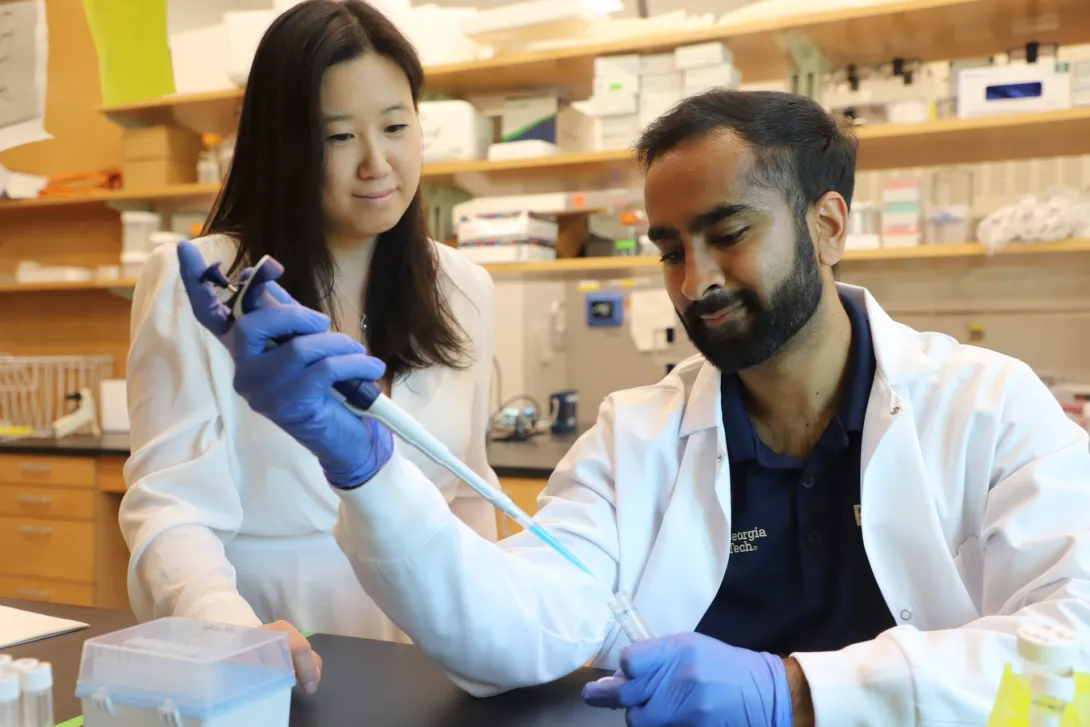
As the second-leading cause of cancer death in the U.S., colorectal cancer is rising in the number of cases in younger adults. To combat this and offer a less-invasive alternative to a colonoscopy, Wallace H. Coulter Department of Biomedical Engineering Assistant Professor Leslie Chan and her lab has been awarded a grant to develop an innovative diagnostic to detect colorectal cancer through a simple breath test. Read more.
News Contact
Communications Manager
Wallace H. Coulter Depratment of Biomedical Engineering
Jun. 11, 2025
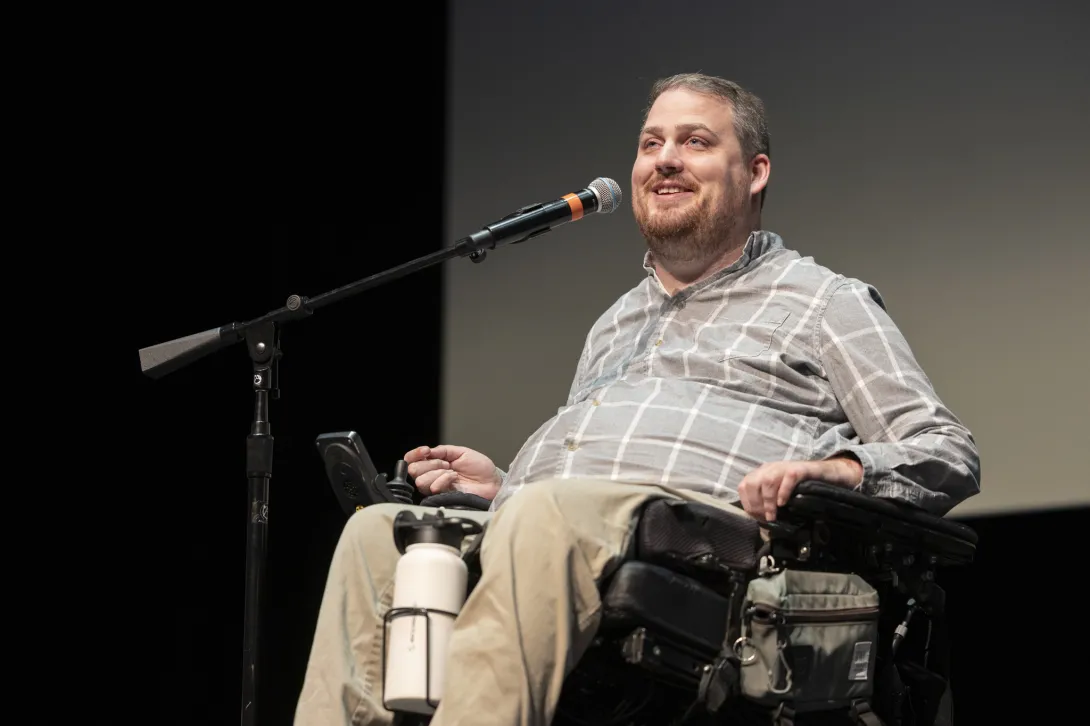
From clinical trial participant to BCI advocate, Ian Burkhart shares his story at “Wired Lives,” organized by Georgia Tech’s Neuro Next Initiative. Photo: Chris McKenney
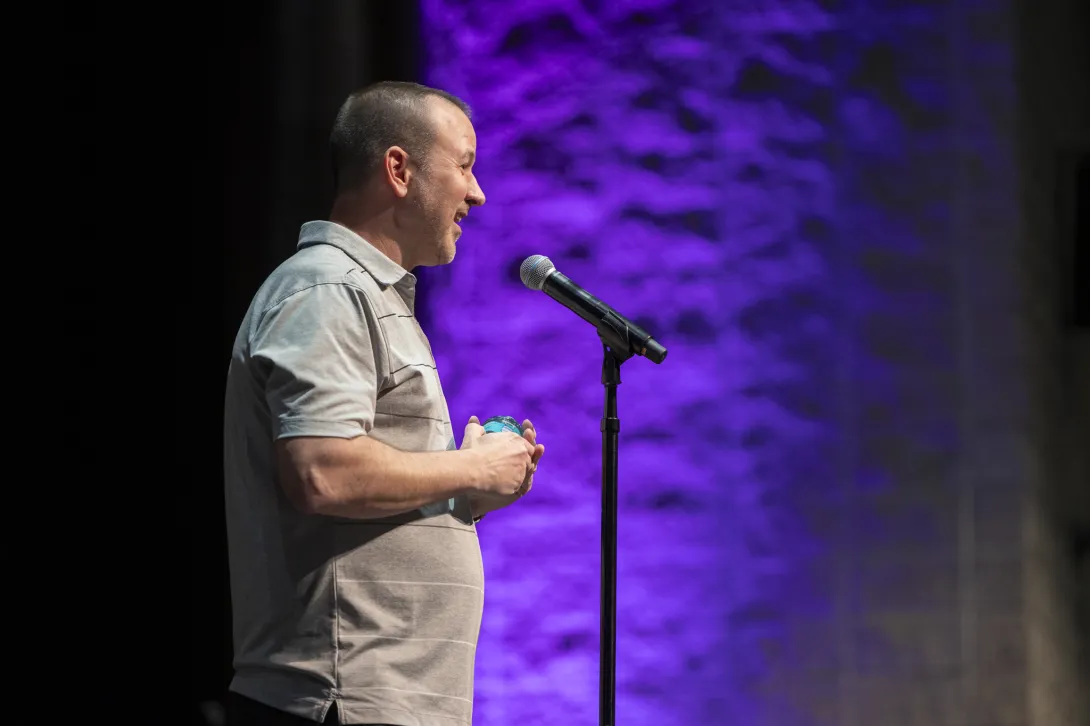
Brandan Mehaffie shares how deep brain stimulation transformed his life after an early-onset Parkinson’s diagnosis. Photo: Chris McKenney

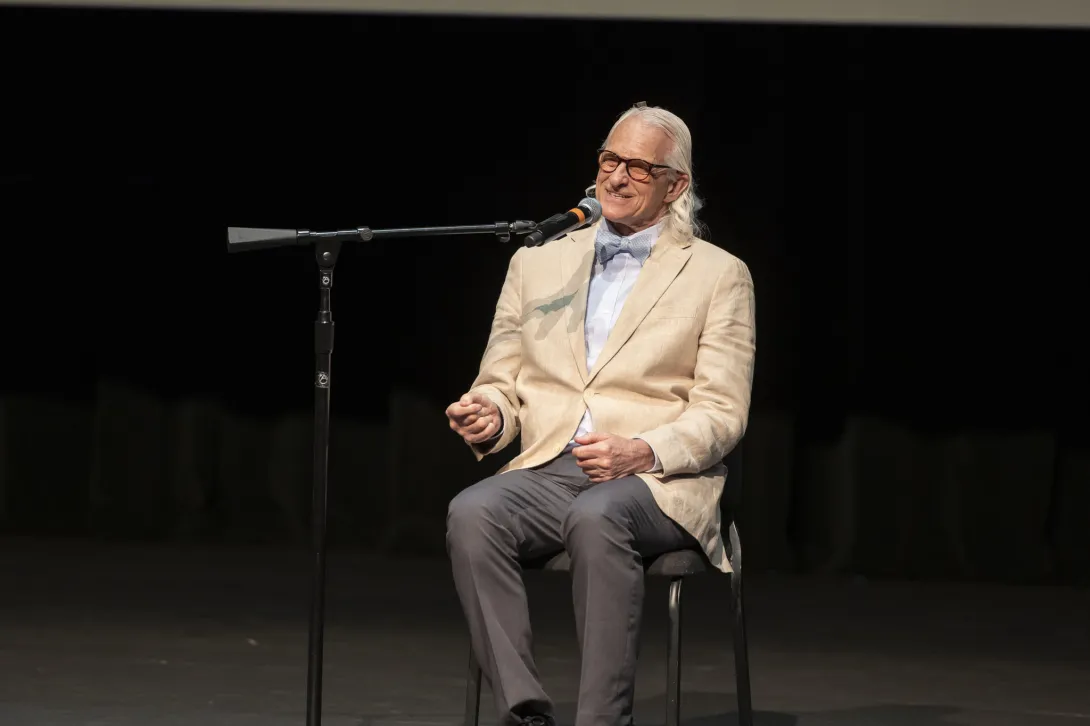
Jennifer Walden reflects on the emotional and physical challenges of epilepsy — and the relief that came with a breakthrough treatment. Photo: Chris McKenney
Scott Imbrie shares his decision to undergo brain surgery — not for personal benefit, but to advance research that could help others. Photo: Chris McKenney
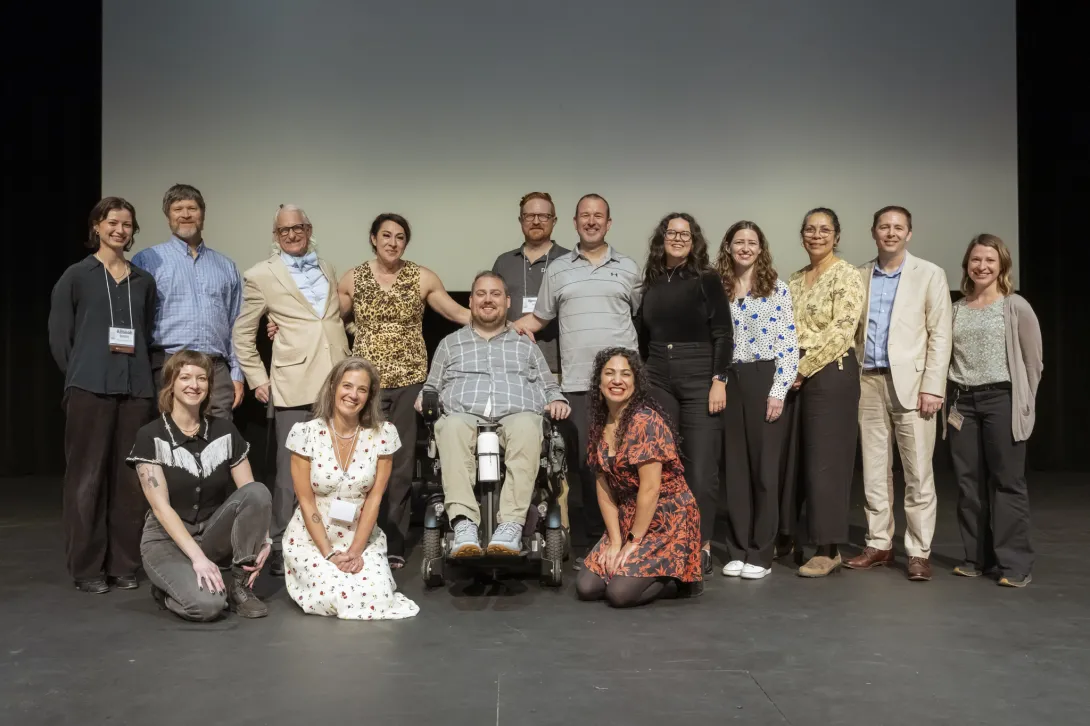
Storytellers, event organizers, and sponsor representatives at "Wired Lives."
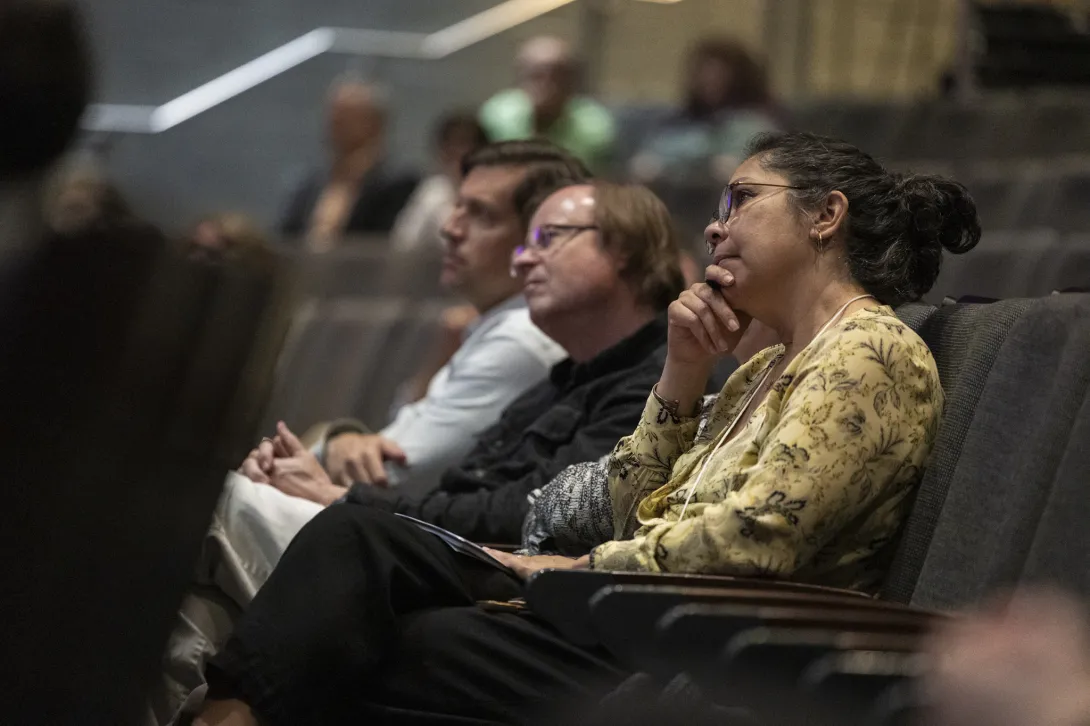
Researchers, students, and community members came together to explore the lived experiences behind cutting-edge neurotechnology. Photo: Chris McKenney
Electing to have invasive brain surgery isn’t something most people have done. Ian Burkhart isn’t most people.
“When I finished rehabilitation, my doctors and therapist and, most importantly, the insurance company said, ‘For someone with your condition, we feel like you've made all the improvement that you will, have a nice life,’” said Burkhart, who was left with limited feeling and mobility below the neck after a 2010 diving accident injured his spinal cord. “That didn't sit well with me.”
Hoping even a fraction of hand mobility would increase his independence, Burkhart turned to a clinical research trial on a brain-computer interface (BCI) designed to detect movement signals in the brain and send them to a computer to stimulate the arm muscles, bypassing the spinal cord in the hopes of restoring movement.
“I had had four and a half years of never thinking my hand was going to move again,” he recalled. When testing to see if he qualified for the study, researchers stimulated his hand muscles. “I saw my hand move, and that was all I needed to know — I was ready to risk it all for something that may or may not work.”
Burkhart’s story is one of many that reveal the deeply personal side of neurotechnology research. Centering lived experiences like his is central to the mission of the Institute for Neuroscience, Neurotechnology, and Society (INNS), a new Interdisciplinary Research Institute launching this July at Georgia Tech.
“If we want to build neurotechnology that truly serves people, their voices should be part of the scientific process from the very beginning,” said Chris Rozell, a professor in the School of Electrical and Computer Engineering and one of the many researchers at Georgia Tech working to understand and advance BCIs. “Hearing from individuals who live with these devices helps guide more ethical, inclusive, and effective research. The entire field benefits from inclusive conversations like these.”
Life With a Brain Implant
Burkhart and three others recently shared their stories live on the Ferst Center stage at “Wired Lives: Personal Stories of Brain-Computer Interfaces, an event organized by Georgia Tech’s Neuro Next Initiative. Their stories gave over 200 attendees a rare, honest glimpse into the realities of neurological conditions and the path to brain-computer interface research.
“I was at a crossroads in my life at 47 years old,” said Brandan Mehaffie, who told his story of living with early-onset Parkinson’s disease. “I was trying to figure out, do I continue with the status quo and watch my career dwindle into nothing? Watch my life with my family, my kids, not being able to go on hikes or family vacations?”
Mehaffie eventually qualified for deep brain stimulation (DBS) treatment, a procedure where a pacemaker-like device is implanted into the brain to provide electrical stimulation. “It changed my life for the better in ways that I can't even tell you.”
When former U.S. Air Force Sgt. Jennifer Walden’s doctor told her about a clinical trial testing DBS as an epilepsy treatment, she jumped at the chance. “The 48 hours after those seizures are 48 hours where you don't want to live anymore.” Walden explained that her response to medication had dwindled after years of traditional treatment, increasing the frequency and severity of her seizures. “I feared suicide. It's something I didn't want to do, but if something happened in those 48 hours to end my life, I didn't care,” she said.
“I am now probably 99% seizure-free,” she beamed as she recalled her response to DBS on stage. “I don't know how I got so lucky in life, but I don't take it for granted.”
Common themes in their stories were resilience, hope, and a deep desire to give back.
“When I joined the study, it had no physical benefit to me, but that's not why I joined it,” said Scott Imbrie, who experienced a major spinal cord injury and participates in a clinical BCI study at the University of Chicago. “I decided to have invasive brain surgery and have electrodes implanted on my brain to help other people.”
A New Approach to Interdisciplinary Research
Timed alongside the InterfaceNeuro conference at Georgia Tech, the gathering offered a rare opportunity for scientists, engineers, and clinicians to engage directly with the lived experiences of individuals using brain-computer interfaces — a perspective often missing from traditional research settings.
“It makes you think about how we ethically conduct research and how we recruit and interface with patients,” said Eric Cole, a postdoctoral researcher at Emory University, who was reminded that many patients participating in BCI research have been on a long, difficult journey before interacting with researchers. “We should remember to take their experiences seriously and respect them. They're giving up something for research — that part we should always remember.”
“Wired Lives” was one in a series of events highlighting the lived experience of individuals with neurological conditions organized by the Neuro Next Initiative, which has served as the precursor to INNS.
“A core mission of INNS is to consider how neuroscience and neurotechnology impact people’s lives,” said Jennifer Singh, associate professor in the School of History and Sociology, a member of NNI’s executive committee, and a co-organizer of the event. “Their stories matter when it comes to the types of science and technology we pursue and how they benefit the human condition. Many scientists and engineers may never encounter people living with neurological conditions outside of events like this. That will be a priority for INNS — to bring the expertise of lived experiences to the research process.”
Ian Burkhart’s lived experience reminded the audience that not every clinical trial has a happy ending. His BCI was ultimately removed after seven years as research funding ran short, taking his newly improved hand mobility with it. Despite this, Burkhart remained positive.
“I'm so glad I was able to take that risk and have that voluntary brain surgery and participate in this type of research because it's defined my life.” Burkhart went on to found the BCI Pioneers Coalition and his own nonprofit because of his research participation. “It gave me a lot of hope for the future, and a lot of hope that these types of devices are going to be able to help people and improve their quality of life.”
This event was produced in partnership with The Story Collider and made possible through support from Blackrock Neurotech and Medtronic.
News Contact
Audra Davidson
Research Communications Program Manager
Neuro Next Initiative
Jun. 03, 2025
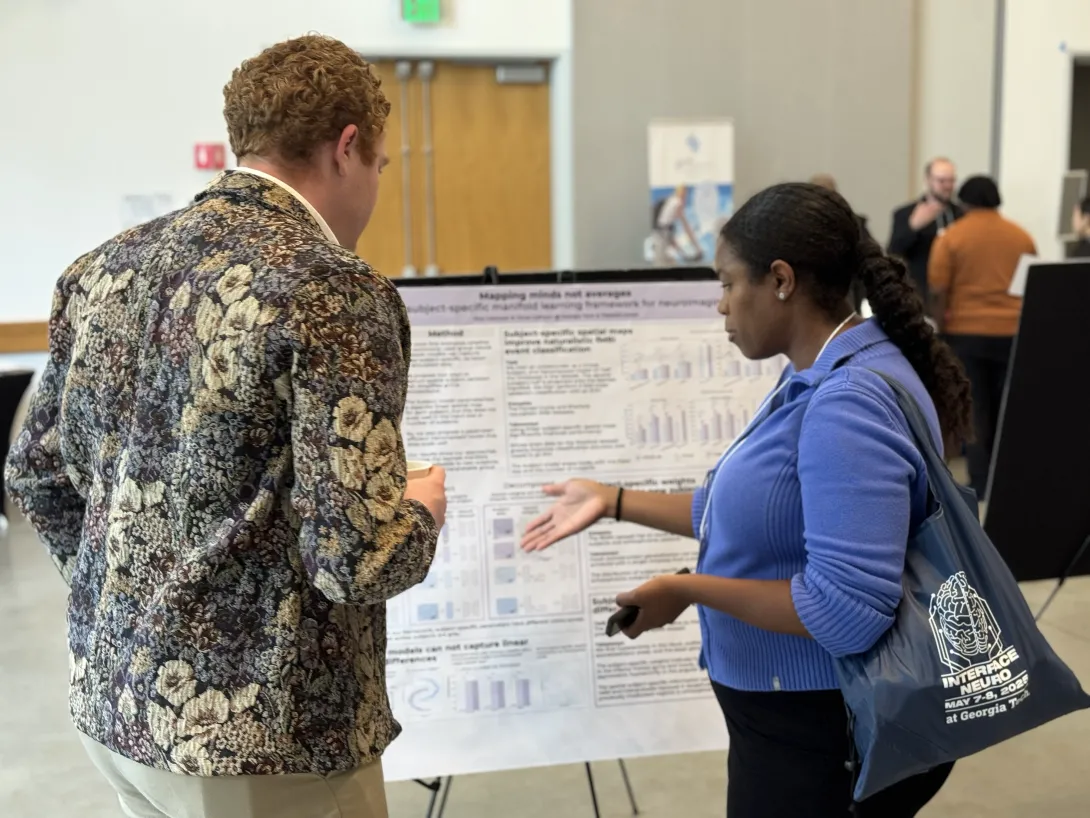
The conference was a community-led effort, with sessions were sponsored by several centers across Georgia Tech and Emory University.
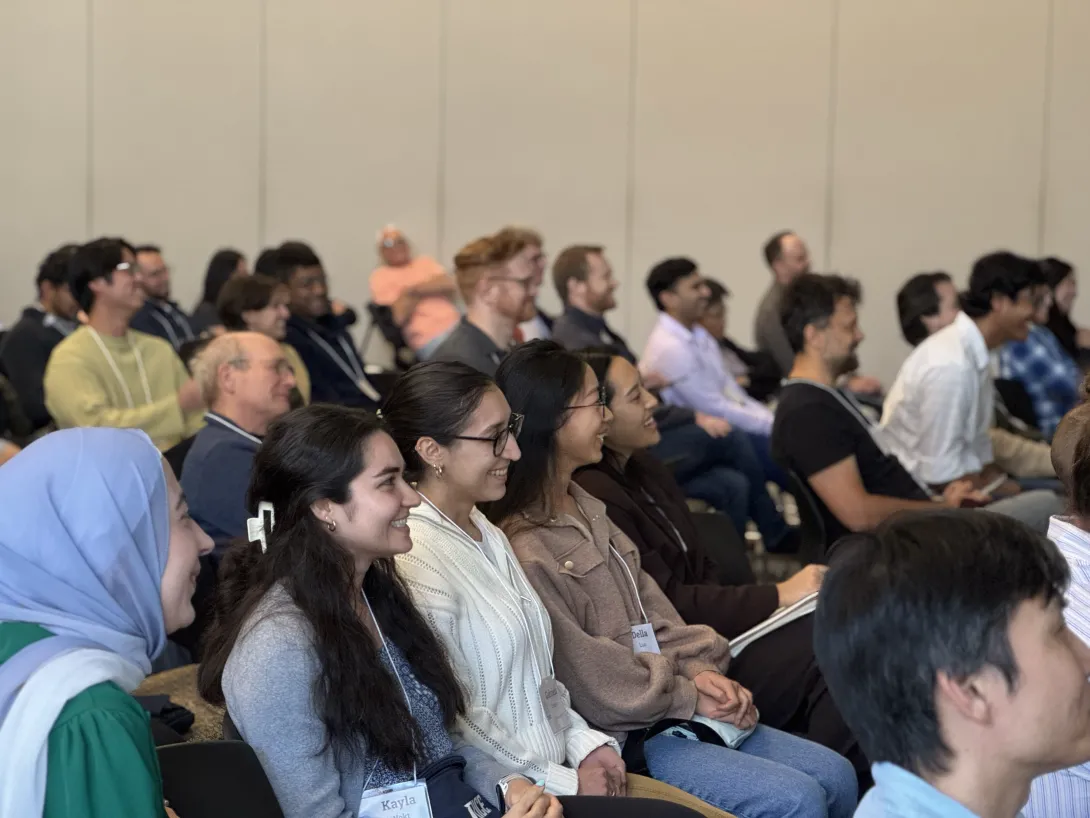
The meeting drew over 200 attendees from across the nation.
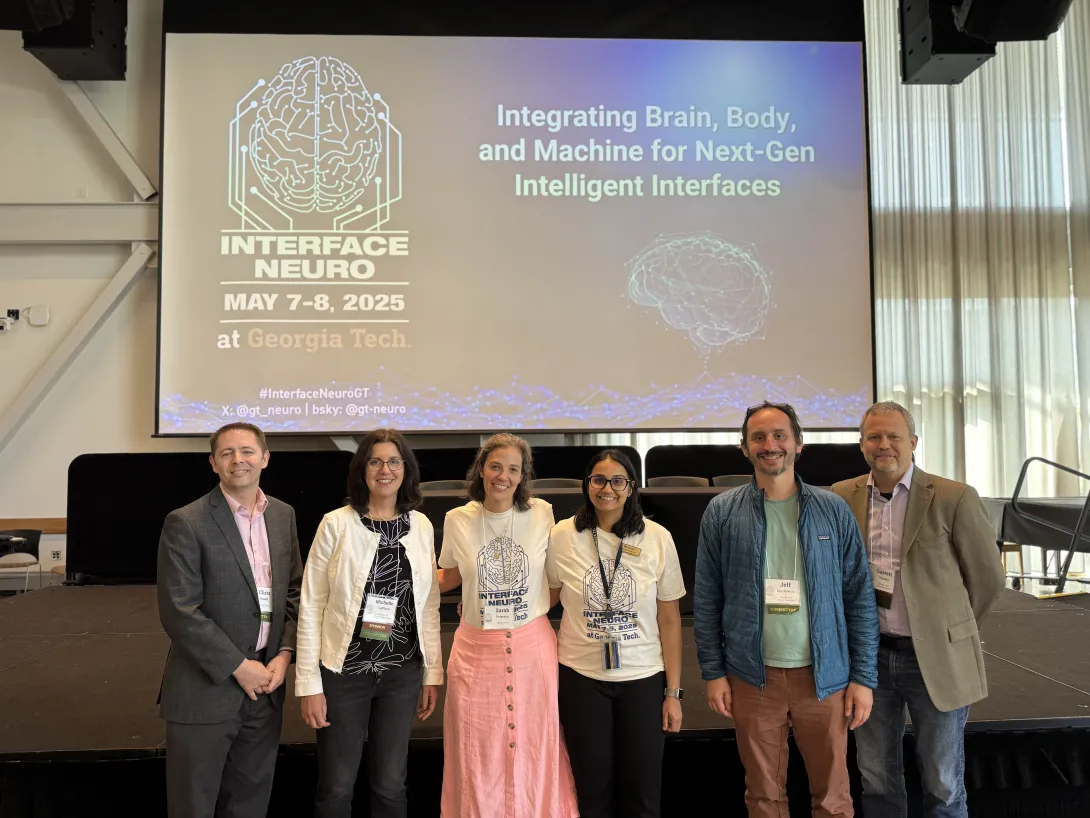
InterfaceNeuro was hosted by Georgia Tech's Neuro Next Initiative, the precursor to the forthcoming Interdisciplinary Research Institute, the Institute for Neuroscience, Neurotechnology, and Society. Some members of the organizing committee include (from left to right) Chris Rozell, Michelle LaPlaca, Sarah Peterson, Punya Mardhanan, Jeffrey Markowitz, and Garrett Stanley.
Integrating the human nervous system with machines once only existed in science fiction. Today, brain-computer interfaces (BCIs) are being explored to treat conditions like Parkinson’s disease, spinal cord injury, epilepsy, and depression.
Georgia Tech recently convened over 200 stakeholders from every corner of the neurotechnology landscape to explore the future of this rapidly evolving field at InterfaceNeuro. Held May 7-8, the conference brought together a dynamic community of neuroscientists, neuroengineers, clinicians, industry leaders, and individuals with lived experiences to align cutting-edge research with clinical needs and societal impact.
“One of our primary goals was to create a space where people from different backgrounds could come together, share their perspectives, and learn from one another,” said Chris Rozell, professor in Georgia Tech’s School of Electrical and Computer Engineering and one of the conference’s organizers. “That kind of exchange is essential for advancing the field.”
Originally founded by Rice University’s Neuroengineering Initiative in 2023, InterfaceNeuro made its Atlanta debut with the theme “Integrating Brain, Body, and Machine for Next-Gen Intelligent Interfaces.” The conference featured a curated program of keynote talks, panel discussions, research posters, and informal networking sessions designed to foster knowledge exchange and catalyze new partnerships.
Speakers and attendees alike represented the full spectrum of neuroscience and neurotechnology experts, from bench scientists and device engineers to caregivers and patients. According to conference attendee Simone Russo, it was that breadth and diversity of the conference that made the conference worthwhile.
“It was like talking to everybody at different levels, bridging the clinical side to the caregiving side, to the very basic research,” said Russo, a postdoctoral researcher in the Walter H. Coulter Department of Biomedical Engineering (BME). “That’s something that doesn't usually happen.”
Themed sessions were sponsored by several centers across Georgia Tech and Emory University, including the McCamish Parkinson’s Disease Innovation Program, the Neural Engineering Center, the Building Reliable Advances and Innovations in Neurotechnology (BRAIN) Center, and the Center for Advanced Motor Bioengineering and Research. Organized by Georgia Tech’s Neuro Next Initiative, the meeting was a testament to Atlanta’s expanding leadership in neuroscience and neurotechnology.
“This conference reflected the kind of community we’re building at Georgia Tech — one that’s deeply interdisciplinary, inclusive, and focused on real-world impact,” said Garrett Stanley, BME professor, director of the McCamish Parkinson's Disease Innovation Program, and one of the conference’s co-organizers. “With the launch of the Institute for Neuroscience, Neurotechnology, and Society this July, we’re creating a lasting home for this momentum to grow.”
News Contact
Audra Davidson
Research Communications Program Manager
Neuro Next Initiative
May. 13, 2025
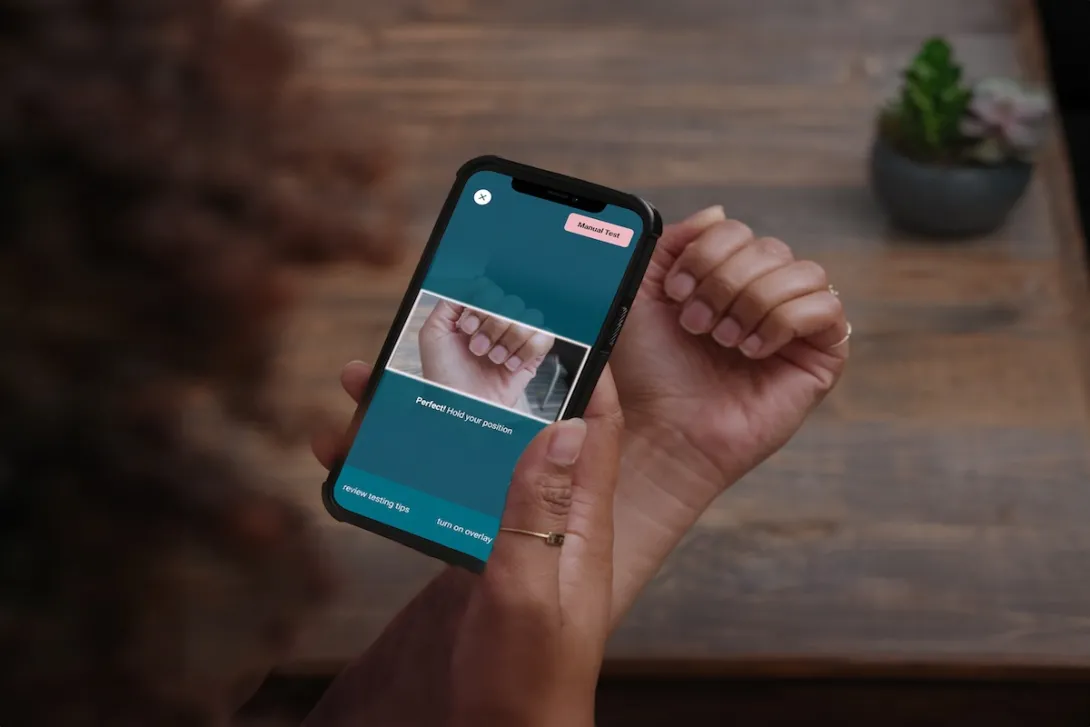
A team of researchers from Emory University and Georgia Tech, led by IBB researcher Wilbur Lam, have developed a groundbreaking, non-invasive way to screen and monitor anemia using just a smartphone photo of a fingernail. The AI-powered app analyzes the fingernail’s paleness to detect anemia with high accuracy instead of requiring a conventional blood test. The technology can be personalized for users with chronic anemia by incorporating their clinical hemoglobin levels to enhance precision. This approach makes anemia screening more accessible, particularly for underserved communities, and removes barriers to care. The team’s findings were recently published in PNAS, with Lam as the paper’s senior author.
Read the full press release here.
Citation: Robert G. Mannino, Julie Sullivan, Jennifer K. Frediani, Wilbur A. Lam. “Real-world Implementation of a Noninvasive, AI-augmented, Anemia-screening Smartphone App and Personalization for Hemoglobin Level Self-monitoring,” PNAS. DOI: 10.1073/pnas.2424677122
News Contact
By Savannah Williamson
Apr. 09, 2025
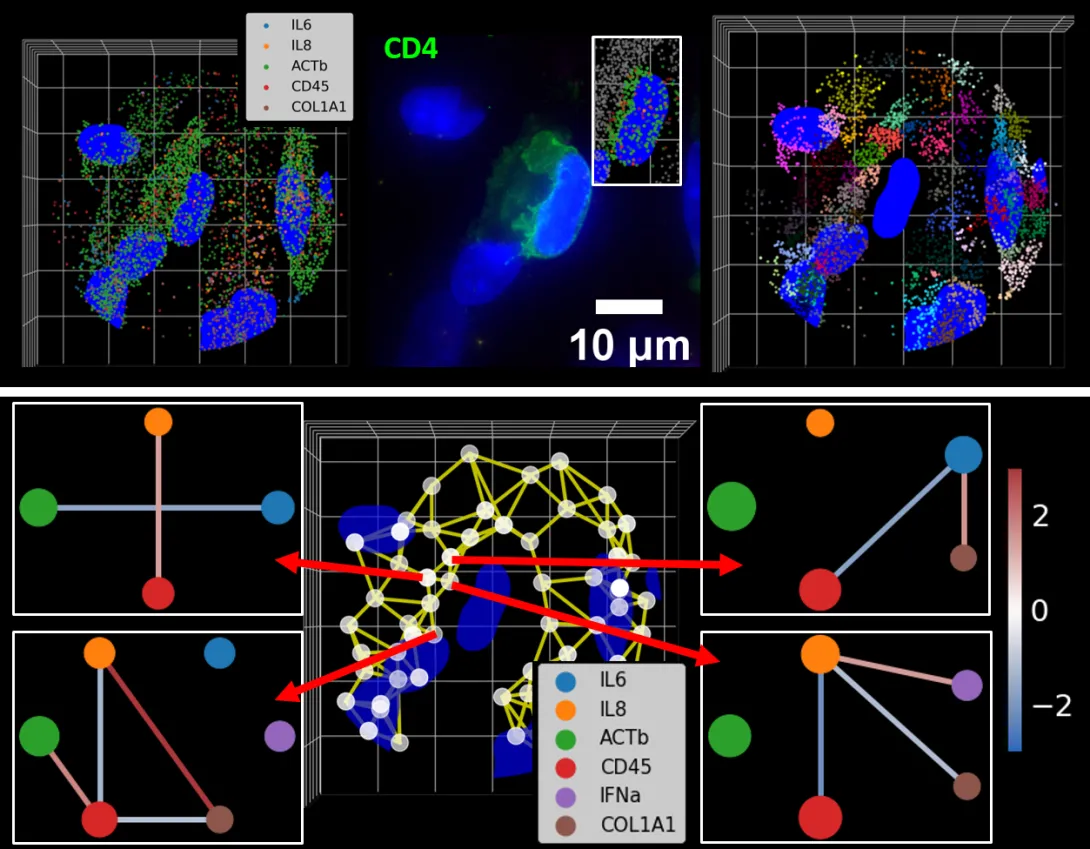
Stem cell therapies are improving recovery and survival rates for pediatric cancer patients. But the treatments can be risky. They can weaken the immune system, making children highly vulnerable to infections. And there are other potential long-term complications, including damage to tissues and organs.
A team of researchers at Georgia Tech has addressed this challenge, creating a new way to predict how these cutting-edge treatments might work in a particular patient. And it could revolutionize treatments for kids with complex immune system challenges.
Read full story here.
News Contact
By Jerry Grillo