
Sep. 16, 2025
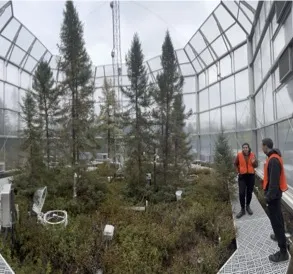
Postdoctoral Researchers Caitlin Petro and Borja Aldeguer-Riquelme inside a SPRUCE chamber in 2023.
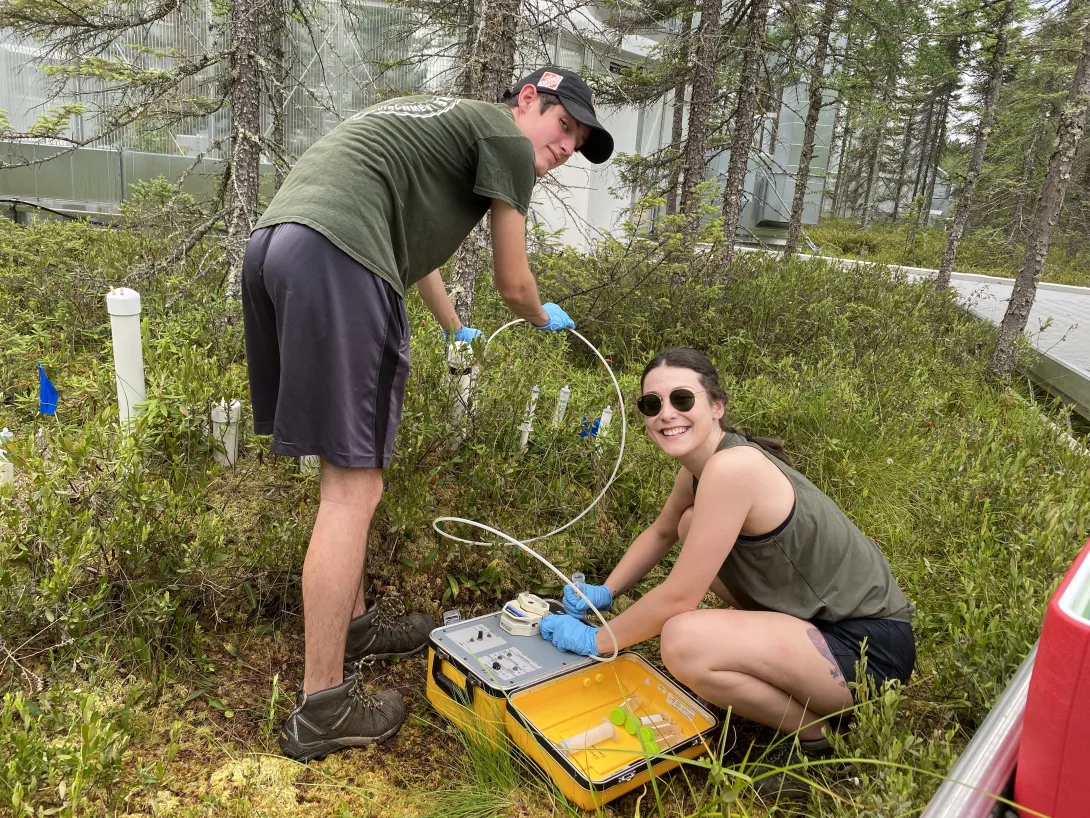
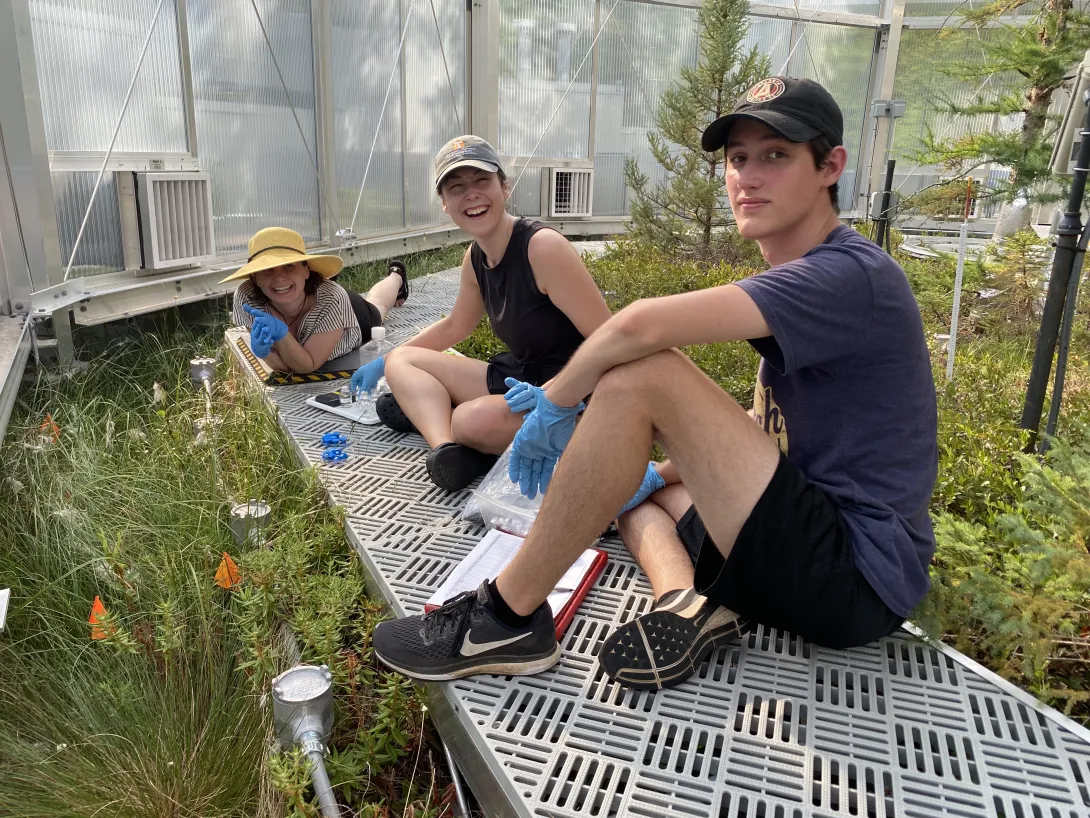
Postdoctoral Researcher Caitlin Petro, Ph.D. student Katherine Duchesneau, and undergraduate student Sekou Noble-Kuchera in a SPRUCE chamber.
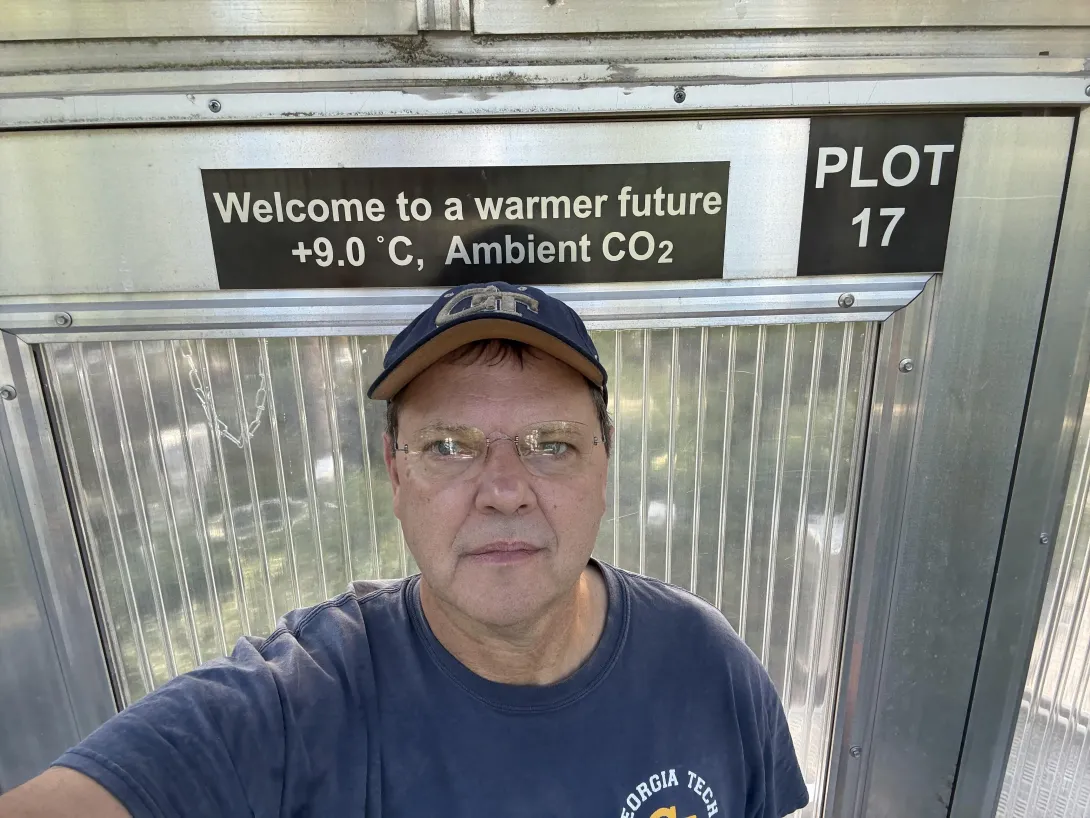
Joel Kostka at the SPRUCE experiment.
Between a third and half of all soil carbon on Earth is stored in peatlands, says Tom and Marie Patton Distinguished Professor Joel Kostka. These wetlands — formed from layers and layers of decaying plant matter — span from the Arctic to the tropics, supporting biodiversity and regulating global climate.
“Peatlands are essential carbon stores, but as temperatures warm, this carbon is in danger of being released as carbon dioxide and methane,” says Kostka, who is also the associate chair for Research in the School of Biological Sciences and the director of Georgia Tech for Georgia’s Tomorrow. Understanding the ratio of carbon dioxide to methane is critical, he adds, because while both are greenhouse gasses, methane is significantly more potent.
Kostka is the corresponding author of a new study unearthing how and why peatlands are producing carbon dioxide and methane.
The research, “Northern peatland microbial communities exhibit resistance to warming and acquire electron acceptors from soil organic matter,” was published this summer in Nature Communications, and was led by co-first authors Borja Aldeguer-Riquelme, a postdoctoral research associate in the Environmental Microbial Genomics Laboratory, and Katherine Duchesneau, a Ph.D. student in the School of Biological Sciences.
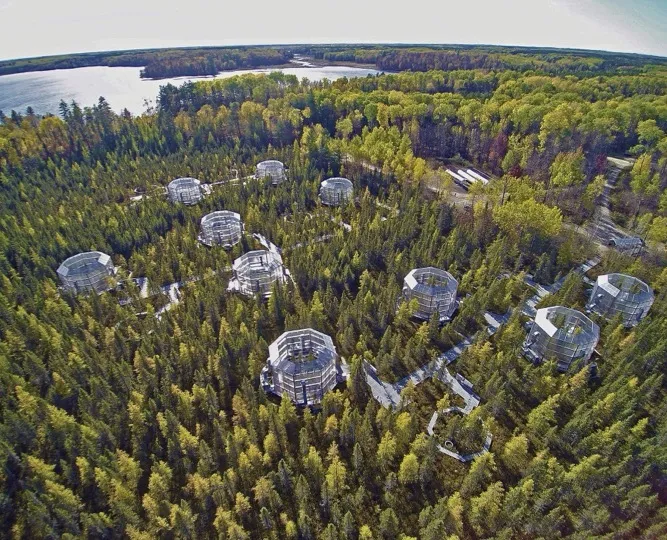
The study builds on a decade of research at the Oak Ridge National Lab’s Spruce and Peatland Responses Under Changing Environments (SPRUCE) experiment, a long-term research project in Minnesota that allows researchers to warm whole sections of wetland from tree top to bog bottom.
“Over the past 10 years, we’ve shown that warming in this large-scale climate experiment increases greenhouse gas production,” Kostka says. “But while warming makes the bog produce more methane, we still observe a lot more CO2 production than methane. In this paper, we take a critical step towards discovering why — and describing the mechanisms that determine which gases are released and in what amounts.”
Methane mystery
The subdued methane production in peatlands has been a long-standing mystery. In water-saturated wetlands, oxygen is scarce, but microbes still need to respire — a type of ‘breathing’ that allows them to produce energy for metabolic function. Without oxygen, microbes use nitrate, sulfate, or metals to respire — still releasing carbon dioxide in the process. However, if these ingredients aren’t present, microbes ‘breathe’ in a way that releases methane.
Since nitrate, sulfate, and metals are relatively rare in peatlands, methane production should be the most likely pathway, but surprisingly, observations show the opposite. “In both fieldwork and lab experiments, peatlands produce much more carbon dioxide than methane,” Kostka explains. “It’s puzzling because the soil conditions should help methane production dominate.”
To solve this mystery, the team leveraged a suite of cutting-edge genetic tools called “omics” — metagenomics (studying DNA), metatranscriptomics (studying RNA), and metabolomics (a technique used to study the “leftovers” of metabolism), providing a detailed look under the hood of the microbial “engine” that cycles organic matter in wetlands. It also gave a new window into the diversity of soil microbes in wetlands: 80 percent of the organisms identified in the study were new at the genus level.
‘Omics’ innovations
Over the course of several years, the team collected samples from a peatland enclosed in an experimental chamber that was slowly warmed, then analyzed the samples using omics to see how they changed. Initially, they hypothesized that warming the soil would cause microbial communities to change quickly. “Microbes can evolve and grow rapidly,” Kostka says. “But that didn’t happen.”
The DNA-based methods showed that while the microbial communities stayed largely stable, the bog did release more greenhouse gasses as it warmed. To assess the metabolic potential of the microbes, Duchesneau and Aldeguer-Riquelme constructed microbial genomes, investigating how they were decomposing the organic matter in peatlands and cycling carbon.
“We found that microbial activity increases with warming, but the growth response of microbial communities lags behind these changes in physiological or metabolic activity,” Kostka says. He cautions that this doesn’t necessarily mean that wetland communities won’t change as climates warm — just that these shifts might come behind metabolic ones.
A diversity of discoveries
And the methane? The team believes that microbes may be breaking down organic matter to access the key ingredients for producing carbon dioxide — nitrate, sulfate, and metals — though more research is currently underway to investigate this.
“Doing this type of integrated omics research in soil systems is still incredibly difficult,” Kostka says. The challenge is multifaceted: the research leverages years of experiments, long-term datasets, advanced laboratory techniques, and fieldwork innovations.
At SPRUCE, experimental chambers are about 1,000 square feet. While it’s an impressive experimental setup, researchers still must be careful: “We need to take soil samples for many years, so if we take too many, there’d be no soil left!” Kostka explains. “Part of our research involves developing better, non-destructive sampling techniques.”
The other challenge lies in what makes these peatlands so unique: it’s very hard to detect small changes because of the sheer diversity of organisms present. “Every time we conduct this type of research, we learn more about these incredible systems,” he says. “There’s always something new.”
DOI: https://doi.org/10.1038/s41467-025-61664-7
Funding: The Office of Biological and Environmental Research, Terrestrial Ecosystem Science Program and Genomic Science programs, under the US Department of Energy (DOE); the Environmental Molecular Sciences Laboratory, a DOE Office of Science User Facility sponsored by the Biological and Environmental Research program. The SPRUCE experiment is funded by the Biological and Environmental Research program in the U.S. Department of Energy’s Office of Science.
News Contact
Written by Selena Langner
Aug. 21, 2025
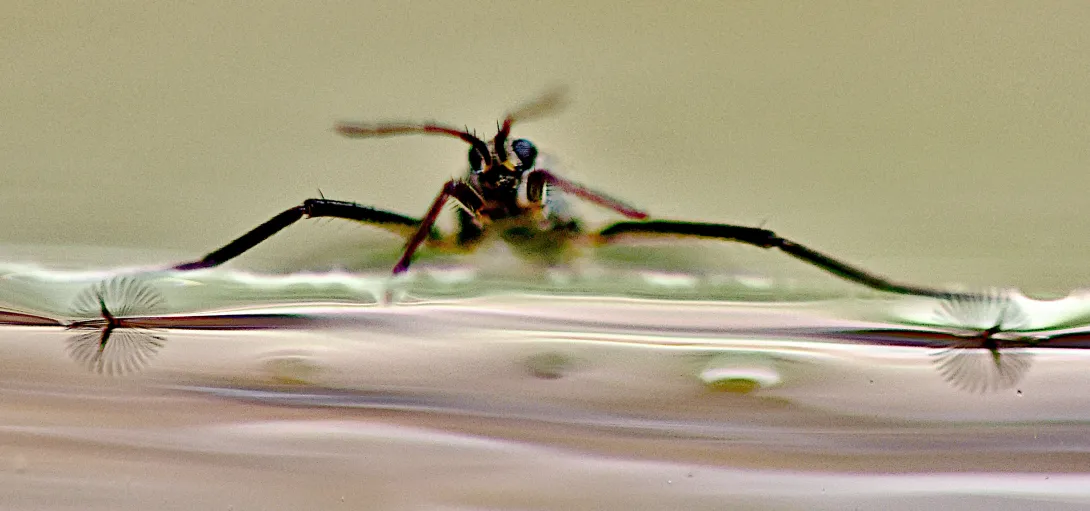
A new study explains how tiny water bugs use fan-like propellers to zip across streams at speeds up to 120 body lengths per second. The researchers then created a similar fan structure and used it to propel and maneuver an insect-sized robot.
The discovery offers new possibilities for designing small machines that could operate during floods or other challenging situations.
Instead of relying on their muscles, the insects about the size of a grain of rice use the water’s surface tension and elastic forces to morph the ribbon-shaped fans on the end of their legs to slice the water surface and change directions.
Once they understood the mechanism, the team built a self-deployable, one-milligram fan and installed it into an insect-sized robot capable of accelerating, braking, and maneuvering right and left.
The study is featured on the cover of the journal Science.
Read the entire story and see the robot in action on the College of Engineering website.
News Contact
Jason Maderer
College of Engineering
maderer@gatech.edu
Aug. 21, 2025
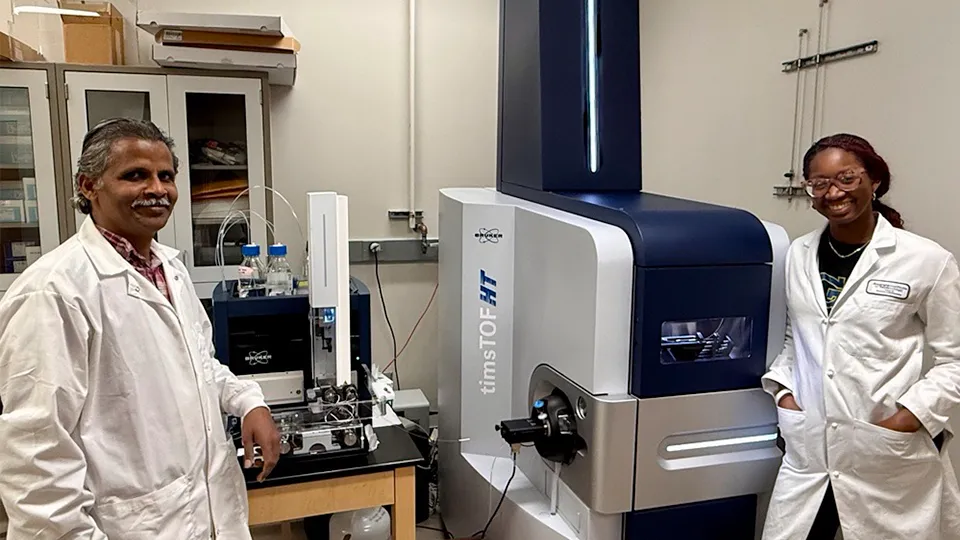
The Systems Mass Spectrometry Core (SyMS-C) at the Georgia Institute of Technology proudly announces the acquisition and installation of a cutting-edge Bruker timsTOF HT mass spectrometer integrated with a nanoElute2 liquid chromatography system. This transformative addition, funded by a prestigious S10 Shared Instrumentation Grant from the National Institutes of Health (NIH) and led by Matthew Torres, associate professor in the School of Biological Sciences, reinforces Georgia Tech’s leadership in pioneering proteomics research.
The timsTOF HT is a next-generation mass spectrometer that combines trapped ion mobility spectrometry (TIMS) with high-resolution quadrupole time-of-flight (qTOF) mass analysis to dramatically improve sensitivity, specificity, and throughput. Unlike traditional mass spectrometers, it uses dual TIMS funnels to separate ions by size-to-charge (rather than only mass-to-charge), enabling an added dimension of separation for complex biological samples. The system employs a method called PASEF (Parallel Accumulation–Serial Fragmentation), which synchronizes ion separation, isolation, and fragmentation to dramatically boost speed and depth of proteome coverage. TIMS also distinguishes between isobaric species—such as phosphopeptide positional isomers or structural isomers—that are indistinguishable by standard mass spectrometry alone. Because it stores and organizes ions rather than filtering them destructively, the timsTOF HT is especially well suited for sensitive and high-throughput omics applications, including plasma and tissue proteomics. As a result, it represents a transformative platform for biological discovery across a wide range of research areas.
Funded by the NIH S10 grant, this acquisition empowers the SyMS-C to support a wide range of research initiatives across Georgia Tech and its collaborative partners. The timsTOF HT’s advanced capabilities, including dia-PASEF® and prm-PASEF® acquisition modes, will accelerate discoveries in biomarker identification, single-cell proteomics, and multiomics applications, addressing critical challenges in understanding disease mechanisms and developing novel diagnostics and therapies.
“We are thrilled to integrate the Bruker timsTOF HT and nanoElute2 into our Systems Mass Spectrometry Core,” said Rakesh Singh, director of the proteomics services at SyMS-C. “This advanced platform will enable our researchers to push the boundaries of proteomics, providing deeper insights into cellular mechanisms and supporting transformative biomedical research. We are deeply grateful to the NIH for their support through the S10 grant, which makes this cutting-edge technology accessible to our scientific community.”
The installation of the timsTOF HT and nanoElute2 systems enhances the ability of SyMS-C to serve as a hub for interdisciplinary research, offering access to faculty, students, and external collaborators, including those within the Georgia Research Alliance and regional academic and clinical institutions. The core facility will provide technical expertise, consultation, and data analysis support to ensure researchers can fully leverage the system’s capabilities. The SyMS-C anticipates that the new instrumentation will drive high-impact research, contributing to breakthroughs in personalized medicine, cancer research, and neurodegenerative disease studies. For more information about the Systems Mass Spectrometry Core or to inquire about access to the Bruker timsTOF HT and nanoElute2 systems, please contact Rakesh Singh.
News Contact
Rakesh Singh
Senior Research Scientist
Aug. 21, 2025
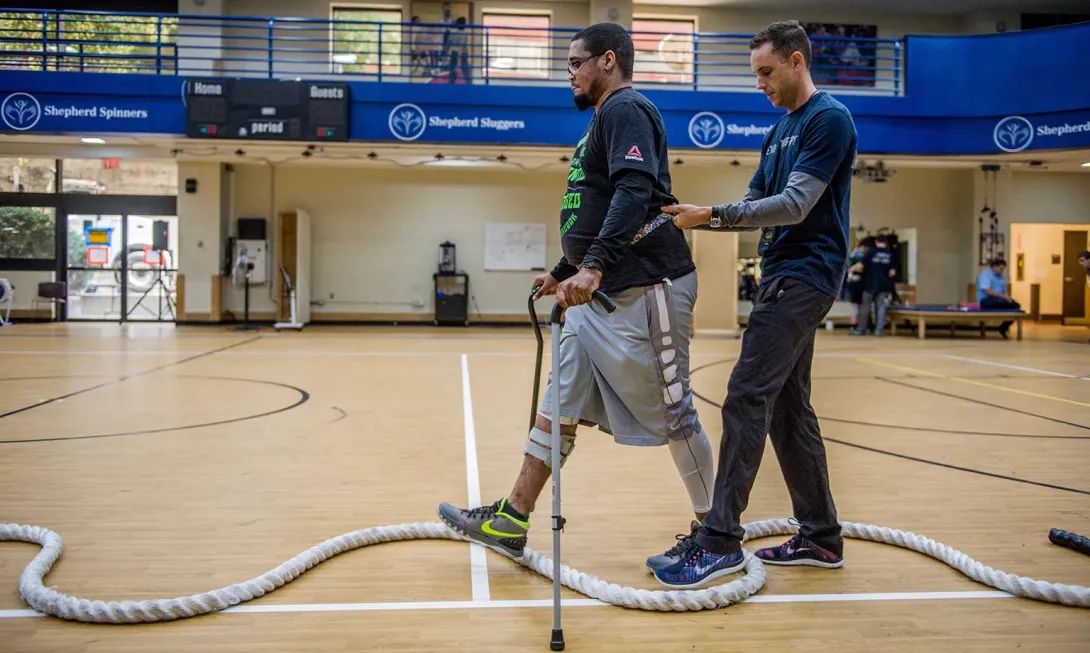
The seed grants will fund projects focused on enhancing wheelchair seating surfaces, supporting stroke patients as they transition home from rehabilitation, assessing lower limb exoskeleton technologies, and exploring the use of AI in remote rehab settings. Photo: Shepherd Center.
Georgia Tech and Shepherd Center recently awarded four seed grants totaling nearly $200,000 to researchers focusing on projects that will advance discoveries in neurorehabilitation, including acquired brain injury, spinal cord injury, multiple sclerosis, chronic pain, and other neurological conditions.
The Georgia Tech-Shepherd Center Seed Grant Program is part of an ongoing partnership between the two institutions that started in 2023 with the goal of advancing rehabilitative patient care and research.
“The seed grant program is intended to stimulate new interdisciplinary research collaborations by providing seed funding to obtain preliminary data or prototypes necessary for the submission of an external grant or industry opportunities,” says Deborah Backus, vice president of Research and Innovation at Shepherd Center. “As two leading research institutions, we know the potential for advancing rehabilitation therapies is even greater when we work together. We look forward to the solutions, treatments, and therapies that emerge from these initial seed grants.”
Experts from both institutions evaluated and scored seed grant applications based on the research’s innovation, approach, and potential for training opportunities, as well as its anticipated impact, prospects for commercial translation, and strategy for securing continued funding. This year, each awardee team received close to $50,000.
“We are very excited to launch this new seed grant program, which will spur ideas and propel research forward,” said Michelle LaPlaca, professor in the Coulter Department of Biomedical Engineering and the Georgia Tech lead of the Collaborative. “The complementary expertise of Georgia Tech and Shepherd Center researchers, combined with the motivation to find solutions for individuals with neurological injury and disability, is a winning formula for innovation.”
"Offering new hope for neurorehabilitation patients requires bringing together interdisciplinary researchers to explore new and creative ideas,” adds Chris Rozell, Julian T. Hightower Chaired professor in the School of Electrical and Computer Engineering and the inaugural executive director of the Institute of Neuroscience, Neurotechnology, and Society (INNS) at Georgia Tech. “I'm excited to see the talent at these world class institutions coming together to develop new solutions for these complex problems."
This year’s seed grants were awarded to the following projects:
- Proof of Concept Development of the Recovery Cushion – Stephen Sprigle, professor, School of Industrial Design and School of Mechanical Engineering, Georgia Tech; Jennifer Cowhig, research physical therapist, Shepherd Center.
- Paving a Smooth Path from Hospital to Home: A Feasibility Study of an Integrated Smart Transitional Home Lab to Support Stroke Rehabilitation Patients’ Transition to Home – John Morris, senior clinical research scientist, Shepherd Center; Hui Cai, professor in the School of Architecture, executive director of the SimTigrate Design Center, Georgia Tech.
- A Comparative Analysis of Lower-Limb Exoskeleton Technology for Non-Ambulatory Individuals with Spinal Cord Injury – Maegan Tucker, assistant professor, School of Electrical and Computer Engineering and School of Mechanical Engineering, Georgia Tech; Nicholas Evans (AP 2023), clinical research scientist, Shepherd Center.
- Improving Accessibility and Precision in Neurorehabilitation at the Point of Care with AI-Driven Remote Therapeutic Monitoring Solutions – Brad Willingham, clinical research scientist, director of Multiple Sclerosis Research, Shepherd Center; May Dongmei Wang, professor, Wallace H. Coulter Department of Biomedical Engineering, Georgia Tech.
News Contact
Kerry Ludlam
Director of Communications
Shepherd Center
Audra Davidson
Research Communications Program Manager
Institute for Neuroscience, Neurotechnology, and Society
Aug. 15, 2025
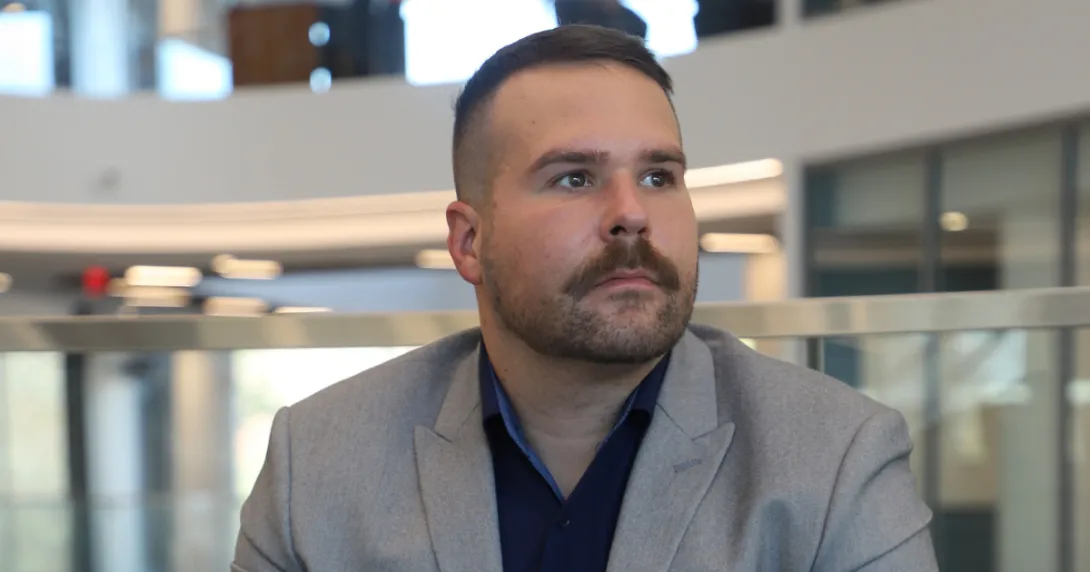
Adam-MacCallum, Jim Pope Fellow and translational research advocate in Georgia Tech’s Wallace H. Coulter Department of Biomedical Engineering
Epilepsy, Parkinson’s, Alzheimer’s, Huntington’s disease — as a Jim Pope Fellow, Adam McCallum is dedicated to helping students search for solutions to these and other devastating diseases. McCallum is a translational research advocate in the Wallace H. Coulter Department of Biomedical Engineering at Georgia Tech and Emory University, currently ranked No. 2 in the nation by U.S. News & World Report. He hopes to accelerate the commercialization of the most promising biotech advances.
When McCallum learned about the Jim Pope Fellowship, he saw it as a tremendous opportunity. “Biomedical engineering research has so much potential to be translated into products and solutions that tackle unmet clinical needs, that could be shaped to enhance society in general,” he says. “It’s a collaboration between biology, medicine, and engineering. The Pope Fellowship is a unique opportunity to explore new projects dedicated to entrepreneurship.”
McCallum is one of five faculty members to receive the Jim Pope Fellowship, which supports faculty in becoming entrepreneurial instructors and mentors in CREATE-X. He hopes to leverage this fellowship to instill entrepreneurial confidence in biomedical engineering graduate students and faculty and help them translate their research into IP and healthcare-focused products to be used in and out of the clinic.
Since being named a fellow, McCallum has applied the funding to attend conferences to learn more about new methods for teaching commercialization and entrepreneurship, develop programming to enhance the student experience, increase student understanding and interest in entrepreneurship, and explore creative new projects he has envisioned while at Georgia Tech.
Establishing a New Commercialization Course
Beginning in the fall, he will teach a new course, Fundamentals of Biotechnology Commercialization, targeting BME graduate students. McCallum developed the curriculum, which begins with an overview of technology commercialization and the commercialization process, followed by modules on IP — how to protect one’s inventions; financing, with a focus on early-stage commercialization funding opportunities; and choosing a commercialization path.
“In the second part of the course, students will simulate a patent filing,” says McCallum. “It’s a really important step in the commercialization process. In future iterations of the course, I would love to have students file real disclosures and provisional patent applications with our Tech Transfer Office and have a licensing associate talk to them about managing the IP.”
BME Innovations Pivotal to Georgia Tech’s IP Ecosystem
McCallum sees Georgia Tech BME researchers as an important driver of innovation, and the Institute’s patent track record reflects their critical role: More than 21% of U.S.-issued patents to Georgia Tech have at least one BME inventor listed, according to the Office of Commercialization.
In the past year, he has already seen the value of infusing an entrepreneurial spirit into his curriculum. Annabelle Singer (BME) and Levi Wood (ME) were mentored by McCallum while they were developing an audiovisual device to help stimulate brain activity in patients with Alzheimer’s disease and epilepsy. Through this mentorship, Singer and Wood recognized possible use cases and commercialization pathways for their technology.
“Their device has potential applications in a wide range of other neurological conditions — to lessen the impact of these disorders on people in their everyday life,” says McCallum, adding, “I’m excited about Georgia Tech and Emory’s commitment to developing programs to enhance neuroscience and neural engineering research. There’s so much potential in that space, especially for being able to significantly impact diseases like Alzheimer’s, Parkinson’s, and Huntington’s disease, as well as strokes and epilepsy. We are moving in the right direction with being able to improve the efficacy of the modalities to diagnose and treat these conditions.”
According to McCallum, his close connection to CREATE-X has given him a unique opportunity to see the impact of the program on the entrepreneurial endeavors of students and even faculty members.
“Previous fellows have been very successful with developing new educational programs and courses, as well as creating new spaces to spawn innovation, to instill entrepreneurial confidence in undergraduate students, and I want to use those successes as inspiration to make an impact on graduate student entrepreneurial confidence in BME, with much more to come,” he said.
As one of President Ángel Cabrera's four Big Bets, the drive for entrepreneurial education and opportunities has accelerated at Georgia Tech. In 2023, over a third of all Georgia Tech applicants selected entrepreneurship as an interest. Pope Fellows have a unique opportunity to help students tap into entrepreneurial pathways with CREATE-X, access an abundance of resources, and solve real-world problems. For faculty interested in joining, applications are open for the 2025 Jim Pope Fellowship until Sept. 2. For more information, visit https://create-x.gatech.edu/faculty/jim-pope-fellowship.
News Contact
Written by Anne Wainscott-Sargent
Internal Contact
Breanna Durham
Marketing Strategist
Aug. 08, 2025
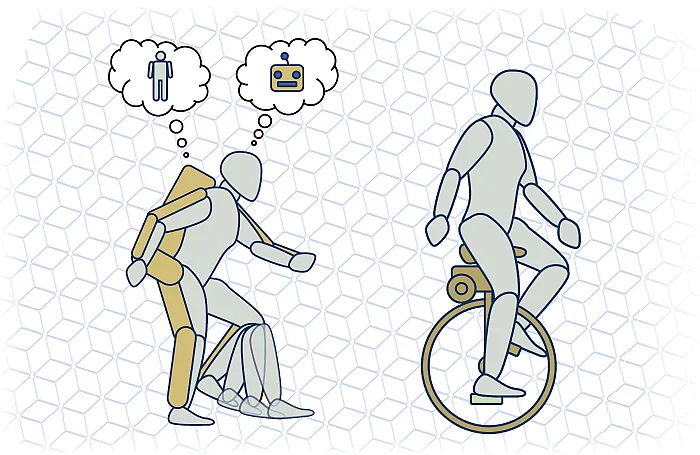
Research into tailored assistive and rehabilitative devices has seen recent advancements but the goal remains out of reach due to the sparsity of data on how humans learn complex balance tasks. To address this gap, a collaborating team of interdisciplinary faculty from Florida State University and Georgia Tech have been awarded ~$798,000 by the NSF to launch a study to better understand human motor learning as well as gain greater understanding into human robot interaction dynamics during the learning process.
Led by PI: Taylor Higgins, Assistant Professor, FAMU-FSU Department of Mechanical Engineering, partnering with Co-PIs Shreyas Kousik, Assistant Professor, Georgia Tech, George W. Woodruff School of Mechanical Engineering, and Brady DeCouto, Assistant Professor, FSU Anne Spencer Daves College of Education, Health, and Human Sciences, the research will use the acquisition of unicycle riding skill by participants to gain a better grasp on human motor learning in tasks requiring balance and complex movement in space. Although it might sound a bit odd, the fact that most people don’t know how to ride a unicycle, and the fact that it requires balance, mean that the data will cover the learning process from novice to skilled across the participant pool.
Using data acquired from human participants, the team will develop a “robotics assistive unicycle” that will be used in the training of the next pool of novice unicycle riders. This is to gauge if, and how rapidly, human motor learning outcomes improve with the assistive unicycle. The participants that engage with the robotic unicycle will also give valuable insight into developing effective human-robot collaboration strategies.
The fact that deciding to get on a unicycle requires a bit of bravery might not be great for the participants, but it’s great for the research team. The project will also allow exploration into the interconnection between anxiety and human motor learning to discover possible alleviation strategies, thus increasing the likelihood of positive outcomes for future patients and consumers of these devices.
Author
-Christa M. Ernst
This Article Refers to NSF Award # 2449160
News Contact
Aug. 06, 2025
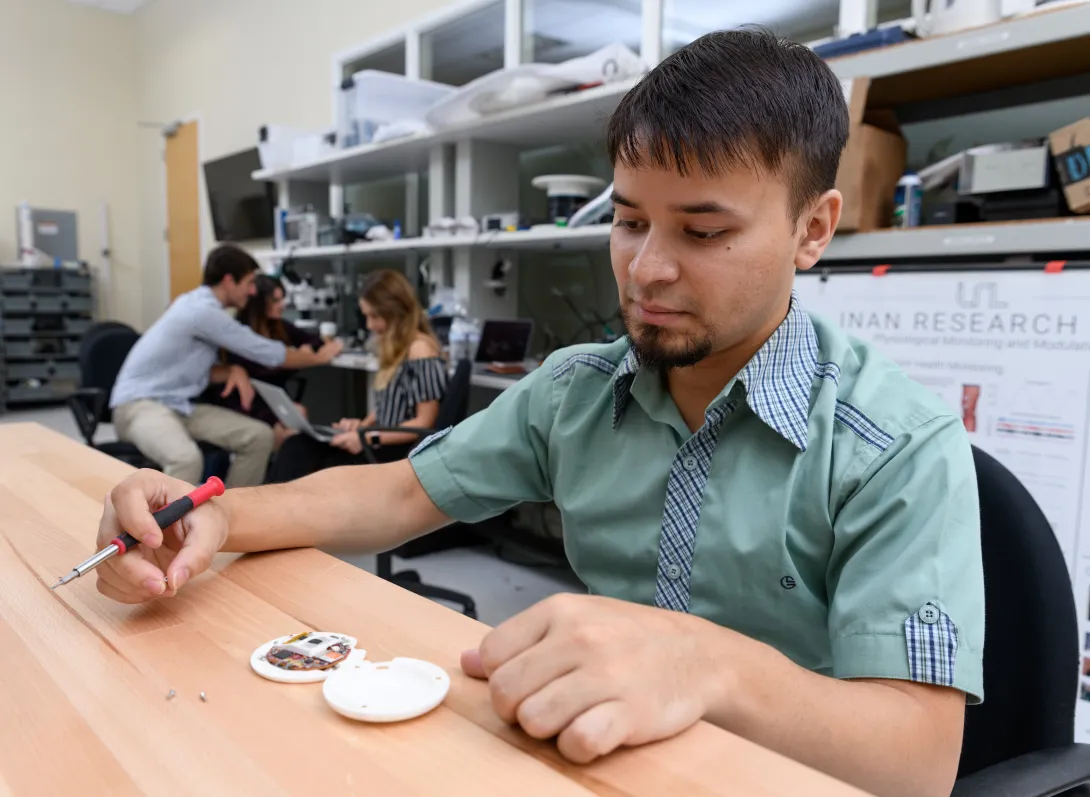
CardioTag, a device developed in Omer Inan’s lab, is now FDA-cleared and on the path to market through Cardiosense. Georgia Tech supported the technology’s transition from research to real-world application.
Georgia Tech has posted its strongest year ever in research commercialization, breaking multiple records for invention disclosures, issued patents, and licensed technologies — clear indicators of the Institute’s expanding role in delivering research-driven innovation to the marketplace.
“Invention is only the beginning. What sets Georgia Tech apart is our ability to move our ideas out of the lab and into the marketplace, where they can make a tangible impact on human life and contribute to our economy,” said Ángel Cabrera, president of Georgia Tech. “This year’s record results show that our researchers aren’t just pushing the boundaries of knowledge — they’re creating marketable solutions with the power to improve everyday lives.”
For fiscal year 2025, Georgia Tech reported:
- More than 460 new invention disclosures — a 30% increase over the previous year and the highest ever recorded by the Institute.
- 70 invention disclosures for the Georgia Tech Research Institute, marking a 70% increase year over year.
- A 210% increase in technologies licensed, and 140% in total licenses executed, reflecting unprecedented industry interest, with 65 licenses in total.
- 124 U.S. patents were issued, representing a 20% increase compared to the prior year.
- According to the most recent rankings from the National Academy of Inventors, Georgia Tech is in the top 15 public universities for U.S. utility patents filed.
This momentum strengthens Atlanta’s position as one of the nation’s fastest-growing innovation economies. Georgia Tech plays a leading role in advancing the region’s ambition to become a top 5 tech hub by connecting world-class research with industry, supporting a thriving startup ecosystem, and fueling talent pipelines that serve emerging sectors like AI, cybersecurity, and clean energy.
Omer Inan, a Georgia Tech researcher and faculty member, has launched multiple companies with the support of the Institute’s commercialization resources. Cardiosense is a medical AI company that leverages sensors to provide better management of cardiovascular disease. Having just achieved FDA 501(k) clearance, its latest device — CardioTag — is the first multimodal, wearable sensor that simultaneously captures three cardio signals to provide noninvasive solutions for heart health.
"The med tech research I conduct at Georgia Tech delivers new technologies to keep patients with heart failure out of the hospital and enables them to monitor their health status at home,” said Inan. “Now, we are commercializing the technology our lab helped develop, so that this dream of improving the quality of care and life for millions of Americans with heart failure can one day become reality."
“As we look to solidify Georgia Tech’s status as a national innovation hub, we are moving research into the marketplace so it can truly make a difference in people’s lives,” said Raghupathy “Siva” Sivakumar, vice president of Commercialization and chief commercialization officer at Georgia Tech. “We are at a pivotal moment to put Atlanta on the map as a leader in research commercialization and have an opportunity to capitalize on our $1.4 billion in research expenditures that drive meaningful inventions, IP, and industry partnerships.”
To learn more about the licensing and commercialization process at Georgia Tech, visit licensing.research.gatech.edu.
Available for Media Interviews
Raghupathy "Siva" Sivakumar
Vice President of Commercialization and
Chief Commercialization Officer
Georgia Tech
Omer Inan
Professor and Regents’ Entrepreneur
School of Electrical and Computer Engineering at Georgia Tech
Media Contact:
Lauren Schiffman
PressFriendly
lauren@pressfriendly.com
Angela Barajas Prendiville
Director of Media Relations
Georgia Institute of Technology
aprendiville@gatech.edu
Aug. 05, 2025
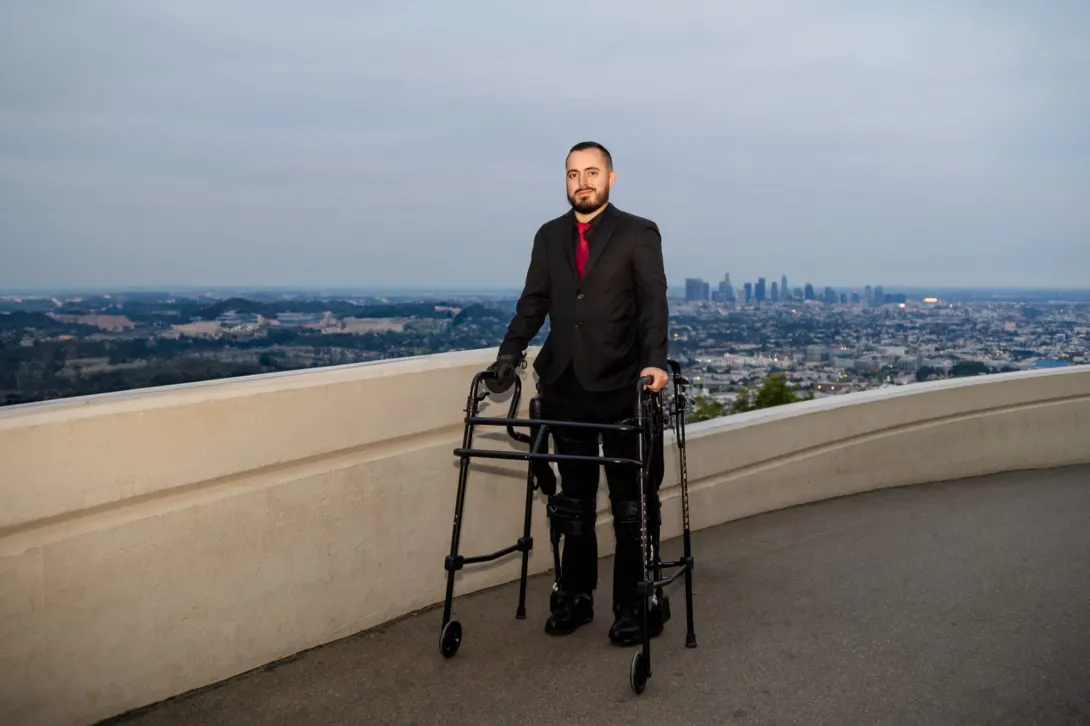
Ignacio Montoya was on a flight from Los Angeles to Atlanta in 2024 with a serendipitous seatmate. The biomedical engineer was seated next to Georgia Tech President Àngel Cabrera, and the two had a conversation about Montoya’s personal story and career aspirations.
Cabrera introduced Montoya to a professor who could take his work to the next level — Cassie Mitchell, an associate professor in the Wallace H. Coulter Department of Biomedical Engineering (BME). Montoya’s research uses AI to study how robotic exoskeletons and spinal cord stimulation can reawaken dormant neural circuits and help people with paralysis regain sensation, mobility, autonomy, and vital physiological functions once thought permanently lost. Drawing on his experience in leading-edge clinical research, he aims to turn scientific discoveries into real-world solutions that improve independence, quality of life, and health for those with spinal cord injuries.
It’s not only a curiosity for him, though. In 2012, Montoya was about to graduate from Georgia Tech and become a fighter pilot in the Air Force. Then, one night, he got into a motorcycle accident that left him paralyzed from the chest down.
Ever since, he has worked to better understand his injury and his options. After earning a master’s in biomedical engineering from Georgia Tech in 2018, Montoya moved to Los Angeles and joined a prestigious neurophysiology and neurorehabilitation lab at UCLA known for pioneering spinal stimulation and activity-based training to restore movement after paralysis. Now he’s taking everything he’s learned back to Georgia Tech.
Mitchell, also a faculty member in the Institute for Neuroscience, Neurotechnology, and Society, applies AI to data science to parse and predict complex medical research. She is also quadriplegic and personally understands the value of spinal cord research. At first, Mitchell mentored Montoya through the BME Ph.D. application process. Now she is his advisor. Montoya starts the program this fall — and he hopes to bring his personal injury recovery insights to the entire spinal cord injury survivor community.
“My experience as a research participant gives me a unique perspective as I transition into a doctoral researcher,” he said. “It helps me bridge the gap between understanding the science and translating it into real-world clinical practice.”
From Complete Paralysis to Possibility
Montoya nearly died in the accident. It left him with a complete spinal cord injury and severe peripheral nerve damage in his right arm.
“The doctor told me my spinal cord was like a banana — and mine had been crushed in the middle,” he recalled. “He said I had a 1% chance of regaining any mobility, function, or sensation.”
But Montoya’s life has always been about beating the odds. At 6, he and his father immigrated to the U.S. from Cuba. Years later, he earned a rated pilot slot in the Air Force — a distinction achieved by fewer than 1% of cadets. Then came the motorcycle crash. He flatlined for 15 minutes — a medical event with less than a 1% chance of survival, and even lower odds of returning with full brain function. If anyone was going to defy that prognosis, it was Montoya. He set out not just to walk again, but to rebuild his life and transform his recovery into a blueprint for others to follow.
Exoskeleton Endeavors
After finishing his master’s at Tech, Montoya went to work with Reggie Egerton, a pioneering neurobiologist at UCLA. With Egerton’s guidance, Montoya experimented with neuromodulation — using electrodes to stimulate the spinal cord. The stimulus helps to excite the neurons below the injury that no longer communicate with the brain.
While wearing electrodes, Montoya trained in a robotic exoskeleton that progressively reduced its robotic assistance. This encouraged him to contribute increasing effort through each step. Over time, the device provided less support during the swing and stance phases of walking, requiring more active participation. Beyond stepping, Montoya performed standing and weight-shifting exercises, all demanding maximum effort to retrain his nervous system through repetitive, weight-bearing sensory input.
“Neuromodulation creates a bridge of signals that helps the remaining intact nerve fibers below the injury communicate with each other, enhancing neuroplasticity within the system,” he said.
If the neuromodulation works as intended, it can effectively remodel the nervous system. Through this process and two nerve transfers, Montoya has regained some function in his paralyzed right arm. He has also reversed many common medical complications from paralysis: temperature regulation, body awareness, sexual function, bone density, muscle mass, and digestive health.
“My injury is no longer considered complete, and I believe I’m the first person to achieve that through a combination of spinal stimulation, intensive training, and daily weight-bearing rehabilitation,” Montoya said. “I’m constantly out of my wheelchair — standing, moving, and training. That consistency has been the key. Every day, I walk in an exoskeleton.”
Returning to Georgia Tech
What was supposed to be a 12-month clinical research study turned into the next five years of Montoya’s life. He also wanted to better understand human physiology and how locomotor training worked, so he did a master’s in kinesiology from California State University, Los Angeles. Despite the progress Montoya had made with advancing the field of spinal cord injury and his own mobility, he wanted to bring all his expertise together. That’s when he happened to board a flight to Atlanta in the spring of 2024 with Cabrera.
Initially, Montoya and Mitchell connected so she could help guide him through the Ph.D. application process, but they quickly realized their research was complementary. Montoya is an expert in clinical trials, and Mitchell is an expert in taking clinical trial data and using AI to gather insights.
“Ignacio wants to diversify his skill set and take his research career further, and data science is what he needs to do that,” Mitchell said. “We will look at his exoskeleton data and try to optimize the exoskeleton to the patient using AI.”
For the start of his Ph.D., Montoya will remain in Los Angeles to continue his exoskeleton experiments in Edgerton’s lab, which has been collecting terabytes of data he’s never been able to analyze in full. Mitchell’s lab will analyze all that data and pull predictive insights that can feed back to Egerton’s lab and improve the patient experience.
“AI can identify patterns the human eye wouldn't be able to detect,” Mitchell noted. “AI can help us better understand how and why an exoskeleton paired with spinal stimulation could help with spinal cord injury and function or quality of life.”
Montoya will travel between both coasts to conduct each element of the research before returning to Atlanta full-time. In the process, he’ll build a better knowledge base and exoskeleton training protocol.
This may not have been the path Montoya expected to take when he left Georgia Tech that night in 2012, but it’s a full circle.
“I’m back where my journey paused — this time to push the boundaries of what we believe the human body and spirit can achieve,” he said. “I’m not just walking again. I’m building a future where no one is beyond recovery.”
News Contact
Tess Malone, Senior Research Writer/Editor
tess.malone@gatech.edu
Jul. 31, 2025
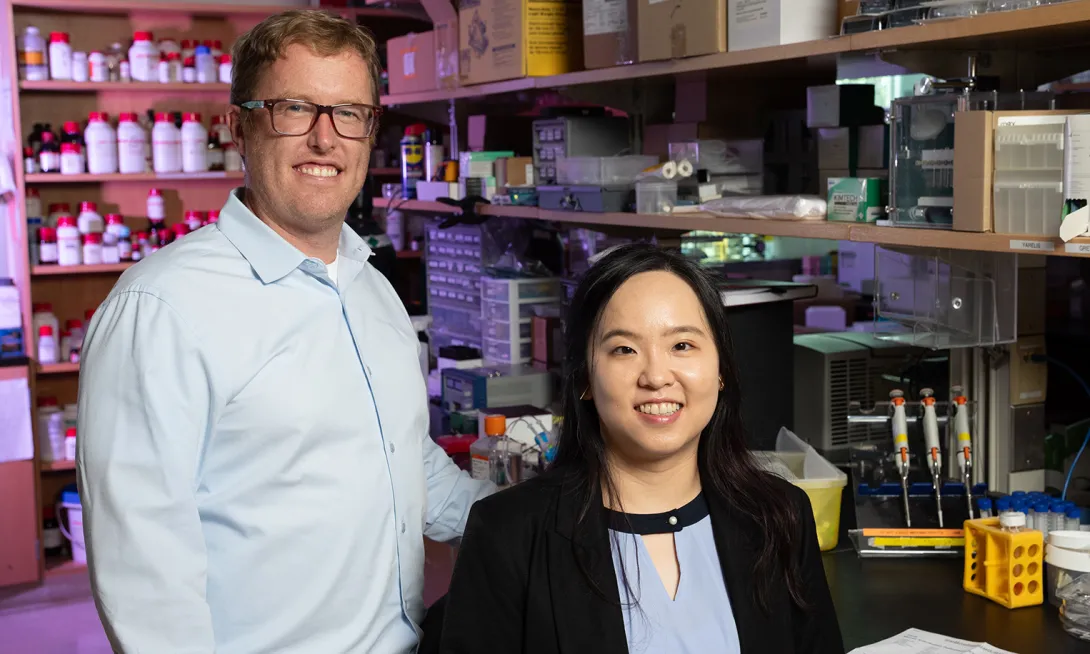
Brandon Dixon, left, and Shao-Yun Hsu are working to improve lymph node transplant surgery, a delicate procedure Hsu spent years training to perform as a microsurgeon in Taiwan. (Photo: Candler Hobbs)
Shao-Yun Hsu kept seeing the same name on research study after research study: Brandon Dixon, an engineer at Georgia Tech.
Hsu, a microsurgeon in Taiwan, was trying to figure out how to help her patients with lymphedema — an uncomfortable and life-limiting swelling in limbs that results from lymph nodes failing to drain fluid from an arm or leg.
Hsu had what she thought was a basic question: exactly how much fluid each small lymphatic vessel could drain. And as she dug into the clinical research, she saw Dixon’s name over and over.
Spoiler alert: There’s no good answer to Hsu’s question. At least not yet. But the search has brought her to Atlanta to pursue a biomedical engineering Ph.D. in Dixon’s lab.
Together, they’re embarking on a new project with support from the National Institutes of Health (NIH) that could one day help Hsu’s patients by making a lymph node transplant a viable option for many more people who suffer from lymphedema.
News Contact
Joshua Stewart
College of Engineering
Jul. 10, 2025
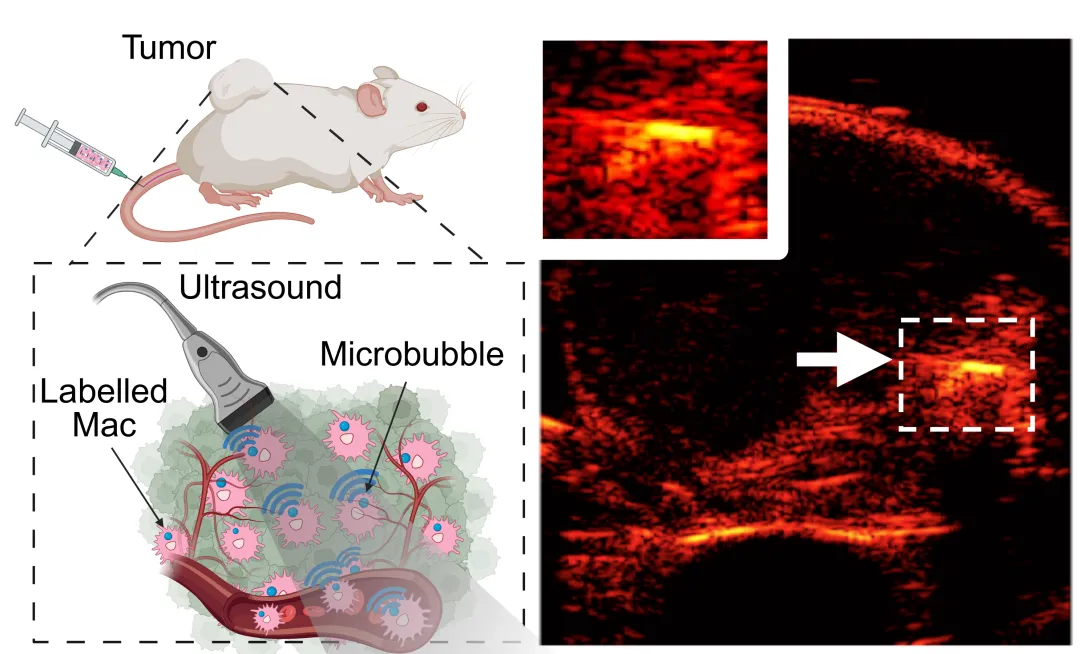
Researchers at Georgia Tech have developed a new approach to cancer imaging and therapy.
The study, led by Costas Arvanitis, associate professor in the George W. Woodruff School of Mechanical Engineering and the Wallace H. Coulter Department of Biomedical Engineering, explores a noninvasive method for tracking immune cells in real time using ultrasound. The study was recently published in the journal Nature Communications.
Read the full story on the George W. Woodruff School of Mechanical Engineering website.
News Contact
Ashley Ritchie
George W. Woodruff School of Mechanical Engineering