
Dec. 05, 2023
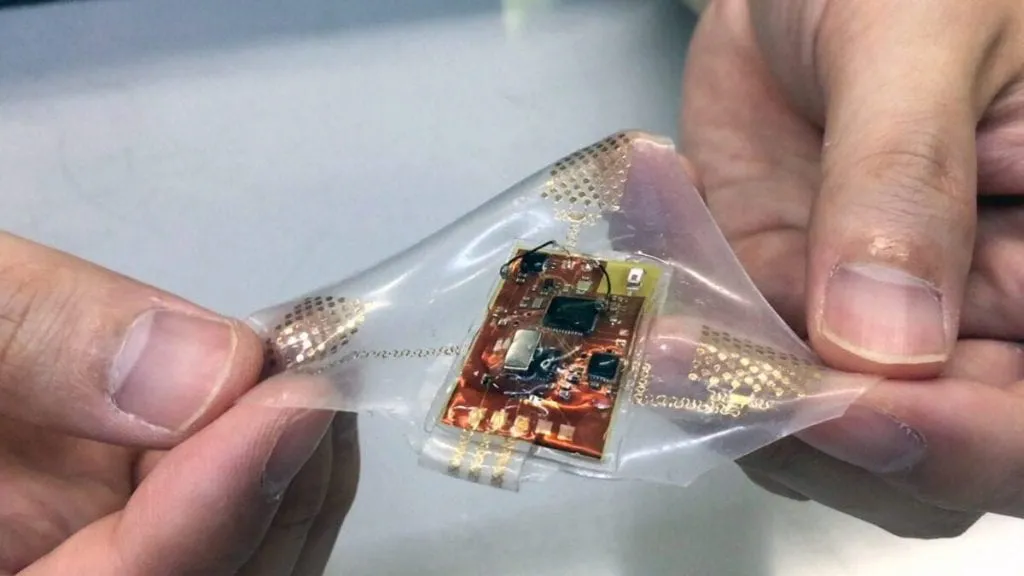
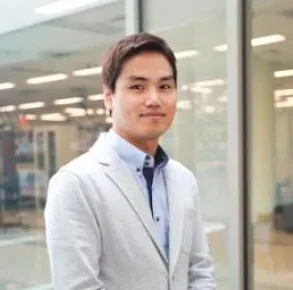
A new research center in the Institute for Electronics and Nanotechnology (IEN) will help bring together human-centered bioelectronics technology research to improve human healthcare and expand human-machine interface technologies.
The Wearable Intelligent Systems and Healthcare (WISH) Center will work to push innovation in wearable sensors and electronics technologies. Focus areas of the center will include electronics, artificial intelligence, biological science, material sciences, manufacturing, system design, and medical engineering.
“We are excited by the promise of bioelectronics improving human health and all the exciting science engineering that is required to make it a reality,” said Michael Filler, interim executive director of IEN.
WISH is directed by W. Hong Yeo, associate professor in Georgia Tech’s George W. Woodruff School of Mechanical Engineering and the Wallace H. Coulter Department of Biomedical Engineering at Georgia Tech and Emory, and Yuhang Hu, associate professor in the School of Chemical and Biomolecular Engineering at Georgia Tech.
“I founded WISH to bring together Georgia Tech’s expertise in various disciplines and to create opportunities for developing wearable bioelectronics and human-machine technologies leading to better lives and communities,” said Yeo.
Yeo’s research focuses on developing soft sensors, electronics and robotics for health monitoring and disease diagnosis at the intersection of human and machine interaction. Other researchers in the center represent disciplines from across Georgia Tech’s Colleges of Engineering, Computing, Sciences, Design, and Liberal Arts; Emory University; and Children’s Healthcare of Atlanta.
WISH will be one of IEN’s 10 strategic research centers, along with the 3D Systems Packaging Research Center, a graduated NSF Engineering Research Center focusing on advanced packaging using 2.5D and 3D heterogeneous integration technologies, and the Georgia Electronic Design Center, one of the world’s largest university-based semiconductor research centers. WISH is an evolution of the Center for Human-Centric Interfaces and Engineering, which received seed funding from IEN to focus on collaborative research for human-centered design, biofeedback control, and integrated nanosystems to advance human-machine interaction in the scope of healthcare.
IEN supports early-stage research in underfunded research areas that span all disciplines in science and engineering through its seed grant programs, which focus on research in biomedicine, electronics, optoelectronics and photonics, and energy applications.
News Contact
Amelia Neumeister, Research Communications
Dec. 04, 2023
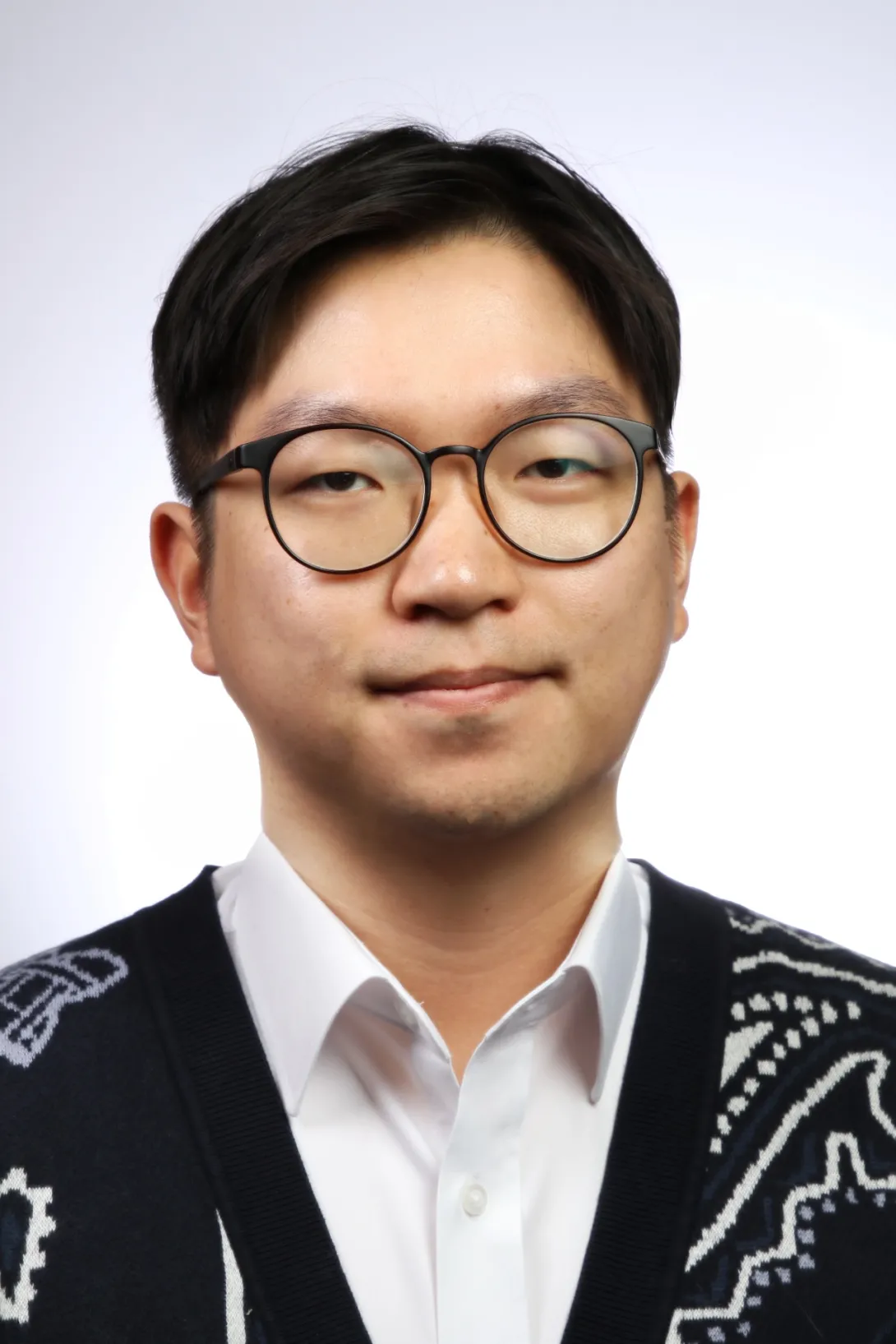
Dongsuk Sung, Ph.D. student studying biomedical engineering in the joint Georgia Tech and Emory University program, wanted to do research that people don’t think about but is very important in reality.
“Brain temperature was under-studied but a critical marker for our brain health, and clinicians in emergency departments told me that they need a tool to predict brain temperature accurately to treat patients better,” said Sung. “I have always wanted to help patients have longer, healthier lives after medical treatments.”
Sung’s research includes the study and development of “next generation techniques for the estimation of human brain temperature.”
According to Sung, core body temperature has been used as a substitute to brain temperature due to a lack of non-invasive techniques. However, it has been reported that the core body temperature and the brain temperature can be different after certain injuries, diseases, or strokes.
The goal of Sung’s dissertation is to develop a method to predict brain temperature in an efficient and effective way. He developed a computational model that is both non-invasive and uses patient-specific data.
“Ultimately, my research on computational model-based brain thermometry will potentially improve decisions from doctors and providing better patient outcomes, particularly in brain-based diseases or injuries, enabling longer and healthier lives,” said Sung.
Sung’s research titled, “Comparisons of healthy human brain temperature predicted from biophysical modeling and measured with whole brain MR thermometry,” was published in Scientific Reports and recently earned a Chih Foundation Graduate Student Research Publication award.
Sung is one of four graduate students awarded the 2023 Chih Foundation Graduate Student Research Publication. Congratulations to the following 2023 Chih Foundation Graduate Student Research Publication award recipients: Andrés-Felipe Castro Méndez, Dongsuk Sung, Hantian Zhang, and Vanessa Oguamanam.
Each awardee receives $2,500 to pursue their research.
“This award will provide me with more opportunities for me to explore deeply into this topic and introduce this topic to general audiences,” said Sung. “I’m really grateful for receiving this award so that I can confidently keep pursuing the biomedical research using medical imaging.”
News Contact
Sara Franc
Communications Officer
Office of Graduate and Postdoctoral Education
sara.franc@gatech.edu
Nov. 29, 2023
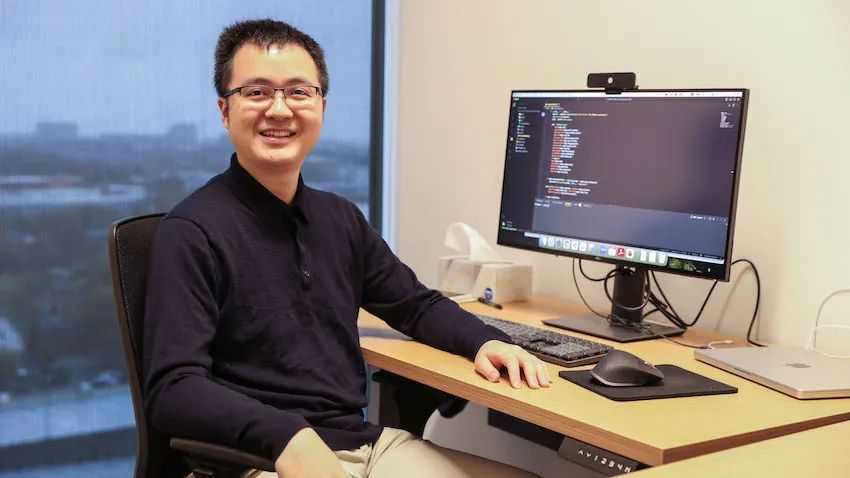
The National Institute of Health (NIH) has awarded Yunan Luo a grant for more than $1.8 million to use artificial intelligence (AI) to advance protein research.
New AI models produced through the grant will lead to new methods for the design and discovery of functional proteins. This could yield novel drugs and vaccines, personalized treatments against diseases, and other advances in biomedicine.
“This project provides a new paradigm to analyze proteins’ sequence-structure-function relationships using machine learning approaches,” said Luo, an assistant professor in Georgia Tech’s School of Computational Science and Engineering (CSE).
“We will develop new, ready-to-use computational models for domain scientists, like biologists and chemists. They can use our machine learning tools to guide scientific discovery in their research.”
Luo’s proposal improves on datasets spearheaded by AlphaFold and other recent breakthroughs. His AI algorithms would integrate these datasets and craft new models for practical application.
One of Luo’s goals is to develop machine learning methods that learn statistical representations from the data. This reveals relationships between proteins’ sequence, structure, and function. Scientists then could characterize how sequence and structure determine the function of a protein.
Next, Luo wants to make accurate and interpretable predictions about protein functions. His plan is to create biology-informed deep learning frameworks. These frameworks could make predictions about a protein’s function from knowledge of its sequence and structure. It can also account for variables like mutations.
In the end, Luo would have the data and tools to assist in the discovery of functional proteins. He will use these to build a computational platform of AI models, algorithms, and frameworks that ‘invent’ proteins. The platform figures the sequence and structure necessary to achieve a designed proteins desired functions and characteristics.
“My students play a very important part in this research because they are the driving force behind various aspects of this project at the intersection of computational science and protein biology,” Luo said.
“I think this project provides a unique opportunity to train our students in CSE to learn the real-world challenges facing scientific and engineering problems, and how to integrate computational methods to solve those problems.”
The $1.8 million grant is funded through the Maximizing Investigators’ Research Award (MIRA). The National Institute of General Medical Sciences (NIGMS) manages the MIRA program. NIGMS is one of 27 institutes and centers under NIH.
MIRA is oriented toward launching the research endeavors of young career faculty. The grant provides researchers with more stability and flexibility through five years of funding. This enhances scientific productivity and improves the chances for important breakthroughs.
Luo becomes the second School of CSE faculty to receive the MIRA grant. NIH awarded the grant to Xiuwei Zhang in 2021. Zhang is the J.Z. Liang Early-Career Assistant Professor in the School of CSE.
[Related: Award-winning Computer Models Propel Research in Cellular Differentiation]
“After NIH, of course, I first thanked my students because they laid the groundwork for what we seek to achieve in our grant proposal,” said Luo.
“I would like to thank my colleague, Xiuwei Zhang, for her mentorship in preparing the proposal. I also thank our school chair, Haesun Park, for her help and support while starting my career.”
News Contact
Bryant Wine, Communications Officer
bryant.wine@cc.gatech.edu
Oct. 20, 2023

In keeping with a strong strategic focus on AI for the 2023-2024 Academic Year, the Institute for Data Engineering and Science (IDEaS) has announced the winners of its 2023 Seed Grants for Thematic Events in AI and Cyberinfrastructure Resource Grants to support research in AI requiring secure, high-performance computing capabilities. Thematic event awards recipients will receive $8K to support their proposed workshop or series and Cyberinfrastructure winners will receive research support consisting of 600,000 CPU hours on the AMD Genoa Server as well as 36,000 hours of NVIDIA DGX H-100 GPU server usage and 172 TB of secure storage.
Congratulations to the award winners listed below!
Thematic Events in AI Awards
Proposed Workshop: “Foundation of scientific AI (Artificial Intelligence) for Optimization of Complex Systems”
Primary PI: Peng Chen, Assistant Professor, School of Computational Science and Engineering
Proposed Series: “Guest Lecture Seminar Series on Generative Art and Music”
Primary PI: Gil Weinberg, Professor, School of Music
Cyber-Infrastructure Resource Awards
Title: Human-in-the-Loop Musical Audio Source Separation
Topics: Music Informatics, Machine Learning
Primary PI: Alexander Lerch, Associate Professor, School of Music
Co-PIs: Karn Watcharasupat, Music Informatics Group | Yiwei Ding, Music Informatics Group | Pavan Seshadri, Music Informatics Group
Title: Towards A Multi-Species, Multi-Region Foundation Model for Neuroscience
Topics: Data-Centric AI, Neuroscience
Primary PI: Eva Dyer, Assistant Professor, Biomedical Engineering
Title: Multi-point Optimization for Building Sustainable Deep Learning Infrastructure
Topics: Energy Efficient Computing, Deep Learning, AI Systems OPtimization
Primary PI: Divya Mahajan, Assistant Professor, School of Electrical and Computer Engineering, School of Computer Science
Title: Neutrons for Precision Tests of the Standard Model
Topics: Nuclear/Particle Physics, Computational Physics
Primary PI: Aaron Jezghani - OIT-PACE
Title: Continual Pretraining for Egocentric Video
Primary PI: : Zsolt Kira, Assistant Professor, School of Interactive Computing
Co-PI: Shaunak Halbe, Ph.D. Student, Machine Learning
Title: Training More Trustworthy LLMs for Scientific Discovery via Debating and Tool Use
Topics: Trustworthy AI, Large-Language Models, Multi-Agent Systems, AI Optimization
Primary PIs: Chao Zhang, School of Computational Science and Engineering & Bo Dai, College of Computing
Title: Scaling up Foundation AI-based Protein Function Prediction with IDEaS Cyberinfrastructure
Topics: AI, Biology
Primary PI: Yunan Luo, Assistant Professor, School of Computational Science and Engineering
- Christa M. Ernst
News Contact
Christa M. Ernst - Research Communications Program Manager
Robotics | Data Engineering | Neuroengineering
Oct. 11, 2023
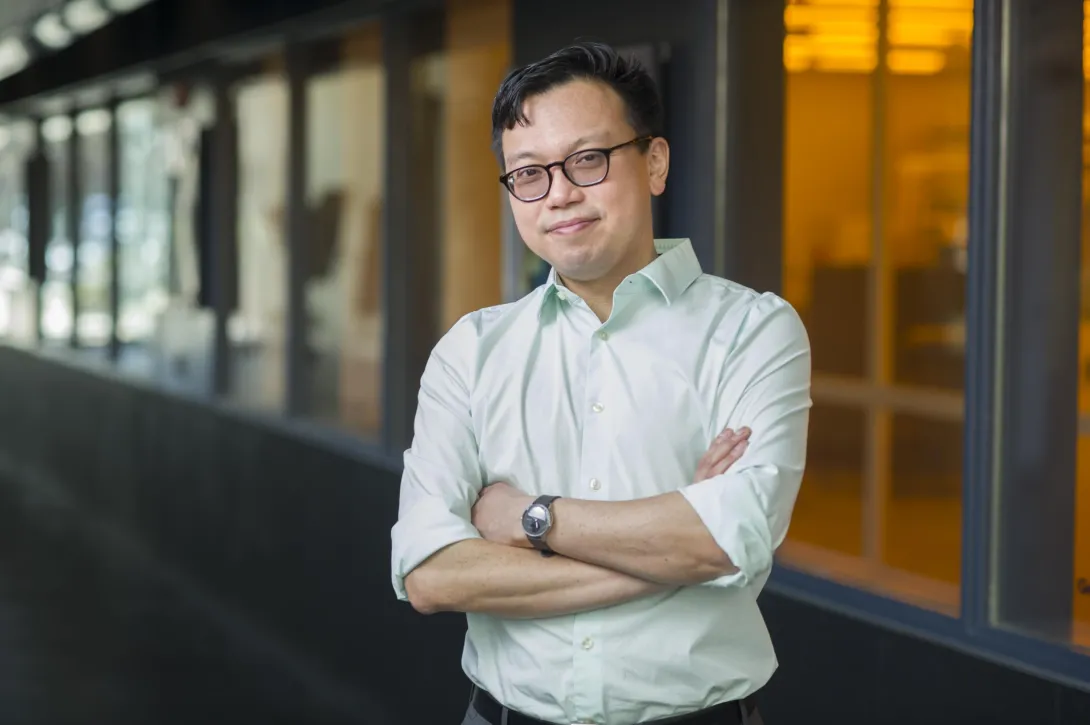
The list of titles following Wilbur Lam’s name is long, given his appointments at Georgia Tech, Emory University, and Children’s Healthcare of Atlanta. Now he has a new one: member of the National Academy of Medicine (NAM).
Lam is one of 100 newly elected members of the Academy for 2023, an honor reserved for people who’ve made major contributions to medicine, healthcare, and public health. He joins a roster of just 2,400 or so individuals. Membership is considered one of the highest recognitions in health and medicine.
“This honor is extremely humbling because it’s given to me as one person. But it really reflects the team effort that’s surrounded me all these years,” said Lam, W. Paul Bowers Research Chair in the Wallace H. Coulter Department of Biomedical Engineering at Georgia Tech and Emory University.
“If you look at all the work that they’re recognizing me for, it starts with my laboratory, then goes beyond — into the centers that we’ve developed related to diagnostic technologies, and then, all the work that we’ve done for the National Institutes of Health during the pandemic.”
New NAM members are nominated and elected by current members, and they’re expected to contribute to National Academies activities providing independent analysis and advice to help the nation tackle complex problems.
Lam, who is a pediatric hematologist/oncologist at Children’s Healthcare of Atlanta in addition to a researcher, was cited “for outstanding contributions in point-of-care, home-based, and/or smartphone-enabled diagnostics that are changing the management of pediatric and hematologic diseases as well as development of microsystems technologies as research-enabling platforms to investigate blood biophysics.”
Read the full article on the College of Engineering website
News Contact
Joshua Stewart (jstewart@gatech.edu)
Sep. 21, 2023
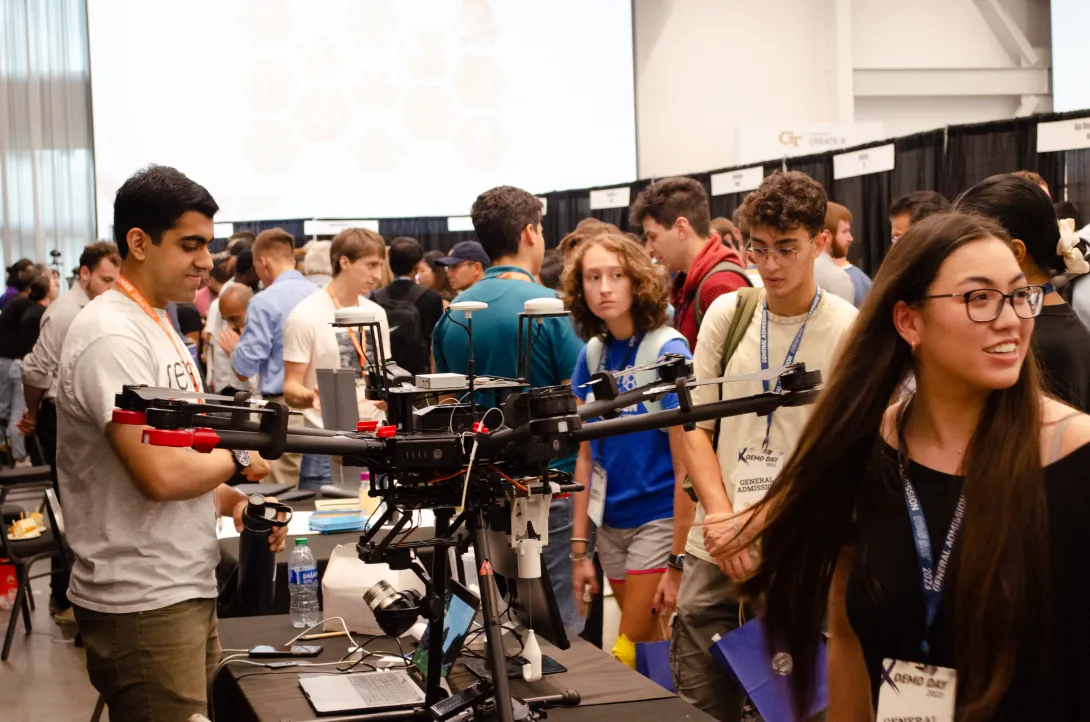
For the 10th Demo Day, the Tech community came out in droves to support 75 Georgia Tech startups created by students, alumni, and faculty. In booths spread out in Exhibition Hall, they displayed their products, which ranged from AI and robotic training gear to fungi fashion, and more. Over four hours, more than 1,500 people filed in and out of the hall. Founders pitched their innovations to business and community leaders, as well as students and the public, eager to witness groundbreaking innovations across various industries.
Kiandra Peart, co-founder of Reinvend, said the amount of people surprised her.
“After the first VIP session was over, hundreds of people were just flooding through the door at all times,” she said. “We had to give the pitch a million times to explain it to a lot of different people, but they seemed really, really engaged, and we were also able to get a few interactions.”
Reinvend is working through a potential deal with Tech Dining on using their vending machines, which would expand food options for students after dining halls close.
Demo Day is the culmination of the 12-week summer accelerator, Startup Launch, where founders learn about entrepreneurship and build out their businesses with the support of mentors. Along with guidance from experts in business, teams receive $5,000 in optional funding and $30,000 of in-kind services. This year, the program had over 100 startups and 250 founders, continuing the growth trend for CREATE-X. The program aims to eventually support the launch of 300 startups per year.
Peart said the experience taught the team how to better pitch to potential clients and formulate a call to action after a successful interaction.
Since its inception in 2014, CREATE-X has had more than 5,000 participate in their programming, which is segmented in three areas: Learn, Make, and Launch. Besides providing resources, the program also helps founders through its rich entrepreneurial ecosystem.
“We want to increase access to entrepreneurship. That’s the heart of the program, and it’s the goal to have everyone in the Tech community to have entrepreneurial confidence. The energy and passion of our founders to solve real-world problems — it’s palpable at Demo Day. I’d say it’s the best place to see what we’re about and understand what this program offers,” said Rahul Saxena, director of CREATE-X, who also reminded founders that the connections they make here would last for years.
At its core, CREATE-X is a community geared toward innovation. Participants were at the forefront of integrating OpenAI's GPT-3 when it was not yet widely adopted. They share their insights with each other, and the program has mentors coming back from even the very first cohort. Starting with eight teams, CREATE-X has now launched more than 400 startup teams, with founders representing 38 academic majors. Its total startup portfolio valuation is above $1.9 billion.
Peart compared CREATE-X to an energy drink.
“After going through the program, I was really able to refine my ideas, talk with other people, and now that the program is over, I feel energized,” she said. “I think that having an accelerator right at home allows students who may have never considered starting a company, or didn't have access to an accelerator, to actually utilize their resources from their school and their own community to get their companies started.”
Although Demo Day just ended, CREATE-X is already gearing up for the next cohort. Applications for Startup Launch opened Aug. 31, the same day as Demo Day.
“Consider interning for yourself next summer,” said Saxena. “We know you have ideas about solutions to address global challenges. You’re at Tech; you have the talent. Let us help you with the resources and support system.”
Georgia Tech students, alumni, and faculty can apply to GT Startup Launch now. The priority deadline is Nov. 6. To learn more about CREATE-X, find CREATE-X events to build a startup team, or learn more about entrepreneurship, visit th CREATE-X website
News Contact
Breanna Durham
Marketing Strategist
Sep. 18, 2023

This fall, the Institute will launch a foundational, interdisciplinary program to lead in research related to neuroscience, neurotechnology, and society. The Neuro Next Initiative is the result of the growth of GTNeuro, a grassroots effort over many years that has led in the hiring of faculty studying the brain and the creation of the B.S. in neuroscience in the College of Sciences, and contributed to exciting neuro-related research and education at Georgia Tech.
Neurosciences research holds enormous potential for wide-ranging health and societal impact, and Georgia Tech's culture of applied research and integrated interdisciplinary liberal arts scholarship is uniquely positioned to create the environment in which Neuro Next can become an international leader in the discovery, innovation, and translation in neuroscience and neurotechnology.
Guided by faculty members Christopher Rozell, professor and Julian T. Hightower Chair in the School of Electrical and Computer Engineering; Simon Sponberg, Dunn Family Associate Professor of Physics and Biological Sciences; and Jennifer S. Singh, associate professor in the School of History and Sociology, the Neuro Next Initiative at Georgia Tech will lead the development of a community that supports collaborative research, unique educational initiatives, and public engagement in this critical field.
“Georgia Tech has a very strong, but decentralized, neuroscience community,” said Sponberg. “The Neuro Next Initiative really sprung from a lot of thoughtful input from dozens of people across many schools, colleges, and roles, which reflects how neuro interfaces so broadly. Our goal with this initiative is really to open a new front door to the neuro community here, to highlight the leadership that Georgia Tech is already taking in many areas of neuro-related research, and to create new ways to support our interdisciplinary work.” Aiming to foster a broad community that is passionate about shaping the frontiers of neuroscience and neurotechnology to better serve humanity, the initiative will launch in October.
“Neuroscience and neurotechnology have advanced dramatically in the last few years, making it clear that there are few endeavors that have as much potential societal impact as our study of the brain,” Rozell said. “Georgia Tech is uniquely positioned to build on its existing strengths to create an effort tailored to meet the scientific, technical, and social needs of these promising research trajectories. I'm excited that the Neuro Next Initiative represents the next step in creating that collaborative community.” By bringing together a cohort of faculty experts from varied disciplines, members aim to create a holistic and integrative approach to neuroscience and neurotechnology that centers real human impact and broad accessibility.
Singh noted, “Neuro Next is an important and exciting initiative that is prioritizing the inclusion of a range disciplinary expertise, including social science, humanities, business, and the arts, to critically investigate how we can research and develop neurotechnologies that are accessible, responsible, and socially just. Building a collaborative neurocommunity that centers societal impacts from the start shares the commitment of Georgia Tech to developing leaders who advance technology and improve the human condition.”
Attend the Neuro Next Launch Event | Oct. 25 – 26 | Georgia Institute of Technology
Register for the Upcoming Neuro Next Launch Event Here
For faculty interested in participating in Neuro Next, click here to join our affiliates list.
News Contact
Christa M. Ernst | christa.ernst@research.gatech.edu
Aug. 28, 2023
Researchers from Georgia Tech's School of Civil and Environmental Engineering received a $2.1 million grant from the U.S. Environmental Protection Agency (EPA) to investigate contaminants in drinking water.
The EPA is funding the research on the occurrence and concentration of pathogens and disinfection by-products and the environmental conditions favorable to their growth in drinking water distribution systems.
Carlton S. Wilder Associate Professor Ameet Pinto, the project's principal investigator, said disinfection is used to kill microorganisms to make drinking water safe for consumption. Yet, disinfecting to kill microorganisms can also result in formation of harmful disinfection by-products.
“Our key project goal is to shine a light on when, where, and why pathogens and disinfection by-products occur and co-occur in drinking water systems across the country,” Pinto said. “This will help water utilities better navigate the tradeoff of managing microbiological and chemical risks in drinking water and thus enhance the reliability of safe drinking water supply to their consumers.”
According to the EPA, opportunistic pathogens such as Legionella pneumophila, nontuberculous mycobacteria, and Pseudomonas aeruginosa can grow in drinking water systems and pose potential risks to public health. The occurrence of these and other microbial pathogens is also associated with contaminated storage facilities and other problems in water distribution systems such as backflow and low-pressure incidents.
If left untreated, these contamination events can lead to outbreaks of gastrointestinal, respiratory, and other waterborne illnesses. The disinfectants used to control these pathogens can cause additional problems by reacting with natural organic matter, bromide, and other contaminants to form disinfectant by-products, which also have the potential to be harmful to human health.
Georgia Tech is one of four institutions selected by the EPA to receive nearly $8.5 million in grant funding, along with the University of Minnesota, Michigan State University, and the University of Texas. The Georgia Tech team includes Turnipseed Family Chair & Professor Ching-Hua Huang and Assistant Professor Katy Graham.
News Contact
Melissa Fralick | melissa.fralick@ce.gatech.edu
Aug. 14, 2023


Three of 12 projects that received funding from the U.S. National Science Foundation’s Using the Rules of Life to Address Societal Challenges are led by researchers in Georgia Tech’s School of Chemical and Biomolecular Engineering (ChBE).
The 12 projects received a total of $27 million in investment, supporting the use of knowledge learned from studying the Rules of Life — the complex interactions within and between a broad array of living systems across biological scales, and time and space — to tackle pressing societal challenges, including clean water, planet sustainability, carbon capture, biosecurity, and antimicrobial resistance to antibiotics. The Georgia Tech-related projects received a total of $7.7 million.
"The enormous opportunity to apply biological principles to solving the biggest problems of today is one we cannot take lightly," said Susan Marqusee, NSF assistant director for Biological Sciences. "These projects will use life to improve life, including for many underprivileged communities and groups."
The Georgia Tech-led projects include:
- Co-Producing Knowledge, Biotechnologies and Practices to Enhance Biological Nitrogen Fixation for Sustainable Agriculture. $2.67 million (Georgia Tech and Worcester Polytechnic Institute, award 2319430)
The project’s principal investigator is Lily Cheung, assistant professor of ChBE@GT, and the co-principal investigators are Shuichi Takayama, professor of biomedical engineering at Georgia Tech, and William San Martín, assistant professor of global environmental science, technology, and governance at Worcester Polytechnic Institute.
The researchers will address food security through low-cost technology based on biological principles to increase nitrogen content in soils and improve crop production on marginal lands.
- Next-Generation Biological Security and Bio-Hackathon, $2.81 million (Georgia Tech and Massachusetts Institute of Technology, award 2319231).
The project’s principal investigator is Corey Wilson, professor of ChBE@GT, and the co-principal investigators are Matthew Realff, professor of ChBE@GT, and Christopher Voigt, professor of biological engineering at Massachusetts Institute of Technology.
The researchers will create programmable, biological combination lock methods — "on and off" states — for using synthetic biology safely, containing potentially dangerous organisms and protecting valuable ones.
- Synthetic Protocell Communities to Address Critical Sensing Challenges, $2.23 million (Georgia Tech, award 2319391).
The project’s principal investigator is Mark Styczynski, professor of ChBE@GT, and the co-principal investigators are Shuichi Takayama, professor of biomedical engineering at Georgia Tech; Brian Hammer, associate professor of biological sciences at Georgia Tech, and Neha Garg, assistant professor of chemistry and biochemistry at Georgia Tech.
The researchers will create synthetic "protocells" enabling the development of a highly sensitive, field deployable analysis system that could be used for many applications such as measuring micronutrient deficiencies in undernourished populations.
News Contact
Brad Dixon, braddixon@gatech.edu
Jun. 21, 2023
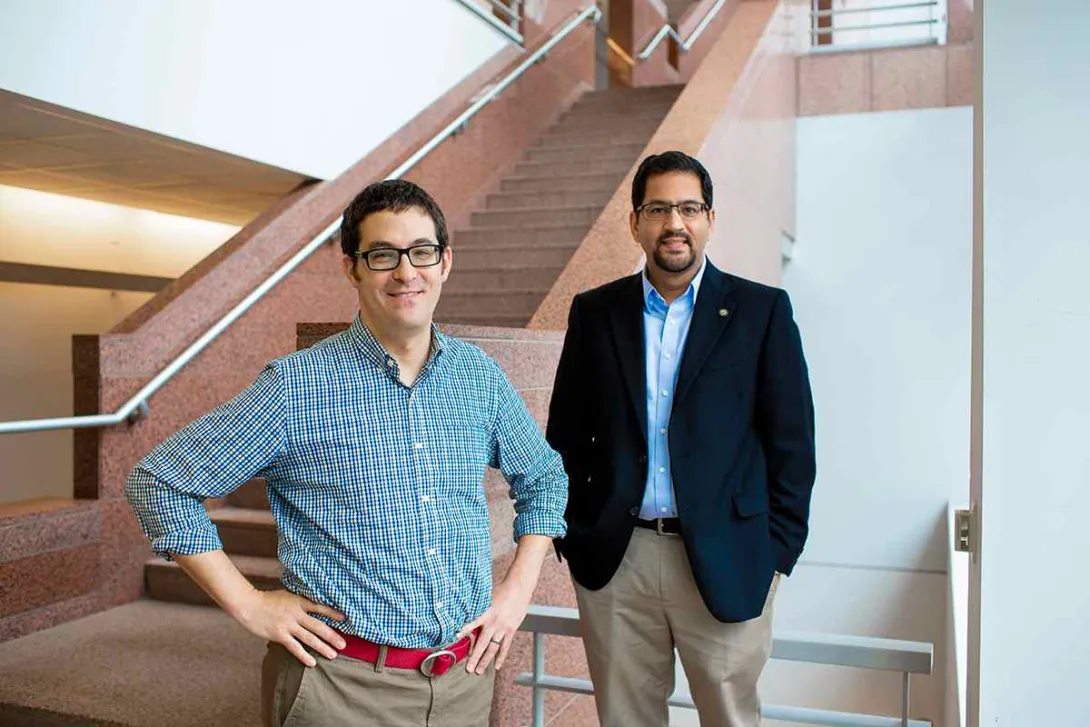
Emory University and Georgia Institute of Technology received a $4.8 million grant from the National Institutes of Health (NIH) BRAIN Initiative to establish a center to make and globally distribute next-generation micro-technologies for neuroscience. The funds will be awarded over a five-year period.
The Center for Advanced Motor BioEngineering and Research will make cutting-edge biosensors that were developed jointly by the two universities, disseminate them to neuroscientists across the country and around the world, and provide training and other resources for how to use the biosensors to explore a range of research questions.
Co-principal investigators for the project are Samuel Sober, Emory associate professor of biology, and Muhannad Bakir, Georgia Tech professor of electrical and computer engineering.
“Our technology allows you to see data that was invisible before — the electrical signals that single neurons in the spinal cord send to muscles all over the body during complex movements,” Sober says. “This information is like the missing link for trying to understand how the brain controls behavior.”
“The potential to develop new microscale technologies — with advances commonly used in semiconductor chip manufacturing — to enable scientific and medical discoveries in neuroscience is incredibly motivating,” Bakir adds. “It’s the inspiration driving this project.”
The NIH Brain Research Through Advancing Neurotechnologies (BRAIN) Initiative is aimed at revolutionizing understanding of the human brain. The five-year grant awarded to Emory and Georgia Tech is part of the BRAIN Initiative’s U24 Program, which supports projects to broadly disseminate validated tools and resources for neuroscience research.
Joining the power of two universities
Sober and Bakir combined the expertise of their labs to develop their breakthrough technology — biosensors that precisely record electrical signals from the nervous system to muscles that control movement.
Sober works at the forefront of describing the computational signals that the brain uses to control muscles. He’s particularly interested in how the brain learns, or relearns, motor skills — for example, in a recovering stroke patient.
Currently, clinicians use electromyography, or EMG, as a tool to diagnose the health of muscles and the motor neurons that control them. EMG typically involves the use of a tiny wire, or electrode, inserted into a muscle to record the electrical activity in the muscles.
Sober wanted a much finer resolution of data and more practical methods for his research on how the brain activates and controls muscles in songbirds as they learn to sing. He needed devices tiny enough to implant in the birds’ vocal cords. The devices also needed flexibility and strength to bend with the movement of a muscle without breaking. And each had to contain an array of gold electrodes to gather high-resolution data.
Enter Bakir, who works at the frontier of flexible electronics.
The unique collaboration between the two researchers allowed them to forge new scientific territory. “We leveraged state-of-the art microfabrication tools to solve a problem deeply rooted in the life sciences,” Bakir says.
A tiny device delivers big-picture insights
The researchers’ teams developed flexible electrode arrays that include microscopic 3D contacts for recording muscle activity. Each microarray includes one or more threads, about the width of a human hair. The devices are so tiny that they can be sewn into a muscle like a suture thread or even loaded into a syringe and injected into the muscle, making them minimally invasive. An earlier version of these technologies was developed in the Georgia Tech PhD work of Muneeb Zia, who is currently a Georgia Tech research faculty member.
They dubbed the new devices “Myomatrix arrays,” incorporating the Greek work “myo” for muscle. The high-tech biosensors allow researchers for the first time to record high-resolution data across large groups of muscles simultaneously while subjects perform complex behaviors.
To help test and refine the devices, the researchers have already given them to more than 100 different labs in the United States, Canada, Europe and Asia where they have been used to explore neuroscience questions in a variety of species — from the crawling muscles in a caterpillar to the locomotion of a mouse leg and the reaching movements of a monkey’s arm.
Setting the stage for clinical use
Comparing data from across species will help speed discoveries of the normal functioning of the neuromuscular system. That sets the stage for the Myomatrix arrays to become a valuable tool in clinical settings.
The researchers recently completed initial experiments with the biosensors in healthy humans, marking another major step forward.
The devices may eventually enable doctors to diagnose a neurogenerative disease earlier so that interventions can start sooner. The sensitivity of the Myomatrix arrays could also potentially measure any improvement a patient may experience after taking a drug or other therapy.
The BRAIN Initiative grant will allow the researchers to disseminate the technology to even more labs to do longer-term studies.
“A lot of times when new scientific technology gets developed it can be jealously guarded by the inventors for years,” notes Sober. “One of the big impacts of this technology is that we’ve already been giving it away as much as possible in an open-science way. And that’s helped us in turn to keep improving the technology because we are getting so much feedback.”
The Georgia Tech team will continue to fabricate and package the Myomatrix arrays using advanced microelectronic technologies in special “cleanrooms” where the air is purified to such extreme levels that the number of dust particles in the environment can be counted.
A global educational component
The Emory team will continue to work on assembling and testing the devices, in addition to training users from around the world in the use of technology via Zoom meetings and in-person sessions.
“This project is not just about making and disseminating the devices; it’s also a teaching mission with a big educational component,” Sober says. “We believe that this technology is going to have a major impact on the field of motor neuroscience.”
The project members will work with the NIH to ensure that the devices are distributed to a diverse range of users, institutions and research areas, consistent with the BRAIN Initiative’s goal to make the latest neuroscience tools more broadly accessible.
“We’ll be serving scientific communities that historically have not had access to such technologies or manufacturing capabilities,” Bakir says. “Emory and Georgia Tech are opening the doors to our facilities and to our expertise so that anyone who works in motor neuroscience can access and leverage these new devices, which require hundreds of millions of dollars to build and equip. This democratization of the technology will help to advance motor neuroscience at a more rapid pace.”
This story was originally published by Emory University. Check out their article here.
Photo Caption
Co-principal investigators for the project are (left) Samuel Sober, Emory associate professor of biology, and Muhannad Bakir, Georgia Tech professor of electrical and computer engineering. They combined the expertise of their labs to develop their breakthrough technology.
— Ann Watson, Emory Photo/Video
News Contact
Carol Clark