
Jan. 05, 2024
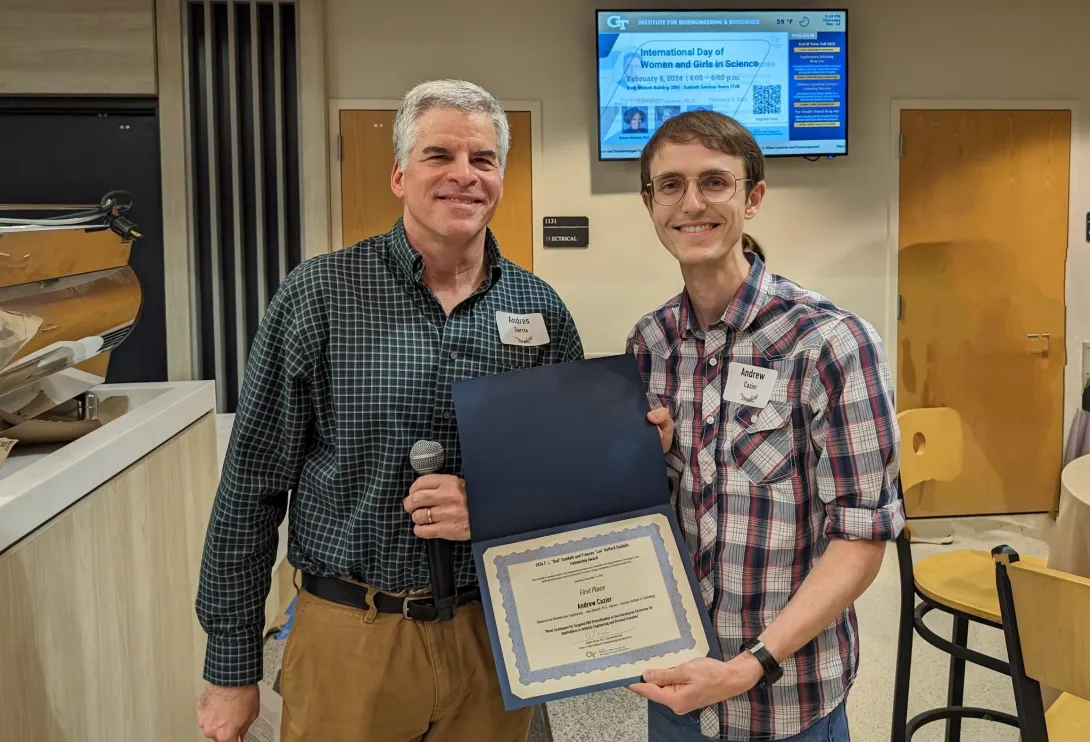
Join us in congratulating the 2024 Suddath Award Winners!
The F.L. "Bud" Suddath and Frances "Lee" Gafford Suddath Fellowship Award was established by Bud Suddath's family, friends, and colleagues in memory of his contributions to Georgia Tech. The award is given annually to graduate students at Georgia Tech who have demonstrated significant bio-research accomplishments while conducting biological or biochemical research at the molecular or cellular level.
After considerable deliberation, a committee of IBB faculty selected three Ph.D. candidates as the 2024 Suddath Award winners from an extremely strong group of applicants:
In Third place, with a cash award of $250
Raghav Tandon
Raghav is working on his Ph.D. in Machine Learning with Prof. Cassie S. Mitchell within the Coulter Department of Biomedical Engineering.
Raghav’s research is focused on using machine learning algorithms to identify biomarkers, from diverse data modalities such as omics and neuroimaging, to model the progression of neuro-degenerative diseases, such as Alzheimer’s Disease.
In Second place, with a cash award of $500
Kathryn Loeffler
Kathryn is working on her Ph.D. in Bioengineering with Prof. Ravi Kane within the School of Chemical Engineering
Kathryn’s research has focused on the design of broadly protective coronavirus vaccines. This includes a vaccine that protects against multiple coronaviruses variants, as well as a cocktail vaccine developed to protect against not just SARS-CoV-2 and CoV-1 variants, but also various bat and pangolin coronaviruses that could pose a threat to humans.
In First place, with a cash award of $1000, and the opportunity to present a research seminar at the start of the 2024 Suddath Symposium this coming March.
Andrew Cazier
Andrew is working on his Ph.D. with Prof. Johnny Blazeck within the School of Chemical and Biomolecular Engineering.
Andrew's research has focused on the development of technologies for targeted DNA diversification in Saccharomyces cerevisiae for applications in antibody engineering and directed evolution. Thenovel yeast-based platform developed by Andrew will facilitate the study of immune receptor repertoires and the isolation of clinically relevant antibodies with enhanced affinities.
IBB is excited to congratulate our 2024 Suddath Awardees and to all of the year’s applicants for their impressive accomplishments!
News Contact
Savannah Williamson
Jun. 24, 2024
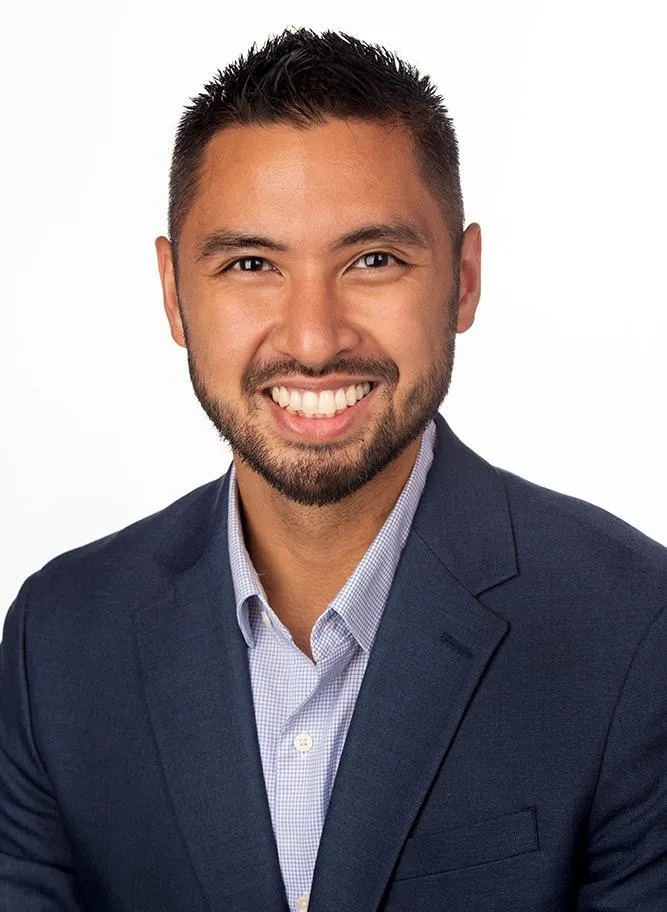
The Children's Healthcare of Atlanta Pediatric Technology Center at Georgia Tech (PTC) is excited to announce that Gian-Gabriel Garcia will serve as its Pillar 1 Co-Lead. Pillar 1 focuses on data science, machine learning, and artificial intelligence. In his new role, Garcia’s responsibilities will include setting the pillar’s strategy and vision, selecting and managing projects, overseeing various pillar activities, and working collaboratively across research groups and institutions. He will also identify cutting-edge technology and engineering solutions to implement priority projects while balancing the pragmatism and feasibility of these approaches.
The PTC brings clinical experts together with Georgia Tech scientists and engineers to develop technological solutions to problems in the health and care of children. The Center provides extraordinary opportunities for interdisciplinary collaboration in pediatrics, creating breakthrough discoveries that often can only be found at the intersection of multiple disciplines.
Garcia will work under the leadership of PTC Co-Directors Dr. Stanislav Emelianov (Georgia Tech) and Dr. Wilbur Lam (Children’s) of Georgia Tech’s Wallace H. Coulter Department of Biomedical Engineering at Georgia Tech and Emory University. Dr. Naveen Muthu of Children’s Physician Group will be Garcia’s counterpart in leading Pillar 1.
Since 2021, Garcia has served as an assistant professor in Georgia Tech’s H. Milton Stewart School of Industrial and Systems Engineering. His research group has published numerous journal and conference papers, and book chapters related to data-driven machine learning and optimization in healthcare, including various applications in diagnosis and disease management of concussion, opioids, cardiovascular disease, glaucoma, and maternal health. He has received federal funding as a primary investigator from both the National Institutes for Health and the Agency for Healthcare Research and Quality. He and his research group have received several national and international recognitions for their work.
Garcia also teaches graduate-level courses in machine learning and optimization for healthcare. He received his Ph.D. in industrial and operations engineering at the University of Michigan and was a postdoctoral fellow at the MGH Institute for Technology Assessment.
News Contact
Savannah Williamson
Jun. 25, 2024
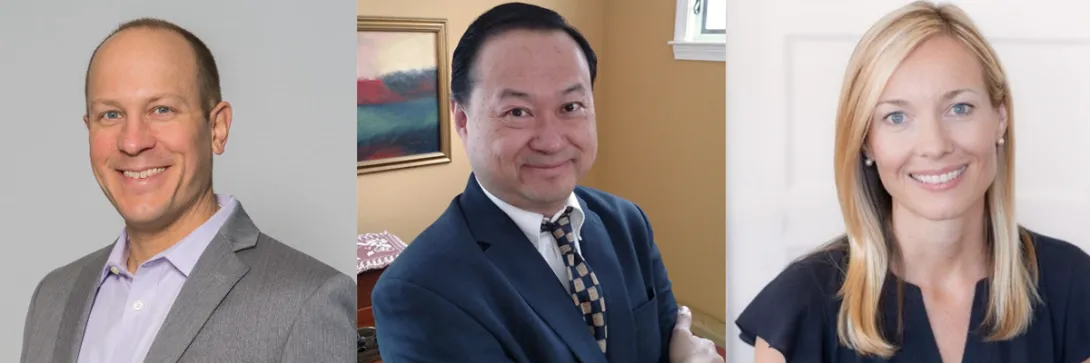
The Institute for Bioengineering and Bioscience (IBB) is excited to announce the following updates to its external advisory board.
Chris Gemmiti will serve as the new board chair. Gemmiti was the vice president of technical operations at CRISPR Therapeutics. He has dedicated his 25-year career to cell therapy and regenerative medicine, through both industry and academic roles. Before his last role, Gemmiti was the CMC lead for CASGEVY, the first CRISPR gene-edited therapeutic approved by any health authority (sickle cell anemia and b-thalassemia). He is also credited with establishing TechOps and CMC for the In Vivo delivery franchise, resulting in two programs currently in clinical trials.
Previously, he was the senior vice president of operations at Sentien, where he had broad operational responsibilities for the clinical-stage MSC company. He held a key role in opening and executing Sentien’s IND for Covid-19 patients experiencing multi-organ failure. Gemmiti joined Sentien from Harvard’s Wyss Institute, where he guided translation strategy and technical development of early-stage regenerative medicine technologies. While at Organogenesis Inc., he was the business unit director responsible for the clinical development, FDA approval (2012), and commercial launch of GINTUIT™, the first manufactured allogeneic cell therapy approved by BLA. He holds a Ph.D. in biomedical engineering from Georgia Tech, where he was an NSF fellow in entrepreneurship, and a B.S. in biomedical engineering from Johns Hopkins University. Gemmiti has served on advisory boards at Georgia Tech, Johns Hopkins, Duke University, TERMIS, Cell Therapy Bioprocessing, and Alliance for Regenerative Medicine.
Erin Dasher will serve as vice chair of the board. She is the founder and CEO of Glui Inc., a global advertising company that creates engagement experiences in all digital environments. An accomplished entrepreneur, investor, and lawyer, Dasher has more than 25 years of experience in venture capital, private equity, M&A, and investment management. Her diverse career includes serving as principal and general counsel at STW Fixed Income Management, where she helped grow assets under management to more than $12 billion and co-led the firm's sale to Schroders.
Dasher began her career as an attorney at O’Melveny & Myers and Sheppard, Mullin, Richter & Hampton, managing significant transactions in venture capital, public and private offerings, and M&A. Her passion for innovation and community involvement is evident through her support of the Georgia Tech community and local scientific research. Dasher serves on the advisory boards for the Parker H. Petit Institute for Bioengineering and Bioscience and the Alexander-Tharpe Athletic Fund at Georgia Tech and is a member, past board member, and president-elect of the ARCS Foundation, which supports STEM students at Morehouse, Emory, UGA, and Georgia Tech. She graduated magna cum laude from Cornell Law School and is a member of the Order of the Coif. She also holds an undergraduate degree in European intellectual history, graduating with honors from the University of California, Santa Cruz.
Vincent Ling will serve as a new board member. Ling is the senior director of search and evaluation at Takeda Pharmaceuticals. For more than 30 years, Ling led successful research and business innovation groups in diverse biotechnology fields, including cell devices, protein engineering, biosimilars, stem cell differentiation, checkpoint inhibitors, and molecular evolution of antibody scaffolds. He has held leadership positions in large, midsized, and startup environments, creating practical biotherapeutics. His current interests lie in novel drug delivery technologies, which include drug particles, energy guidance, and biomaterial scaffolds. Ling currently serves as senior director within search and evaluation, and business development at Takeda, after directorship roles in external innovation and pharmaceutical sciences.
Before Takeda, Ling was head of biological sciences developing cell therapies for wet AMD at Neurotech. He has held positions including vice president at Dragonfly Sciences, managing all scientific operations and marketing functions, director of molecular genetics at Adnexus (Compound Therapeutics), and other scientific roles in discovery research at Genetics Institute and Wyeth Pharmaceuticals. Ling earned a B.A. in molecular biology at the University of California, Berkeley, followed by an M.S. and Ph.D. at the University of Illinois, and postdoctoral training at the Harvard Biological Laboratories.
IBB extends its gratitude to Anjali Kumar for her service as the board chair. Kumar will remain on the board as a member. Additionally, we would like to thank Bruce Rowan and Randy Schiestl for their service on the board.
News Contact
Savannah Williamson
Jul. 26, 2024
On Wednesday, July 17, the Petit Institute for Bioengineering and Bioscience (IBB) held its second annual summer art show. One of the summer’s most anticipated events, the show featured 46 submissions from members of the broader IBB community. Participants again showcased their talent and creativity through various mediums, ranging from paintings and photography to a sculpture and even a garden-inspired chair. More than 200 attendees were dazzled by the art pieces and enjoyed a reception.
“IBB is so proud to host this fantastic event to showcase the tremendous artistic talents of our community,” said IBB Executive Director Andrés J. García, Regents’ Professor and the Petit Director’s Chair in Bioengineering and Bioscience. “Experiencing the exhibits, talking with the artists, and sharing this fun event with the community were wonderful.”
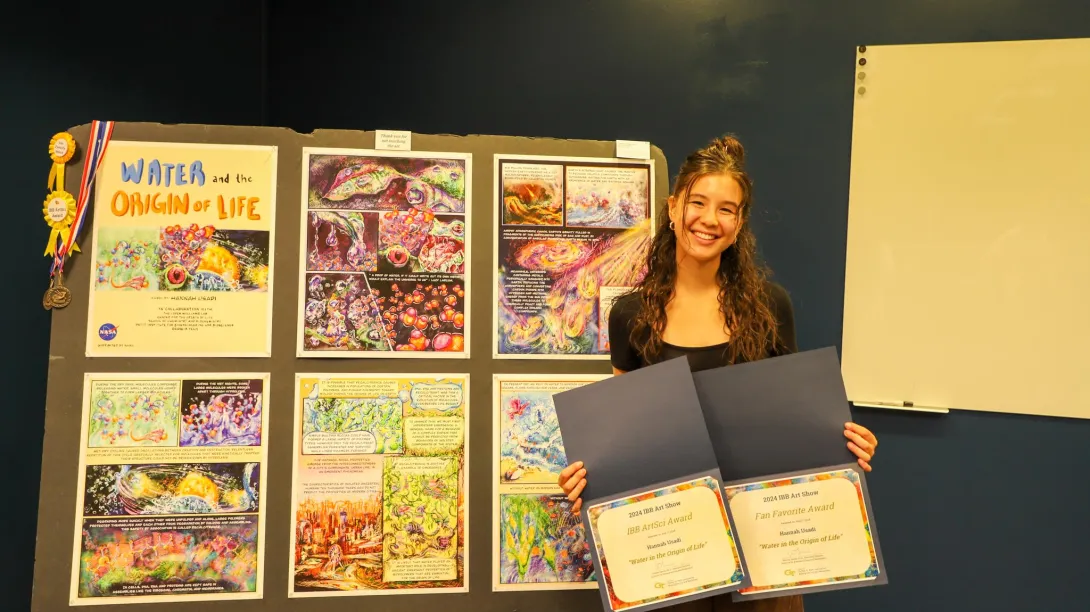
A panel of judges voted for awards and selected the winners in three categories, while attendees voted for the Best in Show award. Best in Show was awarded to a submission that stands out across all mediums for its outstanding creativity, innovation, and artistic quality. The Fan Favorite award was voted on by IBB Art Show attendees to reflect the collective sentiment of the community and celebrate the artist's ability to connect with viewers. The new IBB ArtSci Award was a special recognition celebrating the most striking and poignant display of the intersection of art and science. Additionally, the new BRAINiArts Award was given to a piece honoring creative artistic expression through the lens of neuroscience.
BRAINiArts Award
Sakthi Priya Ramamoorthy – Undergraduate student in neuroscience.
Artwork Title: The Tree of Knowledge of Good and Evil
Medium/Description: 3D clay sculpture
IBB ArtSci Award
Hannah Usadi – Strategy and operations management at McMaster Carr and visual communicator for the Williams Lab at IBB.
Artwork Title: Water in the Origin of Life
Medium/Description: 6 pages of 16''x20'' digitally illustrated prints
Best in Show Award
Sophia Schumaecker – Undergraduate Student in Chemical Engineering.
Artwork Title: The Gap
Medium/Description: 12" x 9" acrylic painting on canvas
Fan Favorite Award
Hannah Usadi – Water in the Origin of Life
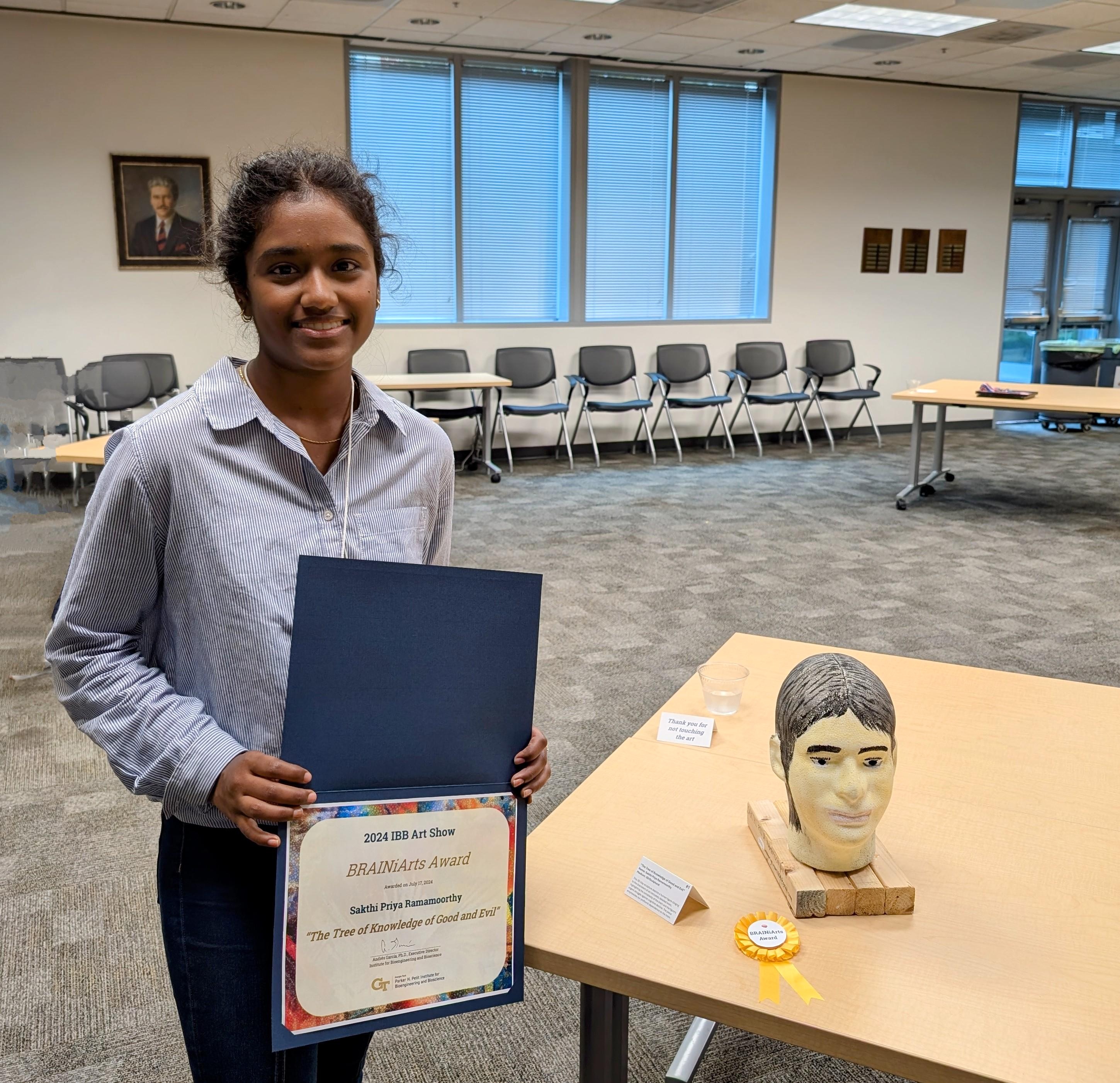
Sakthi Priya Ramamoorthy recieved the new BRAINiArts for "The Tree of Knowledge of Good and Evil"
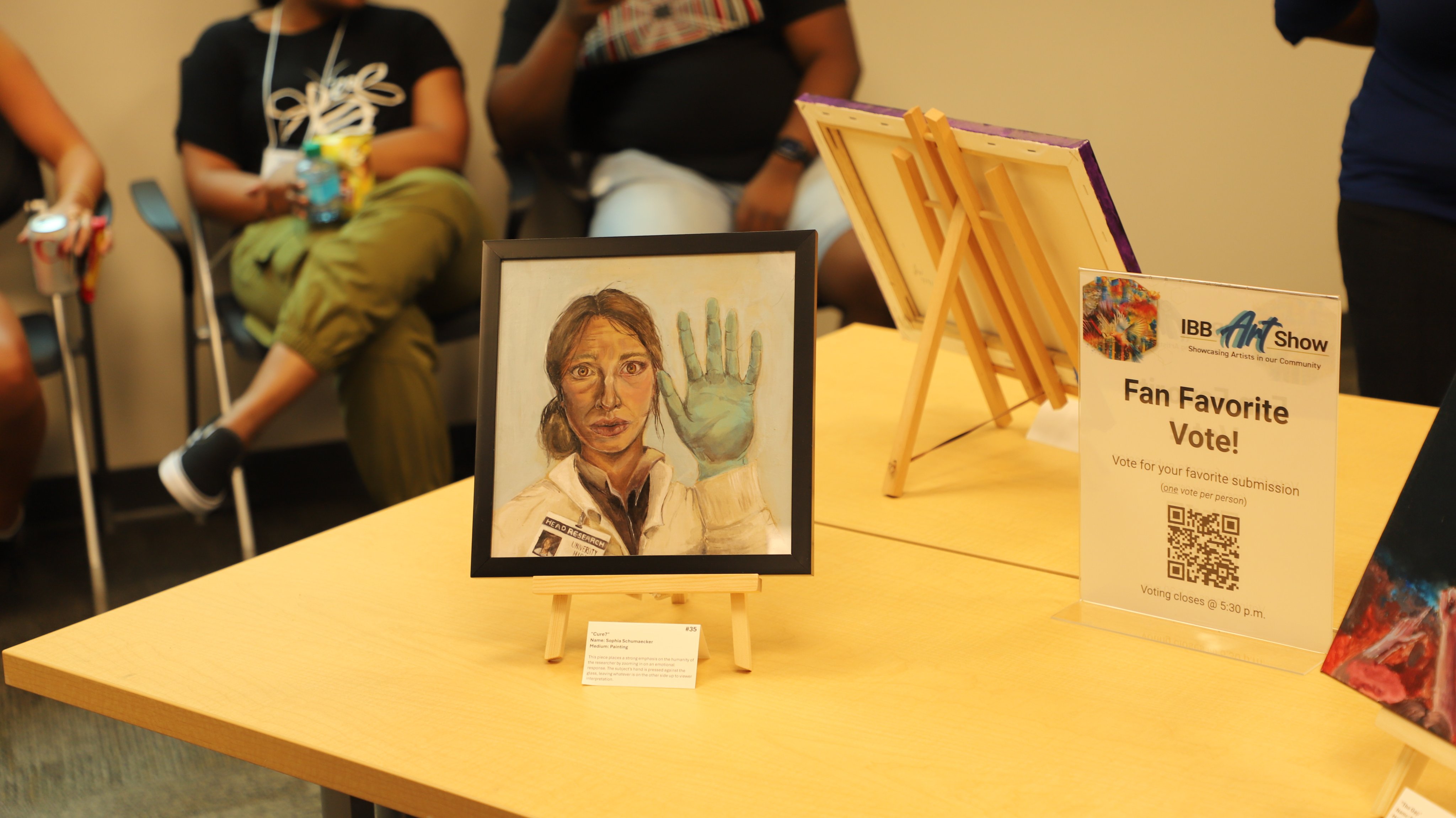
Sophia Schumaecker received Best in Show award for "The Gap"

Iesha M. Jones and her garden-inspired chair "Blooming Serenity"
News Contact
Savannah Williamson
Jul. 30, 2024
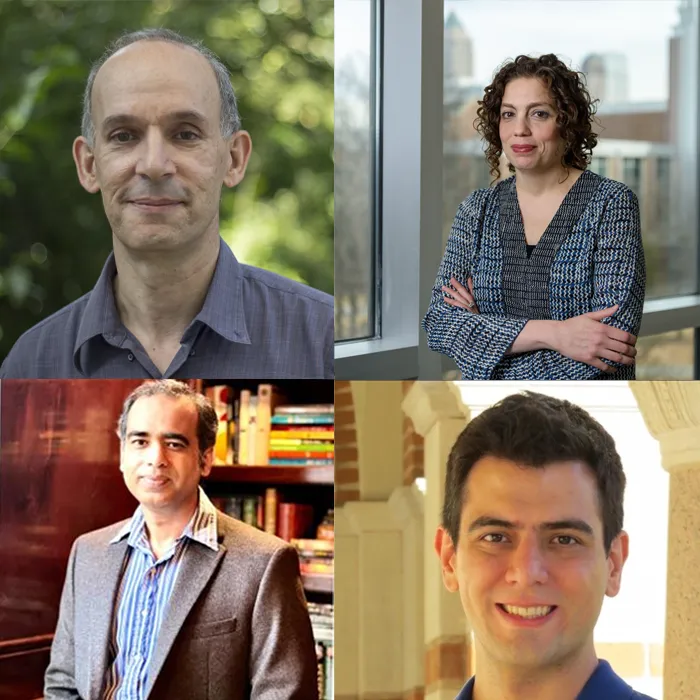
IBB is excited to announce the awardees of the FY25 IBB Interdisciplinary Research Seed Grant Program. Designed to stimulate interdisciplinary research, IBB proudly supports seed grant programs that provide funding opportunities for bio-related breakthroughs.
Amirali Aghazadeh and Raquel Lieberman were selected for funding for their proposal, "Harnessing Generative AI to Identify Mutations Causing Early-Onset Glaucoma.”
Aghazadeh is an assistant professor in the School of Electrical and Computer Engineering and also program faculty of the Machine Learning, Bioinformatics, and Bioengineering Ph.D. programs. He has affiliations with the Institute for Data Engineering and Science (IDEAS) and the Parker H. Petit Institute for Bioengineering and Bioscience. His research focuses on developing machine learning and deep learning solutions for protein and small molecular design and engineering.
Lieberman is the Sepcic-Pfeil Professor in the School of Chemistry and Biochemistry. Her research focuses on the biophysical and structural characterization of proteins and the impact of disease-associated mutations on function or dysfunction (e.g., aggregation).
“This project will combine our expertise to harness the power of generative artificial intelligence, large language models, and protein sequences to comprehend genetic mutations that cause a severe form of glaucoma that primarily affects children,” said Aghazedeh.
Ankur Singh and M.G. Finn were also selected for funding for their proposal, "Modeling Human Immune Responses to α-Galactosyl Immunogen in Hydrogel-Based Organoids.”
Singh is Carl Ring Family Professor with a joint appointment in the George W. Woodruff School of Mechanical Engineering and the Wallace H. Coulter Department of Biomedical Engineering at Georgia Tech and Emory University. He is also the director of the Center of Immunoengineering at Georgia Tech. His laboratory develops immune organoids and enabling technologies to understand healthy and diseased immune cells and translate therapeutics.
Finn is a professor and school chair in the School of Chemistry and Biochemistry and the chief scientific officer of the Georgia Tech Pediatric Innovation Network. His lab develops chemical and biological tools for research in a wide range of fields, such as chemistry, biology, immunology, and evolution with viruses.
“There is an increasing need to find stronger immunogens that can be used to create more effective vaccines. One promising candidate is α-galactosyl immunogens, which have shown great potential in animals, but we don't know much about if and how they would work in humans,” said Singh. “We are excited that the IBB seed grant will allow us to combine the Singh lab’s expertise in creating human immune tissues in the lab with the Finn lab’s unique skills in designing these immunogens. This collaboration will help us better understand how these potential vaccine ingredients perform in human-like systems.”
The projects will each receive an award of $40,000 to be spent by June 30, 2025.
News Contact
Savannah Williamson
Aug. 15, 2024
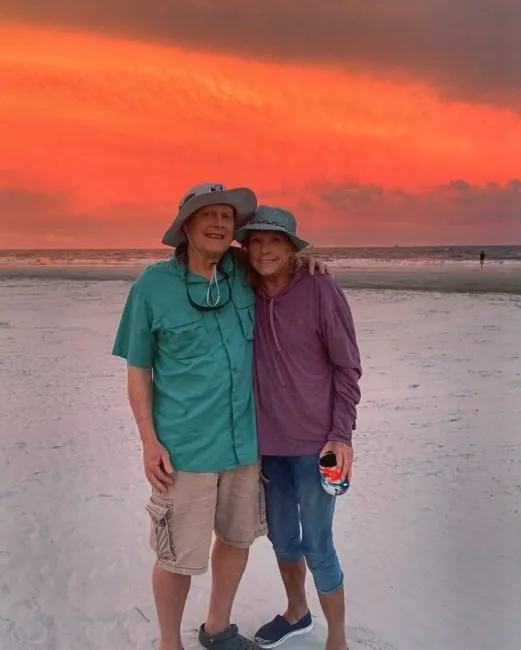
It is with deep sadness that the Parker H. Petit Institute for Bioengineering and Bioscience (IBB) announces the recent passing of Lee Herron, an accomplished scientist known for his brilliant mind and deep devotion to his family and community.
Herron worked as an entrepreneur and veterinarian with a passion for scientific and medical research. He spent the final 16 years of his career with the Georgia Research Alliance (GRA), where he served as the senior vice president and university startup advisor until the spring of 2024. The initiative Herron oversaw in his final role helped drive more university inventions to benefit Georgia farmers and food producers and strengthened the relationships between Georgia’s universities and the state’s agriculture sector.
Herron’s impact and influence were felt by many members of the Georgia Tech community. Ajit Yoganathan, Regents' Professor Emeritus and Wallace H. Coulter Distinguished Faculty Chair in Biomedical Engineering, recalled their time working together.
“I met Lee for the first time around 2002, when he came to meet with me in the BME Department to discuss the fledgling Coulter Translational Program. Over the next decade, we worked together closely on establishing and enhancing the Coulter Program, and he advised me on how best to translate my inventions and patents from ‘Bench to Bedside.’ To this day, I clearly remember him sitting in my office in the Whitaker Building saying, ‘Ajit, the more shots you take on goal, the higher the percentage of being successful with your ideas and affecting patient lives.’ That mantra has been true for me, and I credit Lee for his advice and friendship over the past 20 years. Since my retirement four years ago, we served on the Coulter review panel for translational research, most recently in March. I will miss his intellect and insights into assessing projects that have the opportunity to help patients.”
“Lee Herron was an extremely patient and dedicated mentor to me and many colleagues as we navigated entrepreneurship,” said Michelle LaPlaca, associate chair for faculty development and professor in the Wallace H. Coulter Department of Biomedical Engineering at Georgia Tech and Emory University. “He was sincere and had a unique insight into the challenges facing faculty. He not only taught us about the entrepreneurial process, but coached us on how to think like entrepreneurs, how to interact with board members and investors, and how to pivot our ideas. While secretly a Bulldog, he was an enthusiastic member of the Georgia Tech community before moving to the Georgia Research Alliance and will certainly have a lasting impact on people across Georgia and the entire biotechnology business sector.”
Herron joined the GRA in 2008 and directed its award-winning venture development program for 15 years. In that time, the GRA successfully launched more than 200 university-based companies that attracted $2 billion in equity investment. Before the GRA, he managed the biosciences division of Georgia Tech’s Advanced Technology Development Center (ATDC) and founded four biosciences companies: SeaLite Sciences Inc., Biopool International Inc., CytRx Corporation, and Theragenics Corporation.
"I am greatly saddened to hear about the passing of Lee Herron. I have known Lee for over 10 years,” said Cynthia Sundell, senior director of life sciences and VentureLab principal at Georgia Tech. “During that time, he was a mentor to me and a wonderful colleague at GRA. Lee was knowledgeable about what it takes to commercialize life science technologies and provided useful feedback to countless entrepreneurs. He was a brave warrior in his fight against cancer and I will always remember his indomitable spirit.”
Herron received a Doctor of Veterinary Medicine degree from the University of Georgia and completed an internship at Cornell University. He also studied experimental pathology at Emory University. He served as a director on multiple boards and was known for his love of family and youth sports. He is survived by his wife, Rita, three children, and eight grandchildren.
News Contact
Savannah Williamson
Aug. 20, 2024
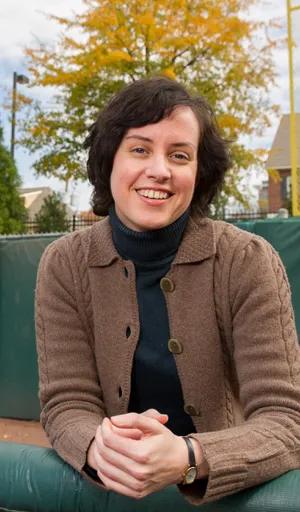
The Parker H. Petit Institute for Bioengineering and Bioscience is excited to announce that Johnna Temenoff has received a Rosalind Franklin Award in Biotechnology and Regenerative Medicine. Temenoff is the Carol Ann and David D. Flanagan Professor in the Wallace H. Coulter Department of Biomedical Engineering at Georgia Tech and Emory University. She is also the director of the NSF Engineering Research Center in Cell Manufacturing Technologies and the Marcus Center for Therapeutic Cell Characterization and Manufacturing.
The Rosalind Franklin Society Awards are given annually to recognize outstanding scientific papers from women and minorities and, in partnership with Mary Ann Liebert Inc., the Rosalind Franklin Society has awarded $100,000 to exceptional researchers featured in their 2023 anthology. The anthology includes the biography of each winner and an abstract of their published paper. Temenoff is among 14 award winners in biotechnology and regenerative medicine.
Her paper features a collaboration with former IBB researcher Manu Platt and current IBB researcher Younan Xia to develop a new controlled release platform for the localized delivery of a drug that can inhibit enzymatic activity to reduce tissue damage in orthopedic conditions such as osteoarthritis and rotator cuff tears.
“I am extremely honored to receive this award from the Rosalind Franklin Society for our publication in Tissue Engineering Methods (Part C),” said Temenoff. “I remember first hearing about Franklin’s pioneering work in my undergraduate biochemistry class and she has always been an inspiration to me. Special thanks and recognition goes to my laboratory, especially former trainee Elda Trevino, who led this work.”
Temenoff’s research is focused on scaling culture of therapeutic cells and developing new biomaterials as carriers for proteins and cells for use in regenerative medicine applications. Her laboratory focuses primarily on promoting the repair of orthopedic tissues, including cartilage, tendon, and muscle.
Find more award details here.
News Contact
Savannah Williamson
swilliamson40@gatech.edu
Aug. 08, 2024
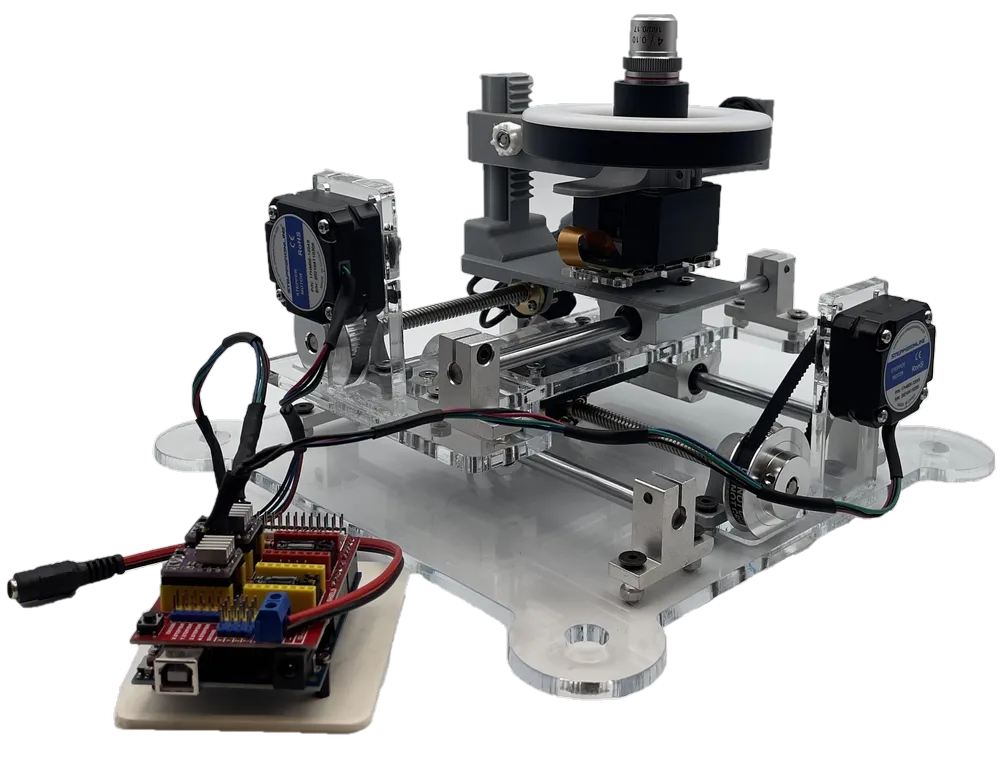
Costing $400 in parts with DIY assembly instructions available, Trackoscope is a frugal-science innovation accessible to a wide range of users, from high school laboratories to resource-constrained research environments.
Studying the complex motility patterns of cells and microorganisms is key to understanding their behaviors and biomechanics. However, many conventional microscopes are constrained by fixed lenses and the lack of ability to track organisms over extended periods without manual intervention.
But researchers at the Georgia Institute of Technology have overcome these limitations through the development of an inexpensive, easy-to-assemble, modular, autonomous tracking microscope.
Costing $400 in parts with DIY assembly instructions available, Trackoscope is a frugal-science innovation accessible to a wide range of users, from high school laboratories to resource-constrained research environments.
Developed in the laboratory of Saad Bhamla, associate professor in Georgia Tech’s School of Chemical and Biomolecular Engineering (ChBE), the Trackoscope is described in a new paper published in the journal PLOS One.
News Contact
Brad Dixon, braddixon@gatech.edu
Jul. 19, 2024
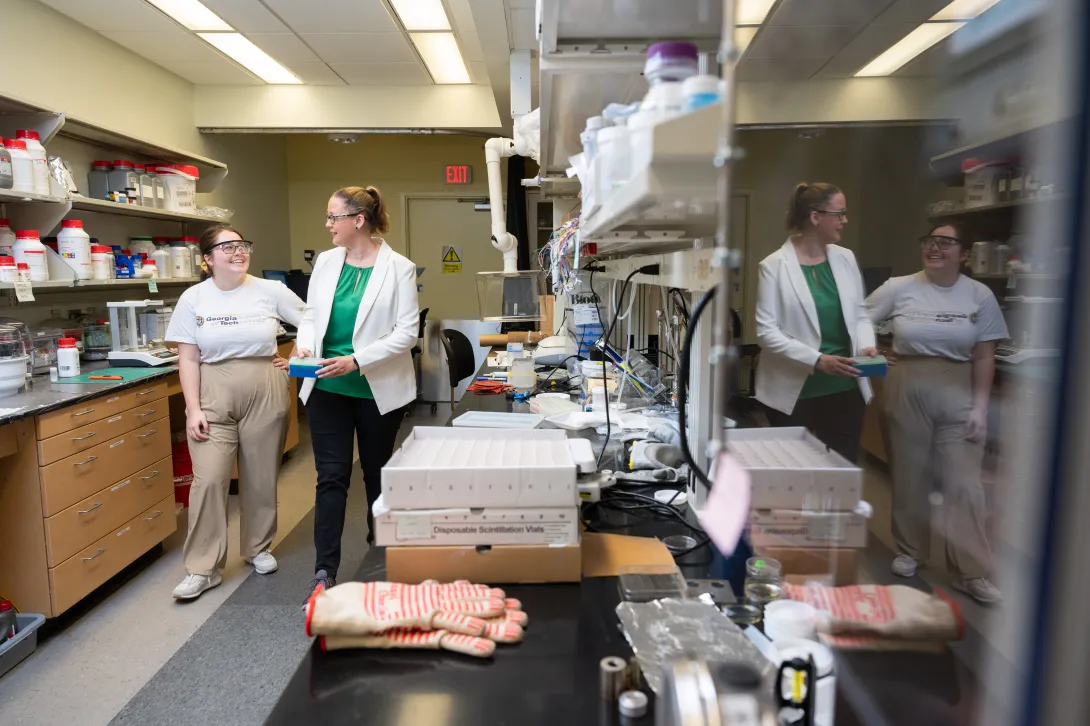
When Blair Brettmann was a sophomore at the University of Texas at Austin, her advisor told her about the National Science Foundation’s Research Experience for Undergraduates (REU) program. The summer program enables undergraduates to conduct research at top institutions across the country. Brettmann spent the summer of 2005 at Cornell working in a national nanotechnology program — a defining experience that led to her current research in molecular engineering for integrated product development.
“I didn't know for sure if I wanted to attend grad school until after the REU experience,” Brettmann said. “Through it, I went to high-level seminars for the first time, and working in a cleanroom was super cool.”
Her experience was so positive that the following summer, Brettmann completed a second REU at the Massachusetts Institute of Technology, where she eventually earned her Ph.D. Now an associate professor in Georgia Tech’s School of Chemical and Biomolecular Engineering and School of Materials Science and Engineering and an Institute for Matter and Systems faculty member, Brettmann is an REU mentor for the current iteration of the nanotechnology program — now taking place at Georgia Tech.
Brettmann’s mentee this summer, Marissa Moore, is having a similarly positive experience. A rising senior in chemical engineering at the University of Missouri-Columbia (Mizzou), Moore was already familiar with Georgia Tech because her father received his chemical engineering Ph.D. from the Institute; she hopes to do the same. Her passion for research began as she grew up with her sister, who had cerebral palsy and epilepsy.
“We spent a lot of time in hospitals trying out new devices and looking for different medications that would help her, so I knew I wanted to make a difference in this area,” she said.
But Moore wasn’t interested in being a doctor. Instead, she wanted to develop the materials that could be a solution for someone like her sister. Her undergraduate research focuses on materials and biomaterials for medical applications, and Georgia Tech is enabling her to deep-dive into pure materials science.
“What I'm working on at both universities is biodegradable polymers, but at Mizzou I’m developing that polymer from the ground up, and at Tech I’m using the properties of the polymer and finding how to make them,” she explained.
Having the opportunity to work in nanotechnology through the Institute for Materials and use Georgia Tech’s famous cleanroom made this REU stand out for Moore.
“I had never been in the cleanroom before, so that was one of the most eye-opening experiences,” she said. “It was cool to gown up and learn all of the safety precautions.”
For Brettmann, hands-on research experiences like this make the REU program unique — and crucial — for potential graduate students.
“Having your experiments fail, or even having things not turn out as you expect them to is an important part of the graduate research experience,” she said. “One of the best things about REU is it can be a first experience for people and help them decide what to do in grad school later on.”
News Contact
Tess Malone, Senior Research Writer/Editor
tess.malone@gatech.edu
Jul. 16, 2024
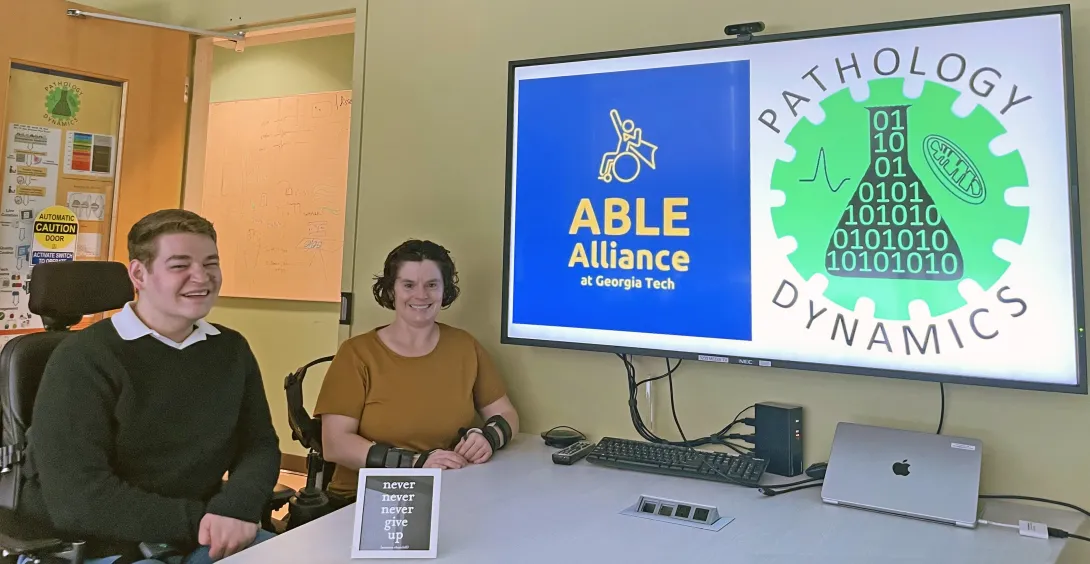
Robert "Trey" Quinn and Cassie Mitchell have collaborated on a new study of disability in the STEM fields of work.
Cassie Mitchell and Robert “Trey” Quinn have a few questions they’d like to ask you, and there really are no wrong answers.
They’re launching a new study focused on disability in the STEM fields of work — science, technology, engineering, and mathematics, which they hypothesize are a good fit for people with physical disabilities. Technology has made the work more accessible. Plus, the pay is good. However, there are challenges for working people with disabilities that even a great salary can’t overcome.
“We envision a scenario in which people with disabilities can get into the workforce and provide for their needs,” said Mitchell, associate professor in the Wallace H. Coulter Department of Biomedical Engineering.
Quinn, one of Mitchell’s former students, graduated in May with his master’s in computer science. He was well-known on campus for the sign attached to the back of his wheelchair, which said “THWG” — or “To Hell With Georgia” — a nod to the famous Georgia Tech-University of Georgia rivalry Quinn shares with his older sister, who attended UGA.
“The overall objective with this data-enabled study is to highlight the factors in academia and industry that have historically inhibited the successful inclusion of disabled people in STEM work,” said Quinn, who took the lead role in this study, which will gather data from both non-disabled and disabled people.
“We want to get a more complete picture of the current landscape, of the educational environment and the workplace,” said Mitchell, principal investigator of the Laboratory for Pathology Dynamics.
Increasing the Sample Size
The study is part of the Science Leadership award Mitchell’s lab received in October 2022. This program, supported by the Chan Zuckerberg Initiative and the National Academies of Sciences, Engineering, and Medicine, supports early-career biomedical researchers who have a record of promoting diversity, equity, and inclusion. The award includes a $1.15 million grant over five years.
Mitchell, an internationally recognized Paralympian, developed a neurological condition as a teen that resulted in quadriplegia. She’s always made it a point in her lab to include students from diverse backgrounds and disabilities.
“There is almost no data out there about the inclusion of disabled people in the workforce, only tiny sample sizes,” Mitchell said. “So we wanted to go after a larger sample size. Because if we are not reaching appropriate inclusion — and the few existing studies show that we’re not — then we want to know why.”
Quinn added, “Stable and high-paying careers in STEM fields seem like a viable option for people with disabilities to both achieve and maintain financial independence.”
Grappling With the Disability Tax
For a person with significant disability, even a good-paying job may not be enough to offset the “disability tax.” Quinn defines the tax as “the extra time and money that living with a disability takes.”
For example, some people need a monthly disability check to cover common living expenses. But often, a more valuable government benefit is a health plan that covers “the thousands of dollars per month in personal support and care services,” Quinn explained. “You often only qualify for this if you’re on government disability benefits and making less than a certain amount of money per month.”
Also, policies vary by state, so individuals can easily fall through the cracks due to the complexities of various programs. And private or employer-funded healthcare plans typically can’t compete with government plans, which cover these expensive personal support services.
For many people with disabilities, it comes down to a choice between working or government-supported services.
“There doesn’t seem to be a middle ground,” said Mitchell, who estimates approximately 60% of her income supports her medical and disability needs. “And that’s after insurance.”
The researchers hope their study provides momentum that will result in something close to full accessibility.
“This study will illuminate the challenges, even if it doesn’t solve them,” said Mitchell. “And while we’re focusing on STEM, this kind of study can be extrapolated to other fields as well. Whether you’re in science or not, I think people understand we’re asking important societal questions.”
News Contact
Jerry Grillo