
Aug. 29, 2024
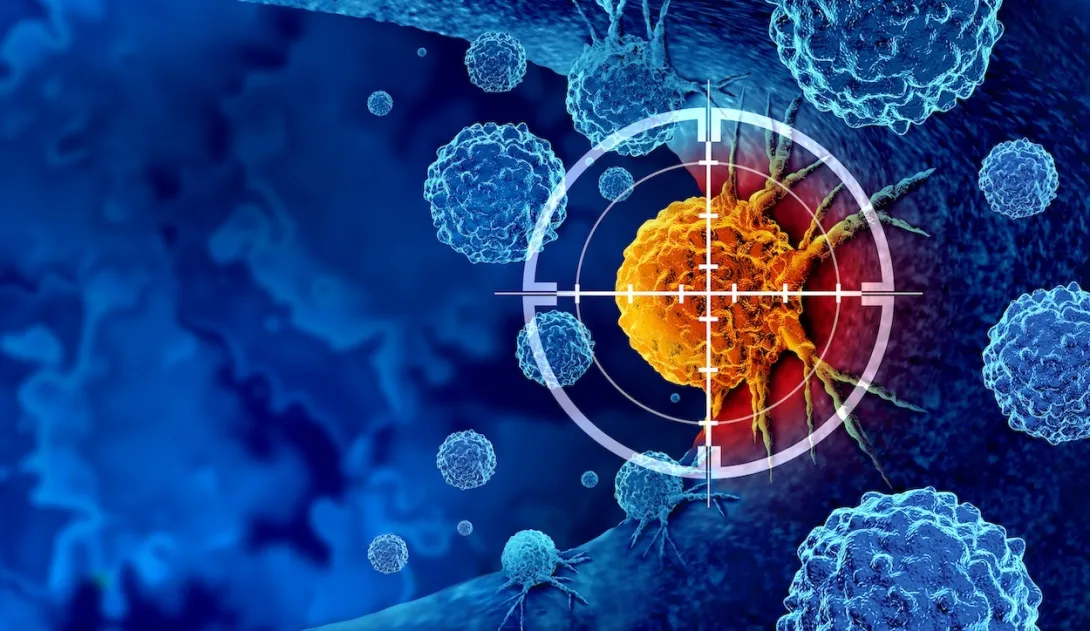
Twenty million people worldwide were diagnosed with cancer in 2022. However, misdiagnoses, high costs, and the toxic side effects of some treatments are common roadblocks. Anant Madabhushi, a professor in the Wallace H. Coulter Department of Biomedical Engineering at Georgia Tech and Emory University, is using artificial intelligence to improve the diagnosis and treatment of certain cancers. As the executive director of the Emory Empathetic AI for Health Institute, Madabhushi's research aims to expand access to testing and reduce the financial and emotional strain on patients and providers when developing treatment plans.
News Contact
Steven Gagliano
Jul. 19, 2024
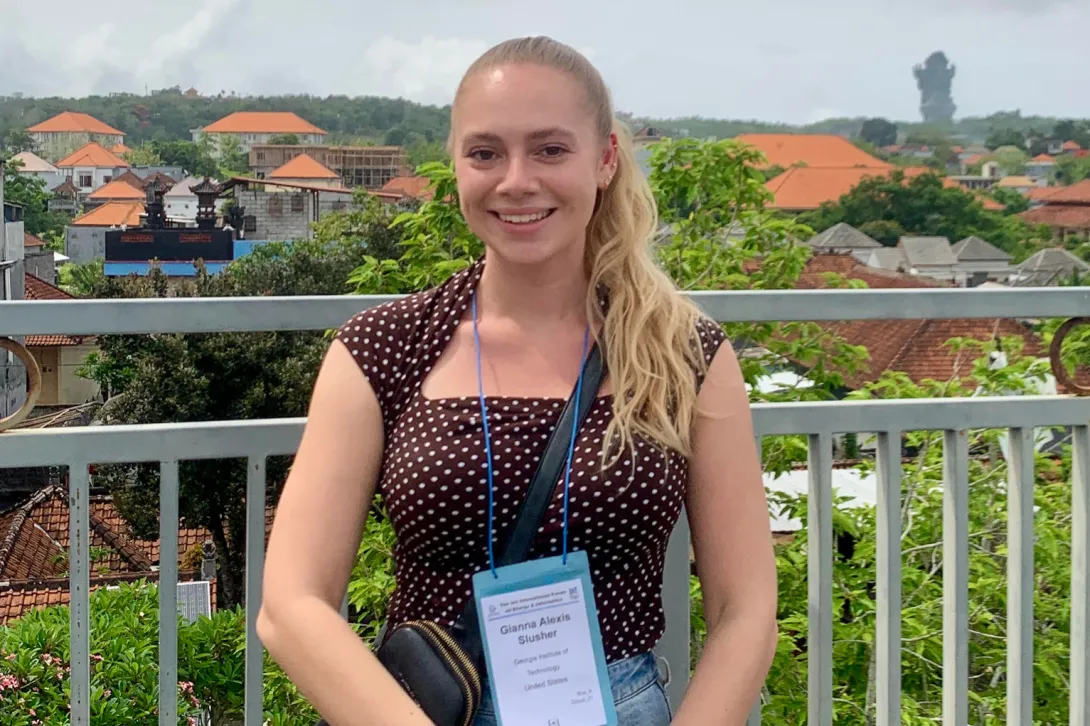
Mammograms can be an effective resource for detecting breast cancer, but for some women, it can be an invasive and uncomfortable experience.
That’s why Gianna Slusher, Ph.D. student in the George W. Woodruff School of Mechanical Engineering, developed a device that could serve as an effective alternative to traditional early detection methods for breast cancer.
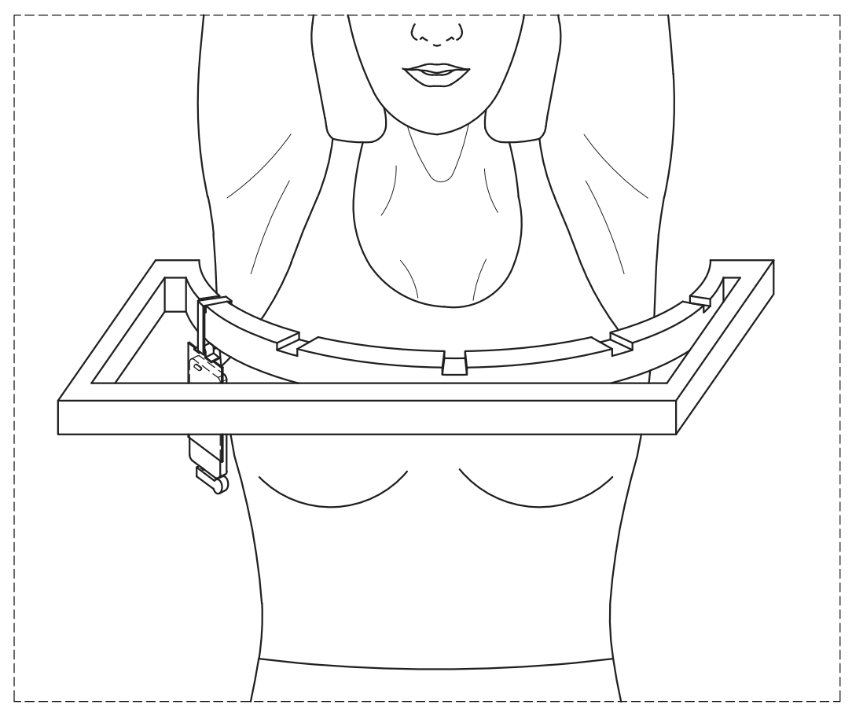
Slusher and her partner, Caitlin Reina, received an official patent for inventing a mounted thermographic imaging system that can be used at home to detect medical issues such as breast cancer.
The device includes a mount that can attach to a wall and a clamp that holds a smartphone or tablet. Through an app programmed by the pair, it uses thermal images as a non-invasive and radiation-free way to capture changes in breast temperature associated with cancerous tumors. The mount can be positioned in multiple discreet and various angles, which can allow for consistent imaging. The user would be instructed on the app to see a doctor if an anomaly is detected.

Slusher and Reina began working on the project at the Invention Factory – a summer program they attended at Cooper Union for the Advancement of Science and Art in New York City while the pair were working towards their bachelor's degrees in mechanical engineering.
Slusher hopes the thermal imaging system and ease of use can help women battle all types of breast cancer in the early stages from the convenience of their own home.
During the summer of the Invention Factory when the device was created, Slusher’s aunt was diagnosed with breast cancer, which Slusher says deeply influenced her work.“Her journey inspired the creation of this device, and I am pleased to share that she is now healthy!”
Now Slusher hopes the invention can help other women gain easier access to a solution to a problem that many women will face in their lifetime.
“As a woman in mechanical engineering, I have strived to use my education and research to contribute to efforts that benefit other women,” she says.
After graduating from Cooper Union, Slusher was inspired to continue her research at the Georgia Institute of Technology through the bioengineering Ph.D. program under the supervision of Andrei Fedorov, who serves as associate chair for graduate studies, professor, Rae S. and Frank H. Neely Chair, and Regents' Entrepreneur in the Woodruff School.
The patent was filed independently by Slusher and Reina. However, Slusher credits her advisor, Fedorov, as a significant source of support and inspiration when it comes to innovation and design throughout her research.
Fedorov says Slusher embodies the Georgia Tech motto of “Progress and Service,” and is grateful the graduate program can attract such brilliant and caring students.
“Becoming a lead inventor on a patented technology speaks volumes about the student’s thoughtfulness and ingenuity, as well as fearlessness of an innovator,” Fedorov says. “It takes not only the engineering talent and confidence in one’s ability to innovate and invent, but also the passion for helping others.”
The next stages of the invention involve refining the technology, conducting clinical trials if necessary, and ultimately bringing the innovation to market. Slusher hopes the patent gains recognition and interest from potential collaborators and investors.
Slusher continues to research cancer technologies in her Ph.D. studies, but at a micro-level, focusing on therapeutic cells and microfluidic device design and fabrication. She is designing and fabricating devices aimed at enabling rapid processing and analyses of cell therapies, thereby making this life-changing treatment more easily monitored, manufactured, affordable, and accessible to all.
Slusher is undecided on her plans after completing her Ph.D., but hopes to continue working in a capacity that allows her the freedom to research and design topics that inspire her, and where she can contribute meaningfully to advancements in her field.
News Contact
By Mikey Fuller
Aug. 30, 2024
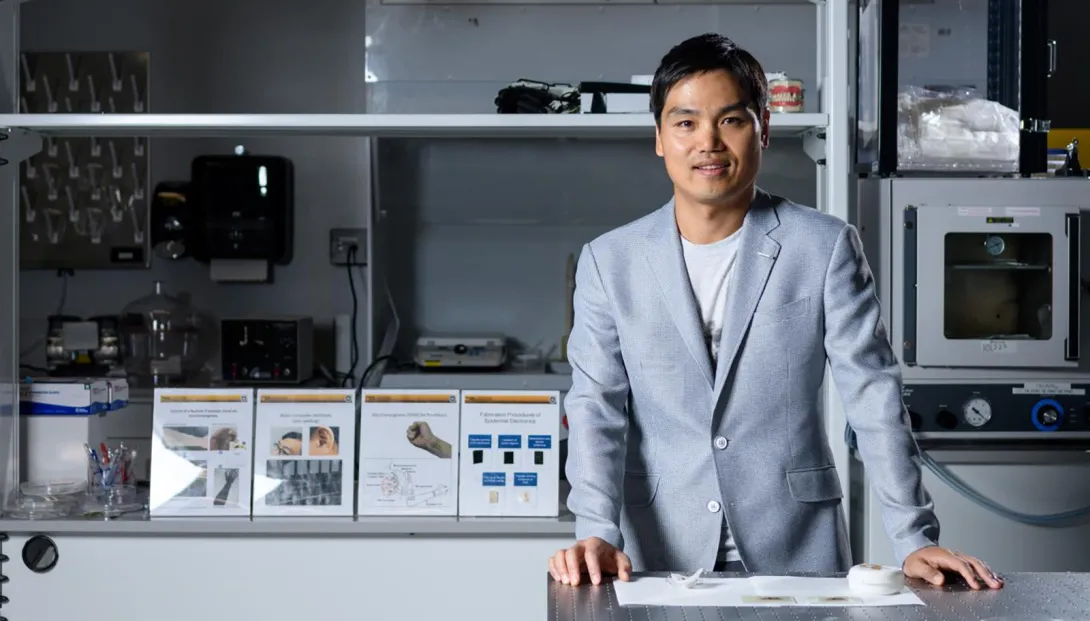
W. Hong Yeo is leading a $3 million NSF research training program to develop a new generation of engineers focused on creating sustainable medical devices.
Georgia Tech researcher W. Hong Yeo has been awarded a $3 million grant to help develop a new generation of engineers and scientists in the field of sustainable medical devices.
“The workforce that will emerge from this program will tackle a global challenge through sustainable innovations in device design and manufacturing,” said Yeo, Woodruff Faculty Fellow and associate professor in the George W. Woodruff School of Mechanical Engineering and the Wallace H. Coulter Department of Biomedical Engineering at Georgia Tech and Emory University.
The funding, from the National Science Foundation (NSF) Research Training (NRT) program, will address the environmental impacts resulting from the mass production of medical devices, including the increase in material waste and greenhouse gas emissions.
Under Yeo’s leadership, the Georgia Tech team comprises multidisciplinary faculty: Andrés García (bioengineering), HyunJoo Oh (industrial design and interactive computing), Lewis Wheaton (biology), and Josiah Hester (sustainable computing). Together, they’ll train 100 graduate students, including 25 NSF-funded trainees, who will develop reuseable, reliable medical devices for a range of uses.
“We plan to educate students on how to develop medical devices using biocompatible and biodegradable materials and green manufacturing processes using low-cost printing technologies,” said Yeo. “These wearable and implantable devices will enhance disease diagnosis, therapeutics, rehabilitation, and health monitoring.”
Students in the program will be challenged by a comprehensive, multidisciplinary curriculum, with deep dives into bioengineering, public policy, physiology, industrial design, interactive computing, and medicine. And they’ll get real-world experience through collaborations with clinicians and medical product developers, working to create devices that meet the needs of patients and care providers.
The Georgia Tech NRT program aims to attract students from various backgrounds, fostering a diverse, inclusive environment in the classroom — and ultimately in the workforce.
The program will also introduce a new Ph.D. concentration in smart medical devices as part of Georgia Tech's bioengineering program, and a new M.S. program in the sustainable development of medical devices. Yeo also envisions an academic impact that extends beyond the Tech campus.
“Collectively, this NRT program's curriculum, combining methods from multiple domains, will help establish best practices in many higher education institutions for developing reliable and personalized medical devices for healthcare,” he said. “We’d like to broaden students' perspectives, move past the current technology-first mindset, and reflect the needs of patients and healthcare providers through sustainable technological solutions.”
News Contact
Jerry Grillo
Aug. 28, 2024

Since it began in 2019, Georgia Tech and Emory University’s Computational Neural-Engineering Training Program has funded and trained doctoral students at the intersection of neuroscience, engineering, computation, and clinical experience.
“We saw that there was a new kind of neuroscience that was happening, to both understand the mysteries of the brain and nervous system and to treat related diseases and disorders,” says Garrett Stanley, program co-director, professor, and McCamish Foundation Distinguished Chair in the Walter H. Coulter Department of Biomedical Engineering (BME). “The program was created to fill this gap in training, and to provide a community for like-minded scientists and engineers across these disciplines.”
Combined with support from Georgia Tech and Emory, that community is set to grow with recently renewed and increased funding from the National Institutes of Health (NIH).
“We’re excited to expand the number of students funded and continue to grow our programs,” says Lena Ting, program co-director, professor, and McCamish Foundation Distinguished Chair in BME. “With this funding, we’ll continue to attract the best and brightest students.”
Expanding Access
Through courses, research, professional development, and community outreach, the two-year program provides unprecedented training and community for doctoral students in BME, electrical and computational engineering, neuroscience, machine learning, and beyond.
“Our program is unique in that it combines computation — both how the brain computes and how we can use computational tools to better understand the brain — and engineering of technologies for interfacing with the brain and nervous system,” says Stanley, who also co-directs the Neural Engineering Center with Ting.
Students are also exposed to neurology, rehabilitation, and other related fields through clinical course requirements.
“We teach our students alongside physical therapy and occupational therapy students to solve clinically relevant problems,” explains Ting, who teaches several of the courses. “We think early exposure to such clinical problems can accelerate the translation of basic research to the clinic.”
Originally slated to last five years, funding for the program comes from the T32 program of institutional training grants by the NIH and the National Institute of Biomedical Imaging and Bioengineering. Michael Borich, associate professor in the Emory University School of Medicine, and Chris Rozell, professor and Julian T. Hightower Chair in Georgia Tech’s School of Electrical and Computer Engineering, also serve as directors of the program.
“The NIH T32 funding mechanism is great because it enables universities to create training programs that span different traditional disciplines,” says Stanley. Without the need to create entirely new academic units, training programs like these provide funding for students conducting interdisciplinary research. Since the funding isn’t tied to a specific research group, it also gives students the flexibility to rotate through multiple labs to find the best fit. “In other words, it’s a game changer.”
With NIH funding renewed and expanded by 50%, the program will now have the capacity to fund more trainees.
“I love to see the program grow so more of our students and faculty can benefit,” said Ting. “Thanks to generous funding from Georgia Tech, we will also be able to support international students now, something we couldn’t do in the past.”
In addition to support from the NIH, Emory University School of Medicine, and the joint Georgia Tech-Emory BME Department, the program is further bolstered by support from Georgia Tech’s College of Engineering and the Office of the Executive Vice President for Research.
“While the NIH funding enables us to support the salary and tuition for students,” said Stanley, “local support from Georgia Tech and Emory enables us to not only manage the growing program and provide reporting back to the NIH, but also to provide student-initiated training workshops in emerging technical areas, career development activities, training in neuroethics, and social events that help to bring the community together.”
The community, he said, is the “most exciting and significant part of this. The network of talented people brought together through this program will be valuable and influential for years to come.”
News Contact
Audra Davidson
Communications Manager
Neuro Next Initiative
Jul. 31, 2023
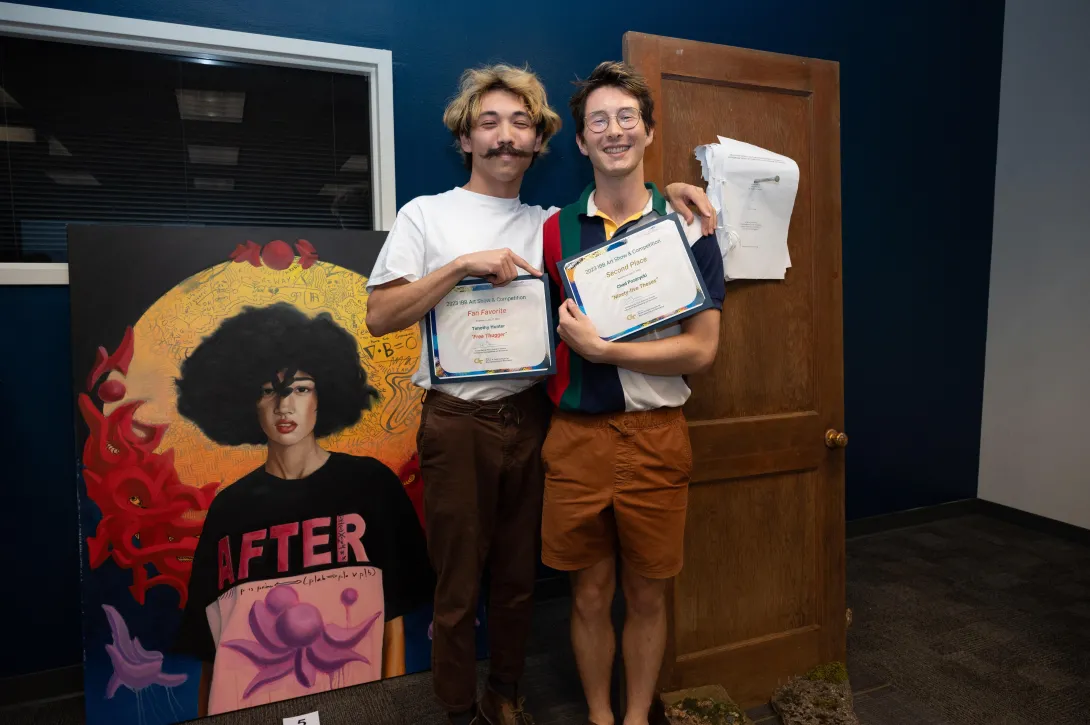
Timothy Hunter (left) poses with his fan favorite piece Free Thugger. Chad Pozarycki (right) tied for second place with his recreation of Ninety-Five Theses.
On Thursday, July 27, the Institute for Bioengineering and Bioscience (IBB) held a highly anticipated summer art show. Co-hosted by IBB and BBUGS, the Bioengineering and Bioscience Unified Graduate Students, the art show featured over 70 submissions from members of the broader IBB community.
The art show proved to be a summer highlight and source of excitement in the community. Participants showcased their creative talents through diverse mediums ranging from oil paintings to photography and blues music. More than 350 attendees admired the art pieces and mingled while enjoying refreshments.
"The intention of the IBB Art Show was to bring the IBB and Georgia Tech communities together for a fun event to highlight the fantastic talents of our faculty, staff, and trainees," said IBB Executive Director Andrés J. García. "I was blown away at the tremendous response, beautiful and creative works of art, and fellowship that we shared in this special event."
A panel of judges selected the winners and attendees voted for a fan favorite award. García presented awards to the competition's winners, listed below. The winning submissions will be displayed at IBB.
First Place
Madolyn Penuel – Executive assistant to the dean of the Scheller College of Business. Penuel has worked at Georgia Tech for more than six years.
Artwork Title: Atlantis
Medium/Description: Digital print on canvas, 16"x30"
Second Place (Tie)
Yenho Chen – Machine learning Ph.D. student and research assistant in the Signal and Information Processing Lab advised by Christopher Rozell. Research focus is on interpretable ML models for complex time series data.
Artwork Title: Don’t Forget to Breathe
Medium/Description: Digital video
Chad Pozarycki – Ph.D. candidate in analytical chemistry and graduate student in the lab of Amanda Stockton studying analytical chemistry and applications of capillary electrophoresis to the detection of astrobiologically relevant small molecules.
Artwork Title: Ninety-Five Theses
Medium/Description: Mixed media – door with a stack of thesis papers with a stake driven through them.
Third Place
John McDonald - Emeritus professor, School of Biological Sciences, and director, Integrated Cancer Research Center.
Artwork Title: Touched by the Blues
Medium/Description: Original music album
Fan Favorite
Timothy Hunter – Graduate student at Georgia Tech in the lab of Will R. Gutekunst.
Artwork Title: Free Thugger
Medium/Description: 5'x4' oil portrait painting on canvas of a woman surrounded by various doodles found in a notebook.
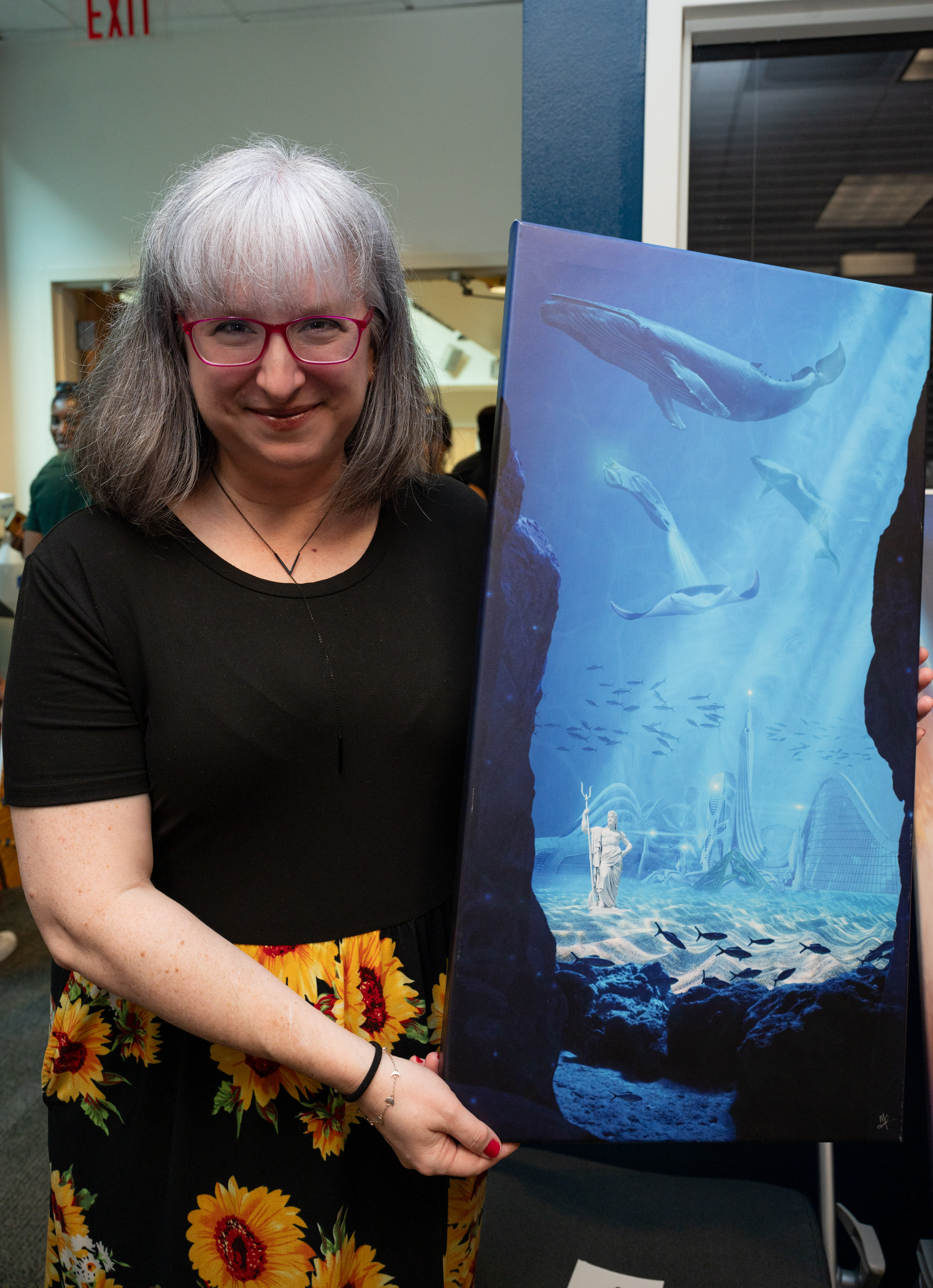
Madolyn Penuel poses with her piece Atlantis, which won first place.
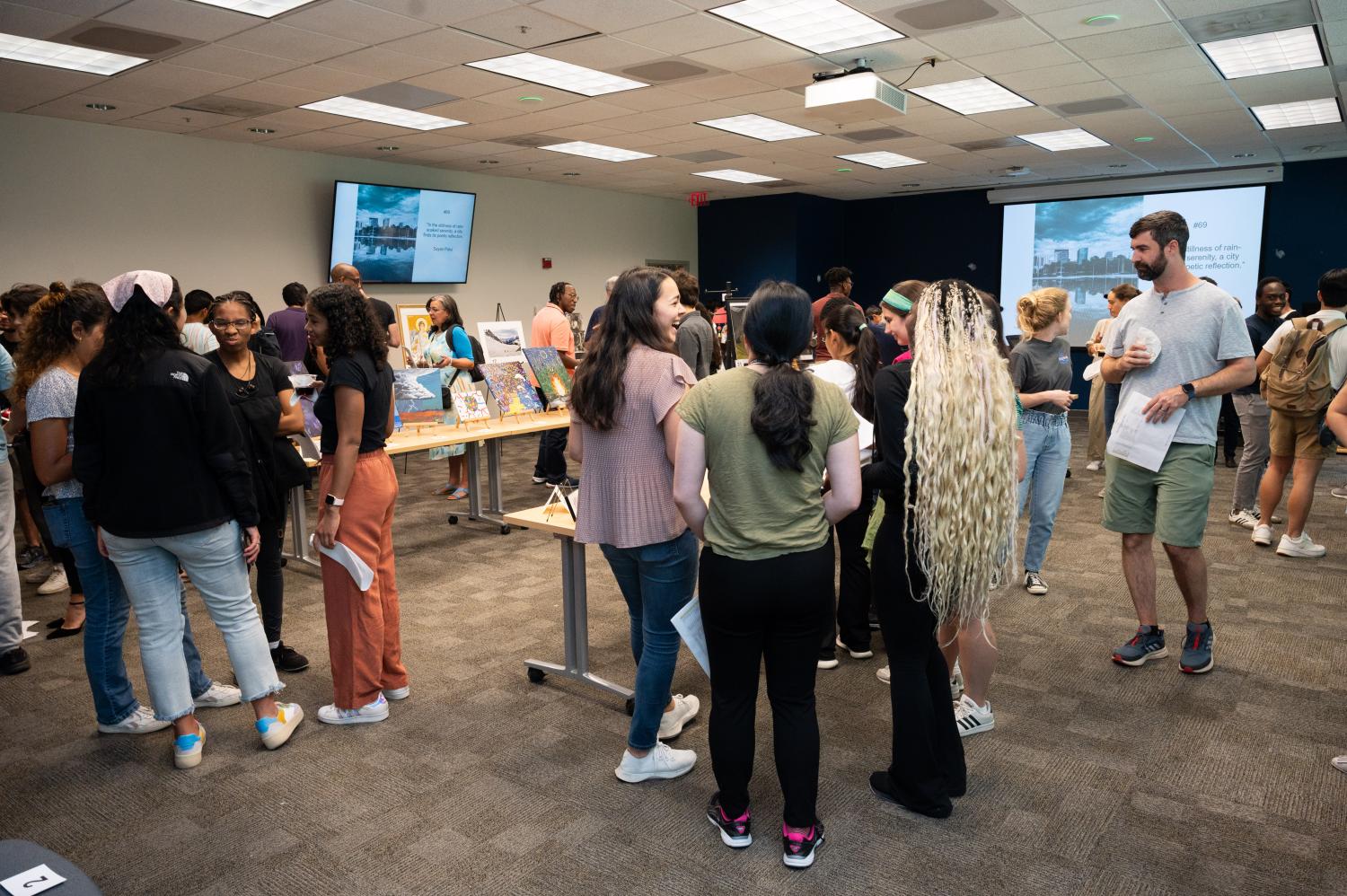
IBB's summer art show.
News Contact
Savannah Williamson
Aug. 25, 2023
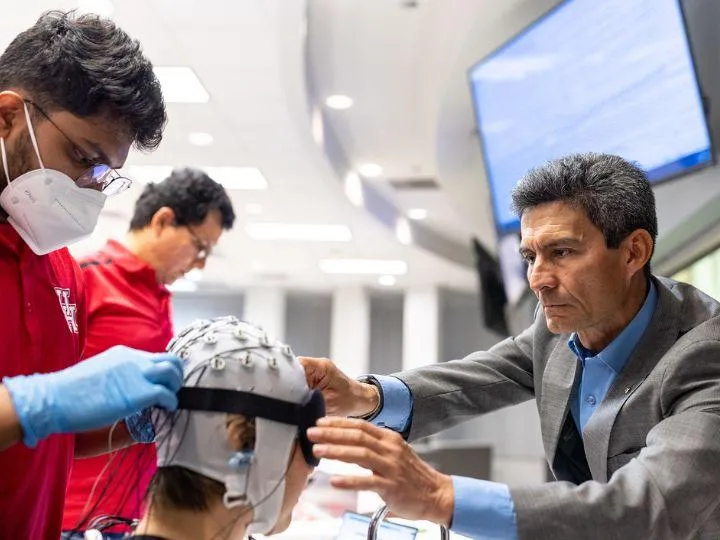
The UH Brain Center, supported by the U.S. National Science Foundation, allows research that would not be possible within the traditional silos of academic, industry, regulatory and clinical communities. At right, center director Jose Luis Contreras-Vidal prepares to map brain activity during a creative task.
The World Health Organization reports that millions of adults worldwide live with neurological disorders and brain or brain-related injuries. Globally, 5 million people are left permanently disabled each year after suffering a stroke or spinal cord injury, creating a critical need for advances in patient care and support. The IUCRC BRAIN Center (Industry-University Cooperative Research Center for Building Reliable Advances and Innovations in Neurotechnology) was formed in 2017 to address complex challenges and opportunities in the field of neurotechnology.
Housed at the University of Houston, the BRAIN Center is a collaborative and creative research effort to develop new neurotechnologies. It began as a partnership between the University of Houston and Arizona State University and is supported by the National Science Foundation. The partnership recently expanded to include the Georgia Institute of Technology and West Virginia University.
“Georgia Tech is very excited to join the BRAIN IUCRC with other leading neuroengineering institutions, all passionate about bringing faculty and students together with industry to collaborate on cutting-edge neurotechnology development,” said Michelle C. LaPlaca, professor in the Wallace H. Coulter Department of Biomedical Engineering. LaPlaca's broad research interests are in neurotrauma, injury biomechanics, and neuroengineering as they relate to traumatic brain injury. “The Center partnerships are an excellent opportunity for small and large companies to invest in pre-translational research that both meets industry needs and harnesses academic expertise in order to ultimately improve patients’ lives.”
Read more about the partnership and the BRAIN Center in the University of Houston's press release.

Michelle C. LaPlaca, professor in the Wallace H. Coulter Department of Biomedical Engineering
News Contact
Savannah Williamson
Sep. 06, 2023
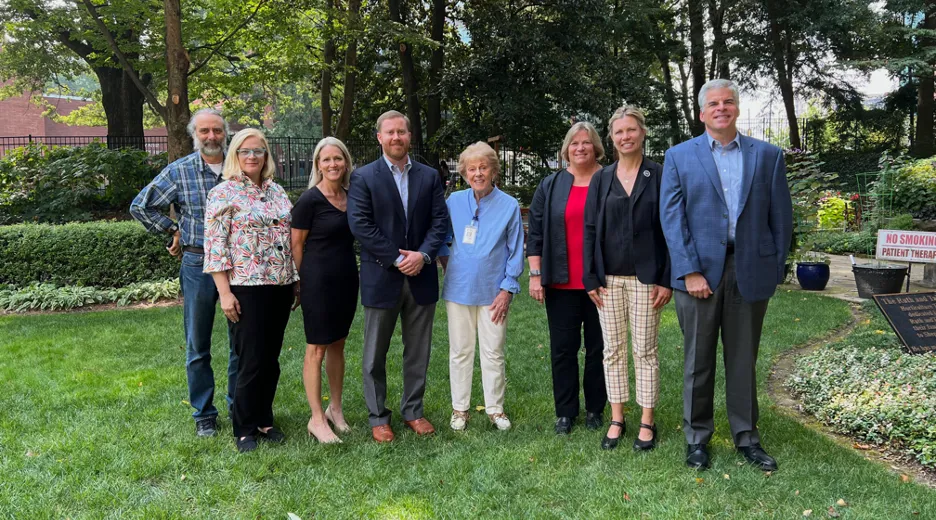
Shepherd Center and Georgia Tech have announced a partnership that will unite researchers and clinicians to improve care and create more success stories for people with spinal cord and brain injuries, pain, multiple sclerosis, and related neurological conditions. Areas of collaboration will include the development of new technologies, strategies, and approaches to improve neurorehabilitation.
Shepherd Center, an Atlanta hospital that provides world-class clinical care, research, and family support for people experiencing the most complex conditions — including spinal cord and brain injuries, multitrauma, traumatic amputations, stroke, multiple sclerosis, and pain — is ranked among the top rehabilitation hospitals in the nation by U.S. News & World Report.
Ninety percent of Shepherd’s patients return to their communities after receiving care at Shepherd Center, which exceeds the national average by more than 30%. In addition to patient care, Shepherd Center has a robust research program, typically participating in 20 grants and 75 research projects concurrently. It is also one of the few institutions recognized as both a Spinal Cord Injury and Traumatic Brain Injury Model System by the National Institute on Disability, Independent Living, and Rehabilitation Research.
“Shepherd and Georgia Tech will build upon Shepherd’s expertise to conduct and integrate research and technology throughout the entire continuum of care and Georgia Tech’s research and technology development to create new solutions for the people Shepherd serves and beyond,” said Deborah Backus, vice president of Research and Innovation at Shepherd Center. “Potential collaborative research and development efforts can occur in many disciplines — from developing new devices and technologies to fellowships and training for the next generation.”
Leaders from Georgia Tech and Shepherd Center met in late August to celebrate the partnership.
“Shepherd Center leads the world in treating brain and spinal cord injuries with an innovative research program that implements technology throughout inpatient and outpatient programs to get patients back to leading active, independent lives,” said Julia Kubanek, professor and vice president for Interdisciplinary Research at Georgia Tech.
Kubanek was joined by Andrés García, executive director of the Parker H. Petit Institute for Bioengineering and Bioscience (IBB), Petit Director’s Chair in Bioengineering and Bioscience, and Regents’ Professor; and Stephen Sprigle, a professor and researcher in the George W. Woodruff School of Mechanical Engineering who directs Georgia Tech’s Rehabilitation Engineering and Applied Research Lab (REARLab), which focuses on applied disability research and development.
“We were inspired by our recent visit and tour, where we observed clinicians and researchers working directly with patients,” García said. “Georgia Tech’s mission of using technology to improve the human condition is a perfect fit for our collaboration with Shepherd. I’m grateful for Stephen Sprigle and IBB for their goals of increasing the breadth and depth of our partnership. There will be wonderful upcoming opportunities for Georgia Tech students and faculty to bring their expertise in data science, AI, robotics, cell therapies, exercise physiology, and neuroscience, among many strengths, to join with Shepherd clinicians to help patients.”
Driven by a shared vision for transforming healthcare, the two institutions will utilize their complementary capabilities to provide technical solutions for clinical needs. The teams are identifying challenges to tackle and will establish a series of workshops to bring researchers and clinicians together.
For inquiries to support the collaboration, please contact Jaimie Hayes (Senior Director of Development, Office of Development at Georgia Tech)
News Contact
Savannah Williamson
Sep. 12, 2023
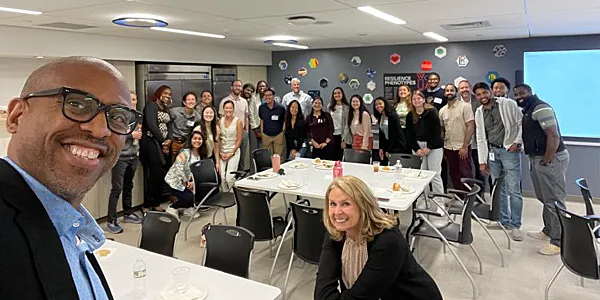
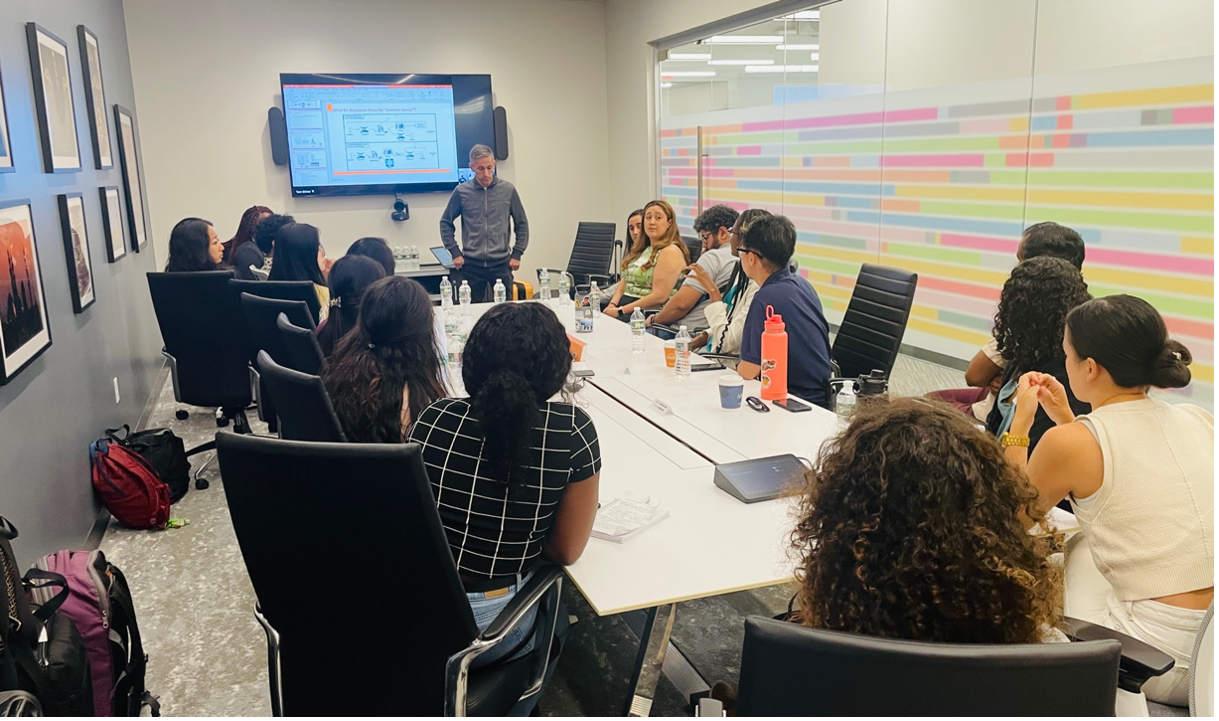
In early July, IBB professors and researchers Ed Botchwey and Andrés García led a team of graduate students from the NIH Cell and Tissue Engineering (CTEng) and NSF Engineering Research Center for Cell Manufacturing Technologies (CMaT) programs on an industry visit to Resilience in Pennsylvania. With 11 locations across the U.S., the Resilience Cell Therapy Center of Excellence is dedicated to creating processes and platforms that will allow scientists to make their novel therapies quickly, safely, and at scale. Resilience offers solutions with expertise across five core modalities: biologics, cell therapy, gene therapy, nucleic acids, and vaccines.
The Industry Visit Program is a key component of IBB’s NIH/NIGMS-funded T32 Biotechnology Training Program focused on developing the next generation of leaders for biotechnology industries. The program supports some of Georgia Tech’s brightest Ph.D. students, with professional development activities and travel expenses to biotech industry sites covered. These visits provide students with a firsthand look inside some of the best biotech companies, as well as excellent networking opportunities.
Luiza DaMotta, a second-year bioengineering Ph.D. student in the Wallace H. Coulter Department of Biomedical Engineering, was among the students who joined the trip. DaMotta is researching antimicrobial hydrogels for bone healing in Andrés García’s lab.
“This trip to the Resilience site was an exciting experience to meet like-minded Ph.D. students interested in pursuing a career in industry,” DaMotta said. “This was my first exposure to the CTEng students and first time touring a bioindustry site. I was introduced to industry terminology and the operations of industries from the inside through this unique opportunity. My favorite part was talking to current employees about their journey from Ph.D. students to industry and their advice for current students. Everyone was incredibly friendly and truly enjoyed working there. I learned a lot about myself, and I am stepping into my second year more confident in the direction of my future.”
Past companies visited include Genentech, Celgene, Boston Scientific, and Kimberly Clark. Several of our trainees have obtained internships or permanent employment with these companies, highlighting the immense value of industry visits and partnerships.
News Contact
Savannah Williamson
Nov. 07, 2023
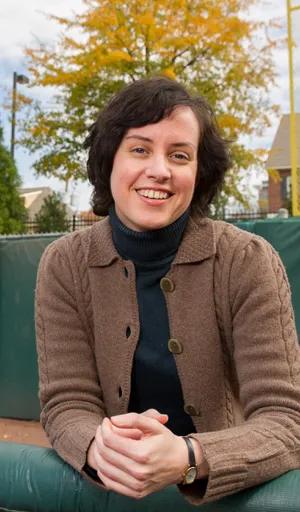
The Marcus Center for Therapeutic Cell Characterization and Manufacturing (MC3M) at the Georgia Institute of Technology is excited to officially welcome Johnna Temenoff as the center’s new director. MC3M brings together clinicians, industry researchers, and product developers with scientists and engineers of multiple disciplines to tackle the challenge of highly controlled, well-characterized, efficient, reproducible, and high-quality cell manufacturing.
“I am extremely honored to be named the director of the Marcus Center for Therapeutic Cell Characterization and Manufacturing,” said Temenoff. “The Center has demonstrated significant and sustained impact on the field of cell manufacturing since its founding in 2016, and along with our NSF ERC on Cell Manufacturing Technologies, has positioned Georgia Tech on the cutting edge of technologies to improve quality and affordability of cell-based therapeutics.”
Temenoff joined the Coulter Department of Biomedical Engineering (BME) at Georgia Tech/Emory University in 2005 and is currently the Carol Ann and David D. Flanagan Professor in BME. She also currently serves as the director of the NSF Engineering Research Center in Cell Manufacturing Technologies (CMaT). Temenoff has received several awards and honors for her work in scaling culture of therapeutic cells and biomaterials for regenerative medicine applications. These include the Society for Biomaterials (SFB) Clemson Award for Contributions to the Literature, College of Fellows of the American Institute for Medical and Biological Engineers (AIMBE), Fellow of the Biomedical Engineering Society (BMES), Fellow of the International Academy of Medical and Biological Engineering (IAMBE) and Fellow of Biomaterials Science and Engineering, International Union of Societies for Biomaterials Science and Engineering (IUSBSE).
Temenoff is preceded by Krishnendu “Krish” Roy, professor in the Coulter Department of Biomedical Engineering. In August, Roy left Georgia Tech/Emory to begin a leadership position at Vanderbilt University as Dean of Engineering.
“I am particularly excited to be taking on a leadership role in MC3M at this time as the field has grown tremendously in the past five-plus years. The types of tools and technologies we are developing are increasingly important to assure that advanced biotherapeutics are available to all who need them,” stated Temenoff.
News Contact
Savannah Williamson
Jan. 04, 2024
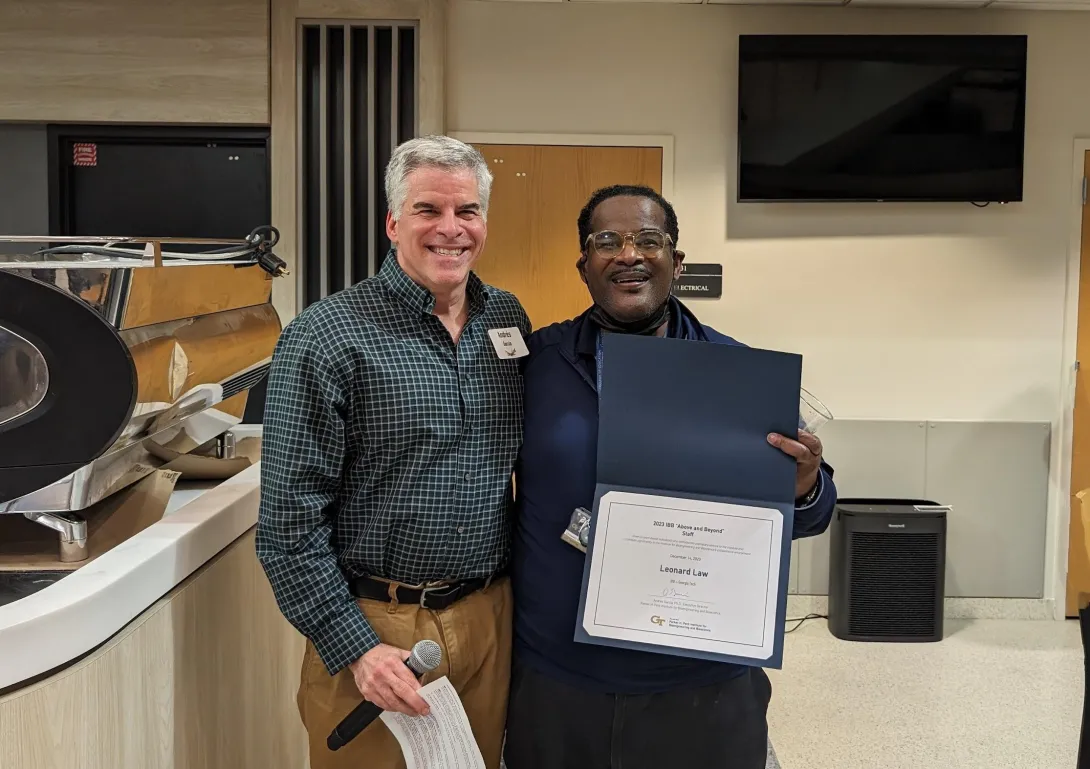
2023 ABOVE & BEYOND AWARDS
Congratulations to these members of the IBB community, who were recognized for their dedication and excellence in 2023!
Faculty
Levi Wood - Associate Professor, George W. Woodruff School of Mechanical Engineering
Levi is a collaborative and supportive PI and provides amazing mentorship to his trainees. He goes above and beyond for everyone he interacts with. His research focuses on applying systems analysis approaches and engineering tools to identify novel clinical therapeutic targets for inflammatory diseases.
Hang Lu - Associate Dean for Research and Innovation, College of Engineering
Hang provides tremendous leadership for the Bio-E program and through her guidance, the number of Bio-E students has grown. She knows the importance of community building for both the students and advisors and oversees several events each year to accomplish that sense of community.
Entrepreneurship
OZ-Link Technologies & Team - Kasie Collins, CEO (Postdoc), Jasmine Hwang, CSO (Postdoc), Steve Seo, COO (GT Affiliate), Wenting Shi, Lead Scientist (Ph.D. Candidate), Prof. M.G. Finn, Scientific Advisor
This team’s groundbreaking research has consistently translated scientific discoveries into practical, real-world solutions. The group's work in developing innovative diagnostics and therapeutics has had a profound impact on our field, demonstrating exceptional ability to bridge the gap between research and tangible, game-changing solutions. They have participated in Create-X and Nucleate and fostered collaboration from other academic institutions and stakeholders to maximize their technology and real-world impact for patients.
Trainees
Athena Chien, Ph.D. - Biomedical Engineering, Craig Forest, Advisor
Athena provides outstanding contributions as the leader in the BBUGS Outreach and Education Committee. She spends a significant amount of her free time visiting schools, organizing science and engineering demonstrations, and actively engaging with students to spark their interest in these fields. Her passion for science outreach comes through in every exchange with her! Athena does all of this while remaining an exemplary student in her academic pursuits. Her dedication to both research and community engagement demonstrates a well-rounded commitment to advancing her field of research while actively contributing to the broader community.
Daniel Shah, Ph.D. - Biomedical Engineering, Edward Botchwey, Advisor
Daniel is a CTENG trainee and has served as a mentor for CMaT and as a Petit mentor, passing down his scientific skills to underprivileged students in the Atlanta area. He also supports graduate recruitment efforts year-after-year, engaging with his cohort, and incoming cohorts bringing a sense of ease into every conversation while including others to make the community more inviting.
Staff
Lisa Redding - Academic Program Manager, Bioinformatics and Quantitative Biosciences
Lisa is foundational to the operation of the QBioS and Bioinformatics Ph.D. programs. She provides prompt and personalized support to dozens of students and excellent co-ordination and management for the Bioinformatics Program. She values and prioritizes every student's needs, and her unfailing optimism is inspiring.
Leonard Law - Building Coordinator
Leonard makes a great first impression on all visitors thanks to his smile and positive attitude. He brings joy to IBB in all that he does, from welcoming visitors, rearranging our atrium for events, and answering and unending stream of questions from new students, faculty and guests. He embodies Bob Nerem's Rule of Life #10 - "People will remember not what you said, but only how you made them feel." He exhibits a contagious earnestness and warmth. Leonard is a true gem to have as part of our community.
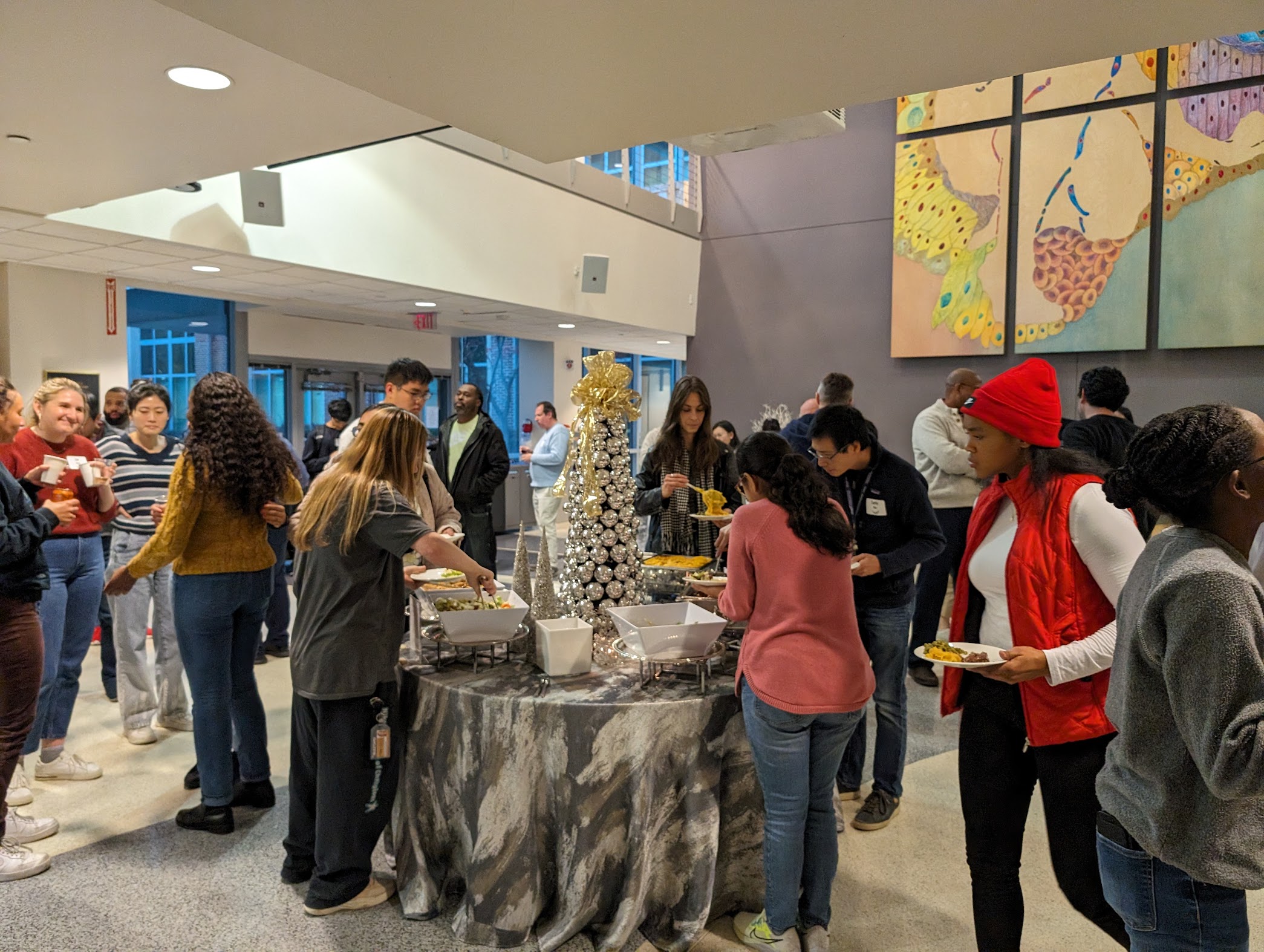
IBB's 2023 Holiday Party
News Contact
Savannah Williamson