
Oct. 08, 2024
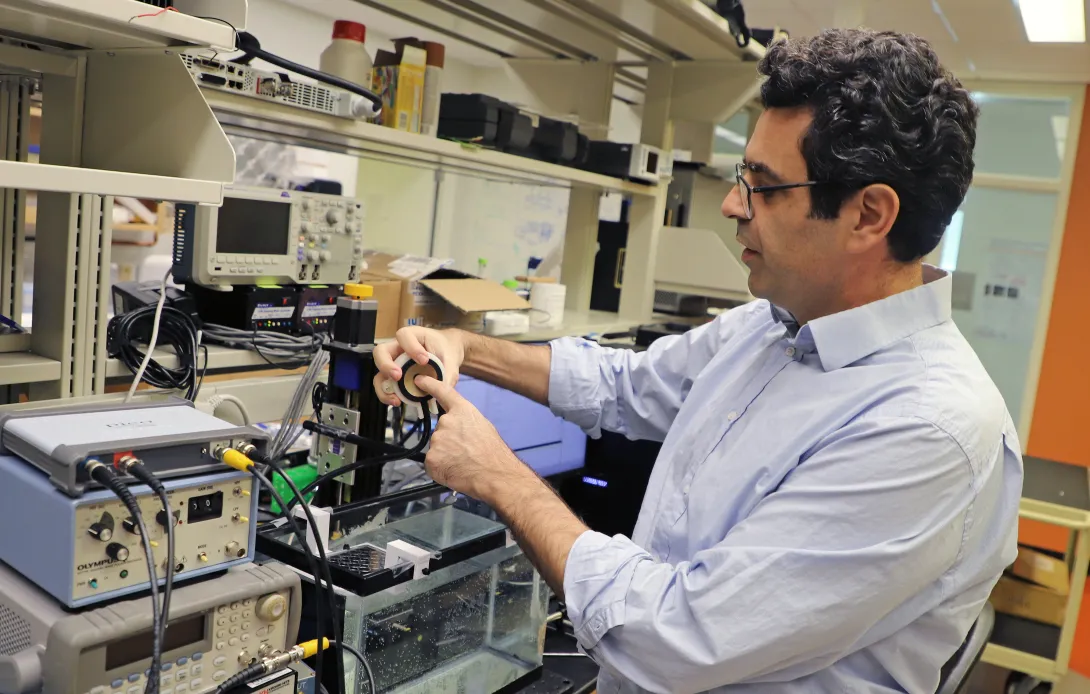
Costas Arvanitis is developing a method using microbubbles and ultrasound to breach the blood-brain barrier. — Photo by Jerry Grillo
The brain is a stronghold, the central command center for the body, protected by the blood-brain barrier (BBB). This network of blood vessels and tissues acts as a biological gatekeeper, a selective filter that prevents harmful substances in the bloodstream from entering the brain’s complex ecosystem.
It’s protection that comes at a cost. While the BBB lets some things in — like water, oxygen, general anesthetics made of very small molecules — it also prevents many vital therapeutics from reaching the brain, limiting the treatment options for neurological problems.
But a multinational team of researchers led by Georgia Tech biomedical engineer Costas Arvanitis is tackling the challenge with a technique that combines microbubbles — tiny gas-filled spheres — and ultrasound technology. Their innovative approach aims to temporarily open the BBB, allowing drugs or immune cells in to take on the fight against disease, offering therapeutic hope for patients battling conditions like brain cancer or Alzheimer’s disease.
“We found that microbubble-enhanced ultrasound, an emerging technology that offers a noninvasive way to temporarily open the blood-brain barrier, allows blood-borne therapeutics to reach the brain,” said Arvanitis, associate professor in the Wallace H. Coulter Department of Biomedical Engineering and the George W. Woodruff School of Mechanical Engineering.
The technique can potentially be fine-tuned to establish windows of opportunity to target brain diseases, he added. Costas and his collaborators describe their work in a recent edition of Nature Communications.
Bouncing Bubbles
Microbubbles, smaller than the diameter of human hair, have shells made of a lipid or protein. In healthcare, they’re often used to help enhance visibility in ultrasound, acting as contrast agents, illuminating details inside the body.
Ultrasound uses high-frequency sound waves to create images. When microbubbles are exposed to focused ultrasound waves, they rapidly expand and contract. This gentle mechanical force shakes the protective barrier surrounding the brain, creating small openings for aid to pass through.
“Despite their simple structure, microbubbles have complex behaviors,” Arvanitis said. “They can resonate at specific frequencies, allowing us to manipulate their oscillations to enhance permeability at the blood-brain barrier. And their behavior also depends on their size and shell composition.”
For instance, microbubbles with elastic shells are more effective in increasing the permeability of the BBB. In their research, Arvanitis and his collaborators noted a 12-fold increase in drug delivery effectiveness using elastic-shelled (lipid-based) microbubbles.
Math Before Mice
The researchers conducted studies using mice but began with a mathematical model to simulate microbubble dynamics in brain vessels. They identified a resonant frequency that enhances microbubble movement and explored the correlation between frequency, bubble dynamics, and inflammatory responses in the brain.
Their model and later experiments showed that specific ultrasound frequencies can enhance immune cell movement and increase drug accumulation in brain tumors. They also found that higher ultrasound frequencies, while effective in opening the BBB, were also accompanied by increased expression of inflammatory markers on the endothelia cells of the BBB — an important finding, as excessive inflammation can lead to further complications in patients with neurological disorders.
"By understanding and controlling the frequency dynamics of microbubbles, we can create a system that maximizes drug delivery efficacy,” Arvanitis said. “Our findings suggest that using lower frequencies may be beneficial for delivering therapeutics while reducing inflammation, which can be crucial for treating neurodegenerative diseases like Alzheimer's and Parkinson's.”
The research has implications that could extend beyond drug delivery, paving the way for new diagnostic techniques. Using ultrasound to open the BBB could allow clinicians to gather important information directly from the brain, improving diagnostic techniques, like ultrasound-enhanced biopsies.
“The scientific principles established by our work not only enhance our ability to develop safer and more effective treatments for brain diseases, but also lays the groundwork for innovative diagnostic and therapeutic strategies within and beyond the brain,” said Arvanitis, whose team included graduate students from his lab as well as researchers from the University of California (San Francisco), Stanford, and the University of Edinburgh.
He added, “The dynamics of microbubbles interacting with blood vessels could have important implications in other areas of medicine that we haven’t yet explored.”
CITATION: Yutong Guo, Hohyun Lee, Chulyong Kim, Christian Park, Akane Yamamichi, Pavlina Chuntova, Marco Gallus, Miguel Bernabeu, Hideho Okada, Hanjoong Jo, Costas Arvanitis. “Ultrasound frequency-controlled microbubble dynamics in brain vessels regulate the enrichment of inflammatory pathways in the blood-brain barrier.” Nature Communications doi.org/10.1038/s41467-024-52329-y
FUNDING: This study was supported by NIH grants R37 CA239039, R01CA273878, R35NS105068, HL119798, HL139757, HL151358, and T32HL166146. This study was also supported by the Parker Institute for Cancer Immunotherapy, Ians Friends Foundation, and the German Research Foundation, and the Leducq Foundation.
Aug. 14, 2023
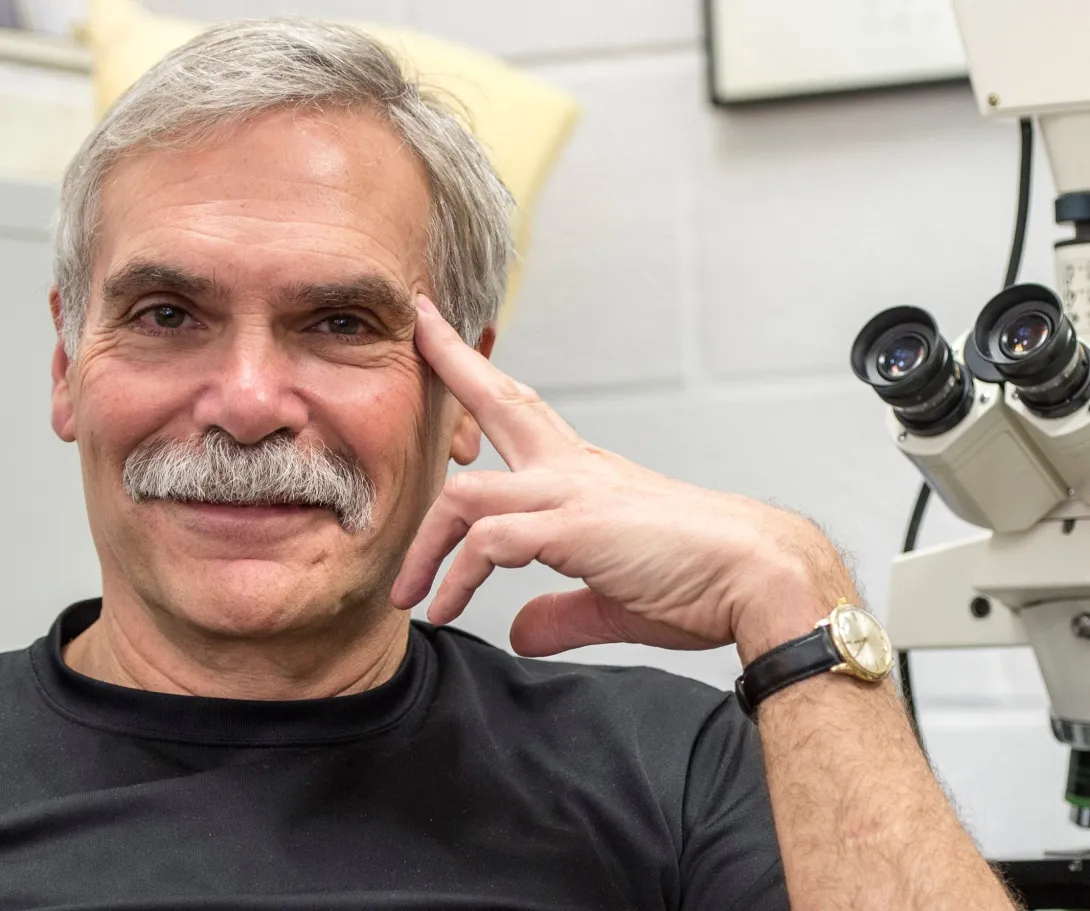
Billions of years ago, self-replicating systems of molecules became separated from one another by membranes, resulting in the first cells. Over time, evolving cells enriched the living world with an astonishing diversity of new shapes and biochemical innovations, all made possible by compartments.
Compartmentalization is how all living systems are organized today — from proteins and small molecules sharing space in separate phases to dividing labor and specialized functions within and among cells.
Now, with $6 million in support from NASA, a team of researchers led by Georgia Tech’s Frank Rosenzweig will study the organizing principles of compartmentalization in a five-year project called Engine of Innovation: How Compartmentalization Drives Evolution of Novelty and Efficiency Across Scales.
It's one of seven new projects selected recently by NASA as part of its Interdisciplinary Consortia for Astrobiology Research (ICAR) program. ICAR is embedded among NASA’s five Astrobiology Research Coordination Networks (RCNs). Rosenzweig is co-lead for the RCN launched in 2022, LIFE: Early Cells to Multicellularity.
“We’re excited by the prospect of exploring this fundamental question through the interplay of theory and experiment,” said Rosenzweig, professor in the School of Biological Sciences, whose team of co-Investigators includes biochemists, geologists, cell biologists, and theoreticians from leading NASA research centers: Jeff Cameron, Shelley Copley, Alexis Templeton, and Boswell Wing from the University of Colorado Boulder; Josh Goldford and Victoria Orphan from California Institute of Technology; and John McCutcheon from Arizona State University. Collaborating with them is Chris Kempes, professor at the Santa Fe Institute.
Rosenzweig is also eager to eventually collaborate with existing ICAR teams, such as MUSE, led by the University of Wisconsin’s Betül Kaçar, a former Georgia Tech postdoctoral researcher, and newly selected teams, such as Retention of Habitable Atmospheres in Planetary Systems, led by Dave Brain at University of Colorado Boulder.
Meanwhile, he plans to build upon Georgia Tech’s outstanding reputation in astrobiology, where a cluster of researchers, such as Jen Glass, Nick Hud, Thom Orlando, Amanda Stockton, and Loren Williams, among others, is engaged in a diverse range of work supported by NASA.
“This is just the latest chapter in a long history of excellence in NASA research at Georgia Tech, one written by my colleagues across the Institute,” Rosenzweig said.
News Contact
Mar. 25, 2024
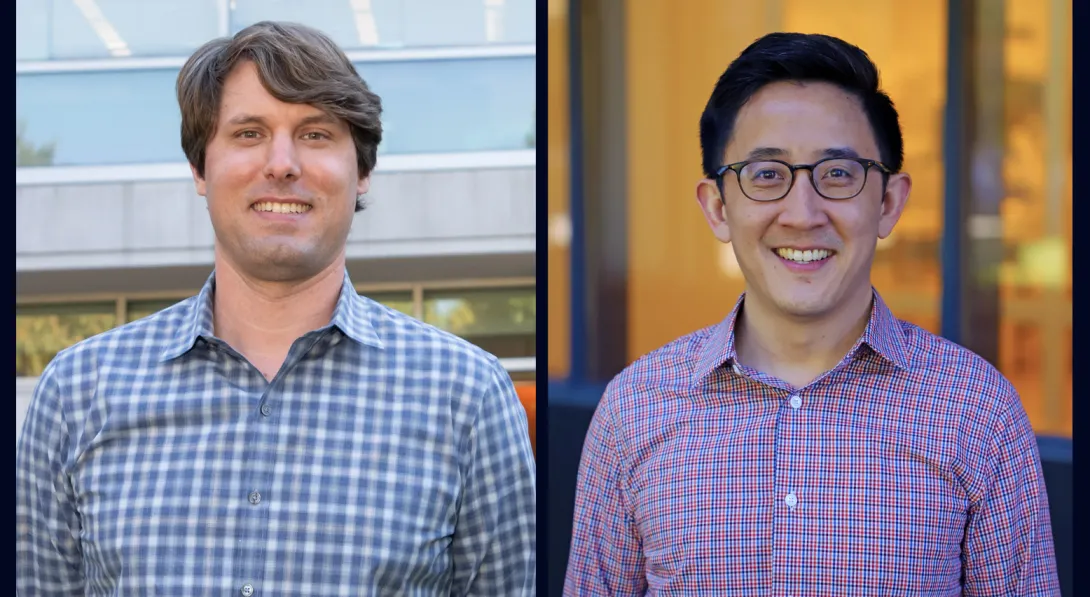
Coulter BME faculty members James Dahlman and Gabe Kwong have been elected to the American Institute for Medical and Biological Engineering (AIMBE) College of Fellows.
Two faculty members in the Wallace H. Coulter Department of Biomedical Engineering — associate professors James Dahlman and Gabe Kwong — have been elected to the American Institute for Medical and Biological Engineering (AIMBE) College of Fellows.
It’s considered one of the highest professional accolades for medical and biological engineers. Dahlman and Kwong are among 163 colleagues in this year’s induction class, joining only two percent of engineers in their fields who are accorded this distinction. Inductees are nominated and elected by peers and members of the College of Fellows.
“Many of the scientists I look up to are part of this organization, so I’m deeply honored to be named an AIMBE Fellow,” said Dahlman, McCamish Foundation Early Career Professor in Coulter BME, a joint department of Georgia Tech and Emory University.
AIMBE recognized him “for his sophisticated in vivo screens to develop clinically relevant lipid nanoparticles for delivering targeted RNA-based therapies outside the liver.”
Dahlman’s lab has developed nanoparticle barcodes that allow them rapidly to screen hundreds of potential drug delivery molecules at once, accelerating the discovery and delivery of new RNA therapeutics.
“I’m grateful for the recognition, but this honor really goes to the excellent trainees we have at Georgia Tech and Emory. Without their creativity and hard work, this recognition simply does not happen,” said Dahlman, who also called out his personal advisors, undergraduate mentor Daniel Miracle, and pioneering biotechnologists Robert Langer and Feng Zhang: “They believed in me and gave me the confidence to pursue high-risk, high-reward science at Georgia Tech and Emory.”
Kwong was elected, according to the AIMBE citation, “for pioneering advances in immunoengineering and the clinical translation of such advancements for early cancer detection and immunotherapy.”
He’s leading a $50 million project as part of President Biden’s Cancer Moonshot initiative to map the metabolic signatures of cancer. Project CODA (for Cancer and Organ Degradome Atlas) will use this information to build bioengineered sensors for the early detection of multiple cancers.
“It’s the kind of multi-institutional project with a potential for great impact that every researcher dreams about,” noted Kwong, who said he did not develop a passion for research until college.
“That’s when I discovered that I liked solving problems — the harder the better,” said Kwong, whose Laboratory for Synthetic Immunity engineers medicines to intercept and treat disease. “After avoiding classes like chemistry in high school, I realized that I enjoy peeking under the hood, so to speak, and learning about the body, about cells and molecules.”
He added, “It just goes to show that there are multiple paths we can take to make contributions to human health. And this honor from AIMBE is personally significant, because it comes from a group of professionals that I sincerely admire, and that inspire me.”
AIMBE Fellows are some of the nation’s most distinguished medical and biological engineers, including three Nobel Prize laureates and 22 winners of the Presidential Medal of Science or Medal of Technology and Innovation. Also, 214 Fellows have been inducted to the National Academy of Engineering, 117 to the National Academy of Medicine, and 48 to the National Academy of Sciences.
News Contact
Jerry Grillomailto:jerry.grillo@ibb.gatech.edu
Oct. 02, 2024
Congratulations to the 2024 - 25 O'Hara Fellows!
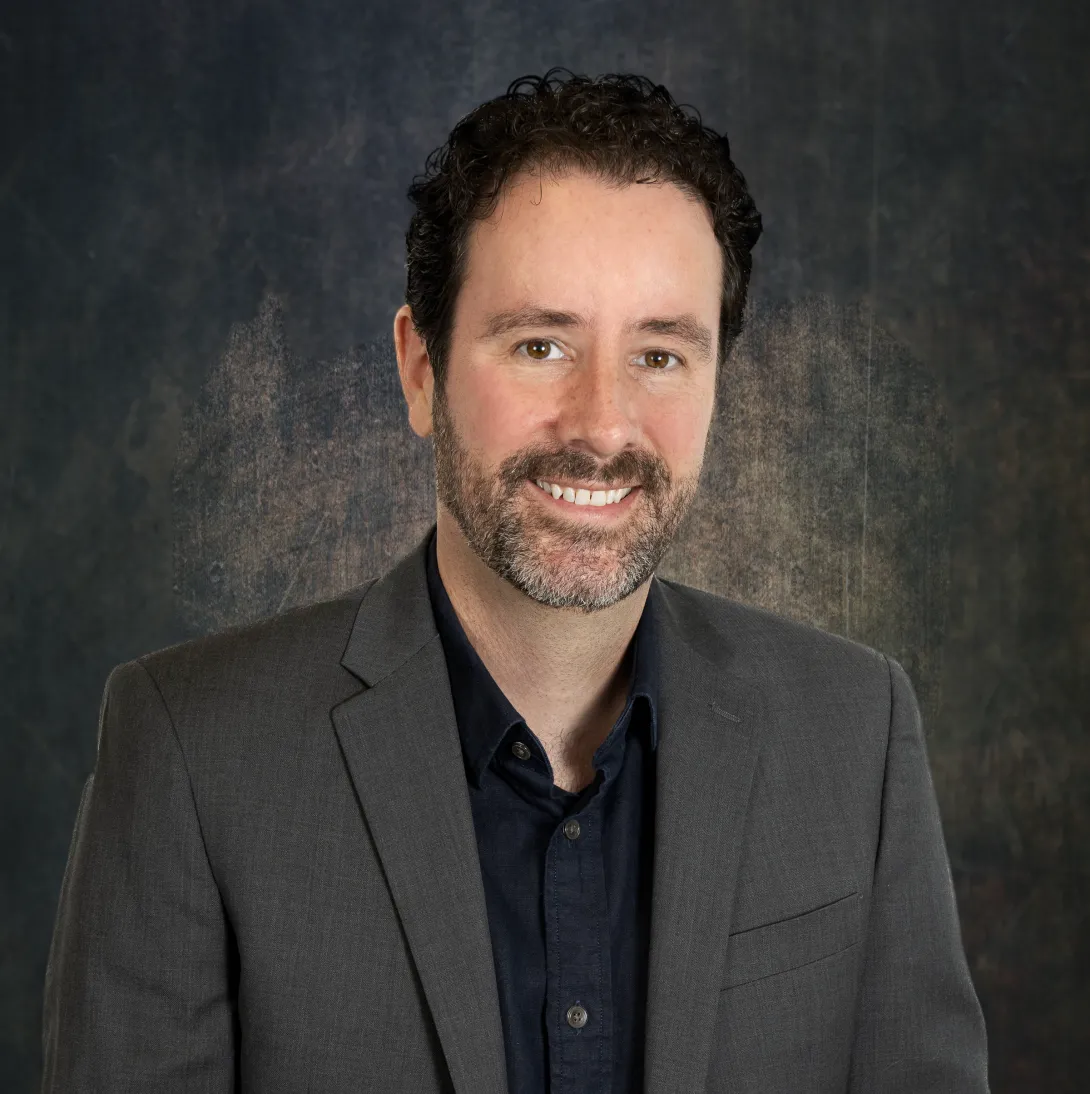
Anthony Boever
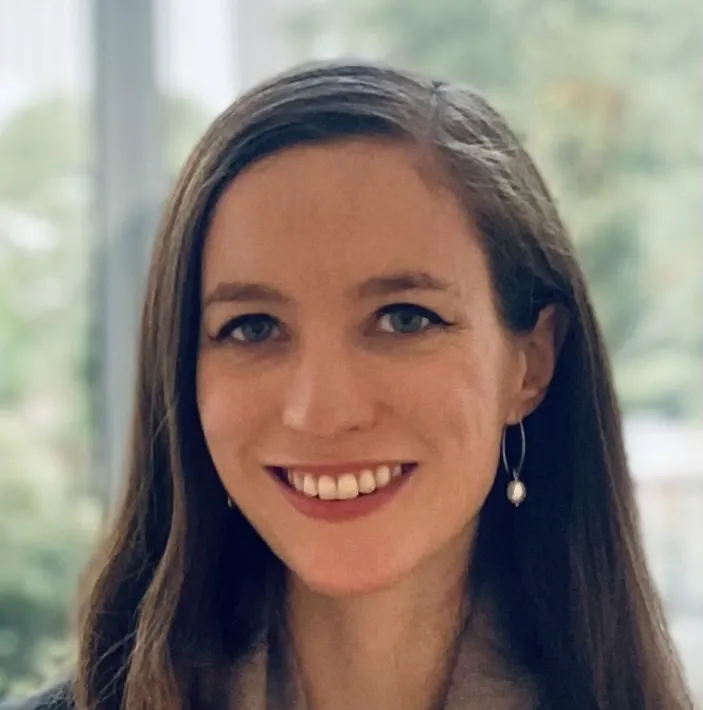
Erin Connolly
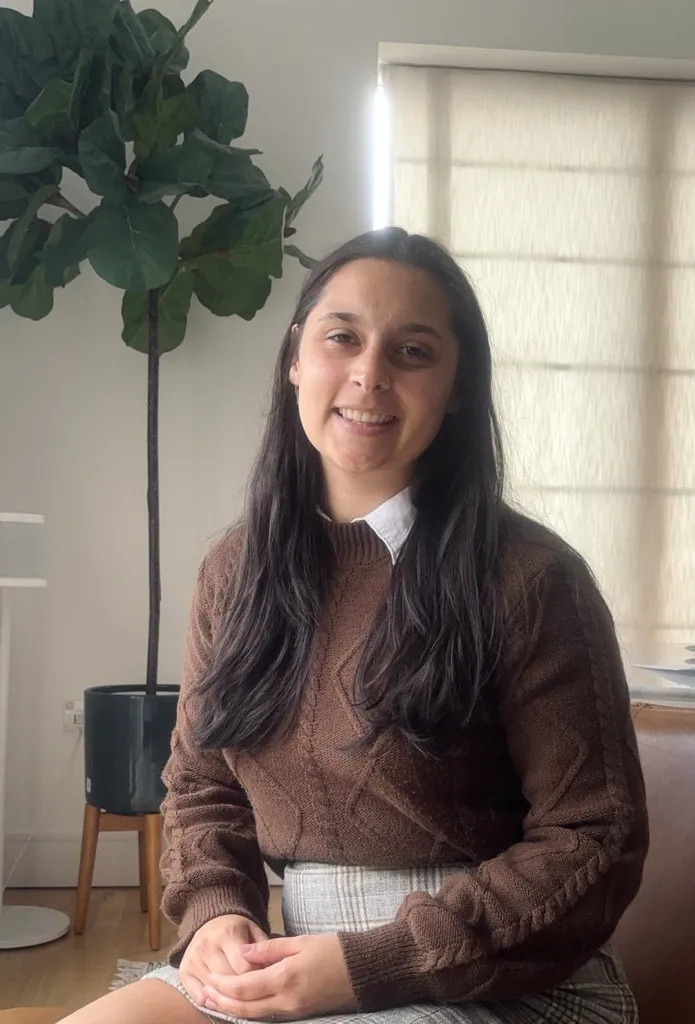
Sierra Knavel
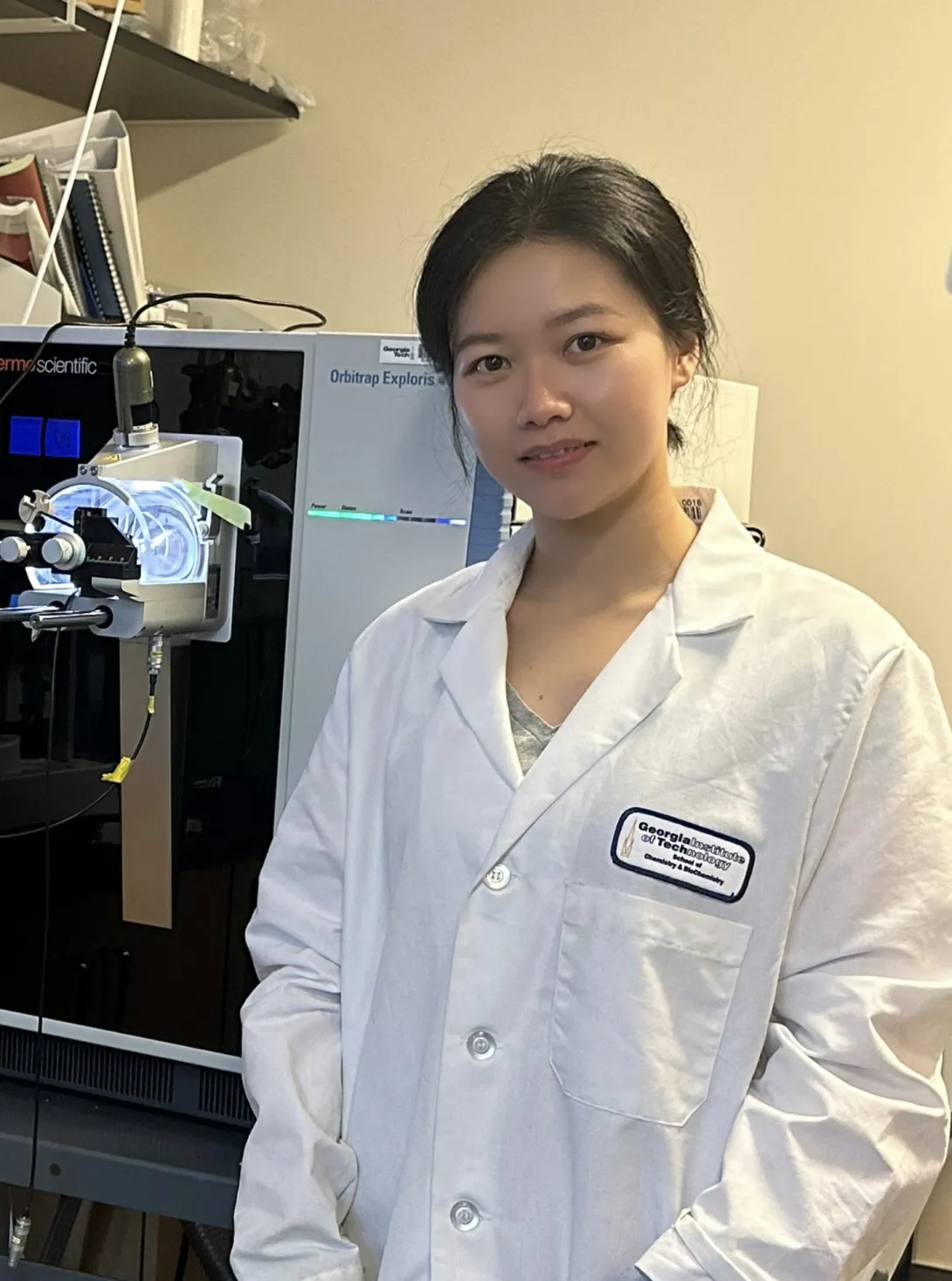
Xing Xu

Kai Xue
Congratulations to the students awarded the Larry S. O’Hara Graduate Scholarship for the 2024-25 academic year. The early career fellowship from the College of Sciences recognizes outstanding doctoral students scheduled to graduate in the calendar year following their nominations.
“We are proud and excited to honor this year’s recipients of the O’Hara Fellowships,” says College of Sciences Senior Associate Dean David Collard. “They represent the best of our amazing Ph.D. students with impressive research, teaching, service, and leadership accomplishments.”
Meet the 2024-25 O’Hara Fellows
Anthony (Tony) Boever, School of Earth and Atmospheric Sciences
Boever is a fifth-year EAS student, conducting research for Martial Taillefert’s Group. His research spans the land-to-ocean continuum and includes studies on how groundwater fluctuations control the fate and transport of uranium in stream sediments, how wetland changes affect methane emissions, and how river pulses influence carbon transformations in low-oxygen ocean sediments. Boever has been extremely active in field research, participating in six research cruises and leading the field component of a Department of Energy-funded project at the Savannah River National Laboratory that included more than six research trips in two years. As a result of his extensive field work, Boever is working on three first-author publications and co-authoring three additional articles.
“I play in the mud, using sensors to monitor chemical changes that affect the environment,” says Boever. “Field studies are tough, but what we learn is invaluable not only for improving our current understanding of these processes but also informing us of their potential influence on future ecosystem function and global climate impacts.”
Erin Connolly, School of Biological Sciences
Connolly will earn her Ph.D. in bioinformatics. As a member of the Gibson Lab, she studies single-cell genomics, data visualization, gene regulation, autoimmunity, cancer, and personalized medicine. In addition to her research activities, Connolly has presented posters or presentations at five national and international meetings, was active in the Women-in-Science promotion, and has mentored high school and undergraduate students.
“My research focuses on understanding how our immune system differs between sexes, changes with age, and responds to treatments such as radiation and immunotherapy,” says Connolly. “By studying these differences, I aim to uncover details that can lead to more personalized and effective therapies for cancer and age-related diseases. This work can potentially make healthcare more effective, improving patient outcomes across diverse populations.”
Sierra Knavel, School of Mathematics
Knavel, whose research focuses on symplectic topology and is advised by John Etnyre, is an avid mentor and teacher. She served on the Graduate Council and runs the Directed Reading Program for the School of Mathematics, pairing undergraduate students with graduate students to pursue advanced topics in mathematics. She also developed a Research Experience for Undergraduates (REU) based on her Ph.D. research. As a teaching assistant, she has been recognized with an Outstanding Student Evaluation Award and numerous Thank-a-Teacher certificates.
“My time at Georgia Tech grows more enriching each year,” says Knavel. “The community is welcoming, with abundant mentorship. I've received support at every level for my decisions to attend conferences, teach abroad, and help organize activities in the School of Mathematics. Because of the supportive community, I’ve gained the skills and knowledge necessary to teach and motivate undergraduate students in both classroom and research settings.”
Xing Xu, School of Chemistry and Biochemistry
Xu will receive her Ph.D. in chemistry and has published two first-author papers, with three more in preparation. She has contributed to four additional publications as a second or third author. Additionally, she mentored several undergraduate and first-year graduate students within the Wu Research Group and served as a mentor for the Summer 2023 National Science Foundation Research Experience for Undergraduates Program.
"My research focuses on identifying glycoprotein alterations in human cancer,” says Xu. “I’m particularly fascinated by how I can use chemical probes and mass spectrometry to 'visualize' changes in glycoproteins within clinical cancer models. This area of study interests me because glycoproteins play a crucial role in cancer progression and metastasis, and understanding these alterations could lead to new therapeutic strategies."
Kai Xue, School of Psychology
Xue specializes in cognition and brain science. Although she has been a part of the Ph.D. program for only two years, she has published three scientific papers and has several others submitted and under review. She has also served as a highly ranked teaching assistant.
"My research centers on perceptual decision-making and metacognition, focused on using computational modeling and transcranial magnetic stimulation (TMS) to advance our understanding of how confidence is computed,” says Xue. “This exploration into the mechanisms of human confidence computation deeply fascinates me; I am incredibly grateful to my supervisor, Dobromir Rahnev, whose unwavering support and guidance have been invaluable throughout this journey."
News Contact
Writer: Laura S. Smith
Communications Officer II
College of Sciences
laura.smith@cos.gatech.edu
Jul. 01, 2024
On a humid June morning, 50 students are gathered in The Kendeda Building for Innovative Sustainable Design to learn how to make a water filtration system. They use everyday materials — a soda bottle and cotton balls — and watch as dirty water becomes clean. Of all the places to try the experiment on Georgia Tech’s campus, Kendeda is the ideal spot because of its focus on sustainability and the environment.
On this day, however, the students pouring water over cotton, sand, and charcoal aren’t Yellow Jackets — at least, not yet. They’re rising ninth and 10th graders participating in an intensive experiential learning camp called STEM Gems. The program introduces girls and young women to careers and women in STEM through hands-on activities, career exploration, and mindful conversations.
“I love the arts, but STEM is my main focus. That’s why I applied to this camp,” said Niema Spears, a rising ninth grader at Atlanta’s Coretta Scott King Young Women's Leadership Academy. “I never knew you could filter water using natural materials. It’s consistent with what I’ve seen all week: I didn’t know I could do any of this.”
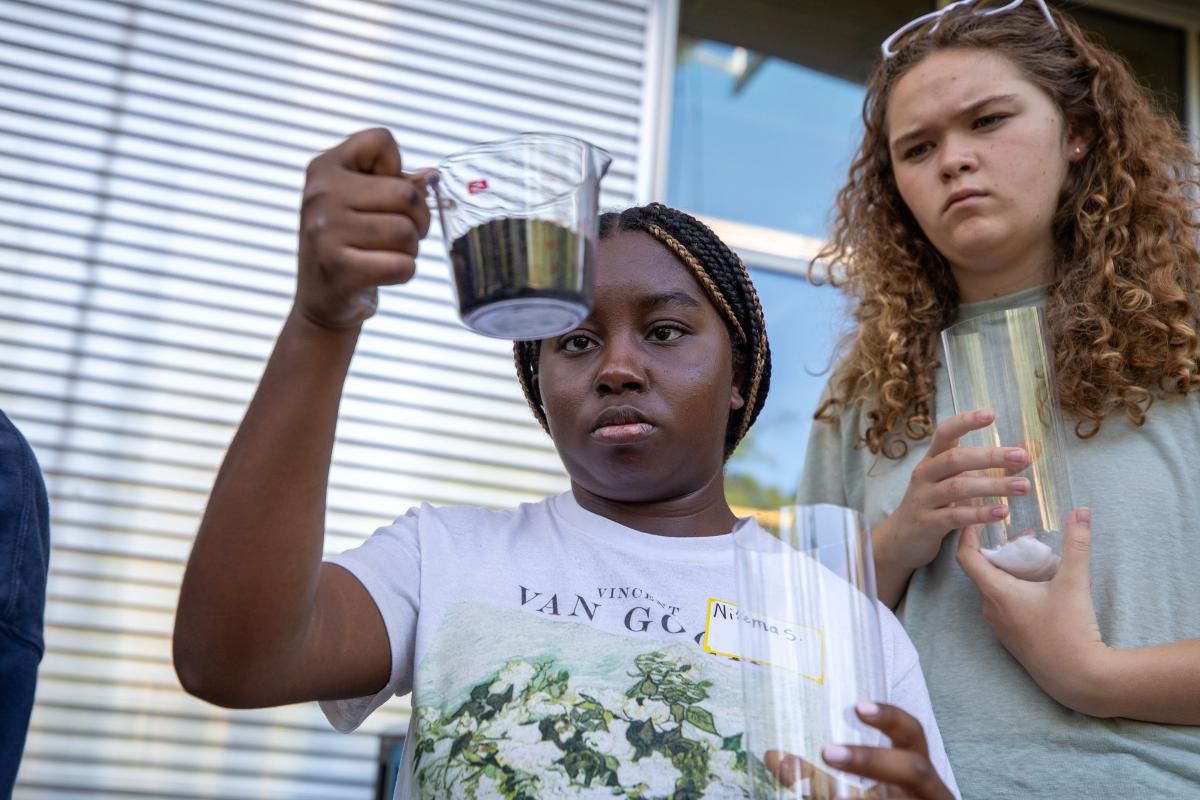
Two campers measure soil before putting it into their water filtration system.
This is the second consecutive summer STEM Gems has chosen the College of Engineering as the best location to expose their participants to the possibilities of science, technology, engineering, and math and learn about the significant impact Georgia Tech research has in the world.
The College supports STEM Gems because of its focus on growing the engineering pipeline of women and people from underserved communities. The program’s goals are aligned with other College-organized summer events that include the Summer Engineering Institute and the Summer Undergraduate Research Experience.
“Empowering K-12 students in Georgia with STEM education is not just about teaching science, technology, engineering, and math. It's about igniting curiosity, fostering innovation, and preparing the next generation to lead and thrive in a rapidly evolving world,” said Associate Dean Damon Williams. “STEM Gems is a premier summer camp experience for Georgia students that does just that.”
STEM Gems was created by Atlanta native Stephanie Espy, a chemical engineer-turned-entrepreneur. After seeing few women in the engineering field during her college internships, Espy wrote a book about women in STEM fields and their careers. It was aimed at middle and high schoolers and has spawned the camp, an annual summit, and a K-12 club that currently has chapters in 100 schools around the nation.
At the camp, the students visit Georgia Tech labs, hear from faculty and admissions officers, and enjoy a series of interactive activities. On their “engineering day,” they built the water filtration system, made eco-friendly jewelry from bioplastics, and created a hidden alarm to prank their parents. “Science day” included extracting DNA from strawberries, building a terrarium and tracking map for insects, and testing forensic evidence from a hypothetical crime scene. “Technology day,” “math day,” and “my STEM journey day” rounded out the week.
The camp is free for participants because of funding from the Avantor Foundation. The grant also pays for camp facilitators, six of whom are Georgia Tech students.
“Seeing the campers engaged in thoughtful STEM-career-focused activities and learning about women in a diverse range of STEM careers has been very rewarding for me,” Espy said. “And Georgia Tech is a natural home for our STEM Gems camp. Tech enrolls and graduates the most women engineers every year. We want our campers to be on this campus and see themselves as future students, no matter which STEM path they choose.”
Georgia Tech is a natural home for our STEM Gems camp. Tech enrolls and graduates the most women engineers every year. We want our campers to be on this campus and see themselves as future students.
STEPHANIE ESPY
Bioengineering Ph.D. student Makala Faniel spends the majority of her summer in the biomedical engineering lab of Cheng Zhu researching cancer immunotherapy molecules and the immune system. This is the second year she took a week off to serve as a STEM Gems facilitator.
“I participated in Project ENGAGES at Tech when I was in high school, and the program helped me figure out that I wanted to pursue materials science as an undergrad,” Faniel said. “This is a chance to give back and provide some of the same assistance others gave me when I was that age. If I had more information as a high schooler, I would have been better prepared. This program and this week allow that.”
Tiffany Franklin said Georgia Tech was a big draw for her. She will start 10th grade at Smyrna’s Campbell High School in August and applied to the camp because she loves math and science and couldn’t pass up the chance to come to campus.
“This week has been fun, empowering, and therapeutic. It’s a rare opportunity to bring out the nerd in me,” Franklin said. “And seeing these labs and doing these activities here at Georgia Tech makes everything seem so official.”
News Contact
Jul. 09, 2024
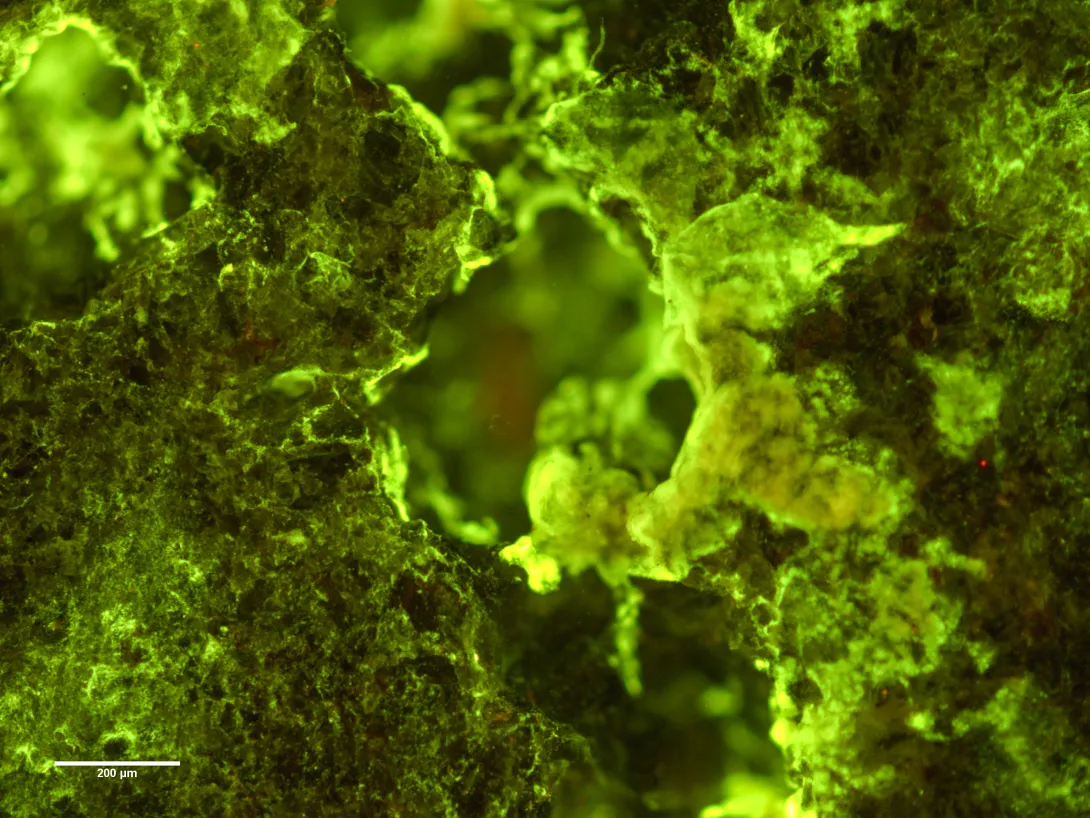
From plaque sticking to teeth to scum on a pond, biofilms can be found nearly everywhere. These colonies of bacteria grow on implanted medical devices, our skin, contact lenses, and in our guts and lungs. They can be found in sewers and drainage systems, on the surface of plants, and even in the ocean.
“Some research says that 80% of infections in human bodies can be attributed to the bacteria growing in biofilms,” Aawaz Pokhrel says, lead author of a groundbreaking new study that uses physics to investigate how these biofilms grow.
The paper, “The Biophysical Basis of Bacterial Colony Growth,” was published in Nature Physics this week, and it shows that the fitness of a biofilm — its ability to grow, expand, and absorb nutrients from the medium or the substrate — is largely impacted by the contact angle that the biofilm’s edge makes with the substrate. The study also found that this geometry has a bigger influence on fitness than anything else, including the rate at which the cells can reproduce.
“That was the big surprise for us,” says corresponding author Peter Yunker, an associate professor in Georgia Tech’s School of Physics. “We expected that the geometry would play an important role, and we thought that figuring out exactly what the geometry is would be important for understanding why the range expansion rate, for example, [the rate at which the biofilm spreads across the surface over time] is constant. But we didn't start the project thinking that geometry would be the single most important factor.”
Understanding how biofilms grow — and what factors contribute to their growth rate — could lead to critical insights on controlling them, with applications for human health, like slowing the spread of infection or creating cleaner surfaces. “What got me excited was this opportunity to use physics to learn about complex biological systems,” Pokhrel, who is also a Ph.D. student in Yunker’s lab, adds. “Especially on a project that has so many applications. The combination of the importance for human health and exciting research was really intriguing for me.”
A new method
While biofilms are ubiquitous in nature, studying them has proven difficult. Because these “cities of microorganisms” are comprised of tiny individuals, scientists have struggled to image them successfully.
That changed in 2015, when Yunker began wondering if interferometry, a commonly used imaging technique in physics and materials science, could be applied to biofilms. “Given my background in physics, I was familiar with its use in materials applications,” Yunker recalls. “I thought applying this technique more broadly might be interesting, because we know from decades of physics that surface interfaces contain a lot of information about the processes that create them.”
The technique proved to be simple, effective, and time-efficient, providing nanometer-scale resolution of bacterial colonies. “It allows us to essentially get a picture of the topography — the shape of the surface of the bacterial population — with super-resolution,” Yunker adds.
Leveraging interferometry, the team began conducting new biofilm experiments, investigating how colonies’ shapes changed over time. Co-first author Gabi Steinbach, formerly a postdoctoral scholar in Yunker’s lab and now a scientific research coordinator at the University of Maryland, noticed that every colony had a specific shape when it was small: a spherical cap, like a slice from the top of a sphere, or a droplet of water. It’s a shape that shows up often in physics, and that sparked the team’s interest.
“A spherical cap in physics is very interesting, because it is a surface-minimizing shape,” Pokhrel adds. “I was curious why a biological material was growing in this shape, and we started wondering if there was some physics to it – perhaps geometry was involved. And that made us think that maybe we could develop a model. And that got me really excited.”
A mathematical mystery
However, the researchers soon hit a roadblock. “While we could see that the colonies were spherical caps at first, they would deviate from that shape as they grew,” Pokhrel says. “And the shape that they grew into was difficult to describe with existing spherical cap geometry.”
“The middle didn’t grow as quickly as it should to keep the spherical cap shape, and we wanted to connect all of this to the range expansion [the rate at which the colony spread across a surface],” Yunker adds. “But we knew that somehow, geometry was playing a very important role.”
Finally, Thomas Day, a former graduate student in Yunker’s lab, now a postdoctoral fellow at the University of Southern California, and one of the authors of the paper, suggested a quirky problem of geometry called the napkin ring problem.
“As soon as we started to think about the napkin ring problem, we were able to start developing a mathematical toolkit,” Yunker says, though the solution wasn’t effortless. “We couldn't find anyone who had ever looked at a spherical cap napkin ring before, because the application is very rare.”
Pokhrel, alongside two co-authors, was responsible for working out the geometry. He discovered that the cells grew exponentially at the edge of the shape, expanding further onto the medium, while the cells in the middle grew upward, creating a shape not unlike an egg in a frying pan — if the egg white was expanding outwards, while the yolk was only growing taller.
This was the breakthrough discovery: Because the cells at the middle were only contributing to the biofilm’s height, the team only needed to account for how many cells were at the edge of the biofilm, and the shape they needed to be in to grow and spread.
After incorporating their findings into a mathematical model, the team found that the contact angle was the most important factor: the angle that the very edge of the biofilm made when it touched the surface it was growing on. That single geometric quality is even more important to a biofilm’s growth than the rate at which it can reproduce cells.
The physics-biology connection
Overall, the project took more than three years, from conception to publication. “Aawaz really made an incredible effort seeing this work through,” Yunker says. “It was many years and many, many experiments. But the finished product is 100% worth it.”
The team hopes the research will pave the way for future studies, which could lead to applications like controlling biofilm growth to help prevent infections.
“Going forward, there are still a lot of research avenues,” Pokhrel says. “For example, looking at competition experiments between biofilms — do taller colonies change their contact angle so that they can spread faster? What role does this geometry play in competition?”
“Biology is complex,” Yunker adds. In nature, the surface a biofilm grows on may not be as consistent as a laboratory surface, and colonies may have different mutations or may consist of more than one species. And while the model is based on how biofilms behave in a controlled lab environment, it’s a critical first step in understanding how they may behave in nature.
Citation: Pokhrel, A.R., Steinbach, G., Krueger, A. et al. The biophysical basis of bacterial colony growth. Nat. Phys. (2024). https://doi.org/10.1038/s41567-024-02572-3
Funding information: This research was funded by the NIH National Institute of General Medical Sciences and NSF Biomaterials
News Contact
Written by Selena Langner
Sep. 05, 2024
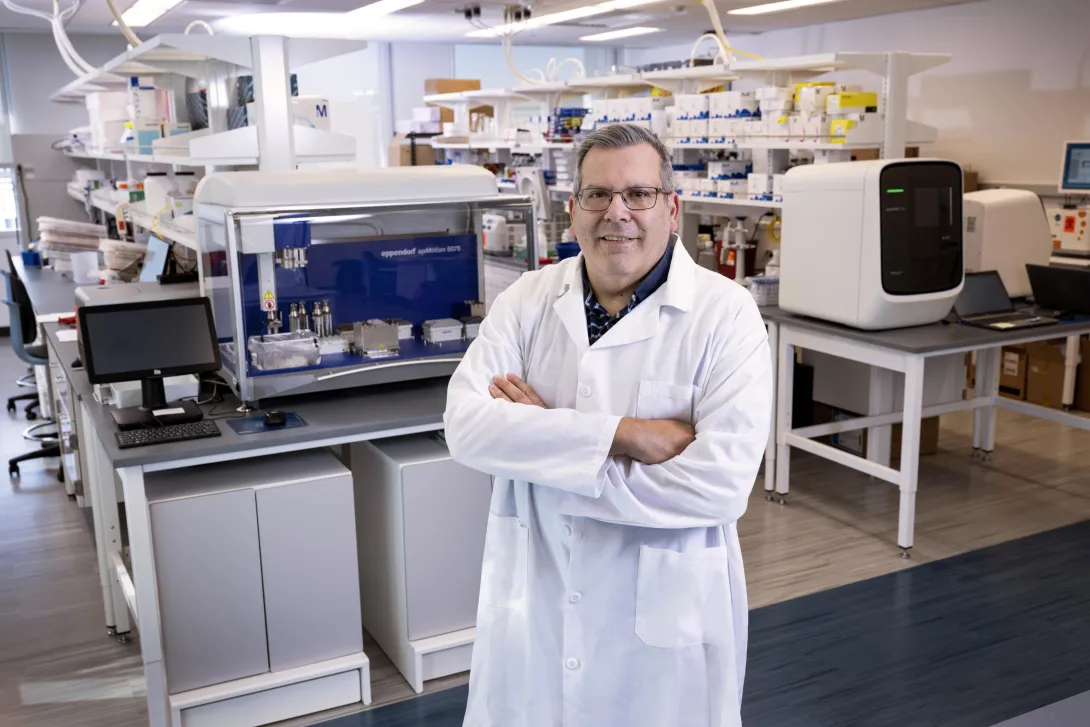
Phil Santangelo has led development of a new treatment for dengue virus, using mRNA and CRISPR technology. — Photo by Jack Kearse
Dengue virus, a painful and sometimes fatal mosquito-borne infection well known in tropical countries, is surging rapidly across the planet. Now, 4 billion people live in places — like the southeastern United States — at risk for the disease, which doesn’t have an effective antiviral treatment. Yet.
A team of researchers led by biomedical engineer Phil Santangelo has developed a breakthrough therapy to target and kill the virus using the gene editing tool CRISPR-Cas13. The team’s systemic delivery of the treatment was successful in treating dengue virus in mice, as the researchers explained in Nature Microbiology.
Dengue is difficult to treat in part because there are four different serotypes of the virus, which means four different targets for a vaccine. People infected with one serotype who then contract a second version of the virus can end up with a serious disease. That second attack can end up amplifying the first. Symptoms include fever, nausea, rash, aches and pains (including behind the eyes), and in some cases, internal bleeding, shock, and death.
“There are several challenges with trying to treat dengue, so we wondered, is it possible for us to produce an mRNA-based, CRISPR-based antiviral where one shot can clear the virus,” said Santangelo, professor in the Wallace H. Coulter Department of Biomedical Engineering at Georgia Tech and Emory University. “And that’s basically what we’ve shown.”
New Use for the Tech
With the global proliferation of the Aedes mosquito that spreads dengue and other viruses, the timing of such a treatment would be fortuitous.
“Unfortunately, climate change is enabling an increase of these virus-causing mosquitos,” said Santangelo, also a researcher in the Petit Institute for Bioengineering and Bioscience at Georgia Tech. “So, it’s a good idea to be prepared.”
This is the first time an mRNA-based CRISPR treatment has worked against systemic viral infections in animal models. But Santangelo demonstrated its efficacy in earlier studies focused on lung diseases, including a treatment for coronavirus. That was an inhalable treatment using polymeric nanoparticles — large, biodegradable molecules ideal for delivering medicine directly to the lungs.
For the dengue virus study, the team used lipid nanoparticles (LNPs), which are like tiny fat bubbles that transport drugs through the bloodstream and into cells. The nanoparticles carried a custom-coded messenger RNA (mRNA) molecule.
The mRNA was encoded with Cas13a (a CRISPR protein that can cut viral RNA) and guide RNAs (to direct the Cas13a to the viral RNA that needs to be cut). The process basically created a set of instructions. When the encoded mRNA is delivered to infected cells via the LNPs, the cell uses those instructions to build Cas13a and guide RNAs, which degrade the viral RNA within those targeted cells.
Military Precision
A single dose of the treatment was given to mice infected with lethal doses of two serotypes of dengue virus, DENV-2 and DENV-3. All the treated mice survived with no unintended damage to their RNA. Following treatment, the researchers also looked for evidence of the virus in the mice’s brains but couldn’t find any.
“It looks like our treatment precludes the virus from getting into the brain,” Santangelo said. “This may not be super critical for dengue, which doesn’t end up in the human brain. But this discovery could be really important for Zika virus, Japanese encephalitis, West Nile, and other viruses that do affect the human brain.”
The study was funded by the Defense Advanced Research Projects Agency (DARPA), which is interested in protecting soldiers from mosquito-borne illnesses. Santangelo’s team now is testing their approach on dengue’s other serotypes and will study the treatment in other viruses.
“We’re very interested in trying these kinds of approaches to go after as many viruses as we can with one, potent treatment,” said Santangelo, whose team included researchers from Georgia State University as well as Emory’s Computational Core. “We’re trying to find the most efficient way to kill these viruses. We’re not quite there yet, but we’re going to get there eventually.”
CITATION: Basu, M., Zurla, C., Auroni, T.T. et al. mRNA-encoded Cas13 can be used to treat dengue infections in mice. Nat Microbiol 9, 2160–2172 (2024). https://doi.org/10.1038/s41564-024-01726-6
This research was supported by the Defense Advanced Research Projects Agency, grant No. HR0011-19-2-0008. Any opinions, findings, and conclusions or recommendations expressed in this material are those of the authors and do not necessarily reflect the views of any funding agency.
News Contact
Jerry Grillo
Aug. 26, 2024
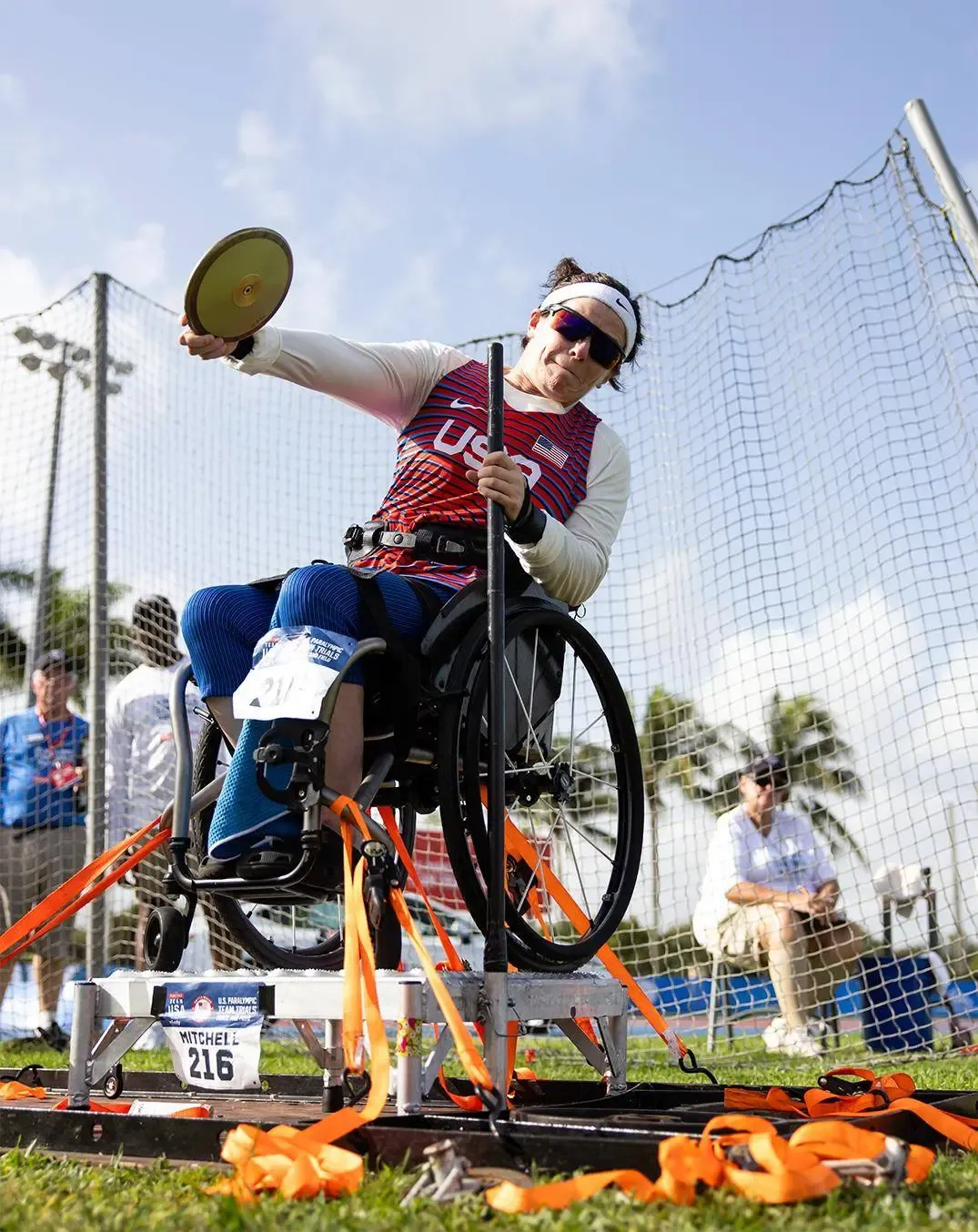
It’s tough to say what keeps pushing Cassie Mitchell to compete in the Paralympics.
Maybe it’s stubbornness, a refusal to let the degenerative neurological condition that has paralyzed much of her body control what she does.
Maybe it’s the fact that, despite three trips to the Paralympic Games going back to London in 2012 and despite medaling in 2016 and 2021, she still doesn’t have an elusive gold medal.
Maybe it’s simply that she’s been an athlete her entire life and thrives by pushing herself.
Whatever the motivation, Mitchell has qualified for her fourth straight Paralympic Games and will compete in the discus throw in Paris when the events get underway Aug. 28 – Sept. 8.
“My goal has been to be on the top of the podium, to see the flag come up, to hear the national anthem at a Paralympic Games. I have been blessed to get that at World Championships and some other events, but not at a Paralympic Games,” said Mitchell, an associate professor in the Wallace H. Coulter Department of Biomedical Engineering at Georgia Tech and Emory University. “That just keeps me coming back. It’s like this sign I keep on my shelf: ‘Never, never, never give up.’ As long as I am able to go out, be competitive, and have a chance, then I want to keep going.”
Discus has been one of Mitchell’s signature events for multiple Paralympic cycles. She won silver in 2016 and just missed the medal stand at the Covid-delayed 2021 Games.
Two of her nine American Paralympic track and field records are in discus, and she currently holds the world record for athletes with her level of physical disability.
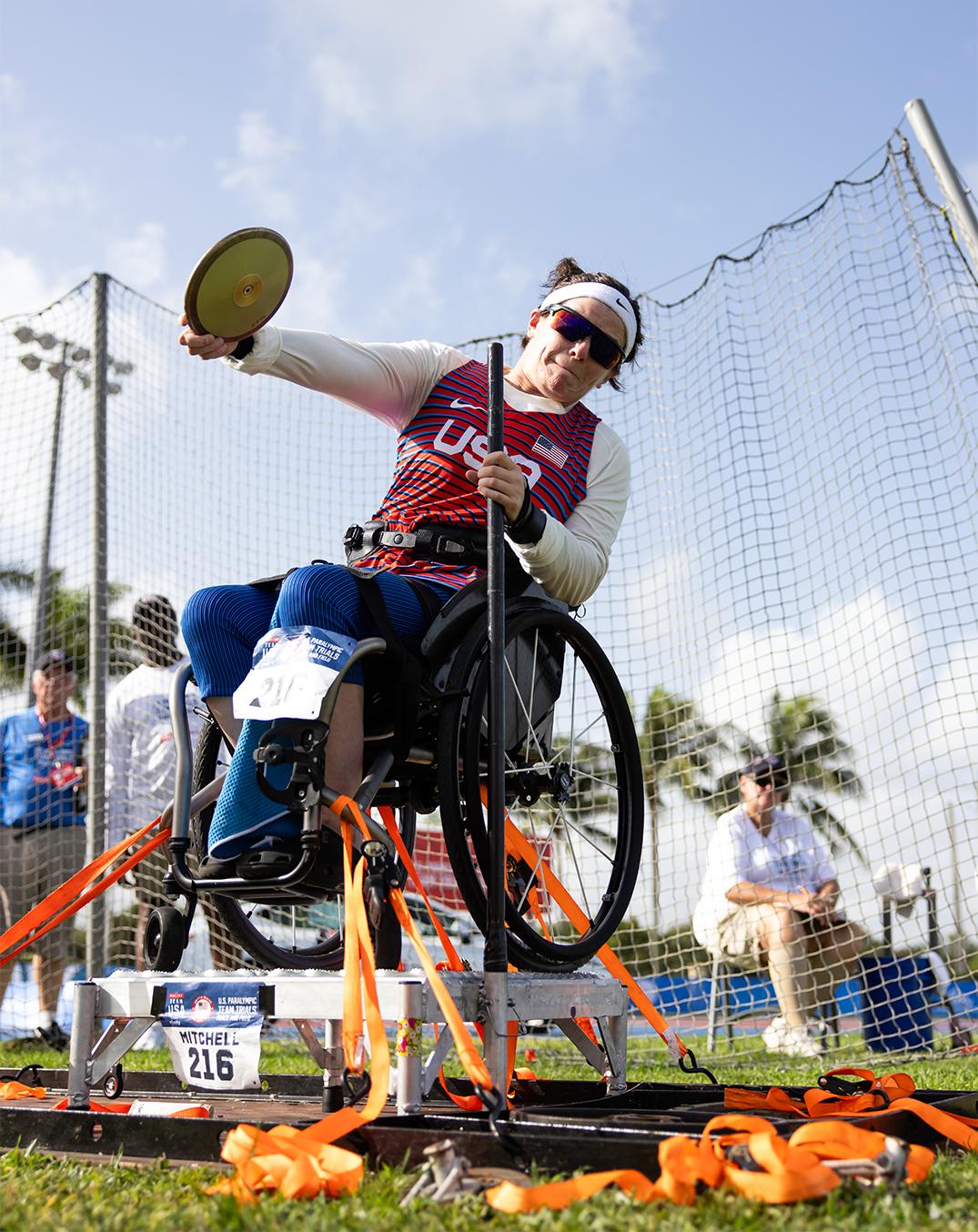
Mitchell at the Paralympic Team Trials. (Photo: Joe Kusumoto, U.S. Olympic and Paralympic Committee)
Still, Mitchell said she’ll likely need to best her own record to have a chance at a medal.
That’s because the discus event will combine athletes with different levels of capability. Mitchell is classified as a 51 athlete, those with the most physical impairment. She will compete against women in the 52 and 53 classes, which have significantly more function in their limbs.
“When you start to mix classes, a paraplegic is going to throw farther than a quadriplegic. I can train to the ends of the Earth, and there’s only a certain amount I’m going to be able to overcome based upon the degree of paralysis in my upper body,” Mitchell said. “I’m doing my best to find what that limit is.”
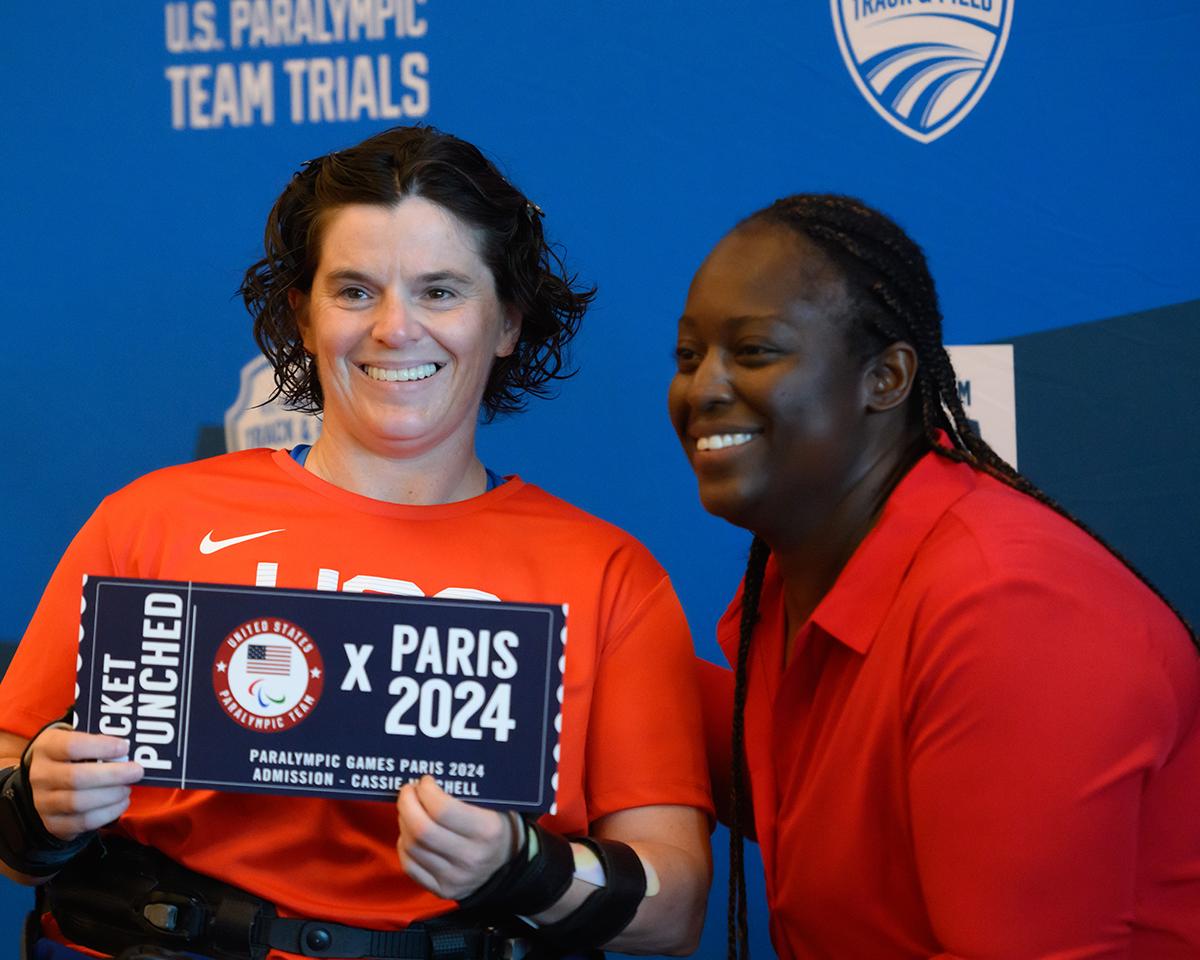
Mitchell at the naming ceremony for the 2024 Paralympic Games after the track and field trials. (Photo: Joe Kusumoto, U.S. Olympic and Paralympic Committee)
In fact, she said she’s training harder now than she ever has. Partly, that’s a result of focusing her training on this discus rather than the club throw, an event where she has won Paralympic silver and bronze but that’s not on the event schedule for these Games.
Though she’s always competed in both events, she always felt she had a better shot at a medal with the club, so she focused on cardio and speed training. Now she’s dialing in on power and strength so she can compete with the athletes she’ll face in Paris.
“It’s going to take a world record to get on the medal stand, and even then, it may not happen. But that’s all I can control. If I can go and break my own world record as a 51, what more can you do?” Mitchell said. “I’ll know I left everything out there.”
Mitchell has been training in Atlanta and Oklahoma, where her coach is based. Throughout, Mitchell has continued to teach classes and conduct research focused on harnessing the power of big data and machine learning to forecast disease, identify new therapeutics, and optimize treatments.
Her engineering mindset is part of her athletic endeavors, too, helping her train smarter rather than just harder, she said: “I’ve always done a biomechanical breakdown in my throw. I also am coming in with a different throwing chair setup to try to get better balance. Discus is heavier, so I’m trying to get a little bit more balanced and see if that helps me go farther.”
Still, stubbornness sometimes wins out, which is when it’s nice to have her coach also happen to be her mom — the first time that’s officially been the case prior to a Paralympic Games.
“The nice thing about having my mom as coach is she can control that knob a little better than some people,” Mitchell said. “She probably lets me throw more than what most coaches would. She’s also still mom. She will still put her foot down and say, ‘Enough.’”
At 43, Mitchell doesn’t think she’s hit her ceiling yet. She’s really drawn to the idea of competing on home turf at the 2028 Games in Los Angeles. She’s picked up another sport called boccia to increase her chances of making those Games. It’s somewhat similar to bocce, where players have to throw balls as close to a target ball as possible. She has teamed with former wheelchair tennis player Nick Taylor, and they’ve already medaled in an international competition.
“I’m a very patriotic person,” she said. “It doesn’t say Mitchell on my uniform, it says USA. And I think to compete on home soil would be really special.”
News Contact
Joshua Stewart
Sep. 04, 2024
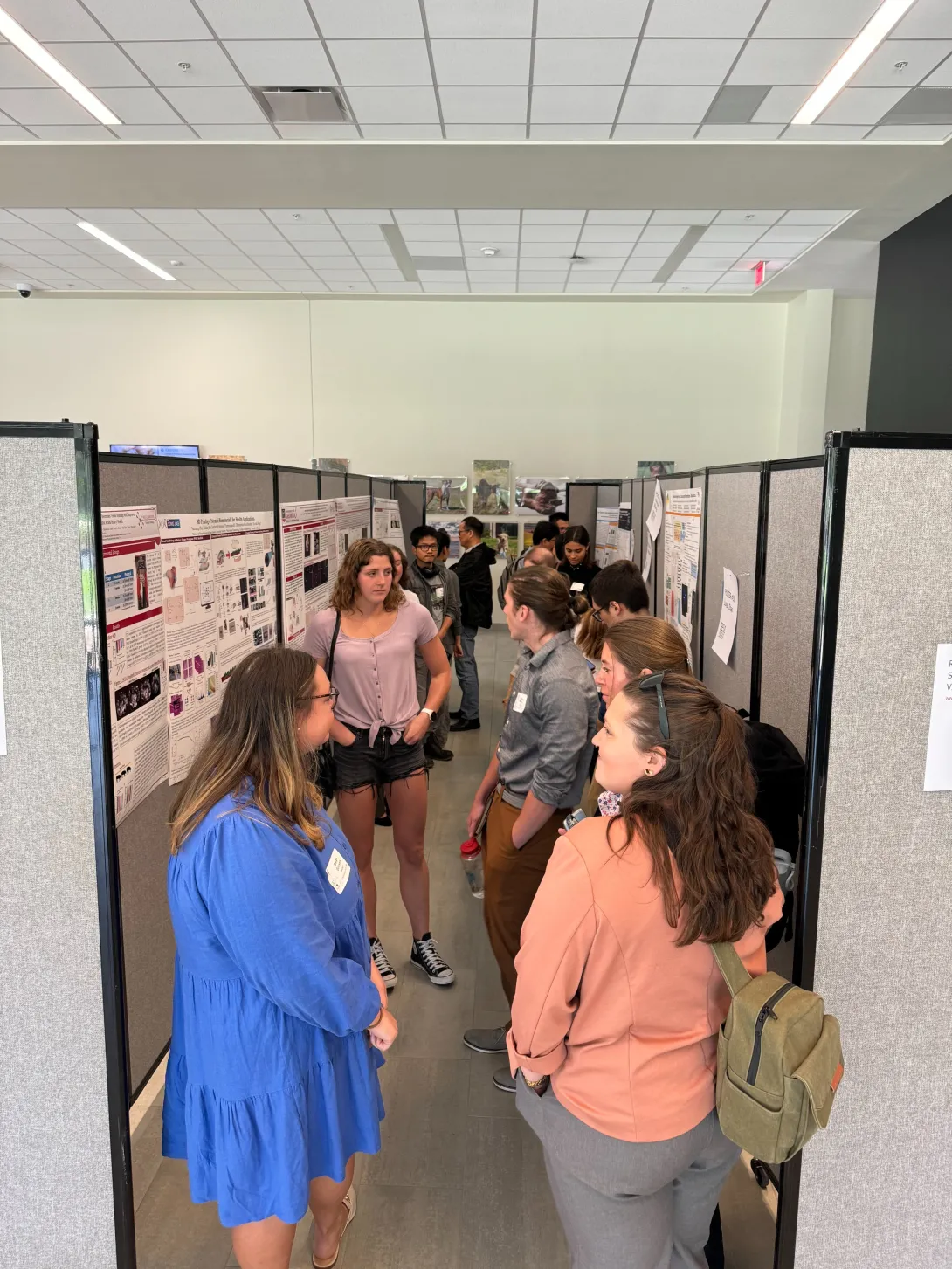
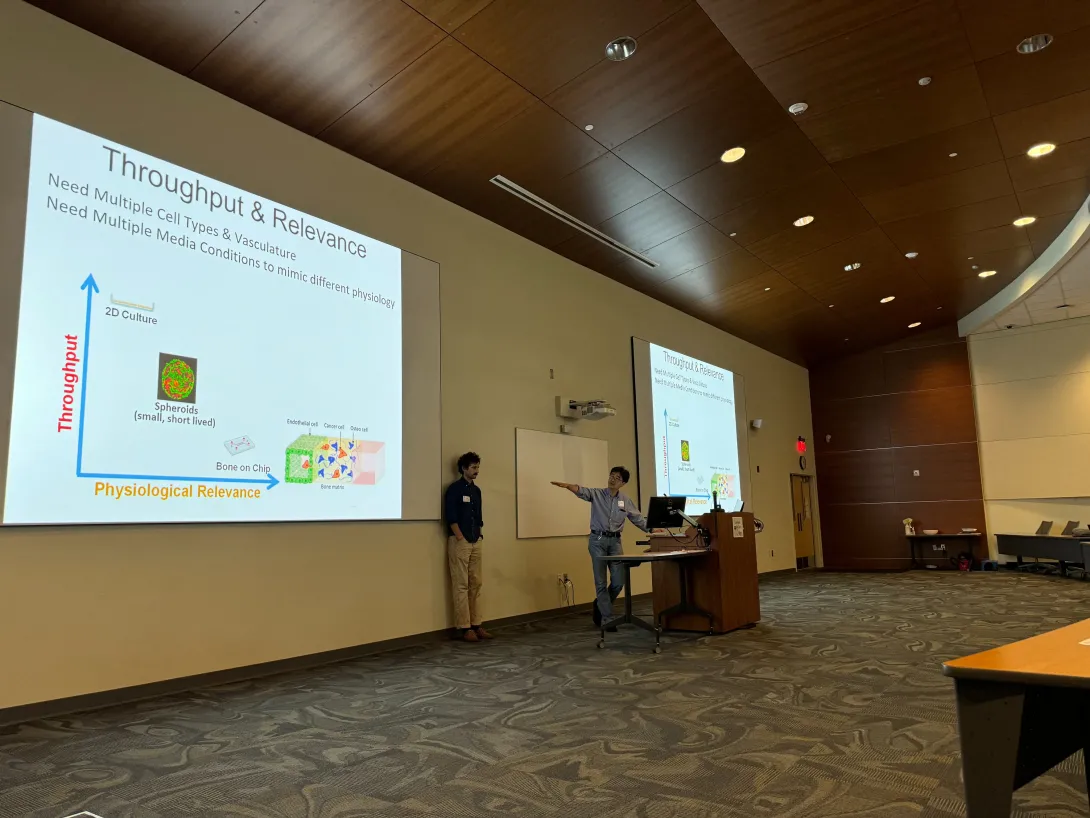
IBB is excited to announce the awardees of the 2024-25 Regenerative Engineering and Medicine Center (REM) Collaborative Seed Grant. REM is a partnership with Georgia Tech, Emory University, and the University of Georgia that supports and facilitates inter-institutional collaborations in research in regenerative medicine. Since 2010, competitive peer-reviewed seed grants have been awarded annually to groups with representation from at least two of the three institutions, leading to external funding for new research. In addition to the center’s core focus areas, this year’s cycle was particularly interested in proposals that explore the intersection of regenerative medicine and aging.
In Cho of the University of Georgia and Peng Jin of Emory were selected for funding for their proposal, "Developing Hypothalamic-Pituitary-Testicular Assembloid.” This project aims to create a pioneering 3D organoid model that replicates the interactions between these critical tissues. The research could lead to breakthroughs in understanding male reproductive health and fertility, potentially paving the way for new therapeutic strategies.
“This grant builds on the pioneering works of our collaborative team, including my work with Charles Easley on the in vitro spermatogenesis and testicular organoid model and Peng Jin at Emory on the brain-region-specific organoid model,” Cho said. “The development of 3D hypothalamic-pituitary-testis assembloids will facilitate important research on male reproductive health and disease. It will also offer solutions to many of the challenges inherent in this field by providing more relevant, ethical, and detailed models for research, ultimately holding the promise of improved understanding, prevention, and treatment of male reproductive health issues.”
Jin Xie of the University of Georgia and Yong Teng of Emory were selected for funding for their proposal, “Enhancing Dendritic Cell Migration and Maturation in Aged Individuals Using Calcium Nanoparticles.” Focused on addressing the challenges of aging in cancer treatment, this project seeks to enhance the function of dendritic cells in older individuals using cutting-edge calcium nanoparticle technology. The goal is to improve immune response in aged patients, making cancer immunotherapies more effective and accessible for this vulnerable population.
“Immune checkpoint blockade has revolutionized cancer treatment, but many patients, especially the elderly, fail to respond effectively due to a lack of tumor infiltration of conventional type 1 dendritic cells (cDC1s), which are crucial for robust antitumor immunity,” Xie said. “To address this issue, we propose a novel approach using calcium nanoparticles to enhance cDC1 migration, maturation, and function. This strategy has the potential to improve immunotherapy outcomes in head and neck squamous cell carcinoma and potentially other cancers.”
Nicole Schmitt of Emory and Gabe Kwong of Georgia Tech were selected for funding for their proposal, “NLRC5 Lipid Nanoparticles for Rescue of Sensitivity to Immunotherapy in Head and Neck Cancer.” This research aims to revolutionize the treatment of head and neck cancers by developing lipid nanoparticles that enhance the effectiveness of immunotherapy. By targeting immune signaling pathways, this project holds promise for significantly improving patient outcomes in cancers that are notoriously difficult to treat.
“Resistance to immunotherapy is a major problem in head and neck cancers, due to deficiencies in the cellular machinery needed to process and present tumor antigens to T lymphocytes,” said Schmidt. “This project will explore the use of a lipid nanoparticle to deliver mRNA encoding a deficient transcription factor called NLRC5 as a potential strategy for restoring sensitivity to immunotherapy in preclinical models of head and neck cancer.”
Franklin West of the University of Georgia and Levi Wood of Georgia Tech were selected for funding for their proposal, “Illuminating the Neuroprotective and Regenerative Effects of NSC-Derived Extracellular Vesicles for Treatment of TBI in a Translationally Relevant Swine Model.” This ambitious project explores the potential of neural stem cell-derived extracellular vesicles to promote healing and regeneration in traumatic brain injury (TBI). Utilizing a swine model, which closely resembles human biology, this research could lead to new, effective treatments for TBI, ultimately improving recovery outcomes for patients.
"Traumatic brain injury (TBI) is a devastating condition that affects over 2 million people in the U.S. every year with no FDA-approved treatment,” said West and Wood in a joint statement. “In this study, we are evaluating neural stem cell extracellular vesicles as a promising therapeutic that is neuroprotective and regenerative and is now going into human clinical trials for stroke. This study is foundational and will likely lead to rapid translation to clinical trials for TBI."
News Contact
Savannah Williamson
Sep. 04, 2024
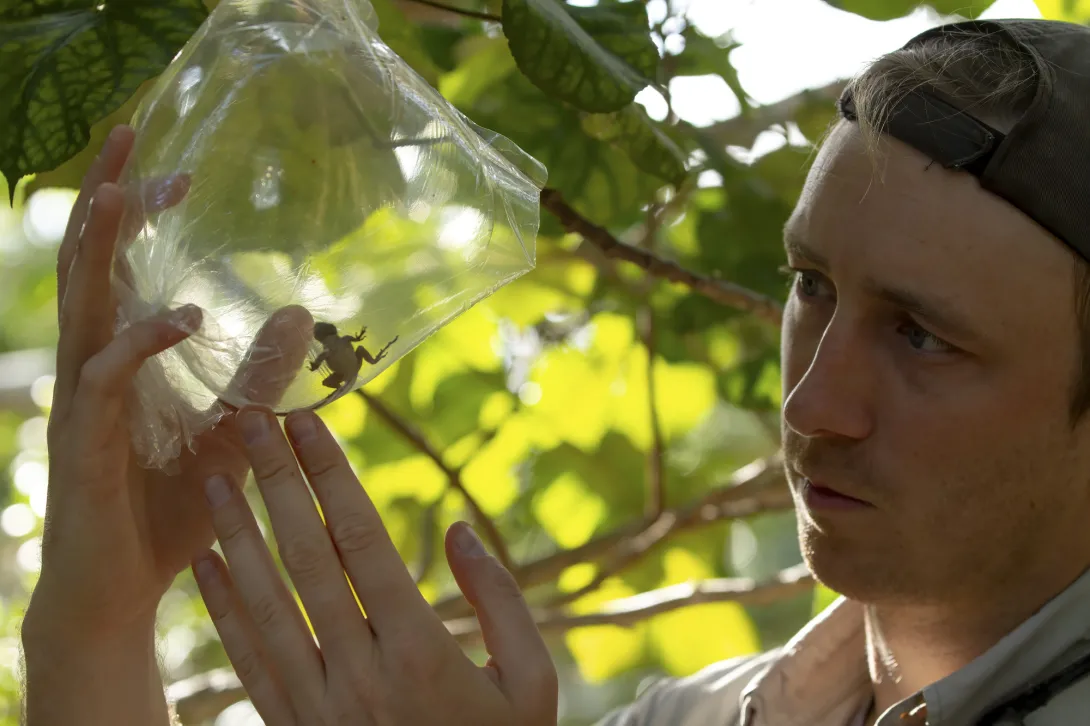
James T. Stroud, Elizabeth Smithgall Watts Early Career Assistant Professor in the School of Biological Sciences at Georgia Tech, has been awarded the prestigious Founder's Prize by the British Ecological Society (BES), the largest scientific society for ecologists in Europe.
Commemorating the enthusiasm and vision of the organization’s founders, the Founder's Prize is awarded to an outstanding early career ecologist who is beginning to make a significant contribution to the science of ecology.
Stroud is being recognized for his groundbreaking research as an integrative evolutionary ecologist, investigating how ecological and evolutionary processes may underlie patterns of biological diversity at the macro-scale.
Earlier this year, Stroud was also named an Early Career Fellow by the Ecological Society of America (ESA). He is the first person to win both seminal early career researcher awards from ESA and BES — the two largest and most influential ecological societies in the world — in the same year.
“The British Ecological Society could not have selected a more deserving recipient of this prestigious award,” says David Collard, senior associate dean in the College of Sciences and professor in the School of Chemistry and Biochemistry. “James is a model of faculty excellence in his innovative research, commitment to education, and leadership in the field. We look forward to his continued impact in driving forward the field of ecology.”
Stroud's highly multidisciplinary research combines field studies with macro-ecological and evolutionary comparative analyses, primarily studying lizards. His current interests focus on measuring natural selection in the wild, often leveraging non-native lizards as natural experiments in ecology and evolution.
"I am completely overwhelmed and honored to receive this award,” Stroud says, “and especially from a society very close to my heart. My first ever scientific conference was a BES meeting.”
Stroud will be presented with an honorarium prize during a ceremony at the BES Annual Meeting in Liverpool this December. The meeting brings together over 1,000 ecologists to discuss the latest advances in ecological research. For more than a century, the BES has been championing ecology through its journals, meetings, grants, education, and policy work.
“This award really symbolizes the amazing support and guidance I have received throughout my career from an incredible network of mentors and colleagues,” Stroud adds, “and now, the amazing people I get to work with in my own research group, as well.”
###
About the British Ecological Society
The British Ecological Society (BES), founded in 1913, is the oldest ecological society in the world, championing the study of ecology for over a century. With over 7,000 members in more than 120 countries, the BES is the largest scientific society for ecologists in Europe and promotes the study of ecology through its six academic journals, conferences, grants, education initiatives and policy work.
About Georgia Tech
The Georgia Institute of Technology, or Georgia Tech, is one of the top public research universities in the U.S., developing leaders who advance technology and improve the human condition. The Institute offers business, computing, design, engineering, liberal arts, and sciences degrees. Its more than 47,000 undergraduate and graduate students represent 54 U.S. states and territories and more than 143 countries. They study at the main campus in Atlanta, at instructional sites around the world, or through distance and online learning. As a leading technological university, Georgia Tech is an engine of economic development for Georgia, the Southeast, and the nation, conducting more than $1 billion in research annually for government, industry, and society.
News Contact
Jess Hunt-Ralston
Director of Communications
College of Sciences
Georgia Institute of Technology
Davy Falkner
Media Relations Officer
British Ecological Society