
Oct. 10, 2024
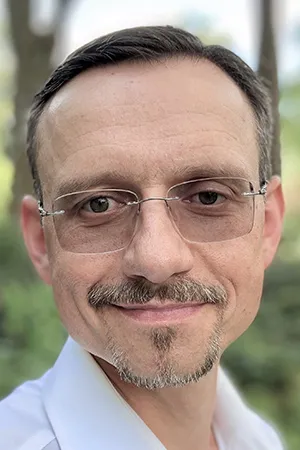
Andrei Fedorov, Associate Chair for Graduate Studies, Rae S. and Frank H. Neely Chair, and professor in the George W. Woodruff School of Mechanical Engineering, has received two Research Project Grants (R01) from the National Institutes of Health (NIH).
The funding, a combined $4.81 million to be distributed over the next five years, will be used to develop new instrumentation for biomedical research.
Guided Intracellular Delivery using Precise Area Introduction and Transfection (PAINT)
The first project, supported by $1.87 million from the National Institute of General Medical Sciences (NIGMS), aims to develop a new method for highly localized, versatile, and efficient biochemical delivery for "direct-write" guided administration at single-cell to multi-cell resolution. PAINT permits the simple and quick production of heterogeneously modified samples, including in vitro cell and tissue cultures.
Modifying cells by introducing biomolecules has become a critical process for fundamental biomedical research and is gaining traction as a treatment approach. This project will provide a significant leap forward in the capability and utility of microinjection and other state-of-the-art delivery methods.
This novel approach to cell modification, invented in Fedorov’s lab, is primarily based on its versatility, ease of use, and rapidity. As PAINT modification of cells does not require direct contact, several steps of the cargo introduction process for micro-injection are eliminated, allowing for continuous, more straightforward cell modification.
This project is a collaboration with Professor Ravi Kane from the School of Chemical and Biomolecular Engineering and Professor Randolph Ashton from the University of Wisconsin.
Synergistic Advancements in MR Thermometry and Predictive Thermal Modeling Towards Improved Characterization of Human Brain Temperature
The second project, supported by $2.94 million from the National Institute of Neurological Disorders and Stroke, aims to develop non-invasive, repeatable, in vivo magnetic resonance (MR) brain thermometry and a novel, quantitative, hemodynamic biophysical model for interpreting MR images and predicting brain temperature.
"Brain thermoregulation is a poorly understood but critical modulator of neural activity and hemodynamics," said Fedorov. Though brain and body temperatures are highly correlated indicators of health, the way the body regulates them is distinct. Brain temperature fluctuations can contribute to ischemia-induced brain damage and mortality after traumatic brain injury.
The project will leverage the expertise in MR thermometry, thermal modeling, clinical neurology, and neuroradiology to facilitate the development of clinically viable methods for in vivo brain thermometry and temperature predictions, provide mechanistic insight into brain thermoregulation, and identify urgently needed biomarkers for injury and neuroprotection.
This interdisciplinary project is a long-term collaboration with Candace Fleischer, associate professor in the Department of Radiology at Emory University School of Medicine and assistant professor in the Wallace H. Coulter Department of Biomedical Engineering at Emory University and Georgia Tech.
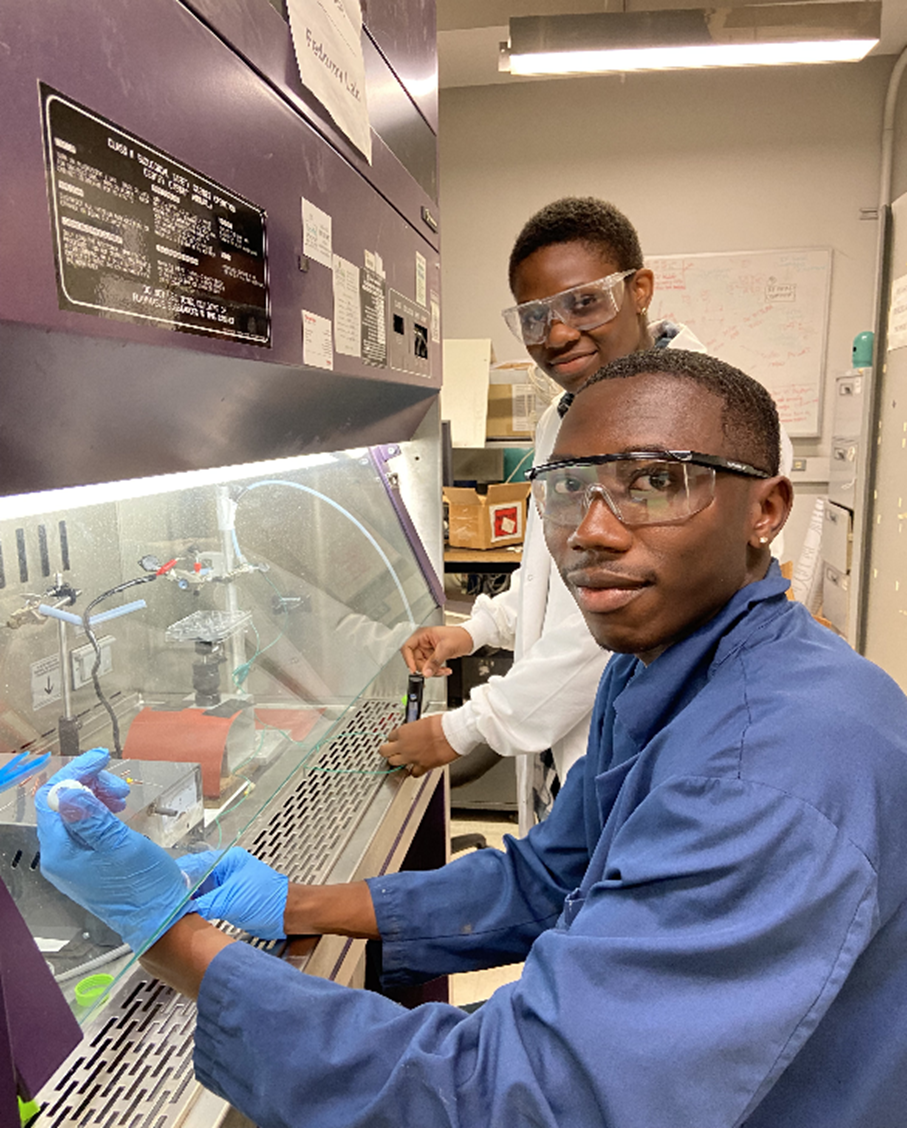
Malik McRae (front) and Ire Adaramola (back) are conducting experiments with the early prototype of the PAINT device for "direct-write" guided drug delivery to biological cells. McRae, a Morehouse College student and a Petit Scholar in Bioengineering in the Fedorov laboratory, won the Marshall Fellowship for his research and is currently pursuing his MD/Ph.D. at the Johns Hopkins School of Medicine. Adaramola is completing the first year of her master’s degree in mechanical engineering at the Woodruff School.
News Contact
By Chloe Arrington
Oct. 28, 2024
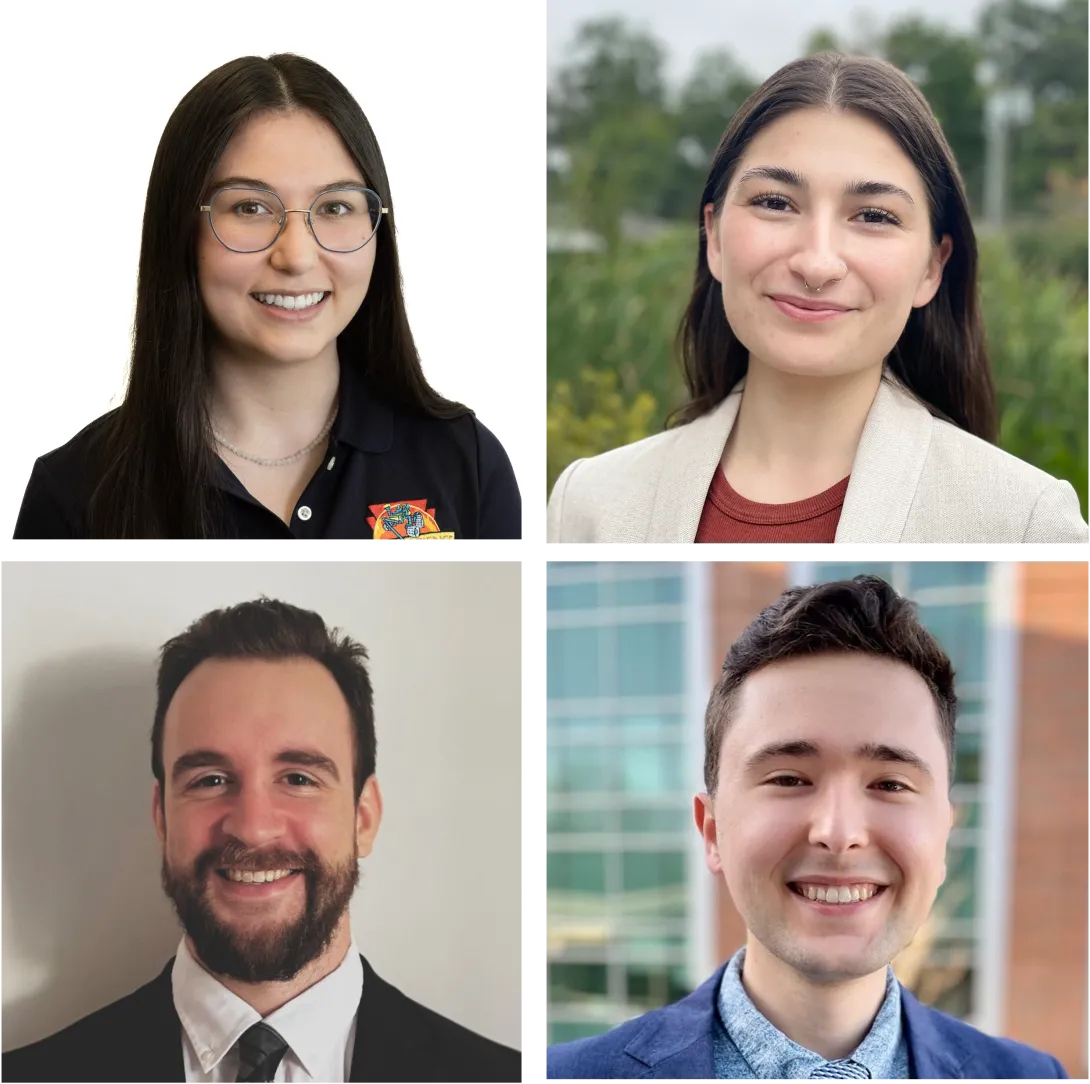
New College of Sciences ARCS Scholars (from left to right): Alivia Eng, Marrissa Izykowicz, Zach Mobille, and John Pederson.
Four Ph.D. candidates from the College of Sciences have been selected as new recipients of the Achievement Rewards for College Scientists (ARCS) Foundation Scholar Award. The award recognizes doctoral students who show exceptional promise in making a significant contribution to the worldwide advancement of science and technology. The new recipients join three returning scholars from the College of Sciences. To view all of the current Georgia Tech ARCS Scholars, visit: 2024-25 ARCS Atlanta Scholars
Meet the 2024-25 ARCS Scholars
Alivia Eng, School of Earth and Atmospheric Sciences
Eng is a Future Investigators in NASA Earth and Space Science and Technology (FINESST) Fellow. Her research compares rover and orbital datasets of Mars to increase the spatial resolution of quantitative geologic mapping.
“I am excited to receive this award as it validates the importance of my research and my abilities as a scientist,” says Eng.
Nominated by her advisor, School of Earth and Atmospheric Sciences Assistant Professor Frances Rivera-Hernández, Eng is also a part of Georgia Tech's Solar System Exploration Research Virtual Institute and Center for Lunar Environment and Volatile Exploration Research.
“Alivia is an exceptional graduate student and planetary scientist,” says Rivera-Hernández. “Her curiosity, passion, and question-driven approach have sparked multiple new projects at Georgia Tech and led my research group in exciting new directions. Beyond her research, Alivia is deeply committed to community engagement, aiming to inspire future generations to pursue careers in planetary geology. I am grateful for the opportunity to work with her.”
Marrissa Izykowicz, School of Chemistry and Biochemistry
Izykowicz’s research focuses on synthesizing nanoparticles designed to target and retain anti-cancer drugs in both primary and metastatic tumors of various cancers. Her research tackles the challenge of treating metastatic lesions, which are difficult to target due to their small size and abundance.
“I am deeply passionate about my work because it addresses an issue that has plagued humanity for centuries,” says Izykowicz. “My research investigates the complexities of metastatic cancer, building on the knowledge of those who came before me to pave the way toward a potential cure.”
She was nominated for the award by M.G. Finn, who serves as a professor in the School of Chemistry and Biochemistry and the James A. Carlos Family Chair for Pediatric Technology.
“Marrissa is a wonderful student and colleague — always willing to do whatever is needed to advance her studies,” says Finn. “Her research is tremendously exciting, working with collaborator Stephen Housley on nanoparticles that can deliver medications directly to cancerous tumors. The project involves chemistry, cell biology, immunology, and analytical biochemistry, and Marrissa does it all with great dedication and expertise.”
Zach Mobille, School of Mathematics
Mobille is pursuing a Ph.D. in Quantitative Biosciences, specializing in computational neuroscience.
“I am passionate about my research because it sheds light on how the brain’s structure and abilities are related quantitatively,” says Mobille. “It targets a deeper understanding of how information is processed in networks of neurons, which may influence how computational devices are designed in the future.”
Mobille serves as chair of the community impact committee of the Georgia Tech/Emory Computational Neural-engineering Training Program (CNTP) and is a past recipient of Georgia Tech’s InQuBATE Training grant.
School of Mathematics Assistant Professor Hannah Choi, who advises Mobille, states: “Zach is driven by curiosity and determined to solve complex research problems. He has consistently impressed me with his creativity and motivation in computational neuroscience. Zach proposes innovative ideas, is never afraid of learning new techniques, and takes initiative in his research. I am thrilled that the ARCS fellowship has recognized his qualities as an independent and creative researcher.”
John Pederson, School of Chemistry and Biochemistry
Pederson uses computer simulations to study chemistry at solid/liquid interfaces at the molecular scale.
“Computational modeling across length- and time-scales is a powerful technique for gaining insight into chemical and physical processes,” says Pederson. “With my research, I hope to promote wider adoption of these multi-scale computational techniques to enable the design of cleaner and safer chemical processes.”
In addition to his research work, Pederson helped organize and run ComSciCon-ATL 2024, an interdisciplinary science communications conference for Southeast STEM graduate students.
“John is an outstanding researcher and problem-solver,” says Jessie McDaniel, associate professor in the School of Chemistry and Biochemistry who nominated Pederson. ”He has contributed substantially to software and method development efforts that form the core of our group’s work on studying chemical reaction mechanisms in complex environments related to electrochemistry and surface chemistry. John exemplifies excellence in all facets of research, scholarship, and service.”
News Contact
Writer: Laura Smith, College of Sciences
Oct. 23, 2024
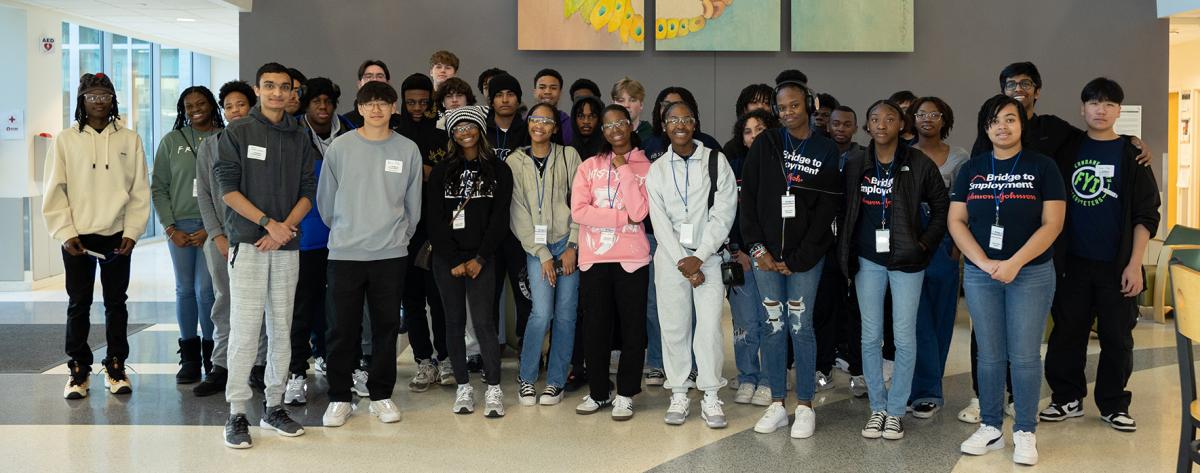
On a quiet Saturday morning, while many high school students were sleeping in or making weekend plans, Rhyland Oneill and Axum Nickerson were sitting in a college classroom, fully immersed in the story of a guest speaker who had overcome immense obstacles to achieve success.
These two juniors are among nearly 50 high school students spending one Saturday a month at Georgia Tech in a new program called Bridge to Employment (BTE). Yet for Oneill and Nickerson, the program is more than just a monthly commitment — it’s a glimpse into career paths and opportunities they might never have imagined.
Through hands-on activities, mentorship, and field trips to places like the Tellus Science Museum in Cartersville, BTE is showing students from underserved communities how science, technology, engineering, and math (STEM) can shape their futures.
Launched in October 2023 through a partnership with Johnson & Johnson, the BTE program connects high school students from historically marginalized and underrepresented communities to STEM careers.
At each monthly session, about a dozen Johnson & Johnson volunteers, along with professionals from various fields, lead students through workshops, field trips, and guest lectures.
BTE is a national program that works with students for three years starting in 10th grade. The program Georgia Tech has a unique flavor however: It’s the only site bringing students to a college campus rather than going to their schools.
“You can’t see yourself in a college environment if you’ve never been there,” said Lakeita Servance, assistant director of K-20 programs in the College of Engineering. “Our goal is to make them feel comfortable here and show them what’s possible when they put in the effort.”
Servance said this approach gives students positive experience a college environment and makes Georgia Tech a more familiar place.
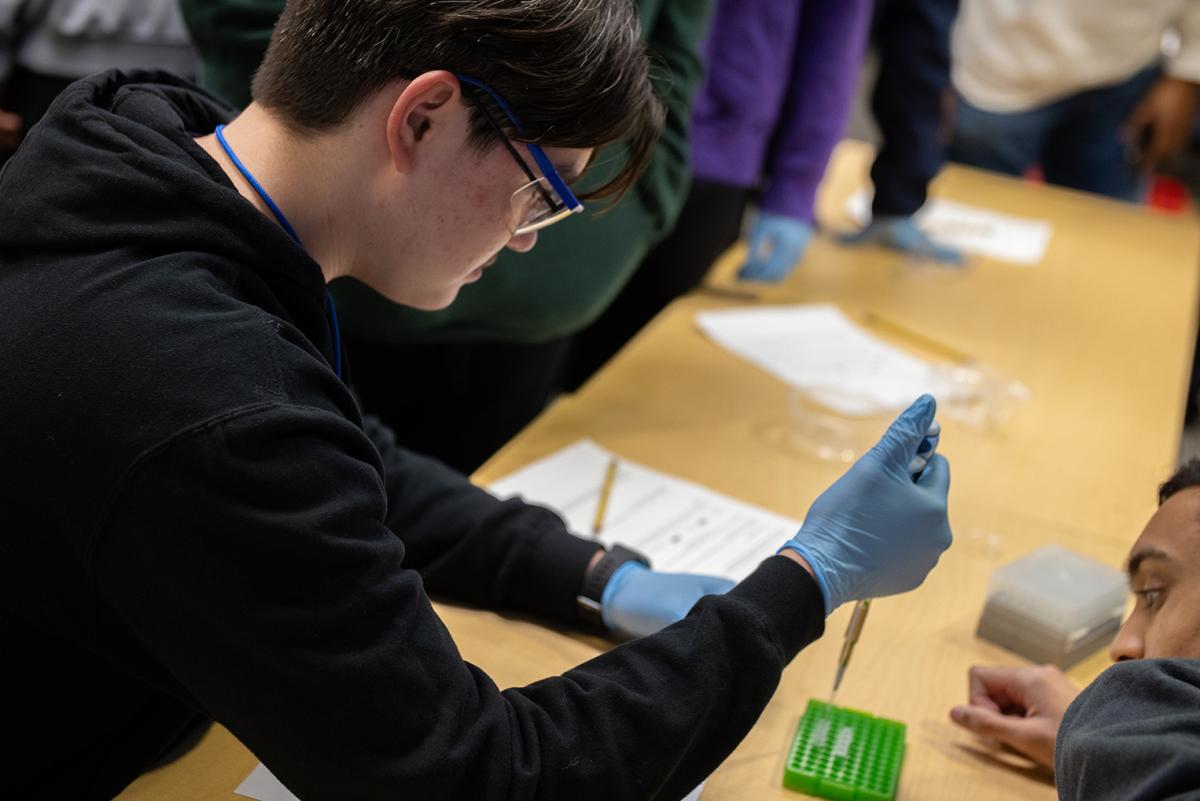
A student practices using a pipette to work with samples. (Photo: Jihoon Kim)
In addition to STEM activities and exposure, the program also focuses on college readiness — writing application essays, FAFSA and financial aid support, and preparing for college visits — particularly in the second year.
“We want them to be ready for whatever path they choose — college, apprenticeships, or straight into careers. But it’s about more than that. We’re preparing them for life,” Servance said.
Nickerson and Oneill, both sophomores when they started, had been thinking about studying engineering but weren’t sure what that might look like.
“I joined because my counselor recommended it, and I thought it would be good for my resume and college applications. But I didn’t realize how much it would open my eyes to different career paths,” Oneill said.
Nickerson echoed the sentiment: “I thought I wanted to do just engineering, but now I see all these different ways I could pursue it.”
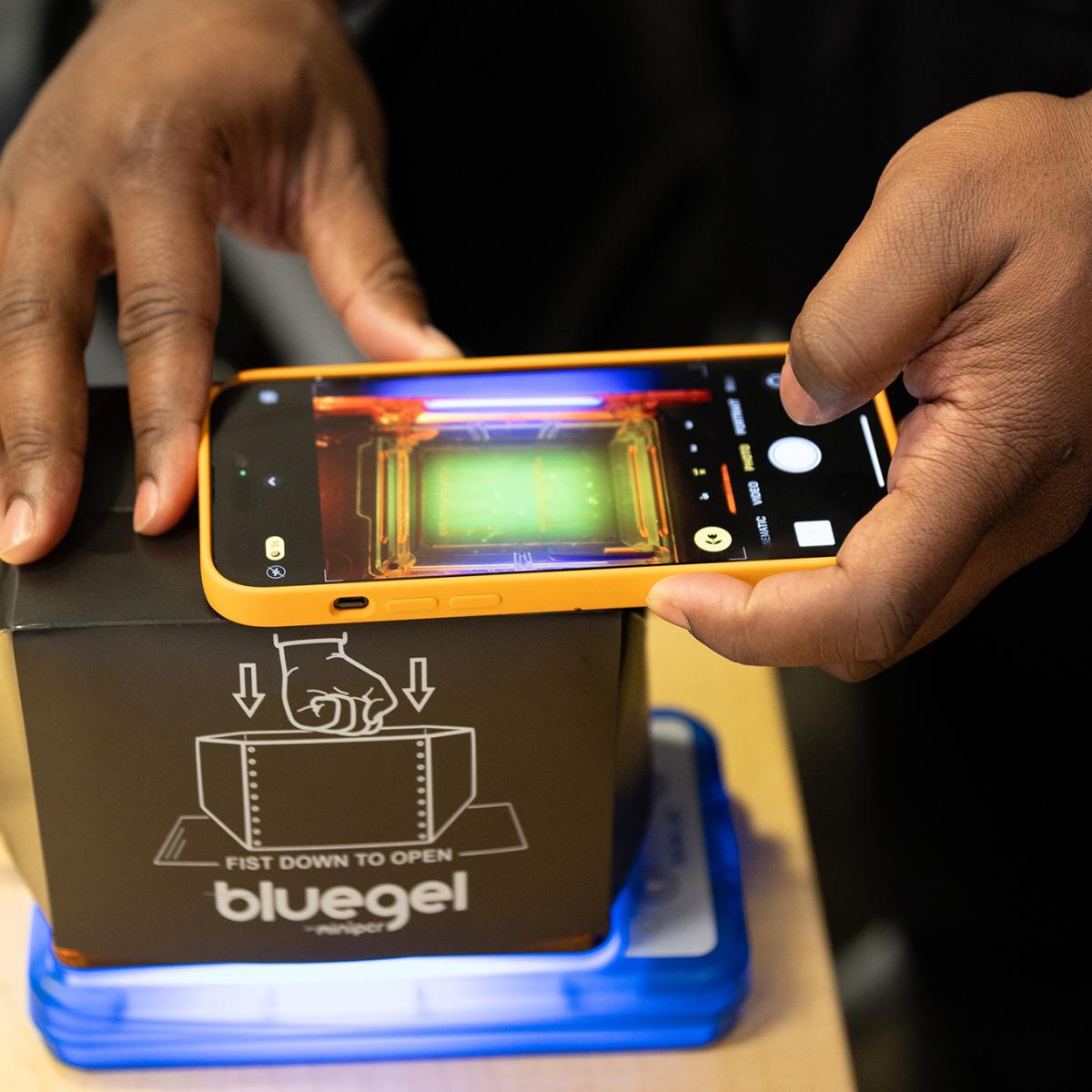
Students in the Bridge to Employment program participate in a variety of workshops and hands-on activities, like this one using a simple system and a smartphone to do electrophoresis tests. (Photo: Jihoon Kim)
The program’s mix of guest speakers, field trips, and hands-on activities is helping the students understand the wide range of opportunities available in STEM.
Both Oneill and Nickerson talked about how inspiring it was to hear speakers share stories of persevering through hardship to achieve impactful careers.
One of the most memorable moments for was a guest speaker’s emotional account of overcoming poverty to become successful in STEM: “It motivated me to keep chasing my dreams,” he reflected.
Nickerson said that field trips, such as the visit to the Tellus Museum and a session on optics, were highlights of the program.
“It gave us a chance to see the science in action, and it was eye-opening,” he said.
In addition to the BTE program, both Nickerson and Oneill have gotten involved in Georgia Tech’s research-focused ENGAGES program for 11th and 12th graders.
Oneill is working in John Blazeck’s lab in the School of Chemical and Biomolecular Engineering, while Nickerson is part of Edward Botchwey’s lab in the Wallace H. Coulter Department of Biomedical Engineering.
BTE helped connect them to these opportunities earlier in their high school careers, allowing them to gain practical experience in real-world lab settings.
As the BTE program moves into its second year, and the focus on college readiness intensifies, Servance and the Johnson & Johnson volunteers will continue to guide students and help them gain the confidence and skills they’ll needed for whatever path they choose.
For Oneill and Nickerson, that future now seems full of possibilities.
“It’s made me more focused on going to a STEM-based college,” Oneill said, “and now I know there are so many different paths I could take.”
News Contact
Dhanesh Amin
Oct. 22, 2024
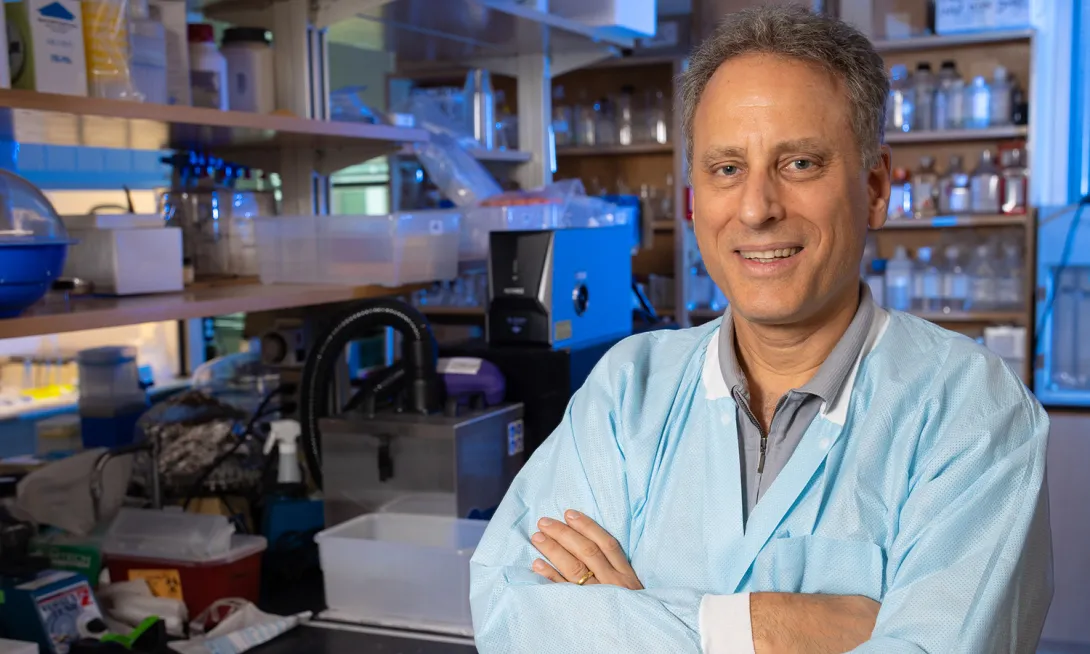
For his work creating new kinds of drug delivery techniques and bringing those technologies to patients, Mark Prausnitz is one of the new members of the National Academy of Medicine (NAM).
The Academy announced his election Oct. 21 alongside 99 others. Membership in NAM is considered one of the highest recognitions in health and medicine, reserved for those who’ve made major contributions to healthcare, medical sciences, and public health. The roster is small: only 2,400 or so individuals have been honored.
“It’s an honor to be elected to the National Academy of Medicine and have the work of our team at Georgia Tech recognized in this way,” said Prausnitz, Regents’ Professor and J. Erskine Love Jr. Chair in the School of Chemical and Biomolecular Engineering.
The Academy cited Prausnitz for innovating microneedle and other advanced drug delivery technologies. He also was honored for translating those methods and devices into clinical trials and products and founding companies to bring the advances to patients. NAM praised Prausnitz for “inspiring students to be creative and impactful engineers.”
News Contact
Joshua Stewart
College of Engineering
Oct. 21, 2024
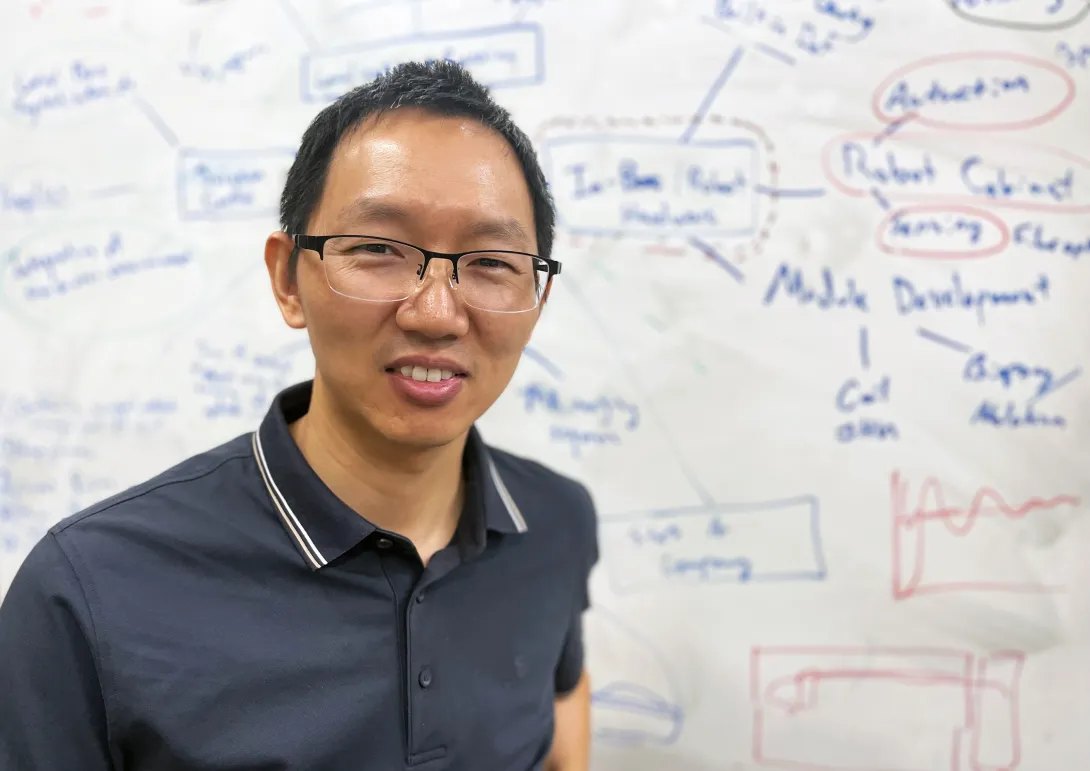
Georgia Tech researcher Yue Chen is using his NSF CAREER Award to lead development of a new MRI-safe surgical robot.
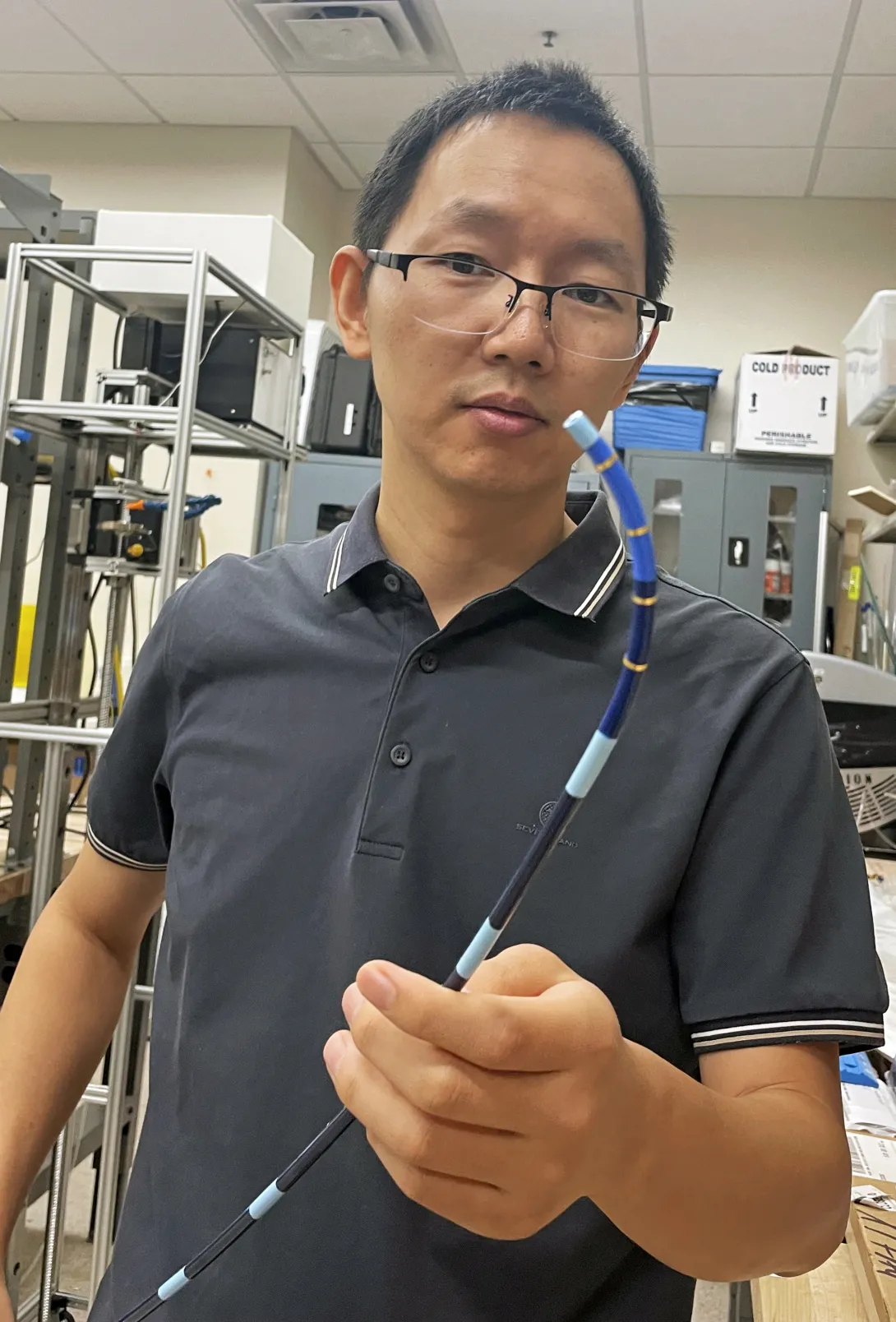
Yue Chen's MRI-safe surgical robot
Atrial fibrillation, or AF, is the unpredictable musician throwing the symphony of the heart out of whack, causing the upper chambers to beat haphazardly, out of sync with the steady rhythm of the lower chambers.
And unfortunately, AF is all too common, affecting one in 100 people. It can be brief or persistent. It can wear you out, leaving you dizzy and out of breath, causing chest pains and palpitations. By itself, AF usually isn’t life-threatening, but it reduces the heart’s efficiency and can lead to blood clots and strokes — which definitely are life threatening.
“There are some helpful treatments for AF, but they are suboptimal,” said Yue Chen, assistant professor of biomedical engineering in the Coulter Department, where he runs the Biomedical Mechatronics Lab. “For too many patients, the treatment is incomplete.”
Treatments like radiofrequency ablation (RFA), for example, have proven effective. A catheter delivers radiofrequency energy to create scar tissue inside the heart. Scar tissue can’t conduct electricity, so it blocks AF’s abnormal signals, restoring normal rhythm to the heart. But 30-50% of patients have a recurrence of symptoms.
It’s partly because controlling the surgical tools inside the heart’s complex environment isn’t easy. The idea is to create a continuous line of lesions without any gaps, to completely block the faulty electric signals.
“Sometimes, there are gaps,” said Chen, who aims to close them, and he’s using a National Science Foundation CAREER Award to find a solution. Chen and his collaborators are developing a continuum robotic system that can efficiently perform procedures like RFA while the patient is inside a magnetic resonance imaging (MRI) scanner.
“This CAREER Award means a lot to me and my lab,” said Chen, one of three Coulter BME faculty members, with Ming-fai Fong and Ahmet Coskun, to win the honor this year.
“I’m honored that my past work as well as my future research visions are being recognized,” he added. “This is a great opportunity for us to explore some new directions — MRI-safe continuum robots. Our goal is to develop robot-based medical interventions for improved treatment outcomes.”
Smart Snake
Continuum robots are long and slender and made of flexible materials that allow them to bend and twist and move with a great deal of dexterity, like a snake.
“It makes them perfect for minimally invasive surgeries, such as cardiac ablation, intracerebral hemorrhage removal, drug delivery, and many other procedures,” Chen said.
But that’s not what makes the Chen team’s system unique. Unlike traditional robotic systems, this one is designed to work inside an MRI machine, offering doctors more precision than ever.
MRI provides high-resolution tissue imaging and real-time tracking, making it superior to other types of imaging. In addition to its diagnostic power, MRI is being used increasingly as part of clinical procedures.
But most robotic surgical systems haven’t been compatible with MRI, said Chen, “mainly due to the strong magnetic field generated by the MRI scanner, which precludes the use of ferromagnetic materials.”
To overcome this problem, Chen’s team created a new type of flexible robot made from polymers, including a plastic, 3D-printed transmission mechanism. The motors that give the robot mobility are made of 3D-printed resin and are powered by pressurized air. Since no electricity is used, there is no interference with the MRI’s magnetic fields.
“We’ve also devised a controller that ensures the motors will move accurately and designed them in a way that allows easy customization with just a few key settings,” Chen said.
Controlling the Outcome
A key challenge in RFA is manipulating the catheter in the heart, which is not unlike driving a car through a twisting, unfamiliar road. Chen’s robotic system is basically a smart GPS that ensures the car stays on the right path at the right speed.
“Our system will use MR imaging and catheter tracking to provide real-time feedback to the physician, which will help them guide the catheter more accurately,” Chen said.
Additionally, the research team has developed sensors that will monitor the contact force between the catheter and the heart tissue — the right amount of pressure is crucial for delivering heat energy, creating effective and continuous lesions, and reducing the chances of AF recurrence.
“The project has multiple phases,” Chen said. “First, we’ll develop the navigation software to merge MR imaging, catheter tracking, and contact force estimation into a single interface. This will provide physicians with comprehensive feedback during the procedure.”
The team will enhance the robotic system to control both the catheter, developing algorithms to ensure precise placement inside the patient. Then they’ll test the system on a heart model in an MRI scanner before testing it on animal models.
This is a multi-institutional effort. In addition to Chen’s students — Yifan Wang, Anthony L. Gunderman, and Milad Azizkhani — his collaborators include Ehud Schmidt and Aravindan Kolandaivelu from Johns Hopkins University, and Junichi Tokuda from Harvard University.
“We believe this platform will significantly improve the outcomes of AF treatments by providing physicians with better tools to perform precise, effective ablations,” said Chen. “This technology could improve the quality of life for many patients.”
News Contact
Jerry Grillo
Oct. 09, 2024
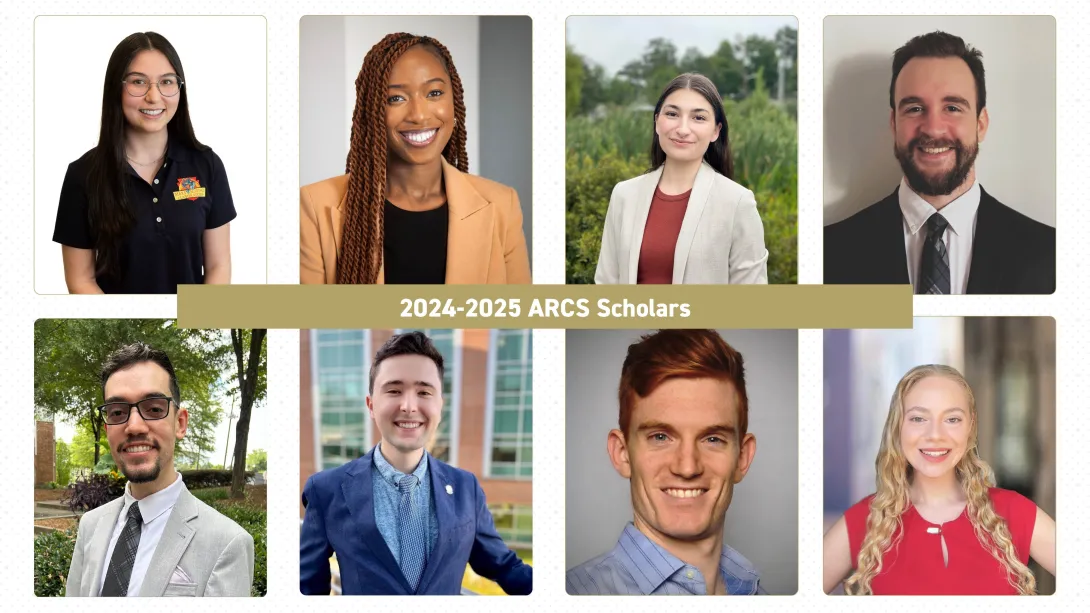
ARCS Foundation Atlanta awarded a total of $117,500 to 15 Ph.D. students who show exceptional promise of making a significant contribution to the worldwide advancement of science and technology. Eight first-year ARCS Scholars will join seven returning scholars who were recognized as outstanding doctoral students.
Faculty may nominate candidates pursuing doctoral studies for the prestigious fellowship. The Graduate Education Fellowships Selection Committee, established by the Vice Provost for Graduate and Postdoctoral Education, reviews the candidates for final selection.
This year, each Georgia Tech scholar will receive $7,500 and two will receive the Global Impact Award of $10,000. The Foundation grants the Global Impact Awards to students working on research problems having a broader global context or addressing global issues.
A scholars award ceremony will be held in November to honor the Atlanta chapter’s recipients.
Congratulations to the following Georgia Tech 2024-25 ARCS Scholars:
Returning Scholars
- Noam Altman-Kurosaki is a third-year ARCS Scholar who received the Herz Global Impact Award. Altman-Kurosaki is a Ph.D. candidate in biology with a research interest in understanding the processes that drive coral reef decline and recovery.
- Anjana Dissanayaka is a third-year ARCS Scholar who received the Northside Hospital Award. Dissanayaka is a Ph.D. student in biomedical engineering with a research interest in leveraging and applying microfluidic techniques to develop low-cost diagnostic devices.
- Emily Hughes is a second-year ARCS Scholar who received the Lim Award. Hughes is a Ph.D. candidate in earth and atmospheric sciences with a research interest in the geologic history of the planet Mars, specifically how spectroscopy, field analogue studies, and in situ Martian data can be coupled to reconstruct ancient environments.
- Tawfik Hussein is a third-year ARCS Scholar who received the Boice/Reid Award. Hussein is a Ph.D. student in biomedical engineering with a research interest in the mechanics of the heart, specifically, simulating computationally the mechanical changes in the heart of patients with heart failure to help predict early stages of heart failure.
- KC Jacobson is a third-year ARCS Scholar who received the Herz Global Impact Award. Jacobson is a Ph.D. student in bioengineering, chemical and biochemical engineering, with a research interest in the neural mechanisms of impaired sensory processing in a human-relevant mouse model of autism spectrum disorder.
- Cassandra Shriver is a third-year ARCS Scholar who received the Chambers/Jones Award. Shriver is a Ph.D. student in quantitative biosciences, biological sciences, with a research interest in comparative biomechanics, specifically mammalian climbing mechanics with an emphasis on conservation applications.
- Naoki Yokoyama is a third-year ARCS Scholar who received the Dodson Award. Yokoyama is a Ph.D. candidate in robotics, electrical and computer engineering, with a research interest in developing intelligent robots that can assist the elderly and disabled in home environments.
New Scholars
- Alivia Eng is a first-year ARCS Scholar who received the David, Helen and Marian Woodward Award. Eng is a Ph.D. student in earth and atmospheric sciences with a research interest in planetary science, specifically the geologic history of Mars.
- Kierra Franklin is a first-year ARCS Scholar who received the Burke Award. Franklin is a Ph.D. student in biomedical engineering with a research interest in combining synthetic biology and epigenetics to study chromatin biology and disease pathology.
- Marrissa Izykowicz is a first-year ARCS Scholar who received the Roche Award. Izykowicz is a Ph.D. student in chemical biology with a research interest in designing and synthesizing nanohydrogels for targeted drug delivery in metastatic cancers.
- Zachary Mobille is a first-year ARCS Scholar who received the HA (Gus) Peed Award. Mobille is a Ph.D. candidate in quantitative biosciences with a research interest in how anatomical structure and precisely-timed dynamics are interrelated in networks of biological neurons.
- Heriberto Nieves is a first-year ARCS Scholar who received the Wahlen Award. Nieves is a Ph.D. student in biomedical engineering, robotics, with a research interest in applying deep learning to automate the quality control and measurement processes for staging liver fibrosis with magnetic resonance elastography.
- John Pederson is a first-year ARCS Scholar who received the Joslin/Mary Jo Peed Award. Pederson is a Ph.D. student in chemistry with a research interest in multi-scale modeling of complex chemical systems to study reactions at solid/liquid interfaces.
- Theodore St. Francis is a first-year ARCS Scholar who received the ARCS Atlanta Century Award. St. Francis is a Ph.D. student in aerospace engineering with a research interest in electrolysis for both oxygen generation for astronauts and hydrogen production on Earth.
- Gianna Slusher is a first-year ARCS Scholar who received the Swensson/ARCS Atlanta Award. Slusher is a Ph.D. student in bioengineering, mechanical engineering, with a research interest in developing innovative nano-scale technologies to enhance the manufacturing and monitoring of cell-based therapeutics.
The ARCS fellowship is made possible each year by way of fundraising and the continued generous support of the ARCS-Atlanta Foundation.
The mission of the ARCS Foundation is to advance science and technology in the United States by providing financial rewards to academically outstanding U.S. citizens studying to complete degrees in science, engineering, and medical research.
Since its inception in 1992, the ARCS Foundation Atlanta has awarded more than $4.5 million to over 400 science scholars at Emory University, Georgia Institute of Technology, Morehouse College, and the University of Georgia.
For more information about the 2024-25 ARCS Atlanta Scholars, please visit www.atlanta.arcsfoundation.org/scholars/current-scholars-4.
News Contact
Oct. 17, 2024
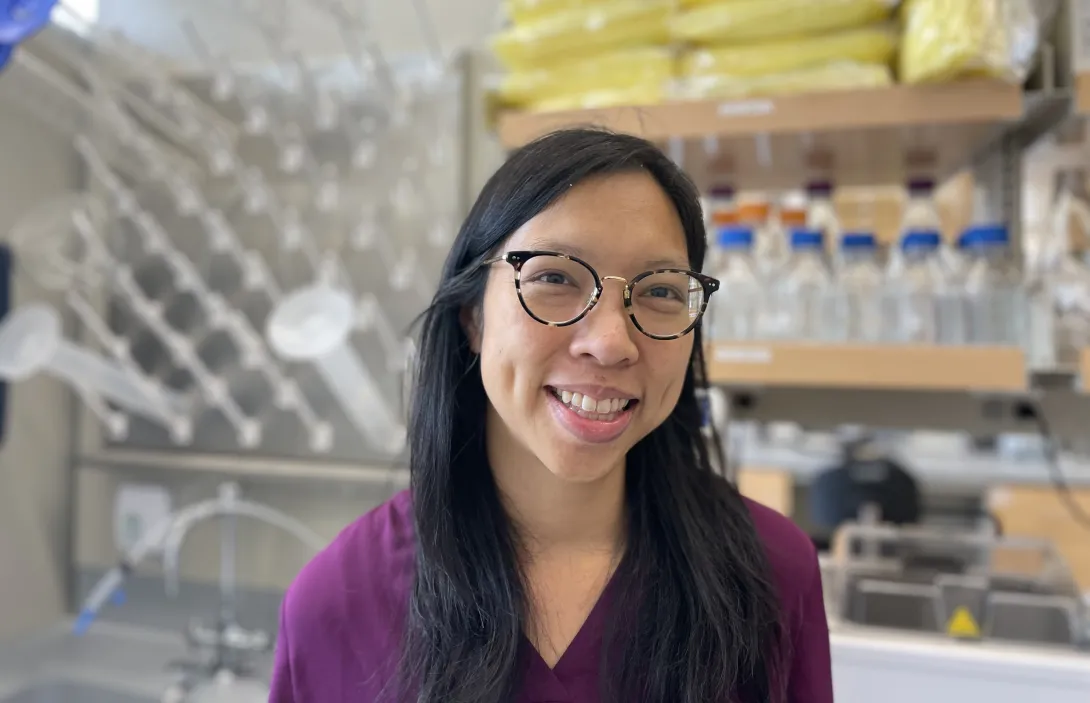
When we lose one sense, like vision, do our other senses get stronger? Ming-fai Fong is using her NSF CAREER Award to find out. Photo by Jerry Grillo
Ming-fai Fong has always been interested in what she thinks of as the existential struggle embedded in her research; this notion of focusing simultaneously on the science and the people it can impact.
It turns out, the struggle is more like a loop, with the research impacting the people, and the people impacting the direction of the research.
“I’m interested in how things work, in the science, in exploring and researching. But I always ask myself, ‘what or who am I doing this for?’ So, I try my best to stay connected with the community, with the people whose health and wellbeing we’re ultimately working to improve,” said Fong, assistant professor in the Wallace H. Coulter Department of Biomedical Engineering at Georgia Tech and Emory University.
Fong’s desire to stay connected to communities through her work manifested while she was an undergraduate mechanical engineering student at M.I.T. She wanted to make assistive devices for individuals with disabilities. So, she moved to northwestern Mexico for a fellowship designing wheelchairs for people who had been impacted by drug violence in the region.
That experience indirectly led her to the Coulter Department, where the Fong lab studies how activity and experience shape brain circuits, with the goal of developing treatments for neurological disorders. Currently, her team is investigating the central visual pathway and visual impairments.
And when they aren’t working on research, Fong and the students in her lab volunteer with the Center for the Visually Impaired and Georgia Blind Sports Association. And whether they are repairing specialized typewriters called Braillers or working with athletes and coaches at a goalball match, those activities are helping to guide the research. It’s all part of the existential loop.
“Our latest research proposal really grew out of our interactions with the blind and visually impaired community in Atlanta,” said Fong, who recently won a National Science Foundation CAREER Award, and will use the funding to support her lab’s study of plasticity — the ability to adapt and learn — in the adult brain.
“We were inspired by the residual sensory abilities of many people we’ve interacted with,” Fong added. “For example, some visually impaired people may develop a heightened sense of hearing. Motivated by a lack of accommodations and infrastructure for this community, we want to study how these enhanced sensory capacities emerge in people with irreversible visual impairment."
Plasticity City
While Fong is referring to a lack of real-world infrastructure suitable for blind and visually impaired people, the concept is an appropriate metaphor when explaining the brain and plasticity.
Think of the brain as a growing city when we’re young, constantly under construction, new infrastructure rapidly emerging everywhere. This is known as the “critical period.” When we’re children, that’s a period time when the brain is very adaptable and capable of easily learning new things. As our brains age (or the city grows), development slows down — because neuroplasticity decreases as we get older.
When you experience vision loss, it’s kind of like what happens when a major road closes and the city has to work quickly to find other routes to keep traffic moving. When vision is lost, the flexible brain reconfigures itself to adapt, finding new ways to process information through other senses, like hearing.
But it’s a matter of timing, a window of opportunity that Fong and her team want to keep open, if possible.
“We want to understand the critical period, and how this reconfiguration process works,” said Fong. “Ultimately, we think that by depriving the brain of one sense, like vision, we can reopen the critical period, making the brain more adaptable again, even in adulthood.”
To test their ideas, Fong’s team will observe how the brains of mice change when vision is impaired, paying close attention to areas of the brain responsible for hearing.
“Hopefully, we can reveal new ways to help people with sensory impairments by making their brains more adaptable, like they were in childhood,” said Fong, who is quick to point out a common misconception: losing your vision does not automatically improve your audition, or sense of hearing.
Yes, there are people with vision loss who learn to expertly use echolocation — making sounds and listening to the echoes — to navigate their surroundings. But that may be the exception, particularly when thinking of people who lose their vision as adults.
“For every one of those stories, there are 100 others in which someone can’t tell you what direction a sound is coming from,” said Fong.
In addition to studying ways to identify and leverage the critical period of plasticity, Fong will use the CAREER Award to help support her lab’s education initiatives targeting blind and visually impaired youth. With hands-on Brailler repair workshops and multi-sensory teaching tools, the program seeks to create inclusive learning environments for all non-visual learners, while promoting broader diversity in STEM fields.
Beyond the lab and the research, Fong is considering her initial motivation for the work, “the lack of inclusive infrastructure for individuals with disabilities. One long term goal we have is to provide a neuro-scientific basis for advocating for improved accommodations,” she said. “If our work can help make it possible for this remarkable community to participate in and contribute to society more broadly, that would be huge.”
News Contact
Jerry Grillo
Oct. 16, 2024
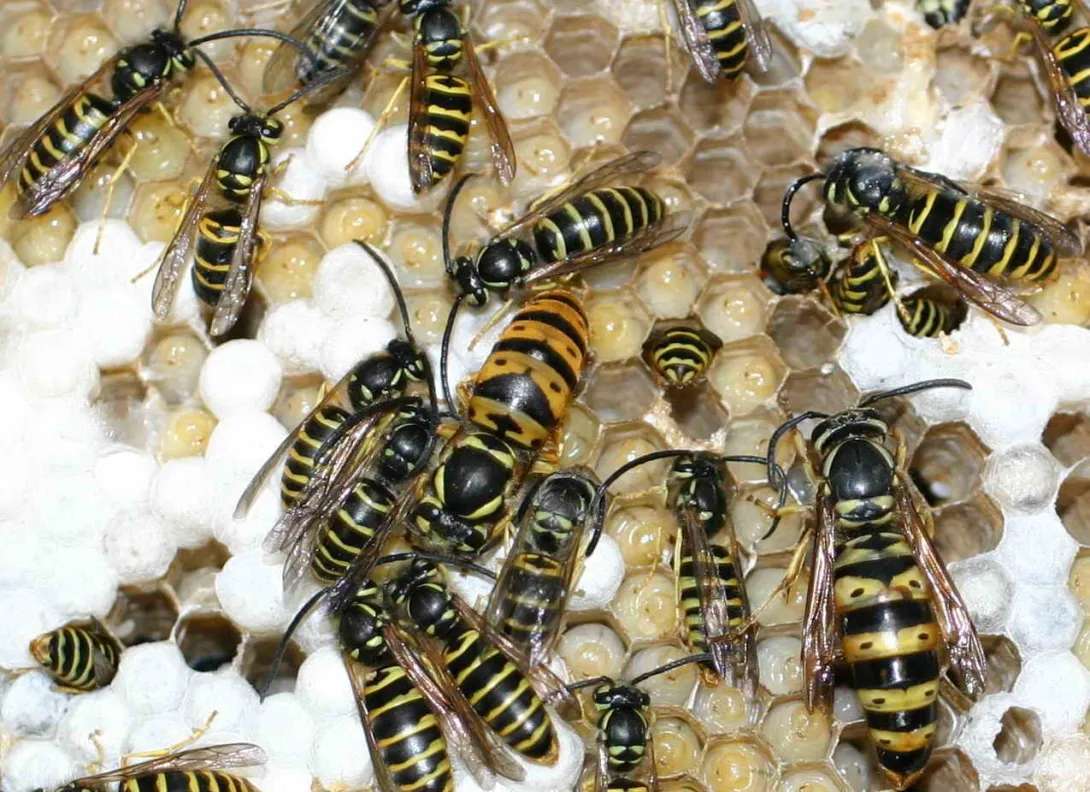
The most recognizable yellow jacket at Georgia Tech is made of fabric and foam, but Professor Mike Goodisman and a team of researchers revealed a far more complex cellular structure by successfully sequencing the genome of two local species of yellow jacket wasps — Vespula squamosa (the southern yellow jacket) and Vespula maculifrons (the eastern yellow jacket).
Having the genome sequences of yellow jacket wasps expands biologists' understanding of the behaviors and evolution of social insects, including the intricacies of the caste system made up of queens, males, and workers.
"The genome is fundamental for a lot of questions that we ask," Goodisman said.
The research, published in Annals of the Entomological Society of America, identifies rates of gene evolution among the different species, which Goodisman says could offer explanations for the various roles each wasp plays in their colonies as well as their ability to adapt and thrive in different environments. Variations in the genomes will also help scientists dissect the interactions between the two local species.
Southern and eastern yellow jacket queens produce all caste members in the colony, and while mated queens from both species hibernate in the winter following the decline of their colonies, V. squamosa will stay in hibernation slightly longer. Southern queens then actively seek out established eastern yellow jacket nests, kill the resident queen, and take over her colony. Goodisman and his research team hope the genome provides insight into the southern queens’ parasitic behavior.
The typical colony will survive six to eight months, but in certain climates, colonies can outlast the winter months to become "supercolonies." These larger colonies take on multiple queens as they grow to the size of a couch or a car. Goodisman's team will use the genome to look for clues as to how these supercolonies thrive for multiple years and how natural selection operates in the two species.
Throughout the study, Goodisman relied on the Georgia Tech community's shared interest in the social insect to gather the necessary samples. Through ads in The Whistle and other campus publications, he collected yellow jacket wasps’ nests from faculty, staff, and alumni, in addition to samples from around the region. DNA was extracted from individual wasp samples and then sent to the University of Georgia for DNA sequencing. The resulting genomes, which are about 200 million base pairs in length, were then jointly analyzed by scientists at Georgia Tech and the University of Georgia.
“When you get the data back, you get these long sequences of the building blocks of DNA. Part of the game is putting that together like a puzzle, and then we analyze the sequence to figure out what it means,” he said.
With the genome sequenced, the team can then compare the local species to each other and all species of yellow jacket wasps worldwide. Unlike honeybees, yellow jacket wasps are not considered significant pollinators, but because their diet consists of insects and carrion, Goodisman explains that understanding their place in the ecosystems they inhabit is equally important.
He is enthused to be on a campus that shares his interest in the group of social insects known as Hymenoptera. That interest led him to study insects like fruit flies at Cornell University and fire ants at the University of Georgia before beginning his postdoctoral research on other members of the Hymenoptera order.
Now, when discussing his research with members of the Georgia Tech community, he finds himself answering one question more than any other. His response is always the same. "Because of the stinger, Buzz is anatomically female."
And while he can't definitively say which species of yellow jacket the mascot would be, Goodisman said Buzz's feisty nature would lean toward the more aggressive and charismatic southern yellow jacket, V. squamosa.
News Contact
Steven Gagliano - Institute Communications
Oct. 16, 2024
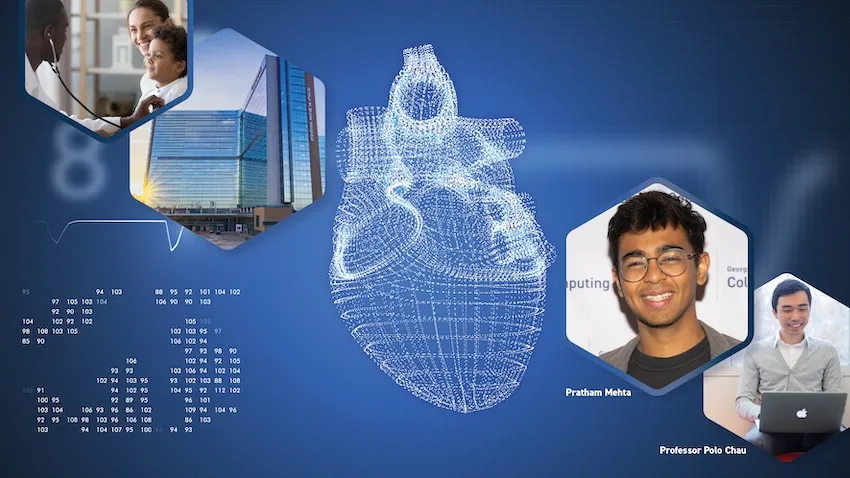
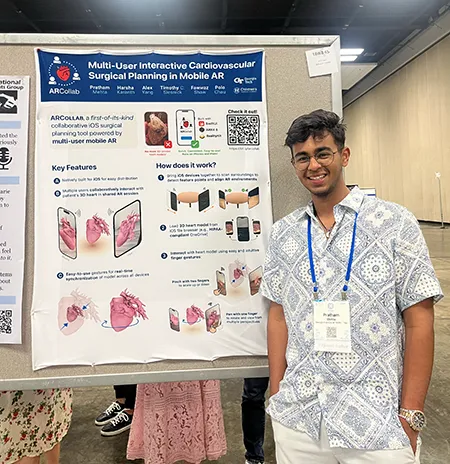
A new surgery planning tool powered by augmented reality (AR) is in development for doctors who need closer collaboration when planning heart operations. Promising results from a recent usability test have moved the platform one step closer to everyday use in hospitals worldwide.
Georgia Tech researchers partnered with medical experts from Children’s Healthcare of Atlanta (CHOA) to develop and test ARCollab. The iOS-based app leverages advanced AR technologies to let doctors collaborate together and interact with a patient’s 3D heart model when planning surgeries.
The usability evaluation demonstrates the app’s effectiveness, finding that ARCollab is easy to use and understand, fosters collaboration, and improves surgical planning.
“This tool is a step toward easier collaborative surgical planning. ARCollab could reduce the reliance on physical heart models, saving hours and even days of time while maintaining the collaborative nature of surgical planning,” said M.S. student Pratham Mehta, the app’s lead researcher.
“Not only can it benefit doctors when planning for surgery, it may also serve as a teaching tool to explain heart deformities and problems to patients.”
Two cardiologists and three cardiothoracic surgeons from CHOA tested ARCollab. The two-day study ended with the doctors taking a 14-question survey assessing the app’s usability. The survey also solicited general feedback and top features.
The Georgia Tech group determined from the open-ended feedback that:
- ARCollab enables new collaboration capabilities that are easy to use and facilitate surgical planning.
- Anchoring the model to a physical space is important for better interaction.
- Portability and real-time interaction are crucial for collaborative surgical planning.
Users rated each of the 14 questions on a 7-point Likert scale, with one being “strongly disagree” and seven being “strongly agree.” The 14 questions were organized into five categories: overall, multi-user, model viewing, model slicing, and saving and loading models.
The multi-user category attained the highest rating with an average of 6.65. This included a unanimous 7.0 rating that it was easy to identify who was controlling the heart model in ARCollab. The scores also showed it was easy for users to connect with devices, switch between viewing and slicing, and view other users’ interactions.
The model slicing category received the lowest, but formidable, average of 5.5. These questions assessed ease of use and understanding of finger gestures and usefulness to toggle slice direction.
Based on feedback, the researchers will explore adding support for remote collaboration. This would assist doctors in collaborating when not in a shared physical space. Another improvement is extending the save feature to support multiple states.
“The surgeons and cardiologists found it extremely beneficial for multiple people to be able to view the model and collaboratively interact with it in real-time,” Mehta said.
The user study took place in a CHOA classroom. CHOA also provided a 3D heart model for the test using anonymous medical imaging data. Georgia Tech’s Institutional Review Board (IRB) approved the study and the group collected data in accordance with Institute policies.
The five test participants regularly perform cardiovascular surgical procedures and are employed by CHOA.
The Georgia Tech group provided each participant with an iPad Pro with the latest iOS version and the ARCollab app installed. Using commercial devices and software meets the group’s intentions to make the tool universally available and deployable.
“We plan to continue iterating ARCollab based on the feedback from the users,” Mehta said.
“The participants suggested the addition of a ‘distance collaboration’ mode, enabling doctors to collaborate even if they are not in the same physical environment. This allows them to facilitate surgical planning sessions from home or otherwise.”
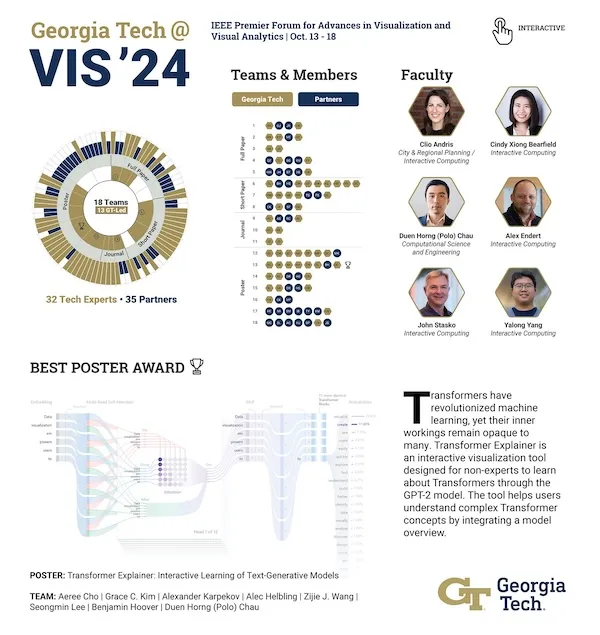
The Georgia Tech researchers are presenting ARCollab and the user study results at IEEE VIS 2024, the Institute of Electrical and Electronics Engineers (IEEE) visualization conference.
IEEE VIS is the world’s most prestigious conference for visualization research and the second-highest rated conference for computer graphics. It takes place virtually Oct. 13-18, moved from its venue in St. Pete Beach, Florida, due to Hurricane Milton.
The ARCollab research group's presentation at IEEE VIS comes months after they shared their work at the Conference on Human Factors in Computing Systems (CHI 2024).
Undergraduate student Rahul Narayanan and alumni Harsha Karanth (M.S. CS 2024) and Haoyang (Alex) Yang (CS 2022, M.S. CS 2023) co-authored the paper with Mehta. They study under Polo Chau, a professor in the School of Computational Science and Engineering.
The Georgia Tech group partnered with Dr. Timothy Slesnick and Dr. Fawwaz Shaw from CHOA on ARCollab’s development and user testing.
"I'm grateful for these opportunities since I get to showcase the team's hard work," Mehta said.
“I can meet other like-minded researchers and students who share these interests in visualization and human-computer interaction. There is no better form of learning.”
News Contact
Bryant Wine, Communications Officer
bryant.wine@cc.gatech.edu
Oct. 15, 2024
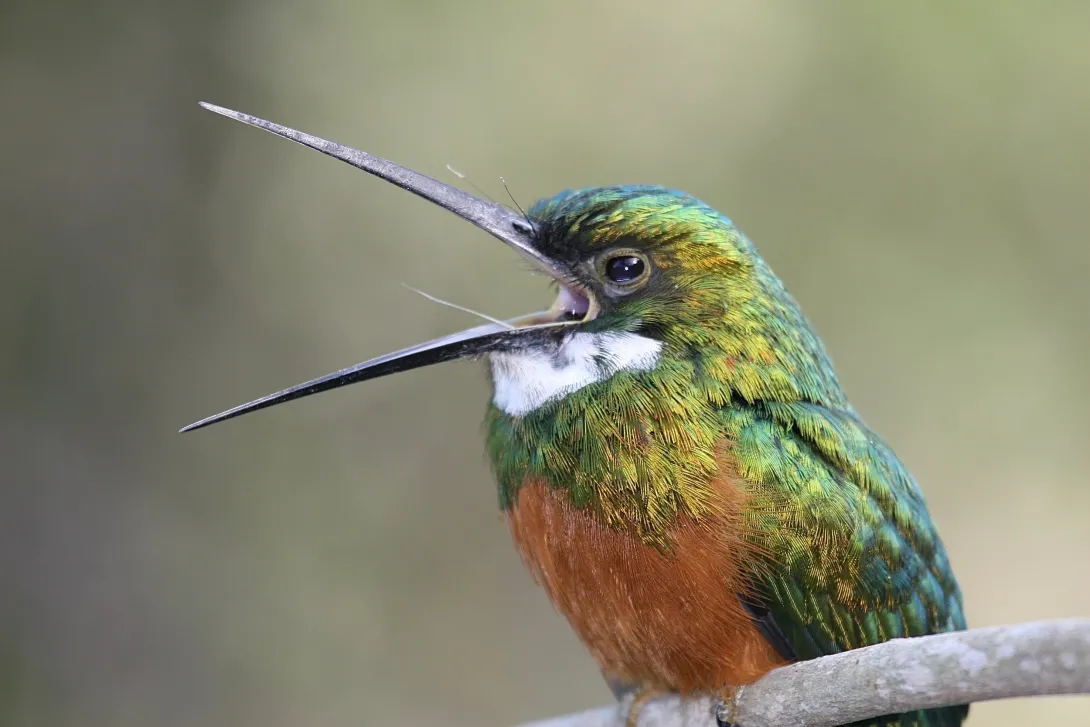
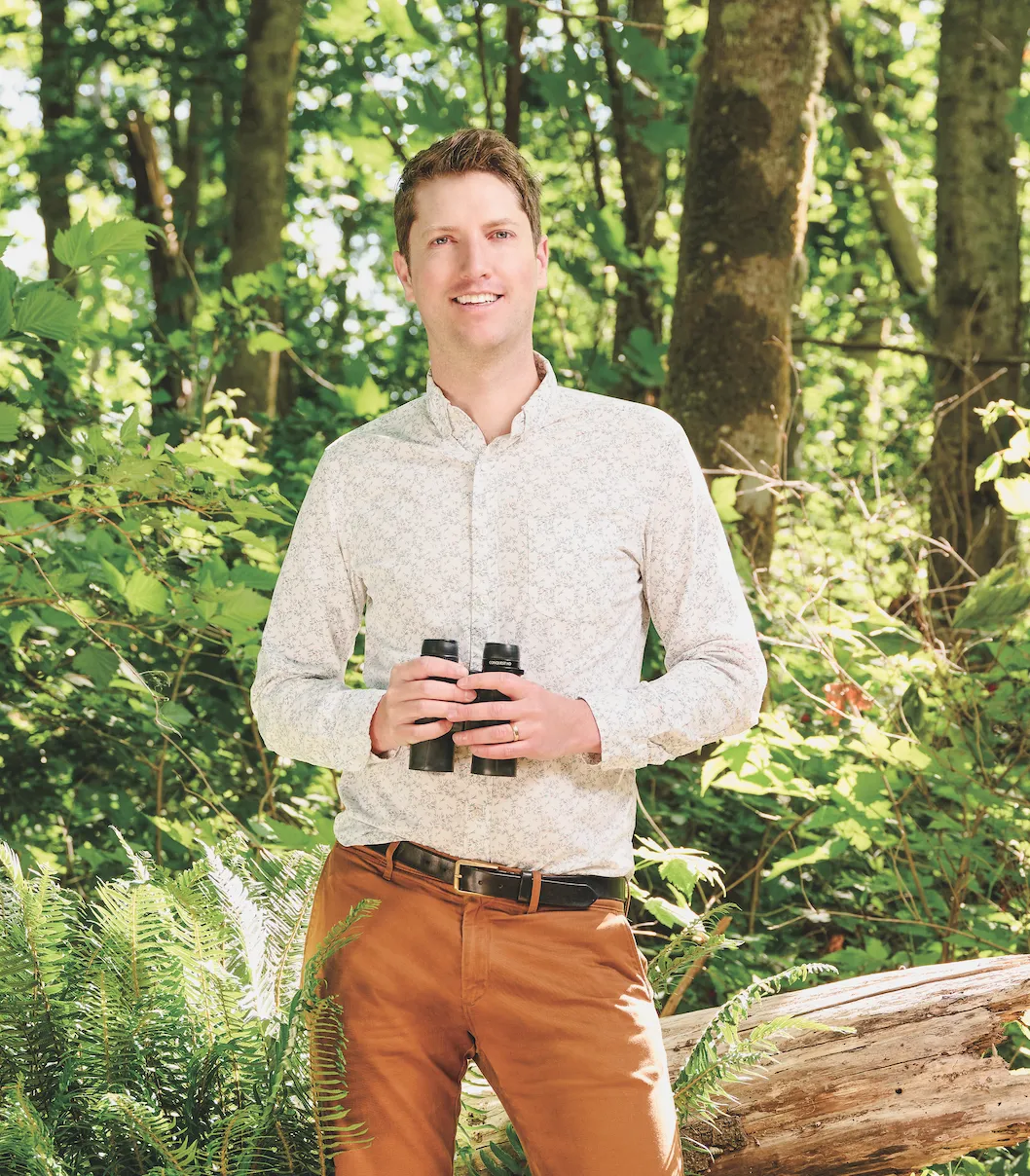
Benjamin Freeman has been named a 2024 Packard Fellow for groundbreaking research in climate change and bird ecology. Freeman, an assistant professor in the School of Biological Sciences, will receive $875,000 to fund his work.
“From all of us in Biological Sciences, we’re thrilled to see Ben Freeman named a Packard Fellow,” says School Chair Jeffrey (Todd) Streelman. “Ben’s research is important, compelling, and creative — a triple-threat combination that justifies this recognition.”
Awarded annually to only 20 individuals by the David and Lucile Packard Foundation, Packard Fellows are known for pursuing cutting-edge research, never-before-done projects, and ambitious goals.
“These scientists and engineers are the architects of tomorrow, leading innovation with bold ideas and unyielding determination,” shares Nancy Lindborg, President and Chief Executive Officer of the Packard Foundation. “Their work today will be the foundation for the breakthroughs of the future, inspiring the next wave of discovery and invention.”
“I'm flabbergasted to receive this prestigious award,” says Freeman. “Packard support will be transformative. It will give me the freedom to do the sorts of risky projects that I've dreamed about, and will support the intense fieldwork that I'm convinced is necessary to understand big questions in climate change ecology.”
The Packard funding will support Freemans most ambitious project to date: developing “Tech Mountain” in the tropics, a long-term field project focused on surveying thousands of individual birds. From mountain slope to summit, he will track their motions, their nests and predators, where they live, eat, move, and die — and how this changes as temperatures warm.
The pioneer study will shape a window into how birds and other organisms are responding to our changing climate, while developing technology and methodology that could revolutionize the fields of ecology and biology.
The escalator to extinction
Freeman’s previous research has shown that, in general, birds are moving to higher elevations as our climate changes.
“I found that as it's gotten warmer in the tropics, it's set in motion what I call an escalator to extinction,” he explains. “Birds are living at higher and higher elevations, and those that were common on a mountain top when I was a toddler in Peru are now gone from that mountain.”
While this previous research has shown that tropical birds are on this escalator, it hasn’t been possible to determine the specifics: which birds might be most vulnerable and what the key stressors are.
Freeman explains that “Tech Mountain” will be a first-of-its-kind field site, equipped with innovative sensors and trackers — think cameras placed on nets, recording equipment, climatic sensors, and small individual trackers on each bird.
“I want to figure out what drives their birth rates, where they're dying, and where they're moving during the course of their life,” he shares. “That will help us unravel how this escalator to extinction works.”
Building ‘Tech Mountain’
Several thousand meters tall, encompassing lowland rainforest, foothill rainforest, and cloud forest, Freeman’s field site will feature dense vegetation, steep grades, and encompass several different climatic zones — each with unique species.
Along its slopes, Freeman’s team will find, catch, mark, and follow the lives of thousands of individual birds across hundreds of species — for a minimum of five years, but potentially for decades. It’s never been done before.
Currently, most GPS trackers are too large for small birds, and smaller trackers capture limited information. Additionally, these smaller trackers cannot wirelessly transfer data — in order to download and access the data, each bird must be recaptured.
“The conditions are tough. It’s rugged. It’s humid. It’s cloudy and wet. We’ll need to put resources into developing technology that fits our needs, and experiment with different ways of tracking individuals in these difficult conditions,” Freeman says.
Freeman will also leverage eBird, an online hub where community scientists can upload their observations. “Millions upon millions of observations are uploaded by community scientists, citizen scientists, birders — people,” he adds. “And using this data, we can estimate the vulnerability of mountain bird species — which species seem to be shrinking their ranges and declining in abundance.”
This builds on Freeman’s current work creating the Mountain Bird Network, which supports community scientists in conducting bird surveys on their local mountains.
Georgia Tech and global connections
Freeman’s tools and methodologies could revolutionize fieldwork for ecologists and biologists, opening the door for rigorous new field studies.
It will also provide opportunities to deepen collaborations abroad. “I'm planning on working closely with Dr. Elisa Bonaccorso's lab at the University of San Francisco, Quito (USFQ Ecuador),” Freeman says, “and I’m looking forward to that collaboration. The Packard funding will also support work in Ecuador conducted by an Ecuadorian graduate student who is studying at Georgia Tech.”
Throughout the research, students will be at the heart of the projects. “I take mentoring scientists very seriously,” Freeman shares. “Undergraduates will have the opportunity to get involved on the biology side of this research, the computational side, and on the engineering side of the research. They’ll even help develop new tracking technologies.
The Packard Fellowship will not only support my research — but help me provide these opportunities in the coming years to Georgia Tech’s future scientists.”
News Contact
Written by Selena Langner
Contact: Jess Hunt-Ralston