
Feb. 14, 2025

Georgia Tech Regents’ Professor Srinivas Aluru is the recipient of the Charles Babbage Award for 2025. Aluru was awarded for pioneering research contributions that intersect parallel computing and computational biology.
“This is a very well-deserved recognition for Srinivas as he joins the illustrious list of past recipients of the Charles Babbage Award,” said Vivek Sarkar, the John P. Imlay Jr. Dean of the College of Computing.
“Srinivas’ accomplishments reflect positively on himself and all of us at Georgia Tech. This is indeed an occasion to celebrate.”
The IEEE Computer Society presents the Babbage Award annually. The award recognizes significant contributions to parallel computation.
[Related: IEEE-CS interview with Aluru on his award-winning career]
The award is named after Charles Babbage, widely considered to be a “father of the computer.” Babbage and Ada Lovelace are credited with inventing the first mechanical computers in the 19th century, eventually leading to more complex designs.
Aluru is a pioneer in computational genomics, an area of biology that studies the order, structure, function, and evolution of genetic material. Throughout his career, his lab has developed software and algorithms to analyze the genomes of several species of plants, animals, and microorganisms.
Genome base pair sizes can number into the billions, which can be interpreted as massive datasets. Ever since the early years of his career, Aluru championed parallel computing as a practical approach to studying these challenging datasets.
Parallelism divides a large problem into smaller ones, allowing different processors on a computer to solve the simpler tasks simultaneously. This approach breaks a genome into smaller segments, allowing computers to efficiently transcribe genetic code and identify insightful patterns.
“Srinivas Aluru’s groundbreaking contributions have profoundly shaped the intersection of parallel processing and bioinformatics. His work is nothing short of extraordinary,” said Yves Robert, awards chair of the IEEE Computer Society Babbage Committee.
“It is a privilege to recognize a researcher whose work will undoubtedly have a lasting impact for generations to come.”
IEEE selected Aluru as a fellow in 2010, and he recently served as the editor-in-chief of the journal IEEE/ACM Transactions on Computational Biology and Bioinformatics.
Aluru has fellowships with the American Association for the Advancement of Science, the Association for Computing Machinery (ACM), and the Society of Industrial and Applied Mathematics. He is a past recipient of the NSF CAREER Award, IBM Faculty Award, and the Swarnajayanti Fellowship from the government of India.
Along with receiving the Babbage Award, Aluru’s leadership acumen earned him the recent appointment as senior associate dean of Georgia Tech’s College of Computing.
Aluru helped form the Institute for Data Engineering and Science (IDEaS) at Georgia Tech in 2016, serving as co-executive director. Later, he became the institute’s sole executive director from 2019 to 2025. Regents’ Professor C. David Sherrill became interim executive director of IDEaS when Aluru accepted his associate dean appointment.
Aluru started at Georgia Tech in 2013 to join the new School of Computational Science and Engineering, established in 2010. He served as the School’s interim chair from 2019 to 2020. In 2023, the University System of Georgia appointed Aluru as Regents’ Professor.
Aluru completed his Ph.D. at Iowa State University in 1994. He then worked at Ames National Laboratory, Syracuse University, and New Mexico State University before returning to his alma mater from 1999 to 2013.
“This award is a recognition of over two and a half decades of research efforts in my group, reflecting not only my work but that of numerous graduate students and collaborators,” said Aluru.
“I hope the award draws attention to the importance of parallel methods in computational biology and points key advancements to new entrants in the field.”
News Contact
Bryant Wine, Communications Officer
bryant.wine@cc.gatech.edu
Jan. 13, 2025

BME researcher Anant Madabhushi is co-leading a team from Emory University, including researchers at Winship Cancer Institute, in a project that has been awarded up to $17.6 million from the Advanced Research Projects Agency for Health (ARPA-H).
The team is developing innovative technology aimed at improving outcomes for patients undergoing cancer surgery. The project, entitled “MarginCall,” is set to transform how surgical margins are evaluated during cancer surgeries, with an initial focus on breast and ovarian cancer.
This innovative system enables real-time, precise evaluation of surgical margins, potentially reducing the need for repeat surgeries and enhancing patient care. Read the full story here.
News Contact
Jerry Grillo
Communications
Wallace H. Coulter Department of Biomedical Engineering
Feb. 05, 2025

IBB is excited to announce that Andrés J. García is the recipient of the 2025 Biomaterials Global Impact Award, which aims to recognize distinguished research and development accomplishments in the field of biomaterials. Biomaterials is an international journal covering the science and clinical application of biomaterials and is the flagship title in Elsevier's biomaterials science portfolio. García is executive director of the Parker H. Petit Institute for Bioengineering and Bioscience, the Petit Director’s Chair in Bioengineering and Bioscience, and Regents’ Professor in the George Woodruff School of Mechanical Engineering. He has also co-founded three start-up companies. García’s research centers on cellular and tissue engineering, areas which integrate engineering and biological principles to control cell function in order to restore and/or enhance function in injured or diseased organs.
“I am deeply honored by this recognition,” shared García. “I am thankful to all of those that made this award possible, notably my exceptional past and current trainees and collaborators as well as sponsors and funders. A big shout out to IBB and Georgia Tech – the supportive and collaborative multi-disciplinary ecosystem is truly unique and I am very proud to be part of this fantastic team.”
García was nominated for the award by IBB faculty member Ankur Singh. Singh is Carl Ring Family Professor in the George W. Woodruff School of Mechanical Engineering and the Wallace H. Coulter Department of Biomedical Engineering (BME) and directs the Center for Immunoengineering. “Andrés is an extraordinary, internationally acknowledged scholar who has also made exceptional contributions to the intellectual advancement of the field of bioengineering as a whole,” said Singh. “His work has revolutionized the design and application of biomaterial platforms, focusing on eliciting targeted tissue repair and developing innovative technologies that exploit cell-adhesive interactions. His work has generated deep mechanistic insights into the complex interplay between cell biology and mechanics, which have led to impactful translational applications that have significantly advanced healthcare solutions.”
García will be honored and present his recent work at an Award Ceremony during TERMIS EU 2025, which will take place from May 20-23 in Freiburg, Germany.
Full press release here.
News Contact
Savannah Williamson
Jan. 24, 2025
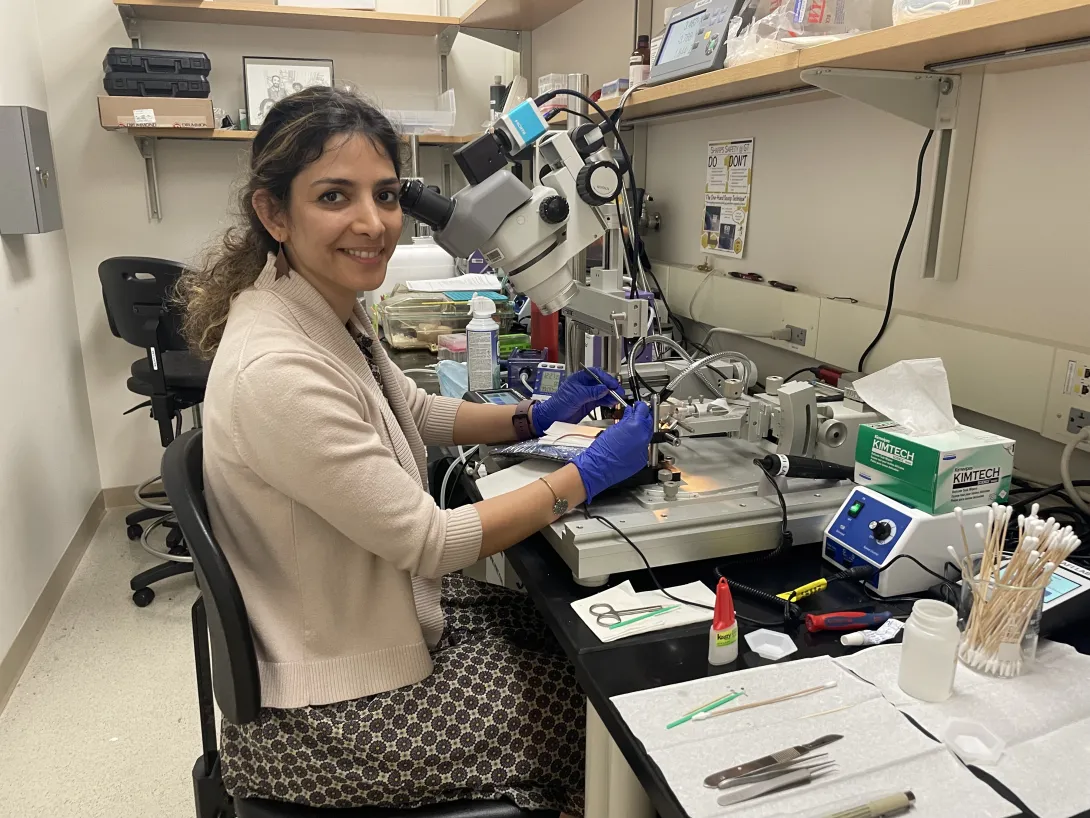
Farzaneh Najafi, assistant professor in the School of Biological Sciences at Georgia Tech, conducting research in her lab.
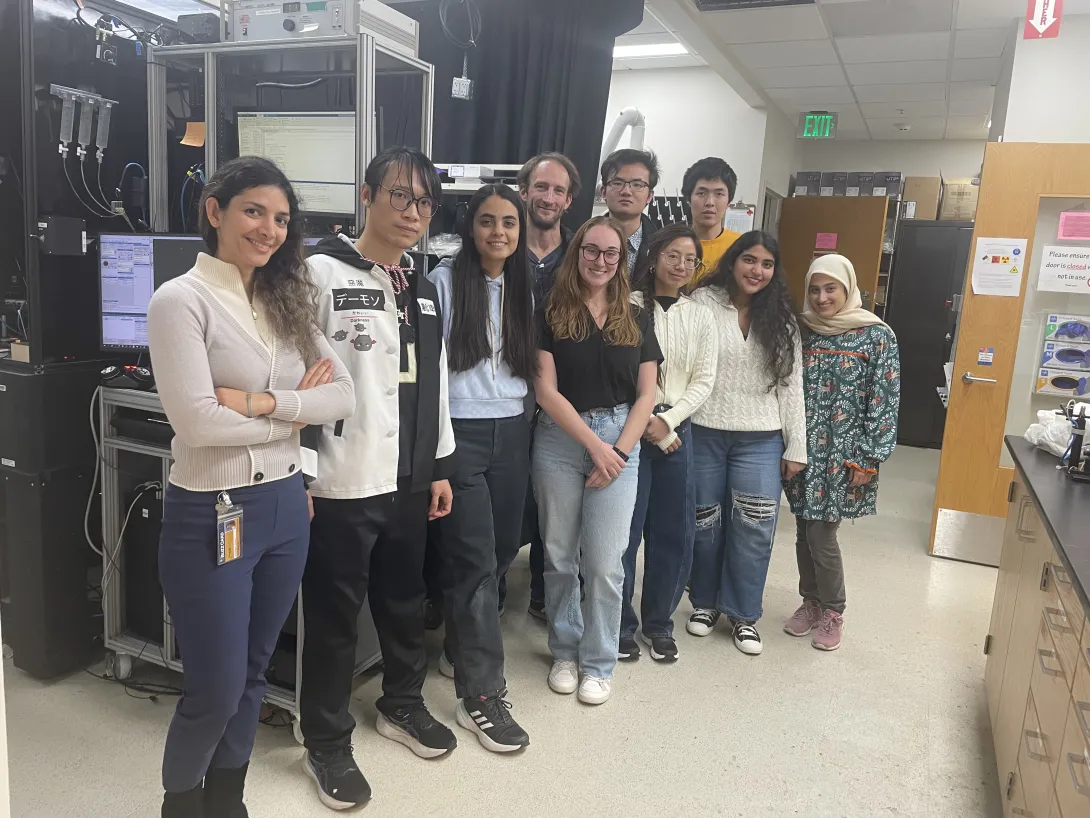
Farzaneh Najafi, who is affiliated with the Parker H. Petit Institute for Bioengineering and Bioscience and the Neuro Next Initiative, with her research group.
In psychology and neuroscience research, a host of behaviors fall under the cognitive umbrella: learning, perceiving the environment, storing memories, and making decisions are just a few. Much like binary code underpins complex computational processes, researchers have long been searching for the molecular mechanisms that enable cognition.
Farzaneh Najafi, an assistant professor in Georgia Tech’s School of Biological Sciences(SBS) , recently received multiple awards that will enable her to dig deeper into the molecular origins of cognitive processes, with the help of interdisciplinary teams.
“If we want to understand cognition, we really have to start small: at the level of molecules, genes, and the genome, and then work our way up to systems, behavior, and cognition,” says Najafi. “Impactful discoveries happen when people from different disciplines come together and collaborate. That’s how we make real breakthroughs.”
Two of her recent awards stem from the third and final year of the Scialog: Molecular Basis of Cognition initiative. Funded by the Research Corporation for Science Advancement (RCSA), the Frederick Gardner Cottrell Foundation, and the Walder Foundation, this initiative has provided 48 multidisciplinary teams with more than $2.4 million to advance this area of research.
“It’s exciting that Farzaneh has won not just one, but two team-based Scialog awards,” said SBS School Chair Jeffrey (Todd) Streelman. “Solving big problems in neuroscience often requires teams, and Farzaneh is well-placed to apply this in her research program.”
With additional funding from the Whitehall Foundation and Chan Zuckerberg Initiative, Najafi is set to lead several interdisciplinary projects to uncover the role of the cerebellum and neocortex (the brain’s outer layer) across distinct cognitive processes.
“At the end of the day, the goal is to develop effective therapeutics,” says Najafi, whose work has long aimed to better understand and treat psychiatric and neurological disorders. “To develop targeted treatments, we have to identify the molecules that are at the core of these cognitive processes.”
Deeper than thought
Throughout her career, Najafi has focused on how the brain makes and uses predictions to influence learning and behavior, with a particular focus on an area in the back of the brain called the cerebellum.
“Without those predictions, our perceptions and actions would be significantly delayed, which could impact our survival,” explains Najafi. “Learning happens when we update those predictions to better align with the world around us.”
Najafi will bring that cerebellar expertise to two collaborative teams with the Scialog initiative.
Working with researchers from Stanford University and Case Western Reserve University, one of Najafi’s Scialog projects will focus on how sleep deprivation alters the 3D structure of genetic material in different species’ cerebellum— and investigate potential mechanisms to reverse those changes.
Her second project, in collaboration with researchers from University of California San Francisco and Duke University, explores how the brain chemical norepinephrine affects cerebellar activity across species. This research aims to understand the cerebellum's role in behavioral flexibility and adaptation, revealing how these chemical signals influence various brain functions.
Working across disciplines
Formed at the October 2024 Scialog meeting, Najafi’s two collaborative teams are part of an RCSA initiativethat unites early career scientists in advancing basic science and developing high-risk, high-reward research projects. The Scialog: Molecular Basis of Cognition initiative, begun in 2022, annually gathered around 50 early career researchers to create collaborative proposals.
“The best part of the Scialog meeting was connecting with people from all kinds of disciplines. They worked with different species, used a variety of experimental and computational tools, and some attendees came from non-neuroscience backgrounds,” says Najafi. “I had no idea that these were the topics I was going to write about — they only came about because of the inspiring conversations I had at the meeting. I really loved the experience.”
Both Scialog teams are highly interdisciplinary, with researchers bringing expertise in different techniques and species to the team. Even within her own lab, Najafi attributes impactful research to interdisciplinary teams.
“The only way to solve big questions in neuroscience is through an interdisciplinary approach,” says Najafi, who is affiliated with two Interdisciplinary Research Institutes (IRI) at Georgia Tech: the Parker H. Petit Institute for Bioengineering and Bioscience and the Neuro Next Initiative, a nascent IRI in neuroscience and society. “What’s great about Georgia Tech is its strong emphasis on interdisciplinary collaboration. With these research institutes, the infrastructure is already in place, and they're actively working to expand it.”
News Contact
Audra Davidson
Research Communications Program Manager
Neuro Next Initiative
Jan. 13, 2025
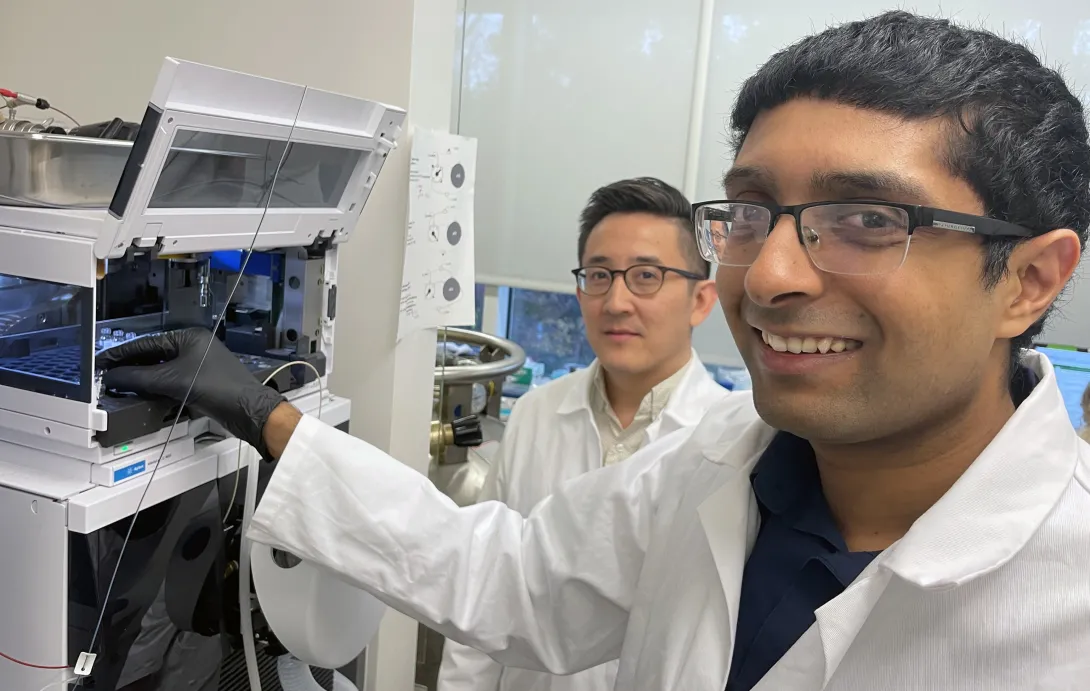
Anirudh Sivakumar (right) and Gabe Kwong led development of new gene-free biosensors for cancer detection.
Georgia Tech researchers have developed biosensors with advanced sleuthing skills and the technology may revolutionize cancer detection and monitoring.
The tiny detectives can identify key biological markers using logical reasoning inspired by the “AND” function in computers — like, when you need your username and password to log in. And unlike traditional biosensors comprised of genetic materials — cells, bits of DNA — these are made of manufactured molecules.
These new biosensors are more precise and simpler to manufacture, reducing the number of false positives and making them more practical for clinical use. And because the sensors are cell-free, there’s a reduced risk for immunogenic side effects.
“We think the accuracy and simplicity of our biosensors will lead to accessible, personalized, and effective treatments, ultimately saving lives,” said Gabe Kwong, associate professor and Robert A. Milton Endowed Chair in the Wallace H. Coulter Department of Biomedical Engineering, who led the study, published this month in Nature Nanotechnology.
Breaking With Tradition
The researchers set out to address the limitations in current biosensors for cancer, like the ones designed for CAR-T cells to allow them to recognize tumor cells. These advanced biosensors are made of genetic material, and there is growing interest to reduce the potential for off-target toxicity by using Boolean “AND-gate” computer logic. That means they’re designed to release a signal only when two specific conditions are met.
“Traditionally, these biosensors involve genetic engineering using cell-based systems, which is a complex, time-consuming, and expensive process,” said Kwong.
So, his team developed biosensors made of iron oxide nanoparticles and special molecules called cyclic peptides. Synthesizing nanomaterials and peptides is a simpler, less costly process than genetic engineering, according to Kwong, “which means we can likely achieve large-scale, economical production of high-precision biosensors.”
Unlocking the AND-gate
Biosensors detect cancer signals and track treatment progress by turning biological signals into readable outputs for doctors. With AND-gate logic, two distinct inputs are required for an output.
Accordingly, the researchers engineered cyclic peptides — small amino acid chains — to respond only when they encounter two specific types of enzymes, proteases called granzyme B (secreted by the immune system) and matrix metalloproteinase (from cancer cells). The peptides generate a signal when both proteases are present and active.
Think of a high-security lock that needs two unique keys to open. In this scenario, the peptides are the lock, activating the sensor signal only when cancer is present and being confronted by the immune system.
“Our peptides allow for greater accuracy in detecting cancer activity,” said the study’s lead author, Anirudh Sivakumar, a postdoctoral researcher in Kwong’s Laboratory for Synthetic Immunity. “It’s very specific, which is important for knowing when immune cells are targeting and killing tumor cells.”
Super Specific
In animal studies, the biosensors successfully distinguished between tumors that responded to a common cancer treatment called immune checkpoint blockade therapy — ICBT, which enhances the immune system — from tumors that resisted treatment.
During these tests, the sensors also demonstrated their ability to avoid false signals from other, unrelated health issues, such as when the immune system confronted a flu infection in the lungs, away from the tumor.
“This level of specificity can be game changing,” Kwong said. “Imagine being able to identify which patients are responding to the therapy early in their treatment. That would save time and improve patient outcomes.”
The first step toward this simpler, precise form of cancer diagnostics began with an ambitious but humble ($50,000) seed grant from the Petit Institute for Bioengineering and Bioscience five years ago for a collaboration between Kwong’s lab and the lab of M.G. Finn, professor and chair in the School of Chemistry and Biochemistry.
It evolved into a multi-institutional project supported by grants from the National Science Foundation and National Institutes of Health that included researchers from the University of California-Riverside, as well as Georgia Tech faculty researchers Finn and Peng Qiu, associate professor in the Coulter Department.
“The progression of the research, from an initial seed grant all the way to animal studies, was very smooth,” Kwong said. “Ultimately, a collaborative, multidisciplinary effort turned our early vision into something that could have a great impact in healthcare.”
Citation: Anirudh Sivakumar, Hathaichanok Phuengkham, Hitha Rajesh, Quoc D. Mac, Leonard C. Rogers, Aaron D. Silva Trenkle, Swapnil Subhash Bawage, Robert Hincapie, Zhonghan Li, Sofia Vainikos, Inho Lee, Min Xue, Peng Qiu, M. G. Finn, Gabriel A. Kwong. “AND-gated protease-activated nanosensors for programmable detection of anti-tumour immunity.” Nature Nanotechnology (January 2025). https://doi.org/10.1038/s41565-024-01834-8
Funding: This research was supported in part by National Institutes of Health (NIH) grants 5U01CA265711, 5R01CA237210, 1DP2HD091793, and 5DP1CA280832.
News Contact
Jerry Grillo
Jan. 09, 2025
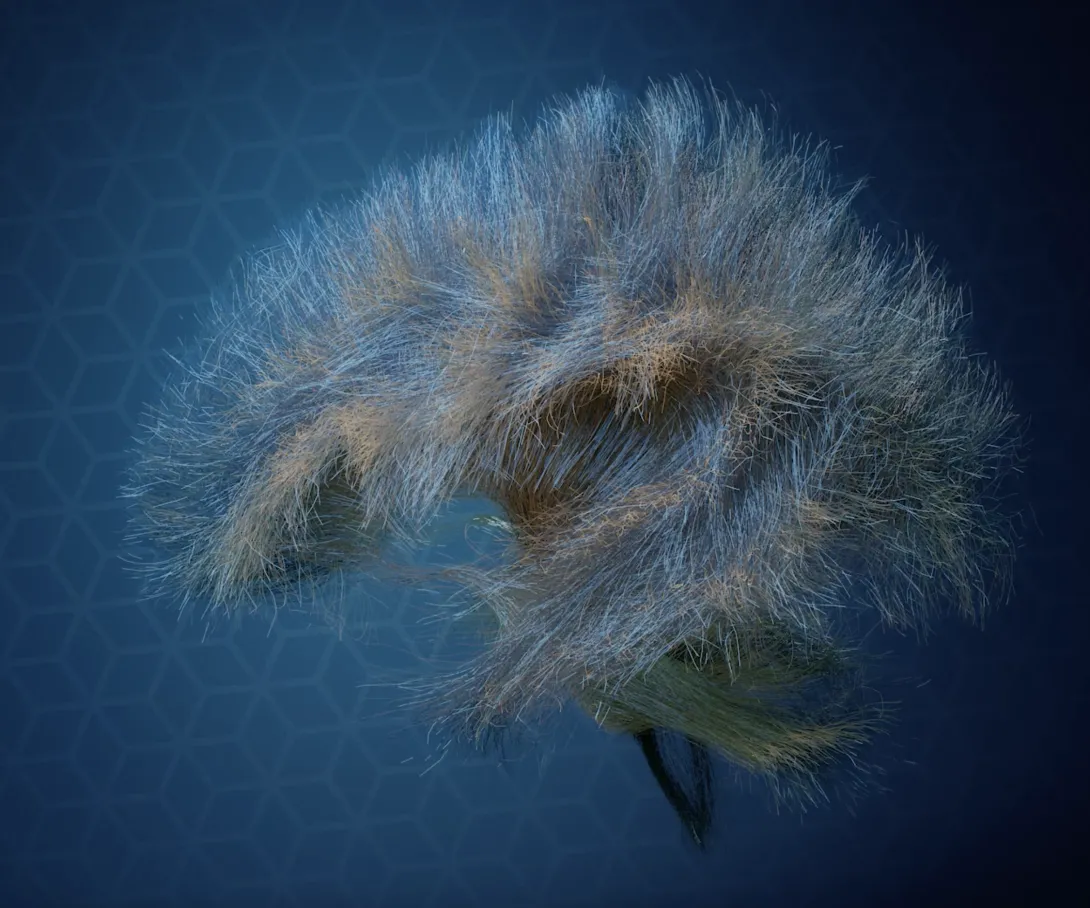
The Institute for Neuroscience, Neurotechnology, and Society (INNS) at Georgia Tech has initiated an internal search for its inaugural executive director. This new Interdisciplinary Research Institute (IRI) will build upon the foundation laid by the Neuro Next Initiative, fostering cutting-edge research and innovation at the intersection of neuroscience, neurotechnology, and societal impact.
At the newly established IRI, the executive director will profoundly shape a unifying vision for neuroscience research and innovation at Georgia Tech, integrating various disciplines and fostering collaboration across campus. They will translate research into practical applications, engage students, and connect them to industry networks. The ideal candidate will have a visionary, innovative, and entrepreneurial leadership style, with experience in leading large-scale, interdisciplinary research initiatives, securing external funding, and promoting large-scale initiatives both internally and externally.
INNS aims to advance our understanding of the brain and nervous system, develop transformative technologies, and address critical societal challenges through interdisciplinary collaboration and engagement. INNS is dedicated to advancing innovative research and educational programs in neuroscience, neurotechnology, and society; fostering a broad and engaged community; and empowering society through public engagement and responsible technology deployment.
Click here to learn more about this position and how to apply.
News Contact
Jan. 06, 2025

Effective January 1st, Gregory Sawicki will serve as interim executive director of the Georgia Tech Institute for Robotics and Intelligent Machines (IRIM). Sawicki is a professor and the Joseph Anderer Faculty Fellow in the George W. Woodruff School of Mechanical Engineering with a joint appointment in the School of Biological Sciences.
“Professor Greg Sawicki will make a great interim executive director of IRIM. He brings experience with robotics and collaborative research to this role,” said Julia Kubanek, professor and vice president for interdisciplinary research at Georgia Tech. “He'll be a strong partner to faculty, students, and the EVPR team as we explore the future of IRIM and robotics over the next several months."
Sawicki succeeds Seth Hutchinson who will be taking a new position at Northeastern University in Boston. Hutchinson, professor and KUKA Chair for Robotics in Georgia Tech’s College of Computing, has served as executive director of IRIM for six years. During Hutchinson’s tenure as executive director, IRIM expanded its industry outreach activities, developed more consistent communications, and grew its faculty pool at Georgia Tech to include a diverse cohort from across the Colleges of Engineering and Computing and the Georgia Tech Research Institute.
"I am extremely excited to step into this leadership role for IRIM, maintain our research excellence in the foundational areas of robotics, and proactively leverage opportunities to grow across campus and beyond in novel, creative interdisciplinary directions,” said Sawicki. “This will involve new initiatives to incentivize connections with GTRI and other IRI's on campus, to build new industry partnerships, and continue to strengthen the M.S./Ph.D. program in Robotics by engaging with Schools beyond those with a traditional footprint in robotics education and research.”
Sawicki directs the Human Physiology of Wearable Robotics (PoWeR) Lab where he and his group seek to discover physiological principles underpinning locomotion performance and apply them to develop lower-limb robotic devices capable of improving both healthy and impaired human locomotion. By focusing on the human side of the human-machine interface, his team has begun to create a roadmap for the design of lower-limb robotic exoskeletons that are truly symbiotic – that is, wearable devices that work seamlessly in concert with the underlying physiological systems to facilitate the emergence of augmented human locomotion performance.
Sawicki earned a B.S. in mechanical and aerospace engineering from Cornell University in 1999, an M.S. in mechanical and aeronautical engineering from the University of California - Davis in 2001, and a Ph.D. in neuromechanics at the University of Michigan-Ann Arbor in 2007. Sawicki completed his postdoctoral studies in integrative biology at Brown University in 2009.
Sawicki has been recognized for his interdisciplinary research and teaching, recently receiving a $2.6 million Research Project Grant from the National Institutes of Health (NIH) to study optimization and artificial intelligence to personalize exoskeleton assistance for individuals with symptoms resulting from stroke. * Sawicki was also selected as a 2021 George W. Woodruff School Academic Leadership Fellow, and the 2022 College of Sciences Student Recognition of Excellence in Teaching and the 2023 American Society of Biomechanics Founders’ Award for excellence in research and mentoring. Sawicki has also been featured as an expert voice on exoskeletons and human neuromechanics in numerous print and television news releases.
--Christa M. Ernst
*Joint Award with Aaron Young, Assistant Professor in the Woodruff School of Mechanical Engineering
News Contact
Dec. 21, 2024

Lipid nanoparticles in their element: This computer generated image shows lipid nanoparticles, which are used to transport payloads to targets inside the body.
Middlemen get a bad rap for adding cost and complications to an operation. So, eliminating the go-betweens can reduce expense and simplify a process, increasing efficiency and consumer happiness.
James Dahlman and his research team have been thinking along those same lines for stem cell treatments. They’ve created a technique that eliminates noisome middlemen and could lead to new, less-invasive treatments for blood disorders and genetic diseases. It sidesteps the discomfort and risks of current treatments, making life easier for patients.
“This would be an alternative to invasive hematopoietic stem cell therapies — we could just give you an IV drip,” said Dahlman, McCamish Early Career Professor in the Wallace H. Coulter Department of Biomedical Engineering. “It simplifies the process and reduces the risks to patients. That’s why this work is important.”
Dahlman and a team of investigators from Georgia Tech, Emory University, and the University of California, Davis, published their approach in the journal Nature Biotechnology.
Minding the Parents
Hematopoietic stem cells (HSCs) are like parent cells. Residing in the bone marrow, they produce all types of cells needed to sustain the blood and immune systems. Their versatility makes HSCs a valuable therapeutic tool in treating genetic blood diseases, such as sickle cell anemia, immune deficiencies, and some cancers.
HSC therapies usually involve extracting cells from the patient’s bone marrow and re-engineering them in a lab. Meanwhile, the patient endures chemotherapy to help prepare their body to receive the modified HSCs.
“These therapies are effective but also hard on the patients,” Dahlman said. “Patients undergo chemotherapy to wipe out their immune systems so the body will accept the therapeutic cells without a fight. The procedure can be life-threatening. We’re hoping to change that.”
HSCs can also be modified directly inside the body. The procedure uses lipid nanoparticles (LNPs) to carry genetic instructions to the stem cells. The LNPs have targeting ligands attached — molecules designed to find specific target cells. Precisely engineering them adds layers of time, complexity, and cost to the process. They are, like extraction from bone marrow and chemotherapy, another middleman.
The researchers wanted something simpler. They found it in a specific nanoparticle called LNP67.
“Unlike other nanoparticle designs, this one doesn’t require a targeting ligand,” Dahlman said. “It’s chemically simple, which means it’s easier to manufacture and opens the door to eventually scaling production, like mRNA vaccines.”
Overcoming the Liver
The key to LNP67’s success is its ability to dodge the liver, the body’s primary blood filter. Foreign invaders, even helpful invaders delivered through an IV as medicine, can be captured by a healthy liver.
“The liver absorbs almost everything,” Dahlman said. “But, by reducing what it captures by even as little as 10 percent, we can double delivery to other tissues where the nanoparticles and their payloads are needed.”
The researchers developed 128 unique nanoparticles, narrowing the list down to 105 LNPs that didn’t have targeting ligands. These were ultimately screened and evaluated for their performance in delivering genetic instructions (in the form of mRNA) effectively and safely.
LNP67 emerged as the best performer thanks to its stealthy design. For example, the surface is designed to repel proteins and other molecules that would mark the LNP for capture by the liver. This feature helped the particles circulate more evenly in the body and reach the HSCs.
“We achieved low-dose delivery without a target ligand, which is exciting,” Dahlman said. “This is something we’ve been working toward for years, and I’m very happy we got there.”
Citation: Hyejin Kim, Ryan Zenhausern, Kara Gentry, Liming Lian, Sebastian G. Huayamares, Afsane Radmand, David Loughrey, Ananda Podilapu, Marine Z. C. Hatit, Huanzhen Ni, Andrea Li, Aram Shajii, Hannah E. Peck, Keyi Han, Xuanwen Hua, Shu Jia, Michele Martinez, Charles Lee, Philip J. Santangelo, Alice Tarantal, James E. Dahlman. Lipid Nanoparticle Study, Nov. 2024, Nature Biotechnology.
Funding: This research was supported by the National Institutes of Health grants UL1TR002378, UH3-TR002855, U42 OD027094, and TL1DK136047; National Science Foundation grant 0923395. Any opinions, findings, and conclusions or recommendations expressed in this material are those of the authors and do not necessarily reflect the views of any funding agency.
Competing Interests: James Dahlman, Marine Z. C. Hatit, and Huanzhen Ni have filed a provisional patent related to this manuscript (US patent application number 63/632,354).
News Contact
Dec. 19, 2024
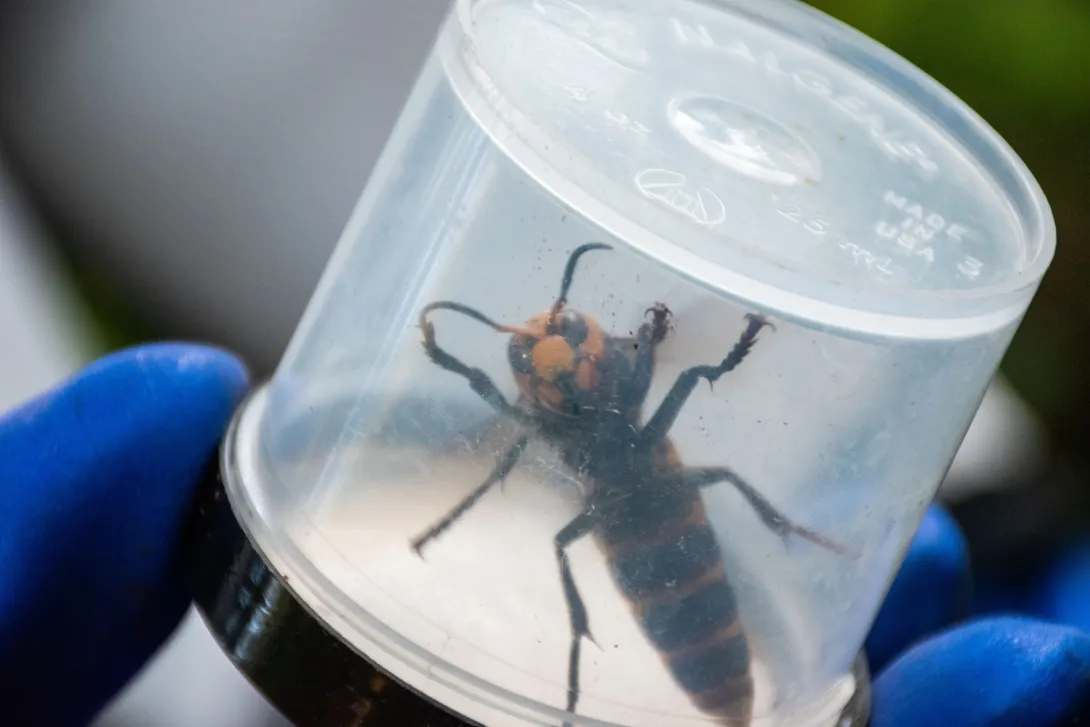
Five years after the headline-grabbing “murder hornet” (Vespa mandarinia, renamed the northern giant hornet in 2022) was first spotted in Washington state, the U.S. has declared the invasive species eradicated.
The Washington State Department of Agriculture and the U.S. Department of Agriculture made the announcement Wednesday. It follows three years without a confirmed detection of the hornet. Four nests were destroyed in 2020 and 2021.
While the number of nests was low, Professor Mike Goodisman, whose lab studies social insects and invasive species, explains that had the number grown, eradication would have been increasingly unlikely due to the potential exponential growth of the population.
"Each nest is started by a new queen. One new queen can start a new nest, but the colony she produces can produce 100 new nests. Because of how they reproduce, it could grow from 100 to 10,000 the year after that, and then from 10,000 to one million."
Goodisman says that social insects are more difficult to eradicate. However, traps and tracking methods allowed officials to contain the population in the Pacific Northwest. While the murder hornet is not the only invasive hornet species in North America, its threat to the already-declining honeybee population spurred action. Murder hornets can clear out a honeybee hive in 90 minutes, and Goodisman says the brutality of these attacks earned the northern giant hornet their nickname and is instantly recognizable.
"When murder hornets attack a honeybee colony, you'll find hundreds to thousands of decapitated honeybees," he said, adding that although murder hornets eat a variety of insects, they "have a taste for honeybees."
In the murder hornet's native Asia, the honeybee population has developed a defense mechanism to swarm and surround the attacking hornet, but North American honeybees are defenseless. This elevates the threat of a possible invasion, with the potential for a widespread impact on our food supply.
"A threat to the honeybee population would be a commercial disaster," Goodisman said. "Honeybees are critical in agriculture for pollinating a great variety of the foods we eat, and if we don't have these pollinators, then we wouldn't have many of the foods — fruits especially — that we are used to."
The eradication of the hornet is a significant achievement, but Goodisman says it's not a foregone conclusion that they will not reemerge. Because social insects, like murder hornets, can hibernate in various materials, cargo ships and other commercial transportation can unknowingly bring invasive species worldwide. He explains that officials will continue to set traps and employ additional tracking methods to ensure the population remains eradicated in the U.S.
If murder hornets come back, humans are not at immediate risk. Like the bald-faced hornet and the true hornet, which live in Georgia, murder hornets typically leave humans alone unless provoked, Goodisman says, but their larger-than-normal stingers cause more pain and are more harmful to small animals.
News Contact
Steven Gagliano - Institute Communications
Dec. 18, 2024
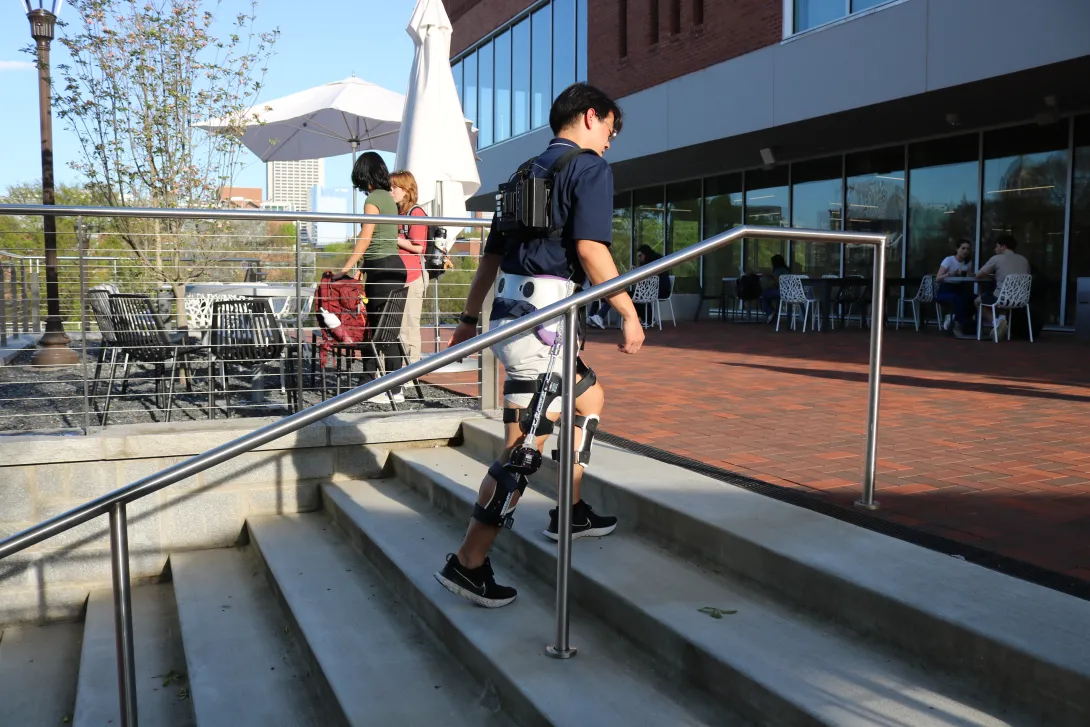
As we go through our daily routines of work, chores, errands and leisure pursuits, most of us take our mobility for granted. Conversely, many people suffer from permanent or temporary mobility issues due to neurological disorders, stroke, injury, and age-related causes. Research in the field of robotic exoskeletons has shown significant potential to provide assistive support for patients with permanent mobility constraints, as well as an effective additional tool for rehabilitation and recovery after injury.
Though the field has made great progress in the hardware and devices for these assistive technologies, there are limitations in ease of use and in the ability to move from walking to running, from flat ground to slopes and stairs, and across different terrains. Recent developments to create exoskeleton controllers that are more responsive to the user’s environment via user-based variables such as gait and slope calculations provide rapid yet imprecise outputs. More recent inquiry into data-driven improvements such as vision-based labeling and classification are extremely promising additions in the goal to develop a true synchronous user and device interface. A major hindrance to this data-driven approach is the need for burdensome mounted cameras and on-board computing to allow for real-time in use adjustments to the environmental terrain encountered.
In order to address these barriers, Aaron Young, Associate Professor in the Woodruff School of Mechanical Engineering and Director of the Exoskeleton and Prosthetic Intelligent Controls (EPIC) Lab, and Dawit Lee, Postdoctoral Scholar at Stanford, have created an artificial intelligence (AI)-based universal exoskeleton controller that uses information from onboard mechanical sensors without the added weight and complexity of mounted vision based systems. The new work, published in Science Advances (Link to Be Added), presents a controller that holistically captures the major variations encountered during community walking in real-time. The team combined data from the Americans with Disabilities Act (ADA) building guidelines that characterize ambulatory terrains in slope level degrees with a gait phase estimator to achieve dynamic switching of assistance types between multiple terrains and slopes and delivery to the user with little to no delay.
In this work, we have created a new, open-source knee exoskeleton design that is intended to support community mobility. Knee assist devices have tremendous value in activities such as sit-to-stand, stairs, and ramps where we use our biological knees substantially to accomplish these tasks. The neat accomplishment in this work is that by leveraging AI, we avoid the need to classify these different modes discretely but rather have a single continuous variable (in this case rise over run of the surface) to enable continuous and unified control over common ambulatory tasks such as walking, stairs, and ramps. We demonstrate that on novel users of the device, we can track both the environment and the user’s gait state with very high accuracy out of the lab in community settings. It is an exciting time in the field as we see more studies, such as this one, showing promise in tackling real-world mobility challenges
The assistance approach using our intelligent controller, presented in this work, provides users with support at the right timing and with a magnitude that closely matches the varying biomechanical effort they produce as they move through the community. Our assistance approach was preferred for community navigation and was more effective in reducing the user’s energy consumption compared to conventional methods. We also open-sourced the design of the robotic knee exoskeleton hardware and the dataset used to train the models with this publication which allows other researchers to build upon our developments and further advance the field. This work demonstrates an exciting example of AI integration into a wearable robotic system, showcasing its successful outcomes and significant potential.
- Dawit Lee; Postdoctoral Scholar, Stanford
Using this combination of a universal slope estimator and a gait phase estimator, the team achieved results in the dynamic modulation of exoskeleton assistance that have never been achieved by previous approaches and moves the field closer to creating an adaptive and effective assistive technology that seamlessly integrates into the daily lives of individuals, promoting enhanced mobility and overall well-being. This work also has the potential to enable a mode-specific assistance approach tailored to the user’s specific biomechanical needs.
- Christa M. Ernst; Research Communications Program Manager
Original Publication
Dawit Lee, Sanghyub Lee, and Aaron J. Young, “AI-Driven Universal Lower-Limb Exoskeleton System for Community Ambulation,” Science Advances
Prior Related Work
D. Lee, I. Kang, D. D. Molinaro, A. Yu, A. J. Young, Real-time user-independent slope prediction using deep learning for modulation of robotic knee exoskeleton assistance. IEEE Robot. Autom. Lett. 6, 3995–4000 (2021).
Funding Provided by
NIH Director’s New Innovator Award DP2-HD111709