
Feb. 14, 2024

Written by Benjamin Wright
Emma Blandford is the Program & Portfolio Manager for Sustainability Next, an initiative outlined in Georgia Tech’s strategic plan which seeks to establish the Institute as a leader in ethical, economic, and environmental sustainability in Institute operations; sustainable development education; sustainability leadership and transdisciplinary research; culture and organization; climate solutions; and in using the campus as a living learning laboratory. Emma's role is supported by both the Office of Sustainability, where she reports to Associate Vice President of Sustainability Jennifer Chirico, and the Brook Byers Institute for Sustainable Systems (BBISS) where she reports to Interim Executive Director Beril Toktay. She regularly collaborates with members of both organizations and serves as a bridge between them.
As the portfolio manager for Sustainability Next, Emma serves as a facilitator, connecting like-minded people from across campus so they can collaborate while also helping them access available resources. With sustainability being a broad inter and multi-disciplinary field, the opportunities for collaboration are endless, but bringing people from diverse fields can also be a challenge. That is where Emma’s background in team-building and project management comes in.
“It’s my job to make sure that people have what they need to do their jobs,” she says. “They're passionate and they’re incredibly intelligent. In sustainability, it's hard to find people who aren't deeply personally attached to their roles. So my goal is to empower them and help them succeed.”
Emma oversees and supports a variety of teams and projects that are working towards established sustainability goals on campus, tracking their progress, providing access to resources, and removing obstacles when necessary.
On any given day Emma could be talking to researchers, campus communicators, facilities staff, students, or organizational leadership. If their roles touch on sustainability, she wants to hear from them and find ways to help them achieve success while bringing them under the Sustainability Next umbrella. If you are already working in sustainability at Georgia Tech or would like to be, feel free to reach out through the Sustainability Next webpage or to Emma directly.
When she isn’t at work Emma enjoys spending time with her wife, two kids, three dogs, and cat- outdoors when possible. She is originally from Connecticut and holds degrees from UConn and Western New England University.
News Contact
Brent Verrill, Research Communications Program Manager, BBISS
Jan. 26, 2024
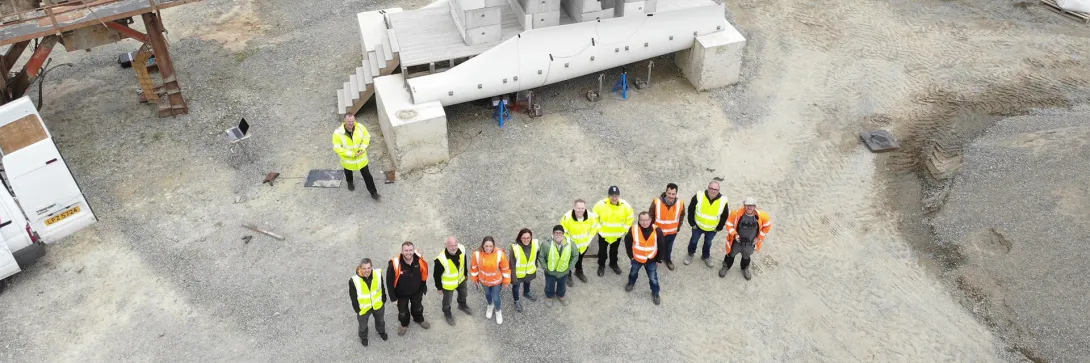
Overhead view of the Re-Wind crew doing structural testing on a decommissioned wind turbine blade bridge on an industrial lot.
Pioneering a new recycling approach led to a big win for Re-Wind USA, a Georgia Tech research team led by Russell Gentry. The team has won the first phase of the Department of Energy's Wind Turbine Materials Recycling Prize, receiving $75,000 and an invitation to compete in the final phase.
"Our innovation for end-of-service wind turbine blades is both simple and elegant – at its core, our technology captures all the embodied energy in the composite materials in the blade," said Gentry, professor in the School of Architecture.
"The Re-Wind Network has pioneered structural recycling, the only of a number of competing technologies that upcycles the material of the blade and preserves the embodied energy from manufacturing," Gentry said.
"Little additional energy is used to remanufacture the blade and the life of the blade, typically 20 years, is extended at least 50 years. This is a win-win solution from an environmental and economic perspective."
Other methods for dealing with decommissioned wind blades involve mechanical grinding and landfilling of subsequent waste, an expensive and energy-intensive process, he said.
Team members include Gentry, Sakshi Kakkad, Cayleigh Nicholson, Mehmet Bermek, and Larry Bank, from the School of Architecture; Gabriel Ackall, Yulizza Henao, and Aeva Silverman, from the School of Civil and Environmental Engineering; and Eric Johansen, a business consultant from Fiberglass Trusses Inc.
The team is part of the Re-Wind Network, a multinational research and development network which develops large-scale infrastructure projects from decommissioned wind turbine blades.
Re-Wind's pedestrian bridges, known as BladeBridges, have already captured media attention. Two more BladeBridges are expected in Atlanta in 2024, Gentry said. Re-Wind has also developed, prototyped, and tested transmission poles made from blade segments. The team's other proposals include culverts, barriers, and floats.
News Contact
Ann Hoevel, Director of Communications, College of Design
Jan. 19, 2024
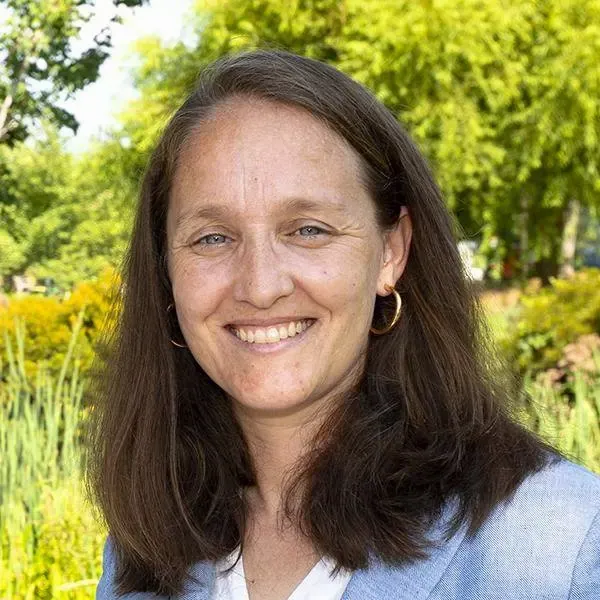
Associate Professor Marta Hatzell has won a 2024 ACS Sustainable Chemistry & Engineering Lectureship Award, which recognizes leading contributions of scientists and engineers active in the general fields of green chemistry, green engineering, and sustainability in the broadest sense of the chemical enterprise.
Hatzell, who holds joint appointments in Georgia Tech's School of Mechanical Engineering and School of Chemical and Biomolecular Engineering, was honored for her multiple contributions that drive the application of electrochemistry to enable critical systems with enhanced circularity.
The ACS Sustainable Chemistry & Engineering Lectureship awards were created to celebrate early to midcareer investigators who completed academic training no more than 10 years prior to nomination. In support of their commitment to nurture and stimulate a global community of outstanding practice. ACS Sustainable Chemistry & Engineering and the ACS Green Chemistry Institute gave three Lectureship Awards to recognize outstanding levels of contribution from The Americas, Europe/Middle East/Africa, and Asia/Pacific.
The award recipients will be honored at a joint plenary session of the 28th Annual Green Chemistry & Engineering Conference in their honor (June 3–5, 2024; https://www.gcande.org/).
News Contact
Brad Dixon, Communications Manager, School of Chemical and Biomolecular Engineering
Dec. 06, 2023
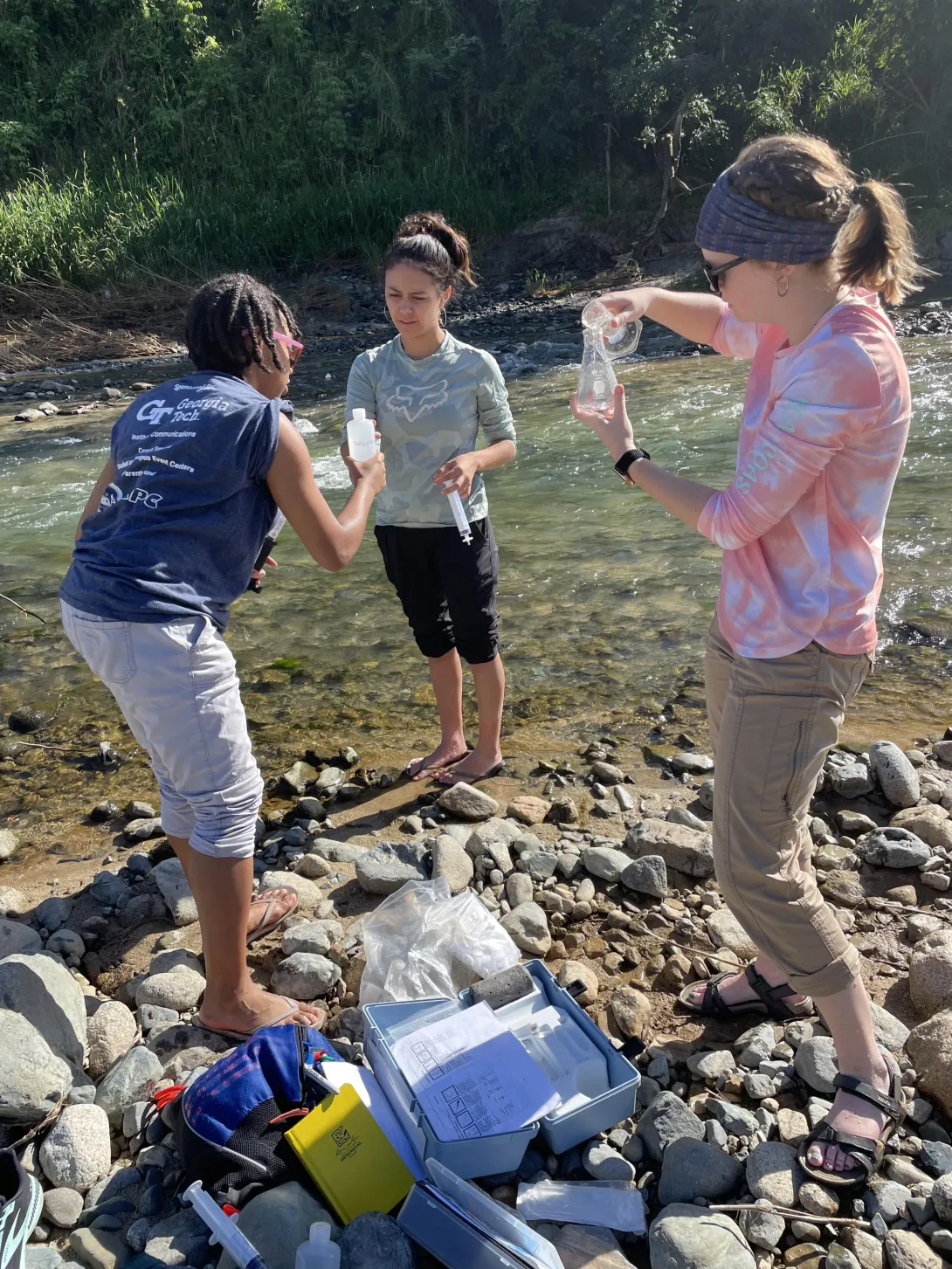
The Kendeda Building Advisory Board has awarded 12 micro research grants ($50 – $500) for sustainability-related, small-scale, short-term studies to be conducted by members of the Georgia Tech community. The request for proposals encouraged researchers to explore ways the Georgia Tech campus can continue to innovate, demonstrate, prove, and promote the adoption of best and next practices in regenerative design and operations. Researchers were also encouraged to use the United Nations Sustainable Development Goals as a framework for research design. All members of the Georgia Tech community were encouraged to apply. The program especially sought proposals from students and staff who had little or no prior research experience. Awardees will present their work at the 2024 Micro Research Grants Symposium, to be held in April 2024.
The program has four objectives:
- To expand scientific thinking and the understanding of the research process among those not directly involved in scientific research.
- To bolster the use of the campus as a living laboratory.
- To give voice to people and communities outside of research that have culturally novel perspectives on problems and their possible solutions, and to create new pathways for partnering with them.
- To seed novel ideas and nurture nascent investigators.
The awardees are:
- Nicole Allen and Elaina Render
“An Investigation Into the Cultivability and Regenerative Potential of Various Vegetables and Herbs” - Maryam Almaian and Patrick Kastner
“Augmented Architecture: Integrating Numerical Simulations Into Regenerative Design” - Patrick Barry, Jung-Ho Lewe, and Gray Simmons
“Project: Low-Cost Current Transformer” - Nola Charles, Jaila Kimbro, and Hannah Kate Cass
“GT Be the Bridge” - Donghyun Choi, Abhinav Shubham, and Manpreet Hora
“Data Analytics on Science-Based Target Initiatives (SBTi)” - Jake Churchill, Victoria Pozzi, Dimitri Kalinin, Zihang Zhang, and Rich Simmons
“‘Cleaning’ Solar Energy at GT” - Kenneth Grant and Jung-Ho Lewe
“Adjustable Occupancy Sensor Mounting Solution” - Jung-Ho Lewe, Evan Goldstein, and Gray Simmons
“Low-Cost Building Occupancy Sensor” - Marisa L. McMichael and Scott Duncan
“Occupancy Comfort” - Arnav Patidar, Ronak Agarwal, Sohan Malladi, and Shyamanth Kudum
“BinVision — Recycle Smarter” - Hruday Shah, Jung-Ho Lewe, Scott Duncan, and Gray Simmons
“Monitoring Indoor Ventilation Efficacy Using Inexpensive, Accurate, and Modular Outdoor Air Quality Stations” - Malte Weiland, Jeannette Yen, Tamsin Leavy, Alan Booker, Gary McNay, Lakshya Sharma, Julie Chen, and Perrin Brady
“Horticulture and Permaculture Workshop”
News Contact
Brent Verrill, Research Communications Program Manager, BBISS
Dec. 04, 2023
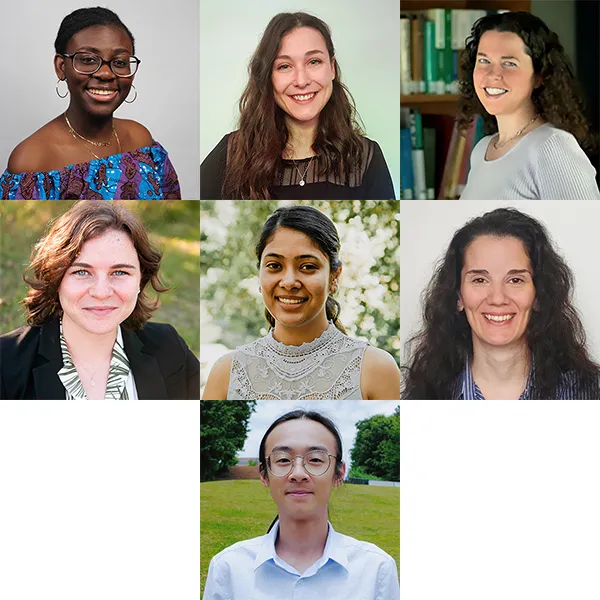
The first cohort of the Brook Byers Institute for Sustainable Systems (BBISS) Graduate Fellows published an article in the open-access, peer-reviewed journal, Elementa: Science of the Anthropocene. The seven Ph.D. students reflected on their two years of working, studying, and training together as an interdisciplinary sustainability research team. In the article, they give their insights into how they benefited from this approach and what steps might be taken to improve graduate level, sustainability-related programs. Further, their paper offers researchers and educators a rare perspective into interdisciplinary research and education from the standpoint of students who are still pursuing their degrees and actively engaged in research for their chosen disciplines.
Citation: McSorley, M, Arkhurst, BK, Hall, M, Zha, Y, Spyrou, IM, Duchesneau, K, Ringania, U, Chang, M. 2023. For graduate students to become leaders in sustainability, we must transcend disciplinary boundaries. Elementa: Science of the Anthropocene 11(1). DOI: https://doi.org/10.1525/elementa.2023.00012
For more information about the Brook Byers Institute for Sustainable Systems Graduate Fellows program, please visit this webpage.
News Contact
Brent Verrill, Research Communications Program Manager, BBISS
Oct. 31, 2023
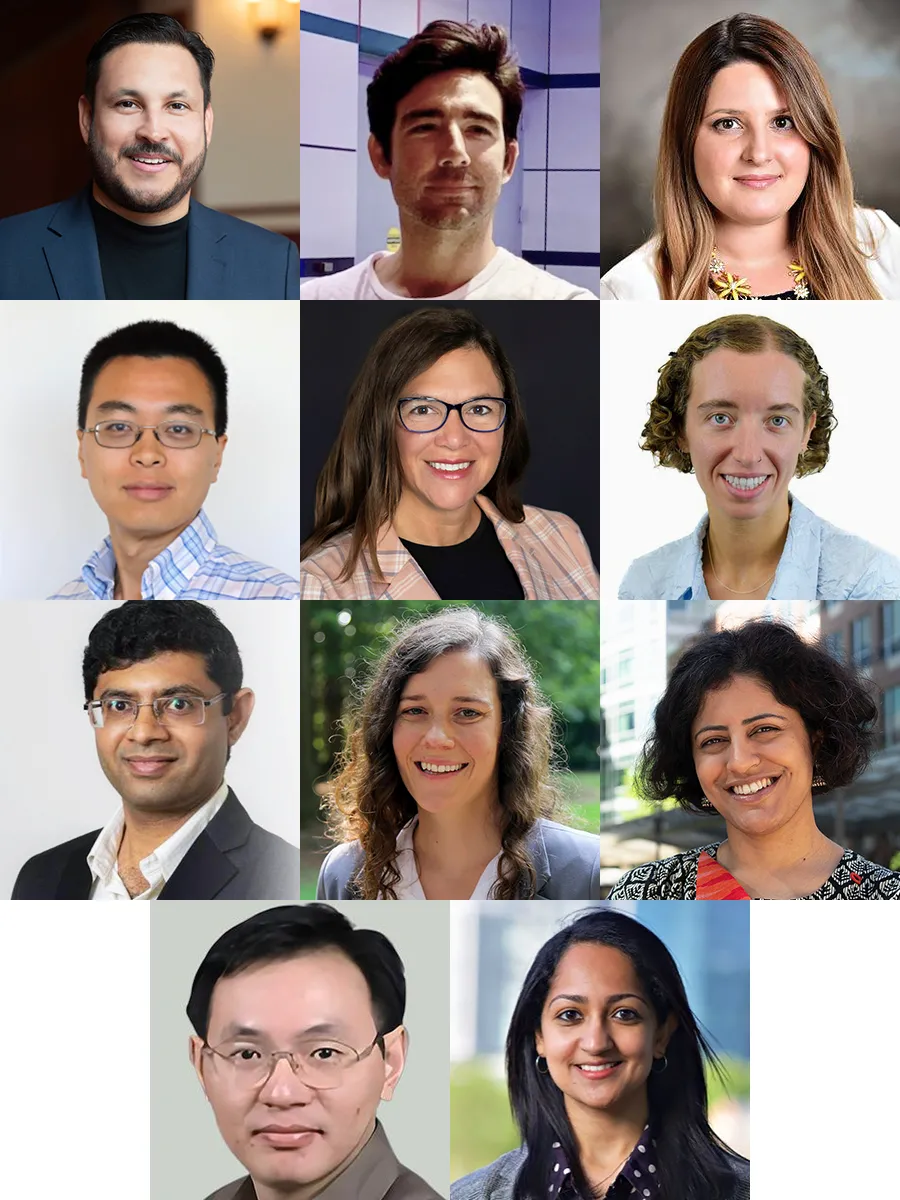
L to R: Omar Asensio; Christos Athanasiou; Fani Boukouvala; Peng Chen; Kelly Comfort; Constance Crozier; Ashutosh Dhekne; Jennifer Kaiser; Neha Kumar; Jian Luo; Akanksha Menon
Eleven new Faculty Fellows were appointed to the Brook Byers Institute for Sustainable Systems (BBISS). In addition to their own work, BBISS Fellows serve as a board of advisors to the BBISS; foster the culture and community of sustainability researchers, educators, and students at Georgia Tech; and communicate broadly the vision, mission, values, and objectives of the BBISS. Fellows will work with the BBISS for three years, with the potential for a renewed term.
The BBISS Faculty Fellows program has been in place since 2014. Fellows are drawn from across all 6 colleges and GTRI at Georgia Tech. BBISS Interim Executive Director Beril Toktay says, "I’m delighted with the diversity of backgrounds and disciplines among the fellows and look forward to seeing the strengthening ties and growing collaborations in the sustainability community."
The new BBISS Faculty Fellows are:
- Omar Asensio - Associate Professor, School of Public Policy
- Christos Athanasiou - Assistant Professor, Daniel Guggenheim School of Aerospace Engineering
- Fani Boukouvala - Associate Professor, School of Chemical and Biomolecular Engineering
- Peng Chen - Assistant Professor, School of Computational Science and Engineering
- Kelly Comfort - Professor, School of Modern Languages
- Constance Crozier - Assistant Professor, H. Milton Stewart School of Industrial and Systems Engineering
- Ashutosh Dhekne - Assistant Professor, School of Computer Science
- Jennifer Kaiser - Assistant Professor, Civil and Environmental Engineering and Earth and Atmospheric Sciences
- Neha Kumar - Associate Professor, Sam Nunn School of International Affairs and the School of Interactive Computing
- Jian Luo – Professor, School of Civil and Environmental Engineering
- Akanksha Menon - Assistant Professor, George W. Woodruff School of Mechanical Engineering
These faculty members will join the current roster of Faculty Fellows:
- Baabak Ashuri - Associate Professor, School of Building Construction
- Joe Bozeman – Assistant Professor, School of Civil and Environmental Engineering
- Dylan Brewer - Assistant Professor, School of Economics
- Kate Pride Brown- Associate Professor, School of History and Sociology
- Andre Calmon – Assistant Professor, Scheller College of Business
- Kevin Caravati – Principal Research Scientist, Georgia Tech Research Institute
- Ellen Dunham-Jones – Professor, School of Architecture
- Brian Gunter - Associate Professor, Daniel Guggenheim School of Aerospace Engineering
- Daniel Matisoff - Associate Professor, School of Public Policy
- Jenny McGuire – Assistant Professor, School of Earth and Atmospheric Sciences
- Jessica Roberts – Assistant Professor, College of Computing
- Ilan Stern – Senior Research Scientist, Georgia Tech Research Institute
- Yuanzhi Tang - Associate Professor, School of Earth and Atmospheric Sciences
- Anjali Thomas> - Associate Professor, Sam Nunn School of International Affairs
- Zhaohui Tong - Associate Professor, School of Chemical & Biomolecular Engineering
- Perry Yang – Professor, School of City and Regional Planning
More information can be found on the BBISS website.
News Contact
Brent Verrill, Research Communications Program Manager, BBISS
Oct. 20, 2023
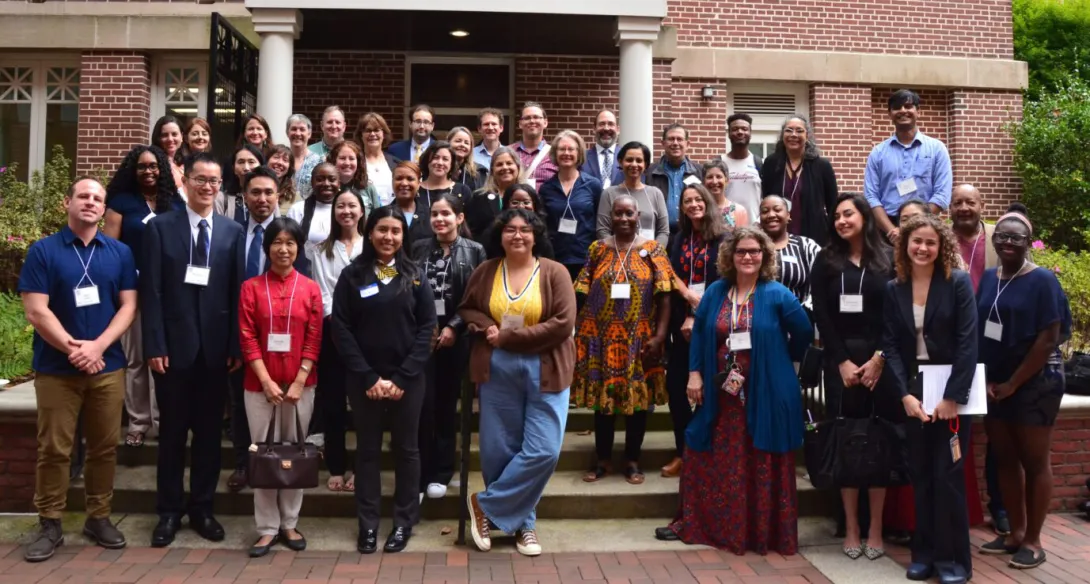
A group of attendees to the RCE Americas meeting in Atlanta pose for a group photo outside a red brick Georgia Tech building.
The Georgia Tech campus recently served as host to the 2023 RCE Americas Regional Meeting. From September 26 – 29, students, academics, and working professionals from around the Americas gathered to share their diverse perspectives and experiences, and delved into the discourse of sustainability. Participants attended panel sessions, presentations, site visits, and workshops (one of which was student led) over the three-day meeting, offering their unique viewpoints on how sustainability plays a role in their work and academic careers.
RCE Greater Atlanta was acknowledged by the United Nations University (UNU) on December 18, 2017, as a Regional Centre of Expertise on Education for Sustainable Development. RCE Greater Atlanta is one of over 190 RCEs recognized worldwide as part of the UNU RCE network. RCEs support multi-stakeholder implementation of the U.N. Sustainable Development Goals (SDGs) at the regional level, through education and training.
RCE Greater Atlanta is committed to leveraging educational resources for regional implementation of the SDGs, with a focus on equity and justice, building on Atlanta’s history as the home of the Civil Rights Movement. RCE Greater Atlanta members, representing all sectors of community, business, government, and civil society, contribute to the creation of an inclusive and collaborative community that advances SDG knowledge and action, and nurtures strong youth leadership by harnessing higher education capacity and knowledge for regional benefit.
Among the speakers were Keisuke Midori, section chief from the Ministry of the Environment of Japan; Jenny Hirsch, senior director of the Georgia Tech Center for Sustainable Communities Research and Education, representing RCE Greater Atlanta; and Georgia Tech President Ángel Cabrera. Several of the speakers traveled or participated virtually from around the United States, as well as from places as far-flung as Mexico, Puerto Rico, Canada, Peru, and Columbia. Atlanta was also well represented with participants and speakers from many area colleges and universities including Morehouse School of Medicine, Kennesaw State University, and Georgia Gwinnett College. A wide range of topics were presented such as “Youth Initiatives at Assateague Island,” “Energy Equity: Advancing SDG 7 Affordable and Clean Energy Through Community-University Partnerships,” and “Young Leaders of the Earth Charter at RCE Bogota.”
Several Georgia Tech students were in attendance and have offered their perspectives on the event. Lakshya Sharma, a master’s student in Human Computer Interaction and the student coordination manager for RCE Greater Atlanta, says, “The conference provided people coming from a wide variety of backgrounds an opportunity to present views, opinions, and talk about differences. I was given the responsibility to lead one of these sessions, where we discussed how important local community action is and how these actions can be made more efficient, inclusive, and effective. Participating in these discussions gave me a fresh perspective on things and made me explore new ways to solve problems, which I can now implement as a professional.”
Perrin Brady, who is studying History, Technology, and Society at Georgia Tech and serving as a student engagement coordinator for RCE Greater Atlanta, said, “I was able to raise questions to the room that I struggle with as a young person, like how to navigate possible conflict between requiring fast climate solutions and needing equitable/sustainable solutions that take time and consideration. People's answers gave me hope for future impacts I could make.”
Julie Chen, another student engagement coordinator, who is studying architecture at Georgia Tech, said, “The range of presentations remains an inspiration, as I was able to witness different RCEs actively involved in unique projects to further the UN SDGs. It was especially heartening to see young students taking the initiative. The RCE Americas Network is a great platform to share these efforts.”
The event was sponsored by Oak Ridge Associated Universities; Kennesaw State University’s Global Education Community Engagement and Outreach; Goethe Zentrum; and several Georgia Tech organizations, namely the Brook Byers Institute for Sustainable Systems, the Renewable Bioproducts Institute, the Strategic Energy Institute, the Atlanta Global Studies Center, and the Ray C. Anderson Center for Sustainable Business with the Drawdown Georgia Business Compact.
The RCE Americas Meeting is an annual event. For more information, see the following links:
Meeting Resources: https://drive.google.com/drive/folders/1K8XeWuCEXq66TEVZuQQm3X3EzfXQ3zVB?usp=sharing
Presentation Recordings: https://www.youtube.com/channel/UCpof6N7frRLybc0UW8dhX4A
News Contact
Kristina Chatfield, Program and Portfolio Manager, Center for Sustainable Communities Research and Education
Oct. 20, 2023

The Institute for Data Engineering and Science, in conjunction with several Interdisciplinary Research Institutes (IRIs) at Georgia Tech, have awarded seven teams of researchers from across the Institute a total of $105,000 in seed funding geared to better position Georgia Tech to perform world-class interdisciplinary research in data science and artificial intelligence development and deployment.
The goals of the funded proposals include identifying prominent emerging research directions on the topic of AI, shaping IDEaS future strategy in the initiative area, building an inclusive and active community of Georgia Tech researchers in the field that potentially include external collaborators, and identifying and preparing groundwork for competing in large-scale grant opportunities in AI and its use in other research fields.
Below are the 2023 recipients and the co-sponsoring IRIs:
Proposal Title: "AI for Chemical and Materials Discovery" + “AI in Microscopy Thrust”
PI: Victor Fung, CSE | Vida Jamali, ChBE| Pan Li, ECE | Amirali Aghazadeh Mohandesi, ECE
Award: $20k (co-sponsored by IMat)
Overview: The goal of this initiative is to bring together expertise in machine learning/AI, high-throughput computing, computational chemistry, and experimental materials synthesis and characterization to accelerate material discovery. Computational chemistry and materials simulations are critical for developing new materials and understanding their behavior and performance, as well as aiding in experimental synthesis and characterization. Machine learning and AI play a pivotal role in accelerating material discovery through data-driven surrogate models, as well as high-throughput and automated synthesis and characterization.
Proposal Title: " AI + Quantum Materials”
PI: Zhigang JIang, Physics | Martin Mourigal, Physics
Award: $20k (Co-Sponsored by IMat)
Overview: Zhigang Jiang is currently leading an initiative within IMAT entitled “Quantum responses of topological and magnetic matter” to nurture multi-PI projects. By crosscutting the IMAT initiative with this IDEAS call, we propose to support and feature the applications of AI on predictive and inverse problems in quantum materials. Understanding the limit and capabilities of AI methodologies is a huge barrier of entry for Physics students, because researchers in that field already need heavy training in quantum mechanics, low-temperature physics and chemical synthesis. Our most pressing need is for our AI inclined quantum materials students to find a broader community to engage with and learn. This is the primary problem we aim to solve with this initiative.
PI: Jeffrey Skolnick, Bio Sci | Chao Zhang, CSE
Proposal Title: Harnessing Large Language Models for Targeted and Effective Small Molecule 4 Library Design in Challenging Disease Treatment
Award: $15k (co-sponsored by IBB)
Overview: Our objective is to use large language models (LLMs) in conjunction with AI algorithms to identify effective driver proteins, develop screening algorithms that target appropriate binding sites while avoiding deleterious ones, and consider bioavailability and drug resistance factors. LLMs can rapidly analyze vast amounts of information from literature and bioinformatics tools, generating hypotheses and suggesting molecular modifications. By bridging multiple disciplines such as biology, chemistry, and pharmacology, LLMs can provide valuable insights from diverse sources, assisting researchers in making informed decisions. Our aim is to establish a first-in-class, LLM driven research initiative at Georgia Tech that focuses on designing highly effective small molecule libraries to treat challenging diseases. This initiative will go beyond existing AI approaches to molecule generation, which often only consider simple properties like hydrogen bonding or rely on a limited set of proteins to train the LLM and therefore lack generalizability. As a result, this initiative is expected to consistently produce safe and effective disease-specific molecules.
PI: Yiyi He, School of City & Regional Plan | Jun Rentschler, World Bank
Proposal Title: “AI for Climate Resilient Energy Systems”
Award: $15k (co-sponsored by SEI)
Overview: We are committed to building a team of interdisciplinary & transdisciplinary researchers and practitioners with a shared goal: developing a new framework which model future climatic variations and the interconnected and interdependent energy infrastructure network as complex systems. To achieve this, we will harness the power of cutting-edge climate model outputs, sourced from the Coupled Model Intercomparison Project (CMIP), and integrate approaches from Machine Learning and Deep Learning models. This strategic amalgamation of data and techniques will enable us to gain profound insights into the intricate web of future climate-change-induced extreme weather conditions and their immediate and long-term ramifications on energy infrastructure networks. The seed grant from IDEaS stands as the crucial catalyst for kick-starting this ambitious endeavor. It will empower us to form a collaborative and inclusive community of GT researchers hailing from various domains, including City and Regional Planning, Earth and Atmospheric Science, Computer Science and Electrical Engineering, Civil and Environmental Engineering etc. By drawing upon the wealth of expertise and perspectives from these diverse fields, we aim to foster an environment where innovative ideas and solutions can flourish. In addition to our internal team, we also have plans to collaborate with external partners, including the World Bank, the Stanford Doerr School of Sustainability, and the Berkeley AI Research Initiative, who share our vision of addressing the complex challenges at the intersection of climate and energy infrastructure.
PI: Jian Luo, Civil & Environmental Eng | Yi Deng, EAS
Proposal Title: “Physics-informed Deep Learning for Real-time Forecasting of Urban Flooding”
Award: $15k (co-sponsored by BBISS)
Overview: Our research team envisions a significant trend in the exploration of AI applications for urban flooding hazard forecasting. Georgia Tech possesses a wealth of interdisciplinary expertise, positioning us to make a pioneering contribution to this burgeoning field. We aim to harness the combined strengths of Georgia Tech's experts in civil and environmental engineering, atmospheric and climate science, and data science to chart new territory in this emerging trend. Furthermore, we envision the potential extension of our research efforts towards the development of a real-time hazard forecasting application. This application would incorporate adaptation and mitigation strategies in collaboration with local government agencies, emergency management departments, and researchers in computer engineering and social science studies. Such a holistic approach would address the multifaceted challenges posed by urban flooding. To the best of our knowledge, Georgia Tech currently lacks a dedicated team focused on the fusion of AI and climate/flood research, making this initiative even more pioneering and impactful.
Proposal Title: “AI for Recycling and Circular Economy”
PI: Valerie Thomas, ISyE and PubPoly | Steven Balakirsky, GTRI
Award: $15k (co-sponsored by BBISS)
Overview: Most asset management and recycling use technology that has not changed for decades. The use of bar codes and RFID has provided some benefits, such as for retail returns management. Automated sorting of recyclables using magnets, eddy currents, and laser plastics identification has improved municipal recycling. Yet the overall field has been challenged by not-quite-easy-enough identification of products in use or at end of life. AI approaches, including computer vision, data fusion, and machine learning provide the additional capability to make asset management and product recycling easy enough to be nearly autonomous. Georgia Tech is well suited to lead in the development of this application. With its strength in machine learning, robotics, sustainable business, supply chains and logistics, and technology commercialization, Georgia Tech has the multi-disciplinary capability to make this concept a reality, in research and in commercial application.
Proposal Title: “Data-Driven Platform for Transforming Subjective Assessment into Objective Processes for Artistic Human Performance and Wellness”
PI: Milka Trajkova, Research Scientist/School of Literature, Media, Communication | Brian Magerko, School of Literature, Media, Communication
Award: $15k (co-sponsored by IPaT)
Overview: Artistic human movement at large, stands at the precipice of a data-driven renaissance. By leveraging novel tools, we can usher in a transparent, data-driven, and accessible training environment. The potential ramifications extend beyond dance. As sports analytics have reshaped our understanding of athletic prowess, a similar approach to dance could redefine our comprehension of human movement, with implications spanning healthcare, construction, rehabilitation, and active aging. Georgia Tech, with its prowess in AI, HCI, and biomechanics is primed to lead this exploration. To actualize this vision, we propose the following research questions with ballet as a prime example of one of the most complex types of artistic movements: 1) What kinds of data - real-time kinematic, kinetic, biomechanical, etc. captured through accessible off-the-shelf technologies, are essential for effective AI assessment in ballet education for young adults?; 2) How can we design and develop an end-to-end ML architecture that assesses artistic and technical performance?; 3) What feedback elements (combination of timing, communication mode, feedback nature, polarity, visualization) are most effective for AI- based dance assessment?; and 4) How does AI-assisted feedback enhance physical wellness, artistic performance, and the learning process in young athletes compared to traditional methods?
- Christa M. Ernst
News Contact
Christa M. Ernst | Research Communications Program Manager
Robotics | Data Engineering | Neuroengineering
christa.ernst@research.gatech.edu
Oct. 18, 2023
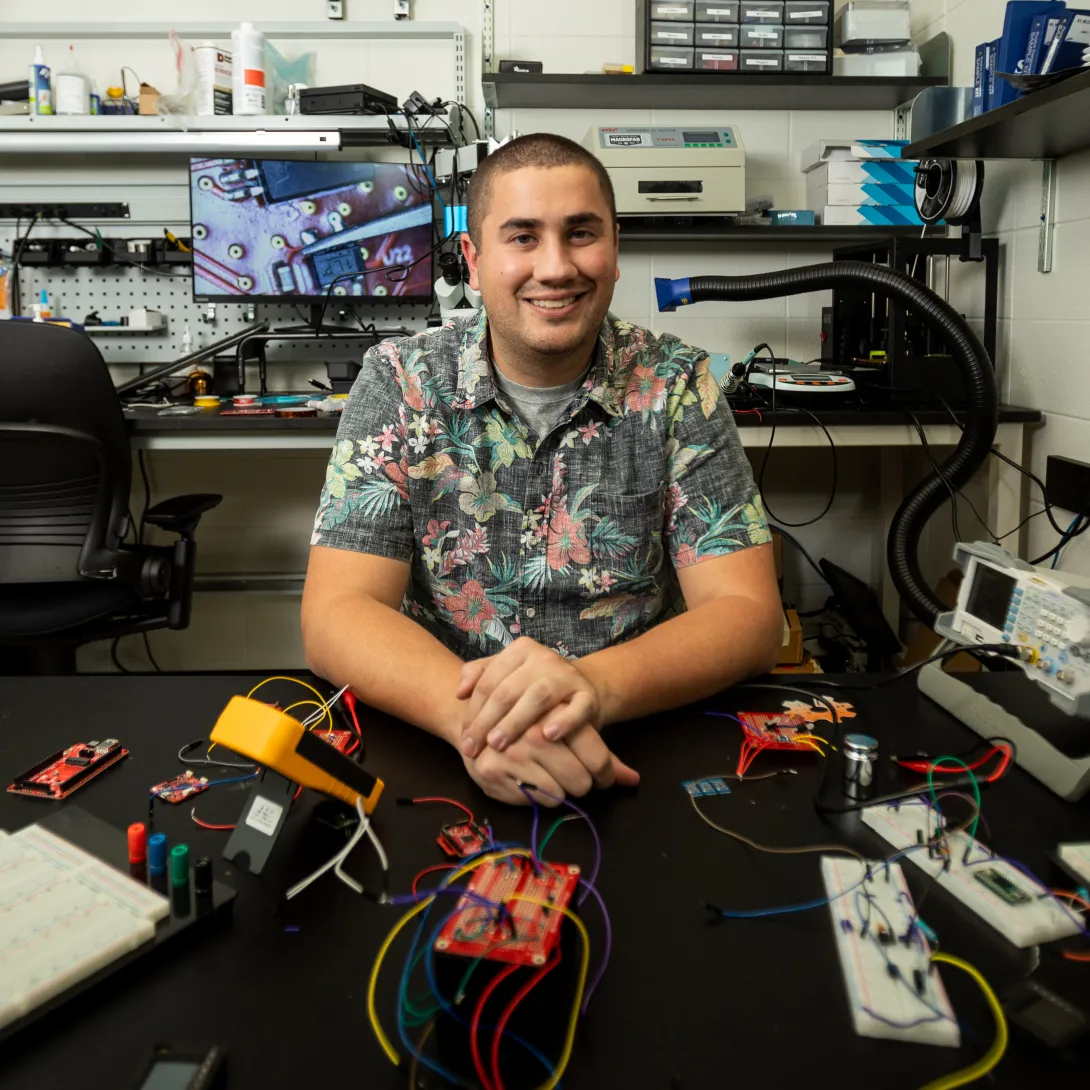
Josiah Hester sits at a desk in an electronics lab at Georgia Tech with an array of prototype projects and test equipment in front of him.
Edge devices, such as wearables, cameras, smartphones, and smart home devices, have become the foundation of our daily interactions with technology. But the exponential growth in the number of these devices comes at a significant environmental cost, currently accounting for more than a third of the 4% of global carbon emissions attributed to information and communication technologies. This ecological impact is projected to worsen as the number of edge devices surges into trillions over the next few decades.
Josiah Hester, associate professor in the College of Computing, along with researchers from Cornell and Harvard Universities, has received a $2 million grant from the newly established Design for Environmental Sustainability in Computing program at the National Science Foundation. The investigators aim to study and mitigate the environmental impact of edge computing devices. Their winning project will make carbon and sustainability a first-order design parameter for future edge computing devices that range from tiny, energy-harvesting Internet of Things devices — often found in manufacturing lines, cars, agriculture, and cities — to higher performance consumer electronics like tablets and smartphones.
As part of the research, investigators will capture a first-of-its-kind dataset on actual emissions and resource usage of complex fabrication processes, build and validate tools for carbon-aware design, and establish an Electronic Sustainability Record for edge devices, similar to nutrition labels for food, or a digital health record, that allows consumers and manufacturers to understand the carbon costs of computing devices and use that in decision-making. The grant proposal was catalyzed through the Brook Byers Institute for Sustainable Systems Initiative Leads program, with additional funds from the Institute for Data Engineering and Science.
“Right now, hardware designers, programmers, and consumers have only a vague idea of the actual carbon cost of the phone, wearable, or smart device they are working with. With rising e-waste and technology’s increasing contributions to climate change, we have to figure out how to do better. This project will lay the foundations for edge devices that can last for decades, or at least have a lifetime commensurate with the carbon cost, potentially reducing e-waste, emissions, and environmental footprint,” said Hester. “Our design tools, new datasets, and carbon models will consider factors like energy, e-waste, and water usage from the manufacturing of computational devices, as well as operational carbon footprint from factors like machine learning and software lifecycles.”
With the grant money, Hester’s team will develop an end-to-end framework that prioritizes environmental impact, while considering user experience, performance, and efficiency when designing edge devices. The framework, which they are calling Delphi, will enable sustainable technological growth by laying out a path for the design of environmentally conscious edge devices with substantially longer lifecycles.
“Eventually, this research could lead to a kind of ‘nutrition label’ for computing devices, like your phone, to empower consumers with data to make more sustainability-friendly purchasing and use decisions,” Hester said. “This could incentivize and enable hardware companies to build lower carbon devices meant to last for many years, versus trading up after a contract renewal. We have a long way to go before this is reality, but this project will lay foundational steps in data collection, model building, and design tools — a sustainable vision of edge computing.”
News Contact
Brent Verrill, Research Communications Program Manager, BBISS
Sep. 28, 2023

October is Campus Sustainability Month, an international celebration of sustainability on college and university campuses. Georgia Tech will host sustainability-focused events all month. With the recent release of the Institute’s Sustainability Next plan, these campus opportunities underscore our commitment to the objectives outlined in the plan. There are numerous options centered on climate and social sustainability topics in addition to trips to explore nature around Atlanta. The programming is hosted by diverse campus groups and offers a glimpse into the wide-ranging commitment to sustainability at Tech.
Event Lineup
Climate Action Plan Student Engagement Workshop
Monday, Oct. 2
5 – 6 p.m.
The Kendeda Building for Innovative Sustainable Design, Room 210
As a deliverable of the Sustainability Next Plan, the Georgia Tech Climate Action Plan is a roadmap for integrating climate action strategies across operations, research, and education focusing on climate justice and reducing emissions. Students are invited to join the Office of Sustainability for an interactive, in-person event to learn about the climate action strategies in the plan, share input, and enjoy free pizza.
For registration and additional information, click here. RSVP required.
Climate Action Plan Campus Town Hall (Virtual)
Wednesday, Oct. 4
11 a.m. – noon
Virtual via Zoom (RSVP Required)
The entire Georgia Tech community can learn more about the Georgia Tech Climate Action Plan and share input during a virtual campus town hall hosted by the Office of Sustainability.
For registration and additional information, click here.
Approaching the Limits of Climate Viability: Urban Heat Vulnerability in Atlanta and How to Adapt
Wednesday, Oct. 4
Noon – 1:30 p.m.
Scholar’s Event Theater, First Floor, Price Gilbert Library
As part of Georgia Tech Library’s initiative to highlight research that makes data accessible and meaningful to the public, Brian Stone Jr., a professor in the School of City and Regional Planning, will present a lecture on the urban heat island effect and its context for Atlanta.
Find more details and registration information here.
Brook Byers Institute for Sustainable Systems Seminar Series, Baabak Ashuri — Valuation of Investment in Sustainable Buildings and Renewable Energy Infrastructure
Thursday, Oct. 5
3 – 4 p.m.
Hybrid Event: BBISS Offices, 760 Spring St., Suite 118, and on Teams
Baabak Ashuri, a professor in the School of Building Construction and the School of Civil and Environmental Engineering, and a Brook Byers Institute for Sustainable Systems Fellow, will speak about how a new set of tools for the valuation and appraisal of renewable energy projects can enhance investment decision-making.
Liam's Legacy Symposium 2023: Humanitarian Engineering with Juan Lucena
Thursday, Oct. 5
4 – 6 p.m.
Coda Building, Ninth Floor Atrium
Juan Lucena, director of the Humanitarian Engineering Undergraduate Program and professor of engineering, design, and society at the Colorado School of Mines will visit Georgia Tech for the annual Liam’s Legacy Symposium. Lucena will explore the relationship between engineers, engineering, and the well-being of communities, social justice, and sustainability.
This event is presented by the Center for Sustainable Communities Research and Education in partnership with the School of History and Sociology, through a grant from the Gertrude and William C. Wardlaw Fund in support of the Conference on Human Rights, Changes, and Challenges.
Sustainable Careers and Shared Value Panel
Thursday, Oct. 12
2 – 3:15 p.m.
Scheller College of Business, Room 221
Join the Ray C. Anderson Center for Sustainable Business to hear from three panelists at various stages in their careers and diverse types of corporations about how sustainability is incorporated and how it has shaped their roles.
More information and registration here.
Lullwater Preserve (Emory) Bird Walk
Friday, Oct. 13
7 a.m. – 12:30 p.m.
Meet at Cherry Emerson
Ride the GT/Emory bus with Birdwatchers @ GT to Lullwater Preserve, a beautiful, forested park on Emory’s Druid Hills campus. Open to beginner and expert birders alike — make sure to RSVP if you need binoculars.
For more information and registration, click here.
Campus Energy Challenge
Oct. 16 – 22
Residence Halls Across Campus
Housing and Residence Life’s annual Energy Competition takes place the week of Oct. 16. The competition will give all campus residents a chance to see the daily energy use of their residence halls, along with tips on how to reduce their individual use. The residence hall that reduces its use the most will win a prize.
Contact Malte Weiland, senior sustainability project manager, Auxiliary Services, for more information.
A Conversation With Victor Luckerson, Author of ‘Built From the Fire’
Tuesday, Oct. 17
7 – 8:30 p.m.
Scheller College of Business, Room 100
A panel discussion with Victor Luckerson, author of Built From the Fire, moderated by Todd Michney, associate professor in the School of History and Sociology. The book follows a multigenerational saga of a family and a community in Tulsa’s Greenwood district, known as “Black Wall Street,” that in one century survived the 1921 Tulsa Race Massacre, urban renewal, and gentrification.
Staff Council Drive-Thru Recycling Event
Wednesday, Oct. 18
2 – 4 p.m.
O’Keefe Building Parking Lot, 151 Sixth St. NW
The Georgia Tech Staff Council and CPEC subcommittee are hosting a recycling collection event for faculty and staff. Drop off items such as plastic bottles, mixed paper, household batteries, electronics, and glass.
Brook Byers Institute for Sustainable Systems Seminar Series – Dylan Brewer: Who Heeds the Call in an Energy Emergency? Evidence from Smart Thermostat Data
Thursday, Oct. 19
3 – 4 p.m.
Hybrid Event: BBISS Offices, 760 Spring St., Suite 118, and on Teams
Dylan Brewer, an assistant professor in the School of Economics and BBISS Fellow, will present research exploring the relationship between compliance with calls to conserve energy during a shortage situation and in an environment of political polarization.
Climate and Innovation Business Forum
Friday, Oct. 20
1 – 5:30 p.m.
Global Learning Center
The Climate and Innovation Business Forum will convene stakeholders from various sectors to explore strategies for driving innovative climate solutions. Attendees are invited to participate in discussions on harnessing the potential of climate technology, forging innovative collaborations, and mobilizing capital for environmental and social impact.
Administration and Finance Virtual Town Hall
Friday, Oct. 20
2 – 3 p.m.
Virtual via Zoom gatech.zoom.us/j/95142941085
Celebrate Sustainability Month at the A&F virtual town hall and learn about activities designed to promote sustainability across the Institute. We will share highlights from the recently published Sustainability Next plan, developing strategies from the Climate Action Plan, and how Georgia Tech is harnessing the power of data throughout our utility management efforts to foster a living campus for all.
Georgia Tech Undergraduate Sustainability Education Panel
Tuesday, Oct. 24
11 a.m. – noon
The Kendeda Building for Innovative Sustainable Design, Room 210
Learn more about sustainability-focused campus educational opportunities at this panel discussion and hear from affiliated faculty, staff, and students. Snacks will be provided.
Surviving the “Zombie Apocalypse” at Kendeda 2023
Friday, Oct. 27
4 – 7:30 p.m.
The Kendeda Building for Innovative Sustainable Design
The Kendeda Building is an example of resilient infrastructure, with its potable water storage, solar power system, composting toilets, and ability to grow food on its rooftop garden. This Office of Sustainability event will focus on the lessons that The Kendeda Building has taught us about sustainability, regenerative design, and the benefits of being more self-sufficient. Join us for a spooky Kendeda Building tour, snacks, and lessons in sewing and food pickling.
Get tickets here.
Extension of Community: What It Means to Be Sustainable in a Digital World
Throughout October
Locations include The Kendeda Building, the Library, and the Georgia Tech Media Bridge
Experience an interactive art exhibit at the intersection of science and technology addressing sustainability and the climate crisis.
How have our technological and digital developments helped and harmed us?
How can we be more digitally sustainable?
What are the limits of technology and how can we shift our behaviors to help heal the planet?
Fourteen artists and scientists reflect on community and sustainability within their practice and question the impact of technology on the environment and society. The exhibit, curated by Birney Robert, addresses themes of plastics and waste, social and environmental justice, and imagined futures.
For more information, click here.
Explore the Campus Sustainability Month 2023 Calendar for a comprehensive list of events and updates. Campus groups, departments, and organizations interested in adding their sustainability-focused event to the calendar can email sustain.gatech.edu.
News Contact
Abby Bower
Program Support Coordinator
Office of Sustainability