
Aug. 21, 2024

Montage of five portraits, L to R, T to B: Josiah Hester, Peng Chen, Yongsheng Chen, Rosemarie Santa González, and Joe Bozeman.
- Written by Benjamin Wright -
As Georgia Tech establishes itself as a national leader in AI research and education, some researchers on campus are putting AI to work to help meet sustainability goals in a range of areas including climate change adaptation and mitigation, urban farming, food distribution, and life cycle assessments while also focusing on ways to make sure AI is used ethically.
Josiah Hester, interim associate director for Community-Engaged Research in the Brook Byers Institute for Sustainable Systems (BBISS) and associate professor in the School of Interactive Computing, sees these projects as wins from both a research standpoint and for the local, national, and global communities they could affect.
“These faculty exemplify Georgia Tech's commitment to serving and partnering with communities in our research,” he says. “Sustainability is one of the most pressing issues of our time. AI gives us new tools to build more resilient communities, but the complexities and nuances in applying this emerging suite of technologies can only be solved by community members and researchers working closely together to bridge the gap. This approach to AI for sustainability strengthens the bonds between our university and our communities and makes lasting impacts due to community buy-in.”
Flood Monitoring and Carbon Storage
Peng Chen, assistant professor in the School of Computational Science and Engineering in the College of Computing, focuses on computational mathematics, data science, scientific machine learning, and parallel computing. Chen is combining these areas of expertise to develop algorithms to assist in practical applications such as flood monitoring and carbon dioxide capture and storage.
He is currently working on a National Science Foundation (NSF) project with colleagues in Georgia Tech’s School of City and Regional Planning and from the University of South Florida to develop flood models in the St. Petersburg, Florida area. As a low-lying state with more than 8,400 miles of coastline, Florida is one of the states most at risk from sea level rise and flooding caused by extreme weather events sparked by climate change.
Chen’s novel approach to flood monitoring takes existing high-resolution hydrological and hydrographical mapping and uses machine learning to incorporate real-time updates from social media users and existing traffic cameras to run rapid, low-cost simulations using deep neural networks. Current flood monitoring software is resource and time-intensive. Chen’s goal is to produce live modeling that can be used to warn residents and allocate emergency response resources as conditions change. That information would be available to the general public through a portal his team is working on.
“This project focuses on one particular community in Florida,” Chen says, “but we hope this methodology will be transferable to other locations and situations affected by climate change.”
In addition to the flood-monitoring project in Florida, Chen and his colleagues are developing new methods to improve the reliability and cost-effectiveness of storing carbon dioxide in underground rock formations. The process is plagued with uncertainty about the porosity of the bedrock, the optimal distribution of monitoring wells, and the rate at which carbon dioxide can be injected without over-pressurizing the bedrock, leading to collapse. The new simulations are fast, inexpensive, and minimize the risk of failure, which also decreases the cost of construction.
“Traditional high-fidelity simulation using supercomputers takes hours and lots of resources,” says Chen. “Now we can run these simulations in under one minute using AI models without sacrificing accuracy. Even when you factor in AI training costs, this is a huge savings in time and financial resources.”
Flood monitoring and carbon capture are passion projects for Chen, who sees an opportunity to use artificial intelligence to increase the pace and decrease the cost of problem-solving.
“I’m very excited about the possibility of solving grand challenges in the sustainability area with AI and machine learning models,” he says. “Engineering problems are full of uncertainty, but by using this technology, we can characterize the uncertainty in new ways and propagate it throughout our predictions to optimize designs and maximize performance.”
Urban Farming and Optimization
Yongsheng Chen works at the intersection of food, energy, and water. As the Bonnie W. and Charles W. Moorman Professor in the School of Civil and Environmental Engineering and director of the Nutrients, Energy, and Water Center for Agriculture Technology, Chen is focused on making urban agriculture technologically feasible, financially viable, and, most importantly, sustainable. To do that he’s leveraging AI to speed up the design process and optimize farming and harvesting operations.
Chen’s closed-loop hydroponic system uses anaerobically treated wastewater for fertilization and irrigation by extracting and repurposing nutrients as fertilizer before filtering the water through polymeric membranes with nano-scale pores. Advancing filtration and purification processes depends on finding the right membrane materials to selectively separate contaminants, including antibiotics and per- and polyfluoroalkyl substances (PFAS). Chen and his team are using AI and machine learning to guide membrane material selection and fabrication to make contaminant separation as efficient as possible. Similarly, AI and machine learning are assisting in developing carbon capture materials such as ionic liquids that can retain carbon dioxide generated during wastewater treatment and redirect it to hydroponics systems, boosting food productivity.
“A fundamental angle of our research is that we do not see municipal wastewater as waste,” explains Chen. “It is a resource we can treat and recover components from to supply irrigation, fertilizer, and biogas, all while reducing the amount of energy used in conventional wastewater treatment methods.”
In addition to aiding in materials development, which reduces design time and production costs, Chen is using machine learning to optimize the growing cycle of produce, maximizing nutritional value. His USDA-funded vertical farm uses autonomous robots to measure critical cultivation parameters and take pictures without destroying plants. This data helps determine optimum environmental conditions, fertilizer supply, and harvest timing, resulting in a faster-growing, optimally nutritious plant with less fertilizer waste and lower emissions.
Chen’s work has received considerable federal funding. As the Urban Resilience and Sustainability Thrust Leader within the NSF-funded AI Institute for Advances in Optimization (AI4OPT), he has received additional funding to foster international collaboration in digital agriculture with colleagues across the United States and in Japan, Australia, and India.
Optimizing Food Distribution
At the other end of the agricultural spectrum is postdoc Rosemarie Santa González in the H. Milton Stewart School of Industrial and Systems Engineering, who is conducting her research under the supervision of Professor Chelsea White and Professor Pascal Van Hentenryck, the director of Georgia Tech’s AI Hub as well as the director of AI4OPT.
Santa González is working with the Wisconsin Food Hub Cooperative to help traditional farmers get their products into the hands of consumers as efficiently as possible to reduce hunger and food waste. Preventing food waste is a priority for both the EPA and USDA. Current estimates are that 30 to 40% of the food produced in the United States ends up in landfills, which is a waste of resources on both the production end in the form of land, water, and chemical use, as well as a waste of resources when it comes to disposing of it, not to mention the impact of the greenhouses gases when wasted food decays.
To tackle this problem, Santa González and the Wisconsin Food Hub are helping small-scale farmers access refrigeration facilities and distribution chains. As part of her research, she is helping to develop AI tools that can optimize the logistics of the small-scale farmer supply chain while also making local consumers in underserved areas aware of what’s available so food doesn’t end up in landfills.
“This solution has to be accessible,” she says. “Not just in the sense that the food is accessible, but that the tools we are providing to them are accessible. The end users have to understand the tools and be able to use them. It has to be sustainable as a resource.”
Making AI accessible to people in the community is a core goal of the NSF’s AI Institute for Intelligent Cyberinfrastructure with Computational Learning in the Environment (ICICLE), one of the partners involved with the project.
“A large segment of the population we are working with, which includes historically marginalized communities, has a negative reaction to AI. They think of machines taking over, or data being stolen. Our goal is to democratize AI in these decision-support tools as we work toward the UN Sustainable Development Goal of Zero Hunger. There is so much power in these tools to solve complex problems that have very real results. More people will be fed and less food will spoil before it gets to people’s homes.”
Santa González hopes the tools they are building can be packaged and customized for food co-ops everywhere.
AI and Ethics
Like Santa González, Joe Bozeman III is also focused on the ethical and sustainable deployment of AI and machine learning, especially among marginalized communities. The assistant professor in the School of Civil and Environmental Engineering is an industrial ecologist committed to fostering ethical climate change adaptation and mitigation strategies. His SEEEL Lab works to make sure researchers understand the consequences of decisions before they move from academic concepts to policy decisions, particularly those that rely on data sets involving people and communities.
“With the administration of big data, there is a human tendency to assume that more data means everything is being captured, but that's not necessarily true,” he cautions. “More data could mean we're just capturing more of the data that already exists, while new research shows that we’re not including information from marginalized communities that have historically not been brought into the decision-making process. That includes underrepresented minorities, rural populations, people with disabilities, and neurodivergent people who may not interface with data collection tools.”
Bozeman is concerned that overlooking marginalized communities in data sets will result in decisions that at best ignore them and at worst cause them direct harm.
“Our lab doesn't wait for the negative harms to occur before we start talking about them,” explains Bozeman, who holds a courtesy appointment in the School of Public Policy. “Our lab forecasts what those harms will be so decision-makers and engineers can develop technologies that consider these things.”
He focuses on urbanization, the food-energy-water nexus, and the circular economy. He has found that much of the research in those areas is conducted in a vacuum without consideration for human engagement and the impact it could have when implemented.
Bozeman is lobbying for built-in tools and safeguards to mitigate the potential for harm from researchers using AI without appropriate consideration. He already sees a disconnect between the academic world and the public. Bridging that trust gap will require ethical uses of AI.
“We have to start rigorously including their voices in our decision-making to begin gaining trust with the public again. And with that trust, we can all start moving toward sustainable development. If we don't do that, I don't care how good our engineering solutions are, we're going to miss the boat entirely on bringing along the majority of the population.”
BBISS Support
Moving forward, Hester is excited about the impact the Brooks Byers Institute for Sustainable Systems can have on AI and sustainability research through a variety of support mechanisms.
“BBISS continues to invest in faculty development and training in community-driven research strategies, including the Community Engagement Faculty Fellows Program (with the Center for Sustainable Communities Research and Education), while empowering multidisciplinary teams to work together to solve grand engineering challenges with AI by supporting the AI+Climate Faculty Interest Group, as well as partnering with and providing administrative support for community-driven research projects.”
News Contact
Brent Verrill, Research Communications Program Manager, BBISS
Aug. 05, 2024

- Written by Benjamin Wright -
Yuanzhi Tang knows firsthand how much of an impact BBISS can make through its programs. The associate professor in the School of Earth and Atmospheric Sciences answered a BBISS call for faculty fellowships, and later seed funding for a project related to sustainable resources. That project grew into a collaboration with Georgia Tech’s Strategic Energy Institute; the Center for Critical Mineral Solutions (CCMS), supported by the College of Sciences and co-sponsored by BBISS; SEI; the Institute for Electronics and Nanotechnology (IEN); and the Institute for Materials (IMat and IEN are now combined into the Institute for Matter and Systems). The goal of the center is to develop sustainable solutions for the grand challenges associated with critical metals and materials essential for the clean energy transition.
During her time as a faculty fellow within BBISS, Yuanzhi became familiar with the people in the organization and had the opportunity to evaluate student and faculty fellow applications. When the opportunity arose to take on the role of associate co-director of interdisciplinary research for BBISS, she was happy to accept so she could help others access resources that had shaped her growth as a researcher at Georgia Tech.
“Being part of a community of people who value interdisciplinary research on sustainability-related topics, I benefited from the interactions and engagement with BBISS and I hope to carry that forward, particularly for young faculty. They are often eager to connect but might not know where to begin. BBISS can be a starting point for them.”
With a background in geochemistry and degrees from Peking University, Stony Brook University, and a postdoc at Harvard, Yuanzhi has gained a breadth of experience that has earned her a variety of awards and recognition. As she joins BBISS in a formal role, she has some advice for early-career colleagues.
“Go to seminars, events, and organized activities, as the best ideas often come through communicating and networking with others, and that’s how you discover that your expertise is needed in other fields. Be confident in who you are as a scholar, but also go out and find ways to collaborate. Georgia Tech places value on interdisciplinary research, and this is a unique strength that you should leverage.”
Away from the office, classroom, and lab, Yuanzhi is a wife and mother of two young children. She enjoys cuddle time with the kids and navigating parenthood in an academically driven household. Her husband is also a Georgia Tech professor and together they juggle the challenges of their careers with spending quality time with the children. “We try to keep work minimal on weekends and get out of the house and enjoy what Atlanta has to offer. We love nature and appreciate that we can be close to campus, close to the city, and still have so many green places to be outside.”
As she embarks on her new role with BBISS, Yuanzhi sees parallels between being a parent, professor, and now an administrator.
“The world is changing rapidly with the explosion of information and technology. It’s a struggle to know what to teach my kids and my students. How do we prepare them for five, 10, or even 20 years from now? This feeling of responsibility connects my work and personal life. It’s challenging, but also very exciting to see how we can help them embrace changes.”
News Contact
Brent Verrill, Research Communications Program Manager, BBISS
Jul. 23, 2024
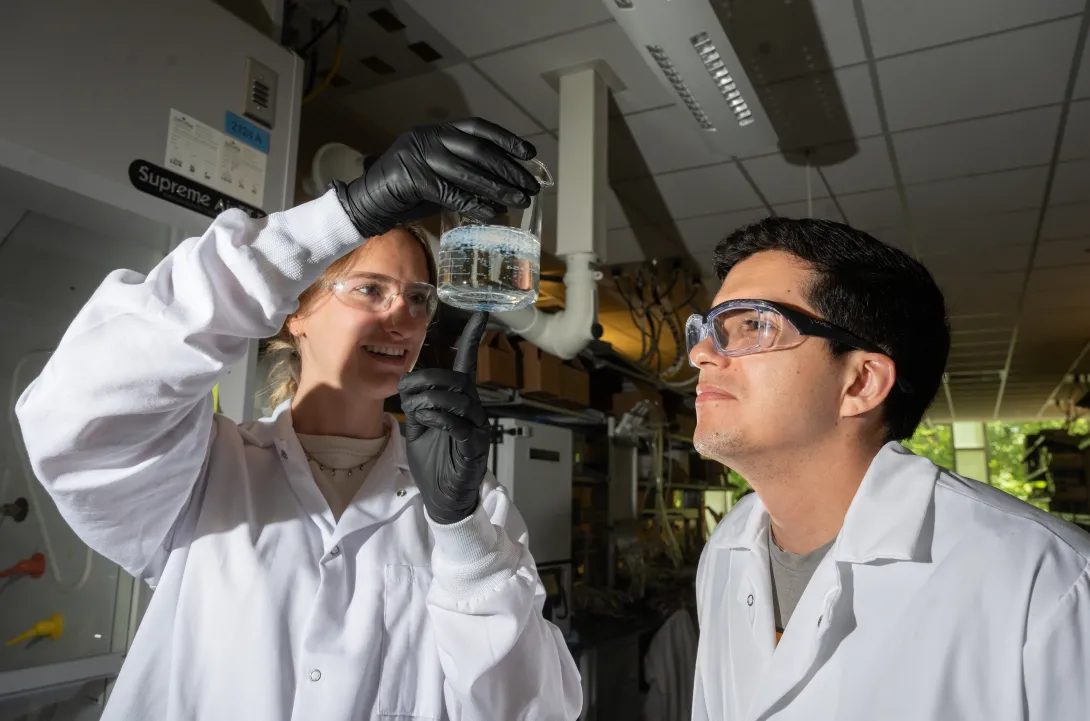
From keeping warm in the winter to doing laundry, heat is crucial to daily life. But as the world grapples with climate change, buildings’ increasing energy consumption is a critical problem. Currently, heat is produced by burning fossil fuels like coal, oil, and gas, but that will need to change as the world shifts to clean energy.
Georgia Tech researchers in the George W. Woodruff School of Mechanical Engineering (ME) are developing more efficient heating systems that don’t rely on fossil fuels. They demonstrated that combining two commonly found salts could help store clean energy as heat; this can be used for heating buildings or integrated with a heat pump for cooling buildings.
The researchers presented their research in “Thermochemical Energy Storage Using Salt Mixtures With Improved Hydration Kinetics and Cycling Stability,” in the Journal of Energy Storage.
Reaction Redux
The fundamental mechanics of heat storage are simple and can be achieved through many methods. A basic reversible chemical reaction is the foundation for their approach: A forward reaction absorbs heat and then stores it, while a reverse reaction releases the heat, enabling a building to use it.
ME Assistant Professor Akanksha Menon has been interested in thermal energy storage since she began working on her Ph.D. When she arrived at Georgia Tech and started the Water-Energy Research Lab (WERL), she became involved in not only developing storage technology and materials but also figuring out how to integrate them within a building. She thought understanding the fundamental material challenges could translate into creating better storage.
“I realized there are so many things that we don't understand, at a scientific level, about how these thermo-chemical materials work between the forward and reverse reactions,” she said.
The Superior Salt
The reactions Menon works with use salt. Each salt molecule can hold a certain number of water molecules within its structure. To instigate the chemical reaction, the researchers dehydrate the salt with heat, so it expels water vapor as a gas. To reverse the reaction, they hydrate the salt with water, forcing the salt structure’s expansion to accommodate those water molecules.
It sounds like a simple process, but as this expansion/contraction process happens, the salt gets more stressed and will eventually mechanically fail, the same way lithium-ion batteries only have so many charge-discharge cycles.
“You can start with something that's a nice spherical particle, but after it goes through a few of these dehydration-hydration cycles, it just breaks apart into tiny particles and completely pulverizes or it overhydrates and agglomerates into a block,” Menon explained.
These changes aren’t necessarily catastrophic, but they do make the salt ineffective for long-term heat storage as the storage capacity decreases over time.
Menon and her student, Erik Barbosa, a Ph.D. student in ME, began combining salts that react with water in different ways. After testing six salts over two years, they found two that complemented each other well. Magnesium chloride often fails because it absorbs too much water, whereas strontium chloride is very slow to hydrate. Together, their respective limitations can mutually benefit each other and lead to improved heat storage.
“We didn't plan to mix salts; it was just one of the experiments we tried,” Menon said. “Then we saw this interactive behavior and spent a whole year trying to understand why this was happening and if it was something we could generalize to use for thermal energy storage.”
The Energy Storage of the Future
Menon is just beginning with this research, which was supported by a National Science Foundation (NSF) CAREER Award. Her next step is developing the structures capable of containing these salts for heat storage, which is the focus of an Energy Earthshots project funded by the U.S. Department of Energy’s (DOE) Office of Basic Energy Sciences.
A system-level demonstration is also planned, where one solution is filling a drum with salts in a packed bed reactor. Then hot air would flow across the salts, dehydrating them and effectively charging the drum like a battery. To release that stored energy, humid air would be blown over the salts to rehydrate the crystals. The subsequently released heat can be used in a building instead of fossil fuels. While initiating the reaction needs electricity, this could come from off-peak (excess renewable electricity) and the stored thermal energy could be deployed at peak times. This is the focus of another ongoing project in the lab that is funded by the DOE’s Building Technologies Office.
Ultimately, this technology could lead to climate-friendly energy solutions. Plus, unlike many alternatives like lithium batteries, salt is a widely available and cost-effective material, meaning its implementation could be swift. Salt-based thermal energy storage can help reduce carbon emissions, a vital strategy in the fight against climate change.
“Our research spans the range from fundamental science to applied engineering thanks to funding from the NSF and DOE,” Menon said. “This positions Georgia Tech to make a significant impact toward decarbonizing heat and enabling a renewable future.”
News Contact
Tess Malone, Senior Research Writer/Editor
tess.malone@gatech.edu
Jul. 03, 2024
-Written by Benjamin Wright-
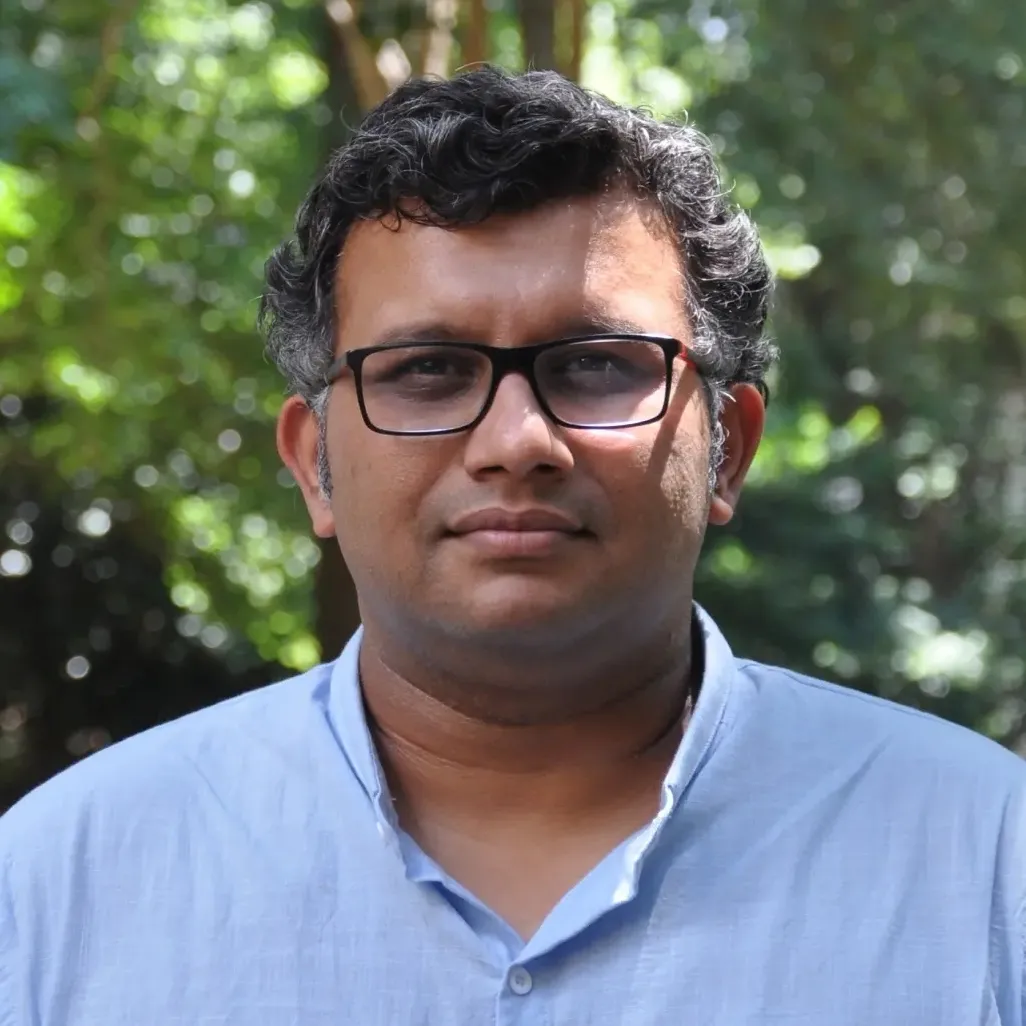
Ameet Pinto, who is the Carlton S. Wilder Associate Professor in the School of Civil and Environmental Engineering, was drawn to Georgia Tech because of the depth and breadth of the research expertise on campus, as well as the collaborative atmosphere.
“I know that if I want to write a research proposal next week for a new idea and I lack expertise in one area, I can find a collaborator on campus with the necessary skillset,” they say. “We have a critical mass of highly skilled researchers across disciplines, and that’s truly amazing.” Helping others tap into that critical mass will be their primary role as one of two associate co-directors for interdisciplinary research in the Brook Byers Institute for Sustainable Systems. Ameet will work with associate professor Yuanzhi Tang from the School of Earth and Atmospheric Sciences to help bring like-minded researchers within the sustainability field together and shepherd them through the grant-writing process.
“My role, as I see it, is to help faculty from across the campus find synergies in their research and then amplify the impact of those synergies by assisting them in going after large thematic proposals with bid support,” says Ameet. “I’m super excited to help make those connections, and where those connections already exist, provide the support to help them take off.”
With degrees in chemical engineering, environmental engineering, and civil engineering and a personal research area that falls under environmental engineering, Ameet is used to working across interdisciplinary lines. Ameet uses their background in chemical engineering to develop sustainable methods to produce drinking water and treat wastewater.
“A major goal for my research group is to look at the microorganisms within the engineered water cycle. We can leverage them, beneficially, to make water treatment, wastewater treatment, and water delivery, both safe and sustainable,” he explains. “If we can use biological processes to remove contaminants, or to produce safe water, then we are not using chemicals.”
After stints teaching at Northeastern University and University of Glasgow, Ameet joined the Georgia Tech faculty in 2021 when the campus community was largely remote during Covid restrictions. Ameet is excited to use this new leadership role within BBISS to connect with others and help build a vibrant community of sustainability researchers.
“My personal vision is closely aligned with BBISS so I was excited to join the leadership team. I know there are other researchers like me looking to make connections with sustainability fields and I know I can help in that area. This is an amazing opportunity to get to know the campus community and connect with like-minded researchers while realizing a shared vision and mission.”
Outside of work Ameet loves to cook. They also have three cats, nine chickens, and their wife is an avid gardener who keeps them fully stocked in fresh produce. Originally from India, Ameet earned a bachelor’s degree in chemical engineering from the Institute of Chemical Technology (University of Mumbai), master’s from the University of Alaska Fairbanks, and Ph.D. from Virginia Tech.
News Contact
Brent Verrill, Research Communications Program Manager, BBISS
Apr. 23, 2024
The College of Sciences is funding two research centers through a new seed grant program.
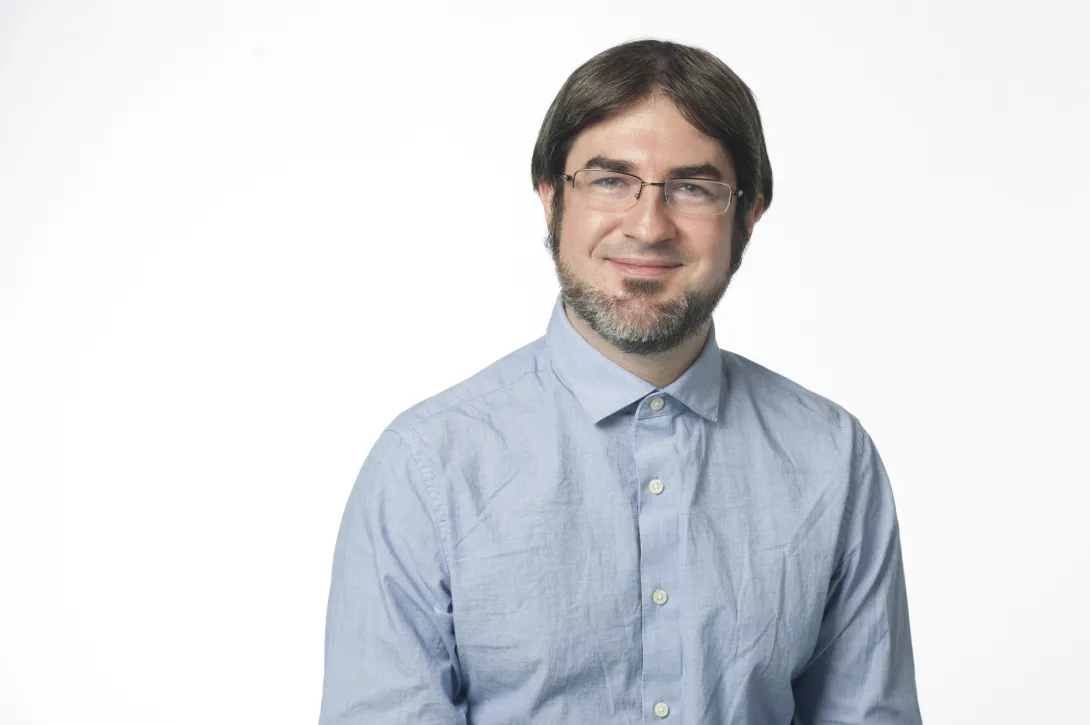
Selected from a finalist pool of nine proposals, Associate Professors Yuanzhi Tang and Thackery Brown’s ideas were chosen for their high potential for novel interdisciplinary research and impact.
Tang’s center will focus on sustainable mineral research, and Brown’s on spatial computation and navigation. Applications for the research will span the development of more sustainable batteries, as well as seeking to improve human health and well-being.
“Improving the human condition, fostering community, and pursuing research excellence are at the forefront of Georgia Tech’s mission, and these new centers will play a critical role in furthering that goal,” says Laura Cadonati, associate dean for Research in the College of Sciences and a professor in the School of Physics. “The College of Sciences is thrilled to support these new initiatives, and is excited to continue to develop the seed grant program.”
A second call for research center proposals is planned for January 2025, with funding to start in July 2025.
The new Center for Sustainable and Decarbonized Critical Energy Mineral Solutions (CEMS), to be led by Yuanzhi Tang, an associate professor in the School of Earth and Atmospheric Sciences, will serve as a hub for sustainable procurement solutions for critical energy mineral resources, including rare earth elements and metals used for battery production.
Thackery Brown, an associate professor in the School of Psychology, will lead the second center, the Center for Research and Education in Navigation (CRaNE). CRaNE will investigate problems related to spatial computation, cognition, and navigation — which has implications for human health, animal conservation, smart architecture and urban design.
“This generous support from the College of Sciences will enable us to host a conference on spatial cognition, computation, design, and navigation; to provide collaborative multi-lab seed grants; and to establish the first of a series of explicitly co-mentored, interdisciplinary graduate student Fellowships,” Brown says. “Collectively, these are the seeds of a high-impact and self-sustaining center.”
About the Center for Sustainable and Decarbonized Critical Energy Mineral Solutions (CEMS)
Yuanzhi Tang, School of Earth and Atmospheric Sciences
Co-sponsored by the College of Sciences, Strategic Energy Institute (SEI), Brook Byers Institute for Sustainable Systems (BBISS), Institute for Electronics and Nanotechnology (IEN), and Institute for Materials (iMat), CEMS began as a joint BBISS-SEI initiative lead project that has since grown into a joint center focused on critical elements and materials for sustainable energy.
Sustainably sourcing these materials provides a critical foundation for both high-tech industry and green economy. “Rare earth elements and battery metals like lithium, copper, and nickel are in high demand, but low domestic resources and production have resulted in a heavy reliance on imports,” Tang explains. “How can we domestically produce these resources, and how can we do this sustainably?
Georgia Tech and the College of Sciences are at a unique position for developing a large regional research umbrella to connect these dots.”
CEMS will leverage on three key pillars: science and technology development, strengthening collaboration among the University System of Georgia (USG) universities, and developing regional resources and economy, Tang says. “By leveraging collaboration among Georgia universities, and fostering engagement with regional industries, the Center will develop new science and technology, leading the way in research on how to procure these ‘essential vitamins’ for clean energy transition in a sustainable and decarbonized manner.”
About the Center for Research and Education in Navigation (CRaNE)
Thackery Brown, School of Psychology
CRaNE will focus on solving problems related to spatial computation, cognition, and navigation. “How do we treat catastrophic loss of one’s ability to get from A to B in Alzheimer's disease? How do we build smarter cities that are easier and more carbon efficient to navigate? How can we develop robots,” Brown says, “which navigate with the flexibility and efficiency of our own minds? CRaNE will bring together experts from many different fields to help address these problems with truly creative and integrative scientific and technological solutions.”
CRaNE will support interdisciplinary collaborative research, including developing a graduate student fellowship program, and conducting K-12 outreach.
“Our goal for CRaNE is to position the College of Sciences, Georgia Tech, and our extended network of collaborator institutions as a center of gravity for cutting-edge work on how the mind, brain, and artificial systems process space — how they can be made better at it, and how we can engineer our world around us in ways that support the humans and animals that need to navigate it to survive,” Brown says.
Emphasizing the collaborative nature of CRaNE, Brown adds that “by targeting collaborative grants, research, and education, and by promoting outreach and education earlier in the STEM pipeline, we hope to accelerate progress at the frontiers of these fields — and to invest in future science that cannot be easily addressed by a single lab or discipline.”
News Contact
Written by Selena Langner
Contact:
Jess Hunt-Ralston
Director of Communications
College of Sciences
Georgia Tech
Apr. 22, 2024
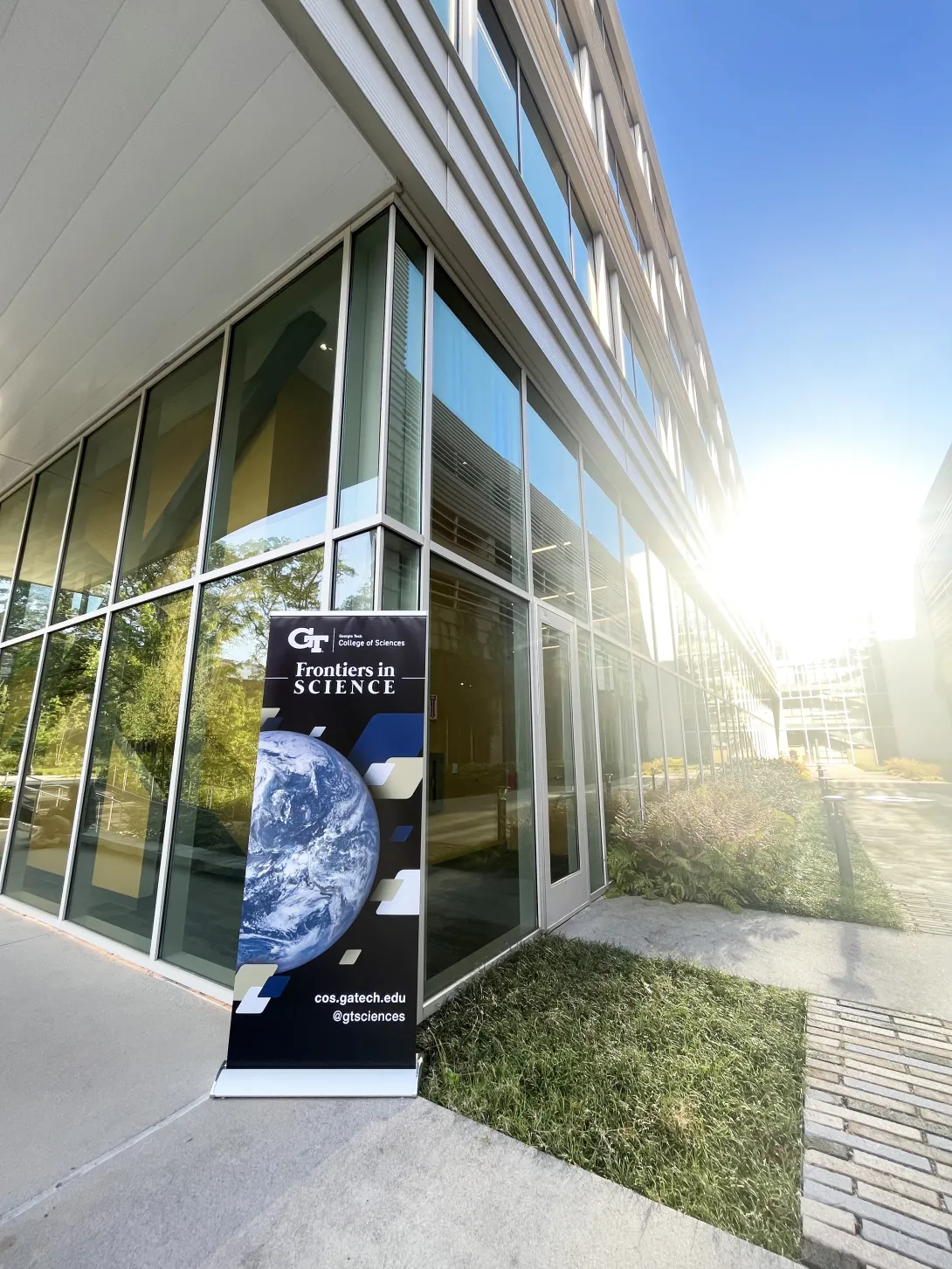
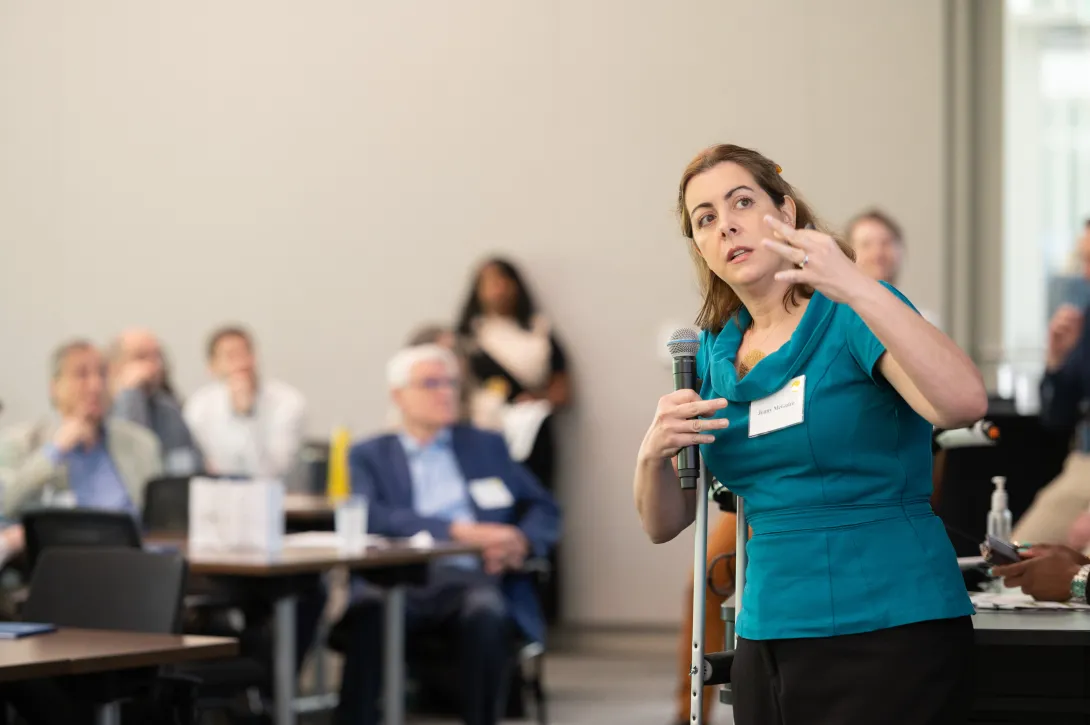
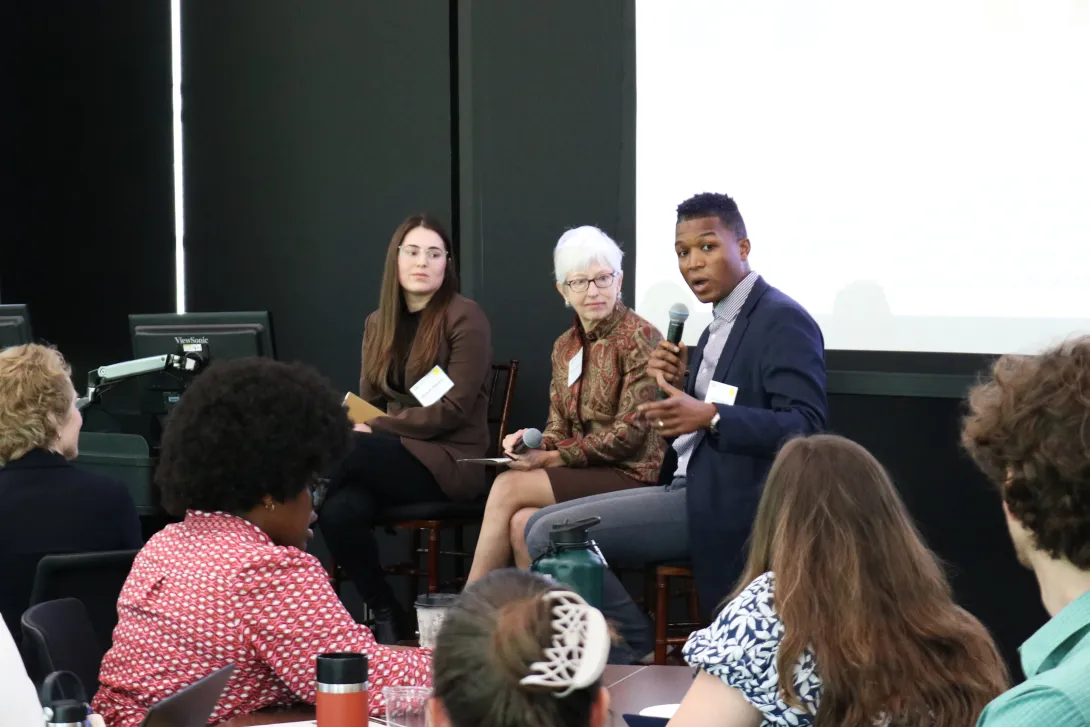
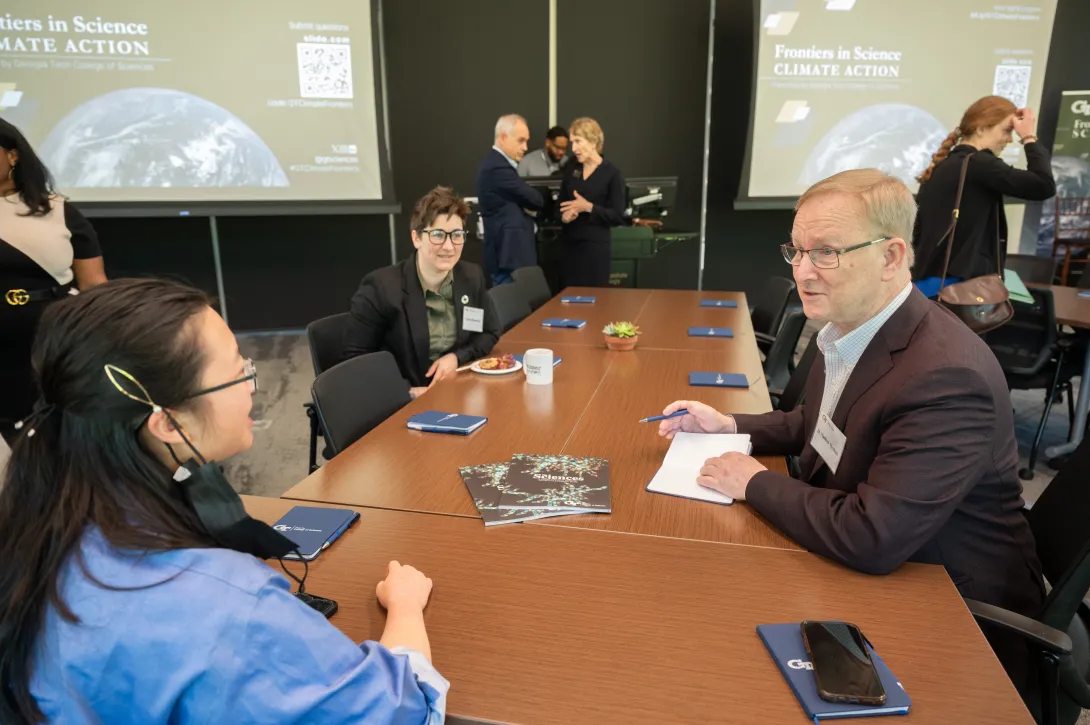
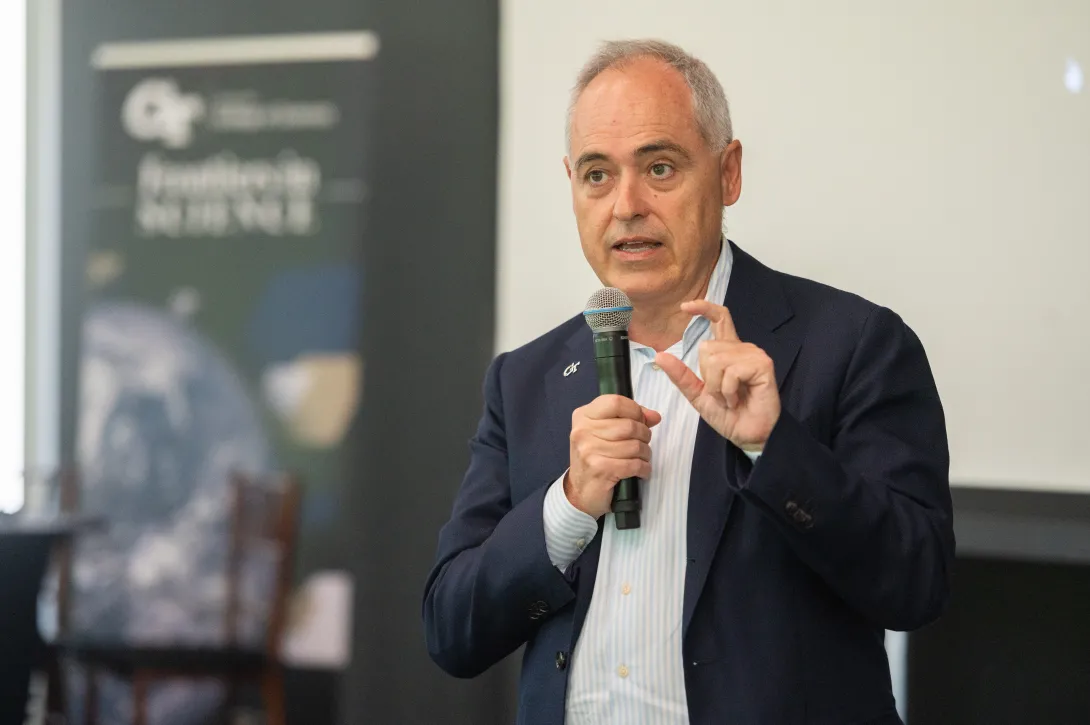
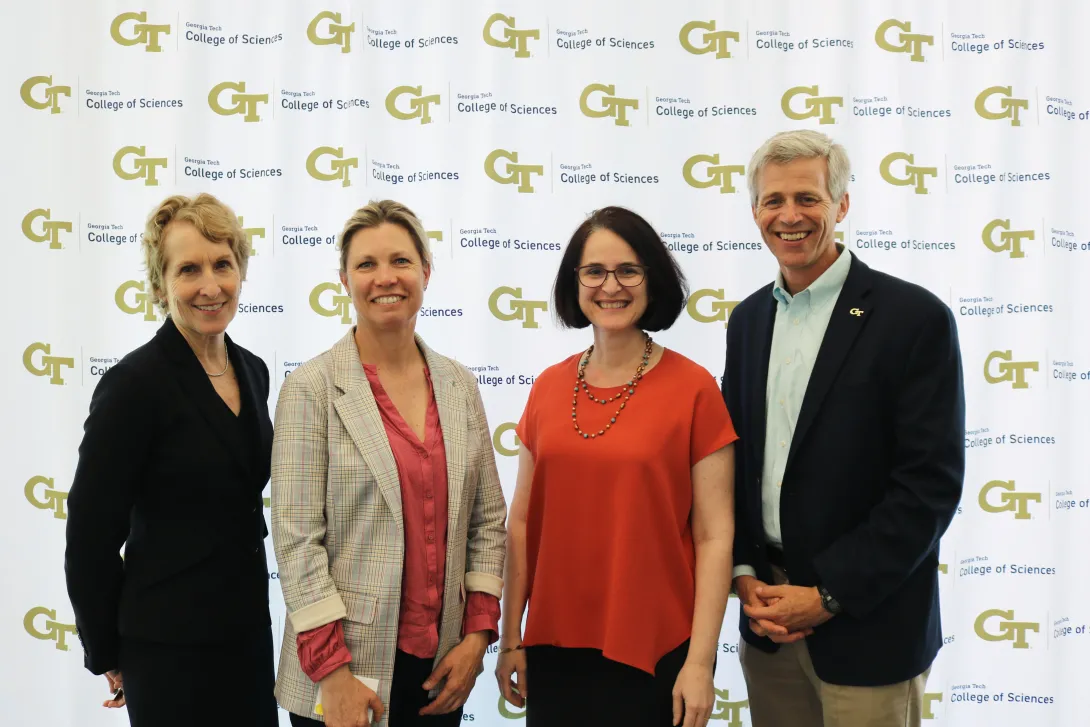
This Earth Month more than 100 campus and community stakeholders gathered near the Georgia Tech EcoCommons for the 2024 Frontiers in Science: Climate Action Conference and Symposium.
On April 18, the College of Sciences hosted more than 20 speakers and panelists from across the Institute and Atlanta community presenting groundbreaking research and discussing innovations and ideas in climate change, challenges, and solutions.
Georgia Tech President Ángel Cabrera (M.S. PSY 1993, Ph.D. PSY 1995) kicked off the morning sessions by highlighting the Institute’s new Climate Action Plan, which outlines the pathway to achieve net-zero emissions by 2050. Cabrera’s remarks focused on Georgia Tech’s role on the frontlines of research and education informing how we respond to climate challenges — and noted that the Institute’s work must extend beyond our laboratories and classrooms.
“It is essential that we not only do the science, but that we also tell that science to the world,” Cabrera says.
Interdisciplinary inquiry
This year, Frontiers in Science featured an array of climate research and initiatives led by the College of Sciences, fellow colleges across Georgia Tech, and the wider Atlanta community.
Following a three-year hiatus of the Frontiers series, the 2024 edition re-envisioned the signature annual event as a research conference and symposium to convene campus experts — and to incubate seed grant proposals to support the work of early career faculty.
Frontiers previously hosted Nobel laureates and invited thought leaders for individual talks across the College’s six schools, and celebrated milestones like the International Year of the Periodic Table of the Chemical Elements.
“This year, we wanted to showcase what we are doing right here in the College of Sciences and throughout the Institute,” says Susan Lozier, dean of the College of Sciences, Betsy Middleton and John Clark Sutherland Chair and professor in the School of Earth and Atmospheric Sciences. “Our faculty are at the forefront of broadening our knowledgebase and uncovering solutions in areas critical to the planet and our well-being. We wanted to uplift that work and see what sort of connections could be made.”
Connections and collaboration were key themes of the day as faculty, staff, students, and alumni participants representing all six Georgia Tech colleges shared research results and ongoing work and discussed collaborative ideas for horizons ahead.
“Scientists alone cannot [create accurate models],” noted Annalisa Bracco, professor in the School of Earth and Atmospheric Sciences and associate chair for Research, who shared her own research alongside Lozier, who presented a version of her 2024 TED Talk on ocean overturning. “Engineers alone cannot do it. We need social scientists, policy makers, communicators.”
The importance of an interdisciplinary approach was reinforced by the Strategic Energy Institute at Georgia Tech (SEI) and Brook Byers Institute for Sustainable Systems (BBISS), which announced an interdisciplinary seed grant funding opportunity for assistant professors with ideas for new climate solutions.
Frontiers in focus
Across three themed sessions, faculty and leadership from the Colleges of Sciences, Engineering, and Design spearheaded talks on the ocean and cryosphere, biodiversity, carbon cycling, coastal wetlands, biofuels production, and beyond.
Panels on climate challenges across community, technological, and policy initiatives were hosted by Georgia Tech Vice President for Interdisciplinary Research and Professor in the School of Biological Sciences and the School of Chemistry and Biochemistry Julia Kubanek.
Following a networking lunch with climate table topics, Georgia Tech Executive Vice President for Research and Professor in the School of Electrical and Computer Engineering Chaouki T. Abdallah (M.S. ECE 1982, Ph.D. ECE 1988) kicked off the afternoon sessions — which also announced the scholarship recipients of a student video competition and featured videos with a pair of alumnae working in meteorology, climate research, and policy.
Afternoon highlights also included discussions on the Georgia Tech Climate Action Plan and Sustainability Next initiative, led by Jennifer Chirico (B.S. MGMT 1997, Ph.D. PUBP 2011), associate vice president of Sustainability for Georgia Tech Infrastructure and Sustainability, and Jennifer Leavey (B.S. CHEM 1995), assistant dean for Faculty Mentoring in the College of Sciences and interim assistant director for Interdisciplinary Education in the Brook Byers Institute for Sustainable Systems.
Although many of the presentations provided a stern outlook of the state of our ecosystems, the conference concluded with a sense of hope. This optimism was grounded in the range of opportunities that exist to address climate challenges — thanks, in part, to the body of knowledge and solutions being tested and explored by Georgia Tech researchers.
At the end of the day, Katie Griffin, a first year undergraduate student in Environmental Science, read Amanda Gorman’s poem Earthrise and provided this reminder:
All of us bring light to exciting solutions never tried before
For it is our hope that implores us, at our uncompromising core,
To keep rising up for an earth more than worth fighting for.
Experience the event in pictures with the College of Sciences’ Flickr account, and discover the highlights through the day’s live tweets on College of Sciences’ X account.
News Contact
By: Lindsay Vidal
Jess Hunt-Ralston
Director of Communications
College of Sciences at Georgia Tech
Apr. 10, 2024

Written by Benjamin Wright
Tamsin Leavy is a self-described “Australian-born Jersey girl” who has lived in, among other places, Montana, Massachusetts, England, Philadelphia, and in an eco-village in Ithaca, New York. Moving around so much made it hard to put down roots, but now that she’s in Atlanta working as the Georgia Tech community garden coordinator, she’s finding that roots are a big part of her day-to-day.
Tamsin started her career working in anthropology and archaeology before pivoting to teaching social studies and history. While working as a teacher in a New Jersey food desert she was stunned at how little access some of the students had to nutritious food. She had grown up around family gardens and fresh grown produce and saw an opportunity to help students access fresh food. With a rekindled love for gardening and plants Tamsin went back to school to earn a horticulture minor from Oregon State University and then sought out ways to combine education and horticulture.
That’s how she landed at Georgia Tech where she is supervising the care of the recently expanded community garden.
The largely student-run garden is located outside of the Instructional Center, or IC, and has grown from a small plot to a collection of 20 raised beds, nine fruit trees, a shed, an outdoor test kitchen, and ADA compliant pathways between the beds. Half of the beds are reserved for student use while the remainder can be leased by any members of the Georgia Tech community. The growing and harvesting seasons don’t align perfectly with the academic calendar, so Tamsin is responsible for making sure the space is tended to whether students are around or not along with offering professional advice on planting and harvesting techniques and sustainable gardening practices.
“We’re focused on making it a space to learn about permaculture and organic gardening,” says Tamsin. “It’s a relaxing space where anybody can come and hang out, eat their lunch, and pick some fruits and vegetables in season. You can come for five minutes, or you can hang out for five hours and participate or just observe. It truly is a space for everyone.”
The bulk of the produce is picked and kept by Students Organizing for Sustainability (SOS) who tend to the garden, but leftovers go to Klemis Kitchen, Georgia Tech’s campus food bank. Occasionally campus chefs pick some produce to be used in cooking demonstrations.
“I’ve always loved being outdoors, having conversations and getting inspired by nature. And let me tell you, these students are inspiring,” says Tamsin. “They want to make a tea garden, with everything from camellias to lemongrass to marigolds. And why not? Let’s do it. They came up with it and we’re going to work to make it happen. It’s amazing.”
Watching students enjoy the literal fruits (and vegetables) of their labor is one of the best parts of the job for Tamsin.
“We had 30 students harvesting sweet potatoes we grew last fall, and they all took home as many as they wanted. We had wheelbarrows full. They all shared pictures of the dishes they made with them. It’s so rewarding to see them get excited about food they grew themselves, and to share that excitement with friends and family.”
Along with the Community Garden Tamsin also advises the SOS students who take care of the rooftop garden on the Kendeda Building, where they are growing cabbage, broccoli, cauliflower, blueberries, and more. They also plan to add more pollinators to make the rooftop more hospitable for the resident bees.
“Every day I get to talk to really smart students who love nature and are eager to learn more about sustainability,” says Tamsin. “It’s an amazing job. These students really care. I’m getting older and I don’t care as much about what my future looks like. But I want these students to have a bright future and for their kids to have bright futures. If I can help them by passing along my knowledge, that’s amazing.”
News Contact
Brent Verrill, Research Communications Program Manager, BBISS
Apr. 02, 2024
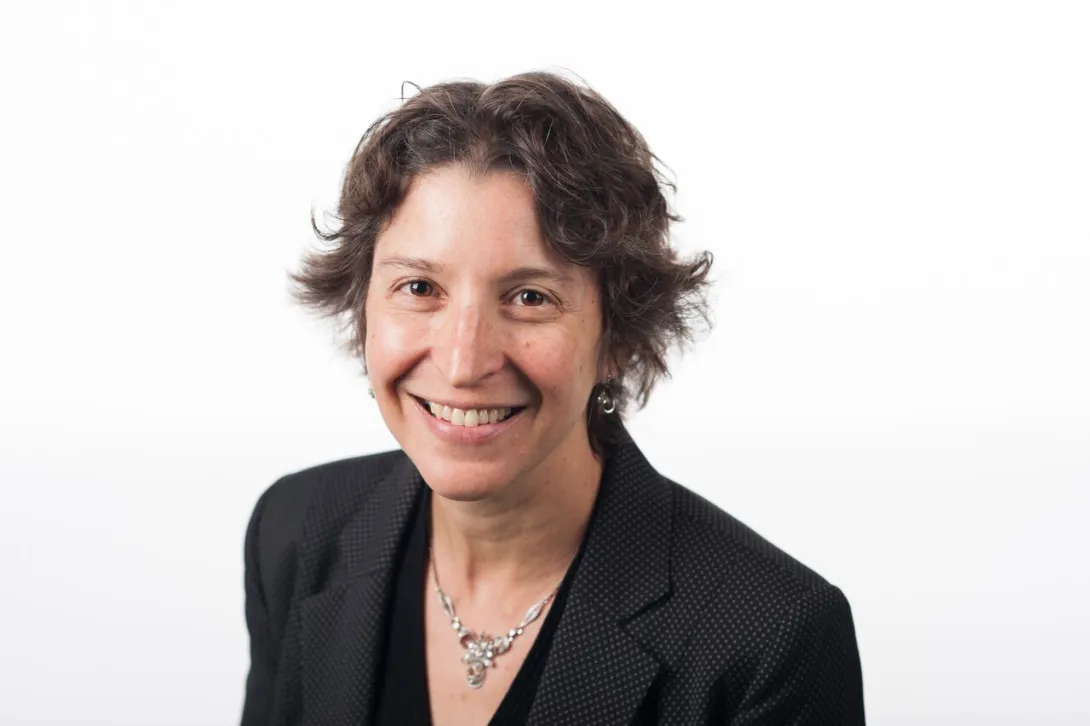
Georgia Tech Center for Sustainable Communities Research and Education (SCoRE) senior director, Jennifer Hirsch, presented a paper to a recent National Academies of Sciences, Engineering, and Medicine workshop, Developing and Assessing Ideas for Social and Behavioral Research to Speed Efficient and Equitable Industrial Decarbonization.
The two-day workshop was organized by the National Academies’ divisions of Behavioral and Social Sciences and Education and Engineering and Physical Sciences and the Boards on Environmental Change and Society and Energy and Environmental Systems. The workshop sought to “lay the foundation for a national interdisciplinary social sciences research program to support an efficient and equitable clean energy transition in the industrial sector.” Sponsors included the Alfred P. Sloan Foundation, the Environmental Protection Agency, the U.S. Department of Energy, and the National Science Foundation. It built on the National Academies 2023 publication, Accelerating Decarbonization in the United States: Technology, Policy, and Societal Dimensions.
Hirsch’s paper, “The Crucial Role of Just Process for Equitable Industrial Decarbonization: An Action Research Agenda for Carbon Management and Other Emerging Technologies,” was one of four commissioned by the National Academies. Lead author Hirsch collaborated with five co-authors from across the country. Workshop proceedings will be published in early summer, 2024.
She and four of her co-authors serve as Community Benefit Plan (CBP) leads on Direct Air Capture Hub or CarbonSafe projects funded by the U.S. Department of Energy, and Hirsch and SCoRE are the CBP leads for the Southeast Direct Air Capture Hub, led by the Southern States Energy Board.
SCoRE is a new center at Georgia Tech that grew out of the Center for Serve-Learn-Sustain. Established in August 2023 within the Brook Byers Institute for Sustainable Systems (BBISS), its mission is to engage faculty, students, and staff in long-term, strategic research and education collaborations with community partners, focusing on sustainability in the Atlanta region, the state of Georgia, and the Southeast. Its key research partners are the sustainability cluster of IRIs, including BBISS, the Strategic Energy Institute, and the Renewable Bioproducts Institute.
Workshop materials are available on the workshop website. Hirsch’s paper can be found here and her PowerPoint presentation is here. Her recorded presentation can be found within this video at time stamp 59:30.
News Contact
Brent Verrill, Research Communications Program Manager, BBISS
Mar. 19, 2024

Written by Benjamin Wright
Josiah Hester likes to build things. Specifically, he likes to build tiny, computerized devices that can be used to help people monitor the environment around them. As a Native Hawaiian he grew up with a passion for sustainability and stewardship of the land. He also found himself drawn to computer programming and how it could be used to create games, graphics, music, and tools. Now he melds those two worlds as an associate professor in Georgia Tech’s College of Computing and Interim Associate Director for Community-Engaged Research in the Brooks Byers Institute for Sustainable Systems.
The idea to apply computer science to sustainability came when Josiah was a college student at Clemson, where he earned his B.S. and Ph.D. in computer science, with his dissertation focusing on low-cost, low-impact, battery-less, and wireless embedded sensing systems. He continued that work as an associate professor at Northwestern, partnering with local tribes in the Great Lakes region to measure and monitor changes in their local environments that they had been experiencing for years. Those projects sparked Josiah’s passion for community engagement based on long term relationships.
The length and depth of community partnerships are vitally important to Josiah. “We want our faculty, researchers, students and staff to be able to work effectively with communities on these important climate resilience opportunities and make sure that those relationships and the ways that we work together are sustaining and nurturing for each party,” he says. The last thing he wants to see is a team of researchers dropping in on a community, conducting a quick research project without getting to know the local needs and challenges, and then leaving a few months later never to be heard from again.
“Both parties bring assets to the table that are critically important. Our researchers have specialized skills and interests that allow them to solve complex problems. The local communities often have very in-depth knowledge of their own environment and the changes that are occurring, whether it’s air quality, heat impact, sea level changes, or water scarcity. Our goal is to match those skills with communities that can put them to use to bring about positive change.”
Along with matching researchers and communities, Josiah and his colleagues at BBISS keep an eye on available funding sources to make sure projects are properly resourced. Sometimes a small project that starts with a seed grant can turn into something larger with funding from the EPA, USDA or NSF.
“Those major projects can then lead to actionable science that can inform policy and governance,” says Josiah. “And at the same time faculty are advancing their fields and producing publishable work while helping local communities.”
What Josiah enjoys most about his role as Interim Associate Director for Community-Engaged Research, is seeing researchers who have spent their careers figuring out the science of a subject go into the community and apply it in a practical hands-on way that makes an impact. He is also excited by the students participating in the BBISS Fellowship and how they are approaching community engagement.
“My generation of faculty is getting better at engaging, but the way these students approach it is just next level. The future is in good hands.”
Away from Georgia Tech Josiah has his hands full with three kids, three dogs, and a love for surfing that is hard to satisfy on the Georgia coast. He also enjoys cooking, music, and spending time in parks.
News Contact
Brent Verrill, Research Communications Program Manager, BBISS
Mar. 19, 2024
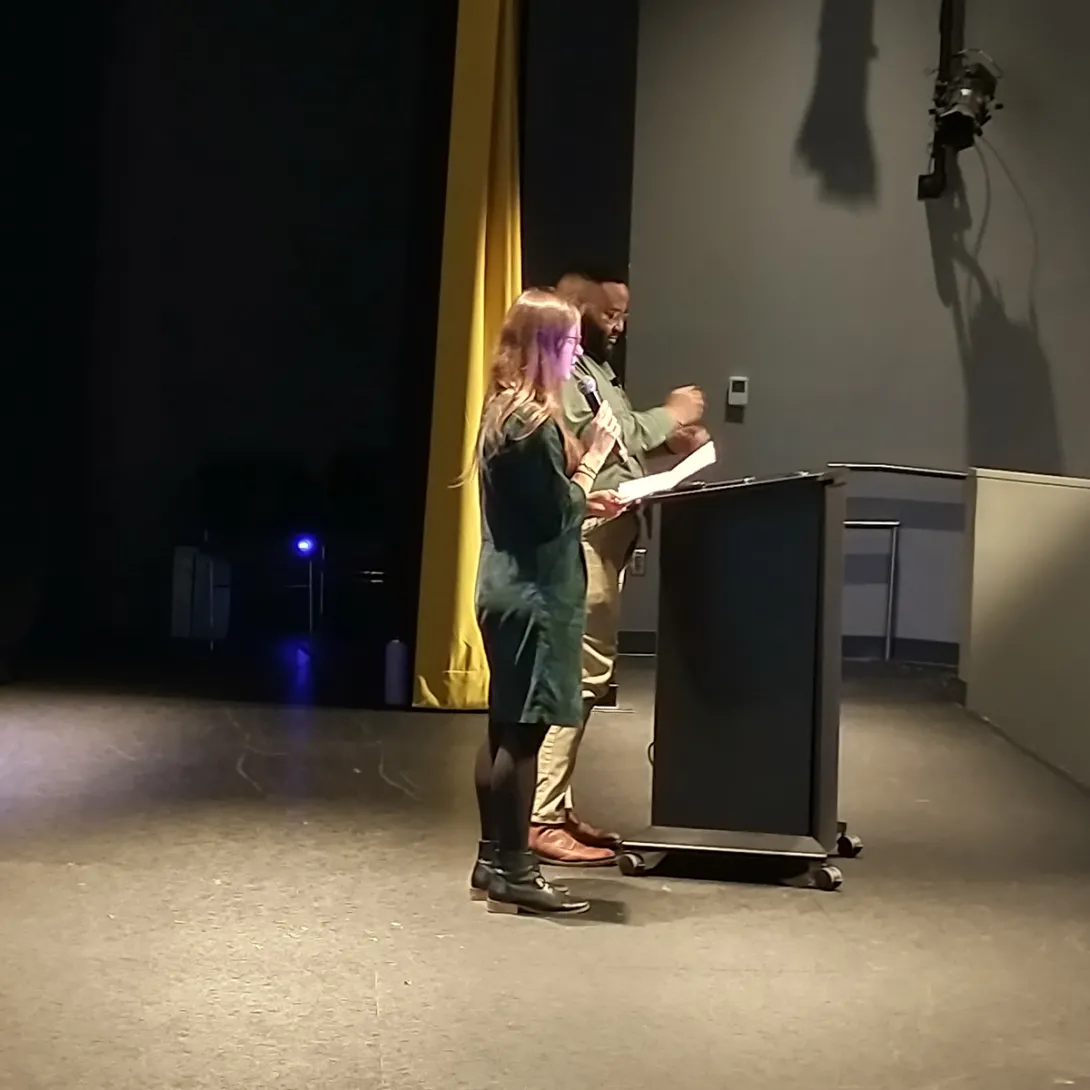
This year’s Georgia Tech Sustainability Showcase, held March 4 – 8 in conjunction with the SDG (Sustainable Development Goals) Action and Awareness Week, was an opportunity for faculty, staff, students, and community partners to demonstrate the depth and breadth of sustainability research happening at Georgia Tech. It was hosted by the Brook Byers Institute for Sustainable Systems with partners from the Office of Sustainability, Strategic Energy Institute, Renewable Bioproducts Institute, Institute for People and Technology, Ray C. Anderson Center for Sustainable Business, the Center for Sustainable Communities Research and Education, The Exchange at Georgia Tech, and other campus partners.
The event featured lightning talk sessions, panel discussions, and an alumni keynote. Participants were afforded with an opportunity to meet their colleagues, learn about each other’s projects, and explore opportunities for collaboration. The lightning talk sessions were five-to-seven-minute presentations, without slides, meant to give the audience a broad view of the diversity of sustainability work underway at Georgia Tech in a short period of time. These talks covered a wide range of topics, reflecting the diverse interests and expertise within the Georgia Tech community.
Panel discussions included “Higher Education and SDG17: Partnerships for the Goals” with Georgia Tech President Ángel Cabrera, a panel on the Georgia Tech Climate Action Plan, and “Innovative Teaching with the U.N. SDGs: Examples From Georgia Tech Faculty.” There were also panels on research/community partnerships, and the role of philanthropy in sustainability research.
The alumni keynote was delivered by Andrew White, CE 2019, a researcher at the Pacific Northwest National Laboratory. He spoke about advancing energy access through strategic collaborations among multiple stakeholders in the landscape of energy producers, distributors, and consumers.
The showcase demonstrated the Georgia Tech sustainability community’s passion and commitment to advancing the Sustainable Development Goals and the Institute’s mission to improve the human condition. It fostered a sense of community and shared purpose among attendees and participants.
The proceedings were recorded, and videos will begin to be uploaded to the BBISS YouTube channel in the coming weeks. More details about the Sustainability Showcase and the lineup of speakers and sessions can be found at https://sustainable.gatech.edu/showcase. Details about SDG Week and related events can be found at https://sustain.gatech.edu/sdg-week/.
News Contact
Brent Verrill, Research Communications Program Manager, BBISS