
Jul. 08, 2025
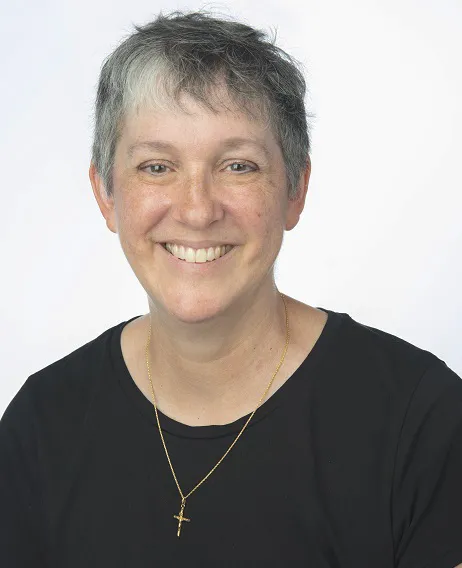
Kristina Chatfield has been hired as the Director of Business Administration for the Brook Byers Institute for Sustainable Systems (BBISS), a new role that will provide administrative leadership and oversight for BBISS’ growing portfolio of programs and activities. Chatfield began her Georgia Tech career as program and operations manager at the Center for Serve-Learn-Sustain (SLS) in 2015. In 2023, SLS transitioned into the Center for Sustainable Communities Research and Education (SCoRE) housed within BBISS, with Chatfield assuming the program and portfolio manager role.
At first glance, she wasn’t a typical sustainability hire at Georgia Tech.
She was a business management consultant for a law firm who had also helped a national survey data firm with their data crunching. Higher ed was “like a different planet,” she recalls.
Chatfield realized early on that she could apply her management and operations background to any field. “You can’t run any successful organization unless you have operational efficiency and program and project management.” Without them, she says, “Things don’t work properly.”
But equally important was her commitment to learning about academia and sustainability, areas that were not in her wheelhouse a decade ago. With support from Jennifer Hirsch, senior director of SCoRE (and formerly of SLS), Chatfield embraced both with gusto.
“I’ve learned to approach sustainability from a holistic standpoint,” Chatfield explains, noting that sustainability isn’t just about the environment or systems — it’s primarily about the people.
“If you have a passion for community engagement and sustainability, there’s a lot of commonality you can find with people from all different persuasions. As human beings, we mostly care about the same things.”
“Kris is a master at setting up and managing complex operational and financial systems, and she is passionate about sustainability, communities, and Georgia Tech. This combination, together with her decade of management experience in SLS and SCoRE, makes her perfect for her new leadership role,” says BBISS Executive Director Beril Toktay.
Chatfield says a key highlight of her work in sustainability has been connecting community organizations and nonprofit partners with the Institute through the SCoRE summer internship program. Georgia Tech students are partnered with community organizations throughout Atlanta. Now in its eighth year, the program allows students “to learn about the social aspects of sustainability, innovation, and the UN Sustainable Development Goals in the context of actual work that’s being done in the Atlanta area,” Chatfield says. “Partners benefit tremendously because the program expands their capacity by having these amazing Georgia Tech students working for them.”
Chatfield says the internship program often serves as the first interaction partners have with Georgia Tech. “It opens the door to a much broader and deeper relationship.”
In her free time, Kris enjoys her family life with five adult children, and soon she will welcome her third grandchild. “Being a grandparent is the best thing ever,” she says.
She also enjoys playing pickleball with her husband and traveling. With one of her sons about to be stationed in Germany with the Army, she hopes to combine her passions of travel and family time.
Written by Anne Wainscott-Sargent
News Contact
Brent Verrill, Research Communications Program Manager
Jun. 05, 2025
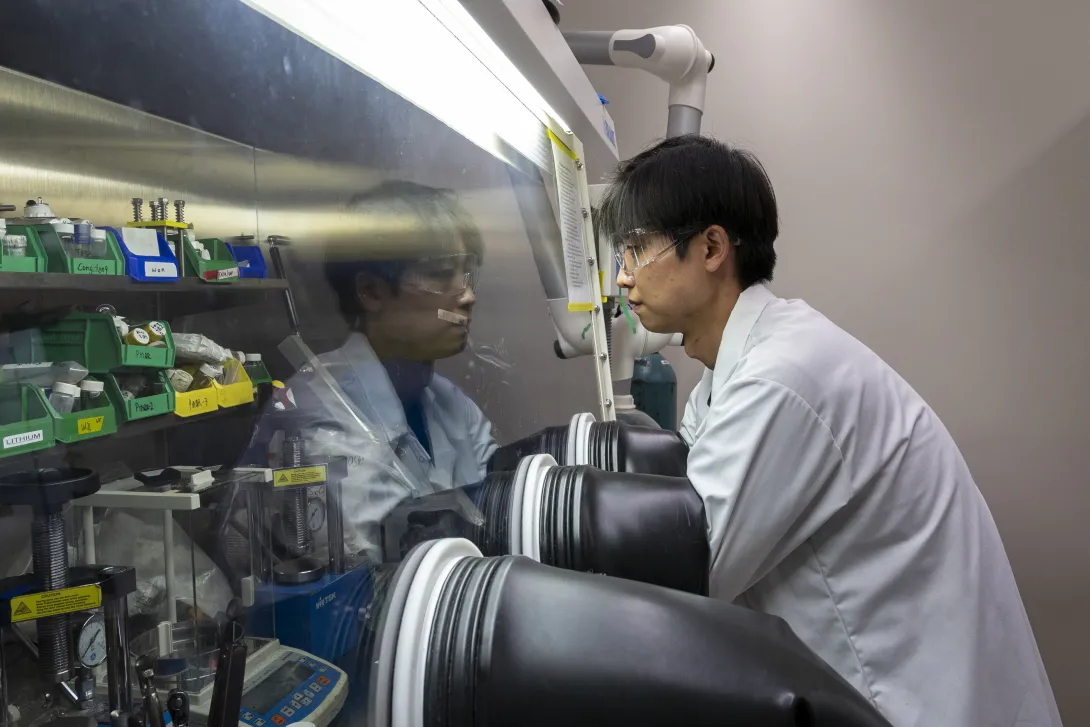
Sun Geun Yoon works in a glove box in McDowell’s laboratory at Georgia Tech. [Photo by Christopher McKenney]
Lithium-ion batteries power everything from electric cars to laptops to leaf blowers. Despite their widespread adoption, lithium-ion batteries carry limited amounts of energy, and rare overheating can lead to safety concerns. Consequently, for decades, researchers have sought a more reliable battery.
Solid-state batteries are less flammable and can hold more energy, but they often require intense pressure to function. This requirement has made them difficult to use in applications, but new research from Georgia Tech could change that.
The research group of Matthew McDowell, professor and Carter N. Paden Jr. Distinguished Chair in the George W. Woodruff School of Mechanical Engineering and the School of Materials Science and Engineering, has designed a new metal for solid-state batteries that enables operation at lower pressures. While lithium metal is often used in these batteries, McDowell’s group discovered that combining lithium with softer sodium metal results in improved performance and novel behavior.
McDowell and his collaborators presented their findings in the paper, “Interface Morphogenesis with a Deformable Secondary Phase in Solid-State Lithium Batteries,” published in Science on June 5.
Stackable Solution
Lithium-ion batteries have been the industry standard because they combine compact size, reliability, and longevity. However, they contain a liquid “electrolyte,” which helps lithium ions move in the battery but is also flammable. In solid-state batteries, this electrolyte is a solid material that is less flammable. The challenge is that when the battery is used, the lithium metal in the battery changes its shape, potentially losing contact with the solid electrolyte, which degrades performance. A common way to ensure the metal doesn’t lose contact is to apply high pressure to these batteries.
“A solid-state battery usually requires metal plates to apply this high pressure, and those plates can be bigger than the battery itself,” McDowell said. “This makes the battery too heavy and bulky to be effective.”
The researchers, led by Georgia Tech research scientist Sun Geun Yoon, sought a solution. The solid-state batteries would still require some pressure to function, but they found that by also using a softer metal, less pressure is required. The researchers decided to pair the commonly used lithium metal with a surprising element: sodium.
“Adding sodium metal is the breakthrough,” McDowell noted. “It seems counterintuitive because sodium is not active in the battery system, but it’s very soft, which helps improve the performance of the lithium.”
How soft can sodium be? In a controlled environment, a person could stick their gloved finger into sodium metal and leave an imprint.
From Biology to Battery
To understand the enhanced performance of their battery, the researchers borrowed a concept from biology called morphogenesis. This concept explains how tissues or other biological structures evolve based on local stimuli. Morphogenesis is rarely seen in materials science, but the researchers found that the combination of lithium and sodium behaves according to this concept.
McDowell’s research group has been working on applying morphogenesis to battery materials as part of a project funded by the Defense Advanced Research Projects Agency in collaboration with several other universities. Their battery is among the first viable demonstrations of this concept — effectively, the sodium deforms readily at the low pressures needed for solid-state batteries to function.
Battery Boon
The possibilities of a viable, smaller solid-state battery are vast. Imagine a phone battery that could last much longer or an electric vehicle that could drive 500 miles between charges. With this in mind, McDowell and his team have filed for a patent for this battery system.
While solid-state batteries still have some way to go before commercial use, results like these could mean that solid-state batteries can compete with lithium-ion. McDowell’s lab continues to experiment with other materials to further improve performance.
Funding from the Defense Advanced Research Projects Agency.
News Contact
Tess Malone, Senior Research Writer/Editor
tess.malone@gatech.edu
Apr. 25, 2025
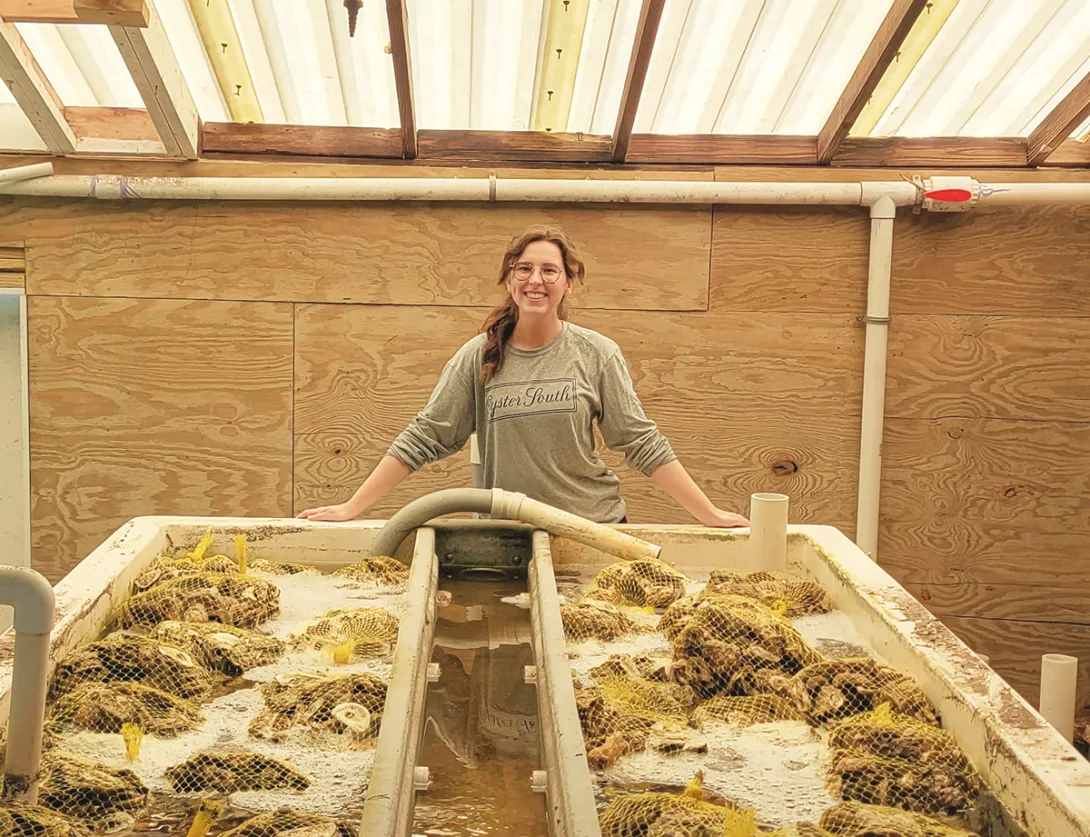
Sarah Roney oversees nursery troughs in the UGA Shellfish Research Lab filled with young oysters growing on shells recycled from restaurants all over Georgia.
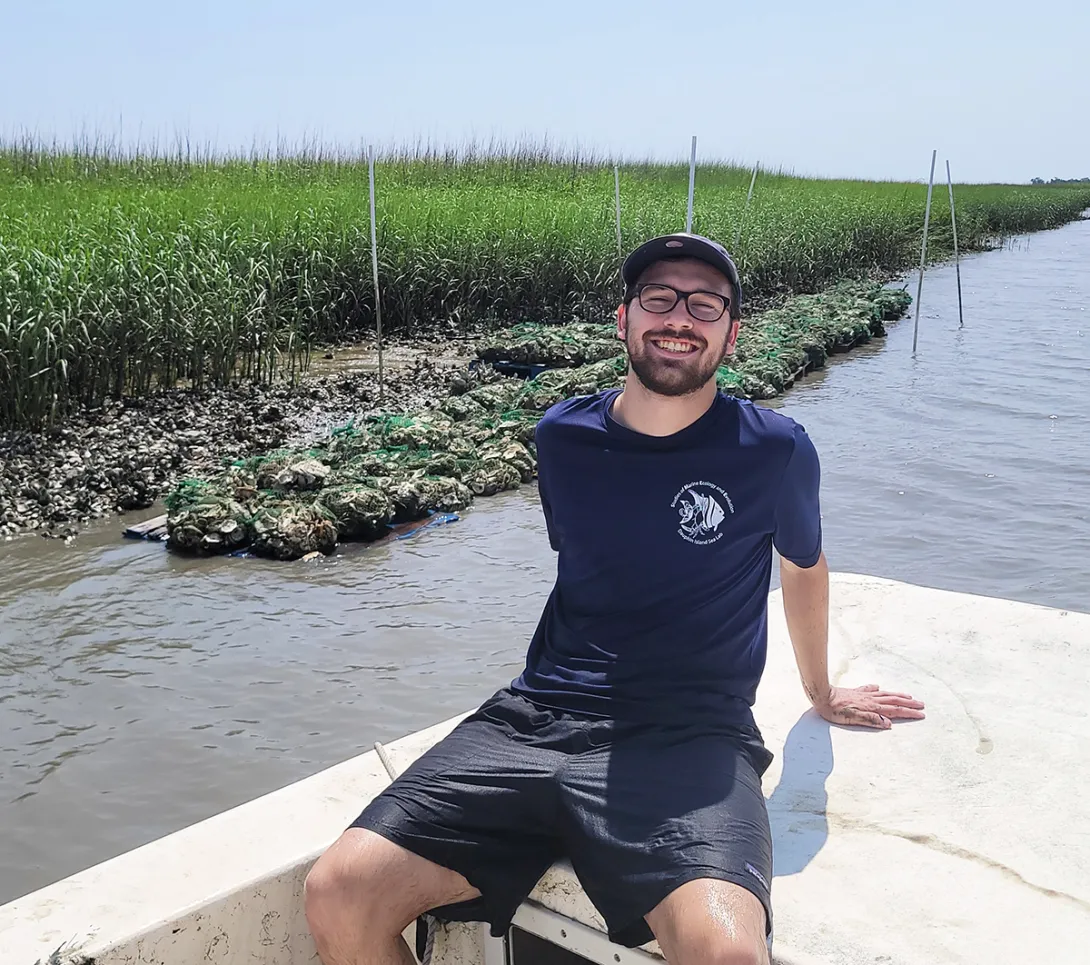
Tanner Lee (Georgia Tech, BS Biology '23) helped construct the oyster reef he observes from a boat as part of an undergraduate research project.
Sarah Roney studies oysters — and coastline restoration, wave energy, erosion, blue crabs, and predator chemical cues. A Ph.D. candidate in Georgia Tech’s Ocean Science and Engineering program and a Brook Byers Graduate Fellow, Roney has spent the past four years studying how strategically placing oyster reefs along Georgia’s coast could yield significant benefits.
Georgia’s coastal ecology is being degraded by several threats. Erosion caused by a combination of traffic from water vessels, sea-level rise, increased storm intensity and frequency, and property development, are negatively impacting both coastal living systems and the state’s economy. Tourism, agriculture, recreation, fisheries, property development, and trade (through the Port of Savannah) all rely on healthy coastlines.
Roney’s interest in coastal ecology and oysters drew her to focus her doctoral thesis on this problem. She divided her project into two parts. The first involved understanding how much oyster reefs reduce the erosion caused by wave energy (ship wake) from water traffic. The second part demonstrated a method for making young oysters resistant to predation — increasing their survival rates and that of the reef colonies they call home. Roney focused her research on two major waterways in the Savannah area. The Intracoastal Waterway and the South Channel of the Savannah River, which leads to the Port of Savannah, are both subject to heavy ship and boat traffic. According to Roney’s collaborators at Georgia Tech, 65% of the wave energy lashing the South Channel’s shores is generated by cargo vessels navigating to and from the Port of Savannah. Because traffic along the Intracoastal Waterway is subject to very few speed restrictions, there is plenty of erosive wave energy there also, even though the vessels are almost exclusively small.
Roney chose one site in each waterway to place her reef structures. Mesh bags of oyster shells were seeded with young oysters by personnel working at a University of Georgia Shellfish Research Lab. Roney created her reef structures by placing these bags in a row 15 to 20 meters long and a meter wide. Once established, Roney found that constructed reefs dissipate 40% of the wave energy before it reaches the marsh edge. “This is an experimental pilot study, so the reefs are on the smaller side,” Roney explained. “Reefs as large as 100 meters long may be necessary to protect certain areas — which sounds like a big investment. But because these are living shorelines, they are self-sustaining, and will keep growing and building on themselves.”
Establishing oyster reefs can be challenging, however, because predators feast on young oysters. Blue crabs are among the most voracious. The second part of Roney’s research was to develop a method that improves adolescent oysters’ chances of surviving to adulthood — when they infrequently succumb to predation. Roney and her collaborators at Georgia Tech identified two compounds found in blue crab urine, called trigonelline and homarine, that induce young oysters to devote more energy toward growing their shells, which become 25-60% stronger than normal. Roney found that after four to eight weeks of exposure to these compounds in hatchery conditions, their overall survival rate improved by 30% once placed in a reef. Her method not only helps constructed reefs to become established, but can also help existing oyster reefs become more resilient by slowing, or reversing, their decline.
While coastal restoration projects are not new in Georgia, the techniques Roney developed are relatively novel. Conventional shoreline restoration projects involve excavation, placing gravel beds, and extensive plantings, mostly with sea grasses. Roney has shown that using living shoreline strategies are less intensive and less expensive to establish and are also effective in reducing wave energy in waterways vulnerable to erosion. Perhaps most significantly, these techniques also restore the foundational functions of the ecosystems in which they are placed. The reefs become nurseries, incubating fish, bird, plant, and crustacean species.
Roney engaged several partners over the four years of her project, many in the communities along Georgia’s coast. Over 35 coastal residents, business owners, citizen scientists, and students volunteered their time and resources to help Roney’s project succeed. Roney said, “I think the most rewarding part of the project has been seeing how many people are truly invested in our coastal resources and want oyster reefs to thrive.”
This project isn’t likely to end once Roney earns her PhD. For living shoreline restoration practices to catch on, several other problems require investigation. Roney wants to devise a way to slowly release predator cue compounds into the water near oyster reefs, so baby oysters won’t need to spend as much time in a hatchery before being placed in the wild. Perfecting such a time-release mechanism could also help rejuvenate naturally occurring oyster reefs under threat from erosion and predation.
Roney also wants to try combining constructed oyster reefs with oyster farms, integrating one of the most sustainable ways that protein can be raised with living shoreline restoration. “As the mariculture industry in Georgia grows, there will be lots of opportunities to investigate the possible intersections between the ecological benefits, engineering benefits, and cultural benefits of oyster farming,” Roney said. “Food might be a continuous byproduct of shoreline restoration projects.”
Roney’s research shows that economic development and preserving, or even regenerating, diverse and productive coastal habitats for future generations don’t have to be mutually exclusive propositions.
Roney’s thesis advisor is Marc Weissburg, Brook Byers Professor in the School of Biological Sciences. Kevin Haas, professor in the School of Civil and Environmental Engineering, helped Roney map and measure the hydrodynamic forces in her study zones. The Coastal Resources Division of the Georgia Department of Natural Resources, the National Parks Service, and the University of Georgia Marine Extension and Georgia Sea Grant program provided access, permitting, funding, and resources.
News Contact
Brent Verrill, Research Communications Program Manager, BBISS
Apr. 04, 2025

Hedwig Oldendorff vessel at the start of its emission monitoring voyage
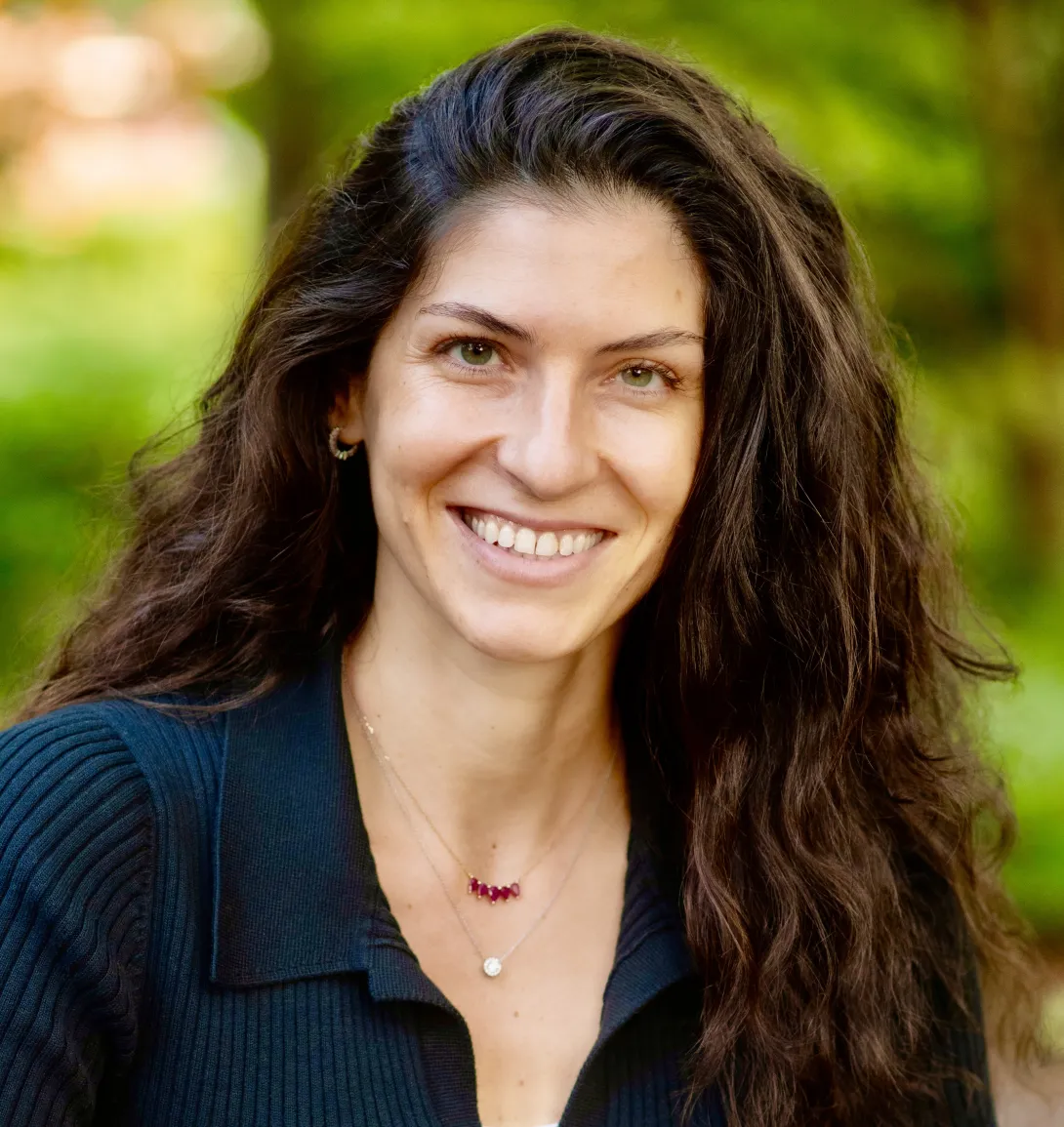
The study's lead author Patricia Stathatou is now an assistant professor at Georgia Tech. She began this study as a postdoc in MIT's Center for Bits and Atoms.
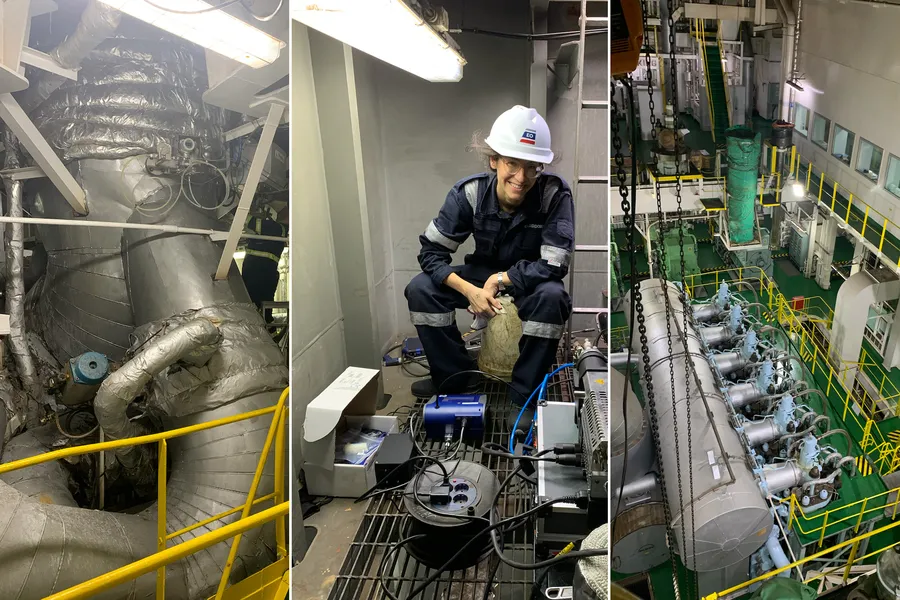
Patricia Stathatou onboard a bulk carrier vessel to measure emissions and gather seawater and washwater samples. The image shows (from left to right) measuring emissions upstream of the scrubber, Stathatou downsteam of the scrubber, and the enginer room aboard the bulk carrier vessel.
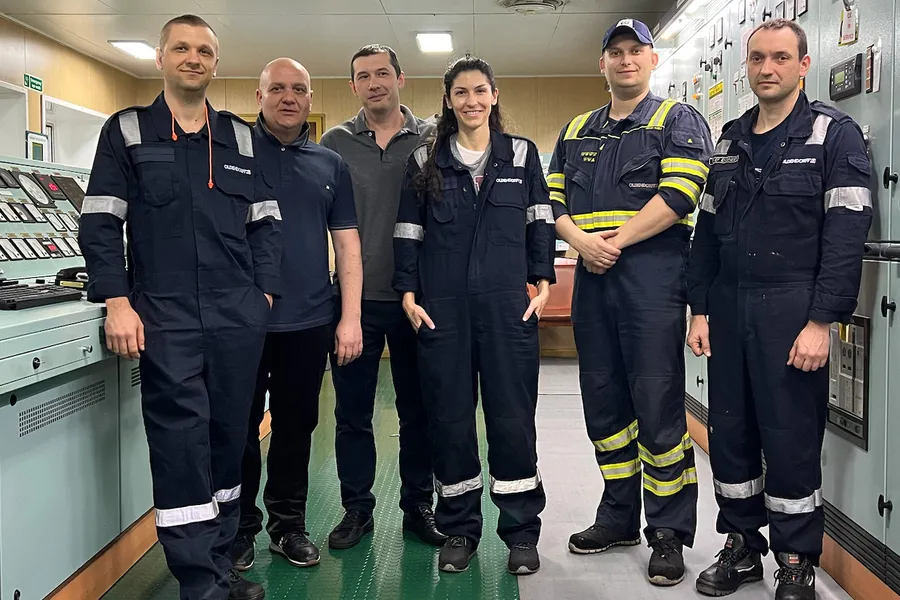
Stathatou (center) onboard the Hedwig Oldendorff vessel with crew members.
When the International Maritime Organization enacted a mandatory cap on the sulfur content of marine fuels in 2020, with an eye toward reducing harmful environmental and health impacts, it left shipping companies with three main options.
They could burn low-sulfur fossil fuels, like marine gas oil, or install cleaning systems to remove sulfur from the exhaust gas produced by burning heavy fuel oil. Biofuels with lower sulfur content offer another alternative, though their limited availability makes them a less feasible option.
While installing exhaust gas cleaning systems, known as scrubbers, is the most feasible and cost-effective option, there has been a great deal of uncertainty among firms, policymakers, and scientists as to how “green” these scrubbers are.
Through a novel lifecycle assessment, researchers from MIT, Georgia Tech, and elsewhere have now found that burning heavy fuel oil with scrubbers in the open ocean can match or surpass using low-sulfur fuels, when a wide variety of environmental factors is considered.
The scientists combined data on the production and operation of scrubbers and fuels with emissions measurements taken onboard an oceangoing cargo ship.
They found that, when the entire supply chain is considered, burning heavy fuel oil with scrubbers was the least harmful option in terms of nearly all 10 environmental impact factors they studied, such as greenhouse gas emissions, terrestrial acidification, and ozone formation.
“In our collaboration with Oldendorff Carriers to broadly explore reducing the environmental impact of shipping, this study of scrubbers turned out to be an unexpectedly deep and important transitional issue,” says Neil Gershenfeld, an MIT professor, director of the Center for Bits and Atoms (CBA), and senior author of the study.
“Claims about environmental hazards and policies to mitigate them should be backed by science. You need to see the data, be objective, and design studies that take into account the full picture to be able to compare different options from an apples-to-apples perspective,” adds lead author Patricia Stathatou, an assistant professor at Georgia Tech's School of Chemical and Biomolecular Engineering, who began this study as a postdoc in the CBA.
Stathatou is joined on the paper by Michael Triantafyllou and others at the National Technical University of Athens in Greece and the maritime shipping firm Oldendorff Carriers. The research appears today in Environmental Science and Technology.
Slashing sulfur emissions
Heavy fuel oil, traditionally burned by bulk carriers that make up about 30 percent of the global maritime fleet, usually has a sulfur content around 2 to 3 percent. This is far higher than the International Maritime Organization’s 2020 cap of 0.5 percent in most areas of the ocean and 0.1 percent in areas near population centers or environmentally sensitive regions.
Sulfur oxide emissions contribute to air pollution and acid rain, and can damage the human respiratory system.
In 2018, fewer than 1,000 vessels employed scrubbers. After the cap went into place, higher prices of low-sulfur fossil fuels and limited availability of alternative fuels led many firms to install scrubbers so they could keep burning heavy fuel oil.
Today, more than 5,800 vessels utilize scrubbers, the majority of which are wet, open-loop scrubbers.
“Scrubbers are a very mature technology. They have traditionally been used for decades in land-based applications like power plants to remove pollutants,” Stathatou says.
A wet, open-loop marine scrubber is a huge, metal, vertical tank installed in a ship’s exhaust stack, above the engines. Inside, seawater drawn from the ocean is sprayed through a series of nozzles downward to wash the hot exhaust gases as they exit the engines.
The seawater interacts with sulfur dioxide in the exhaust, converting it to sulfates — water-soluble, environmentally benign compounds that naturally occur in seawater. The washwater is released back into the ocean, while the cleaned exhaust escapes to the atmosphere with little to no sulfur dioxide emissions.
But the acidic washwater can contain other combustion byproducts like heavy metals, so scientists wondered if scrubbers were comparable, from a holistic environmental point of view, to burning low-sulfur fuels.
Several studies explored toxicity of washwater and fuel system pollution, but none painted a full picture.
The researchers set out to fill that scientific gap.
A “well-to-wake” analysis
The team conducted a lifecycle assessment using a global environmental database on production and transport of fossil fuels, such as heavy fuel oil, marine gas oil, and very-low sulfur fuel oil. Considering the entire lifecycle of each fuel is key, since producing low-sulfur fuel requires extra processing steps in the refinery, causing additional emissions of greenhouse gases and particulate matter.
“If we just look at everything that happens before the fuel is bunkered onboard the vessel, heavy fuel oil is significantly more low-impact, environmentally, than low-sulfur fuels,” she says.
The researchers also collaborated with a scrubber manufacturer to obtain detailed information on all materials, production processes, and transportation steps involved in marine scrubber fabrication and installation.
“If you consider that the scrubber has a lifetime of about 20 years, the environmental impacts of producing the scrubber over its lifetime are negligible compared to producing heavy fuel oil,” she adds.
For the final piece, Stathatou spent a week onboard a bulk carrier vessel in China to measure emissions and gather seawater and washwater samples. The ship burned heavy fuel oil with a scrubber and low-sulfur fuels under similar ocean conditions and engine settings.
Collecting these onboard data was the most challenging part of the study.
“All the safety gear, combined with the heat and the noise from the engines on a moving ship, was very overwhelming,” she says.
Their results showed that scrubbers reduce sulfur dioxide emissions by 97 percent, putting heavy fuel oil on par with low-sulfur fuels according to that measure. The researchers saw similar trends for emissions of other pollutants like carbon monoxide and nitrous oxide.
In addition, they tested washwater samples for more than 60 chemical parameters, including nitrogen, phosphorus, polycyclic aromatic hydrocarbons, and 23 metals.
The concentrations of chemicals regulated by the IMO were far below the organization’s requirements. For unregulated chemicals, the researchers compared the concentrations to the strictest limits for industrial effluents from the U.S. Environmental Protection Agency and European Union.
Most chemical concentrations were at least an order of magnitude below these requirements.
In addition, since washwater is diluted thousands of times as it is dispersed by a moving vessel, the concentrations of such chemicals would be even lower in the open ocean.
These findings suggest that the use of scrubbers with heavy fuel oil can be considered as equal to or more environmentally friendly than low-sulfur fuels across many of the impact categories the researchers studied.
“This study demonstrates the scientific complexity of the waste stream of scrubbers. Having finally conducted a multiyear, comprehensive, and peer-reviewed study, commonly held fears and assumptions are now put to rest,” says Scott Bergeron, managing director at Oldendorff Carriers and co-author of the study.
“This first-of-its-kind study on a well-to-wake basis provides very valuable input to ongoing discussion at the IMO,” adds Thomas Klenum, executive vice president of innovation and regulatory affairs at the Liberian Registry, emphasizing the need “for regulatory decisions to be made based on scientific studies providing factual data and conclusions.”
Ultimately, this study shows the importance of incorporating lifecycle assessments into future environmental impact reduction policies, Stathatou says.
“There is all this discussion about switching to alternative fuels in the future, but how green are these fuels? We must do our due diligence to compare them equally with existing solutions to see the costs and benefits,” she adds.
This study was supported, in part, by Oldendorff Carriers.
- Written by Adam Zewe, MIT News Office
News Contact
braddixon@gatech.edu
Apr. 01, 2025
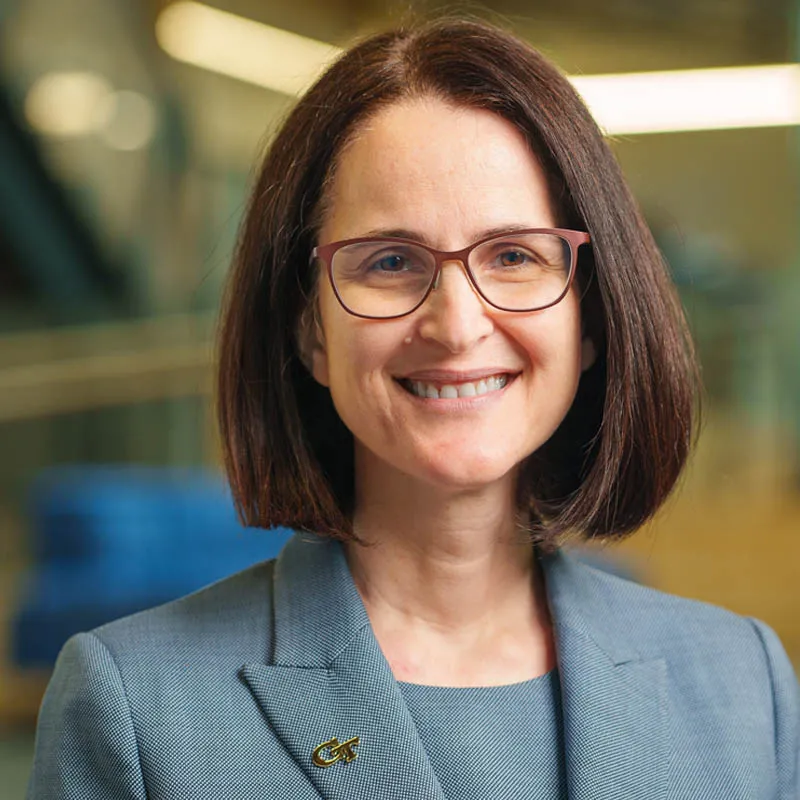
Following a nationwide search, Julia Kubanek, vice president for Interdisciplinary Research at Georgia Tech, has named Beril Toktay as the executive director of the Brook Byers Institute for Sustainable Systems (BBISS). Toktay has served as BBISS interim executive director since September 2022.
“As interim executive director, Beril has built the BBISS community, broadened its scope, and developed new programming to grow cross-disciplinary collaboration, community-engaged research, and entrepreneurship,” Kubanek said. “Faculty and students from the liberal arts, social sciences, design, business, computing, and fundamental science are engaging with BBISS in greater numbers, complementing our engineering community’s involvement. These are areas of strength at Georgia Tech that will help amplify the impact of BBISS.”
Toktay is professor of operations management, the Brady Family Chair, and Regents' Professor at the Scheller College of Business. She is an internationally recognized sustainable operations management scholar whose work has been recognized with multiple best paper awards. She is a Distinguished Fellow of the INFORMS Manufacturing & Service Operations Management (MSOM)Society. Through initiatives such as the Drawdown Georgia Business Compact, she has helped translate research insights into actionable business initiatives while fostering regional economic development.
Her academic leadership includes serving as department co-editor for “Health, Environment, and Society” for MSOM, area editor for “Environment, Energy, and Sustainability” at Operations Research, and special issue co-editor on “Business and Climate Change” for Management Science, as well as “Environment” for MSOM. She serves on the board of the Alliance for Research on Corporate Sustainability and the board of directors of the New York Climate Exchange.
Toktay has been instrumental in advancing sustainability at Georgia Tech, serving as founding faculty director of the Ray C. Anderson Center for Sustainable Business, co-architect of the Serve-Learn-Sustain initiative, and co-chair of the Sustainability Next Institute Strategic Plan Implementation Task Force. Her commitment to Ph.D. student success earned her the 2018 Georgia Tech Outstanding Doctoral Thesis Advisor Award. She also co-developed the Carbon Reduction Challenge, an award-winning interdisciplinary, co-curricular program that engages undergraduate students in climate intrapreneurship.
Toktay holds a Ph.D. in operations research from Massachusetts Institute of Technology, an M.S. in industrial engineering from Purdue University, and a B.S. in industrial engineering and mathematics from Boğaziçi University. She joined Georgia Tech in 2005 after serving as faculty at INSEAD business school in Fontainebleau, France.
Since assuming the interim role, Toktay has significantly strengthened BBISS by expanding the faculty leadership team, securing additional funding, establishing seed grant programs that have benefited over 100 researchers across all Colleges, and transforming the Center for Serve-Learn-Sustain into the Center for Sustainable Communities Research and Education.
"Energy and sustainability continue to be top Georgia Tech research priorities, for which we will need new funding strategies," said Tim Lieuwen, executive vice president for Research. "Philanthropy and business partnerships will grow in importance in the coming years. Beril has considerable experience and vision for maximizing these partnerships, which will serve BBISS and the Institute well into the future."
The Brook Byers Institute for Sustainable Systems is one of Georgia Tech’s interdisciplinary research institutes. The vision of BBISS is to grow and mobilize Georgia Tech’s knowledge assets — people and research — to create a sustainable future for all. BBISS is a key partner in the implementation of Georgia Tech’s Sustainability Next 2023-2030 Strategic Plan, a consensus road map to advance Georgia Tech’s vision to address the biggest local, national, and global challenges of our time. BBISS relentlessly serves the public good, catalyzes high-impact research, develops exceptional leaders, and cultivates partnerships that translate knowledge into practice.
"I'm honored to lead BBISS and build on the momentum we've created to date,” Toktay said. “Our vision is to maximize the collective impact of Georgia Tech's remarkable sustainability research community across all colleges and disciplines. By catalyzing collaborative research and connecting our faculty with key external partners and communities, we are positioning Georgia Tech to be a global thought leader in sustainability and to drive meaningful solutions to some of our most pressing environmental and social challenges."
The campus community is invited to a reception celebrating Toktay's appointment on Thursday, May 1, 2025, at 4:30 p.m. at the Collective Food Hall in the Coda building. Contact Susan Ryan for details.
News Contact
Brent Verrill, Research Communications Program Manager, BBISS
Mar. 20, 2025
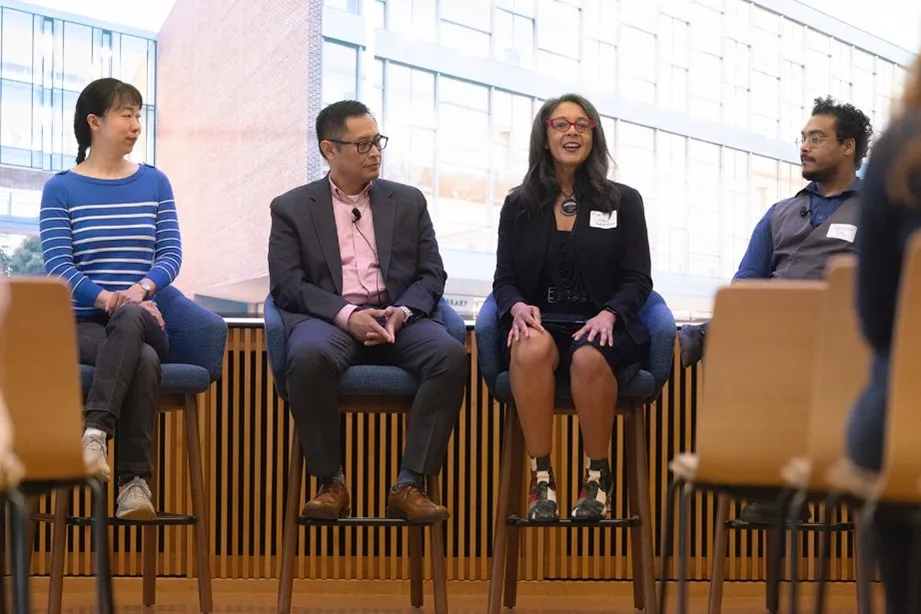
Sustainability Showcase panel discussion, L to R - Iris Tien, Donn Digamon, Ria Aiken, Tejas Kotak, and Jason Stott (not pictured).
In late February, the Brook Byers Institute for Sustainable Systems (BBISS) hosted the Sustainability Showcase in the Scholars Event Theater in Georgia Tech’s Price Gilbert Library. The two days of panel discussions, keynote speeches, and lightning talks were themed around community, ecosystem, and infrastructure resilience. Researchers, faculty, students, staff, and partners demonstrated how they are innovating and collaborating to build a more resilient future as the world rapidly changes.
The first day's morning session framed the discussion with three panels. The first focused on Georgia Tech’s resilience plan, discussing institutional strategies to ensure campus operations and support for the Georgia Tech community in the face of external disruptions. The second panel broadened the discussion to explore resilience strategies for the city of Atlanta. The third panel further expanded the scope to consider the resilience of the southeastern United States.
One of the highlights of the showcase was the alumni keynote address by Laura Solomon, ISyE 2000, co-founder of Tybee Oyster Company. Solomon told her inspiring story about the recent origins of the ocean aquaculture industry in Georgia and the connection between oyster aquaculture, local community engagement, education, and bolstering a thriving and resilient coastal ecosystem. She emphasized the importance of her company’s sustainable practices and shared her experiences in pioneering Georgia's first floating oyster farm. Solomon also underscored the importance of oysters in helping Georgia’s coasts become more resilient against storms, sea level rise, erosion, and poor water quality.
A mainstay of the Sustainability Showcase are the lightning talks, where students, campus organizations, and researchers can bring attention to their sustainability initiatives and research. Lightning talk sessions were interspersed throughout both days of the event and helped to bring a broader contingent of the sustainability community together to learn about each other’s work and make valuable connections.
The last panel discussion of the day, on ecosystem resilience, was moderated by Jenny McGuire, associate professor in the School of Biological Sciences. “A better understanding of ecosystem resilience not only helps us to preserve species for future generations,” she said, “but gives us perspective on how we can better inhabit the ecosystems we rely on for our own well-being.” The day concluded with a networking reception.
The second day began with a panel on infrastructure resilience, which explored the links between infrastructure elements in the built environment, how they interact with each other, and how our communities can recover from disruptions to infrastructure functions.
The event wrapped up with a visioning “unconference” session, where members of the Georgia Tech sustainability community gathered to share their thoughts on how the concept of resilience blends with sustainability, and how Georgia Tech can advance research and education to prepare our communities for the upcoming challenges facing us. It is anticipated that the participants in the unconference will collaborate on a white paper to document what was learned and shared at this final session.
"The Sustainability Showcase exemplified Georgia Tech's commitment to resilience at every level,” said BBISS Interim Director Beril Toktay. “By bringing together diverse perspectives from our campus, city, and region, we created a space for both innovative thinking and practical collaboration. As we navigate increasingly complex sustainability challenges, this collective approach will be essential in building the resilient communities and systems our future requires."
News Contact
Brent Verrill, Research Communications Program Manager, BBISS
Mar. 14, 2025
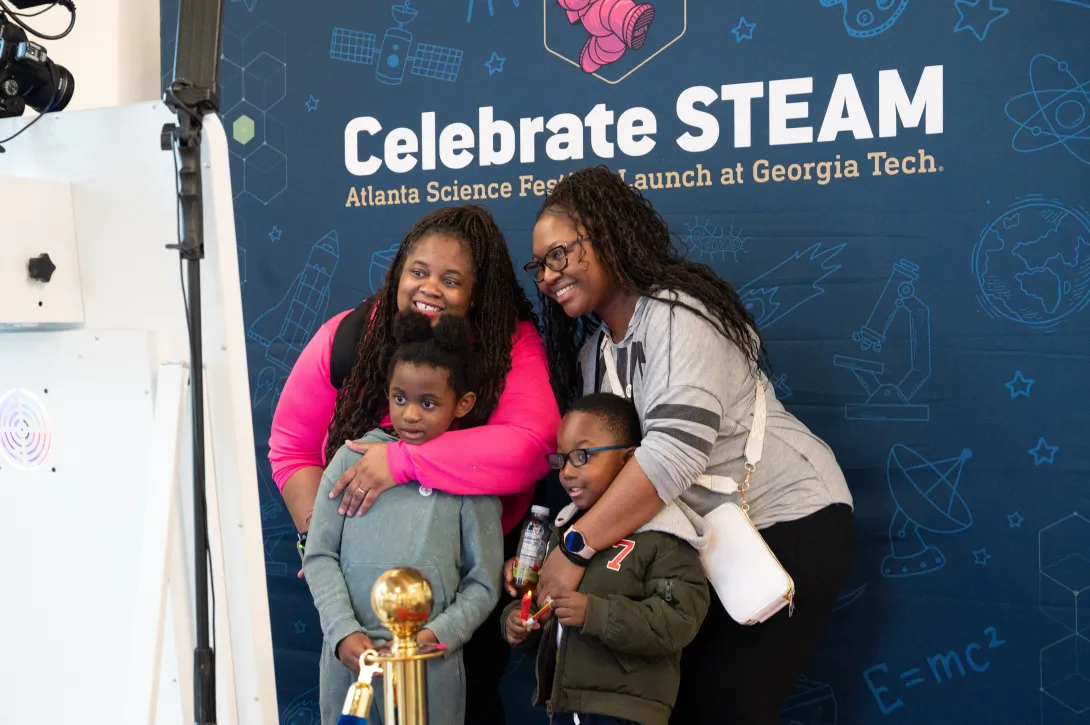
Over 5,000 people attended Georgia Tech's Celebrate STEAM event on March 8, which showcased more than 60 demonstrations in science, technology, engineering, art, and mathematics.
Feb. 24, 2025
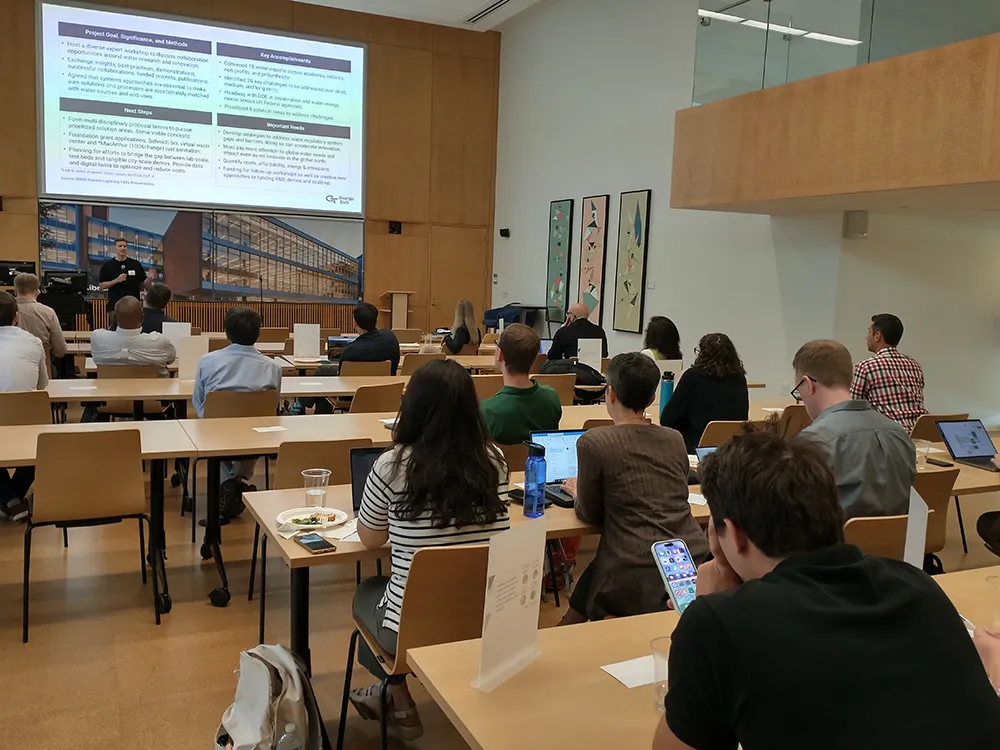
Mark your calendars for February 27 - 28, 2025, as Georgia Tech's Brook Byers Institute for Sustainable Systems (BBISS) hosts the 2025 Sustainability Showcase. This two-day event, held at the Price Gilbert Library Scholars Event Theater, will focus on innovation, collaboration, and inspiration around building a resilient future for our communities, ecosystems, and infrastructure.
Researchers, faculty, students, staff, and partners will explore how we can boost our resilience in the face of a rapidly changing world. With a full agenda featuring lightning talks, panel discussions, and a visioning “Unconference,” attendees will have ample opportunity to engage with cutting-edge research and innovative initiatives.
Event Highlights:
- Networking Breakfast: Start your day by connecting with colleagues over a warm beverage and breakfast refreshments.
- Panel Discussions: Learn from experts about how they view resilience in context with their work and the broader efforts to enhance resilience.
- Alumni Keynote: Laura Solomon will talk about the connection between the oyster aquaculture industry, engaging local communities, and a thriving and resilient coastal ecosystem.
- Lightning Talks: Hear quick, impactful presentations from faculty, students, and staff showcasing their research.
- Resilience Visioning Unconference: Participate in a dynamic, participant-driven meeting to exchange ideas and propose discussions on resilience topics.
Don't miss this opportunity to be part of this annual event and connect with the sustainability community. Whether you're a faculty member or a curious student, whether you can attend a whole day or just one session, the Sustainability Showcase offers something for everyone. Join us and be inspired by the breadth and depth of sustainability work happening at Georgia Tech.
For more information, visit the Sustainability Showcase website.
News Contact
Brent Verrill, Research Communications Program Manager, BBISS
Feb. 19, 2025
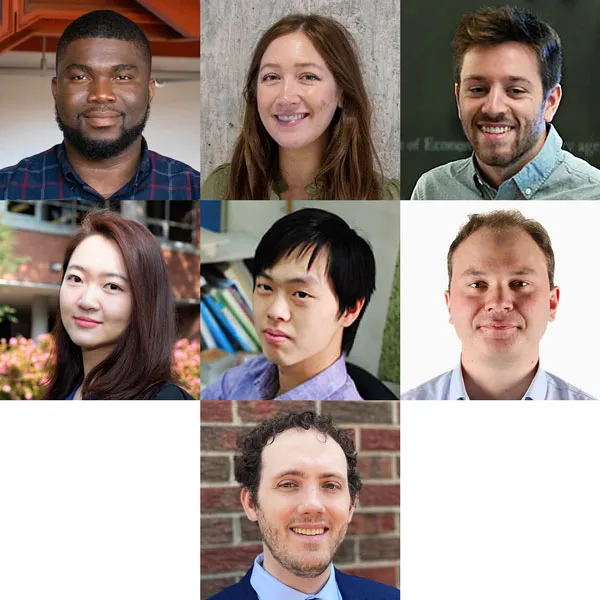
L to R, Top to Bottom: Ebenezer Fanijo, Katherine Graham, Anthony Harding, Yiyi He, Pengfei Liu, Johannes Milz, Micah Ziegler
Seven new Faculty Fellows were appointed to the Brook Byers Institute for Sustainable Systems (BBISS). In addition to their own work, BBISS Fellows serve as a board of advisors to the BBISS; foster the culture and community of sustainability researchers, educators, and students at Georgia Tech; and communicate broadly the vision, mission, values, and objectives of the BBISS. Fellows will work with the BBISS for three years, with the potential for a renewed term.
The BBISS Faculty Fellows program has been in place since 2014. Fellows are drawn from across all seven Georgia Tech Colleges and the Georgia Tech Research Institute (GTRI). BBISS Interim Executive Director Beril Toktay says, "The Fellows' wide-ranging expertise and varied academic paths create exciting opportunities for new partnerships and deeper connections across our sustainability network." The new BBISS Faculty Fellows are:
- Ebenezer Fanijo – Assistant Professor, School of Building Construction
- Katherine Graham – Assistant Professor, School of Civil and Environmental Engineering
- Anthony Harding – Assistant Professor, School of Public Policy
- Yiyi He – Assistant Professor, School of City and Regional Planning
- Pengfei Liu – Assistant Professor, School of Earth and Atmospheric Sciences
- Johannes Milz – Assistant Professor, H. Milton Stewart School of Industrial and Systems Engineering
- Micah Ziegler – Assistant Professor, School of Chemical and Biomolecular Engineering
These faculty members will join the current roster of BBISS Faculty Fellows.
News Contact
Brent Verrill, Research Communications Program Manager, BBISS
Jan. 22, 2025
- by Benjamin Wright -
Christos Athanasiou is determined to make life in space as sustainable as possible. After all, getting new materials into space is difficult, energy-intensive, and expensive, so it makes sense to reuse and repurpose as much as possible. Applying the principles of a circular economy in space makes a great deal of sense. But Athanasiou doesn’t want to stop there. If you accept the premise that life in space can be sustainable, why wouldn’t you aim for the same goal on Earth?
Athanasiou, an assistant professor in Georgia Tech’s Daniel Guggenheim School of Aerospace Engineering as well as a faculty fellow at the Brook Byers Institute for Sustainable Systems (BBISS), is calling for the development of a circular, sustainable economy that can be implemented both in space and on Earth in alignment with the United Nations sustainable development goals, particularly goal 12: Ensure sustainable consumption and production patterns.
Athanasiou and his students are developing a framework to revolutionize the testing and evaluation of the mechanical behaviors of sustainable materials. By replacing complex finite element simulations with user-friendly analytical formulas, their approach enables faster, cheaper, and more accessible fracture and fatigue testing. This innovation, just published in the Journal of the Mechanics and Physics of Solids, is particularly crucial for sustainable materials, which often have unique and unconventional properties. By extracting reliable insights from minimal data, the framework allows researchers to directly extract physical laws from datasets, opening the door for the broader adoption of greener composites in construction and manufacturing. His efforts in this area have earned him a National Science Foundation Faculty Early Career Development Award.
Building on this work, Athanasiou and his team are advocating for the democratization of mechanical testing and engineering standards with the help of AI. As he and his colleagues point out in a recent article in the Journal of Applied Mechanics, making low-cost testing available to a wider range of manufacturers and material suppliers is a key step in decentralizing the supply chain for recycled and repurposed plastics and other materials used as feedstock in a circular economy. By addressing the regional nature of supply chains for recycled materials, decentralized standardized testing can accelerate the adoption of these sustainable feedstocks, ultimately reducing the carbon footprint of the entire manufacturing process. Part of these efforts are supported by a Federal Aviation Administration grant that Athanasiou and colleagues were awarded together with the City of Atlanta’s Department of Aviation.
As an educator and engineer, Athanasiou wants to see more of his colleagues step up and make sustainability part of their curriculum and research.
“As engineers, how can we use our expertise to meet sustainability goals, and how can we use our positions to incorporate sustainability-centered thinking into all that we do in our research and our classrooms?” he asks. “It is important for us to find a way to do this, as sustainability will be one of the biggest challenges for young engineers of the future.”
Athanasiou sees a lot of promise in this area, especially at Georgia Tech.
“I think that BBISS will have a very critical role in this area, working across disciplines to instill a sustainability focus in all of our engineering curricula. We need to design processes, systems, and materials to be resilient and design for the long term in a society that does not think that way.”
Athanasiou sees many barriers to adoption standing in the way of establishing a sustainable circular economy — a lack of engineering understanding by policymakers, a culturally ingrained resistance to change, and a general societal skepticism of sustainability efforts.
“We need to properly educate the public on what is possible and how it can help them as individuals.”
Financial motivations are also a major barrier. With so many products designed to become obsolete and replaced, convincing corporations to give up future sales in the interest of making a better world is a challenge.
“There have to be financial incentives for this to happen,” says Athanasiou. “New markets will develop, but they have to make economic sense or change will not happen.” He would like to see companies shift to products with easily swappable parts, low-cost testing, and green construction approaches in everything from electronics to building construction.
“Sustainability and enabling circular economies are not the responsibility of a single actor. It's a coordinated effort between scientists, engineers, policymakers, businesses, and community members of all backgrounds working together.”
One of the challenges, as Athanasiou sees it, is making sure the policies and science are ready at the same time so policymakers don’t overpromise on what is scientifically possible and researchers don’t waste time and resources on solutions that policymakers don’t have the mandate to implement.
“All of these communities need to be talking to each other all of the time. That is the only way for us to move forward to a circular economy.”
News Contact
Brent Verrill, Research Communications Program Manager, BBISS