
Oct. 28, 2025
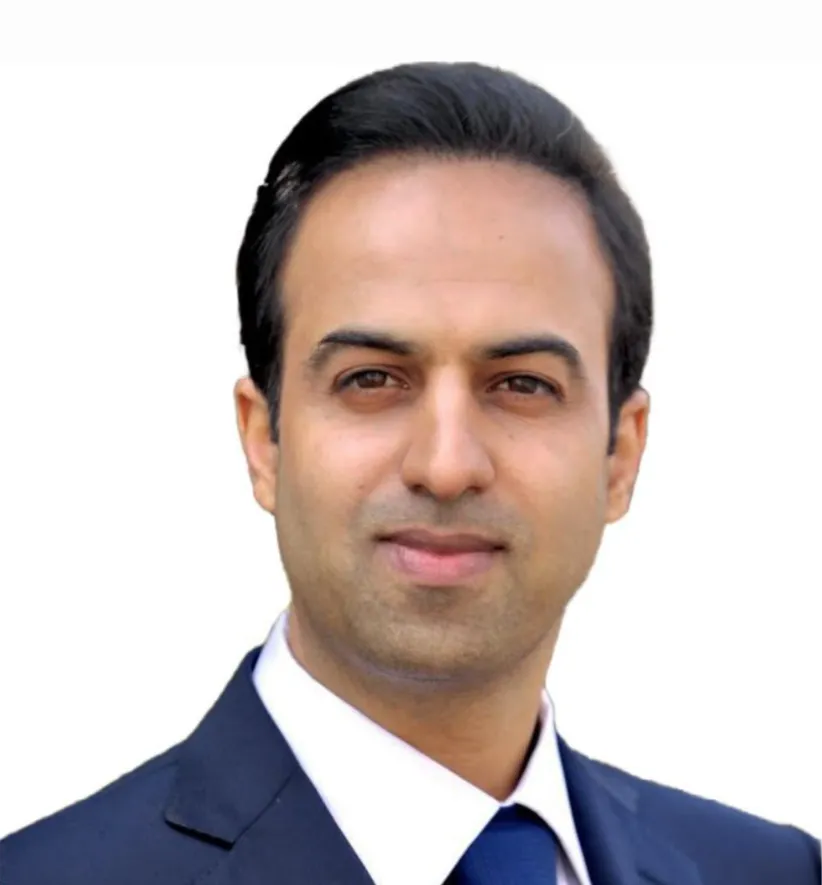
Ali Sarhadi and his research team at Georgia Tech’s Climate Risk and Extreme Dynamics Lab are focused on a growing threat: hurricanes fueled by a warming climate. These storms are no longer behaving like those of the past — and his research is helping explain why. “People often think hurricanes are about wind, but water is by far the deadliest part,” says Sarhadi, assistant professor in Georgia Tech’s School of Earth and Atmospheric Sciences. “What’s alarming now is how quickly storms intensify and how much flooding they unleash.”
While the future frequency of hurricanes remains uncertain, scientists agree on key trends: A warmer atmosphere holds more moisture, fueling heavier rainfall. Rising sea levels are amplifying storm surge. Warmer ocean temperatures fuel rapid storm growth. When these factors combine, researchers call this phenomenon hurricane-induced compound flooding.
Sarhadi studies this phenomenon. “In a warming climate, this type of flooding is becoming more frequent and more severe,” he explains. “With U.S. hurricane damages exceeding $28 billion annually, most loss of life and destruction comes from water, not wind,” says Sarhadi, who joined Georgia Tech in 2024 after postdoctoral work in MIT’s Department of Earth, Atmospheric, and Planetary Sciences.
Learning From Hurricane Sandy
Building on insights from his postdoctoral work, Sarhadi has developed advanced physics-based and machine learning frameworks to model hurricane hazards such as storm surge and compound flooding and assess their potential economic impacts on coastal infrastructure. His models predict both hazard magnitude and how risk may evolve.
He applied this framework to analyze Hurricane Sandy, which struck New York City in 2012, causing $70 billion in damage. “Our analysis shows that flooding events like Sandy may occur once every 150 years in the current climate,” Sarhadi explains. “But with warming oceans and shifting storm dynamics, that timeline could shrink to once every 60 years by midcentury and once every 30 years by century’s end.”
Leveraging Georgia Tech’s Multidisciplinary Strengths
Sarhadi says that joining Georgia Tech has opened the door to new interdisciplinary collaborations aimed at advancing hurricane forecasting and strengthening the resilience of coastal regions. From seawalls to AI-enhanced power grids and smarter warning systems, he sees real potential to reduce the vulnerability of communities facing increasingly severe storm impacts.
“I’m excited to be here. It’s a vibrant and supportive community,” Sarhadi says. “The students are incredibly bright and deeply passionate about science.”
His research draws on the intersection of engineering, physics-based modeling, and AI, reflecting Georgia Tech’s broad strengths in climate resilience and computational science.
In 2024, Sarhadi received a seed grant to advance his research from the Georgia Tech College of Sciences (COS) Climate Frontiers Symposium, co-funded by COS, the Brook Byers Institute for Sustainable Systems, and the Strategic Energy Institute. “Georgia Tech is strong in every direction,” he adds. “It’s a highly collaborative environment where everyone is committed to advancing meaningful solutions.”
An Avid Soccer Player and Foodie
Outside the lab, Sarhadi enjoys traveling and hiking. A longtime soccer enthusiast who once played semi-professionally, he still joins local pickup games. He also enjoys exploring Atlanta’s diverse food scene. “I really like Persian and Mexican cuisine — there are so many great restaurants here,” he says.
— writen by Anne Wainscott-Sargent
News Contact
Brent Verrill, Research Communications Program Manager, BBISS
Oct. 15, 2025

Georgia Tech’s Brook Byers Institute for Sustainable Systems (BBISS) is welcoming a new leader to drive its mission of fostering interdisciplinary sustainability research that demonstrates a measurable impact. Kristin Janacek, who brings a wealth of experience in sustainability leadership, consulting, and industry collaboration, has been appointed associate director for Interdisciplinary Research Impact.
“My primary goal is to help drive collaboration and sustainability research on campus as an interdisciplinary grant development professional, seeking out what grants are appropriate for Georgia Tech colleagues to submit proposals for, and helping facilitate interdisciplinary research teams,” says Janacek, who graduated from Tech in 2005 with a master’s degree in aerospace engineering and then spent six years as a research engagement manager for the Daniel Guggenheim School of Aerospace Engineering’s Aerospace Systems Design Laboratory.
In this newly created BBISS role, Janacek is eager to amplify the Institute’s interdisciplinary research portfolio and foster stronger relationships between Georgia Tech and its partners. Her primary focus is on interdisciplinary grant development to support innovative research, and secondarily, she will serve as research engagement manager, coordinating collaborative research opportunities with industry partners.
Before joining BBISS, Janacek was the North American sustainability lead at Avanade, a joint venture between Accenture and Microsoft, where she helped clients use data for impact-driven sustainability initiatives. Her career also included significant stints at GE, where she led sponsorships for energy-focused student competitions and volunteered with campus initiatives like the Georgia Tech Energy Camp. Janacek also co-founded a consulting firm with former GE colleagues and has worked closely with a range of partners to foster industry engagement. Her track record in marketing, sales, and business development will position her to build teams that can secure funding and deliver measurable results.
“I'm really excited about establishing a way to quantify the outcomes of BBISS’s efforts,” she says. “By tracking how many grants we've identified, applied for, and secured — and by assessing how the resulting research is driving tangible improvements in our community — we can clearly demonstrate the value and effectiveness of our work.”
She also plans to help community and industry partners become more engaged with BBISS’ work, leveraging her broad industry network to secure additional resources — whether that’s through volunteering, technical support, or real-world impact for community-based organizations.
“Corporate and industry organizations are always looking for a way to better their world around them, and they have mechanisms to help employees volunteer their time and knowledge,” she says.
Calling All Innovative Collaborators
Janacek welcomes engagement from faculty, researchers, and students who are passionate about making an impact — particularly those open to interdisciplinary collaboration. “I look forward to having an open dialogue about how we can combine disciplines to have a broader impact,” she says, adding that her ideal Georgia Tech partners are collaborative, open-minded, and forward-thinking in how they seek to advance their research.
Inspired by BBISS’ recent grant-writing workshop, Janacek says, “I have a lot of ideas about how we can reach out to small businesses, community nonprofits, and industry partners.”
“Kristin’s combination of strategic skills, teamwork, and holistic vision signals a new chapter of meaningful impact at BBISS — one poised to benefit not only Georgia Tech, but also the wider communities the Institute serves,” says Ameet Pinto, BBISS’ associate director of Interdisciplinary Research and Collaboration and Carlton S. Wilder Associate Professor in the School of Civil and Environmental Engineering.
Beyond the Office: Endurance, Wellness, Balance
Outside of work, Janacek is a seasoned triathlon competitor, certified triathlon coach, and avid tennis player. The mom of two sees physical and mental well-being as essential, just as achieving broader sustainability goals within communities and organizations depends on a balance between environmental, social, and economic factors.
— written by Anne Wainscott-Sargent
News Contact
Brent Verrill, Research Communications Program Manager, BBISS
Oct. 07, 2025
The 2025 round of Sustainability Next Research Seed Grants has been awarded to 17 transdisciplinary research teams representing a vibrant network of 51 collaborators from across Georgia Tech. These teams span 21 unique units from six of the seven Colleges, including Schools, research centers, and Interdisciplinary Research Institutes.
The seed grant program, administered by the Brook Byers Institute for Sustainable Systems (BBISS), reaches many faculty members from a diverse array of disciplines due to the generous support provided by broad-based partnerships in addition to the Sustainability Next funds. This year’s partners are the Georgia Tech Arts Initiative, BBISS, Walter H. Coulter Department of Biomedical Engineering, School of Civil and Environmental Engineering, College of Design, School of City and Regional Planning, School of Computer Science, Ray C. Anderson Center for Sustainable Business, Energy Policy and Innovation Center, Parker H. Petit Institute for Bioengineering and Bioscience, Institute for Matter and Systems, Institute for People and Technology, Institute for Robotics and Intelligent Machines, Strategic Energy Institute, and Center for Sustainable Communities Research and Education.
The goal of the program is to nurture promising research areas for future large-scale collaborative sustainability research, research translation, and/or high-impact outreach; to provide mid-career faculty with leadership and community-building opportunities; and to broaden and strengthen the Georgia Tech sustainability community as a whole. The call for proposals was modeled after the Office of the Executive Vice President for Research’s Moving Teams Forward and Forming Teams programs.
Looking ahead, BBISS will support and nurture these projects in collaboration with the relevant funding partners. Beginning in October, BBISS will host a series of focused workshops designed to foster collaboration and provide additional support to help advance these initiatives. Projects have been grouped into five thematic clusters, each of which will be the focus of an upcoming workshop:
- Circularity Programs
- Adaptation to the Changing Environment
- Community Engagement and Education
- Climate Science and Solutions
- Environmental and Health Impacts
BBISS faculty fellows, past seed grant recipients, and other interested Georgia Tech faculty are invited to participate. If you are interested in participating in the workshops, please email kristin.janacek@gatech.edu. The first session on Circularity Programs is Oct. 16 at 1 p.m. in the Peachtree Room (3rd floor) of the John Lewis Student Center.
The 2025 Sustainability Next Seed Grant awards are:
Forming Teams:
- Developing a Sustainable and Ethical Electric Vehicle Ecosystem Workforce for the Future Through Cross-Sector Partnerships. Principal Investigators (PI): Joe Bozeman. Co-Principal Investigator (Co-PI): Jennifer Hirsch.
- Unlocking Circularity at Scale: Platform-Based Solutions for Advancing Material Reuse and Supply Chain Resilience. Principal Investigator: Marco Ceccagnoli. Co-PIs: Matthew Realff, Patricia Stathatou, Christos Athanasiou.
- OpenGUARD: Geospatial Utility Aggregations with Robust Differential Privacy. PI: Patrick Kastner. Co-PI: Juba Ziani.
- Regenerative Framework: A Transdisciplinary Model for Urban Climate Resilience and Soil Health. PI: Jenny McGuire. Co-PI: Nicole Kennard.
- Guiding Transportation With Community Action Through Research, Education, and Service (GT-CARES). PI: Rounaq Basu. Co-PIs: Ruthie Yow, Sofía Pérez-Guzmán, Rebecca Watts Hull.
- Co-optimizing Design and Coordination for Sustainable Multi-Robot Construction. PI: Edvard Bruun. Co-PI: Harish Ravichanda.
- Campus as Material Ecology: Building Transdisciplinary Circular Systems for Plastic Tracking, Transformation, and Community Engagement. PI: Hyojin Kwon. Co-PIs: Michael Best, Russ Clark, Tim Trent, Meisha Shofner.
- Sonifying Climate Infrastructures: Community Outreach and Education With Shade Synthesizer. PI: Heidi Biggs. Co-PIs: Clint Zeagler, Alexandria Smith.
- Building a Georgia Tech Research Partnership for Community-Based Food System Resilience. PI: Johannes Milz. Co-PIs: Xin Chen, Inge Rocker, Sofía Pérez-Guzmán, Nicole Kennard.
Moving Teams Forward:
- Are Data Centers the New Landfills? Social, Economic, and Environmental Tradeoffs. PI: Allen Hyde. Co-PIs: Josiah Hester, Cindy Lin, Nicole Kennard, Joe Bozeman, Elora Raymond, Tony Harding, Jung-Ho Lewe.
- Game-Based Learning in Energy Systems: A Rigorous Evaluation of Current Crisis. PI: Jessica Roberts. Co-PI: Daniel Molzahn.
- Strategic Application of Antibiotic-Independent Therapy to Treat Coral Disease Outbreaks. PI: Lauren Speare.
- Advancing Water Reuse Through Research, Education, and Community Partnerships in Atlanta, Georgia. PI: Katherine Graham. Co-PIs: Amanda Nolen, Yeqing Kong.
- Assessing the Accuracy and Reliability of Low-Cost Particulate Matter (PM) Sensors Across Diverse Ambient Environments. PI: Nga Lee (Sally) Ng. Co-PI: Ted Russell.
- Developing a Georgia Community Center Into a Sustainability Hub. PI: Ashutosh Dhekne, Co-PIs: Umakishore Ramachandran, Danielle Willkens, Ruthie Yow.
- What, When, Where of Air Pollution: PM2.5 and How It Impacts Health. PI: Shuichi Takayama. Co-PI: Nga Lee (Sally) Ng.
- Enabling Communities to Baseline the Performance of Energy Systems. PI: Jung-Ho Lewe. Co-PIs: Scott Duncan, David Solano Sarmiento, Danielle Willkens, Anna Tinoco-Santiago.
This round of funding was highly competitive, with 45 proposals submitted. BBISS extends its gratitude to all the individuals and groups who applied, as well as to the faculty and staff who contributed their time and expertise to evaluate the proposals. Their thoughtful input was essential to achieving a fair and collaborative selection process, ensuring that the awarded proposals align strongly with the BBISS’ strategy and show promise for long-term impact and future research opportunities.
According to BBISS Executive Director Beril Toktay, and Brady Family Chair in Management, “The high level of participation demonstrates the enduring commitment to sustainability research and engagement by the Georgia Tech community. BBISS honors this commitment by looking for collaboration opportunities with all who are driving sustainability efforts at Georgia Tech.”
News Contact
Brent Verrill, Research Communications Program Manager, BBISS
Oct. 06, 2025
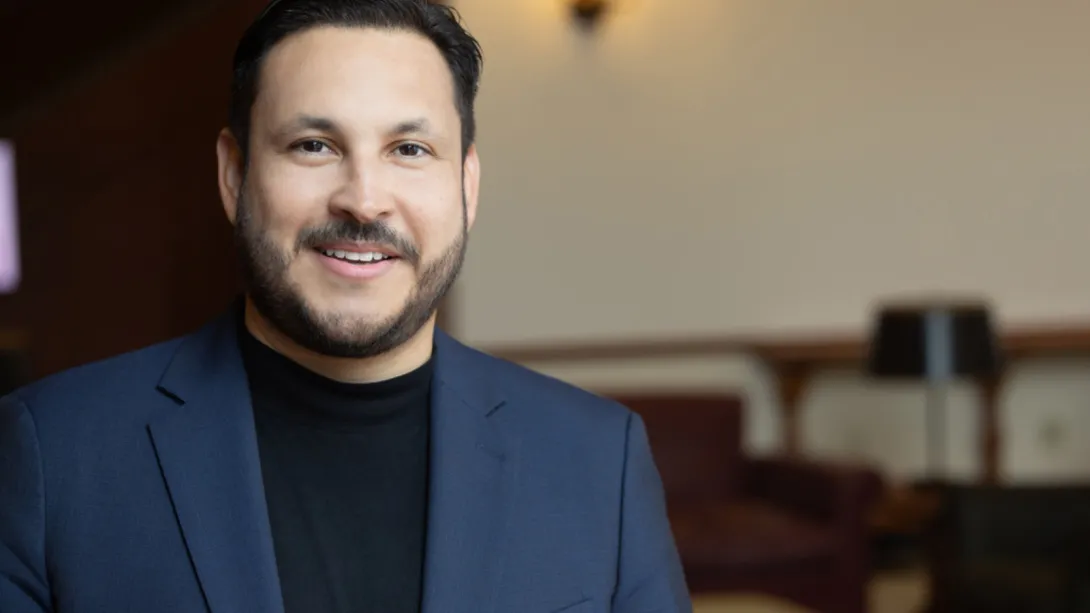
Electric vehicles (EVs) can be environmentally friendly and more cost-effective — until drivers plan a road trip. Charging stations aren’t as prevalent as traditional gas stations, and even if they can be found along the route, they may not be functioning or may already be occupied by other cars.
While EV charging locator apps can show drivers where the nearest charger is, they aren’t always accurate enough to show real-time status, such as whether a charger is working and available. How are drivers supposed to hit the road when they aren’t sure where their next charge is coming from? This uncertainty can be enough to deter drivers from purchasing an EV altogether.
New research from Georgia Tech, Harvard University, and Massachusetts Institute of Technology suggests that state governments should step in to help. The right policy could inspire data transparency by station hosts, ensuring that EV drivers have reliable networks — and thus encourage EV ownership. The researchers presented their findings in the paper, “Charger Data Transparency: Curing Range Anxiety, Powering EV Adoption,” in September’s Brookings.
Data Deserts
The researchers conducted a field experiment to discover the extent of the problem. This analysis showed that just 34% of EV charging stations provide real-time status updates across six major interstates in 40 U.S. states. The researchers found 150 to 350-mile stretches without real-time charger availability, longer than the stated range of many EV models. This leaves thousands of miles of highways in a data desert.
“We just don't have real-time data infrastructure necessary to build confidence in the reliability of charging, especially in communities along transit corridors,” said Omar Asensio, an associate professor in the Jimmy and Rosalynn Carter School of Public Policy. “It's not that the capability isn’t there. It's that there aren't clear incentives to encourage EV charging station operators to do the right thing and share the data.”
Charging Transparency
Government regulation is necessary to improve charging reliability, according to the researchers. State governments could offer funding for charging stations only if the station host agrees to data transparency. A simpler policy proposal would be for all fast chargers on highways to post their real-time status to an application programming interface, where software developers could access it. This approach would provide reliable information on whether a public charger is operational, and it can make government spending more efficient by leveraging network effects. The research team is already collaborating with state governments from Massachusetts to Georgia to discuss how to make this government regulation a reality.
State governments will also benefit, as EVs can help them close the gap on decreasing carbon emissions.
“Electric vehicles are a key strategy for decarbonizing the transportation sector and delivering public health co-benefits, but consumers need to trust that public chargers will work when they need them,” Asensio said. “Until real-time data disclosure standards are addressed, reliable, widespread adoption will be hard. A data-centric approach can enhance the efficiency of existing transportation investments.”
Many states, including Georgia, have also supported EV manufacturing. EV brand Rivian recently broke ground on an assembly plant outside Atlanta. More widespread EV adoption is paramount to making these plants economic successes. Data transparency regulations could be a start toward finally making EVs the ideal road trip vehicle.
News Contact
Tess Malone, Senior Research Writer/Editor
tess.malone@gatech.edu
Oct. 03, 2025
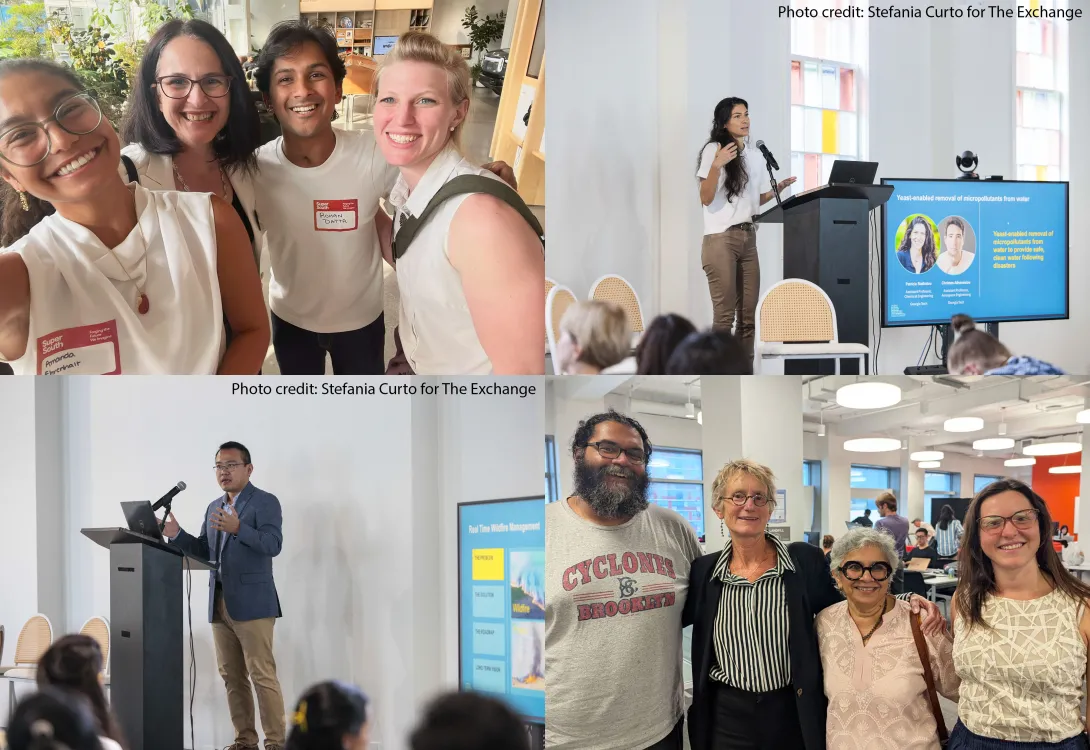
Collage of four images taken at the New York Climate Exchange 2025 events with Georgia Tech participants.
Beril Toktay, Regents’ Professor and Brady Family Chair, Scheller College of Business
Executive Director, Brook Byers Institute for Sustainable Systems
Board of Directors, New York Climate Exchange
I returned from Climate Week NYC energized by what I witnessed: Georgia Tech faculty, students, and startups showcasing the breadth and depth of our climate innovation work on one of the world's biggest stages.
Climate Week NYC brings together more than 900 events, but what stood out wasn’t the scale — it was the substance. Across five New York Climate Exchange partner events, the Georgia Tech community demonstrated something essential. Georgia Tech bridges research and real-world impact where it matters most — in people’s lives.
At the Super South event, we flipped the script on where climate innovation happens and demonstrated the Southeast as a climate tech powerhouse. Too often, conversations about climate tech center on coastal hubs. But Georgia Tech-affiliated entrepreneurs Tarek Rakha (Lamarr.AI), Mya Love Griesbaum (Mycorrhiza Fashion), Joe Metzler (Metzev), Laura Stoy (Ph.D. ECE 2021, Rivalia Chemical), Charlie Cichetti (MGT 2004, Skema), Joseph Mooney (research engineer, School of Civil and Environmental Engineering, WattAir), Lewis Motion (MBA 2017, WEAV3D), and Ramtin Motahar (IE 2004, ECON 2004, M.S. AE 2017, Joulea) showed that the Southeast isn’t just participating in the clean energy transition — we’re leading it.
The Climate Tech Fellowship Showcase was personal. Seeing two Georgia Tech teams — Patricia Stathatou and Christos Athanasiou’s yeast-based water purification system, and Xiao Liu’s AI-powered wildfire management platform — selected for the inaugural cohort reminded me why partnerships like the New York Climate Exchange matter. These early-stage innovators need more than good ideas. They need networks, mentorship, and funding pathways. NYCE provides those connections.
From flooding to batteries, two symposia highlighted GT faculty doing research that matters. At Weathering the Future, Iris Tien joined experts from AECOM, NVIDIA, and the NYC Department of Environmental Protection to discuss integrating resilience into urban infrastructure. Her work on coastal adaptation and infrastructure resilience addresses real vulnerabilities that cities face today. The Global Battery Alliance Leadership Meeting and Urban Battery Forum brought Yuanzhi Tang into conversations about building sustainable, circular battery value chains. As EVs scale and stationary storage grows, how we manage battery lifecycles — from securing raw resources to manufacturing to second-life reuse/recycling — will determine how we balance electrification, sustainability, environmental considerations, and economics; more details can be found in the NYCE report on battery circularity co-authored by Wyatt Williams (M.S. CEE 2024, MBA 2024).
Nicole Kennard’s leadership in the Climate Storytelling Workshop reinforced something I believe deeply: Technical solutions alone won’t solve the climate crisis. We need approaches that center community voices, acknowledge environmental justice concerns, and build trust. This became particularly clear in Kennard’s lecture for NYU’s Center for Urban Science and Progress: "Food, Place, and Belonging: From Global Visions to Local Sustainability." Presented with Janelle Wright (M CP 2022) from the West Atlanta Watershed Alliance, this lecture demonstrated how sustainable food systems can draw on global frameworks but must center community values and honor the history of place.
A few insights emerged from the week:
1. Geography matters — and so does bridging it. Collaborative platforms like NYCE that create genuine partnerships across regions will be more effective in achieving Georgia Tech’s vision of doing climate work that is grounded in Georgia and global in impact.
2. Visibility accelerates impact. Several faculty and entrepreneurs told me that Climate Week NYC opened doors — to investors, to funders, to partners, and to media. Platforms like NYCE amplify work that might otherwise stay local.
3. Students are passionate about climate opportunities. Every conversation about internships, fellowships, and experiential learning generated immediate interest. We need to build more pathways for students like Rohan Datta and Amanda Ehrenhalt to engage in climate work across both New York and Atlanta ecosystems — creating opportunities for hands-on experience, knowledge diffusion across regions, and the professional networks that will define their careers.
4. Our community extends far beyond campus. Meeting alumnus Alan Warren (PHYS 1978) drove this message home. Alan brings a unique vantage point on coastal resilience challenges faced in New York — and he’s energized by what our partnership can achieve. His offer to serve as Georgia Tech’s “envoy” in NYC, connecting our climate work to networks and opportunities there, is exactly the kind of volunteer leadership that accelerates impact. Alan’s own inspirational story of resilience and regeneration makes his commitment to climate resilience work even more meaningful.
Looking ahead, I see Georgia Tech’s partnership with the NYCE creating a powerful platform: NYCE amplifies our work through capital and convening; Georgia Tech anchors deployment with Southeast roots and global reach. Working alongside a distinguished board led by incoming chair Andrea Goldsmith, president of Stony Brook University, gives me confidence in this direction.
President Ángel Cabrera met with Goldsmith this week and reaffirmed our shared vision for bridging research and impact. “Georgia Tech’s mission has always been about translating knowledge into progress that serves society,” said Cabrera. “The New York Climate Exchange partnership exemplifies this commitment to innovative solutions that can be scaled to create real human impact. By connecting our strengths in community-engaged climate research with networks that can amplify and accelerate solutions, we’re living our motto of Progress and Service as we address one of humanity’s most urgent challenges.”
The Brook Byers Institute for Sustainable Systems (BBISS) convenes faculty, students, and partners to address sustainability challenges through research, education, and collaboration. Connect with BBISS on LinkedIn to be part of the ongoing discussion and/or reach out to Susan Ryan (susan.ryan@gatech.edu) to be added to BBISS’ climate science and solutions community of practice.
News Contact
Brent Verrill, Research Communications Program Manager, BBISS
Sep. 04, 2025
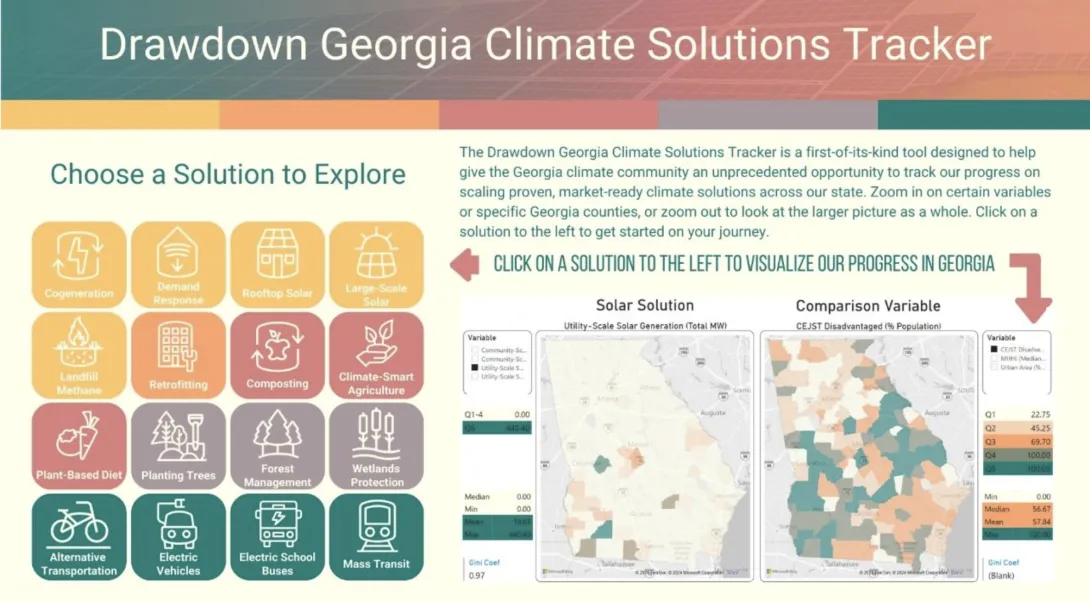
Electric vehicles. Rooftop solar. Cycling to work. Knowing where to start when reducing your personal carbon footprint can be daunting. But a new tool from Georgia Tech makes it easier for anyone to figure out how they can help address climate change.
The Drawdown Georgia Solutions Tracker is a digital dashboard that enables everyday Georgians to see how effective various technologies could be for each county. The tracker analyzes public data for 16 solutions — from planting trees to public transit — that can lower greenhouse gas emissions. The tracker is equally essential for policymakers and business leaders, enabling them to identify opportunities to propose legislation or adjust operations to reduce carbon emissions.
To use the tracker, viewers click on a solution to see its impact. Then, they specify a particular county, and the data is tailored to the most relevant metric. For example, if someone picks “plant-based diet” as a solution, they can see how many vegan restaurants are already in their county. The tracker also contrasts the climate solution with a relevant area that might benefit if the solution is implemented. For the plant-based example, the tracker compares it to urban density.
This tracker is one of the many initiatives of Drawdown Georgia, one of the Ray C. Anderson Foundation’s key funding initiatives based on research conducted by Georgia Tech, Georgia State University, the University of Georgia, and Emory University. Drawdown Georgia's goal is to reduce Georgia’s carbon impact by 57% by 2030 and to accelerate Georgia’s progress toward net-zero greenhouse emissions.
Drawdown Georgia also developed a carbon emissions tracker that shows carbon emission levels by county. The dashboard was a success, but the Drawdown Georgia team wanted to create a more proactive tool. The Solutions Tracker was designed so that anyone could make smalldaily changes to improve the climate — not just track it.
“We began the Drawdown Georgia project with the goal of cutting state pollution significantly,” said Marilyn Brown, Regents' Professor and the Brook Byers Professor of Sustainable Systems in the Jimmy and Rosalynn Carter School of Public Policy. "To get Georgians involved, we decided to focus on local and regional opportunities to reduce emissions.”
Drawdown Data
The data combines federal and state sources from the U.S. Energy Information Administration, the National Renewable Energy Laboratory, and the Department of Agriculture. Some solutions may seem obvious, like planting trees, but others are more niche. For example, decomposing trash often produces methane gas, which means that landfills contribute to greenhouse gas emissions — important information for policymakers to consider when developing carbon reduction strategies.
The researchers hope everyone will use the tracker. Politicians and policymakers can find new ideas for legislation or the adoption of these solutions. Business leaders can find opportunities to hit their decarbonization goals. Georgians can use the tracker to figure out which solutions are most sustainable for their lives. Even scientists can learn which methods to home in on for their research. Since the tracker is available via Creative Commons, anyone can use the data to build their own tools or models.
The tracker is already having a real-world impact. Brown and the Drawdown Georgia team have collaborated with the state of Georgia and the 29-county metro Atlanta area on their carbon action plans. They’ve also partnered with 75 businesses on carbon action plans and other solutions through the Drawdown Georgia Business Compact, managed by the Ray C. Anderson Center for Sustainable Business in the Scheller College of Business. As these stakeholders ask questions about different climate solution impacts, the team has expanded the tracker accordingly. They’ve also recently redesigned the user interface to make it even more accessible for everyday users.
From improved public health to business opportunities, the state requires reduced greenhouse gases, and Georgia Tech is not only tracking emissions but helping to fix the problem, too.
News Contact
Tess Malone, Senior Research Writer/Editor
tess.malone@gatech.edu
Aug. 15, 2025
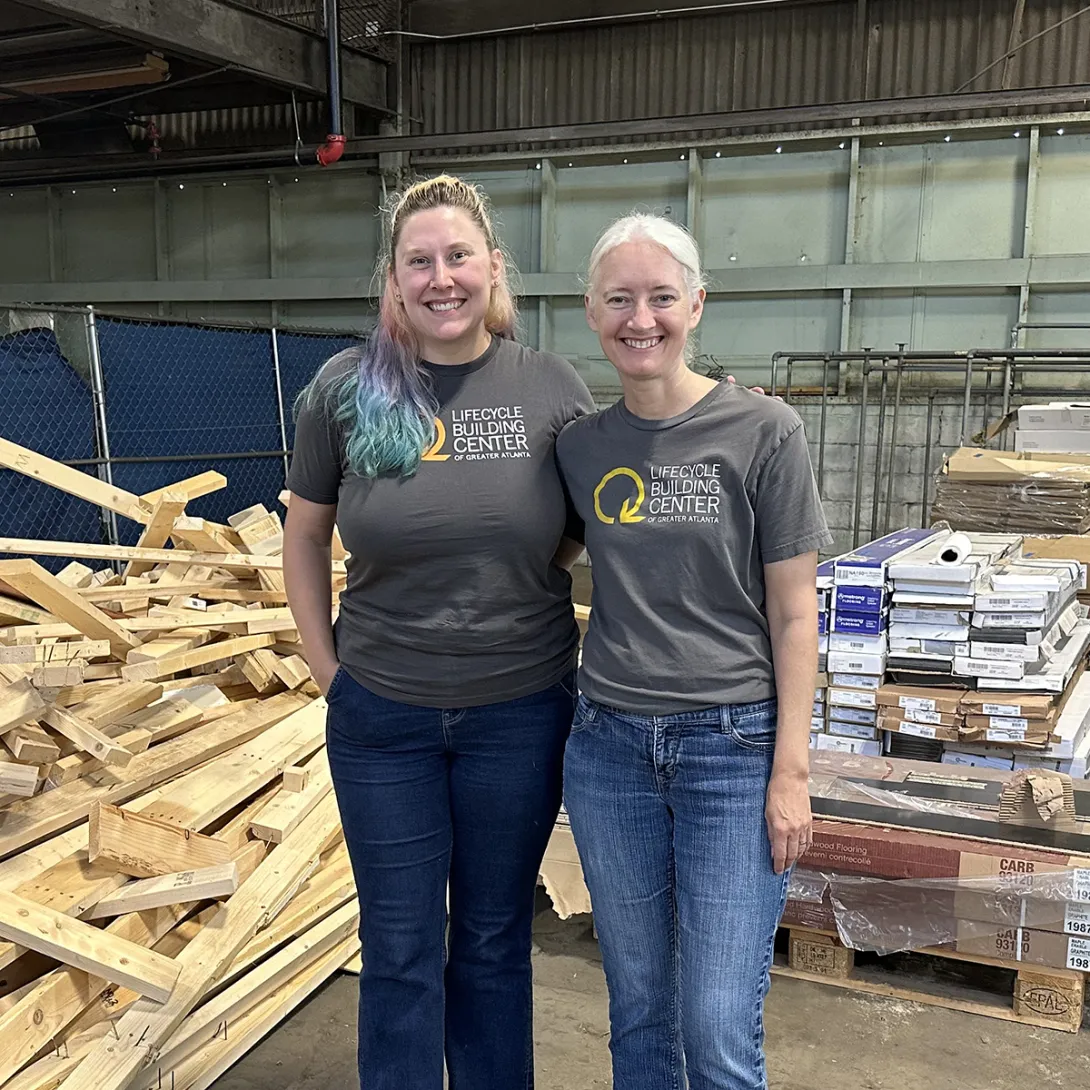
Georgia Tech intern Morgan Hale and Lifecyle Building Center Executive Director Shannon Goodman
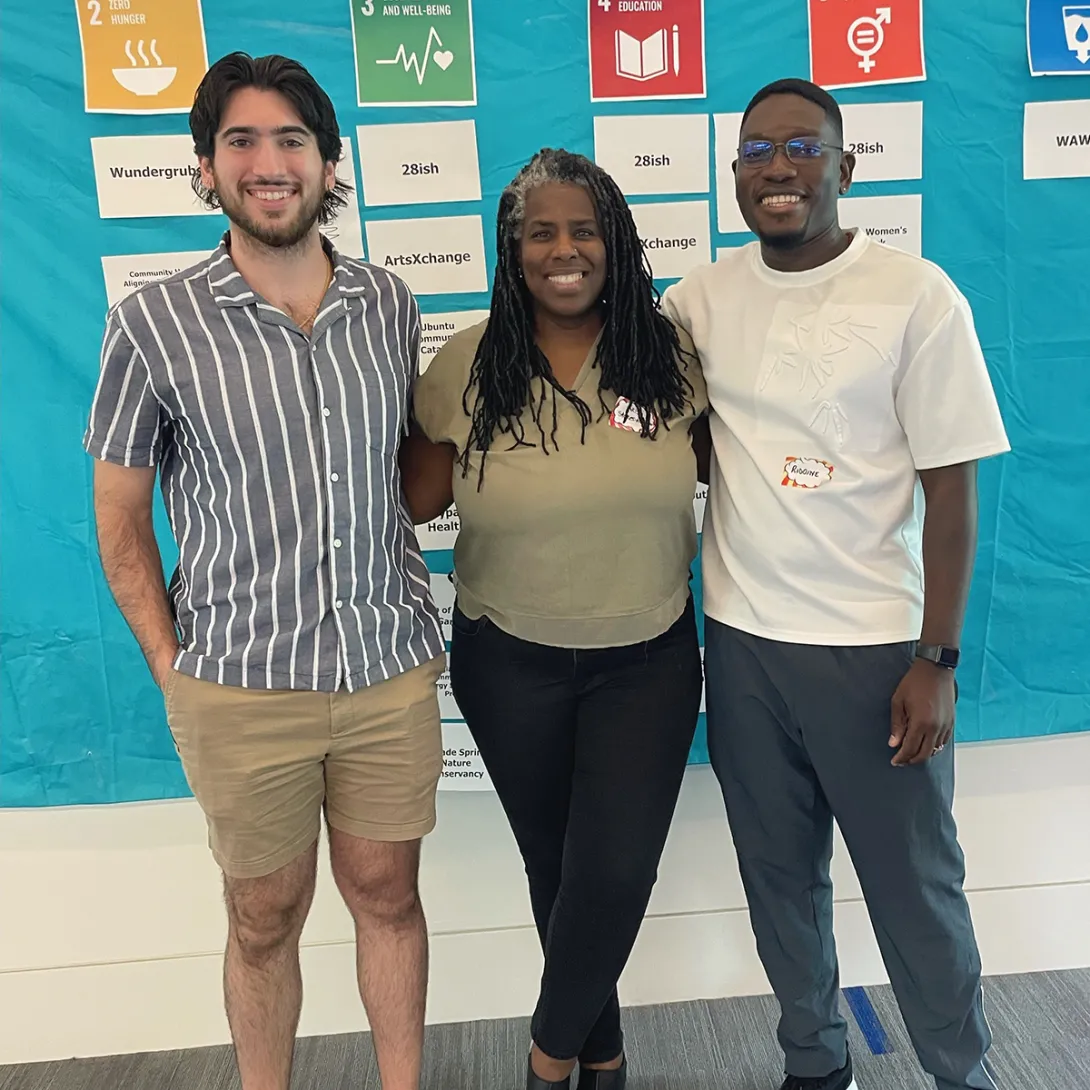
Left to right: Nathanael Sancinito, Akissi Stokes-Nelson, and Ridoine Idrissou at the SCoRE internship closing session.
Every summer for the last eight years, Georgia Tech students, from engineering and computer science to sustainable energy and environmental management, have lent their talents and creative energy to metro Atlanta sustainability-oriented organizations to increase their capacity in the community.
The Sustainable Communities Summer Internship Program in the Center for Sustainable Communities Research and Education (SCoRE) taps students from across the Institute, who gain real-world experience in both sustainability and community engagement, while participating partners scale their operations and deepen their relationship with Georgia Tech.
“It is a nontraditional internship, but it is so effective,” says Kristina Chatfield, director of business administration for the Brook Byers Institute for Sustainable Systems (BBISS), who manages the operational components of the program.
Impact on Atlanta’s Sustainability Community
Now in its eighth summer, the program has placed more than 200 students with over 60 Atlanta community organizations. Many return year after year, like WunderGrubs, an Atlanta-based insect farm that wants to bring a sustainable, nutritious form of protein to communities.
“I can’t overstate the value that Georgia Tech students bring to our company every summer through the SCoRE internship program,” says CEO and co-founder Akissi Stokes-Nelson, explaining that WunderGrubs’ mission is rooted in food equity and social impact. “We’re constantly innovating to support smallholder farmers, develop educational programs, and expand our reach both locally and globally. The SCoRE interns have been instrumental in helping us realize this vision.”
Stokes-Nelson says they add immediate capacity to WunderGrubs’ small team, bringing fresh perspectives and technical expertise — whether it’s developing new curricula for STEAM summer camps, introducing technology like Internet of Things (IoT) sensors and Arduino controllers, or helping the company build and scale its modular “grub shed” farming systems. She credits them with enabling her to reframe her business, pilot new programs, and even expand internationally, citing a recent partnership in Rwanda.
“What sets the Georgia Tech interns apart is their maturity, technical skill, and genuine passion for social impact. They’re not just here to learn — they’re here to contribute, innovate, and help us grow,” she says.
“The program is unique in its focus on both student development and organizational impact, particularly for underrepresented and first-generation students,” says Ruthie Yow, associate director of SCoRE, who leads partner engagement and student learning.
Georgia Tech covers all costs, including stipends for the full 12 weeks. Students take part in a seminar one evening a week to learn about grassroots sustainability innovation. They can also earn an internship course credit.
Connecting With Students in STEM
Intern Ridoine Idrissou, a computer science undergraduate at Tech, supported WunderGrubs’ “Tech Avengers” STEM summer camp. “We taught kids about cybersecurity, IoT, how to be safe online, and they learned about mealworms. They got rid of almost one ton of trash,” recalls Idrissou, who also developed IoT kits for the company’s farm sheds. “It’s not all about coding,” adds the Togo, West Africa, native. “It’s about connecting to the environment. It’s given me a whole different type of experience than I normally have as a computer science major.”
Idrissou, who has spent his last three summers interning, credits the program with giving him a chance when nobody else would. “My internship experience makes me appreciate the field I’m in, and it gives me a good idea of how to be mindful, when building software or other products, of the well-being of other people.” He plans to pursue a career in cybersecurity and system administration after he graduates next spring.
This positive internship experience isn’t the only one. Another organization benefiting from Georgia Tech’s talented students is the Lifecycle Building Center (LBC) in Atlanta.
Shannon Goodman, a Georgia Tech architecture program alumna, serves as executive director of the LBC. She considers her interns foundational to her nonprofit, which reduces waste in the built environment by salvaging materials like lumber, cabinets, flooring, and appliances, and making them available to the community, nonprofits, and for reuse in new projects. The organization runs a 70,000 square-foot warehouse and provides free materials and services to nonprofits across Atlanta.
“Our interns have been the connective tissue that helps all the different resource-constrained CEOs and community-based organizations build strong, trusted relationships with each other and lay the groundwork for our training program,” Goodman says.
Assessing the Lifecycle of Salvaged Building Materials
Morgan Hale interned at LBC while completing her graduate degree in sustainable energy and environmental management. “This internship program bridges sustainability with all the academic pathways at Georgia Tech. It does a great job of engaging students and educating them on ways to take what they're learning from school and map that into a career in sustainability,” says Hale, whose capstone project focused on the lifecycle assessment of salvaged building materials. “This internship perfectly aligned with my academic and career interests in sustainability and policy,” she adds. “And the extra workshops and networking opportunities are invaluable.”
For Goodman, education remains a key part of her team’s role. “Our job at the end of the day is helping people understand all the different types of opportunities that get lost when we just throw materials away. I don't know how we would do it without our interns. Through her capstone project, Morgan developed tools and procedures for calculating the embodied carbon and GHG emissions of the materials we salvage to create Environmental Product Declarations, or EPDs, for reclaimed materials, which don’t currently exist in the U.S. EPDs allow us to prove exactly how much better salvaged materials perform compared to new products, and will enable the material reuse industry to scale in the U.S. at a rate never seen before.”
LBC’s connection to Georgia Tech doesn’t stop with the internship program, however. “We have had countless professors from different departments of Georgia Tech bring their students here to learn about what we do, engage with us, and get materials from us,” says Goodman, noting that back in 2022, Georgia Tech was instrumental in helping her assemble community organizations like the West Atlanta Watershed Alliance and many others to form the ReBuildATL Coalition. Today, the coalition includes more than 40 nonprofits, academic institutions, industry partners, and local government agencies that empower Westside Atlanta neighborhoods.
Learn More
The Sustainable Communities Summer Internship Program is a partnership between SCoRE and the Office of Community-Based Learning. It is co-sponsored by the Brook Byers Institute for Sustainable Systems, the Strategic Energy Institute, the Renewable Bioproducts Institute, the Office of Commercialization, and the Sustainability Next initiative.
To learn more about the program, including how to contribute financially to the program or to become a participating partner, visit https://scre.research.gatech.edu/sustainable-communities-summer-internship-program.
By Anne Wainscott-Sargent
News Contact
Brent Verrill, Research Program Communications Manager, BBISS
Aug. 15, 2025
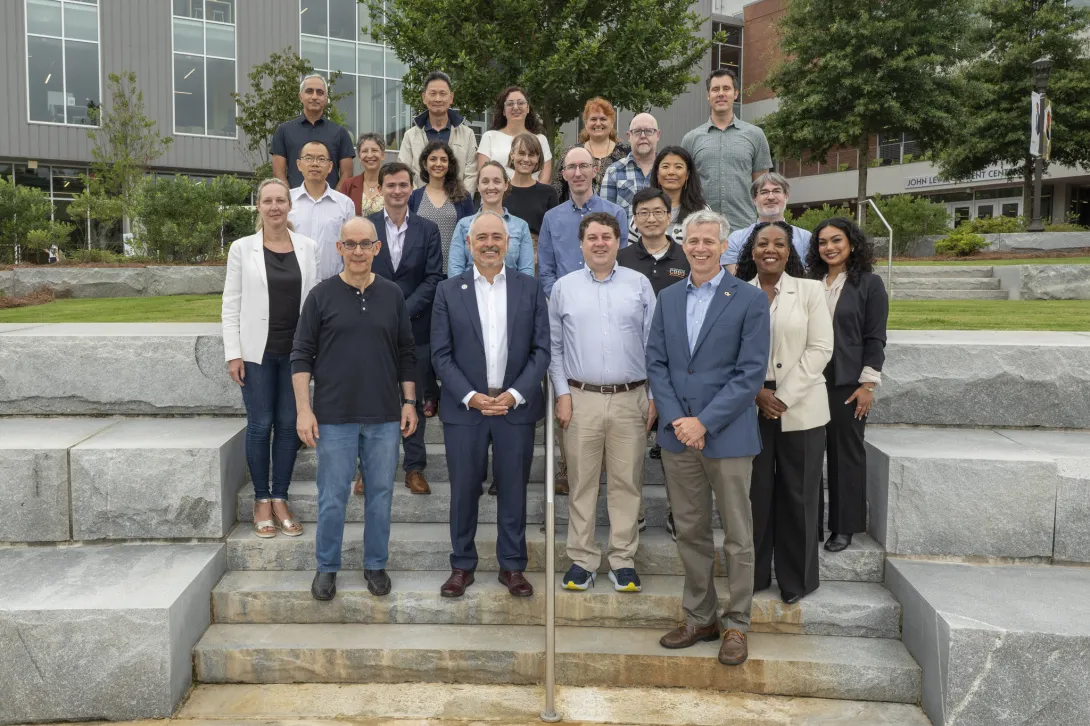
The inaugural cohort of Georgia Tech’s Research Leadership Academy (RLA), a distinguished group of researchers selected from a highly competitive pool of applicants across campus, has been announced.
These outstanding faculty members were chosen for their exceptional research accomplishments, demonstrated leadership, and ability to drive high-impact, interdisciplinary initiatives. Representing a wide range of academic disciplines, they embody the depth, innovation, and collaborative spirit that define Georgia Tech’s research community.
Over the next year, this inaugural cohort will engage in a dynamic, immersive program designed to cultivate strategic research leadership through mentorship, experiential learning, and cross-campus dialogue. Their work through the RLA will not only strengthen Georgia Tech’s research enterprise but also help shape its trajectory for years to come.
Please join us in celebrating and congratulating these remarkable scholars as they embark on this exciting journey.
- Steve Diggle – Institute for Bioengineering and Bioscience; School of Biological Sciences
- Marta Hatzell – Institute for Matter and Systems; Renewable Bioproducts Institute; Strategic Energy Institute; George W. Woodruff School of Mechanical Engineering
- Ada Gavrilovska - Institute for Data Engineering and Science; School of Computer Science
- Margaret Kosal – Institute for Bioengineering and Bioscience; Strategic Energy Institute; Institute for Matter and Systems; Sam Nunn School of International Affairs
- Sheng Dai – Institute for Bioengineering and Bioscience; Strategic Energy Institute; School of Civil and Environmental Engineering
- Yuguo Tao – George W. Woodruff School of Mechanical Engineering; Nuclear and Radiological Engineering; and Medical Physics
- Chris Wiese – Institute for Bioengineering and Bioscience; Institute for Data Engineering and Science; Institute for People and Technology; School of Psychology
- Mathieu Dahan – Institute for People and Technology, H. Milton Stewart School of Industrial and Systems Engineering
- Thackery Brown – School of Psychology
- Charlotte Alexander – Tech AI, Scheller College of Business; Law and Ethics
- Jeff Young – Institute for Data Engineering and Science; Partnership for Advanced Computing Environments; Office of Information Technology
- Meltem Alemdar – Center for Education Integrating Science, Mathematics, and Computing
- Kamran Paynabar – Georgia Tech Manufacturing Institute; Institute for Data Engineering and Science; Renewable Bioproducts Institute; H. Milton Stewart School of Industrial and Systems Engineering
- John A. Christian – Daniel Guggenheim School of Aerospace Engineering
- Farzaneh Najafi – Institute for Bioengineering and Bioscience; School of Biological Sciences
- Dave Flaherty – Strategic Energy Institute; School of Chemical and Biomolecular Engineering
- Eunhwa Yang - Institute for Matter and Systems; Strategic Energy Institute; School of Building Construction
- James Tsai – Strategic Energy Institute; School of Civil and Environmental Engineering
- Jennifer Hirsch – Brook Byers Institute for Sustainable Systems; Center for Sustainable Communities Research and Education; Strategic Energy Institute
Jul. 30, 2025
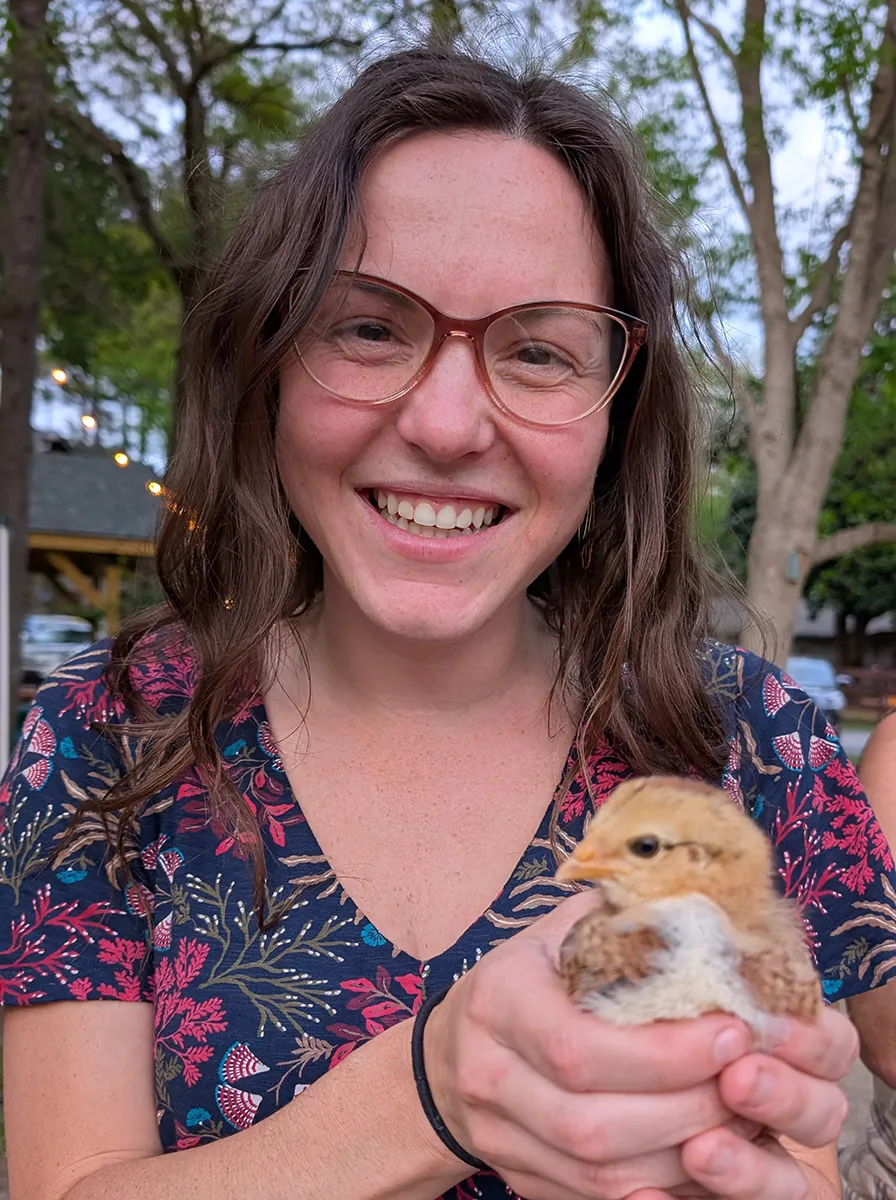
Nicole Kennard’s passion for sustainability and food justice took root as a Georgia Tech undergraduate in materials science and engineering. It then blossomed across the Atlantic in the U.K., where she studied sustainable food systems as a Fulbright Scholar and later as a doctoral student.
Today, she’s back at Georgia Tech as assistant director for Community-Engaged Research in the Brook Byers Institute for Sustainable Systems (BBISS). Kennard supports faculty in building meaningful and co-creative research partnerships with local communities to address pressing sustainability and societal challenges.
“I find food very interesting because it’s interdisciplinary by necessity. Food is the great connector,” says Kennard.
She calls her journey back to Georgia Tech “a full-circle moment,” particularly since, as an undergrad, she worked on a community-engaged sustainability project for the Center for Serve-Learn-Sustain, now the Center for Sustainable Communities Research and Education (SCoRE).
While a Tech student, Kennard served for three years as president of the student chapter of Engineers for a Sustainable World, which started her interest in urban agriculture. She recalled a day when a nonprofit contacted her with a strange donation offer: hydroponic equipment they had received from the set of The Hunger Games. Hydroponics is a method of growing plants without soil.
“I googled it and thought, why not?” recalls Kennard, who started a campus hydroponics project. “We were just a group of students across different disciplines who took over the greenhouse on top of the biology building that hadn’t been used for a long time,” she said. “We got good at experimenting — we were growing food for the Atlanta Community Food Bank.”
The students’ expertise led them to build systems for other nonprofits and classrooms in the Atlanta area. From there, Kennard met Atlantans working in food justice and sustainable agriculture. It sparked a thirst for furthering her education, and Kennard was awarded a Fulbright scholarship to pursue a master’s in sustainable agriculture and food security at Newcastle University in the U.K. She stayed through the Covid pandemic, earning her Ph.D. in chemistry and biosciences from the University of Sheffield in 2023.
Now, she’s excited to be home and connecting faculty with community partners. She hopes to build co-creative research partnerships that are “meaningful, sustainable, and long-lasting.” Her vision is to make Tech’s research more locally beneficial by working directly with surrounding communities.
“Sustainability is so broad that I feel it can touch anyone. At Georgia Tech, we have so much expertise that is perfect for this field.”
Kennard is also passionate about training and connecting graduate students doing community-engaged research. She recently received a seed grant to build a cross-university network with Georgia State University, Emory University, and Spelman College.
Kennard’s research projects include mapping Atlanta's local food system and addressing challenges for local urban growers. She notes that accessing food can be an issue for many in Atlanta, complicated by financial and transportation barriers. At the same time, Atlanta is one of the leading U.S. cities in urban agriculture and has a rich agricultural history and food culture. The city has a wealth of urban farms, community gardens, and local nonprofits working together to increase access to fresh, healthy foods and build community through food.
An outdoor enthusiast, the Acworth, Georgia, native enjoys hiking, camping, traveling, foraging, and gardening in her free time.
— written by Anne Wainscott-Sargent
News Contact
Brent Verrill, Research Communications Program Manager, BBISS
Jul. 11, 2025
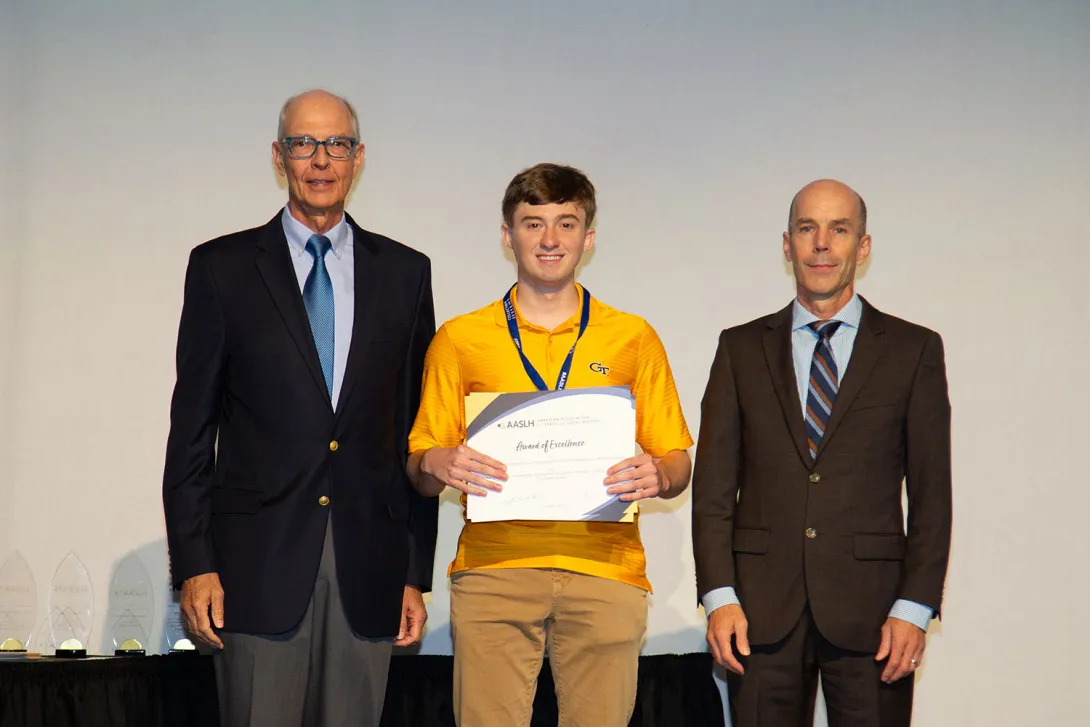
Georgia Tech student Bruce Minix accepts Award of Excellence from the American Association of State & Local History in September 2023.
Georgia Tech students played a pivotal role in the award-winning Coffee County Memory Project, an oral history initiative that preserves the stories of school desegregation in rural Georgia.
Launched in 2016, the project was supported by the Institute’s Sustainable Communities Summer Internship Program, run by the Center for Serve-Learn-Sustain (now the Center for Sustainable Communities Research and Education), in which students work full time with community partners across Atlanta and Georgia.
Beginning in 2017, trusted advisers contributed to the success of this work, including Vernon E. Jordan Jr., Christopher Lawton, Ann McCleary and G. Wayne Clough. Clough, who served as Georgia Tech’s president from 1994 to 2008, long advocated for public service, community-engaged research, and interdisciplinary teaching and learning.
In 2019, Georgia Tech students and participating interns Brice Minix and Nabil Patel combed through decades of local newspapers, digitized school board records, and conducted interviews with community members who lived in Coffee County during desegregation. In 2020, Kara Vaughan Adams and Bennett Bush transcribed countless interviews. Samina Patel’s contributions in 2020 and 2021 included graphic and web design.
All their work laid the foundation for two virtual museum exhibits: emergingVOICES of Coffee County and Overcoming Segregation: A Journey Through Coffee County’s Forgotten Stories. The latter received the 2023 Award of Excellence from the American Association of State and Local History. Further recognition came this year when the project earned the 2025 Georgia Association of Museums’ Special Project Award for the PLAYBACK & FASTFORWARD seminar series.
T. Cat Ford, Project Director said, “The Serve-Learn-Sustain interns we partnered with from Georgia Tech were all graduates of Coffee High School. Their efforts turbo-charged our work—not only because they worked tirelessly but also because, as they preserved their own history, they offered valuable insights into their lived experience of this legacy.
Click here to learn more about SCoRE’s Sustainable Communities Internship Program.
News Contact
Jennifer Martin, Assistant Director of Research Communications Services