
May. 24, 2023
Georgia Tech’s Sustainability Next Institute Strategic Plan initiative launched an annual seed grant program totaling $250,000 to support interdisciplinary or transdisciplinary climate and sustainability research. The overarching goals of the initiative are to nurture promising areas for future large-scale collaborative sustainability research, research translation, and/or high-impact outreach; to provide mid-career faculty with leadership and community building opportunities; and to broaden and strengthen the Georgia Tech sustainability community as a whole.
The Brook Byers Institute for Sustainable Systems (BBISS), which is administering the initiative modeled after the Office of the Executive Vice President for Research’s (EVPR) “Moving Teams Forward” and “Forming Teams” programs, put out a call for proposals this Spring. Proposal reviewers consisting of academic and research faculty at Georgia Tech were invited and assigned to review a minimum of three proposals each. The complete panel of reviewers discussed the relative merits of each proposal and made recommendations to the Interim Executive Director and Deputy Director of the BBISS. Ultimately three were chosen in the “Moving Teams Forward” category, and three in the “Forming Teams” category.
“I’m delighted that the transdisciplinary focus of the call achieved its purpose – accelerating team-based climate work that strengthens our community-engaged research infrastructure and HBCU partnerships with an emphasis on community engagement,” said Beril Toktay, interim executive director of the BBISS.
The proposals selected for funding are:
Moving Teams Forward
- Collaborative Approaches to Research Engagement (CARE): Building and Validating a Community-Centered Realist Approach to Human Subjects Recruitment; Lewis Wheaton (BIOL), Karen Minyard (Georgia State), Jennifer Hirsch (Center for Serve-Learn-Sustain), Melanie J Clark (Office of Research Integrity); Chris Parker (Georgia State), and Lea T. Marzo.
- Nurturing Climate-Aware Knowledge Networks for Environmental Justice-Oriented Design; Neha Kumar (INTA), Vishal Sharma (IAC), Anjali Karol Mohan (Integrated Design, India), Bonnie Nardi (UC Irvine), Aaditeshwar Seth (IIT Delhi), and Gayathri Muraleedharan (Integrated Design, India).
- Urban Heat Atlanta - Moving Forward; Brian Stone (SCRP), Christopher Le Dantec (IAC), Russell Clark (College of Computing), Kim Cobb (Brown University), Jairo Garcia (College of Design), and Na’Taki Jelks (Spelman University).
Forming Teams
- Building a Virtual Sustainability Lab for Climate Adaptation in Megacities – Urban Flood Modeling as a Prototype; Yi Deng (EAS), Xiaoming Huo (ISYE), and Jian Luo (CEE).
- Low-carbon Building Materials for Climate Adaptation and Mitigation; Ebenezer Fanijo (BC), Ece Erdogmus (BC), Kimberly Kurtis (CEE), and Giovanni Loreto (Kennesaw State).
- Heritage BIM and Sustainable Tourism; Danielle Willkens (ARCH), Junshan Liu (Auburn University), Maria Jose Viñals (Universitat Politècnica de València, Spain), Russell T. Gentry (ARCH), and Ece Erdogmus (BC).
The second round for this call is now open for the Fall of 2023, with submissions due on September 15. Details and application instructions can be found on InfoReady.
News Contact
Susan Ryan, Program and Operations Manager, BBISS
May. 16, 2023

Georgia emissions fell 5% from 2017 to 2021, according to the Drawdown Georgia research team led by Regents' Professor Marilyn Brown.
Overall greenhouse gas emissions in Georgia fell by 5% between 2017 and 2021, mostly due to the increased use of natural gas and solar for electricity generation, according to the research team behind the Drawdown Georgia climate initiative. Emissions from agriculture and the average individual carbon footprint also shrank.
The decline in emissions comes against a 10% expansion in the state’s economy, showing the potential for reducing emissions while pursuing economic growth, according to the team.
However, the team’s data also show a stark increase in transportation-related emissions, which now exceed pre-pandemic levels and has become the state’s largest source of climate pollution, according to Marilyn Brown, Regents’ Professor and Brook Byers Professor of Sustainable Systems in the School of Public Policy and the principal investigator on the Drawdown Georgia research team.
“While not all of the numbers are trending in the right direction, these data clearly show significant improvements in many sectors of our economy and also highlight where we have the greatest opportunities, namely transportation,” Brown said.
Track Greenhouse Gas Emissions in Your County
The report shows that while emissions from the electricity sector declined more than 15% between 2017 and 2021, transportation sources including cars and trucks put out 4% more climate-warming emissions in 2021 than five years earlier. Emissions from diesel vehicles spiked 16.1%, likely due to increased demand for delivery services driven by online shopping.
Emissions from Georgia’s agricultural and food sector fell by 7.1% during the study period while the average individual carbon footprint of Georgians declined from 22,092 pounds to 20,253 pounds.
“Based on the collaborations we’re a part of, we’re confident this is only the beginning of Georgia’s carbon reduction trend,” John Lanier, executive director of the Ray C. Anderson Foundation, said in a news release on the findings.
The foundation is a primary funder of Drawdown Georgia.
Brown leads the research team, which spans several Georgia colleges and universities. She is an internationally known climate policy researcher who has dedicated most of her career to helping solve the climate crisis.
The analysis is based on data from the first-of-its-kind Drawdown Georgia Emissions Tracker, which aggregates information from federal Energy Department, Transportation Department, and Environmental Protection Agency reports. The tracker was produced by a team of scientists led by William Drummond in the School of City and Regional Planning.
For a more detailed analysis of the findings, visit the Drawdown Georgia blog.
News Contact
Michael Pearson
Ivan Allen College of Liberal Arts
Mar. 29, 2023
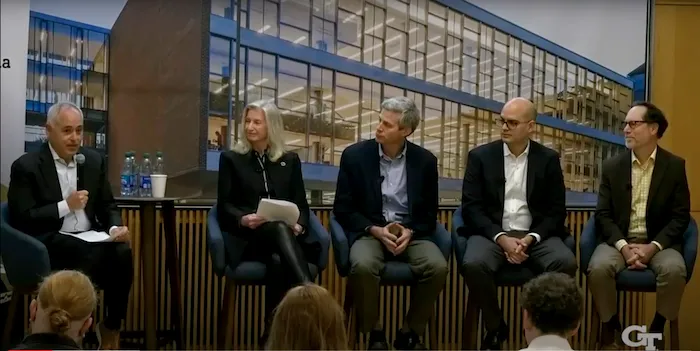
In the latest installment of his unscripted video series, President Cabrera led a panel of Georgia Tech faculty including Marilyn Brown, Regents' and Brook Byers Professor of Sustainable Systems in the School of Public Policy, Tim Lieuwen, Regents’ Professor and executive director of the Strategic Energy Institute, Andre Calmon, assistant professor at the Scheller College of Business, and Brian Stone, professor at the School of City & Regional Planning, in a discussion on the policies, technologies, and planning that can help us achieve the best quality of life while also maintaining a global climate that remains within healthy limits.
News Contact
Brent Verrill, Research Communications Program Manager
Feb. 23, 2023

This news release first appeared in the Chinese Academy of Sciences newsroom, and has been tailored for Georgia Tech readers.
Mycorrhizal symbiosis — a symbiotic relationship that can exist between fungi and plant roots — helps plants expand their root surface area, giving plants greater access to nutrients and water. Although the first and foremost role of mycorrhizal symbiosis is to facilitate plant nutrition, scientists have not been clear how mycorrhizal types mediate the nutrient acquisition and interactions of coexisting trees in forests.
To investigate this crucial relationship, Lingli Liu, a professor at the Institute of Botany of the Chinese Academy of Sciences (IBCAS) led an international, collaborative team, which included School of Biological Sciencesprofessor Lin Jiang. The team studied nutrient acquisition strategies of arbuscular mycorrhizae (AM) and ectomycorrhizal (EcM) trees in the Biodiversity–Ecosystem Functioning (BEF) experiment in a subtropical forest in China, where trees of the two mycorrhizal types were initially evenly planted in mixtures of two, four, eight, or 16 tree species.
The researchers found that as the diversity of species increased, the net primary production (NPP) of EcM trees rapidly decreased, but the NPP of AM trees progressively increased, leading to the sheer dominance (>90%) of AM trees in the highest diversity treatment.
The team's analyses further revealed that differences in mycorrhizal nutrient-acquisition strategies, both nutrient acquisition from soil and nutrient resorption within the plant, contribute to the competitive edge of AM trees over EcM ones.
In addition, analysis of soil microbial communities showed that EcM-tree monocultures have a high abundance of symbiotic fungi, whereas AM-tree monocultures were dominated by saprotrophic and pathogenic fungi.
According to the researchers, as tree richness increased, shifts in microbial communities, particularly a decrease in the relative abundance of Agaricomycetes (mainly EcM fungi), corresponded with a decrease in the NPP of EcM subcommunities, but had a relatively small impact on the NPP of AM subcommunities.
These findings suggest that more efficient nutrient-acquisition strategies, rather than microbial-mediated negative plant-soil feedback, drive the dominance of AM trees in high-diversity ecosystems.
This study, based on the world’s largest forest BEF experiment, provides novel data and an alternative mechanism for explaining why and how AM trees usually dominate in high-diversity subtropical forests.
These findings also have practical implications for species selection in tropical and subtropical reforestation—suggesting it is preferable to plant mixed AM trees, as they have a more efficient nutrient-acquisition strategy than EcM trees.
This study was published as an online cover article in Sciences Advances on Jan. 19 and was funded by the Strategic Priority Research Program of CAS and the National Natural Science Foundation of China.
News Contact
Georgia Tech Editor: Audra Davidson
Communications Officer II
College of Sciences
Feb. 09, 2023
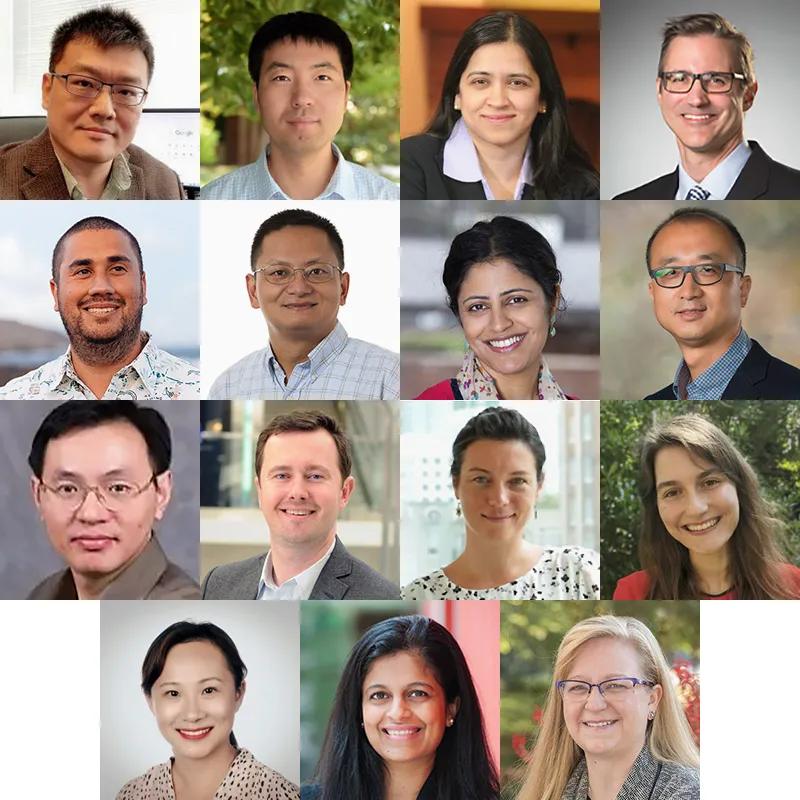
Ten projects have been chosen for the Brook Byers Institute for Sustainable Systems (BBISS) Initiative Leads program. Project themes include climate adaptation and mitigation solutions, innovation and social impact, computation and design approaches to sustainability, sustainable development, and conservation. BBISS Initiative Leads receive $10,000 in discretionary funds to advance their project.
The projects chosen involve 15 faculty members hailing from all 6 of the colleges at Georgia Tech. Several of the projects are also joint initiatives with other Georgia Tech Interdisciplinary Research Institutes (IDEAS, IPAT, and SEI), the Ray C. Anderson Center for Sustainable Business, or the Office of Sustainability.
The Initiative Leads and projects are:
- Michael Helms - ME, “Nature’s Voice: Amplifying the Narrative of Biologically Inspired Sustainable Design at Georgia Tech”
- Josiah Hester - Interactive Computing, “Computational Sustainability”
- Co-Leads Xiaoming Huo - ISYE, and Yi Deng – EAS, “Microclimate Monitoring and Prediction at Georgia Tech”
- Jian Luo - CEE, “Coastal Urban Flooding in a Changing Climate”
- Brigitte Stepanov - Modern Languages, “Energy Today, Tomorrow: Illuminating the Effect of Energy Power Dynamics on the Environment”
- Co-Leads Anjali Thomas – INTA, and Shatakshee Dhongde - ECON, “SEEDS (Southeast Exchange of Development Studies) 2023 Conference at Georgia Tech”
- Co-Leads Danielle Willkens - Arch, and Junshan Liu – Auburn University, “Sustainable Tourism, Petra”
- Co-Leads Yuanzhi Tang - EAS, and Hailong Chen – ME, “Sustainable Resources for Clean Energy”
- Co-Leads Dori Pap - Institute for Leadership and Social Impact, and Neha Kumar – Interactive Computing/INTA, “Collaborative Social Impact”
- Alex Oettl - COB, “A Sustainability-Focused Stream of the Creative Destruction Lab”
The Initiative Leads program has several overarching goals. BBISS aims to cultivate promising topics for future large-scale collaborative sustainability research, research translation, and/or high-impact outreach; to provide (mostly mid-career) faculty with leadership and community building opportunities; and to broaden and strengthen the BBISS sustainability community as a whole.
News Contact
Brent Verrill, Research Communications Program Manager, BBISS
Jan. 03, 2023
“Georgia Tech is a beacon of innovation that aims to empower entrepreneurs to create ventures with a positive impact on society and the environment. As a hub of forward-thinking ideas, Georgia Tech is leading Atlanta, Georgia, and the United States into a more sustainable future,” said Andre Calmon, assistant professor of operations management, at the launch event for Sustainable-X. An offshoot of the successful CREATE-X entrepreneurship initiative at Georgia Tech, Sustainable-X gives students, faculty, staff, and community members the tools and confidence to create and grow startups that address social and environmental challenges.
Sustainable-X is supported by Sustainability Next, the implementation roadmap for sustainability goals within Georgia Tech’s Strategic Plan 2020-2030. The new program launches in tandem with a climate action plan, a living learning campus initiative, seed funding for teaching through the lens of the UN Sustainable Development Goals, and more.
CREATE-X and the Ray C. Anderson Center for Sustainable Business (“Center”) are partnering on Sustainable-X programming. Organizers include Scheller College of Business faculty and staff: co-directors Andre Calmon and Karthik Ramachandran (Dunn Family Professor), advisor Beril Toktay (Brady Family Chair and Regents’ Professor), and program manager Kjersti Lukens (program support coordinator for the Center).
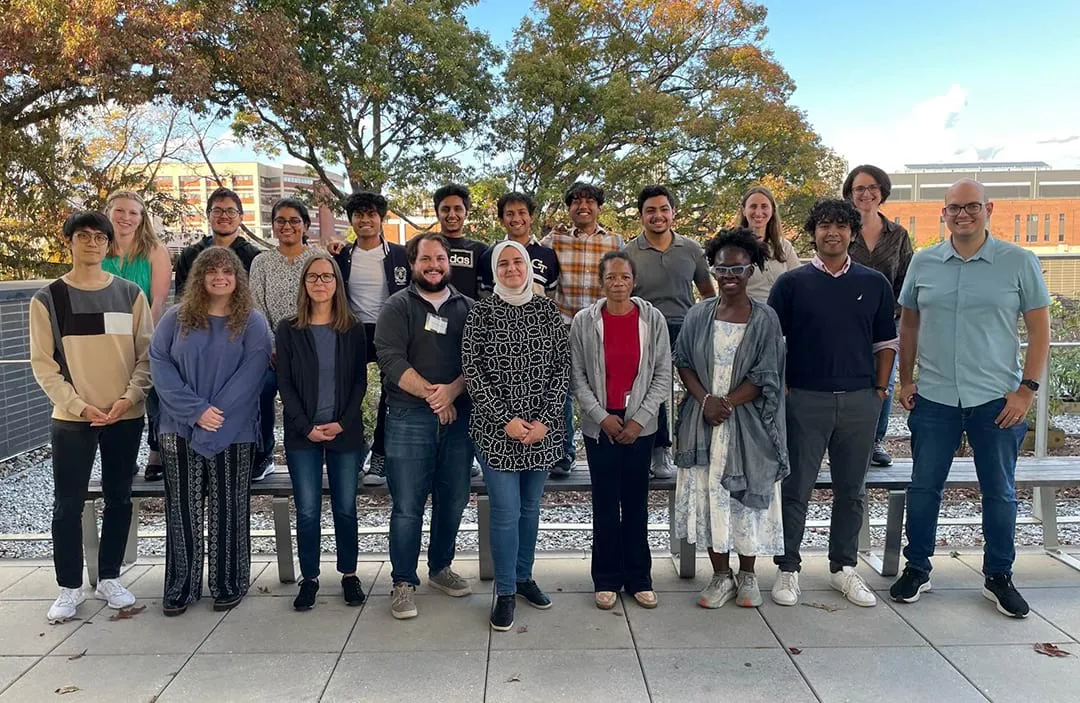
The program kicked off with the Social and Environmental Entrepreneurs Bootcamp, held at the Kendeda Building for Innovative Sustainable Design from November 5-6, 2022. Twenty participants from Georgia Tech and the community learned how to tackle complex sustainability problems and create startup solutions. The bootcamp was facilitated by Jackie Stenson, an expert in sustainable innovation and co-founder of multiple social enterprises. Participants progressed through problem framing and ideation exercises to design solutions inspired by the UN Sustainable Development Goals.
The participants shared their projects in a pitch session, where judges and peers listened to an array of business solutions related to STEM education in under-resourced communities, meal preparation kits to help reduce food waste, water management for golf courses, and infrastructure and innovation to accelerate the transition to renewable energy. First prize was awarded to the group that focused on water management. Team members included Isha Dogra (environmental engineering graduate student at Georgia Tech), Emma Vail (student at University of North Georgia), and Michelle Wong (assistant director of the Petit Institute at Georgia Tech ).
Tanju Özdemir, a first-year materials science and engineering major who is also serving as a 2022-23 Scheller College Undergraduate Sustainability Ambassador, remarked, “I signed up for the bootcamp because it felt relevant to my future career goal of being an entrepreneur in the energy sector. The SDG innovation process was completely new to me and exposed me to how difficult and exciting it is to explore solutions to different problems.” The bootcamp revealed to Özdemir how “even the seemingly chaotic process of creativity can have structure.”
Next Steps and Resources
Participants in the bootcamp will be invited to take part in a series of forthcoming events and opportunities related to mentoring, transitioning from idea to prototype (through CREATE-X programming), and funding. The Sustainable-X 2022-23 program will culminate in a showcase in March in which selected participants, along with their counterparts in CREATE-X, will pitch their startups in hopes of obtaining support from investors.
Reflecting on the weekend launch event, Toktay said, “I enjoyed seeing how teams including students, staff members, and community participants – which we intentionally included in the bootcamp – gelled so well. They helped each other stay grounded in real problems while exploring creative solutions.” She said that she and her fellow organizers look forward to the growth of the program. “We believe that the teams have great potential to make a positive impact.”
“With the new Sustainable-X program, Scheller College is creating a new wave of impact at the intersection of sustainability, entrepreneurship, and innovation,” stated Dean Maryam Alavi. She continued, “This program will empower a new generation of Georgia Tech community members as they address some of the most pressing sustainability challenges of our time. I look forward to seeing what results.”
Co-directors Calmon and Ramachandran have worked with student and faculty entrepreneurs at Georgia Tech, INSEAD, and MIT. They recognize Georgia Tech’s potential to produce the next generation of sustainability and climate-impact startups, and look forward to building the pathway to support these startups through Sustainable-X.
Click here to sign up for updates.
Interested in getting involved? Contact Kjersti Lukens for more information.
Written by Jennifer Holley Lux
News Contact
Jennifer Lux, Writer/Editor, Scheller College of Business
Dec. 13, 2022
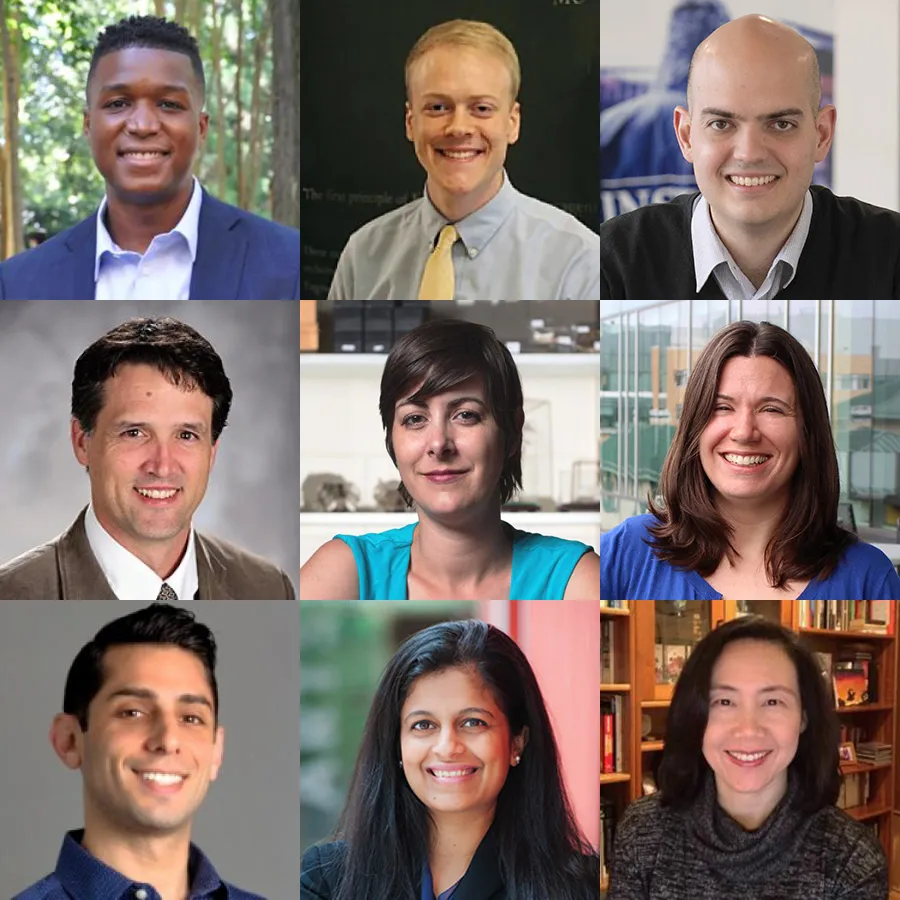
Nine new Faculty Fellows were appointed to the Brook Byers Institute for Sustainable Systems (BBISS). In addition to their own work, BBISS Fellows serve as a board of advisors to the BBISS; foster the culture and community of sustainability researchers, educators, and students at Georgia Tech; and communicate broadly the vision, mission, values, and objectives of the BBISS. Fellows will work with the BBISS for three years, with the potential for a renewed term.
The BBISS Faculty Fellows program has been in place since 2014. Fellows will number between 10 and 15, will be drawn from across all 6 colleges and GTRI at Georgia Tech. It is expected that annual allowances provided to each BBISS Fellow will range from $1000 to $1500 depending on number of fellows in the program and availability of funds.
The new BBISS Faculty Fellows are:
- Joe Bozeman – Assistant Professor, School of Civil and Environmental Engineering
- Dylan Brewer - Assistant Professor, School of Economics
- Andre Calmon – Assistant Professor, Scheller College of Business
- Brian Gunter - Associate Professor, Daniel Guggenheim School of Aerospace Engineering
- Jenny McGuire – Assistant Professor, School of Earth and Atmospheric Sciences
- Jessica Roberts – Assistant Professor, College of Computing
- Ilan Stern – Senior Research Scientist, Georgia Tech Research Institute
- Anjali Thomas - Associate Professor, Sam Nunn School of International Affairs
- Zhaohui Tong - Associate Professor, School of Chemical & Biomolecular Engineering
These faculty members join the current roster of Faculty Fellows:
- Baabak Ashuri - Associate Professor, School of Building Construction
- Kevin Caravati – Principal Research Scientist, Georgia Tech Research Institute
- Ellen Dunham-Jones – Professor, School of Architecture
- Daniel Matisoff - Associate Professor, School of Public Policy
- Kate Pride Brown - Associate Professor, School of History and Sociology
- Perry Yang – Professor, School of City and Regional Planning
More information can be found on the BBISS website.
News Contact
Brent Verrill, Research Communications Program Manager, BBISS
Oct. 17, 2022
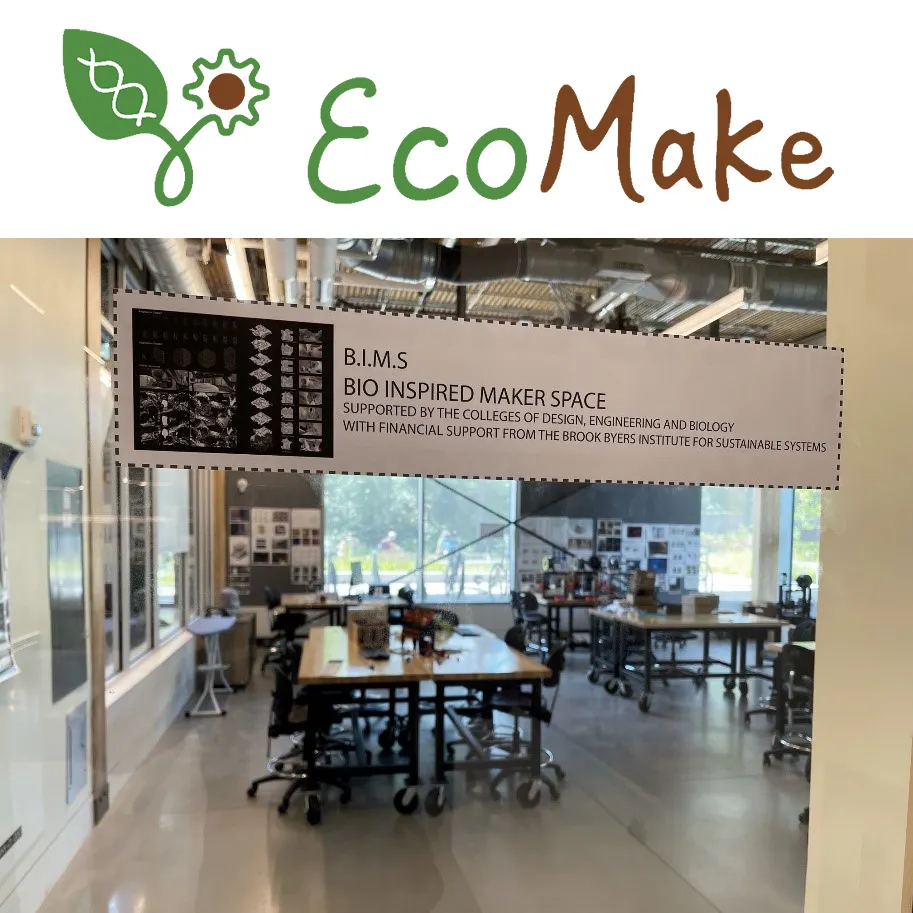
At first glance, the new maker space opening in the Kendeda Living Building for Innovative Sustainable Design might look like many others. However, the space, named EcoMake, has some important differences. Because it is housed in the Kendeda Building, there are strict standards for what types of materials and equipment can be used there in order to maintain its Living Building Certification. For example, you will find several 3-D printers there, like almost all maker spaces, but the plastic filament used in them is made from recycled plastic, perhaps recycled on-site with equipment in the lab itself.
Some might regard such restrictions as too limiting to their creativity or design goals. Viewed another way, this approach opens up a unique set of possibilities. Biologically Inspired and Green Design (BIG-D) is a field of study (sometimes referred to by different names, like “biomimicry”) that has demonstrated a lot of promise in the past few decades. This approach aims to translate the billions of years of knowledge and design wisdom embodied in our biological world into innovative green products. However, no matter how green the design of a product, they are often manufactured with traditional processes with limited consideration for energy, toxicity, water, or material use. Having a lab like EcoMake will help to usher in the field of study of Biologically Inspired and Green Manufacturing (BIG-M). BIG-M will require knowledge, equipment, and resources that are much different than traditional fabrication methods. Like natural systems, this new facility will operate within the means of nature, using no more energy or water than can be generated from its geometric footprint, and producing no more waste than it can assimilate on site.
EcoMake has the following tools and equipment (so far):
- 8 - Prusa I3S+ 3-D Printers
- 5 - Ender 3 Pro 3-D Printers
- EinScan-SP 3-D Object Scanner
- Mark-10 ESM303 Mechanical Tester
- 300-X Digital Microscope
- 3Devo Filament Extruder
- Shini SG-16N Plastic Granulator
- Plastic Chip Dryer
- Singer Heavy Duty 4423 Sewing Machine
- Complement of Standard Fabric Crafting Equipment
EcoMake, the bio-inspired maker space will be open to students from all disciplines. It is supported by the Colleges of Design, Engineering, and Biology, and the Brook Byers Institute for Sustainable Systems. Contact Michael Gamble for more information.
News Contact
Brent Verrill, Research Communications Program Manager, BBISS
Sep. 01, 2022
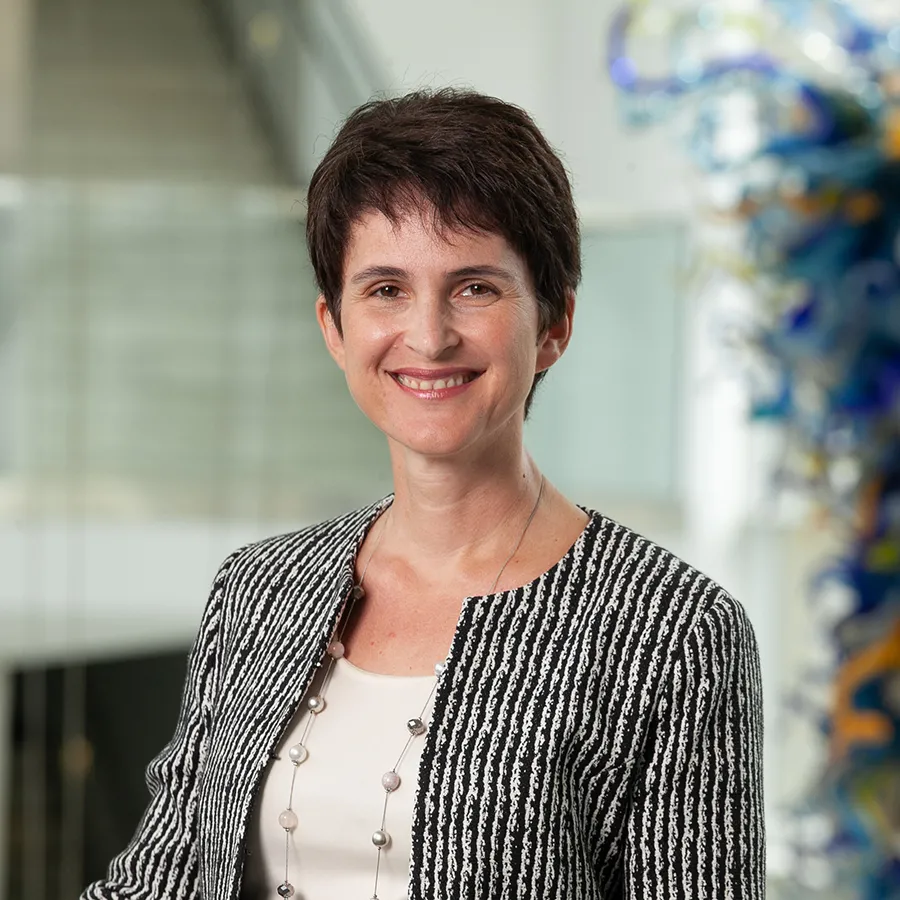
I am excited to step into the interim executive director position at the Brook Byers Institute for Sustainable Systems, with sincere gratitude to John for his pioneering leadership, to the Brook Byers Professors and Faculty Fellows for their high-profile contributions to sustainability research and education, and to Mr. Byers for his generous support of BBISS over the years.
I am also delighted to have the opportunity to work with a very committed team in Mike, Susan, Gay, and Brent, whose combined tenure with BBISS adds up to more than 40 years, not to mention Mike and Brent’s early involvement with defining Georgia Tech’s role in sustainability going back to the late 90s! I invite you all to engage with us over the next year: a small step is to sign up for the BBISS newsletter.
Some colleagues will remember that I had an office at ISTD, BBISS’ precursor, when I was on sabbatical at Georgia Tech from INSEAD about 20 years ago. I was introduced to the campus sustainability community by former executive directors and mentors Carol Carmichael and Bert Bras. When I moved to the Georgia Tech Scheller College of Business in 2005, I was excited to become part of this sustainability community, with whom I have since had many productive and enjoyable collaborations leading to the creation of the Ray C. Anderson Center for Sustainable Business, Serve-Learn-Sustain, the Carbon Reduction Challenge, and more. Rejoining BBISS on its leadership team is bringing things full circle for me and feels a bit like a homecoming.
Over the last year, I have had the privilege of working as co-chair of Sustainability Next, the Georgia Tech Strategic Plan 2020-2030 Implementation Task Force tasked with developing an Institute-wide implementation plan for sustainability cutting across all core missions of Georgia Tech and encompassing both environmental and social sustainability issues defined by UN Sustainable Development Goals. Many of you contributed through the task force, surveys, townhalls, and individual conversations, for which I am grateful. Through this work, I have come to appreciate not only the depth of the sustainability expertise at Georgia Tech but also the unique point at which we find ourselves in terms of the opportunity to have transformative impact in our city, region, nation, and globe.
Assets that collectively provide that opportunity include: the cutting-edge Georgia Tech sustainability research community spanning all six colleges and GTRI; successful sister IRIs, centers, and initiatives; a commitment to campus sustainability exemplified in flagship projects like the Kendeda Building; a student base that is eager to have positive societal impact in their careers; many strong industry partnerships including the Drawdown Georgia Business Compact focused on climate action; federal government and philanthropic dollars poised to invest in climate solutions with an emphasis on social justice; a state government working to bring “new economy” companies into Georgia; many city- and county-level sustainability and climate initiatives; GT-led regional and international sustainability networks including RCE Greater Atlanta and the University Global Coalition; a coalescence around taking Metro Atlanta and Georgia to the next level in entrepreneurial activity; and ELT-level support and resources for sustainability through Institute Strategic Plan funding and Transforming Tomorrow: The Campaign for Georgia Tech theme definition. There is also a set of challenges, of course, but things worth doing are never straightforward!
I look forward to working with you all to capitalize on these assets and the momentum of the present day. My hypotheses about what our priorities should be for this year are the following, and I look forward to hearing your input and suggestions as we finalize them together:
- Grow the community of faculty, students, and staff who see themselves as part of the BBISS family and strengthen ties within;
- Expand BBISS’ research foci to reflect the full richness of sustainability scholarship on campus (here I see a clear focus on climate that draws on all colleges and GTRI as a must);
- Advance BBISS’ capacity to support interdisciplinary grant writing and community-engaged research;
- Partner with schools and colleges to help grow sustainability and climate-related interdisciplinary academic program offerings;
- Accelerate commercialization and entrepreneurship activity in sustainability and climate solutions;
- Contribute to philanthropic success in sustainability both at BBISS and Georgia Tech-wide;
- Grow the visibility of Georgia Tech sustainability thought leadership.
I plan to hold “listening sessions” and a retreat to crystallize BBISS’ research foci and priority activities. To engage with this process and explore whether BBISS is a good “home” for you, please sign up for the BBISS newsletter.
I look forward to working with you all!
Beril
L. Beril Toktay
Professor of Operations Management and Brady Family Chairholder
Interim Executive Director, Brook Byers Institute for Sustainable Systems
Faculty Director, Ray C. Anderson Center for Sustainable Business
Scheller College of Business
Georgia Institute of Technology
News Contact
Brent Verrill, Research Communications Program Manager, BBISS
Jul. 29, 2022
For decades, engineers and scientists have looked to nature for inspiration. One of the most famous examples is Swiss electrical engineer George de Mestral. In 1955, he invented the hook and loop fastener (which he later named Velcro) after studying burdock burrs that kept sticking to his clothes during a hunting trip. For the birth of flight, the Wright brothers studied how birds change the angle of their wings to roll right or left while in the air. They would use the example to refine their control systems in the world’s first successful motor-operated airplane.
A number of Georgia Tech researchers are also focused on biologically inspired design, ranging from the study of how honey bees transport pollen pellets to how small, snakelike lizards move.
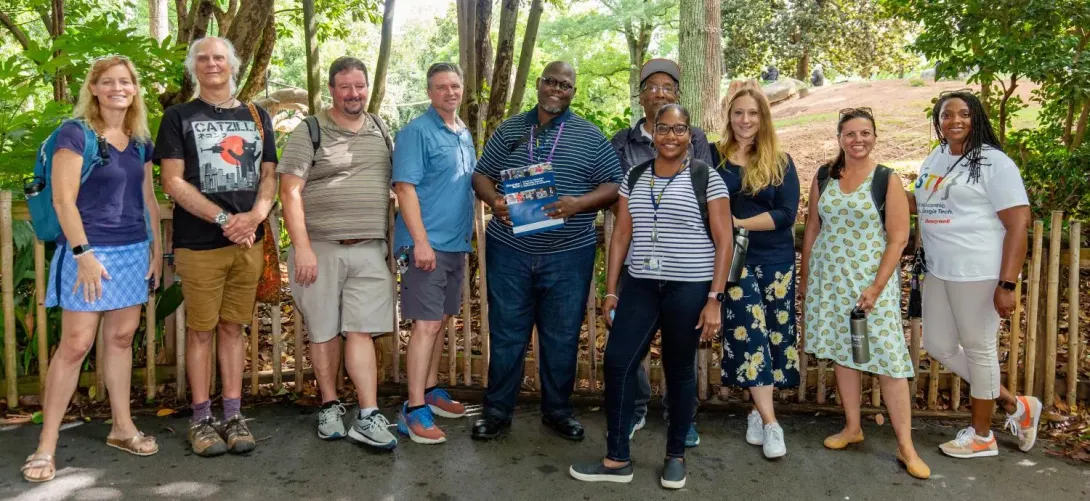
With the assistance of a $3 million National Science Foundation grant, Georgia Tech’s Center for Education Integrating Science, Mathematics, and Computing (CEISMC) and the Center for Biologically Inspired Design (CBID) are partnering on a three year research project that introduces biologically inspired design to high school students throughout metro Atlanta.
Read the Full Story at the College of Engineering Website
News Contact
Candler Hobbs, Communications Officer, College of Engineering