
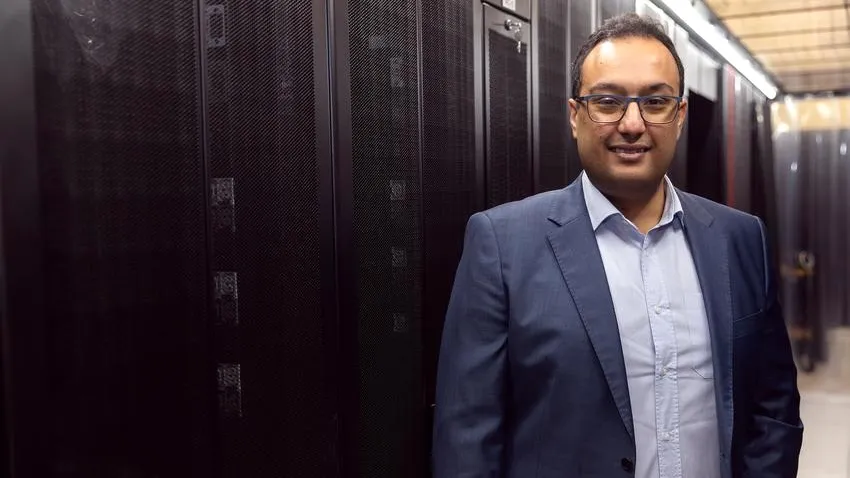
School of Computer Science Assistant Professor Ahmed Saeed has received a CAREER Award from the National Science Foundation (NSF) to support his research on improving data center efficiency.
The award is the NSF’s most prestigious honor for early-career faculty and supports researchers with the potential to serve as academic role models and to lead advances in their department or organization.
"Receiving the NSF CAREER Award is a tremendous honor and an opportunity to advance my long-term research agenda,” Saeed said. “It was only made possible by the creativity and dedication of my students and the unwavering support and guidance of my family and mentors.”
Modern data center servers manage resource allocation and load distribution separately, which can result in conflicting decisions. A key idea behind Saeed’s proposal is to develop an integrated view of these operations to improve efficiency without requiring additional hardware.
“When performing operations jointly, you can maximize performance and completely eliminate the chances of conflict,” Saeed said.
Another driver of the project is what Saeed calls the “single queue fallacy.” This occurs when data center load controllers assume that all incoming requests to a server wait in a single queue to be processed.
In reality, servers are much more complex than this and can handle multiple queues at the same time. Modern workloads have heterogeneous load requirements, meaning that different requests end up landing in different queues.
“This single queue fallacy can lead to severe underutilization of these servers,” he said.
Recent research by Saeed shows that a server’s throughput can be doubled by avoiding the single-queue fallacy.
The potential benefits of this project are wide-ranging and impactful. Maximizing server efficiency would reduce costs and energy use. With fewer resources needed, the project could contribute to more sustainable computing infrastructure. Lower operational costs would benefit companies, application developers, and users.
“The goal of my proposal is to develop mechanisms and policies that can allow data center operators to easily maximize the utilization of all hardware,” he said.
As part of the educational component of his proposal, Saeed plans to organize competitions for students to design more efficient load and resource management algorithms using artificial intelligence.
In addition to this award, Saeed was named a Brook Byers Institute for Sustainable Systems (BBISS) Faculty Fellow last fall to support his goal of making data centers more sustainable.
News Contact
Morgan Usry, Communications Officer, morgan.usry@cc.gatech.edu

The H. Milton Stewart School of Industrial and Systems Engineering (ISyE) at Georgia Tech is playing a key role in a nearly $20 million National Science Foundation (NSF) award received by Georgia Tech that will leverage artificial intelligence (AI), robotics, and advanced manufacturing technologies and facilities to accelerate scientific discovery.
Georgia Tech received the $18.1 million award through NSF's Programmable Cloud Laboratories initiative, a national effort to create AI-enabled automated laboratories that researchers can access remotely.
ISyE’s contribution is led by Pascal Van Hentenryck, the A. Russell Chandler III Chair and professor in ISyE, and includes faculty members Nagi Gebraeel, Roshan Joseph, Kamran Paynabar, Eunhye Song, Xiaochen Xian, and Yao Xie. The broader multidisciplinary effort is co-led by Van Hentenryck, Aaron Stebner, associate director of the Georgia Tech Manufacturing Institute (GTMI), Eugene C. Gwaltney Jr. Chair, James R. and Sarah R. Borders Faculty Fellow, and professor in the School of Materials Science and Engineering, and Tom Kurfess, GTMI executive director and HUSCO/Ramirez Distinguished Chair in Fluid Power and Motion Control in the George W. Woodruff School of Mechanical Engineering.
“Manufacturing is moving toward intelligent, autonomous, and interconnected systems that can learn, adapt, and accelerate innovation,” said Pinar Keskinocak, the H. Milton and Carolyn J. Stewart School Chair of ISyE. “This award positions ISyE and Georgia Tech at the forefront of that transformation. By combining ISyE’s strengths in AI and systems engineering with interdisciplinary collaboration and state-of-the-art facilities, this initiative will accelerate scientific discovery and autonomous manufacturing, and create new opportunities to tackle complex challenges in engineering and manufacturing.”
At the center of Georgia Tech’s contribution is the Advanced Manufacturing Pilot Facility (AMPF), operated through GTMI. The facility combines advanced manufacturing equipment, industrial robotics, and automated research capabilities to help accelerate the development of new materials and manufacturing technologies.
While the initiative brings together experts from multiple disciplines, many of its core challenges align closely with ISyE’s strengths in systems thinking, optimization, machine learning, workflow design, and systems engineering. As part of the effort, ISyE researchers will contribute expertise in these areas to support the development of autonomous research workflows and AI-enabled manufacturing systems.
“This is the AI that will transform scientific discovery and manufacturing,” said Van Hentenryck, who also serves as the director of the NSF AI Institute for Advances in Optimization. “This is deep multidisciplinary collaboration.”
Beyond its research impact, the initiative will provide ISyE students with hands-on experience working on complex, multidisciplinary challenges involving AI, robotics, and scientific discovery while gaining exposure to new domains where ISyE methodologies can be applied.
“This type of deep collaboration across disciplines gives students a window of what is possible in the future and how they can help shape it,” Van Hentenryck added.
News Contact
Communications Manager I

Artificial intelligence (AI) is changing far more than hospital paperwork. Researchers say it's beginning to help doctors make clinical decisions, identify mental health risks earlier, expand care through smartphones and wearable devices, and extend healthcare to people who might otherwise go without it.
While adoption varies across healthcare systems, Georgia Tech researchers say AI is becoming increasingly integrated into medicine. At the same time, questions about privacy, trust, equity, and human oversight remain central to how the technology will be used in the years ahead.
“Medicine has clearly embraced the human-AI fusion approach,” said Jon Duke, director of the Center for Health Analytics & Informatics at the Georgia Tech Research Institute. “The use of AI is encouraged, but reliance on AI is not.”
From Clinical Workflows to Decision Support
Many of healthcare's earliest AI applications focused on reducing administrative burdens. Today, researchers say the technology is increasingly helping clinicians access and interpret information.
Duke points to the growing use of clinical AI tools such as OpenEvidence, which provide healthcare professionals with AI-generated, source-backed answers to medical questions.
“AI is moving beyond administrative tasks and beginning to play a meaningful role in clinical decision support,” Duke said.
Within electronic health records, AI is being used to generate clinical notes from patient-provider conversations and summarize complex patient charts. While healthcare systems have moved most quickly on efficiency-focused applications, Duke said AI is steadily becoming part of everyday clinical practice.
Still, he believes human oversight will remain essential.
“One of the biggest long-term questions is whether physicians trained alongside AI will develop the same level of independent clinical judgment as previous generations,” he said.
Expanding Access Beyond the Doctor's Office
Researchers also see AI creating new opportunities outside hospitals and clinics.
Munmun De Choudhury, professor in the School of Interactive Computing, said AI is helping public health systems identify emerging mental health concerns by analyzing digital and clinical data.
“AI is enabling public health systems to move from reactive to more proactive approaches by identifying emerging mental health concerns from diverse digital and clinical data sources,” De Choudhury said.
Those insights may create opportunities for earlier intervention.
“AI has the potential to identify subtle behavioral changes that precede worsening mental health, creating opportunities for earlier support before someone reaches a crisis,” she said.
Alexander Adams, assistant professor in the School of Interactive Computing, studies wearable sensing systems, remote patient monitoring technologies, and point-of-care health tools. He said advances in AI are accelerating innovation in areas such as pharmaceuticals, medical imaging, simulation, and biomarker discovery.
“The biggest changes I am seeing are the increased productivity in pharmaceuticals, medical imaging, simulation, and biomarker discovery,” Adams said. “That has a downstream impact on what we can measure at the point of care.”
According to Adams, smartphones and wearable devices have become increasingly important healthcare tools because of the amount of data they collect.
“No stand-alone medical devices generate nearly as much data as smartphones and smartwatches, making them a natural place for modern AI,” he said.
He also sees significant potential for AI-enabled technologies to improve access in rural and underserved communities.
“These technologies are especially important for underserved and rural populations that often have less access to care and face higher risks of complications,” Adams said.
Balancing Innovation and Human Connection
Despite growing interest in AI, researchers caution that adoption is not without challenges.
“The real opportunity lies not in building more autonomous AI, but in designing systems that strengthen human judgment, clinical expertise, and community care,” De Choudhury said.
Although AI has advanced rapidly, its impact on chronic disease management has remained limited, said Rosa Arriaga, professor in the School of Interactive Computing.
“AI holds a lot of promise but hasn't delivered much in the way of real-world applications,” Arriaga said.
She also raised concerns about how increased reliance on data-driven tools could affect interactions between clinicians and patients.
“The fear is that clinicians become ‘data checkers’ and have even less interaction with patients,” she said.
At the same time, Arriaga said AI is having its greatest impact in the mental wellness space.
“There are now randomized controlled trials showing that some people are willing to receive ‘therapy’ from an AI agent and that this intervention is beneficial,” she said.
However, she cautioned that those developments should be considered alongside potential risks.
“Greater interactions with AI may lead to greater isolation, and parasocial relationships with AI may erode the social fabric,” Arriaga said.
Shaping the Next Era of Healthcare
Despite differing views on the opportunities and challenges, the researchers see AI becoming a lasting part of healthcare.
“AI is accelerating everything,” Adams said. “Even through rapid iteration and simulation alone, it will accelerate medical devices and point-of-care technologies.”
As healthcare organizations continue to explore where AI can improve care, researchers say the future of medicine will depend not only on technological advances but also on how effectively those tools support the people who deliver and receive care.
News Contact
Siobhan Rodriguez
Georgia Institute of Technology
Institute Communications
As artificial intelligence (AI) becomes more integrated into everyday life, researchers are working to better understand and reduce the new digital safety risks it creates.
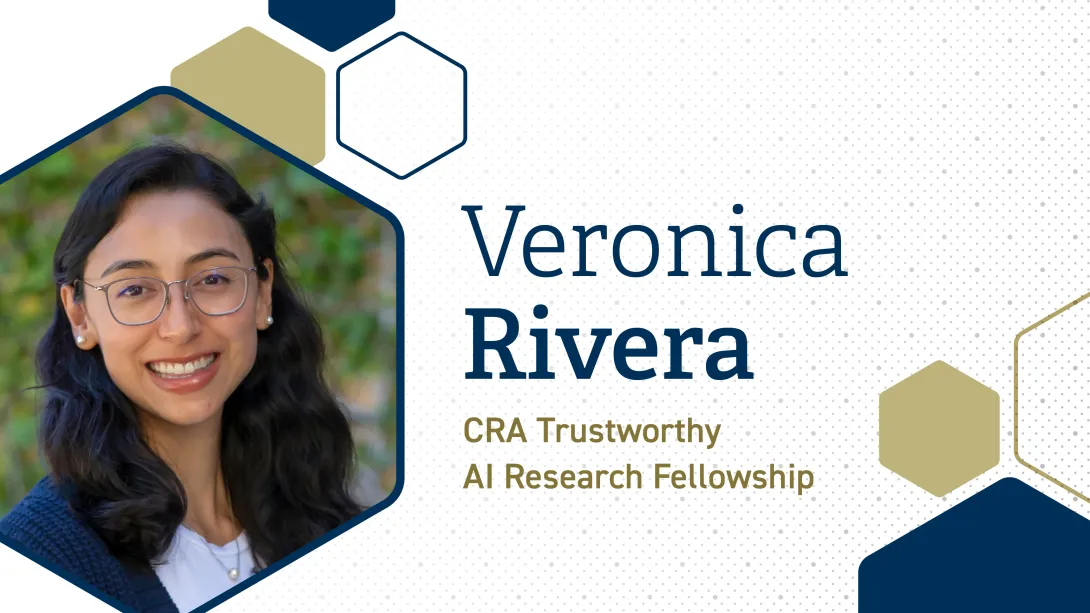
Veronica Rivera, an incoming assistant professor in Georgia Tech's School of Cybersecurity and Privacy (SCP), studies human-computer interaction, security, and privacy to create safer digital experiences. Her research earned her selection to the second cohort of the Computing Research Association (CRA) Trustworthy AI Research Fellowship for Early Career Scholars.
"I am excited and honored to be part of this year's CRA Trustworthy AI Research Fellowship cohort," said Rivera.
"This program reflects the importance of cross-disciplinary research and collaboration in building AI systems that benefit and support society. I look forward to spending the next year building collaborations that support me and my students' research into protecting the digital safety of the diverse communities who use AI tools."
Rivera's research examines how technology shapes interpersonal relationships. Using empirical and design-based methods, she partners with communities affected by technology-facilitated abuse to understand digital safety risks and develop technologies that better protect users.
Through the fellowship, Rivera will study how AI is reshaping technology-facilitated abuse and develop data collection methods that enable researchers to assess these evolving risks over time.
"Trustworthy AI is a key research area in the School of Cybersecurity and Privacy and the College of Computing," said SCP Interim Chair Mustaque Ahamad. "The CRA Trustworthy AI Research Fellowship recognizes Veronica's innovative research and will help her build a research program that advances an area of strategic importance to our school and the broader AI community."
Supported by Microsoft, the CRA Trustworthy AI Research Fellowship recognizes early-career computing researchers who combine technical expertise with interdisciplinary approaches to address the ethical, societal, and human-centered challenges of artificial intelligence. The fellowship provides interdisciplinary training, mentorship, and collaboration opportunities that help researchers integrate ethical, societal, and human-centered perspectives into AI research and development.
Over the next year, Rivera and the other fellows will participate in a series of professional development activities, including a four-day Field School in Cambridge, Massachusetts. The program also includes quarterly virtual meetings, mentoring opportunities, and collaboration with scholars participating in related AI and data ethics programs.
News Contact
John Popham
Communications Officer II at the School of Cybersecurity and Privacy

-Written by Seungho Lee
Recycled materials promise a cleaner future, but recycled content alone does not necessarily make a product sustainable. At Georgia Tech’s Daedalus Lab, assistant professor, National Science Foundation CAREER Award recipient, and Brook Byers Institute for Sustainable Systems Faculty Fellow Christos Athanasiou and postdoctoral researcher Danqi Sun are working to provide greater certainty to designers and engineers by rethinking how materials are tested for their fracture characteristics. Their article in Science Advances details a new testing protocol that reduces cost, increases speed, and simulates real-world conditions.
Materials shape nearly every part of modern life, from packaging and consumer products to bridges and medical devices. Choosing the right material involves balancing durability, cost, manufacturability, and environmental impact. Yet those decisions are not always guided by a clear understanding of how materials age and fail under real-world conditions, especially for recycled materials like plastics.
One way that materials frequently fail is by cracking. A small crack can begin almost invisibly. Over time, it can spread from regular wear and tear and exposure to common environmental factors like moisture, temperature fluctuations, or even dirt. Eventually, the crack expands, and the part fails. Engineers have studied fracture for more than a century, but connecting the science of cracking to practical decisions about sustainability remains a major challenge.
The characteristics of recycled plastics often vary from those of the same material in unrecycled, or virgin, form. Products made from recycled plastics may be sold with sustainability claims under the assumption that they will perform as if they were made with virgin material. However, premature failure requiring repair or replacement can quickly change the sustainability equation as well as the acceptance of recycled materials by manufacturers and consumers.
Beyond Conventional Fracture Testing
Materials rarely fail due to a single factor. They may be exposed to several factors simultaneously, such as mechanical loading, chemical environments, temperature changes, moisture, and time. Traditional fracture protocols test one specimen at a time under carefully controlled laboratory conditions, which bear little resemblance to the real world. To move beyond this limitation, Sun developed an in-situ, high-throughput platform capable of studying how materials degrade and fail under more realistic conditions.
The platform changes conventional fracture testing in three important ways. First, it can test multiple specimens simultaneously rather than one at a time. By monitoring samples in parallel, testing time can be reduced by more than 60%. Second, it allows materials to be tested in realistic environments. In this study, researchers examined virgin and recycled plastics in alkaline environments that resemble conditions encountered in applications like landfill liner membranes and geotextiles. Third, the platform incorporates an imaging technique known as photoelasticity, which reveals the formation of stress fields that form around the origin of a newly developing crack. This allows researchers to see cracks develop earlier than before, giving them a clearer picture of the forces that drive crack growth.
The researchers have made the technology available for licensing through Georgia Tech’s Office of Technology Licensing. “Our goal was to make fracture testing not only faster but also more informative,” Sun said. “By combining high-throughput testing, realistic environments, and full-field stress imaging, we can better understand how materials fail under conditions closer to real-world applications.”
An Honest View of Sustainability
Recycled plastics are often viewed as a greener choice. But according to the study, it’s not always so straightforward. If a recycled product fails prematurely and needs to be replaced frequently, its environmental and economic costs can increase despite its recycled content. As Athanasiou puts it, “Failing materials don’t just break products. They can break sustainability promises.”
For example, comparing virgin polyethylene terephthalate (PET) with recycled PET (rPET) in applications such as landfill geotextiles, the researchers discovered that rPET showed lower resistance to environmental stressors, particularly in alkaline conditions over a pH of 9. In this application, specifying rPET over virgin PET would likely eliminate all of the presumed economic and environmental advantages of using a recycled material.
“Recycling is essential, but recycled content alone does not tell the full story. If a material fails too soon, the environmental benefits can disappear,” Athanasiou said.
From Cracks to Circularity
For the researchers, the significance of the work extends beyond recycled plastics. The broader goal is to provide a fast, affordable, and realistic platform for evaluating the sustainability of any material choice. Because current testing protocols are costly, not widely available, and limited in the information they yield, engineers, manufacturers, and policymakers often have little choice but to continue to specify non-recycled materials because they will perform as expected. Having cheap and accurate data on recycled materials will help to accelerate their adoption because matching the engineering properties of recycled materials to their most appropriate applications will become more obvious.
The researchers also hope to expand the platform to simulate even more complex environments and apply it to a wider range of materials. Because the system generates large amounts of detailed data, it may enable opportunities to use computational modeling or artificial intelligence to digitally simulate mechanical testing, driving down costs and expanding availability even more.
The larger vision is a future in which sustainability is judged not by labels or assumptions, but by evidence for how a material performs, how long it lasts, how it fails, and what it costs society and the environment over its full lifetime.
Please visit the Daedalus Lab YouTube channel to see an explainer video about this new testing protocol: https://youtube.com/watch?v=zmRhiRIiAkQ
Read the paper here: https://www.science.org/doi/10.1126/sciadv.aeh0456
This research was supported by the National Science Foundation CAREER Award No. 2338508.
News Contact
Brent Verrill, Research Communication Manager, BBISS
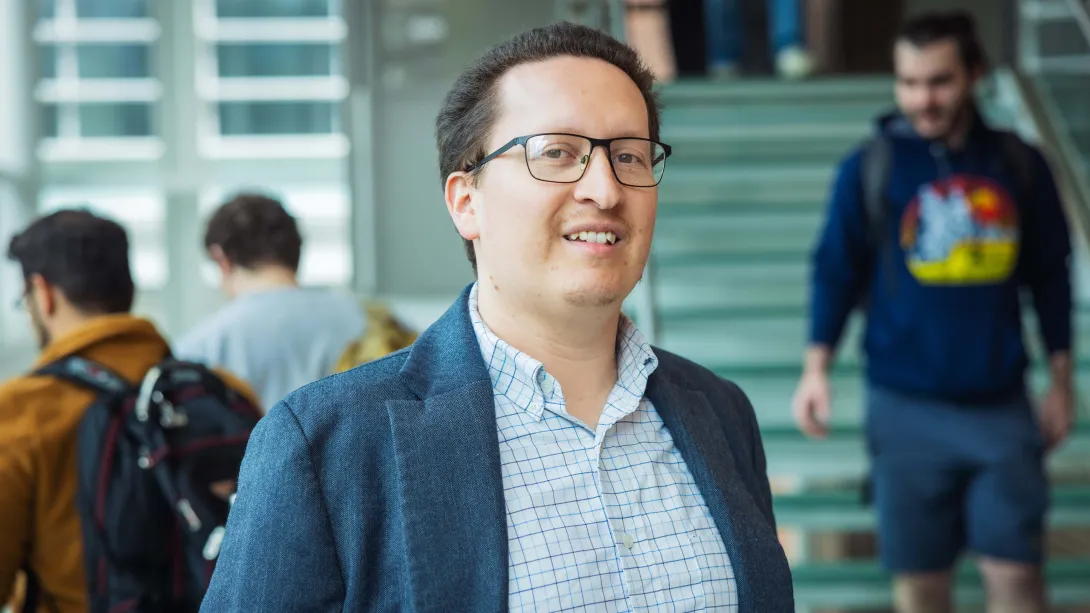
SCI faculty member Pedro Guillermo Feijóo-García was selected by Fulbright Colombia to moderate the closing panel of the Fulbright Reimagined Summit on AI.
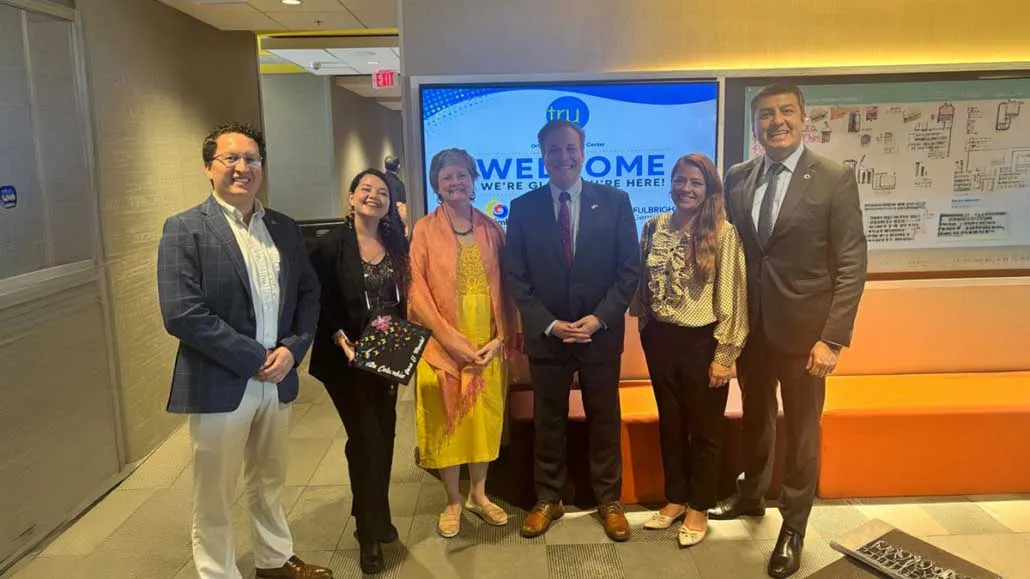
SCI faculty member Pedro Guillermo Feijóo-García was selected by Fulbright Colombia to moderate the closing panel of the Fulbright Reimagined Summit on AI.
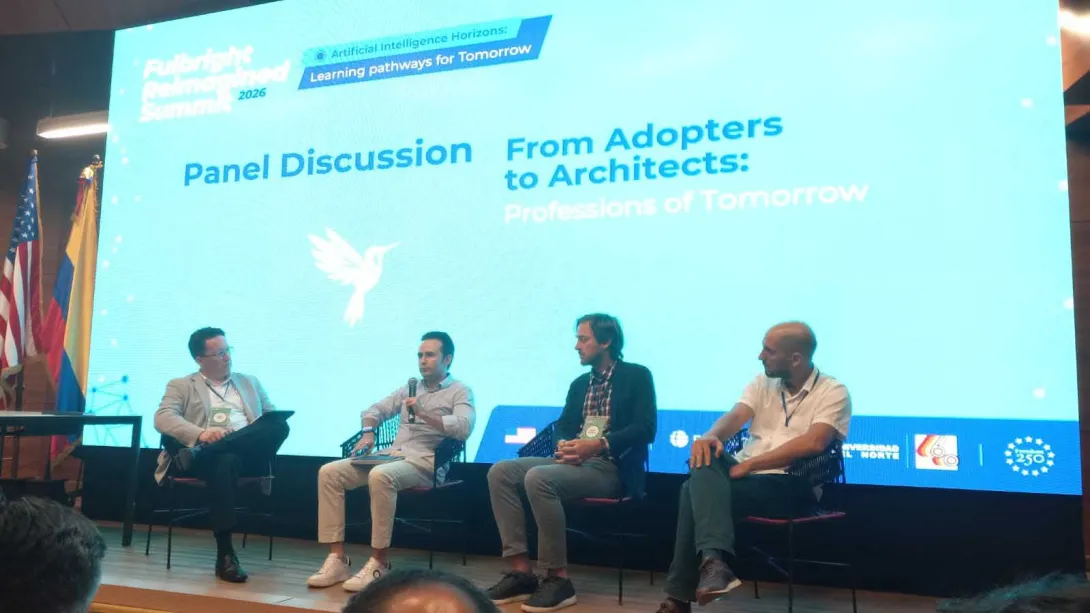
SCI faculty member Pedro Guillermo Feijóo-García was selected by Fulbright Colombia to moderate the closing panel of the Fulbright Reimagined Summit on AI.

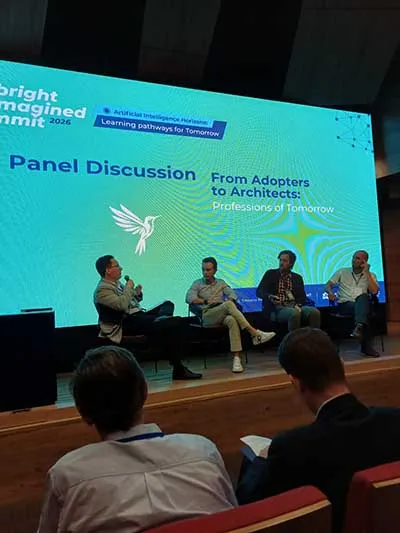
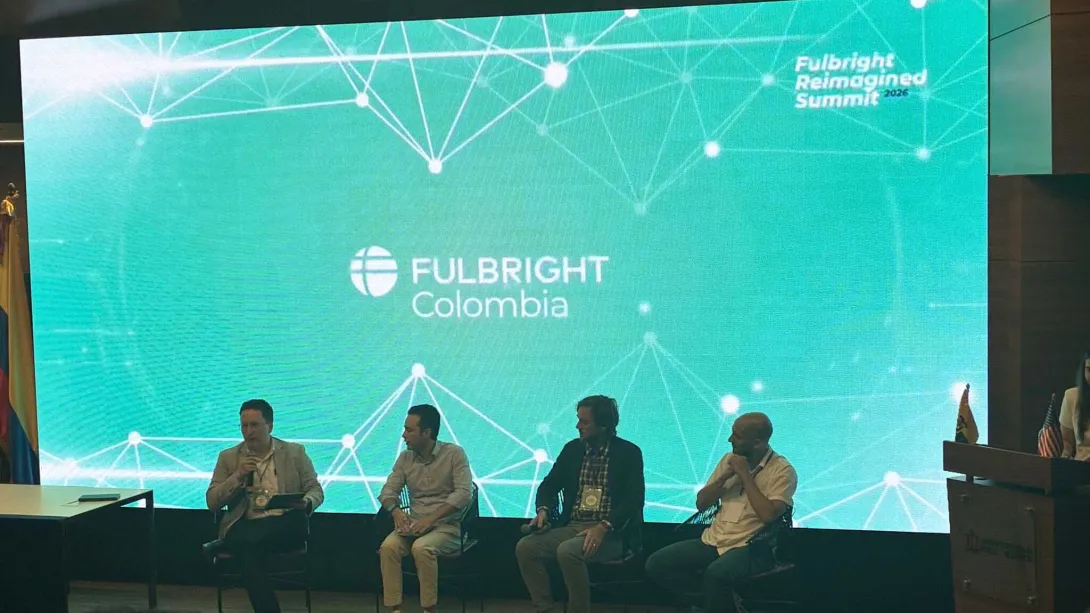
A School of Computing Instruction (SCI) faculty member recently shared his expertise in computing education with to an international audience.
SCI Instructor Pedro Guillermo Feijóo-García was selected by Fulbright Colombia to moderate the closing panel of the Fulbright Reimagined Summit 2026: AI Horizons: Learning Pathways for Tomorrow.
Held last month at Universidad del Norte in Barranquilla, Colombia, the summit convened scholars, educators, policymakers, and industry leaders to examine how artificial intelligence (AI) is transforming education, work, governance, and society.
Fulbright Colombia invited Feijóo-García to moderate the closing discussion, From Adopters to Architects: Professions of Tomorrow, in recognition of his research on human-AI interaction and the hidden curriculum in engineering and computer science education.
"As a Fulbright alumnus, being invited to contribute to such an important event was an honor and a privilege," Feijóo-García said. "Beyond the personal recognition, I viewed this opportunity as a meaningful platform to facilitate conversations around the future of education, technology, and workforce development."
From Computing Education to AI Futures
At Georgia Tech, Feijóo-García directs the People-Agents Research for Computing Education (PARCE) Laboratory. His research examines the intersection of computing education, STEM learning, and AI, focusing on student preparedness, professional development, and the hidden curriculum- which he explains as the implicit skills and expectations that shape students' academic and career success.
Feijóo-García says his perspective is shaped by years of work in computing education. During his master's studies in systems and computing engineering at Universidad de los Andes in Colombia, he explored ways to expand access to computing education through interactive programming environments. He went on to earn his Ph.D. in human-centered computing from the University of Florida, where he focused his research on computing education and human-centered AI.
"AI is transforming how we learn, work, communicate, make decisions, and interact with one another," Feijóo-García said. "As educators, we need to prepare students not only with technical competencies, but also with critical thinking, ethical reasoning, collaboration, and the ability to adapt."
Preparing Students for the Professions of Tomorrow
Rather than viewing AI as a challenge for higher education, Feijóo-García sees it as an opportunity for universities to rethink how they prepare students for an evolving workforce. He believes educators should help students develop the judgment to know when AI can enhance their work and when independent reasoning and human expertise are essential.
"The conversation should not revolve around whether AI belongs in education, but rather how we integrate it responsibly and intentionally," Feijóo-García said.
He also hopes students begin to think of AI not only as artificial intelligence, but as augmented intelligence. "The goal should not be to replace human thinking, but to enhance it," he said.
Feijóo-García emphasized that AI should augment human capabilities rather than replace human judgment. Preparing students for an AI-driven workforce requires helping them understand when AI can support their work and when human reasoning, creativity, and expertise are essential.
Strengthening U.S.–Colombia Collaboration
The summit reinforced the value of collaboration among scholars, educators, policymakers, and industry leaders in advancing research and education. Earlier this year, Feijóo-García participated in another Fulbright Colombia event focused on strengthening scientific collaboration between Colombia and the United States.
The Fulbright Program, which operates in more than 160 countries worldwide, is the United States government’s flagship international academic exchange program to support peaceful relations between the people of the U.S. and the people of other countries. Fulbright Colombia, the binational commission for educational exchange between the U.S. and Colombia, has supported academic and scientific collaboration between the two countries since 1957.
Feijóo-García’s academic journey reflects the impact of these collaborations. The Fulbright Program supported his doctoral studies in the United States, and he continues to build connections between Colombia and the U.S. through his work at Georgia Tech.
"Scientific diplomacy is built on people," Feijóo-García said. "Events like the Fulbright Reimagined Summit provide the environment where trust is established, ideas are exchanged, and collaborations begin."
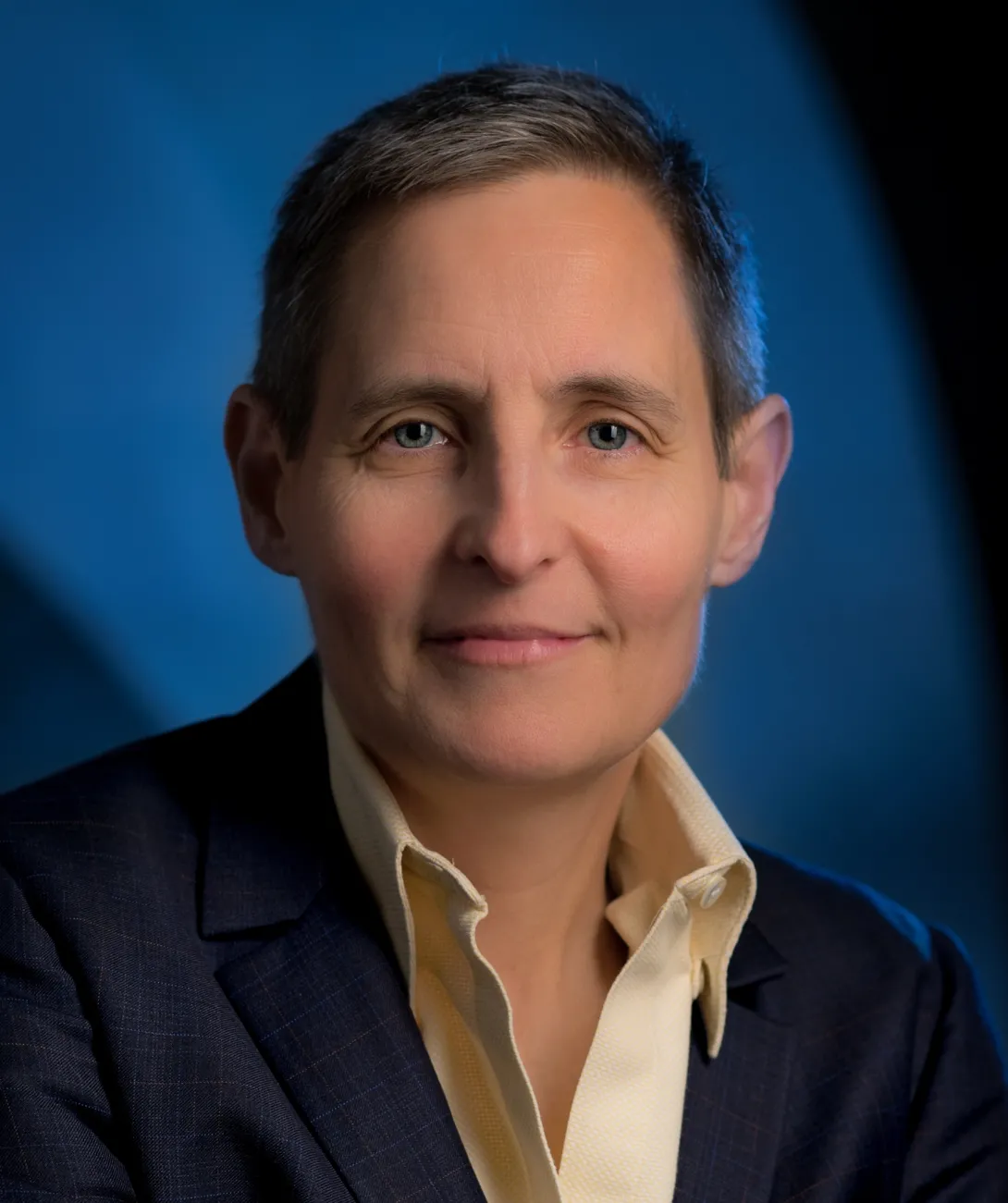
Ann Dunkin, P.E. (BSIE 1986, MSIE 1988), will serve as event chair for the Institute of Industrial and Systems Engineers’ (IISE) inaugural Emerging Technologies Forum on Aug. 26.
Dunkin is an IISE Fellow, the highest classification of IISE membership that recognizes outstanding leaders of the profession who have made significant, nationally recognized contributions to industrial and systems engineering. She has served as chief information officer at the U.S. Department of Energy and the U.S. Environmental Protection Agency, as well as chief strategy and innovation officer at Dell Technologies. She has also held numerous leadership positions at Hewlett Packard, largely in the areas of manufacturing, research and development and IT. She currently serves as a distinguished external fellow with Georgia Tech’s Strategic Energy Institute.
Dunkin holds appointments as a distinguished professor of the practice in Georgia Tech’s School of Cybersecurity and Privacy and in the Jimmy and Rosalynn Carter School of Public Policy. She is also a distinguished external fellow at the Georgia Tech Research Institute (GTRI).
“The Emerging Technologies forum is a great opportunity for practicing ISEs to get exposure to a range of emerging technologies in a short period of time and identify those that they want to experiment with and implement in their organizations,” Dunkin said.
The Aug. 26 event, which will be held virtually from 1-5 p.m. EDT, will explore technologies shaping the future of industrial and systems engineering, including artificial intelligence, digital twins, and robotics and autonomy.
As event chair, Dunkin will be joined by experts from the healthcare, aerospace, logistics, manufacturing and technology industries, including representatives from Royal Caribbean, The Boeing Company, UPS and other organizations.
The complimentary event is open to engineers and improvement professionals of all backgrounds. Registration is available through the IISE Emerging Technologies Forum website.
News Contact
Anna Akins
Communications Manager I
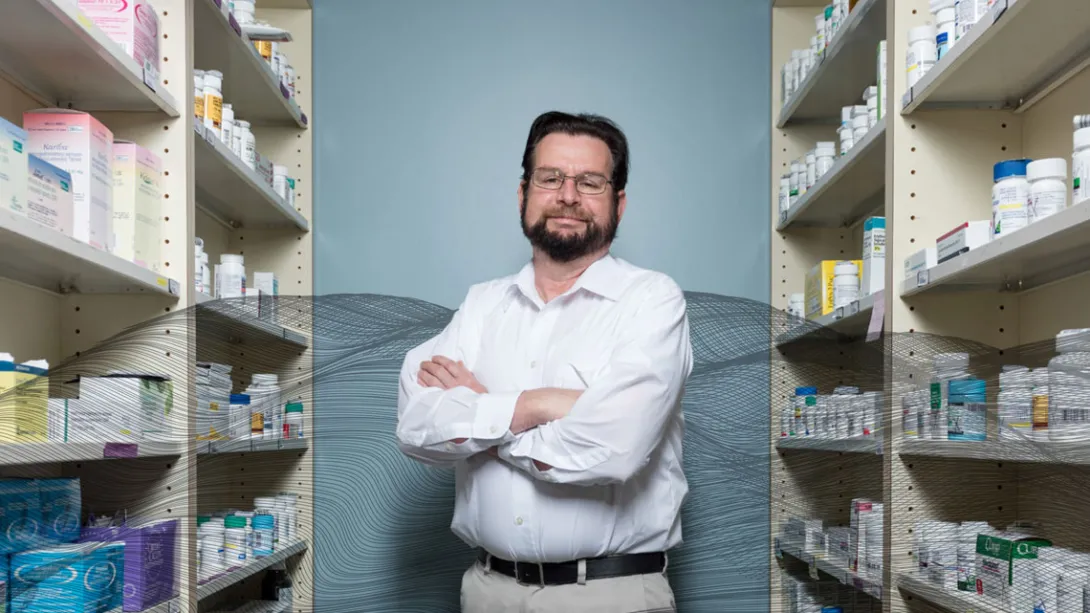
Jeffrey Skolnick will lead the first research initiative in the new Parker H. Petit Center for AI-Driven Health Innovation.
The Georgia Institute of Technology today announced the creation of the Parker H. Petit Center for AI-Driven Health Innovation, a new research center that will use artificial intelligence (AI) to help predict, treat, and prevent disease.
The Petit Center is made possible by a transformational commitment from technology entrepreneur, philanthropist, and Georgia Tech alumnus Parker H. "Pete" Petit.
Since 1980, Petit has provided significant philanthropic support across campus, including the naming of the Parker H. Petit Institute for Bioengineering and Bioscience (IBB), one of Georgia Tech’s 11 Interdisciplinary Research Institutes. IBB is an interdisciplinary hub for transforming biological discovery into real-world health impact, bringing together engineers, scientists, and clinicians to accelerate innovations in diagnostics, therapeutics, medical devices, and biomanufacturing. With more than 300 interdisciplinary faculty researchers, 13 research centers, and 1,300 trainees making unprecedented discoveries and generating innovative technologies, IBB is a catalyst for innovative bioengineering and bioscience research.
The success of IBB led Petit to make his latest investment, which will build on Georgia Tech’s broader commitment to medical innovation: applying engineering, computing, AI, biosciences, and systems thinking to health challenges that require more than any one field can solve. The Petit Center’s work will strengthen the tools, partnerships, and research pathways needed to help more discoveries move from the lab toward real-world patient care.
A key goal of the Petit Center will be to use AI to build more precise models of how disease works in the body. Its first research initiative will focus on creating virtual models of human cells. Led by Jeffrey Skolnick, Regents’ Professor and Mary and Maisie Gibson Chair and GRA Eminent Scholar in Computational Systems Biology in the School of Biological Sciences, researchers will use those models to study how diseases progress and to identify treatments that may work best for individual patients.
By modeling disease at the cellular level, researchers can test ideas faster, uncover links among different diseases, and focus on therapies most likely to help patients based on their unique biology. The work could expedite the discovery of new therapies for some of the hardest-to-treat diseases, including pancreatic cancer and glioblastoma, an aggressive form of brain cancer.
“Medical innovation is one of the fastest-growing areas in Georgia Tech’s research, and Pete Petit’s commitment will help us further shape the future of medicine," said Ángel Cabrera, president of Georgia Tech. “This new research center will find new ways to harness the power of AI to accelerate critical medical discoveries and move them into clinical settings so patients can get the care they need. We’re deeply grateful for Pete's support, and we’re excited to get started.”
The Parker H. Petit Center for AI-Driven Health Innovation will operate under the Institute for Data Engineering and Science (IDEaS) and bring together researchers from across Georgia Tech to advance AI-driven approaches to human health. Researchers affiliated with the Petit Center will work across fields and with clinical and healthcare organizations to help close the gap between discovery and practical use. Over time and with additional investments, the Petit Center’s work will expand into areas such as cancer biomarker discovery, healthy aging, advanced cellular therapies, and AI-supported healthcare systems.
"Georgia Tech has the expertise to redefine what is possible in healthcare through AI," said Skolnick. "By combining advanced computational methods with biological and medical insights, we can create powerful new approaches to predicting disease, identifying treatments, and improving patient outcomes."
Petit’s commitment will support advanced computing infrastructure, graduate and postdoctoral fellowships, seed research grants, and annual programs that will bring together leading researchers from around the world working at the intersection of AI and health.
Petit hopes this investment will inspire others to support interdisciplinary research at the Institute. "Georgia Tech has long demonstrated its ability to solve complex challenges," said Petit. "I believe artificial intelligence will fundamentally reshape healthcare, and I am excited to support a center that can help accelerate discoveries to improve and save lives."
This transformative commitment is included in Transforming Tomorrow: The Campaign for Georgia Tech and is propelling the comprehensive campaign’s success.
About Georgia Tech
The Georgia Institute of Technology is one of the nation’s leading public research universities, developing leaders who advance technology and improve the human condition. Through education, research, and innovation, Georgia Tech creates solutions that improve lives and drive economic opportunity in Georgia and around the world.
News Contact
- This image features the logo for the Georgia Tech Institute for Data Engineering and Science.
- It displays a stylized, abstract graphic of a circuit board and a semiconductor chip against a deep blue background.
- The design emphasizes concepts related to data science, engineering, and artificial intelligence
The Institute for Data Engineering and Science (IDEaS) has selected faculty to serve in two associate director roles that will center on developing internal and external community projects at the intersection of data sciences, machine learning, and AI. They will support the executive director, David Sherrill, in creating research and upskilling opportunities for the campus community in fundamental and applied machine learning and AI for research and by identifying promising new research collaborations and potential funding sources.
Ghassan AlRegib will serve as associate director for Research and Education, seeking large-scale funding opportunities, creating upskilling workshops, coordinating efforts with relevant student groups, and fostering thought leadership in areas relevant to IDEaS’ mission: data science, machine learning, artificial intelligence, and high-performance computing.
AlRegib is the John and Marilu McCarty Chair in the School of Electrical and Computer Engineering. His group, the Omni Lab for Intelligent Visual Engineering and Science (OLIVES), conducts machine learning research aimed at shifting learning systems from data-centric to human-centric, with an emphasis on robustness, uncertainty, human-AI interaction, and explainability. His team’s research is applied to vision, subsurface imaging, autonomous systems, healthcare intelligence, and education.
Vijay Ganesh has been appointed associate director for Research, after serving in this role on an interim basis since 2025. He will support the development of new strategic research initiatives, work closely with faculty, research staff, and industry partners to create and strengthen interdisciplinary teams, and help IDEaS seek large-scale funding opportunities.
Ganesh is a professor of computer science, and he served as co-director of the AI Institute at the University of Waterloo before moving to Georgia Tech in 2023. He is a co-founder and a steering committee member of the Centre for Mathematical AI at the Fields Institute and an AI Fellow at the Balsillie School of International Affairs.
“I’m delighted that Vijay Ganesh has agreed to continue in the role of associate director of Research; his expertise in AI and formal verification methods has been central to our formulation of new research initiatives,” said Sherrill. “I’m also thrilled that Ghassan AlRegib is joining our leadership team. He is a longtime key IDEaS faculty member, and he has led multiple centers at Georgia Tech. His recent experience hosting a planning grant for his Accessible Healthcare Through AI-Augmented Decisions perfectly positions him to help lead IDEaS’ AI for Health initiative, and his experience in developing AI courses and educational tools makes him the right person to lead our AI upskilling workshops.”
“I am thrilled to join IDEaS,” AlRegib said. “Data science, machine learning, and AI are no longer specialized disciplines; they are foundational tools on which nearly every research enterprise on campus depends. IDEaS' greatest value is not to be the place where AI happens, but to be the connective tissue that makes AI impactful and accessible for everyone else. This is the kind of work I care deeply about, helping connect faculty curiosity with collaborative teams, emerging methods with usable skills, and student interest with real AI capability. The best measure of our success will be what every other unit at Georgia Tech is able to accomplish because IDEaS exists.”
"I am delighted and honored to be reappointed as IDEaS' associate director for Research. AI is a paradigm-shifting technology that is transforming research across every discipline, and IDEaS is at the forefront of enabling that transformation at Georgia Tech,” Ganesh said. “My vision for this role centers on advancing the research on campus in both the foundations of AI and its applications to mathematics, science, and engineering. To that end, I look forward to shaping strategic research initiatives, partnering with faculty across campus to pursue large-scale funding opportunities, and organizing timely workshops and seminars that bring our community together. It is a privilege to continue this work.
-Christa M. Ernst | Research Communication Manager

Image shows an example of an e-cigarette device containing screens. (Credit: CDC Foundation)
E-cigarettes, also known as vapes, are battery-operated devices that heat a liquid that typically contains nicotine, an addictive substance. These devices are continually changing, with new flavors, novel device designs, and digital screens. Some of these e-cigarettes — sometimes called “smart vapes”— include built-in games and Bluetooth connectivity that have the potential to gamify the use of nicotine. Many of these devices are marketed online but cannot be easily monitored with existing data sources and methods.
A new study published July 9 in the journal Nicotine and Tobacco Research demonstrates how artificial intelligence (AI) can be used to automatically detect and classify new e-cigarette devices with screens. The study, led by Georgia Tech Research Institute (GTRI) scientists, in collaboration with the CDC Foundation, analyzed publicly available product images from online tobacco retailers.
“Monitoring online e-cigarette marketing is like a game of Whack-A-Mole, with so many new products and features popping up,” said Kristy Marynak, PhD, Senior Director for Tobacco Control Initiatives at the CDC Foundation and a study author. “This study shows how machine learning techniques can shed light on the online e-cigarette marketplace and the vast quantities and types of e-cigarette products available.”
Read the full article on the Georgia Tech Research Institute news page