
Before building a fusion reactor, designing a new aircraft, or forecasting tsunamis, scientists and engineers test their ideas using computer simulations. The people who create and use the software that powers these simulations are meeting in Atlanta this fall to share best practices and improve their tools.
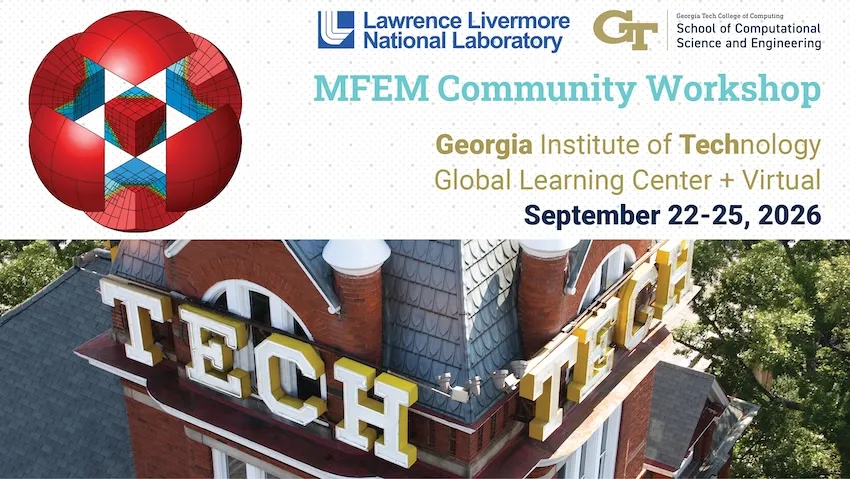
Georgia Tech is hosting the 2026 MFEM (Modular Finite Element Methods) Community Workshop, Sept. 22-25. MFEM supports research in computational physics, earth systems modeling, engineering, energy, and other fields.
The four-day workshop is being held at the Georgia Tech Global Learning Center and will focus on improving software for scientific computing and discovery. Participants can also attend online. Registration for the workshop is open through Sept. 11.
“We're very excited and grateful for the opportunity to have this workshop at Georgia Tech,” said Tzanio Kolev, a computational mathematician at Lawrence Livermore National Laboratory (LLNL).
“Georgia Tech has a great reputation in our field, and hosting at universities is a great way to connect with students. We see students as our future colleagues who will improve MFEM for generations to come.”
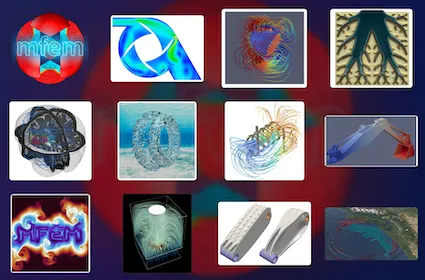
MFEM is an open-source software library for solving equations in computational models. Scientists and engineers use it to build and test virtual designs on some of the world’s most powerful supercomputers before creating real-world prototypes.
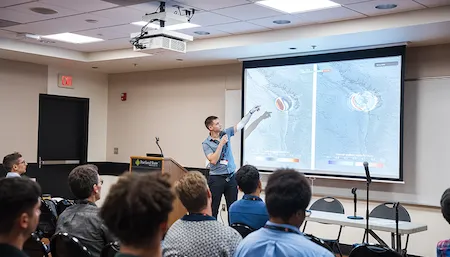
In fact, MFEM powered a tsunami early-warning model that ran on El Capitan, the world’s second-fastest supercomputer. The framework completed a simulation in a fraction of a second, 10 billion times faster than conventional algorithms. Kolev was part of the team that won the 2025 Gordon Bell Prize for the project.
MFEM’s impact extends beyond its original developers. The AWS Center for Quantum Computing uses the software as the foundation for a tool called Palace. This project runs 3D electromagnetic simulations to aid in the design of quantum computing hardware.
“These workshops have been very beneficial for both the broader user community and also for MFEM developers,” said Kolev.
“Every workshop, we are surprised by the ways people are building on our work, seeing what incredible, interesting, amazing things they do with it.”
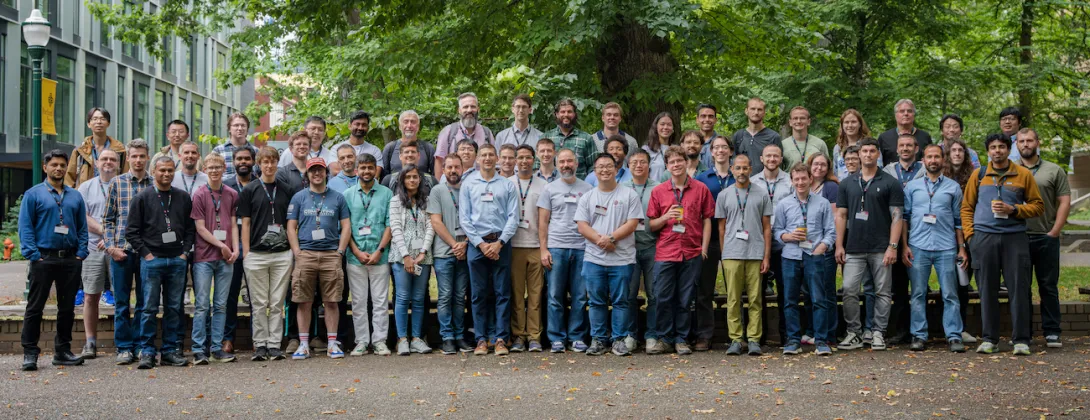
Next month’s workshop at Georgia Tech will connect MFEM users and developers from national laboratories, academia, government, and industry.
The United Kingdom Atomic Energy Authority joins LLNL and Georgia Tech in sponsoring this year’s workshop. Nearly 20 scientists from Department of Energy (DOE) laboratories are attending in person. They represent LLNL, Los Alamos National Laboratory, Princeton Plasma Physics Laboratory, and the Naval Nuclear Laboratory.
The workshop’s first day features a free, hybrid tutorial. LLNL’s High Performance Computing Innovation Center will lead the tutorial, helping new users get started with MFEM and learn what the software can do. The tutorial requires separate registration for virtual participants.
The workshop will also host a simulation and visualization contest. Participants can submit images and videos of simulations using MFEM, which will be posted in a gallery. The workshop organizers will select an overall winner.
Further workshop activities include:
- MFEM news and roadmap for future projects
- Talks from application developers
- Student-user lightning talks
- In-person poster sessions
- Office hours with MFEM experts
The MFEM workshop highlights the role open-source software plays in scientific discovery.
By making tools freely available, researchers can build on each other’s work rather than starting from scratch. This shared approach can accelerate innovation, improve software, and make advanced computing tools accessible to a wider community.
Georgia Tech hosts a Center for Scientific Software Engineering and an Open-Source Program Office. This year’s workshop connects these units with the MFEM community to help put the software into the hands of more researchers across science and engineering.
“The MFEM workshop aims to foster collaboration among all MFEM users and developers,” said Qi Tang, a workshop organizer and assistant professor in the School of Computational Science and Engineering.
“Hosting its annual community workshop brings researchers from DOE laboratories, universities, and industry to campus, giving Georgia Tech faculty and students direct access to experts from the field.”
News Contact
Bryant Wine, Communications Officer
bryant.wine@cc.gatech.edu

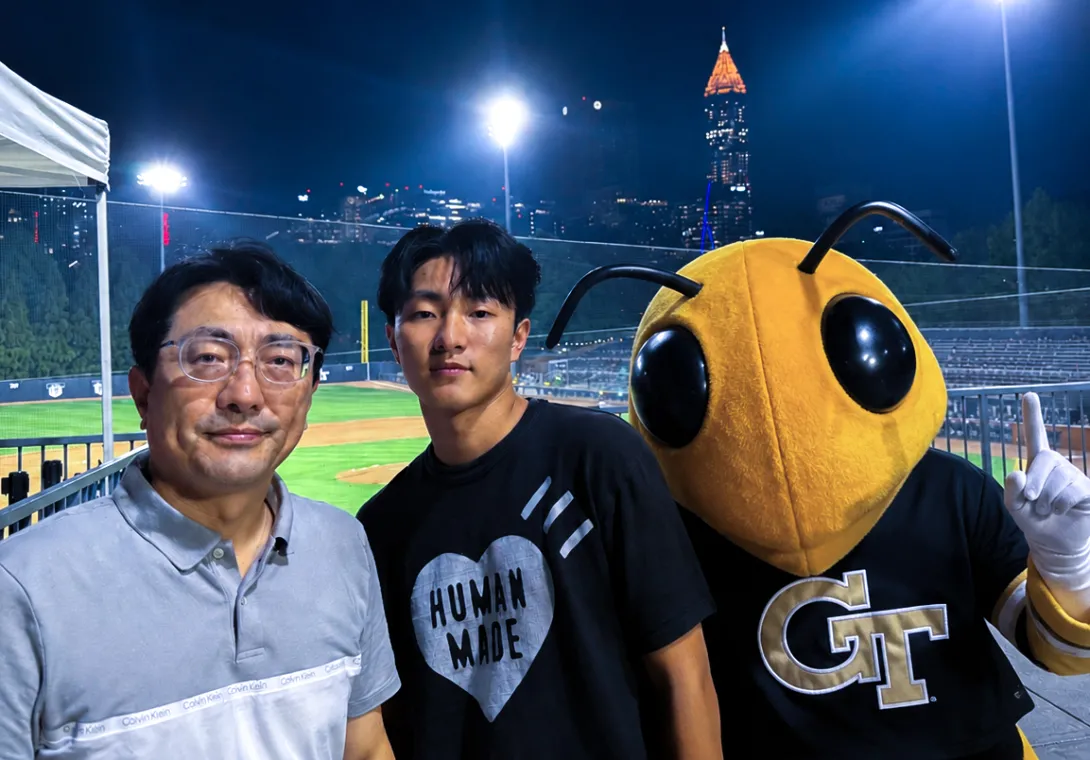
In his native South Korea, Sanghyun Jang served as director of the Education Data Center at the Korea Education and Research Information Service (KERIS), where he developed policies governing the use of artificial intelligence in education.
To inform that work, he has researched beyond his home country, asking how higher education institutions, including those traditionally data-driven, can evolve in the age of AI and how they are responding to that change. He brought this question with him to Georgia Tech.
With an academic background in computer engineering and a specialization in computer vision, a core technology behind modern AI, he has worked with AI-related concepts and technologies long before they became widely commercialized and part of everyday life.
Where Data Meets AI
“I have long believed that data would become the 'oil' of the future—a critical resource driving innovation, economic growth, and decision-making. That belief naturally led me to focus on data governance and AI, which I see as essential to the future of education, industry, and society,” he said.
Jang's research on data-informed institutional decision-making in the age of AI underscores the need for thoughtfully designed data governance to ensure data accuracy and trustworthiness and to protect personal information.
At universities, Jang has observed practices that fragment data production and management, including colleges pursuing independent projects, siloed administrative practices that discourage interdepartmental sharing, and passive approaches to its exchange due to concerns about personal data protection. As a result, a centralized data governance framework is necessary to oversee and coordinate data across the institution.
The biggest challenge with AI in higher education “is not how fast you adopt AI—it’s whether you can govern it responsibly. Without clear policies and accountability, rapid adoption can create more problems than benefits,” he said.
AI in Practice at Tech
In South Korea, Georgia Tech has long been recognized as one of the world's leading innovation-driven universities, particularly in applied technology and research. Because Jang's work focuses on higher-education innovation, he was already familiar with Tech’s reputation before coming here as a visiting scholar at the Center for 21st Century Universities (C21U) in the College of Lifetime Learning in October 2025. In fact, he recommended Georgia Tech to his son during his college search.
Jang first connected with C21U at the 1EdTech 2022 Digital Credential Summit and later reached out to explore collaboration, which led to his invitation. From day one, he set out to observe how the Institute integrates diverse forms of institutional data across campus and uses it to support student success and inform broader decision-making in the age of AI.
Alongside Director of Research in Education Innovation Jeonghyun (Jonna) Lee, he has facilitated virtual seminars and advanced cross-institutional knowledge exchange between Georgia Tech and Korean institutions. He also collaborated with Lee on a project to explore learner personas over their lifetimes and to design recommendations for a learning platform to support them. Because Jang has expertise in lifelong learning research and policy in Korea, his input has greatly benefited this project.
“There is real momentum toward building thoughtful, shared approaches to AI,” Jang said, reflecting on campus discussions. He also noted that the Institute invites scholars to host seminars and conferences, offering opportunities to hear expert perspectives and incorporate them into institutional practice.
A few months into his residency, he presented “Strategies for Using Data and AI in Education” at a C21U Learning Lab. The session brought together leaders from AI-related units across the Institute, demonstrating that they are actively exchanging ideas and working toward better AI policies and guidelines.
Based on what he has seen at Georgia Tech, Jang views the Institute’s efforts to implement AI usage guidelines as a strong example. For him, it is particularly significant that the policy treats AI as a technology that affects “teaching and learning, research, and everyday operations,” he said. “It treats AI as part of the entire institution—not just a classroom issue.”
“While some institutions approach AI primarily through a 'ban or allow' framework, Georgia Tech combines controlled access, experimentation, training, and security review,” he added.
One aspect that stood out was that responsible data stewardship is embedded in everyday research practice, not just in formal governance procedures. Georgia Tech provides researchers with a clear, structured pathway for using de-identified institutional data, with appropriate oversight and training. “Responsible access to data is what makes meaningful research possible,” he said.
Rethinking What Matters
On a personal level, Jang’s time at Tech made him realize that the future of institutional research will be defined not by data collection alone but by an institution’s capacity to connect data, governance, human judgment, and AI to support better decisions for students, faculty, and society. One way he has seen this at the Institute is by preserving space for individual initiative and innovation while fostering collaboration within the Institute and beyond.
“People take ownership of their work while enjoying the freedom to explore,” he said. “This drives innovation at the Institute and across its fields, thereby amplifying each individual’s impact.”
During his time here, he has participated in seminars and conversations across campus. Jang would like to bring back to South Korea the strong collaboration among higher education institutions, local communities, and industry that he observed in Atlanta and at Tech. His son, Ricky Jang, a third-year Yellow Jacket majoring in industrial engineering, recently participated in a program in partnership with Invest Atlanta to address challenges facing the local community. The students presented their project outcomes and received feedback in the mayor's presence. In some cases, students’ ideas were accepted on the spot, later leading to business development by companies or policy initiatives at the city government level.
“This showed me that Tech’s education extends beyond classroom knowledge. It offers practical, problem-solving learning experiences that connect academic knowledge to real-world community challenges,” Jang said. “Experiences like this create a powerful ecosystem in which universities, industry, and communities work closely to solve problems and drive innovation. I believe this model could have a significant positive impact in South Korea as well.”
Specifically, Jang plans to recommend to the policy team of the South Korean government's Regional Innovation System & Education (RISE) initiative that they examine the Institute’s collaborative model and consider incorporating its practices into future policy design and implementation. “Such benchmarking could help build a more sustainable regional innovation ecosystem and reduce the long-standing imbalance between the capital region and the rest of the country,” he said.
His time at Georgia Tech has provided him with valuable data for his ongoing research and unexpected opportunities. In South Korea, his work consumed most of his time, including frequent business trips, leaving little time for himself. By contrast, although Atlanta’s traffic has been challenging, the campus and reduced work travel have given him more time and space to reflect.
“My experience at Tech has broadened my understanding of AI’s role in society—not just as a technology, but as a tool that must be guided by trust, responsibility, and public engagement,” Jang said. “Surrounded by nature and spending more time with my family, I find myself thinking every day about how AI and humans should collaborate and coexist, and about the essence of humanity, the redefinition of work, and the role of education—questions I keep returning to.”
News Contact
Yelena M. Rivera-Vale
Communications Manager
College of Lifetime Learning
Georgia Institute of Technology
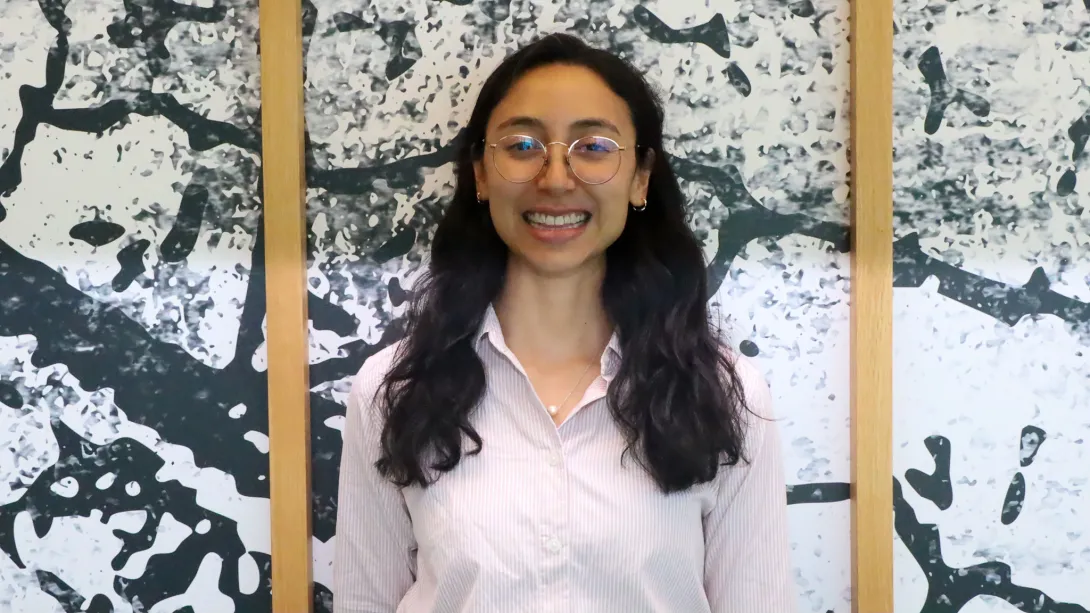
From workplace interactions to romantic relationships, artificial intelligence (AI) is increasingly part of many personal aspects of people's lives.
For Georgia Tech Assistant Professor Veronica Rivera, the growing role of AI in daily life raises important questions about what happens when technology designed to help people puts their privacy and safety at risk.
Rivera studied AI at the University of California, Santa Cruz, but her research has increasingly focused on how people interact with technology and the risks that can emerge from these interactions. Her work examines technology-facilitated risks and abuse. She uses research and innovative design approaches to understand digital safety risks and develop tools that better protect people.
One area she is exploring through her recent Computing Research Association Trustworthy AI Research Fellowship for Early Career Scholars is the design of safe AI tools for labor unions.
“Unions are developing AI tools to sort through complaints,” she said. “Many of these are built with proprietary AI models, which leads us to ask what the risks are of sharing personal information through these tools.”
Rivera wants to give unions more control over how workers’ data is collected and used. One way she plans to explore this is through a workshop at the upcoming ACM Conference on Human Factors in Computing Systems, where union leaders and technical experts collaborate to develop a secure reporting tool.
This research will build on Rivera’s recent work focusing on platform-based gig workers. A paper she published this year at the Symposium on Usable Privacy and Security examined how freelance workers often use secretive "digital whisper networks," informal online communities where people warn one another about workplace abuse.
Rivera and her team found that these workers often avoided formal reporting channels when they experienced wage theft, discrimination, health and safety violations, or sexual misconduct. The study highlighted the need for secure channels that allow workers to report abuse and organize without further endangering themselves.
“There needs to be a way to report this abuse,” Rivera said. “But how you do that in a safe and secure way is something we don’t yet have answers for.”
Rivera is also expanding her research beyond the workplace to examine technology-based threats and abuse in romantic relationships. As a new assistant professor at Georgia Tech’s School of Cybersecurity and Privacy, she plans to study how AI can blur the line between technology and intimacy.
Consider a person who creates an AI chatbot that imitates someone they know, turning that person’s likeness, personality, or private information into a virtual romantic partner without their consent. If that happens, Rivera asks, what protections does the person have? How can the chatbot be reported and removed?
Existing policies and reporting systems may not adequately address situations like these. In fact, they can pose new challenges for people whose identities or personal information are used without their permission.
Another project Rivera would like to explore is how platforms handle abuse involving romantic chatbots. Rivera has reviewed Reddit discussions in which users expressed concerns about reporting abusive behavior and about what happens to the intimate information they share with their chatbots.
“There is a lot of confusion on what these platforms know about their users’ intimate details based on their chats,” she said. “There is also a lot that isn’t known on the back-end of abuse reporting.”
Rivera has identified a need to design safer reporting features so people feel comfortable reporting abuse while also knowing their personal information will remain private.
She plans to cover these topics and more this fall in her new course that explores sociotechnical security. Rivera says working within SCP’s interdisciplinary structure gives her the opportunity to explore these research problems from multiple angles.
“It is hard to find a place for the work I do in security and privacy,” Rivera said. “Our goal is to protect users from bad things, and SCP approaches it from several different angles.”
For Rivera, this means studying not only how technology can be secured, but how it can be designed to protect the people who rely on it.
News Contact
John Popham
Communications Officer at the School of Cybersecurity and Privacy

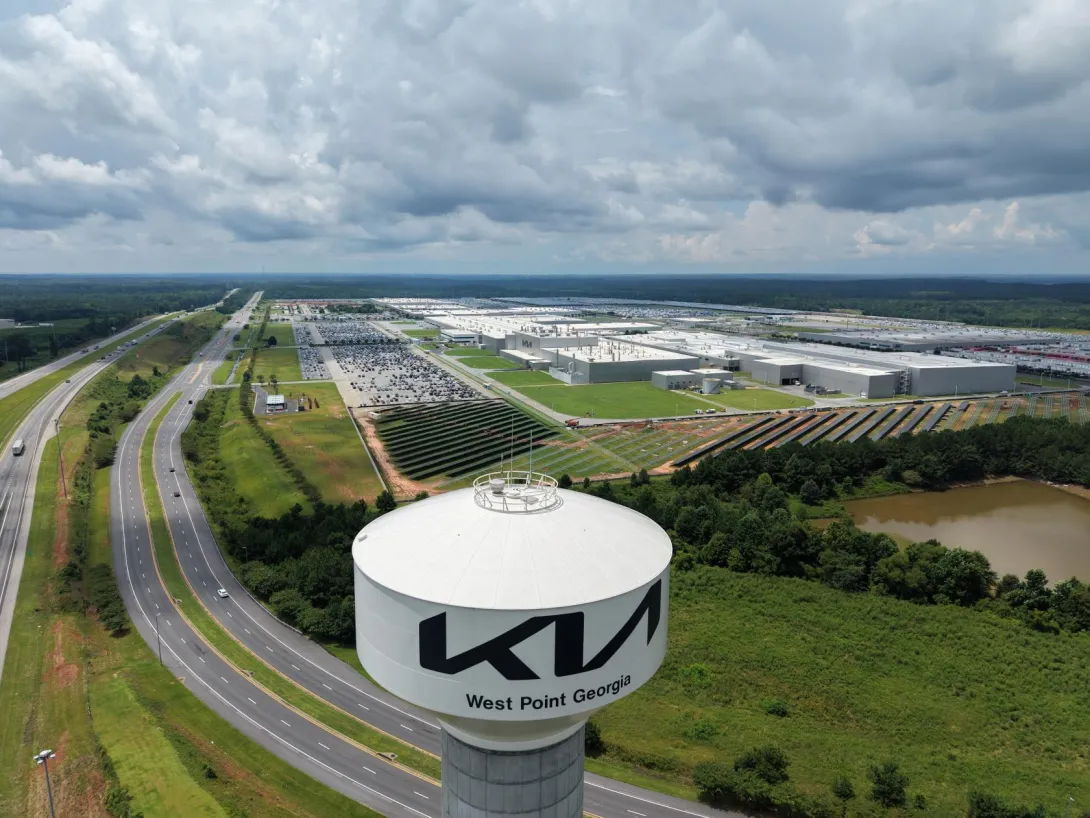

The car you drove to work this morning is made up of thousands of individual parts that had to be assembled in the right order and in the right way.
But for the workers behind every vehicle you pass on the road, the job demands speed, precision and repetition, with little room for error or on-the-job learning. A new hire may need to learn dozens of assembly steps and complete them in sync with a fast-moving production line from the first day on the job. The demanding pace can make it difficult for new employees to adjust and gain confidence before entering the production environment.
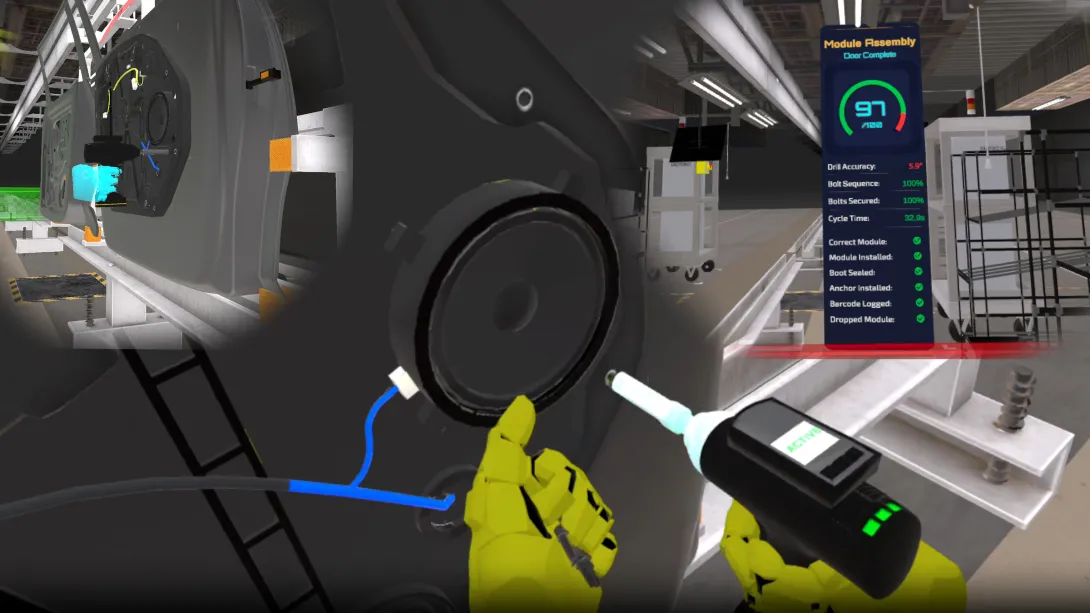
To help prepare workers for the realities of automotive manufacturing, researchers at Georgia Tech’s H. Milton Stewart School of Industrial and Systems Engineering (ISyE) partnered with Kia Georgia to develop a gamified virtual reality (VR) training platform that allows workers to learn, practice and make mistakes before stepping onto the production floor.
“The need for this technology is clear,” said Mohsen Moghaddam, the Gary C. Butler Family Associate Professor in ISyE and the George W. Woodruff School of Mechanical Engineering, who leads the research team behind this project. “New hires are placed in a fast-paced, high-pressure environment, where there is little room for error or on-the-line learning. For many workers, that transition can feel overwhelming.”
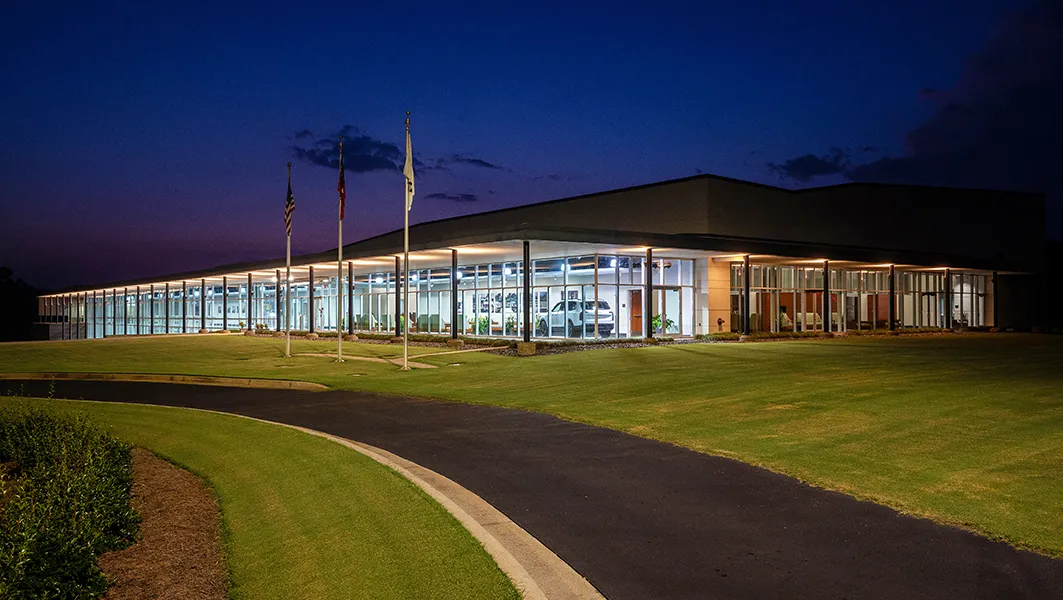
The project began in 2025 through a collaboration involving Kia Georgia in West Point, Georgia; Georgia Artificial Intelligence in Manufacturing (Georgia AIM), a statewide effort advancing AI and manufacturing education across Georgia's industrial ecosystem; Georgia Quick Start, the state’s workforce training program operated through the Technical College System of Georgia (TCSG); and Spelman College.
"What makes Georgia one of the top states for business is that we collaborate and work together to solve some of the biggest challenges manufacturers face," said Steven Ferguson, managing director of Georgia AIM and deputy director of the Georgia Tech Manufacturing Institute (GTMI). “This project brought together collaborators across industry, workforce development, and higher education to build a solution that would have been difficult to achieve alone.”
ISyE researchers were tasked with developing a VR training solution for Kia’s door assembly line, one of the many stations workers must master before beginning work in the plant.
While Kia already provides hands-on training through Georgia Quick Start, certain aspects of the production environment are difficult to replicate outside the factory floor. Researchers saw an opportunity to better prepare workers for the pace and pressure of assembly line work before their first day on the factory floor.
Through site visits, demonstrations and conversations with workers and trainers, the research team gained a deeper understanding of the challenges new employees face on the production floor and a greater appreciation for the demands of the work.
“I didn’t have any idea how hard or how fast-paced this type of work was before starting this project,” said Pantea Habibi, a postdoctoral researcher within ISyE and member of the project team. “It’s mentally and physically challenging for workers, and I like that our VR system can reduce a little bit of their struggle so that they learn faster and better.”
The team’s gamified VR platform guides users through a series of progressively challenging learning stages. Trainees first observe a task being performed and then mirror an expert’s actions before practicing independently with increasing levels of responsibility.
The training platform follows an apprenticeship-inspired progression. Trainees first watch an expert perform each task through the platform’s “ghost hands,” then practice with guidance from audio prompts and other on-screen cues. As they gain confidence and proficiency, that support gradually fades, allowing them to perform tasks independently.
One of the platform’s key advantages is its ability to simulate the movement and pace of an active assembly line – conditions that would be difficult and costly to recreate in a traditional training environment.
"In the virtual world, there's no material fatigue,” Ferguson added. “Being able to create an experience where trainees can practice over and over without worrying about wear and tear or damaging components creates a lot of value.”
The team recently delivered a beta version of the platform and demonstrated it to Kia leadership, including the president and CEO of Kia Georgia.
"This project demonstrates what's possible when industry, higher education, and workforce development partners work together toward a common goal,” said Stuart Countess, Kia Georgia’s President and CEO. “We appreciate the collaboration of Georgia Tech and Georgia Quick Start in helping prepare the next generation of Kia Georgia team members for success and generating excitement about careers in advanced manufacturing."
While the current version focuses on a single door assembly station, discussions are already underway to expand the technology to additional stations within the plant.
For Moghaddam, the project represents ISyE’s human-centered approach to engineering by designing technologies that help people succeed.
“Through this project and many others, the main question we seek to solve is how can we develop assistive technologies at the intersection of AI, robotics and extended reality (XR) that augment human capabilities rather than replace them,” he said.
News Contact
Communications Manager I
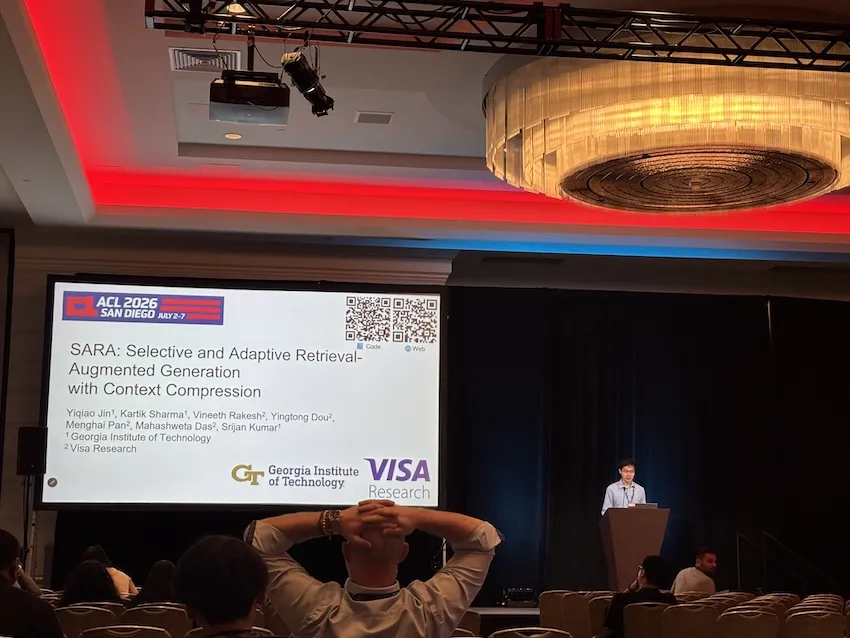
Modern artificial intelligence (AI) platforms can summarize reports, analyze documents, and answer questions in seconds. But when information is spread across dozens of slides, charts, and tables, even advanced models can miss important details.
As many organizations and businesses are turning to AI to improve workplace efficiency, risk remains high. Between overlooked footnotes and misread graphics, small mistakes can have expensive consequences.
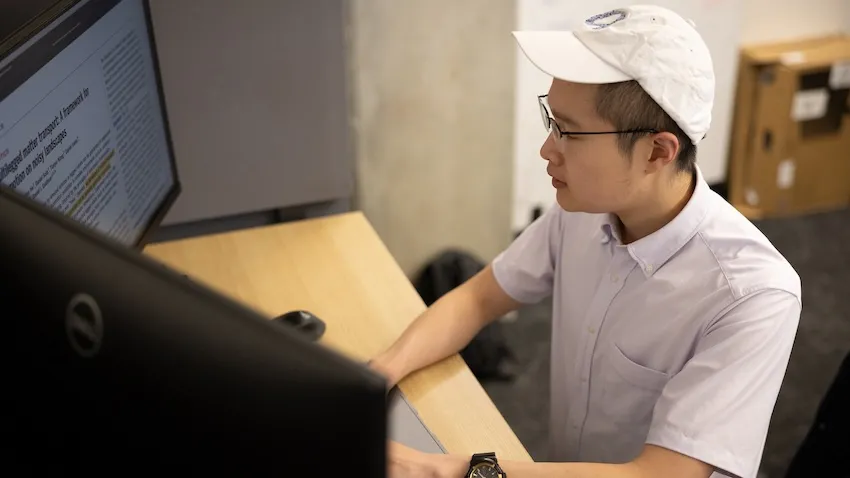
To address this challenge, researchers from Georgia Tech and J.P. Morgan developed SlideAgent. The new framework helps large language models (LLMs) better understand complex visual documents like presentation slide decks, brochures, and reports.
SlideAgent works by breaking documents into multiple levels, allowing the model to analyze both the big picture and the fine details. This human-inspired approach leads to more accurate and reliable interpretation than existing systems.
Beyond improving workplace tools, SlideAgent also points to a broader shift in AI. Instead of building only larger and more powerful models, the work shows how smarter design and more efficient reasoning can improve performance.
“Multimodal LLMs such as GPT, Gemini, and Claude, can save people time and reduce the mental effort required to understand these documents, but they remain imperfect,” said Yiqiao (Ahren) Jin, a Ph.D. candidate in Georgia Tech’s School of Computational Science and Engineering (CSE).
“In high-stakes fields such as finance, for example, misreading a number, overlooking a footnote, or making an incorrect comparison across pages could affect reporting, risk assessment, or strategic decisions.”
The researchers tested SlideAgent on a wide range of real-world documents, including financial presentations, technical slides, and visual question-answering datasets.
The system consistently outperformed leading commercial models and open-source tools throughout the evaluation. In some cases, it improved accuracy by up to 10%. The gains were especially strong on more complex tasks, such as comparing information across slides or understanding how visuals relate to each other on a page.
“We found the results very encouraging. SlideAgent reaches an improvement of 7.9% over its proprietary base model and 9.8% over the evaluated open-source base models,” said Jin, the project’s lead researcher.
“These are meaningful gains given the strength of the underlying multimodal models and the difficulty of the tasks.”
Current multimodal AI systems often process entire pages at once. This approach can lead to mistakes, such as miscounting items in a chart or overlooking important details in dense visuals.
SlideAgent addresses this by mimicking how people read documents. Instead of treating each page as a single unit, the system looks at information at three levels: the full document, individual pages, and specific elements like charts, tables, and text blocks.
A network of agents, each specialized for a specific level, divides and coordinates analysis. Then, SlideAgent combines outputs to build a structured understanding of the overall document. This allows it to answer questions more accurately and reason across multiple pages.
“The central inspiration was how people naturally read a long presentation,” Jin said.
“We first develop an understanding of the overall narrative, then identify the relevant pages or sections, and finally zoom in on individual charts, tables, or text blocks when precise evidence is needed.”
The work highlights a growing challenge with AI. As systems become more popular and more powerful, users increasingly discover the technology’s limitations. This is especially true for real-world tasks that require structured reasoning and contextual understanding.
SlideAgent shows that better performance does not always come from building bigger models. Instead, it points to smarter ways of organizing how AI processes information that can lead to improvement.
The Association for Computational Linguistics (ACL) accepted SlideAgent for presentation at its annual meeting. The 64th ACL 2026 meeting took place July 2-7 in San Diego.
ACL is a scientific and professional organization for researchers in natural language processing (NLP). Its namesake conference is one of the world’s leading venues for presenting NLP research.
ACL 2026 followed a year after Jin completed an internship at J.P. Morgan AI Research, where he worked on SlideAgent. He interned under Rachneet Kaur, Zhen Zeng, and Sumitra Ganesh, all co-authors of the paper. School of CSE Associate Professor Srijan Kumar advises Jin at Georgia Tech.
Along with SlideAgent, Jin authored two other papers accepted at ACL 2026.
“Conferences such as ACL are valuable not only for sharing results, but also for refining future project ideas with the broader community. Discussions across institutions and research areas can reveal limitations, suggest new evaluations, and spark collaborations that are difficult to develop in isolation,” Jin said.
“For SlideAgent, I was particularly interested in feedback on how we can make the framework more computationally efficient without sacrificing accuracy or interpretability.”
News Contact
Bryant Wine, Communications Officer
bryant.wine@cc.gatech.edu
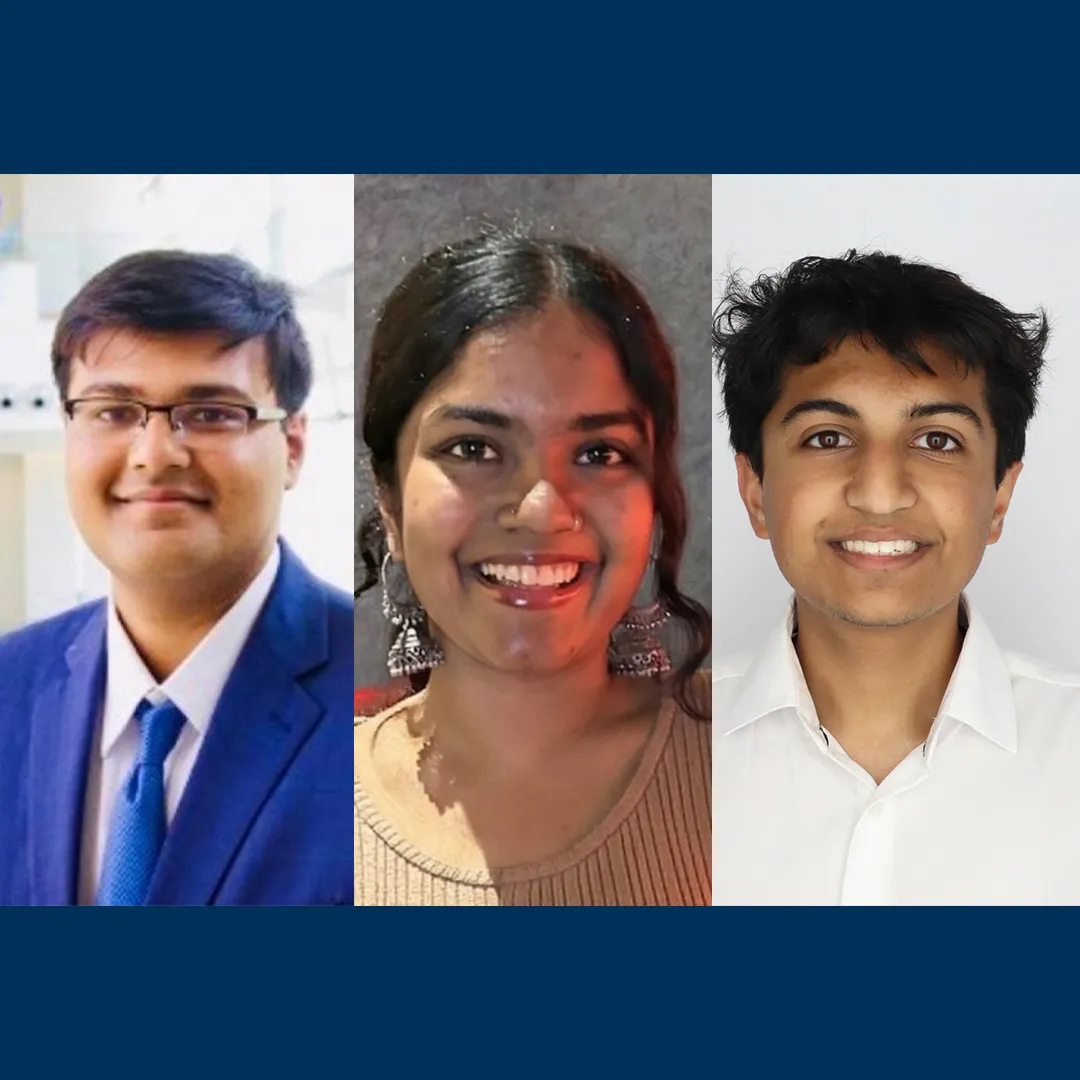
Arnav Hiray, machine learning doctoral student; Vidhyakshaya Kannan, a Georgia Tech Financial Services intern; and Siddharth Lohani, a computer science major ’26 and software engineer at Bloomberg.
For investors trying to make sense of a company going public, one of the most important documents is often the most difficult to understand.
Initial public offering (IPO) filings are dense disclosures submitted to the U.S. Securities and Exchange Commission. They can stretch hundreds of pages and combine legal language, financial data, and visuals like charts and infographics. Even experienced analysts struggle to read them end to end, leaving many everyday investors relying on headlines or summaries.
New research from Georgia Tech’s Financial Services Innovation Lab reveals how artificial intelligence can make these critical documents more accessible and reveals where AI still has room for improvement.
“IPO-Mine: A Toolkit and Dataset for Section-Structured Analysis of Long, Multimodal IPO Documents” authors include Michael Galarnyk, Siddharth Lohani, Vidhyakshaya Kannan, Sagnik Nandi, Aman Patel, Liqin Ye, Arnav Hiray, Rutwik Routu, Prasun Banerjee, Siddhartha Somani, and Sudheer Chava.
Making the Complex Understandable
The authors developed IPO-Mine, an open-source toolkit and dataset designed to break IPO filings into manageable pieces. Instead of treating filings as a single document, IPO-Mine separates them into structured sections and extracts visuals like charts for analysis.
“IPO filings are important public documents, but they are very difficult to work with at scale,” said Siddharth Lohani, a Georgia Tech computer science major ’26, software engineer at Bloomberg, and co-first author of the study. “We wanted to make these filings easier to analyze systematically.”
Why IPO Filings Matter
IPO filings offer investors a detailed look at how a company operates before it goes public.
“IPO filings give investors a clearer look at how a company makes money, what risks it faces, and how it positions itself before entering the public market,” said Arnav Hiray, a Georgia Tech machine learning doctoral student in the Financial Services Innovation Lab, AI for Financial Markets VIP instructor, and co-author. “Even if everyday investors don’t read the full filing, these documents can help them better understand a company’s prospects.”
For retail investors, that insight can help cut through marketing hype and offer a clearer sense of a company’s underlying strengths and risks.
AI’s Strengths
Research shows that large language models and multimodal AI models can use their speed, scale, and pattern-recognition capabilities to offer significant advantages when analyzing IPO filings, including:
- Processing massive documents: IPO filings can exceed hundreds of thousands of words, making manual review difficult. IPO-Mine structures the filings into sections and extracts visuals for analysis.
- Structuring unorganized data: IPO-Mine standardizes inconsistent sections across filings, making comparisons easier across companies and industries.
- Analyzing text and visuals together: By extracting charts and images, AI can evaluate not just what companies say, but how they present information visually.
- Identifying trends at scale: Researchers can analyze patterns in disclosure practices across decades, industries, and thousands of companies.
Together, these capabilities could help democratize financial analysis, giving more investors access to insights that were once limited to professionals.
A Key Finding
One of the study’s most striking findings is that IPO filings are evolving in two different directions.
“What stood out was that the text and visuals appear to be moving in different directions,” Lohani said. “Investors and researchers need to pay attention to both.”
The research shows that written sections are becoming more standardized, while visual elements such as charts and infographics are becoming more complex and varied.
“As text becomes more standardized, more of a company’s distinctive story shifts into its visuals,” said Vidhyakshaya Kannan, a Georgia Tech Financial Services Innovation Lab intern and co-author. “Because boilerplate language often looks the same across filings, charts and infographics are increasingly where companies differentiate themselves and make their case to investors.”
For investors, that means understanding a company requires studying the visuals as carefully as the text; figures can’t simply be skimmed or skipped over.
Where AI Struggles
Despite its promise, AI is not yet a perfect solution.
- IPO filings are long: longer documents can reduce model performance, making it difficult for AI to maintain accuracy across an entire filing.
- IPO filings are visual: AI tools struggle to interpret visual data correctly.
- IPO filings are multimodal: filings combine text, tables, and visuals in inconsistent formats. This makes them difficult for AI models to process reliably.
“Our results show that even strong multimodal models can disagree with expert human judgments on financial charts, especially when they are misleading,” Kannan said.
The Future of Financial Transparency
AI can accelerate analysis and uncover patterns, but human judgment remains essential for interpreting the visuals companies increasingly use to tell their story. Even with these limitations, researchers believe tools like IPO-Mine could play an important role in shaping the future of financial transparency.
“IPO-Mine can help researchers, regulators, and investors analyze IPO disclosures more systematically, revealing patterns in how companies communicate risk, performance, and strategy before entering public markets,” said Hiray.
By making complex financial disclosures more accessible and actionable, AI-powered tools have the potential to broaden access to critical market information and support more informed investment decisions.
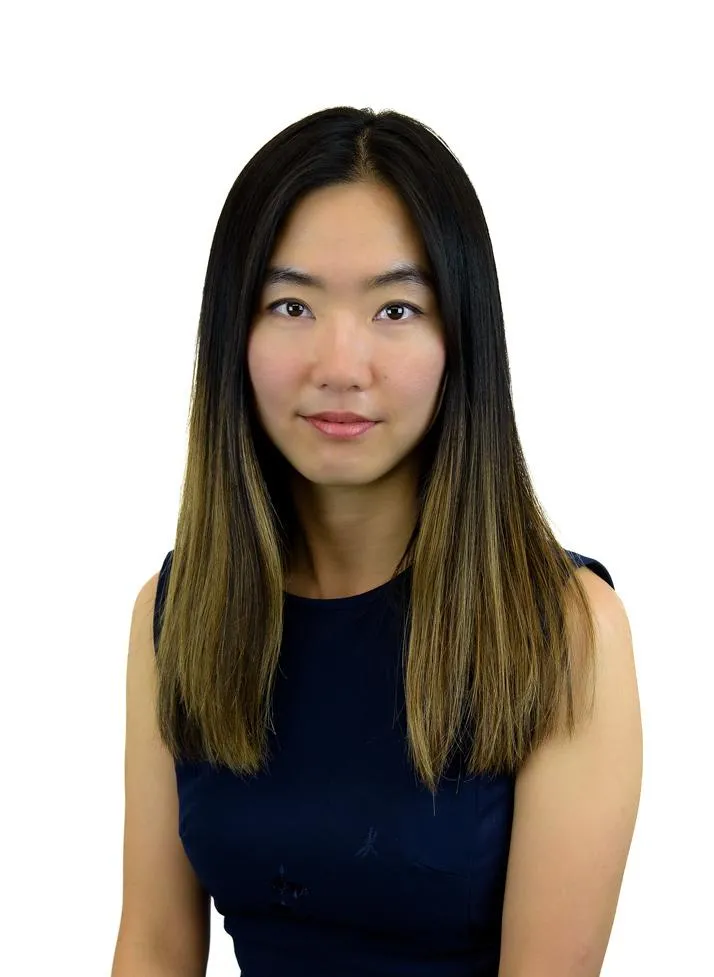
Eunhye Song, a Coca-Cola Foundation Early Career Professor and associate professor in the H. Milton Stewart School of Industrial and Systems Engineering (ISyE) at Georgia Tech, has been named vice president/president-elect of the INFORMS Simulation (I-SIM) Society, recognizing her leadership and growing impact in the field of simulation.
I-SIM is a specialized community within the Institute for Operations Research and the Management Sciences (INFORMS) dedicated to advancing simulation research and practice while fostering collaboration and professional development among members of the simulation community.
Simulation has become increasingly important as advances in computing and data availability enable researchers to build more detailed models of complex real-world systems, helping organizations evaluate decisions before implementing them and avoid costly trial and error.
“We have much more data, computing power and the ability to build more detailed simulation models than ever before,” Song said. “That’s exciting because we’re getting closer to accurately representing what’s happening in the real system.”
Song’s connection to the simulation community spans over a decade. She first attended I-SIM's flagship Winter Simulation Conference as a first-year Ph.D. student in 2013 and has participated ever since. After joining the faculty ranks in 2017 – first at Penn State University between 2017 and 2022, then at ISyE where she joined in 2022 as an assistant professor – she became increasingly involved in service and leadership activities within the society.
As vice president/president-elect, which is a two-year term that began in July, Song will help guide the organization’s priorities and support initiatives that advance simulation research while identifying emerging areas of focus for the field.
“I’m honored to help the society think about the most relevant and emerging areas in simulation,” Song said.
Beyond its research mission, Song said the simulation community has played a key role in shaping her professional journey through mentorship, collaboration and service.
"I-SIM is a very tight-knit community, and I have received so much advice and mentorship from previous and current members,” Song said. “By the time it’s your turn to lead, everyone is happy to step up. I look forward to helping continue that great tradition in this new role.”
With more than 12,000 members worldwide, INFORMS is the leading international association for professionals in operations research, analytics, management science, and related fields. The organization advances the science and technology of decision making through publications, conferences, competitions, networking communities, and professional development services.
News Contact
Communications Manager I
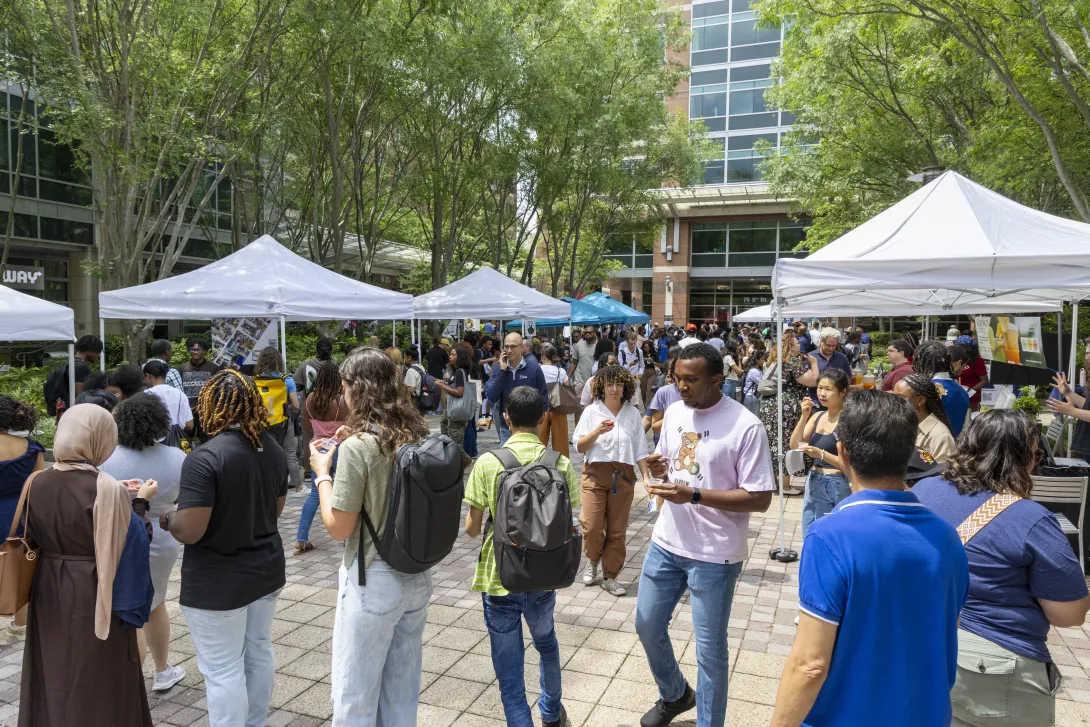
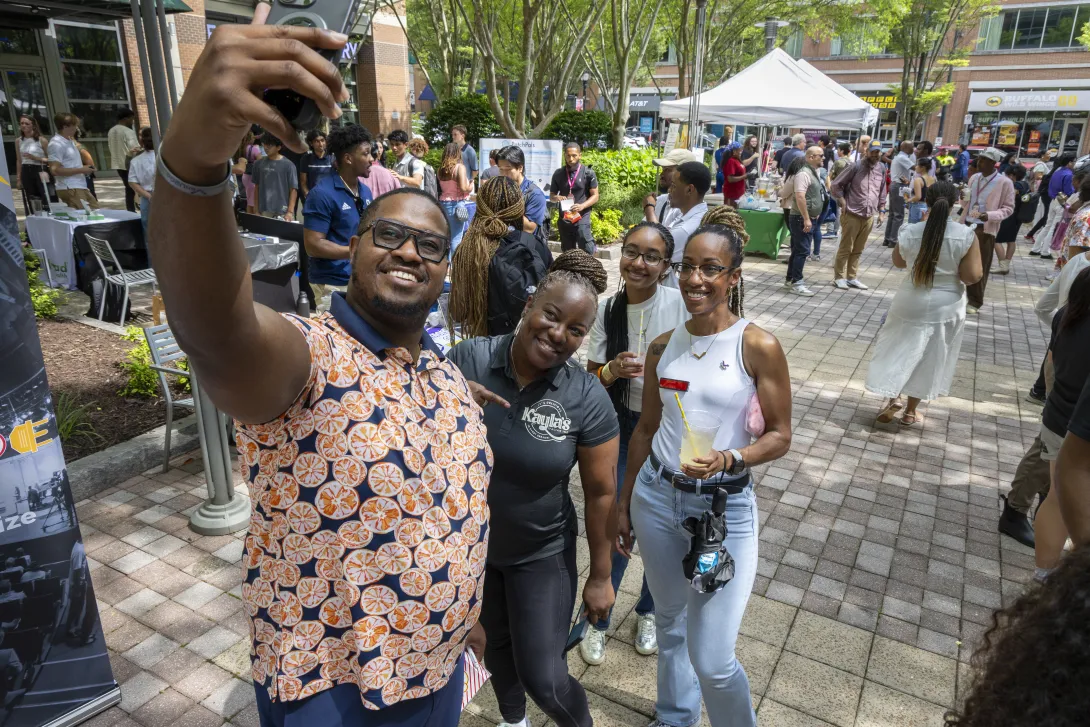
As Atlanta continues to grow as one of the nation's leading technology and innovation hubs, Georgia Tech is helping to shape that growth through strategic partnerships, entrepreneurial programs, and community-driven experiences that connect innovators across the region.
Last year's Tech Square Tech Hop welcomed more than 940 attendees. This year, the event returns Aug. 14 with even more opportunities to explore the people, ideas, and organizations driving the momentum.
Presented by Avant South during ATL Tech Week, Tech Square Tech Hop transforms Tech Square into a walkable showcase of startups, research, and entrepreneurship, inviting the public to experience firsthand the people, ideas, and technologies shaping Atlanta's future.
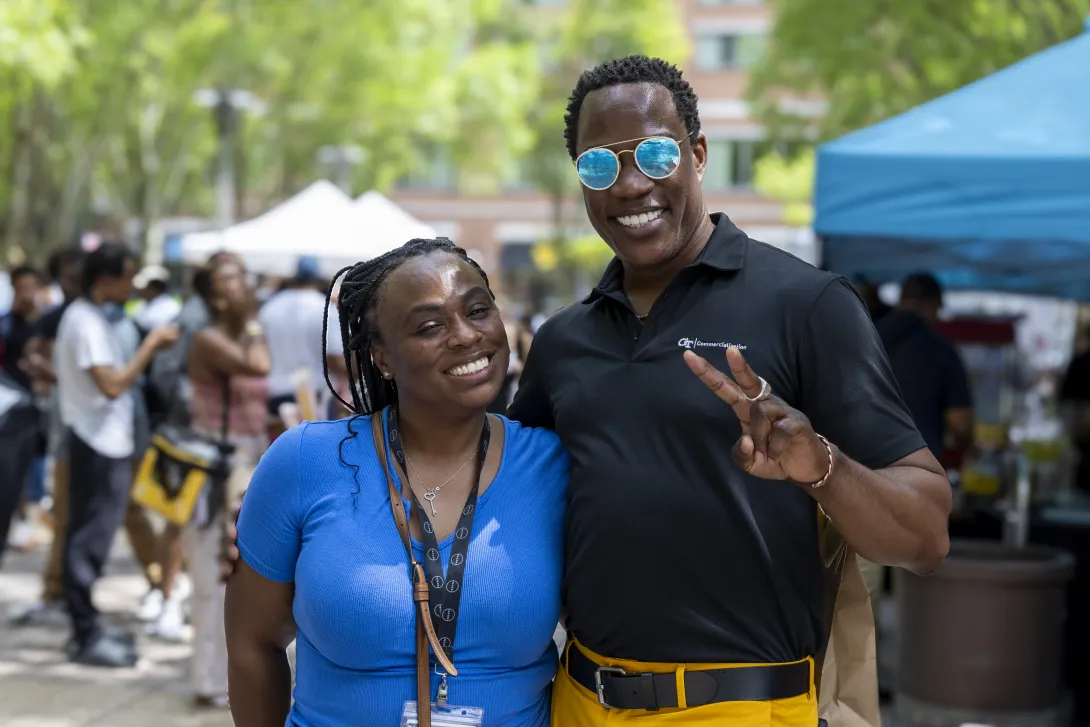
More than an event, Tech Hop reflects Georgia Tech's broader commitment to strengthening Atlanta's innovation ecosystem by bringing together founders, researchers, students, corporate partners, investors, and community organizations in one of the country's most dynamic innovation districts.
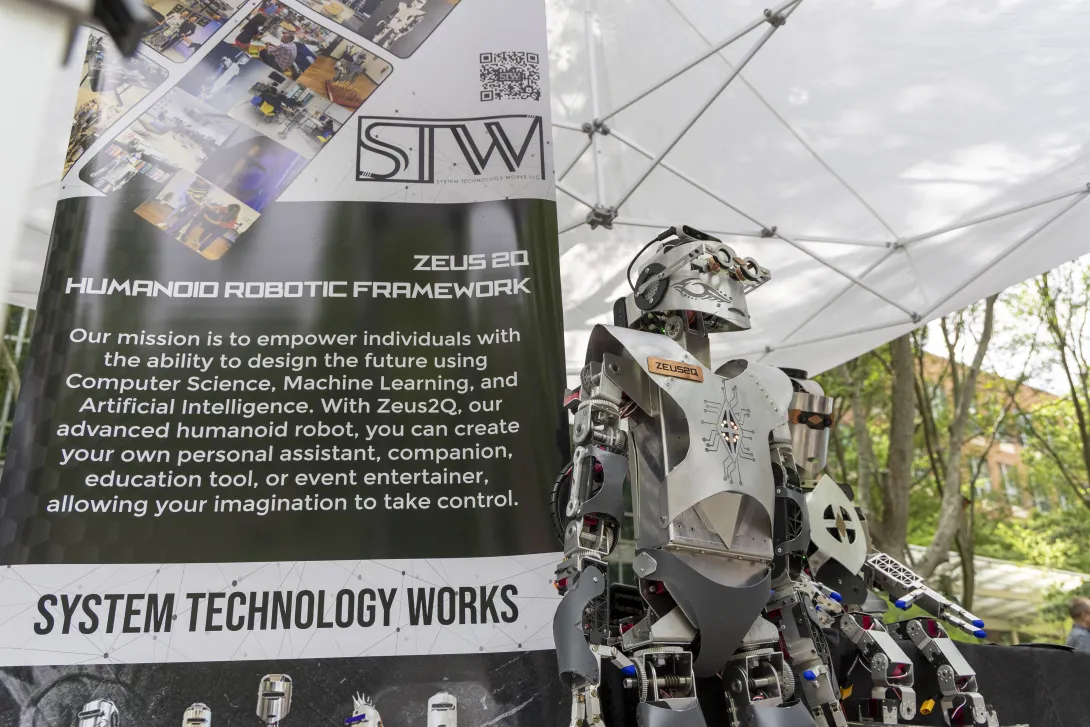
Attendees can explore live startup demonstrations, interactive exhibits, research showcases, food and beverage experiences from local entrepreneurs, and the organizations moving ideas from the lab to the marketplace.
Georgia Tech continues to work with the City of Atlanta, higher education institutions, industry leaders, startups, and community partners to advance Atlanta's vision of becoming one of the nation's premier technology hubs. Through these partnerships, the Institute is creating new pathways for commercialization, startup growth, workforce development, and economic opportunity.
“Sustaining a thriving entrepreneurial ecosystem takes an intentional, holistic approach," said Michael "Dixon" Dixon, senior director of Strategic Initiatives and Operations. “Atlanta has all the right ingredients. Our role is to connect the dots, bring the right people to the table, and help move bold ideas into action. Tech Hop celebrates the people, partnerships, and entrepreneurial spirit that make Atlanta's innovation ecosystem thrive.”
Avant South
Hosted by Georgia Tech, Avant South returns Oct. 12 – 13 with a focus on AI in Action, convening leaders across industry, academia, government, and the startup community to explore the technologies shaping the future.
Together, Tech Square Tech Hop and Avant South create opportunities for entrepreneurs, researchers, investors, industry leaders, and the broader community to connect and experience Atlanta's innovation ecosystem. While Tech Hop brings that ecosystem to life during ATL Tech Week, Avant South continues the conversation on a larger stage each fall.
The two events reflect Georgia Tech's commitment to accelerating innovation, fostering collaboration, and strengthening Atlanta's position as a national destination for entrepreneurship and commercialization.
Experience Atlanta's Innovation Ecosystem
Join us for Tech Square Tech Hop, presented by Avant South, on Friday, Aug. 14, from 11 a.m. to 2 p.m. in Tech Square.
Explore a self-guided route featuring startup demonstrations, research exhibits, innovation organizations, food and beverage experiences, and opportunities to connect with the people building what's next.
The event is free and open to the public. RSVP today.
News Contact
Lacey Cameron
lcameron30@gatech.edu

Starting and maintaining a new garden can be daunting. But a new multi-agent conversational system developed at Georgia Tech is taking much of the guesswork out of gardening for beginners.
CultivAgents is a three-agent system that fields gardening questions and creates tailored plans based on a user’s gardening skill level, climate and environment, and cultural background.
The experience agent, environmental agent, and ethnobotanical agent inform one another and work together to guide users through the gardening process.
“Multi-agent systems provide multi-faceted support,” said Diana Wang, a Ph.D. student in Georgia Tech’s School of Interactive Computing who created CultivAgents. “My interest was in how we could provide more personalized and aligned support to individuals trying to grow food themselves while facing unique environmental or cultural factors.”
Gardening is a hobby that many people start but give up because of the time and effort it requires to be successful. Ryan Pemberton, a horticulturist at Georgia Tech’s community garden, said the two biggest mistakes he sees novice gardeners make are starting too big and overwatering.
“If you’ve never gardened before, trying to manage a large plot could be overwhelming,” Pemberton said.
“You can start small. You don’t have to have a big garden right away. You can start with one tomato plant and grow from there. See how well you can keep that one plant alive and then expand as you feel comfortable.”
Aside from the built-in health benefits of growing fresh food and working outdoors, Pemberton said gardening can lower your grocery bill and reduce carbon emissions by minimizing food transportation.
It can also be a great way for international students at Tech to grow foods native to their homelands. He said a tool like CultivAgents could be useful for determining whether Atlanta’s climate is suitable.
“People might want to grow a lot of different vegetables in their garden, but if you go too far south of here, it gets a little too hot to grow things like broccoli and strawberries,” he said.
“A little north of here, it gets a little too cold to grow some species of peppers. Having something tell you what grows well in your region means you’re not having to pick and choose or guess.”
That’s one of the reasons Wang designed CultivAgents to feature multiple agents that consider unique environmental and cultural contexts.
“Multiple agents help distribute specific types of support as opposed to the generic support you often get from a single chatbot,” Wang said.
“Another advantage is that they tend to build on each other. The environmental agent builds on the experience agent’s detailed steps. This allows the system to tell you how to grow bush beans, for example, within a specific local community.”
Wang said she surveyed and interviewed new and experienced gardeners who use Tech’s community garden to learn what they would want from a conversational agent. She found that many wanted step-by-step instructions and guidance on what to plant, how to plant it, and a schedule for upkeep.
“All of our users told us they view gardening as something that’s long term, so they wanted this platform to be able to facilitate that kind of relationship,” she said.
The community garden is a shared space with nine garden beds. Pemberton said it’s a great place for new gardeners to learn to grow food before starting their own gardens. Much of the food grown there is donated to Klemis Kitchen, Georgia Tech’s on-campus food bank.
For more information about the community garden and how to get involved, visit https://sustainability.campusservices.gatech.edu/community-garden/
To see a live demo of CultivAgents, visit https://cultivagents.onrender.com.