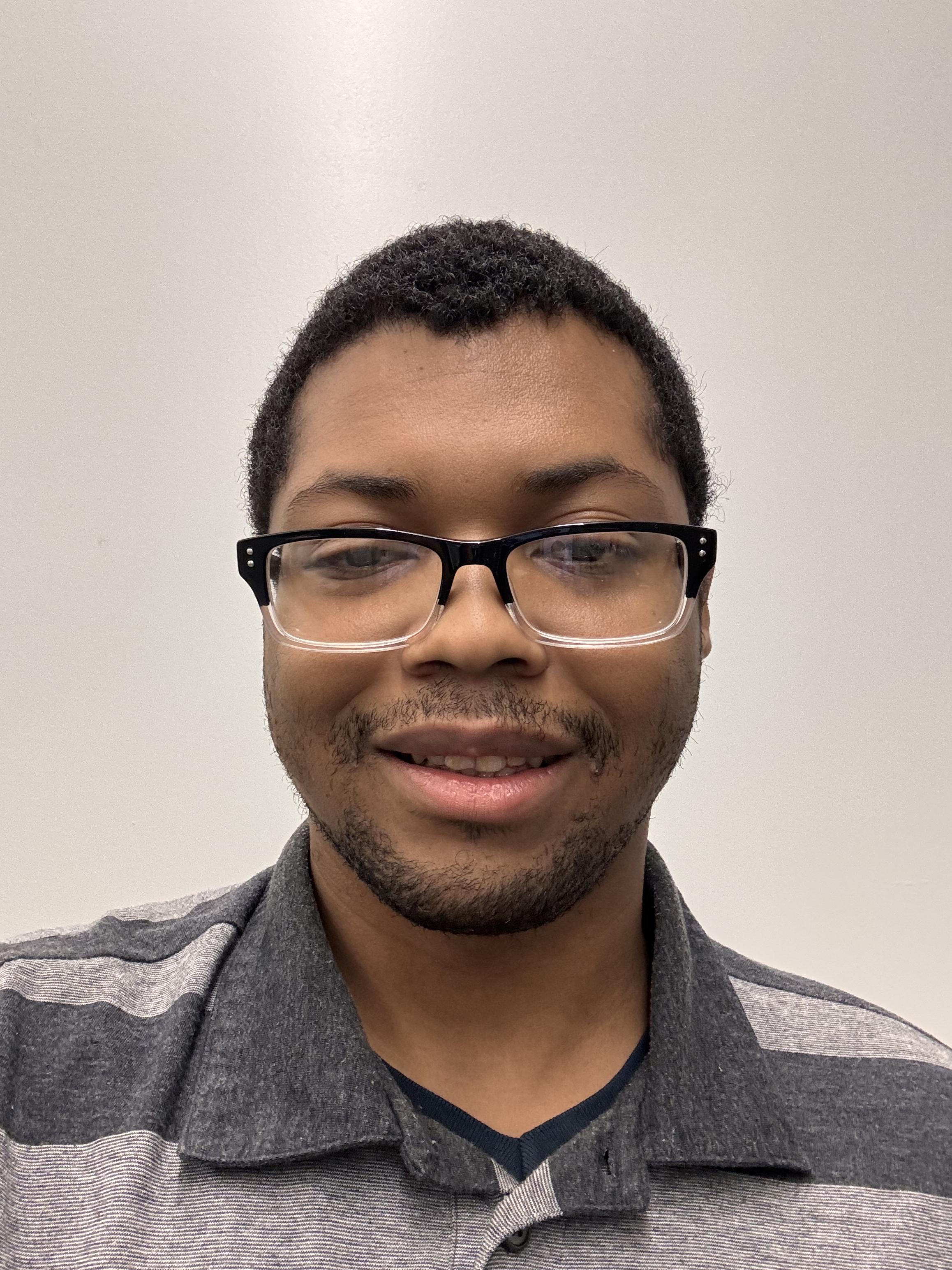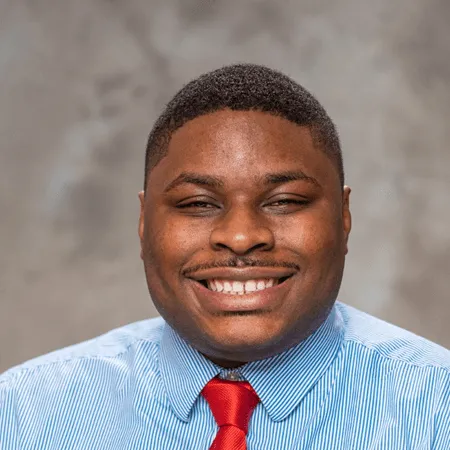
Javaz Rolle Headshot
Growing up in the Bahamas, Javaz Rolle noticed something that would later shape his research career.
The island nation imports much of what it consumes, yet many local resources are discarded as waste. These include lobster shells, shrimp shells, and other byproducts from the seafood industry.
"I noticed that there were a lot of resources that we had on the island that we could use for something in a more sustainable effort, but people weren't actually using that," Rolle said.
Years later, that observation would shape the direction of his doctoral research in Chemical Engineering at Georgia Tech.
As a fellow at the Renewable Bioproducts Institute(RBI), Rolle studied sustainable packaging materials made from naturally sourced compounds such as cellulose and chitin, which can be extracted from the shells of crustaceans, including shrimp and lobster.
"As you can imagine, that's all of your shrimp shells, your lobster shells, all of those, which essentially would just go in the garbage," he said.
In the lab, however, those materials became something else entirely.
Rolle's research focused on transforming renewable materials into packaging alternatives capable of mimicking the performance of traditional petroleum-based plastics. The goal was to create materials that could limit the movement of oxygen and moisture, which are two factors that can quickly degrade food, pharmaceuticals, and other products.
The work aligned closely with his long-standing interest in sustainability. Before arriving at Georgia Tech, Rolle had researched ways to reduce microplastics in the environment. When exploring graduate programs, he found a similar research path in the lab of Carson Meredith, executive director of the Renewable Bioproducts Institute.
"Carson's research really piqued an interest in me," Rolle said. "I was still on the trying-to-reduce-plastics end, but just from a different approach."
Instead of addressing plastic pollution after it entered the environment, Rolle's research explored how biodegradable alternatives could help reduce the problem before it began.
Today, Rolle works as a product development engineer at Sealed Air, where he helps solve packaging challenges for food products. His days are spent investigating why materials behave the way they do on production lines and determining whether a problem originates in the material itself or somewhere in the manufacturing process.
"If something's not packaging the way it's supposed to, we look at the formulation, how they're running the process, and determine exactly why this is happening," he said.
Although his current role focuses on conventional packaging materials, many of the scientific principles remain familiar. The polymer chemistry and barrier-property research that shaped his doctoral work now help him evaluate packaging performance in industry.
But the connection between his research and his career runs deeper than chemistry.
Growing up in the Bahamas taught Rolle to look at materials differently, not simply for what they are, but for what they could become. At Georgia Tech, that perspective led him to transform seafood waste into potential packaging materials. Today, it helps him solve challenges for products used every day.
What began with questions about waste and sustainability has evolved into a career focused on understanding materials and improving how they perform. The setting may have changed from a university research lab to the packaging industry, but the curiosity that first brought him to Georgia Tech continues to guide his work.
News Contact
Yanet Chernet
Communications Officer