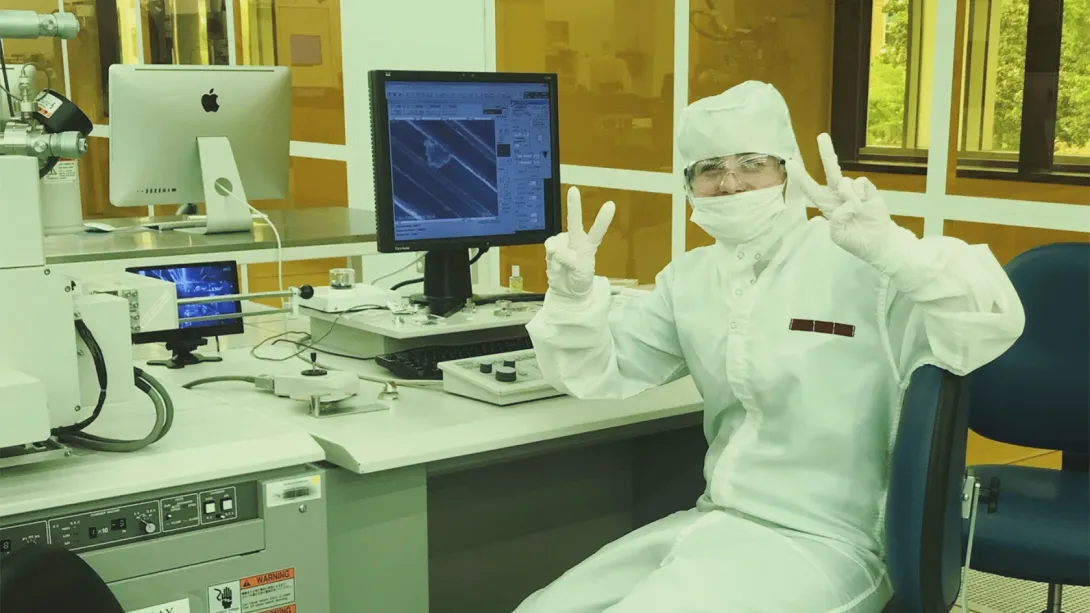
In the summer of 2019, Caroline Howell came to Georgia Tech for the first time to participate in the NNCI Research Experience for Undergraduates (REU). As a student at Troy University in Alabama, Howell was looking to broaden her research horizons.
“I went to a smaller university because I came from a very, very small town,” she said. “I did some research there, but we didn’t have a lot of equipment or resources.”
During the 10-week program, undergraduate students live on campus and conduct research in faculty labs with mentorship and access to advanced facilities. The program also prepares students for graduate studies and STEM careers through professional development, research communication training, and opportunities to present their work.
“I applied to the REU at Georgia Tech. And when I got in, I was super excited because Georgia Tech is a big deal,” she said.
That summer didn’t just expand her lab experience; it reshaped her career trajectory.
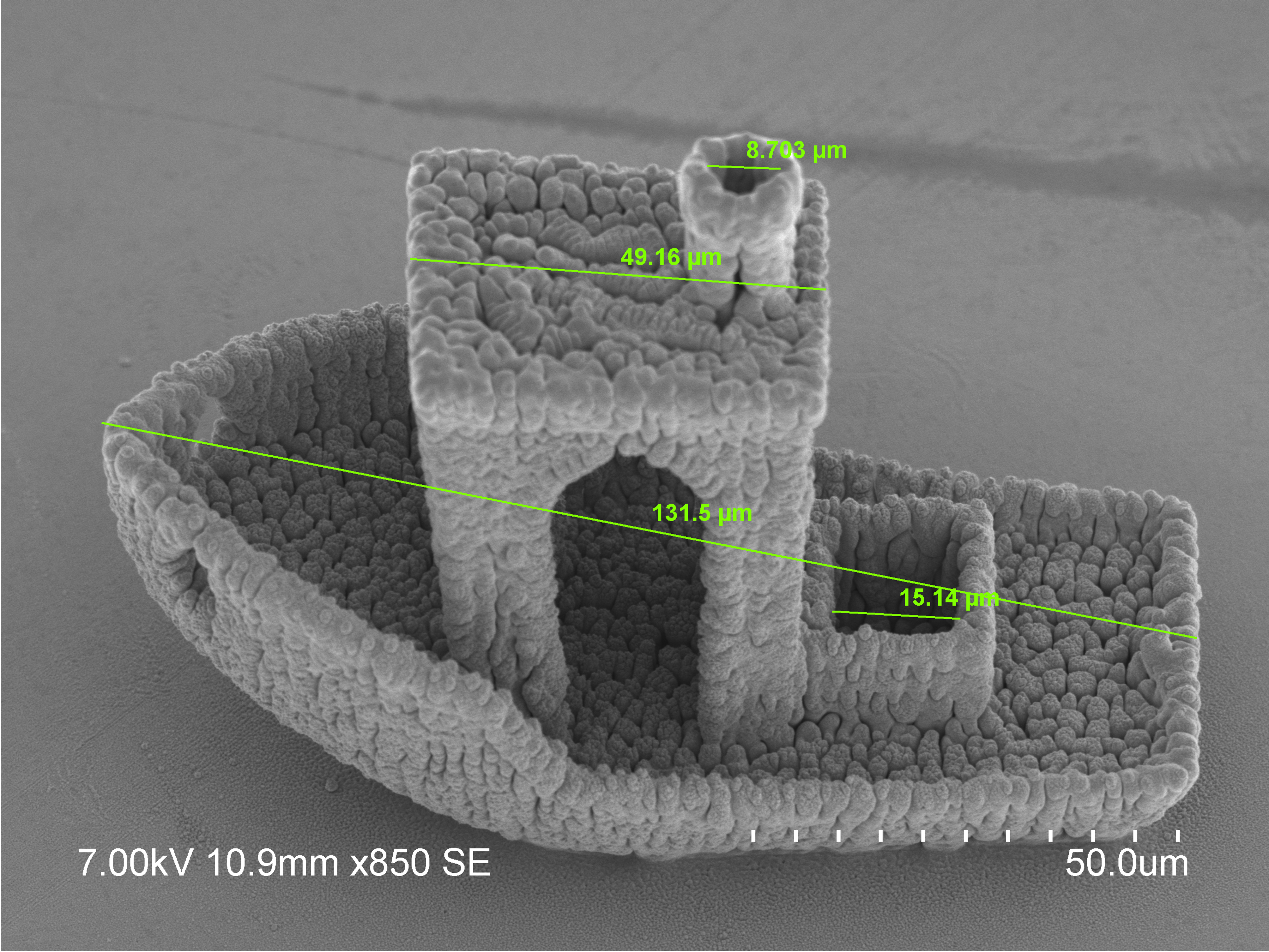
As a physics major, Howell had never been exposed to materials science, nanotechnology, or cleanroom environments before arriving in Atlanta. That summer marked her first time using advanced equipment, including scanning electron microscopes (SEMs), and working hands-on in Georgia Tech’s cleanroom facilities.
Her project focused on aluminum alloys, testing their strength and fracture behavior under simulated harsh conditions such as saltwater and heat. The research explored how lightweight, affordable materials like aluminum could be made stronger for applications such as shipbuilding.
The experience opened a door for Howell.
“It inspired me to go to grad school for materials science,” she said.
After completing her undergraduate degree at Troy University, Howell pursued graduate studies in materials science at the University of Colorado Boulder, where she earned her master’s degree.
Her REU experience gave her a technical advantage early in her career.
“In my first job, I worked with the same machines I used at Tech because I already had experience with them,” she said.
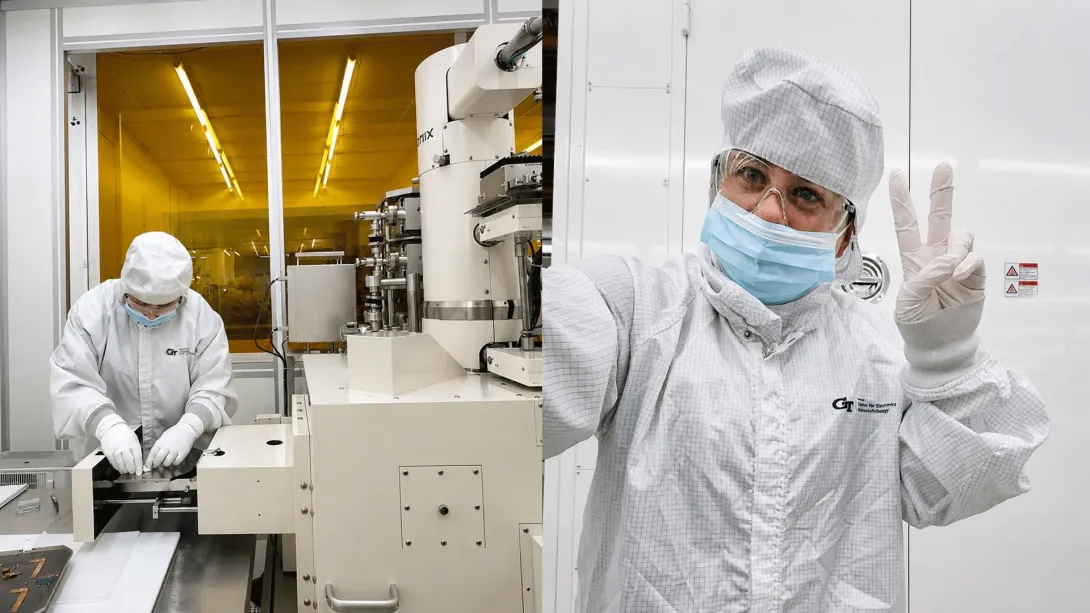
Today, Howell is back at Georgia Tech. This time not as a student, but as an industry researcher using the Institute’s cleanroom facilities as part of her full-time job.
She conducts advanced lithography and SEM analysis in the same facilities, expanding far beyond what she was able to do as an undergraduate. Still, she credits the REU with giving her a strong foundation.
“I came in already knowing how to do some things, and it’s just kind of cool to be back in the same space I was in years ago,” Howell said.
In a full-circle moment, the place that first introduced her to materials science is now part of her professional experience.
For Howell, the impact of the REU extended well beyond lab work. The REU provided her technical training, exposure to a new discipline, and the confidence to pursue graduate education. It connected her with mentors who supported her next steps and introduced her to equipment she would later use professionally.
For students considering an REU, her advice is simple:
“Do it.”
Sometimes, a single summer can shape an entire career — and even bring you right back to where it all began.
News Contact
Amelia Neumeister | Communications Manager
The Institute for Matter and Systems