
Feb. 16, 2026

“Cracks are complex — they interact with the material, change shape, and respond dynamically," says Kolvin. "All of this affects the overall toughness, and that impacts safety.” (Adobe Stock)
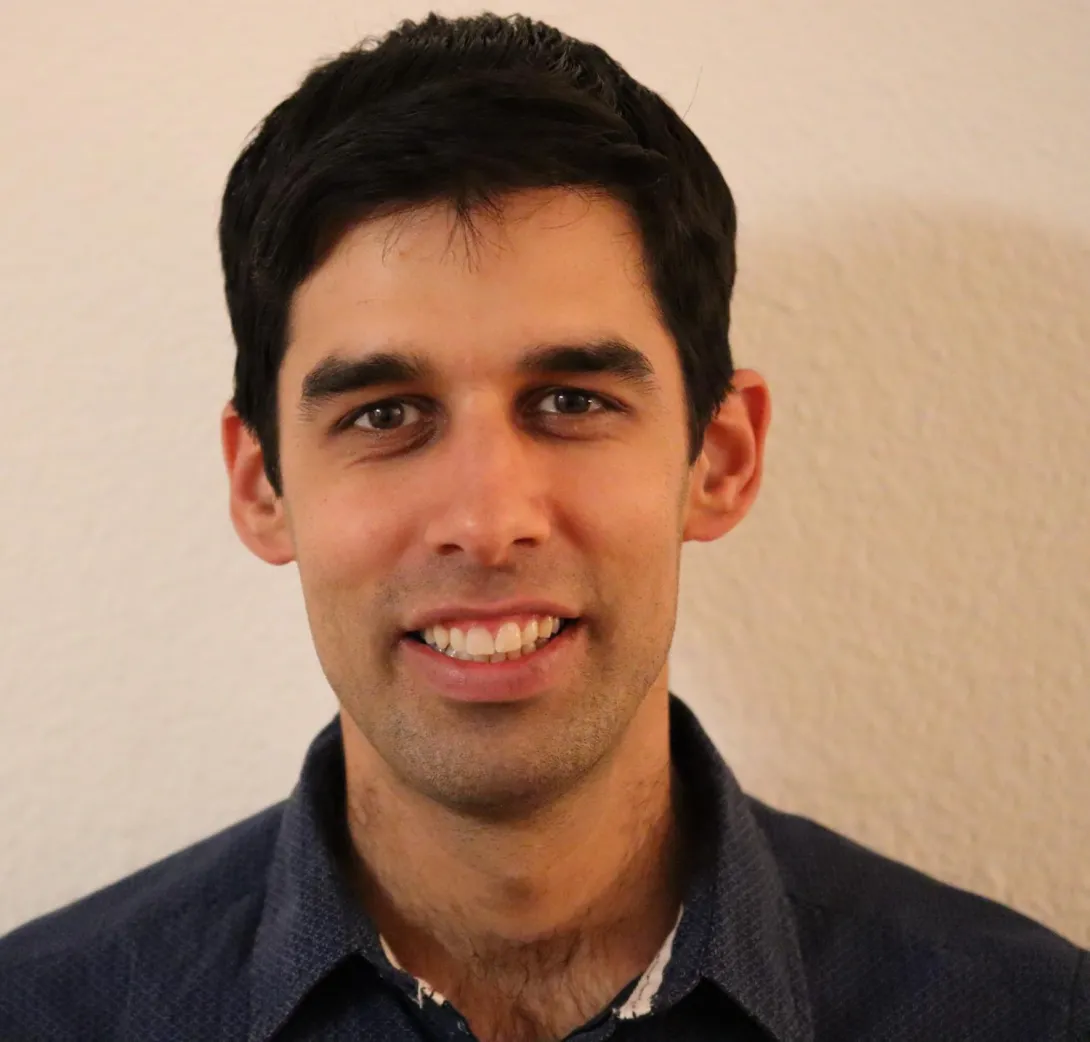
Itamar Kolvin
Imagine a material cracking — now imagine what happens if there are small inclusions in the material. Do they create an obstacle course for the crack to navigate, slowing it down? Or do they act as weak points, helping the crack spread faster?
Historically, most engineers believed the former, using heterogeneities, or differences, in materials to make materials stronger and more resilient. However, research from Georgia Tech is showing that, in some cases, heterogeneities make materials weaker and can even accelerate cracks.
Led by School of Physics Assistant Professor Itamar Kolvin, the study, “Dual Role for Heterogeneity in Dynamic Fracture,” was published in Physical Review Letters this fall.
While Kolvin’s work is theoretical, the results of the research are widely applicable. “Predicting this type of toughening effect helps engineers decide how much reinforcement to add to a material, and the best way to do so,” he says. “Cracks are complex — they interact with the material, change shape, and respond dynamically. All of this affects the overall toughness, which impacts safety.”
Building Strong Materials
The study found that the key to crack behavior starts at the microscopic level where the material’s microscopic structure influences how it resists cracks running at different speeds.
“Cracks propagate by breaking bonds, and that costs energy,” he explains. “On top of this, materials experience extreme deformations close to where the crack runs, which costs additional energy. In some materials, the amount of this energy cost can depend on the crack’s speed because of microscopic friction between molecules.”
Other materials, like window glass, are mostly indifferent to the crack speed. These materials are made of simple molecules, allowing a crack to propagate slowly or quickly using the same amount of energy. The researchers found that including heterogeneities can help strengthen these materials.
Materials made of more complex molecules, like polymer plastics and gels, on the other hand, are velocity dependent: it takes more energy for a crack to propagate faster. In these materials, heterogeneities are less effective at toughening, and if the crack is fast enough, heterogeneities could help it advance. “That’s something we didn’t expect when we started,” Kolvin says.
Disorder Versus Design
After discovering which types of materials can benefit from heterogeneities, Kolvin wanted to investigate the best way to add them. “Natural materials like rocks are usually very messy and disordered,” he explains, “but in engineering, heterogenous materials tend to be patterned.” For example, imagine a manufactured material: heterogeneities may be added in a grid-like or other patterned way. Now, contrast that with the irregular freckles and inclusions you might see in a rock found in a streambed.
Kolvin’s question was simple: which material was stronger? The results, again, were surprising. The disordered case — similar to what is found in nature — created the toughest material.
Among the patterned materials the team tested, only one was as tough as the disordered case — and every other pattern tested made the material weaker.
From Lab to Landscape
At Georgia Tech, Kolvin’s lab focuses on the mechanics of materials — both solid and fluid. “We are using our expertise in physics to explore questions across different fields,” he says. “A common concept is treating materials as continua — zooming out from molecular detail to look at how materials deform and flow at the large scale.”
This current research follows suit with applications ranging from investigating the smallest material microstructures to predicting earthquake fractures. “Earthquake faults are highly disordered, and simulating these ruptures is a major challenge, usually requiring supercomputers to solve crack propagation in three dimensions,” Kolvin says. “But with the tools our study has developed, we can simulate similar conditions and large systems using just a desktop computer.”
“This opens the doors for scientists, engineers, physicists, and geologists to explore problems right from their own computer, allowing more researchers access to more tools,” he adds. “And new tools often lead to new discoveries.”
News Contact
Written by Selena Langner
College of Sciences
Georgia Institute of Technology
Feb. 02, 2026
An estimated 4 million Americans have glaucoma, a group of eye diseases that can lead to irreversible blindness. Now, Georgia Tech is home to a Glaucoma Research Fund that will support cutting-edge work to understand and advance treatments for the disease.
The new initiative was sparked by ongoing research at Georgia Tech — and a Yellow Jacket connection: when Postdoctoral Research Fellow Hannah Youngblood’s work on exfoliation glaucoma (XFG) was featured by the BrightFocus Foundation, it caught the attention of Jennifer Rucker, an Alabama resident who was diagnosed with XFG several years ago.
Excited that the research could change outcomes for people like her — and proud that it’s happening at her husband Philip Rucker’s, EE 72, alma mater — Jennifer Rucker reached out to Youngblood and her advisor, School of Chemistry and Biochemistry Professor and Kelly Sepcic Pfeil, Ph.D. Chair Raquel Lieberman.
“As the wife of a Georgia Tech graduate and an individual with pseudoexfoliation glaucoma, I was inspired to support the scientists whose efforts may help me and others,” Jennifer Rucker says. What followed was a meaningful dialogue and a shared sense of purpose — and the creation of the Georgia Tech Glaucoma Research Fund (Wreck Glaucoma! Fund).
“It meant so much that Jennifer took the initiative to reach out to learn more about our research,” says Lieberman. “Moments like this remind me how deeply meaningful it is to connect with people in the broader community who are navigating glaucoma. Opportunities for such personal connections are rare, but they inspire and further motivate us to achieve our lab’s mission to improve the lives of individuals suffering from blindness diseases.”
A Personal Connection
Youngblood’s interest in glaucoma research also stems from a personal connection: her father was diagnosed with glaucoma as a young adult. Now, Youngblood studies the genetic and molecular factors behind XFG in the Lieberman research lab.
“XFG is an aggressive form of the disease with no known cure,” Youngblood says. While scientists know that XFG is the result of abnormal accumulation of proteins in the eye, current treatments only address symptoms rather than treating the root cause of the disease.
“We know XFG is driven by protein buildup, but we still don’t know why it happens,” she explains. “My work studying specific genetic variants aims to uncover this.”
The Genetics of Glaucoma
In particular, Youngblood is researching the role of LOXL1, a protein that plays a role in soft tissue throughout the body, including the eyes.
“Research has shown that people with variants in the genes responsible for this protein are more likely to have XFG,” she says. “That made me curious to see if the variants might be impacting the structure of the LOXL1 protein itself and how those variants might lead to disease.”
Youngblood is currently testing her theory in the lab. “My hope is that new insight into proteins like LOXL1 will bring us closer to treatments that address XFG at its source,” she says. “The new Georgia Tech Glaucoma Research Fund is a tremendous step forward in making that hope a reality.”
Support the Georgia Tech Glaucoma Research Fund
Please visit the Glaucoma Research Fund support page to give to this specific program. To discuss additional philanthropic opportunities, please contact the College of Sciences Development Team: development@cos.gatech.edu
Your investment ensures that these scholars and researchers have world-class resources, facilities, and mentors to excel in this critical work. Thank you for helping us shape the future.
News Contact
Jan. 12, 2026
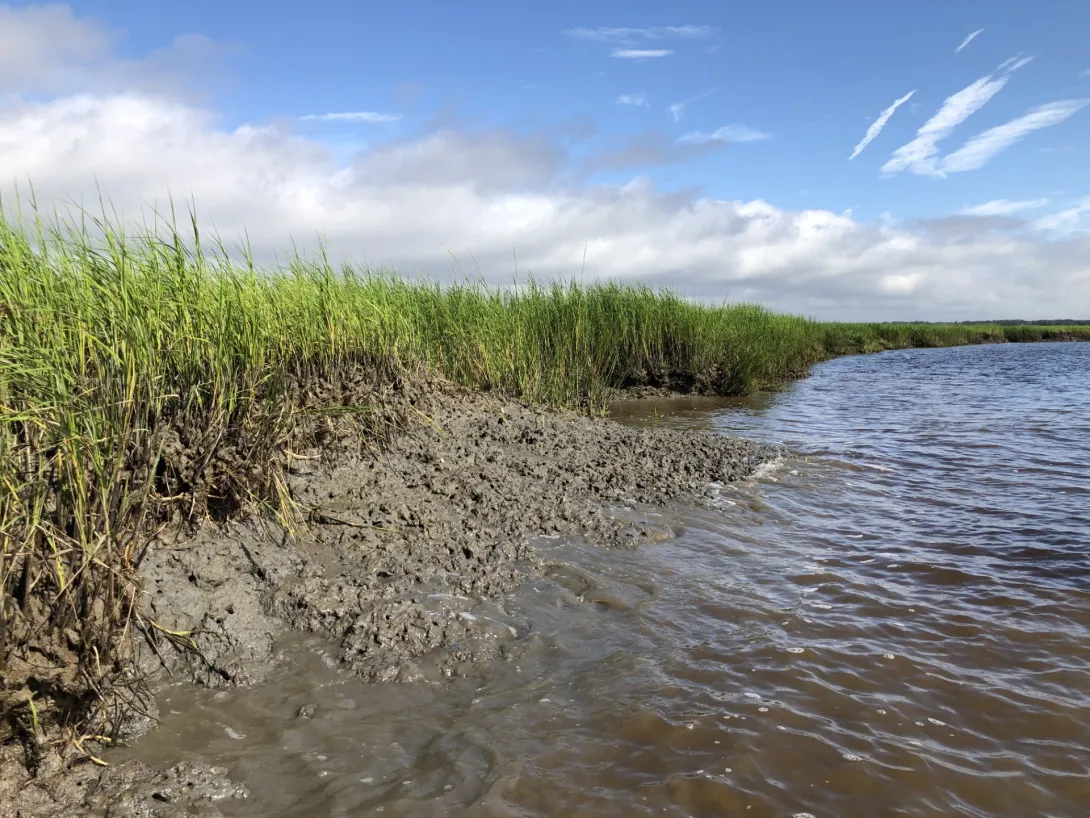
Degraded marsh on Cumberland Island, Georgia.
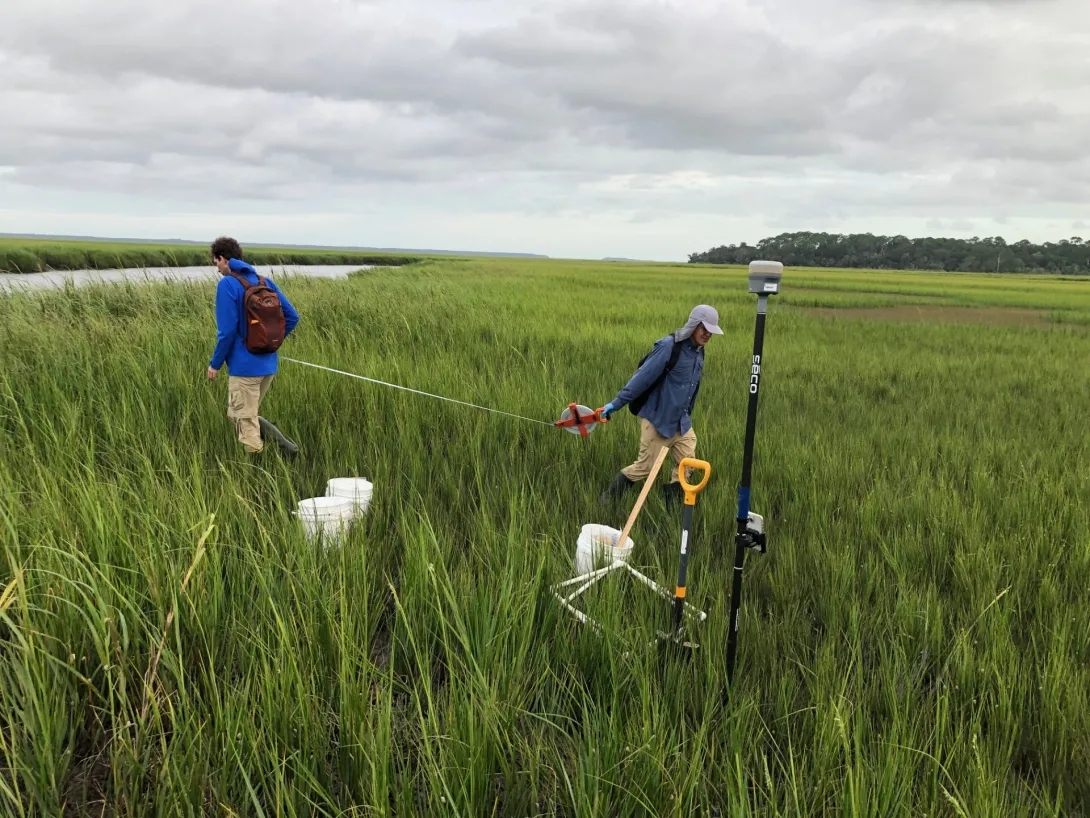
Kostka sampling transects of marshland on Cumberland Island, Georgia.
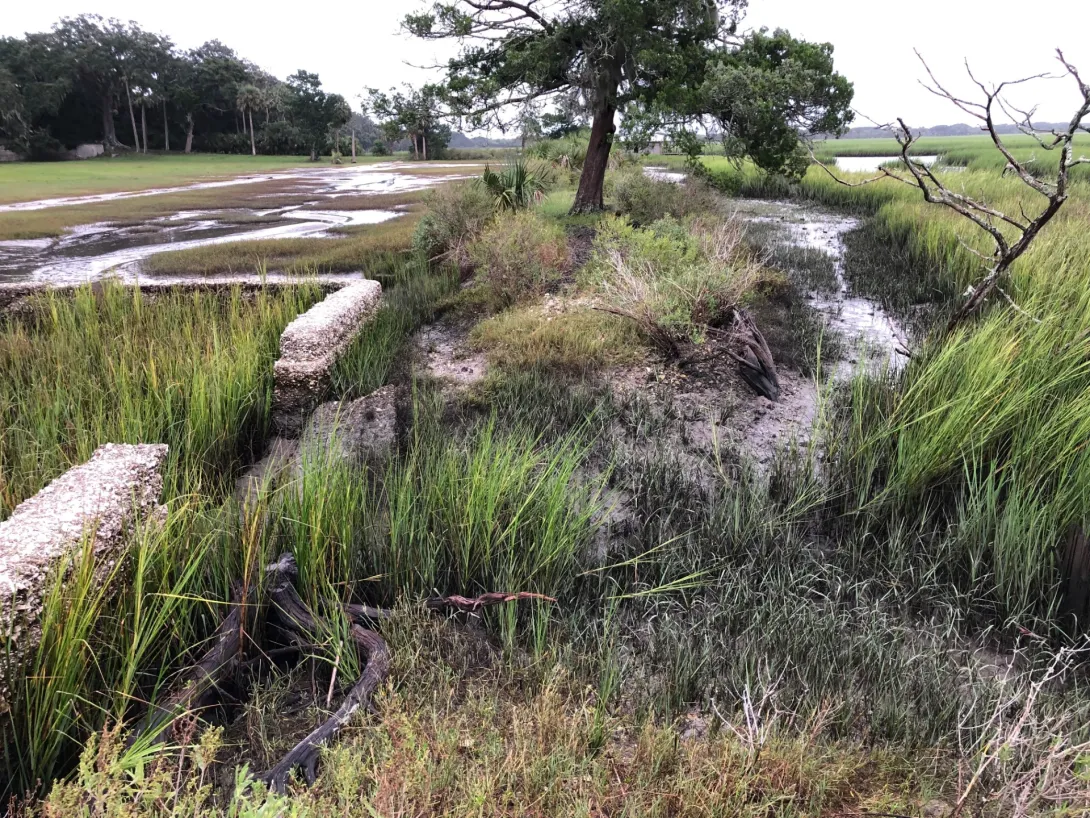
Erosion around the historic property “Dungeness” on Cumberland Island, Georgia.
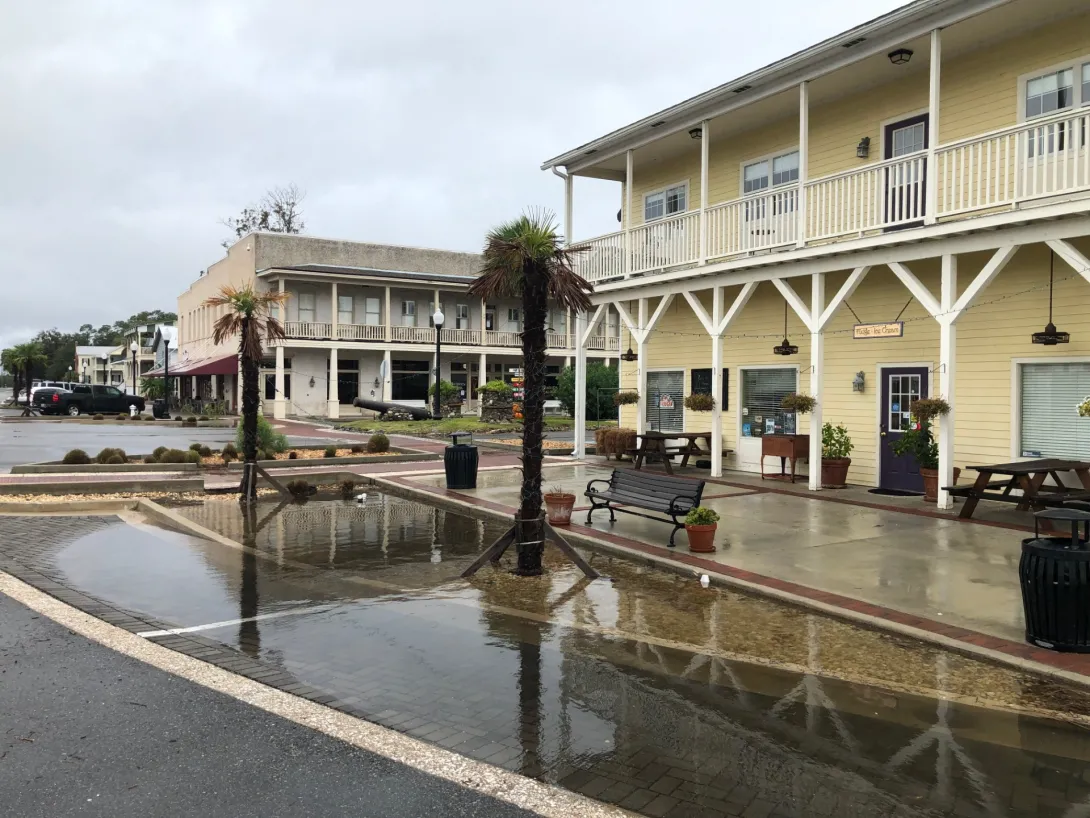
Flooding in the town of St. Marys, a town in Camden County, Georgia.
The National Fish and Wildlife Foundation (NFWF) has awarded an interdisciplinary team nearly $1 million in funding through the National Coastal Resilience Fund to restore coastal wetlands in Georgia. It was the only project in Georgia to be selected for funding from the program's 2025 call for proposals.
The award will support the design of nature-based solutions including living shorelines and marsh restoration in flood-prone areas of Camden County, Georgia, adjacent to Naval Submarine Base Kings Bay, Cumberland Island National Seashore, and the city of St. Marys.
“Restoring wetlands in Camden County is not just an environmental priority — it’s a resilience strategy for the entire region,” says principal investigator (PI) Joel Kostka, Tom and Marie Patton Distinguished Professor, associate chair for Research in the School of Biological Sciences, and faculty director of Georgia Tech for Georgia’s Tomorrow. “Each acre of restored marshland protects coastal communities from natural hazards like storms and flooding, provides essential marine habitat, and has the potential to aid the Navy and the Army Corps of Engineers in developing management alternatives for dredged materials. When our wetlands flourish, our whole coastline does.”
In addition to Kostka, co-PI’s include University of Georgia (UGA) Skidaway Institute of Oceanography Director Clark Alexander, UGA Associate Professor Matt Bilskie and Professor Brian Bledsoe, The Nature Conservancy Coastal Climate Adaptation Director Ashby Worley, and Georgia Tech alumnus Nolan Williams of Robinson Design Engineers, a firm dedicated to the engineering of natural infrastructure in the Southeast that is owned and operated by Georgia Tech alumnus Joshua Robinson.
A coastal collaboration
The new project, known as a “pipeline project” by NFWF, builds on multiple resilience plans and years of previous research conducted by the established team. “This is a testament to the value of the long-term collaborations and partnerships that enable coastal resilience work,” Kostka says. “We’re working closely with local communities and a range of city, state, and federal stakeholders to ensure these solutions align with local priorities and protect what matters most.”
It’s not the first time that the team has brought this type of collaboration to the coastline. Since 2019, Kostka has worked alongside the South Carolina Department of Natural Resources, the South Carolina Aquarium, and Robinson Design Engineers in a $2.6 million effort to restore degraded salt marshes in historic Charleston, also funded by NFWF. Now in the implementation phase, much of the marsh restoration in Charleston involves planting salt-tolerant grasses, restoring oyster reefs, and excavating new tidal creeks — work that is being spearheaded by local volunteers.
“Coastal resilience isn’t something one group can tackle alone,” Kostka adds. “That shared, community-driven vision is what makes these projects possible.”
News Contact
Written by Selena Langner
Dec. 16, 2025
The AI4Science Center has announced the first recipients of its semiannual seed grant competition. Supported by the Schools of Chemistry and Biochemistry, Physics, and Psychology, the seed grant aims to support the development of research projects centered on innovation and collaboration.
“The selection committee received more than a dozen proposals that push the boundaries of AI-enabled science and encourage collaboration across units. I look forward to seeing the great science, strong results, and successful future external funding enabled by these seed grants,” says Dimitrios Psaltis, professor in the School of Physics and director of the AI4Science Center.
Launched earlier this semester, the center promotes cross-disciplinary research on AI tools that address scientific challenges. The following three proposals were selected by the center based on their scientific goals, extent of interdisciplinary collaboration, and potential for outside funding:
Spring 2026 AI4Science Center Seed Grant Recipients
Graph Foundation Models for Protein Conformational Dynamics | School of Chemistry and Biochemistry
- PIs: Professor Peter Kasson, School of Chemistry and Biochemistry; Professor JC Gumbart, School of Physics; Assistant Professor Amirali Aghazadeh, School of Electrical and Computer Engineering
- Graduate student: Jeffy Jeffy
- Team statement: “The AI4Science Center’s seed funding will allow us to complete and test a prototype of our new deep learning architecture for protein dynamics. We're super excited about the project and happy that this gives us support to pursue our new idea.”
Combinations of Verified AI and Domain Knowledge for New Insights in Theoretical Physics | School of Physics
- PIs: Assistant Professor Aishik Ghosh, School of Physics; Professor Vijay Ganesh, School of Computer Science
- Graduate student: Piyush Jha
- Team statement: “This seed funding gives us an opportunity to connect two fields in a way that could transform our approach to certain problems in theoretical physics.”
Harnessing the Manifold Geometry of Neural Representations for Robust LLM Safety | School of Psychology
- PIs: Assistant Professor Audrey Sederberg, School of Psychology; Assistant Professor Pan Li, School of Electrical and Computer Engineering
- Graduate student: Ruixuan Deng
- Team statement: “Our project injects insights from human neuroscience directly into AI safety algorithm design, allowing us to move beyond black-box approaches toward more interpretable and principled safety mechanisms. By closing the loop, these computational models will also provide new feedback and insights for neuroscience.”
News Contact
Writer: Lindsay C. Vidal
Nov. 11, 2025
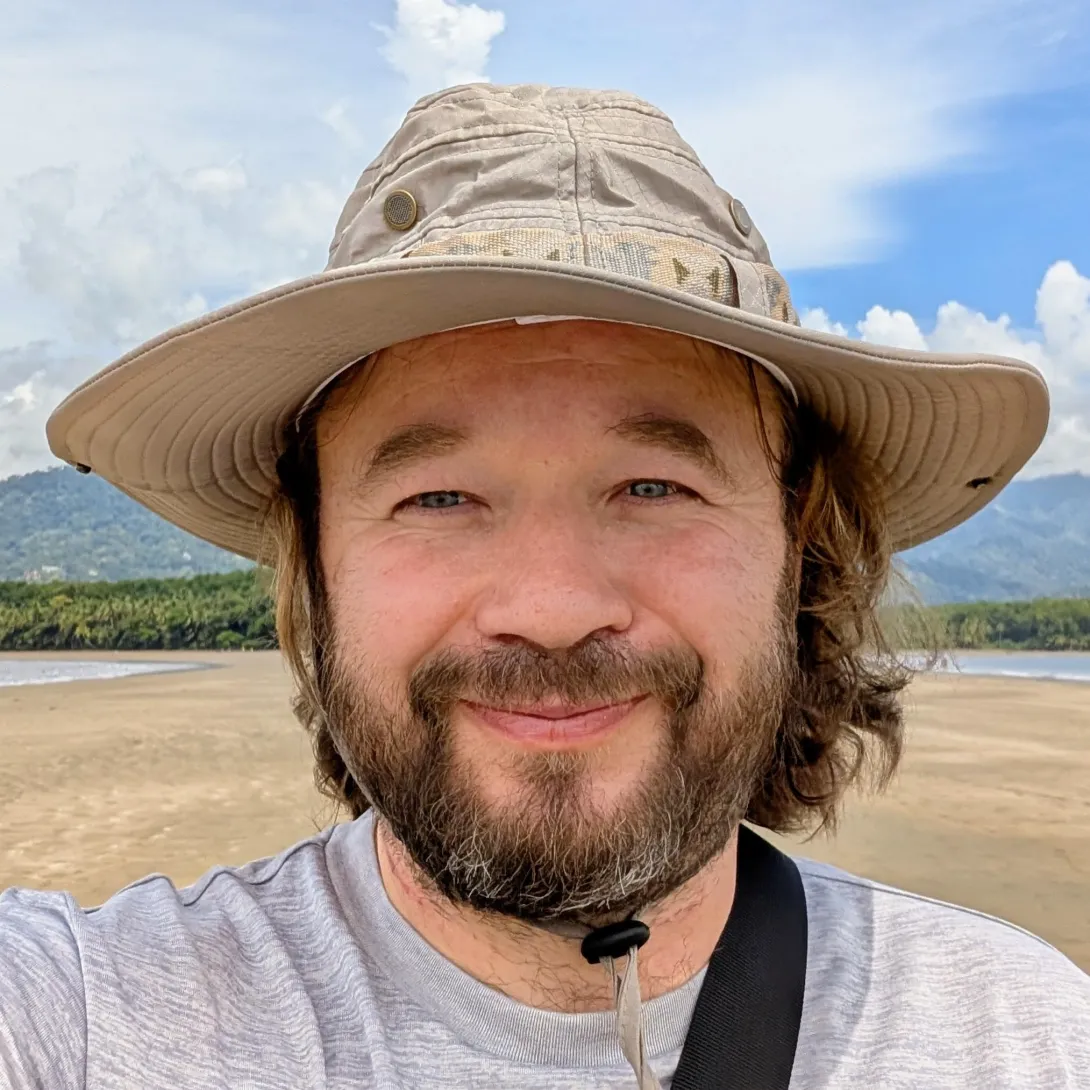
School of Mathematics Professor Anton Leykin is part of a research team selected to receive support through the AI for Math Fund, a new grant program created to accelerate the development of artificial intelligence (AI) and machine learning tools for mathematics.
“This grant gives me a foothold in a new world where AI can be used in a very concrete way,” says Leykin. “It’s an opportunity to move beyond the hype and develop tools that truly benefit mathematical research.”
With a total of $18 million in inaugural grants to 29 project teams, the AI for Math Fund backs initiatives that create open-source tools, expand high-quality datasets for AI training, and make advanced systems more accessible to mathematicians. The fund received 280 grant applications from researchers and mathematicians worldwide.
Building bridges
Leykin’s global team includes researchers from the University of South Carolina, University of Warwick, and Cornell University. Their project, “Bridging Proof and Computation: For a Verified Lean-Macaulay2 Interface,” aims to connect two powerful systems: Lean, a platform for assisting and formalizing mathematical proofs, and Macaulay2, a computational algebra system widely used in research.
By developing a native interface — a built-in connection that allows the two systems to work together without external tools — and a Lean-based domain-specific language, the project will enable communication between these systems. This will allow Lean users to formulate tactics that involve sophisticated computation done by algorithms implemented in Macaulay2; in return, Macaulay2 users can formalize computer-assisted proofs via Lean with a little help from AI.
“This integration has the potential to transform how mathematicians work,” says Leykin. “It will not only connect Lean and Macaulay2 but also lay the groundwork for a general interface that could benefit other computer algebra systems in the future.”
His goal is to create a robust proof-assistance system where AI can help generate strategies and validate proofs, driving progress in areas that require both computational power and rigorous verification.
About the AI for Math Fund
A joint initiative developed in partnership between Renaissance Philanthropy and founding donor XTX Markets, the AI for Math Fund is one of the largest philanthropic commitments supporting the development of AI and machine learning tools to advance mathematics. Individual grants range up to $1 million for 24 months of work on open-source projects and research.
News Contact
Laura Segraves Smith, writer
Oct. 29, 2025
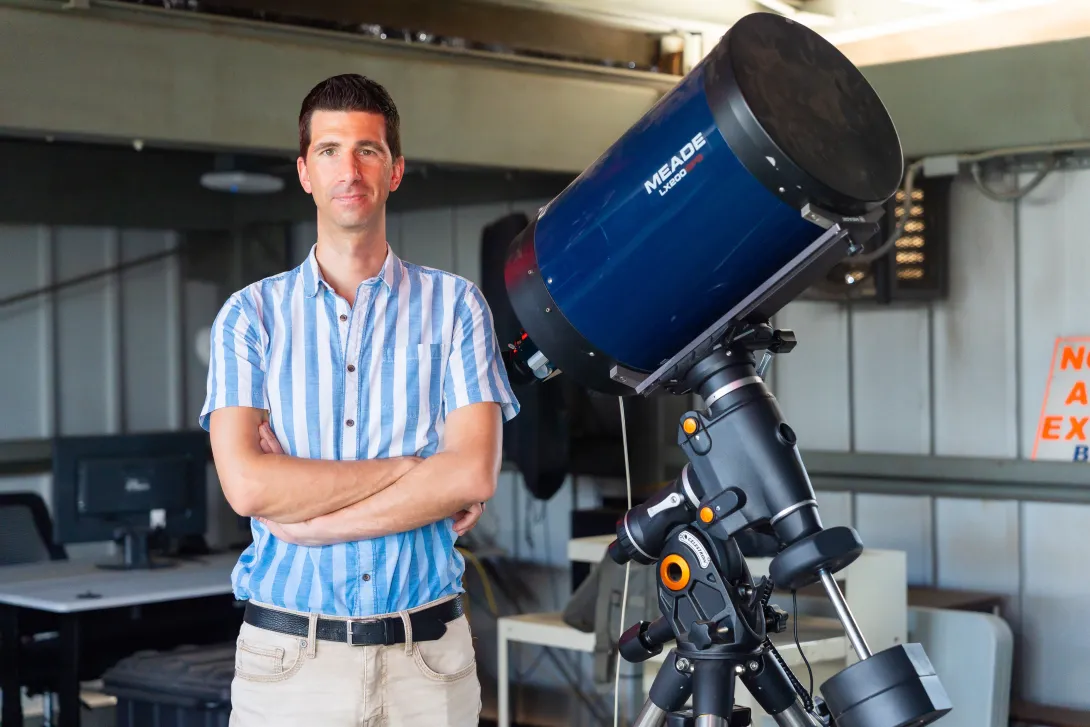
The College of Sciences has named Paul Sell as the new director of the Georgia Tech Observatory. Sell joined the Institute in Fall 2025 as a senior academic professional in the School of Physics. He also serves as advisor of the new B.S. in Astrophysics degree program.
“Paul Sell is a wonderful addition to our College of Sciences community,” says Susan Lozier, dean of the College of Sciences, Betsy Middleton and John Clark Sutherland Chair, and professor in the School of Earth and Atmospheric Sciences. “His leadership brings renewed energy to the Georgia Tech Observatory, and I look forward to seeing how he expands its impact across campus and in the broader community.”
Observing the cosmos from campus
The Georgia Tech Observatory was established nearly two decades ago at a time when the Institute’s astronomy and astrophysics research and teaching ecosystem was in its infancy.
School of Physics Principal Academic Professional Emeritus Jim Sowell created the facility on the roof of the Howey Physics Building in 2007 and served as its director until his retirement in 2024.
“The Observatory — and its numerous variety of telescopes — makes it possible for Georgia Tech students and Atlanta-area visitors to see with their own eyes some of the best, awe-inspiring celestial delights, including craters on the Moon, Jupiter’s Red Spot, Saturn’s rings, and many other objects,” says Sowell.
The Observatory’s primary instrument is a 20-inch diameter telescope by Officina Stellare. Known as the Georgia Tech’s Space Object Research Telescope (GT-SORT), this Raven-class space surveillance telescope is used by researchers in the Daniel Guggenheim School of Aerospace Engineering to monitor man-made spacecraft.
“What’s unique about the Georgia Tech Observatory is that it’s right on campus, offering a meaningful, hands-on experience to everyone,” explains Sell. “It can be readily integrated into experiential learning projects on campus all year round.”
Sell’s upper-level astronomy lab, which combines lectures with experiences at the Observatory, highlights the facility’s academic importance.
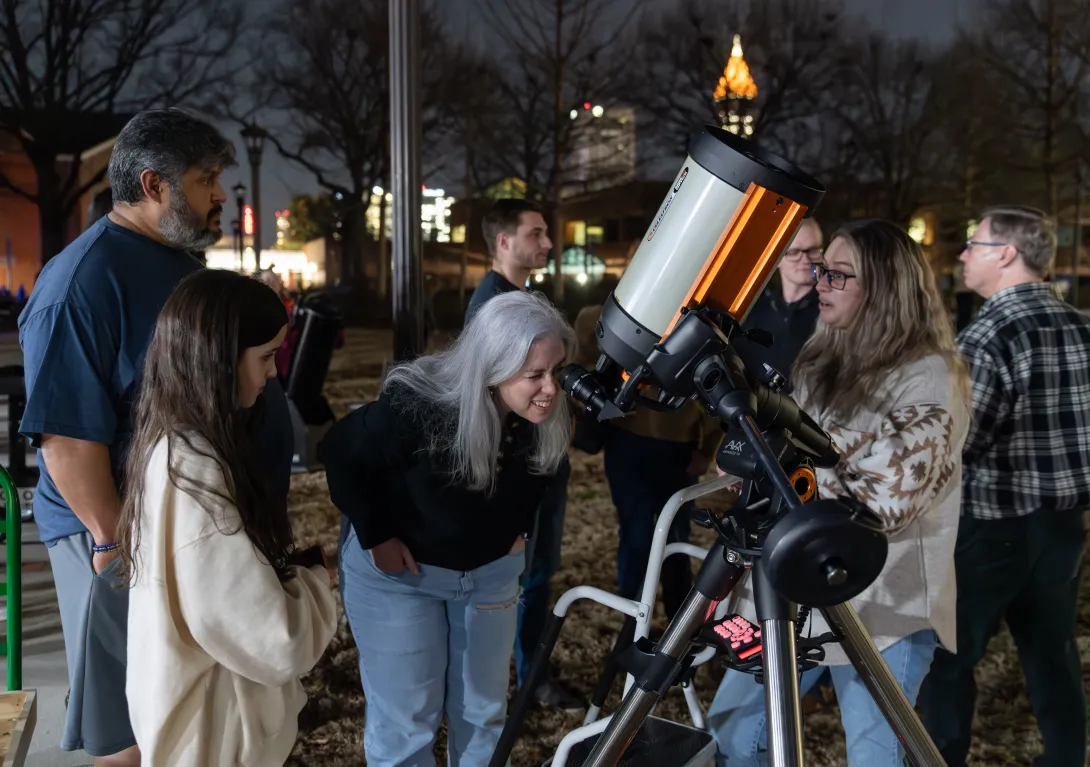
Yet, the Observatory’s impact extends beyond the classroom, thanks to free community events like “Public Nights at the Observatory,” which offer attendees the opportunity to explore the night sky.
Held most months, weather permitting, this event features telescopes stationed outside the Howey Physics Building, allowing astronomy enthusiasts from Georgia Tech and beyond to view the Moon, Jupiter, Saturn, and other cosmic wonders. These gatherings typically draw more than 100 stargazers.
Specialized groups are also hosted at the Observatory. For example, the Georgia Tech Astronomy Club uses the facility during its weekly meetings.
“The Observatory is a haven where students can step outside for a moment and get lost in the stars,” says AJ Chadha, club president and fourth-year computer science major. “With one of the largest telescopes in Georgia, the on-campus 20-inch GT-SORT, we weave astronomy directly into student life.”
Under Sell’s leadership, the Observatory will continue to strengthen partnerships with student organizations, campus units, and community groups.
“I'm excited to explore additional ways we can use this resource for outreach and academic purposes that benefit both Georgia Tech and the Atlanta community,” Sell adds.
A passion for astronomy
Before joining Georgia Tech, Sell served as senior lecturer, astronomy undergraduate coordinator, and interim director of the teaching observatory at the University of Florida.
His passion for astronomy began at an early age, sparked by a gift from his parents: an Orion refracting lens telescope.
“I remember taking out that telescope, even in freezing cold Ohio winters, simply because the observing conditions were better,” he recalls.
Sell nurtured his interest in astronomy through his university studies and extracurricular activities, which included working in planetaria as an undergraduate at the University of Toledo. He later obtained a Ph.D. in Astronomy from the University of Wisconsin-Madison.
“I am grateful for the opportunity to share my passion for astronomy, not only with our physics students but with the larger Georgia Tech community — through classroom lectures, student advising, and Observatory outreach,” Sell says.
News Contact
Writer: Lindsay C. Vidal
Oct. 17, 2025
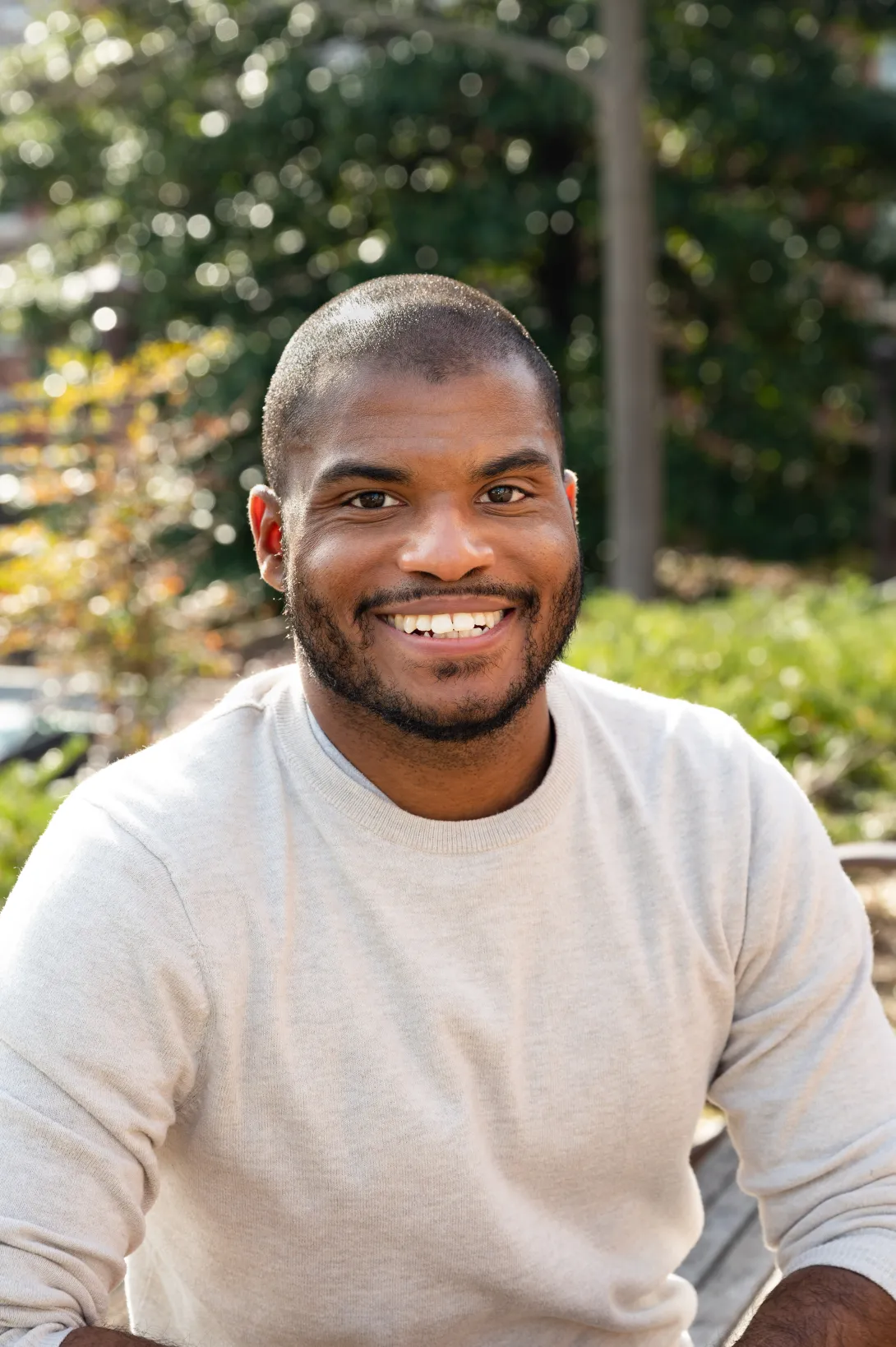
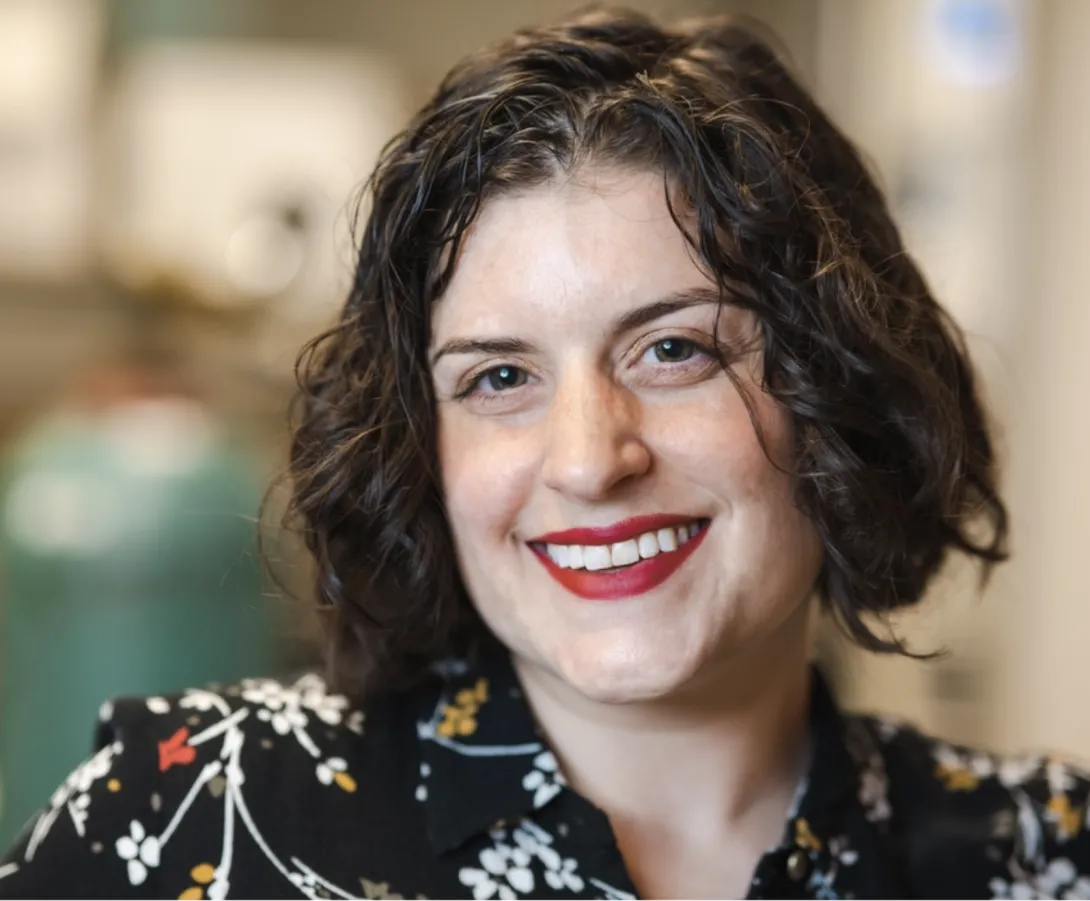
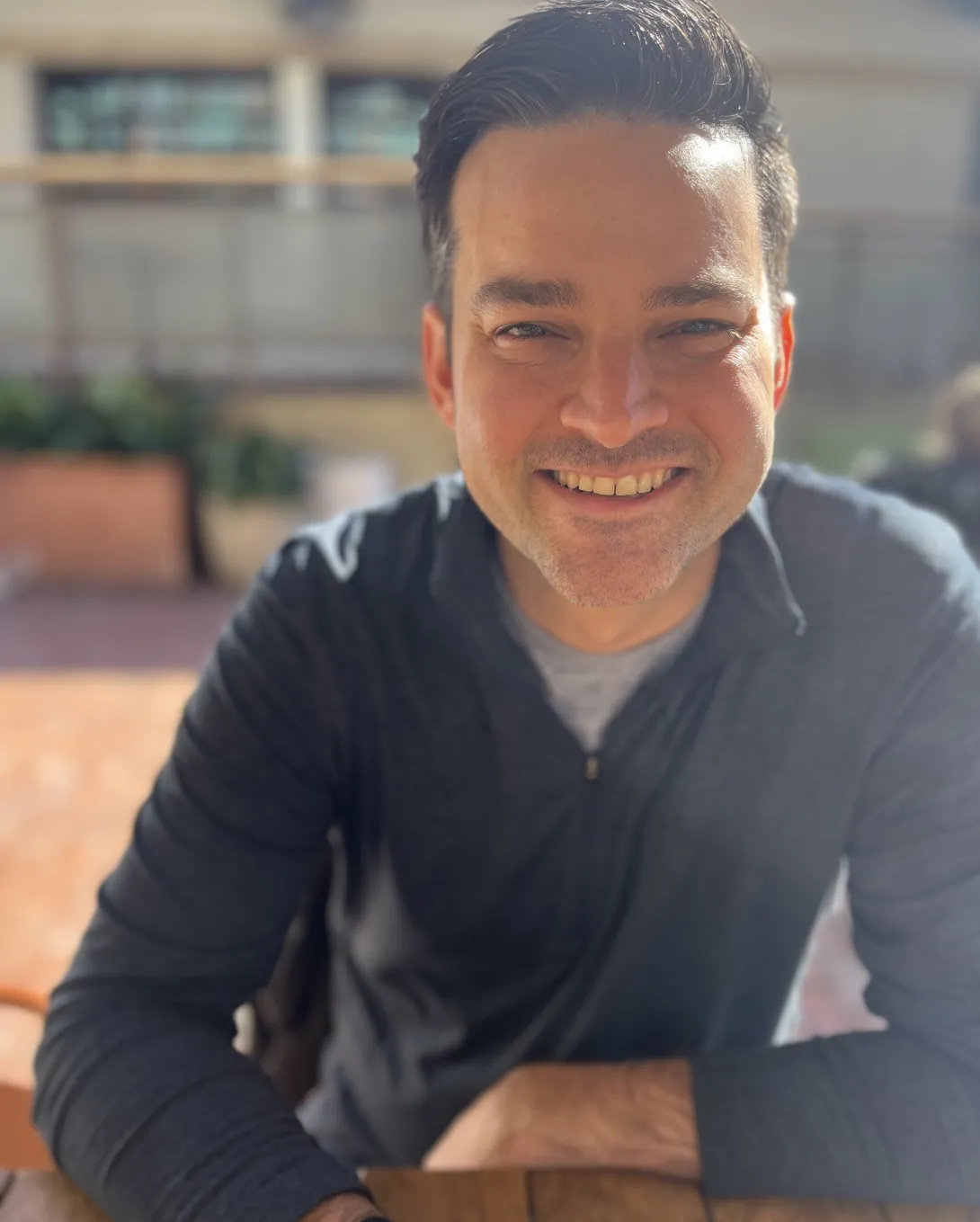
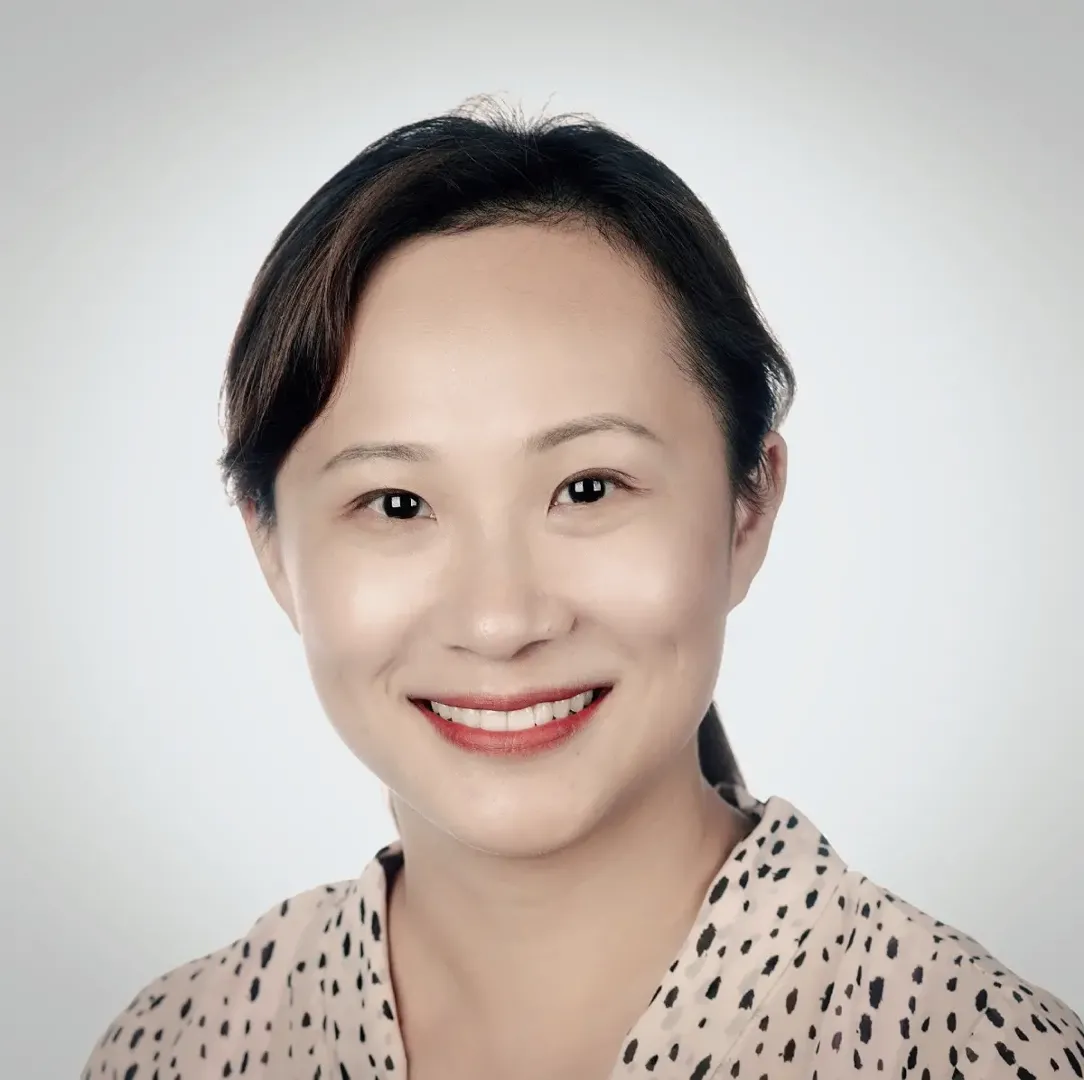
The College of Sciences has named four faculty members — Isaiah Bolden, Jennifer Glass, Alex Robel, and Yuanzhi Tang — from the School of Earth and Atmospheric Sciences (EAS) to newly endowed positions. The awards recognize their leadership in climate, sustainability, and environmental sciences.
“These endowments are allowing stellar early and mid-career faculty to amplify their educational and research activities,” says EAS Chair Jean Lynch-Stieglitz. “We are grateful to reward their achievements and ensure they can continue to contribute at a high level to the ongoing growth of Georgia Tech’s new Environmental Science B.S. program and the School’s research profile in climate and sustainability.”
Jean “Chris” Purvis Early Career Award: Isaiah Bolden
EAS Assistant Professor Isaiah Bolden’s research focuses on providing foundational data needed for climate and sustainability science in vulnerable coastal environments. He and his team in the Chemical Oceanography – Observations and Outreach Lab study chemical fingerprints preserved in coastal waters, corals, and shells to provide early warning indicators and mitigation strategies to preserve biodiversity and ecosystem services.
“I am most excited by the award’s ability to provide the flexible, sustained support necessary to bridge the gap between academic discovery and community impact,” he says. “With this endowment, I can pursue high-risk, high-reward research questions and dedicate resources to long-term, community-based projects. It directly empowers my drive to put science to work as a tool for environmental policymaking and cultural preservation.”
Bolden plans to direct the funds to support marine science curricula for coastal Georgia middle and high school students, paid undergraduate internships, specialized sample analyses, and travel logistics.
New research: Bolden’s group is actively pioneering the use of coastal Georgia oyster shells as novel natural archives of environmental change. Similar to tropical corals, the oyster shells provide high-resolution data on local water quality, pollution, and climate shifts. This work is intended to dovetail with Bolden’s coastal community-based partnerships, including the Ladies and Lads in Lab Coats program, which provides students with STEM exposure and enables them to collect and analyze data that documents their region’s environmental history.
Jean “Chris” Purvis Professorship: Jennifer Glass
EAS Professor Jennifer Glass drives new research at the intersection of environmental microbiology and climate science. The Glass Lab investigates microorganisms that produce and consume greenhouse gases — focusing on the chemical-level mechanisms behind how these gases are created and destroyed — with the ultimate aim of harnessing biological processes to address some of the urgent environmental challenges facing humanity. One major focus of her research is the vast reserves of methane hydrate found beneath the continental margin seafloor, representing the largest natural gas resource on Earth.
“I’m incredibly thankful to the donor and the Institute,” says Glass, who is also the EAS associate chair for Undergraduate Affairs. “This support arrives at a critical time for environmental science and allows me to pursue new opportunities that would otherwise be out of reach.”
She plans to use the funds to attend key conferences, build new collaborations, and support student engagement in upcoming initiatives.
New research: The Glass Lab is exploring environmentally friendly ways to extract and recycle rare earth elements — critical minerals used in batteries and electric vehicles. By studying marine microbes, which are less understood than their soil counterparts, the team aims to develop green biotechnology alternatives to current mining practices.
Jean “Chris” Purvis Early Career Award: Alex Robel
EAS Associate Professor and Rising Tide Director Alex Robel combines physics, applied mathematics, and ocean sciences to understand how climate changes are impacting Earth’s largest ice sheets and glaciers. His research lab, the GT Ice and Climate Group, focuses on developing computational models of ice sheet melt to predict future sea level rise. In partnership with coastal communities, they leverage those predictions to help make city streets more resilient to flooding.
“This award helps me pursue more opportunities to engage closely with community partners, using climate information to make concrete improvements in their infrastructure,” explains Robel.
Specific plans for the funds include enhancing pilot projects in coastal resilience, including the Community Hubs for Optimizing Resilience (CHORUS) initiative. Using building-scale flood models, CHORUS will help communities select potential infrastructure interventions to mitigate future flooding that threatens valued community assets.
New research: Robel is launching a project to use machine learning methods to improve the representation of small-scale processes in ice sheet computational models. These methods will help his group blend an understanding of how ice flows and fractures, based on basic physical principles, with real-world measurements of crevasse formation on ice sheets.
Georgia Power Professorship: Yuanzhi Tang
EAS Professor Yuanzhi Tang is the founding director of the Center for Critical Mineral Solutions and associate director, Strategic Partnerships and Engagement for the Brook Byers Institute for Sustainable Systems. Her research integrates geochemistry, environmental engineering, and sustainability science to advance a circular economy for critical minerals, from resource discovery and recovery to recycling and reuse.
The Tang Research Group investigates the fundamental chemical, geological, and biological processes that control the transformation and mobility of critical elements across natural and engineered environments. Her work directly informs the development of low-impact extraction technologies and sustainable supply chains essential for clean energy transition.
“The Georgia Power Professorship provides support for building partnerships across academia and industry partners to accelerate innovation in critical minerals,” says Tang. “It enables us to link fundamental geochemical and geological science with real-world applications that strengthen both energy security and environmental stewardship.”
Tang plans to use the funds to expand student participation and interdisciplinary collaborations with academic and industry partners — positioning Georgia and the broader Southeast as a leader in sustainable mineral innovation.
New research: Tang’s research team is developing sustainable methods for the extraction and separation of critical minerals from alternative and waste resources. By coupling molecular-scale characterization with rational engineering design, her team aims to transform waste byproducts into valuable sources of critical elements while minimizing environmental impacts.
About the Purvis Endowment
The Jean “Chris” Purvis Endowed Awards are supported by the generosity of the late J. Chris Purvis, M.D. (Applied Biology 1969), a psychiatrist and neurologist who specialized in juvenile and adolescent behavioral psychiatry.
About the Georgia Power Professorship
The Georgia Power Professorship was established through the generosity of Georgia Power, which funds several endowed professorships at Georgia Tech to support faculty in fields like energy, science, sustainability, and engineering.
News Contact
Laura S. Smith, writer
Sep. 19, 2025
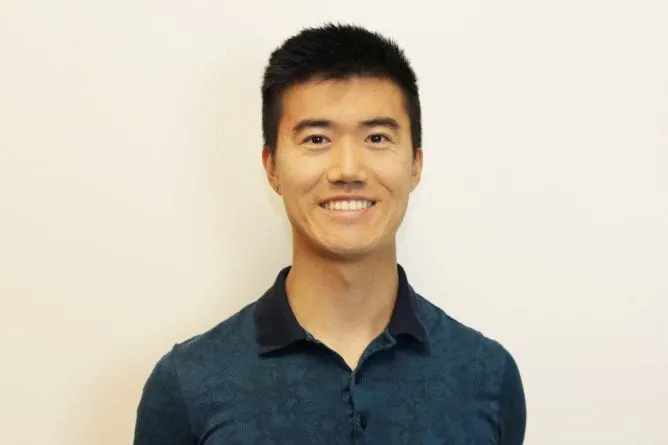
Georgia Tech’s Jaden Wang (Zhuochen Wang) has been awarded a NASA Space Technology Graduate Research Opportunity (NSTGRO). The grant supports graduate students who “show significant potential to contribute to NASA’s goal of creating innovative new space technologies for our nation’s science, exploration, and economic future.”
Wang, who is a Ph.D. student in the School of Mathematics and a master’s student in the Daniel Guggenheim School of Aerospace Engineering, will focus on developing mathematically-backed landing solutions for spacecraft.
“I first became interested in powered descent problems during my Fall 2024 internship with NASA’s Human Landing System at Marshall Space Flight Center,” he says. “With my mathematical background in optimization and topology, and my passion for space exploration, I saw this research topic as a perfect fit when my co-advisor Dr. Panagiotis Tsiotras suggested it.”
Wang is co-advised by School of Mathematics Professor and Hubbard Research Fellow John Etnyre alongside Panagiotis Tsiotras, who holds the David and Andrew Lewis Endowed Chair in the Daniel Guggenheim School of Aerospace Engineering and is also associate director at the Institute for Robotics and Intelligent Machines.
In addition to his Georgia Tech advisors, Wang will collaborate with a NASA Subject Matter Expert, who will connect him with the larger technical community. He will perform part of the research as a visiting technologist at multiple NASA centers, giving him the opportunity to work with leading engineers and scientists and share his research results directly with the NASA community.
From abstractions to space exploration
“NASA’s upcoming missions to the Moon, Mars, and beyond need technology that allows spacecraft to land precisely at their intended sites,” says Wang. “My research will focus on the last stage of landing, called powered descent. This stage powers up engines, which guide the spacecraft into a safe landing using a pre-designed trajectory that autopilot follows.”
This means that researchers need to figure out the correct thrust, direction, and timing to reach a landing spot — all while navigating a landing that uses as little fuel as possible.
“A common approach is to treat this as an optimization problem: minimizing fuel consumption with rigid-body physics as constraints to determine the best thrust profile,” Wang explains. “This can work well, but it has drawbacks. It assumes that there is no uncertainty in the system (for example, that the thrust of the engines is applied perfectly) and it simplifies the motion of the spacecraft by treating it as though it’s traveling through flat space instead of on a true curved geometry. Both shortcuts introduce errors — our research aims to address these gaps.”
To improve landing precision, Wang will develop a curved-space geometric mathematical model, which takes into account the curved-space geometry of spacecraft motion rather than assuming flat space. To find a fuel-efficient landing trajectory, Wang will develop the model around optimal covariance steering, a stochastic control problem that both minimizes fuel costs while keeping the uncertainty of the spacecraft's exact landing spot within a safe amount.
It’s a problem that leverages his experience in theoretical math and his background in aerospace engineering. “I’m incredibly honored that NASA finds this research exciting and is supporting my pursuit of it,” he says. “There are so many fascinating engineering problems that could benefit from deeper theoretical scrutiny, especially using abstract machineries not typically covered in an engineering curriculum. I hope this inspires more theoretical researchers and graduate students to explore bridging these gaps.”
News Contact
Written by Selena Langner
Jul. 08, 2025
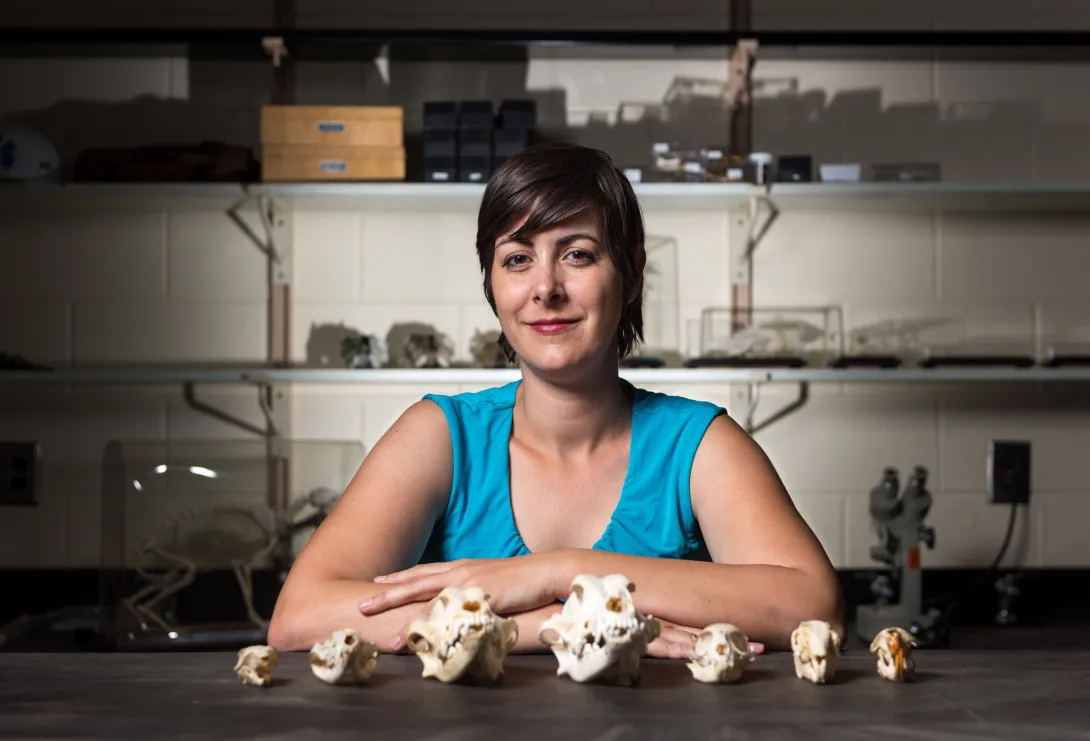
The College of Sciences is pleased to announce Jenny McGuire as the recipient of the Harry and Anna Teasley Professorship in Ecology.
The newly endowed faculty position supports research and teaching that meaningfully advances the understanding and responsible stewardship of species and community dynamics amid evolving ecological interactions driven by global environmental change.
McGuire, an associate professor in the School of Biological Sciences and the School of Earth and Atmospheric Sciences, was selected for her pioneering ecological research and exceptional teaching efforts.
“Jenny’s creative and fundamental research in spatial and community ecology is helping to position Georgia Tech as a leader in biodiversity and ecosystem conservation,” says Todd Streelman, professor and chair of the School of Biological Sciences. “Her appointment continues a trend in the School to award research endowments to our most promising early- and mid-career scientists and highlights the strong support and generosity of alumni such as the Teasley family.”
Meet Jenny McGuire
McGuire joined the Georgia Tech faculty in 2017 as an assistant professor. She earned a Ph.D. in Integrative Biology from the University of California, Berkeley, and completed postdoctoral research at the National Evolutionary Synthesis Center and the University of Washington.
Her research explores how plants and animals respond to environmental changes across space and time — from the ancient past to modern urban environments to the future. She leads the Spatial Ecology and Paleontology Lab, which integrates paleontological data, ecological modeling, and fieldwork to understand how biodiversity shifts in response to climate change and human development.
“Our goal isn’t just to preserve biodiversity, but also to help it thrive in a changing landscape,” says McGuire.
She plans to use the Teasley endowment to advance wildlife redistribution research in the Southeastern U.S.
“Georgia is a climate change highway,” explains McGuire. “Species are moving northeast toward the Appalachian Mountains, but roads, development, and fragmented habitats often block their paths.”
McGuire believes Georgia Tech is uniquely positioned to lead in this field, thanks to its technological strengths. She and her team will collaborate across campus and the Southeast, implementing cutting-edge biodiversity monitoring to better understand how species experience and respond to environmental changes.
“Conducting this research in urban areas like Atlanta — where green infrastructure can serve as vital wildlife corridors — is especially important,” adds McGuire.
The Teasley Professorship will also support student involvement at all levels. McGuire hopes to build a more connected and proactive research community that brings together students, ecologists, biologists, engineers, computer scientists, and community partners to address biodiversity challenges across the Southeast.
McGuire is a 2024 Cullen-Peck Fellow, a Brook Byers Institute for Sustainable Systems Faculty Fellow since 2023, and an NSF CAREER Award winner. Her long-running outreach program, Fossil Fridays, invites students, families, and community members into the lab to sort and study real fossil specimens.
Looking ahead, she’s eager to explore the possibilities provided by the Teasley Professorship.
“It’s an incredible opportunity to elevate Georgia Tech’s role in shaping how we understand and protect life on a changing planet.”
A legacy of excellence
Harry E. Teasley, Jr. graduated from Georgia Tech in 1959 with a degree in industrial engineering and worked for over 33 years for The Coca-Cola Company. In addition to the many leadership roles he held at Coca-Cola, Mr. Teasley is remembered for pioneering the first Life Cycle Assessment (LCA) to be used in an industrial context. LCA was a pioneering analytical framework assessing environmental impacts of a product's life from "cradle to grave," and it is used across most major industries today.
The Harry and Anna Teasley Professorship in Ecology is the second Teasley Professorship supporting environmental research at Georgia Tech. School of Biological Sciences Regents’ Professor Mark Hay has held the Harry and Anna Teasley Chair in Environmental Biology since 1999.
Mrs. Teasley provided an official statement regarding the Harry and Anna Teasley Professorships at Georgia Tech:
“It was the intent of my late husband Harry E. Teasley Jr. that the funds he gave to Professor Mark Hay at Georgia Tech would be to support excellence in the field of environmental biology and to provide him with the freedom to study any concept, hypothesis, or organism that his experience-honed intuition guided him to.
With time, Professor Hay has proven to have been a very worthy choice and has made my late husband and I very proud through the breadth and depth of his studies, discoveries, and highest possible awards he has received. Once this was established, and along with the profound esteem both men had developed for each other, there was the wish to leave a legacy beyond the research: the human values and scientific approach to research that Professor Hay has demonstrated from the start.
Having been the unanimous choice of the evaluating committee, Associate Professor Jenny McGuire seems to be an excellent first recipient, and I am very proud to welcome her as I know my late husband would have been as well.
I wish her many successes in pursuing and teaching her very promising research, and I look forward to learning about the impact she will have in her field as we have through the years admired Professor Mark Hay’s achievements.
###
To learn more about Transforming Tomorrow: The Campaign for Georgia Tech, visit transformingtomorrow.gatech.edu.
News Contact
Laura S. Smith, writer
Jun. 05, 2025
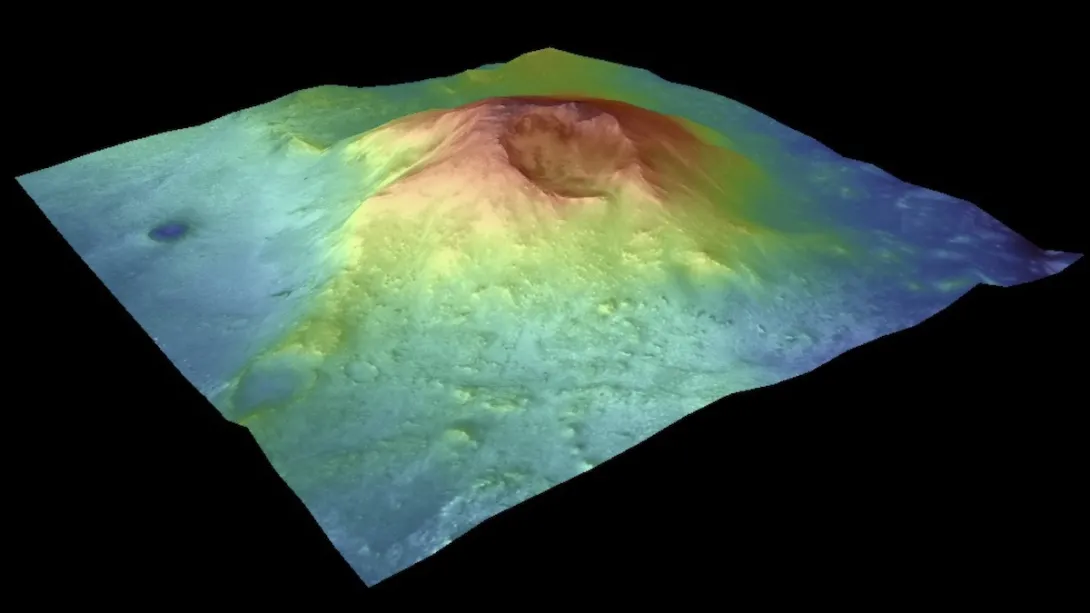
A view of Jezero Mons from the publication. The mountain is ~21 km across.
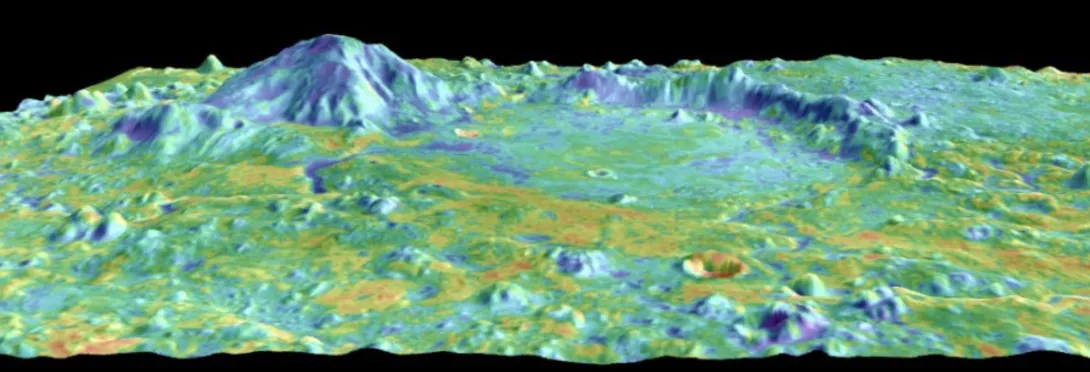
An image from the publication showing an oblique view from north-northeast of Jezero crater, with topography exaggerated ~3x
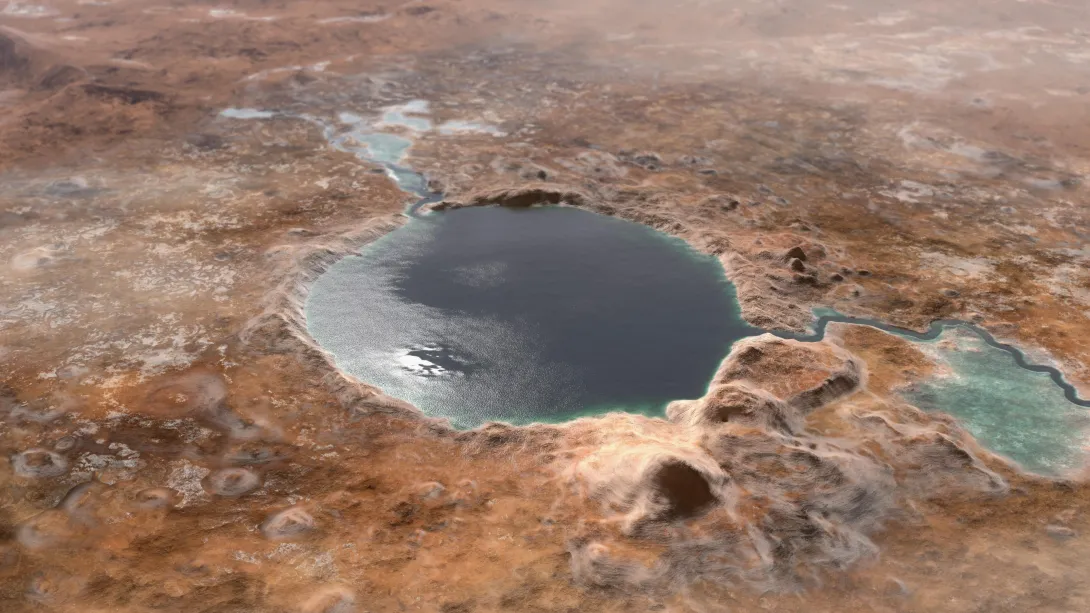
An illustration of Jezero Crater as it may have looked billions of years go on Mars, when it was a lake. Jezero Mons is visible on the front right-side of the crater rim. (Credit: NASA)
Georgia Tech scientists have uncovered evidence that a mountain on the rim of Jezero Crater — where NASA’s Perseverance Rover is currently collecting samples for possible return to Earth — is likely a volcano. Called Jezero Mons, it is nearly half the size of the crater itself and could add critical clues to the habitability and volcanism of Mars, transforming how we understand Mars’ geologic history.
The study, “Evidence for a composite volcano on the rim of Jezero crater on Mars,” was published this May in the Nature-family journal Communications Earth & Environment, and underscores how much we have left to learn about one of the most well-studied regions of Mars.
Lead author Sara C. Cuevas-Quiñones completed the research as an undergraduate during a summer program at Georgia Tech; she is now a graduate student at Brown University. The team also included corresponding author Professor James J. Wray (School of Earth and Atmospheric Sciences), Assistant Professor Frances Rivera-Hernández (School of Earth and Atmospheric Sciences), and Jacob Adler, then a postdoctoral fellow at Georgia Tech and now an assistant research professor at Arizona State University.
“Volcanism on Mars is intriguing for a number of reasons — from the implications it has on habitability, to better constraining the geologic history,” Wray says. “Jezero Crater is one of the best studied sites on Mars. If we are just now identifying a volcano here, imagine how many more could be on Mars. Volcanoes may be even more widespread across Mars than we thought.”
A mountain in the margins
Wray first noticed the mountain in 2007, while considering Jezero Crater as a graduate student.
“I was looking at low-resolution photos of the area and noticed a mountain on the crater’s rim,” he recalls. “To me, it looked like a volcano, but it was difficult to get additional images.” At the time, Jezero Crater was newly discovered, and imaging focused almost entirely on its intriguing water history, which is on the opposite side of the 28-mile-wide crater.
Then, Jezero Crater, due to these lake-like sedimentary deposits, was selected as the landing spot for the 2020 Perseverance Rover — an ongoing NASA mission seeking signs of ancient Martian life and collecting rock samples for possible return to Earth.
However, after landing, some of the first rocks Perseverance encountered were not the sedimentary deposits one might expect from a previously-flooded area — they were volcanic. Wray suspected he might know the origin of these rocks, but to make a case for it, he would need to show that the mountain on the edge of Jezero Crater could indeed be a volcano.
A new researcher — and old data
The opportunity presented itself several months after Perseverance landed when Cuevas-Quiñones applied to a Summer Research Experience for Undergraduates (REU) program hosted by the School of Earth and Atmospheric Sciences to work with Wray.
“A previous study led by Briony Horgan (professor of planetary science at Purdue University) had also suggested that Jezero Mons could be volcanic,” Cuevas-Quiñones says. “I began wondering if there was a way to home in on these suspicions.”
The team partnered with study coauthor Rivera-Hernández, who specializes in characterizing the surface of planets and their habitability. They decided to use datasets gathered from spacecraft orbiting Mars to compare the properties of Jezero Mons to other, known, volcanoes. “We can’t visit Mars and definitively prove that Jezero Mons is a volcano, but we can show that it shares the same properties with existing volcanoes — both here on Earth and Mars,” Wray explains.
“We used data from the Mars Odyssey Orbiter, Mars Reconnaissance Orbiter, ExoMars Trace Gas Orbiter, and Perseverance Rover, all in combination to puzzle this out,” he adds. “I think this shows that these older spacecraft can be extremely valuable long after their initial missions end — these old spacecraft can still make important discoveries and help us answer tricky questions.”
For Cuevas-Quiñones, it also underscores the importance of REU programs and opportunities for undergraduates. “I was an undergraduate student at the time, and this was my first time conducting research,” she says. “It was fascinating to learn how different data sets could be used to decode the origin of a landscape. After Jezero Mons, it became clear to me that I would continue to study Mars and other planetary bodies.”
The search for life — and determining Mars’ age
The discovery makes the crater even more intriguing in the search for past life on Mars. A volcano so close to watery Jezero Crater could add a critical source of heat on an otherwise cold planet, including the potential for hydrothermal activity — energy that life could use to thrive.
This type of system also holds interest for Mars as a whole. “The coalescence of these two types of systems makes Jezero more interesting than ever,” shares Wray. “We have samples of incredible sedimentary rocks that could be from a habitable region alongside igneous rocks with important scientific value.” If returned to Earth, igneous rocks can be radioisotope dated to know their age very precisely. Dating the Jezero Crater samples could be used to calibrate age estimates, providing an unprecedented window into the geologic history of the planet.
The take home message? “Mars is the best place we have to look in our solar system for signs of life, and thanks to the Perseverance Rover collecting samples in Jezero, the United States has samples from the best rocks in the best place on Mars,” Wray says. “If these samples are returned to Earth, we can do incredible, groundbreaking science with them.”
DOI: https://doi.org/10.1038/s43247-025-02329-7
Funding: Cuevas-Quiñones was supported by Georgia Tech’s 2021 Research Experience for Undergraduates program sponsored by NSF and 3M corporation. Wray was supported by NASA funding for Co-Investigators on HiRISE and CaSSIS. CaSSIS is a project of the University of Bern and funded through the Swiss Space Office via ESA’s PRODEX program. The instrument hardware development was also supported by the Italian Space Agency (ASI) (ASI-INAF agreement 2020-17-HH.0), INAF/Astronomical Observatory of Padova, and the Space Research Center (CBK) in Warsaw. Support from SGF (Budapest), the University of Arizona Lunar and Planetary Lab, and NASA are also gratefully acknowledged. Operation support from the UK Space Agency is also acknowledged.
News Contact
Written by Selena Langner