
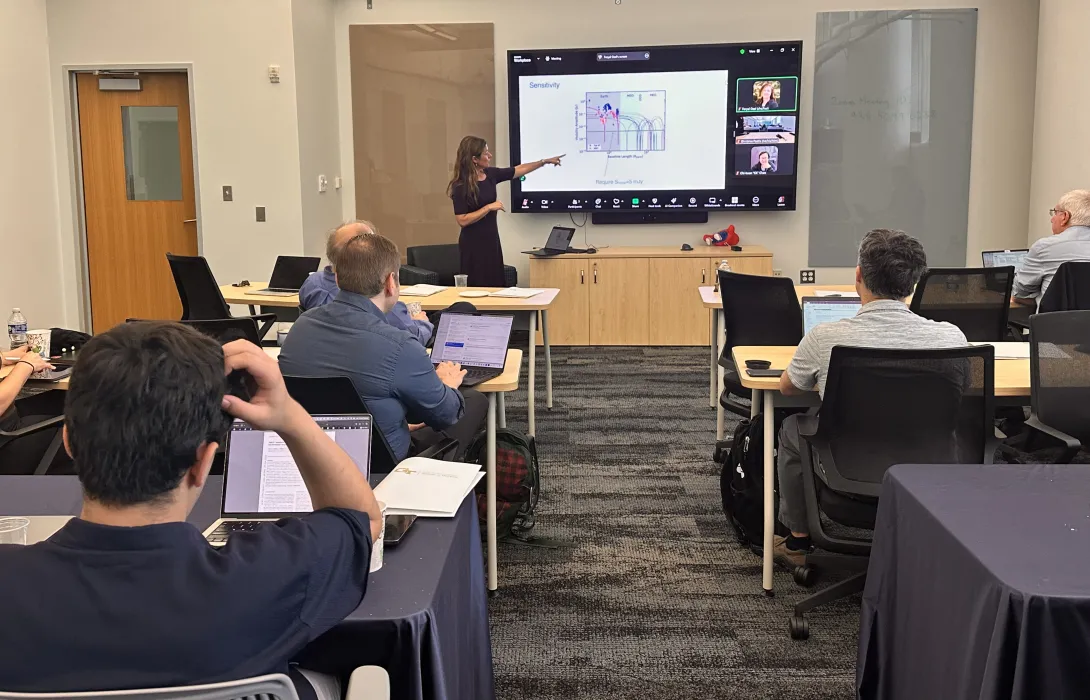
The kickoff meeting marked the first time that a large group of team members came together in person. Team members shared what they will bring to the mission and spent time refining the goals and requirements of the mission.

A new mission strives to take black hole imaging to space. Scientists from the Georgia Institute of Technology, the Georgia Tech Research Institute (GTRI), the National Aeronautics and Space Administration (NASA), and 12 universities from around the world recently convened for a three-day workshop to plan the launch of the Space-based Precision Millimeter Interferometry Telescope (SPRITE) project. The proposed NASA Medium-Class Explorer mission aims to revolutionize the understanding of black holes through space-based imaging.
From Earth to orbit: The next step
SPRITE builds on the groundbreaking achievements of the Event Horizon Telescope (EHT), a network of ground-based telescopes able to synchronize observations from around the globe. EHT is most well-known for capturing the first images of black holes, M87* and Sagittarius A*.
“We’ve done what we can from the ground; we’ve run out of Earth,” says Professor and Chair of the School of Physics Feryal Özel, SPRITE’s principal investigator and a well-known astrophysicist instrumental in EHT’s success and development. “SPRITE will send two telescopes into orbit – achieving better imaging than a dozen telescopes on the ground.”
By sending the telescopes into space, the mission will be able to overcome the limitations of Earth’s atmosphere, which blocks certain wavelengths of light and produces turbulence that can degrade image quality. Unlike Earth-based telescopes, which rely on the planet’s rotation to change viewing angles, SPRITE’s telescopes will rotate independently across the vastness of space with data continuously transmitted from the satellites to ground stations.
“I like to think of it as an MRI machine rotating around a patient,” explains Özel. “In space, our telescopes can perform this orbital dance from great distances – giving us multiple perspectives of a black hole and allowing us to build a much more complete image.”
Mission goals
SPRITE’s objectives are ambitious and far-reaching, specifically to:
- Create more images of previously unseen black holes at resolutions better than M87* and Sagittarius A*;
- Confirm the presence of binary black holes through visual imagery; and
- Study the hot gas dynamics around black holes.
This class of mission requires a three-year operational lifetime to achieve its main science goals – although planners estimate the project will be able to operate considerably longer.
Preparing for launch
SPRITE is being organized to reflect Georgia Tech’s commitment to advancing space science through interdisciplinary collaboration and innovation, and will work closely with the Institute’s new Space Research Initiative. Locating SPRITE at Georgia Tech allows the mission to benefit from the knowledge of leading experts from the Colleges of Sciences, Engineering, and Computing; and GTRI.
The recent kickoff meeting marked SPRITE’s first large-scale gathering of contributors from around the world.
“We had smaller meetings before, but this was the first time the full team came together to share expertise and collaboratively shape the mission,” says Özel. “Most importantly, this meeting showed us that we have a strong scientific case for our mission and its design.”
Over the next two to three years, the team will work to validate key technologies and prepare a compelling proposal for NASA. If selected, SPRITE is expected to launch in the mid-2030s, marking the beginning of a new era in space imaging.
News Contact
Laura S. Smith, writer
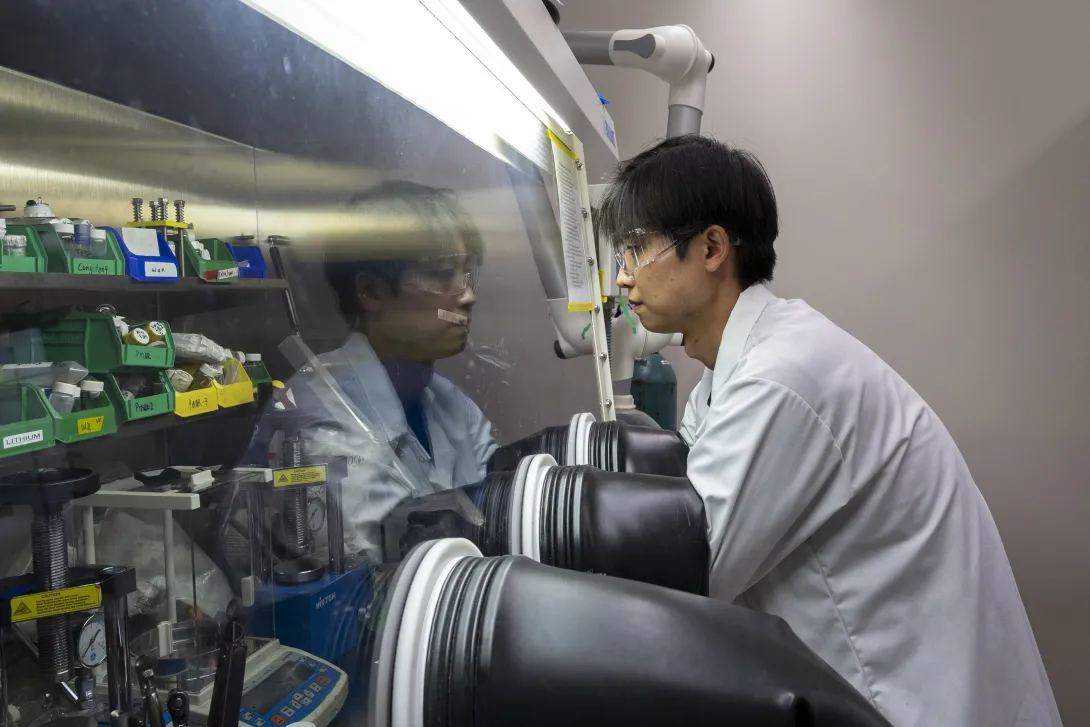
Sun Geun Yoon works in a glove box in McDowell’s laboratory at Georgia Tech. [Photo by Christopher McKenney]
Lithium-ion batteries power everything from electric cars to laptops to leaf blowers. Despite their widespread adoption, lithium-ion batteries carry limited amounts of energy, and rare overheating can lead to safety concerns. Consequently, for decades, researchers have sought a more reliable battery.
Solid-state batteries are less flammable and can hold more energy, but they often require intense pressure to function. This requirement has made them difficult to use in applications, but new research from Georgia Tech could change that.
The research group of Matthew McDowell, professor and Carter N. Paden Jr. Distinguished Chair in the George W. Woodruff School of Mechanical Engineering and the School of Materials Science and Engineering, has designed a new metal for solid-state batteries that enables operation at lower pressures. While lithium metal is often used in these batteries, McDowell’s group discovered that combining lithium with softer sodium metal results in improved performance and novel behavior.
McDowell and his collaborators presented their findings in the paper, “Interface Morphogenesis with a Deformable Secondary Phase in Solid-State Lithium Batteries,” published in Science on June 5.
Stackable Solution
Lithium-ion batteries have been the industry standard because they combine compact size, reliability, and longevity. However, they contain a liquid “electrolyte,” which helps lithium ions move in the battery but is also flammable. In solid-state batteries, this electrolyte is a solid material that is less flammable. The challenge is that when the battery is used, the lithium metal in the battery changes its shape, potentially losing contact with the solid electrolyte, which degrades performance. A common way to ensure the metal doesn’t lose contact is to apply high pressure to these batteries.
“A solid-state battery usually requires metal plates to apply this high pressure, and those plates can be bigger than the battery itself,” McDowell said. “This makes the battery too heavy and bulky to be effective.”
The researchers, led by Georgia Tech research scientist Sun Geun Yoon, sought a solution. The solid-state batteries would still require some pressure to function, but they found that by also using a softer metal, less pressure is required. The researchers decided to pair the commonly used lithium metal with a surprising element: sodium.
“Adding sodium metal is the breakthrough,” McDowell noted. “It seems counterintuitive because sodium is not active in the battery system, but it’s very soft, which helps improve the performance of the lithium.”
How soft can sodium be? In a controlled environment, a person could stick their gloved finger into sodium metal and leave an imprint.
From Biology to Battery
To understand the enhanced performance of their battery, the researchers borrowed a concept from biology called morphogenesis. This concept explains how tissues or other biological structures evolve based on local stimuli. Morphogenesis is rarely seen in materials science, but the researchers found that the combination of lithium and sodium behaves according to this concept.
McDowell’s research group has been working on applying morphogenesis to battery materials as part of a project funded by the Defense Advanced Research Projects Agency in collaboration with several other universities. Their battery is among the first viable demonstrations of this concept — effectively, the sodium deforms readily at the low pressures needed for solid-state batteries to function.
Battery Boon
The possibilities of a viable, smaller solid-state battery are vast. Imagine a phone battery that could last much longer or an electric vehicle that could drive 500 miles between charges. With this in mind, McDowell and his team have filed for a patent for this battery system.
While solid-state batteries still have some way to go before commercial use, results like these could mean that solid-state batteries can compete with lithium-ion. McDowell’s lab continues to experiment with other materials to further improve performance.
Funding from the Defense Advanced Research Projects Agency.
News Contact
Tess Malone, Senior Research Writer/Editor
tess.malone@gatech.edu
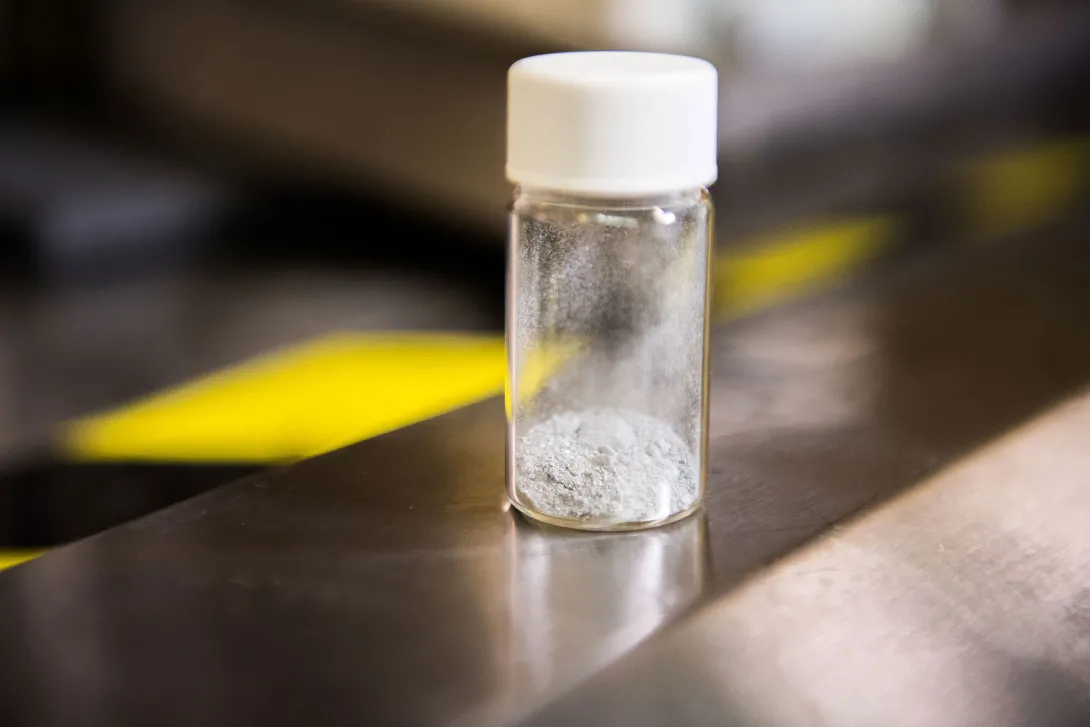
Scientists at the Army Research Laboratory found that an aluminum-based powder prompts hydrogen to split from water. Now, a Georgia Tech-led partnership will carry that research forward. Credit: US Army
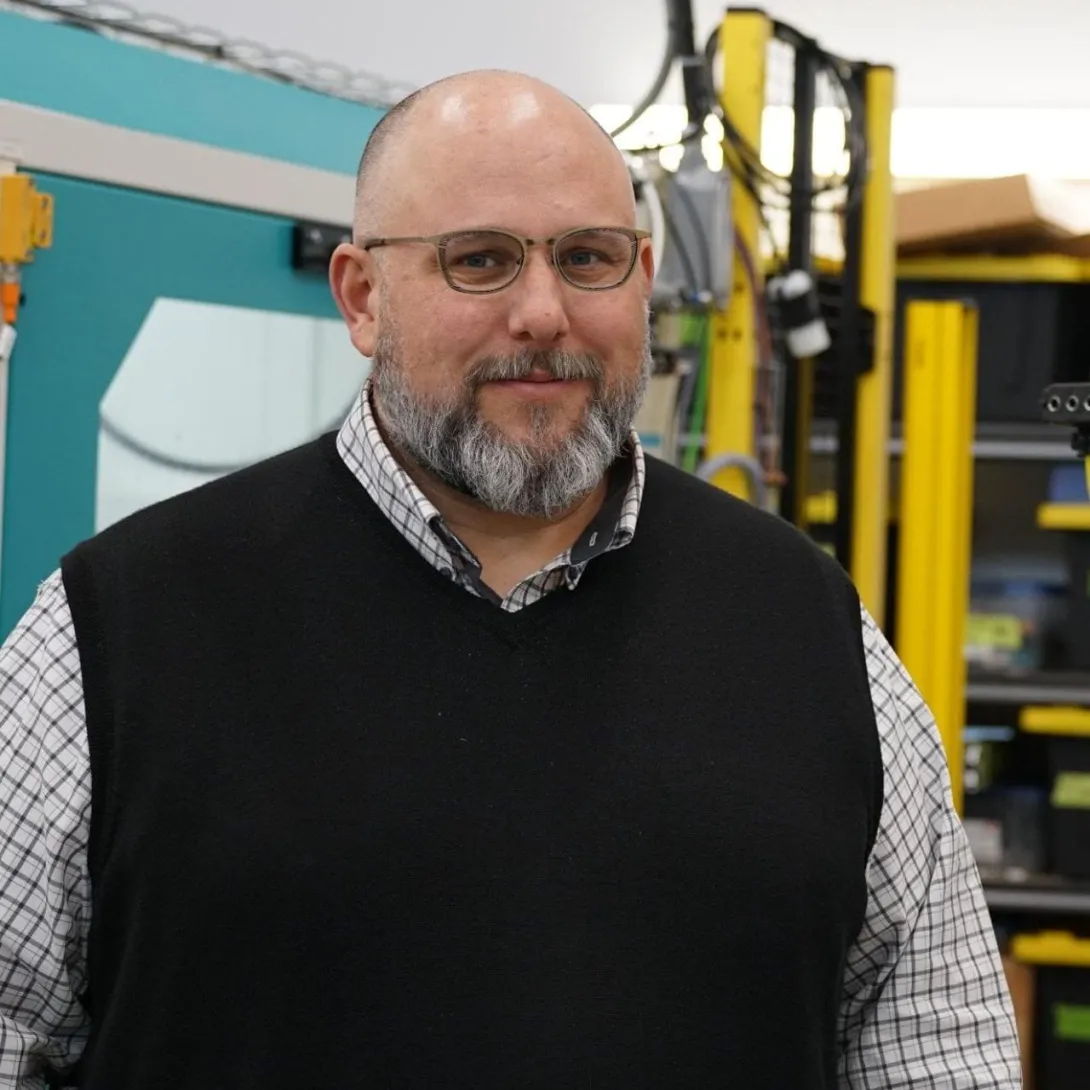
Aaron Stebner
Scott McWhorter
Aluminum scrap is one of the most common materials found on military bases and aircraft carriers worldwide. Now, the U.S. Army has tapped Georgia Tech to help turn that waste into power that can be generated off the grid and on demand.
The Army Research Office awarded Georgia Tech and its partners $20 million to develop scalable, efficient methods for transforming aluminum into hydrogen energy. The project could lead to a new, low-cost, clean, and efficient energy source powered by discarded materials.
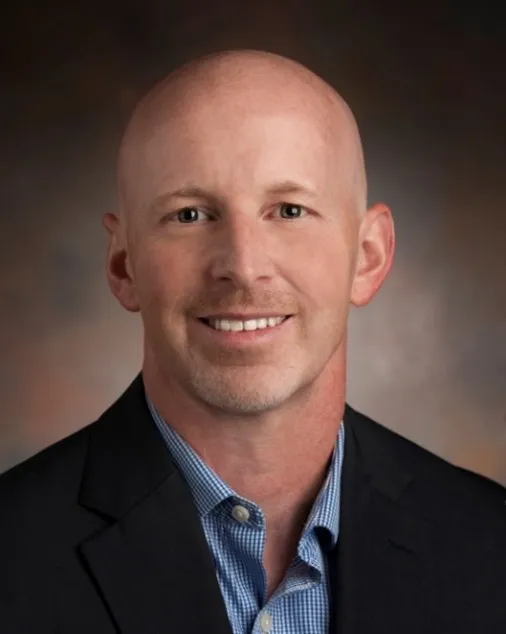
Aaron Stebner, professor and Eugene C. Gwaltney Jr. Chair in Manufacturing in the George W. Woodruff School of Mechanical Engineering and professor in the School of Materials Science and Engineering, will oversee the multi-year effort at Georgia Tech together with Scott McWhorter, lead for Federal Initiatives at the Strategic Energy Institute.
In addition to several team members from Georgia Tech and the Georgia Tech Research Institute, the project includes researchers from Fort Valley State University, the 21st Century Partnership, MatSys, and Drexel University.
“Aluminum already reacts with water — even wastewater and floodwater — to create hydrogen gas, power, and thermal energy,” McWhorter said. “If aluminum can be efficiently upcycled into stored energy, it could be a game-changer.”
The team’s goal is to experiment with aluminum’s material properties so it can be inexpensively manufactured to create a highly effective reaction that produces low-cost, clean hydrogen.
“Having this ability would allow military bases to be less dependent on the use of a foreign country’s electrical grids,” said Stebner, who is also co-director of Georgia Artificial Intelligence in Manufacturing and faculty at the Georgia Tech Manufacturing Institute.
Manufacturing Aluminum
Several years ago, the Army Research Lab discovered and patented the basic technology for recycling aluminum to produce hydrogen gas. However, current manufacturing methods require too much energy for the amount of hydrogen energy produced.
To make the technology viable and effective, Stebner and his colleagues will research alternate manufacturing processes and then develop automated methods for safely producing and storing stable aluminum. They also plan to optimize these processes using digital twin technologies.
Currently, manufacturers use large machines to grind up and tumble the aluminum in very controlled environments, because stray aluminum powder can be explosive. These methods are very costly.
Stebner and the team are looking into small, modular technologies that could allow for convenient, onsite energy generation. According to Stebner, they are interested in determining how these smaller machines could be so efficient that they could be powered using solar panels.
Stebner envisions that a field of solar panels could power the aluminum-processing modules — the aluminum recycling could be done while the sun shines and produce power 24/7.
Sustainable Impact
Once they have developed the manufacturing techniques and processes, the team plans to test their efficacy by generating power for rural Georgia communities. Success here would prove the technology could be viable for military deployments and other off-grid scenarios.
“The Deep South — especially middle and southern Georgia, Alabama, Mississippi, and Louisiana — often has enormous energy disruptions during hurricanes or power outages due to flooding and severe rains,” Stebner said. “Manufacturers can be hesitant to build big plants there, because the grids aren’t as stable. This same technology that the Army plans to use for remote military bases could be a game-changer in rural Georgia.”
If power is unexpectedly cut in those areas, floodwater could then be used to make hydrogen gas. While hydrogen has not yet had its day in the sun, it has great potential as an alternative to fossil fuels, Stebner says.
“From a sustainability perspective, any time you can take something that’s already waste — like scrap aluminum and wastewater — and turn it into a high-value product that can be used to power communities, that is a huge win.”
Funding: Army Research Office
News Contact
Catherine Barzler, Senior Research Writer/Editor

A view of Jezero Mons from the publication. The mountain is ~21 km across.

An image from the publication showing an oblique view from north-northeast of Jezero crater, with topography exaggerated ~3x

An illustration of Jezero Crater as it may have looked billions of years go on Mars, when it was a lake. Jezero Mons is visible on the front right-side of the crater rim. (Credit: NASA)
Georgia Tech scientists have uncovered evidence that a mountain on the rim of Jezero Crater — where NASA’s Perseverance Rover is currently collecting samples for possible return to Earth — is likely a volcano. Called Jezero Mons, it is nearly half the size of the crater itself and could add critical clues to the habitability and volcanism of Mars, transforming how we understand Mars’ geologic history.
The study, “Evidence for a composite volcano on the rim of Jezero crater on Mars,” was published this May in the Nature-family journal Communications Earth & Environment, and underscores how much we have left to learn about one of the most well-studied regions of Mars.
Lead author Sara C. Cuevas-Quiñones completed the research as an undergraduate during a summer program at Georgia Tech; she is now a graduate student at Brown University. The team also included corresponding author Professor James J. Wray (School of Earth and Atmospheric Sciences), Assistant Professor Frances Rivera-Hernández (School of Earth and Atmospheric Sciences), and Jacob Adler, then a postdoctoral fellow at Georgia Tech and now an assistant research professor at Arizona State University.
“Volcanism on Mars is intriguing for a number of reasons — from the implications it has on habitability, to better constraining the geologic history,” Wray says. “Jezero Crater is one of the best studied sites on Mars. If we are just now identifying a volcano here, imagine how many more could be on Mars. Volcanoes may be even more widespread across Mars than we thought.”
A mountain in the margins
Wray first noticed the mountain in 2007, while considering Jezero Crater as a graduate student.
“I was looking at low-resolution photos of the area and noticed a mountain on the crater’s rim,” he recalls. “To me, it looked like a volcano, but it was difficult to get additional images.” At the time, Jezero Crater was newly discovered, and imaging focused almost entirely on its intriguing water history, which is on the opposite side of the 28-mile-wide crater.
Then, Jezero Crater, due to these lake-like sedimentary deposits, was selected as the landing spot for the 2020 Perseverance Rover — an ongoing NASA mission seeking signs of ancient Martian life and collecting rock samples for possible return to Earth.
However, after landing, some of the first rocks Perseverance encountered were not the sedimentary deposits one might expect from a previously-flooded area — they were volcanic. Wray suspected he might know the origin of these rocks, but to make a case for it, he would need to show that the mountain on the edge of Jezero Crater could indeed be a volcano.
A new researcher — and old data
The opportunity presented itself several months after Perseverance landed when Cuevas-Quiñones applied to a Summer Research Experience for Undergraduates (REU) program hosted by the School of Earth and Atmospheric Sciences to work with Wray.
“A previous study led by Briony Horgan (professor of planetary science at Purdue University) had also suggested that Jezero Mons could be volcanic,” Cuevas-Quiñones says. “I began wondering if there was a way to home in on these suspicions.”
The team partnered with study coauthor Rivera-Hernández, who specializes in characterizing the surface of planets and their habitability. They decided to use datasets gathered from spacecraft orbiting Mars to compare the properties of Jezero Mons to other, known, volcanoes. “We can’t visit Mars and definitively prove that Jezero Mons is a volcano, but we can show that it shares the same properties with existing volcanoes — both here on Earth and Mars,” Wray explains.
“We used data from the Mars Odyssey Orbiter, Mars Reconnaissance Orbiter, ExoMars Trace Gas Orbiter, and Perseverance Rover, all in combination to puzzle this out,” he adds. “I think this shows that these older spacecraft can be extremely valuable long after their initial missions end — these old spacecraft can still make important discoveries and help us answer tricky questions.”
For Cuevas-Quiñones, it also underscores the importance of REU programs and opportunities for undergraduates. “I was an undergraduate student at the time, and this was my first time conducting research,” she says. “It was fascinating to learn how different data sets could be used to decode the origin of a landscape. After Jezero Mons, it became clear to me that I would continue to study Mars and other planetary bodies.”
The search for life — and determining Mars’ age
The discovery makes the crater even more intriguing in the search for past life on Mars. A volcano so close to watery Jezero Crater could add a critical source of heat on an otherwise cold planet, including the potential for hydrothermal activity — energy that life could use to thrive.
This type of system also holds interest for Mars as a whole. “The coalescence of these two types of systems makes Jezero more interesting than ever,” shares Wray. “We have samples of incredible sedimentary rocks that could be from a habitable region alongside igneous rocks with important scientific value.” If returned to Earth, igneous rocks can be radioisotope dated to know their age very precisely. Dating the Jezero Crater samples could be used to calibrate age estimates, providing an unprecedented window into the geologic history of the planet.
The take home message? “Mars is the best place we have to look in our solar system for signs of life, and thanks to the Perseverance Rover collecting samples in Jezero, the United States has samples from the best rocks in the best place on Mars,” Wray says. “If these samples are returned to Earth, we can do incredible, groundbreaking science with them.”
DOI: https://doi.org/10.1038/s43247-025-02329-7
Funding: Cuevas-Quiñones was supported by Georgia Tech’s 2021 Research Experience for Undergraduates program sponsored by NSF and 3M corporation. Wray was supported by NASA funding for Co-Investigators on HiRISE and CaSSIS. CaSSIS is a project of the University of Bern and funded through the Swiss Space Office via ESA’s PRODEX program. The instrument hardware development was also supported by the Italian Space Agency (ASI) (ASI-INAF agreement 2020-17-HH.0), INAF/Astronomical Observatory of Padova, and the Space Research Center (CBK) in Warsaw. Support from SGF (Budapest), the University of Arizona Lunar and Planetary Lab, and NASA are also gratefully acknowledged. Operation support from the UK Space Agency is also acknowledged.
News Contact
Written by Selena Langner
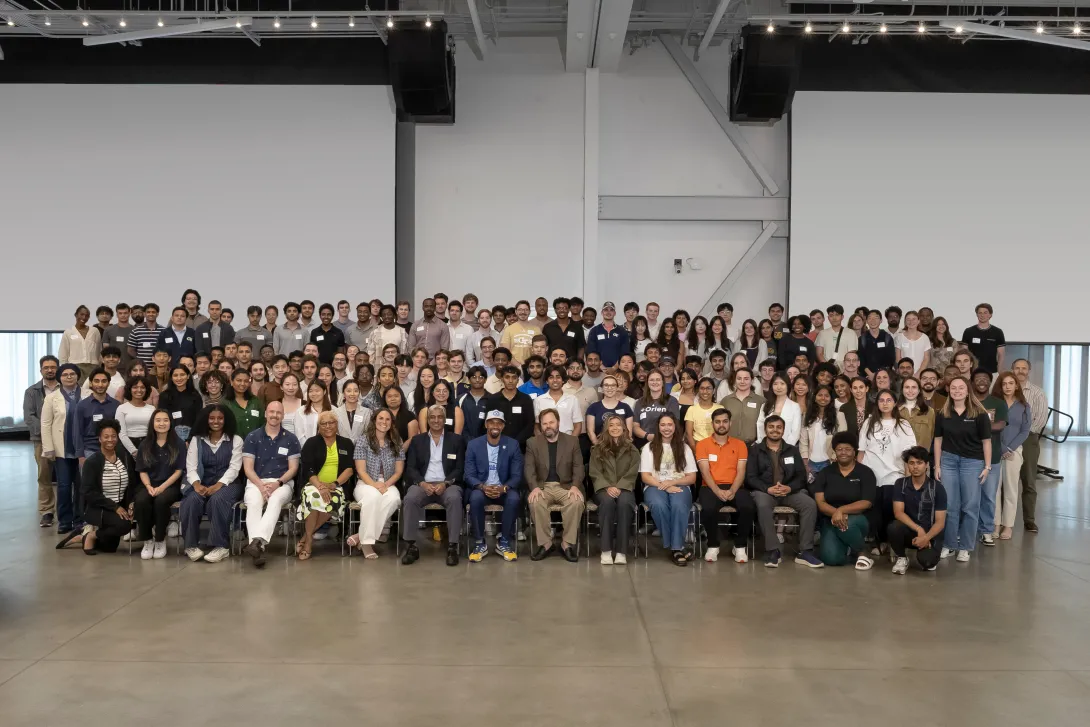
CREATE-X’s 12th cohort of Startup Launch with CREATE-X staff members and Atlanta leadership.
CREATE-X, Georgia Tech’s premier entrepreneurship program, kicked off its 12th Startup Launch cohort this month with a record-breaking 137 student teams and 25 faculty and research teams — totaling 318 founders. The summer-long accelerator, known for turning ideas into real-world ventures, is once again positioning Georgia Tech as a national leader in invention and startup creation.
This year’s cohort spans a wide range of industries, including artificial intelligence, defense, healthcare, gaming, sustainability, media management, agriculture tech, fashion tech, education, and more.
“These founders are in the messy middle and that's a beautiful place to be. There’s a lot of freedom in that,” said Margaret Weniger, director of Startup Launch. “We’re all going to be in this together. It's a safe space to try new things. It’s OK if it doesn't work out because what we want founders to learn is an entrepreneurial mindset and entrepreneurial spirit — something you take with you no matter what you do after this.”
Over the next 12 weeks, teams will validate ideas, build products, and acquire customers with the help of dedicated coaches, a robust founder community, and a network of mentors and alumni.
Raghupathy "Siva" Sivakumar, Georgia Tech’s inaugural vice president of Commercialization and the faculty founder of CREATE-X, spoke about the core of CREATE-X and what it would take for founders to succeed.
“Startup Launch is not about Georgia Tech gaining from your success. We are here just for one reason, which is to make you successful,” he said. “You need to hold yourself accountable. You need to be ambitious in terms of how big a problem you solve. You need to be emphatic that the customer matters. The successful teams are 100% behind what's going to make the lives of customers easier and better.”
In 2014, CREATE-X was co-founded by Sivakumar, Steve McLaughlin(who is now the president of The Cooper Union for the Advancement of Science and Art), and other Georgia Tech faculty, including Ray Vito, Craig Forest, and Ravi Bellamkonda (who is now the executive vice president and provost of The Ohio State University). The program received its initial major philanthropic support from Chris Klaus, a Georgia Tech alumnus and tech entrepreneur, whose gift helped launch the initiative, and , played a key role in building out the program's maker courses. Over the years, CREATE-X has continued to grow, thanks largely to the philanthropic support of alumni and foundations who believe in its mission.
In the last decade, the program has produced over 650 startups, $2.4 billion in portfolio valuation, and had eight founders named to Forbes’ 30 Under 30. Wagner shared stories of past teams who pivoted dramatically — from a glucose-monitoring pillow to a sobriety app now valued at over $350 million, and from a camping gear delivery service to a billion-dollar logistics platform.
“We don’t know which ideas will become the next unicorns,” Weniger said. “But we’re betting on you.”
At the kickoff event, McLaughlin and Klaus were honored for their contributions to Georgia Tech’s entrepreneurial ecosystem. McLaughlin encouraged the founders through the story of CREATE-X.
“From the very beginning, we challenged CREATE-X to be a startup as well. To this day, CREATE-X has raised its own money to do this. It's a reminder of what it takes to make this happen,” he said. “This is the most difficult challenge you have ever taken. I think at the time, we were probably skeptical about whether students could do it. Now we know that you can.”
Georgia Tech President Ángel Cabrera reflected on the impact of McLaughlin, Klaus, and others who saw the vision of Georgia Tech being an entrepreneurial campus.
“Ten years ago, this was a crazy, absurd idea,” he said. “Now, 150 teams are working on their own crazy ideas. Even though sometimes there's this idea of the entrepreneur as a loner, what you learn very quickly is entrepreneurship is a team sport.”
Klaus spoke about people collaborating and helping solve problems together.
“I'm especially inspired by Georgia with its complex history,” he said. “It continues to be a place where peace can be envisioned and pursued. I think this recognition strengthens my commitment to building bridges, resolving conflict, and lifting up voices that seek unity. As you build your businesses, you'll be building collaborations and partnerships, and hopefully make the world a better place.”
As the summer progresses, founders will be guided by CREATE-X’s core values: experiential education, entrepreneurial confidence, and real-world impact. Weniger encouraged teams to “show up uncomfortable” and “leverage every single resource” available.
The journey will culminate at Demo Day, where teams will showcase their startups to investors, industry leaders, and the broader community. The event is free, open to the public, and promises a front-row seat to the next wave of Georgia Tech-born innovation.
Demo Day 2025 will take place on Thursday, Aug. 28, at 5 p.m., in the Exhibition Hall. For more information and to RSVP, visit the CREATE-X Demo Day Eventbrite.
News Contact
Breanna Durham
Marketing Strategist

From grocery bills to gas prices and the cost of new cars, Americans are feeling the ripple effects of an increasingly uncertain global economy. According to Georgia Tech experts, while headlines often focus on trade wars or interest rates, the underlying forces at play — and their long-term consequences — are more complex.
Recession Risks and the Current Economic Climate
Alex Hsu, a finance professor in the Scheller College of Business, suggests we may already be in a mild recession, even if it’s not yet officially declared.
“Recession declarations are always made after the fact,” he explains. “A real-time clue? Look at crude oil prices — they’re down 15% this year, often signaling slowing economic activity.” That’s similar to the trend seen in the early months of the 2008 recession, when oil prices dropped sharply as demand weakened. Despite this, the labor market remains strong in certain sectors, creating a mixed economic picture that’s tough to navigate.
“If you’re trying to get a sense of where the economy is going,” Hsu adds, “watch weekly jobless claims and energy prices — those are among the most timely indicators available.”
How Tariffs Are (and Aren’t) Affecting Prices
Tibor Besedeš, a professor in the School of Economics, likens tariffs to sales taxes — costs added at the border that can eventually be passed to consumers.
“If a $20,000 imported car is hit with a 25% tariff, someone’s paying that $5,000,” he says. Besedeš warns that most tariffs imposed since early 2025 affect nearly all imported goods — cars, electronics, toys, and clothing. He cites past studies showing tariffs on Chinese goods were largely paid by U.S. consumers, and this time may be no different. “China has told its firms not to lower prices. So, we should expect prices here to rise.”
However, the recent agreement that began on May 14 between the U.S. and China on a new trade deal has offered a moment of relief. As part of the agreement, both countries will temporarily ease tariffs announced in April for 90 days, with China suspending its planned 34% tariff on U.S. goods, while maintaining a 10% tariff during the pause. Similarly, the United States will suspend its 34% reciprocal tariff while keeping a 10% tariff in place.
“It’s a welcome sign that hopefully trade tensions are subsiding and that after 90 days there will be a more permanent deal whereby the tariffs at least do not increase from these reduced levels,” Besedeš says. “It’s difficult to say anything more concrete but, overall, I take this as a positive sign that we may be stepping back from the brink of an all-out trade war and empty shelves in stores.”
Yet even with signs of progress, uncertainty lingers. Hsu, while cautiously optimistic, adds that “The 90-day pause only prolongs the trade instability. Although it is a good sign that the administration seems willing to negotiate, businesses are still in a holding pattern until a more definitive resolution is reached.”
The Bigger Picture: Global Alliances and Economic Protectionism
As countries reorient their trade relations in response to shifting U.S. policies, Besedeš warns that the long-term consequences could leave the U.S. isolated on the global stage.
“Countries are starting to look for alternative trading partners," he says. “If the U.S. is not careful, it could lose its influence in global trade, leading to slower economic growth.” He suggests that the growing shift toward regional trade blocs and alternative alliances — such as the EU-China partnership — could erode U.S. competitiveness.
Hsu concurs, noting that global economic shifts, coupled with increasing tariffs, could exacerbate the risks of a financial crisis. “Pay attention to the credit market,” he advises. “When liquidity dries up, it can cause the financial system to freeze, leading to contagion.” He notes that the Federal Reserve is closely monitoring these risks and still has a range of policy tools at its disposal to help stabilize the system in the event of a crisis.
The Road Ahead
As Americans navigate rising prices and economic uncertainty, these experts suggest focusing on fundamentals — energy prices, jobless claims, and the broader flow of trade and investment. Whether tariffs prove to be a temporary disruption or a lasting shift in global commerce, the trade policies of today are shaping the economic realities of tomorrow. And while the recent U.S.-China agreement marks a hopeful step, the full extent of its impact on consumers, businesses, and global relationships remains to be seen.
News Contact
Ayana Isles
Senior Media Relations Representative
Institute Communications
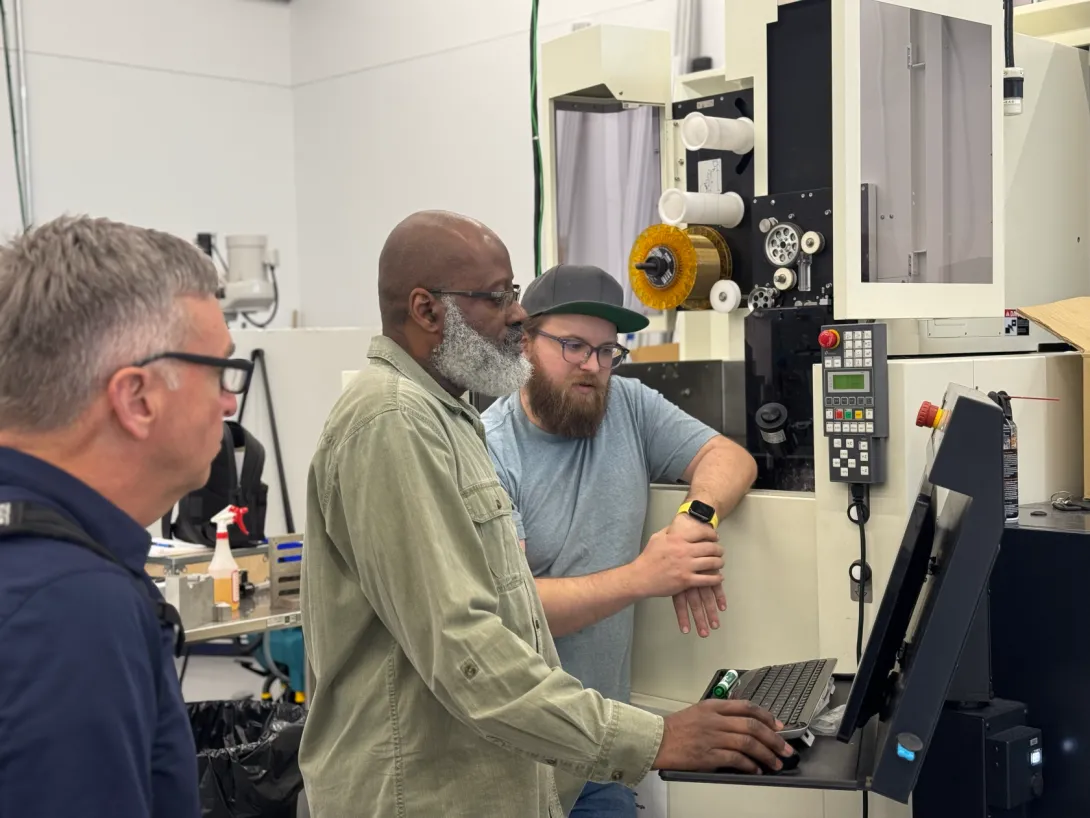
As part of the partnership, Southern Regional Technical College Instructor Marvin Bannister (center) received hands-on training on advanced machining equipment to prepare for teaching Georgia’s next generation of manufacturers. Photo: Audra Davidson.
Thomasville, Georgia, is a hub of training and talent for local manufacturers. But Mason Miller could tell there was something missing.
“We didn't have any training for advanced manufacturing in our area,” said Miller, vice president of Academic Affairs at Southern Regional Technical College (SRTC), which offers education and training programs in technical and manufacturing fields. “Companies had to go out and recruit people from Michigan to run their machines. That's when we said, ‘We don’t want that to happen — we need to be doing that right here.’”
That’s where the Georgia Tech Manufacturing Institute (GTMI) stepped in. Working with partner program Georgia Artificial Intelligence in Manufacturing (Georgia AIM), GTMI helped connect SRTC with the resources and expertise needed to develop a robust training program tailored to the needs of local manufacturers.
Miller said at first, he was skeptical. “When GTMI said they wanted to be partners, I thought, ‘OK, this is another situation where we're going to talk for a minute, everybody says things and then goes away — and that’s it,’” said Miller. “That's not how it's been at all.”
Rather, it’s been a true partnership driven by SRTC, with curriculum focused on automation and robotics developed by the Technical College System of Georgia and GTMI. The curriculum is also shaped by local industry input to directly address workforce gaps in the region’s manufacturing sector.
“As a state institution, we're here to serve you,” said Steven Sheffield, senior assistant director of Research Operations at GTMI and a point person of the partnership. “Tell us the problem, and we will work hard to try to solve it with you.”
Filling the Workforce Gap
Miller was committed to giving SRTC students the advanced manufacturing skills needed to stand out in the workforce. Yet the evolving manufacturing landscape and the needs of local manufacturers revealed gaps in SRTC’s curriculum, particularly in AI, automation, and robotics.
With GTMI and Georgia AIM researchers contributing key expertise to the expanded smart manufacturing curriculum, Miller noted the partnership is “opening our eyes to what we can do with AI. We're going to start integrating that into our programs.”
Beyond AI and robotics, SRTC leadership identified a crucial gap in their program: training in precision machining, a skill that local manufacturers like Check-Mate Industries sorely needed.
“If we want to attract new business and industry to Georgia, we need to be able to show them we can provide a skilled workforce,” said Miller.
To address this missing piece, GTMI and Georgia AIM helped procure funding to acquire and refurbish precision-machining equipment from longtime partner Makino. Georgia AIM also supported the renovation and outfitting of two SRTC lab spaces with additional updated equipment.
Last fall, SRTC launched its new Precision Manufacturing & Engineering and Manufacturing Engineering Technology programs, with instructors trained by GTMI faculty in precision manufacturing. The new program at SRTC is one example of the ways GTMI experts are working with communities across the state to expand access to training and new technology.
“Not a lot of technical colleges have this type of machinery,” said Marvin Bannister, SRTC precision machining and manufacturing program chair. Instructors like Bannister received specialized training at GTMI’s Advanced Manufacturing Pilot Facility to ensure they felt confident teaching students how to operate the machinery. “Not only is it something else to add to my skill set, but the most important thing is that I'll be able to train other students who desire to learn on a machine like this.”
Because of SRTC’s expanded offerings, the technical college has strengthened partnerships and developed new internship programs with local manufacturers. “We all want the same thing,” said Miller, “which is to grow industry partnerships and to create a talent pipeline for our state.”
GTMI and Georgia AIM also support STEM programs with Thomasville area schools and internship programs for K-12 teachers with local manufacturers such as Check-Mate. These efforts deepen the connections between students and manufacturers, opening doors to future careers in the sector.
“We’re here to connect the dots and enable these types of partnerships,” says Steven Ferguson, a principal research scientist with GTMI and co-director of Georgia AIM. “When teams and their networks come together to solve a challenge for just one manufacturer, the impact can reach across an entire region.”
News Contact
Audra Davidson
Research Communications Program Manager
Georgia Tech Manufacturing Institute
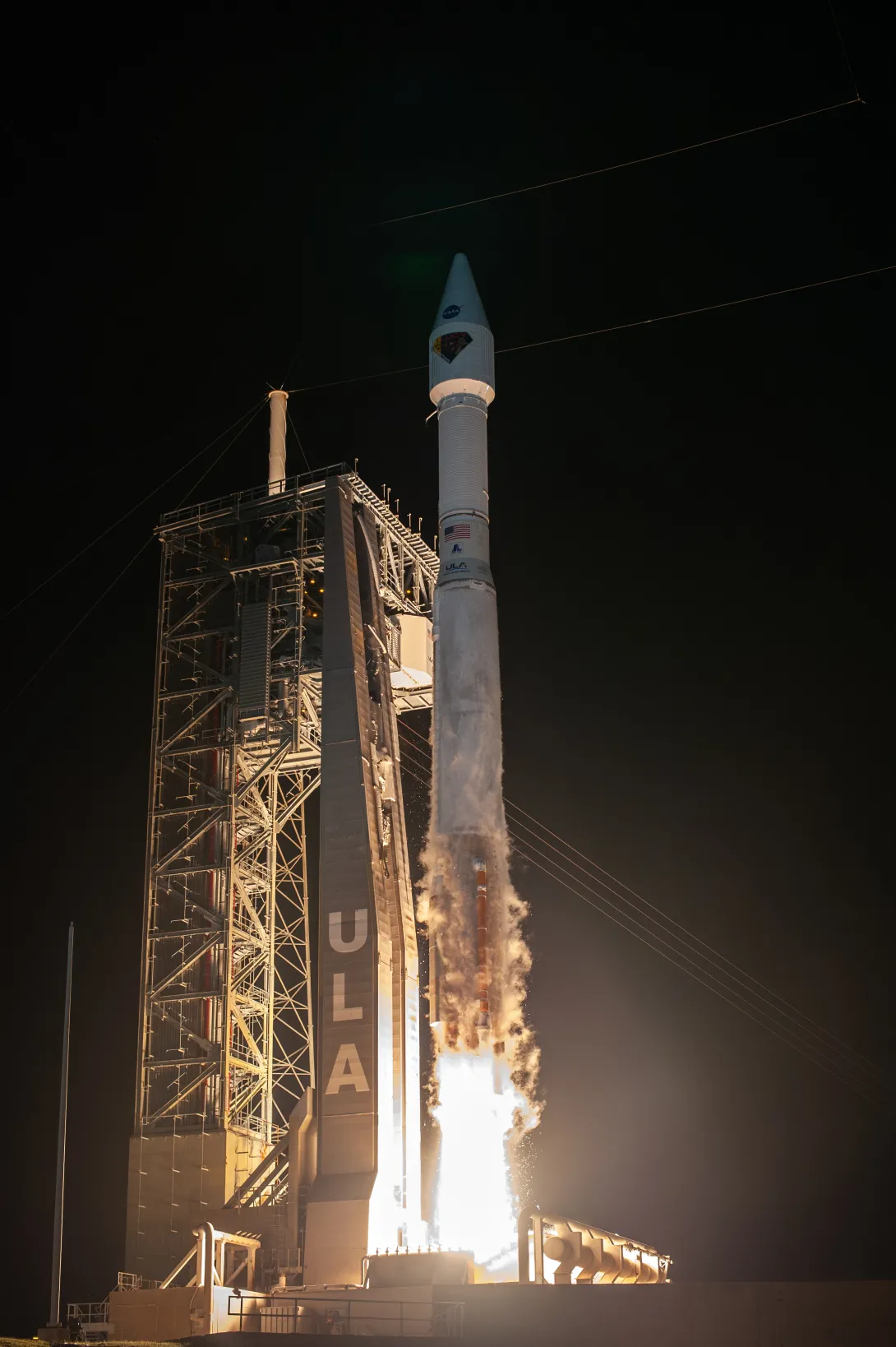
Lucy LiftoffNASA ID: KSC-20211016-PH-KNO03_0026
Photographer: NASA/Kevin O'Connell and Bob Lau
A United Launch Alliance V 401 rocket, with NASA’s Lucy spacecraft atop, powers off the pad at Cape Canaveral Space Force Station’s Space Launch Complex 41 in Florida at 5:34 a.m. EDT on Saturday, Oct. 16, 2021. The launch was managed by NASA’s Launch Services Program, based at Kennedy Space Center. Lucy will embark on a 12-year primary mission to explore a record-breaking number of asteroids, including the Jupiter Trojan asteroids. Named after a fossilized human ancestor whose skeleton provided discoverers insight into humanity’s evolution, the Lucy mission will do much of the same, providing scientists and researchers a look into the origins of our solar system.
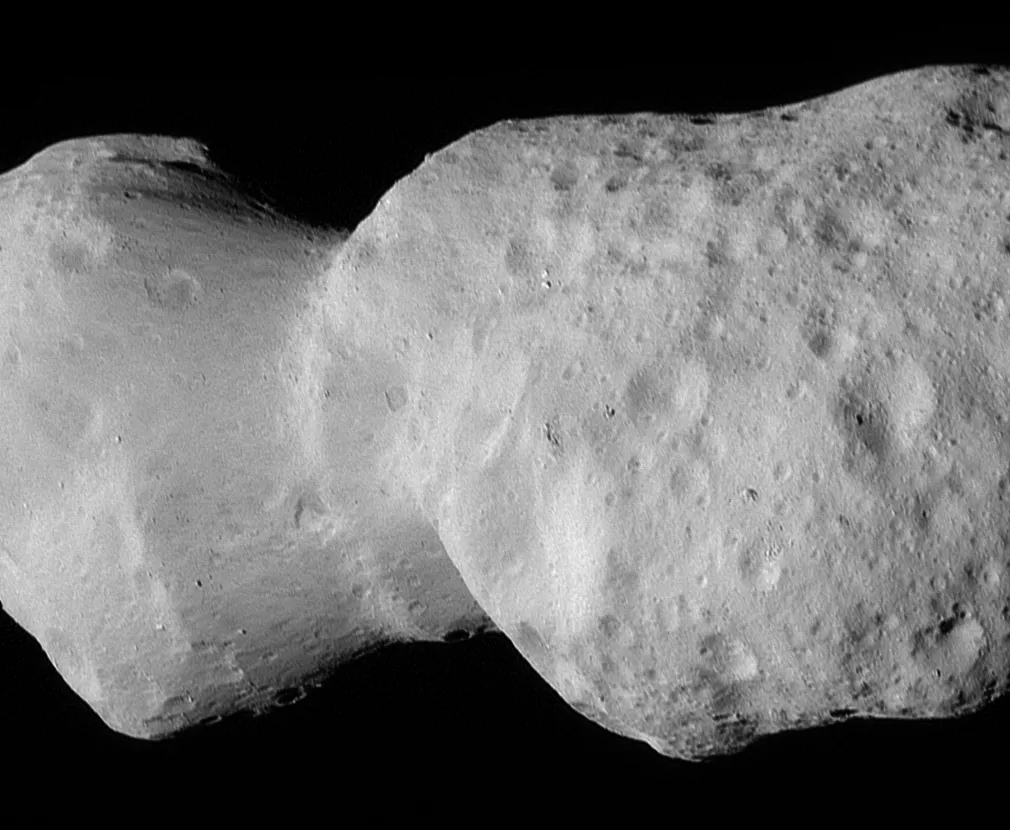
Image courtesy of NASA via NASA’s Lucy Spacecraft Images Asteroid Donaldjohanson - NASA Science The asteroid Donaldjohanson as seen by the Lucy Long-Range Reconnaissance Imager (L’LORRI). This is one of the most detailed images returned by NASA’s Lucy spacecraft during its flyby. This image was taken at 1:51 p.m. EDT (17:51 UTC), April 20, 2025, near closest approach, from a range of approximately 660 miles (1,100 km). The spacecraft’s closest approach distance was 600 miles (960 km), but the image shown was taken approximately 40 seconds beforehand. The image has been sharpened and processed to enhance contrast. NASA/Goddard/SwRI/Johns Hopkins APL/NOIRLab
What secrets lie in the universe’s fossils? NASA’s Lucy mission has the potential to make groundbreaking discoveries about the solar system’s start. By studying ancient asteroids, NASA scientists expect to uncover clues about the conditions that led to the formation of the solar system.
The Lucy spacecraft launched on October 16, 2021, embarking on a 12-year journey to explore several asteroids during flybys or when the spacecraft flies by the three main belt asteroids and eight Trojan asteroids. Lucy, named after one of the most significant 3.2-million-year-old ancient, fossilized skeletons, embodies the mission's aim to discover the "fossils" of planetary formation.
In February, NASA selected eight participating scientists to join its Lucy mission, including Daniel Guggenheim School of Aerospace Engineering Associate Professor Masatoshi Hirabayashi. The team will explore the Jupiter Trojan asteroids using highly specialized cameras to capture these ancient celestial bodies considered "fossils" of the solar system because they have remained relatively unchanged since their formation. These asteroids share Jupiter's orbit around the Sun, called the Sun-Jupiter Lagrange points, L4 and L5. Hirabayashi will support investigations of Lucy’s targets around L4.
Lucy’s Scientific Instruments
Lucy is equipped with a suite of advanced scientific instruments that make this research possible. The Lucy Long Range Reconnaissance Imager (L’LORRI), a black and white camera, will capture high-resolution images of the targeted asteroids. The Terminal Tracking Camera (TTCAM) will ensure precise navigation and tracking of the asteroids during the mission. Lucy’s Thermal Emission Spectrometer (L'TES) will detect the infrared radiation. The L’Ralph instrument, a visible/near infrared multi-spectral imager and a short wavelength infrared hyperspectral imager, will collect data from the Trojan asteroids’ surface for organic compounds, ices, and other minerals to determine their surface makeup.
Investigating the Data
Hirabayashi will support Lucy’s science operations and investigations by analyzing instrument data including three-dimensional topography about the asteroids’ surfaces. He will apply such data to gain insights into the asteroids’ interiors. His expertise in interior analysis is particularly valuable for the mission. Hirabayashi played an essential role in NASA’s DART mission, and he is currently supporting the European Space Agency’s HERA mission, studying the binary asteroid Didymos. He is particularly interested in understanding whether the environment of these asteroids was favorable for the formation of life, which closely ties up with Georgia Tech’s efforts in astrobiology (https://astrobiology.gatech.edu/). Based on his findings, his dream is to develop and support future interplanetary large-scale missions to further solar system exploration.
Asteroid Visits and Timeline
The mission will visit four asteroid systems whose names are derived from Greek mythology in the L4 Sun-Jupiter Lagrange point. Two of these systems are binary, meaning they consist of a large asteroid and a smaller satellite asteroid. Key flyby dates include:
- August 12, 2027: Visit to Eurybates and Queta
- September 15, 2027: Visit to Polymele
- April 18, 2028: Visit to Leucus
- November 11, 2028: Visit to Orus
One of the primary operational complexities they anticipate involves aiming the instruments at the asteroids. Lucy must navigate autonomously, making real-time decisions to ensure the instruments are correctly oriented. This requires sophisticated navigation, control, and guidance systems. From a data standpoint, they will have a finite number of images from which to theorize.
“There are a lot of unknowns, and getting information from very limited data or few images for analysis will be challenging,” he said.
Donaldjohanson Asteroid
On April 20, Lucy did a flyby to capture high-resolution photos of the asteroid Donaldjohanson, which was believed to have formed 150 million years ago. Lucy continuously captured images while passing by the asteroid, eventually reaching about 600 miles from it.
These asteroid visits will provide a wealth of data for the Lucy team to explore. Hirabayashi is supporting the team by better understanding the asteroid’s surface and interior environments, the process of which will be directly applied to Lucy’s Trojan targets.
“Donaldjohanson is our practice target. I am using this opportunity to test how my expertise contributes to the team and getting ready for our real targets at L4,” he said.
News Contact
Monique Waddell

A team of researchers from Emory University and Georgia Tech, led by IBB researcher Wilbur Lam, have developed a groundbreaking, non-invasive way to screen and monitor anemia using just a smartphone photo of a fingernail. The AI-powered app analyzes the fingernail’s paleness to detect anemia with high accuracy instead of requiring a conventional blood test. The technology can be personalized for users with chronic anemia by incorporating their clinical hemoglobin levels to enhance precision. This approach makes anemia screening more accessible, particularly for underserved communities, and removes barriers to care. The team’s findings were recently published in PNAS, with Lam as the paper’s senior author.
Read the full press release here.
Citation: Robert G. Mannino, Julie Sullivan, Jennifer K. Frediani, Wilbur A. Lam. “Real-world Implementation of a Noninvasive, AI-augmented, Anemia-screening Smartphone App and Personalization for Hemoglobin Level Self-monitoring,” PNAS. DOI: 10.1073/pnas.2424677122
News Contact
By Savannah Williamson
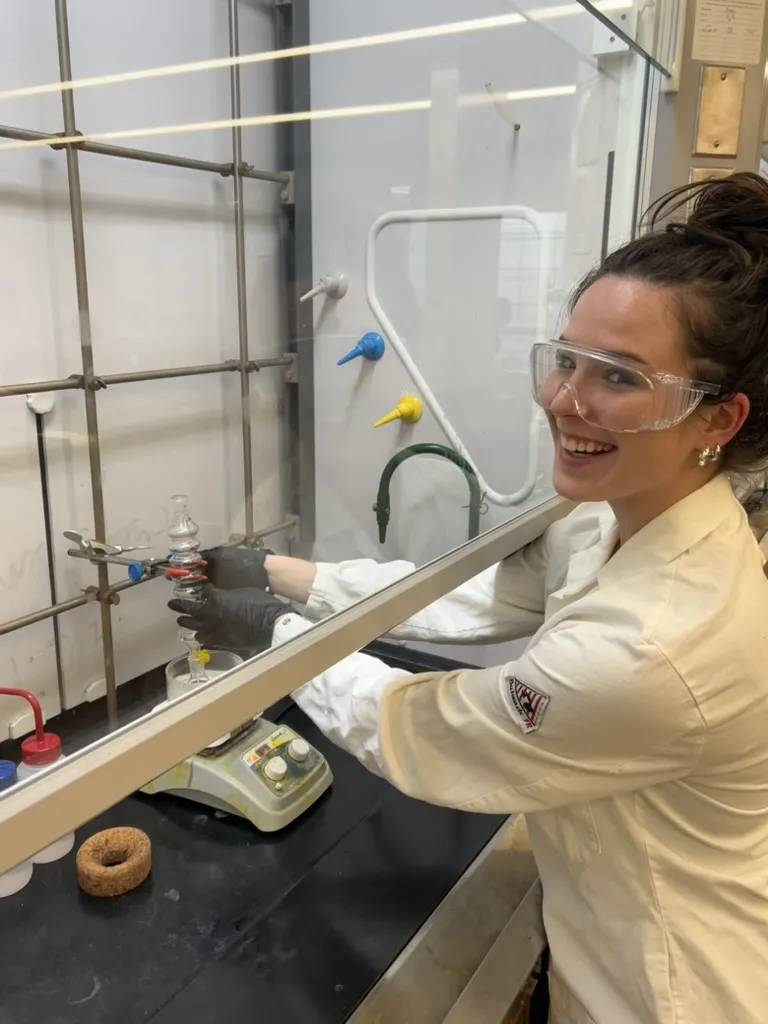
"I'm passionate about this research because of its potential for worldwide impact," says Frooman.
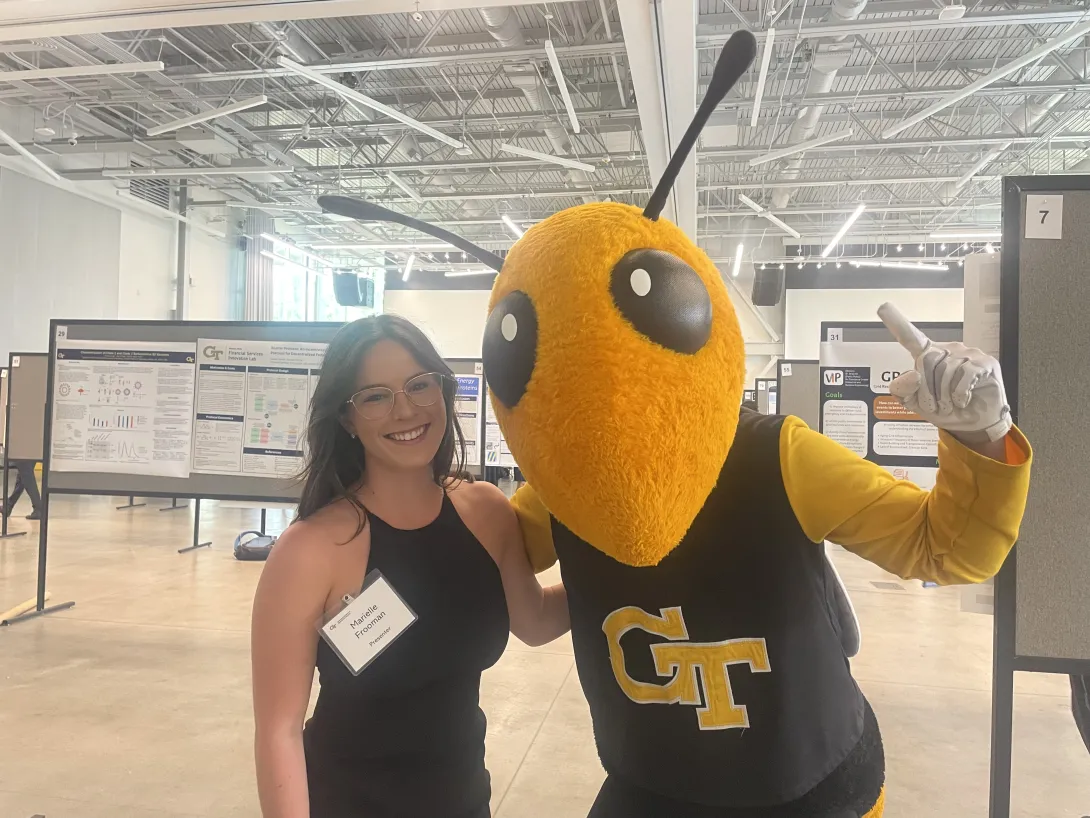
Frooman's Georgia Tech honors include the President’s Undergraduate Research Award and the Judith Priddy Award, given to a Panhellenic woman with demonstrated high scholarship and leadership.
When Marielle Frooman joined the McShan Lab, she brought a strong passion for chemistry, but no lab experience. Today, the fourth-year Georgia Tech biochemistry student is the first co-author of a groundbreaking malaria study published in Scientific Reports, a Nature Portfolio journal. Through extensive experimentation coupled with computer modeling, Frooman led a team of undergraduate and graduate researchers that uncovered eight peptides that can help the immune system recognize and fight the malaria parasite.
“Malaria kills over 500,000 annually with the mortality rate substantially higher in Africa,” says Frooman. “Our research explores how specific peptides bind to proteins that trigger immune responses.”
Frooman originally hoped the research would help her learn how to think like a scientist and gain basic lab knowledge.
She gained those skills and more, quickly becoming recognized as an exceptional researcher.
“Marielle is one of the most passionate and talented undergraduate researchers I have ever worked with,” says Andrew McShan, McShan Lab principal investigator and associate professor in the School of Chemistry and Biochemistry. “She is also a caring mentor and motivated future leader who wants to change the world. Her malaria research has the potential to provide real therapeutic outcomes, including better designs for vaccines and immunotherapy.”
From curiosity to contribution
Frooman’s journey into undergraduate research began with persistence. After a year and a half of searching for lab opportunities, she attended a School of Chemistry and Biochemistry research showcase. She approached several graduate students and professors with no success, until she met McShan.
“Our first meeting was so relaxed and friendly that I didn’t even realize Professor McShan was the principal investigator,” admits Frooman. “That’s how it all started.”
Once she officially joined the lab, Frooman contributed to every stage of the research, including designing experiments, performing computational and wet lab work, analyzing data, and writing and presenting the paper.
Lessons in resilience
The team faced several challenges.
“The research was delayed by failure after failure,” says Frooman. “But each setback taught us something valuable.”
The team’s biggest challenge involved trying to grow crystals of the peptide/HLA (protein) complexes to determine how they fit together. They spent two years attempting various methods, but nothing worked.
Guided by McShan, Frooman and the team then came up with the idea of using computational modeling to enable a deeper understanding of how the peptides and proteins interact at both biophysical and structural levels.
“Utilizing the computational modeling enabled us to see the best bindings and turned into a game-changing insight for our research, potentially leading to the design of more effective malaria treatments and vaccines,” explains Frooman.
She is quick to credit Georgia Tech and McShan for providing her with such a valuable learning experience.
“At many universities, undergraduates rarely do meaningful research, but at Tech, it’s a priority,” explains Frooman. “I’m extremely grateful for the opportunity to grow in such a supportive environment, and to learn from mentors like Professor McShan who lead by example and make time for every student.”
Her advice to other undergraduates entering research?
“Embrace your failures. They make the successes even more rewarding,” shares Frooman.
Outside the lab
On campus, Frooman is president of the Student Affiliates of the American Chemical Society and Cleanup Crew at GT, a member of Alpha Phi International Fraternity, and a campus tour guide who serves on their executive board.
She especially loves being a tour guide as it allows her to share her love of Georgia Tech and its people:
“Everyone is unapologetically themselves and fully invested in their major or interests. As someone who loves chemistry, I enjoy being surrounded by people who are just as dedicated to their passions.”
Frooman is a recipient of the Chance Family Scholarship, presented to two School of Chemistry and Biochemistry upperclassmen, recognizing their academic excellence, research contributions, and potential for career success in the field.
Recently, she shifted her research focus to organic synthetic chemistry and now works in the Gutekunst Lab. Her career goals include earning a Ph.D. in Chemistry with an emphasis on natural product synthesis, the lab-based creation of complex chemical compounds found in nature.
“I’ve seen what university labs can do,” says Frooman. “I hope to one day lead my own lab, advancing impactful research and mentoring the next generation of scientists.”
News Contact
Writer: Laura S. Smith