




Aug. 14, 2023
Frank Rosenzweig, astrobiology researcher

Frank Rosenzweig, professor in the School of Biological Sciences

Billions of years ago, self-replicating systems of molecules became separated from one another by membranes, resulting in the first cells. Over time, evolving cells enriched the living world with an astonishing diversity of new shapes and biochemical innovations, all made possible by compartments. 

Compartmentalization is how all living systems are organized today — from proteins and small molecules sharing space in separate phases to dividing labor and specialized functions within and among cells.

Now, with $6 million in support from NASA, a team of researchers led by Georgia Tech’s Frank Rosenzweig will study the organizing principles of compartmentalization in a five-year project called Engine of Innovation: How Compartmentalization Drives Evolution of Novelty and Efficiency Across Scales.

It's one of seven new projects selected recently by NASA as part of its Interdisciplinary Consortia for Astrobiology Research (ICAR) program. ICAR is embedded among NASA’s five Astrobiology Research Coordination Networks (RCNs). Rosenzweig is co-lead for the RCN launched in 2022, LIFE: Early Cells to Multicellularity.

“We’re excited by the prospect of exploring this fundamental question through the interplay of theory and experiment,” said Rosenzweig, professor in the School of Biological Sciences, whose team of co-Investigators includes biochemists, geologists, cell biologists, and theoreticians from leading NASA research centers: Jeff Cameron, Shelley Copley, Alexis Templeton, and Boswell Wing from the University of Colorado Boulder; Josh Goldford and Victoria Orphan from California Institute of Technology; and John McCutcheon from Arizona State University. Collaborating with them is Chris Kempes, professor at the Santa Fe Institute.

Rosenzweig is also eager to eventually collaborate with existing ICAR teams, such as MUSE, led by the University of Wisconsin’s Betül Kaçar, a former Georgia Tech postdoctoral researcher, and newly selected teams, such as Retention of Habitable Atmospheres in Planetary Systems, led by Dave Brain at University of Colorado Boulder.

Meanwhile, he plans to build upon Georgia Tech’s outstanding reputation in astrobiology, where a cluster of researchers, such as Jen GlassNick HudThom OrlandoAmanda Stockton, and Loren Williams, among others, is engaged in a diverse range of work supported by NASA.

“This is just the latest chapter in a long history of excellence in NASA research at Georgia Tech, one written by my colleagues across the Institute,” Rosenzweig said.

News Contact

Jerry Grillo

Mar. 25, 2024
Dahlman Kwong AIMBE Fellows

Coulter BME faculty members James Dahlman and Gabe Kwong have been elected to the American Institute for Medical and Biological Engineering (AIMBE) College of Fellows.

Two faculty members in the Wallace H. Coulter Department of Biomedical Engineering — associate professors James Dahlman and Gabe Kwong — have been elected to the American Institute for Medical and Biological Engineering (AIMBE) College of Fellows.

It’s considered one of the highest professional accolades for medical and biological engineers. Dahlman and Kwong are among 163 colleagues in this year’s induction class, joining only two percent of engineers in their fields who are accorded this distinction. Inductees are nominated and elected by peers and members of the College of Fellows.

“Many of the scientists I look up to are part of this organization, so I’m deeply honored to be named an AIMBE Fellow,” said Dahlman, McCamish Foundation Early Career Professor in Coulter BME, a joint department of Georgia Tech and Emory University.

AIMBE recognized him “for his sophisticated in vivo screens to develop clinically relevant lipid nanoparticles for delivering targeted RNA-based therapies outside the liver.”

Dahlman’s lab has developed nanoparticle barcodes that allow them rapidly to screen hundreds of potential drug delivery molecules at once, accelerating the discovery and delivery of new RNA therapeutics.

“I’m grateful for the recognition, but this honor really goes to the excellent trainees we have at Georgia Tech and Emory. Without their creativity and hard work, this recognition simply does not happen,” said Dahlman, who also called out his personal advisors, undergraduate mentor Daniel Miracle, and pioneering biotechnologists Robert Langer and Feng Zhang: “They believed in me and gave me the confidence to pursue high-risk, high-reward science at Georgia Tech and Emory.”

Kwong was elected, according to the AIMBE citation, “for pioneering advances in immunoengineering and the clinical translation of such advancements for early cancer detection and immunotherapy.”

He’s leading a $50 million project as part of President Biden’s Cancer Moonshot initiative to map the metabolic signatures of cancer. Project CODA (for Cancer and Organ Degradome Atlas) will use this information to build bioengineered sensors for the early detection of multiple cancers.

“It’s the kind of multi-institutional project with a potential for great impact that every researcher dreams about,” noted Kwong, who said he did not develop a passion for research until college.

“That’s when I discovered that I liked solving problems — the harder the better,” said Kwong, whose Laboratory for Synthetic Immunity engineers medicines to intercept and treat disease. “After avoiding classes like chemistry in high school, I realized that I enjoy peeking under the hood, so to speak, and learning about the body, about cells and molecules.”

He added, “It just goes to show that there are multiple paths we can take to make contributions to human health. And this honor from AIMBE is personally significant, because it comes from a group of professionals that I sincerely admire, and that inspire me.”

AIMBE Fellows are some of the nation’s most distinguished medical and biological engineers, including three Nobel Prize laureates and 22 winners of the Presidential Medal of Science or Medal of Technology and Innovation. Also, 214 Fellows have been inducted to the National Academy of Engineering, 117 to the National Academy of Medicine, and 48 to the National Academy of Sciences.

News Contact

Jerry Grillomailto:jerry.grillo@ibb.gatech.edu

Sep. 25, 2024
Beril Toktay, Brady Family Chair in Management and regents professor

Scheller Business Insights is a dynamic video series that highlights the innovative thought leadership of the esteemed faculty at the Georgia Tech Scheller College of Business. At Scheller, we are committed to exploring ideas that educate and inform others about the profound impact of business on our lives and the world.

In this episode, Beril Toktay, Regents' Professor and faculty director of the Ray C. Anderson Center for Sustainable Business, defines net zero and discusses some ways to alleviate climate change by reducing carbon emissions to the point of net zero emissions.

Globally, most major polluters, such as China, the U.S., India, and the EU, are among over 140 nations with net-zero goals, which encompasses roughly 88 percent of global emissions. Meeting the Paris Agreement's 1.5°C climate threshold requires 45 percent emissions cut by 2030 and net-zero emissions by 2050 (United Nations Climate Action).

Toktay describes ways this can be accomplished in different business sectors. For example, in the energy sectors, this means moving from fossil fuels to renewable technologies, and in the transportation sector, moving to electrification and innovative battery technologies as well as developing the infrastructure to support these initiatives. These efforts help move businesses towards achieving net zero as well as providing cleaner air and water, and better health outcomes to the global population.

Listen as Toktay discusses what net zero means, the importance of getting to net zero, and how businesses can help reduce carbon emissions. 


News Contact

Lorrie Burroughs

Sep. 22, 2024
Zhantau Liu

Zhantao Liu with the new low-cost cathode that could revolutionize lithium-ion batteries and the EV industry. Photo by Jerry Grillo

Hailong Chen and Zhantao Liu

Hailong Chen and Zhantao Liu present a new, low-cost cathode for all-solid-state lithium-ion batteries. Photo by Jerry Grillo

A multi-institutional research team led by Georgia Tech’s Hailong Chen has developed a new, low-cost cathode that could radically improve lithium-ion batteries (LIBs) — potentially transforming the electric vehicle (EV) market and large-scale energy storage systems. 

“For a long time, people have been looking for a lower-cost, more sustainable alternative to existing cathode materials. I think we’ve got one,” said Chen, an associate professor with appointments in the George W. Woodruff School of Mechanical Engineering and the School of Materials Science and Engineering.

The revolutionary material, iron chloride (FeCl3), costs a mere 1-2% of typical cathode materials and canstore the same amount of electricity. Cathode materials affect capacity, energy, and efficiency, playing a major role in a battery’s performance, lifespan, and affordability.

“Our cathode can be a game-changer,” said Chen, whose team describes its work in Nature Sustainability. “It would greatly improve the EV market — and the whole lithium-ion battery market.”

First commercialized by Sony in the early 1990s, LIBs sparked an explosion in personal electronics, like smartphones and tablets. The technology eventually advanced to fuel electric vehicles, providing a reliable, rechargeable, high-density energy source. But unlike personal electronics, large-scale energy users like EVs are especially sensitive to the cost of LIBs. 

Batteries are currently responsible for about 50% of an EV’s total cost, which makes these clean-energy cars more expensive than their internal combustion, greenhouse-gas-spewing cousins. The Chen team’s invention could change that.

Building a Better Battery

Compared to old-fashioned alkaline and lead-acid batteries, LIBs store more energy in a smaller package and power a device longer between charges. But LIBs contain expensive metals, including semiprecious elements like cobalt and nickel, and they have a high manufacturing cost. 

So far, only four types of cathodes have been successfully commercialized for LIBs. Chen’s would be the fifth, and it would represent a big step forward in battery technology: the development of an all-solid-state LIB.

Conventional LIBs use liquid electrolytes to transport lithium ions for storing and releasing energy. They have hard limits on how much energy can be stored, and they can leak and catch fire. But all-solid-state LIBs use solid electrolytes, dramatically boosting a battery’s efficiency and reliability and making it safer and capable of holding more energy. These batteries, still in the development and testing phase, would be a considerable improvement. 

As researchers and manufacturers across the planet race to make all-solid-state technology practical, Chen and his collaborators have developed an affordable and sustainable solution. With the FeCl3 cathode, a solid electrolyte, and a lithium metal anode, the cost of their whole battery system is 30-40% of current LIBs. 

“This could not only make EVs much cheaper than internal combustion cars, but it provides a new and promising form of large-scale energy storage, enhancing the resilience of the electrical grid,” Chen said. “In addition, our cathode would greatly improve the sustainability and supply chain stability of the EV market.”

Solid Start to New Discovery

Chen’s interest in FeCl3 as a cathode material originated with his lab’s research into solid electrolyte materials. Starting in 2019, his lab tried to make solid-state batteries using chloride-based solid electrolyteswith traditional commercial oxide-based cathodes. It didn’t go well — the cathode and electrolyte materials didn’t get along. 

The researchers thought a chloride-based cathode could provide a better pairing with the chloride electrolyte to offer better battery performance.

“We found a candidate (FeCl3) worth trying, as its crystal structure is potentially suitable for storing and transporting Li ions, and fortunately, it functioned as we expected,” said Chen.

Currently, the most popularly used cathodes in EVs are oxides and require a gigantic amount of costly nickel and cobalt, heavy elements that can be toxic and pose an environmental challenge. In contrast, the Chen team’s cathode contains only iron (Fe) and chlorine (Cl)—abundant, affordable, widely used elements found in steel and table salt.

In their initial tests, FeCl3 was found to perform as well as or better than the other, much more expensive cathodes. For example, it has a higher operational voltage than the popularly used cathode LiFePO4 (lithium iron phosphate, or LFP), which is the electrical force a battery provides when connected to a device, similar to water pressure from a garden hose. 

This technology may be less than five years from commercial viability in EVs. For now, the team will continue investigating FeCl3 and related materials, according to Chen. The work was led by Chen and postdoc Zhantao Liu (the lead author of the study). Collaborators included researchers from Georgia Tech’s Woodruff School (Ting Zhu) and the School of Earth and Atmospheric Sciences (Yuanzhi Tang), as well as the Oak Ridge National Laboratory (Jue Liu) and the University of Houston (Shuo Chen).

“We want to make the materials as perfect as possible in the lab and understand the underlying functioning mechanisms,” Chen said. “But we are open to opportunities to scale up the technology and push it toward commercial applications.”

CITATION: Zhantao Liu, Jue Liu, Simin Zhao, Sangni Xun, Paul Byaruhanga, Shuo Chen, Yuanzhi Tang, Ting Zhu, Hailong Chen. “Low-cost iron trichloride cathode for all-solid-state lithium-ion batteries.” Nature Sustainability.

FUNDING: National Science Foundation (Grant Nos. 1706723 and 2108688)


News Contact

Jerry Grillo

Sep. 19, 2024
KDD 2024
KDD 2024
KDD 2024 Austin P. Wright

A new algorithm tested on NASA’s Perseverance Rover on Mars may lead to better forecasting of hurricanes, wildfires, and other extreme weather events that impact millions globally.

Georgia Tech Ph.D. student Austin P. Wright is first author of a paper that introduces Nested Fusion. The new algorithm improves scientists’ ability to search for past signs of life on the Martian surface. 

In addition to supporting NASA’s Mars 2020 mission, scientists from other fields working with large, overlapping datasets can use Nested Fusion’s methods toward their studies.

Wright presented Nested Fusion at the 2024 International Conference on Knowledge Discovery and Data Mining (KDD 2024) where it was a runner-up for the best paper award. KDD is widely considered the world's most prestigious conference for knowledge discovery and data mining research.

“Nested Fusion is really useful for researchers in many different domains, not just NASA scientists,” said Wright. “The method visualizes complex datasets that can be difficult to get an overall view of during the initial exploratory stages of analysis.”

Nested Fusion combines datasets with different resolutions to produce a single, high-resolution visual distribution. Using this method, NASA scientists can more easily analyze multiple datasets from various sources at the same time. This can lead to faster studies of Mars’ surface composition to find clues of previous life.

The algorithm demonstrates how data science impacts traditional scientific fields like chemistry, biology, and geology.

Even further, Wright is developing Nested Fusion applications to model shifting climate patterns, plant and animal life, and other concepts in the earth sciences. The same method can combine overlapping datasets from satellite imagery, biomarkers, and climate data.

“Users have extended Nested Fusion and similar algorithms toward earth science contexts, which we have received very positive feedback,” said Wright, who studies machine learning (ML) at Georgia Tech.

“Cross-correlational analysis takes a long time to do and is not done in the initial stages of research when patterns appear and form new hypotheses. Nested Fusion enables people to discover these patterns much earlier.”

Wright is the data science and ML lead for PIXLISE, the software that NASA JPL scientists use to study data from the Mars Perseverance Rover.

Perseverance uses its Planetary Instrument for X-ray Lithochemistry (PIXL) to collect data on mineral composition of Mars’ surface. PIXL’s two main tools that accomplish this are its X-ray Fluorescence (XRF) Spectrometer and Multi-Context Camera (MCC).

When PIXL scans a target area, it creates two co-aligned datasets from the components. XRF collects a sample's fine-scale elemental composition. MCC produces images of a sample to gather visual and physical details like size and shape. 

A single XRF spectrum corresponds to approximately 100 MCC imaging pixels for every scan point. Each tool’s unique resolution makes mapping between overlapping data layers challenging. However, Wright and his collaborators designed Nested Fusion to overcome this hurdle.

In addition to progressing data science, Nested Fusion improves NASA scientists' workflow. Using the method, a single scientist can form an initial estimate of a sample’s mineral composition in a matter of hours. Before Nested Fusion, the same task required days of collaboration between teams of experts on each different instrument.

“I think one of the biggest lessons I have taken from this work is that it is valuable to always ground my ML and data science problems in actual, concrete use cases of our collaborators,” Wright said. 

“I learn from collaborators what parts of data analysis are important to them and the challenges they face. By understanding these issues, we can discover new ways of formalizing and framing problems in data science.”

Wright presented Nested Fusion at KDD 2024, held Aug. 25-29 in Barcelona, Spain. KDD is an official special interest group of the Association for Computing Machinery. The conference is one of the world’s leading forums for knowledge discovery and data mining research.

Nested Fusion won runner-up for the best paper in the applied data science track, which comprised of over 150 papers. Hundreds of other papers were presented at the conference’s research track, workshops, and tutorials. 

Wright’s mentors, Scott Davidoff and Polo Chau, co-authored the Nested Fusion paper. Davidoff is a principal research scientist at the NASA Jet Propulsion Laboratory. Chau is a professor at the Georgia Tech School of Computational Science and Engineering (CSE).

“I was extremely happy that this work was recognized with the best paper runner-up award,” Wright said. “This kind of applied work can sometimes be hard to find the right academic home, so finding communities that appreciate this work is very encouraging.”

News Contact

Bryant Wine, Communications Officer
bryant.wine@cc.gatech.edu

Sep. 18, 2024
Ankur Singh in a lab

Bioengineer Ankur Singh works to create functional models of the human immune system in the lab. (Credit: Ankur Singh)

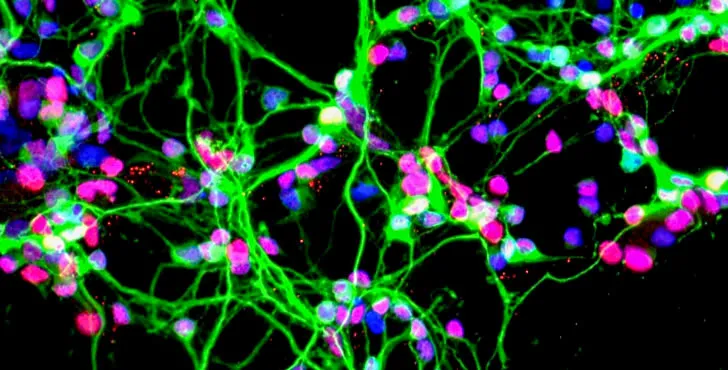
Microscopy image of a human tonsil organ with B cell follicle and surrounding cells. The image shows stromal cells (red), proliferative B cells (green), and the nucleus (aqua blue). (Credit: Deepali Balasubramani/Ankur Singh)

Microscopy image of a human tonsil organ with B cell follicle and surrounding cells. Visible are stromal cells (red), proliferative B cells (green), and the nucleus (aqua blue). (Credit: Deepali Balasubramani/Ankur Singh)

The National Institutes of Health (NIH) has awarded $7.5 million to Ankur Singh, Carl Ring Family Professor in the George W. Woodruff School of Mechanical Engineering (ME) and professor in the Wallace H. Coulter Department of Biomedical Engineering (BME) at Georgia Tech and Emory, for his pioneering research in creating functional models of the human immune system in the lab.

The funding, sourced from the National Institute of Allergy and Infectious Diseases, supports two projects aimed at developing human immune organoids, which are sophisticated models engineered to replicate and study the natural human immune responses. The research could revolutionize vaccine development and immune system research, particularly for aging populations.

"Little advancement has been made in this area due to the complex nature of the immune system and the challenges of making a functional human immune tissue outside the body,” said Singh, who is also director of the Center for Immunoengineering at Georgia Tech. “I am grateful to the NIH for supporting our work, which will enable us to develop an advanced technology that can help solve the problems of emerging infections and enhance our timely response to them.”

Building Next-Generation Human Immune Organoids

The goal of Singh’s first project is to replicate the complex environment of germinal centers (GCs) — the sites within lymph nodes where B cells are trained to produce the antibodies crucial for fighting infections. While animal models and current engineered systems have offered insights, they fall short in recreating the intricate processes that occur in human GCs, which limits their utility in vaccine development and understanding immune responses.

Singh’s method involves using a hydrated polymer-based gel material to create a structure that mimics the environment of lymphoid tissue in the body. By adding human immune cells (like B cells, T cells, and support cells) into this gel, the project tries to recreate how B cells mature into specialized immune cells that are important for a strong and lasting immune response. This advancement will allow scientists to grow and study these cells in the lab and use them for better vaccine testing, therapeutic development including cell-based therapies, and to deepen our understanding of the immune system.

The second project addresses a pressing issue in public health: the decline in immune function with age. As people age, their ability to mount effective immune responses against new infections diminishes, leading to higher mortality rates from diseases such as influenza and Covid-19. However, the underlying mechanisms — whether due to defects in aged B cells, impaired T cells, or changes in the lymphoid tissue environment — remain poorly understood.

Singh’s research proposes the development of an “aged B cell follicle” organoid, a novel platform that replicates the lymphoid microenvironment of older individuals. This system will allow researchers to dissect the factors driving age-related declines in immune function, offering a new tool for studying how aged B cells respond to antigens and identifying molecular targets to rejuvenate immune responses.

A Pioneering Step Forward in Immunology Research

The broader impact of Singh’s organoid research is wide-ranging. By enabling the study of human immune responses in a controlled, reproducible environment, the organoids could dramatically accelerate the development of vaccines and immunotherapies. The models could also provide new insights into whether a particular vaccine will be effective for a given individual, potentially reducing the time and cost of clinical trials.

Singh’s aged immune organoid platform could serve as a rapid screening tool for identifying older individuals who are likely to respond poorly to vaccines, enabling more personalized and effective vaccination strategies for that population. The models could be particularly useful in the context of pandemics or seasonal flu outbreaks, where timely and effective immunization is critical.

“By securing this substantial NIH funding, Singh’s work is poised to make a significant impact on both the scientific community and public health,” said Andrés García, executive director of the Parker H. Petit Institute for Bioengineering and Bioscience, Regents' Professor in ME, the Petit Director's Chair in Bioengineering and Bioscience, and a collaborator on Singh’s first project. “This innovative immunoengineering research not only promises to advance our understanding of immune system function and aging, but also holds the potential to transform vaccine development, offering new hope for more effective disease prevention strategies across the lifespan.”

The NIH’s investment in Singh’s research underscores a growing recognition of the need for innovative approaches to studying human immunity. The Food and Drug Administration Modernization Act 2.0, for example, promotes the use of organs-on-chip technologies in the service of drug development. As organoid technologies continue to evolve, they could come to represent the future of immunological research, providing powerful new tools to combat infectious diseases and improve health outcomes globally.

"Reflecting on the pandemic, we relied on years of research to develop vaccines and understand immune responses,” Singh said. “This new technology will allow us to innovate more rapidly and take bold steps toward creating an immune system outside the body.”


---

Key collaborators on the first project include Andrés García; Ahmet Coskun, the Bernie-Marcus Early-Career Professor in BME; and Dr. Ignacio Sanz, Mason I. Lowance Professor of Medicine and Pediatrics and chief of the chief of the Division of Rheumatology at Emory School of Medicine. 

Key collaborators on the second project include Coskun; Jeremy Boss, professor and chair of the Department of Microbiology and Immunology at Emory School of Medicine; and Ranjan Sen, senior investigator in the Laboratory of Molecular Biology and Immunology at NIH’s National Institute on Aging. 

News Contact

Catherine Barzler, Senior Research Writer/Editor

catherine.barzler@gatech.edu

Sep. 18, 2024
Tim Lieuwen standing above one of the Strategic Energy Institute's (SEI) research areas.

Professor Tim Lieuwen has been elected to the status of International Fellow by the U.K.’s Royal Academy of Engineering. He is one of three other US engineers to receive this prestigious fellowship, which emphasizes enhancing the role of engineering in society and developing an inclusive future through research, education initiatives, and industry collaborations. 

Lieuwen is a Regents’ Professor, the David S. Lewis, Jr. Chair in the Daniel Guggenheim School of Aerospace Engineering (AE), a member of the National Academy of Engineering, and a fellow of the American Society of Mechanical Engineers and the American Institute of Aeronautics and Astronautics, among several others. For 12 years, he served as executive director of the Strategic Energy Institute; he is currently serving as Georgia Tech’s interim executive vice president for Research.

“Tim Lieuwen’s groundbreaking research and leadership have been instrumental in advancing the AE School’s mission,” said Mitchell Walker, AE chair. “His work in combustion dynamics, propulsion, and clean energy systems not only enhances our academic reputation but also drives significant, real-world impact, as recognized by the Academy.” 

Lieuwen’s research focuses on developing clean combustion technologies for power generation and propulsion. He works closely with industry and government professionals to address energy concerns and set the standard for clean tech manufacturing. The Georgia Tech alumnus will formally be admitted to the Academy at a special ceremony in London on November 27, 2024. 

The 2024 class includes 60 Fellows, six International Fellows, and five Honorary Fellows, each of whom has made exceptional contributions to their own field, pioneering new innovations, leading progress in business or academia, providing high-level advice to government, or promoting wider understanding of engineering and technology.

Sep. 10, 2024
Crowds walk around Demo Day
Digital media Ph.D. candidate Yuchen Zhao’s startup aims to revolutionize fitness with VR and biofeedback integration in her startup, BioVR.

Digital media Ph.D. candidate Yuchen Zhao’s startup aims to revolutionize fitness with VR and biofeedback integration in her startup, BioVR.

Business administration major Ty Christian Thompson and biomedical engineering major Sydney Brown developed their startup, DivineDrive, to maximize hydration and energy while minimizing the risk of injury due to dehydration.

Business administration major Ty Christian Thompson and biomedical engineering major Sydney Brown developed their startup, DivineDrive, to maximize hydration and energy while minimizing the risk of injury due to dehydration.

To tackle the issue of too much screen time for kids, Georgia Tech School of Industrial Design research assistant Palak Gupta created Fidgital-Play, a mobile app that reimagines play.

To tackle the issue of too much screen time for kids, Georgia Tech School of Industrial Design research assistant Palak Gupta created Fidgital-Play, a mobile app that reimagines play.

Georgia Tech structural mechanics and materials alumna Katy Bradford and co-founder Jonathan Valz created their Cassette panels to reduce labor needs and construction timelines.

Georgia Tech structural mechanics and materials alumna Katy Bradford and co-founder Jonathan Valz created their Cassette panels to reduce labor needs and construction timelines.

Katy Bradford headshot

Katy Bradford

Tackling the problem of expensive testing for hospital-acquired infections, Danae Rammos, biomedical engineering major, founded Qualitic Biotechnology LLC, which produces a rapid C. difficile bacterial screening device.

Tackling the problem of expensive testing for hospital-acquired infections, Danae Rammos, biomedical engineering major, founded Qualitic Biotechnology LLC, which produces a rapid C. difficile bacterial screening device.

Kicking off a new decade of startup production at Georgia Tech, CREATE-X hosted its 11th Demo Day, showcasing 100 startups created by Georgia Tech students, faculty, researchers, and alumni over 12 weeks this summer. More than 1,500 attendees, including Georgia government and business leaders, viewed new solutions ranging from fashion to healthcare in a bustling Exhibition Hall on Aug. 29.

The event traditionally begins shortly after the semester starts, giving the entrepreneurially curious a preview of what’s to come if they join the program’s accelerator during the next application cycle.

Demo Day is the culmination of the 12-week summer accelerator, Startup Launch, where founders receive mentorship, $5,000 in optional funding, and $150,000 in services to help build their businesses. Teams can be interdisciplinary, made up of co-founders even outside of Georgia Tech, and solopreneurs, ready to solve real-world problems.

Each year, Startup Launch has grown, from an initial cohort of eight startups to over 100 this year. The Office of Commercialization, the home of CREATE-X, plans to keep expanding opportunities for the Georgia Tech community to grow their entrepreneurial skills.

Counting courses, events, programming, and partnerships, CREATE-X has had more than 32,000 participants. The ultimate goal and mission of the program is to instill entrepreneurial confidence in all Tech students. Rahul Saxena, director of the program, spoke about how far the Institute has come in the last decade. 

“I’ve been plugged into Georgia Tech for over 10 years. In the past, when you said Georgia Tech and entrepreneurship in the same sentence, they’d laugh, believe it or not,” he said. “Fast-forward, we’re one of the top entrepreneurial schools in the country. Our first four cohorts value over $100 million, with one of them being a unicorn, and our last four cohorts are well on their way. We want our students to have as many shots at gold as possible before they graduate. And even if they decide on a traditional career pathway, we believe they’ll be ahead with this entrepreneurial mindset, which is something lacking in corporate.”

This year, CREATE-X reached over 560 startup teams launched. Founders represented 38 academic majors, and their total startup portfolio valuation exceeds $2 billion. 

CREATE-X opened its Startup Launch application for its next cohort on Aug. 30. For those interested, the priority deadline is Nov. 17. Early applicants have a higher chance at acceptance and the opportunity for more feedback. So, send in your applications to Startup Launch and become the next founder at Georgia Tech.

Missed out on Demo Day? Check out the CREATE-X Flickr page to see photos from the event and the Demo Day page to see other teams. For more opportunities to engage, visit the CREATE-X Engage page for upcoming events. 

Spotlight on Startups

Some of the standout startups from this year’s Demo Day include:

News Contact

Breanna Durham

Marketing Strategist


Sep. 10, 2024
Tim Lieuwen standing outside the CNES Building on the Georgia Tech campus.

In his 25-plus years at Georgia Tech, Regents' Professor Tim Liuewen earned his master's and Ph.D. degrees in mechanical engineering (1996 and 1999, respectively) and has held multiple leadership positions. On September 10, 2024, Lieuwen stepped into his latest role as interim executive vice president for Research (EVPR).

In a new interview, Lieuwen outlines his EVPR goals and priorities, including a people-first approach, and details the importance of showing Georgia Tech's impact — not just nationally and globally, but also to the state of Georgia and the Southeast. 

Read more »

News Contact

Shelley Wunder-Smith
Director of Research Communications
shelley.wunder-smith@research.gatech.edu

Sep. 06, 2024
Ice fog over Fairbanks as seen from the University of Alaska Fairbanks. (Debbie Dean)

Ice fog over Fairbanks as seen from the University of Alaska Fairbanks. (Debbie Dean)

New research shows that an effort to improve wintertime air quality in Fairbanks, Alaska — particularly in frigid conditions around 40 below zero Fahrenheit — may not be as effective as intended. 

Led by a team of University of Alaska Fairbanks and Georgia Tech researchers that includes School of Earth and Atmospheric Sciences Professor Rodney Weber, the researchers' latest findings are published in Science Advances

In the study, the team leveraged state-of-the-art thermodynamic tools used in global air quality models, with an aim to better understand how reducing the amount of primary sulfate in the atmosphere might affect sub-zero air quality conditions.

The project stems from the 2022 Alaskan Layered Pollution and Chemical Analysis project, or ALPACA, an international project funded by the National Science Foundation, the National Oceanic and Atmospheric Administration and European sources. It is part of an international air quality effort called Pollution in the Arctic: Climate Environment and Societies.

Read the full story in the University of Alaska Fairbanks newsroom.


News Contact

Jess Hunt-Ralston
Director of Communications
College of Sciences
Georgia Institute of Technology 

Rod Boyce
University of Alaska Fairbanks

Subscribe to Research Horizons