



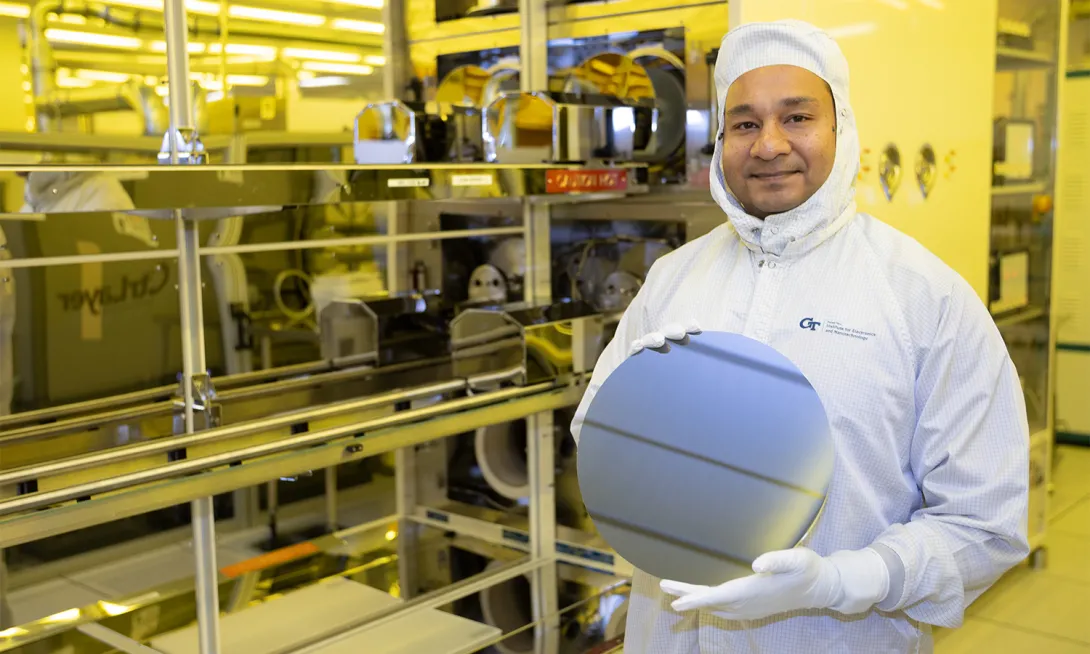

For more than two decades, Nakia Melecio has helped researchers and entrepreneurs translate discoveries into real-world impact across biotechnology, aerospace, defense, energy, and medical technology. He's helped launch and scale more than 1,500 startups worldwide, delivered over 15,000 hours of mentorship and training, and contributed to securing more than $400 million in funding for research-driven ventures. He has also led collaborations with NIH, ARPA-H, DOE, NASA, USAID, and universities across the globe. All of that work has now culminated with his recent recognition of a Fulbright Scholar.
“Being named a Fulbright Scholar is both an honor and opportunity to continue the work I love, helping transform breakthrough research into real-world impact,” said Melecio, director of NSF I-Corps Southeast Hub, director of Georgia Tech’s Center for MedTech Excellence, and principal at VentureLab. “This recognition allows me to collaborate with global partners, strengthen innovation ecosystems, and expand pathways that move discoveries out of the lab and into society.”
Expanding Georgia Tech’s Global Reach
With the Fulbright Scholar recognition, Melecio will share Georgia Tech’s Lab to Market framework with international partners. The seven-week program, which he designed at Georgia Tech, guides teams from lab validation to commercialization and prepares them with customer discovery insights, regulatory strategies, and investor readiness. While newly developed, the framework is already being used at Georgia Tech and will now be extended globally through the Fulbright program.
Through his Fulbright project, Melecio will strengthen global startup ecosystems, share best practices in technology transfer, and support the commercialization of breakthrough research to address urgent societal challenges. He aims to advance research translation, while also building sustainable systems that create industries, jobs, and new economies.
“Nakia’s Fulbright recognition underscores the global reach of Georgia Tech’s innovation ecosystem, and his leadership in international startup development exemplifies our commitment to creating technology that improves lives around the world,” said Raghupathy “Siva” Sivakumar, chief commercialization officer and vice president of Commercialization at Georgia Tech. “We are incredibly proud of Nakia for earning this prestigious honor and look forward to the continued impact of his work supporting entrepreneurs worldwide.”
The Fulbright Scholar Program is the U.S. government’s flagship international academic exchange initiative, designed to strengthen partnerships and foster cross-cultural collaboration. Through this award, Melecio will bring Georgia Tech’s commercialization expertise to global partners, working side by side with researchers and entrepreneurs to accelerate technologies that address urgent challenges in health, energy, and economic development. From Atlanta to Ghanna, Melecio’s work demonstrates the global reach of Georgia Tech’s innovation community.
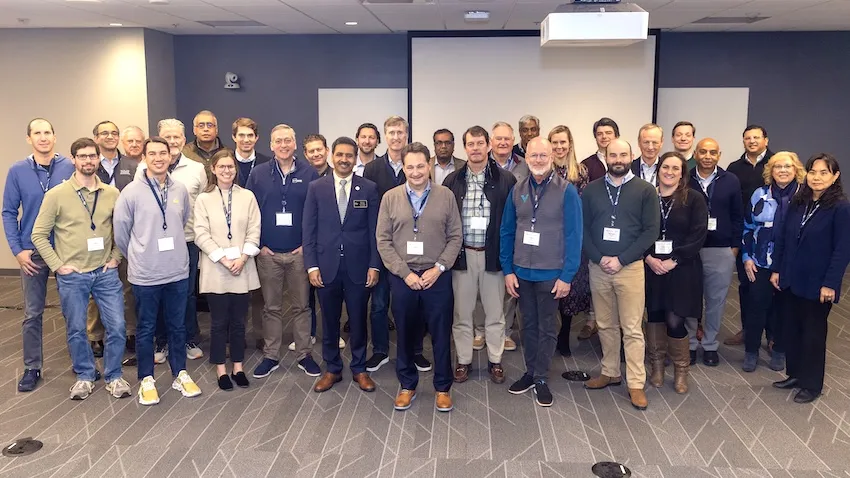
On September 5, more than 130 space researchers gathered for the Space Research Institute’s (SRI) inaugural meeting, held in the Marcus Nanotechnology Building. The event drew a standing-room-only crowd, with attendees from across all of Georgia Tech’s colleges. This marked the SRI’s first major convening since its launch on July 1, offering a platform to discuss its vision and bring Georgia Tech’s space research efforts into closer conversation.
That vision builds on work already reshaping the field. Across campus, Georgia Tech researchers are imaging black holes with unprecedented clarity, flying CubeSats in heliocentric orbits that now trail closer to Venus than Earth to test optical navigation. They are also sending solar cells to the International Space Station, exploring Jupiter, and, this fall, bringing the Lunar Surface Innovation Consortium Fall meeting to campus.
“That breadth is what makes Georgia Tech’s space community so strong,” said Julia Kubanek, vice president for interdisciplinary research. “We have experts in aerospace and biology, in materials and planetary science, in public policy and even researchers who study space through fiction — all taking on some of the most complex challenges of our time. SRI gives us a framework to support that work more deliberately, connecting researchers across colleges and disciplines and aligning with Georgia Tech’s broader vision for research, education, and innovation.”
Jud Ready, director of SRI, opened the session with an overview of the SRI’s goals and near-term plans. He emphasized how SRI will play a role in advancing several of Georgia Tech’s four big bets, including expanding research impact, increasing educational access, bringing value to students and strengthening the Institute’s role as a national hub for innovation.
At the center of that effort is also the newly announced Centers, Programs, and Initiatives (CPI) program, which aims to support faculty pursuing shared research directions.
“Georgia Tech has people already working on everything from sensors and propulsion systems to space policy, design, and sustainability," said Ready. “We’re geared towards linking that work early and giving teams the resources to go after the really big questions.”
Ready noted that the meeting would be the first of many community-building events hosted by SRI in the coming year, aimed at fostering dialogue and identifying opportunities for collective work.
“Most people don’t recognize that they use space in their everyday lives nearly every second of every day. The opportunities for space-based education, R&D, and commercialization are literally infinite,” said Ready. “It’s exciting to be at Georgia Tech where we play a key role in pushing the frontiers of space, and what that could mean for this generation and future ones.”
Faculty interested in future events or proposal opportunities can visit space.gatech.edu or sign up for the SRI mailing list. To view the meeting recording, click here.
News Contact
space@research.gatech.edu
Georgia Tech researchers have developed a mathematical formula to predict the size of lakes that form on melting ice sheets — discovering their depth and span are linked to the topography of the ice sheet itself.
The team leveraged physics, model simulations, and satellite imagery to develop simple mathematical equations that can easily be integrated into existing climate models. It’s a first-of-it’s-kind tool that is already improving climate models.
“Melt lakes play an important role in ice sheet stability, but previously, there were no constraints on what we would expect their maximum size to be in Antarctica,” says study lead Danielle Grau, a Ph.D. student in the School of Earth and Atmospheric Sciences. “I was intrigued by the idea of quantifying how much of a role we could expect them to play in the future.”
The paper, “Predicting mean depth and area fraction of Antarctic supraglacial melt lakes with physics-based parameterizations,” was published in Nature Communications. In addition to Grau, the research team includes School of Earth and Atmospheric Sciences Professor Alexander Robel, who is Grau’s advisor, and Azeez Hussain (PHYS 2025).
Their predictions show that the majority of these lakes will be less than a meter deep and span up to 40% of the ice sheet surface area.
“Many models don’t include any data about lakes on the surface of ice sheets, while others simulate these melt lakes growing until the ice collapses,” Robel says. “Our results show that the reality is somewhere in between — and that the maximum size of these lakes can be predicted using these new equations. This gives us real, concrete numbers to use in climate models.”
From summer project to satellite discovery
Grau first started working on the project as an undergraduate student when she applied for a Summer Research Experiences for Undergraduates program hosted by the School of Earth and Atmospheric Sciences.
Inspired by terrestrial lake research, Grau and Robel investigated the “self-affinity” of the Antarctic ice sheet — a property associated with surface roughness across various scales. For example, a landscape like Badlands National Park, with many rolling hills of a wide range of sizes, would have a different self-affinity than a flat prairie with three large volcanoes.
“A previous study had used this property to predict the size of terrestrial lakes and ponds, and we were curious if we could use a similar approach for supraglacial lakes in Antarctica,” Grau says. “Establishing that the Antarctic ice sheet also has this property was the first step in pursuing this research in more depth.”
The mathematics of melt
Grau continued the investigation as a Ph.D. student in Robel’s lab. Together, they unraveled the physics of how meltwater moves across the ice surface, designing a ‘glacier in a computer’ that mimics meltwater accumulation and movement across various topographies.
“We designed an algorithm and integrated it into a model that the GT Ice & Climate Group has used in the past,” Grau says. “From that, we were able to see how lakes would form on different surfaces across thousands of scenarios. This was the foundation for the mathematical equations I developed, which can predict the lake depth and lake surface area based on the self-affinity property.”
To check their results, Grau enlisted the help of Hussain — then an undergraduate in the School of Physics — to examine satellite data from the Landsat satellite program (which captures detailed photography of the Earth’s surface from space) to measure existing supraglacial lakes and surface topography.
“It was exciting to see how our predictions lined up with what we were seeing in the satellite imagery,” Robel explains. “This shows that our solution is a concrete avenue for climate models to realistically incorporate supraglacial lakes.”
Grau is already working to incorporate the team’s equations into an atmospheric model used by NASA in addition to an ice sheet model developed by the NASA Jet Propulsion Laboratory and Dartmouth College.
“By turning complicated models and satellite data into simple predictive equations, we’re giving climate models a new lens to see the future,” she says. “It’s a small piece of the puzzle, but one that helps us understand how ice sheets respond to a warming world.”
Funding: NASA Modeling, Analysis, and Prediction Program
News Contact
Written by Selena Langner
Heart failure remains one of the most challenging conditions to monitor outside the clinic. Patients may experience changes in symptoms, such as fatigue or shortness of breath, between visits, yet many current devices provide limited data, leaving physicians without continuous insight into heart function.
“Despite advances in digital health, continuous monitoring of the heart’s mechanical function has remained difficult outside clinical settings,” said Omer Inan, researcher and entrepreneur at Georgia Tech. “Patients and physicians have long needed a tool that provides deeper, real-time insights into heart performance without invasive procedures. We decided to tackle that problem head-on with a wearable device.”
Researchers at Georgia Tech have analyzed the seasonal differences of sulfate aerosols — a major pollutant in the United States — to examine the long-term impact from sulfur dioxide (SO₂) emission reductions since the enactment of the Clean Air Act amendments in 1990.
School of Earth and Atmospheric Sciences Professor Yuhang Wang and his team studied the factors affecting SO₂ and sulfate concentrations during winter and summer in the “Rust Belt” — from New York through the Midwest — and the Southeast regions of the U.S. over two decades (2004 to 2023). Supported by the National Science Foundation and Georgia Tech’s Brook Byers Institute for Sustainable Systems, the team also developed an ensemble machine learning approach to project seasonal patterns until 2050.
“Power plants, particularly those burning coal and oil, are a major source of SO₂ emissions in these regions,” says Wang, who co-authored, with Ph.D. students Fanghe Zhao and Shengjun Xi, the study recently published in Environmental Science & Technology Letters.
Seasonal differences in atmospheric chemistry
In the U.S., the chemistry in the atmosphere varies among the seasons. During summer, solar radiation from ample sunlight activates oxidant reactions that produce hydrogen peroxide (H₂O₂) in the atmosphere. The supply of H₂O₂ is determined by the amount of emitted air pollution, and once in the atmosphere, H₂O₂ can oxidize SO₂ quickly into sulfate aerosols in the aqueous phase.
Sulfate aerosols from the oxidation of SO₂ contribute to the formation of particulate matter less than 2.5 micrometers in diameter (PM2.5). Particulate sulfate poses significant environmental and public health risks, including air pollution, acid rain, and circulatory and respiratory issues.
“The supply of H₂O₂ in summer is eight times greater than in winter — a huge difference — which means sulfate concentrations are generally higher in summer and a reduction in SO₂ emissions leads to a proportional decrease in sulfate concentrations,” explains Wang. “When SO₂ emissions exceed the available supply of H₂O₂ in winter, the reduction in sulfate concentrations can be much smaller because of a ‘chemical damping’ effect that causes sulfate levels to decline more slowly than SO₂ emissions.”
Narrowing the disparities between seasonal sulfate levels
The study’s two-decade observations revealed distinct patterns in the reduction of SO₂ emissions and sulfate concentrations during winter and summer.
While SO₂ emissions significantly decreased in both seasons over time — primarily from the Clean Air Act and more power plants transitioning from coal to natural gas — the reduction of sulfate concentrations initially showed large seasonal differences. However, over the past decade, the disparity between winter and summer sulfate levels narrowed as SO₂ emissions decreased.
According to Wang, the seasonal disparity of sulfate was caused by changing chemical regimes in winter over time. Although the lower supply of H₂O₂ remained stable in winter, SO₂ wintertime emissions were higher from 2004 to 2013, then dropped below the level of H₂O₂ after 2013 — reaching parity with the levels of reduced SO₂ emissions in the summer.
“When you have this complexity of atmospheric chemistry, there is a non-linear effect in winter — as SO₂ emissions decreased, sulfate aerosol production efficiency increased until 2013, then flattened as of today. The reduction in sulfate aerosols initially lagged behind the decrease in SO₂ emissions but eventually caught up as a result of sustained air quality control efforts,” says Wang. “Conversely, there is a simple, linear effect in summer — the more SO₂ emissions, the more sulfate aerosols in the atmosphere — and if you reduce one, the other is reduced by the same proportion.”
Decades-long full impact
From now until 2050, the researchers’ machine learning projections indicate a continuing decrease of winter and summer sulfate levels, which are currently around 20 percent, as SO₂ emission controls achieve comparable efficacy across the seasons.
“We’re now seeing the full impact from the Clean Air Act,” concludes Wang, “and the nation’s sustained effort in pollution reduction is key to improving air quality and health outcomes.”
News Contact
Jess Hunt-Ralston
Director of Communications
College of Sciences at Georgia Tech
Writer: Annette Filliat
Editor: Lindsay Vidal
The Institute for Matter and Systems (IMS) at Georgia Tech has selected nine graduate students for the inaugural cohort of its Graduate Apprenticeship Program, officially launching the initiative. The program offers graduate students a unique opportunity to gain hands-on experience in advanced materials research and systems-level problem-solving.
Following a competitive application process, IMS selected students whose research interests align with the institute’s core capabilities in fabrication and characterization. Apprenticeships begin October 1, 2025, with students working closely with IMS staff and faculty mentors to support facility operations and contribute to cutting-edge research.
“The Graduate Student Apprenticeship program opens the door for students to gain hands-on experience in our cleanroom and characterization facilities,” said Eric Vogel, executive director of IMS. “By working directly with advanced tools and processes, they not only strengthen their research skills but also build the practical expertise that will set them apart in industry.”
The IMS Graduate Apprenticeship Program is a structured, paid alternative to traditional teaching assistantships. Apprentices commit 10 hours per week to facility operations and receive support for 50% of their graduate stipend and tuition.
"This program is an exciting opportunity for us to advance and support graduate training and education,” said Anna Osterholm, principal research scientist and IMS Graduate Apprenticeship Program coordinator. “It provides financial support to both students and faculty, and we expect to enhance the capacity of IMS core facilities, which continue to see a steady growth from both internal and external users each year.”
The selected apprentices represent a diverse range of disciplines and will receive training on micro/nanofabrication or materials characterization tools. In addition, they will assist with instrumentation calibration, process development, sample testing, and data analysis for internal and external research projects.
The 2025 Cohort
- Kayla Chuong, Ph.D. student in the School of Materials Science and Engineering
- Grace Crim, Ph.D. student in the School of Electrical and Computer Engineering
- Parker Dulin, Ph.D. student in the School of Chemical and Biomolecular Engineering
- Isaiah Ertel, Ph.D. student in the School of Physics
- Matthew Kim, M.Sc. student in the School of Electrical and Computer Engineering
- Calib Lanier, Ph.D. student in the School of Chemical and Biomolecular Engineering
- Justin Nakamura, Ph.D. student in the School of Materials Science and Engineering
- Chinaza Ogbonna, Ph.D. student in the George W. Woodruff School of Mechanical Engineering
- Eric Zhang, Ph.D. student in the School of Physics
Mentors
- Stephan Turano
- Todd Walters
- Josh Davies-Jones and team
- David Tavakoli
- Durga Gajula and team
- Hang Chen
News Contact
Amelia Neumeister | Research Communications Program Manager
The Institute for Matter and Systems
On a clear polymer chip, soft and pliable like a gummy bear, a microscopic lung comes alive — expanding, circulating, and, for the first time, protecting itself like a living organ.
For Ankur Singh, director of Georgia Tech’s Center for Immunoengineering, watching immune cells rush through the chip took his breath away. Singh co-directed the study with longtime collaborator Krishnendu “Krish” Roy, former Regents Professor and director of the NSF Center for Cell Manufacturing Technologies at Tech and now the Bruce and Bridgitt Evans dean of engineering and University Distinguished Professor at Vanderbilt University. Rachel Ringquist, Roy’s graduate student, and now a postdoctoral fellow with Singh, led the work as part of her doctoral dissertation.
“That was the ‘wow’ moment,” Singh said. “It was the first time we felt we had something close to a real human lung.”
Lung-on-a-chip platforms provide researchers a window into organ behavior. They are about the size of a postage stamp, etched with tiny channels and lined with living human cells. Roy and Singh’s innovation was adding a working immune system — the missing piece that turns a chip into a true model of how the lung fights disease.
Now, researchers can watch how lungs respond to threats, how inflammation spreads, and how healing begins.
The Human Stakes
For millions of people struggling with lung disease, everyday life can feel nearly impossible, whether it’s climbing stairs, carrying groceries, or even laughing too hard. Doctors and scientists have attempted for decades to unlock what really happens inside fragile lungs.
"This unique lung-on-a-chip model opens new, preclinical pathways of discovery that will allow researchers to better understand the interplay of immune responses to severe viral infections and evaluate critical antiviral treatments,” said Roy.
For Singh, the Carl Ring Family Professor in the George W. Woodruff School of Mechanical Engineering with a joint appointment in the Wallace H. Coulter Department of Biomedical Engineering, this research is deeply personal. He lost an uncle when an infection overwhelmed his cancer-weakened immune system.
“That experience stays with you,” Singh reflected. “It made me want to build systems that could predict and prevent outcomes like that, so fewer families go through what mine did. I think about my uncle all the time. If work like this means fewer families lose someone they love, then it’s worth everything.”
That motivation pushed his team to reimagine what a lung-on-a-chip could do, setting the stage for the breakthroughs that followed.
When the Lung Fought Back
The turning point came when Roy’s and Singh’s team peered through a microscope and saw something no one had ever witnessed on a chip: blood and immune cells coursing through tiny vessel-like structures, behaving just as they do in a living lung.
For years, researchers had struggled to add immunity to organ-on-a-chip systems. Immune cells often died quickly or failed to circulate and interact with tissue the way they do in people. the team solved that problem, creating a chip where immune cells could survive and coordinate a defense.
“It was an amazing breakthrough moment,” Singh said.
The true test came when the team introduced a severe influenza virus infection. The lung mounted an immune response that closely mirrored what doctors see in patients. Immune cells rushed to the site of infection, inflammation spread through tissue, and defenses activated in response.
“That was when we realized this wasn’t just a model,” Singh said. “It was capturing the real biology of disease.”
Singh and Roy’s research is published in the journal Nature Biomedical Engineering.
A More Human Approach
For decades, lung research has relied on animal models. But mice don’t get asthma like children. Their bodies don’t mount the same defenses.
“Five mice in a cage may respond the same way, but five humans won’t,” Singh explained. “Our chip can reflect that difference. That’s what makes it more accurate, and why it could dramatically reduce the need for animal models.”
Krish Roy emphasized its potential.
“The Food and Drug Administration’s strategic vision on reducing animal testing and developing predictive non-animal models aligns perfectly with our work. This device goes further than ever before in modeling human severe influenza and providing unprecedented insights into the complex lung immune response,” he said.
Fighting More Than the Flu
What began with influenza now expands to a wider range of diseases. Roy and Singh believes the platform can be used to study asthma, cystic fibrosis, lung cancer, and tuberculosis. The researchers are also working to integrate immune organs, showing how the lung coordinates with the body’s defenses.
The long-term vision is personalized medicine: chips built from a patient’s own cells to predict which therapy will work best. Scaling, clinical validation, and regulatory approval will take years, but Singh is undeterred.
“Imagine knowing which treatment will help you before you ever take it,” Singh said. “That’s where we’re headed.”
Where we’re headed, the future doesn’t wait for illness. Instead, it anticipates it, intercepts it, and rewrites the outcome.
Georgia Tech postdoctoral researcher Rachel Ringquist was the first author leading the study.
This research was supported by Wellcome Leap, with additional funding from the National Institutes of Health, Carl Ring Family Endowment, and the Marcus Foundation.
Ringquist, R., Bhatia, E., Chatterjee, P. et al. An immune-competent lung-on-a-chip for modelling the human severe influenza infection response. Nature Biomedical Engineering, September 2025 Vol.9 No.9
News Contact
Michelle Azriel Sr. Writer-Editor
Smart manufacturing, data-driven design, and artificial intelligence aren’t just buzzwords — they are fields that are creating high-paying, high-tech careers across the country. In rural communities across Georgia, these advanced manufacturing roles are growing, but the talent pipeline isn’t keeping pace.
“It’s not just about creating jobs, it’s about filling them,” says Tom Kurfess, Regents’ Professor in mechanical engineering and executive director of the Georgia Tech Manufacturing Institute (GTMI). “To do that, we need to show students how exciting and innovative manufacturing can be. Manufacturing has really changed over the past few years. Today, going from an idea to a physical part is much easier to do. It is fun and exciting to bring ideas to life and to actually hold the results in your hands.”
GTMI is working to reignite student interest in the art and science of making through its new K–12 initiative: the Advanced Manufacturing Pathways (AMP) Program. Modeled after Georgia Tech’s Rural CS Initiative, AMP empowers schools with faculty expertise, cutting-edge equipment, and a hands-on curriculum to give students early exposure to the tools, technologies, and creativity behind modern manufacturing while building a pipeline of future talent ready to thrive in high-tech careers.
Funded by the Southwest Georgia Regional Commission (SWGRC), AMP is kicking off in three school districts this fall — Decatur County, Thomas County, and the city of Thomasville — with plans to expand to additional schools in the spring of 2026. The program will start by engaging more than 200 students through hands-on learning, virtual instruction, and in-person lab experiences led by Georgia Tech researchers and faculty.
“Here in Southwest Georgia, we believe that opportunities like this are vital for integrated learning in schools and for growing our future workforce,” says Beka Shiver, economic development and transportation planner for SWGRC. “Workforce development and K-12 integration are at the heart of our Southwest Georgia Ecosystem Building Project, and we are so pleased to be able to provide funding for this program.”
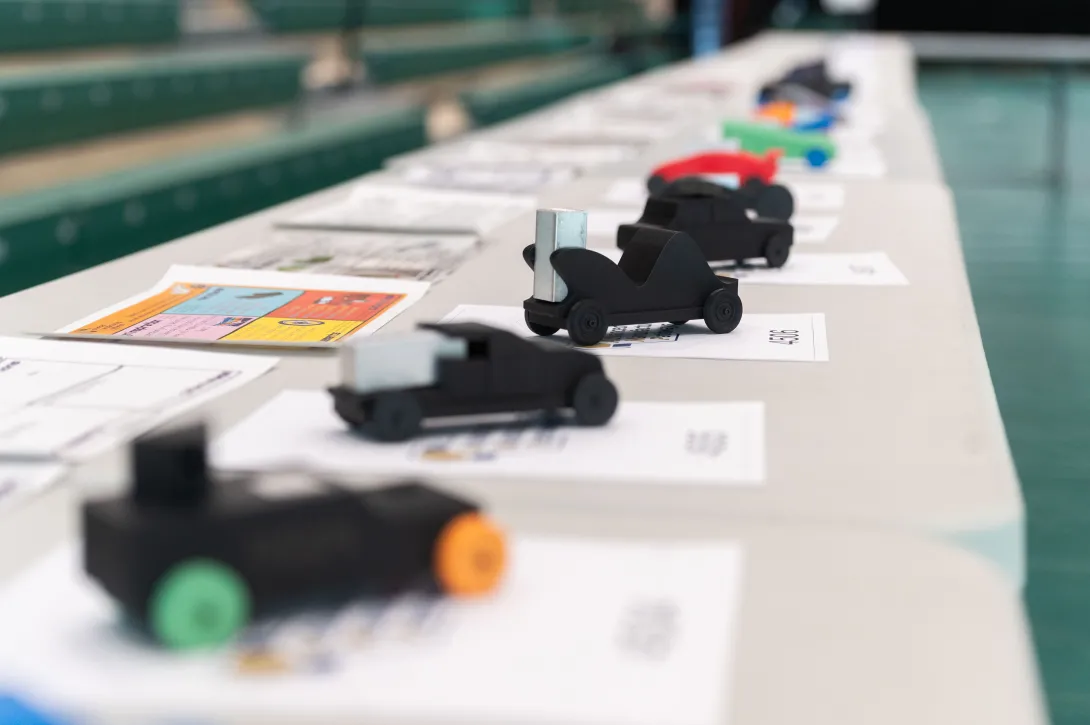
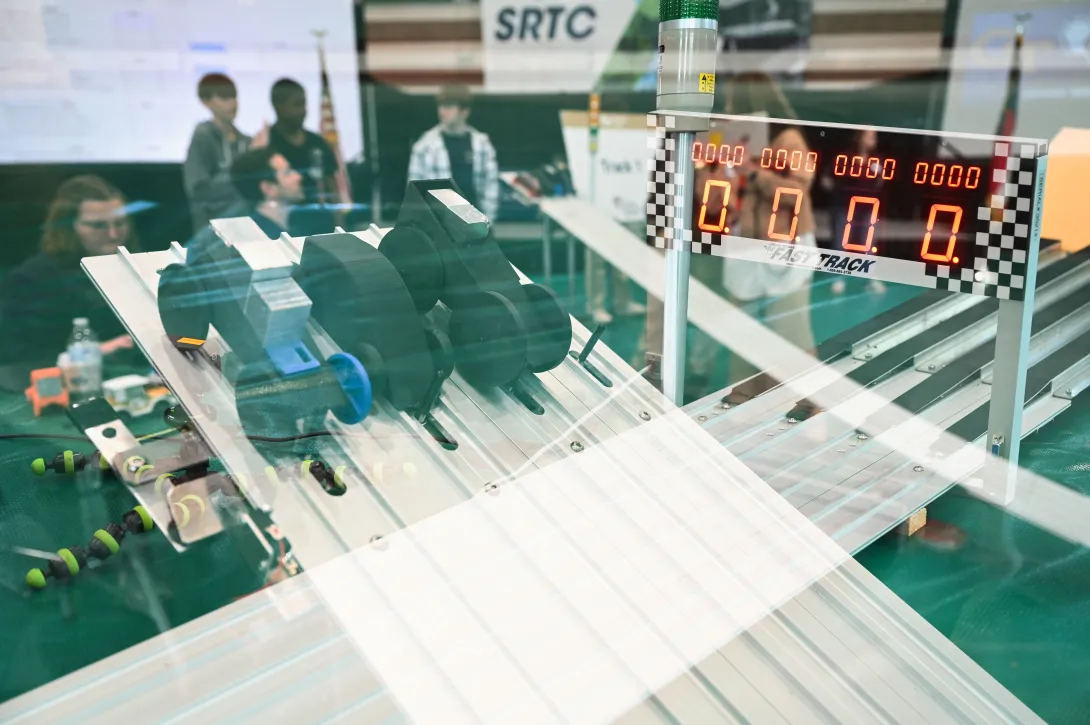
The launch of the AMP Program is centered around Design, Build, Race, a course putting a modern spin on the classic pinewood derby. Students will use digital design, 3D printing, and machining to build and race custom cars, while also learning how to collect and analyze performance data to improve their designs and predict outcomes. The course blends engineering with data science, sparking curiosity and showing students how modern manufacturing is powered by both technical skills and smart data.
“This program delivers real-world industry experience to students while strengthening the talent pipeline that drives innovation, competitiveness, and resilience in advanced manufacturing”, says Steven Ferguson, interim director of operations at GTMI and one of the project’s leaders. “After more than 20 years of driving education and workforce development innovation, I’m more energized than ever to help launch the AMP program to open doors for students and advance U.S. manufacturing leadership.”
Building the Blueprint
Before it evolved into the AMP Program, Design, Build, Race was a course developed by GTMI research engineer Kyle Saleeby in 2023. Originating in GTMI’s Advanced Manufacturing Pilot Facility (AMPF), the course was designed to introduce Morehouse and Georgia Tech students to the possibilities of modern manufacturing through digital design, 3D printing, machining, and competitive creativity.
“Even after the first week, it was powerful to watch students discover how exciting it is to design and manufacture a competition-ready car in a matter of hours,” said Saleeby. “That’s when I knew we were onto something special.”
Saleeby teamed up with Ferguson to transform the course into a broader initiative. The duo engaged colleagues from STEM@GTRI and secured funding from SWGRC to modify the curriculum and scale the course for a high school audience.
“We are thrilled that we have been able to take the lessons learned during the development of the Rural Computer Science Initiative and expand opportunities for students in Southwest Georgia,” says Sean Mulvanity, a senior research associate in the Georgia Tech Research Institute. Mulvanity is one of the founders of the initiative and has been a key contributor to the AMP Program. “We hope this program can grow and expose students across the state to the field of advanced manufacturing.”
Though granted by the SWGRC, funds for the program were provided by Georgia Artificial Intelligence in Manufacturing, a statewide initiative founded by GTMI and Georgia Tech’s Enterprise Innovation Institute to advance AI-driven manufacturing.
To bring AMP into classrooms, Southern Regional Technical College helped set up labs and provide technical support, ensuring schools were ready to launch.
“At all levels, the community has rallied around this program,” says Saleeby. “Providing students with a unique experience learning advanced manufacturing technologies will open countless career opportunities. I cannot wait to see where they go.”
News Contact
Audra Davidson
Research Communications Program Manager
Georgia Tech Manufacturing Institute
Georgia Tech School of Electrical and Computer Engineering (ECE) Professor Muhannad Bakir has been named the inaugural GlobalFoundries Termed Chair in Packaging and 3D Heterogeneous Integration.
The position was established in the spring of 2025 to be awarded to a distinguished ECE faculty member who has demonstrated excellence in research and teaching in the areas of chiplet-based integrated circuit (IC) systems, 2.5D, and 3D IC technologies.
“I am grateful to GlobalFoundries for establishing this chair position in ECE, and honored to be the inaugural recipient,” Bakir said. “Advanced packaging and heterogeneous integration are a key differentiator and driver of innovation in virtually all leading-edge electronic systems from handheld devices to data centers powering AI. ECE’s partnership with GlobalFoundries will position the School for many unique research and educational programs development to support 2.5D and 3D technologies.”
3D heterogeneous integration (3DHI) is a cutting-edge technology that merges various ICs and components, including processors, memory, sensors, and RF modules, into one 3D package.
Bakir is currently the Dan Fielder Professor in ECE and the director of the 3D Systems Packaging Research Center supported by the Institute for Matter and Systems, where he oversees an interdisciplinary approach to electronic packaging research.
News Contact
Maintaining balance while walking may seem automatic — until suddenly it isn’t. Gait impairment, or difficulty with walking, is a major liability for stroke and Parkinson’s patients. Not only do gait issues slow a person down, but they are also one of the top causes of falls. And solutions are often limited to time-intensive and costly physical therapy.
A new wearable electronic device that can be inserted inside any shoe may be able to address this challenge. The device, developed by Georgia Tech researchers, is made of more than 170 thin, flexible sensors that measure foot pressure — a key metric for determining whether someone is off-balance. The sensor collects pressure data, which the researchers could eventually use to predict which changes lead to falls.
The researchers presented their work in the paper, “Flexible Smart Insole and Plantar Pressure Monitoring Using Screen-Printed Nanomaterials and Piezoresistive Sensors.” It was the cover paper in the August edition of ACSApplied Materials & Interfaces.
Pressure Points
Smart footwear isn’t new — but making it both functional and affordable has been nearly impossible. W. Hong Yeo’s lab has made its reputation on creating malleable medical devices. The researchers rely on the common commercial practice of screen-printing electronics to screen-print sensors. They realized they could apply this printing technique to address walking difficulties.
“Screen-printing is advantageous for developing medical devices because it's low-cost and scalable,” said Yeo, the Peterson Professor and Harris Saunders Jr. Professor in the George W. Woodruff School of Mechanical Engineering. “So, when it comes to thinking about commercialization and mass production, screen-printing is a really good platform because it's already been used in the electronics industry.”
Making the device accessible to the everyday user was paramount for Yeo’s team. A key innovation was making sure the wearable is thin enough to be comfortable for the wearer and easy to integrate with other assistive technologies. The device uses Bluetooth, enabling a smartphone to collect data and offer the future possibility of integrating with existing health monitoring applications.
Possibilities for real-world adaptation are promising, thanks to these innovations. Lightweight and small, the wearable could be paired with robotics devices to help stroke and Parkinson’s patients and the elderly walk. The high number of sensors could make it easier for researchers to apply a machine learning algorithm that could predict falls. The device could even enable professional athletes to analyze their performance.
Regardless of how the device is used, Yeo intends to keep its cost under $100. So far, with funding from the National Science Foundation, the researchers have tested the device on healthy subjects. They hope to expand the study to people with gait impairments and, eventually, make the device commercially available.
“I'm trying to bridge the gap between the lack of available devices in hospitals or medical practices and the lab-scale devices,” Yeo said. “We want these devices to be ready now — not in 10 years.”
With its low-cost, wireless design and potential for real-time feedback, this smart insole could transform how we monitor and manage walking difficulties — not just in clinical settings, but in everyday life.
News Contact
Tess Malone, Senior Research Writer/Editor
tess.malone@gatech.edu
Pagination
- Previous page
- Page 29
- Next page