
Nov. 29, 2023
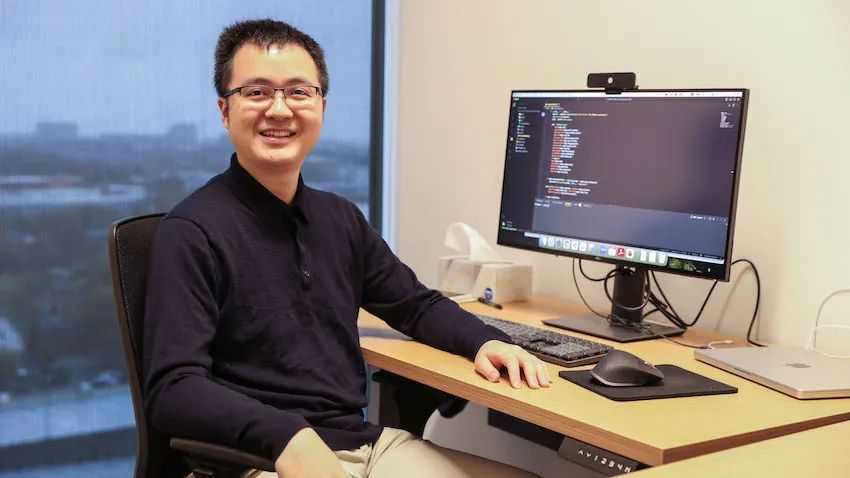
The National Institute of Health (NIH) has awarded Yunan Luo a grant for more than $1.8 million to use artificial intelligence (AI) to advance protein research.
New AI models produced through the grant will lead to new methods for the design and discovery of functional proteins. This could yield novel drugs and vaccines, personalized treatments against diseases, and other advances in biomedicine.
“This project provides a new paradigm to analyze proteins’ sequence-structure-function relationships using machine learning approaches,” said Luo, an assistant professor in Georgia Tech’s School of Computational Science and Engineering (CSE).
“We will develop new, ready-to-use computational models for domain scientists, like biologists and chemists. They can use our machine learning tools to guide scientific discovery in their research.”
Luo’s proposal improves on datasets spearheaded by AlphaFold and other recent breakthroughs. His AI algorithms would integrate these datasets and craft new models for practical application.
One of Luo’s goals is to develop machine learning methods that learn statistical representations from the data. This reveals relationships between proteins’ sequence, structure, and function. Scientists then could characterize how sequence and structure determine the function of a protein.
Next, Luo wants to make accurate and interpretable predictions about protein functions. His plan is to create biology-informed deep learning frameworks. These frameworks could make predictions about a protein’s function from knowledge of its sequence and structure. It can also account for variables like mutations.
In the end, Luo would have the data and tools to assist in the discovery of functional proteins. He will use these to build a computational platform of AI models, algorithms, and frameworks that ‘invent’ proteins. The platform figures the sequence and structure necessary to achieve a designed proteins desired functions and characteristics.
“My students play a very important part in this research because they are the driving force behind various aspects of this project at the intersection of computational science and protein biology,” Luo said.
“I think this project provides a unique opportunity to train our students in CSE to learn the real-world challenges facing scientific and engineering problems, and how to integrate computational methods to solve those problems.”
The $1.8 million grant is funded through the Maximizing Investigators’ Research Award (MIRA). The National Institute of General Medical Sciences (NIGMS) manages the MIRA program. NIGMS is one of 27 institutes and centers under NIH.
MIRA is oriented toward launching the research endeavors of young career faculty. The grant provides researchers with more stability and flexibility through five years of funding. This enhances scientific productivity and improves the chances for important breakthroughs.
Luo becomes the second School of CSE faculty to receive the MIRA grant. NIH awarded the grant to Xiuwei Zhang in 2021. Zhang is the J.Z. Liang Early-Career Assistant Professor in the School of CSE.
[Related: Award-winning Computer Models Propel Research in Cellular Differentiation]
“After NIH, of course, I first thanked my students because they laid the groundwork for what we seek to achieve in our grant proposal,” said Luo.
“I would like to thank my colleague, Xiuwei Zhang, for her mentorship in preparing the proposal. I also thank our school chair, Haesun Park, for her help and support while starting my career.”
News Contact
Bryant Wine, Communications Officer
bryant.wine@cc.gatech.edu
Nov. 27, 2023
The Renewable Bioproducts Institute (RBI) at Georgia Tech benefits from a substantial endowment that is invested to advance the evolving science and technology needs of the bioproducts industry and emerging bioeconomy through graduate research. The endowment over the years has supported more than 1,500 engineers and scientists and a leading body of scientific research. RBI has released the Request For Proposals (RFP) for the annual year 2024-25 fellowships. Proposals are due on Feb. 1, 2024. The RFP document describing the application process and several important changes for this year can be found at 2024-25 RFP Proposals.
The principal mission of RBI is to incubate and develop interdisciplinary teams of researchers that can establish thought leadership through new bioproduct research directions. Our focus is on pre-competitive, use-inspired research with a technical, economic, or policy focus. All supported work needs to address an aspect of bioproducts and the developing bioeconomy. The RBI Fellowship supports this mission by promoting two objectives:
(1) Helping teams of faculty to establish new concepts, publish early results, and develop competitive federal, industry, or foundation proposals in the future.
(2) Training a diverse group of graduate-level professionals who can support the evolving bioproducts R&D workforce.
***NEW PROGRAM CHANGES***
- Along with Graduate Research Assistant (GRA) stipend and tuition support, RBI will provide $1,000 of materials and supplies funding or a $1,000 credit toward the use of RBI’s analytical facilities.
- The fellowship was formerly called the PSE (Paper Science and Engineering Fellowship). It has been renamed as the RBI Fellowship.
- The fellowship minor requirement has been changed from 12 hours to nine hours. The minor will consist of two core courses and one elective, described here. For students outside of the College of Sciences or College of Engineering, an alternative set of courses can be considered.
- Awards can support GRAs from any school within Georgia Tech and can be advised by teams consisting of faculty from any Georgia Tech school, although the relevance of the disciplines included must be clear.
News Contact
Priya Devarajan || RBI Communications Program Manager
Oct. 19, 2023

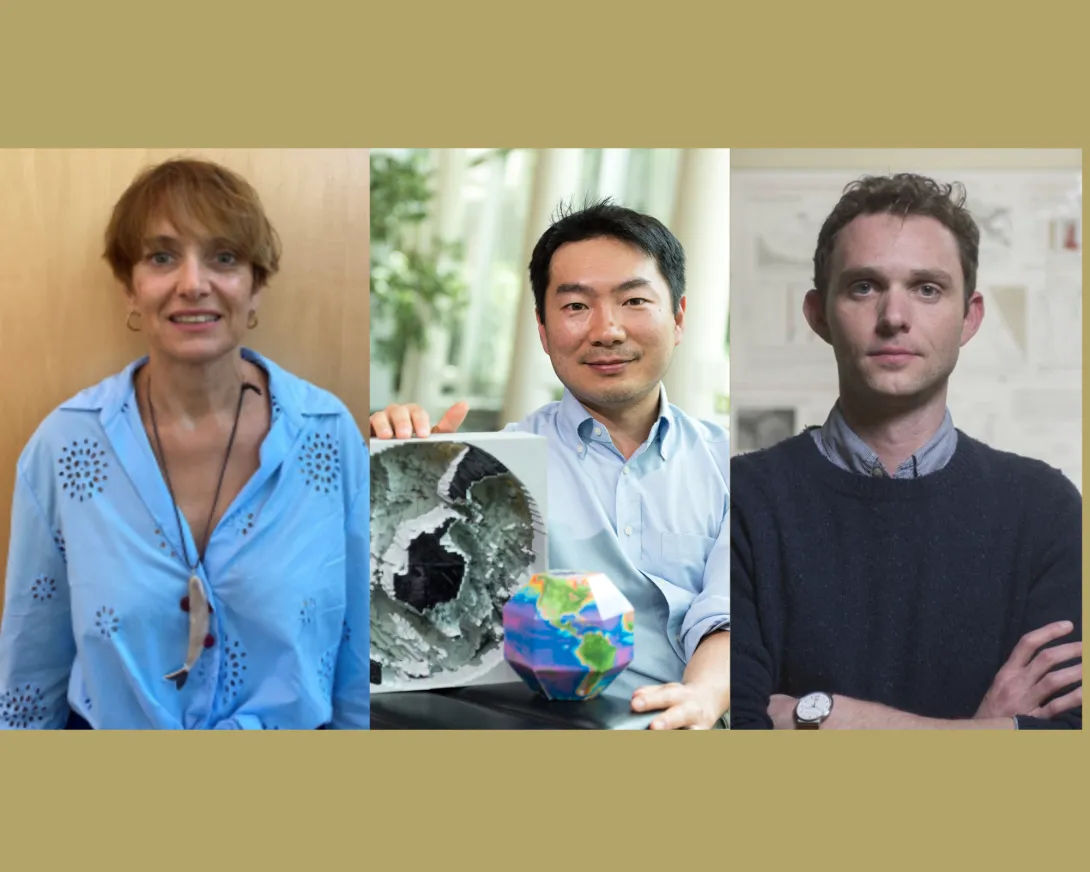
Three Georgia Tech School of Earth and Atmospheric Sciences researchers — Professor and Associate Chair Annalisa Bracco, Professor Taka Ito, and Georgia Power Chair and Associate Professor Chris Reinhard — will join colleagues from Princeton, Texas A&M, and Yale University for an $8 million Department of Energy (DOE) grant that will build an “end-to-end framework” for studying the impact of carbon dioxide removal efforts for land, rivers, and seas.
The proposal is one of 29 DOE Energy Earthshot Initiatives projects recently granted funding, and among several led by and involving Georgia Tech investigators across the Sciences and Engineering.
Overall, DOE is investing $264 million to develop solutions for the scientific challenges underlying the Energy Earthshot goals. The 29 projects also include establishing 11 Energy Earthshot Research Centers led by DOE National Laboratories.
The Energy Earthshots connect the Department of Energy's basic science and energy technology offices to accelerate breakthroughs towards more abundant, affordable, and reliable clean energy solutions — seeking to revolutionize many sectors across the U.S., and relying on fundamental science and innovative technology to be successful.
Carbon Dioxide Removal
The School of Earth and Atmospheric Sciences project, “Carbon Dioxide Removal and High-Performance Computing: Planetary Boundaries of Earth Shots,” is part of the agency’s Science Foundations for the Energy Earthshots program. Its goal is to create a publicly-accessible computer modeling system that will track progress in two key carbon dioxide removal (CDR) processes: enhanced earth weathering, and global ocean alkalinization.
In enhanced earth weathering, carbon dioxide is converted into bicarbonate by spreading minerals like basalt on land, which traps rainwater containing CO2. That gets washed out by rivers into oceans, where it is trapped on the ocean floor. If used at scale, these nature-based climate solutions could remove atmospheric carbon dioxide and alleviate ocean acidification.
The research team notes that there is currently “no end-to-end framework to assess the impacts of enhanced weathering or ocean alkalinity enhancement — which are likely to be pursued at the same time.”
“The proposal is for a three-year effort, but our hope is that the foundation we lay down in that time will represent a major step forward in our ability to track carbon from land to sea,” says Reinhard, the Georgia Power Chair who is a co-investigator on the grant.
“Like many folks interested in better understanding how climate interventions might impact the Earth system across scales, we are in some ways building the plane in midair,” he adds. “We need to develop and validate the individual pieces of the system — soils, rivers, the coastal ocean — but also wire them up and prove from observations on the ground how a fully integrated model works.”
That will involve the use of several existing computer models, along with Georgia Tech’s PACE supercomputers, Professor Ito explains. “We will use these models as a tool to better understand how the added alkalinity, carbon and weathering byproducts from the soils and rivers will eventually affect the cycling of nutrients, alkalinity, carbon and associated ecological processes in the ocean,” Ito adds. “After the model passes the quality check and we have confidence in our output, we can start to ask many questions about assessment of different carbon sequestration approaches or downstream impacts on ecosystem processes.”
Professor Bracco, whose recent research has focused on rising ocean heat levels, says CDR is needed just to keep ocean systems from warming about 2 degrees centigrade (Celsius).
“Ninety percent of the excess heat caused by greenhouse gas emissions is in the oceans,” Bracco shares, “and even if we stop emitting all together tomorrow, that change we imprinted will continue to impact the climate system for many hundreds of years to come. So in terms of ocean heat, CDRs will help in not making the problem worse, but we will not see an immediate cooling effect on ocean temperatures. Stabilizing them, however, would be very important.”
Bracco and co-investigators will study the soil-river-ocean enhanced weathering pipeline “because it’s definitely cheaper and closer to scale-up.” Reverse weathering can also happen on the ocean floor, with new clays chemically formed from ocean and marine sediments, and CO2 is included in that process. “The cost, however, is higher at the moment. Anything that has to be done in the ocean requires ships and oil to begin,” she adds.
Reinhard hopes any tools developed for the DOE project would be used by farmers and other land managers to make informed decisions on how and when to manage their soil, while giving them data on the downstream impacts of those practices.
“One of our key goals will also be to combine our data from our model pipeline with historical observational data from the Mississippi watershed and the Gulf of Mexico,” Reinhard says. “This will give us some powerful new insights into the impacts large-scale agriculture in the U.S. has had over the last half-century, and will hopefully allow us to accurately predict how business-as-usual practices and modified approaches will play out across scales.”
News Contact
Writer: Renay San Miguel
Communications Officer II/Science Writer
College of Sciences
404-894-5209
Editor: Jess Hunt-Ralston
Aug. 31, 2023
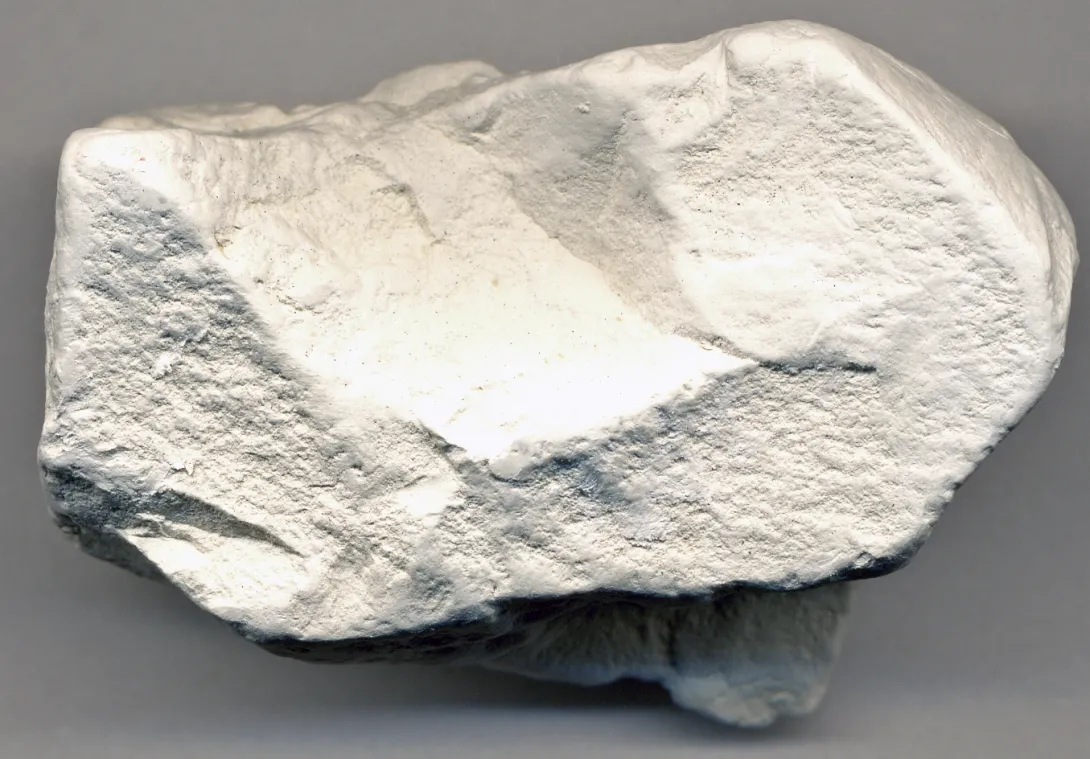

Yuanzhi Tang has received a National Science Foundation grant to see if areas along the middle and coastal plains of Georgia that produce a highly sought-after clay are also home to large amounts of rare earth elements (REEs) needed for a wide range of industries, including rapidly evolving clean energy efforts.
Tang is an associate professor in the School of Earth and Atmospheric Sciences at Georgia Tech. She is joined by Crawford Elliott, associate professor at Georgia State University, on their proposal, “The occurrences of the rare earth elements in highly weathered sedimentary rocks, Georgia kaolins,” funded by the NSF Division of Earth Sciences.
All about REEs
REEs such as cerium, terbium, neodymium, and yttrium, are critical minerals used in many industrial technology components such as semiconductors, permanent magnets, and rechargeable batteries (smart phones, computers), phosphors (flat screen TVs, light-emitting diodes), and catalysts (fuel combustion, auto emissions controls, water purification). They impact a wide range of industries such as health care, transportation, power generation (including wind turbines), petroleum refining, and consumer electronics.
“With the increasing global demand for green and sustainable technologies, REE demand is projected to increase rapidly in the U.S. and globally,” Tang says. “Yet currently the domestic REE production is very low, and the U.S. relies heavily on imports. The combination of growing demand and high dependence on international supplies has prompted the U.S. to explore new resources and develop environmentally friendly extraction and processing technologies.”
Georgia geology
Kaolin is a white, aluminosilicate clay mineral used in making paper, plastics, rubber, paints, and many other products. More than $1 billion worth of kaolin is mined from Georgia’s kaolin deposits every year, more than any other state.
Tang and Elliott say considerable amounts of the REEs have been found in the waste residues generated from Georgia kaolin mining.
“These occurrences have high REE contents and might add significantly to domestic resources,” Tang says. “By understanding the geological and geochemical processes controlling the occurrence and distribution of REEs in these weathered environments, we might be able to provide fundamental information for the identification of REE resources, and the design of efficient and green extraction technologies.”
“The new work with Dr. Tang has the potential to advance our fundamental understanding of the occurrences, mineralogical speciation, and distribution of the REEs in bauxite and kaolin ore,” Elliott says. “I am thrilled to be working with Dr. Tang on this project.”
Laterite thinking
The Department of Energy notes the 17 rare earth elements are found in highly weathered environments, such as the laterites, a type of soil and rock located in eastern and southeastern China, which currently comprises around 80 percent of the world’s REE reserves. To promote domestic production of REEs, the NSF sought proposals to explore natural unconventional element resources located in highly weathered sedimentary/regolith (loose rocky material covering bedrock) settings in the U.S. Georgia’s kaolin deposits and mines extend in the state from southwest to northeast, paralleling the state’s ‘fall line’ that separates the Piedmont Plateau from the coastal plains.
With the NSF grant, Tang and Elliott will find out more about the geochemical factors and processes controlling REE mobility, distribution, and fractionation (enrichment of light REE versus heavy REE) in these environments, which can provide the foundation to identify domestic resources, and for the rational design of extraction technologies.
Community connections
The proposed work will also integrate research with education, combining student training with undergraduate education and research, as well as K-12 and community outreach emphasizing the participation of underrepresented groups in geological sciences.
The grant relates to Tang’s work at two Georgia Tech interdisciplinary research institutes dedicated to sustainability, energy, and climate: the Strategic Energy Institute and the Brook Byers Institute for Sustainable Systems (BBISS), where she is a co-lead with Hailong Chen, an associate professor in the School of Materials Science and Engineering. Tang and Chen’s BBISS project is “Sustainable Resources for Clean Energy.” Tang also serves as an SEI/BBISS initiative lead on sustainable resources.
“The state of Georgia has already been experiencing rapid and exciting developments in the clean energy industry,” Tang says. “We hope to bridge an important link in this space. We hope to help identify and explore regional critical resources for clean energy development by both understanding the geological/geochemical fundamentals, and developing sustainable extraction technologies.”
Georgia Tech is also investing in the community outreach and social aspects of energy research, not just in science and engineering, Tang adds. “Collaboration with Georgia State University also gives exciting opportunities for the engagement with underrepresented student groups, especially in geological sciences, which will serve in the long term for workforce development.”
News Contact
Writer: Renay San Miguel
Communications Officer II/Science Writer
College of Sciences
404-894-5209
Editor: Jess Hunt-Ralston
Jul. 23, 2023
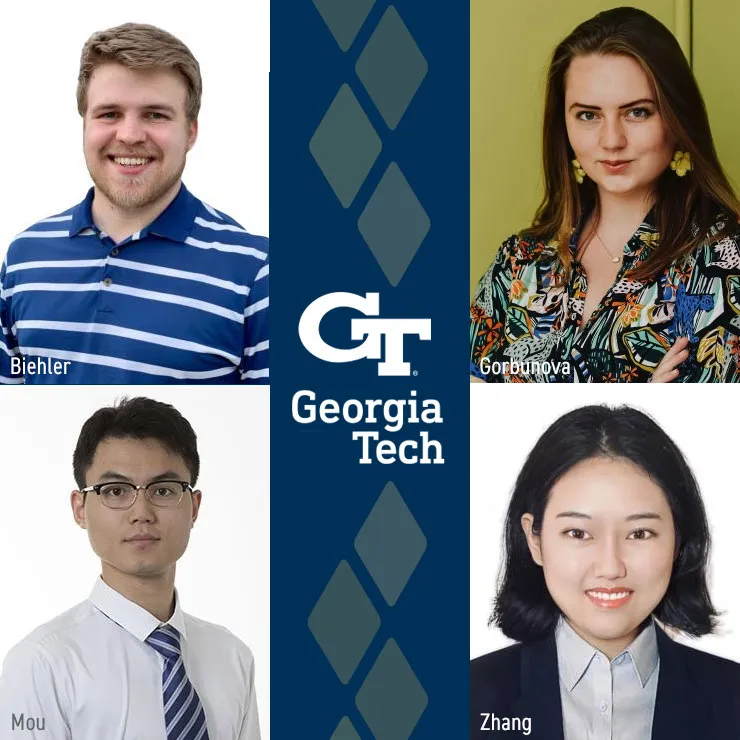
Graduate students, under the guidance of SCL affiliated faculty member Jianjun Shi, have recently received well-deserved recognition for their accomplishments. The students' research interests revolve around the use of machine learning and data analytics in relation to advanced manufacturing.
Michael Biehler (advisor: Professor Jianjun Shi)
- Mary G. and Joseph Natrella Scholarship, American Statistical Association (ASA) (2023)
- Best Student Paper Award (Winner) Quality Control and Reliability Engineering (QCRE) Division, IISE (2023)
- For the paper: M. Biehler, D. Lin , J. Shi (2023): “DETONATE: Nonlinear Dynamic Evolution Modeling of Time-dependent 3-dimensional Point Cloud Profiles” IISE Transactions
- Best Student Paper Award (Finalist) Data Analytics and Information Systems (DAIS) Division, IISE (2023)
- For the paper: M. Biehler, A. Kulkarni, J. Li, J. Shi (2023+): “MULTI-MODAL: MULTI-fidelity, multi-modality 3D shape modeler:” submitted to IEEE Transactions on Automation Science and Engineering
- Phillip J. and Delores A. Scott Graduate Student Health and Wellness Award, H. Milton Stewart School of Industrial and Systems Engineering, Georgia Tech (2023)
- IHE-LeaD Fellow, Burroughs Wellcome Fund, Interdisciplinary and Health and Environment Leadership Development (2022-2023)
Alina Gorbunova (advisors: Professor Jianjun Shi and Professor Kamran Paynabar)
- NSF Graduate Research Fellowship (2023)
Shancong Mou (advisor: Professor Jianjun Shi)
- Best Track Paper Award (Winner), Quality Control and Reliability Engineering (QCRE) Division, IISE (2023)
- For the paper: Mou, S., Gu, X., Cao, M., Bai, H., Huang, P., Shan, J., Shi, J.*, 2023 “RGI: Robust GAN-Inversion for Generic Pixel-wise Anomaly Detection and Mask-free Image Inpainting”, The International Conference on Learning Representations (ICLR 2023).
- John S.W. Fargher Jr. Scholarship, IISE (2023)
- Angela P. and Reed J. Baker Research Excellence Award, School of ISyE, Georgia Institute of Technology (2023)
Zihan Zhang (advisors: Professor Jianjun Shi and Professor Kamran Paynabar)
- Aerospace and Test Measurement Division Scholarship, ISA (2023)
- ISA Scholarship, ISA (2023)
- Gilbreth Memorial Scholarship, IISE (2023)
- NCORE Student Scholar, National Conference on Race and Ethnicity in Higher Education (2023)
Jun. 13, 2023
Georgia Tech’s newest interdisciplinary degree program, the Environmental Science B.S. degree (ENVS), developed jointly by faculty of the School of Earth and Atmospheric Sciences and the School of Biological Sciences, has launched and is now enrolling students.
The ENVS degree will provide a strong foundation in the basic sciences, requiring core content in mathematics, physics, chemistry, biology, earth sciences, and environmental policy. Flexible electives in upper-level coursework will allow students to customize their program of study to their interest and career goals.
A launch event for the degree program will take place at the Kendeda Building on the afternoon of Friday, August 25, 2023.
“The new degree will prepare students to be future leaders who are well-versed on how the Earth's systems can be influenced by human activity and contribute to human well-being,” says Greg Huey, professor and chair of the School of Earth and Atmospheric Sciences. “Graduates will be positioned to be leaders in industry, academia, education, and communication to create innovative solutions to the most significant environmental challenges of our time.”
Two faculty members in the School of Earth and Atmospheric Sciences (EAS) and a faculty member in the School of Biological Sciences will serve as inaugural leadership: Jennifer Glass, associate professor, is program director; Samantha Wilson, academic professional, is director of Undergraduate Studies; and Linda Green, senior academic professional in the School of Biological Sciences, is director of Experiential Learning.
The foundational science classes in this new degree will be complemented by courses in Public Policy and City Planning, including Geographical Information Systems (GIS) and Environmental Policy and Politics, before opening up and providing students with flexibility in course options to better fit their career paths and interests.
“Past EAS students have been interested in careers related to environmental consulting, environmental law, and continuing their studies in graduate school,” Wilson says. “The variety of environmental career paths was the driver behind allowing students to diversify their options within the degree.”
“This degree will give Georgia Tech students a unique opportunity to customize their environmental science program of study to their interests and career goals in science, policy, public service, non-profit, government, industry, academia, or beyond,” adds Glass. “We are committed to building an academic community in ENVS that values student leadership, ethics, justice, accessibility, and belonging.”
Hands-on learning opportunities will include field station experiences and field trip excursions, study abroad programs, and internships, Green says. “This major sustains the Institute’s strategic plan to lead by example, champion innovation, and connect globally — particularly in an area so critical as addressing Earth’s environmental issues.”
Glass added that the Schools of Chemistry, Biological Sciences, and Earth and Atmospheric Sciences are currently revamping several classes to meet United Nations Sustainable Development Goals (SDGs). Students will advance to be global leaders of environmental solutions that draw upon the U.N. Sustainable Development Goals and incorporate awareness of cultural relevance.
“We can’t wait for August to celebrate the ENVS launch with our incoming and current students,” Glass says.
More information on the Environment Science (ENVS) degree:
General information: jennifer.glass@eas.gatech.edu
Curriculum and enrollment: samantha.wilson@eas.gatech.edu
Co-curricular initiatives: linda.green@gatech.edu
Learn more: Three new EAS undergraduate degrees
Beginning Summer 2023, prospective and current Georgia Tech students will have three new Bachelor of Science degrees to choose from in the School of Earth and Atmospheric Sciences. The expanded undergraduate offerings target a wider range of job and research opportunities — from academia to analytics, NASA to NOAA, meteorology to marine science, climate and earth science, to policy, law, consulting, sustainability, and beyond.
The Board of Regents of the University System of Georgia has approved two new specific degrees within the School: Atmospheric and Ocean Sciences (AOS) and Solid Earth and Planetary Sciences (SEP). Regents also approved Environmental Science (ENVS) as an interdisciplinary College of Sciences degree between the School of Earth and Atmospheric Sciences and the School of Biological Sciences. The existing Earth and Atmospheric Sciences B.S. degree will sunset in two years for new students. Learn more.
News Contact
Writer: Renay San Miguel
Communications Officer II/Science Writer
College of Sciences
404-894-5209
Editor: Jess Hunt-Ralston
May. 15, 2023

James X. Zhong Manis, who is pursuing his Ph.D. in Physical Chemistry at Georgia Tech, will get a chance to conduct his thesis research at a Department of Energy national laboratory at Stanford University, thanks to his selection to the DOE Office of Science Graduate Student Research (SCGSR) program.
The goal of the SCGSR program is to prepare graduate students for science, technology, engineering, or mathematics (STEM) careers critically important to the DOE Office of Science mission. The agency provides graduate thesis research opportunities through extended residency at DOE national laboratories.
“I am so excited and feel extremely lucky to have this opportunity to continue my research with DOE help,” Manis said. “I am thankful for everyone’s help to get me where I am, especially my principal investigator Thomas Orlando, our lab senior research scientist Brant Jones, my collaborating DOE scientist Thorsten Weber, and also everyone else in my research group. I am so thrilled to be working with world class scientists on cutting edge equipment.”
Manis is one of 87 awardees from 58 different universities who will conduct research at 16 DOE national laboratories. The research projects proposed by the new awardees are aligned with the priority mission areas of the DOE Office of Science that have a high need for workforce development.
“The SCGSR program provides a way for graduate students to enrich their scientific research by engaging with researchers at DOE National Labs, learning from world class scientists, and using state-of-the-art equipment and facilities,” notes Asmeret Asefaw Berhe, Director of the DOE Office of Science. “In addition, they get valuable opportunities to network and observe firsthand what it’s like to have a scientific career. I can’t wait to see what these young researchers do in the future. I know they will meet upcoming scientific challenges in new and innovative ways.”
Manis, who also earned a Bachelor of Science degree from the Wallace H. Coulter Department of Biomedical Engineering in 2018, will join the DOE’s Gas Phase Chemical Physics program at the Stanford Linear Accelerator Center (SLAC) at Stanford University. The Center supports research on fundamental gas-phase chemical processes important in energy applications.
SCGSR awardees work on research projects of significant importance to the Office of Science mission that address critical energy, environmental, and nuclear challenges at national and international scales. Projects in this new cohort span eight different DOE Office of Science research programs.
Manis’ project falls into the Basic Energy Sciences category. “I am interested in understanding the low energy electron interaction with biomolecules, which is a potential way of causing DNA damage,” he said. “The research I will conduct at the SLAC National Accelerator Laboratory is to first help in commissioning the DREAM (Dynamic REAction Microscope) end station in the TMO (time-resolved atomic, molecular and optical science) instrument hub.
“I have never visited SLAC before, but I am extremely excited to work there,” Manis added. “It’s going to be a change of pace collaborating with another group of scientists, and I can’t wait to start.”
News Contact
Writer: Renay San Miguel
Communications Officer II/Science Writer
College of Sciences
404-894-5209
May. 08, 2023
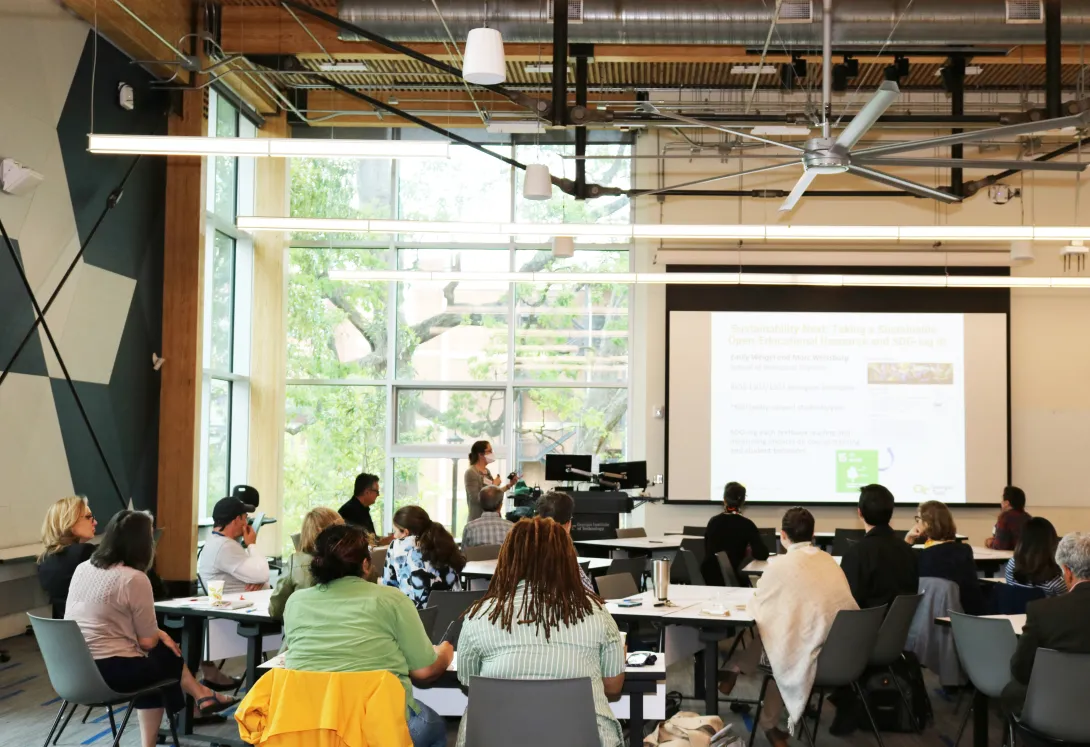
Georgia Tech researchers give presentations on their Undergraduate Sustainability Education Innovation Grants during a recent "Jamboree" in the Kendeda Building. (Photo Jess Hunt-Ralston)
Six proposals from the College of Sciences will redesign existing courses and begin new ones to help students contribute to a sustainable world have been approved for Undergraduate Sustainability Education Innovation Grants. The proposals tie into the United Nations’ 17 Sustainable Development Goals (UN SDGs).
A total of 21 projects from all six Georgia Tech colleges will reach an estimated 22,500 students. The collaborative effort is focused on a key goal of the Institute’s Sustainability Next Task Force: to produce graduates who are committed to making a positive difference in their communities, their organizations, and the world.
“The overall goal is that all of our students understand the societal context for their work, as well as the scientific, environmental, economic, and social aspects of sustainability,” says Jennifer Leavey, assistant dean for Faculty Mentoring for the College of Sciences and co-chair of Sustainability Next.
Leavey and Rebecca Watts-Hull, assistant director of Faculty Development for Sustainability Education in the Center for Teaching and Learning, served as liaisons for the Undergraduate Sustainability Education Committee, which judged the proposals.
Leavey also coordinates College of Sciences educational programs related to science and sustainability, including the Georgia Tech Urban Honey Bee Project and the Living Building Science Vertically Integrated Project Team.
Leavey said the UN SDGs — which ask world citizens and their governments to consider ambitious solutions to longstanding problems such as hunger, poverty, climate damage, inequality, and lack of quality healthcare — are clear and compelling. “These are things we want for a better world,” she shared. “Every field has some connection to them. And it's just a very easy framework to get behind and understand. I would love it if all Georgia Tech graduates could leave feeling well versed in that understanding, and how their work connects to it.”
The Sustainable Education Committee chose projects that impacted the greatest number of students, including classes that are required for all Georgia Tech undergraduates.
Learn more about the College of Sciences’ six selected proposals:
Laboratory-Based Project on the Chemistry of Alternative Energy Sources
- CHEM 1211L, Chemical Principles I, Laboratory
- Deborah Santos, academic professional, School of Chemistry and Biochemistry
- 1000+ students impacted (majority first-year)
- “I hope that the students would have a better understanding of why they hear about these technologies as possible alternatives, and what obstacles there are to actual widespread implementation,” Santos said. “Maybe students will consider how they might play a role in overcoming those obstacles.”
Sustainability Next: Taking a Sustainable Open-Educational Resource And SDG-ing It
- Bios 1107/1207, Biological Principles
- Emily Weigel, senior academic professional, and Marc Weissburg, professor, School of Biological Sciences
- Approximately 650 early career students per year
- “I will take the textbook and each day link it to an SDG, so that when they come into class, we'll talk about the topics in the context of SDGs,” Weigel said. “By being a little bit more explicit about it, it's our goal that when they go from this intro course to later courses in their curriculum, they're primed to think about SDGs, and then they recognize the connections that are there.”
Georgia Climate Project
- EAS 4813 — This is a new course within the School of Earth and Atmospheric Sciences’ new interdisciplinary Environmental Science (ENVS) undergraduate degree program with the School of Biological Sciences, and part of a partnership with the Georgia Climate Project, a state-wide consortium of universities, colleges and partners working to improve understanding of climate impacts and solutions in Georgia.
- Zachary Handlos, senior academic professional, School of Earth and Atmospheric Sciences
- 10-20 students impacted per year
- “This course would provide students an opportunity to participate in hands-on learning within the context of ‘real-world’ sustainability-related projects in partnership with the Georgia Climate Project, complementing topics and coursework covered in Samantha Wilson’s EAS 4803: EAS & Policy course,” Handlos said. “Work includes participation in climate change, sustainability, and climate equity and justice research, as well as the creation and dissemination of tools and resources.”
Urban Atlanta’s Water and Atmospheric Signatures
- EAS 1600: Introduction to Environmental Science (EAS Majors) Laboratory: Urban Atlanta Atmospheric Measurements, combined with another Lab course, Urban Water Quality Measurements and Microbial Ecology Exploration using Proctor Creek Watershed
- Jennifer Glass, associate professor, and Shelby Ellis, lecturer, School of Earth and Atmospheric Sciences
- 20-40 students per year, EAS majors only
- “Through field trips, students will investigate current climate change-induced conditions in urban Atlanta, with students collecting real time weather and watershed data-measurements to learn more about SDGs surrounding urban sustainable cities and clean water,” Ellis said. “In this reconfigured learning environment, we hope to foster student momentum on becoming educational leaders in their local community on climate justice, while gaining an understanding that there are attainable climate actions that can be taken now to combat climate change.” ”
Developing and Enhancing Experiential Learning in a New EAS Course
- EAS 4803: EAS & Policy, offered in new Environmental Science (ENVS), Solid Earth & Planetary Science (SEP), and Atmospheric and Oceanic Science (AOS) undergraduate degree programs in College of Sciences
- Samantha Wilson, academic professional, School of Earth and Atmospheric Sciences
- 25 students during spring semesters in even-numbered years
- “The course is designed to introduce students to the scientific background of topics such as water, hydrocarbons, air, and earthquakes before discussing related policies and persistent issues,” Wilson said. “Through discussions on each topic that involve science and policy, students can work towards understanding why current policies exist the way they do and how they can be improved.” The course will also involve guest speakers, and is meant to be taken before Handlos’ EAS 4813 course.
Course Redesign to Implement Project-Based Learning for Social Change
- APPH 1040, Foundations of Health
- Teresa Snow, senior academic professional, School of Biological Sciences
- Approximately 200 students per year
- “It is my hope that working towards solutions to complex societal health issues will create a sense of empowerment for our students that counteracts feelings of helplessness,” Snow said. “A cross-disciplinary approach, which is the focus of this project, will provide a better understanding of the process of large-scale social change, a critical requirement for achieving the third SDG, which is to ensure healthy lives and promote well-being for all ages. Breaking down the social barriers to good health will benefit everyone.”
On April 27, the Undergraduate Sustainability Education Committee hosted a Jamboree, which featured faculty from each Georgia Tech college that won grants — making brief presentations, and engaging in networking discussions.
“For the College of Sciences, it's really exciting to see the connection between different disciplines,” Leavey said. “We’ve been doing work on climate and the environment for a long time, but to see the connection with sustainability work at other colleges at Georgia Tech is very gratifying.”
News Contact
Writer: Renay San Miguel
Communications Officer II/Science Writer
College of Sciences
404-894-5209
May. 04, 2023
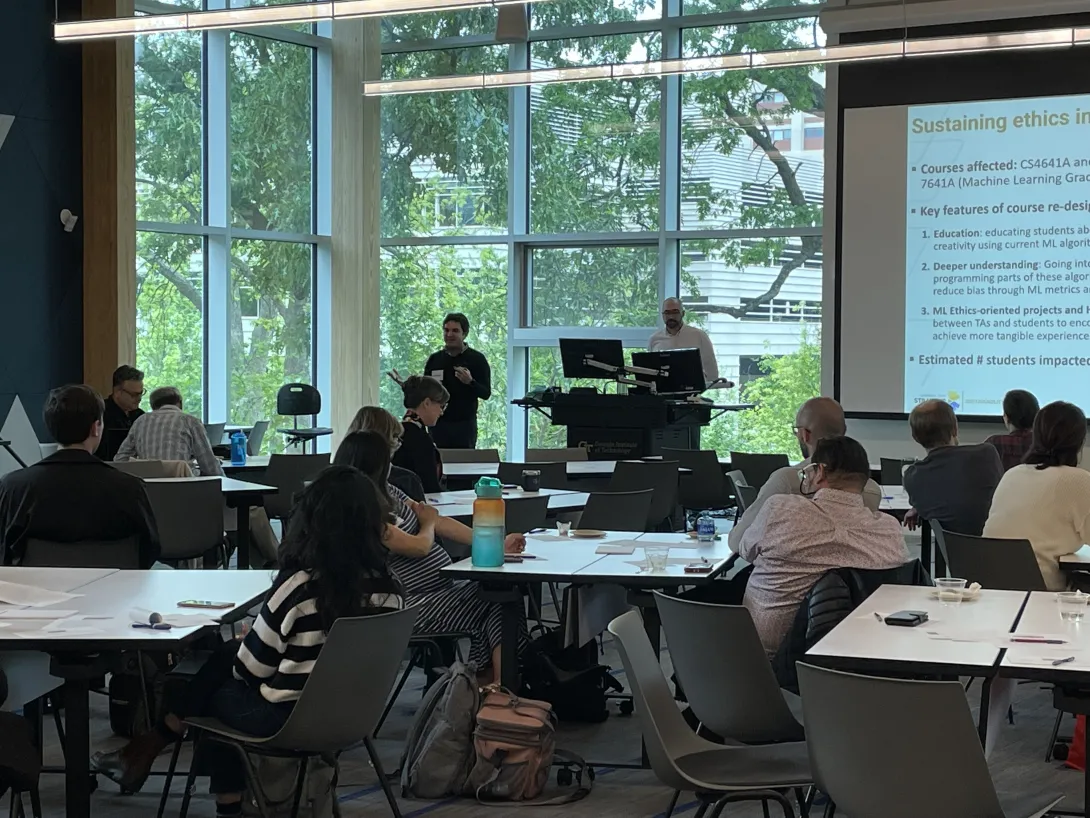
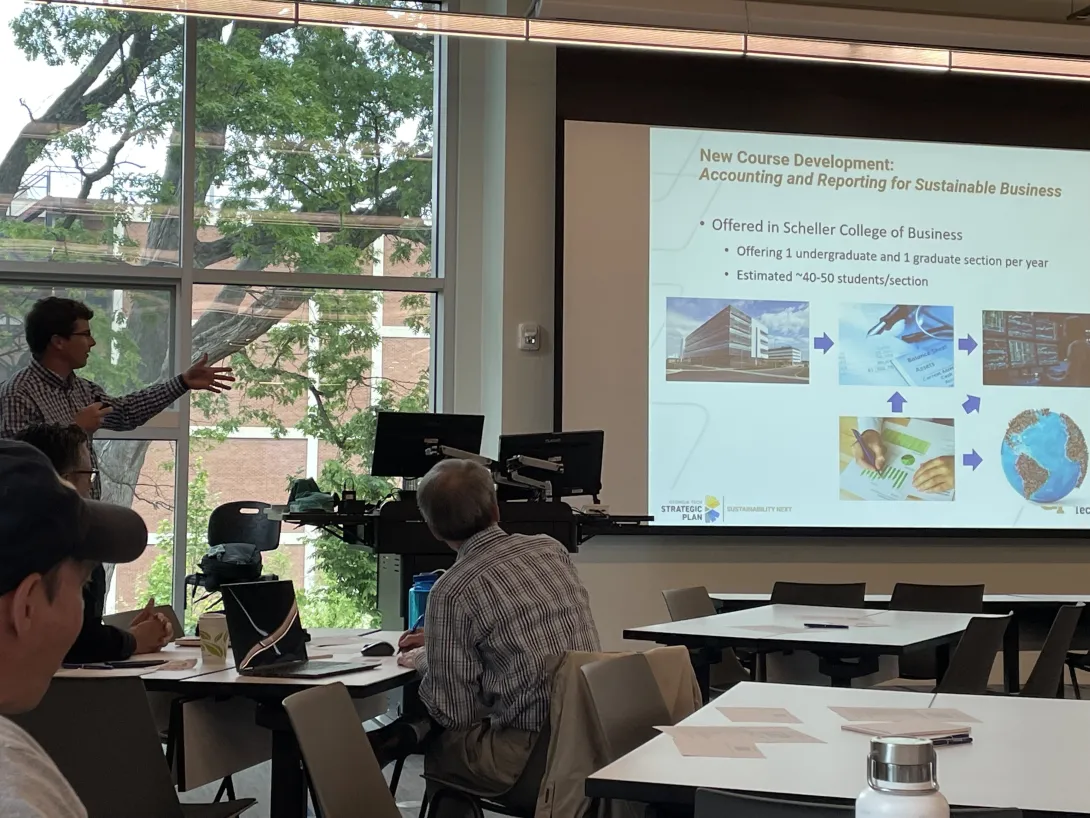
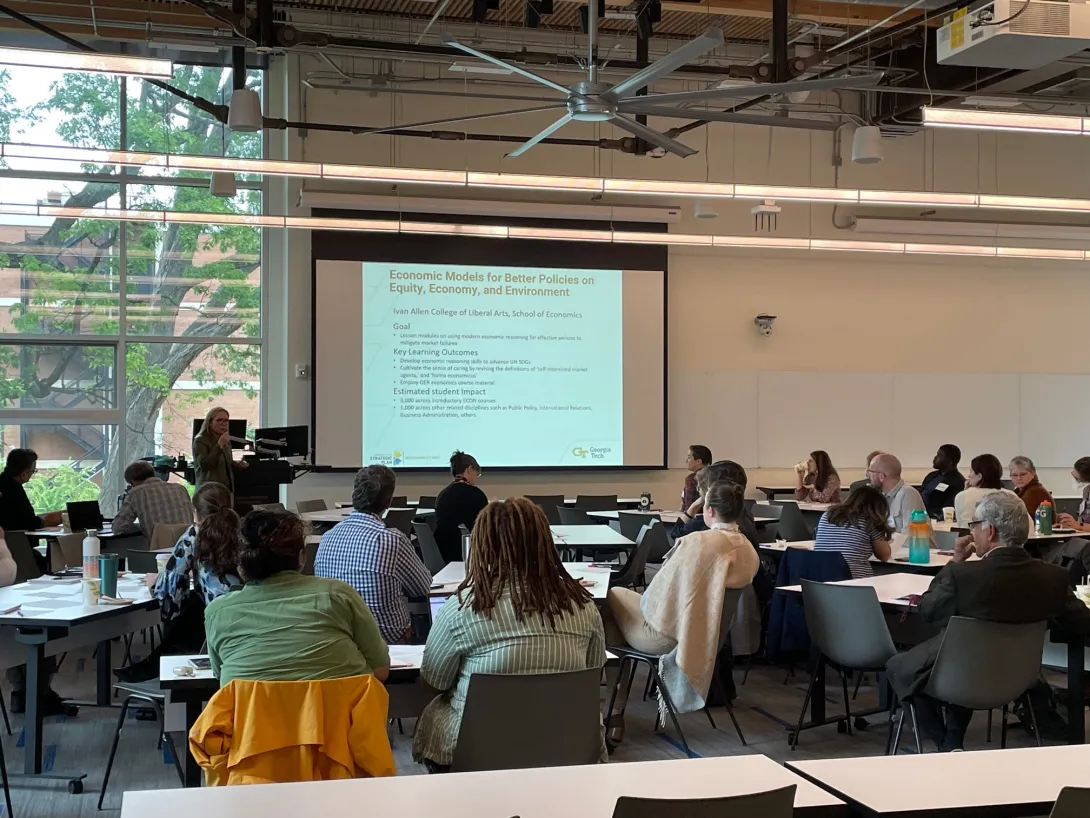
One of the Institute Strategic Plan (ISP) goals is to connect globally and amplify impact by contributing “to global collaborative efforts that advance the U.N. Sustainable Development Goals (SDGs) through our education, research, and service.” In response, Sustainability Next developed a plan to expand SDG concept and skill integration across the undergraduate curriculum. In support of the plan, 21 projects representing all six colleges and 15 schools were presented at the Undergraduate Sustainability Education Jamboree, held on April 26 in the Kendeda Building auditorium. With many winning projects featuring high enrollment and core courses, this first round of sustainability education “seed grants” will significantly expand the reach of Georgia Tech’s sustainability-across-the-curriculum initiatives.
“Our Strategic Plan commitment to bring the United Nations Sustainable Development Goals (SDGs) into our teaching is part of our vision for transformative teaching and learning more broadly,” explains Larry Jacobs, Senior Vice Provost for Education and Learning. “Helping students identify connections between disciplinary concepts and skills and complex societal challenges enhances learning and supports Georgia Tech’s mission to equip students to improve the human condition.”
The Jamboree featured lightning presentations from the award winners, as well as presentations about related initiatives at Georgia Tech to help instructors, students, and staff better understand the landscape of sustainability education innovation on campus. Instructors engaged in course design or re-design through the awards will have opportunities to collaborate with and learn from their peers through a Community of Practice on Transformative Teaching with the SDGs and a SoTL (Scholarship of Teaching and Learning) research group. Many began identifying potential collaborators at the event, as they heard from other award winners. “The afternoon of lightning presentations by fellow faculty was exhilarating,” Sabir Khan, Associate Professor, Schools of Industrial Design and Architecture, shared. “I came away impressed and excited at the range of projects and have already invited a few instructors to join my class in the fall to discuss their approaches to tackling the UN SDGs."
Presenter Kate Williams, Interim Director, Transformative Teaching and Learning, Faculty Initiatives, shared connections between the Sustainability Innovation Awards and Georgia Tech’s Transformative Teaching and Learning (TTL) strategic initiative. “The success of the first round of Sustainability Education Innovation Grants demonstrates our faculty's commitment to creating innovative experiential learning opportunities for students,” Dr. Williams noted.
For more information about future award opportunities or the communities of practice described above, please contact Jennifer Leavey (Assistant Dean for Faculty Mentoring, College of Sciences) or Rebecca Watts Hull (Assistant Director, Faculty Development for Sustainability Education Initiatives, Center for Teaching and Learning).
Review all 21 awarded Undergraduate Sustainability Education Innovation projects.
Jan. 23, 2023

Beginning Summer 2023, prospective and current Georgia Tech students will have three new Bachelor of Science degrees to choose from in the School of Earth and Atmospheric Sciences. The expanded undergraduate offerings target a wider range of job and research opportunities — from academia to analytics, NASA to NOAA, meteorology to marine science, climate and earth science, to policy, law, consulting, sustainability, and beyond.
The Board of Regents of the University System of Georgia has approved two new specific degrees within the School: Atmospheric and Oceanic Sciences (AOS) and Solid Earth and Planetary Sciences (SEP). Regents also approved Environmental Science (ENVS) as an interdisciplinary College of Sciences degree between the School of Earth and Atmospheric Sciences and the School of Biological Sciences. The existing Earth and Atmospheric Sciences B.S. degree will sunset in two years for new students.
“We are really excited to be able to offer this new interdisciplinary undergraduate degree program in Environmental Science,” said Jean Lynch-Stieglitz, ADVANCE Professor in Earth and Atmospheric Sciences (EAS). “While it was developed jointly between the Schools of Earth and Atmospheric Sciences and Biological Sciences, it brings together Georgia Tech’s broad expertise and course offerings related to the Earth’s environment from across the Institute.”
“We are excited to see these new programs develop,” added Andrew Newman, professor and the School’s undergraduate coordinator, “as these degrees highlight the quantitative and computational skills of Georgia Tech students, and align better with their interests in global understanding of problems related to environmental impact and sustainability, natural hazards and landscape development, as well as planetary evolution, habitability, and exploration.”
“Students looking for specific types of programs will also be more understanding of what their program offers,” Newman said. “Under our current degree, a student interested in ocean science, planetary science, and environmental chemistry all would be looking at the same degree that doesn’t define their interests. Now, having programs with those interests in their name, and described well on the upcoming webpage, will greatly increase their interest in our program.”
The Evolution of EAS at Georgia Tech
Newman also shared that, in Fall 2021, the School surveyed current EAS undergraduate students and recent alumni for feedback and thoughts on the potential degrees. Responses from the community highlighted that the plan for transitioning the existing major could not only help new students hone their academic and career plans, but also help them communicate beyond EAS about their chosen major.
“These degrees make it more clear what the student is studying,” shared one student. “Before, people would ask what my major ‘even is’ and what kinds of jobs I could get with it. I think the new majors make it more clear.”
“Finally, Planetary Science!” said another student. “This degree would go well with a Physics or AE (Aerospace Engineering) certificate or dual degree.”
All about the new Georgia Tech EAS degrees
The expanded undergraduate degree offerings are designed to continue Georgia Tech’s reputation for academic rigor — and also reflect trends in student interests, as well as current and forecasted needs in the job marketplace.
“A key aspect of the new Environmental Science degree program will be its flexibility,” said Lynch-Stieglitz. “Students will be able to focus their study to support their interests and career goals whether those be in conservation, climate change, or environmental health. We’ve also left space in their program to encourage participation in especially impactful experiences such as study abroad and research projects. Georgia Tech students are fantastic — well prepared, diverse, smart, hard-working, and passionate. This flexible approach will allow them to become the broadly educated leaders who will envision the solutions to environmental problems that are so urgently needed.”
More on the new undergraduate degrees and what they will require:
B.S. Atmospheric and Oceanic Sciences (AOS) Degree
AOS uses the current Meteorology track as its foundation and will include aspects of Atmospheric Sciences, Oceanography and Climate Sciences.
EAS will continue to offer courses needed for American Meteorological Society (AMS) certifications as well as those required for eligibility for National Weather Service meteorology jobs.
Some courses will be reduced and others added (e.g. the existing course Physics of Weather will now be formally required instead of Earth Processes; the National Weather Service Practical Internship course in partnership with NWS Peachtree City will continue).
The AOS degree is designed to take advantage of Atlanta as a “hotspot” for major meteorological organizations including The Weather Channel, CNN, local stations in a top 10 TV market, and the National Weather Service (NWS) Peachtree City, Georgia office. The degree also builds on Georgia Tech’s existing expertise in Atmospheric Chemistry, Oceanography, Climate Dynamics, Paleoclimatology and Paleoceanography, and meteorological research.
AOS degree recipients looking for jobs or graduate research can target the energy sector, insurance risk modeling, broadcast meteorology, consulting, data analytics, aviation, military, and K-12 education, among other positions.
B.S. Environmental Science (ENVS) Degree
ENVS was developed by a joint committee involving EAS and the School of Biological Sciences.
ENVS requires core content in mathematics, physics, chemistry, biology, Earth sciences, and public policy.
Upper level coursework allows students to customize their program of study based on interest.
Students will complete a capstone research project that integrates the knowledge they have gained through the program.
This degree takes advantage of Georgia Tech’s expertise in Environmental Chemistry, climate science, marine science, Aquatic Chemical Ecology, microbial dynamics, and Environmental Policy. Newman added that there is a critical emerging market need for scientists with expertise in the Earth’s environmental systems.
The ENVS degree will provide a strong base for students pursuing graduate programs and careers in environmental policy, environmental law, medicine, and other master’s and Ph.D. programs in environmentally related disciplines.
B.S. Solid Earth and Planetary Sciences (SEP) Degree
SEP builds on the existing Earth Science track to include Planetary Sciences.
There is an opportunity to reduce some courses.
Some courses will now be required (e.g. Physics II, Physics of Planets, Introduction to Geophysics).
According to an SEP prospectus, “the degree will support Georgia Tech’s mission to develop leaders who advance technology and improve the human condition, through developing holistically minded students that can put human development in context of the environment for which we live, including resource availability, hazards that affect sustainability, and our exploratory nature to understand our place on the planet and solar system.”
Career and graduate opportunities include energy sector positions, NASA, NOAA, U.S. Geological Survey, environmental remediation, hazard assessment and data analytics.
Learn more, contact EAS Undergraduate Advising, and apply:
News Contact
Writer: Renay San Miguel
Communications Officer II/Science Writer
College of Sciences
404-894-5209
EAS Undergraduate Program Contacts:
eas.gatech.edu/undergraduate
Editor and Media Contact:
Jess Hunt-Ralston
Director of Communications
College of Sciences at Georgia Tech