
Jan. 28, 2025
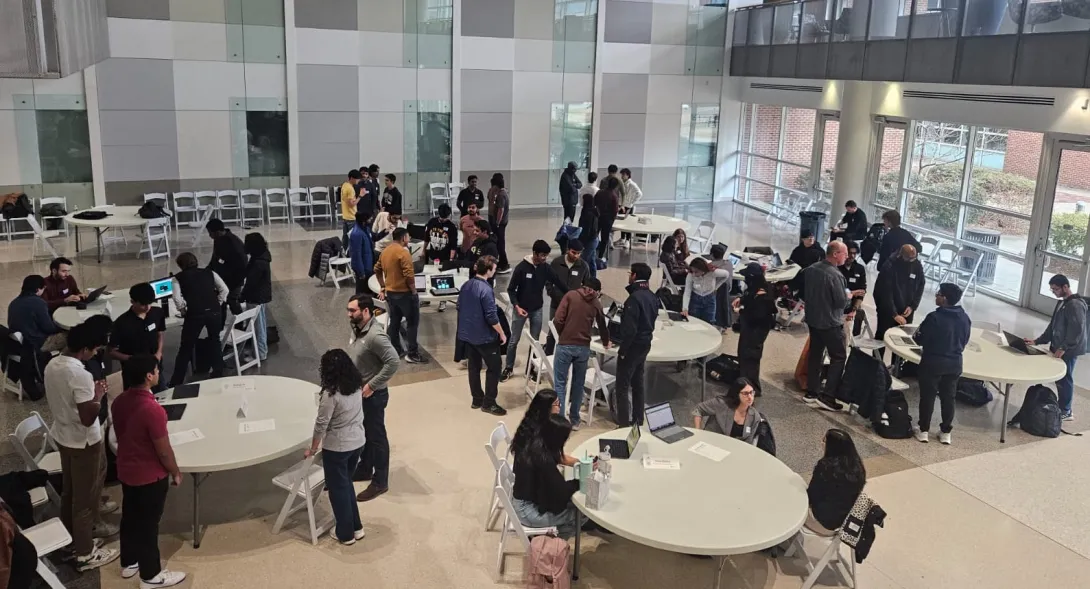
EnergyHack@GT, an inaugural student-run energy and sustainability hackathon
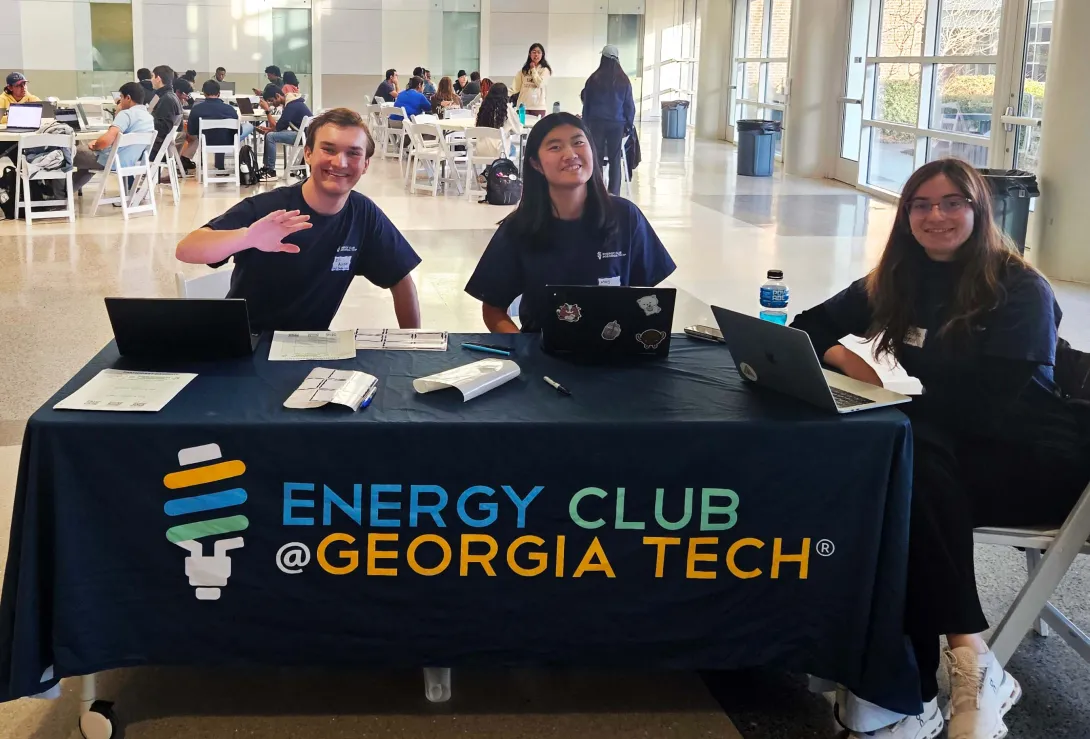
Energy Club Team Members during EnergyHack@GT
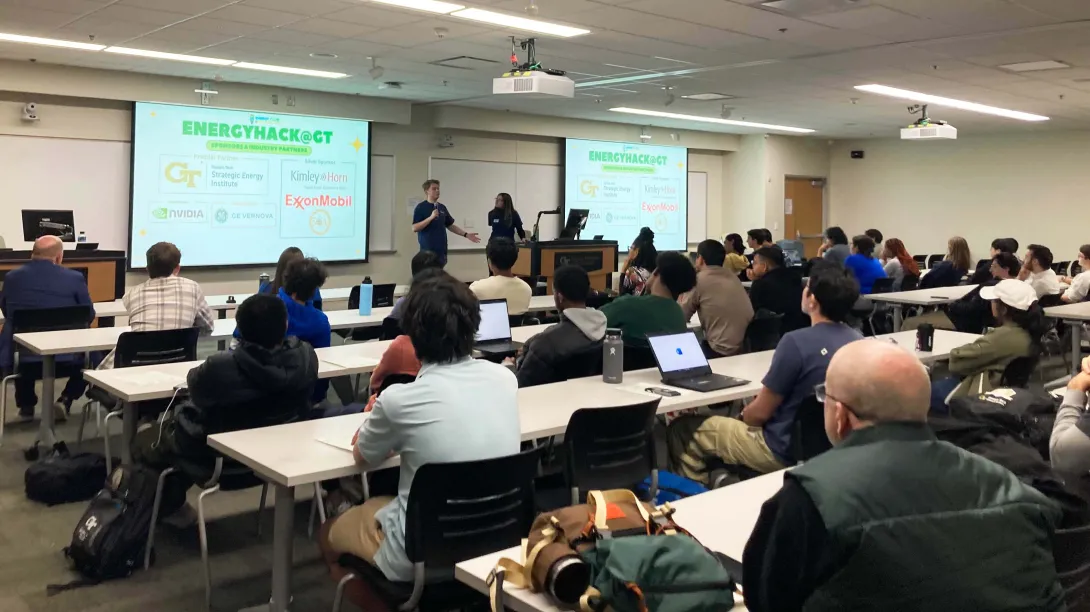
Presentations during EnergyHack@GT
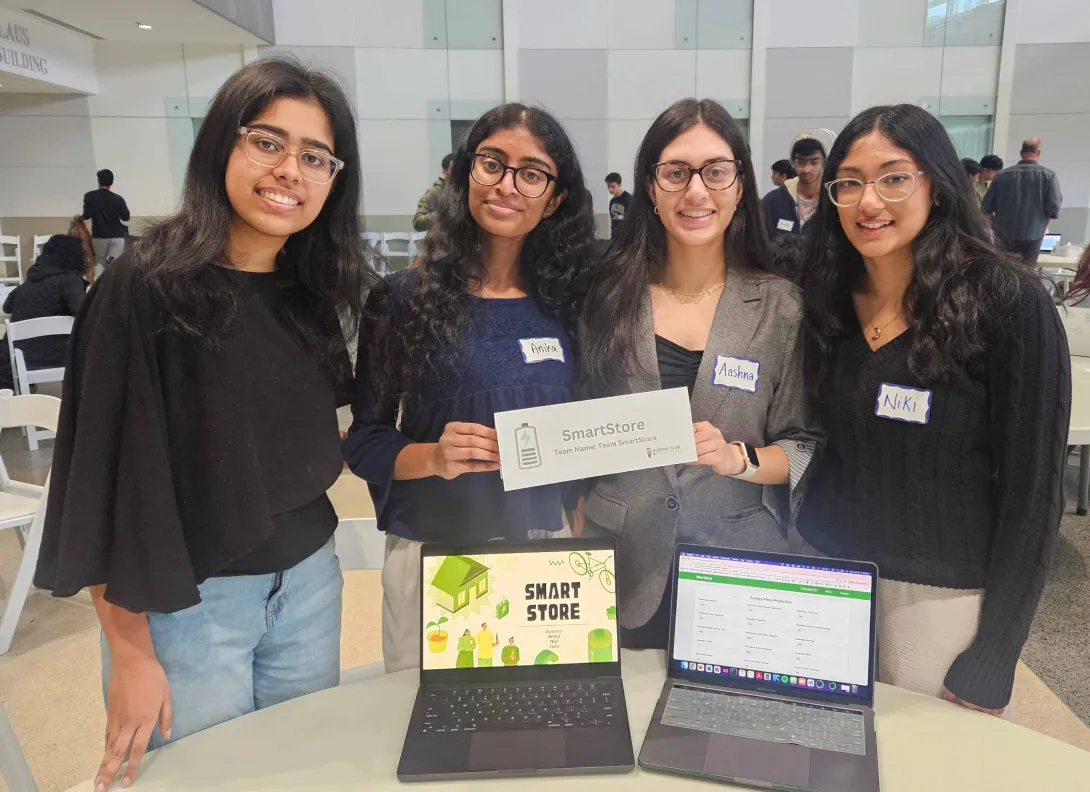
SmartStore, one of the Project Teams at EnergyHack@GT
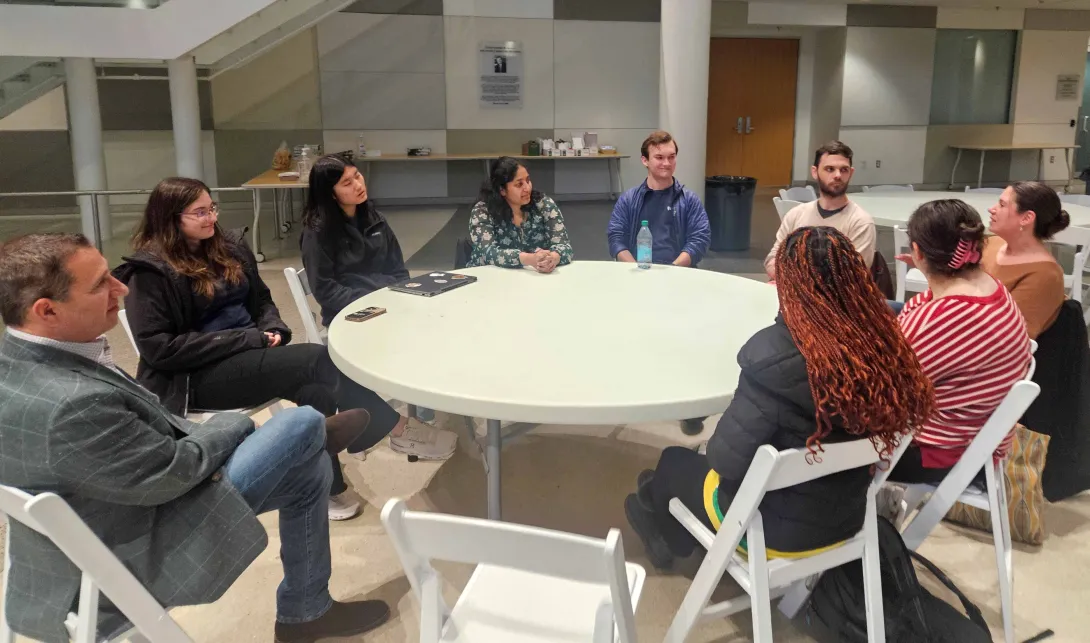
Roundtable Discussion during EnergyHack@GT
EnergyHack @GT, Georgia Tech’s inaugural student-run energy and sustainability hackathon, kicked off Jan. 17-19, 2025. Organized by the Energy Club at Georgia Tech, the mission of the hackathon was to unite passionate students to tackle critical challenges in the energy industry while fostering innovation and collaboration.
Over the course of 36 hours, participants collaborated in teams to brainstorm, design, and prototype projects that promote sustainable practices based on diverse problem statements, addressing this year’s tracks: energy storage, energy security, and decarbonization. These themes targeted urgent issues, from balancing renewable energy supply and demand to safeguarding infrastructure against cyber threats and reducing greenhouse gas emissions. The projects were evaluated by a panel of judges.
Along with showcasing keynote speeches and educational workshops, the event culminated with the top three teams winning cash prizes. With more than 100 registered participants, 17 project submissions, and leaders from some of the biggest energy and tech companies, EnergyHack @GT successfully fostered collaboration and showcased the potential of student-driven solutions for advancements in energy and sustainability.
“The inaugural student-led EnergyHack was a tremendous success, and I am incredibly proud of the committee members for turning this brilliant idea into an outstanding event,” Dan Molzahn, assistant professor in the School of Electrical and Computer Engineering and faculty advisor for the Energy Club, said. “Their dedication and hard work truly brought this vision to life, fostering innovation and collaboration within the vibrant Georgia Tech student community.”
The event kicked off with an engaging opening ceremony featuring inspiring keynote speeches that set the tone for the hackathon’s ambitious objectives. Jessica Roberts, assistant professor in the School of Interactive Computing, shared insights into models used to track coal pollution sources and their dispersion across the United States. Steve Hummel, senior vice president at Chart Industries, discussed how artificial intelligence (AI) is reshaping demand projections and driving diversification in generation portfolios. Following the presentations, participants joined a dynamic team mixer to form diverse, multidisciplinary teams and networked with professionals from Kimley-Horn in a dedicated session.
Throughout the hackathon, participants had access to expert-led workshops and mentorship. A session on "Machine Learning (ML) and AI for Materials Screening and Discovery" by Victor Fung, assistant professor in the School of Computational Science and Engineering, explored the role of AI in advancing sustainable materials. A meet and greet with keynote speakers allowed participants to engage in thought-provoking discussions on energy and sustainability issues.
The energy and creativity peaked during the Project Expo, where 17 innovative solutions were showcased. Representatives from NVIDIA, GE Vernova, and other industry leaders reviewed projects, offering insights and feedback.
The closing ceremony celebrated the participants’ achievements and the event highlights, featuring a keynote by Priya Donti, assistant professor at the Massachusetts Institute of Technology's Department of Electrical Engineering and Computer Science and Laboratory for Information and Decision Systems, and founder of Climate Change AI, on using AI to combat climate change and to build sustainability solutions.
EnergyHack @GT served as a platform for innovation and learning, showcasing the potential of student-led initiatives in shaping the future of energy and sustainability. Awards were presented to the top three projects that stood out for their creativity and impact:
- Best Overall Hack: Watts The Power, a project that predicts the energy and environmental impact of training ML models, earned the team a $250 cash prize.
- Second Place: EcoTokens, a Chrome extension designed to reduce token usage in AI tools to save energy, won a $150 prize.
- Third Place: Eco Charge, an electric vehicle charging optimizer designed to minimize CO₂ emissions, secured a $100 prize.
News Contact
News Contact: Priya Devarajan || SEI Communications Program Manager
Written By: Braden Queen, Tejaswi Manoj, May Ming
Acknowledgments/Contributions by: Victoria Pozzi, Max Zhang, Eli Acree, Radhika Sharma
Jan. 17, 2025
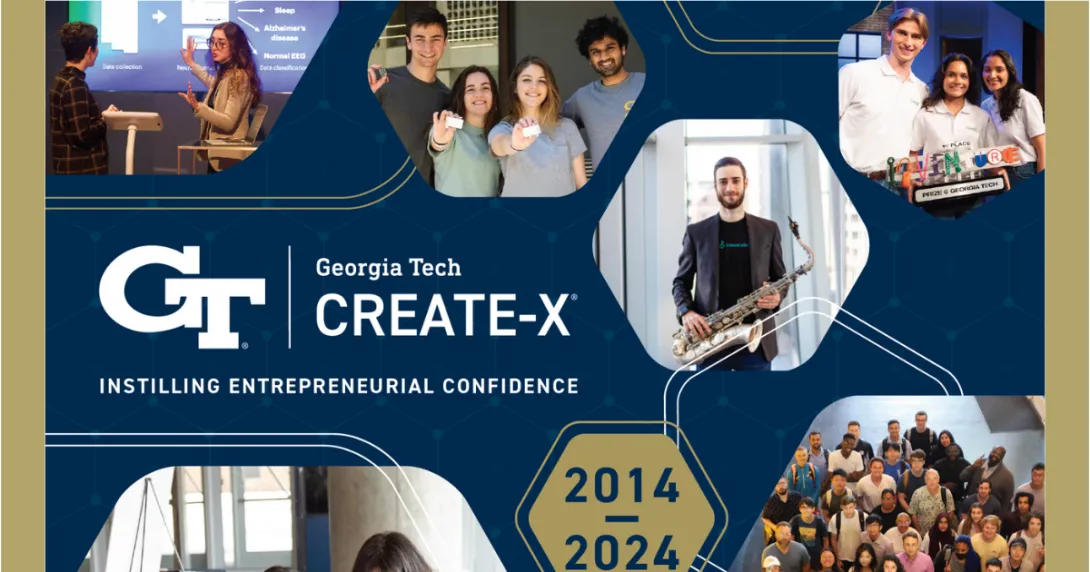
Collage of Startup Launch alumni an CREATE-X participants on the cover of the CREATE-X Decade Report
Founded in 2014, CREATE-X has grown from a visionary concept into a transformative program that has empowered more than 34,000 students to launch more than 560 startups, achieving a total portfolio valuation of over $2 billion. The report, “CREATE-X: A Decade of Success,” reviews the first 10 years of impact and mission.
CREATE-X was established to instill entrepreneurial confidence in Georgia Tech students and provide them with the knowledge, skills, and experiences needed to create their own future. From its humble beginnings with eight teams, the program has expanded to include three distinct branches: Learn, Make, and Launch. These branches cater to the multifaceted needs of entrepreneurial students, offering courses, mentorship, seed funding, and opportunities to develop and launch startups.
Through our value pillars of experiential education, entrepreneurial confidence, and real-world impact, we strive to enable our students to solve the problems they are passionate about solving. And as we look to the future, CREATE-X aims to become the nation’s top startup campus, launching 300 startups each year.
Our commitment to nurturing student innovation and expanding entrepreneurial education remains steadfast. We invite all Georgia Tech students, faculty, alumni, and the public to join us in this exciting journey. Together, we create the future.
Interested in creating your own startup?
Georgia Tech students, faculty, researchers, and alumni interested in developing their own startups are encouraged to apply to CREATE-X’s Startup Launch. The program provides $5,000 in optional seed funding, $150,000 in in-kind services, mentorship, entrepreneurial workshops, networking events, and resources to help build and scale startups. The program culminates in Demo Day, where teams present their startups to potential investors. The deadline to apply for Startup Launch is March 19, 2025. Spots are limited. Apply now for a higher chance of acceptance and early feedback.
For students interested in taking a CREATE-X course, consider exploring Startup Lab, Idea to Prototype, and CREATE-X Capstone Design. These courses can be taken in any order to fit your schedule, and they offer opportunities for funding and other resources. The deadline for applications and registrations for these courses is Jan. 6 for Spring 2025 and May 12 for Summer 2025.
And as always, we invite you to attend our CREATE-X events. CREATE-X hosts workshops and events throughout the year, focusing on brainstorming and receiving feedback on startup ideas, networking and building a team, understanding the legal landscapes of startups, hearing founder insights, and witnessing the latest innovations at Georgia Tech. We hope to see you there.
Interested in supporting CREATE-X?
Faculty members interested in getting involved with CREATE-X can participate as teachers or mentors in various programs such as Startup Lab, CREATE-X Capstone, Idea to Prototype, and Startup Launch. Faculty can also apply for the next cohort of the Jim Pope Fellowship when it opens in the spring. For additional information or inquiries, contact the director of CREATE-X, Rahul Saxena, at rahulsaxena@gatech.edu.
For those interested in donating to or partnering with CREATE-X, your generosity and collaboration is greatly appreciated. Donations to CREATE-X can be made through Georgia Tech’s Give Campus portal. For questions and requests to collaborate, please email create-x@groups.gatech.edu.
CREATE-X appreciates the unwavering support from our community, donors, and partners. Your contributions have been instrumental in shaping the entrepreneurial landscape at Georgia Tech.
To our students, we encourage you to continue being bold, creative, and fearless in your pursuits. CREATE-X is here to support you every step of the way, providing the resources, mentorship, and opportunities you need to turn your ideas into reality.
News Contact
Breanna Durham
Marketing Strategist
Jan. 08, 2025
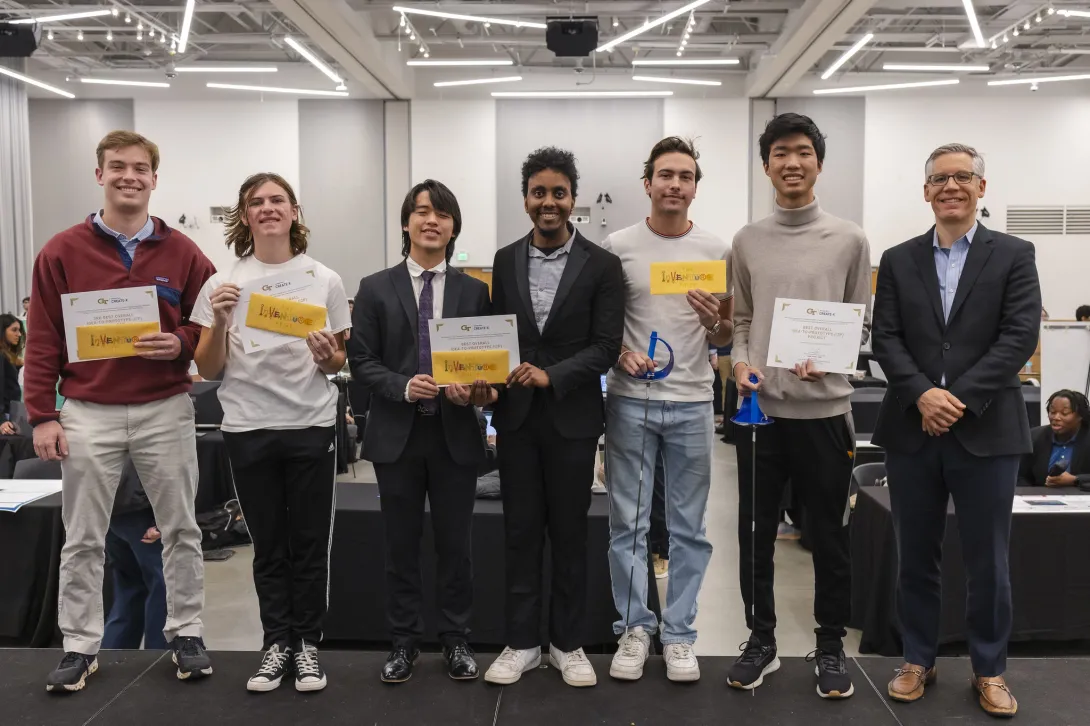
The winners of the Fall 2024 I2P Showcase stand together in Exhibition Hall.
- SuperStream: John-Wright Stanly
- Convexity Electronics: Calla Scotch, Levi Bloch, Phi Cai
- Soul: Ashraf Mansour, Benjamin Wilson, Michal Gregus
- Allez Go: Adam Kulikowski, Jason Mo
- Craig Forest, Associate Director of Make
Two teams tied for Best Overall projects of the Fall 2024 I2P Showcase. Over two hours, 49 teams displayed prototypes that they developed over the semester to hundreds of attendees, while judges circulated the room. The showcase is the last event of their Idea-to-Prototype (I2P) course, where Georgia Tech students earn research credit (for undergraduate students only), receive up to $500 in reimbursement for physical material expenses, and build a working product with faculty mentorship. The course is held in the spring, summer, and fall. Graduate students can also take the course, and student can take it up two times.
As a part of the showcase, the winning team, or teams in this case, also receive a golden ticket into the CREATE-X summer startup accelerator, Startup Launch. This program provides founders with $5,000 in optional seed funding, $150,000 in in-kind services like accounting and legal services, mentorship, and entrepreneurial education, among other benefits. At the end of that experience, startup teams can present their products to investors and industry partners at Demo Day, which attracts over a thousand attendees each year.
Additionally, winners of the showcase advance directly to the semifinal round of the InVenture Prize, a faculty-led innovation competition for undergraduate students and recent BS graduates of Georgia Tech.
This semester, the first place teams were Allez Go and Soul. Team Allez Go’s founders, Adam Kulikowski and Jason Mo, created a real-time visualization system for fencing blades using infrared light and reflectors to accurately track positions during a bout. Team Soul, made up of Ashraf Mansour, Benjamin Wilson, and Michal Gregus, developed fitness-tracking soles and shoes, combining the functions of a smart scale, a workout tracker, and a diet tracker into a singular device.
Second place was awarded to Team Convexity Electronics, consisting of Calla Scotch, Levi Bloch, and Phi Cai. Convexity Electronics produces 3D-printed circuit boards that aim to be smaller, faster, and cheaper than lithography-based circuitry.
Team SuperStream, made up of solo-preneur John-Wright Stanly, took home third place. SuperStream adds video previews to URLs to increase engagement.
Read our Q&A with Team Allez Go and Soul below, and stay tuned for our interviews with the other winning teams!
Q&As
Team AllezGo
Adam Kulikowski, Sophomores, Computer Science
Jason Mo, Sophomores, Computer Science
Why did you pursue your startup?
Kulikowski: We're both fencers. I've been fencing for 10 years, and Jason's been fencing close to 10 as well. So, fencing as a sport is really hard to view for non-fencers, and so the idea that we wanted to do is use visualizations, animations, and replays in a similar way that other kinds of sport visualization companies did.
What was the I2P course like for you all?
Mo: So, this prototype actually started over the summer. I was in Startup Lab and just did a study abroad program. During that class, they mentioned that I2P is a great opportunity, and I had this prototype already in the works.
What surprised you about I2P?
Mo: I2P was very generous with funding; we never had any issues with using up our $500. It was just really helpful because our prototype was pretty heavy hardware.
What was your favorite part about I2P?
Mo: Our weekly meetings with Aaron Hillegass, our mentor, were always very, very insightful. I just shot him an email for I2P, hoping that we could work together on this. Sometimes we would talk about prototypes or updates. He had some really good insights, but our mentor also has a lot of industry experience and a lot of experience with his own startups. It was really fun to just ask him general questions and career advice. He was always very responsive, very supportive for us.
Kulikowski: In addition, I really liked seeing the iterations each week. I think the weekly updates kept us accountable to do at least one small thing every week. So, it was cool to see how the ideas slowly started to formulate each week, small steps and small progresses.
What was challenging about building your prototype over the semester?
Mo: There's a lot of technical challenges. One of the things we did this semester is we changed from a 30 frames per second (FPS) camera to a camera that shoots at 120 FPS. And with that, we could detect a lot more processing power. The camera that we're using is only limited to Windows. I've been using a very old laptop, and that's sort of been a bit problematic when we're trying to do very compute intensive tasks.
What would you say to students that are interested in entrepreneurship?
Kulikowski: There are a lot of people that came by our booth, and a lot of them were freshmen students. Every one of them we told, “If you have an idea, if you're really passionate about something, I2P is a fantastic opportunity.” This semester, with the hands-off approach, really felt like you could just work on this idea, and everything was there to support you working on it. That was fantastic because it's we could take full advantage of the time, the resources, and truly flesh out this idea. I really love the support we had and how we had the bonding with the other students.
Team Soul
Ashraf Mansour, Senior, Computer Science
Benjamin Wilson, Junior, Computer Science
Michal Gregus, Junior, Physics and Electrical Engineering
What’s the thought behind the name?
Mansour: We're kind of bringing life through our electronics, back into the shoe, and building a better fitness tracker and a more holistic picture of human health.
What was the showcase like for your team?
Wilson: It was a little nerve wracking. I have full faith in our ideas and concepts, but I feel personally like we still have a long way to go for our project. I’m still satisfied with where we are now, but we never really anticipated that we we're going to win anything.
Mansour: The showcase made me realize how much faster all this moves, even compared to my expectations. We came in with a very basic prototype that we wanted to improve on, but I think the potential was enough to sell the judges in this case. Now we have a big responsibility to deliver on that potential.
What was your favorite thing about I2P Showcase?
Mansour: It really reminds you how much of a tech hub Georgia Tech really is. Seeing how entrepreneurship boosts in real time, especially at the early stages, is something that’s really awe inspiring.
What was challenging about building your prototype over the semester?
Mansour: There are a lot of unique engineering challenges with the product that we’re building, some we anticipated and others we didn’t, but I think that speaks to the true soul of engineering. That adaptability and sense of problem solving is really important.
Wilson: I’m very grateful to have the other people that were involved in this project for brainstorming and making the design better.
What would you say to students that are interested in entrepreneurship?
Wilson: I definitely would encourage anyone that wants to pursue their own startup or has a new idea to just start. It’s far more efficient and far more rewarding to put your ideas out there and try. You’ll learn a lot more through that process of failing than you will contemplating.
A photo gallery from the Fall 2024 I2P Showcase can be viewed on the CREATE-X Flickr page.
CREATE-X is now accepting applications for the summer and fall semesters of the I2P course, and applications for their summer accelerator, Startup Launch. The deadline for I2P applications for Summer 2025 is May 12. The deadline for Startup Launch applications is March 19, 2025. For questions, please email create-x@groups.gatech.edu.
News Contact
Breanna Durham
Marketing Strategist
Jan. 06, 2025

Effective January 1st, Gregory Sawicki will serve as interim executive director of the Georgia Tech Institute for Robotics and Intelligent Machines (IRIM). Sawicki is a professor and the Joseph Anderer Faculty Fellow in the George W. Woodruff School of Mechanical Engineering with a joint appointment in the School of Biological Sciences.
“Professor Greg Sawicki will make a great interim executive director of IRIM. He brings experience with robotics and collaborative research to this role,” said Julia Kubanek, professor and vice president for interdisciplinary research at Georgia Tech. “He'll be a strong partner to faculty, students, and the EVPR team as we explore the future of IRIM and robotics over the next several months."
Sawicki succeeds Seth Hutchinson who will be taking a new position at Northeastern University in Boston. Hutchinson, professor and KUKA Chair for Robotics in Georgia Tech’s College of Computing, has served as executive director of IRIM for six years. During Hutchinson’s tenure as executive director, IRIM expanded its industry outreach activities, developed more consistent communications, and grew its faculty pool at Georgia Tech to include a diverse cohort from across the Colleges of Engineering and Computing and the Georgia Tech Research Institute.
"I am extremely excited to step into this leadership role for IRIM, maintain our research excellence in the foundational areas of robotics, and proactively leverage opportunities to grow across campus and beyond in novel, creative interdisciplinary directions,” said Sawicki. “This will involve new initiatives to incentivize connections with GTRI and other IRI's on campus, to build new industry partnerships, and continue to strengthen the M.S./Ph.D. program in Robotics by engaging with Schools beyond those with a traditional footprint in robotics education and research.”
Sawicki directs the Human Physiology of Wearable Robotics (PoWeR) Lab where he and his group seek to discover physiological principles underpinning locomotion performance and apply them to develop lower-limb robotic devices capable of improving both healthy and impaired human locomotion. By focusing on the human side of the human-machine interface, his team has begun to create a roadmap for the design of lower-limb robotic exoskeletons that are truly symbiotic – that is, wearable devices that work seamlessly in concert with the underlying physiological systems to facilitate the emergence of augmented human locomotion performance.
Sawicki earned a B.S. in mechanical and aerospace engineering from Cornell University in 1999, an M.S. in mechanical and aeronautical engineering from the University of California - Davis in 2001, and a Ph.D. in neuromechanics at the University of Michigan-Ann Arbor in 2007. Sawicki completed his postdoctoral studies in integrative biology at Brown University in 2009.
Sawicki has been recognized for his interdisciplinary research and teaching, recently receiving a $2.6 million Research Project Grant from the National Institutes of Health (NIH) to study optimization and artificial intelligence to personalize exoskeleton assistance for individuals with symptoms resulting from stroke. * Sawicki was also selected as a 2021 George W. Woodruff School Academic Leadership Fellow, and the 2022 College of Sciences Student Recognition of Excellence in Teaching and the 2023 American Society of Biomechanics Founders’ Award for excellence in research and mentoring. Sawicki has also been featured as an expert voice on exoskeletons and human neuromechanics in numerous print and television news releases.
--Christa M. Ernst
*Joint Award with Aaron Young, Assistant Professor in the Woodruff School of Mechanical Engineering
News Contact
Dec. 09, 2024
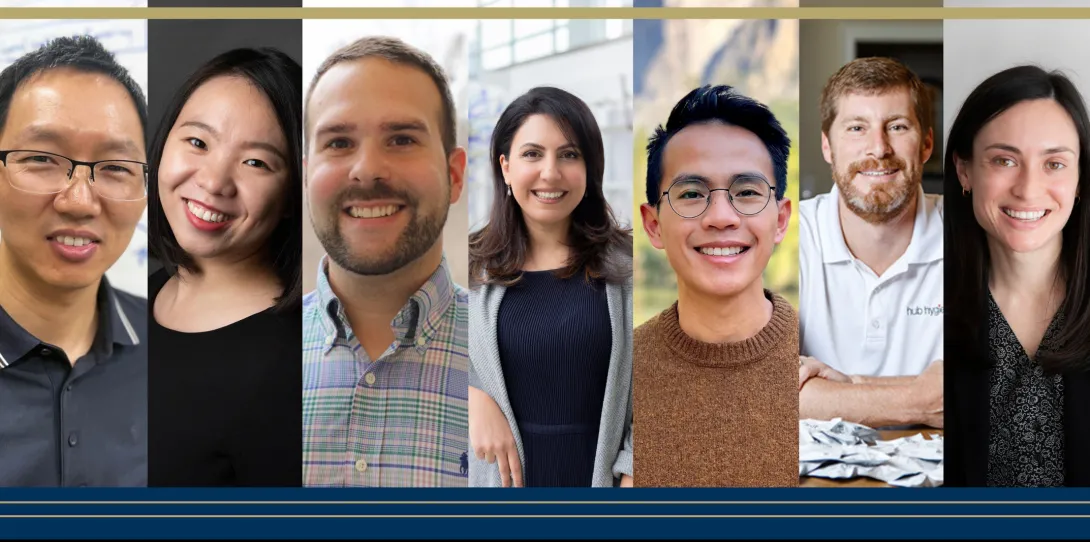
CREATE-X is pleased to announce the next cohort of faculty members selected for the Jim Pope Fellowship for the upcoming academic year. The program provides faculty fellows with funds and education to serve as entrepreneurial instructors, mentors, and advisors to students participating in CREATE-X, Georgia Tech's entrepreneurial learning incubator.
Each fellow receives $15,000 in discretionary funds, which can be used to seek a partial reprieve from teaching for one semester. Fellows also receive mentorship, education on evidence-based entrepreneurship through courses, and opportunities to work with students launching startups.
The new Jim Pope Fellows are:
- Adam McCallum is a translational research advocate for the Wallace H. Coulter Department of Biomedical Engineering at Georgia Tech and Emory University. His work focuses on how metals function in our bodies, utilizing synthetic ligands as chemical tools to explore the biochemistry of metals in biological systems. He collaborates with faculty members, students, and researchers in BME to promote the translation and commercialization of biomedical technologies developed at Georgia Tech and Emory while also encouraging entrepreneurship. Adam earned his Ph.D. in chemistry, with a focus on organic chemistry, from Georgia Tech. He then pursued a postdoctoral fellowship at Emory in Dennis Liotta's lab, where he conducted drug design and discovery research to develop novel therapeutics for various clinical indications.
- Yue Chen is an assistant professor in the Walter H. Coulter Department of Biomedical Engineering at Georgia Tech and Emory University. He also is a member of the Discovery and Developmental Therapeutics Research Program at Winship Cancer Institute. His work addresses building the scientific and technical foundations for various robotic systems and applying them in the medical field. His lab is especially interested in designing, building, modeling, and controlling robots. Among these robots are a commercial robot arm and many custom-made robots, like tube robots, tendon-driven robots, catheters, and soft robots. He received a Ph.D. in mechanical engineering from Vanderbilt University, an M.S. in mechanical engineering from Hong Kong Polytechnic University, and a B.S. in vehicle engineering from Hunan University. This year, he won the National Science Foundation CAREER Award and is developing a continuum robotic system that can efficiently perform procedures like radio frequency ablation while a patient is inside a magnetic resonance imaging scanner.
- Mioy Huynh is an academic professional in the School of Chemistry and Biochemistry who earned his Ph.D. in physical and computational chemistry as an NSF Graduate Research Fellow at the University of Illinois at Urbana-Champaign, where he studied proton-coupled electron transfer reactions. He has taught at Yale University, UCLA, and the Claremont Colleges. Huynh began his professional career in chemistry education as a lecturer and summer instructor at UIUC. After postdoctoral research at Boston University and the University of Wisconsin, he held lecturer positions in general and physical chemistry at Yale, UCLA, and the Claremont Colleges.
- Cici McNamara is an assistant professor in the School of Economics. McNamara studied economics and English for her undergraduate studies, and then graduated from the University of Wisconsin-Madison with a Ph.D. in economics. McNamara’s research interests are in empirical industrial organization. She studies how policies influence the demand and supply of health care and what are the impacts of resulting changes on the market and patient outcomes. She is also a health economist, and her recent work has examined the effects of financial incentives and competition on healthcare market outcomes. Her research on health care consolidation has been integrated into the Vertically Integrated Project, and she was named an AcademyHealth Rising Star in Health Economics in 2023. Among her awards and fellowships, McNamara has also presented her work at numerous conferences and seminars, including the Allied Social Science Associations Annual Meeting, the American Health Economics Conference, and the International Industrial Organization Conference.
- Morvarid Rahmani is an associate professor of operations management in the Scheller College of Business. She received her Ph.D. from the UCLA Anderson School of Management. She also received three master degrees, in industrial engineering, electrical engineering, and economics. Her research focuses on innovation and social sustainability, providing managers with insights to enhance work processes, drive successful innovation, and address social issues. Rahmani recently received the Best Paper Award from the journal Manufacturing & Service Operations Management (M&SOM) for her research on maximizing the social impact of nonprofit organizations on distressed individuals. She has also received the Brady Family Award for Faculty Teaching Excellence at the Scheller College of Business, the CTL/BP Faculty Teaching Excellence Award at Georgia Tech, and CIOS Student Recognition of Excellence in Teaching Award, among other awards. Rahmani is the founding chair of the Technology Innovation and Entrepreneurship (TIE) Special Interest Group (SIG) of the Manufacturing and Service Operations Management (MSOM). She has also served as the Chair of the Technology, Innovation Management and Entrepreneurship (TIMES) Section of INFORMS and as a vice president of the Product Innovation and Technology Management (PITM) College of Production and Operations Management Society (POMS).
- Jud Ready: Ready is a principal research engineer and the deputy director of Innovation Initiatives for the Georgia Tech Institute for Materials. He is also the associate director of External Engagements for the Georgia Tech Institute for Matter and Systems and has been an adjunct professor in the School of Materials Science and Engineering at Georgia Tech for over 20 years. Ready has over 2,200 citations to his three dozen refereed publications and has been invited to over two dozen international conferences. He has 15 patents awarded in the United States, with many others pending. He has also served as an expert witness in criminal and civil cases, provided testimony to the Georgia State House Science and Technology Committee, and served on boards and committees. He has served as PI or co-PI for grants totaling over $20 million from various organizations, including the Army, Navy, Air Force, DARPA, NASA, NSF, NIST, industry, charitable foundations, private citizens, and the state governments of Georgia and Florida. His current research, with an emphasis on aerospace applications, focuses on energy capture, storage, and delivery enabled by nanomaterial design. His research has been included in missions to the International Space Station, low Earth orbit, and heliocentric orbit.
- Fan Zhang is an assistant professor in nuclear and radiological engineering and the George W. Woodruff School of Mechanical Engineering. She received her Ph.D. in nuclear engineering and an M.S. in statistics from the University of Tennessee. Her research focuses on the cybersecurity of nuclear facilities, online monitoring and fault detection using data analytics methods, instrumentation and control, and nuclear systems modeling and simulation. She has developed multiple test beds using both simulators and physical components to investigate various aspects of cybersecurity and process health management. Her research also includes AI/ML, operation optimization, digital twins, predictive maintenance, autonomous controls, robotics, and XR. Zhang is a Georgia Tech College of Engineering Cybersecurity Fellow and has received several prestigious awards. She is the recipient of the 2021 Ted Quinn Early Career Award from the American Nuclear Society for her contributions to instrumentation and control and cybersecurity. In 2022, she was awarded the inaugural Distinguished Early Career Award from the U.S. DOE Office of Nuclear Energy. Additionally, Zhang was recognized as one of UT's 2023 Volunteer 40 Under 40 and is a Grainger Foundation Frontiers of Engineering Alumni.
The Jim Pope Fellowship spans three consecutive semesters. During the fall semester, faculty fellows learn principles of evidence-based entrepreneurship by attending a workshop and shadow teaching one of the CREATE-X courses, Startup Lab, which teaches undergraduates how to examine startup ideas through customer discovery, testing hypotheses, and constructing minimum viable products.
In the spring semester, fellows scope an entrepreneurial project to implement within their home unit, such as creating entrepreneurial assignments within an established course, hosting workshops, or developing a new course that integrates entrepreneurship.
Once the summer semester starts, the cohort works with student startups through CREATE-X Startup Launch, serving as mentors or coaches. After completing the program, fellows spend the next two years leading CREATE-X programs.
Since its creation, the Jim Pope Fellowship has supported 25 fellows, represented 11 Georgia Tech departments, secured $1 million in funding and facilities for makerspaces, and introduced 2,500 students to entrepreneurship.
Faculty members interested in getting involved with CREATE-X can participate as teachers or mentors in various programs such as Startup Lab, CREATE-X Capstone, Idea-to-Prototype, and Startup Launch. Faculty can also apply for the next cohort of the Jim Pope Fellowship when it opens in the spring. For additional information or inquiries, contact the director of CREATE-X, Rahul Saxena, at rahulsaxena@gatech.edu.
News Contact
Breanna Durham
Marketing Strategist
Dec. 03, 2024
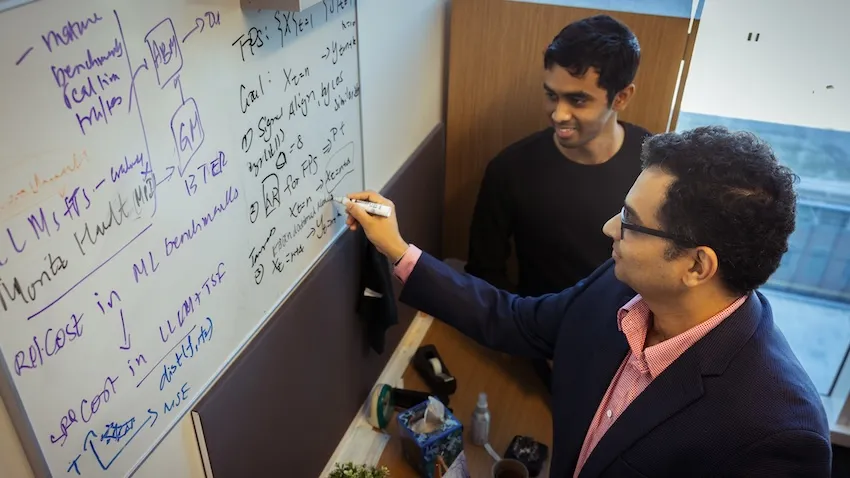
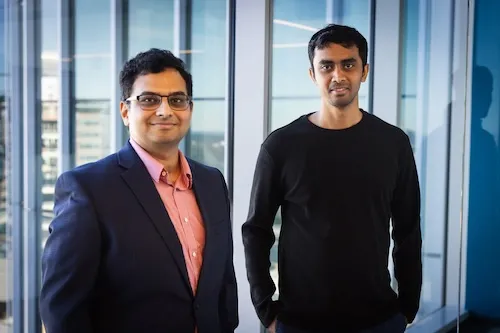
A new machine learning (ML) model from Georgia Tech could protect communities from diseases, better manage electricity consumption in cities, and promote business growth, all at the same time.
Researchers from the School of Computational Science and Engineering (CSE) created the Large Pre-Trained Time-Series Model (LPTM) framework. LPTM is a single foundational model that completes forecasting tasks across a broad range of domains.
Along with performing as well or better than models purpose-built for their applications, LPTM requires 40% less data and 50% less training time than current baselines. In some cases, LPTM can be deployed without any training data.
The key to LPTM is that it is pre-trained on datasets from different industries like healthcare, transportation, and energy. The Georgia Tech group created an adaptive segmentation module to make effective use of these vastly different datasets.
The Georgia Tech researchers will present LPTM in Vancouver, British Columbia, Canada, at the 2024 Conference on Neural Information Processing Systems (NeurIPS 2024). NeurIPS is one of the world’s most prestigious conferences on artificial intelligence (AI) and ML research.
“The foundational model paradigm started with text and image, but people haven’t explored time-series tasks yet because those were considered too diverse across domains,” said B. Aditya Prakash, one of LPTM’s developers.
“Our work is a pioneer in this new area of exploration where only few attempts have been made so far.”
[MICROSITE: Georgia Tech at NeurIPS 2024]
Foundational models are trained with data from different fields, making them powerful tools when assigned tasks. Foundational models drive GPT, DALL-E, and other popular generative AI platforms used today. LPTM is different though because it is geared toward time-series, not text and image generation.
The Georgia Tech researchers trained LPTM on data ranging from epidemics, macroeconomics, power consumption, traffic and transportation, stock markets, and human motion and behavioral datasets.
After training, the group pitted LPTM against 17 other models to make forecasts as close to nine real-case benchmarks. LPTM performed the best on five datasets and placed second on the other four.
The nine benchmarks contained data from real-world collections. These included the spread of influenza in the U.S. and Japan, electricity, traffic, and taxi demand in New York, and financial markets.
The competitor models were purpose-built for their fields. While each model performed well on one or two benchmarks closest to its designed purpose, the models ranked in the middle or bottom on others.
In another experiment, the Georgia Tech group tested LPTM against seven baseline models on the same nine benchmarks in zero-shot forecasting tasks. Zero-shot means the model is used out of the box and not given any specific guidance during training. LPTM outperformed every model across all benchmarks in this trial.
LPTM performed consistently as a top-runner on all nine benchmarks, demonstrating the model’s potential to achieve superior forecasting results across multiple applications with less and resources.
“Our model also goes beyond forecasting and helps accomplish other tasks,” said Prakash, an associate professor in the School of CSE.
“Classification is a useful time-series task that allows us to understand the nature of the time-series and label whether that time-series is something we understand or is new.”
One reason traditional models are custom-built to their purpose is that fields differ in reporting frequency and trends.
For example, epidemic data is often reported weekly and goes through seasonal peaks with occasional outbreaks. Economic data is captured quarterly and typically remains consistent and monotone over time.
LPTM’s adaptive segmentation module allows it to overcome these timing differences across datasets. When LPTM receives a dataset, the module breaks data into segments of different sizes. Then, it scores all possible ways to segment data and chooses the easiest segment from which to learn useful patterns.
LPTM’s performance, enhanced through the innovation of adaptive segmentation, earned the model acceptance to NeurIPS 2024 for presentation. NeurIPS is one of three primary international conferences on high-impact research in AI and ML. NeurIPS 2024 occurs Dec. 10-15.
Ph.D. student Harshavardhan Kamarthi partnered with Prakash, his advisor, on LPTM. The duo are among the 162 Georgia Tech researchers presenting over 80 papers at the conference.
Prakash is one of 46 Georgia Tech faculty with research accepted at NeurIPS 2024. Nine School of CSE faculty members, nearly one-third of the body, are authors or co-authors of 17 papers accepted at the conference.
Along with sharing their research at NeurIPS 2024, Prakash and Kamarthi released an open-source library of foundational time-series modules that data scientists can use in their applications.
“Given the interest in AI from all walks of life, including business, social, and research and development sectors, a lot of work has been done and thousands of strong papers are submitted to the main AI conferences,” Prakash said.
“Acceptance of our paper speaks to the quality of the work and its potential to advance foundational methodology, and we hope to share that with a larger audience.”
News Contact
Bryant Wine, Communications Officer
bryant.wine@cc.gatech.edu
Nov. 25, 2024
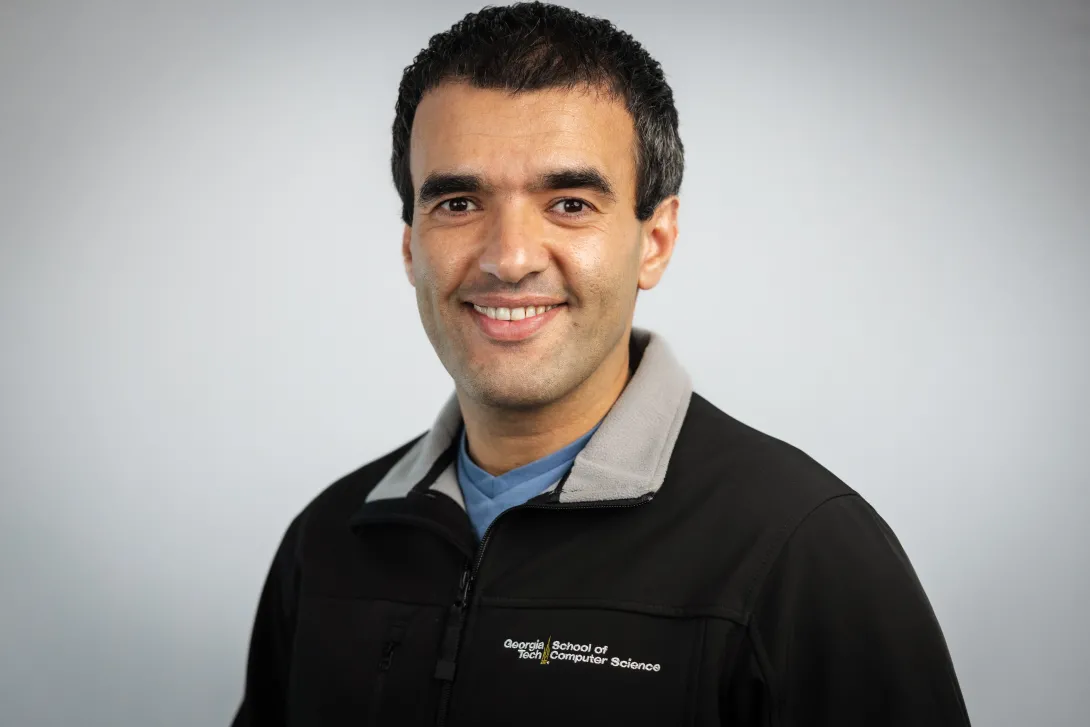
Cybersecurity researchers have discovered new vulnerabilities that could provide criminals with wireless access to the computer systems in automobiles, aircraft, factories, and other cyber-physical systems.
The computers used in vehicles and other cyber-physical systems rely on a specialized internal network to communicate commands between electronics. Because it took place internally, it was traditionally assumed that attackers could only influence this network through physical access.
In collaboration with Hyundai, researchers from Georgia Tech’s Cyber-Physical Systems Security Research Lab (CPSec) observed that threat models used to evaluate the security of these technologies were outdated.
The team, led by Ph.D. student Zhaozhou Tang, found that vehicle technology advancements allowed attackers to launch new attacks, improve existing attacks, and circumvent current defense systems.
For example, Tang’s findings included the possibility for attackers to remotely compromise the computers used in cars and aircraft through Wi-Fi, cellular, Bluetooth, and other wireless channels.
“Our job was to thoroughly review existing information and find ways to protect against these attacks,” he said. “We found new threats and proposed a defense system that can protect against the new and old attacks.”
In response to their findings, the team developed ERACAN, the first comprehensive defense system against this new generation of attackers. Designed to detect new and old attacks, ERACAN can deploy defenses when necessary.
The system also classifies the attacks it reacts to, providing security experts with the tools for detailed analysis. It has a detection rate of 100% for all attacks launched by conventional methods and detects enhanced threat models 99.7% of the time.
The project received a distinguished paper award at the 2024 ACM Conference on Computer and Communications Security (CCS 24) held in Salt Lake City. Tang presented the paper at the October conference.
“This was Zhaozhou’s first paper in his Ph.D. program, and he deserves recognition for his groundbreaking work on automotive cybersecurity,” said Saman Zonouz, associate professor in the School of Cybersecurity and Privacy and the School of Electrical and Computer Engineering.
The U.S. Department of Homeland Security has designated the transportation sector as one of the nation’s 16 critical infrastructure sectors. Ensuring its security is vital to national security and public safety.
“Modern vehicles, which rely heavily on controller area networks for essential operations, are integral components of this infrastructure,” said Zonouz. “With the increasing sophistication of cyberthreats, safeguarding these systems has become critical to ensuring the resilience and security of transportation networks.”
This paper introduced to the scientific community the first comprehensive defense system to address advanced threats targeting vehicular controller area networks.
The CPSec team is putting the technology it has developed into practice in collaboration with Hyundai America Technical Center, Inc., which sponsors the work. Tang hopes ERACAN’s success will raise awareness of these new threats in the research community and industry.
“It will help them build future defenses,” he said. “We have demonstrated the best practice to defend against these attacks.”
Tang received his bachelor’s degree at Georgia Tech, where he first performed security-related work for the automobile industry. While working with Zonouz on his master’s degree, he decided to change course and pursue research initiatives like vehicle security in a Ph.D. program.
“It is interesting how it came full circle,” he said. “I will continue on this path of automobile security throughout my Ph.D.”
ERACAN: Defending Against an Emerging CAN Threat Model, was written by Zhaozhou Tang, Khaled Serag from the Qatar Computing Research Institute, Saman Zonouz, Berkay Celik and Dongyan Xu from Purdue University, and Raheem Beyah, professor and dean of the College of Engineering. The CPSec Lab is a collaboration between the School of Cybersecurity and Privacy and the School of Electrical and Computer Engineering.
News Contact
John Popham
Communications Officer II
School of Cybersecurity and Privacy
Nov. 22, 2024
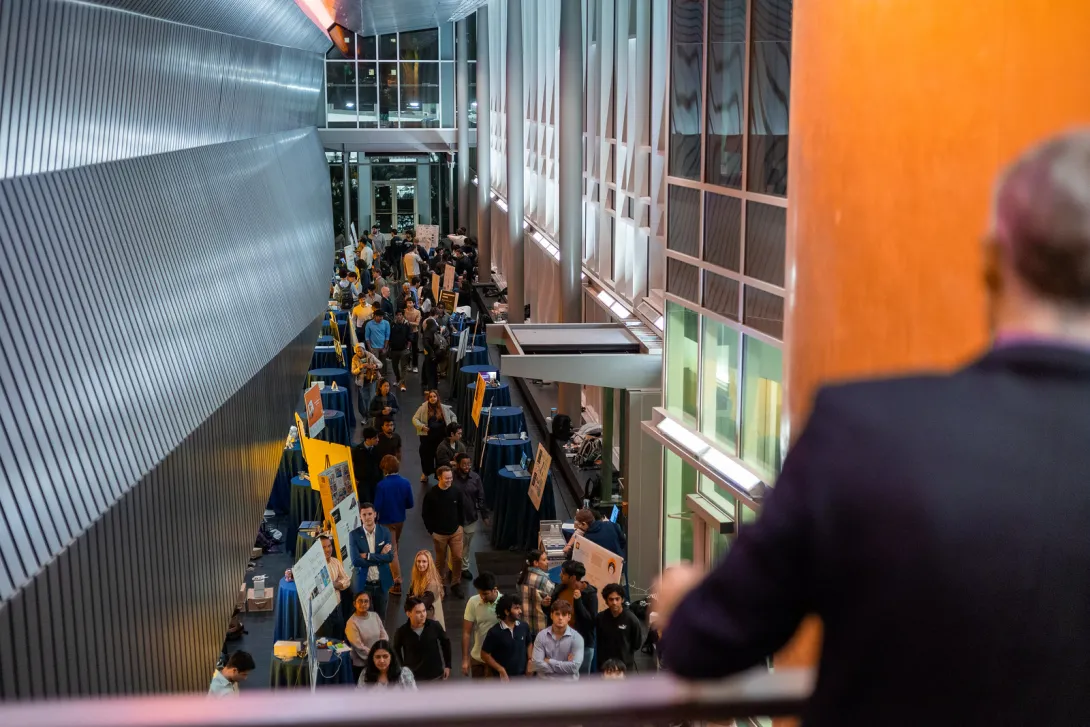
Georgia Tech is days away from the Fall 2024 Idea to Prototype (I2P) Showcase, set to take place on Dec. 3 at 5 p.m. in the Exhibition Hall. This event offers students a platform to present solutions built over the semester to tackle real-world problems and compete for rewards, including a golden ticket into the CREATE-X summer startup accelerator, Startup Launch. The program offers optional seed funding, workspace, entrepreneurial education, and continued mentorship to help students turn their prototypes into viable startups. Over 50 teams will present their prototypes at the showcase.
The event is open to all Georgia Tech students, faculty, staff, and the local community. Tickets are available now but are limited, so register for the I2P Showcase today.
Each semester, students in the Idea-to-Prototype course take time out of their schedules, similar to undergraduate research, to build prototypes. Teams accepted into I2P receive a reimbursement of up to $500 for physical expenses, course credit (undergraduate students only), and mentorship from a Georgia Tech faculty member.
During the showcase, participants and judges interact with the projects and give feedback. The criteria for judging are centered on innovation and overall market and impact potential. Judges can include industry professionals, faculty members, and alumni.
Throughout I2P Showcase history, many winning projects have gone on to achieve significant success. One is CaseDocker, which provides an end-to-end workflow management system. The startup now has a user base of over 400 global clients, including Fortune 500 companies. Other winners of the showcase include a blockchain-based music application, Radiochain, a personal financial management platform, Dolfin Solutions, and an EEG monitoring device for pediatric seizure detection, NeuroChamp.
This semester, the I2P cohort includes a digital twin using individual data and AI for health screenings and early detection, an active shooter detection and tracking tool, an AR tool that turns walls into interactive canvases, a device that detects overdosages, 3D-printed circuit boards, an AI detector for digital media, and more.
Whether you're a student with a passion for entrepreneurship, a faculty member interested in the latest student innovations, or a community member looking to support local talent, the I2P Showcase is a perfect opportunity to explore student innovations, mingle, and enjoy refreshments. Register for the I2P Showcase today and join us at the Exhibition Hall for an evening of creativity and community.
Students interested in participating in I2P can do so in the spring, summer, or fall semesters. The registration process involves providing a brief description of the project, the team members involved, and the current stage of development. The deadline for applications is Jan. 6 for Spring 2025 and May 12 for Summer 2025.
News Contact
Breanna Durham
Marketing Strategist
Nov. 22, 2024

In 2017, a long, oddly shaped asteroid passed by Earth. Called ‘Oumuamua, it was the first known interstellar object to visit our solar system, but it wasn’t an isolated incident — less than two years later, in 2019, a second interstellar object (ISO) was discovered.
“‘Oumuamua was found passing just 15 million miles from Earth — that’s much closer than Mars or Venus,” says James Wray. “But it was formed in an entirely different solar system. Studying these objects could give us incredible insight into extrasolar planets, and how our planet fits into the universe.”
Wray, a professor in the School of Earth and Atmospheric Sciences at Georgia Tech, has just been awarded a Simons Foundation Pivot Fellowship to do just that. Pivot Fellowships are among the most prestigious sources of funding for cutting-edge research, and support leading researchers who have the deep interest, curiosity and drive to make contributions to a new discipline.
Wray has primarily studied the geoscience of Mars. He will leverage knowledge of nearby planets to understand ISOs and planets much farther away. “I want to understand how planets got to be the way they are, and if they could have ever hosted life,” he explains. “Extrasolar planets give us many more places to ask those questions than our solar system does, but they're too distant to visit with spacecraft. ISOs provide a unique opportunity to explore other solar systems without leaving our own.”
The Fellowship will provide salary support as well as funding for research, travel, and professional development. “Seed funds like this are so valuable,” says Wray. “I’m incredibly grateful to the Simons Foundation. I’d also like to thank Georgia Tech for its support,” he adds, sharing that the Center for Space Technology and Research supported a related research effort at the University of Hawaii earlier this year. “My mentor and I were able to spend some of that time improving our Pivot Fellowship proposal, which played a critical role in securing this Fellowship.”
In search of ISOs
Wray will study small solar system bodies like asteroids and comets to decode the processes of planet formation and space weathering, and will analyze data from the 2017 and 2019 ISOs.
He will also work alongside collaborators including Karen Meech of the University of Hawaii, who led the paper characterizing ‘Oumuamua, to conceptualize what an intercept mission might look like.
“We still have a lot of questions regarding ISOs,” he says. “Hundreds of papers have already been written about them, but we still don't know the answers.” One key mystery is the composition of the bodies: both the 2017 and 2019 objects were compositionally different from those in our solar system.
“Are they inherently different from the bodies in our solar system, or did the long journey to our solar system make them that way? Is our solar system different from others?” Wray asks. “We could answer so many questions with even a simple picture of the next ISO that comes close enough for us to intercept with spacecraft.”
A cosmic timeline
While there is no guarantee that another ISO might be spotted in our solar system, the timing is opportune — upcoming telescope surveys are poised to detect such interstellar objects. “In mid-2025, when I will start this Fellowship, the new Rubin Observatory will begin scanning the entire sky,” Wray says. “It has the potential to discover up to several new ISOs per year.”
“ISO visits are always brief,” he adds, “so the research needs to be in place for when one is spotted.” If an interstellar object is detected, Wray and Meech will be poised to leverage specialized telescopes in Hawaii, along with others worldwide, to better understand it, studying its size, shape, and composition — and potentially sending spacecraft to image it.
“We might never find another ISO — or they might be the key to imminent breakthroughs in understanding our place in the galaxy,” Wray adds. “I'm extremely grateful to the Simons Foundation for the flexibility to pursue this research at whatever pace the cosmos allows.”
News Contact
Written by Selena Langner
Nov. 13, 2024

Facundo Fernández, Vasser Woolley Foundation Chair in Bioanalytical Chemistry and Regents’ Professor in the School of Chemistry and Biochemistry, has been selected as this year’s Anachem Award recipient by the Association of Analytical Chemists.
Presented as a part of a symposium arranged and given by former students and colleagues to honor the recipient, the award recognizes an outstanding analytical chemist that has advanced the field through exemplary research, teaching, or other endeavors.
“This award is very significant to me as it is given to the most accomplished scientists in the field of analytical chemistry, including some of my long-time heroes, such as Bob Kennedy of the University of Michigan, Catherine Fenselau of the University of Maryland and Scott McLuckey of Purdue University,” says Fernández.
“Anachem award winners include Rosalyn Yallow, who received the Nobel Prize for the development of the radioimmunoassay technique,” he adds. “It is enormously significant to be recognized by such close peers who appreciate the value of measurement science in general, and analytical chemistry in particular.”
Fernández is a noted leader in the field of metabolomics and molecular imaging, where his research encompasses the development of new ionization, imaging, machine learning and ion mobility spectrometry tools for probing composition and structure in complex molecular mixtures. He is the author of over 225 peer-reviewed publications and has received the NSF CAREER award, the CETL/BP Teaching award, the Ron A. Hites best paper award from the American Society for Mass Spectrometry, and the Beynon award from Rapid Communications in Mass Spectrometry, among others.
News Contact
Written by Selena Langner