
Apr. 13, 2012
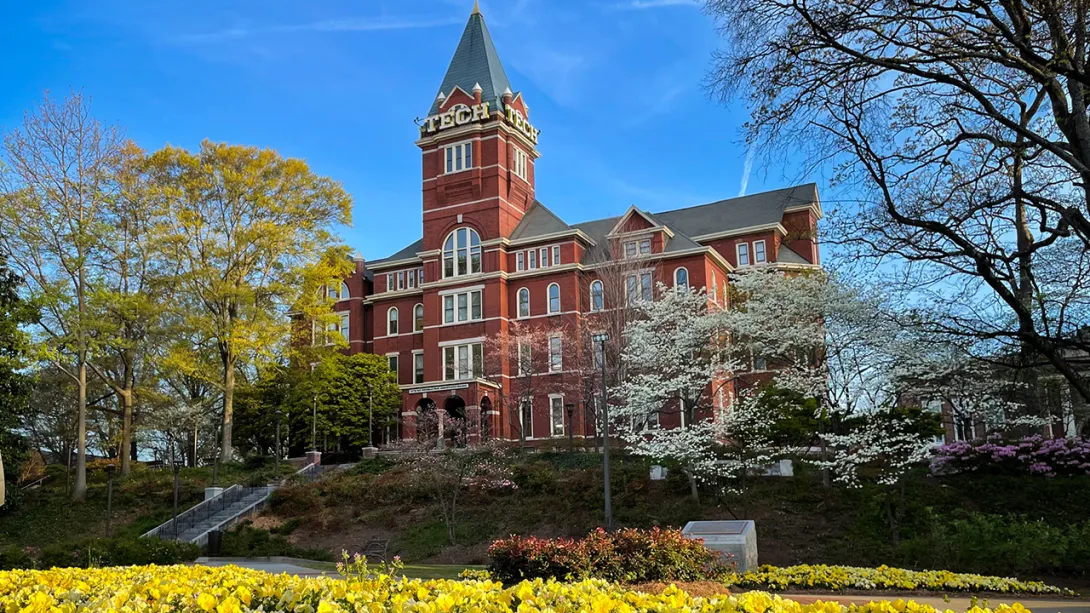
Applications are being sought for the 2012-2013 Robert M. Nerem International Travel Award. This award was endowed in 2005 by friends and colleagues of Nerem's to honor his life-long contributions in the bioengineering and bioscience field and encourage predoctoral and postdoctoral trainees to broaden their research experiences by establishing an international collaboration and traveling to an international destination.
The award provides up to $3,000 for the selected applicant to travel abroad with preference given to those who will learn new tools or techniques. To be eligible for the award the trainee must have one year remaining in their research and complete their travel by August 31, 2013. For the 2012-2013 award, the applications are due May 11, 2012.
As the Petit Institute’s founding director, Bob passionately served the community for 14 years and successfully led the institute to national and international prominence in the fields of bioengineering & bioscience.
Everyone that knows Bob, knows he loves to travel. His travels have brought him to all corners of the world and it is through his travel that he has served as a great champion of Georgia Tech and the biocommunity as a whole.
The Nerem International Travel Award has allowed trainees an opportunity to travel to a wide variety of international universities and research institutes, including the Karolinska Institute, Stockholm, Sweden; RIKEN Brain Science Institute, Japan; the National University of Singapore; University of Twente, The Netherlands; Queensland University of Technology, Australia; and Consorzio Interuniversitario Lombardo per L’Elaborazione Automatica, Milan, Italy.
Nerem came to Georgia Tech in the winter of 1987 as a professor in the School of Mechanical Engineering and as the Parker H. Petit Distinguished Chair for Engineering in Medicine. He is one of the grandfathers of the booming bio-community that exists on campus today. Prior to coming to Georgia Tech, he was a professor and chairman in the Department of Mechanical Engineering at the University of Houston from 1979 to 1986 and on the faculty at the Ohio State University form 1964 to 1979.
Apr. 13, 2012

April 13, 2012 – Georgia Institute of Technology is hosting the fifth biennial Astrobiology Science Conference (AbSciCon), April 16-20 at the Georgia Tech Hotel and Conference Center in Atlanta. Loren Williams, Ph.D., professor, School of Chemistry and Biochemistry and Eric Gaucher, Ph.D., associate professor, School of Biology at Georgia Tech are the co-chairs of the conference.
AbSciCon attracts a community of scientists working in the multidisciplinary field of astrobiology – the study of the origin, evolution, distribution, and future of life in the universe – and highlights research supported by NASA's Astrobiology Program.
NASA’s Astrobiology program addresses three fundamental questions: How does life begin and evolve? Is there life beyond Earth and, if so, how can we detect it? What is the future of life on Earth and in the universe?
In striving to answer these questions and improve understanding of biological, planetary, cosmic phenomena and relationships among them, experts will discuss astrobiology research to help advance laboratory and field research into the origins and early evolution of life on Earth and studies of the potential for life to adapt to challenges on Earth and in space.
A record number of abstracts (more than 800) were accepted for this meeting, and the scientific program is packed with talks on current research. Among hot topics on the AbSciCon 2012 agenda are Mars exploration and the Mars Science Laboratory mission, current research on extrasolar planet habitability and latest results from analyses of extraterrestrial materials such as meteorites and comet dust samples. All plenary sessions and four selected technical sessions will be webcast live.
One highlight of the conference will be the final round of the NASA Astrobiology Program’s first annual Famelab Astrobiology science communication competition, April 16 at 7 pm. Nichelle Nichols, known for her portrayal of Lt. Uhura in the original “Star Trek” television series, will be hosting this public event which also will be webcast live. Other highlights include a welcome reception at the Parker H. Petit Institute for Bioengineering and Bioscience at Georgia Tech on Sunday April 15, 5-7 p.m., and conference dinner at the Georgia Aquarium on Wednesday April 18, 5-9 p.m.
News Contact
Megan Graziano McDevitt
Marketing Communications Director
Parker H. Petit Institute for Bioengineering & Bioscience
404-385-7001
Linda Billings
School of Media and Public Affairs
George Washington University
Chair, AbSciCon 2012 Communications Committee
Apr. 02, 2012
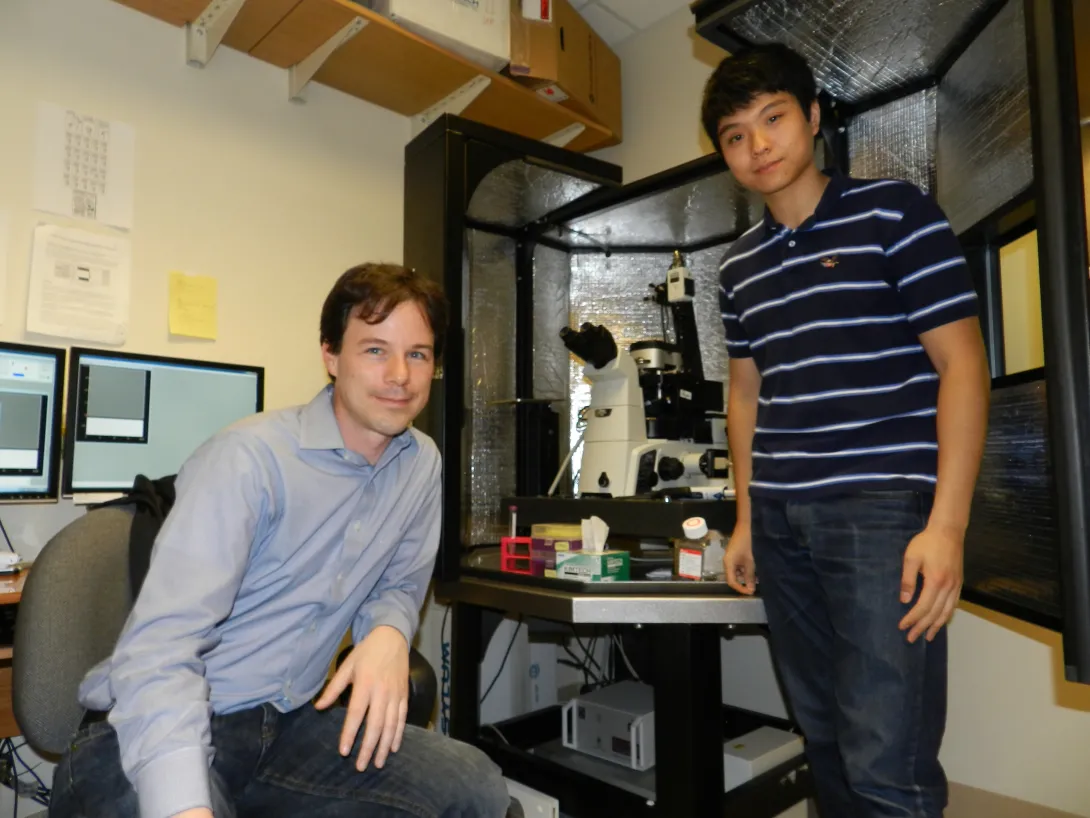
In class, Lin Fan has listened to his professors explain the theory behind mechanical engineering. But his experiences in Todd Sulchek’s lab — both the challenges and successes — have ensured that he actually learned and understood it.
“I wanted to put what I was learning in lecture into practice, and getting involved in research was a way to make this happen,” said Fan, who will receive his bachelor of science in Mechanical Engineering next month.
Fan is one of 165 students who will present at this year’s Undergraduate Research Spring Symposium on April 10 from 1 to 6 p.m. The event is an opportunity for undergraduate students to share their research with students, faculty and staff from across campus.
According to Chris Reaves, director of undergraduate research, about 42 percent of graduating seniors indicate that they had an undergraduate research experience.
Fan began working with Sulchek, an assistant professor in the School of Mechanical Engineering, two years ago. Sulchek’s interest in working with undergraduates stemmed from his own positive experience as a student.
“As an undergraduate, I was able to get involved with research and had a great experience,” Sulchek said. “So it’s important to me to provide students with the same opportunity. I just wish more undergraduates would take advantage of these opportunities while they’re at Tech.”
When Fan began working in Sulchek’s lab, there were some initial challenges. For example, the first project he worked on wasn’t the best fit for him. It was more chemical engineering-based than mechanical, and it was difficult to collaborate with fellow students in the lab because none of them were working on a project similar to Fan’s.
“But I appreciated that Dr. Sulchek let me pursue the project and figure this out for myself,” Fan said.
Before Fan could get frustrated, Sulchek offered him the opportunity to work on another project that was a better fit.
One aspect of Sulchek’s research in nanotechnology is using an atomic force
microscope (AFM). The AFM “sees” tiny objects (such as molecules) with the help of a small probe that touches the object’s surfaces and creates an image based on what it feels.
Unfortunately, the probe or the surface often gets damaged during the process. To remedy the problem, Fan created a method to hover the AFM’s probe at a fixed distance above the surface, which decreases the risk of damage to the probe and the surface.
Last month, Fan’s research was published for the first time in an academic journal, the Review of Scientific Instruments — which doesn’t happen to most undergraduates, Sulchek added.
“It’s so amazing to see more than a year’s work finally pay off, ” said Fan, who will spend the summer working in Sulchek’s lab before he moves on to graduate school.
The two do have a few words of advice for faculty members who work with undergraduate researchers. For example, Sulchek recommends that the faculty member ensure that the student’s project be well defined so that progress can be made in the time the student is working in the lab. He also suggests that a graduate student mentor be assigned to each undergraduate researcher.
Fan suggests that faculty members make time to meet with the students one-on-one, as that was an important part of his success in Sulchek’s lab.
For more about the spring symposium and other undergraduate research opportunities at Tech, click here.
News Contact
Amelia Pavlik
Communications & Marketing
404-385-4142
Mar. 13, 2012
Georgia Institute of Technology graduate programs continueto earn high marks from U.S. News & World Report's annual rankings.
The Institute’s College of Engineering ranked No. 4 for theeighth consecutive year and all eleven of the programs within the college areranked in the top 10 including industrial engineering (No. 1), biomedical and bioengineering (No.2), civil (No. 3), aerospace (No. 4), electrical (No. 5), nuclear (No. 5), environmental(No. 6), computer (No. 6), mechanical (No. 6), materials (No. 7) and chemical(No. 10).
“All of Georgia Tech’s graduateengineering programs are ranked in the top ten in the nation. We’re proud that our College of Engineeringis not only one of the best in the U.S., but also the largest, preparing nearly3,000 graduates each year,” said Georgia Tech President G. P. “Bud”Peterson. “We commend our outstandingfaculty, staff and students who helped make this a reality.”
Georgia Tech appears on the top 10 list of engineering specialties more than any other ranked institution.
The Georgia Tech College of Management full-time MBA programranked No. 32, while the Institute’s part-time MBA program ranked No. 28.
News Contact
Georgia Tech Media Relations
Laura Diamond
laura.diamond@comm.gatech.edu
404-894-6016
Jason Maderer
maderer@gatech.edu
404-660-2926
Mar. 01, 2012
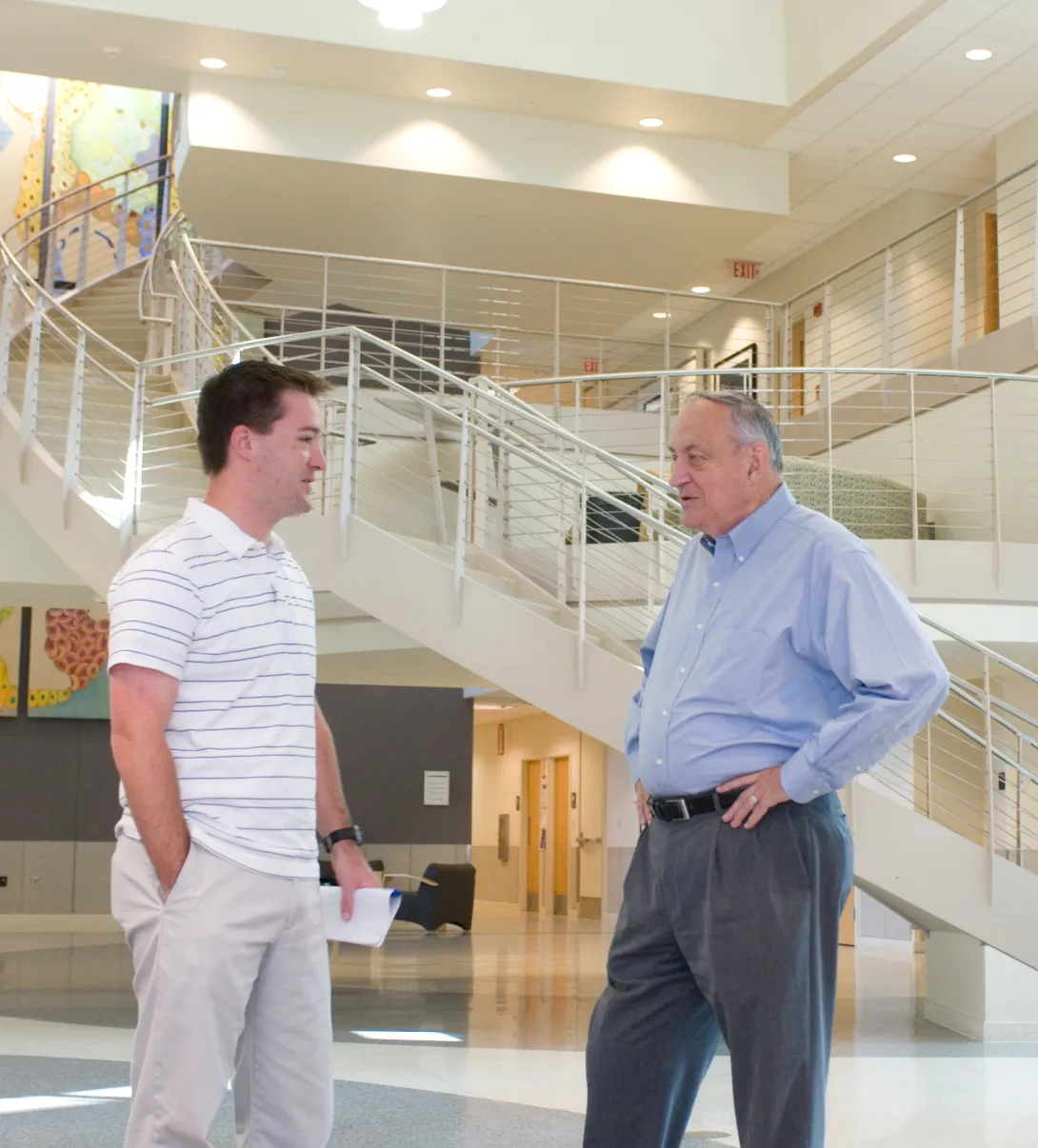
Robert M. Nerem, Ph.D., professor in mechanical engineering and Todd C.McDevitt, Ph.D., director of the Stem Cell Engineering Center at Georgia Tech,were invited by the lead sponsor, Semahat S.Demir Ph.D. of the National Science Foundation (NSF) to take part in aninternational assessment of the stem cell engineering field. Nerem willlead the panel and the findings of this study will result in recommendations tothe NSF and other funding agencies on future research directions andinvestments, recommendations on global initiatives with international partnersand public workshops.
The study, which is being conducted by the World Technology Evaluation Center(WTEC), aims to assess the current status and the trends of stem cellengineering, and compare U.S. research and development programs with thoseabroad. In addition to the NSF, the study is co-sponsored by the NationalInstitutes of Health (NIH) and the National Institute of Standards andTechnology (NIST).
“Tech is fortunate to have two out of the six experts on this panel,” Neremsaid. “It conveys Georgia Tech's nascent leadership in this relatively new andrapidly growing field and it is a great opportunity to provide input andleadership to our funding agencies and help our government understand wherebest to invest.”
President Obama, Congress and numerous states have recognized the value of stemcell research. Knowledge of research activities abroad will help to formulateand prioritize research directions to support President Obama's executive orderfor expanding stem cell research so that it has the greatest potential forclinical and commercial applications.
Dozens of companies have recently entered the stem cell engineering field insearch of clinical and commercial applications. There is clear impetusfor the U.S. to support stem cell research and continue its leadership in thebasic sciences for the betterment of humankind. A Congressional ResearchService report on stem cell research, which reviewed the political, moral andethical issues of the subject, indicated the strengthening interest andeconomic commitment for stem cell research in the U.S. and the rest of theworld.
This study will use WTEC's methodology and an expert panel of six to conductsite visits to overseas laboratories where work in stem cell engineering isdone. The panelists began their study in November, when they traveled to Chinaand Japan, and will continue their evaluation this week in Europe. Thesevisits, combined with the panel's own research experiences and assessments,will help shape a report. Like the previous WTEC studies on the tissueengineering and nanotechnology fields, this effort will act as a guide for U.S.research investments in this emerging field and will help identify key issuesof critical importance to program officers.
“This is an excellent opportunity to learn what other countries are doing andbenchmark against other programs in order to position the U.S. to becomeleaders in stem cell research and development,” said McDevitt, who is also anassociate professor in the Wallace H. Counter Department of BiomedicalEngineering at Georgia Tech and Emory University. “Manufacturing, clinicaltrials and commercializing stem cell-based products, if done strategically, issomething that could boost our nation’s economy.”
This week the scientists will travel to Denmark, France, Germany, Sweden and Switzerland. In addition to Nerem and McDevitt, other panelists include JeanneLoring, Ph.D., The Scripps Institute; Sean Palecek, Ph.D., University ofWisconsin; David Schaffer, Ph.D., University California at Berkeley; and PeterZandstra, Ph.D., University of Toronto.
WTEC is a non-profit 501(c)(3) research institute, which is a spin-off ofLoyola University Maryland. Since 1989, WTEC has provided such assessmentstudies in more than 60 fields of R&D under peer-reviewed grants from NSF.
News Contact
Marketing & Events
Parker H. Petit Institute for Bioengineering and Bioscience
Georgia Institute of Technology
Feb. 23, 2012
Younan Xia, an internationally recognized leader in the field of nanotechnology, recently joined the Georgia Institute of Technology as the first Georgia Research Alliance (GRA) Eminent Scholar in Nanomedicine.
Xia is the Brock Family Chair and GRA Eminent Scholar in Nanomedicine in the Wallace H. Coulter Department of Biomedical Engineering at Georgia Tech and Emory University, with a joint appointment in the School of Chemistry and Biochemistry. His research focuses on nanocrystals -- a novel class of materials with features smaller than 100 nm -- as well as the development of innovative technologies enabled by nanocrystals. These technologies span the fields of molecular imaging, early cancer diagnosis, targeted drug delivery, biomaterials, regenerative medicine and catalysis.
“The possible applications of nanotechnology in medicine have only begun to be explored, said Michael Cassidy, President and CEO of the Georgia Research Alliance. “Dr. Xia’s expertise and collaborative vision will lead to vital new scientific discoveries that can be transformed into new tools to help people live healthier lives.”
Xia received his Ph.D. in physical chemistry from Harvard University in 1996, his M.S. in inorganic chemistry from University of Pennsylvania (with the late Professor Alan G. MacDiarmid, a Nobel Laureate in Chemistry, 2000) in 1993. He has received a number of prestigious awards, including AIMBE Fellow (2011), MRS Fellow (2009), NIH Director's Pioneer Award (2006), Leo Hendrik Baekeland Award (2005), Camille Dreyfus Teacher Scholar (2002), David and Lucile Packard Fellowship in Science and Engineering (2000), Alfred P. Sloan Research Fellow (2000), NSF Early Career Development Award (2000) and the ACS Victor K. LaMer Award (1999).
“Dr. Xia is a world-renowned teacher and leader at the forefront of nanomedicine and materials science,” said Larry McIntire, the Wallace H. Coulter Chair of Biomedical Engineering. “His reputation and innovative research in these areas will clearly strengthen our expanding efforts in nanomedicine and biomaterials. We are honored to welcome him to the department and to the Institute.”
News Contact
Adrianne Proeller
Wallace H. Coulter Department of Biomedical Engineering at Georgia Tech and Emory University
404-894-2357
Jan. 23, 2012

Georgia Tech’sExecutive Vice President for Research Steve Cross testified before the U.S. HouseArmed Services Committee’s panel on Business Challenges within the DefenseIndustry earlier today.
Cross was invitedto present testimony at the hearing entitled, “Doing Business with the DOD:Getting Innovative Solutions from Concept to the Hands of the Warfighter.” Thepanel asked for insight on the role that universities, research institutionsand laboratories play in developing innovative technologies for the Departmentof Defense, particularly in the effort to transition research from academicconcept into production.
As part ofhis testimony, Cross highlighted Georgia Tech’s FY 2011 $643 million in researchexpenditures and how the institute supports and translates defense researchthrough technology transition and innovation programs.
“Defenseresearch and associated technology transition and innovation programs are vitalfor ensuring the United States retains a competitive advantage in its nationalsecurity posture,” Cross said. “As shown time and time again, the fruits ofdefense research seed economic development helping accelerate new technologies tomarket.”
According toCross, such technologies are available for use in defense systems at a fractionof what they would otherwise cost and in a much reduced time frame.
Representatives from the Stanford Research Institute and theMITRE Corporation joined Cross in presenting testimony. A copy of his testimonycan be found at the link below.
News Contact
Lisa Grovenstein, 404-894-8835
Dec. 23, 2011

The American Association for the Advancement of Science (AAAS) has named four Georgia Tech professors as 2011 Fellows. AAAS is the world’s largest general scientific society, and the election as a Fellow is an honor bestowed upon AAAS members by their peers.
Three of the new AAAS Fellows at Georgia Tech hail from the College of Engineering and one is on the faculty in the College of Computing. The Fellows were announced today in the journal Science and will be honored at the Fellows Forum, held Feb. 18 at the AAAS Annual Meeting in Vancouver, Canada.
The new AAAS Fellows at Georgia Tech are:
Ali Adibi, professor of electrical and computer engineering, who was honored for his “distinguished contributions to the fields of integrated nanophotonics, photonic crystals, and volume holography."
David Bader, professor of computational science and engineering in the College of Computing, who earned the distinction for “distinguished contributions to the field of computational science and engineering.”
Robert Butera, professor of electrical and computer engineering who also holds a joint appointment in the Wallace H. Coulter Department of Biomedical Engineering at Georgia Tech and Emory University, was named Fellow “for advances in computational neuroscience and neurotechnology, promoting engineering through society, editorial, and university leadership, and contributing to STEM policy and educational initiatives."
Paul Steffes, professor of electrical and computer engineering, who earned the distinction for “contributions to the understanding of planetary atmospheres through innovative microwave measurements."
AAAS is an international non-profit organization dedicated to advancing science around the world by serving as an educator, leader, spokesperson and professional association. AAAS publishes the journal Science as well as many scientific newsletters, books and reports, and spearheads programs that raise the bar of understanding for science worldwide. The four Georgia Tech faculty members were among 539 Fellows elected by the AAAS Council in November.
News Contact
Georgia Tech Media Relations
Laura Diamond
laura.diamond@comm.gatech.edu
404-894-6016
Jason Maderer
maderer@gatech.edu
404-660-2926
Dec. 19, 2011
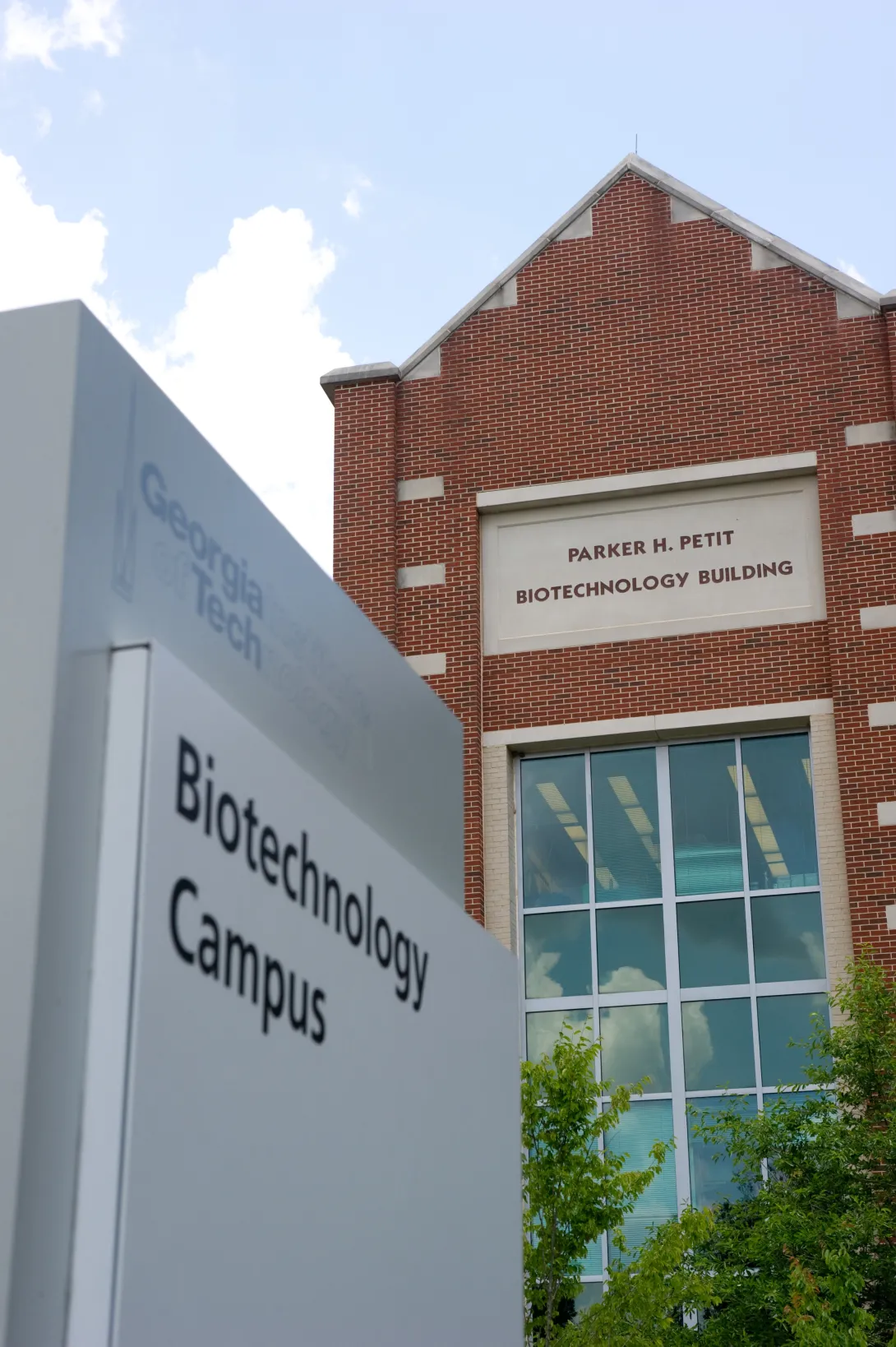
The Parker H. Petit Institute for Bioengineering and Bioscience announces its annual “Above and Beyond” awardees. Loren Williams, Ph.D. and Todd Sulchek, Ph.D are the recipients of the faculty awards and Colly Mitchell has been named the staff recipient.
The Petit Institute Above and Beyond Awards are selected by the Faculty Steering Committee and given to team-based individuals who demonstrate exemplary service to the institute and contribute to its collegial, collaborative environment. Three awards are given each year to a senior faculty member, a pre-tenure faculty member and a staff member.
Loren Williams, professor in Chemistry and Biochemistry, has contributed to the Petit Institute significantly this year. Williams is the director of one of the Petit Institute interdisciplinary research centers, RiboEvo. RiboEvo is a NASA-funded center which is focused on integrated interdisciplinary research and education in astrobiology. As part of the center’s activities, Williams voluntarily participated in the Buzz on Biotechnology high school open house where his center hosted two booths, one with a 3-D visualization of DNA, RNA using PyMol and another demonstration showcasing the use of liquid nitrogen in cryogenics and molecular biology. In addition, Williams organized the 2011 Suddath Symposium and participated in several Petit Institute activities including the Industry Partners Symposium dinner and the Bio-Center Poster Session. Williams also sits on the core facilities steering committee. Williams will have an equally busy 2012 as he is chair of the Astrobiology Science Conference which will attract over 700 scientists to Atlanta and Georgia Tech next year.
Todd Sulchek, assistant professor in Mechanical Engineering, was nominated for his participation and support of the Petit Scholars program over the last several years and for consistently being an active community citizen. Sulchek has participated in many Petit Institute-related events, seminars and community-wide poster sessions. In addition, Sulchek received a NSF CAREER Award for his proposal titled: "Understanding Multivalent Biological Bonds for Biosensing Applications." Sulchek will continue to support Petit Institute activities in 2012 as he is scheduled to give a seminar for the Petit Institute’s IBB Breakfast Club seminar series in February.
Colly Mitchell, special program coordinator for marketing and communications,has been working for the Petit Institute since 2007. In 2008, she began tomanage the Petit Scholars program. At the time Mitchell took over, the program wasdeclining. Over the course of thelast 3 years, she has played a key role in improving the number and quality ofthe applications and in 2011 the program is thriving. During her tenure at the Petit Institute, Mitchell has made acomplex job look easy by supporting a variety of Petit Institute events forgroups ranging from students to high-profile donors and administrators. Inaddition, she is responsible for various communication activities, includingdisplay of news and events on the atrium’s flat screen TV and the institute’swebsite. Perhaps even more impressively, she manages all of this on a part-timebasis and does so with a calm demeanor, a constant smile and an easyprofessionalism that earns her the respect and admiration of her colleagues.
News Contact
Megan Graziano McDevitt, CMP
Marketing Communications Director
Oct. 24, 2011
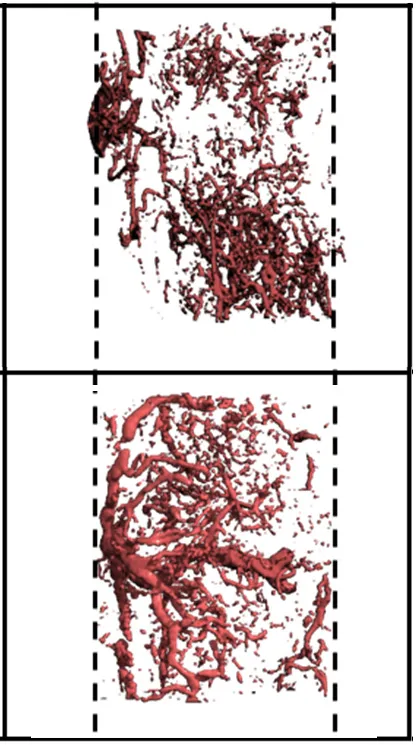
A new study demonstrates that mechanical forces affect the growth and remodeling of blood vessels during tissue regeneration and wound healing. The forces diminish or enhance the vascularization process and tissue regeneration depending on when they are applied during the healing process.
The study found that applying mechanical forces to an injury site immediately after healing began disrupted vascular growth into the site and prevented bone healing. However, applying mechanical forces later in the healing process enhanced functional bone regeneration. The study’s findings could influence treatment of tissue injuries and recommendations for rehabilitation.
“Our finding that mechanical stresses caused by movement can disrupt the initial formation and growth of new blood vessels supports the advice doctors have been giving their patients for years to limit activity early in the healing process,” said Robert Guldberg, a professor in the George W. Woodruff School of Mechanical Engineering at the Georgia Institute of Technology. “However, our findings also suggest applying mechanical stresses to the wound later on can significantly improve healing through a process called adaptive remodeling.”
The study was published last month in the journal Proceedings of the National Academy of Sciences. The research was supported by the National Institutes of Health, the Armed Forces Institute of Regenerative Medicine and the U.S. Department of Defense.
Because blood vessel growth is required for the regeneration of many different tissues, including bone, Guldberg and former Georgia Tech graduate student Joel Boerckel used healing of a bone defect in rats for their study. Following removal of eight millimeters of femur bone, they treated the gap with a polymer scaffold seeded with a growth factor called recombinant human bone morphogenetic protein-2 (rhBMP-2), a potent inducer of bone regeneration. The scaffold was designed in collaboration with Nathaniel Huebsch and David Mooney from Harvard University.
In one group of animals, plates screwed onto the bones to maintain limb stability prevented mechanical forces from being applied to the affected bone. In another group, plates allowed compressive loads along the bone axis to be transferred, but prevented twisting and bending of the limbs. The researchers used contrast-enhanced micro-computed tomography imaging and histology to quantify new bone and blood vessel formation.
The experiments showed that exerting mechanical forces on the injury site immediately after healing began significantly inhibited vascular growth into the bone defect region. The volume of blood vessels and their connectivity were reduced by 66 and 91 percent, respectively, compared to the group for which no force was applied. The lack of vascular growth into the defect produced a 75 percent reduction in bone formation and failure to heal the defect.
But the study found that the same mechanical force that hindered repair early in the healing process became helpful later on.
When the injury site experienced no mechanical force until four weeks after the injury, blood vessels grew into the defect and vascular remodeling began. With delayed loading, the researchers observed a reduction in quantity and connectivity of blood vessels, but the average vessel thickness increased. In addition, bone formation improved by 20 percent compared to when no force was applied, and strong tissue biomaterial integration was evident.
“We found that having a very stable environment initially is very important because mechanical stresses applied early on disrupted very small vessels that were forming,” said Guldberg, who is also the director of the Petit Institute for Bioengineering and Bioscience at Georgia Tech. “If you wait until those vessels have grown in and they’re a little more mature, applying a mechanical stimulus then induces remodeling so that you end up with a more robust vascular network.”
The study’s results may help researchers optimize the mechanical properties of tissue regeneration scaffolds in the future.
“Our study shows that one might want to implant a material that is stiff at the very beginning to stabilize the injury site but becomes more compliant with time, to improve vascularization and tissue regeneration,” added Guldberg.
Georgia Tech mechanical engineering graduate student Brent Uhrig and postdoctoral fellow Nick Willett also contributed to this research.
News Contact
Abby Robinson
404-385-3364
John Toon
404-894-6986
Research News & Publications Office